CAS 463-40-1
:Linolensäure
Beschreibung:
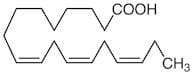
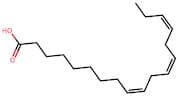
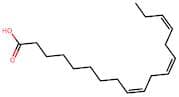
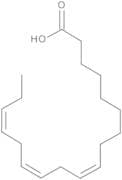
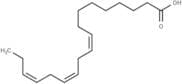
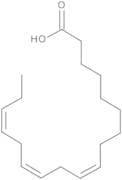
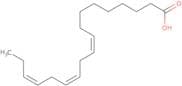
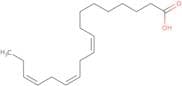
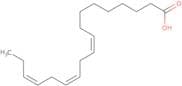
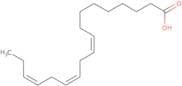
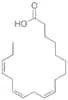
Linolensäure, mit der CAS-Nummer 463-40-1, ist eine mehrfach ungesättigte Fettsäure, die zur Omega-3-Familie gehört. Sie kommt hauptsächlich in Pflanzenölen vor, insbesondere in Leinsamenöl, Chiasamen und Hanföl. Diese Fettsäure zeichnet sich durch ihre lange Kohlenstoffkette aus, die 18 Kohlenstoffatome und drei Doppelbindungen enthält, die am 9., 12. und 15. Kohlenstoffatom vom methylenden Ende des Moleküls positioniert sind. Linolensäure ist eine essentielle Fettsäure, was bedeutet, dass sie vom menschlichen Körper nicht synthetisiert werden kann und über die Ernährung aufgenommen werden muss. Sie spielt eine entscheidende Rolle in verschiedenen physiologischen Prozessen, einschließlich der Regulierung von Entzündungen und der Aufrechterhaltung der Integrität der Zellmembran. Darüber hinaus ist Linolensäure für seine potenziellen gesundheitlichen Vorteile bekannt, wie die Unterstützung der Herz-Kreislauf-Gesundheit und die Mitwirkung an der Gehirnfunktion. Ihre chemische Struktur ermöglicht es ihr, an verschiedenen biochemischen Wegen teilzunehmen, was sie zu einem wichtigen Bestandteil der Ernährung und Gesundheit macht.
Formel:C18H30O2
InChl:InChI=1S/C18H30O2/c1-2-3-4-5-6-7-8-9-10-11-12-13-14-15-16-17-18(19)20/h3-4,6-7,9-10H,2,5,8,11-17H2,1H3,(H,19,20)/b4-3-,7-6-,10-9-
InChI Key:InChIKey=DTOSIQBPPRVQHS-PDBXOOCHSA-N
SMILES:C(C/C=C\C/C=C\C/C=C\CC)CCCCCC(O)=O
Synonyme:- (9Z,12Z,15Z)-9,12,15-Octadecatrienoic acid
- (9Z,12Z,15Z)-octadeca-9,12,15-trienoic acid
- (Z,Z,Z)-9,12,15-Octadecatrienoic acid
- (Z,Z,Z)-Octadeca-9,12,15-trienoic acid
- (all-Z)-9,12,15-Octadecatrienoic acid
- 18:3N-3
- 9,12,15-Octadecatrienoic acid, (9Z,12Z,15Z)-
- 9,12,15-Octadecatrienoic acid, (Z,Z,Z)-
- 9,12,15-all-cis-Octadecatrienoic acid
- 9-cis,12-cis,15-cis-Octadecatrienoic acid
- 9Z,12Z,15Z-Octadecatrienoic acid
- A-Linolenic Acid
- Acide linolenique
- Acido Linolenico, Bruto
- Brd-K33396764
- Linolenic acid
- Linolensaeure
- Linolensaure
- Octadeca-9,12,15-Trienoic Acid, (Z,Z,Z)-
- all cis-Delta-9,12,15-octadecatrienoate
- all-cis-9,12,15-Octadecatrienoic acid
- cis,cis,cis-9,12,15-Octadecatrienoic acid
- cis-9,cis-12,cis-15-Octadecatrienoic acid
- cis-Δ9,12,15-Octadecatrienoic acid
- Weitere Synonyme anzeigen
Sortieren nach
Reinheit (%)
0
100
|
0
|
50
|
90
|
95
|
100
18 Produkte.
Linolenic Acid
CAS:Formel:C18H30O2Reinheit:>70.0%(GC)Farbe und Form:Colorless to Yellow to Orange clear liquidMolekulargewicht:278.44Linolenic Acid
CAS:Linolenic AcidFormel:C18H30O2Reinheit:80%Farbe und Form: clear. almost colourless to faint yellow. viscous liquidMolekulargewicht:278.43g/molLinolenic acid
CAS:Formel:C18H30O2Reinheit:≥ 70.0%Farbe und Form:Clear, light-yellow to yellow or yellow-brown liquidMolekulargewicht:278.439(Z),12(Z),15(Z)-Octadecatrienoic acid
CAS:Formel:C18H30O2Reinheit:>99%Farbe und Form:LiquidMolekulargewicht:278.439(Z),12(Z),15(Z)-Octadecatrienoic acid 75%
CAS:Formel:C18H30O2Reinheit:>99%Farbe und Form:Colorless Oil LiquidMolekulargewicht:278.43α-Linolenic acid
CAS:α-Linolenic Acid (ALA) is an essential fatty acid. α-Linolenic acid improves memory, inhibits thrombosis, and lowers blood lipids. Cost-effective and quality-assured.Formel:C18H30O2Reinheit:97.05% - 99.81%Farbe und Form:Physical Description Clear Colorless Liquid (Ntp 1992)Molekulargewicht:278.43Linolenic Acid
CAS:Kontrolliertes ProduktFormel:C18H30O2Farbe und Form:ColourlessMolekulargewicht:278.43Linolenic acid - 70%
CAS:Linolenic acid is a polyunsaturated fatty acid that belongs to the omega-6 family. It has been shown to have apoptosis-inducing effects in various experimental models and has anti-oxidant properties. Linolenic acid also protects against UV radiation and skin cancer. In addition, linolenic acid may be beneficial for eye disorders such as dry eye syndrome and age-related macular degeneration. Clinical studies have shown that linolenic acid may help with weight loss, improve body mass index, and reduce inflammation.Formel:C18H30O2Reinheit:Min. 95%Farbe und Form:Brown Slightly Yellow Red Clear LiquidMolekulargewicht:278.43 g/molLinolenic acid, 98.5%
CAS:Linolenic acid is a polyunsaturated fatty acid that is an essential component of human nutrition. Linolenic acid has apoptosis-inducing properties and has been shown to induce the mitochondrial membrane potential in neuronal cells and induce neuronal death by decreasing the levels of pge2. Linolenic acid also participates in energy metabolism, as it can be converted into arachidonic acid, which is a precursor for prostaglandins. Linolenic acid has been shown to have physiological effects on humans, such as improving eye disorders and congestive heart failure. It does not seem to be linked with any toxicity or adverse effects.Formel:C18H30O2Reinheit:Min. 95%Farbe und Form:Colorless Clear LiquidMolekulargewicht:278.43 g/molLinolenic acid - 98%
CAS:Linolenic acid is a polyunsaturated fatty acid that is essential for human health. It is a precursor of prostaglandin E2 (PGE2), which has been implicated in the regulation of cell death and inflammation. Linolenic acid has been shown to induce apoptosis in vitro by inhibiting the mitochondrial membrane potential and activating caspases 3 and 9, thereby inducing neuronal death. In vivo, linolenic acid has been shown to have beneficial effects on cardiovascular function, including lowering cholesterol levels and improving blood flow to the heart. Linolenic acid also has antioxidant properties, which may be due to its ability to inhibit lipid peroxidation and scavenge free radicals.Formel:C18H30O2Reinheit:Min. 95%Farbe und Form:PowderMolekulargewicht:278.43 g/molLinolenic acid - 85%
CAS:Linolenic acid is a polyunsaturated fatty acid that is found in plants, animals, and human cells. Linolenic acid has been shown to suppress the growth of cancer cells by inhibiting the production of linoleic acid, which can stimulate the growth of cancer cells. Linolenic acid has also been shown to cause skin reactions such as erythema and pruritus when applied topically or taken orally. Linolenic acid may be used for the treatment of ovarian follicles. In addition, linolenic acid has been shown to have an allergic response in humans when it is injected into the vein. It is important to note that linolenic acid can inhibit T-cell proliferation and cytokine production in a dose-dependent manner. Furthermore, linolenic acid inhibits lipopolysaccharide-induced acute lung injury in mice by reducing inflammatory cell infiltration and neutrophil activation.Formel:C18H30O2Reinheit:Min. 95%Molekulargewicht:278.43 g/mol