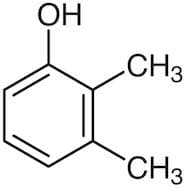
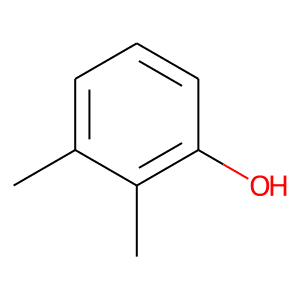
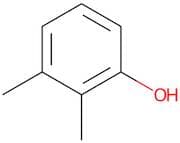
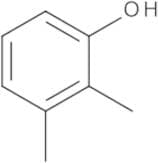
CAS 526-75-0
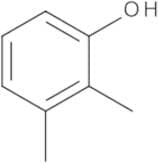
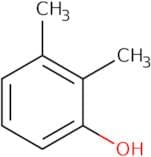
:2,3-Dimethylphenol
- 1,2-Dimethyl-3-hydroxybenzene
- 1-Hydroxy-2,3-dimethylbenzene
- 2,3-Dmp
- 2,3-Xilenol
- 2,3-Xylenol
- Nsc 62011
- Phenol, 2,3-dimethyl-
- Xylenol
- o-Xylenol
- 2,3-Dimethylphenol
2,3-Dimethylphenol
CAS:Formel:C8H10OReinheit:>98.0%(GC)Farbe und Form:White to Orange to Green powder to crystalMolekulargewicht:122.172,3-Dimethylphenol
CAS:2,3-DimethylphenolFormel:C8H10OReinheit:98%Farbe und Form: white crystalsMolekulargewicht:122.1644g/mol2,3-Dimethylphenol
CAS:2,3-DimethylphenolFormel:C8H10OReinheit:techFarbe und Form: light beige/brown solidMolekulargewicht:122.16g/molSVOC Mixture 231 100 µg/mL in Methanol
CAS:Kontrolliertes Produkt- 105-67-9
- 106-44-5
- 106-48-9
- 108-39-4
- 108-43-0
- 108-68-9
- 108-95-2
- 120-83-2
- 123-07-9
- 1570-64-5
- 15950-66-0
- 2416-94-6
- 4901-51-3
- 496-78-6
- 526-75-0
- 527-54-8
- 527-60-6
- 576-24-9
- 576-26-1
- 58-90-2
- 583-78-8
- 59-50-7
- 591-35-5
- 609-19-8
- 620-17-7
- 697-82-5
- 87-65-0
- 87-86-5
- 88-06-2
- 90-00-6
- 933-75-5
- 933-78-8
- 935-95-5
- 95-48-7
- 95-57-8
- 95-65-8
- 95-77-2
- 95-87-4
- 95-95-4
Farbe und Form:MixtureSVOC Mixture 231 100 µg/mL in Methanol
CAS:Kontrolliertes Produkt- 105-67-9
- 106-44-5
- 106-48-9
- 108-39-4
- 108-43-0
- 108-68-9
- 108-95-2
- 120-83-2
- 123-07-9
- 1570-64-5
- 15950-66-0
- 2416-94-6
- 4901-51-3
- 496-78-6
- 526-75-0
- 527-54-8
- 527-60-6
- 576-24-9
- 576-26-1
- 58-90-2
- 583-78-8
- 59-50-7
- 591-35-5
- 609-19-8
- 620-17-7
- 697-82-5
- 87-65-0
- 87-86-5
- 88-06-2
- 90-00-6
- 933-75-5
- 933-78-8
- 935-95-5
- 95-48-7
- 95-57-8
- 95-65-8
- 95-77-2
- 95-87-4
- 95-95-4
Farbe und Form:Mixture2,3-Dimethylphenol
CAS:Applications 2,3-Dimethylphenol is a useful synthetic intermediate. It was used in the synthesis of hydroxychalcones and flavones with antiinflammatory activities. It was also used to prepare 3,3-bisaryloxindole analogs as mineralocorticoid receptor antagonists.
Not a dangerous good if item is equal to or less than 1g/ml and there is less than 100g/ml in the package
References Ballesteros, J., et al.: J. Med. Chem., 38, 2794 (1995); Neel, D., et al.: Bioorg. Med. Chem. Lett., 15, 2553 (2005)Formel:C8H10OFarbe und Form:NeatMolekulargewicht:122.161-Hydroxy-2,3-dimethylbenzene
CAS:1-Hydroxy-2,3-dimethylbenzene (1,2-DMB) is a chemical compound that is used as an industrial catalyst. It has been shown to be an efficient catalyst for the treatment of wastewater, and has been studied in the removal of nitrogen from industrial gases. 1,2-DMB has also been found to be active against bacteria such as Pseudomonas aeruginosa and Staphylococcus aureus. This compound reacts with copper ions to form an organometallic complex, which then reacts with trifluoroacetic acid in an organic solution to form an aldehyde group.
Formel:C8H10OReinheit:Min. 95%Farbe und Form:Off-White PowderMolekulargewicht:122.16 g/mol2,3-Dimethylphenol-13C4
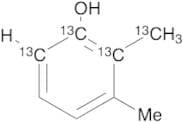
CAS:Kontrolliertes ProduktApplications 2,3-Dimethylphenol-13C4 is an isotope labelled analog of 2,3-Dimethylphenol. 2,3-Dimethylphenol is a useful synthetic intermediate. It was used in the synthesis of hydroxychalcones and flavones with antiinflammatory activities. It was also used to prepare 3,3-bisaryloxindole analogs as mineralocorticoid receptor antagonists.
Not a dangerous good if item is equal to or less than 1g/ml and there is less than 100g/ml in the package
References Ballesteros, J., et al.: J. Med. Chem., 38, 2794 (1995); Neel, D., et al.: Bioorg. Med. Chem. Lett., 15, 2553 (2005)Formel:C4C4H10OFarbe und Form:NeatMolekulargewicht:126.1352,3-Dimethylphenol-13C8
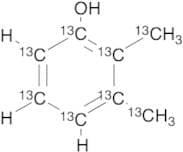
CAS:Kontrolliertes ProduktApplications 2,3-Dimethylphenol-13C8 is an isotope labelled analog of 2,3-Dimethylphenol. 2,3-Dimethylphenol is a useful synthetic intermediate. It was used in the synthesis of hydroxychalcones and flavones with antiinflammatory activities. It was also used to prepare 3,3-bisaryloxindole analogs as mineralocorticoid receptor antagonists.
Not a dangerous good if item is equal to or less than 1g/ml and there is less than 100g/ml in the package
References Ballesteros, J., et al.: J. Med. Chem., 38, 2794 (1995); Neel, D., et al.: Bioorg. Med. Chem. Lett., 15, 2553 (2005)Formel:C8H10OFarbe und Form:NeatMolekulargewicht:130.106