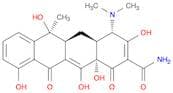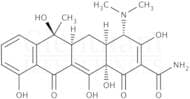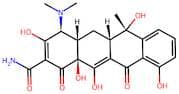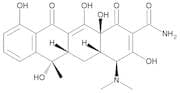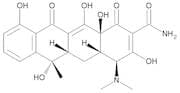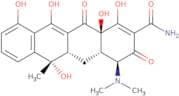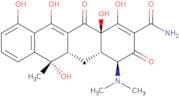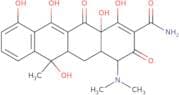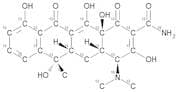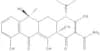
CAS 60-54-8
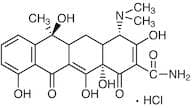
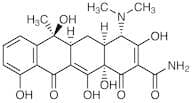
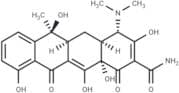
:(-)-Tetracyclin
- (4S,4aS,5aS,6S,12aS)-4-(Dimethylamino)-1,4,4a,5,5a,6,11,12a-octahydro-3,6,10,12,12a-pentahydroxy-6-methyl-1,11-dioxo-2-naphthacenecarboxamide
- (4S,4aS,5aS,6S,12aS)-4-(dimethylamino)-3,6,10,12,12a-pentahydroxy-6-methyl-1,11-dioxo-1,4,4a,5,5a,6,11,12a-octahydrotetracene-2-carboxamide
- (4S,4aS,5aS,6S,12aS)-4-(dimethylamino)-3,6,10,12,12a-pentahydroxy-6-methyl-1,11-dioxo-1,4,4a,5,5a,6,11,12a-octahydrotetracene-2-carboxamide hydrochloride (1:1)
- (4S,4aS,6S,12aS)-4-(dimethylamino)-3,6,10,12,12a-pentahydroxy-6-methyl-1,11-dioxo-1,4,4a,5,5a,6,11,12a-octahydrotetracene-2-carboxamide
- 2-Naphthacenecarboxamide, 4-(dimethylamino)-1,4,4a,5,5a,6,11,12a-octahydro-3,6,10,12,12a-pentahydroxy-6-methyl-1,11-dioxo-
- 2-Naphthacenecarboxamide, 4-(dimethylamino)-1,4,4a,5,5a,6,11,12a-octahydro-3,6,10,12,12a-pentahydroxy-6-methyl-1,11-dioxo-, (4S,4aS,5aS,6S,12aS)-
- 2-Naphthacenecarboxamide, 4-(dimethylamino)-1,4,4a,5,5a,6,11,12a-octahydro-3,6,10,12,12a-pentahydroxy-6-methyl-1,11-dioxo-, [4S-(4α,4aα,5aα,6β,12aα)]-
- 4-(Dimethylamino)-3,6,10,12,12A-Pentahydroxy-6-Methyl-1,11-Dioxo-1,4,4A,5,5A,6,11,12A-Octahydrotetracene-2-Carboxamide
- 6-Methyl-4-(dimethylamino)-1,4,4a,5,5a,6,11,12a-octahydro-3,6,10,12,12a-pentahydroxy-1,11-dioxo-2-naphthacenecarboxamide
- Abramycin
- Achromycin
- Achromycin (naphthacene derivative)
- Acromicina
- Actisite
- Agromicina
- Akne-Pyodron
- Akne-Pyodron Kur
- Ambramicina
- Ambramycin
- Apo-Tetra
- Arcanacycline
- Bio-Tetra
- Biocycline
- Britaciclina
- Calociclina
- Ciclibion
- Cyclomycin
- Cytome
- Deschlorobiomycin
- Dispatetrin
- Economycin
- Enterocycline
- Florocycline
- Gammatet
- Ibicyn
- Kinciclina
- Latycin
- Limecycline
- Medocycline
- Mericycline
- Micycline
- Neocycline
- NorTet
- Novo-Tetra
- Nsc 108579
- Nu-Tetra
- Omegamycin
- Orlycycline
- Panmycin
- Polycycline
- Polycycline (antibiotic)
- Quimocyclin N
- Quimpe Antibiotico
- Resteclin
- Retet
- Robitet Robicaps
- Roviciclina
- Sagittacin N
- Servitet
- Spaciclina
- Steclin V
- Sumycin syrup
- Tetra Hubber
- Tetra-Co
- Tetra-Proter
- Tetrabioptal
- Tetracap
- Tetraciclina
- Tetracitro S
- Tetracyclin
- Tetracycline Base
- Tetracycline Free Base
- Tetradecin
- Tetrafil
- Tetrafosammina
- Tetralan
- Tetralen
- Tetramig
- Tetramykoin
- Tetraseptine
- Triphacycline
- Veracin
- Weitere Synonyme anzeigen
Tetracycline Hydrochloride
CAS:Formel:C22H24N2O8·HClReinheit:>98.0%(T)Farbe und Form:Light yellow to Amber to Dark green powder to crystalMolekulargewicht:480.90Tetracycline
CAS:Formel:C22H24N2O8Reinheit:>95.0%(T)(HPLC)Farbe und Form:Light yellow to Yellow powder to crystalMolekulargewicht:444.44Tetracycline
CAS:Tetracycline, 60-54-8, is a broad-spectrum napthacene antibiotic which inhibits bacterial protein synthesis by binding the 30S ribosomal subunit. Learn more.Formel:C22H24N2O8Farbe und Form:Yellow to orange to brown, Crystalline powder or powderMolekulargewicht:444.44Tetracycline
CAS:Tetracycline (Tetracyclin) is a broad-spectrum antibiotic. Tetracycline is commonly used in anti-infective studies. Cost-effective and quality-assured.
Formel:C22H24N2O8Reinheit:92.65% - 98.18%Farbe und Form:Light Yellow CrystalMolekulargewicht:444.43(4S,4aS,5aS,6S,12aS)-4-(Dimethylamino)-1,4,4a,5,5a,6,11,12a-octahydro-3,6,10,12,12a-pentahydroxy-6-methyl-1,11-dioxo-2-naphthacenecarboxamide
CAS:Formel:C22H24N2O8Reinheit:96%Farbe und Form:SolidMolekulargewicht:444.4346Tetracycline, EP grade
CAS:Formel:C22H24N2O8Reinheit:88.0 - 102.0 % (dried basis)Farbe und Form:Yellow crystalline powderMolekulargewicht:444.43Tetracycline-13C2-d6 (Oxytetracycline EP Impurity B-13C2-d6)
CAS:Formel:C2013C2H18D6N2O8Molekulargewicht:452.46Tetracycline base
CAS:Formel:C22H24N2O8·xH2OReinheit:≥ 91.0%Farbe und Form:Light-yellow to dark yellow powderMolekulargewicht:444.43 (anhydrous)Tetracycline dried down 2.5 µg/mL
CAS:Kontrolliertes ProduktFormel:C22H24N2O8Farbe und Form:Single SolutionMolekulargewicht:444.43Tetracycline
CAS:Impurity Oxytetracycline Hydrochloride EP Impurity B
Applications Tetracycline is a compound that has been shown to induce apoptosis in various cells. Tetracycline was a useful compound to study drug resistance of pathogens of infections in patients with severe liver disease.
References Yao, L., et al.: Zhongguo Linchuang Yanjiu, 29, 1510 (2016)Formel:C22H24N2O8Farbe und Form:YellowMolekulargewicht:444.43Tetracycline - Bio-X ™
CAS:Tetracycline is a broad-spectrum antibiotic that is effective against a variety of bacterial infections. It is a polyketide antibiotic that inhibits protein synthesis by binding to ribosomes and preventing the attachment of amino acids to tRNA molecules thus inhibiting bacterial growth.Formel:C22H24N2O8Reinheit:Min. 95%Farbe und Form:PowderMolekulargewicht:444.43 g/molTetracycline
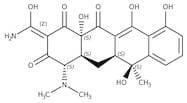
CAS:Antibiotic of tetracycline class; protein synthesis inhibitorFormel:C22H24N2O8Reinheit:Min. 91 Area-%Farbe und Form:PowderMolekulargewicht:444.43 g/mol(4S,4aS,5aS,6S,12aS)-4-(dimethylamino)-6,10,12,12a-tetrahydroxy-6-methyl-1,3,11-trioxo-1,2,3,4,4a,5,5a,6,11,12a-decahydrotetracene-2-carboxamide
CAS:Reinheit:96%Molekulargewicht:444.4400024Tetracycline-d6
CAS:Tetracycline-d6 is an antibiotic that inhibits the growth of bacteria by binding to the ribosomal subunit. Tetracycline-d6 is used in the treatment of urinary infections caused by E. coli, Enterobacter cloacae, Klebsiella pneumoniae, and Proteus mirabilis. Tetracycline-d6 has been shown to have antimicrobial activity against a wide range of microorganisms including gram negative and gram positive bacteria, as well as fungi and protozoa. It has been shown to be active against methicillin resistant strains such as S. aureus (MRSA), with an antibacterial efficacy comparable to that of erythromycin. The tetracycline resistance gene is located on plasmids and can be transferred between bacterial cells through conjugation or transduction. Tetracycline-d6 is often used in combination with beta lactam antibiotics such as pen
Reinheit:Min. 95%Tetracycline 13C22,15N2 dried down 2.5 µg/mL
CAS:Kontrolliertes ProduktFormel:C22H2415N2O8Farbe und Form:Single SolutionMolekulargewicht:468.26