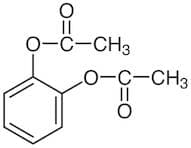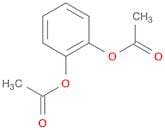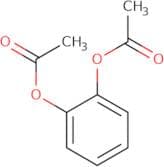
CAS 635-67-6
:Catechol-diacetat
- 1,2-Benzenediol, 1,2-diacetate
- 1,2-Benzenediol, diacetate
- 1,2-Bis(acetyloxy)benzene
- 1,2-Phenylene diacetate
- 2-Acetoxyphenyl acetate
- Ai3-03602
- Benzene-1,2-Diyl Diacetate
- Benzene-1,2-diacetate
- Brn 1912242
- Catechol diacetate
- NSC 27802
- Pyrocatechol, diacetate
- o-Acetoxyphenyl acetate
- o-Diacetoxybenzene
- o-Dihydroxybenzene diacetate
- o-Phenylene di(acetate)
- o-Phenylene diacetate
- 1,2-Diacetoxybenzene
- 4-06-00-05582 (Beilstein Handbook Reference)
- Bisacetic acid 1,2-phenylene ester
- diacetylated catechol
- O-DIACETOXY BENZENE
- o-phenylenediacetate
- (2-acetyloxyphenyl) ethanoate
- o-acetoxyphenylacetate
- 2-(Acetyloxy)phenyl acetate
- acetic acid (2-acetoxyphenyl) ester
- Weitere Synonyme anzeigen
1,2-Diacetoxybenzene
CAS:Formel:C10H10O4Reinheit:>98.0%(GC)Farbe und Form:White to Almost white powder to crystalMolekulargewicht:194.191,2-Diacetoxybenzene
CAS:1,2-DiacetoxybenzeneReinheit:>98.0%Farbe und Form:SolidMolekulargewicht:194.18g/mol1,2-Diacetoxybenzene
CAS:1,2-Diacetoxybenzene is a chemical compound with the formula of CHC(O)CHOH. It is the simplest member of the acetoxybenzenes family and is most commonly used in wastewater treatment. This chemical can be manufactured by reacting boric acid with hydrochloric acid and hydrogen chloride gas in a process that uses an efficient method for eugenol extraction from vernicifera oil. The resulting 1,2-diacetoxybenzene can then be used to form a carboxylic acid salt with ammonium persulfate and diacetate to produce a decarboxylase inhibitor. Inorganic boron trifluoride etherate can then be used as a catalyst to break down 1,2-diacetoxybenzene into acetic acid, which is then treated with an organic solvent such as dichloromethane or chloroform to extract the desired product.
Formel:C10H10O4Reinheit:Min. 95%Farbe und Form:Off-White PowderMolekulargewicht:194.18 g/mol