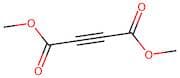
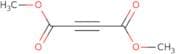
CAS 762-42-5
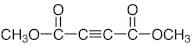
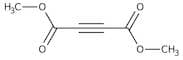
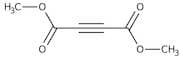
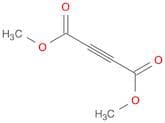
:Dimethylacetylenedicarboxylat
- 1,2-Bis(methoxycarbonyl)acetylene
- 1,2-Bis(methoxycarbonyl)ethyne
- 1,4-Dimethyl but-2-ynedioate
- 2-Butynedioic acid dimethyl ester
- 2-Butynedioic acid, 1,4-dimethyl ester
- Acetylendicarbonsaeure-Dimethylester
- Acetylenedicarboxylic acid dimethyl ester
- Bis(carbomethoxy)acetylene
- Bis(methoxycarbonyl)acetylene
- But-2-Ynedioate, Dimethyl
- Butinodioato De Dimetilo
- Butynedioate de dimethyle
- Butynedioic acid dimethyl ester
- Di(carbomethoxy)acetylene
- Dimethyl 1,2-acetylenedicarboxylate
- Dimethyl 2-butynedioate
- Dimethyl But-2-Ynedioate
- Dimethyl Butynedioate
- Dimethyl acetylenedicarboxylate (DMADC)
- Dimethyl butyne-1,4-dioate
- Dimethyl ethynedicarboxylate
- Dimethylaceylene dicarboxylate
- Dimethylbutindioat
- Dmad
- Nsc 101119
- Nsc 14912
- Weitere Synonyme anzeigen
Dimethyl Acetylenedicarboxylate
CAS:Formel:C6H6O4Reinheit:>96.0%(GC)Farbe und Form:Colorless to Light orange to Yellow clear liquidMolekulargewicht:142.11Dimethyl acetylenedicarboxylate, 98%
CAS:It acts as an inhibitor of oxidative phosphorylation. It is also used in Pharmaceutical and electronic industry. It is used in organic synthesis. It also acts as an intermediate in chemical research. It is also used in Diels-Alder Reaction. This Thermo Scientific Chemicals brand product was origiFormel:C6H6O4Reinheit:98%Farbe und Form:Liquid, Clear colorless to yellowMolekulargewicht:142.11Dimethyl acetylenedicarboxylate, 95%
CAS:Dimethyl acetylenedicarboxylate as a versatile dienophile used in Diels-Alder reactions. This Thermo Scientific Chemicals brand product was originally part of the Alfa Aesar product portfolio. Some documentation and label information may refer to the legacy brand. The original Alfa Aesar product / iFormel:C6H6O4Reinheit:95%Farbe und Form:Colorless to pale yellow, LiquidMolekulargewicht:142.11Ref: IN-DA0034R0
50kgNachfragen100kgNachfragen10g20,00€25g25,00€50g31,00€100g49,00€250g83,00€500g122,00€Dimethyl but-2-yne-1,4-dioate
CAS:Dimethyl but-2-yne-1,4-dioateFormel:C6H6O4Reinheit:98%Farbe und Form: clear. light yellow liquidMolekulargewicht:142.11g/molDimethyl acetylenedicarboxylate
CAS:Formel:CH3O2CCCCO2CH3Reinheit:≥ 97.5%Farbe und Form:Clear, colourless to yeloow or pale yellow-green liquidMolekulargewicht:142.11Dimethyl acetylenedicarboxylate
CAS:Formel:C6H6O4Reinheit:95%Farbe und Form:Liquid, ClearMolekulargewicht:142.11Dimethyl acetylene dicarboxylate
CAS:Dimethyl acetylene dicarboxylate (DMAD) is an anti-infective agent that targets the pyrrole system in enzymes. It inhibits the synthesis of bacterial proteins and has been shown to have antiviral activity against HIV. DMAD binds to a specific site on the enzyme and prevents it from functioning normally. This causes a decrease in the production of proteins needed for cell division and can lead to cell death. DMAD also has been shown to inhibit the growth of bacteria by binding to receptor sites, preventing protein synthesis, and altering enzyme activity. X-ray diffraction data and x-ray crystal structures reveal that DMAD is a stable compound which forms stable complexes with metal ions. These complexes are formed through hydrogen bonding interactions with amino acid residues in the active site of enzymes.
Formel:C6H6O4Reinheit:Min. 95%Molekulargewicht:142.1 g/molDimethyl Acetylenedicarboxylate
CAS:Kontrolliertes ProduktApplications Dimethyl Acetylenedicarboxylate is a biocide that is added to biodiesels to inhibit and remove microbial growth. It can rapidly penetrate the skin and cause aberrations in the activities of the glycogenic, lipogenic, and tricarboxylic acid metabollic pathways. It also causes delayed and pain-free dermal burns.
Not a dangerous good if item is equal to or less than 1g/ml and there is less than 100g/ml in the package
References Poon, R., et al.: Arch. Toxicol., 85(11), 1419-1427 (2011); Klain, George J., et al.: Fund. Appl. Toxicol., 10(4), 730-5 (1988); Slovak, A. J. M., et al.: Contact Dermatitis, 11(1), 29-30 (1984)Formel:C6H6O4Farbe und Form:NeatMolekulargewicht:142.11