CAS 9005-25-8
:Stärke
Beschreibung:
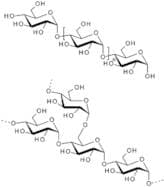
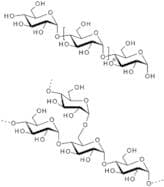
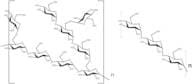
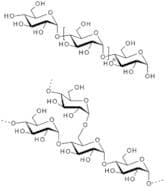
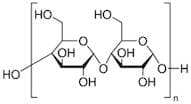
Stärke, mit der CAS-Nummer 9005-25-8, ist ein Polysaccharid, das aus zahlreichen Glukoseeinheiten besteht, die durch glykosidische Bindungen verbunden sind. Es wird hauptsächlich von Pflanzen als Energiespeicher produziert und kommt reichlich in Quellen wie Kartoffeln, Mais und Weizen vor. Stärke existiert in zwei Hauptformen: Amylose, die typischerweise linear und spiralförmig ist, und Amylopektin, das verzweigt ist. Diese strukturelle Variation beeinflusst seine physikalischen Eigenschaften, wie Löslichkeit und Gelierverhalten. Stärke ist ein weißes, geruchloses Pulver, das in kaltem Wasser unlöslich ist, aber beim Erhitzen in Wasser ein Gel bilden kann, was es in der Küche und der Lebensmittelverarbeitung nützlich macht. Es dient als Verdickungsmittel, Stabilisator und Texturgeber in verschiedenen Lebensmittelprodukten. Darüber hinaus wird Stärke in der Produktion von Biokraftstoffen, biologisch abbaubaren Kunststoffen und Arzneimitteln verwendet. Seine Verdaulichkeit variiert, wobei einige Formen schnell von Enzymen abgebaut werden, während andere resistent sind und zur Ballaststoffaufnahme beitragen. Insgesamt ist Stärke ein vielseitiges und essentielles Kohlenhydrat in sowohl Lebensmittel- als auch Industrieanwendungen.
Formel:Unspecified
Synonyme:- 1401B
- 75A
- AccuGel
- Almidon
- Alpha-Starch
- Amaizow13
- Amicoa
- Amidon
- Amidulin
- Amigel
- Amilofaks
- Amylogel
- Amylogum
- Amylomaizevii
- Amylum
- Amyral
- Aquapel(Polysaccharide)
- Argobrandcornstarch
- Asagao
- Atomyl
- C*Gel
- C<sup>*</sup>Gel
- Claro5591
- Clearjel
- Collamil
- Cornstarch
- Cpc3005
- Creamgel
- Crystalean
- Dexyace
- Dunamyl
- Eco-Maize
- Emes-Ef
- Envirofil
- Era-Tab
- Eurylon
- Excelsior
- F-Smash
- Filter-Check
- Finesnow
- HaemoCer
- HiMaize
- Hitex
- Hwangmi
- Hylon
- Impermex
- J-Spd
- Jpcs-W
- Kiyou
- Kuroba
- Luremild
- MSPrebiotic
- Maizena
- Maranta
- Matsunorin
- Melogel
- Melojel
- Meluna
- Merigel
- MiraQuick
- Miyabinori
- Mogul
- Momiji
- Mxpp
- Mxppj
- Nabond
- Nkl-L
- Novation
- Novelose
- Octie
- Oilcure
- Optagrade
- PCS
- Permalose
- Pince-Ace
- Pinebrand
- Remyline
- Renatur
- Rheotack
- Roadster
- Ruuamairudo
- SDU
- SF-α
- Sago
- Sakura
- Sepistab
- Soft-Set
- Solonace
- St-C
- Staerken
- Starch
- Starches
- Starke
- Supergell
- TPS
- Tanpopo
- Tapioca
- Tapon
- Trogum
- Ultra-sperse
- W-Gum
- Waxylis
- Yamato-nori
- Yoki
- Zam-X
- α-Starch
- Maize Starch
- Arrowroot starch
- Pregelatine starch
- Weitere Synonyme anzeigen
Sortieren nach
Reinheit (%)
0
100
|
0
|
50
|
90
|
95
|
100
8 Produkte.
Starch, powder, from potato
CAS:Formel:(C6H10O5)nFarbe und Form:White or off-white powderMolekulargewicht:-Starch (Smithies); for electrophoresis
CAS:Formel:(C6H10O5)nFarbe und Form:White powderMolekulargewicht:(162.14)nCorn starch
CAS:Starch is a two component polysaccharide mixture of amylose and amylopectin. Amylose is a linear polysaccharide of α (1,4)-linked glucose residues and averages 20 to 30% of the total in most native starches. Amylopectin is a highly branced glucan containing both a (1,4) and a (1,6) linkages. The number of glucose residues in a single starch molecule can vary from five hundred to several hundred thousand, depending on the type of starch. Starch is the major storage form of energy in plants, just as glycogen is the storage form of energy for animals. The plant directs the starch molecules to the amyloplasts, where they are deposited to form granules. Thus, both in plants and in the extracted concentrate, starch exists as granules varying in diameter from 2 to 130 μm.Reinheit:Min. 95%Farbe und Form:PowderPregelatinized starch
CAS:Starch is a two component polysaccharide mixture of amylose and amylopectin. Amylose is a linear polysaccharide of α (1,4)-linked glucose residues and averages 20 to 30% of the total in most native starches. Amylopectin is a highly branced glucan containing both a (1,4) and a (1,6) linkages. The number of glucose residues in a single starch molecule can vary from five hundred to several hundred thousand, depending on the type of starch. Starch is the major storage form of energy in plants, just as glycogen is the storage form of energy for animals. The plant directs the starch molecules to the amyloplasts, where they are deposited to form granules. Thus, both in plants and in the extracted concentrate, starch exists as granules varying in diameter from 2 to 130 μm.Reinheit:Min. 95%Farbe und Form:PowderStarch from potato
CAS:Starch is an energy storing polysaccharide produced by higher plants and some algae. Pure starch is a white, tasteless and odorless powder that is insoluble in cold water or alcohol. It consists of two types of polysaccharide: the linear and helical amylose (α-1,4-linked glucose) and the branched amylopectin (α-1,4 and α-1,6-linked glucose). Depending on the plant, starch generally contains 20 to 25% amylose and 75 to 80% amylopectin by weight.Farbe und Form:White PowderWheat starch
CAS:Starch is an energy storing polysaccharide produced by higher plants and some algae. Pure starch is a white, tasteless and odorless powder that is insoluble in cold water or alcohol. It consists of two types of polysaccharide: the linear and helical amylose (α-1,4-linked glucose) and the branched amylopectin (α-1,4 and α-1,6-linked glucose). Depending on the plant, starch generally contains 20 to 25% amylose and 75 to 80% amylopectin by weight.Reinheit:Min. 95%Farbe und Form:Powder