CAS 95732-59-5
:Hedyotisol A
Beschreibung:
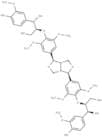
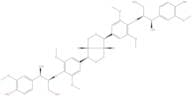
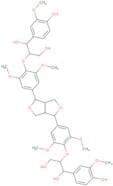
Hedyotisol A, mit der CAS-Nummer 95732-59-5, ist eine natürliche Verbindung, die zur Klasse der Flavonoide gehört, insbesondere zu einer Art von Flavonol. Es wird hauptsächlich aus bestimmten Pflanzenarten gewonnen, insbesondere aus solchen der Gattung Hedyotis. Diese Verbindung zeichnet sich durch ihre polyphenolische Struktur aus, die zu ihren antioxidativen Eigenschaften beiträgt. Hedyotisol A wurde auf seine potenziellen biologischen Aktivitäten untersucht, einschließlich entzündungshemmender, antimikrobieller und krebsbekämpfender Wirkungen. Sein Wirkmechanismus umfasst oft die Modulation verschiedener Signalwege und das Scavenging von freien Radikalen, was dazu beitragen kann, die Zellen vor oxidativem Stress zu schützen. Darüber hinaus kann Hedyotisol A Auswirkungen auf Stoffwechselprozesse haben, was es in der pharmakologischen Forschung von Interesse macht. Die Löslichkeit und Stabilität der Verbindung können je nach Lösungsmittel und Umweltbedingungen variieren, was für ihre Anwendung sowohl in der Forschung als auch in potenziellen therapeutischen Kontexten wichtig ist. Insgesamt stellt Hedyotisol A ein vielversprechendes Forschungsfeld innerhalb der Naturstoffchemie und ihrer Implikationen für Gesundheit und Medizin dar.
Sortieren nach
Reinheit (%)
0
100
|
0
|
50
|
90
|
95
|
100
4 Produkte.
Hedyotisol A
CAS:Hedyotisol A is a natural product from Cocculus orbiculatus.Formel:C42H50O16Reinheit:98%Farbe und Form:SolidMolekulargewicht:810.84Hedyotisol A
CAS:Hedyotisol A is a specialized natural compound, which is a phytochemical isolated from a plant source, particularly the Hedyotis genus. This compound exhibits a mode of action primarily through anti-inflammatory pathways, potentially involving the modulation of pro-inflammatory cytokines and inhibition of specific enzyme activities associated with inflammation. Due to its bioactive properties, Hedyotisol A is of interest in the field of natural product chemistry and pharmacology for its potential therapeutic applications. Current research explores its efficacy in reducing inflammation-related symptoms and its role in mitigating oxidative stress. Scientists are particularly interested in its use as a lead compound for drug development, aiming to harness its natural properties for creating novel anti-inflammatory agents. Further studies are being conducted to elucidate its full mechanism of action and potential applications in treating chronic inflammatory conditions.Formel:C42H50O16Reinheit:Min. 95%Molekulargewicht:810.8 g/mol