CAS 99489-94-8
:Relaxin H2 (menschlich)
Beschreibung:
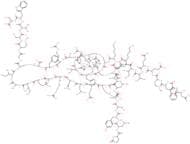
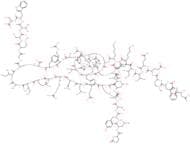
Relaxin H2 ist ein Peptidhormon, das hauptsächlich an reproduktiven Prozessen beteiligt ist und von den Eierstöcken, der Plazenta und anderen Geweben produziert wird. Es spielt eine entscheidende Rolle während der Schwangerschaft, indem es die Entspannung der Beckenbänder fördert und die Geburt erleichtert. Die chemische Struktur von Relaxin H2 besteht aus einer Kette von Aminosäuren, die typischerweise eine charakteristische Disulfidbindung aufweist, die ihre Konformation stabilisiert. Dieses Hormon ist bekannt für seine vasodilatatorischen Effekte, die den Blutfluss erhöhen und die Gewebeumgestaltung verbessern können. Relaxin H2 interagiert auch mit spezifischen Rezeptoren und beeinflusst verschiedene physiologische Prozesse, einschließlich der Herz-Kreislauf-Funktion und der Gewebereparatur. Sein therapeutisches Potenzial wird bei Erkrankungen wie Herzinsuffizienz und Fibrose aufgrund seiner Fähigkeit zur Modulation der Umgestaltung der extrazellulären Matrix untersucht. Als Forschungsthema hat Relaxin H2 Interesse geweckt wegen seiner vielfältigen Rollen in der reproduktiven Gesundheit und breiteren physiologischen Funktionen, was es zu einem bedeutenden Fokus in klinischen und experimentellen Studien macht.
Formel:C256H408N74O74S8
Synonyme:- PubChem ID: 71300755
- (Pyr-Leu-Tyr-Ser-Ala-Leu-Ala-Asn-Lys-Cys-Cys-His-Val-Gly-Cys-Thr-Lys-Arg-Ser-Leu-Ala-Arg-Phe-Cys-OH)A(H-Asp-Ser-Trp-Met-Glu-Glu-Val-Ile-Lys-Leu-Cys-Gly-Arg-Glu-Leu-Val-Arg-Ala-Gln-Ile-Ala-Ile-Cys-Gly-Met-Ser-Thr-Trp-Ser-OH)B
- (Pyr-Leu-Tyr-Ser-Ala-Leu-Ala-Asn-Lys-Cys-Cys-His-Val-Gly-Cys-Thr-Lys-Arg-Ser-Leu-Ala-Arg-Phe-Cys-OH)A(H-Asp-Ser-Trp-Met-Glu-Glu-Val-IleLys-Leu-Cys-Gly-Arg-Glu-Leu-Val-Arg-Ala-Gln-Ile-Ala-Ile-Cys-Gly-Met-Ser-Thr-Trp-Ser-OH)B(Cys10A&Cys15ABridge,Cys11A&Cys1
- (Pyr-Leu-Tyr-Ser-Ala-Leu-Ala-Asn-Lys-Cys-Cys-His-Val-Gly-Cys-Thr-Lys-Arg-Ser-Leu-Ala-Arg-Phe-Cys-OH)A(H-Asp-Ser-Trp-Met-Glu-Glu-Val-IleLys-Leu-Cys-Gly-Arg-Glu-Leu-Val-Arg-Ala-Gln-Ile-Ala-Ile-Cys-Gly-Met-Ser-Thr-Trp-Ser-OH)B(Cys10A&Cys15ABridge,Cys11A&Cys11BBridge,Cys24A&Cys23BBridge)(Relax in H2 Human)
- Relaxin H2 (human)
- Relaxin H2 (human) trifluoroacetate salt
Sortieren nach
Reinheit (%)
0
100
|
0
|
50
|
90
|
95
|
100
3 Produkte.
Relaxin H2 (human)
CAS:Relaxin H2 is the major stored and circulating isoform of the peptide hormone relaxin in humans. This pregnancy hormone has also shown cardioprotective activity. The observed long-term effects of relaxin H2 on connective tissues may be due to alterations in the turnover of collagen and proteoglycans.Formel:C256H408N74O74S8Reinheit:96.3%Farbe und Form:White LyophilisateMolekulargewicht:5963.04Relaxin-2 (Human)
CAS:Relaxin-2 is a peptide hormone that belongs to the insulin family of hormones. It is produced by the corpus luteum and placenta. The relaxin-2 receptor is a G protein coupled receptor belonging to the superfamily of class A receptors, which are known as rhodopsin-like receptors. Relaxin-2 has been shown to activate ion channels in cells, leading to an increase in intracellular calcium levels. This hormone has also been shown to inhibit protein interactions and regulate cell growth and differentiation through its interaction with the receptor. The pharmacological effects of relaxin-2 are mediated by binding to the ligand-binding domain on the receptor, which leads to activation of a number of intracellular signaling pathways.Formel:C256H408N74O74S8Reinheit:Min. 95%Molekulargewicht:5,963 g/molRelaxin H2 (human) trifluoroacetate salt
CAS:Relaxin H2 is a hormone that is produced in the ovaries and has significant interactions with cyclase. It has been shown to bind to the receptor for relaxin and inhibit its activity. Relaxin H2 has been shown to be a potent inhibitor of cardiac growth factor-β1, which may contribute to its anti-fibrotic effects. This drug is also an inhibitor of fatty acid synthesis and can lead to metabolic disorders, such as glomerular filtration rate, by inhibiting the production of natriuretic peptide levels.
Formel:C256H408N74O74S8Reinheit:Min. 95%Molekulargewicht:5,962.95 g/mol