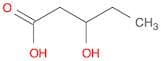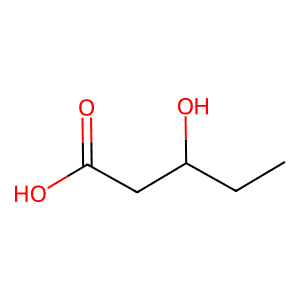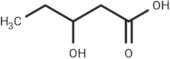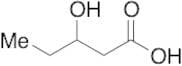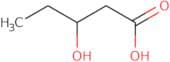
CAS 10237-77-1
:Ácido 3-hidroxivalérico
- 3-Hydroxy-n-valeric acid
- 3-Hydroxypentanoic acid, 98 %
- 3-Hydroxyvaleric acid
- Beta-Hydroxyvaleric Acid
- Pentanoic acid, 3-hydroxy-
- Valeric acid, 3-hydroxy-
- β-Hydroxy-n-valeric acid
- β-Hydroxyvaleric acid
- 3-Hydroxypentanoic acid
3-Hydroxyvaleric acid
CAS:3-Hydroxyvaleric acid participates in the complementary pathway of the tricarboxylic acid cycle.Fórmula:C5H10O3Pureza:99.12%Forma y color:SolidPeso molecular:118.13rac-3-Hydroxypentanoic Acid
CAS:Producto controladoApplications rac-3-Hydroxypentanoic Acid is one of the fifteen organic acids that are prominent in the urine of a patient undergoing methylmalonic acidosis. rac-3-Hydroxypentanoic acid is also a useful synthetic intermediate that is used in the fine chemical and pharmaceutical industries.
References Kuhara, T. & Matsumoto, I.: Biomed. Mass Spec., 7, 424 (1980); Rinaldo, P., et al.: Perspect. Inherit. Metabol. Dis., 7, 57 (1987); Tseng, H., et al.: Microb. Cell Fact., no Vol. given, 96 (2010)Fórmula:C5H10O3Forma y color:NeatPeso molecular:118.133-Hydroxypentanoic acid
CAS:3-Hydroxypentanoic acid is a fatty acid that is synthesized by the bacterial strain Corynebacterium glutamicum. The optimum concentration of 3-hydroxypentanoic acid for growth ranges from 0.1 to 0.5 M, although cultures can grow with concentrations as high as 1M. 3-Hydroxypentanoic acid is toxic to cells at concentrations higher than 5 M and has been shown to have cytotoxic effects on mammalian cells at concentrations greater than 10 M. This compound inhibits the growth of wild-type strains of bacteria but not mutants, suggesting that it may inhibit protein synthesis or cell division in bacteria. The exact mechanism of action remains unknown, but it may be due to a disruption in calcium homeostasis in the cytosol or an effect on membrane integrity.
Fórmula:C5H10O3Pureza:Min. 95%Forma y color:Clear LiquidPeso molecular:118.13 g/mol