CAS 109-69-3
:1-Clorobutano
Descripción:
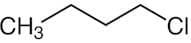
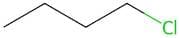
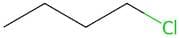
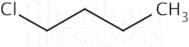
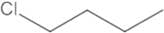
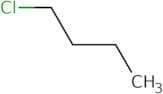
1-Clorobutano, con el número CAS 109-69-3, es un compuesto orgánico clasificado como un halógeno alquilo primario. Consiste en una cadena de butano de cuatro carbonos con un átomo de cloro unido al primer carbono. Este compuesto es un líquido incoloro a temperatura ambiente y tiene un olor característico. Es moderadamente soluble en agua, pero más soluble en disolventes orgánicos como el etanol y el éter. 1-Clorobutano es inflamable y debe manejarse con cuidado, ya que puede representar riesgos para la salud a través de la inhalación o el contacto con la piel. Su punto de ebullición es relativamente bajo, lo que lo hace volátil. El compuesto se utiliza principalmente en la síntesis orgánica, sirviendo como un intermedio en la producción de varios productos químicos, incluidos productos farmacéuticos y agroquímicos. Además, puede sufrir reacciones de sustitución nucleofílica, lo que lo convierte en un reactivo valioso en la química orgánica sintética. Un almacenamiento adecuado en un área fresca y bien ventilada, alejada de fuentes de ignición, es esencial para garantizar la seguridad al trabajar con esta sustancia.
Fórmula:C4H9Cl
InChI:InChI=1/C4H9Cl/c1-2-3-4-5/h2-4H2,1H3
Clave InChI:InChIKey=VFWCMGCRMGJXDK-UHFFFAOYSA-N
SMILES:C(CC)CCl
Sinónimos:- 1-Butylchlorid
- 1-Butylchloride
- 1-Chlorbutan
- 1-Chloro-Butan
- 1-Clorobutano
- 1-chlorobutane B&J brand 4 L
- Butane, chloro-
- Butane,1-chloro-
- Butyl Chloride
- Chlorobutane
- Chlorure de butyle
- Chloruredebutyle
- Chloruredebutyle(French)
- NBC wormer
- Nsc 8419
- n-Butyl chloride
- n-Chlorobutane
- n-Propylcarbinyl chloride
- 1-Chlorobutane
- Sure Shot
- 1-butyl chloride
- n-C4H9Cl
- S3, N-BUTYL CHLORIDE
- Ver más sinónimos
Ordenar por
Pureza (%)
0
100
|
0
|
50
|
90
|
95
|
100
Encontrado 19 productos.
1-Chlorobutane
CAS:Fórmula:C4H9ClPureza:>99.0%(GC)Forma y color:Colorless to Almost colorless clear liquidPeso molecular:92.571-Chlorobutane, 99+%
CAS:1-Chlorobutane is used as intermediates and solvents. It is used for HPLC, spectrophotometry and environmental testing. It is used as an alkylating reagent in organic and organometallic compound synthesis. It is also employed as an anthelmintic in veterinary medicine. This Thermo Scientific ChemicalFórmula:C4H9ClPureza:99+%Forma y color:Clear colorless, LiquidPeso molecular:92.571-Chlorobutane, HPLC Grade, 99.5+%
CAS:Maximum level of impurities: Evaporation residue 1ppm, H2O 0.02%Fórmula:C4H9ClPureza:99.5+%Forma y color:clear liquid, ColorlessPeso molecular:92.571-Chlorobutane
CAS:Fórmula:C4H9ClPureza:≥ 98.0%Forma y color:Clear, colourless liquidPeso molecular:92.57EPA Method 524.3 0051 Ultimix Mixture 2000 µg/mL in Methanol
CAS:Producto controlado- 100-41-4
- 100-42-5
- 10061-01-5
- 10061-02-6
- 103-65-1
- 104-51-8
- 106-42-3
- 106-43-4
- 106-46-7
- 106-93-4
- 107-05-1
- 107-06-2
- 108-20-3
- 108-38-3
- 108-67-8
- 108-86-1
- 108-88-3
- 108-90-7
- 109-69-3
- 109-99-9
- 120-82-1
- 124-48-1
- 127-18-4
- 135-98-8
- 142-28-9
- 156-59-2
- 156-60-5
- 1634-04-4
- 541-73-1
- 56-23-5
- 563-58-6
- 60-29-7
- 630-20-6
- 637-92-3
- 67-66-3
- 67-72-1
- 71-43-2
- 71-55-6
- 74-88-4
- 74-95-3
- 74-97-5
- 75-09-2
- 75-15-0
- 75-25-2
- 75-27-4
- 75-34-3
- 75-35-4
- 75-65-0
- 76-01-7
- 78-87-5
- 79-00-5
- 79-01-6
- 79-20-9
- 79-34-5
- 87-61-6
- 87-68-3
- 91-20-3
- 919-94-8
- 95-47-6
- 95-49-8
- 95-50-1
- 95-63-6
- 96-12-8
- 96-18-4
- 97-63-2
- 98-06-6
- 98-82-8
- 99-87-6
- 994-05-8
Forma y color:MixtureEPA VOC Mixture 2 2000 µg/mL in Methanol
CAS:Producto controlado- 100-41-4
- 100-42-5
- 10061-01-5
- 10061-02-6
- 103-65-1
- 104-51-8
- 106-42-3
- 106-43-4
- 106-46-7
- 106-93-4
- 107-05-1
- 107-06-2
- 107-12-0
- 107-13-1
- 107-14-2
- 108-38-3
- 108-86-1
- 108-88-3
- 108-90-7
- 109-69-3
- 109-99-9
- 110-57-6
- 120-82-1
- 124-48-1
- 126-98-7
- 127-18-4
- 135-98-8
- 142-28-9
- 156-59-2
- 156-60-5
- 1634-04-4
- 541-73-1
- 56-23-5
- 563-58-6
- 594-20-7
- 60-29-7
- 630-20-6
- 67-66-3
- 67-72-1
- 71-43-2
- 71-55-6
- 74-88-4
- 74-95-3
- 74-97-5
- 75-09-2
- 75-15-0
- 75-25-2
- 75-27-4
- 75-34-3
- 75-35-4
- 76-01-7
- 78-87-5
- 79-00-5
- 79-01-6
- 79-34-5
- 79-46-9
- 80-62-6
- 87-61-6
- 87-68-3
- 91-20-3
- 95-47-6
- 95-49-8
- 95-50-1
- 95-63-6
- 96-12-8
- 96-18-4
- 96-33-3
- 97-63-2
- 98-06-6
- 98-82-8
- 98-95-3
- 99-87-6
Fórmula:C2H2Cl4Forma y color:MixturePeso molecular:167.85EPA VOC Mixture 2 2000 µg/mL in Methanol
CAS:Producto controlado- 100-41-4
- 100-42-5
- 10061-01-5
- 10061-02-6
- 103-65-1
- 104-51-8
- 106-42-3
- 106-43-4
- 106-46-7
- 106-93-4
- 107-05-1
- 107-06-2
- 107-12-0
- 107-13-1
- 107-14-2
- 108-38-3
- 108-86-1
- 108-88-3
- 108-90-7
- 109-69-3
- 109-99-9
- 110-57-6
- 120-82-1
- 124-48-1
- 126-98-7
- 127-18-4
- 135-98-8
- 142-28-9
- 156-59-2
- 156-60-5
- 1634-04-4
- 541-73-1
- 56-23-5
- 563-58-6
- 594-20-7
- 60-29-7
- 630-20-6
- 67-66-3
- 67-72-1
- 71-43-2
- 71-55-6
- 74-88-4
- 74-95-3
- 74-97-5
- 75-09-2
- 75-15-0
- 75-25-2
- 75-27-4
- 75-34-3
- 75-35-4
- 76-01-7
- 78-87-5
- 79-00-5
- 79-01-6
- 79-34-5
- 79-46-9
- 80-62-6
- 87-61-6
- 87-68-3
- 91-20-3
- 95-47-6
- 95-49-8
- 95-50-1
- 95-63-6
- 96-12-8
- 96-18-4
- 96-33-3
- 97-63-2
- 98-06-6
- 98-82-8
- 98-95-3
- 99-87-6
Fórmula:C2H2Cl4Forma y color:MixturePeso molecular:167.851-Chlorobutane, GlenPure™, analytical grade
CAS:Fórmula:CH3(CH2)3ClPureza:≥ 99.9%Forma y color:Clear, colourless liquidPeso molecular:92.571-Chlorobutane, GlenDry™, anhydrous
CAS:Fórmula:C4H9ClPureza:≥ 99.9%Forma y color:Clear, colourless liquidPeso molecular:92.571-Chlorobutane
CAS:Stability Volatile
Applications 1-Chlorobutane is used in biological studies to evaluate the activity of haloalkan dehalogenase from Sphingomonas paucimobilis.
Not a dangerous good if item is equal to or less than 1g/ml and there is less than 100g/ml in the package
References Oakley, A.J., et al.: Biochem., 41, 4847 (2002)Fórmula:C4H9ClForma y color:NeatPeso molecular:92.571-Chlorobutane
CAS:1-Chlorobutane is an antimicrobial agent that inhibits the growth of bacteria, fungi, and viruses. It binds to the receptor activity and prevents the binding of a ligand to its receptor. This can lead to autoimmune diseases such as hepatic steatosis or HIV infection. 1-Chlorobutane has been shown to inhibit the replication of HIV by preventing the expression of reverse transcriptase and protease enzymes in human serum. The mechanism of 1-chlorobutane is not well understood, but it may be due to its ability to react with chloride ions in water to form hypochlorous acid (HOCl). HOCl reacts with other molecules in solution, including ryanodine receptors and transfer reactions, which may lead to cell death.Fórmula:C4H9ClPureza:Min. 95%Peso molecular:92.57 g/moln-Butyl Chloride (1-Chlorobutane) extrapure, 99%
CAS:Fórmula:C4H9ClPureza:min. 99%Forma y color:Clear, Colourless, LiquidPeso molecular:92.58n-Butyl Chloride (1-Chlorobutane) for HPLC & UV Spectroscopy, 99.5%
CAS:Fórmula:C4H9ClPureza:min. 99.5%Forma y color:Clear, Colourless, LiquidPeso molecular:92.58