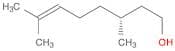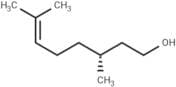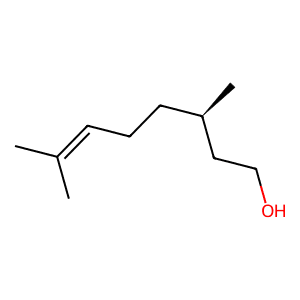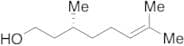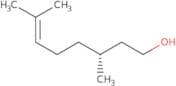
CAS 1117-61-9
:(+)-Citronelol
- (+)-(R)-Citronellol
- (+)-Citronellol
- (+)-β-Citronellol
- (3R)-(+)-β-Citronellol
- (3R)-3,7-Dimethyl-6-octen-1-ol
- (3R)-3,7-Dimethyloct-6-en-1-ol
- (R)-(+)-3,7-Dimethyl-6-octen-1-ol
- (R)-(+)-beta-Citronellol
- (R)-(+)-β-Citronellol
- 6-Octen-1-ol, 3,7-dimethyl-, (3R)-
- 6-Octen-1-ol, 3,7-dimethyl-, (R)-
- <span class="text-smallcaps">D</span>-Citronellol
- Ver más sinónimos
(R)-Citronellol
CAS:(R)-Citronellol is in herbs, spices, bilberry, black cumin seeds, and Rutaceae plant oils.
Fórmula:C10H20OPureza:99.58%Forma y color:SolidPeso molecular:156.27D-Citronellol
CAS:Applications D-Citronellol is an monoterpene alcohol that is prevalent in essential oils of various aromatic plant species, such as Cymbopogon citratus.
References Brito, R.G., et al.: J. Nat. Med., 66, 637 (2012);Fórmula:C10H20OForma y color:NeatPeso molecular:156.27(R)-(+)-β-Citronellol
CAS:Eugenol is a phenolic compound that is found in many plants and fruits. It has been shown to inhibit the growth of bacteria, such as Staphylococcus aureus, and fungi. Eugenol is also known to have antioxidant properties. It prevents the formation of reactive oxygen species by scavenging free radicals and inhibiting lipid peroxidation. The anti-inflammatory effects of eugenol are likely due to its ability to inhibit prostaglandin synthesis, which causes the release of histamine and chemotactic factors in response to tissue injury. Eugenol has been shown to be clinically relevant for treatment of tumors, including prostate cancer and breast cancer. This compound inhibits tumor growth by acting as an energy metabolism inhibitor, preventing ATP production and leading to cell death by apoptosis or necrosis. Eugenol also has been shown to reduce acute toxicities in mice when administered at doses lower than 10 mg/kg body weight.
Fórmula:C10H20OPureza:Min. 97%Peso molecular:156.27 g/molRef: 3D-FD157131
Producto descatalogado