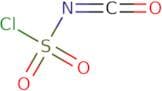
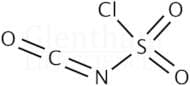
CAS 1189-71-5
:Isocianato de clorosulfonilo
- CSI
- Chlorosulfonamide isocyanate
- Chlorosulfonyl Isocyanate (Csi)
- Chlorosulfonylisocyanate
- Chlorosulfuric acid, anhydride with isocyanic acid
- Chlorosulphonyl Isocyanate
- Chlorsulfonyl isocyanate
- Chlorsulfonylisocyanat
- Isocianato De Clorosulfonilo
- Isocyanate de chlorosulfonyle
- Isocyanic acid, anhydride with chlorosulfonic acid
- Isocyanic acid, anhydride with chlorosulfuric acid
- N-Chlorosulfonyl isocyanate
- N-Chlorosulphonyl isocyanate
- Sulfonyl chloride isocyanate
- Sulfurisocyanatidic chloride
- Sulfurisocyanatidoyl Chloride
- Sulfuryl chloride isocyanate
- [(Chlorosulfonyl)imino]methanone
- Chlorosulfonyl isocyanate
- chloroSulfonyl
- CARBONYLSULFAMOYL CHLORIDE
- Chlorosulfonyl isocyanate, 98+%
- N-Carbonylsulfamyl chloride, CSI
- N-(Oxomethylidene)sulfamoyl chloride
- Sulfurylchlorideisocyanate
- N-CARBONYLSULFAMYL CHLORIDE
- Ver más sinónimos
Chlorosulfonyl Isocyanate
CAS:Fórmula:CClNO3SPureza:>98.0%(GC)Forma y color:Colorless to Light yellow clear liquidPeso molecular:141.53Chlorosulfonyl isocyanate
CAS:Fórmula:CClNO3SPureza:99.0%Forma y color:Liquid, No data available.Peso molecular:141.53Chlorsulfonyl Isocyanate
CAS:Producto controladoApplications Chlorsulfonyl Isocyanate, is a versatile reagent in organic sythesis, by having two electrophilic sites. It can be used in the snthesis of β-lactams.
Not a dangerous good if item is equal to or less than 1g/ml and there is less than 100g/ml in the package
References Miller, M.J., et al.: "Encyclopedia of Reagents for Organic Synthesis" (2005);Fórmula:CClNO3SForma y color:NeatPeso molecular:141.53Chlorosulfonyl isocyanate
CAS:Chlorosulfonyl isocyanate (CSI) is a chemical compound that is used in the manufacture of other chemicals. CSI has antimicrobial properties and can be used to inhibit the growth of bacteria and fungi. It also has an inhibitory effect on some microorganisms by interfering with their cell walls by reacting with sulfamoyl chloride in the cell wall, which leads to the formation of a sulfonamide group. CSI has been shown to have low water permeability and stability, which makes it ideal for use as a preservative against bacteria and fungi. The mechanism of action of CSI involves the reaction between its hydroxyl group with hydrogen fluoride, which leads to an intermediate amide, then an isocyanate. This reaction proceeds via an intramolecular hydrogen bonding mechanism that results in a high-energy intermediate that reacts with molecular oxygen, producing carbon dioxide and water.
Fórmula:CClNO3SPureza:Min. 95%Forma y color:Colorless Clear LiquidPeso molecular:141.53 g/mol