CAS 13125-62-7
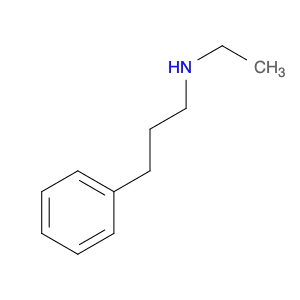
:N-etil-3-fenilpropan-1-amina
- Ethyl(3-Phenylpropyl)Amine
N-Ethyl-3-phenylpropylamine
CAS:Producto controladoApplications N-Ethyl-3-phenylpropylamine is an intermediate in the synthesis of 4-Hydroxy Alverine (H827950), a metabolite of Alverine (A575780) in plasma.
References Bouvier, M., et al.: Gastroenterol. Clin. Biol., 16, 334 (1992), Mitchell, S., et al.: Aliment. Pharmacol. Ther., 16, 1187 (2002), Hayase, M., et al.: Br. J. Pharmacol., 152, 1228 (2007),Fórmula:C11H17NForma y color:NeatPeso molecular:163.26Alverine EP Impurity C
CAS:Alverine EP Impurity C is a by-product of the synthesis of alverine, which is an ammonium salt. The process involves the use of high yield, high purity triflic acid, and organic solvents. The reaction system is typically carried out in a solvent such as toluene or dichloromethane. The organic solvent is then removed by filtration and the desired product can be obtained by crystallization or recrystallization. Alverine EP Impurity C has been shown to have insecticidal properties when applied externally, due to its interaction with insect stereoisomers. It also has anticancer activity and may be used in cancer therapy treatments that involve decompressing tumours and increasing blood supply to the area. Alverine EP Impurity C also has a citric acid binding property that makes it insoluble in water.
Fórmula:C11H17NPureza:Min. 95%Peso molecular:163.26 g/mol