CAS 58-73-1
:Difenhidramina
Descripción:
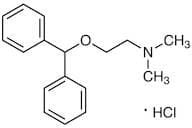
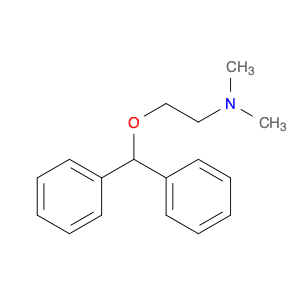
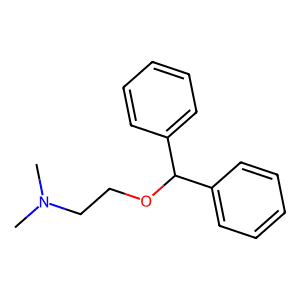
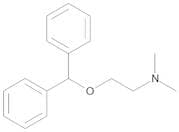
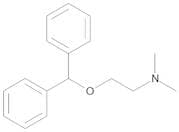
Difenhidramina es un antihistamínico comúnmente utilizado para aliviar los síntomas de alergia, fiebre del heno y el resfriado común. Se clasifica como un antagonista del receptor H1 de primera generación, lo que significa que bloquea la acción de la histamina, una sustancia en el cuerpo que causa síntomas alérgicos. Químicamente, Difenhidramina se caracteriza por su estructura, que incluye dos anillos fenilo conectados por una cadena de etilamina. Esta estructura contribuye a su capacidad para cruzar la barrera hematoencefálica, lo que lleva a efectos sedantes, razón por la cual también se utiliza como tratamiento a corto plazo para el insomnio. Difenhidramina tiene una solubilidad relativamente baja en agua, pero es soluble en disolventes orgánicos. Sus efectos farmacológicos pueden incluir somnolencia, boca seca, mareos y, en algunos casos, reacciones paradójicas como excitabilidad, especialmente en niños. Debido a sus propiedades sedantes, se aconseja precaución al operar maquinaria o conducir después de su consumo. Además, puede interactuar con otros medicamentos, por lo que es importante consultar a profesionales de la salud antes de su uso.
Fórmula:C17H21NO
InChI:InChI=1/C17H21NO/c1-18(2)13-14-19-17(15-9-5-3-6-10-15)16-11-7-4-8-12-16/h3-12,17H,13-14H2,1-2H3
Clave InChI:InChIKey=ZZVUWRFHKOJYTH-UHFFFAOYSA-N
SMILES:C(OCCN(C)C)(C1=CC=CC=C1)C2=CC=CC=C2
Sinónimos:- 2-(Benzhydryloxy)-N,N-dimethylethanamine
- 2-(Benzhydryloxy)-N,N-dimethylethylamine
- 2-(Diphenylmethoxy)-N,N-dimethylethanamine
- 2-(Diphenylmethoxy)-N,N-dimethylethylamine
- 2-Benzhydryloxyethyldimethylamine
- Benzhydramine
- DPH
- Difenhidramina
- Dimedrol base
- Diphenhydramin
- Ethanamine, 2-(diphenylmethoxy)-N,N-dimethyl-
- Ethylamine, 2-(diphenylmethoxy)-N,N-dimethyl-
- Far 90X2
- N,N-Dimethyl-2-(diphenylmethoxy)ethylamine
- N-[2-(Diphenylmethoxy)ethyl]-N,N-dimethylamine
- Nsc 665800
- O-Benzhydryldimethylaminoethanol
- Probedryl
- Restamin
- α-(2-Dimethylaminoethoxy)diphenylmethane
- β-Dimethylaminoethanol diphenylmethyl ether
- β-Dimethylaminoethyl benzhydryl ether
- β-Dimethylaminoethylbenzhydrylether
- Diphenylhydramine
- Allergeval
- 2-(Diphenylmethoxy)-N,N-dimethylethanam-ine
- Allergical
- Aleryl
- Allergival
- Allergan B
- 2-(diphenylmethoxy)-n,n-dimethyl-ethanamin
- DIPHENHYDRAMINE BASE
- 2-(Benzohydryloxy)-N,N-dimethylethylamine
- AURORA KA-7664
- 2-(diphenylmethoxy)-n,n-dimethyl-ethylamin
- Alledryl
- DIPHENHYDRAMINE
- Ver más sinónimos
Ordenar por
Pureza (%)
0
100
|
0
|
50
|
90
|
95
|
100
Encontrado 11 productos.
Diphenhydramine Hydrochloride
CAS:Fórmula:C17H21NO·HClPureza:>98.0%(T)(HPLC)Forma y color:White powder to crystalPeso molecular:291.82Diphenhydramine
CAS:Fórmula:C17H21NOPureza:>98.0%(GC)(T)Forma y color:Colorless to Yellow clear liquidPeso molecular:255.36Ethanamine, 2-(diphenylmethoxy)-N,N-dimethyl-
CAS:Fórmula:C17H21NOPureza:98%Forma y color:LiquidPeso molecular:255.3547Orphenadrine EP Impurity D (Diphenhydramine)
CAS:Fórmula:C17H21NOForma y color:Yellow LiquidPeso molecular:255.36Diphenhydramine
CAS:Diphenhydramine (Syntedril): first-gen antihistamine for allergies, antiemetic, antitussive, anticholinergic, sedative, treats drug-induced parkinsonism.Fórmula:C17H21NOPureza:98.07%Forma y color:SolidPeso molecular:255.35Diphenhydramine
CAS:Producto controladoApplications Diphenhydramine can be used for improving dry skin with itching.
References Takeshima, H., et.al.: Jpn. Kokai Tokkyo Koho, 12, (2021);Fórmula:C17H21NOForma y color:NeatPeso molecular:255.3612-(Benzhydryloxy)-N,N-dimethylethanamine
CAS:Fórmula:C17H21NOPureza:95%Forma y color:LiquidPeso molecular:255.361Diphenhydramine
CAS:Producto controladoDiphenhydramine is a drug that belongs to the class of antihistamines, and is used to treat allergic symptoms such as hay fever, urticaria, and other allergic reactions. It has been shown to inhibit the production of hydrogen fluoride in analytical methods for measuring this compound. Diphenhydramine is also known to have potential interactions with other drugs, including α1-adrenergic antagonists (i.e., h1-antagonists), cyclic peptides, and surfactants. In addition, it has been shown to bind to the α1 subunit of G protein receptors within the gastrointestinal tract in a reaction mechanism that is not yet fully understood. This binding inhibits the response of these receptors to certain stimuli from neurotransmitters and hormones, which can lead to bowel disease.Fórmula:C9H18CINOPureza:Min. 95%Peso molecular:295.16 g/mol