CAS 625-56-9
:Acetato de clorometilo
Descripción:
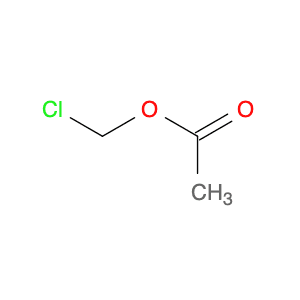
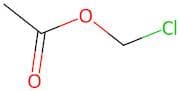
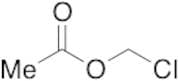
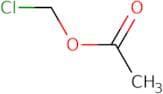
Acetato de clorometilo es un compuesto orgánico con la fórmula molecular C4H7ClO2. Se caracteriza por la presencia de un grupo acetato y un grupo clorometilo, lo que lo convierte en un reactivo versátil en la síntesis orgánica. Este líquido incoloro a amarillo pálido tiene un olor dulce y afrutado y es conocido por su reactividad, particularmente como agente alquilante. Acetato de clorometilo es soluble en disolventes orgánicos como éter y alcohol, pero tiene una solubilidad limitada en agua. Se utiliza principalmente en la síntesis de varios intermediarios químicos, incluidos productos farmacéuticos y agroquímicos. Debido a su naturaleza reactiva, puede presentar riesgos para la salud, incluida la irritación de la piel, los ojos y el sistema respiratorio, y se clasifica como un posible carcinógeno. El manejo adecuado y las precauciones de seguridad son esenciales al trabajar con este compuesto. Además, es importante almacenarlo en un lugar fresco y seco, alejado de sustancias incompatibles para prevenir reacciones peligrosas.
Fórmula:C3H5ClO2
InChI:InChI=1S/C3H5ClO2/c1-3(5)6-2-4/h2H2,1H3
Clave InChI:InChIKey=SMJYMSAPPGLBAR-UHFFFAOYSA-N
SMILES:O(C(C)=O)CCl
Sinónimos:- (Acetyloxy)methyl chloride
- 2-Chloropropanoate
- Acetic acid, chloromethyl ester
- Acetoxymethyl chloride
- Chloromethanol acetate
- Methanol, 1-chloro-, 1-acetate
- Methanol, chloro-, acetate
- Chloromethyl acetate
Ordenar por
Pureza (%)
0
100
|
0
|
50
|
90
|
95
|
100
Encontrado 5 productos.
Chloromethyl acetate
CAS:<p>Chloromethyl acetate is a potent antibacterial agent that inhibits the growth of bacteria by inhibiting the synthesis of fatty acids. It also has an inhibitory effect on adenosine receptors and is used to treat congestive heart failure, inflammatory diseases, metabolic disorders, and other conditions. Chloromethyl acetate has been shown to be effective against a number of bacterial strains, including methicillin-resistant Staphylococcus aureus (MRSA), Streptococcus pneumoniae, and Mycobacterium tuberculosis. Chloromethyl acetate binds to the cyanoformate group in the bacterial cell wall by competitive inhibition. This binding prevents the formation of an antibiotic-inhibitor complex with the enzyme fatty acid synthase that is required for fatty acid biosynthesis, inhibiting protein synthesis and cell division.</p>Fórmula:C3H5ClO2Pureza:Min. 95%Peso molecular:108.52 g/mol