CAS 759-65-9
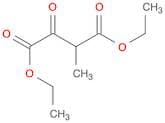
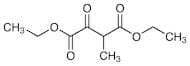
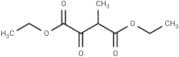
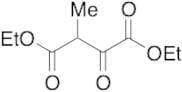
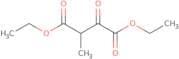
:1,4-Dietil 2-metil-3-oxobutanodioato
- 1,4-Diethyl 2-methyl-3-oxobutanedioate
- 2-Methyl-3-(oxo)succinic acid diethyl ester
- Ai3-05834
- Butanedioic acid, 2-methyl-3-oxo-, 1,4-diethyl ester
- Butanedioic acid, methyloxo-, diethyl ester
- Diethyl 2-Methyl-3-Oxobutanedioate
- Diethyl 2-methyl-3-oxo-1,4-butanedioate
- Diethyl 2-methyl-3-oxosuccinate
- Diethyl 2-oxo-3-methylsuccinate
- Diethyl 3-methyl-2-oxosuccinate
- Diethyl methyloxalacetate
- Diethyl methyloxobutanedioate
- Diethyl oxalopropionate
- Ethyl alpha-ethoxalylpropionate
- Ethyl α-ethoxalylpropionate
- Nsc 33946
- Oxalacetic acid, methyl-, diethyl ester
- Oxalacetic acid, methyl-, diethyl ester (8CI)
- Propanoic acid, 2-(ethoxyoxoacetyl)-, ethyl ester
- Ver más sinónimos
Diethyl 2-methyl-3-oxosuccinate
CAS:Fórmula:C9H14O5Pureza:95%Forma y color:LiquidPeso molecular:202.2045Diethyl 2-methyl-3-oxosuccinate
CAS:Diethyl 2-methyl-3-oxosuccinatePureza:95%Forma y color:LiquidPeso molecular:202.20g/molDiethyl Methyloxalacetate
CAS:Fórmula:C9H14O5Pureza:>96.0%(GC)Forma y color:Colorless to Orange to Green clear liquidPeso molecular:202.21Diethyl oxalpropionate
CAS:Diethyl oxalpropionate, a slightly soluble beta-keto acid derivative, is weakly acidic, mainly found in the cytoplasm.Fórmula:C9H14O5Pureza:97.42%Forma y color:SolidPeso molecular:202.2Diethyl 2-methyl-3-oxosuccinate
CAS:Fórmula:C9H14O5Pureza:95%Forma y color:LiquidPeso molecular:202.206Diethyl Oxalopropionate
CAS:Producto controladoApplications Diethyl Oxalopropionate is a useful precursor in the synthesis of 2-Methylcitric Acid (M265080); a metabolite of Citric Acid (C521000) that can also be formed from condensation of propionoyl-CoA and oxaloacetic acid catalyzed by a citrate synthase enzyme.
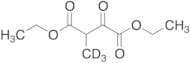
References Allen, R. H., et al.: Metabolism, 42, 978 (1993)Fórmula:C9H14O5Forma y color:NeatPeso molecular:202.2Diethyl Oxalopropionate-D3
CAS:Producto controladoFórmula:C9D3H11O5Forma y color:NeatPeso molecular:205.223Diethyl oxalpropionate
CAS:Diethyl oxalpropionate is a synthetic compound that has been used in biological studies. It is the sodium salt of diethyl oxalpropionate, which has a structural formula of C12H22O3. The synthesis of this compound is achieved through a transfer reaction involving oxetane and dodecanol. Diethyl oxalpropionate has been shown to inhibit chemokine production and insulin resistance in mice. It also interacts with hydroxyl groups on proteins, which may account for its ability to produce gels with different properties. Diethyl oxalpropionate can be identified by its spectrum on nmr or gel permeation chromatography. This chemical structure has two monomers: one is an alcohol (dodecanol) and the other is an ester (oxetane).
Fórmula:C9H14O5Pureza:Min. 95%Forma y color:Clear LiquidPeso molecular:202.2 g/mol