CAS 9001-62-1
:Lipasa de triacilglicerol
Descripción:
Lipasa de triacilglicerol, con el número CAS 9001-62-1, es una enzima que desempeña un papel crucial en el metabolismo de lípidos al catalizar la hidrólisis de triacilgliceroles en ácidos grasos libres y glicerol. Esta enzima se encuentra principalmente en el tejido adiposo y el páncreas, donde facilita la movilización de grasas almacenadas para la producción de energía. Lipasa de triacilglicerol exhibe especificidad por sustratos de triacilglicerol y opera de manera óptima a condiciones fisiológicas de pH y temperatura. Su actividad está regulada por varios factores, incluidos señales hormonales como la insulina y el glucagón, que influyen en el almacenamiento y la movilización de grasas. La enzima también es significativa en varios procesos fisiológicos, incluida la digestión, la homeostasis energética y la regulación de los niveles de lípidos en el torrente sanguíneo. En contextos clínicos, niveles alterados de actividad de Lipasa de triacilglicerol pueden estar asociados con trastornos metabólicos, lo que la convierte en un posible biomarcador para condiciones como la obesidad y la diabetes. En general, Lipasa de triacilglicerol es esencial para mantener el equilibrio lipídico y el metabolismo energético en el cuerpo.
Fórmula:Unspecified
Sinónimos:- 2212E
- Accelerase
- Ble-F
- Butyrinase
- C-Lipase
- Cacordase
- Capalase
- ChiroCLEC-CAB
- ChiroCLEC-CR
- ChiroCLEC-PC
- DeGreez
- E.C.3.1.1.3.
- Esterzyme
- Fetipase
- Ga-56
- Greasex
- Icr-107
- Icr-113
- Ilozyme
- Immcala-T2-150
- Italase
- Leveking
- Lipase-esterase
- Lipases
- Lipazin
- Lipex
- LipoPrime
- Lipolase
- Lipolex
- Lipomax
- Lipomod
- Lipoorizin
- Lipooryzin
- Liposam
- Lipozyme
- LipozymeTL100L
- Lumafast
- Monomax
- Nzl-102-Lyo
- Nzl-103-Lyo
- Nzl-107-Lyo
- PPL
- Palatase
- Phytolipase
- Rizolipase
- Rizolipasum
- Steapsin
- Talipase
- TheraCLEC-Lipase
- Transzyme
- Triacetinase
- Triacylglycerollipaza
- Tributyrase
- Tributyrinase
- Triglyceridase
- Trioleinase
- Tweenase
- Unii-8Myc33932O
- Unii-Fq3Drg0N5K
- XHlip-F
- Remzyme PL 600
- Lipozyme TL IM
- Triglyceride lipase
- Lipozyme CALB L
- Tween esterase
- Enzylon PF
- GA 56 (Enzyme)
- Amano N-AP
- Animal lipase
- Lipase, triacylglycerol
- Rizolipasa [INN-Spanish]
- Lipase of Rhizopus arrhizus var. Delemar
- Meito MY 30
- Triacylglycerol lipase
- Tributyrin esterase
- Fungal lipase
- Lipase AP
- Triglyceride hydrolase
- Allzyme Lipase
- Triacylglycerol hydrolase
- Chirazyme L
- Lipase, fungal
- Palatase 20000L
- Lipozyme RM IM
- Fluozim G 3Kh
- Glycerol ester hydrolase
- Lipozyme 435
- Triolein hydrolase
- Recombinant lipase A
- Plant lipase
- Lipase
- Triacylglycerol lipase
- Lipase, triacylglycerol
- Glycerol ester hydrolase
- Tween hydrolase
- Ver más sinónimos
Ordenar por
Pureza (%)
0
100
|
0
|
50
|
90
|
95
|
100
Lipase, triacylglycerol
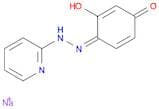
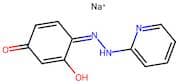
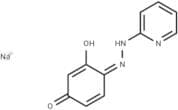
CAS:Lipase, triacylglycerol (Alkaline lipase) is a specific enzyme catabolism of triacylglycerol to glycerol and fatty acids,transfer to various tissues.Fórmula:C11H9N3NaO2Forma y color:SolidPeso molecular:238.201Lipase 008
CAS:Lipases belong to the family of esterases and naturally act on triglycerides at lipid-water interfaces. Lipases/esterases can be used as versatile tools in hydrolytic reactions, esterifications and transesterification reactions in industrial and food applications.
Lipase 067
CAS:Lipases belong to the family of esterases and naturally act on triglycerides at lipid-water interfaces. Lipases/esterases can be used as versatile tools in hydrolytic reactions, esterifications and transesterification reactions in industrial and food applications.
Lipase 032
CAS:Lipases belong to the family of esterases and naturally act on triglycerides at lipid-water interfaces. Lipases/esterases can be used as versatile tools in hydrolytic reactions, esterifications and transesterification reactions in industrial and food applications.Lipase 014
CAS:Lipases belong to the family of esterases and naturally act on triglycerides at lipid-water interfaces. Lipases/esterases can be used as versatile tools in hydrolytic reactions, esterifications and transesterification reactions in industrial and food applications.Lipase immo Kit 01
CAS:Lipase immo Kit 01 is an advanced biochemical tool designed for the immobilization of lipase, an enzyme commonly sourced from microorganisms. This innovative kit utilizes a sophisticated immobilization matrix to enhance enzyme stability and reusability. By binding the enzyme to a solid support, the kit facilitates repeated and continuous use in various reactions without significant loss of activity.Forma y color:PowderLipase 064
CAS:Lipases belong to the family of esterases and naturally act on triglycerides at lipid-water interfaces. Lipases/esterases can be used as versatile tools in hydrolytic reactions, esterifications and transesterification reactions in industrial and food applications.Lipase 038
CAS:Lipases belong to the family of esterases and naturally act on triglycerides at lipid-water interfaces. Lipases/esterases can be used as versatile tools in hydrolytic reactions, esterifications and transesterification reactions in industrial and food applications.Lipase 013
CAS:Lipases belong to the family of esterases and naturally act on triglycerides at lipid-water interfaces. Lipases/esterases can be used as versatile tools in hydrolytic reactions, esterifications and transesterification reactions in industrial and food applications.Lipase 044
CAS:Lipases belong to the family of esterases and naturally act on triglycerides at lipid-water interfaces. Lipases/esterases can be used as versatile tools in hydrolytic reactions, esterifications and transesterification reactions in industrial and food applications.