CAS 9011-14-7
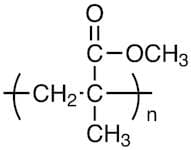
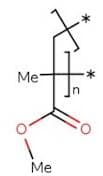
:Poli(metacrilato de metilo)
- 01Dh-Le-P
- 1000L
- 100B
- 1H830
- 24120A
- 30D54Ae
- 495A8
- 495Pmmaa2
- 505Nah
- 50N
- 560F
- 821T
- 8589K24
- 8N
- 8N-Df21
- 950K-A6
- 950K-C4
- 950Pmma-C4
- 99524Gt
- Acrivue
- Acron
- Acryfix
- Acrylite
- Acrypet
- Akronil
- Akrylon
- Akurirusande
- Altuglas
- Amatis
- Artecoll
- Arteplast
- Asterite
- Autoflex
- Bestsvetnaya
- Biolon
- Callocryl
- Clarex
- Cranioplast
- Crinothene
- Delaglas
- Dhaf
- Diakon
- Durodent
- GR
- HA
- Hesa-Glas
- Homolite
- Imperplex
- Implast
- Klirit
- LPT
- Lso-M
- Lucite
- MHO
- Metacrill
- Metaplex
- Mgss
- Mhga
- NewPlastic
- Optix
- Orthofil
- Orthognath
- Osteobond
- Palacos
- Perfex
- Perspex
- Piacryl
- Plastik-Kit
- Pmma
- Pmma-A
- Pmmk
- Poly[1-(methoxycarbonyl)-1-methylethylene]
- Polycast
- Polymethylmethacrylate
- Pontalite
- Pvs-H
- Pyroplast
- Rebaron
- Repairsin
- Riston
- SOL
- Sampl-Kwick
- ShieldUP
- Shinkolite
- Spacer-G
- Superacryl
- Technolloy
- Tf-Vh
- Thermocules
- Tosp
- Ultra-quartz
- Umaplex
- Vedril
- Versa-Bond
- Vicalon
- Vivodent
- Methyl Methacrylate Resin (High M.Wt.)
- Methacrylic acid, Me ester, homopolymer
- Methacrylic Acid Methyl Ester, Polymer n=13,500-14,000
- Methacrylic acid methyl ester, polymers
- Methyl methacrylate polymer
- Methyl methacrylate resin
- 2-Propenoic acid, 2-methyl-, methyl ester, homopolymer
- Acryloid
- 2-Propenoic acid, 2-methyl-, methyl ester, homopolymer
- Methyl methacrylate, polymerized
- Poly(methyl methacrylate), beads
- Methyl methacrylate homopolymer
- POLY(METHYL METHACRYLATE) 10'000
- rhoplexb85
- poly(methylmethacrylate), 600 micron
- Paraloid K-120N
- POLY(METHYL METHACRYLATE), AVERAGE MW CA . 15,000 (GPC)
- romacryl
- Polymethyl methacrylate,tooth bracket powder
- kaneacepa20
- acronals320d
- lucite130
- POLY(METHYL METHACRYLATE) STANDARD 20'00 0
- Poly(Methyl Methacrylate) average Mw ~350,000 by GPC
- POLY(METHYL METHACRYLATE) 2'000
- degalans85
- Poly(methyl methacrylate)(PMMA)
- POLY(METHYL METHACRYLATE) 150'000
- Poly(methyl methacrylate), pract.
- POLY(METHYL METHACRYLATE) STANDARD 600
- kallocrylk
- Methyl methacrylate copolymer
- st1
- mh101-2
- delpet80n
- lucite140
- elvacite2041
- PMMACEMENT
- POLY(METHYL METHACRYLATE) 2'480'000
- Poly(methyl methacrylate), Average M.W. 15000 (GPC)
- elvacite6012
- Zimmer DT
- acryloida-15
- POLY(METHYL METHACRYLATE-CO-ETHYL ACRYLATE)
- kallodent222
- POLY(METHYL METHACRYLATE) STANDARD 75'00 0
- Poly(methyl methacrylate),PMMA, Poly(methacrylic acid methyl ester)
- Polymer solid microspheres
- lucite120
- POLY(METHYL METHACRYLATE) STANDARD 24800 00
- lucite147
- PolyMethyl Methacrylate, Powder
- methylmethacrylatehomopolymer
- POLY(METHYL METHACRYLATE) 500'000
- MALDI VALIDATION SET POLY(METHYL METHA-C RYLATE) CERTIFIED
- stellonpink
- POLY(METHYL METHACRYLATE) STANDARD 10'00 0
- Acryloid A-30
- Poly(methyl methacrylate) inherent viscosity ~1.25 dL/g (lit.), crystalline
- a21lv
- Poly(methyl methacrylate) Standard 4'000
- Zimmer LVC
- diakonlo951
- diakonmg
- METHYLPOLYMETHACRYLATE
- acrypetvh
- POLY(METHYL METHACRYLATE), AVERAGE MW CA . 350,000
- POLY(METHYL METHACRYLATE) 75'000
- POLY(METHYL METHACRYLATE) STANDARD 150'0 00
- sol95
- Poly(methyl methacrylate), nominal M.W. 38000
- resarit4000
- korad
- paraplexp543
- parapet60n
- POLY(METHYL METHACRYLATE) 5'000
- METHACRYLIC ACID METHYL ESTER POLYMER
- Poly(Methyl Methacrylate), sec. stand., M.W. 97000, M.N. 44700, fine granules 25GR
- sumipexb-lg
- Poly(methyl methacrylate), approx. M.W. 15000 (GPC)
- elvacite2021
- metaplex4002t
- lucite47
- organicglasse2
- Polymethacrylate: (Lucite)
- sumipexlo
- Poly(Methyl Methacrylate), average Make.W. 15,000 by GPC
- acrysolase
- Poly(methyl methacrylate), beads, average M.W. 35000
- lucite180
- delpet60n
- elvacite
- ao10
- 2-methyl-2-propenoicacidmethylesterhomopolymer
- POLY(METHYL METHACRYLATE) 300'000
- POLY(METHYL METHACRYLATE), AVERAGE M.W. 120,000
- POLY(METHYL METHACRYLATE) 800'000
- disapolm
- 950 MW, polymethylmethacrylate (PMMA) plasticizer free
- POLYBEAD(R) PMMA MICROSPHERES
- PMMA, Poly(methacrylic acid methyl ester), Poly(methyl methacrylate)
- surgicalsimplex
- POLY(METHYL METHACRYLATE) STANDARD 8'000
- Poly(methyl methacrylate), M.W. 93300
- Zimmer Low Viscosity
- POLY(METHYL METHACRYLATE) STANDARD 200'0 00
- torexg
- 50n(polymer)
- delpet50m
- so140
- osteobondsurgicalbonecement
- POLY(METHYL METHACRYLATE) STANDARD 800'0 00
- POLY(METHYL METHACRYLATE) 600
- POLYBEAD(R) POLY(METHYL METHACRYLATE) MICROSPHERES
- tensol7
- st1(polymer)
- poly(methacrylic acid methyl ester)
- POLY(METHYL METHACRYLATE) 20'000
- plexiglas
- POLY(METHYL METHACRYLATE) STANDARD 50'00 0
- sumipex-bmhd
- kallodentclear
- POLY(METHYL METHACRYLATE), AVERAGE MW CA . 996,000 (GPC)
- POLY(METHYL METHACRYLATE), SECONDARY STA NDARD
- POLY(METHYL METHACRYLATE), ISOTACTIC
- paraplexp681
- diakonmg101
- Poly(Methyl Methacryla
- superacrylae
- POLY(METHYL METHACRYLATE) STANDARD 100'0 00
- lso-m4b
- Poly(Methyl Methacrylate) average Mw ~996,000 by GPC, crystalline
- POLYMETHYLMETHACRYLATE(IMPLANTSANDCEMENTS)
- surgicalsimplexp
- cmwbonecement
- Poly(Methyl Methacrylate) average Mw ~15,000 by GPC, powder
- vedril5
- sumipexmho
- Zimmer Bone Cement
- POLY(METHYL METHACRYLATE) STANDARD 500'0 00
- maldi validation set poly(methyl methacrylate) mp 500-70'000 certified according to din
- degalanlp59/03
- Leco Lucite Thermoplastic Powder
- Lucryl
- Polymethyl methacrylate superfine powder
- 2-Propenoicacid,2-methyl-,methylester,homopolymer
- k120n
- so120
- Poly(methyl methacrylate), sec. stand., MW 97.000, M.N. 44.700, fine granules
- metaplexno
- methacrylicacidmethylesterpolymers
- Poly(methylmethacrylate) high mol.wt.
- poly(methyl methacrylate) macromolecule
- so95
- lpt1
- POLY(METHYL METHACRYLATE) STANDARD 2'000
- acrypetv
- elvacite2010
- Poly(Methyl Methacrylate) average Mw ~120,000 by GPC
- plexigumm920
- POLY(METHYL METHACRYLATE) 100'000
- METHYLACRYLICACIDMETHYLESTER
- sumipexlg
- dv400
- POLYMETHYLMETHACRYLATEBONECEMENT
- sumipexb-mh
- Poly(methyl methacrylate), MW ≈ 550,000
- sol90
- plex8572-f
- Poly(methacrylic acid methyl ester) PMMA Methyl methacrylate, polymerized Methyl Methacrylate Polymer Methacrylic Acid Methyl Ester Polymer
- METHYL METHACRYLATE RESIN (LOW M.WT.)
- Methacrylic Acid Methyl Ester Polymer
- elvacite2009
- Acryloid B-44
- POLY(METHYL METHACRYLATE)
- lucite129
- vedril8
- POLYMETHYL METHACRYLATE BEADS
- lucite30
- PMMA, Poly(methacrylic acid methyl ester)
- Poly(methyl Methacrylate)
- poly(Methacrylicacidmethylester),PMMA
- paraglas
- elvacite2008
- acrypetm001
- Zimmer Dough Type
- POLY(METHYL METHACRYLATE) 8'000
- elvacite6011
- akuripettovh
- superacrylo
- POLY(METHYL METHACRYLATE) 50'000
- Poly(Methyl Methacrylate), beads, average M.W. 35,000 25GR
- Ver más sinónimos
Poly(methyl methacrylate)
CAS:Poly(methyl methacrylate) is used in the lenses of exterior lights of automobile and automotive components such as badges, steering wheel, tachometer covers, warning triangles and fascia panels. It is in the form of sheets used in shatter resistant panels for building windows, skylights, bullet proFórmula:(C5H8O2)nForma y color:crystalline powder, WhitePoly(methyl methacrylate), 600 micron
CAS:Poly(methyl methacrylate), 600 microns is used in many medical and biochemical applications. It is suitable for 2D and 3D particle assemblies and for investigations in the colloidal crystal field due to the high monodispersity. It is also used in the field of one- and two-component toners for copyiFórmula:(C5H8O2)nForma y color:White, granular or spherical powderPoly(methyl Methacrylate)
CAS:Producto controladoApplications Poly(methyl methacrylate) is used in production of Carbonate-olefin based copolymer for molded plastics.
References Suga, K., et al.: Jpn. Kokai Tokkyo Koho., (2020);Fórmula:C15H24O6X2Forma y color:NeatPeso molecular:300.35Poly(Methyl Methacrylate) (pMMAC) Nanospheres, 1500nm-11500nm
CAS:Fórmula:(C5O2H8)nForma y color:White, PowderPoly(methyl methacrylate) NA
CAS:Poly(methyl methacrylate) (PMMA) is a polymerized form of methyl methacrylate. It has been used in a variety of coatings, including those that are used to coat the inside of tubes, such as blood vessels and airways. PMMA can also be used as an antigen in humans to induce an immune response against influenza. The sequences of PMMA are similar to those found in influenza virus and this makes it suitable for use as a vaccine. Symptoms of exposure to PMMA include eye irritation and allergic responses, including redness and swelling. The assay sensitivity was determined by measuring how much fluorescence is released when the polymer is exposed to xylene. Acrylates are monomers that can be polymerized with PMMA to produce polyacrylate-co-polymethacrylate copolymers, which have lower toxicity than polymethacrylate homopolymers or acrylates homopolymers. Kinetic studies have
Fórmula:(C5H8O2)nForma y color:Powder