CAS 917-61-3
:Cianato de sodio
- Cyanic acid, sodium salt
- Cyanic acid, sodium salt (1:1)
- Sodium (Oxomethylidene)Azanide
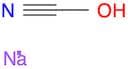
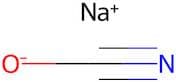
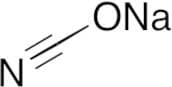
- Sodium cyanate (NaNCO)
- Sodium cyanate (NaOCN)
- Sodium cyanate (Technical Grade)
- Sodium isocyanate
- Sodium, (cyanato-κN)-
- Sodiumcyanatewhitepowder
- Zassol
- Sodium cyanate
Sodium cyanate, 95%
CAS:Sodium cyanate is an ideal nucleophile, and these nucleophilic properties make it a major contributor to the stereospecificity in certain reactions such as in the production of chiral oxazolidone. Sodium cyanate is a useful reagent in producing asymmetrical urea that have a range of biological activFórmula:CNNaOPureza:95%Forma y color:White to pale cream, PowderPeso molecular:65.01Sodium cyanate, 98+%
CAS:Fórmula:NaOCNPureza:≥ 97.5%Forma y color:White powder, crystals or chunksPeso molecular:65.01Sodium Cyanate
CAS:Producto controladoApplications Sodium Cyanate is used in biological study as tumor cell proliferation and metabolism inhibition.
References Hu, J. J., et al.: Cancer Chemoth. Pharm., 26, 269 (1990);Fórmula:CNNaOForma y color:NeatPeso molecular:65.01Sodium cyanate
CAS:Sodium cyanate is a sodium salt that is used in the treatment of wastewater. It inhibits the growth of microorganisms and can be used as a biocide. Sodium cyanate has been shown to have inhibitory properties against bacteria, fungi, and viruses. Sodium cyanate also has been shown to have a protective effect on the papillary muscle during experimental heart failure in rats. This compound may be able to prevent infections caused by infectious agents, such as those found in wastewater treatment plants and hospitals. The mechanism of action of sodium cyanate is related to its ability to release cyanide ions, which disrupts electron transport chains within cells and prevents ATP production. Sodium cyanate has been shown to have a chronic oral toxicity that affects the liver and kidneys at high doses (LD50: 3-6 g/kg).
Fórmula:CNNaOPureza:Min. 95%Peso molecular:65.01 g/mol