Sustratos fluorogénicos
En esta categoría, encontrará una selección completa de sustratos fluorogénicos diseñados para la catálisis enzimática. Estos sustratos se utilizan con varios tipos de enzimas y son capaces de producir color y fluorescencia al reaccionar. Los sustratos fluorogénicos son herramientas esenciales en la investigación bioquímica y biología molecular, permitiendo la detección y cuantificación de la actividad enzimática con alta sensibilidad y especificidad. Se utilizan ampliamente en ensayos para estudiar la cinética enzimática, la búsqueda de inhibidores enzimáticos y el monitoreo de procesos celulares. En CymitQuimica, ofrecemos sustratos fluorogénicos de alta calidad para apoyar su investigación, asegurando resultados fiables y precisos en sus ensayos enzimáticos.
Se han encontrado 297 productos de "Sustratos fluorogénicos"
Ordenar por
Pureza (%)
0
100
|
0
|
50
|
90
|
95
|
100
4-Methylumbelliferyl-β-D-glucopyranoside
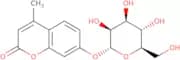
CAS:<p>Fluorogenic substrate for beta-glucosidase yielding a blue fluorescent solution. Used for the detection of beta-glucosidase as an indicator of Enterococci.</p>Fórmula:C16H18O8Pureza:Min. 99 Area-%Peso molecular:338.32 g/molL-Proline 7-amido-4-methylcoumarin hydrobromide salt
CAS:<p>L-Proline 7-amido-4-methylcoumarin hydrobromide salt is a fluorogenic peptide substrate for proline-specific peptidase. This AMC peptide substrate is normally used to rapidly profile the N-terminal specificity of proteases.</p>Fórmula:C15H17BrN2O3Pureza:Min. 95%Forma y color:PowderPeso molecular:353.22 g/molResorufin b-D-cellobioside
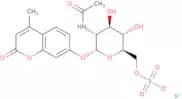
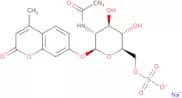
CAS:<p>Resorufin b-D-cellobioside is a fluorogenic substrate for measurement of cellulase activity. The product of enzyme reaction, resorufin, exhibits fluorescence emission at 585 nm with excitation at 571 nm at or near physiological pH values.</p>Fórmula:C24H27NO13Pureza:Min. 95 Area-%Forma y color:Brown Orange PowderPeso molecular:537.47 g/mol4-Methylumbelliferyl 2-acetamido-2-deoxy-b-D-galactopyranoside-6-sulfate potassium salt
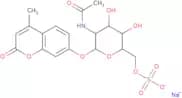
CAS:<p>4-Methylumbelliferyl 2-acetamido-2-deoxy-beta-D-galactopyranoside-6-sulfate potassium salt is a fluorogenic substrate for N-acetylgalactosamine-6-sulfatase. After enzymatic cleaveage, free 4-methylumbelliferone (also known as hymecromone) is released, exhibiting blue fluorescence upon excitation with UV light. The strongest fluorescence of 4-methylumbelliferone requires deprotonation of the hydroxyl group (thus requires alkaline pH), with a maximal fluorescence intensity obtained with excitation at 350 to 370 nm and emission at 440 to 470 nm. The use of 4-methylumbelliferyl 2-acetamido-2-deoxy-beta-D-galactopyranoside-6-sulfate potassium saltas a substrate for measuring the N-acetylgalactosamine-6-sulfatase activity is used for diagnosis of Mucopolysaccharidosis IVA (MPS IVA) (a rare lysosomal storage disorder) and Morquio A syndrome screening.</p>Fórmula:C18H20KNO11SPureza:Min. 95%Forma y color:PowderPeso molecular:497.52 g/molBis-(4-methylumbelliferyl)phosphate
CAS:<p>Bis-(4-methylumbelliferyl)phosphate, or bis-4MU-phopshate, is a fluorogenic substrate used to study phosphatase activity, particularly in enzyme-linked immunosorbent assays (ELISAs).</p>Fórmula:C20H15O8PPureza:Min. 95 Area-%Forma y color:White PowderPeso molecular:414.3 g/mol4-(Trifluoromethyl)umbelliferyl-β-D-cellotrioside
CAS:<p>4-(Trifluoromethyl)umbelliferyl-beta-D-cellotrioside is a fluorogenic substrate for cellulase. After cleavage, the fluorophore 4-(trifluoromethyl)umbelliferone, commonly referred as TFMU, is released, exhibiting a blueish color. 4-(Trifluoromethyl)umbelliferyl-beta-D-cellotrioside is used to study the enzyme kinetics in bacterial cellulose degradation assays as well as in biomass conversion research studies.</p>Fórmula:C28H35F3O18Pureza:Min. 95%Forma y color:White to off-white solid.Peso molecular:716.56 g/mol4-Methylumbelliferyl b-L-fucopyranoside
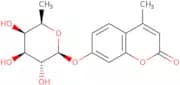
CAS:<p>A MOSCERDAM® substrate targeting the fucosidase enzyme</p>Fórmula:C16H18O7Pureza:Min. 98 Area-%Forma y color:PowderPeso molecular:322.31 g/mol4-Methylumbelliferyl sulfate potassium salt
CAS:<p>4-Methylumbelliferyl sulfate potassium salt serves as a superior fluorogenic substrate in enzyme detection assays. Upon enzymatic hydrolysis, it releases a highly fluorescent 4-methylumbelliferone moiety, enabling real-time analysis and quantification of enzyme activities. This product is ideal for a variety of biological assay applications, including in vitro diagnostics, drug discovery, and research purposes. Its excellent sensitivity, specificity, and performance ensure accurate and consistent results every time.</p>Fórmula:C10H7KO6SPureza:Min. 98 Area-%Forma y color:White PowderPeso molecular:294.32 g/mol4-Methylumbelliferyl-α-L-rhamnopyranoside
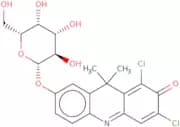
CAS:<p>4-Methylumbelliferyl-alpha-L-rhamnopyranoside is a fluorogenic substrate for alpha-L-rhamnosidase. After enzymatic cleaveage, free 4-methylumbelliferone (also known as hymecromone) is released, exhibiting blue fluorescence upon excitation with UV light. The strongest fluorescence of 4-methylumbelliferone requires deprotonation of the hydroxyl group (thus requires alkaline pH), with a maximal fluorescence intensity obtained with excitation at 350 to 370 nm and emission at 440 to 470 nm. The use of 4-methylumbelliferyl-alpha-L-rhamnopyranosideas a substrate for measuring the alpha-L-rhamnosidase activity is used for detection of bacterial infection.</p>Fórmula:C16H18O7Pureza:Min. 98 Area-%Forma y color:PowderPeso molecular:322.32 g/mol6'-(Diethylamino)spiro[isobenzofuran-1(3H),9'-[9H]xanthen]-3'-yl b-D-glucopyranoside
<p>6'-(Diethylamino)spiro[isobenzofuran-1(3H),9'-[9H]xanthen]-3'-yl b-D-glucopyranoside is a fluorogenic substrate that is used in diagnostic applications. It has been shown to be a useful ligand for the determination of enzyme activity, and it can also be used to detect bacterial culture media contaminants. 6'-(Diethylamino)spiro[isobenzofuran-1(3H),9'-[9H]xanthen]-3'-yl b-D-glucopyranoside is used as an enzyme substrate in chemiluminescent assays, and with other reagents, it can be used for the detection of environmental contaminants. This product has a CAS number of 55426-02-8 and can be found on the website www.sigmaaldrich.com/catalog/product</p>Pureza:Min. 95%Peso molecular:494.49 g/mol4-Trifluoromethylumbelliferyl-β-D-galactopyranoside
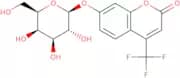
CAS:<p>4-Trifluoromethylumbelliferyl-beta-D-galactopyranoside is a fluorogenic substrate for beta-galactosidase. It is used in the detection of beta-galactosidase activity in cell lysates and culture media, as well as in food testing. This compound has been shown to be highly pure, with a purity greater than 98%. 4-Trifluoromethylumbelliferyl-beta-D-galactopyranoside has also been shown to have high chemiluminescence, making it an ideal candidate for use in diagnostics.</p>Fórmula:C16H15F3O8Peso molecular:392.29 g/molL-Pyroglutamic acid 7-amido-4-methylcoumarin
CAS:<p>Fluorogenic substrate for proglutamyl peptidase 1 yielding a blue fluorescent solution upon cleavage. Used in identification of Enterococcus spp. and group A streptococci (Streptococcus pyogenes).</p>Fórmula:C15H14N2O4Pureza:Min. 98 Area-%Peso molecular:286.29 g/molMethionine Assay Kit (Fluorometric)
<p>The Methionine Assay Kit (Fluorometric) is a kit containing the fluorogenic substrate needed for the determination of total methionine content. The kit is used to detect and quantify methionine in various food products, as well as in environmental samples. This assay can be used to measure free or protein-bound methionine. The fluorometric kit contains a conjugate that binds to the methionine molecule and provides a fluorescent signal proportional to the amount of bound methionine. The fluorescence intensity is measured on a fluorometer and converted into concentrations of methionine per gram of sample.</p>Pureza:Min. 95%N-CBZ-L-Lysyl-L-lysyl-L-arginine 7-amido-4-methylcoumarin triacetate
CAS:Producto controlado<p>N-CBZ-L-Lysyl-L-lysyl-L-arginine 7-amido-4-methylcoumarin triacetate is a synthetic peptide substrate used as a fluorogenic substrate for aminopeptidase.</p>Fórmula:C35H51N9O7•(C2H4O2)3Pureza:Min. 95%Forma y color:PowderPeso molecular:903.03 g/mol4-Methylumbelliferyl-b-D-glucose-6-phosphoethanolamine
<p>4-Methylumbelliferyl-b-D-glucose-6-phosphoethanolamine is a fluorescent substrate that can be used to identify the presence of beta-glucosidase in biological samples, such as wine or cheese. It has been shown to offer high purity and quality, with a CAS number of 70750-68-6. This product is often used for diagnosing bacterial infections, as it will fluoresce when hydrolyzed by beta-glucosidase enzymes. 4MMUFBE can also be used for food testing, environmental testing, and chromogenic substrate reactions in the laboratory.</p>Pureza:Min. 95%4-Methylumbelliferyl phosphate, free acid
CAS:<p>A sensitive fluorogenic substrate for fluorometric and UV-spectrophotometric assays of phosphatases. It is used for the detection of C. perfringens because acid phosphatase is a highly specific indicator for C. perfringens.</p>Fórmula:C10H9O6PPeso molecular:256.15 g/mol4-Methylumbelliferyl 2-acetamido-2-deoxy-a-D-galactopyranoside - Moscerdam™ biochemical purity
CAS:<p>A fluorogenic substrate for the detection of lysosomal enzyme N-acetyl-α-D-galactopyranosiaminidase (NAGA), which is driving the pathogenesis of Schindler disease. Also substrate for endo-α-N-acetylgalactosaminidase (O-glycosidase), which cleaves O-linked core 1 and core 3 disaccharides from glycoproteins.</p>Fórmula:C18H21NO8Pureza:Min. 98 Area-%Forma y color:White PowderPeso molecular:379.36 g/mol4-Methylumbelliferyl-α-L-fucopyranoside
CAS:<p>Fluorogenic substrate for α-L-Fucosidase yielding a blue fluorescent solution upon cleavage.</p>Fórmula:C16H18O7Peso molecular:322.32 g/molFLsharp™ - Phosphate, disodium salt
CAS:<p>FLsharp™ - Phosphate, disodium salt is a fluorogenic water soluble substrate for phosphatase enzymes. After cleavage of the substrate by phosphatase activity an insoluble product is formed that is highly fluorescent in the solid state. Upon UV irradiation this very stable fluorophore emits green light in the 530 nm range for an extended period of time. FLsharp™ - Phosphate is a unique substrate - optimized for the detection of phosphatase activity in solid matrices such as agar media, tissuesections or microscopic preparations. FLsharp™ - Phosphate, disodium salt is used in microbiology as asubstrate for bacterial phosphatases. The substrate is suitable to detect the specific phosphatase activity of S. aureus or C. perfringensin food samples or clinical samples. Colonies growing on plating media supplemented with FLsharp™ emit green light upon UV light excitation(Excitation max: 365 nm; emission max: 530 nm). The enzyme product formed from FLsharp™ in agar plating media enables high precision for the localization of the relevant colonies on the plate. As a result small bacteria colonies of phosphatase-positive bacteria can be detected already after a short incubation time. In cytochemical and histochemical imaging FLsharp™ - Phosphate, disodiumsalt can be used as a substrate for Alkaline Phosphatase (AP)-coupled antibodies. The fluorophore that is released from FLsharp™ - Phosphateby phosphatase activity will precipitate. This insoluble fluorophoreen ables a precise localization of the antibody-bound epitope in cells or tissues under a fluorescence microscope or fluorescence imaging system. The green fluorescence of FLsharp™ can be clearly differentiated from autofluorescence or counterstainings such as (blue) DAPI or (red) Alexafluorophores.</p>Fórmula:C14H7Cl2N2Na2O5PPureza:Min. 95.0 Area-%Peso molecular:431.08 g/mol4-Methylumbelliferyl-β-D-mannopyranoside
CAS:<p>Fluorogenic substrate for detection of β-D-mannosidase.</p>Fórmula:C16H18O8Pureza:Min. 99.0 Area-%Peso molecular:338.31 g/mol4-Methylumbelliferyl-β-L-fucopyranoside
CAS:<p>4-Methylumbelliferyl-beta-L-fucopyranoside is a fluorogenic substrate that is used in food testing. It also has uses as a chromogenic substrate and a ligand for biological studies. 4-Methylumbelliferyl-beta-L-fucopyranoside is a conjugate of 4-methylumbelliferone and beta-D-fucopyranosyl ester, which is an enzyme substrate for the detection of phosphatases. This product can be used to detect the activity of phosphatase enzymes in various media, including culture media, environmental testing, and staining. 4MUFBPY also has chemiluminescent properties that can be used for bioluminescence assays.</p>Fórmula:C16H18O7Peso molecular:322.31 g/molRef: 3D-M-5541
1gA consultar5gA consultar250mgA consultar500mgA consultar2500mgA consultar-Unit-ggA consultar4-Methylumbelliferyl b-D-cellopentoside
CAS:<p>A fluorogenic MOSCERDAM® substrate targeting cellulases</p>Fórmula:C40H58O28Pureza:Min. 95%Forma y color:White To Off-White SolidPeso molecular:986.89 g/mol3-(4,4-Difluoro-5,7-dimethyl-4-bora-3a,4a-diaza-s-indacene-3-propionamido)propyl b-D-lactoside
<p>3-(4,4-Difluoro-5,7-dimethyl-4-bora-3a,4a-diaza-s-indacene-3-propionamido)propyl b -D -lactoside (FDPBP) is a substrate for alkaline phosphatase. It reacts with the enzyme to produce a blue color. FDPBP is used in diagnostic applications such as food testing and bioluminescence.</p>Pureza:Min. 95%Forma y color:PowderPeso molecular:675.48 g/molL-Serine 7-amido-4-methylcoumarin hydrochloride
CAS:<p>L-Serine 7-amido-4-methylcoumarin hydrochloride is a fluorogenic peptide substrate for peptidases. This AMC peptide substrate is normally used to rapidly profile the N-terminal specificity of proteases.</p>Fórmula:C13H15ClN2O4Peso molecular:298.72 g/mol3-(7-Hydroxycoumarin-3-carboxamido)propyl 4-O-(b-D-galactopyranosyl)-b-D-glucopyranoside
<p>3-(7-Hydroxycoumarin-3-carboxamido)propyl 4-O-(b-D-galactopyranosyl)-b-D-glucopyranoside is a fluorogenic substrate that is used for the detection of beta-galactosidase. It has been shown to be an efficient substrate for the enzyme beta galactosidase and can be used to detect this enzyme in cell culture media and other diagnostic applications. 3-(7-Hydroxycoumarin-3-carboxamido)propyl 4-O-(b-D-galactopyranosyl)-b-D-glucopyranoside can also be used as a chromogenic substrate, which is added to a reaction mixture containing beta galactosidase, where it is hydrolyzed by the enzyme to produce a blue color. This product also has food testing and environmental testing applications.</p>Pureza:Min. 95%4-Methylumbelliferyl cholin phosphate
CAS:<p>4-Methylumbelliferyl phosphocholine, commonly known as 4-MUPC, is a synthetic phosphodiester used as an enzyme substrate for phospholipase enzymes. 4-MUPC is used as a fluorogenic substrate to measure the activity of phopholipases, which are important mediators of cell signalling.</p>Fórmula:C15H20NO6PPureza:Min. 99.0 Area-%Peso molecular:341.30 g/mol4-Methylumbelliferyl-β-D-galactopyranoside
CAS:<p>Fluorogenic substrate for β-D-galactosidase yielding a blue fluorescent solution upon cleavage.</p>Fórmula:C16H18O8Pureza:Min. 98.0 Area-%Peso molecular:338.32 g/mol6-(b-D-Galactopyranosyloxy)-9-(4-methoxy-2-methylphenyl)-3H-xanthen-3-one
CAS:<p>6-(b-D-Galactopyranosyloxy)-9-(4-methoxy-2-methylphenyl)-3H-xanthen-3-one (MGBG) is a hydrophilic activatable fluorescence probe that has been shown to be effective in photodynamic therapy. MGBG is activated by light and has a high affinity for esterases, which are found in many tissues. The fluorescence of the MGBG is quenched by the esterase enzymes, but when it is exposed to light and oxygen, the probe becomes activated and its fluorescence increases. MGBG can be used as a fluorescent probe for intraperitoneal tumor resection or as a fluorescent imaging agent in optical microscopy.</p>Pureza:Min. 95%Peso molecular:494.49 g/mol6-Aminocoumarin HCl
CAS:<p>Use as a positive control when detecting nitroreductase activity</p>Fórmula:C9H7NO2·HClPureza:Min. 95%Peso molecular:197.62 g/mol6-Nitrocoumarin
CAS:<p>Substrate to study the nitroreductase activity in the pathogenic fungus Sporothrix schenckii, a thermal dimorphic pathogenic fungus causing a subcutaneous mycosis.</p>Fórmula:C9H5NO4Pureza:Min. 95%Forma y color:PowderPeso molecular:191.14 g/mol4-Methylumbelliferyl-N,N-diacetyl-β-D-chitobioside
CAS:<p>4-Methylumbelliferyl-N,N-diacetyl-beta-D-chitobioside is a molecule that has been expressed in the yeast Pichia pastoris. It can be used as a fluorescent probe for chitinase activity and has been shown to be sensitive to tryptophan residues and aromatic residues in proteins. 4-Methylumbelliferyl-N,N-diacetyl-beta-D-chitobioside has also been used as a fluorescent probe for isozymes of glucose phosphate isomerase. The nature of the trisaccharide is unknown, but it appears to be hydrophobic.</p>Fórmula:C26H34N2O13Pureza:Min. 99.0 Area-%Peso molecular:582.57 g/molBis(4-methylumbelliferyl)phosphate
CAS:<p>Bis(4-methylumbelliferyl)phosphate is a fluorescent probe that can be used for the diagnosis of β-glucosidase. It has a phosphate group and can be used to study phosphodiesterases and phosphodiesters. Bis(4-methylumbelliferyl)phosphate is also a liposomal probe that can be used in kinetic studies. This compound has been shown to inhibit β-glucosidase, which is an enzyme found in human saliva and pancreatic juice, at high concentrations. The inhibition of this enzyme leads to the accumulation of glucose and galactose in the blood, which can lead to diabetes mellitus or cancer.</p>Fórmula:C20H15O8PPeso molecular:414.31 g/molBis(4-methylumbelliferyl)pyrophosphoric acid, disodium salt
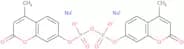
CAS:<p>Bis(4-methylumbelliferyl)pyrophosphoric acid, disodium salt is a fluorogenic substrate that is commonly used in environmental testing, bioluminescence, and culture media. It reacts with an enzyme to produce light. The light produced by the reaction of bis(4-methylumbelliferyl)pyrophosphoric acid, disodium salt with the enzyme can be measured using a luminometer to measure the amount of light. This reaction is also known as chemiluminescence and has been shown to have a high quality and purity. Bis(4-methylumbelliferyl)pyrophosphoric acid, disodium salt is often used in diagnostics for detecting conjugated or ligand compounds. It can be used as a staining agent for proteins or nucleic acids as well.</p>Fórmula:C20H14Na2O11P2Peso molecular:538.26 g/molL-Alanine 7-amido-4-methylcoumarin, trifluoroacetate salt
CAS:<p>Fluorogenic substrate for aminopeptidase yielding a blue fluorescent solution.</p>Fórmula:C15H15F3N2O5Pureza:Min. 98.0 Area-%Peso molecular:360.29 g/mol4-Methylumbelliferyl 4-O-(α-L-fucopyranosyl)-β-D-galactopyranoside
CAS:<p>4-Methylumbelliferyl 4-O-(alpha-L-fucopyranosyl)-beta-D-galactopyranoside is a fluorogenic substrate for alpha-L-fucosidase. After enzymatic cleaveage, free 4-methylumbelliferone (also known as hymecromone) is released, exhibiting blue fluorescence upon excitation with UV light. The strongest fluorescence of 4-methylumbelliferone requires deprotonation of the hydroxyl group (thus requires alkaline pH), with a maximal fluorescence intensity obtained with excitation at 350 to 370 nm and emission at 440 to 470 nm. The use of 4-methylumbelliferyl 4-O-(alpha-L-fucopyranosyl)-beta-D-galactopyranosideas a substrate for measuring the alpha-L-fucosidase activity is used for fucosidosis diagnosis and in screening studies of glycoprotein metabolism disorders.</p>Fórmula:C22H28O12Pureza:Min. 95 Area-%Forma y color:PowderPeso molecular:484.45 g/molγ-L-Glutamic acid 7-amido-4-methylcoumarin trifluoroacetic acid
CAS:<p>Substrate for aminopeptidase A</p>Fórmula:C15H16N2O5•C2F3O2HPureza:Min. 98 Area-%Forma y color:White PowderPeso molecular:418.4 g/molL-Phenylalanine 7-amido-4-methylcoumarin trifluoroacetate salt
CAS:<p>L-Phenylalanine 7-amido-4-methylcoumarin trifluoroacetate salt is a fluorogenic peptide substrate for aminopeptidase. This AMC peptide substrate is normally used to rapidly profile the N-terminal specificity of proteases.</p>Fórmula:C19H18N2O3•C2HF3O2Pureza:Min. 98 Area-%Forma y color:White PowderPeso molecular:436.38 g/molBoc-Val-Pro-Arg-PAB-Resorufin
<p>Boc-Val-Pro-Arg-PAB-Resorufin is fluorogenic substrate for thrombin and the thrombin-staphylocoagulase complex.</p>Fórmula:C40H50N8O8Pureza:Min. 97 Area-%Peso molecular:770.87 g/molL-Arginyl-L-arginine 7-amido-4-methylcoumarin trihydrochloride
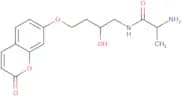
CAS:<p>Fluorogenic substrate for cathepsin B or aminopeptidase III. Yields a blue fluorescent solution upon cleavage.</p>Fórmula:C22H36Cl3N9O4Pureza:Min. 98 Area-%Peso molecular:596.95 g/mol7-((4'-L-Alaninamido)-rac-3'-hydroxybutyloxy) coumarin
<p>This Clips-O substrate 7-((4'-L-Alaninamido)-rac-3'-hydroxybutyloxy) coumarin allows the detection of single and dual enzymatic activity (L-alanine aminopetidase and oxidation of 4-amino-3-hydroxybutyloxy spacer either enzymatically or by exposure to sodium periodate) with a single substrate resulting in a fluorescent signal. The main virtues of Clips-O substrates are an increased stability towards non-enzymatic hydrolysis that results in a reduced background and high sensitivity.</p>Fórmula:C16H20N2O5Peso molecular:320.35 g/mol7-((4'-L-Alaninamido)-rac-(3'-octanoyloxy)butyloxy) coumarin trifluoroacetate salt
CAS:<p>This Clips-O substrate 7-(4'-L-Alaninamido)-rac-(3'-octanoyloxy)butyloxy) coumarin allows the detection of three enzymatic activities (L-alanine aminopeptidase, C8-esterase and oxidation of 4-amino-3-hydroxybutyloxy either enzymatically or by exposure to sodium periodate) with one single substrate and give a positive fluorescent signal only in presence of all activities. The main virtues of Clips-O substrates are an increased stability towards non-enzymatic hydrolysis that results in a reduced background and high sensitivity.</p>Fórmula:C26H35F3N2O8Pureza:Min. 95%Forma y color:PowderPeso molecular:560.56 g/mol4-Methylumbelliferyl sulfate, potassium salt
CAS:<p>4-Methylumbelliferyl sulfate, potassium salt is a metabolite of 4-methylumbelliferone and has been used as a human serum marker. This molecule is conjugated with glucuronide and p-hydroxybenzoic acid to form the sulfate, glucuronide conjugate. The reaction mechanism of this compound is not known, but it is thought that the metabolism may involve oxidation at the methyl group. The analytical method for this compound can be performed using liquid chromatography coupled with tandem mass spectrometry (LC-MS/MS). This method can also be used in vitro to test antimicrobial activity against bacteria such as Escherichia coli, Staphylococcus aureus and Pseudomonas aeruginosa.</p>Fórmula:C10H7KO6SPureza:Min. 99.0 Area-%Peso molecular:294.33 g/molRef: 3D-M-6200
5gA consultar10gA consultar25gA consultar50gA consultar100gA consultar-Unit-ggA consultar4-Methylumbelliferyl 3-O-(N-acetylneuraminyl)-b-D-glucopyranoside
<p>4-Methylumbelliferyl 3-O-(N-acetylneuraminyl)-b-D-glucopyranoside is a chromogenic substrate. It is used for the detection of glycoproteins and glycolipids in food testing, staining, environmental testing, and diagnostics. It can also be used as a fluorogenic substrate for the detection of glycoproteins and glycolipids in fluorescence microscopy. 4-methylumbelliferyl 3-O-(N-acetylneuraminyl)-b-D-glucopyranoside has been shown to be a ligand for the lectin receptor Galectin 9, which is involved in inflammation and cancer cell growth. 4-methylumbelliferyl 3-O-(N-acetylneuraminyl)-b-D-glucopyranoside has been shown to be an enzyme substrate for alkaline phosphatase, β</p>Pureza:Min. 95%Glycyl-glycine 7-amido-4-methylcoumarin hydrochloride
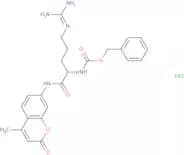
CAS:<p>Glycyl-glycine 7-amido-4-methylcoumarin hydrochloride (Gly-Gly-AMC) is a fluorescent compound that can be used as a probe for the transfer of glycine in the brain. Gly-Gly-AMC binds to Langerhans cells and is transferred by an anterograde axonal transport mechanism from the peripheral nervous system to the central nervous system. The binding of Gly-Gly-AMC to Langerhans cells has been shown to activate them, which induces the release of inflammatory mediators into the surrounding tissue. This activity may be due to increased levels of calcium ions, which are known to induce exocytosis in these cells. Glycine is also involved in depression and other mental disorders, as well as muscle and brain activity.</p>Fórmula:C14H16ClN3O4Peso molecular:325.75 g/molN-α-CBZ-L-Arginine 7-amido-4-methylcoumarin hydrochloride
CAS:<p>N-alpha-CBZ-L-Arginine 7-amido-4-methylcoumarin hydrochloride is a high quality and highly purified substrate for enzymes that catalyze the release of light when they react with their specific substrates. It is used in a variety of applications, including diagnostics and food testing. NACBZLAMC hydrochloride is an excellent ligand for chemiluminescence reactions and can be used to detect the presence of various analytes. It can also be used as a staining agent to detect proteins on Western blots or to stain bacterial cultures for identification. This product has been shown to be effective against numerous bacteria, including Staphylococcus aureus and Pseudomonas aeruginosa, as well as fungi like Candida albicans.</p>Fórmula:C24H28ClN5O5Pureza:Min. 99 Area-%Peso molecular:501.97 g/mol4-Methylumbelliferyl-β-D-xylopyranoside
CAS:<p>Fluorogenic substrate for β-D-xylosidase. Identification within the family of Enterobacteriaceae.</p>Fórmula:C15H16O7Pureza:Min. 99.0 Area-%Peso molecular:308.29 g/mol4-Methylumbelliferyl-α-L-rhamnopyranoside
CAS:<p>4-Methylumbelliferyl-alpha-L-rhamnopyranoside is a fluorogenic substrate used in enzyme assays. It is a substrate of the enzyme beta-galactosidase, which catalyzes the hydrolysis of terminal galactose residues from polysaccharides and glycoproteins. The fluorescent product 4-methylumbelliferone (4MU) is formed by cleavage of the terminal galactose residue and can be measured spectrophotometrically at 360 nm. 4-Methylumbelliferone has been used for chemiluminescent detection in immunoassays and as a substrate for bioluminescence reactions.</p>Fórmula:C16H18O7Pureza:Min. 98.0 Area-%Peso molecular:322.32 g/molRef: 3D-M-6185
1gA consultar5gA consultar10gA consultar500mgA consultar2500mgA consultar-Unit-ggA consultarL-Histidine 7-amido-4-methylcoumarin hydrochloride
CAS:<p>L-Histidine 7-amido-4-methylcoumarin hydrochloride is a fluorogenic substrate, which is a synthetic chemical that is used as a substitute for natural substrates. It reacts with enzymes in the presence of hydrogen peroxide to produce light. This product has been used as an enzyme substrate, a diagnostic tool and has been used to detect bacterial growth in culture media. L-Histidine 7-amido-4-methylcoumarin hydrochloride is also used for food testing and environmental testing, where it can be used as a chromogenic substrate or conjugate respectively. This product has CAS number 5981-00-6 and molecular weight of 254.27 g/mol.</p>Fórmula:C16H17ClN4O3Peso molecular:348.79 g/molβ-Alanine 7-amido-4-methylcoumarin trifluoroacetate
CAS:<p>Beta-Alanine 7-amido-4-methylcoumarin trifluoroacetate is a fluorogenic substrate for aminopeptidase yielding a blue fluorescent solution.</p>Fórmula:C13H14N2O3•C2HF3O2Pureza:Min. 95%Forma y color:PowderPeso molecular:360.29 g/mol4-Methylumbelliferyl-a-D-mannopyranoside-2-phosphoethanolamine
<p>4-Methylumbelliferyl-a-D-mannopyranoside-2-phosphoethanolamine is a fluorescent substrate used in enzyme assays. It is an analog of the natural substrate, 4-methylumbelliferyl-alpha-D-mannopyranoside, which is a phosphoethanolamine linked to alpha-D-mannose. This product can be used as a chromogenic or fluorogenic substrate for various enzymes, including beta glucosidase, beta galactosidase, and beta lactonase. 4MUMPE can also be used for bioluminescent studies and has been shown to have high purity and quality.</p>Pureza:Min. 95%2'-(4-Methylumbelliferyl)-a-D-N-glycolylneuraminic acid
CAS:<p>2'-(4-Methylumbelliferyl)-a-D-N-glycolylneuraminic acid is a fluorogenic substrate that is used for enzymatic labeling of glycolipids. It can be used as a diagnostic or food testing agent, and also has applications in environmental testing. The CAS number for this product is 1434265-32-3.</p>Pureza:Min. 95%Peso molecular:483.42 g/molNucleic Acid Dye Green I, 10,000X in DMSO
CAS:<p>Green I is a nucleic acid dye that has been shown to have antioxidative properties. It inhibits protein synthesis in mammalian cells by binding to the DNA and blocking transcription. Green I has also been shown to inhibit the growth of tumor cells and to cause cell death by oxidative damage. Green I is not genotoxic, but it can cause false positive results in genotoxicity tests. Green I has also been shown to be a potential biomarker for renal cell cancer, as well as a prognostic marker for this cancer. This dye enhances polymerase chain reaction (PCR) and is used in biological research because of its ability to bind with proteins and form complexes with DNA.</p>Fórmula:C32H37N4SPeso molecular:509.27 g/molGlycine 7-amido-4-methylcoumarin hydrobromide
CAS:<p>Glycine 7-amido-4-methylcoumarin hydrobromide is a chromogenic substrate that can be used for the detection of alkaline phosphatase. It reacts with the enzyme to produce a blue color, which can be measured spectrophotometrically. The product is also used as a ligand in cell culture media and as a diagnostic agent in environmental testing. It has been shown to be an excellent substrate for chemiluminescence reactions with luminol and luciferin, and bioluminescence reactions with luciferase. Glycine 7-amido-4-methylcoumarin hydrobromide is available from several suppliers at different prices, but we are able to offer it at a competitive price due to our high quality standards. The following product description was generated for 6-Fluoro-3-indoxyl-beta-D-galactopyranoside: Rif</p>Fórmula:C12H13BrN2O3Pureza:Min. 98.0 Area-%Peso molecular:313.16 g/molN-CBZ-L-Lysyl-L-lysyl-L-arginine 7-amido-4-methylcoumarin, triacetate salt
CAS:<p>N-CBZ-L-Lysyl-L-lysyl-L-arginine 7-amido-4-methylcoumarin, triacetate salt is a fluorogenic substrate for the detection of phosphatases. It has been used in various assays for the detection of phosphatases in culture media and for the identification of phosphatase substrates in food products. This product has also been used to detect phosphatases in environmental samples. N-CBZ-L-Lysyl-L-lysyl-L arginine 7-amido 4 methyl coumarin, triacetate salt has shown to be a chromogenic substrate that can be used to detect peroxidase activity. It is highly soluble and stable at high pH levels and can be used as a bioluminescent substrate for enzyme activity measurements.</p>Fórmula:C42H64N9O13Pureza:Min. 98.0 Area-%Peso molecular:903.03 g/mol4-Methylumbelliferyl phosphate, bis(2-amino-2-methyl-1,3-propanediol) salt
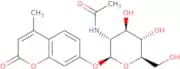
CAS:<p>Sensitive fluorogenic substrate for fluorometric and UV-spectrophotometric assays of phosphatases.</p>Fórmula:C18H31N2O10PPureza:Min. 98.0 Area-%Peso molecular:466.43 g/mol4-Methylumbelliferyl-N-acetyl-β-D-glucosaminide
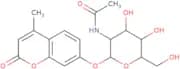
CAS:<p>Fluorogenic substrate for N-Acetyl-β-D-glucosaminidase yielding a blue fluorescent solution. Used for rapid identification of Salmonella species.</p>Fórmula:C18H21NO8Pureza:Min. 99 Area-%Peso molecular:379.37 g/molRef: 3D-M-5504
5gA consultar10gA consultar25gA consultar50gA consultar2500mgA consultar-Unit-ggA consultarL-Ala-PAB-Resorufin
CAS:<p>L-Ala-PAB-resorufin is a highly sensitive chromogenic and fluorogenic indicator for L-alanine aminopeptidase activity and related enzymes occurring in prokaryotic as well as eukaryotic organisms. After removal of the L-alanyl substructure by enzymatic hydrolysis and spontaneous elimination of the para-aminobenzyl spacer, the initially orange colored compound yields an intense pink color and red fluorescence.</p>Fórmula:C22H19N3O4Pureza:Min. 70 Area-%Forma y color:PowderPeso molecular:389.4 g/molL-Pro-PAB-Resorufin
<p>L-Pro-PAB-Resorufin is a highly sensitive chromogenic and fluorogenic indicator for L-proline aminopeptidase activity and related enzymes occurring in prokaryotic as well as eukaryotic organisms. After removal of the L-proline amide substructure by enzymatic hydrolysis and spontaneous elimination of the para-amino-benzyl (PAB) spacer, the initially orange colored compound yields an intense pink color. In addition, the released chromophor is an excellent fluorophor showing red fluorescence at an emission wavelength of 580 to 600 nm when excited at 560 to 570 nm.</p>Fórmula:C24H21N3O4Pureza:Min. 70 Area-%Forma y color:PowderPeso molecular:415 g/molL-Proline 7-amido-4-methylcoumarin hydrobromide
CAS:<p>L-Proline 7-amido-4-methylcoumarin hydrobromide is a fluorogenic substrate that is used to measure esterase and peptidase activity in a variety of animal and microbial sources. This compound has been shown to have a lipase activity. L-Proline 7-amido-4-methylcoumarin hydrobromide is also used as an enzyme preparation and as an enzyme source.</p>Fórmula:C15H17BrN2O3Peso molecular:353.22 g/molRef: 3D-P-7280
1gA consultar5gA consultar10gA consultar500mgA consultar2500mgA consultar-Unit-ggA consultarL-Phenylalanine 7-amido-4-methylcoumarin, trifluoroacetate salt
CAS:<p>Please enquire for more information about L-Phenylalanine 7-amido-4-methylcoumarin, trifluoroacetate salt including the price, delivery time and more detailed product information at the technical inquiry form on this page</p>Fórmula:C21H19F3N2O5Pureza:Min. 99 Area-%Peso molecular:436.39 g/molRef: 3D-P-3500
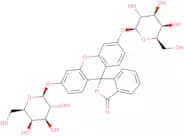
1gA consultar5gA consultar10gA consultar500mgA consultar2500mgA consultar-Unit-ggA consultarFluorescein di-β-D-glucopyranoside
CAS:<p>Fluorogenic substrate targeting beta-glucosidase</p>Fórmula:C32H32O15Pureza:Min. 95%Forma y color:PowderPeso molecular:656.59 g/mol4-Methylumbelliferyl 2-acetamido-2-deoxy-4-O-b-D-galactopyranosyl-b-D-glucopyranoside
CAS:<p>4-Methylumbelliferyl 2-acetamido-2-deoxy-4-O-b-D-galactopyranosyl-b-D-glucopyranoside is a chemiluminescent substrate that is used in diagnostic tests. This compound has been approved by the FDA and EPA for use in food testing, as well as for the detection of certain bacteria, parasites, and fungi. It is also used to detect protein kinase activity in cells or tissue samples. 4MUG can be conjugated to an enzyme or antibody to produce a fluorescent signal when activated by light at 350 nm. The compound has been shown to be nonfluorescent when in the dark, but will emit fluorescence upon activation with light at 350 nm.</p>Pureza:Min. 95%Peso molecular:541.5 g/molL-Lysine 7-amido-4-methylcoumarin, acetate salt
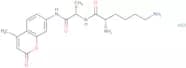
CAS:Producto controlado<p>L-Lysine 7-amido-4-methylcoumarin, acetate salt is a fluorogenic peptide substrate for aminopeptidase. This AMC peptide substrate is normally used to rapidly profile the N-terminal specificity of proteases.</p>Fórmula:C18H25N3O5Peso molecular:363.42 g/molEsculetin-7-β-D-galactopyranoside
<p>Esculetin-7-beta-D-galactopyranoside, also known as 6,7-Dihydroxycoumaryl-7-beta-D-galactopyranoside, is a fluorogenic substrate used in the detection of beta-galactosidase activity. This coumarin derivative, when hydrolyzed, yields esculetin (6,7-dihydroxycoumarin) which, in the presence of iron salts, forms a brown-black complex.</p>Fórmula:C15H16O9Pureza:Min. 95%Peso molecular:340.28 g/mol4-Methylumbelliferyl-β-D-cellobioside
CAS:<p>Fluorogenic substrate for β-D-Cellobiosidase yielding a blue fluorescent solution upon cleavage.</p>Fórmula:C22H28O13Pureza:Min. 98.0 Area-%Peso molecular:500.46 g/mol4-Methylumbelliferyl phosphate, dilithium salt
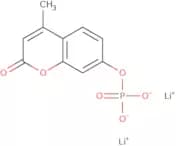
CAS:<p>4-Methylumbelliferyl phosphate, dilithium salt is a fluorescent probe that is used for the detection of phosphatases. The fluorescence of this compound is inversely proportional to the activity of phosphatases. This compound can be used as a substrate for phosphatases, which are enzymes that break down phosphate groups from compounds such as ATP, ADP, and AMP. 4-Methylumbelliferyl phosphate, dilithium salt reacts with surface antigens on cells and shows reproducible results when screened with monoclonal antibodies.</p>Fórmula:C10H7Li2O6PPeso molecular:268.02 g/molRef: 3D-M-5920
1gA consultar5gA consultar250mgA consultar500mgA consultar2500mgA consultar-Unit-ggA consultar7-((4'-L-Alaninamido)-rac-3'-hydroxybutyloxy) coumarin hydrochloride
<p>This Clips-O substrate 7-((4'-L-Alaninamido)-rac-3'-hydroxybutyloxy) coumarin allows the detection of single and dual enzymatic activity (L-alanine aminopetidase and oxidation of 4-amino-3-hydroxybutyloxy spacer either enzymatically or by exposure to sodium periodate) with a single substrate resulting in a fluorescent signal. The main virtues of Clips-O substrates are an increased stability towards non-enzymatic hydrolysis that results in a reduced background and high sensitivity.</p>Fórmula:C16H21ClN2O5Peso molecular:356.8 g/mol4-Methylumbelliferyl myo-inositol-1-phosphate, N-methyl-morpholine salt
CAS:<p>Fluorogenic substrate for phosphatidylinositol-specific phospholipase C. Isolation and identification of Listeria monocytogenes, bacteria of the Bacillus cereus group, yeasts and molds. See also B-7404.</p>Fórmula:C21H30NO12PPureza:Min. 98.0 Area-%Peso molecular:519.45 g/molRef: 3D-M-5717
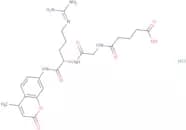
1gA consultar5gA consultar10gA consultar500mgA consultar2500mgA consultar-Unit-ggA consultarGlutaryl-glycyl-L-arginine 7-amido-4-methylcoumarin hydrochloride
CAS:<p>Glutaryl-glycyl-L-arginine 7-amido-4-methylcoumarin hydrochloride is a chromogenic substrate that can be used in the detection of enzymes and other proteins. It is a fluorogenic substrate that can be used in chemiluminescence to detect and measure free radicals. Glutaryl-glycyl-L-arginine 7-amido-4-methylcoumarin hydrochloride is stable at pH 7, and has a high purity with a CAS number of 103213-40-7. This product is suitable for use as an enzyme substrate or ligand, as well as for staining and diagnostics.</p>Fórmula:C23H31ClN6O7Peso molecular:538.98 g/molRef: 3D-G-3950
1gA consultar25mgA consultar100mgA consultar250mgA consultar500mgA consultar-Unit-ggA consultar2'-(4-Methylumbelliferyl)-α-D-N-acetylneuraminic acid, sodium salt
CAS:<p>4-Methylumbelliferyl N-acetyl-a-D-neuraminic acid sodium salt (4-MUNANA) is a fluorogenic substrate of neuraminidase. 4-Methylumbelliferone is released from 4-MUNANA by neuraminidase in the assay and can be detected fluorometrically with excitation at 365-380 nm and emission at 445-454 nm. It can also be used for fluorescent staining of sialidases in PAGE.</p>Fórmula:C21H24NNaO11Pureza:Min. 98 Area-%Peso molecular:489.42 g/mol4-Methylumbelliferyl-α-D-mannopyranoside
CAS:<p>4-Methylumbelliferyl alpha-D-mannopyranoside (4-MU-a-D-Man) is a fluorogenic substrate used in activity assays for alpha-mannosidase. When it is hydrolyzed by alpha-mannosidase, it produces a fluorescent compound, 4-methylumbelliferone (4-MU). 4-MU-a-D-Man is often used in medical research to monitor the activity of alpha-mannosidase, which is important in lysosomal storage diseases. In addition, 4-Methylumbelliferyl alpha-D-mannopyranoside has been used to study the the activity of concanavalin A, a lectin that specifically binds to alpha-D-mannopyranosyl and alpha-D-glucopyranosyl residues on various glycoproteins. The use of this fluorogenic enzyme substrate permits study the degree of alpha-D-mannosidic linkage cleavage by the enzyme.</p>Fórmula:C16H18O8Pureza:Min. 98 Area-%Peso molecular:338.32 g/molRef: 3D-M-5730
1gA consultar5gA consultar10gA consultar500mgA consultar2500mgA consultar-Unit-ggA consultar4-Methylumbelliferyl-β-D-glucuronic acid methyl ester, Biosynth Patent: EP 2718458 and US 9127303
<p>4-Methylumbelliferyl-β-D-glucuronic acid methyl ester is a fluorogenic substrate that can be used as a ligand for enzyme activity detection. The substrate reacts with an oxidizing agent to produce the fluorescent product 4-methylumbelliferone, which can then be detected with a sensitive fluorometer. 4-Methylumbelliferyl-β-D-glucuronic acid methyl ester is an alternative to the more commonly used fluorescein in enzyme assays. This product has been shown to be an effective chemiluminescent substrate for the detection of bacteria and fungi in culture media, as well as for food testing.</p>Fórmula:C17H18O9Pureza:Min. 97.0 Area-%Peso molecular:366.32 g/molRef: 3D-M-5709_P00
1gA consultar5gA consultar10gA consultar25gA consultar2500mgA consultar-Unit-ggA consultarL-Leucine 7-amido-4-methylcoumarin hydrochloride
CAS:<p>Sensitive fluorogenic substrate for leucine aminopeptidase or a broad specificity aminopeptidase like aminopeptidase M that releases a bright blue fluorescent dye, 7-amino-4-methylcoumarin upon enzyme activity (excitation 380nm emission 440nm).</p>Fórmula:C16H21ClN2O3Pureza:Min. 97.5 Area-%Peso molecular:324.81 g/molRef: 3D-L-2800
1gA consultar100mgA consultar250mgA consultar500mgA consultar2500mgA consultar-Unit-ggA consultar4-Methylumbelliferyl-α-L-arabinofuranoside
CAS:<p>4-Methylumbelliferyl-alpha-L-arabinofuranoside is a nucleic acid molecule that has an average diameter of 10 nm. It is used as a tracer in electron microscopy to detect the presence of nucleic acid molecules in cells. This compound is also used to study the interactions between DNA and RNA molecules by labeling the DNA strand with 4-methylumbelliferyl-alpha-L-arabinofuranoside, which contains an alpha-(2,4,6) arabinofuranosyl group. The recombinant expression of this compound can be carried out in corynebacterium glutamicum, and it has a bulk density that ranges from 1.7 to 2.1 g/cm3 and an average particle diameter ranging from 0.5 to 1 micron. It is not soluble in water or alcohol but is soluble in acetone or chloroform.</p>Fórmula:C15H16O7Pureza:Min. 98 Area-%Peso molecular:308.29 g/molRef: 3D-M-5509
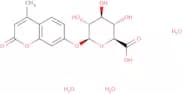
1gA consultar100mgA consultar250mgA consultar500mgA consultar2500mgA consultar-Unit-ggA consultar4-Methylumbelliferyl-β-D-glucuronic acid dihydrate
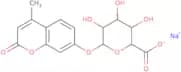
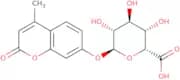
CAS:<p>4-Methylumbelliferyl β-D-glucuronide (MUG) is commonly used as a substrate for detecting β-glucuronidase. MUG is used for identifying E. coli contamination in food, drinking water, clinical samples and for rapid bacterial identification in blood cultures. It is recommended in international normatives (ISO, DIN) as a fluorogenic substrate for detection of E. coli. MUG is also a tool assaying the glucuronidase gene in plants.</p>Fórmula:C16H20O11Pureza:Min. 98.0 Area-%Peso molecular:388.33 g/molRef: 3D-M-5701
10gA consultar25gA consultar50gA consultar100gA consultar250gA consultar-Unit-ggA consultar4-Methylumbelliferyl-2-O-(α-L-fucopyranosyl)-β-L-fucopyranoside
<p>4-Methylumbelliferyl-2-O-(alpha-L-fucopyranosyl)-beta-L-fucopyranoside is a fluorogenic substrate for alpha-L-fucosidase. After enzymatic cleaveage, free 4-methylumbelliferone (also known as hymecromone) is released, exhibiting blue fluorescence upon excitation with UV light. The strongest fluorescence of 4-methylumbelliferone requires deprotonation of the hydroxyl group (thus requires alkaline pH), with a maximal fluorescence intensity obtained with excitation at 350 to 370 nm and emission at 440 to 470 nm. The use of 4-methylumbelliferyl-2-O-(alpha-L-fucopyranosyl)-beta-L-fucopyranosideas a substrate for measuring the alpha-L-fucosidase activity is used for diagnosis of fucosidosis (defficiency of L-fucosidase).</p>Pureza:Min. 95%Forma y color:White/Off-White SolidPeso molecular:468.45 g/mol4-Methylumbelliferyl-α-D-galactopyranoside
CAS:<p>Fluorogenic substrate for α-galactosidase yielding a blue fluorescent solution upon cleavage. It is used for species differentiation within the family of Enterobacteriaceae. It is also utilized for the localization of the enzyme in plants.</p>Fórmula:C16H18O8Pureza:Min. 99.0 Area-%Peso molecular:338.32 g/mol4-Methylumbelliferyl-α-L-arabinopyranoside
CAS:<p>Fluorogenic substrate for α-L-arabinosidase yielding a blue fluorescent solution upon cleavage.</p>Fórmula:C15H16O7Pureza:Min. 98.0 Area-%Peso molecular:308.29 g/mol4-Methylumbelliferyl-α-L-idopyranosiduronic acid, sodium salt
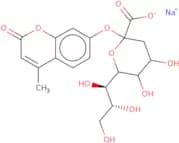
CAS:<p>4MU-alpha-L-idopyranosiduronic acid is a fluorogenic substrate for alpha-L-iduronidase. Active alpha-L-iduronidase cleaves the MU moiety from the synthetic substrate, which results in release of a fluorescent signal (Ex 360 nm / Em 455 nm). The reaction is stopped by the addition of sodium carbonate. 4MU-alpha-L-idopyranosiduronic acid is used in alpha-L-iduronidase assays in the context of biochemical characterisation of samples from patients affected by lysosomal storage disease mucopolysaccharidosis I (MPS I).</p>Fórmula:C16H15NaO9Pureza:Min. 98.0 Area-%Peso molecular:374.27 g/mol4-Methylumbelliferyl myo-inositol-1-phosphate N-methyl-morpholine salt
CAS:<p>Please enquire for more information about 4-Methylumbelliferyl myo-inositol-1-phosphate N-methyl-morpholine salt including the price, delivery time and more detailed product information at the technical inquiry form on this page</p>Fórmula:C16H19O11P·C5H11NOForma y color:PowderPeso molecular:519.44 g/mol3-Acetylumbelliferyl b-D-glucopyranoside
CAS:<p>3-Acetylumbelliferyl beta-D-glucopyranoside is a fluorogenic enzyme substrate for beta-galactosidase-6-phosphatase. It is used in in diagnostic assays such as Gaucher disease.</p>Fórmula:C17H18O9Pureza:Min. 95%Forma y color:PowderPeso molecular:366.32 g/mol6'-(Diethylamino)spiro[isobenzofuran-1(3H),9'-[9H]xanthen]-3'-yl b-D-galactopyranoside
CAS:<p>6'-(Diethylamino)spiro[isobenzofuran-1(3H),9'-[9H]xanthen]-3'-yl b-D-galactopyranoside is a chemiluminescent substrate for the detection of ATP. It reacts with the luciferase enzyme to produce light, which can be detected by a luminometer. 6'-(Diethylamino)spiro[isobenzofuran-1(3H),9'-[9H]xanthen]-3'-yl b-D-galactopyranoside is used in a variety of applications, including diagnostics, food testing, and environmental monitoring.</p>Pureza:Min. 95%Peso molecular:535.58 g/mol4-Methylumbelliferyl myo-inositol 1-phosphate lithium salt
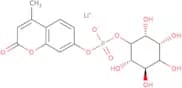
CAS:<p>4-Methylumbelliferyl myo-inositol 1-phosphate lithium salt is a fluorogenic substrate that is used in food testing to detect the presence of glucose. It can also be used in environmental testing to measure bacterial activity and as a chromogenic substrate in diagnostic applications. 4-Methylumbelliferyl myo-inositol 1-phosphate lithium salt is also used as an enzyme substrate in the determination of conjugates, ligands, and other substances. 4-Methylumbelliferyl myo-inositol 1-phosphate lithium salt has high purity and high quality, enabling it to be used for chemiluminescence and bioluminescence reactions.</p>Pureza:Min. 95%Peso molecular:424.22 g/mol4-Methylumbelliferyl α-D-xylopyranoside
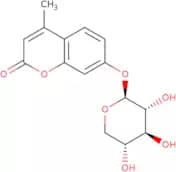
CAS:<p>4-Methylumbelliferyl alpha-D-xylopyranoside is a fluorogenic substrate for alpha-xylosidase. After enzymatic cleaveage, free 4-methylumbelliferone (also known as hymecromone) is released, exhibiting blue fluorescence upon excitation with UV light. The strongest fluorescence of 4-methylumbelliferone requires deprotonation of the hydroxyl group (thus requires alkaline pH), with a maximal fluorescence intensity obtained with excitation at 350 to 370 nm and emission at 440 to 470 nm. The use of 4-methylumbelliferyl alpha-D-xylopyranosideas a substrate for measuring the alpha-xylosidase activity is used for oligosaccharidosis monitoring and other lysosomal storage disorder diagnosis.</p>Fórmula:C15H16O7Pureza:Min. 98 Area-%Forma y color:White PowderPeso molecular:308.28 g/molN-Acetyl-3,7-dihydroxyphenoxazine
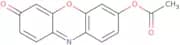
CAS:<p>N-Acetyl-3,7-dihydroxyphenoxazine is a fluorescent probe, which is synthesized from chemical precursors and used primarily in biochemical research. This compound acts by undergoing a chemical reaction with hydrogen peroxide, resulting in the formation of resorufin, a highly fluorescent compound. The distinctive property of this probe is its capacity to produce a measurable fluorescent signal upon interaction with hydrogen peroxide, making it an invaluable tool for detecting and quantifying this reactive oxygen species.</p>Fórmula:C14H11NO4Peso molecular:257.24 g/molRef: 3D-J-100008
1gA consultar5gA consultar250mgA consultar500mgA consultar2500mgA consultar-Unit-ggA consultarResorufin N-acetyl-b-D-galactosamine
<p>Resorufin N-acetyl-b-D-galactosamine is a fluorogenic substrate used as a probe to detect and quantify the activity of N-acetyl-beta-D-galactosaminidase (also known as beta-hexosaminidase or HEX(NAG)). Particularly useful in biomedical research, clinical chemistry, and diagnostics, when the substrate is cleaved, the highly fluorescent resorufin dye is produced that can be detected at approximately 598 nm.</p>Pureza:Min. 95%Forma y color:PowderPeso molecular:416.38 g/molResorufin-α-D-glucopyranoside
CAS:<p>Please enquire for more information about Resorufin-alpha-D-glucopyranoside including the price, delivery time and more detailed product information at the technical inquiry form on this page</p>Fórmula:C18H17NO8Pureza:(Hplc-Ms) Min. 70 Area-%Peso molecular:375.33 g/molResorufin-β-D-galactopyranoside
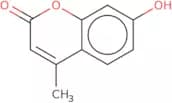
CAS:<p>Resorufin β-D-galactopyranoside is a non-fluorescent compound and is orange-yellow in color. It is hydrolyzed by the enzyme β-galactosidase (β-Gal) to yield fluorescent resorufin.</p>Fórmula:C18H17NO8Pureza:Min. 98.0 Area-%Peso molecular:375.34 g/mol4-Methylumbelliferone
CAS:<p>4-Methylumbelliferone is a coumarin derivative that inhibits the activity of enzymes such as p-nitrophenyl phosphate oxidase and aminopeptidase. It is used in vitro to study oxidative injury, which plays a role in the pathogenesis of inflammatory diseases, including primary sclerosing cholangitis and bone marrow transplantation. 4-Methylumbelliferone has been shown to induce apoptosis by increasing reactive oxygen species levels and activating toll-like receptor 4 (TLR4). It also has inhibitory effects on osteosarcoma cell proliferation in vitro.</p>Fórmula:C10H8O3Peso molecular:176.17 g/molL-Leucine-PAB-resorufin
CAS:<p>L-Leucine-PAB-resorufin is a substrate for enzymes such as β-glucuronidase, α-glucosidase, and β-galactosidase. It is used in the diagnosis of bacterial infections and the detection of certain bacteria in urine and stool samples. L-Leucine-PAB-resorufin can be used to detect the presence of bacteria that produce β-galactosidase and/or β-glucuronidase by releasing resorufin from the substrate. This reaction produces a blue color in the presence of a fluorogenic substrate like fluorescein diacetate or fluorescein isothiocyanate. L-Leucine-PAB-resorufin is also used to detect bacteria that produce α-glucosidase by releasing fluorescamine from the substrate. This reaction produces a green color in the presence of a chrom</p>Fórmula:C25H25N3O4Pureza:(Hplc-Ms) Min. 70 Area-%Peso molecular:431.48 g/molFluorescein-dipalmitoylphosphatidylethanolamine triethylammonium salt
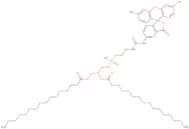
CAS:<p>Fluorescein-dipalmitoylphosphatidylethanolamine triethylammonium salt is a fluorescent phospholipid derivative for phospholipase. This substrate consists of a fluorescein conjugated to DPPE (dipalmitoylphosphatidylethanolamine), a key component of biological membranes. This compound is frequently used in membrane dynamics studies and lipid metabolism research. The fluorescein moiety allows visualization of lipid interactions in model membranes, liposomes, or live-cell imaging applications. The triethylammonium salt form enhances solubility and stability, property that facilitates its use in aqueous and lipid-based environments.</p>Pureza:Min. 95%Forma y color:PowderPeso molecular:1,182.53 g/mol4-Methylumbelliferyl phosphate, bis(cyclohexylammonium) salt, trihydrate
CAS:<p>Sensitive fluorogenic substrate for fluorometric and UV-spectrophotometric assays of phosphatases. This may also be used for in-gel assays</p>Fórmula:C22H41N2O9PPeso molecular:508.55 g/molRef: 3D-M-5900
5gA consultar10gA consultar25gA consultar50gA consultar100gA consultar-Unit-ggA consultar4-Methylumbelliferyl 2-O-(a-L-fucopyranosyl)-b-D-galactopyranoside
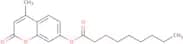
CAS:<p>4-Methylumbelliferyl 2-O-(a-L-fucopyranosyl)-b-D-galactopyranoside is an enzyme substrate used in chromogenic assays of alpha-fucosidases. It is also used for glycoprocessing enzymes in synthesis.</p>Pureza:Min. 95%Peso molecular:484.45 g/mol4-Methylumbelliferyl nonanoate
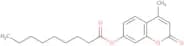
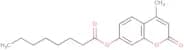
CAS:<p>4-Methylumbelliferyl nonanoate is a fluorogenic substrate for lipase. After enzymatic cleaveage, free 4-methylumbelliferone (also known as hymecromone) is released, exhibiting blue fluorescence upon excitation with UV light. The strongest fluorescence of 4-methylumbelliferone requires deprotonation of the hydroxyl group (thus requires alkaline pH), with a maximal fluorescence intensity obtained with excitation at 350 to 370 nm and emission at 440 to 470 nm. The use of 4-methylumbelliferyl nonanoateas a substrate for measuring the lipase activity is used for the detection of lipase deficiency that could lead to pancreatic insufficiency.</p>Fórmula:C19H24O4Pureza:Min. 95%Forma y color:PowderPeso molecular:316.39 g/molResorufin β-D-cellobioside
CAS:<p>Resorufin beta-D-cellobioside is a fluorogenic substrate for the enzyme beta-glucosidase. It is soluble in water and can be used as a chromogenic substrate for beta-galactosidase. Resorufin beta-D-cellobioside is also used as a ligand to study protein interactions, such as those between lectins and glycoproteins. This product is of high purity and quality, with CAS No. 1000404-48-7.</p>Fórmula:C24H27NO13Pureza:Min. 95 Area-%Peso molecular:537.47 g/molRef: 3D-R-2056
10mgA consultar25mgA consultar50mgA consultar100mgA consultar250mgA consultar-Unit-ggA consultar7-((4'-L-Alaninamido)-rac-3'-hydroxybutyloxy) coumarin
<p>This Clips-O substrate 7-((4'-L-Alaninamido)-rac-3'-hydroxybutyloxy) coumarin allows the detection of single and dual enzymatic activity (L-alanine aminopetidase and oxidation of 4-amino-3-hydroxybutyloxy spacer either enzymatically or by exposure to sodium periodate) with a single substrate resulting in a fluorescent signal. The main virtues of Clips-O substrates are an increased stability towards non-enzymatic hydrolysis that results in a reduced background and high sensitivity.</p>Fórmula:C16H20N2O5Pureza:Min. 95%Forma y color:PowderPeso molecular:320.35 g/mol7-((4'-L-Alaninamido)-rac-3'-hydroxybutyloxy) coumarin hydrochloride
<p>This Clips-O substrate 7-((4'-L-Alaninamido)-rac-3'-hydroxybutyloxy) coumarin allows the detection of single and dual enzymatic activity (L-alanine aminopetidase and oxidation of 4-amino-3-hydroxybutyloxy spacer either enzymatically or by exposure to sodium periodate) with a single substrate resulting in a fluorescent signal. The main virtues of Clips-O substrates are an increased stability towards non-enzymatic hydrolysis that results in a reduced background and high sensitivity.</p>Fórmula:C16H21ClN2O5Pureza:Min. 95%Forma y color:PowderPeso molecular:356.8 g/mol4-Methylumbelliferyl 3-deoxy-D-glycero-a-D-galacto-2-nonulosonic acid sodium salt
CAS:<p>4-Methylumbelliferyl 3-deoxy-D-glycero-a-D-galacto-2-nonulosonic acid sodium salt is a fluorogenic substrate that can be used to detect enzyme activity. It reacts with the enzyme β-galactosidase, which hydrolyzes lactose in the presence of oxygen and hydrogen peroxide. The product is 4methylumbelliferone, which emits light in the presence of luciferin and an oxidizing agent. This product is used for diagnostics, food testing, and environmental testing. CAS No. 123269-95-4</p>Pureza:Min. 95%Peso molecular:489.41 g/mol4-Methylumbelliferyl-β-D-glucuronic acid dihydrate
CAS:<p>4-Methylumbelliferyl beta-D-glucuronide (MUG) is commonly used as a substrate for detecting beta-glucuronidase. MUG is used for identifying E. coli contamination in food, drinking water, clinical samples and for rapid bacterial identification in blood cultures. It is recommended in international normatives (ISO, DIN) as a fluorogenic substrate for detection of E. coli. MUG is also a tool assaying the glucuronidase gene in plants.</p>Fórmula:C16H20O11Pureza:Min. 99 Area-%Peso molecular:388.33 g/mol6-Hexadecanoylamino-4-methylumbelliferyl b-D-galactopyranoside - Moscerdam™ biochemical purity
CAS:<p>Hexadecanoylamino-4-methylumbelliferyl b-D-galactopyranoside is a substrate used for the diagnosis of Krabbe disease. Krabbe disease (globoid cell leukodystrophy/ galactosylceramide lipidosis), is a rare and often fatal lysosomal storage disease that results in progressive damage to the nervous system. It is inherited in an autosomal recessive pattern and involves dysfunctional metabolism of sphingolipids (MG44866 b-D-Galactosylsphingosine - Synthetic)</p>Fórmula:C32H49NO9Pureza:Min. 95 Area-%Forma y color:White PowderPeso molecular:591.73 g/mol4-Methylumbelliferyl-β-D-GlcNAc-6-phosphocholine
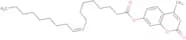
<p>4-Methylumbelliferyl-beta-D-GlcNAc-6-phosphocholine is a fluorogenic substrate for phosphodiesterase. After enzymatic cleaveage, free 4-methylumbelliferone (also known as hymecromone) is released, exhibiting blue fluorescence upon excitation with UV light. The strongest fluorescence of 4-methylumbelliferone requires deprotonation of the hydroxyl group (thus requires alkaline pH), with a maximal fluorescence intensity obtained with excitation at 350 to 370 nm and emission at 440 to 470 nm. The use of 4-methylumbelliferyl-beta-D-GlcNAc-6-phosphocholineas a substrate for measuring the phosphodiesterase activity is used for Niemann-Pick disease diagnostic assays. It is also used for sphingomyelin metabolism disorder screening.</p>Pureza:Min. 95%Peso molecular:544.49 g/mol4-Methylumbelliferyl lignocerate
CAS:<p>This botanical is a download for the Floral Database.</p>Fórmula:C34H54O4Pureza:Min. 95 Area-%Peso molecular:526.81 g/molRef: 3D-M-5720
1gA consultar5gA consultar250mgA consultar500mgA consultar2500mgA consultar-Unit-ggA consultar6,8-Difluoro-4-methylumbelliferyl 2-acetamido-3-O-(b-D-galactopyranosyl)-a-D-galactopyranoside
<p>6,8-Difluoro-4-methylumbelliferyl 2-acetamido-3-O-(b-D-galactopyranosyl)-a-D-galactopyranoside is a chemiluminescent substrate that reacts with oxygen in the presence of luciferase to produce light. This product is an excellent replacement for luminol, especially in applications where aqueous solvents are not suitable. 6,8-Difluoro-4-methylumbelliferyl 2-acetamido-3-O-(b-D-galactopyranosyl)-a-D-galactopyranoside has been extensively tested and shown to be nonhazardous in a variety of different culture media. It is also nonhazardous to the environment, as it can be easily degraded by microorganisms.</p>Pureza:Min. 95%4-Methylumbelliferyl 6-O-(N-acetylneuraminyl)-b-D-glucopyranoside
<p>4-Methylumbelliferyl 6-O-(N-acetylneuraminyl)-b-D-glucopyranoside is a fluorescent substrate for the enzyme β-D-galactosidase. It is used in the detection of β-D-galactosidase activity in the diagnosis of various diseases, including celiac disease and AIDS. 4-Methylumbelliferyl 6-O-(N-acetylneuraminyl)-b-D-glucopyranoside can also be used as a chromogenic or fluorogenic substrate for chemiluminescent detection of β-D-galactosidase activity. The conjugate with horseradish peroxidase can be used to detect hydrogen peroxide in water samples, such as drinking water, wastewater, and surface waters. 4MUG has been shown to have high purity and is CAS No. 78761–35–4.</p>Pureza:Min. 95%4-Methylumbelliferyl-a-D-mannopyranoside-6-phosphoethanolamine
<p>4-Methylumbelliferyl-a-D-mannopyranoside-6-phosphoethanolamine is a synthetic fluorogenic substrate that can be used in the detection of phosphatases. This substrate is a chromogenic and fluorogenic substrate that reacts when it is cleaved by enzymes. It has been shown to work with a number of different enzyme types, including esterases, phosphatases, and proteases. 4-Methylumbelliferyl-a-D-mannopyranoside-6-phosphoethanolamine has demonstrated high quality for use in bioluminescence, food testing, and environmental testing.4Methylumbelliferyl - a - D - mannopyranoside - 6 - phosphoethanolamine has been assigned CAS No. 81771-07-2.</p>Pureza:Min. 95%4-Trifluoromethylumbelliferyl b-D-xylopyranoside
<p>4-Trifluoromethylumbelliferyl b-D-xylopyranoside (4TUF) is a fluorescent probe that can be used to monitor the activity of protein kinases. The fluorescence intensity of 4TUF changes in response to the phosphorylation state of the target protein. This probe can be used in computational and experimental investigations of protein kinase signalling pathways, as well as for optimizing drug design.</p>Pureza:Min. 95%4-Methylumbelliferyl β-D-apiofuranoside
<p>4-Methylumbelliferyl beta-D-apiofuranoside is a fluorescent substrate that is used in the detection of enzyme activity. It is a yellow crystalline powder with a melting point of 132°C and an optical rotation of +27°. 4-Methylumbelliferyl beta-D-apiofuranoside can be used as a conjugate for fluorescence, chemiluminescence, or bioluminescence detection of enzymes such as β-galactosidase, phosphatases, esterases, and peroxidases. It is also used to stain cells and tissues for microscopic analysis. This product has been tested for its effects on the environment and found to have little potential for harm to the environment. 4-Methylumbelliferyl beta-D-apiofuranoside has been shown to be high purity with no significant impurities detected in testing. The chemical has shown high quality characteristics in</p>Fórmula:C15H16O7Pureza:Min. 95 Area-%Peso molecular:308.29 g/molAldol® 355 fluorescence enhancer
CAS:<p>Aldol® 355 fluorescence enhancer is an enhancer of fluorescence signals of the Aldol® fluorogenic substrates. Aldol® 355 fluorescence enhancer allows concentrations of fluorogenic Aldol® substrates in media to reduce up to 6 times. Aldol® 355 fluorescence enhancer can be combined with Aldol® substrates, releasing water-insoluble dyes upon enzymatic cleavage, such as Aldol® 470 range, Aldol® 495 range, Aldol® 518 range, and Aldol®515 range of fluorogenic enzyme substrates.</p>Fórmula:C39H52N2O2Pureza:Min. 95.0 Area-%Peso molecular:580.84 g/mol4-Trifluoromethylumbelliferyl b-D-glucopyranoside
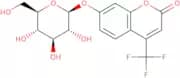
CAS:<p>4-Trifluoromethylumbelliferyl b-D-glucopyranoside is a fluorogenic substrate for beta-glucosidase. Upon hydrolysis, the fluorogenic moiety (blueish) 4-trifluoromethylumbelliferone (also known as TFMU) is released. 4-Trifluoromethylumbelliferyl b-D-glucopyranoside is commonly used in bacterial detection and in Gaucher disease diagnosis.</p>Pureza:Min. 95%Forma y color:White To Off-White SolidPeso molecular:392.28 g/mol4-Methylumbelliferyl dodecanoate
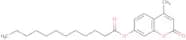
CAS:<p>4-Methylumbelliferyl dodecanoate is a fluorogenic substrate for lipase. After enzymatic cleaveage, free 4-methylumbelliferone (also known as hymecromone) is released, exhibiting blue fluorescence upon excitation with UV light. The strongest fluorescence of 4-methylumbelliferone requires deprotonation of the hydroxyl group (thus requires alkaline pH), with a maximal fluorescence intensity obtained with excitation at 350 to 370 nm and emission at 440 to 470 nm. The use of 4-methylumbelliferyl dodecanoateas a substrate for measuring the lipase activity is used for detecting pancreatic insufficiency in diagnosis assays as well as the screening of lipase deficiency.</p>Fórmula:C22H30O4Pureza:Min. 95%Forma y color:PowderPeso molecular:358.47 g/mol4-Methylumbelliferyl b-D-glucosaminide - Moscerdam™ biochemical purity
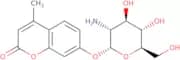
CAS:<p>A substrate used for the diagnosis of Sanfilippo disease C (MPS III C).</p>Fórmula:C16H19NO7Pureza:Min. 98 Area-%Forma y color:White PowderPeso molecular:337.32 g/mol4-Methylumbelliferyl a-D-glucosaminide
CAS:<p>4-Methylumbelliferyl alpha-D-glucosaminide is a fluorogenic substrate for alpha-N-acetylglucosaminidase. After enzymatic cleaveage, free 4-methylumbelliferone (also known as hymecromone) is released, exhibiting blue fluorescence upon excitation with UV light. The strongest fluorescence of 4-methylumbelliferone requires deprotonation of the hydroxyl group (thus requires alkaline pH), with a maximal fluorescence intensity obtained with excitation at 350 to 370 nm and emission at 440 to 470 nm. The use of 4-methylumbelliferyl alpha-D-glucosaminideas a substrate for measuring the alpha-N-acetylglucosaminidase activity is used for Sanfilippo syndrome B and Mucopolysaccharidosis IIIB (MPS IIIB) diagnosis.</p>Fórmula:C16H19NO7Pureza:Min. 90 Area-%Forma y color:White PowderPeso molecular:337.32 g/molL-Alanine-7-amido-4-methylcoumarin hydrochloride
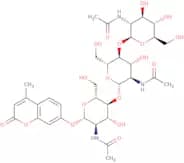
CAS:<p>L-Alanine-7-amido-4-methylcoumarin hydrochloride is a synthetic peptide substrate used as a fluorogenic substrate for alanine aminopeptidase.</p>Fórmula:C13H14N2O3·HClPureza:Min. 90%Forma y color:PowderPeso molecular:282.72 g/mol4-Methylumbelliferyl 2-acetamido-3-O-(b-D-galactopyranosyl)-a-D-galactopyranoside
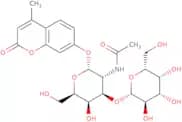
CAS:<p>4-Methylumbelliferyl 2-acetamido-3-O-(beta-D-galactopyranosyl)-alpha-D-galactopyranoside is a fluorogenic substrate for alpha-N-acetylgalactosaminidase. After enzymatic cleaveage, free 4-methylumbelliferone (also known as hymecromone) is released, exhibiting blue fluorescence upon excitation with UV light. The strongest fluorescence of 4-methylumbelliferone requires deprotonation of the hydroxyl group (thus requires alkaline pH), with a maximal fluorescence intensity obtained with excitation at 350 to 370 nm and emission at 440 to 470 nm. The use of 4-methylumbelliferyl 2-acetamido-3-O-(beta-D-galactopyranosyl)-alpha-D-galactopyranosideas a substrate for measuring the alpha-N-acetylgalactosaminidase activity is used for Fabry disease diagnosis and Schindler disease screening.</p>Fórmula:C24H31NO13Pureza:Min. 95%Forma y color:White PowderPeso molecular:541.5 g/mol(+)-Biotin 4-amidobenzoic acid sodium salt
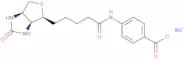
CAS:<p>(+)-Biotin 4-amidobenzoic acid sodium salt, often referred as (+)-biotin PABA, is a fluorogenic substrate used to measure biotinidase activity, especially in newborn screening programs.</p>Fórmula:C17H20N3NaO4SPureza:Min. 95%Forma y color:White Slightly Yellow PowderPeso molecular:385.41 g/mol4-Methylumbelliferyl a-L-idopyranosiduronic acid sodium salt
CAS:<p>PAIRED PRODUCT AVAILABLE: alpha-L-iduronidase Enzyme, FI179383.<br>4MU-alpha-L-idopyranosiduronic acid is a fluorogenic substrate for alpha-L-iduronidase. Active alpha-L-iduronidase cleaves the MU moiety from the synthetic substrate, which results in release of a fluorescent signal (Ex 360 nm / Em 455 nm). The reaction is stopped by the addition of sodium carbonate. 4MU-alpha-L-idopyranosiduronic acid is used in alpha-L-iduronidase assays in the context of biochemical characterisation of samples from patients affected by lysosomal storage disease mucopolysaccharidosis I (MPS I).</p>Fórmula:C16H15NaO9Pureza:Min. 98 Area-%Forma y color:White PowderPeso molecular:374.27 g/mol4-Methylumbelliferyl palmitate
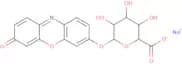
CAS:<p>4-Methylumbelliferyl palmitate, commonly names as 4-MUP, is a fluorescent probe that binds to lipases, enzymes responsible to assist on the hydrolysis of fats. In diagnosis, 4-MUP is used for screening of lysosomal storage diseases (LSD) caused by a deficiency of a single enzyme involved in the metabolism of glycoproteins, lipids or mucopolysaccharides.</p>Fórmula:C26H38O4Pureza:Min. 95%Forma y color:White PowderPeso molecular:414.58 g/molResorufin b-D-glucuronide sodium salt
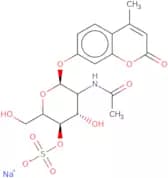
CAS:<p>Resorufin b-D-glucuronide sodium salt is used as a fluorogenic substrate for beta-glucuronidase (GUS) to study drug metabolism.</p>Pureza:Min. 95%Forma y color:Brown Orange Red PowderPeso molecular:411.29 g/mol4-Methylumbelliferyl 2-acetamido-2-deoxy-b-D-galactopyranoside-4-sulfate sodium salt
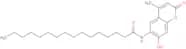
<p>4-Methylumbelliferyl 2-acetamido-2-deoxy-beta-D-galactopyranoside-4-sulfate sodium salt is a fluorogenic substrate for N-acetylgalactosamine-4-sulfatase. After enzymatic cleaveage, free 4-methylumbelliferone (also known as hymecromone) is released, exhibiting blue fluorescence upon excitation with UV light. The strongest fluorescence of 4-methylumbelliferone requires deprotonation of the hydroxyl group (thus requires alkaline pH), with a maximal fluorescence intensity obtained with excitation at 350 to 370 nm and emission at 440 to 470 nm. The use of 4-methylumbelliferyl 2-acetamido-2-deoxy-beta-D-galactopyranoside-4-sulfate sodium saltas a substrate for measuring the N-acetylgalactosamine-4-sulfatase activity is used for diagnosis of Mucopolysaccharidosis VI (MPS VI) (a rare lysosomal storage disorder) and Maroteaux-Lamy syndrome screening.</p>Pureza:Min. 95%Forma y color:White PowderPeso molecular:481.41 g/mol6-Hexadecanoylamino-4-methylumbelliferone
CAS:<p>Fluorochrome for calibration of fluorimeters. Used with corresponding fluorogenic substrates for the diagnosis of Krabbe - and Niemann-Pick A/B disease.</p>Fórmula:C26H39NO4Pureza:Min. 95%Forma y color:White PowderPeso molecular:429.59 g/molResorufin b-D-xylobioside
<p>Resorufin b-D-xylobioside is a fluorogenic substrate for xylanases useful for xylanase activity assays.</p>Pureza:Min. 95%Forma y color:PowderPeso molecular:477.42 g/mol4-Methylumbelliferyl oleate
CAS:<p>Methylumbelliferyl oleate is a MOSCERDAM® substrate targeting the lipase enzyme</p>Fórmula:C28H40O4Pureza:Min. 90 Area-%Forma y color:White PowderPeso molecular:440.61 g/mol4-Methylumbelliferyl a-L-idopyranosiduronic acid 2-sulphate disodium salt - Moscerdam™ biochemical purity
CAS:<p>PAIRED PRODUCT AVAILABLE: alpha-L-iduronidase Enzyme, FI1793834MU-alpha-L-iduronide-2-sulphate (M2) is a fluorogenic substrate of iduronate-2-sulphatase (IDS), used in a 2-step assay coupled with alpha-L-iduronidase. The assay is used in biochemical testing for Hunter syndrome (mucopolysaccharidosis II / MPS II). In a first step, IDS from biological samples cleaves the sulphate group from M2. In a second step, exogeneous alpha-L-iduronidase which cleaves the 4-MU moiety is added to the reaction, resulting in release of a fluorescent signal (Ex 360 nm / Em 455 nm). The reaction is stopped by the addition of sodium carbonate.</p>Fórmula:C16H14Na2O12SPureza:Min. 99 Area-%Forma y color:White PowderPeso molecular:476.32 g/mol4-Methylumbelliferyl pyrophosphate diester disodium salt
CAS:<p>4-Methylumbelliferyl pyrophosphate diester disodium salt is a fluorogenic substrate for pyrophosphatases or diphosphatases. After enzymatic cleaveage, free 4-methylumbelliferone (also known as hymecromone) is released, exhibiting blue fluorescence upon excitation with UV light. The strongest fluorescence of 4-methylumbelliferone requires deprotonation of the hydroxyl group (thus requires alkaline pH), with a maximal fluorescence intensity obtained with excitation at 350 to 370 nm and emission at 440 to 470 nm. The use of 4-methylumbelliferyl pyrophosphate diester disodium saltas a substrate for measuring the pyrophosphatases or diphosphatases activity is used for monitoring and diagnosis of pyrophosphatase deficiency and bone metabolism disorder.</p>Fórmula:C20H14Na2O11P2Pureza:Min. 95%Forma y color:White PowderPeso molecular:538.25 g/mol4-Methylumbelliferyl β-D-lactoside
CAS:<p>Fluorogenic substrate for beta-galactosidase</p>Fórmula:C22H28O13Pureza:Min. 98 Area-%Forma y color:White PowderPeso molecular:500.45 g/mol4-Methylumbelliferyl-2-O-(a-L-fucopyranosyl)-a-L-fucopyranoside
<p>4-Methylumbelliferyl-2-O-(alpha-L-fucopyranosyl)-alpha-L-fucopyranoside is a fluorogenic substrate for alpha-L-fucosidase. After enzymatic cleaveage, free 4-methylumbelliferone (also known as hymecromone) is released, exhibiting blue fluorescence upon excitation with UV light. The strongest fluorescence of 4-methylumbelliferone requires deprotonation of the hydroxyl group (thus requires alkaline pH), with a maximal fluorescence intensity obtained with excitation at 350 to 370 nm and emission at 440 to 470 nm. The use of 4-methylumbelliferyl-2-O-(alpha-L-fucopyranosyl)-alpha-L-fucopyranosideas a substrate for measuring the alpha-L-fucosidase activity is used for fucosidosis diagnosis.</p>Pureza:Min. 95%Forma y color:White PowderPeso molecular:468.45 g/molFLsharp™ - Phosphate, disodium salt
<p>FLsharp™ - Phosphate, disodium salt is a fluorogenic water-soluble substrate for phosphatase enzymes. Its chemical name is 6-Chloro-2-[5-chloro-2-(phosphonooxy)phenyl]-4(1H)-quinazolinone disodium salt and was developed by Molecular Probes in the 1990s. After cleavage of the substrate by phosphatase activity, an insoluble product is formed that is highly fluorescent in the solid state. Upon UV irradiation this very stable fluorophore emits green light in the 530 nm range for an extended period of time. FLsharp™ is a unique substrate - optimized for the detection of phosphatase activity in solid matrices such as agar media, tissue sections or microscopic preparations. FLsharp™ - Phosphate, disodium salt is used in microbiology as a substrate for bacterial phosphatases.</p>Pureza:Min. 95%Fluorescein mono-b-D-galactopyranoside
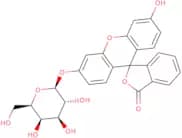
CAS:<p>Fluorescein mono-b-D-galactopyranoside or FMG is a fluorogenic substrate for beta-galactosidase. The fluorophore fluorescein is released after enzymatic cleavage, exhibiting a greenish fluorescent. This substrate is particularly valuable in gene expression studies (e.g., lacZ reporter assays) and as a probe for cell-based assays for real-time monitoring.</p>Pureza:Min. 95%Forma y color:PowderPeso molecular:494.45 g/molAcetyl-L-alanine 7-amido-4-methylcoumarin
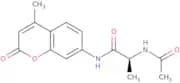
CAS:<p>Acetyl-L-alanine 7-amido-4-methylcoumarin is a fluorogenic substrate for aminopeptidase. The enzyme cleaves the N-terminal amino acids, yielding a blue fluorescent solution.</p>Fórmula:C15H16N2O4Pureza:Min. 98 Area-%Forma y color:PowderPeso molecular:288.3 g/mol4-Methylumbelliferyl palmitate
CAS:<p>Fluorogenic substrate for esterase yielding a blue fluorescent solution upon cleavage.</p>Fórmula:C26H38O4Pureza:Min. 99 Area-%Peso molecular:414.59 g/molRef: 3D-M-5750
1gA consultar5gA consultar250mgA consultar500mgA consultar2500mgA consultar-Unit-ggA consultar4-Methylumbelliferyl b-D-cellotrioside
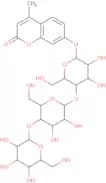
CAS:<p>Fluorogenic cellulose analogue</p>Fórmula:C28H38O18Pureza:Min. 95%Forma y color:PowderPeso molecular:662.6 g/molL-Histidine 7-amido-4-methylcoumarin hydrochloride
CAS:<p>L-Histidine 7-amido-4-methylcoumarin hydrochloride is a synthetic peptide substrate used as a fluorogenic substrate for histidine aminopeptidase.</p>Fórmula:C16H17ClN4O3Pureza:Min. 95%Peso molecular:348.79 g/mol4-Methylumbelliferyl 6-deoxy-2,3,4,6-tetra-O-acetyl-6-thio-β-D-glucopyranoside
<p>4-Methylumbelliferyl 6-deoxy-2,3,4,6-tetra-O-acetyl-6-thio-beta-D-glucopyranoside is a fluorogenic substrate for beta-glucosidase. After enzymatic cleaveage, free 4-methylumbelliferone (also known as hymecromone) is released, exhibiting blue fluorescence upon excitation with UV light. The strongest fluorescence of 4-methylumbelliferone requires deprotonation of the hydroxyl group (thus requires alkaline pH), with a maximal fluorescence intensity obtained with excitation at 350 to 370 nm and emission at 440 to 470 nm. The use of 4-methylumbelliferyl 6-deoxy-2,3,4,6-tetra-O-acetyl-6-thio-beta-D-glucopyranosideas a substrate for measuring the beta-glucosidase activity is used for Gaucher disease diagnosis.</p>Fórmula:C24H26O11SPureza:Min. 95%Forma y color:White to off-white solid.Peso molecular:522.52 g/mol4-Methylumbelliferyl b-D-cellotetraoside
CAS:<p>A fluorogenic MOSCERDAM® substrate targeting cellulases</p>Fórmula:C34H48O23Pureza:Min. 95%Forma y color:PowderPeso molecular:824.73 g/mol4-Methylumbelliferyl 2-acetamido-2-deoxy-β-D-glucopyranoside-6-sulfate potassium salt
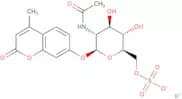
CAS:<p>4-Methylumbelliferyl 2-acetamido-2-deoxy-beta-D-glucopyranoside-6-sulfate potassium salt is a fluorogenic substrate for beta-N-acetylglucosaminidase. After enzymatic cleaveage, free 4-methylumbelliferone (also known as hymecromone) is released, exhibiting blue fluorescence upon excitation with UV light. The strongest fluorescence of 4-methylumbelliferone requires deprotonation of the hydroxyl group (thus requires alkaline pH), with a maximal fluorescence intensity obtained with excitation at 350 to 370 nm and emission at 440 to 470 nm. The use of 4-methylumbelliferyl 2-acetamido-2-deoxy-beta-D-glucopyranoside-6-sulfate potassium saltas a substrate for measuring the beta-N-acetylglucosaminidase activity is used for diagnosis of Mucopolysaccharidosis IIIB (MPS IIIB) (a rare lysosomal storage disorder) and Sanfilippo B syndrome screening.</p>Fórmula:C18H20KNO11SPureza:Min. 95%Forma y color:White Off-White PowderPeso molecular:497.52 g/molN-alpha-CBZ-L-Arginine 7-amido-4-methylcoumarin hydrochloride
CAS:<p>N-alpha-CBZ-L-Arginine 7-amido-4-methylcoumarin hydrochloride is a Ffluorogenic substrate used in protease activity assays.</p>Fórmula:C24H27N5O5·ClHPureza:Min. 95%Forma y color:PowderPeso molecular:501.96 g/mol4-Methylumbelliferyl a-D-mannopyranoside 6-sulfate sodium salt
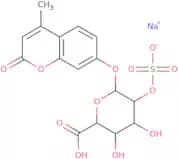
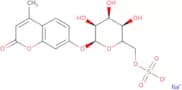
<p>4-Methylumbelliferyl alpha-D-mannopyranoside 6-sulfate sodium salt is a fluorogenic substrate for sulfatase. After enzymatic cleaveage, free 4-methylumbelliferone (also known as hymecromone) is released, exhibiting blue fluorescence upon excitation with UV light. The strongest fluorescence of 4-methylumbelliferone requires deprotonation of the hydroxyl group (thus requires alkaline pH), with a maximal fluorescence intensity obtained with excitation at 350 to 370 nm and emission at 440 to 470 nm. The use of 4-methylumbelliferyl alpha-D-mannopyranoside 6-sulfate sodium saltas a substrate for measuring the sulfatase activity is used for Mucopolysaccharidosis (MPS) screening and other lysosomal storage disorder diagnosis.</p>Fórmula:C16H17O11SNaPureza:Min. 98 Area-%Forma y color:White PowderPeso molecular:440.36 g/molGlycyl-glycine 7-amido-4-methylcoumarin hydrochloride
CAS:<p>Glycyl-glycine 7-amido-4-methylcoumarin hydrochloride is a synthetic peptide substrate used as a fluorogenic substrate for aminopeptidase.</p>Fórmula:C14H16ClN3O4Pureza:Min. 95%Forma y color:PowderPeso molecular:325.75 g/mol4-Methylumbelliferyl b-D-galactopyranoside-6-sulphate sodium salt - Moscerdam™ biochemical purity
CAS:<p>4-MU-Gal-6S (M4A) is a fluorogenic substrate of galactose-6-sulfate sulfatase (GALNS), used for the diagnosis of Mucopolysaccharidosis IV type A (MPS IV A). MPS IV, also known as Morquio syndrome, is a rare metabolic disorder in which the human body cannot process glycosaminoglycans (GAGs). MPS IV A is caused by the deficiency of the enzyme N-acetyl-galactosamine-6-sulfatase resulting in accumulation of keratan and chondroitin sulfate in tissues. M4A is used as the GALNS substrate in the anti-lysosomal enzyme antibody assay for the treatments of lysosomal storage disorders (LSDs) with enzyme replacement therapies (ERTs).</p>Fórmula:C16H17NaO11SPureza:Min. 97 Area-%Forma y color:White PowderPeso molecular:440.36 g/mol4-Methylumbelliferyl lignocerate
CAS:<p>4-Methylumbelliferyl lignocerate is a fluorogenic substrate for lipase. After enzymatic cleaveage, free 4-methylumbelliferone (also known as hymecromone) is released, exhibiting blue fluorescence upon excitation with UV light. The strongest fluorescence of 4-methylumbelliferone requires deprotonation of the hydroxyl group (thus requires alkaline pH), with a maximal fluorescence intensity obtained with excitation at 350 to 370 nm and emission at 440 to 470 nm. The use of 4-methylumbelliferyl lignocerateas a substrate for measuring the lipase activity is used for X-linked adrenoleukodystrophy diagnosis and peroxisomal disorder screening.</p>Fórmula:C34H54O4Pureza:Min. 95%Forma y color:PowderPeso molecular:526.79 g/molDDAO galactoside
CAS:<p>The DDAO molecule [7-hydroxy-9H-(1, 3-dichloro-9, 9 dimethylacridin-2-one] is used as a stain and a dye in molecular biology, due to its ability to bind intracellular and extracellular DNA. DDAO galactoside is a fluorogenic substrate for galactosidase.</p>Pureza:Min. 95%Forma y color:PowderPeso molecular:470.3 g/mol4-Methylumbelliferyl phosphate bis(cyclohexylammonium) salt
CAS:<p>Sensitive fluorogenic substrate for fluorometric and UV-spectrophotometric assays of phosphatases. This may also be used for in-gel assays</p>Fórmula:C22H35N2O6PPureza:Min 99%Forma y color:White to off-white solid.Peso molecular:454.50 g/molMonofluoresceinated mannitol
<p>Monofluoresceinated mannitol is a fluorescently labeled form of mannitol. It is used as a tracer for metabolism studies.</p>Fórmula:C27H24O12Pureza:Min. 95%Forma y color:PowderPeso molecular:540.46 g/molAc-Abu-Tle-Leu-Gln-AMC TFA salt
<p>A fluorogenic substrate for detection of enzymatic activity of the SARS-CoV-2 Mpro protease. The fluorophore 7-Amino-4-methylcoumarin (AMC) is linked to the tetrapeptide via a peptide bond at the C-terminal of the glutamine residue. Following the hydrolytic activity of the Mpro protease, the fluorogenic AMC group get released from the substrate, generating a fluorescent signal (Ex 380 nm / Em 455 nm).</p>Fórmula:C33H48N6O8(freebase)Pureza:Min. 95.0 Area-%Peso molecular:656.77 g/molL-Lysyl-L-alanine 7-amido-4-methylcoumarin dihydrochloride
CAS:<p>L-Lysyl-L-alanine 7-amido-4-methylcoumarin dihydrochloride is a fluorogenic peptide substrate for aminopeptidase. This AMC peptide substrate is normally used to rapidly profile the N-terminal specificity of proteases.</p>Pureza:Min. 98.0 Area-%Forma y color:Powder4-Methylumbelliferyl 2-deoxy-2-sulfamino-b-D-glucopyranoside sodium salt
<p>4-Methylumbelliferyl 2-deoxy-2-sulfamino-beta-D-glucopyranoside sodium salt is a fluorogenic substrate for N-sulfoglucosamine sulfohydrolase. After enzymatic cleaveage, free 4-methylumbelliferone (also known as hymecromone) is released, exhibiting blue fluorescence upon excitation with UV light. The strongest fluorescence of 4-methylumbelliferone requires deprotonation of the hydroxyl group (thus requires alkaline pH), with a maximal fluorescence intensity obtained with excitation at 350 to 370 nm and emission at 440 to 470 nm. The use of 4-methylumbelliferyl 2-deoxy-2-sulfamino-beta-D-glucopyranoside sodium saltas a substrate for measuring the N-sulfoglucosamine sulfohydrolase activity is used for screening of Mucopolysaccharidosis IIIA (MPS IIIA) and diagnosis of Sanfilippo A syndrome.</p>Fórmula:C16H19NO10SNaPureza:Min. 95%Forma y color:PowderPeso molecular:439.37 g/mol4-Methylumbelliferyl 2-acetamido-2-deoxy-α-D-glucopyranoside-6-sulfate potassium
CAS:<p>4-Methylumbelliferyl 2-acetamido-2-deoxy-alpha-D-glucopyranoside-6-sulfate potassium is a fluorogenic substrate for N-acetylglucosamine-6-sulfatase. After enzymatic cleaveage, free 4-methylumbelliferone (also known as hymecromone) is released, exhibiting blue fluorescence upon excitation with UV light. The strongest fluorescence of 4-methylumbelliferone requires deprotonation of the hydroxyl group (thus requires alkaline pH), with a maximal fluorescence intensity obtained with excitation at 350 to 370 nm and emission at 440 to 470 nm. The use of 4-methylumbelliferyl 2-acetamido-2-deoxy-alpha-D-glucopyranoside-6-sulfate potassiumas a substrate for measuring the N-acetylglucosamine-6-sulfatase activity is used for screening of Mucopolysaccharidosis IIID (MPS IIID) (a rare lysosomal storage disorder) and Sanfilippo D syndrome diagnosis.</p>Fórmula:C18H20KNO11SPureza:Min. 95%Forma y color:White PowderPeso molecular:497.52 g/mol5-Dodecanoylaminofluorescein di-b-D-galactopyranoside
CAS:<p>5-Dodecanoylaminofluorescein di-b-D-galactopyranoside, commonly known as C12FDG, is a fluorogenic substrate for β-galactosidase. Fluorescein is released upon enzymatic cleavage by β-galactosidase. The intensity of its fluorescence is utilised to quantify β-galactosidase activity. C12FDG has been shown to be useful in identifying senescent cells that are associated with aging and cancer. It has also been used as a model system in some studies for studying disease activity, intracellular targets, and biological sample storage. It is also used to identify cancer tissues and radiation damage in the form of senescent cells. The chemical structure of 5DAFG is similar to that of the natural sugar galactose. 5DAFG binds to the plasma membrane of cells due to its lipophilic properties and then enters the cell through transport proteins on the cell surface called ATP binding cassette transporters.</p>Fórmula:C44H55NO16Pureza:Min. 95 Area-%Forma y color:White PowderPeso molecular:853.9 g/molFluorescein di-β-D-galactopyranoside
CAS:<p>Fluorogenic substrate for beta-galactosidase</p>Fórmula:C32H32O15Pureza:Min. 98 Area-%Forma y color:Slightly Yellow PowderPeso molecular:656.59 g/mol4-Methylumbelliferyl 2-acetamido-2-deoxy-b-D-glucopyranoside-6-sulfate sodium salt
CAS:<p>4-Methylumbelliferyl 2-acetamido-2-deoxy-beta-D-glucopyranoside-6-sulfate sodium salt is a high-quality fluorogenic substrate specifically designed for the detection and quantification of various enzymes, including beta-glucosidases and sulfatases. Upon hydrolysis by the target enzyme, this substrate releases the highly fluorescent 4-methylumbelliferone, allowing for real-time monitoring and accurate measurement of enzyme activities in biochemical assays, diagnostic tests, and research applications. 4-Methylumbelliferyl 2-acetamido-2-deoxy-beta-D-glucopyranoside-6-sulfate sodium salt has excellent solubility in water, ensuring a consistent and reliable performance in different experimental conditions. This versatile substrate is an essential tool for researchers and industry professionals who require a sensitive and reproducible detection method for enzymes of interest.</p>Fórmula:C18H20NO11SNaPureza:Min. 98 Area-%Forma y color:White PowderPeso molecular:481.41 g/mol4-Methylumbelliferyl a-L-fucopyranoside
CAS:<p>Fluorogenic substrate for fucosidase</p>Fórmula:C16H18O7Pureza:Min. 95%Forma y color:White PowderPeso molecular:322.31 g/mol4-Methylumbelliferyl a-L-arabinofuranoside
CAS:<p>Fluorogenic substrate for ?-arabinofuranosidase</p>Fórmula:C15H16O7Pureza:Min. 95%Forma y color:White PowderPeso molecular:308.28 g/mol6-Chloro-4-(trifluoromethyl)umbelliferyl β-D-cellotrioside
<p>6-Chloro-4-(trifluoromethyl)umbelliferyl b-D-cellotrioside is a fluorogenic substrate for cellulases and beta-glucosidases. After hydrolisis, the fluorophore TFMU is released generating a blue fluorescence.</p>Fórmula:C28H34ClF3O18Pureza:Min. 95%Forma y color:White to off-white powder.Peso molecular:751.01 g/mol4-Methylumbelliferyl heptanoate
CAS:<p>Lipase targeting MOSCERDAM® substrate</p>Fórmula:C17H20O4Pureza:Min. 95%Forma y color:White PowderPeso molecular:288.34 g/mol4-Methylumbelliferyl b-D-ribofuranoside
CAS:<p>The 4-Methylumbelliferyl b-D-ribofuranoside is a top-notch fluorogenic substrate for glycosidase activity detection. Upon hydrolysis by enzymes, it generates a strongly fluorescent 4-methylumbelliferone molecule, enabling rapid assay results and real-time monitoring of enzymatic reactions. This product is suitable for many biological research applications, such as in vitro analysis, diagnostic testing, and drug discovery. With its high sensitivity and specificity, it delivers consistent and accurate results, making it an essential tool for scientists and researchers.</p>Fórmula:C15H16O7Pureza:Min. 95%Forma y color:White PowderPeso molecular:308.28 g/mol4-Methylumbelliferyl 2-acetamido-2-deoxy-b-D-glucopyranoside
CAS:<p>Fluorogenic substrate for chitinase</p>Fórmula:C18H21NO8Pureza:Min. 99 Area-%Forma y color:White Off-White PowderPeso molecular:379.36 g/mol4-Methylumbelliferyl phosphate, free acid
CAS:<p>A sensitive fluorogenic substrate for fluorometric and UV-spectrophotometric assays of phosphatases. It is used for the detection of C. perfringens because acid phosphatase is a highly specific indicator for C. perfringens.</p>Fórmula:C10H9O6PPeso molecular:256.15 g/molRef: 3D-M-5801
10gA consultar25gA consultar50gA consultar100gA consultar250gA consultar-Unit-ggA consultar4-Methylumbelliferyl N,N',N''-triacetyl-b-D-chitotrioside
CAS:<p>4-Methylumbelliferyl N,N',N''-triacetyl-beta-D-chitotrioside is a fluorogenic substrate for chitinase. After enzymatic cleaveage, free 4-methylumbelliferone (also known as hymecromone) is released, exhibiting blue fluorescence upon excitation with UV light. The strongest fluorescence of 4-methylumbelliferone requires deprotonation of the hydroxyl group (thus requires alkaline pH), with a maximal fluorescence intensity obtained with excitation at 350 to 370 nm and emission at 440 to 470 nm. The use of 4-methylumbelliferyl N,N',N''-triacetyl-beta-D-chitotriosideas a substrate for measuring the chitinase activity is used for fungal infection assays.</p>Fórmula:C34H47N3O18Pureza:Min. 95.0 Area-%Forma y color:White Off-White PowderPeso molecular:785.75 g/mol4-Trifluoromethylumbelliferyl β-D-galactopyranoside
CAS:<p>4-Trifluoromethylumbelliferyl β-D-galactopyranoside is a fluorogenic substrate for beta-galactosidase	. Upon hydrolysis, the fluorogenic moiety (blueish) 4-trifluoromethylumbelliferone (also known as TFMU) is released. 4-Trifluoromethylumbelliferyl β-D-galactopyranoside is commonly used in bacterial detection and in LacZ gene expression assays.</p>Fórmula:C16H15F3O8Pureza:Min. 95%Forma y color:PowderPeso molecular:392.28 g/molGlutaryl-glycyl-L-arginine 7-amido-4-methylcoumarin hydrochloride
CAS:<p>Glutaryl-glycyl-L-arginine 7-amido-4-methylcoumarin hydrochloride is a synthetic peptide substrate used as a fluorogenic substrate for aminopeptidase.</p>Fórmula:C23H30N6O7·HClPureza:Min. 95%Forma y color:PowderPeso molecular:538.98 g/mol4-Methylumbelliferyl caprylate
CAS:<p>Fluorogenic substrate for esterase with C8 activity yielding a blue fluorescent solution upon cleavage. Used for the identification of Salmonella spp. based on the detection of caprylate esterase.</p>Fórmula:C18H22O4Pureza:Min. 98 Area-%Peso molecular:302.37 g/molRef: 3D-M-5526
1gA consultar5gA consultar10gA consultar25gA consultar2500mgA consultar-Unit-ggA consultar4-Methylumbelliferyl acetate
CAS:<p>Fluorogenic substrate for carboxylesterase</p>Fórmula:C12H10O4Pureza:Min. 95%Forma y color:White PowderPeso molecular:218.21 g/mol4-Methylumbelliferyl nonanoate
CAS:<p>4-Methylumbelliferyl nonanoate is a synthetic fluorogenic substrate for lipase. It is used to measure the activity of lipases in vitro. 4-Methylumbelliferyl nonanoate reacts with a lipid substrate, such as sodium taurocholate, to produce 4-methylumbelliferone and dodecanol. The fluorescent product can be detected by fluorimetric or spectrophotometric methods. This compound is activated by an enzyme preparation, such as proteolytic enzymes, and can be used to measure the activity of these enzymes in vitro.</p>Fórmula:C19H24O4Pureza:Min. 99 Area-%Peso molecular:316.40 g/mol4-Methylumbelliferyl b-D-glucuronide trihydrate
CAS:<p>Fluorogenic substrate for beta-glucuronidase GUS</p>Fórmula:C16H22O12Pureza:Min. 98 Area-%Forma y color:White PowderPeso molecular:406.34 g/mol4-Methylumbelliferyl butyrate
CAS:<p>Methylumbelliferyl butyrate is structurally based on 4-methylumbelliferone and is a MOSCERDAM® substrate. It targets the esterase enzyme.</p>Fórmula:C14H14O4Pureza:Min. 95%Forma y color:White PowderPeso molecular:246.26 g/mol4-Methylumbelliferyl β-D-cellohexaoside
CAS:<p>4-Methylumbelliferyl beta-D-cellohexaoside is a fluorogenic substrate for cellulase. After enzymatic cleaveage, free 4-methylumbelliferone (also known as hymecromone) is released, exhibiting blue fluorescence upon excitation with UV light. The strongest fluorescence of 4-methylumbelliferone requires deprotonation of the hydroxyl group (thus requires alkaline pH), with a maximal fluorescence intensity obtained with excitation at 350 to 370 nm and emission at 440 to 470 nm. The use of 4-methylumbelliferyl beta-D-cellohexaosideas a substrate for measuring the cellulase activity is used for detecting bacterial infection and gut microbiome analysis.</p>Fórmula:C46H68O33Pureza:Min. 95%Forma y color:PowderPeso molecular:1,149.01 g/mol4-Methylumbelliferyl 2-deoxy-2-sulfamino-a-D-glucopyranoside sodium salt - Moscerdam™ biochemical purity
CAS:<p>4-Methylumbelliferyl 2-deoxy-2-sulfamino-a-D-glucopyranoside sodium salt (M3A or MU-GlcNS) is a fluorogenic substrate of heparin sulfamidase, used in the diagnosis of Mucopolysaccharidosis III type A (MPS III A). MPS III A, also known as Sanfilippo syndrome type A, is caused by the deficiency of heparan N-sulfatase. Heparin sulfamidase in the assay desulfates MU-GlcNS to 4-methylumbelliferyl 2-amino-2-deoxy-α-D-glucopyranoside (MU-GlcNH2). To release fluorometrically measurable 4-methylumbelliferone (MU) and by-product glucosamine, MU-GlcNH2 is further hydrolysed by an enzyme such as yeast α-glucosidase during a second incubation.</p>Fórmula:C16H18NO10SNaPureza:Min. 95 Area-%Forma y color:White PowderPeso molecular:439.37 g/mol4-Methylumbelliferyl 2-acetamido-2-deoxy-a-D-glucopyranoside-6-sulfate sodium salt - Moscerdam™ biochemical purity
CAS:<p>A substrate used for the diagnosis of Sanfilippo disease type D (MPS IIID).</p>Fórmula:C18H20NNaO11SPureza:Min. 95%Forma y color:White PowderPeso molecular:481.41 g/mol4-Methylumbelliferyl elaidate
CAS:<p>4-Methylumbelliferyl elaidate is a fluorogenic substrate for lipase. After enzymatic cleaveage, free 4-methylumbelliferone (also known as hymecromone) is released, exhibiting blue fluorescence upon excitation with UV light. The strongest fluorescence of 4-methylumbelliferone requires deprotonation of the hydroxyl group (thus requires alkaline pH), with a maximal fluorescence intensity obtained with excitation at 350 to 370 nm and emission at 440 to 470 nm. The use of 4-methylumbelliferyl elaidateas a substrate for measuring the lipase activity is used for assessment of lipase activity to identify pancreatitis.</p>Fórmula:C28H40O4Pureza:Min. 95%Forma y color:PowderPeso molecular:440.61 g/mol4-Methylumbelliferyl a-D-mannopyranoside
CAS:<p>4-Methylumbelliferyl alpha-D-mannopyranoside (4-MU-a-D-Man) is a fluorogenic substrate used in activity assays for alpha-mannosidase. When it is hydrolyzed by alpha-mannosidase, it produces a fluorescent compound, 4-methylumbelliferone (4-MU). 4-MU-a-D-Man is often used in medical research to monitor the activity of alpha-mannosidase, which is important in lysosomal storage diseases. In addition, 4-Methylumbelliferyl alpha-D-mannopyranoside has been used to study the the activity of concanavalin A, a lectin that specifically binds to alpha-D-mannopyranosyl and alpha-D-glucopyranosyl residues on various glycoproteins. The use of this fluorogenic enzyme substrate permits study the degree of alpha-D-mannosidic linkage cleavage by the enzyme.</p>Fórmula:C16H18O8Pureza:Min. 98 Area-%Forma y color:White Off-White PowderPeso molecular:338.31 g/molN-Acetyl-3,7-dihydroxyphenoxazine
CAS:<p>Fluorogenic substrate for peroxidase</p>Fórmula:C14H11NO4Pureza:(1H-Nmr) Min. 95%Forma y color:Slightly Brown PowderPeso molecular:257.24 g/molResorufin b-D-glucopyranoside
CAS:<p>Resorufin b-D-glucopyranoside is a stable red fluorogenic galactosidase substrate.</p>Pureza:Min. 95%Forma y color:Orange PowderPeso molecular:375.33 g/mol4-Methylumbelliferyl-α-L-iduronic acid, cyclohexylammonium salt
CAS:<p>4-Methylumbelliferyl-alpha-L-iduronic acid, cyclohexylammonium salt is a fluorogenic substrate for the detection of alpha-L-iduronidase activity. It has been used to measure the activity of this enzyme in cells and tissues and as an indicator of tissue damage. The product is also used in food testing, diagnostics, and environmental testing.</p>Fórmula:C22H29NO9Peso molecular:451.48 g/mol4-Methylumbelliferyl-N-acetyl-β-D-galactosaminide
CAS:<p>Fluorogenic substrate for N-acetyl-β-D-galactosaminidase. Detection of Candida albicans.</p>Fórmula:C18H21NO8Pureza:Min. 98.0 Area-%Peso molecular:379.37 g/molResorufin-β-D-glucuronic acid, sodium salt
CAS:<p>Resorufin-beta-D-glucuronic acid, sodium salt is a fluorogenic substrate that can be used in diagnostic applications. It is a conjugate of resorufin and beta-D-glucuronic acid. The enzyme substrate reacts with the enzyme luciferase to produce light. The high purity and quality of this product make it ideal for use in the detection of the presence of glucose in urine, which can be used to diagnose diabetes mellitus.</p>Fórmula:C18H14NNaO9Pureza:Min. 90.0 Area-%Peso molecular:411.30 g/molRef: 3D-R-2150
2mgA consultar5mgA consultar10mgA consultar25mgA consultar50mgA consultar-Unit-ggA consultar4-Methylumbelliferyl-β-D-ribofuranoside
CAS:<p>4-Methylumbelliferyl-beta-D-ribofuranoside is a chemical compound that belongs to the class of phenols. It has been found in Australian plants and animals. 4-Methylumbelliferyl-beta-D-ribofuranoside is used as a corrosion inhibitor. This chemical has been shown to be effective against corrosion in mammals.br>br><br>4-Methylumbelliferyl-beta-D-ribofuranoside can also be used as a fluorescent probe for studying cell membrane activity.</p>Fórmula:C15H16O7Pureza:Min. 99 Area-%Peso molecular:308.29 g/molRef: 3D-M-6190
1gA consultar5gA consultar250mgA consultar500mgA consultar2500mgA consultar-Unit-ggA consultar4-Methylumbelliferyl-β-D-fucopyranoside
CAS:<p>4-Methylumbelliferyl-beta-D-fucopyranoside is a fluorogenic substrate for beta-fucosidase. After enzymatic cleaveage, free 4-methylumbelliferone (also known as hymecromone) is released, exhibiting blue fluorescence upon excitation with UV light. The strongest fluorescence of 4-methylumbelliferone requires deprotonation of the hydroxyl group (thus requires alkaline pH), with a maximal fluorescence intensity obtained with excitation at 350 to 370 nm and emission at 440 to 470 nm. The use of 4-methylumbelliferyl-beta-D-fucopyranosideas a substrate for measuring the beta-fucosidase activity is used for the diagnosis of fucosidosis and the study of glycoprotein metabolism disorder.</p>Fórmula:C16H18O7Pureza:Min. 99 Area-%Peso molecular:322.31 g/molRUG ®, Resorufin-β-D-glucuronic acid methyl ester, Biosynth Patent: EP 2718458 and US 9127303
CAS:<p>Living cells of Escherichia coli can be reliably detected with media that contain a chromogenic or fluorogenic substrate for beta-glucuronidase (also termed β-D-glucuronidase), an enzyme that occurs almost exclusively in E. coli. RUG®, Resorufin-beta-D-glucuronic acid methyl ester is a highly sensitive chromogenic and fluorogenic indicator for E. coli. After removal of the methyl ester group by unspecific hydrolysis, orange colored product is cleaved by beta-glucuronidase in liquid media or on agar plates and yields an intense pink color. Red fluorescence is obtained upon excitation at 560-570 nm.Formally ER175455.</p>Fórmula:C19H17NO9Pureza:Min. 90.0 Area-%Peso molecular:403.34 g/mol6-Hexadecanoylamino-4-methylumbelliferyl phosphorylcholine - Moscerdam™ biochemical purity
CAS:<p>6-Hexadecanoylamino-4-methylumbelliferyl phosphorylcholine (HMUPC) is a fluorogenic substrate of acid sphingomyelinase (ASM) in the application of the diagnosis of Niemann–Pick type A and B (NPAB). NPAB is one of the lysosomal storage diseases, caused by a deficiency of ASM. This deficiency results in the accumulation of sphingomyelin and other lipids in various tissues. The assay using HMUPC as the substrate shows rapid and robust determination of ASM activity. When combined with the unlabelled natural substrate such as sphingomyelin as a specific inhibitor of ASM activity, the specificity of assay is enhanced up to the level of the classical assay with radiolabelled natural substrate. HMUPC is also used as the substrate in the ASM assay to investigate the retention of lysosomal enzyme activity of bi-functional IgG-ASM fusion protein in the delivery across blood-brain barrier.</p>Fórmula:C31H51N2O7PPureza:Min. 97 Area-%Forma y color:White PowderPeso molecular:594.72 g/mol4-Methylumbelliferyl-β-D-glucuronic acid methyl ester, Biosynth Patent: EP 2718458 and US 9127303
<p>4-Methylumbelliferyl-beta-D-glucuronic acid methyl ester is a chromogenic substrate for β-glucuronidase. It is used in diagnostic applications and as a substrate in enzyme kinetics experiments. 4-Methylumbelliferyl-beta-D-glucuronic acid methyl ester has fluorescence properties that allow it to be detected by chemiluminescence and bioluminescence.</p>Pureza:Min. 95%4-Methylumbelliferyl decanoate
CAS:<p>Fluorogenic substrate for carboxylesterases</p>Fórmula:C20H26O4Pureza:Min. 98 Area-%Forma y color:White PowderPeso molecular:330.42 g/mol4-Methylumbelliferyl a-L-idopyranosiduronic acid
CAS:<p>4-Methylumbelliferyl a-L-idopyranosiduronic acid is an ester that is used as a marker for the identification of glycolipids. It is a fluorogenic substrate for alpha-L-iduronidase used as a marker for the diagnosis of autoimmune diseases, including diabetic neuropathy. 4-Methylumbelliferyl a-L-idopyranosiduronic acid has been shown to inhibit inflammation and cancer, although it is not currently approved for this use. The mechanism by which 4-methylumbelliferyl a-L-idopyranosiduronic acid inhibits inflammation may be due to its ability to block cation channels on the surface of cells, thereby preventing inflammatory mediators from entering cells.</p>Fórmula:C16H16O9Pureza:Min. 97 Area-%Forma y color:White Off-White PowderPeso molecular:352.29 g/molResorufin-7-O-phosphate
CAS:<p>Resorufin-7-O-phosphate is a fluorogenic substrate for alkaline phosphatase that exhibits a red color after cleavage that can be measured at ~ 585nm.</p>Fórmula:C12H6NO6P·2H4NPureza:Min. 95%Peso molecular:327.23 g/molRhodamine 110 chloride
CAS:<p>Fluorescent dye substrate for flow cytometric measurements</p>Fórmula:C20H15O3N2ClPureza:Min. 95 Area-%Forma y color:Red PowderPeso molecular:366.8 g/mol4-Methylumbelliferyl propionate
CAS:<p>4-Methylumbelliferyl propionate is a fluorogenic substrate for esterase. After enzymatic cleaveage, free 4-methylumbelliferone (also known as hymecromone) is released, exhibiting blue fluorescence upon excitation with UV light. The strongest fluorescence of 4-methylumbelliferone requires deprotonation of the hydroxyl group (thus requires alkaline pH), with a maximal fluorescence intensity obtained with excitation at 350 to 370 nm and emission at 440 to 470 nm. The use of 4-methylumbelliferyl propionateas a substrate for measuring the esterase activity is used for esterase deficiency screening assays.</p>Fórmula:C13H12O4Pureza:Min. 95 Area-%Forma y color:PowderPeso molecular:232.23 g/molResorufin N-acetyl-b-D-glucosamine
CAS:<p>Resorufin N-acetyl-b-D-glucosamine is fluorogenic substrate for N-acetyl-beta-D-glucosaminidase (NAG).</p>Fórmula:C20H20N2O8Pureza:Min. 98 Area-%Forma y color:Orange PowderPeso molecular:416.38 g/mol4-Methylumbelliferyl 6-thio-palmitate-b-D-glucopyranoside - Moscerdam™ biochemical purity
CAS:<p>4-Methylumbelliferyl 6-thio-palmitate-b-D-glucopyranoside (Mu-6S-Palm-β-Glc) is a fluorogenic substrate of palmitoyl-protein thioesterase 1 (PPT1), used in the diagnosis of infantile neuronal ceroid lipofuscinosis (INCL). INCL, also known as infantile CLN1 disease, is a rapidly progressing lysosomal storage disorder (LSD), caused by a deficiency of PPT1. Mu-6S-Palm-β-Glc is also used as the substrate in the PPT assay to investigate the retention of lysosomal enzyme activity of bi-functional IgG-PPT1 fusion protein in the delivery across blood-brain barrier.</p>Fórmula:C32H48O8SPureza:Min. 95%Forma y color:White PowderPeso molecular:592.78 g/molL-Leucine 7-amido-4-methylcoumarin hydrochloride salt
CAS:<p>L-Leucine 7-amido-4-methylcoumarin hydrochloride salt is a synthetic peptide substrate used as a fluorogenic substrate for leucine aminopeptidase.</p>Fórmula:C16H21ClN2O3Pureza:Min. 98 Area-%Forma y color:White PowderPeso molecular:324.8 g/mol4-Methylumbelliferyl caprylate
CAS:<p>Used for identification of Salmonella spp. by detection of caprylate esterase</p>Fórmula:C18H22O4Pureza:Min. 95%Forma y color:White PowderPeso molecular:302.36 g/molEthyl umbelliferone-3-carboxylate-α-D-glucopyranoside
<p>Ethyl umbelliferone-3-carboxylate-a-D-glucopyranoside is a fluorogenic substrate used for detecting alpha-glucosidase activity in enzymatic assays. When alpha-glucosidase cleaves , the glycosidic bond, umbelliferone-3-carboxylate is released, which exhibits strong fluorescence. This substrate is commonly utilized in glycobiology research, diagnostic tests, and high-throughput screening of enzyme inhibitors.</p>Fórmula:C18H20O10Pureza:Min. 95%Forma y color:Off-white to yellow solid.Peso molecular:396.35 g/mol4-Methylumbelliferyl elaidate
CAS:<p>4-Methylumbelliferone is a fluorescent probe that can be used to study the metabolism of fatty acids in plants. It is also used as a marker for radiation and significant cytotoxicity. 4-Methylumbelliferone binds to the DNA termini, specifically at the 5' phosphate group, and inhibits phosphatase activity. This process increases levels of p-nitrophenyl phosphate (a substrate), which produces protocatechuic acid (an intermediate). The disulfide bond is then broken by hydrogen peroxide, leading to an increase in fluorescence. The optimum pH for this process is 7.5.</p>Fórmula:C28H40O4Pureza:Min. 95 Area-%Peso molecular:440.63 g/molRef: 3D-M-5535
1gA consultar5gA consultar10gA consultar25gA consultar2500mgA consultar-Unit-ggA consultar4-Methylumbelliferyl 2-acetamido-2-deoxy-a-D-glucopyranoside
CAS:<p>4-Methylumbelliferyl 2-acetamido-2-deoxy-alpha-D-glucopyranoside is a fluorogenic substrate for alpha-N-acetylglucosaminidase. After enzymatic cleaveage, free 4-methylumbelliferone (also known as hymecromone) is released, exhibiting blue fluorescence upon excitation with UV light. The strongest fluorescence of 4-methylumbelliferone requires deprotonation of the hydroxyl group (thus requires alkaline pH), with a maximal fluorescence intensity obtained with excitation at 350 to 370 nm and emission at 440 to 470 nm. The use of 4-methylumbelliferyl 2-acetamido-2-deoxy-alpha-D-glucopyranosideas a substrate for measuring the alpha-N-acetylglucosaminidase activity is used for Sanfilippo syndrome B screening and mucopolysaccharidosis diagnosis.</p>Fórmula:C18H21NO8Pureza:Min. 98 Area-%Forma y color:PowderPeso molecular:379.36 g/mol4-Methylumbelliferyl-N-acetyl-β-D-glucosaminide-6-sulfate, sodium salt
CAS:<p>4-Methylumbelliferyl 2-acetamido-2-deoxy-beta-D-glucopyranoside-6-sulfate sodium salt is a high-quality fluorogenic substrate specifically designed for the detection and quantification of various enzymes, including beta-glucosidases and sulfatases. Upon hydrolysis by the target enzyme, this substrate releases the highly fluorescent 4-methylumbelliferone, allowing for real-time monitoring and accurate measurement of enzyme activities in biochemical assays, diagnostic tests, and research applications. 4-Methylumbelliferyl 2-acetamido-2-deoxy-beta-D-glucopyranoside-6-sulfate sodium salt has excellent solubility in water, ensuring a consistent and reliable performance in different experimental conditions. This versatile substrate is an essential tool for researchers and industry professionals who require a sensitive and reproducible detection method for enzymes of interest.</p>Fórmula:C18H20NNaO11SPureza:Min. 98.0 Area-%Peso molecular:481.41 g/molRef: 3D-M-5505
5mgA consultar25mgA consultar50mgA consultar100mgA consultar250mgA consultar-Unit-ggA consultarFluorescein diacetate
CAS:<p>Fluorogenic substrate targeting esterases , hGSTP1-1</p>Fórmula:C24H16O7Forma y color:PowderPeso molecular:416.38 g/mol4-Methylumbelliferyl β-D-glucuronide
CAS:<p>Fluorogenic substrate for b-glucuronidase GUS</p>Fórmula:C16H16O9Pureza:Min. 95%Peso molecular:352.29 g/mol4-Trifluoromethylumbelliferyl b-D-glucuronide potassium salt
CAS:<p>4-Trifluoromethylumbelliferyl b-D-glucuronide potassium salt is a fluorogenic substrate for beta-glucuronidase. Upon hydrolysis, the fluorogenic moiety (blueish) 4-trifluoromethylumbelliferone (also known as TFMU) is released. 4-Trifluoromethylumbelliferyl b-D-glucuronide potassium salt is commonly used in bacterial detection and for drug metabolism studies as well as lysosomal storage disorder screening.</p>Fórmula:C16H12F3O9KPureza:Min. 95 Area-%Forma y color:White PowderPeso molecular:444.35 g/molAcetyl coenzyme A trilithium salt trihydrate
CAS:<p>Acetyl coenzyme A trilithium salt trihydrate (ATC) is a glutathione-dependent enzyme that catalyzes the acetylation of compounds with a thiol group. Acetyl coenzyme A trilithium salt trihydrate has been shown to acetylate recombinant human and hek293 cells as well as xenobiotic compounds such as acetaminophen, chlorzoxazone, and phenacetin. The rate of acetylation depends on the concentration of glutathione and the availability of the substrate. There is no evidence that ATC conjugates or transfers acetyllysine to other proteins. It is excreted in the urine after being expressed by recombinant human and hek293 cells.END></p>Fórmula:C23H35N7O17P3S·3Li·3H2OPureza:Min. 95%Forma y color:White PowderPeso molecular:881.42 g/mol4-Methylumbelliferyl phosphate dilithium
CAS:<p>4-Methylumbelliferyl phosphate dilithium is a fluorogenic substrate for alkaline phosphatase. After enzymatic cleaveage, free 4-methylumbelliferone (also known as hymecromone) is released, exhibiting blue fluorescence upon excitation with UV light. The strongest fluorescence of 4-methylumbelliferone requires deprotonation of the hydroxyl group (thus requires alkaline pH), with a maximal fluorescence intensity obtained with excitation at 350 to 370 nm and emission at 440 to 470 nm. The use of 4-methylumbelliferyl phosphate dilithiumas a substrate for measuring the alkaline phosphatase activity is used for bone metabolism disorder studies and hypophosphatasia diagnosis.</p>Fórmula:C10H7O6P•Li2Pureza:Min. 95%Forma y color:PowderPeso molecular:268.01 g/mol4-Methylumbelliferyl a-D-arabinopyranoside
<p>A fluorogenic MOSCERDAM® substrate targeting alpha-arabinofuranosidase</p>Pureza:Min. 95%Peso molecular:308.28 g/molResorufin acetate
CAS:<p>Resorufin acetate is a fluorogenic substrate for esterase activity measurments in lipid metabolism studies. It is also used as a substrate for chymotrypsin, a digestive enzyme produced by the pancreas that aids in protein digestion in the small intestine.</p>Fórmula:C14H9NO4Pureza:Min. 95%Forma y color:PowderPeso molecular:255.23 g/mol


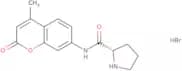

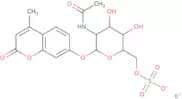


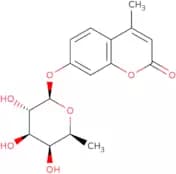
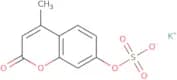
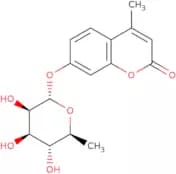
![6'-(Diethylamino)spiro[isobenzofuran-1(3H),9'-[9H]xanthen]-3'-yl b-D-glucopyranoside](/_next/image/?url=https%3A%2Fstatic.cymitquimica.com%2Fproducts%2F3D%2Fthumb-webp%2FED139090.webp&w=3840&q=75)


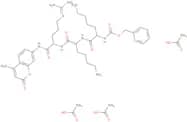


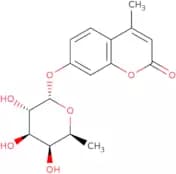
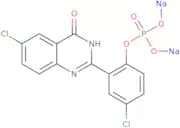


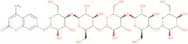


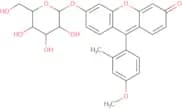
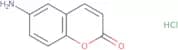


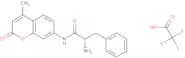


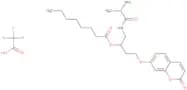


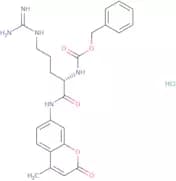




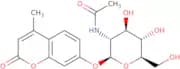
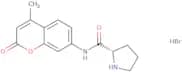




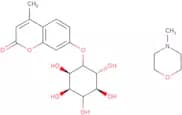

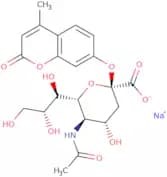




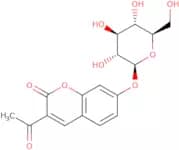
![6'-(Diethylamino)spiro[isobenzofuran-1(3H),9'-[9H]xanthen]-3'-yl b-D-galactopyranoside](/_next/image/?url=https%3A%2Fstatic.cymitquimica.com%2Fproducts%2F3D%2Fthumb-webp%2FED139088.webp&w=3840&q=75)