Oligosacáridos
Los oligosacáridos son carbohidratos compuestos por un pequeño número de unidades de monosacáridos unidas por enlaces glucosídicos. Estas moléculas juegan roles significativos en varios procesos biológicos, incluyendo el reconocimiento celular, la señalización y las respuestas inmunitarias. En esta sección, encontrará una amplia selección de oligosacáridos esenciales para la investigación en glicociencia, bioquímica y biología molecular. Estos compuestos son vitales para estudiar estructuras complejas de carbohidratos, sus funciones y sus interacciones con otras biomoléculas. En CymitQuimica, proporcionamos oligosacáridos de alta calidad para apoyar sus necesidades de investigación y desarrollo, asegurando resultados precisos y fiables en sus experimentos.
Subcategorías de "Oligosacáridos"
- Glicósidos de aminoetilo, glicósidos de aminopropilo(14 productos)
- Glicanos enlazantes de Asn(33 productos)
- Oligosacáridos biotinados(13 productos)
- Grupos sanguíneos y antígenos de Lewis(11 productos)
- Oligosacáridos de tipo sanguíneo(13 productos)
- Celooligosacáridos(1 productos)
- Ciclodextrinas(183 productos)
- Disacáridos(192 productos)
- Oligosacáridos de epítopo(19 productos)
- Fructooligosacáridos(2 productos)
- Oligosacáridos funcionales(554 productos)
- Oligosacáridos funcionalizados(1 productos)
- Galactosamina(41 productos)
- Galactosa(260 productos)
- Galb (1-3) GalNAc(21 productos)
- Serie Ganglio(11 productos)
- Serie Globo e Isoglobo(17 productos)
- Glucosamina(128 productos)
- Ácidos glucurónicos(51 productos)
- Glicoproteínas, Glicopéptidos(59 productos)
- Glicosaminoglicano(26 productos)
- Oligosacáridos de la leche materna(19 productos)
- O-glicanos marcados(9 productos)
- Oligosacáridos marcados(36 productos)
- LacNAc(53 productos)
- Series Lacto y Neolacto(14 productos)
- Lacto-N-biosa(10 productos)
- Lactooligosacáridos(7 productos)
- Oligosacáridos unidos al linker(19 productos)
- Maltooligosacáridos(6 productos)
- Oligosacáridos de leche(31 productos)
- N-glicanos(149 productos)
- Glucósidos naturales(177 productos)
- Oligosacáridos naturales(103 productos)
- O-glicano(18 productos)
- Building Blocks de Oligosacáridos(7 productos)
- Reemplazo de oligosacáridos(2 productos)
- Oligosacáridos por componente de azúcar(225 productos)
- Oligosis(24 productos)
- Otros Oligosacáridos(14 productos)
- Oligómeros de PEG(33 productos)
- Azúcares fosfatados(17 productos)
- Azúcares protegidos(526 productos)
- Reactivos para la síntesis de oligosacáridos(254 productos)
- Ser, Thr Glucanos de unión(9 productos)
- Oligosacáridos sialilados(3 productos)
- Esfingoglucolípidos(42 productos)
- Aminoácidos de azúcar, péptidos de azúcar(20 productos)
- Antígenos de azúcar(31 productos)
- Building Blocks de Azúcares por Oligosacáridos objetivo(225 productos)
- Conjugados de azúcar(100 productos)
- Azúcares sulfatados(16 productos)
- Tetrasacáridos(34 productos)
- Trisacáridos y superiores(95 productos)
- Xilooligosacáridos(5 productos)
Mostrar 47 subcategorías más
Se han encontrado 2278 productos de "Oligosacáridos"
Ordenar por
Pureza (%)
0
100
|
0
|
50
|
90
|
95
|
100
3-O-(α-D-Galactopyranosyl)-D-galactopyranose
CAS:<p>A carbohydrate, commonly known as alpha gal, found in most mammalian cell membranes. It is not found in primates, including humans, whose immune systems recognize it as a foreign body and produce xenoreactive immunoglobulin M antibodies, leading to organ rejection after transplantation. Anti-α gal immunoglobulin G antibodies are some of the most common in humans. Regular stimulation from gut flora, typically initiated within the first six months of life, leads to an exceptionally high titre of around 1% of all circulating IgG. Recent studies are showing increasing evidence that this allergy may be induced by the bite of the lone star tick (Amblyomma americanum) in North America and the castor bean tick (Ixodes ricincus) in Sweden.</p>Fórmula:C12H22O11Pureza:Min. 95 Area-%Forma y color:PowderPeso molecular:342.3 g/mol2-Acetamido-2-deoxy-6-O-(a-L-fucopyranosyl)-D-glucopyranose
CAS:<p>Adhesion molecule in eukaryotic-bacterial cell interactions</p>Fórmula:C14H25NO10Pureza:Min. 95%Forma y color:White PowderPeso molecular:367.35 g/molGal-b-1-3-GalNAc-b-1-4-Gal-b-1-4-Glc-b-ethylazide
<p>Gal-b-1-3-GalNAc-b-1-4-Gal-b-1-4-Glc is a polysaccharide that is an important component of the outer membrane of Gram negative bacteria. It has been synthesized and modified with methylation, saccharide, Click modification, and glycosylation. The oligosaccharide has a high purity and is synthesized by custom synthesis. GalNAc is purified by HPLC and fluorinated to achieve complex carbohydrate.</p>Pureza:Min. 95%Disialyllacto-N-tetraose
CAS:<p>Disialyllacto-N-tetraose is a medicinal compound that has shown promising anticancer properties. It is an analog of a human urinary glycoprotein and has been found to induce apoptosis in cancer cells. Disialyllacto-N-tetraose acts as a tumor inhibitor by blocking the activity of certain protein kinases, which are enzymes that play a role in cell growth and division. This compound has been studied extensively in Chinese medicine and has shown potential as an effective anticancer agent. Its unique structure and mechanism of action make it a promising candidate for further research into cancer treatment.</p>Fórmula:C48H79N3O37Pureza:Min. 85%Peso molecular:1,290.16 g/molHyaluronate rhodamine - Molecular Weight - 10kDa
<p>Hyaluronate rhodamine is a fluorescent dye that is used in molecular biology to visualize the distribution of intracellular glycoconjugates. It is a water-soluble, cationic dye that binds to negatively charged saccharides and glycosaminoglycans. The dye fluoresces when bound to these molecules, making it useful for detecting the distribution of glycoproteins in cells. Hyaluronate rhodamine can be used as a marker for carbohydrate-rich tissues such as cartilage, synovial fluid, and vitreous humor. This dye can also be used to detect glycoconjugates on the surface of cells and in extracellular spaces.</p>Pureza:Min. 95%Human milk neutral tetrasaccharides
<p>Mainly a mixture of Lacto-N-tetraose, Lacto-N-neo-tetraose, Lactodifucotetraose</p>Pureza:Min. 95%Forma y color:PowderMethyl 2-O-(a-D-galactopyranosyl)-b-D-galactopyranoside
<p>Methyl 2-O-(a-D-galactopyranosyl)-b-D-galactopyranoside is a custom synthesis that is fluorinated at the 2 position. It is an oligosaccharide, polysaccharide, and carbohydrate. The product has been modified with the Click modification and has high purity. It is also a monosaccharide sugar or synthetic sugar. Methyl 2-O-(a-D-galactopyranosyl)-b-D-galactopyranoside can be used in complex carbohydrates and fluorination reactions.</p>Fórmula:C13H24O11Pureza:Min. 95%Peso molecular:356.32 g/mol4-Methoxyphenyl 4-O-{4-O-[[3-O-[2,4-di-O-(3,4,6-tri-O-acetyl-2-deoxy-2-phthalimido-β-D-glucopyranosyl)-3,6-di-O-benzyl-α-D-mannopyra nosyl]-4,6-O-benzylidene-2-O-levulinoyl-β-D-glucopyranosyl]]-3,6-di-O-benzyl-2-deoxy-2-phthalimido-β-D-glucopyranosyl}
<p>4-Methoxyphenyl 4-O-{4-O-[3,6-di-O-(3,4,6-tri-O-acetyl-2-deoxy-2-phthalimido-bDglucopyranosyl)-2,4,6-trihydroxybenzylidene]-aDmannopyra nosyl} -3,6diO(benzyl) -2deoxy2phthalimido -bDglucopyranoside is a high purity synthetic oligosaccharide. It is a complex carbohydrate with a high degree of polymerization. This product has been synthesized by Click modification and fluorination. The product contains an acetate group at the reducing end of the sugar chain and may be glycosylated. The CAS number for this product is</p>Fórmula:C161H160N4O48Pureza:Min. 95%Peso molecular:2,918.99 g/mol2,3,6-Tri-O-acetyl-4-O-[2,3,6-tri-O-acetyl-4-O-(2,3,6-tri-O-acetyl-4-O-(2,3,4,6-tetra-O-acetyl-b-D-galactopyranosyl)-b-D-glucopyrano syl)-b-D-glucopyranosyl]-a-D-glucopyranosyl bromide
<p>2,3,6-Tri-O-acetyl-4-O-[2,3,6-tri-O-acetyl-4-O-(2,3,6-tri-O-acetyl-4-O-(2,3,4,6-tetra-O-acetyl bDgalactopyranosyl)-bDglucopyranosyl]-aDglucopyranosyl bromide (TTA) is an acetylated oligosaccharide with a degree of polymerization of 5. It has a molecular weight of 1312. The compound is a methylated saccharide which is synthesized from 2,3,6 tri O acetyl 4 O methyl 2 3 6 tetra O acetyl b D galactopyranosy 1</p>Fórmula:C50H67BrO33Pureza:Min. 95%Peso molecular:1,275.95 g/molPentagalacturonic Acid
CAS:<p>Pentagalacturonic acid (α-1,4 galacturonopentaose) is derived from pectin or pectic acid, by enzymatic or partial acid hydrolysis (Combo, 2012). It is used in galacturonic acid metabolism research as a substrate to identify, differentiate and characterize endo- and exopolygalacturonase(s) and gluconase(s) (Jayani, 2005). The addition of very short fragments of homogalacturonan, tri-galacturonate, tetra-galacturonate, and penta-galacturonate oligosaccharides, restores development in dark-grown, de-etiolated seedling mutants, suggesting that they are unable to generate de-methylesterified pectin fragments. A model of spatiotemporally separated photoreceptive and signal-responsive cell types has been proposed that contains overlapping subsets of the regulatory network of light-dependent seedling development (Sinclair, 2017).</p>Fórmula:C30H42O31Pureza:Min. 95%Forma y color:PowderPeso molecular:898.64 g/mol6-O-(b-D-Galactopyranosyl)-D-galactopyranose
CAS:<p>6-O-(b-D-Galactopyranosyl)-D-galactopyranose is a natural product disaccharide obtained from acid hydrolysis of larch wood.</p>Fórmula:C12H22O11Pureza:Min. 95 Area-%Forma y color:PowderPeso molecular:342.3 g/mol3-O-(b-D-Galactopyranosyl)-D-galactopyranose
CAS:<p>Used as enzyme substrates, analytical standards and for in vitro diagnostics</p>Fórmula:C12H22O11Pureza:Min. 95%Forma y color:White PowderPeso molecular:342.3 g/molBlood Group B type III/IV linear trisaccharide
<p>The blood group B type III/IV linear trisaccharide is a synthetic oligosaccharide. The methylation of the saccharide and click modification of the polysaccharide molecule allow for fast, efficient synthesis. This product has been custom synthesized to be free of impurities, high in purity, and available in glycosylation form. It can be modified with fluorination or other modifications to meet your needs.</p>Fórmula:C20H35NO16Pureza:Min. 95%Peso molecular:545.49 g/mol2-O-(2-O-(a-D-Mannopyranosyl)-a-D-mannopyranosyl)-a-D-mannopyranose
<p>2-O-(2-O-(a-D-Mannopyranosyl)-a-D-mannopyranosyl)-a-D-mannopyranose is an oligosaccharide that is synthesized by the glycosylation of a D-mannose with 2,3,4,6-tetra‑O‑benzoyl‑beta‑D‑glucuronic acid. This product is available in custom synthesis and can be modified to order. It has been shown to be highly pure and can be used for a variety of applications including glycosylation reactions, methylations, fluorinations, click modifications, and complex carbohydrate studies.</p>Pureza:Min. 95%GA1-Ganglioside
CAS:<p>GA1-ganglioside is also known as asialo-GM1 ganglioside. Autoimmune responses to GA1 ganglioside and high titers of anti-GA1 antibodies have been associated with neuromotor disorders, such as, motor neuron disease, multifocal motor neuropathy, and Guillain-Barré syndrome (Kolter, 2006). Anti-GA1 antibodies are also associated withâ¯Borrelia burgdorferiâ¯infection and Lyme disease (Djellaoui, 2016).</p>Fórmula:C62H114N2O23Pureza:Min. 95%Forma y color:PowderPeso molecular:1,255.57 g/molMonofucosyl (1-3)-iso-lacto-N-octaose
CAS:<p>Monofucosyl (1-3)-iso-lacto-N-octaose is an HMO oligosaccharide.</p>Fórmula:C60H101N3O45Pureza:Min. 95%Forma y color:PowderPeso molecular:1,584.44 g/molD-Maltose monohydrate
CAS:<p>Please enquire for more information about D-Maltose monohydrate including the price, delivery time and more detailed product information at the technical inquiry form on this page</p>Fórmula:C12H24O12Pureza:Min. 98 Area-%Peso molecular:360.31 g/molD-Maltose monohydrate - Low endotoxin
CAS:<p>D-Maltose monohydrate is a glycosylation product of maltose. It is a complex carbohydrate that has been methylated, fluorinated, and modified with Click chemistry. D-Maltose monohydrate has the CAS number of 3647-20-3 and can be custom synthesized to meet your specifications. This product is free from endotoxins and can be made in high purity.</p>Pureza:Min. 95%GD2-Oligosaccharide-sp-biotin
<p>The structure of GD2-oligosaccharide-sp-biotin (sodium salt) comprises (GalNAcβ1,4Galβ1,4Glc) with two sialic acids linked (β-2,3/β-2,8) to the central galactose residue and biotin attached to position 1 of the reducing glucose moiety. GD2 ganglioside is expressed at a low concentration in the central nervous system, nerves, skin melanocytes and stem cells in healthy adults. On the other hand, GD2 ganglioside is overexpressed in a number of tumors, including: neuroblastoma, melanoma, small cell lung carcinoma and brain tumors. Recently, it has been found in low concentrations on breast cancer stem cells (CSC) that possess: self-renewal properties (division without disrupting the undifferentiated state) and tumor-initiating capabilities. It has been suggested that GD2 ganglioside may be developed as an effective target antigen for CSC immunotherapy.</p>Fórmula:C65H104N10O37S·2NaPureza:One SpotForma y color:White PowderPeso molecular:1,695.61 g/molBlood Group H type I trisaccharide-PAA-biotin
<p>Blood group antigen conjugated to spacer and biotin</p>Pureza:Min. 95 Area-%Forma y color:PowderPeso molecular:586.6 g/molLewis Y-O-(CH2)8-biotin
<p>Lewis Y-O-(CH2)8-biotin is a carbohydrate with the chemical formula (CHO)(CO)3OH. It is a methylated and glycosylated oligosaccharide that has been custom synthesized for use in biotechnology applications. Lewis Y-O-(CH2)8-biotin has been fluorinated at the C5 position to improve its stability and prevent hydrolysis, which may be due to its high purity. This carbohydrate is not commercially available and must be custom synthesized.</p>Pureza:Min. 95%Fleetamine
<p>Fleetamine is a piperidine compound that has been shown to be an inhibitor of the enzyme glycosylation. Inhibitors of glycosylation are useful for treating diseases such as diabetes and Alzheimer's disease. It is thought that Fleetamine may inhibit human glycosylating enzymes, such as glucosyl transferase, which catalyzes the addition of a glucose molecule to a protein. This inhibition prevents the formation of oligosaccharides and glycoconjugates, which are necessary for proper functioning of cells.</p>Pureza:Min. 95%a,a-D-Trehalose dihydrate - high purity
CAS:<p>Non-reducing disaccharide; mildly sweet energy source; protein stabilizer</p>Fórmula:C12H22O11·2H2OPureza:Min. 99 Area-%Forma y color:PowderPeso molecular:378.33 g/molHeparin disaccharide IV-S disodium salt
CAS:<p>Heparin is a complex carbohydrate that has been modified by the addition of a sugar and a sulfate group. It is used in the treatment of thrombosis, deep vein thrombosis, pulmonary embolism, and other blood clots. Heparin disaccharide IV-S disodium salt (HDS) is an intravenous form of heparin that consists of sodium salts of two saccharides: heparin disaccharide and sodium disulfate. HDS has been shown to be more potent than unfractionated heparin in animal models, as well as being more effective in preventing clot formation in humans. This drug also exhibits less frequent side effects such as skin rash, itching, or hives.</p>Fórmula:C12H17NO13S·2NaPureza:Min. 95%Forma y color:White PowderPeso molecular:461.31 g/molSialyllacto-N-fucopentaose VI
<p>Sialyllacto-N-fucopentaose VI is a synthetic, high-purity, complex carbohydrate that has been modified with methylation and fluorination. It is a glycosylate oligosaccharide with a molecular weight of about 4500. Sialyllacto-N-fucopentaose VI can be custom synthesized to order and is available in both powder and solid forms.</p>Fórmula:C43H72N2O33Pureza:Min. 95%Peso molecular:1,145.03 g/molGlycyl-monosialyllacto-N-neohexose I
<p>Glycyl-monosialyllacto-N-neohexose I is a monosaccharide that is used as a building block in the synthesis of complex carbohydrates. It is custom synthesized and purified to high purity. This product can be fluorinated and methylated, which allows for the attachment of glycosyl groups. Glycyl-monosialyllacto-N-neohexose I is also a sugar with a CAS number. It has an average molecular weight of 137.14 g/mol and is made up of three atoms: carbon, hydrogen, and oxygen.</p>Fórmula:C53H89N5O39Pureza:Min. 95%Peso molecular:1,420.28 g/molNGA2F Glycan, 2-AB labelled
<p>NGA2F Glycan is a complex carbohydrate that is synthesized by the enzymatic transfer of an N-acetylgalactosamine (GalNAc) residue to a serine or threonine residue on protein. It is modified with methylation, Click modification, and fluorination. NGA2F Glycan has two binding sites for 2-AB labelled monosaccharides. The glycosylation site is located at the non-reducing end of the molecule, while the oligosaccharide site is located at the reducing end of the molecule.</p>Pureza:Min. 95%A3 Glycan, 2-AB labelled
<p>A3 Glycan, 2-AB labelled is a complex carbohydrate. It is synthesized by the methylation and glycosylation of the A3 sugar, which is a monosaccharide. The A3 Glycan, 2-AB labelled has a CAS No. of 711-81-2 and is a synthetic oligosaccharide with high purity. Its chemical formula is C6H8O5N2O2 and its molecular weight is 192.19 g/mol. The A3 Glycan, 2-AB labelled has an MW of 192.19 g/mol and an MW of 643 Da (1). It also contains one saccharide unit that consists of two bonded monosaccharides: fructose and glucose. A3 Glycan, 2-AB labelled CAS No.: 711-81-2 Molecular Formula: C6H8O5N2O2 Mole</p>Pureza:Min. 95%Globo H pentenyl glycoside
CAS:<p>GloboH-pentanyl backbone for incorporation onto peptide or conjugated to protein</p>Pureza:Min. 95%Thiocellotetraose
<p>Thiocellotetraose is a glycosylation product of cellulose. It is a complex carbohydrate that is similar to other saccharides. Thiocellotetraose can be obtained by methylation, click modification, and fluorination. The monosaccharide units in thiocellotetraose are glucose and mannose. This product can be custom synthesized to meet your specific requirements for purity and CAS number.</p>Fórmula:C24H42O18S3Pureza:Min. 95%Peso molecular:714.78 g/molGlucomannan oligosaccharides - from Konjac MW <10KDa
<p>Glucomannan oligosaccharides are modified polysaccharides of plant origin. They are not digested in the small intestine and are instead fermented by the large intestine to produce short-chain fatty acids. This is a novel approach to weight control. The modified monosaccharide backbone provides for a more complex carbohydrate than found in other dietary fibers, and this complex carbohydrate is resistant to digestion by mammalian enzymes. Glucomannan oligosaccharides can be used as a replacement for high-calorie sweeteners in many food applications and as a bulk laxative.</p>Pureza:Min. 95%Forma y color:PowderCarboxymethyl cellulose sodium - Viscosity 700-1500 mPa·s
CAS:<p>Food additive; soil suspension polymer in detergents; thickening agent</p>Pureza:Min. 95%1,4-β-D-Xylohexaose
CAS:<p>1,4-beta-D-xylohexaose is a sugar that belongs to the group of xylooligosaccharides. It is an enzymatic inactivator that binds to the enzyme hydrolase family. Xylooligosaccharides are found in plant cell walls, where they can be used as a carbon source by termites. 1,4-beta-D-xylohexaose has been shown to be most active against neutral ph, but it is not active against acidic ph. The enzyme hydrolase family is inhibited by binding with 1,4-beta-D-xylohexaose and this prevents hydrolysis of carbohydrates, which includes glycosidic bonds.br>br><br>1,4-beta-D-xylohexaose has also been shown to be beneficial for sustainable agriculture practices as it inhibits enzymes that break down xylooligosaccharides</p>Fórmula:C30H50O25Pureza:Min. 95%Forma y color:PowderPeso molecular:810.7 g/molD-Lactose monohydrate
CAS:<p>Lactose is the principal sugar in human and most other mammalian milks, ( 4-O-(β-d-galactopyranosyl)-d-glucopyranose) (Collins, 2006). Lactose undergoes mutarotation; it is a reducing sugar and is significantly less soluble in water than sucrose. Lactose is much less sweet than sucrose (at ~1% about 0.15 (sucrose=1). The enzyme lactase (β-galactosidase), which is present in the small intestine, catalyzes hydrolysis of lactose to form glucose and galactose. Anhydrous lactose is an excipient, filler, diluent, and bulking agent in a wide variety of pharmaceutical tablets, capsules, powders and other preparations. Lactose also has applications as a nutrient and multi-functional ingredient in infant formulae, geriatric, dietetic and health foods (Linko, 1982).</p>Fórmula:C12H22O11·H2OPureza:Min. 96 Area-%Forma y color:White Off-White PowderPeso molecular:360.31 g/molLacto-N-fucopentaose V
CAS:<p>Human milk oligosaccharide; binds cholera toxin TcdA</p>Fórmula:C32H55NO25Pureza:Min. 80%Forma y color:PowderPeso molecular:853.77 g/mol2-Acetamido-2-deoxy-4-O-(β-D-mannopyranosyl)-D-glucopyranose
CAS:<p>2-Acetamido-2-deoxy-4-O-(b-D-mannopyranosyl)-D-glucopyranose (MDP) is a complex carbohydrate that has been modified by methylation, glycosylation, and carbocation. MDP is a saccharide that can be used in the synthesis of polysaccharides or as an intermediate for other chemical syntheses. It is also possible to modify MDP with fluorination, which may be useful in the synthesis of new types of pharmaceuticals.</p>Fórmula:C14H25NO11Pureza:Min. 95 Area-%Forma y color:PowderPeso molecular:383.35 g/mol2'-O-Fucosyllactulose
CAS:<p>2'-O-Fucosyllactulose is a modified carbohydrate that has been synthesized from a natural source. It is an oligosaccharide that contains the monosaccharide, fucose. This product can be used in the synthesis of polysaccharides and glycosylation reactions. 2'-O-Fucosyllactulose has been methylated, fluorinated, and glycosylated, which makes it suitable for use as a sugar in biotechnology applications.</p>Fórmula:C18H32O15Pureza:Min. 90 Area-%Forma y color:PowderPeso molecular:488.44 g/mol4-O-(b-D-Ribofuranosyl)-L-rhamnopyranose
<p>4-O-(b-D-Ribofuranosyl)-L-rhamnopyranose is a custom synthesized monosaccharide that can be modified with fluorination and methylation. This sugar can be used for glycosylation reactions to form oligosaccharides or polysaccharides. The number of sugar molecules that are attached to the sugar determines the complexity of the carbohydrate. 4-O-(b-D-Ribofuranosyl)-L-rhamnopyranose is an example of a complex carbohydrate because it has four sugars attached to it.</p>Fórmula:C11H20O9Pureza:Min. 95%Peso molecular:296.27 g/molChitotetraose tetrahydrochloride
CAS:<p>Tetraose composed of four glucosamine residues</p>Fórmula:C24H46N4O17•(HCl)4Pureza:Min. 95%Forma y color:White PowderPeso molecular:808.48 g/molHybrid Glycan, 2-AB labelled
<p>Hybrid Glycan, 2-AB labelled is a custom synthesis of a high purity glycosylation product. This synthetic oligosaccharide includes saccharides that are labelled with 2-AB. The modification is Click chemistry and provides a method for attaching the label to the sugar molecule. This product is not found in nature or existing in cells or organisms. It is used as a research tool in immunology, cell biology, and structural biology applications.</p>Pureza:Min. 95%1,4-β-D-Xylopentaose
CAS:<p>Xylopentaose is a pentose sugar that belongs to the group of polyols. It has been shown to be a dietary supplement that improves the lipid profile in mice and humans, which may be due to its ability to inhibit diacylglycerol acyltransferase, thereby preventing the synthesis of triglycerides. Xylopentaose is also able to increase serum glucose levels by stimulating insulin secretion through the activation of pancreatic β-cells. Xylopentaose can be used as a sweetener because it has some sweetness but does not cause tooth decay like sugar does.</p>Fórmula:C25H42O21Pureza:Min. 95%Forma y color:PowderPeso molecular:678.59 g/molD-Melibiose monohydrate
CAS:<p>D-Melibiose monohydrate is a type of sugar that can be found in the extracellular space. It is also a component of fatty acids and has been shown to act as a growth factor for some cell types. D-Melibiose monohydrate has been characterized using tissue culture, growth factor profiles, and fluorescence detector. This sugar can be used as an alternative to trehalose in vitro assays, where it has been shown to have similar biological properties. D-Melibiose monohydrate may also be used for the manufacture of solid dispersions due to its solubility in organic solvents.</p>Fórmula:C12H24O12Pureza:Min. 98 Area-%Forma y color:White PowderPeso molecular:360.31 g/molMannotetraose squarate
CAS:<p>Mannotetraose squarate is a modified oligosaccharide that is synthesized from mannose and tetraose. It has high purity, which is an advantage over natural oligosaccharides, and can be used in the synthesis of other carbohydrates. Mannotetraose squarate has a CAS number of 385842-90-0, which can be found on the ChemSpider database.</p>Fórmula:C35H57NO24SPureza:Min. 95%Peso molecular:907.89 g/mol1,1,1,1-Kestohexose
CAS:<p>Non-reducing sucrose analog containing glucose and fructose</p>Fórmula:C36H62O31Pureza:Min. 90%Forma y color:White PowderPeso molecular:990.86 g/molBlood Group A trisaccharide, N-aminoethyl nonanamide
CAS:<p>Blood group antigen derivative for biochemical research</p>Fórmula:C31H57N3O16Pureza:Min. 95 Area-%Forma y color:PowderPeso molecular:727.79 g/molMan6GlcNAc(II)
<p>High mannose oligosaccharide found in urine of mannosidosis patients</p>Fórmula:C44H75NO36Pureza:Min. 95%Forma y color:PowderPeso molecular:1,194.05 g/mol8-Methoxycarbonyloctyl 2-acetamido-2-deoxy-4-(a-L-fucopyranosyl)-3-O-(b-D-galactopyranosyl)-b-D-glucopyranoside
CAS:<p>8-Methoxycarbonyloctyl 2-acetamido-2-deoxy-4-(a-L-fucopyranosyl)-3-O-(b-D-galactopyranosyl)-b-D-glucopyranoside is a custom synthetic compound that was created using click chemistry. It is an oligosaccharide, polysaccharide, saccharide, and carbohydrate. It is fluorinated and has been modified with methyl groups.</p>Pureza:Min. 95%Trifucosyl-p-lacto-N-hexaose
CAS:<p>Trifucosyl-p-lacto-N-hexaose is a complex carbohydrate that has been modified by methylation and glycosylation. It is a synthesized sugar that may be used as a pharmaceutical agent or as an additive in food products. Trifucosyl-p-lacto-N-hexaose has been modified using Click chemistry and fluorination, which have been shown to increase the purity of this compound. This product has a high degree of purity, as it is synthesized from pure materials.</p>Fórmula:C58H98N2O43Pureza:Min. 90 Area-%Forma y color:SolidPeso molecular:1,511.39 g/molD-Trehalose dihydrate
CAS:<p>Trehalose is a naturally occurring disaccharide found in many organisms.Its role in nature is as versatile as its applications in the laboratory. Trehalose is synthesized by cells in response to stress and helps retaining the cellular integrity under tough conditions: An important function of Trehalose is to stabilize protein structures and to prevent proteins from their degradation. Researchers use Trehalosefor instance as a carbon source in selective microbiological media, as desiccation protectant and for cryoprotection.</p>Fórmula:C12H26O13Pureza:Min. 98.0 Area-%Peso molecular:378.33 g/molRef: 3D-T-5000
25gA consultar5kgA consultar10kgA consultar25kgA consultar2500gA consultar-Unit-kgkgA consultarN,N',N''-Triacetylchitotriose
CAS:<p>N,N',N''-Triacetylchitotriose is a chiral compound that is formed from the acetylation of chitin. It has been shown to be an antigen for monoclonal antibodies and a model system for exploring the enzymatic hydrolysis of chitin. N,N',N''-Triacetylchitotriose can be used to investigate the catalytic mechanism of chitinase enzymes, which are involved in breaking down the polysaccharide chitin. It has also been shown to have bioactive properties, such as inhibiting lectins and binding with mannose receptors.</p>Fórmula:C24H41N3O16Pureza:Min. 95 Area-%Forma y color:White PowderPeso molecular:627.59 g/mola,a-D-Trehalose dihydrate
CAS:<p>Trehalose is a naturally occurring disaccharide found in many organisms. Its role in nature is as versatile as its applications in the laboratory. Trehalose is synthesised by cells in response to stress and helps retaining the cellular integrity under tough conditions. An important function of trehalose is to stabilise protein structures and to prevent proteins from their degradation. Researchers use trehalose for instance as a carbon source in selective microbiological media, as desiccation protectant and for cryoprotection.</p>Fórmula:C12H22O11·2H2OPureza:(%) Min. 98%Forma y color:White PowderPeso molecular:378.33 g/molDextran 2000 - MW: 1,500,000 to 3,500,000
CAS:<p>Dextran 2000 is a high molecular weight biocompatible polymer with transport properties. It is used in a variety of medical applications, such as red blood cell transfusions and the prevention of post-surgical adhesions. Dextran 2000 has been shown to be a safe and effective means of preventing hemolysis during red blood cell transfusion. This agent binds to amine groups on the surface of erythrocytes, which prevents complement activation and subsequent lysis. Additionally, dextran 2000 has been shown to exhibit low cytotoxicity against neuronal cells in vitro.</p>Pureza:Min. 95%Forma y color:White Off-White PowderD-Cellobiose
CAS:<p>Cellobiose is a reducing disaccharide consisting of two β(1-4)-linked glucopyranose units. It is produced by the hydrolysis of cellulose, a homopolysaccharide of glucose with β(1-4)-linkages. Cellobiose constitutes the polar part of cellobiose lipids (CLs) that are secreted by yeasts and mycelia fungi. Their various biological activities have led to a range of applications in the food industry, pharmaceutical industry and in medicine. Cellobiose itself has been used as an indicator carbohydrate for Crohns disease and malabsorption syndrome. In biotechnology, cellobiose is one of the sugars explored for the synthesis of biotensides.</p>Fórmula:C12H22O11Pureza:Min. 98.0 Area-%Peso molecular:342.30 g/molO-(2,2',3,3',4',6,6'-Hepta-O-acetyl-b-D-lactosyl)-N-hydroxysuccinimide
<p>O-(2,2',3,3',4',6,6'-Hepta-O-acetyl-b-D-lactosyl)-N-hydroxysuccinimide is a modified oligosaccharide that is synthesized by the reaction of an acetylated succinimide with a glycosylase. This product is used as a chemical intermediate in the production of saccharides and polysaccharides. It can be used for fluorination reactions to produce fluorinated saccharides.</p>Fórmula:C30H39NO20Pureza:Min. 95%Peso molecular:733.64 g/mol3-O-(2,3,4,6-Tetra-O-acetyl-b-D-galactopyranosyl)-2-azido-4,6-O-benzylidene-2-deoxy-a-D-galactopyranosyl-Fmoc threonine tert-butyl e ster
CAS:<p>3-O-(2,3,4,6-Tetra-O-acetyl-b-D-galactopyranosyl)-2-azido-4,6-O-benzylidene-2-deoxy-a-D--galactopyranosyl (TBS) is a synthetic carbohydrate that has been modified with fluorine and methyl groups. It is a complex carbohydrate that can be used as an intermediate in the synthesis of oligosaccharides and other saccharides. TBS is a monosaccharide that can be glycosylated or methylated to form many different products. This product can be custom synthesized to meet specific customer needs.</p>Fórmula:C50H58N4O18Pureza:Min. 95%Peso molecular:1,003.01 g/molGlycyl-6'-sialyllactose
<p>Glycyl-6'-sialyllactose is a custom synthesis that modifies glycyl 6'-sialyllactose. It has been fluorinated, methylated and then monosaccharide and synthetic. This product has been Click modified, which is an oligosaccharide. The CAS number for this product is 1040391-14-8. Glycyl-6'-sialyllactose is a saccharide with a complex carbohydrate structure. It is a sugar that contains the carbohydrates glucose, galactose and sialic acid.</p>Fórmula:C25H43N3O19Pureza:Min. 95%Peso molecular:689.62 g/mol6-o-a-D-Glucosyl-maltose
CAS:<p>Minor trisaccharide component of honey</p>Fórmula:C18H32O16Pureza:Min. 95%Forma y color:White Off-White PowderPeso molecular:504.44 g/mol6'-Sialylgalactose sodium salt
CAS:<p>Sialylated oligosaccharide with the ability to inhibit angiogenesis and tumour development by binding to the vascular endothelial growth factor receptor VEGFR-2. Moreover, sialylated N-glycans in intestinal epithelium of chickens were found to carry terminal sialylgalactose, which interacts with influenza viruses during early stages of infection.</p>Fórmula:C17H28NO14·NaPureza:Min. 95%Forma y color:PowderPeso molecular:493.39 g/molL-Rhamnose monohydrate
CAS:<p>Used to differentiate microorganisms based on their metabolic properties.</p>Fórmula:C6H14O6Pureza:Min. 98.0 Area-%Peso molecular:182.17 g/molRef: 3D-R-3000
1kgA consultar5kgA consultar10kgA consultar500gA consultar2500gA consultar-Unit-kgkgA consultarDextran 750 - MW: 500,000 to 1,000,000
CAS:<p>Dextran is a polysaccharide that is used as an antimicrobial agent and as a volume expander in the treatment of bowel disease, myocardial infarct, and other diseases. Dextran sulfate is a linear polymer with a molecular weight of 500,000 to 1,000,000. It has minimal toxicity and does not interfere with iron homeostasis or cause fluid overload. Dextran sulfate can be used for the treatment of bowel disease because it has been shown to have anti-inflammatory effects in experimental models. The mechanism by which dextran sulfate inhibits inflammation is unknown, but may involve its ability to bind to macrophages and neutrophils in the gut wall. Dextran sulfate also binds to bacteria and prevents their growth. This binding may prevent bacterial penetration into epithelial cells or block bacterial attachment to cell surfaces. The efficacy of dextran sulfate against pathogenic mechanisms such as inflammation has been demonstrated in experimental models.</p>Pureza:Min. 95%Forma y color:White PowderTridecyl β-D-maltopyranoside
CAS:<p>Tridecyl beta-D-maltopyranoside is a synthetic saccharide that has been modified with fluorination and methylation. The carbohydrate can be used in the synthesis of glycosylated proteins. The product is available for custom synthesis, and it is offered in high purity form.</p>Fórmula:C25H48O11Pureza:Min. 97 Area-%Peso molecular:524.64 g/mol4-O-(α-D-Mannopyranosyl)-D-mannose
CAS:<p>Isolated from partial acetolysate of ivory-nut (Phytelephas macrocarpa) mannan</p>Fórmula:C12H22O11Pureza:Min. 95 Area-%Forma y color:PowderPeso molecular:342.3 g/molD-Cellotetraose tetradecaacetate
CAS:<p>D-Cellotetraose tetradecaacetate is a complex carbohydrate that consists of a single sugar, D-cellotetraose. It is made up of four glucose molecules attached to each other by glycosidic bonds. The modification of this carbohydrate can be done by methylation and glycosylation. The synthesis of this molecule can be custom-made, as it is not found in nature. This product is high purity and has a CAS number: 83058-25-7.</p>Fórmula:C52H70O35Pureza:Min. 98 Area-%Forma y color:PowderPeso molecular:1,255.09 g/molHyaluronic acid tetrasaccharide ammonium
CAS:<p>Hyaluronic acid is a polysaccharide containing repeating disaccharide units of β-1,3-N-acetyl glucosamine and β-1, 4-glucuronicâ¯acid. A series of unsaturated oligosaccharides (oligouronic acids) are released from hyaluronic acid by the action of hyaluronidase on the umbilical cord (Weissman, 1954). This tetrasaccharide ammonium salt and other enzymatically produced polymer homologs have been of value in the study of hyaluronic acid metabolism in both healthy and diseased tissues (Hascall, 2019).</p>Fórmula:C28H42N2O22·xNH3Pureza:Min. 95%Forma y color:PowderPeso molecular:758.63 g/molBlood Group H type III trisaccharide-PAA-biotin
<p>Blood group antigen conjugated to spacer and biotin</p>Pureza:Min. 95%Forma y color:White Off-White PowderPeso molecular:586.6 g/molGalNAc-b-1-4-Gal-b-1-4-Glc-b-ethylazide
<p>GalNAc-b-1-4-Gal-b-1-4-Glc-b-ethylazide is a custom synthesis, modification, and fluorination of a monosaccharide. It is a polysaccharide that has been synthesized using the click chemistry modification. The CAS number for GalNAc-b-1-4-Gal-b-1-4-Glc-b is 203359. GalNAc is an oligosaccharide that contains one or more sugars linked together by glycosyl bonds. This carbohydrate is made up of galactose and N acetylgalactosamine as its two monomers. The complex carbohydrate can be found in natural sources such as milk, egg white, and soybeans.</p>Pureza:Min. 95%1,4-b-Galactotetraose
CAS:<p>1,4-b-Galactotetraose is a galactose containing tetrasaccharide</p>Fórmula:C24H42O21Pureza:Min. 95%Forma y color:PowderPeso molecular:666.58 g/molMethyl 3,6-di-O-(a-D-mannopyranosyl)-b-D-mannopyranoside
<p>Methyl 3,6-di-O-(a-D-mannopyranosyl)-b-D-mannopyranoside is a glycosylation product of the sugar, mannose. It can be used in the synthesis of oligosaccharides and polysaccharides with modifications such as fluorination and methylation. Methyl 3,6-di-O-(a-D-mannopyranosyl)-b-D-mannopyranoside is also known by its CAS number, which is 57424-92-5.</p>Fórmula:C19H34O16Pureza:Min. 95%Peso molecular:518.46 g/molNA2 N-Glycan
CAS:<p>NA2 is a glycan that is a specific antigen binding molecule. It binds to the CD20 receptor on the surface of human B lymphocytes, which are involved in the development of cancer and inflammatory diseases. NA2 can be used for the treatment of these diseases, as well as cancers that express CD20 receptors. NA2 is generated from endogenous molecules that have been modified by introducing galactose into the carbohydrate backbone. These molecules also form a linker with bendamustine, which is an anticancer drug.</p>Fórmula:C62H104N4O46Pureza:Min. 90%Forma y color:PowderPeso molecular:1,641.49 g/mol3-O-(a-L-Fucopyranosyl)-4-O-(3-sialyl-b-D-galactopyranosyl)-D-glucose
<p>3-O-(a-L-Fucopyranosyl)-4-O-(3-sialyl-b-D-galactopyranosyl)-D-glucose is a modification of the complex carbohydrate, oligosaccharide, monosaccharide, and polysaccharide. It is synthesized by methylation of glucose and glycosylation with sialic acid. The product has a CAS number and a high purity level. This product is an example of a synthetic oligosaccharide that has been fluorinated. The product can be used as an additive or preservative in food products.</p>Fórmula:C29H49NO23Pureza:Min. 95%Peso molecular:779.71 g/molMan-1-Fuc
CAS:<p>Man-1-Fuc is a fluorinated sugar with a mannose backbone. This compound can be custom synthesized and modified to meet your specific needs. It is used in research as an oligosaccharide, polysaccharide, saccharide, or carbohydrate. Man-1-Fuc has a high purity and is available at low cost. It can be used for complex carbohydrate synthesis or modification. The chemical name of this compound is methyl 1,6-diacetoxylidene-2,3-dihydroxypropane fucopentaose.</p>Fórmula:C28H48N2O20Pureza:Min. 95%Peso molecular:732.68 g/mol1,4-β-D-Xylotriitol
CAS:<p>1,4-B-D-Xylotriitol is a synthetic carbohydrate that has been modified with fluorine. The use of the methylation reaction enables the synthesis of oligosaccharides with up to six glucose units. This product is available in high purity and can be custom synthesized to meet specific needs. 1,4-B-D-Xylotriitol is used for glycosylation reactions and may be useful for modifying carbohydrates and saccharides.</p>Fórmula:C15H28O13Pureza:Min. 95%Peso molecular:416.38 g/molStachyose hydrate - 80%
CAS:<p>Non-reducing storage and transport sugar in woody plants; used as a sweetener</p>Fórmula:C24H42O21•(H2O)xPureza:Min. 80 Area-%Forma y color:PowderPeso molecular:684.59 g/molp-Lacto-N-hexaose
CAS:<p>Neutral hexasasaccharide naturally present in human breast milk</p>Fórmula:C40H68N2O31Pureza:Min. 95%Forma y color:PowderPeso molecular:1,072.96 g/molMethyl 2-O-(a-D-mannopyranosyl)-b-D-mannopyranoside
<p>Methyl 2-O-(a-D-mannopyranosyl)-b-D-mannopyranoside is a glycosylation product of mannose and glucose. It is an intermediate in the synthesis of the complex carbohydrate, methylated mannan. This compound is also an intermediate in the synthesis of saccharides with a fluorinated sugar moiety. Methyl 2-O-(a-D-mannopyranosyl)-b-D-mannopyranoside can be custom synthesized to meet your needs.</p>Fórmula:C13H24O11Pureza:Min. 95%Peso molecular:356.32 g/molGlobo-H BSA conjugate
<p>Useful for study of immune response in cancer vaccine development</p>Forma y color:PowderPeso molecular:1539.56D-Melezitose, monohydrate
CAS:<p>Used to differentiate microorganisms based on their metabolic properties.</p>Fórmula:C18H34O17Pureza:Min. 98.0 Area-%Peso molecular:522.46 g/molRef: 3D-M-1520
25gA consultar50gA consultar100gA consultar250gA consultar500gA consultar-Unit-ggA consultarKojitriose
CAS:<p>Kojitriose is a disaccharide composed of two glucose molecules. It has been shown to have insulin-sensitizing effects in animals and humans. Kojitriose binds to the surface of Streptococcus faecalis and prevents the growth of this bacteria. Kojitriose also has an inhibitory effect on mesenteroides, which are a type of bacterium found in the human gut. This disaccharide is enzymatically hydrolyzed to produce hydrogen fluoride, which inhibits the growth of Streptococcus faecalis and mesenteroides. The enzyme trehalase is responsible for this hydrolysis reaction, while hydroxyl groups act as nucleophiles that react with chloride ions to form hydrogen fluoride.</p>Fórmula:C18H32O16Pureza:Min. 95%Forma y color:PowderPeso molecular:504.44 g/mol1,6:2,3-Dianhydro-4-O-(2,3-di-O-benzyl-4,6-O-benzylidene-b-D-glucopyranosyl)-b-D-mannopyranose
CAS:<p>1,6:2,3-Dianhydro-4-O-(2,3-di-O-benzyl-4,6-O-benzylidene-b-D-glucopyranosyl)-b-D-mannopyranose is a complex carbohydrate that is synthesized from 1,6:2,3 dianhydro 4 O-(2,3 di O benzyl 4 6 O benzylidene b D glucopyranosyl) b D mannopyranose and has a molecular weight of 576. It contains two monosaccharides that are bound together by a glycosidic linkage. The monosaccharides are ribose and mannose. The structure of this compound includes modifications such as methylation, click modification, fluorination and sulfonation. This compound can be used in the synthesis of oligosaccharides and polysaccharides. This</p>Fórmula:C33H34O9Pureza:Min. 95%Peso molecular:574.62 g/molHeparin derived dp4 saccharide ammonium
CAS:<p>Heparin is a linear sulphated polysaccharide comprising contiguous disaccharide units of a uronic acid and a derivative of 2-amino-2-deoxy-D-glucose. The heparin tetrasaccharide can be obtained from the degradation of heparin with the lyase enzymes isolated from Flavobacterium heparinum, which yields oligosaccharides terminated at the non-reducing end by the unsaturated unit, 4-deoxy-α-L-threo-hex-4-enopyranosyl uronic acid or its 2-0-sulphated derivative. The major product following lyase degradation is the trisulphated derivative DUA-2S + GlcNS-6S (unsaturated disaccharide). Other oligosaccharides such as the tetrasaccharide, illustrated below, can be produced by the lytic degradation of heparin (Moffat, 1991).</p>Fórmula:C24H40N2O39S6•(NH3)xPureza:Of Main Disaccharide Unit Approx. 75%Forma y color:PowderPeso molecular:Av 12003'-Galactosyllactose
CAS:<p>Galactosyllactose attenuated NF-κB inflammatory signaling in human intestinal epithelial cells and in human immature intestine. Thus, galactosyllactoses are strong anti-inflammatory agents in human colostrum and early milk, contributing to innate immune modulation. The potential clinical utility of galactosyllactose warrants investigation.</p>Fórmula:C18H32O16Pureza:Min. 95 Area-%Forma y color:White PowderPeso molecular:504.44 g/molNGA3 Glycan, 2-AB labelled
<p>NGA3 Glycan, 2-AB labelled is an oligosaccharide that is a complex carbohydrate. It is a polysaccharide that contains saccharides, which are sugars. The saccharides in this compound are monosaccharides, which are single sugar units. This compound has been modified and can be used for the detection of methylation.</p>Pureza:Min. 95%Carboxymethyl cellulose sodium - Viscosity 400-800cps
CAS:<p>Food additive; soil suspension polymer in detergents; thickening agent</p>Fórmula:C28H30Na8O27Pureza:Min. 95%Forma y color:White To Light Brown SolidPeso molecular:982.44Methyl syringate 4-O-β-D-gentiobiose
<p>Methyl syringate 4-O-beta-D-gentiobiose is a modification, which is an oligosaccharide carbohydrate complex. It is synthesized by custom synthesis and has a high purity. It is a CAS number and has the molecular formula C12H20O9. This compound can be found in nature as a monosaccharide or polysaccharide sugar. The methylation of this compound can produce methyl syringate 4-O-beta-D-gentiobiose.</p>Fórmula:C22H22O15Peso molecular:526.4 g/mol3'-Sialyl Lewis X
CAS:<p>Please enquire for more information about 3'-Sialyl Lewis X including the price, delivery time and more detailed product information at the technical inquiry form on this page</p>Fórmula:C31H52N2O23Pureza:Min. 95%Forma y color:PowderPeso molecular:820.75 g/molGlycyl-Oligosaccharidesmannose 1
<p>Glycyl-Oligosaccharidesmannose 1 is a monosaccharide that has been modified with methylation, glycosylation, and fluorination. It is a complex carbohydrate that is synthesized to produce high purity, custom synthesis, and synthetic. It is also a sugar. Glycyl-Oligosaccharidesmannose 1 has CAS No. 1022-98-8 and is found in the Monosaccharide category of Glycosylations (CAS No. 1022-98-8). It also comes under the Carbohydrate classification of Polysaccharides (CAS No. 1022-98-8).</p>Fórmula:C24H42N4O16Pureza:Min. 95%Peso molecular:642.61 g/mol6'-O-Benzoyl-2,3,6,3',4,-penta-O-acetyl-sucrose
<p>6'-O-Benzoyl-2,3,6,3',4,-penta-O-acetyl-sucrose is a methylated and fluorinated glycosylation product of sucrose. This compound has a molecular weight of 527.97 and an average molar mass of 579.38 g/mol. It exists in the form of white crystals at room temperature and has a melting point of 222 °C. 6'-O-Benzoyl-2,3,6,3',4,-penta-O-acetyl-sucrose is soluble in water and ethanol but insoluble in ether. It is not toxic or irritating to skin or eyes and does not react with other substances to produce hazardous reactions.</p>Pureza:Min. 95%N-Fmoc-O-a-(2-acetamido-2-deoxy-3,4,6-tri-O-acetyl-b-D-glucopyranosyl-b-1-4-2,3,6-tri-O-acetyl-a-D-mannopyranosyl)-L-threonine
<p>N-Fmoc-O-a-(2-acetamido-2-deoxy-3,4,6-tri-O-acetyl-b-D-glucopyranosyl)-L-threonine is a synthetic sugar. It is an oligosaccharide that is used in the preparation of glycoproteins. It can be modified with fluorine and methyl groups for use in click chemistry reactions. NFAODTGLT has CAS number 539073–78–8 and molecular weight of 676.35. This product is available for custom synthesis with various modifications.</p>Pureza:Min. 95%N-Acyl-neuraminyl lactoses
<p>N-Acyl-neuraminyl lactoses are a class of modified N-glycosides that can be synthesized from monosaccharides, such as glucose and galactose. The modification of the sugar moiety with a fatty acid has been shown to confer resistance to hydrolysis by bacterial enzymes. This is due to the fact that esterases cannot cleave the bond between the fatty acid and the sugar, which prevents hydrolysis.<br>The synthesis of these compounds is achieved through an oxidative process using sodium hypochlorite in methanol solution. The reaction starts with oxidation of glycerol followed by substitution of the hydroxyl group on glycerol with a fatty acid chloride. The final product is then purified by liquid chromatography.</p>Fórmula:C23H39NO19Pureza:Min. 95%Peso molecular:633.55 g/mol3'-Sialylgalacto-N-biose sodium salt
CAS:<p>3'-Sialylgalacto-N-biose sodium salt is a high purity synthetic glycosaminoglycan with a single sugar residue. This product has been custom synthesized for research purposes and may be used as a control in experiments. The chemical name of this product is 3'-sialylgalacto-N-biose sodium salt, and it has CAS number 1370359-76-4. It is important to note that this product is not available for sale at this time.</p>Fórmula:C25H41N2O19NaPureza:Min. 95 Area-%Forma y color:White Off-White PowderPeso molecular:696.58 g/mol1,6:2,3-Dianhydro-4-O-(2,3-di-O-benzyl-b-D-glucopyranosyl)-b-D-mannopyranose
<p>This compound is a sugar molecule that is used in the synthesis of complex carbohydrates. It can be custom synthesized to have a desired purity and monomer content. It is also an intermediate for the synthesis of other saccharides. This compound is fluorinated at the 6-position and glycosylated at the 2-position, which makes it water soluble. The CAS number for this compound is 58427-42-6.</p>Fórmula:C26H30O9Pureza:Min. 95%Peso molecular:486.51 g/molMethyl 4-O-(a-D-mannopyranosyl)-b-D-mannopyranoside
<p>Methyl 4-O-(a-D-mannopyranosyl)-b-D-mannopyranoside is a synthetic glycosylated oligosaccharide, which is a polysaccharide composed of various monosaccharides. Methyl 4-O-(a-D-mannopyranosyl)-b-D-mannopyranoside is a mannosylated derivative of the sugar, methyl 4-O-(a -D-mannopyranosyl) b -D -mannopyranoside. This sugar can be used as an intermediate in the synthesis of other sugars and carbohydrates. It has also been used to synthesize glycoproteins for use in immunology research.</p>Fórmula:C13H24O11Pureza:Min. 95%Peso molecular:356.32 g/molGlycyl-asialo, galactosylated fucosylated biantennary
<p>Glycyl-asialo, galactosylated fucosylated biantennary is a synthetic glycosylated oligosaccharide that is fluorinated at the 6-position. It has been shown to have high purity and good chemical stability. The carbohydrate is made from a complex of saccharides, which are linked together by glycosidic bonds. This product is available for custom synthesis with methylation and monosaccharide modifications. CAS No.: 128868-20-2</p>Fórmula:C70H118N6O50Pureza:Min. 95%Peso molecular:1,843.7 g/molA2 Glycan, 2-AB labelled
<p>The A2 Glycan is a custom synthesized oligosaccharide that is labelled with 2-AB. It contains the following sugars: Oligosaccharide, sugar, Synthetic, Fluorination, Custom synthesis, Methylation, Monosaccharide, Polysaccharide. The A2 Glycan has a purity of > 99%. CAS No. for this product is not available. Modification includes Click modification and complex carbohydrate.</p>Pureza:Min. 95%4-Aminobutyl 3-O-(a-D-mannopyranosyl)-a-D-mannopyranoside
<p>4-Aminobutyl 3-O-(a-D-mannopyranosyl)-a-D-mannopyranoside is a fluorescent, water soluble, and hydrophilic glycoside. This compound is synthesized through the condensation of 4-aminobutyric acid with 3-(2,3,4,6-tetraacetyl glucosamine) to form an aminobutyl ester. The aminobutyl ester is then reacted with a D-mannose derived from 2,3,4,6-tetraacetyl glucosamine. This product is used in glycoprotein analysis and can be modified for various purposes.</p>Pureza:Min. 95%Man-8D1D2 N-Glycan
<p>Man-8D1D2 N-glycan is a synthetic glycan that is used as a monosaccharide or polysaccharide. This product is produced through the modification of the natural Man-8D1D2 glycan by the addition of fluorine atoms and methyl groups to the sugar, making it a useful reagent for chemical synthesis. The purity of this product is high and its CAS number is 56612-59-6.</p>Pureza:Min. 95%Benzyl 4- O- b- D- glucosaminyl-b- D- xylopyranoside
<p>Benzyl 4- O- b- D- glucosaminyl-b- D- xylopyranoside is an oligosaccharide that is synthesized by the glycosylation of benzyl 4-O- b -D-glucosaminyl b -D -xylopyranoside with a monosaccharide. The synthesis of this compound is achieved through the modification of the parent compound with a fluorination, methylation, or glycosylation. Benzyl 4- O- b -D- glucosaminyl b -D -xylopyranoside can be found in complex carbohydrates, such as cellulose and starch.</p>Pureza:Min. 95%Methyl 6-O-[(3-O-b-D-galactopyranosyl)-b-D-galactopyranosyl]-b-D-galactopyranoside
<p>Methyl 6-O-[(3-O-b-D-galactopyranosyl)-b-D-galactopyranosyl]-b-D-galactopyranoside is a glycosylated, fluorinated, saccharide that can be custom synthesized. The CAS number for this compound is 127571-99-1. This product is a monosaccharide with a molecular weight of 576. Methyl 6-O-[(3-O-b-D-galactopyranosyl)-b-D-galactopyranosyl]-b-D-galactopyranoside has been used in Click modification and polysaccharide synthesis.</p>Fórmula:C19H34O16Pureza:Min. 95%Peso molecular:518.46 g/molMan-5 N-Glycan
CAS:<p>Man-5 N-glycan is a glycan that is synthesized by the enzyme mannosyltransferase. This glycan contains five mannose residues, one galactose residue, and one N-acetylglucosamine residue. The Man-5 N-glycan is found in eukaryotes, which are organisms whose cells have nuclei and membrane bound organelles. It is often found on the surface of cells or in secretions such as mucus or saliva. Man-5 N-Glycans are involved in cell signaling and may play a role in bladder cancer development. They are also used to generate monoclonal antibodies for diagnostic purposes.</p>Fórmula:C46H78N2O36Pureza:Min. 90.00%Forma y color:PowderPeso molecular:1,235.1 g/molCarboxymethyl-dextran sodium salt 10-20% COOH - Average molecular weight 40000
CAS:<p>Drug carrier for cancer therapy & imaging, biocompatible, soluble, biodegradable</p>Forma y color:White PowderD-Maltose monohydrate
CAS:<p>Maltose (or malt sugar) is produced by the action of α-and β-amylase on starch. Maltose is an intermediate in the intestinal digestion (i.e. hydrolysis) of glycogen and starch and is found in germinating grains (and other plants and vegetables). Maltose-containing syrups are used in the brewing, baking, soft drink, canning, confectionery, and other food industries (Collins, 2006). Maltose is also used in affinity purification of proteins using MBP-fused protein constructs. Herein, maltose is added to an elution buffer causing release of the MBP-fused protein from the resin.</p>Fórmula:C12H24O12Peso molecular:360.32 g/molMethyl 2-acetamido-3-O-(2,3,4,6-tetra-O-acetyl-a-D-galactopyranosyl)-2-deoxy-a-D-galactopyranoside
<p>Methyl 2-acetamido-3-O-(2,3,4,6-tetra-O-acetyl-a-D-galactopyranosyl)-2-deoxy-a-D-galactopyranoside is a custom synthesis product that can be fluorinated, methylated and glycosylated. This compound has a CAS number and is polysaccharide in nature. It's complex carbohydrate with oligosaccharides and saccharides.</p>Fórmula:C23H35NO15Pureza:Min. 95%Peso molecular:565.52 g/molHyaluronic acid sodium salt - Average MW 0.6-2.5 million Daltons
CAS:<p>Gycosaminoglycan in many organs; joint lubricant and shock absorber</p>Fórmula:(C14H20NO11Na)nPureza:Min. 95%Forma y color:PowderSucrose acetoisobutyrate
CAS:<p>Sucrose acetoisobutyrate (SAIB) is an emulsifier and is compatible with a wide variety of polymers, resins, plasticisers, oils and waxes - where it is used in surface coatings. Food applications have been developed for this compound and it has an E number (E444). It is recognized as a safe food additive in cocktail mixers, beer, malt beverages, or wine coolers and is a potential replacement for brominated vegetable oil.</p>Fórmula:C40H62O19Pureza:(Saponification Value) Min. 90%Forma y color:Clear LiquidPeso molecular:846.91 g/mol4-Aminophenyl 3-O-(a-D-mannopyranosyl)-a-D-mannopyranoside
<p>4-Aminophenyl 3-O-(a-D-mannopyranosyl)-a-D-mannopyranoside is a synthetic, high purity, custom synthesis carbohydrate that is modified with fluorination and glycosylation. It is a sugar that has a molecular weight of 578.5, and its CAS Number is 68856-68-2. 4-Aminophenyl 3-O-(a-D-mannopyranosyl)-a-D-mannopyranoside can be used in applications such as Click modification, fluorination, glycosylation, and methylation. This carbohydrate has many uses including being an intermediate for saccharide or complex carbohydrate synthesis.</p>Pureza:Min. 95%Benzyl 4-O-a-D-glucosaminyl-b-D-xylopyranoside
<p>Benzyl 4-O-a-D-glucosaminyl-b-D-xylopyranoside is a methylated saccharide. It is a product of the Click modification of an oligosaccharide with benzyl alcohol. Benzyl 4-O-a-D-glucosaminyl-b-D-xylopyranoside is produced by glycosylation of D-(+)-glucose with glucuronic acid and galactose. The product can be used as a synthetic building block for complex carbohydrate synthesis, fluorination, or click modification.</p>Pureza:Min. 95%2-Methyl-(4-O-β-D-glucopyranosyl)-1,2-dideoxy-α-D-glucopyrano)-[2,1-d]-2-oxazoline
CAS:<p>2-Methyl-(4-O-b-D-glucopyranosyl)-1,2-dideoxy-a-D-glucopyrano)-[2,1-d]-2-oxazoline is a custom synthesis of a carbohydrate. It can be modified by fluorination, methylation, and monosaccharide modification. It has been synthesized from a saccharide with a molecular weight of 803. This molecule has the CAS number 91433-96-7.</p>Fórmula:C14H23NO10Pureza:Min. 95%Forma y color:PowderPeso molecular:365.33 g/molMonosialyllacto-N-hexaose II
<p>Monosialyllacto-N-hexaose II is a synthetic, fluorinated oligosaccharide that is synthesized by glycosylation of the sugar monosialyllactose. Monosialyllacto-N-hexaose II has a molecular weight of 514.5 Da and is soluble in water. It can be used for applications such as custom synthesis, modification of complex carbohydrates, or click chemistry.</p>Pureza:Min. 95%a-Cyclodextrin
CAS:<p>α-Cyclodextrin is a cyclic oligosaccharide with 6 D-glucose residues which are α-1,4-linked. α-cyclodextrin is used in the food industry to encapsulate flavors and fragrances (Kfoury, 2016). α-cyclodextrin is also an effective inhibitor of the upstream inflammatory response induced by cholesterol crystals. Cholesterol crystal-induced complement activation is a critical step in the development of atherosclerosis, thus inhibition of complement with α-cyclodextrin has the potential to be used in the treatment of atherosclerosis (Pilely, 2019).</p>Fórmula:C36H60O30Pureza:Min. 90.0 Area-%Peso molecular:972.84 g/molSucrose dipalmitate
CAS:<p>Sucrose dipalmitate is a pharmaceutical dosage form that is made of sucrose, a high-energy sugar, and palmitic acid. It has a low energy content and can be used as a diagnostic agent in nuclear medicine. Sucrose dipalmitate can be used as an emulsifier in the preparation of nanoemulsions. The particle size of sucrose dipalmitate can be adjusted to achieve the desired effect. In addition, this compound is used for the treatment of cardiac disease and other conditions such as high blood pressure and diabetes.</p>Fórmula:C44H82O13Pureza:Min. 95%Peso molecular:819.11 g/mol2-O-Acetamido-1,6-di-O-acetyl-2-deoxy-4-O-(2-acetamido-3,4,6-tri-O-acetyl-2-deoxy-D-glucopyranosyl)muramic acid methyl ester
<p>The acetylation of the 2-O-acetamido-1,6-di-O-acetyl-2-deoxy-4-O-(2-acetamido-3,4,6-tri-O-acetyl)-2,3,4,5,6 tetra-, O-(2 acetamido 3,4,6 tri O acetyl) glucopyranoside in the presence of methyl iodide and potassium carbonate yields 2 O -Acetamido 1 6 di O acetyl 2 deoxy 4 0-(2 acetylamino 3 4 6 tri 0 acetyl) glucopyranoside methyl ester. The product is a modification of an oligosaccharide or complex carbohydrate.</p>Fórmula:C30H44O18N2Pureza:Min. 95%Forma y color:PowderPeso molecular:720.67 g/molBlood group A type 4 linear trisaccharide-NGL
<p>Useful oligosaccharide-lipid conjugate for raising antibodies.</p>Pureza:Min. 95%3-O-(b-D-Galactopyranosyl)-D-mannopyranose
<p>3-O-(b-D-Galactopyranosyl)-D-mannopyranose is a synthetic sugar that is modified with fluorine at the C-3 position. It is a member of the carbohydrate family and has been shown to be useful for glycosylation or click chemistry. 3-O-(b-D-Galactopyranosyl)-D-mannopyranose can be custom synthesized to meet your needs. This product also features high purity and methylation, which makes it an excellent candidate for synthesis projects. This product can be used in research applications, such as complex carbohydrate modification, glycosylation, or click chemistry.</p>Fórmula:C12H22O11Pureza:Min. 95%Peso molecular:342.3 g/molMonosialyllacto-N-hexaose III
<p>Monosialyllacto-N-hexaose III is an oligosaccharide. It is a complex carbohydrate that is custom synthesized and purified. Monosialyllacto-N-hexaose III has CAS number: 51486-71-4. It contains six monosaccharides, namely glucose, galactose, mannose, N-acetylglucosamine, and sialic acid (sialic acid). The sugar molecule has a methyl group on the terminal carbon atom at position 3′. Monosialyllacto-N-hexaose III can be fluorinated to form monofluoroacetyl monosialyllacto-N-hexaose III. Monofluoroacetyl monosialyllacto-N-hexaose III can be glycosylated with a hexasaccharide to form hexaglycosylated monofluoroacet</p>Pureza:Min. 95%Blood group A trisaccharide-APE-[biotin]-HSA
<p>ABO trisaccharide conjugated to HSA via Biotin & an aminophenyl ethyl spacer</p>Pureza:Min. 95%Methyl 3-O-[(6-O-b-D-galactopyranosyl)-b-D-galactopyranosyl]-b-D-galactopyranoside
<p>Methyl 3-O-[(6-O-b-D-galactopyranosyl)-b-D-galactopyranosyl]-b-D-galactopyranoside is a white crystalline powder that is soluble in water. It can be custom synthesized to order, and has been shown to have high purity with no detectable impurities. This product can be used in Click chemistry, fluorination, glycosylation, or synthesis of complex carbohydrates. The CAS number for this product is <br>56919-86-4.</p>Fórmula:C19H34O16Pureza:Min. 95%Peso molecular:518.46 g/molSialyllacto-N-fucopentaose II
<p>Sialyllacto-N-fucopentaose II is a synthetic oligosaccharide that has been shown to be present in human serum. It is composed of a carbohydrate chain with sialic acid and lactohexopentaose as the terminal sugars. This compound has been used in immunoassays, diagnostic assays, and cancer research. Sialyllacto-N-fucopentaose II binds to monoclonal antibodies that have been generated against this molecule. Some of these antibodies are capable of binding to tumour cells and have been proposed for use in cancer diagnosis. The structure of this compound was determined by sequence analysis and binding experiments. The carbohydrate chain was synthesized using melibiose and globotriose as starting materials, which were then subjected to an acidic degradation procedure to remove the sugar residues.</p>Fórmula:C43H72N2O33Pureza:Min. 95%Peso molecular:1,145.03 g/molLewis X 1-O-n-pentylamine
CAS:<p>Lewis X 1-O-n-pentylamine is a methylated saccharide that is used in the synthesis of polysaccharides and oligosaccharides. It has been shown to be an excellent glycosylant for complex carbohydrates, such as glycogen, starch, and cellulose. This product can be custom synthesized according to the customer's specification. The CAS number is 1159604-40-6.</p>Fórmula:C25H46N2O15Pureza:Min. 95%Forma y color:White SolidPeso molecular:614.64 g/molLaminaritriose hendecaacetate
<p>Fully acetylated laminaritriose</p>Fórmula:C40H54O27Pureza:Min. 95%Peso molecular:966.84 g/molBlood group A type 3/4 linear trisaccharide
<p>GalNAca1-3Galb1-3GalNAc</p>Fórmula:C22H38N2O16Pureza:Min. 95%Peso molecular:586.54 g/molLS-tetrasaccharide C -sp-biotin
<p>LS-tetrasaccharide C -sp-biotin is a custom synthesis of an oligosaccharide with modifications. It is a high purity, synthetic biotinylated polysaccharide. LS-tetrasaccharide C -sp-biotin has been fluorinated and glycosylated. This product is a complex carbohydrate that has been modified with methylation and click chemistry.</p>Pureza:Min. 95%FA2B Glycan, 2-AB labelled
<p>This is a monosaccharide with 2-AB labelled. It is a modification of the oligosaccharide, carbohydrate, complex carbohydrate, and custom synthesis. This product has high purity and CAS No. It is methylated and glycosylated. The product is fluorinated and saccharide.</p>Pureza:Min. 95%2,3,1',3',4',6'-Hexa-O-acetyl-6-O-methacryloyl-sucrose
<p>2,3,1',3',4',6'-Hexa-O-acetyl-6-O-methacryloyl-sucrose is a saccharide that has been modified using methylation and click chemistry. It is also known as hexaacetylsucrose. This product is used in the production of glycoproteins and polysaccharides. 2,3,1',3',4',6'-Hexa-O-acetyl-6-O-methacryloyl-sucrose is a synthetic compound that can be custom synthesized to order. It has high purity and can be ordered in a variety of purities.</p>Pureza:Min. 95%4-O-(a-D-Galactopyranosyl)-b-D-fucopyranosyl propylamine
<p>4-O-(a-D-Galactopyranosyl)-b-D-fucopyranosyl propylamine is a methylated, custom synthesized monosaccharide with an Oligosaccharide and Polysaccharide. It is a Carbohydrate with Fluorination and complex carbohydrate. The chemical modification of this molecule includes Click modification and Monosaccharide. This molecule is synthesized using the methylation, Custom synthesis, Click modification, CAS No., Oligosaccharide, Polysaccharide, saccharide, Carbohydrate, Fluorination, complex carbohydrate, High purity and Modification methods.</p>Fórmula:C15H29NO10Pureza:Min. 95%Peso molecular:383.39 g/mol1,3-α-1,6-α-D-Mannotetraose
CAS:<p>Intermediate for synthesis of N-acetyllactosaminic glycans</p>Fórmula:C24H42O21Pureza:Min. 95 Area-%Forma y color:White Off-White PowderPeso molecular:666.58 g/molDextran 250 - MW: 225,000 to 275,000
CAS:<p>Complex glucan (a 1-6) from Leuconostoc spp.; extender in blood transfusions</p>Forma y color:PowderMethyl a-maltohexaoside
<p>This product is a custom-synthesized, high purity sugar. The sugar is glycosylated and has undergone click chemistry modification and fluorination. It has been synthesized from monosaccharides and oligosaccharides, which are saccharide carbohydrates. The sugar is an example of a complex carbohydrate.</p>Pureza:Min. 95%Methyl 3-O-(a-D-mannopyranosyl)-b-D-mannopyranoside
<p>Methyl 3-O-(a-D-mannopyranosyl)-b-D-mannopyranoside is a custom synthesized compound that belongs to the group of complex carbohydrates. It is used in the synthesis of oligosaccharides and polysaccharides. Methyl 3-O-(a-D-mannopyranosyl)-b-D-mannopyranoside can be modified through fluorination, which enhances its properties. This product is available in high purity and with a monosaccharide content of 99%. The CAS number for this compound is 4127757-76-4.</p>Fórmula:C13H24O11Pureza:Min. 95%Peso molecular:356.32 g/mol3-Galactosyl-N-acetyl-D-lactosamine
<p>3-Galactosyl-N-acetyl-D-lactosamine is a custom synthesis of an oligosaccharide. The complex carbohydrate is composed of a saccharide and its modification. 3-Galactosyl-N-acetyl-D-lactosamine is a polysaccharide that contains saccharides with methylation, glycosylation, and click modification. The carbohydrate has high purity and is fluorinated. It has been synthesized using the Click chemistry method to modify the saccharides in the glycan.</p>Pureza:Min. 95%Kojitetraose
CAS:<p>Kojitetraose is a nutrient that is synthesised in the human body and found in foods such as dairy products, meat, eggs, and vegetables. Kojitetraose is a phosphorylase substrate and can be used to study thermophilic phosphorylases. It has been shown that the stereoselectivity of phosphorylases can be determined by the configuration of the glycosidic bond in the reactant or product. Structural studies have also shown that Kojitetraose binds to teichoic acid and trehalose, which are components of bacterial cell walls. Kojitetraose has been shown to stimulate intestinal contractions in rats and increase salivary secretion.</p>Fórmula:C24H42O21Pureza:Min. 95%Peso molecular:666.58 g/mol1,3:1,4-b-Glucotriose (B)
CAS:<p>1,3:1,4-B-Glucotriose (B) is a carbohydrate that is a monosaccharide. It is also an oligosaccharide that is classified as a complex carbohydrate. This compound can be synthesized with high purity and custom synthesis. 1,3:1,4-B-Glucotriose (B) can be modified with fluorination, methylation, glycosylation, and click modification. This product has CAS No. 157544-59-7.</p>Fórmula:C18H32O16Pureza:Min. 95%Forma y color:White PowderPeso molecular:504.44 g/molHyaluronate rhodamine - Molecular Weight - 250kDa
<p>Hyaluronate Rhodamine is a synthetic, high-purity, fluorescent dye that can be used in the study of glycosylation and sugar modifications. It is a carbohydrate modified by methylation and fluorination. Hyaluronate Rhodamine has a molecular weight of 250kDa. The sugar component of the molecule is composed of an oligosaccharide with a saccharide repeat unit of 1-3 linked to a polysaccharide chain, which has been modified by methylation and glycosylation.</p>Pureza:Min. 95%Heparin disaccharide IV-A, sodium
CAS:<p>Heparin disaccharide IV-A, sodium (HDS) is a complex carbohydrate. It is an oligosaccharide that consists of a number of sugar molecules linked together to form a polysaccharide. HDS can be modified by methylation and glycosylation as well as fluorination and click modification. HDS has high purity and is synthetic.</p>Fórmula:C14H20NO11•NaPureza:Min. 95%Forma y color:PowderPeso molecular:401.3 g/molNA2F Glycan, 2-AB labelled
<p>NA2F Glycan is a custom synthesis that is used in the identification and quantification of methylated polysaccharides. It is a synthetic modification of a natural glycosylation reaction. The NA2F Glycan is synthesized by 2-AB labelled Methylation, saccharide, Polysaccharide, CAS No., Click modification, Modification, Oligosaccharide, Custom synthesis, Glycosylation, High purity, Carbohydrate, sugar, Synthetic, Fluorination with high purity and complex carbohydrate. This product can be used in glycobiology research as a methylation-sensitive probe for the detection of methylated polysaccharides such as glycoproteins and glycolipids.</p>Pureza:Min. 95%Hyaluronic acid potassium salt - from Cockscomb
CAS:<p>Hyaluronic acid is a glycosaminoglycan found in many organs where it functions as a joint lubricant and shock absorber (Collins, 2006). It is obtained principally from synovial fluid, vitreous humor of the eye, umbilical tissue and cockscomb. The chemical structure of hyaluronic acid is a disaccharide repeat of β-1,3 glucuronic acid and β-1,4 N-acetyl glucosamine (Casu, 1990). Hyaluronic acid is a common ingredient in skin care products and is used as a dermal filler in cosmetic surgery.</p>Fórmula:(C14H20KNO11)nForma y color:White PowderMaltotriose - Technical
CAS:<p>Starch breakdown product</p>Fórmula:C18H32O16Pureza:Min. 90.0 Area-%Forma y color:PowderPeso molecular:504.44 g/mol2-O-(2-Acetamido-2-deoxy-β-D-glucopyranosyl)-D-mannopyranose
CAS:<p>2-O-(2-Acetamido-2-deoxy-b-D-glucopyranosyl)-D-mannopyranose is a disaccharide that contains two acetamides. It has a glycosidic bond and is classified as a glycoside. This compound has the same sequence of residues as D-mannose, but one less carbon atom. The acetamides form an ester linkage to the 2’ and 3’ hydroxyl groups on the sugar moiety.</p>Fórmula:C14H25NO11Pureza:Min. 95%Forma y color:PowderPeso molecular:383.35 g/mol3'-(N-Glycolyl-a-neuraminosyl)lactose
CAS:<p>3'-(N-Glycolyl-a-neuraminosyl)lactose is a carbohydrate that is synthesized from lactose, which is a disaccharide composed of glucose and galactose. It is synthesized by the modification of the terminal hydroxyl group on the galactose moiety with glycolyl chloride. 3'-(N-Glycolyl-a-neuraminosyl)lactose has been shown to inhibit the growth of bacteria and fungi. It also has the potential to be used as an anti-cancer drug candidate due to its ability to inhibit protein synthesis in cells. This carbohydrate can also be modified by methylation, glycosylation, or click chemistry.</p>Fórmula:C23H39NO20Pureza:Min. 95%Peso molecular:649.55 g/molLactobionate hydrazide
<p>Lactobionate hydrazide is a custom synthesis of an oligosaccharide. It is a complex carbohydrate with CAS No. that has been modified by glycosylation, methylation and fluorination. Lactobionate hydrazide is a polysaccharide which has been synthesized by click chemistry and contains high purity with a sugar content of over 99%. This oligosaccharide is not saccharide-bound and can be modified to produce different chemical structures. Lactobionate hydrazide has been used for glycogen storage disorders, as well as for the synthesis of oligosaccharides for the treatment of cancer cells.</p>Pureza:Min. 95%NA3 Glycan, 2-AB labelled
<p>NA3 Glycan is a custom-synthesized Oligosaccharide that has been modified by the addition of 2AB labelled. This glycan contains an N-acetylglucosamine residue at its reducing end. The NA3 Glycan can be used for a wide range of applications, including glycosylation reactions, click reactions, and carbohydrate chemistry. It is also available in high purity and with fluorination on the sugar moiety.</p>Pureza:Min. 95%D-Cellobiose
CAS:<p>D-Cellobiose, also known as cellose, is a reducing disaccharide consisting of two β(1-4)-linked glucopyranose units. It is produced by the hydrolysis of cellulose, a homopolysaccharide of glucose with β(1-4)-linkages. Cellobiose constitutes the polar part of cellobiose lipids (CLs) that are secreted by yeasts and mycelia fungi. Their various biological activities have led to a range of applications in the food industry, pharmaceutical industry and in medicine. Cellobiose itself has been used as an indicator carbohydrate for Crohn's disease and malabsorption syndrome. In biotechnology, cellobiose is one of the sugars explored for the synthesis of biotensides.</p>Fórmula:C12H22O11Pureza:Min. 97 Area-%Forma y color:White Off-White Crystalline PowderPeso molecular:342.30 g/molGlycyl-lacto-N-fucopentaose VI
<p>Glycyl-lacto-N-fucopentaose VI is a polysaccharide that is synthesized by the enzymatic activity of glycosylase, methylase, and fluorinase. It can be modified with click chemistry to introduce a fluorine atom at the C4 position of the glucose molecule. This modification can be used for the synthesis of oligosaccharides. Glycyl-lacto-N-fucopentaose VI has CAS number 108897-96-5 and is available in high purity and custom synthesis.</p>Fórmula:C34H59N3O25Pureza:Min. 95%Peso molecular:909.84 g/molDextran 60, MW: 54,000 to 66,000
CAS:<p>Complex glucan (a 1-6) from Leuconostoc spp.; extender in blood transfusions</p>Fórmula:(C6H10O5)nForma y color:White PowderMan-8 Glycan, 2-AB labelled
<p>Man-8 Glycan, 2-AB labelled is a carbohydrate, modification. It is a saccharide that has been fluorinated and modified with methylation and glycosylation. It has a CAS number of 7071-83-0, and is available for custom synthesis. This product has high purity, is synthetic, and can be modified with a click modification. The molecular weight of this product is 604.</p>Pureza:Min. 95%2-Azidoethyl 2-acetamido-2-deoxy-3-O-(2-acetamido-2-deoxy-b-D-galactopyranosyl)-b-D-glucopyranoside
CAS:<p>2-Azidoethyl 2-acetamido-2-deoxy-3-O-(2-acetamido-2-deoxy-b-D-galactopyranosyl)-b-D-glucopyranoside is an oligosaccharide. It is used as a reagent in the synthesis of complex carbohydrates.</p>Fórmula:C18H31N5O11Pureza:Min. 95%Peso molecular:493.47 g/molD-Turanose
CAS:<p>Turanose is a reducing analog of sucrose that is not metabolized by higher plants, but rather acquired through the action of sucrose transporters for intracellular carbohydrate signaling. In addition to its involvement in signal transduction, D-(+)-turanose can also be used as a carbon source by many organisms including numerous species of bacteria and fungi.</p>Fórmula:C12H22O11Pureza:Min. 98 Area-%Forma y color:White PowderPeso molecular:342.3 g/molSucrose distearate - 30% monostearate
CAS:<p>The ‘tallowate’ esters are probably the best known derivatives of sucrose and many attempts have been made to commercialise them in order to exploit their excellent surfactant functionalities. The most functional products are the mono- and diesters of the tallow acids (stearic, palmitic, oleic) with hydrophile-lipophile balance (HLB) values that lend themselves to surfactant applications in foods and cosmetics. They also have other uses, for example in coating fruits with a semipermeable membrane that acts as a preservative. Manufacturing economics have prevented these products from mass production and they remain in niche applications.</p>Fórmula:C48H90O13Pureza:Min. 95%Forma y color:PowderPeso molecular:875.24 g/molMethyl 6-O-acetyl-3-O-benzyl-N-Cbz-2-deoxy-4-O-(methyl-2-O-acetyl-3-O-benzyl-a-L-idopyranuronosyl)-a-D-glucopyranosaminide,
CAS:<p>Methyl 6-O-acetyl-3-O-benzyl-N-Cbz-2-deoxy-4-O-(methyl-2-O-acetyl-3-O-benzyl)-aLidopyranuronosyl)-aDglucopyranosaminide is a carbohydrate that belongs to the class of saccharides. It is a synthetic oligosaccharide that is made up of a monosaccharide, fructose, and 2 disaccharides, maltose and glucuronic acid. This product has been modified by fluorination, methylation, glycosylation, and click chemistry.</p>Pureza:Min. 95%4-Aminophenyl 1,3-a-1,6-a-D-mannotriose
<p>4-Aminophenyl 1,3-a-1,6-a-D-mannotriose is a custom synthesis of the complex carbohydrate Oligosaccharide. It belongs to the group of saccharides and has a CAS number. This product is modified with methylation and glycosylation and is made up of a series of monosaccharides linked by alpha (1,4) or beta (1,2) glycosidic bonds. 4-Aminophenyl 1,3-a-1,6-a-D-mannotriose may be fluorinated during its synthesis using an electrophilic substitution reaction. This product is synthetic and has high purity.</p>Pureza:Min. 95%2-O-(2-Acetamido-2-deoxy-b-D-glucopyranosyl)-L-fucopyranose
<p>This is a custom synthesis of 2-O-(2-acetamido-2-deoxy-b-D-glucopyranosyl)-L-fucopyranose, which is an oligosaccharide that has been modified by methylation and glycosylation. This product is a white solid with a molecular weight of 671.87 and a melting point of 137°C. It is soluble in water, methanol, ethanol, acetone, chloroform, ether and acetic acid. The purity of this product is more than 99%.</p>Fórmula:C14H25NO10Pureza:Min. 95%Peso molecular:367.35 g/molChondroitin sulphate octasaccharide ammonium salt
<p>Chondroitin sulphate octasaccharide ammonium salt is a synthetic, fluorinated glycosaminoglycan. It is a synthetic, fluorinated glycosaminoglycan that has been synthesized from chondroitin sulfate and 2-amino-2-deoxy-D-glucose. Chondroitin sulphate octasaccharide ammonium salt has the CAS number 93860-92-7. It can be modified to make it more complex, such as methylation or click modification to give it different properties. This product is offered in high purity with a custom synthesis service available on request.</p>Pureza:Min. 95%Oligogalactosyllactose
<p>Oligogalactosyllactose is a polysaccharide made from galactose and glucose. Oligogalactosyllactose has been shown to have an inhibitory effect on the growth of Staphylococcus aureus strains. Oligogalactosyllactose also has anti-inflammatory properties, which may be due to its ability to bind to free fatty acids and reduce the production of pro-inflammatory cytokines. This dietary ingredient is found in inulin, which is a type of carbohydrate that can be found in some vegetables. Oligogalactosyllactose is composed of short chains of sugar molecules, making it easier for the body to absorb. It is also more readily metabolized by bacteria in the gut than other types of carbohydrates like celluloses or starches.</p>Pureza:Min. 95%Forma y color:Powder2-Acetamido-4-O-(2-acetamido-2-deoxy-b-D-glucopyranosyl)-2-deoxy-D-galactopyranose
CAS:<p>2-Acetamido-4-O-(2-acetamido-2,3-dideoxy-b-D-glucopyranosyl)-2,3,6,7-tetraaminopyranose (1) is a custom synthesis that has been modified by fluorination of the C5 and C6 hydroxyl groups and methylation of the C2 hydroxy group. It has also been shown to be effective in inhibiting the growth of bacteria such as Staphylococcus aureus and Clostridium perfringens. 2-Acetamido-4-O-(2,3,6,7,-tetraaminopyranose) (1) is an oligosaccharide with four sugar units that can be glycosylated to produce complex carbohydrates.</p>Fórmula:C16H28N2O11Pureza:Min. 95%Peso molecular:424.4 g/mol2-Acetamido-4-O-(2-acetamido-2-deoxy-β-D-glucopyranosyl)-2-deoxy-D-muramic acid
CAS:<p>A MurNAc disaccharide</p>Fórmula:C19H32N2O13Pureza:Min. 95 Area-%Forma y color:PowderPeso molecular:496.46 g/molVinyl a-D-lactose
<p>Vinyl a-D-lactose is a custom synthesis, fluorinated, modified monosaccharide that can be used to modify proteins and polysaccharides. It has been shown to react with proteins through the click chemistry reaction and methylation. Vinyl a-D-lactose can be used for glycosylation of saccharides and complex carbohydrates in order to synthesize oligosaccharides.</p>Pureza:Min. 95%2-Acetamido-2-deoxy-4-O-(a-L-fucopyranosyl)-D-glucopyranose
CAS:<p>2-Acetamido-2-deoxy-4-O-(a-L-fucopyranosyl)-D-glucopyranose is a methylated, custom synthesized oligosaccharide. It has been modified to include a fluorine atom at the C4 position on the glucose residue. The product is highly pure and in crystalline form, with a CAS number of 76211-71-7.</p>Fórmula:C14H25NO10Pureza:90%Forma y color:White PowderPeso molecular:367.35 g/molLacto-N-tetraose - 90%
CAS:<p>Core human milk oligosaccharide</p>Fórmula:C26H45NO21Pureza:Min. 90 Area-%Forma y color:White PowderPeso molecular:707.63 g/molChitobiose dihydrochloride
CAS:<p>Chitobiose is a dimer formed by beta-1,4-linked glucosamine units.<br>It is also the repeated dimer of chitin, a polysaccharide.</p>Fórmula:C12H24N2O9·2HClPureza:Min. 98 Area-%Forma y color:White PowderPeso molecular:413.25 g/molMonosialyllacto-N-hexaose
<p>Monosialyllacto-N-hexaose is a high purity, custom synthesis sugar that belongs to the group of oligosaccharides. This carbohydrate is modified with fluorination and glycosylation, which are Click modifications. Monosialyllacto-N-hexaose has a CAS number of 68638-04-3. This product is available for purchase in bulk quantities.</p>Fórmula:C51H85N3O39Pureza:Min. 95%Peso molecular:1,364.22 g/mol3-(b-D-Mannopyranosyl)-D-rhamnose
<p>3-(b-D-Mannopyranosyl)-D-rhamnose is a custom synthesized carbohydrate that is modified by fluorination. It is also a complex carbohydrate with an Oligosaccharide, sugar, and a Monosaccharide. 3-(b-D-Mannopyranosyl)-D-rhamnose has high purity and can be used for methylation, glycosylation, or Click modifications. Click modification is an organic chemistry technique that uses a copper ion to add chemical groups to the surface of molecules. This provides access to new functionalities, such as increased solubility or stability in organic solvents.</p>Pureza:Min. 95%A2G1 Glycan, 2-AB labelled
<p>A2G1 Glycan, 2-AB labelled is a monosaccharide which is modified with fluorine. A2G1 Glycan, 2-AB labelled is used in the synthesis of complex carbohydrate structures. It has been shown to be useful for click modification, methylation and polysaccharide synthesis. This compound can also be custom synthesized to order. The purity of this product is high and it is available in a range of CAS numbers.</p>Pureza:Min. 95%3'-Sialyl-N-acetyllactosamine sodium salt
CAS:<p>Component of glycoproteins and glycolipids expressed in antigens and receptors of proteins, bacteria and viruses. Found in the free form in human biofluids, including urine and milk - preventing adhesion of bacteria to urinary epithelium and inhibiting enteric pathogens respectively. An efficient inhibitor of neutrophil-activating protein of H.pylori (HPNAP)-mediated neutrophil activation.</p>Fórmula:C25H42N2O19·NaPureza:Min. 95%Forma y color:White Off-White PowderPeso molecular:697.59 g/molNGA4 Glycan, 2-AB labelled
<p>NGA4 Glycan, 2-AB labelled is a synthetic oligosaccharide that has been modified with Click chemistry. This modification has been shown to be useful for the detection of methylation. The NGA4 Glycan, 2-AB labelled has a purity of >99% and is available in quantities of 1 mg or more.</p>Pureza:Min. 95%NA2 Glycan, 2-AB labelled
<p>N-Acetylneuraminic acid (NA2) is a glycan that is found in the human body, and is important for brain function. NA2 Glycan, 2-AB labelled, is a high purity custom synthesis sugar with Click modification and fluorination. The glycans are made of monosaccharides or saccharides linked together by glycosidic bonds. Carbohydrates are classified according to their number of sugar units: simple carbohydrates contain one or two sugar units; complex carbohydrates have three or more. This product is an oligosaccharide that contains nine sugar units: three monosaccharides and six saccharides. It can be used as a substrate for methylation, glycosylation, and modification reactions.</p>Fórmula:C69H112N6O46Pureza:Min. 95%Peso molecular:1,761.64 g/molChitotriose trihydrochloride
CAS:<p>Chitotriose trihydrochloride is a modification of chitin, an oligosaccharide. Chitotriose trihydrochloride is a synthetic carbohydrate which is used as a raw material for the production of fibers, films, and adhesives. It can be used in the synthesis of complex carbohydrates such as starch and glycogen. Chitotriose trihydrochloride is a high purity carbohydrate with CAS No. 41708-93-4 that can be used to produce glycosylated proteins or polysaccharides.</p>Fórmula:C18H35N3O13·3HClPureza:Min. 95 Area-%Forma y color:PowderPeso molecular:610.87 g/molKojipentaose
CAS:<p>Kojipentaose is a glycosidic oligosaccharide that is synthesized by the enzyme phosphorylase. It is an important nutrient for many organisms, including bacteria and fungi. Kojipentaose has been found to be synthesized from the terminal sugars of teichoic acids in both Gram-positive and Gram-negative bacteria. The stereoselectivity of the synthesis may be due to enzymatic activity or the availability of chiral substrates.</p>Fórmula:C30H52O26Pureza:Min. 95%Peso molecular:828.72 g/mol2-Acetamido-3-O-(2,3,4,6-tetra-O-acetyl-b-D-galactopyranosyl)-4,6-di-O-acetyl-2-deoxy-a-D-galactopyranosyl-Fmoc-L-threonine tert-but yl ester
<p>2-Acetamido-3-O-(2,3,4,6-tetra-O-acetyl-b-D-galactopyranosyl)-4,6-di-O-acetyl-2,6 -deoxy--a-,D-,galactopyranosyl--Fmoc--L--threonine tert--but yl ester is a synthetic carbohydrate that contains 2 acetamido groups and 3 O-(2,3,4,6 tetra O acetyl b D galactopyranosyl) groups. The chemical name for this compound is 2 Acetamido 3 O (2 3 4 6 tetra O acetyl b D galactopyranosyl) 4 6 di O acetyl 2 deoxy a D galactopyranosyl Fmoc L threonine tert but yl ester. It has been synthesized by the Click modification reaction of an oligos</p>Fórmula:C49H62N2O21Pureza:Min. 95%Peso molecular:1,015.02 g/molGala1-3Galb1-4GlcNAc-O-L-serine
<p>Gala1-3Galb1-4GlcNAc-O-L-serine is a Custom synthesis, Modification, Fluorination, Methylation, Monosaccharide, Synthetic, Click modification, Oligosaccharide, saccharide. The CAS number for this product is . It has been created by the process of Glycosylation. This product is a Carbohydrate and a Polysaccharide. The molecular weight of this product is .</p>Pureza:Min. 95%4-Methoxyphenyl 4-O-{2-O-acetyl-3-O-[2,4-di-O-(3,4 ,6-tri-O-acetyl-2-deoxy-2-phthalimido-β-D-glucopyranosyl)-3 ,6-di-O-benzyl-β-D-mannopyranosyl]-β-D-mannopyranosyl}-3 ,6-di-O-benzyl-2-deoxy-2-phthalimido-β-D-glucopyranoside
<p>4-Methoxyphenyl 4-O-[2-O-(3,4,6-tri-O-acetyl-2-deoxy-2-phthalimido-b-D-glucopyranosyl)-3,6-di-O-(3,4,6,-tri -O acetyl 2 deoxy 2 phthalimido b D glucopyranosyl) b D mannopyranosyl] 3,6 di O benzyl 2 deoxy 2 phthalimido b D glucopyranoside (MPP) is a carbohydrate that belongs to the group of saccharides. It is an oligosaccharide sugar with a molecular weight of 1029.5 Da. This compound has been custom synthesized and is available in high purity. MPP is an ester of 4 methoxyphenol and 4 O-[2 O-(3,4,6 tri O acetyl 2 deoxy</p>Fórmula:C103H105N3O37Pureza:Min. 95%Peso molecular:1,976.93 g/molIsomalto oligomers (Dp 4-8)
<p>Isomalto oligomers are a custom synthesis of polysaccharide oligosaccharides. These compounds are modified with methylation, glycosylation, and fluorination to create a high purity product that is free of undesirable contaminants. Isomalto oligomers (DP 4-8) are synthesized from sugars and can be used in the modification of saccharide chains during glycosylation reactions. This product also has the ability to produce click chemistry modifications.</p>Pureza:ReportedForma y color:PowderBenzyl 4- O- b- D- galactopyranosyl-b- D- xylopyranoside
CAS:<p>Benzyl 4-O-b-D-galactopyranosyl-b-D-xylopyranoside is a glycoside that is used in the synthesis of antibiotics. It can be found in the leaves of "Ajania cordata" and "Chenopodium ambrosioides".</p>Fórmula:C18H26O10Pureza:Min. 95%Peso molecular:402.39 g/molk-Carradiitol sulfate sodium salt
<p>k-carrageenan derived disaccharide alcohol sulfate</p>Fórmula:C12H21O13S1NaPureza:Min. 95%Peso molecular:428.34 g/molMaltotriosyltrehalose
CAS:<p>Maltotriosyltrehalose is a sugar that is found in plants, fungi, and bacteria. It can be used as a substrate for the production of hydrogen-bonded oligosaccharides. Maltotriosyltrehalose has been shown to have a protective effect against death induced by high temperatures in mammalian cells. This sugar is also a good substrate for the production of hydrogen-bonded oligosaccharides and can be used as an additive to dry food products such as bread or cereals. Maltotriosyltrehalose is stable at high temperatures and has been shown to protect against cell death caused by heat stress. It can be used in both animal feed and human food products. Maltotriosyltrehalose is not active against proteases, but it does not inhibit the activity of mammalian cells that produce proteases.</p>Fórmula:C20H52O26Pureza:Min. 95%Peso molecular:708.61 g/molChitosan
CAS:<p>Chitosan is the deacetylated form of chitin. The polysaccharide is deacetylated in order to render it soluble, which is then possible at pH values of less than 7 (normally in dilute acid). This then allows the material to be used in a number of industrial applications as a binder and film former.Molecular weight range 350 - 3500 Da.</p>Forma y color:PowderLactose octaacetate
CAS:<p>The acetates of lactose are useful starting points and intermediates in the synthesis of oligosaccharides based on lactose, particularly in the synthesis of the important oligosaccharides that occur in human milk.</p>Fórmula:C28H38O19Pureza:Min. 98 Area-%Forma y color:White PowderPeso molecular:678.59 g/molLS-tetrasaccharide b
CAS:<p>Sialylated tetrasaccharide found in human milk, possible health benefits for the neonate by supporting resistance to pathogens, gut maturation, immune function, and cognitive development.</p>Fórmula:C37H61N2O29•NH4Pureza:Min. 95 Area-%Forma y color:White PowderPeso molecular:1,015.92 g/mol(3b,14a)-3-O-b-D-glucopyranosyl-(1,2)-[b-D-xylopyranosyl-(1,3)]-b-D-glucopyranosyl-(1,4)-b-D-galacopyranosyl-(25S)-spirost-5-ene
<p>A custom synthesis of a complex carbohydrate. It is a synthetic, modified and fluorinated saccharide with a methylated monosaccharide.</p>Pureza:Min. 95%Lacto-N-neotetraose
CAS:<p>Lacto-N-neotetraose (LNnT) is a neutral and abundant human milk oligosaccharide (HMO), composed of four sugar molecules. It supports the infant's gut microbiota development and provides protection against infectious diseases. LNnT like many other HMOs offers great interest for the studies of baby milk formula.</p>Fórmula:C26H45NO21Pureza:Min. 95%Forma y color:White PowderPeso molecular:707.63 g/molGanglioside GM1
CAS:<p>Ganglioside GM1 has a core tetrasaccharide structure (Galβ1,3GalNAcβ1,4Galβ1,4Glc) with sialic acid linked α2,3 to the inner galactose residue, ceramide linked β to position 1 on the reducing terminal glucose residue (Ledeen, 2009), and is abundant in all mammalian brains, where it covers 10%-20% of the total ganglioside mixture. Ganglioside GM1 is found in epithelial membranes and is a key element for the detection of bacterial toxicity and viral infection. It is the intestinal receptor for cholera toxin, the B-subunits of heat-labile toxin (LTB) from E.coli, for rotavirus, and simian virus 40. GM1 functions as a neurotrophic and neuroprotective compound and has been used therapeutically for diabetic and peripheral neuropathies. It also has the ability to bind amyloid-β proteins and is involved in Alzheimer’s pathogenesis (Chiricozzi, 2020).</p>Fórmula:C73H131N3O31·xNaPureza:Min. 95 Area-%Forma y color:White PowderPeso molecular:1,546.82 g/molMurNAc-6-phosphate-GlcNAc
<p>MurNAc-6-phosphate-GlcNAc is a complex carbohydrate that is composed of a glycosylation, methylation, and fluorination. It is an important component in polysaccharides and oligosaccharides. This compound has been modified with Click chemistry to form a reactive site for incorporation of a variety of molecules such as fluorophores, biotin, or other small molecules. This compound can be synthesized using custom synthesis methods and has CAS number 106579-01-4. MurNAc-6-phosphate-GlcNAc is available in high purity and can be custom synthesized to specific needs.</p>Pureza:Min. 95%Methyl 2-acetamido-2-deoxy-3-O-(a-D-galactopyranosyl)-a-D-galactopyranoside
<p>Methyl 2-acetamido-2-deoxy-3-O-(a-D-galactopyranosyl)-a-D-galactopyranoside is a synthetic, fluorinated glycoside that is used as a building block for the synthesis of complex carbohydrates. Methyl 2-acetamido-2-deoxy-3-O-(a-D-galactopyranosyl)-a-D-galactopyranoside can be used in either Click or Fluorination reactions to synthesize oligosaccharides and monosaccharides. It has been shown to react with ethylene glycol to form methyl 2,6 -O-[(3,4,5,6 -tetra‑O‑acetyl‑β‑D‑galactopyranosyl)α -L‑idopyranosyl]-α -L‑idopyranose. Methyl 2,6 -</p>Pureza:Min. 95%Sucrose-6-phosphate sodium
CAS:<p>Sucrose-6-phosphate sodium is a transcriptional regulator that belongs to the group of sugar phosphate ions. Sucrose-6-phosphate sodium regulates the transcription of genes involved in the synthesis of polysaccharides, such as sucrose and starch. This compound plays an important role in the metabolism of plants and has been shown to regulate hydrogen bond formation, photosynthetic activity, glycosidic bond formation, polymerase chain reactions, and regulatory sequences. The optimum pH for this compound is 7.0, with enzyme activities between pH 6.0 and 8.5. Sucrose-6-phosphate sodium also has been shown to regulate root formation and phosphorus pentoxide production in corynebacterium glutamicum.</p>Fórmula:C12H23O14P•Na2Pureza:Min. 95%Forma y color:PowderPeso molecular:468.26 g/molGlycyl-chitobiose
<p>Glycyl-chitobiose is an oligosaccharide that can be synthesized from glycerol and chitobiose. This product is often used as a building block for the synthesis of complex carbohydrate molecules. The purity of Glycyl-chitobiose is greater than 98% and it has been modified with fluorine, methyl, and click chemistry. The CAS number for this product is 627-14-1.</p>Fórmula:C18H32N4O11Pureza:Min. 95%Peso molecular:480.47 g/molCarboxymethyl-dextran sodium 20-30% COOH, average molecular weight 150000
CAS:<p>Drug carrier for cancer therapy & imaging, biocompatible, soluble, biodegradable</p>Forma y color:PowderLewis B tetrasaccharide
CAS:<p>Lewis B tetrasaccharide (LBT) is a glycosylated oligosaccharide that is found in the outer membrane of human pathogens, such as Helicobacter pylori. LBT has been shown to inhibit the growth of cancer cells and may be used as a potential therapeutic agent for cancer treatment. It has also been shown to have structural features similar to those found in inflammatory bowel disease patients, suggesting that it may play a role in regulating bowel inflammation. LBT is recognized by monoclonal antibodies and can be used to detect H. pylori in biological samples. Lewis B tetrasaccharide binds with methyl glycosides on human erythrocytes, which inhibits the polymerase chain reaction (PCR). This inhibition leads to reduced DNA synthesis and a decrease in bacterial replication, making it an effective antimicrobial agent.</p>Fórmula:C26H45NO19Pureza:Min. 90%Forma y color:White PowderPeso molecular:675.63 g/mol2-O-(a-D-Galactopyranosyl)-D-glucopyranose
CAS:<p>2-O-(a-D-Galactopyranosyl)-D-glucopyranose is a disaccharide consisting of two monosaccharides, glucose and galactose. It also contains a hydroxy group on the second carbon atom in the molecule. 2-O-(a-D-Galactopyranosyl)-D-glucopyranose is found in some plants including sugarcane, sugar beet, and sweet potatoes. This disaccharide is broken down by enzymes called beta-galactosidases into its two monosaccharides. Beta-galactosidases are used as an enzyme therapy to treat certain genetic disorders that affect the breakdown of carbohydrates.</p>Fórmula:C12H22O11Pureza:Min. 95%Peso molecular:342.3 g/molLactitol anhydrous
CAS:<p>Lactitol is a polyol that is used as a sweetener and has the potential to cause diarrhea. It belongs to the group of sugar alcohols, which are not completely digested by humans. Lactitol is produced from lactose, which is derived from milk. The main clinical relevance of lactitol is its high intestinal permeability, low caloric value, and ability to lower blood glucose levels in diabetics. Lactitol undergoes microbial metabolism through the action of certain bacteria in the colon and can be found in products such as probiotics and food supplements. It has been shown to have beneficial effects on chronic viral hepatitis and may be used for treatment of bacterial translocation. Lactitol also inhibits pge2 production in mice with colitis, leading to decreased inflammatory responses in their small intestines and colon. This inhibition may also lead to suppression of tumor growth or promotion of apoptosis in colorectal cancer cells by inhibiting protein synthesis and cell division.br></p>Fórmula:C12H24O11Pureza:Min. 95%Forma y color:PowderPeso molecular:344.31 g/molDifucosyllacto-N-tetraose
<p>Difucosyllacto-N-tetraose is a lacto-n-fucopentaose that has been shown to be secreted by human milk. The index of this oligosaccharide is not significantly different between breastfed and formula-fed infants, which indicates that it is not influenced by the type of infant feed. Difucosyllacto-N-tetraose can be used as a marker for the frequency of infections in neonates and infants, because its levels are decreased in cases of infection. This oligosaccharide is also related to the diversity of oligosaccharides in colostrum, as it is one component of a subset found only in colostrum samples from healthy mothers.</p>Fórmula:C38H65NO29Pureza:Min. 95%Peso molecular:999.92 g/molLaminaripentaose
CAS:<p>Ex algal/bacterial polysaccharides-value in b1-3 glucanase assays & diagnostics</p>Fórmula:C30H52O26Pureza:Min. 85 Area-%Forma y color:PowderPeso molecular:828.72 g/molFA2B N-Glycan
CAS:<p>FA2B N-glycan also know as asialo, agalacto, core-fucosylated, bisected, bi-antennary N-linked glycan.</p>Pureza:Min. 95%Peso molecular:1,667 g/molLipopolysaccharide - from Porphyromonas gingivalis
CAS:<p>Lipopolysaccharide (LPS) is a molecule that is produced by Porphyromonas gingivalis. This molecule is also found in the outer membranes of Gram-negative bacteria and has been shown to have many effects on animal tissues. LPS activates HIF-1α, which leads to the production of inflammatory cytokines such as necrosis factor (TNF), and interferon regulatory factors (IRFs). These molecules signal for the production of more LPS. LPS also causes tissue growth and development by activating growth factors such as insulin-like growth factor 1. LPS also activates immune cells through signaling with chemokine receptors, promoting inflammation.</p>Pureza:Min. 95%Forma y color:Solid6-O-(a-D-[6,6'-2H2]Glucopyranosyl)-D-glucopyranose
Producto controlado<p>6-O-(a-D-[6,6'-2H2]Glucopyranosyl)-D-glucopyranose is a synthetic glycosylation product of 6,6'-dihydroxy-[1,1'-biphenyl]-2H-glycine and D-glucose. The compound is used for the synthesis of oligosaccharides and complex carbohydrates. This product is custom synthesized to meet specific needs and can be modified with methyl groups and fluorination. It has a high purity (≥98%) and CAS number.</p>Fórmula:C12H20O11D2Pureza:Min. 95%Peso molecular:344.31 g/molLactobionic acid ethyl ester
<p>Lactobionic acid ethyl ester is a custom synthesis of an oligosaccharide that is modified by fluorination, methylation, and click modification. Lactobionic acid ethyl ester is synthesized from the sugar D-glucose and the monosaccharide D-galactose. This product can be used as a substitute for sucrose in food products as it has similar taste, texture and sweetness. It also has many other applications such as being used in the manufacture of polysaccharides and complex carbohydrates.</p>Pureza:Min. 95%LacDiNAc dimer ethylazide
<p>LacDiNAc dimer ethylazide is a modified form of LacdiNAc that has been iodinated. It is synthesized by the reaction of two molecules of LacdiNAc with ethylazide. The product has an average molecular weight of 2,000 and is the most highly purified synthetic carbohydrate available. It can be used in a wide range of applications, including click chemistry, glycosylation reactions, and fluorination synthesis.</p>Fórmula:C34H57N7O21Pureza:Min. 95%Peso molecular:899.85 g/mol4-Aminobutyl 1,3-a-1,6-a-D-mannotriose
<p>4-Aminobutyl 1,3-a-1,6-a-D-mannotriose is a custom synthesis that belongs to the category of oligosaccharides and polysaccharides. It is an aminotriose with a methyl group at the C4 position. The fluorinated glucose moiety and the 4-aminobutylic acid residue are in an alpha configuration. This oligosaccharide has been modified by click chemistry and features high purity. The modification was carried out by condensing the sugar with a boronic acid and then reacting this with an azide group. The resulting product is then reacted with a maleimide to create a conjugate that can be used in bioconjugation reactions.</p>Pureza:Min. 95%Sucrose heptasulfate potassium
CAS:<p>Used to treat duodenal ulcers, GERD, stress ulcers; acid buffer; cytoprotective</p>Fórmula:C12H15K7O32S7Pureza:Min 80%Forma y color:White PowderPeso molecular:1,169.38 g/molGM1-Pentasaccharide
CAS:<p>GM1 pentasaccharide (sodium salt) has a core tetrasaccharide structure (Galβ1,3GalNAcβ1,4Galβ1,4Glc) with a single sialic acid residue linked α2,3 to the inner galactose residue (Ledeen, 2009). GM1 pentasaccahride is the carbohydrate moiety of GM1 ganglioside. GM1 ganglioside interacts and modulates tyrosine kinases, such a,s neural tropomyosin receptor kinase A (TrkA), by inducing the release of neurotrophins from fibroblast cells and the epidermal growth factor receptor (EGFR) (Higuero, 2009). GM1 ganglioside is also found in epithelial membranes; it is a key element for bacterial toxicity and viral infection as it acts as a receptor for the B-subunits of heat-labile toxin, cholera toxin, rotavirus, and simian virus 40. GM1 ganglioside also has the ability to bind amyloid-β proteins and is involved in Alzheimerâs pathogenesis (Chiricozzi, 2020).</p>Fórmula:C37H62N2O29Pureza:Min. 95%Forma y color:PowderPeso molecular:998.88 g/mol6'-N-Glycolylneuraminyl-D-lactose sodium salt
<p>6'-N-Glycolylneuraminyl-D-lactose sodium salt is a custom synthesis that provides high purity and custom synthesis. It is a complex carbohydrate with a CAS number of 24932-91-0 and an Oligosaccharide, Monosaccharide, saccharide Carbohydrate. This product is Fluorination, Glycosylation, Synthetic, Methylation, Modification.</p>Pureza:Min. 95%Raffinose-sp-biotin
<p>Raffinose-sp-biotin is a Custom synthesis, Modification, Fluorination, Methylation, Monosaccharide, Synthetic, Click modification, Oligosaccharide, saccharide. It is available in CAS No. and has the molecular formula C6H14O6. Raffinose-sp-biotin is a polysaccharide with a complex carbohydrate structure.</p>Pureza:Min. 95%Carboxymethyl cellulose sodium - Viscosity 1400 - 2000cps
CAS:<p>Food additive; soil suspension polymer in detergents; thickening agent</p>Fórmula:(C6H7O2(OH)k(OCH2COONa)m)nPureza:Min. 95%Forma y color:White PowderPeso molecular:Polymer
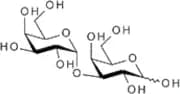

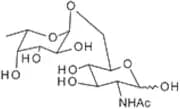
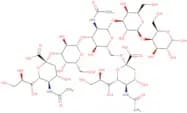


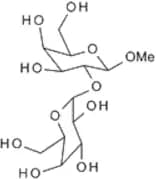
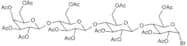
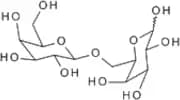
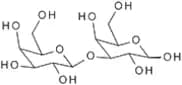
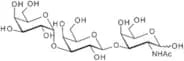


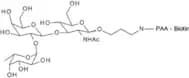


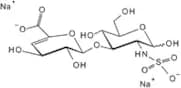

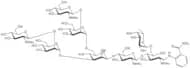
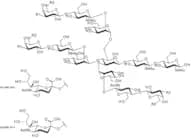




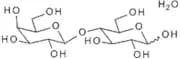


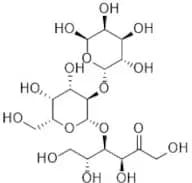
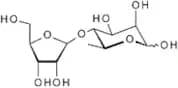

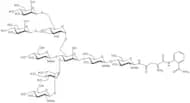

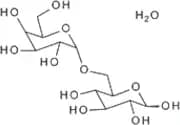
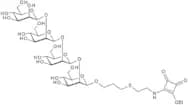


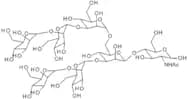
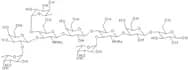
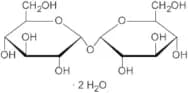

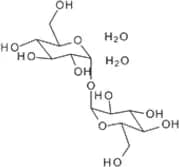
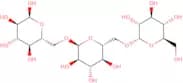

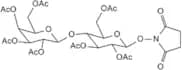
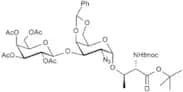
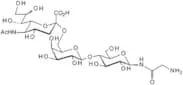
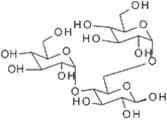


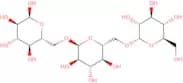

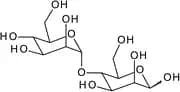
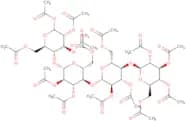


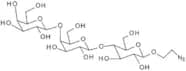
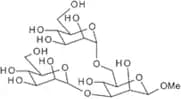
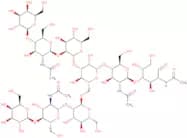
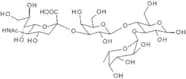
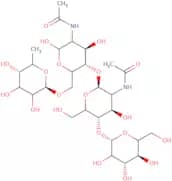
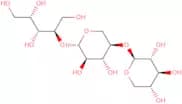
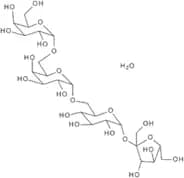



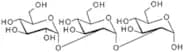
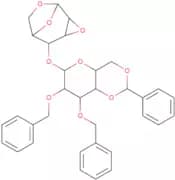
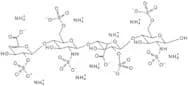
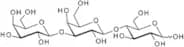
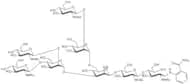
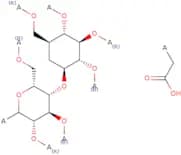


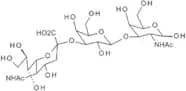
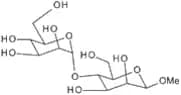

![Methyl 6-O-[(3-O-b-D-galactopyranosyl)-b-D-galactopyranosyl]-b-D-galactopyranoside](/_next/image/?url=https%3A%2Fstatic.cymitquimica.com%2Fproducts%2F3D%2Fthumb-webp%2FOM10182.webp&w=3840&q=75)


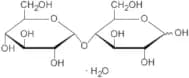
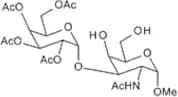
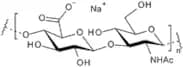
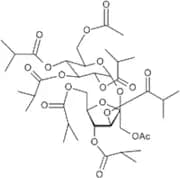
![2-Methyl-(4-O-β-D-glucopyranosyl)-1,2-dideoxy-α-D-glucopyrano)-[2,1-d]-2-oxazoline](/_next/image/?url=https%3A%2Fstatic.cymitquimica.com%2Fproducts%2F3D%2Fthumb-webp%2FOM10959.webp&w=3840&q=75)


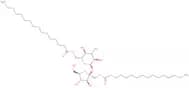

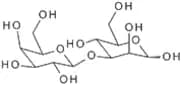
![Blood group A trisaccharide-APE-[biotin]-HSA](/_next/image/?url=https%3A%2Fstatic.cymitquimica.com%2Fproducts%2F3D%2Fthumb-webp%2FOB01687.webp&w=3840&q=75)
![Methyl 3-O-[(6-O-b-D-galactopyranosyl)-b-D-galactopyranosyl]-b-D-galactopyranoside](/_next/image/?url=https%3A%2Fstatic.cymitquimica.com%2Fproducts%2F3D%2Fthumb-webp%2FOM10181.webp&w=3840&q=75)
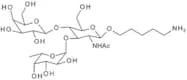


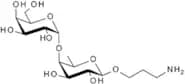
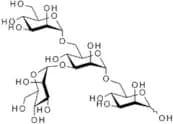
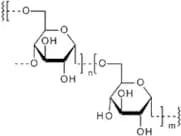

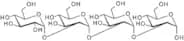
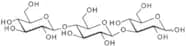

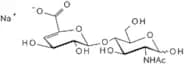


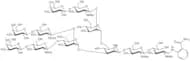
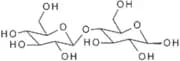
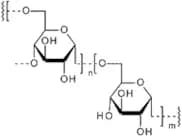


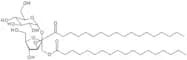
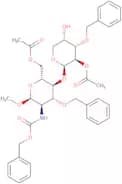
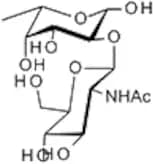
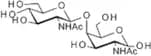
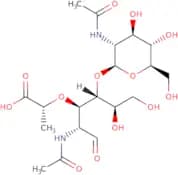

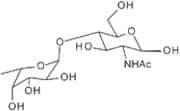
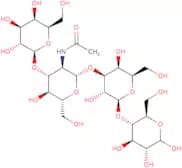
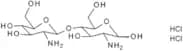


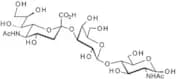
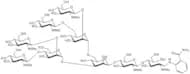
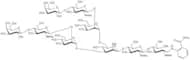
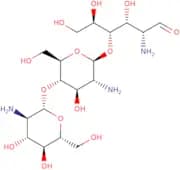

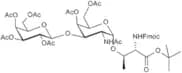

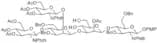

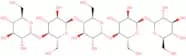
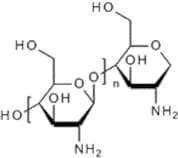
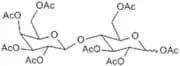
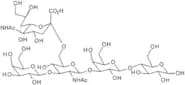
![(3b,14a)-3-O-b-D-glucopyranosyl-(1,2)-[b-D-xylopyranosyl-(1,3)]-b-D-glucopyranosyl-(1,4)-b-D-galac…](/_next/image/?url=https%3A%2Fstatic.cymitquimica.com%2Fproducts%2F3D%2Fthumb-webp%2FOG74568.webp&w=3840&q=75)
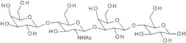
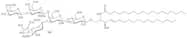

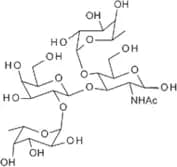
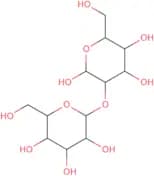
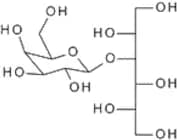
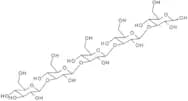

![6-O-(a-D-[6,6'-2H2]Glucopyranosyl)-D-glucopyranose](/_next/image/?url=https%3A%2Fstatic.cymitquimica.com%2Fproducts%2F3D%2Fthumb-webp%2FOG11200.webp&w=3840&q=75)