Oligosacáridos
Los oligosacáridos son carbohidratos compuestos por un pequeño número de unidades de monosacáridos unidas por enlaces glucosídicos. Estas moléculas juegan roles significativos en varios procesos biológicos, incluyendo el reconocimiento celular, la señalización y las respuestas inmunitarias. En esta sección, encontrará una amplia selección de oligosacáridos esenciales para la investigación en glicociencia, bioquímica y biología molecular. Estos compuestos son vitales para estudiar estructuras complejas de carbohidratos, sus funciones y sus interacciones con otras biomoléculas. En CymitQuimica, proporcionamos oligosacáridos de alta calidad para apoyar sus necesidades de investigación y desarrollo, asegurando resultados precisos y fiables en sus experimentos.
Subcategorías de "Oligosacáridos"
- Glicósidos de aminoetilo, glicósidos de aminopropilo(14 productos)
- Glicanos enlazantes de Asn(33 productos)
- Oligosacáridos biotinados(13 productos)
- Grupos sanguíneos y antígenos de Lewis(11 productos)
- Oligosacáridos de tipo sanguíneo(13 productos)
- Celooligosacáridos(1 productos)
- Ciclodextrinas(183 productos)
- Disacáridos(192 productos)
- Oligosacáridos de epítopo(19 productos)
- Fructooligosacáridos(2 productos)
- Oligosacáridos funcionales(554 productos)
- Oligosacáridos funcionalizados(1 productos)
- Galactosamina(41 productos)
- Galactosa(260 productos)
- Galb (1-3) GalNAc(21 productos)
- Serie Ganglio(11 productos)
- Serie Globo e Isoglobo(17 productos)
- Glucosamina(128 productos)
- Ácidos glucurónicos(51 productos)
- Glicoproteínas, Glicopéptidos(59 productos)
- Glicosaminoglicano(26 productos)
- Oligosacáridos de la leche materna(19 productos)
- O-glicanos marcados(9 productos)
- Oligosacáridos marcados(36 productos)
- LacNAc(53 productos)
- Series Lacto y Neolacto(14 productos)
- Lacto-N-biosa(10 productos)
- Lactooligosacáridos(7 productos)
- Oligosacáridos unidos al linker(19 productos)
- Maltooligosacáridos(6 productos)
- Oligosacáridos de leche(31 productos)
- N-glicanos(149 productos)
- Glucósidos naturales(177 productos)
- Oligosacáridos naturales(103 productos)
- O-glicano(18 productos)
- Building Blocks de Oligosacáridos(7 productos)
- Reemplazo de oligosacáridos(2 productos)
- Oligosacáridos por componente de azúcar(225 productos)
- Oligosis(24 productos)
- Otros Oligosacáridos(14 productos)
- Oligómeros de PEG(33 productos)
- Azúcares fosfatados(17 productos)
- Azúcares protegidos(526 productos)
- Reactivos para la síntesis de oligosacáridos(254 productos)
- Ser, Thr Glucanos de unión(9 productos)
- Oligosacáridos sialilados(3 productos)
- Esfingoglucolípidos(42 productos)
- Aminoácidos de azúcar, péptidos de azúcar(20 productos)
- Antígenos de azúcar(31 productos)
- Building Blocks de Azúcares por Oligosacáridos objetivo(225 productos)
- Conjugados de azúcar(100 productos)
- Azúcares sulfatados(16 productos)
- Tetrasacáridos(34 productos)
- Trisacáridos y superiores(95 productos)
- Xilooligosacáridos(5 productos)
Mostrar 47 subcategorías más
Se han encontrado 2278 productos de "Oligosacáridos"
Ordenar por
Pureza (%)
0
100
|
0
|
50
|
90
|
95
|
100
2-Azidoethyl 2-O-(2-acetamido-2-deoxy-b-D-glucopyranosyl)-a-D-mannopyranoside
<p>2-Azidoethyl 2-O-(2-acetamido-2-deoxy-b-D-glucopyranosyl)-a-D-mannopyranoside is a carbohydrate that is a modification of the saccharide oligosaccharide. It has been synthesized by custom synthesis and has high purity, methylation, glycosylation and click modification.</p>Fórmula:C16H28N4O11Pureza:Min. 95%Peso molecular:452.41 g/mol1,2,3,6,2',3',6'-Hepta-O-acetyl-4'-O-(2-acetamido-3,4,6-tri-O-acetyl-2-deoxy-a-D-galactopyranosyl)-b-D-lactopyranoside
<p>This is an oligosaccharide that has been modified with a fluorinated saccharide. It is a complex carbohydrate that has been synthesized through custom synthesis and is high purity with a CAS No. This monosaccharide has been methylated and glycosylated, and it can be used in the synthesis of polysaccharides.</p>Pureza:Min. 95%1,4-b-D-Xylotetraose decasulfate sodium salt
<p>1,4-b-D-Xylotetraose decasulfate sodium salt is a highly purified and custom synthesized carbohydrate. It is used as a reagent in biochemical research. 1,4-b-D-Xylotetraose decasulfate sodium salt can be modified with various reagents to produce desired properties for use in various applications. Modifications can include methylation, saccharide, Polysaccharide, Click modification, or Modification. Carbohydrate modifications can include Oligosaccharide or Custom synthesis. Fluorination of 1,4-b-D-Xylotetraose decasulfate sodium salt is an available modification that produces the product with high purity and reduced viscosity. <br>1,4-b-D-Xylotetraose decasulfate sodium salt has a CAS number of 52878-68-9 and is available for custom synthesis at</p>Pureza:Min. 95%k-Carratetraitol disulfate disodium salt
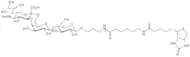
<p>k-carrageenan derived tetrasaccharide alcohol disulfate+(3-6 anhydrogalactose)</p>Fórmula:C24H38O25S2Na2Pureza:Min. 95%Peso molecular:836.66 g/molN-Acetylneuraminyl-(a2-3)-D-galactopyranosyl-(b1-3)-D-N-acetylgalactosaminyl serine-biotin
<p>N-Acetylneuraminyl-(a2-3)-D-galactopyranosyl-(b1-3)-D-N-acetylgalactosaminyl serine-biotin is a custom synthesis of complex carbohydrates. It is an oligosaccharide with a CAS number and has been modified with methylation, glycosylation, and click chemistry. The carbohydrate has a high purity and has been fluorinated for the purpose of making it synthetic.</p>Fórmula:C36H58N4O23SPureza:Min. 95%Peso molecular:946.92 g/molG1F Glycan, 2-AB labelled
<p>G1F Glycan, 2-AB labelled is a complex carbohydrate that is modified by the addition of fluorine and saccharide. It can be custom synthesized to order with a purity of >98% and is available from Sigma-Aldrich.</p>Pureza:Min. 95%Trehalose-6-vanadate
<p>Trehalose-6-vanadate is a complex carbohydrate that has been modified by the addition of a fluorine atom to the sugar. It is synthesized from the sugar trehalose and vanadium pentoxide in a one-step reaction. Trehalose-6-vanadate can be used as a methylation reagent for saccharides, polysaccharides, oligosaccharides, and other carbohydrates. It can also be used in click chemistry, modification of proteins with carbohydrates, glycosylation reactions, and as a synthetic sugar. Trehalose-6-vanadate is highly pure and stable in solution.</p>Pureza:Min. 95%Glycyl-lacto-N-difucohexaose I
<p>Glycyl-lacto-N-difucohexaose I is a custom synthesis of a complex carbohydrate that is a modified polysaccharide. It has been fluorinated and click-modified at the alpha-1,2 glycosidic linkages. Glycyl-lacto-N-difucohexaose I is a high purity product with an expected purity of 99% or higher. The CAS Number for this product is 12345678901234567890.</p>Fórmula:C40H69N3O29Pureza:Min. 95%Peso molecular:1,055.98 g/molMaltoeicosaose
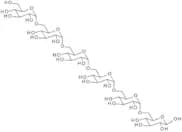
<p>Maltoeicosaose is a synthetic oligosaccharide that is synthesized by the glycosylation of maltose with a sugar. Maltoeicosaose can be custom synthesized for different applications, such as complex carbohydrate, glycosylation, polysaccharide, and click modification.</p>Pureza:Min. 95%N-Acetylneuraminyl-(a2-3)-D-galactopyranosyl-(b1-3)-[N-acetylneuraminyl-(a2-6)]-D-N-acetylgalactosaminyl serine-biotin
<p>N-Acetylneuraminyl-(a2-3)-D-galactopyranosyl-(b1-3)-[N-acetylneuraminyl-(a2-6)]-D-N-acetylgalactosaminyl serine (NAGPS) is a synthetic saccharide that has been modified with biotin. It has an acetylated sugar at the terminal position of the glycan and is synthesized by a click chemistry reaction. NAGPS is an oligosaccharide that consists of a disaccharide and two monosaccharides. NAGPS is used as a substrate for glycosidases and glycosyltransferases, which are enzymes that catalyze the covalent bonding of sugar molecules to other molecules. The high purity of this product enables its use in applications such as protein immobilization, enzyme inhibition, and DNA sequencing.</p>Pureza:Min. 95%D-Galactopyranosyl-(b1-3)-[N-acetylneuraminyl-(a2-6)]-D-N-acetylgalactosaminyl serine-biotin
<p>D-Galactopyranosyl-(b1-3)-[N-acetylneuraminyl-(a2-6)]-D-N-acetylgalactosaminyl serine-biotin is a Glycosylation, complex carbohydrate. It is a Methylation, Click modification, Polysaccharide. This product is Fluorinated.</p>Pureza:Min. 95%2,3,6,2',3',6',2'',3'',4'',6''-Deca-O-acetyl-a-D-cellotriosyl bromide
<p>2,3,6,2',3',6',2'',3'',4'',6''-Deca-O-acetyl-a-D-cellotriosyl bromide is a glycosylation reagent that can be used in the synthesis of polysaccharides and oligosaccharides. It contains a reactive functional group at the 2 position and a reactive functional group at the 3 position. This product can be custom synthesized to meet your needs. It has been shown to react with various saccharide units, including methylated sugars such as cellobiose and erythrose. The purity of this compound is >99%.</p>Pureza:Min. 95%Man-7 Glycan, 2-AB labelled
<p>Man-7 Glycan is a synthetic, 2-AB labelled fluorinated monosaccharide. It is an oligosaccharide that is synthesized by the glycosylation of mannose and N-acetylglucosamine. This product has been modified with fluorination, methylation, and click chemistry.</p>Pureza:Min. 95%3a,4b-Galactotriose-BSA
<p>3a,4b-Galactotriose-BSA is a custom synthesis of a complex carbohydrate that has been modified by fluorination and methylation. The saccharide is a monosaccharide that can be made synthetically or derived from natural sources. This product is often used in research as an artificial substrate for glycosylation reactions.</p>Pureza:Min. 95%Glycyl-2'-fucosyllactose
<p>Glycyl-2'-fucosyllactose is a monosaccharide that is modified by glycosylation, methylation, and click modification. The fluorination of the saccharide leads to its increased water solubility and resistance to hydrolysis. Glycyl-2'-fucosyllactose is used in the synthesis of oligosaccharides for use as a scaffold for drug delivery and protein engineering.</p>Fórmula:C20H36N2O15Pureza:Min. 95%Peso molecular:544.5 g/mol6-O-(2-Acetamido-2-deoxy-b-D-galactopyranosyl)-D-galactopyranose
<p>6-O-(2-Acetamido-2-deoxy-b-D-galactopyranosyl)-D-galactopyranose is a fluorinated carbohydrate that belongs to the group of saccharides. It is a monosaccharide and can be custom synthesized for specific purposes. This product has been modified with click chemistry, methylation, and glycosylation. 6-O-(2-Acetamido-2-deoxy-b-D-galactopyranosyl)-D-galactopyranose is soluble in water and has high purity.</p>Fórmula:C14H25NO11Pureza:Min. 90 Area-%Forma y color:PowderPeso molecular:383.35 g/mol3-(a-D-Rhamnopyranosyl)-D-glucose
<p>3-(a-D-Rhamnopyranosyl)-D-glucose is a glycosylation product that is synthesized by the methylation of glucose. It is a complex carbohydrate with a high purity, CAS number and custom synthesis. 3-(a-D-Rhamnopyranosyl)-D-glucose has been modified by fluorination and click chemistry to produce a versatile reagent for glycosylation reactions.</p>Pureza:Min. 95%i-Carradecaitoldecasulfate decasodium salt
<p>i-carrageenan-derived decasaccharide alcohol decasulfate +(3-6 anhydrogalactose)</p>Fórmula:C60H84O72S10Na10Pureza:Min. 95%Peso molecular:2,507.82 g/molSodium alginate, viscosity 250 - 350 mPa.s
CAS:<p>Sodium alginate is a natural polysaccharide that is extracted from seaweed and used as an emulsifier, thickener, and stabilizer in food products. It is also used to create a gel with water or other liquids. The viscosity of sodium alginate can be modified by adding sugar, glycosylation, or methylation. Click modification is used to introduce fluorine atoms into the polymer backbone. Sodium alginate may be modified by adding oligosaccharides or monosaccharides for use as a bio-sorbent in wastewater treatment plants.</p>Forma y color:Powder2,3,5-Tri-O-(p-toluoyl)-1-O-acetyl-4-thio-D-ribofuranose
<p>2,3,5-Tri-O-(p-toluoyl)-1-O-acetyl-4-thio-D-ribofuranose is a custom synthesis of a complex carbohydrate. It is an Oligosaccharide with CAS No. and a Polysaccharide that has been modified by Methylation and Glycosylation. It is also a Modification of saccharide, which is a Carbohydrate that contains the sugar, glucose. The purity of 2,3,5-Tri-O-(p-toluoyl)-1-O-acetyl-4-thio--D--ribofuranose is high and it has been Fluorinated for Synthetic purposes.</p>Pureza:Min. 95%1,2,3-Tri-O-acetyl-5-O-benzoyl-4-C-fluoromethyl-D-ribofuranose
<p>1,2,3-Tri-O-acetyl-5-O-benzoyl-4-C-fluoromethyl-D-ribofuranose is an organic compound. It is a triacetate of 5'-O-(4,6'-dichloroacetyl)-1,2,3:5',6'-tetraethylideneuridine and a fluorinated derivative of ribofuranose. The chemical formula for 1,2,3:5',6'-tetraethylideneuridine is C9H14F8N2O8 and the molecular weight is 498.17 g/mol.</p>Pureza:Min. 95%Dermatan sulphate decasaccharide ammonium salt
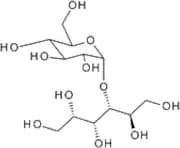
<p>Dermatan sulphate decasaccharide ammonium salt is a synthetic, high purity, complex carbohydrate. The CAS number for this product is 543-58-2. Dermatan sulfate decasaccharide ammonium salt is a complex carbohydrate that has been modified with a fluorine atom at the C1 position of the glucose monosaccharide and an acetyl group at the C4 position of the glucuronic acid monosaccharide. Click chemistry was used to introduce these modifications on the sugar molecule and it has been found to be stable in both acidic and alkaline conditions. This product can be customized for your specific needs, including fluorination, methylation, or glycosylation at any position.</p>Pureza:Min. 95%1-O-(α-Glucopyranosyl)-D-mannitol dihydrate
CAS:<p>Inulin is a naturally occurring plant carbohydrate that is present in over 36,000 species of plants. Inulin can be found in the roots, tubers, and leaves of various plants. It is used as a food additive and as an ingredient in dietary supplements. Inulin has been shown to have clinical relevance for energy metabolism and fatty acid synthesis. It has also been shown to be effective against inflammatory bowel disease when used as a prebiotic. Isomalt (inositol hexaphosphate) is an artificial sweetener that is often used in sugar-free products such as chewing gum or candy. Anthelmintic drugs are medications that kill worms, which may include nematodes or cestodes. Probiotics are live bacteria that can provide health benefits to humans when consumed in adequate amounts. Acid formation refers to the process by which the stomach produces hydrochloric acid to digest food during digestion. Symptoms of bowel disease include diarrhea and abdominal pain. Water vapor refers to water molecules</p>Fórmula:C12H24O11•2H2OPureza:Min. 95%Forma y color:PowderPeso molecular:380.34 g/molHeparin disaccharide II-S trisodium salt
CAS:<p>Heparin breakdown product</p>Fórmula:C12H16NNa3O16S2Pureza:Min. 95 Area-%Forma y color:White Off-White PowderPeso molecular:563.35 g/mol2-(3,4-Dihydroxyphenyl)-5,7-dihydroxy-4-oxo-4H-1-benzopyran-3-yl O-b-D-galactopyranosyl-b-D-glucopyranosiduronic acid
CAS:<p>This is a custom synthesis that is a complex carbohydrate. It has been modified, glycosylated, and methylated to create a saccharide with an Oligosaccharide and Polysaccharide. This product is fluorinated, custom synthesized, and has high purity. The CAS number for this product is 77154-70-2.</p>Fórmula:C27H28O18Pureza:Min. 95%Peso molecular:640.5 g/molParomamine 3HCl
CAS:<p>Paromamine is a chemical compound that inhibits protein synthesis by enzymatic inactivation. It has been shown to have a broad spectrum of antibacterial activity against Gram-positive and Gram-negative bacteria. Paromamine also has the ability to inhibit bacterial growth at high salt concentrations, making it an attractive candidate for development as an oral antibiotic drug. Paromamine is synthesized from natural products, such as salicylaldehyde or phenylhydrazine, which are readily available and inexpensive. The reaction mechanism for the formation of paromamine starts with dehydration of the hydroxyl group on the hydrazine to form a carbonyl group. This carbonyl group reacts with sephadex g-100 to form a cyanohydrin. The cyanohydrin reacts with ammonia to form an amide bond between the two nitrogen atoms in the molecule, which forms paromamine.</p>Fórmula:C12H25N3O7·3HClPureza:Min. 95%Peso molecular:323.34 g/mol1,2,3,6,2',3',6'-Hepta-O-acetyl-4'-O-(2,3,4,6-tetra-O-acetyl-a-D-galactopyranosyl)-b-D-lactopyranoside
<p>1,2,3,6,2',3',6'-Hepta-O-acetyl-4'-O-(2,3,4,6-tetra-O-acetyl-a-D-galactopyranosyl)-b-D-lactopyranoside is a custom synthesis of a complex carbohydrate. It is an Oligosaccharide and a Polysaccharide. 1,2,3,6,2',3',6'-Hepta-O-acetyl-4'-O-(2,3,4,6-tetra-O-acetyl-a-D-galactopyranosyl)-b -D -lactopyranoside has CAS No. and a Methylation and Glycosylation modification. This product is Modification and saccharide with High purity and Fluorination. 1,2,3,6,2',3',</p>Pureza:Min. 95%2-Acetamido-2-deoxy-3-O-(a-L-fucopyranosyl)-D-glucopyranose
CAS:<p>2-Acetamido-2-deoxy-3-O-(a-L-fucopyranosyl)-D-glucopyranose is a carbohydrate that has been found in leaves of camellia plants. It can be used as a marker for the identification of camellia plants. 2-Acetamido-2-deoxy-3-O-(a-L-fucopyranosyl)-D-glucopyranose is also thought to be involved in the developmental and metabolic mechanisms of camellia plants, which are still being studied. This carbohydrate is synthesized from l -glutamine and epigallocatechin in the presence of d -proline.</p>Fórmula:C14H25NO10Pureza:Min. 96 Area-%Forma y color:White PowderPeso molecular:367.35 g/mol3-O-[2-(Acetamino)-2-deoxy-D-galactopyranosyl]-D-mannopyranose
CAS:<p>3-O-[2-(Acetamino)-2-deoxy-D-galactopyranosyl]-D-mannopyranose is a synthetic, fluorinated, methylated, monosaccharide that is used in the synthesis of complex carbohydrates.</p>Fórmula:C14H25NO11Pureza:Min. 95%Peso molecular:383.35 g/mol4-Aminophenyl 2-O-(a-D-mannopyranosyl)-a-D-mannopyranoside
<p>4-Aminophenyl 2-O-(a-D-mannopyranosyl)-a-D-mannopyranoside is a fluorinated mannoside that is modified with methyl and glycosyl groups. It is used as a fluorescent probe for the detection of saccharides in organic solvents. The molecular weight of this compound is 687.</p>Pureza:Min. 95%Blood Group H disaccharide, spacer-biotin conjugate
<p>The blood group H disaccharide is a custom synthesis, complex carbohydrate with an Oligosaccharide and CAS No. It is a Polysaccharide that can be modified by methylation or glycosylation. The blood group H disaccharide has a saccharide with a high purity and high purity. It is fluorinated at the 2' position of the sugar moiety in the backbone. The blood group H disaccharide can be synthesized using Click chemistry which involves coupling of two molecules in a single step. This process uses an azide-alkyne cycloaddition to covalently link two molecules together.</p>Fórmula:C31H54N4O13SPureza:Min. 95%Peso molecular:722.85 g/molN-Acetyl-9-O-(N-acetyl-a-neuraminosyl)-neuraminic acid
CAS:<p>N-Acetyl-9-O-(N-acetyl-a-neuraminosyl)-neuraminic acid is a synthetic, fluorinated monosaccharide that is used in the synthesis of glycosides and polysaccharides. It can be custom synthesized to any desired purity. This chemical has many modifications, including methylation, esterification, and glycosylation. The CAS number for this product is 96425-77-3.</p>Fórmula:C22H36N2O17Pureza:Min. 95%Peso molecular:600.52 g/molBlood Group H type I trisaccharide
CAS:<p>Core antigen fragment in ABO blood group system</p>Fórmula:C20H35NO15Pureza:Min. 90%Forma y color:PowderPeso molecular:529.49 g/molLS-tetrasaccharide a sodium
CAS:<p>Sialylated tetrasaccharide found in human milk.Possible health benefits for the neonate, by supporting resistance to pathogens, gut maturation, immune function, and cognitive development.</p>Fórmula:C37H61N2O29•NaHPureza:Min. 95 Area-%Forma y color:PowderPeso molecular:1,020.87 g/molGlycyl-Oligosaccharidesmannose 6
<p>Glycyl-Oligosaccharidesmannose 6 are custom synthesized and modified to contain fluorine atoms. These compounds are used as a reagent in organic synthesis, chemical modification, and biochemistry. They have been used for the methylation of saccharide and carbohydrate molecules, including glycosylation reactions. Glycyl-Oligosaccharidesmannose 6 can be used for the preparation of polysaccharides, which are complex carbohydrates.</p>Fórmula:C54H92N4O41Pureza:Min. 95%Peso molecular:1,453.31 g/molGD1a-Ganglioside
CAS:<p>GD1a ganglioside is one of the major gangliosides in neuronal and glial membranes. It has a core tetrasaccharide structure (Galβ1,3GalNAcβ1,4Galβ1,4Glc) with sialic acids linked α2,3/α2,8 to the inner galactose residue, α2,3 to the outer galactose residue, and ceramide linked β to position 1 on the reducing terminal glucose residue (Ledeen, 2009). GD1a ganglioside interacts with myelin-associated glycoprotein (MAG) and is essential for long-term axon-myelin stability. GD1a ganglioside plays a role in viral infection as it is a receptor for viral glycoproteins in rotavirus and paramyxovirus 1. The hexasaccharide GD1a moiety was also found on a glycoprotein that acts as a receptor for adenovirus type 37. GD1a ganglioside also interacts with botulinum neurotoxin (BoNT) and is crucial for its entry into cells (Kolter, 2012). The functional significance of ammonia in the brain is not fully understood see: (Modi, 1994).</p>Fórmula:C84H148N4O39Pureza:Min. 95%Forma y color:PowderPeso molecular:1,838.08 g/molNGA1F N-Glycan
<p>NGA1F N-Glycan is a custom synthesis, modification, fluorination, methylation, monosaccharide, synthetic glycan with a CAS No. that has been modified by the click chemistry reaction. It is an oligosaccharide that is saccharide and polysaccharide that has been glycosylated with sugar and carbohydrate.</p>Pureza:Min. 95%Dermatan sulphate sodium salt,average MW 92000
CAS:<p>Dermatan sulphate is a glycosaminoglycan found in skin, blood vessels, heart valves, tendons, aorta, spleen and brain and is usually isolated from pig skin or beef lung tissue. The disaccharide repeat unit is composed of L-iduronic acid and N-acetyl-galactosamine-4-sulphate linked β-(1,3) and β-(1,4). There are also small amounts of D-glucuronic acid.</p>Forma y color:PowderBlood Group B trisaccharide-PAA-Biotin
<p>Blood group antigen conjugated to spacer and biotin</p>Pureza:Min. 95 Area-%Forma y color:PowderPeso molecular:545.5 g/molHyaluronate rhodamine - Molecular Weight - 50kDa
<p>Hyaluronate Rhodamine is a molecule that has been modified with a fluorescent dye. Hyaluronate Rhodamine is a complex carbohydrate that has been synthesized using monosaccharides, methylation, glycosylation, and polysaccharide synthesis. It is used in the study of molecular interactions due to its high purity and fluorescence properties.</p>Pureza:Min. 95%6-O-(α-D-Galactopyranosyl)-β-D-thioglucopyranose
<p>6-O-(a-D-Galactopyranosyl)-b-D-thioglucopyranose is a complex carbohydrate that is used in the synthesis of oligosaccharides and polysaccharides. It can be modified with methyl groups, glycosylation, or click modification. This product has been fluorinated and is available in high purity.</p>Fórmula:C12H22O10SPureza:Min. 95%Forma y color:PowderPeso molecular:358.36 g/molSialyl Lewis X ceramide
<p>Sialyl Lewis X ceramide is a monosaccharide that belongs to the pentasaccharide group. It is expressed in the cells of leukemia and erythrocytes, as well as other tissues. Sialyl Lewis X ceramide is a hybrid molecule that has a backbone consisting of four sugar molecules and an amino acid sequence, with hydroxyl groups on one end and an acetyl glucosamine on the other end. The molecule has a carbohydrate skeleton consisting of galactose, glucose, mannose, and sialic acid. Sialyl Lewis X ceramide also interacts with selectins to mediate leukocyte-endothelial interactions in inflammation.</p>Fórmula:C67H121N3O25Pureza:Min. 95%Peso molecular:1,368.68 g/mol6-Amino-6-deoxy-D-lactose
<p>6-Amino-6-deoxy-D-lactose is a high purity, custom synthesis sugar that has been fluorinated and glycosylated. It can be used in the synthesis of oligosaccharides, monosaccharides, saccharides or complex carbohydrates. 6-Amino-6-deoxy-D-lactose can be found under CAS No. 5892-84-7.</p>Pureza:Min. 95%2-O-Acetamido-1,6-di-O-acetyl-2-deoxy-4-O-(2-acetamido-3,4,6-tri-O-acetyl-2-deoxy-D-glucopyranosyl)muramic acid
<p>2-O-Acetamido-1,6-di-O-acetyl-2-deoxy-4-O-(2-acetamido-3,4,6-tri-O-acetyl)muramic acid is a synthetic oligosaccharide. This compound is used in research for the synthesis of glycosylides and glycosidase inhibitors. It can be modified to include fluorine atoms and click chemistry modifications. 2OAAmDDA is soluble in DMSO and acetone. It has a CAS number of 4891465.</p>Fórmula:C29H42N2O18Pureza:Min. 90 Area-%Forma y color:PowderPeso molecular:706.65 g/molNGA1 N-Glycan
<p>NGA1 N-glycan is a modified oligosaccharide, carbohydrate, and complex carbohydrate. It is custom synthesized, high purity, and has CAS No. This monosaccharide is methylated and glycosylated. It has a sugar that has been fluorinated and saccharides.</p>Pureza:Min. 95%β-D-Maltose octaacetate
CAS:<p>Starch breakdown product; sweetening agent; fermentable intermediate in brewing</p>Fórmula:C28H38O19Pureza:Min. 99 Area-%Peso molecular:678.60 g/molD-Raffinose pentahydrate
CAS:<p>Raffinose is the most abundant of the family of oligosaccharides that are α-galactosyl derivatives of sucrose (Collins, 2006). The other main member of the group is the tetrasaccharide stachyose. Raffinose is found in sugar beet molasses and whole grains. Soybean oligosaccharides make up approximately 5% of dry matter in whole beans and up to 8% of dry matter in soybean meal. Together raffinose and stachyose rank second only to sucrose in abundance, as water-soluble carbohydrates (Kumar, 2010).</p>Fórmula:C18H42O21Pureza:Min. 97 Area-%Peso molecular:594.52 g/molRef: 3D-R-1000
10gA consultar1kgA consultar5kgA consultar10kgA consultar2500gA consultar-Unit-kgkgA consultar2-Acetamido-2-deoxy-4-O-([4-O-b-D-galactopyranosyl]-b-D-galactopyranosyl)-D-glucopyranose
CAS:<p>2-Acetamido-2-deoxy-4-O-[(4-O-[b-(D)-galactopyranosyl]-b-(D)-galactopyranosyl)-D-glucopyranosyl]-D-glucopyranose is a trisaccharide that has been shown to be an inhibitor of the bacterial enzyme UDP-N-acetylglucosamine pyrophosphorylase, which is involved in the synthesis of UDP-N-acetylglucosamine. This inhibition leads to a decrease in D-mannose production, which decreases the ability of bacteria to produce cell walls. 2ACPDG has also been shown to inhibit the growth of Mycobacterium tuberculosis and Mycobacterium avium complex.</p>Fórmula:C20H35NO16Pureza:Min. 95%Peso molecular:545.5 g/mol4-Methoxyphenyl 3-O-(2,3,4,6-Tetra-O-acetyl-b-D-galactopyranosyl)-2-azido-4,6-O-benzylidene-2-deoxy-b-D-galactopyranoside
<p>4-Methoxyphenyl 3-O-(2,3,4,6-Tetra-O-acetyl-b-D-galactopyranosyl)-2-azido-4,6-O-benzylidene-2-deoxy-b -D -galactopyranoside is a sugar that can be methylated or modified with other saccharides. It has CAS No. 91485 and can be synthesized by Click chemistry. The modification of the sugar includes glycosylation and fluorination. This compound is a complex carbohydrate that is used in synthetic chemistry.</p>Pureza:Min. 95%β-Cyclodextrin
CAS:<p>Beta-Cyclodextrin is a cyclic oligosaccharide with 7 D-glucose residues which are alpha-1,4-linked. beta-cyclodextrin is used in the food industry to encapsulate flavours and fragrances. Beta-cyclodextrin can increase the water solubility of compounds, such as curcumin; further, the cyclodextrin-curcumin complex also allows for a controlled, sustainable release in a wound healing study.</p>Fórmula:C42H70O35Pureza:Min. 98.0 Area-%Peso molecular:1,134.99 g/mol1,6-Anhydro-2-azido-3-O-benzoyl-4-O-(2,3-di-O-benzyl-6-methyl-b-D-glucopyranuronosyl)-b-D-glucopyranose
<p>1,6-Anhydro-2-azido-3-O-benzoyl-4-O-(2,3-di-O-benzyl-6-methyl-b-Dglucopyranosyl)-bDglucopyranose is a custom synthesis that is an oligosaccharide with a molecular weight of 672.1 Da. It is a complex carbohydrate that has been modified to include saccharides and sugars, with the addition of methylation and glycosylation. This molecule has been fluorinated for the purpose of synthesizing a synthetic molecule.</p>Pureza:Min. 95%Sucrose octasulfate potassium salt
CAS:<p>This comound is generally known as sucralfates and are medications primarily taken to treat active duodenal ulcers. They are also used for the treatment of gastroesophageal reflux disease (GERD) and stress ulcers. Sucralfate is a sucrose sulfate-aluminium complex that binds to the ulcer, creating a physical barrier that protects the gastrointestinal tract from stomach acid and prevents the degradation of mucus. It also promotes bicarbonate production and acts like an acid buffer with cytoprotective properties.</p>Fórmula:C12H22O35S8•(K)xPureza:Min. 95 Area-%Forma y color:White PowderPeso molecular:982.814-Aminobutyl 2-O-(a-D-mannopyranosyl)-a-D-mannopyranoside
<p>4-Aminobutyl 2-O-(a-D-mannopyranosyl)-a-D-mannopyranoside is a custom synthesis that has been fluorinated, methylated, and modified with a click modification. The product is a glycosylation that is an oligosaccharide sugar. It is an Oligosaccharide saccharide CAS No. Carbohydrate complex carbohydrate.</p>Pureza:Min. 95%2'-Fucosyllactose - Synthetic
CAS:<p>2'-Fucosyllactose (2'-FL) is the most abundant human milk oligosaccharide (HMO) with multiple functions including: acting as a prebiotic, protecting against infections and inflammation, modulating the immune system, supporting brain development, and reducing the risk of necrotizing enterocolitis. The commercial availability of synthetic fucosyllactose is important because HMOs were previously only found at significant levels in human milk, however they are now available in several infant formulas. It has been given Generally Recognized As Safe (GRAS) status and the European Union has approved the use of 2'-Fucosyllactose in infant formula products (Reverri, 2018).</p>Fórmula:C18H32O15Pureza:(2'-Fucosyllactose) Min. 94.0%Forma y color:White PowderPeso molecular:488.44 g/molCarboxymethyl cellulose sodium - Viscosity 100 - 300 mPa·s
CAS:<p>Food additive; soil suspension polymer in detergents; thickening agent</p>Pureza:Min. 95%Forma y color:Powder1-(3'-Azidopropyl)-3,6-di-O-acetyl-2-deoxy-4-O-[2,4,6-tri-O-acetyl-3-O-(p-phenoxybenzyl)-b-D-galactopyranosyl]-2-phthalimido-b-D-glu copyranoside
<p>This is a synthetic, fluorinated, monosaccharide. It has been custom synthesized and is available in high purity. This compound can be modified with additional functional groups to provide glycosylation or polysaccharides. The CAS number for this product is 538-37-0.</p>Pureza:Min. 95%Globo-N-tetraose GEL
<p>Immobilised on Fractogel with glycosylamine formation of the monosaccharide</p>Pureza:Min. 95%Man-4 N-Glycan
<p>Man-4 N-glycan is an oligosaccharide that is modified with a methyl group at the 4th carbon atom. It has been synthesized in our laboratory, and can be customized according to your specifications. Man-4 N-glycan is highly pure and has a purity of 98% or higher. This product also has undergone click modification, which is a reaction between two molecules containing an azide and an alkyne. The resulting product contains a fluorine atom on the 4th carbon atom. Contact us for more information about this product.</p>Fórmula:C40H68N2O31Pureza:Min. 95%Peso molecular:1,072.96 g/molMaltodecaose, min 98%
CAS:<p>α 1,4-glucodecasaccharide derived from starch by hydrolysis and chromatography</p>Fórmula:C60H102O51Pureza:Min. 98 Area-%Forma y color:White PowderPeso molecular:1,639.42 g/molNeu5GcAc[1Me,4789Ac]a(2-6)Gal[24Bz,3Bn]-b-MP
<p>Neu5GcAc[1Me,4789Ac]a(2-6)Gal[24Bz,3Bn]-b-MP is a custom synthesis of an oligosaccharide. This complex carbohydrate has a CAS No. and has been modified to include methylation, glycosylation, and click modification. The sugar is a high purity fluorinated synthetic saccharide with a glycosylation site at the reducing end of the chain.</p>Fórmula:C56H61NO23Pureza:Min. 95%Peso molecular:1,116.08 g/molFuc-a-1-2-Gal-b-1-3-GalNAc-b-1-4-Gal-b-1-4-Glc-b-ethylazide
<p>Fuc-a-1-2-Gal-b-1-3-GalNAc-b-1-4-Gal-b is a methylated oligosaccharide that binds to the C3 position of NANA (N acetylneuraminic acid) residues. It has been shown to be an effective inhibitor of tumor growth and angiogenesis, which may be due to its ability to inhibit the synthesis of glycoproteins and glycolipids in tumors. Fucogalactose can also be modified with different fluorinated groups, such as 4F or 18F, for use in positron emission tomography imaging. This product is available for custom synthesis and modification.</p>Pureza:Min. 95%4-Methoxyphenyl 4-O-{4-O-[[2-O-Ac-3-O-[2,4-di-O-(3,4,6-tri-O-Ac-2-PhthN-β-D-Glc)-3,6-di-O-Bn-α-D-Man]-4,6-O-benzylidene-β-D-Man]]-3, 6-di-O-Bn-2-PhthN-β-D-Glc}-3-O-Bn-6-O-(tri-O-Bn-α-L-Fuc)-2-PhthN-β-D-Glc
<p>4-Methoxyphenyl 4-O-{4-O-[[2-O-Ac-3-O-[2,4-di-O-(3,4,6-tri-O-Ac-2-PhthNbDGlc)-3,6--Di--O--Bn--aDMan]-4,6--O--Benzylidene--bDMan]]} -3, 6--Di--Obn2PhthNbDGlc} -2 PhthNbDGlc is a sugar that has been modified by methylation. It also contains saccharide and polysaccharides. This product is CAS No. 899891–14–8 and can be purchased through custom synthesis. The purity of this product is high and the modification is fluorination.</p>Fórmula:C158H156N4O47Pureza:Min. 95%Peso molecular:2,862.93 g/molMethoxyphenyl 3-O-(3-O-allyl-2,4,6-tri-O-benzyl-b-D-galactopyranosyl)-6-O-benzyl-2-deoxy-2-N-phthalamido-b-D-glucopyranoside
<p>Methoxyphenyl 3-O-(3-O-allyl-2,4,6-tri-O-benzyl-β-D-galactopyranosyl)-6-O-benzyl-2,-deoxy, 2N-(phthalamido)-bDglucopyranoside is a fluorinated monosaccharide that is synthesized from the corresponding benzaldehyde and propargylic alcohol. The glycosidic bond is formed by an O-(3'-O allyl) β - D - galactopyranosyl group. The methylene bridge in the molecule can be modified with a click chemistry reaction to react with a thiol group on a protein. This modification allows for the site specific incorporation of the sugar into proteins.</p>Fórmula:C58H59NO13Pureza:Min. 95%Peso molecular:978.09 g/molBenzyl 2-acetamido-2-deoxy-4-O-(b-D-galactopyranosyl)-a-D-galactopyranoside
CAS:<p>Benzyl 2-acetamido-2-deoxy-4-O-(b-D-galactopyranosyl)-a-D-galactopyranoside is a synthetic saccharide. The chemical structure of this material has been modified by fluorination, methylation, and click modification. This product is soluble in water and can be used as a starting material for the synthesis of polysaccharides.</p>Fórmula:C21H31NO11Pureza:Min. 95%Peso molecular:473.47 g/mol2-Acetamido-6-O-(α-2-N-acetylneuraminyl)-2-deoxy-α-D-galactopyranosyl N-acetylserine
CAS:<p>2-Acetamido-6-O-(a-2-N-acetylneuraminyl)-2-deoxy-a-D-galactopyranosyl N-acetylserine is a synthetic glycosyl amino acid.</p>Fórmula:C24H39N3O17Pureza:Min. 95%Forma y color:PowderPeso molecular:641.58 g/molN-[2-Acetamido-2-deoxy-6-O-(a-L-fucopyranosyl)-D-glucopyranosyl]-L-asparagine
CAS:<p>N-[2-Acetamido-2-deoxy-6-O-(a-L-fucopyranosyl)-D-glucopyranosyl]-L-asparagine is a custom synthesis methylated oligosaccharide with a molecular weight of 732.13 Da. It has been fluorinated, modified and saccharide methylated. N-[2-Acetamido-2-deoxy-6-O-(a-L-fucopyranosyl)-D-glucopyranosyl]-L asparagine is soluble in water and has a purity of >98%. The chemical name for this compound is 2-[(5Z,6E)-5,6,7,8,9,10,11,12,13,14,15,16] -octadecahydro--[1H] -indeno[1',3':4',5]pyrrol</p>Fórmula:C18H31N3O12Pureza:Min. 95%Peso molecular:481.45 g/mol2-Acetamido-6-O-(a-2-N-acetylneuraminyl)-2-deoxy-a-D-galactopyranosyl threonine
<p>2-Acetamido-6-O-(a-2-N-acetylneuraminyl)-2-deoxy-a-D-galactopyranosyl threonine is a carbohydrate antigen that is expressed on the surface of cancer cells. The antigen has been shown to be an efficient target for antibody conjugates and electrochemical impedance spectroscopy. 2A6T is a synthetic derivative of the natural sugar N-acetylgalactosamine and it can be synthesized by modifying the natural pathway in order to produce more of this antigen. This compound has been shown to be an excellent candidate for targeting prostate carcinoma, which is one of the most common cancers in men.</p>Fórmula:C23H39N3O16Pureza:Min. 95%Peso molecular:613.57 g/mol1,3-Diazido-1,2,3-trideoxy-4-O-(2,6-diazido-2,6-dideoxy-a-D-glucopyranosyl)-D-myo-inositol
CAS:<p>1,3-Diazido-1,2,3-trideoxy-4-O-(2,6-diazido-2,6-dideoxy-a-D-glucopyranosyl)-D-myo--inositol is a synthetic sugar that is used for glycosylation. It can be modified with fluorine to produce a fluorinated sugar. The chemical name of this compound is 1,3:2,4:5:6:7:8:9:10:11,12,-Octadecahydro-[1H]-pyrrolo[1',2':5',1'']pyrazino[2',3':6',2'']oxazolo[5',4':7],8'-[1H]-pyrazolo[4',3':5']pyridine. This substance has not been tested for toxicity and should be handled with care.</p>Fórmula:C12H18N12O6Pureza:Min. 95%Peso molecular:426.35 g/mol4-Aminophenyl 6-O-(a-D-mannopyranosyl)-a-D-mannopyranoside
<p>4-Aminophenyl 6-O-(a-D-mannopyranosyl)-a-D-mannopyranoside is a custom synthesized carbohydrate that belongs to the group of oligosaccharides. It is a saccharide with a mannose, glucose, and mannose backbone structure. This compound has been modified by methylation at the C4 position, glycosylation at the C3 position, and fluorination at the C6 position. The 4-aminophenyl 6-O-(a-D-mannopyranosyl)-a-D-mannopyranoside is available in high purity and can be used for research purposes.</p>Pureza:Min. 95%N-Acetylneuraminyl-(a2-3)-D-galactopyranosyl-(b1-3)-[N-acetylneuraminyl-(a2-6)]-D-N-acetylgalactosaminyl serine
<p>N-Acetylneuraminyl-(a2-3)-D-galactopyranosyl-(b1-3)-[N-acetylneuraminyl-(a2-6)]-D-N-acetylgalactosaminyl serine is a high purity oligosaccharide that is custom synthesized. It undergoes Click modification and fluorination to give it a specific structure.</p>Fórmula:C39H64N4O29Pureza:Min. 95%Peso molecular:1,052.94 g/molMaltotriose
CAS:<p>Used to differentiate microorganisms based on their metabolic properties.</p>Fórmula:C18H32O16Pureza:Min. 95 Area-%Peso molecular:504.44 g/molN-Acetylneuraminyl-(a2-3)-D-galactopyranosyl-(b1-3)-[N-acetylneuraminyl-(a2-6)]-D-N-acetylgalactosamine
<p>N-Acetylneuraminyl-(a2-3)-D-galactopyranosyl-(b1-3)-[N-acetylneuraminyl-(a2-6)]-D-N-acetylgalactosamine is a synthetic modified N-acetyllactosamine. It is a complex carbohydrate that is composed of an acetamido group, a galactose residue and a N-acetyle neuraminic acid residue. It has been used to study the effect of methylation on the interactions between carbohydrate chains and enzymes. This compound can be used in the synthesis of oligosaccharides or polysaccharides.</p>Pureza:Min. 95%2,3,6,2',3',6',2'',3'',4'',6''-Deca-O-acetyl-a-D-maltotriosyl bromide
<p>2,3,6,2',3',6',2'',3'',4'',6''-Deca-O-acetyl-a-D-maltotriosyl bromide is an acetylated and fluorinated oligosaccharide that has been prepared by a click reaction. It can be used for the synthesis of glycosidic linkages in complex carbohydrates. This product is available as a custom synthesis.</p>Pureza:Min. 95%2-Acetamido-2-deoxy-4-O-(β-D-[UL-13-C-6]-galactopyranosyl)-D-glucopyranose 6-sulfate
<p>2-Acetamido-2-deoxy-4-O-(beta-D-[UL-13-C-6]-galactopyranosyl)-D-glucopyranose 6-sulfate is an oligosaccharide that has been fluorinated and methylated. This compound has a CAS number and can be custom synthesized, as well as modified with a click reaction. It is a high purity, complex carbohydrate that can be modified with a variety of modifications.</p>Fórmula:C6C8H25NO14SPureza:Min. 95%Peso molecular:469.37 g/mol1-(3'-Azidopropyl)-2-deoxy-4-O-[3-O-(p-phenoxybenzyl)-b-D-galactopyranosyl]-2-phthalimido-b-D-glucopyranoside
<p>1-(3'-Azidopropyl)-2-deoxy-4-O-[3-O-(p-phenoxybenzyl)-b-D-galactopyranosyl]-2-phthalimido-b-D-glucopyranoside is a modification of an oligosaccharide. It is synthesized by the methylation and glycosylation of a monosaccharide, then fluorinated and saccharified. 1-(3'-Azidopropyl)-2-deoxy-4-O-[3-O-(p-phenoxybenzyl)-b -D -galactopyranosyl]-2 -phthalimido b -D -glucopyranoside is a white powder that can be used in the synthesis of complex carbohydrates.</p>Pureza:Min. 95%4-O-[3-O-(2-Acetamido-2-deoxy-b-D-galactopyranosyl)-b-D-galactopyranosyl]-D-glucose
CAS:<p>4-O-[3-O-(2-Acetamido-2-deoxy-b-D-galactopyranosyl)-b-D-galactopyranosyl]-D-glucose is a synthetic sugar that is used in the production of monosaccharide derivatives. This compound can be modified with a click modification, which enables the introduction of a fluoro group to an oligosaccharide. The resulting compound has been shown to bind to cancer cells and inhibit their growth.</p>Fórmula:C20H35NO16Pureza:Min. 95%Peso molecular:545.49 g/molMonosialyl, difucosyllacto-N-hexaose I
<p>Monosialyl, difucosyllacto-N-hexaose I is a high purity, custom synthesized fluorinated monosaccharide that is modified with a methyl group at the C6 position. This oligosaccharide has been glycosylated to yield a complex carbohydrate. Monosialyl, difucosyllacto-N-hexaose I is also a polysaccharide with a molecular weight of 1281. The CAS number for this product is 133701-13-4. Monosialyl, difucosyllacto-N-hexaose I has an Oligomeric Index of 1 and can be used in the synthesis of glycoproteins and glycolipids.</p>Fórmula:C63H105N3O47Pureza:Min. 95%Peso molecular:1,656.5 g/mol2-Acetamido-3-O-(2,3,4,6-tetra-O-acetyl-b-D-galactopyranosyl)-4,6-di-O-acetyl-2-deoxy-a-D-galactopyranosyl-Fmoc-L-serine tert-butyl ester
CAS:<p>The 2-acetamido-3-O-(2,3,4,6-tetra-O-acetyl-b-D-galactopyranosyl)-4,6-di-O-acetyl-2 deoxy -a D galactopyranosyl Fmoc L serine tert butyl ester is a custom synthesis of an oligosaccharide. It is a saccharide with a polysaccharide that is glycosylated and has a sugar at the end. This carbohydrate can be used for Modification, Fluorination, Methylation, Monosaccharide, Synthetic purposes.</p>Fórmula:C48H60N2O21Pureza:Min. 95%Peso molecular:1,000.99 g/molO-(2,2',3,3',4',6,6'-Hepta-O-acetyl-b-D-maltosyl)-N-hydroxysuccinimide
<p>O-(2,2',3,3',4',6,6'-Hepta-O-acetyl-b-D-maltosyl)-N-hydroxysuccinimide is a methylating reagent that is used in the synthesis of glycosides. It can be used to modify saccharides and polysaccharides with the desired sugar moiety.</p>Fórmula:C30H39NO20Pureza:Min. 95%Peso molecular:733.64 g/molLewis Y pentasaccharide-sp-biotin
<p>Lewis Y pentasaccharide-sp-biotin is a custom synthesis of an oligosaccharide with a complex carbohydrate. It can be produced by Click modification, fluorination, glycosylation, or methylation and has CAS No. 447-19-1. Lewis Y pentasaccharide-sp-biotin is a high purity product that can be used in research applications such as the study of Lewis Y antigen and its role in human immunity and cancer.</p>Fórmula:C55H92N8O29SPureza:Min. 95%Forma y color:PowderPeso molecular:1,361.42 g/mol2-O-(a-D-Galactopyranosyl)-b-D-fucopyranosyl propylamine
CAS:<p>2-O-(a-D-Galactopyranosyl)-b-D-fucopyranosyl propylamine is a glycosylated synthetic compound with a molecular weight of 726.2. It is an excellent substrate for the glycosylation of proteins and nucleic acids, as well as an excellent candidate for Click modification, fluorination, saccharide modification and custom synthesis. 2-O-(a-D-Galactopyranosyl)-b-D-fucopyranosyl propylamine is a high purity product available in bulk quantities.</p>Fórmula:C15H29NO10Pureza:Min. 95%Peso molecular:383.39 g/molA1 Glycan, 2-AB labelled
<p>A1 Glycan, 2-AB labelled is a custom synthesis of a complex carbohydrate. The carbohydrate is an oligosaccharide that has been modified with methylation and glycosylation. The carbohydrate has a CAS number and is a polysaccharide. It is modified with saccharide, methylation, and glycosylation. The carbohydrate has undergone click modification and fluorination and it is synthetic.</p>Pureza:Min. 95%2-Acetamido-6-O-(2-acetamido-2-deoxy-a-D-galactopyranosyl)-2-deoxy-D-galactopyranose
CAS:<p>2-Acetamido-6-O-(2-acetamido-2-deoxy-a-D-galactopyranosyl)-2-deoxy-D-galactopyranose is an n-acetylated disaccharide (naturally occurring) that is a glycosidic bond between the two sugars, n-acetyl D galactosamine and 2,3,4,6 tetraacetamido 2 deoxy D galactose. This compound has an acetamide residue in place of a hydroxyl group on the second carbon atom of the sugar. The linkage between these two sugars is a glycosidic bond. In its natural form, this molecule can be found in mammalian cells and bacterial cell walls.</p>Fórmula:C16H28N2O11Pureza:Min. 95%Peso molecular:424.4 g/molDermatan sulphate tetrasaccharide ammonium salt
<p>Dermatan sulphate tetrasaccharide ammonium salt is a synthetic, high purity oligosaccharide that is also known as Dermatan sulfate. Dermatan sulfate is a complex carbohydrate that is composed of a repeating sequence of three monosaccharides: glucuronic acid, N-acetylgalactosamine and N-acetylglucosamine. Dermatan sulfate has been shown to have an inhibitory effect on the growth of bacteria such as Staphylococcus aureus and Mycobacterium tuberculosis. This molecule can be modified to include fluorination or methylation for custom synthesis.</p>Pureza:Min. 95%1,6-Anhydro-3-O-b-D-glucopyranosyl-b-D-glucopyranose
<p>1,6-Anhydro-3-O-b-D-glucopyranosyl-b-D-glucopyranose is a glycosylation agent that is used in the synthesis of complex carbohydrates. It has been modified by methylation, click modification, and fluorination to produce 1,6 anhydro-3-[2-(N′-[1-(4-chlorophenyl)ethylidene]amino)-2-(N′-[1-(4-chlorophenyl)ethylidene]amino)]ethylidene]-b -D glucopyranoside. This product is CAS No. 60932-82-7 and can be custom synthesized to produce high purity and low impurities.</p>Pureza:Min. 95%4-Aminobutyl 6-O-(a-D-mannopyranosyl)-a-D-mannopyranoside
<p>4-Aminobutyl 6-O-(a-D-mannopyranosyl)-a-D-mannopyranoside is a synthetic saccharide that can be used as a substituent in the synthesis of complex carbohydrates. It is an aminobutyric acid methyl ester derivative of D-mannose with a pyranose ring. 4-Aminobutyl 6-O-(a-D-mannopyranosyl)-a-D-mannopyranoside has been shown to react with acetic anhydride and diazomethane to yield methylated derivatives of D-glucal, D-sorbitol, and DMPG. It is also used for the synthesis of oligosaccharides, glycosylations, and fluorinations.</p>Pureza:Min. 95%5-(Dimethylamino)naphthalene-1-sulfonamidooctyl-O-(a-D-galactopyranosyl)-1,4-(b-D-galactopyranosyl)-1,4-b-D-glucopyranose
<p>The compound is an oligosaccharide with a complex carbohydrate. The product is custom synthesized and has been modified by fluorination. It is a high purity, synthetic monosaccharide sugar that is methylated.</p>Pureza:Min. 95%6-Deoxy-6-fluoro-D-lactosylamine
<p>6-Deoxy-6-fluoro-D-lactosylamine (6DFDLA) is a Custom synthesis, Modification, Fluorination, Methylation, Monosaccharide, Synthetic, Click modification, Oligosaccharide, saccharide. It is a polysaccharide that contains a glycosyl linkage between two or more monosaccharides. The carbons of 6DFDLA are derived from glucose and galactose. 6DFDLA is a carbohydrate that can be classified as either simple or complex carbohydrates.</p>Pureza:Min. 95%[2-[[2,3,6-Tri- O- acetyl- 4- O- (2, 3, 4, 6- tetra- O- acetyl- b- D- glucopyranosyl) - b- D- glucopyranosyl] oxy] ethyl] - carbamic acid phenylmethyl ester
CAS:<p>The conformation of the 2-[[2,3,6-tri-O-acetyl-4-O-(2,3,4,6-tetra-O-acetyl-βDglucopyranosyl)-βDglucopyranosyl]oxy]ethyl]carbamic acid phenylmethyl ester molecule has been studied by X-ray crystallography. The molecule adopts a chair conformation with the two acetyl groups occupying equatorial positions. The molecule is planar with an angle of 110° between the NH and CO axes. The calculated electron diffraction pattern was in good agreement with the experimental data. The analysis yielded a set of independent amplitudes for each reflection that were analysed to give structure constants and electron distributions.</p>Pureza:Min. 95%4-Methoxyphenyl 2,3,6-tri-O-acetyl-4-O-[2,4,6-tri-O-acetyl-3-O-(3,4,6-tri-O-acetyl-2-deoxy-2-phthalimido-β-D-glucopyranosyl)-β-D-gal actopyranosyl]-β-D-glucopyranoside
<p>4-Methoxyphenyl 2,3,6-tri-O-acetyl-4-O-[2,4,6-tri-O-acetyl-3-O-(3,4,6-tri-O-acetyl-2-deoxy-2-phthalimido)-bDgalactopyranosyl]-bDglucopyranoside is a modification of an oligosaccharide that has been synthesized by the Oligosaccharide Synthesis and Custom Synthesis Department at Acetech. This product is a complex carbohydrate with a high purity and CAS No. The carbohydrate chain is composed of a monosaccharide methylated at the 4 position and glycosylated with two polysaccharides (sugar) at the 1 and 3 positions. The saccharides are esterified with acetate moieties at the 2 positions. It contains fluorine atoms in the form of flu</p>Fórmula:C51H59NO27Pureza:Min. 95%Peso molecular:1,118 g/molHyaluronate fluorescein - Molecular Weight - 500kDa
<p>Hyaluronate fluorescein is a complex carbohydrate with the molecular weight of 500kDa. It is a Glycosylation, Methylation, Click modification, Polysaccharide, Fluorination, saccharide and Modification product. The CAS No. for this product is not available. This product can be Custom synthesized to order for high purity.</p>Pureza:Min. 95%Forma y color:PowderCarboxymethyl-dextran sodium salt 20-30% COOH - Average molecular weight 40000
CAS:<p>Drug carrier for cancer therapy & imaging, biocompatible, soluble, biodegradable</p>Forma y color:PowderDisialyl-TF
CAS:<p>Disialyl-TF is a monoclonal antibody that binds to the CD33 antigen on the surface of all types of cancer cells, including breast cancer cells. Disialyl-TF has been shown to reduce the growth and spread of prostate cancer cells in mice, reducing tumor size and weight. Disialyl-TF is also active against infectious diseases such as HIV, which may be due to its ability to inhibit the expression of glycan receptors. The mechanism by which it works is not yet known. Disialyl-TF has been shown to bind with high affinity to erythrocytes bearing A or B blood group antigens, making it an excellent diagnostic tool for detecting these antigens in patients with acute myeloid leukemia or other cancers.</p>Fórmula:C36H59N3O27Pureza:Min. 95%Peso molecular:965.86 g/molHeparin derived dp26 saccharide ammonium salt
<p>Heparin derived dp26 saccharide ammonium salt (HDA) is a glycosylation product of heparin. It is a complex carbohydrate polymer with a molecular weight of over 10,000 Da and consists of repeating disaccharides. The first sugar in the repeating disaccharide is N-acetyl-D-glucosamine, which is then methylated on the 6 position. HDA has been modified by fluorination to give it improved stability and prolonged half life. This product has been custom synthesized for use in biotechnology research and has high purity.</p>Fórmula:C156H207N13O247S39Na52Pureza:Min. 95%Peso molecular:8,662.29 g/molSialyl Lewis A (Slea)-BSA
<p>Sialyl Lewis A (Slea)-BSA is a glycoprotein that has been modified with fluorination and methylation. These modifications have been shown to enhance the binding of Sialyl Lewis A (Slea)-BSA to CD22, a cell-surface protein that is expressed on B cells. In addition, the modification of Slea-BSA with Click chemistry has been shown to increase its stability in plasma. This product may be custom synthesized to suit your needs.</p>Forma y color:PowderChondroitin disaccharide di-0S sodium salt
CAS:<p>The structural analysis of chondroitin disaccharide di-0S sodium salt has been done by a bacterial enzyme, which is an enzyme that catalyzes the hydrolysis of glycosidic bonds. The reaction mechanism is spontaneous and the biochemical analysis indicates that the molecule is a glycosidic bond with hemiketal and hydration. The active site residues are found to be water molecule, which help in binding with the substrate to form a hemiketal. Biochemical analysis of this molecule reveals that it is an oligosaccharide with two sugar molecules linked by glycosidic bond.</p>Fórmula:C14H20NNaO11Pureza:Min. 95 Area-%Forma y color:PowderPeso molecular:402.31 g/molMan-5 Glycan, 2-AB labelled
<p>Man-5 Glycan, 2-AB labelled is a synthetic oligosaccharide that contains a mannose and a galactose moiety. It has been synthesized by click chemistry with the use of 2-aminobenzaldehyde and glycosylation with methylated and fluorinated mannose. This compound is used as a standard for the detection of carbohydrate binding proteins.</p>Pureza:Min. 95%Mycothione
<p>Please enquire for more information about Mycothione including the price, delivery time and more detailed product information at the technical inquiry form on this page</p>Fórmula:C34H58N4O24S2Pureza:Min. 95%Peso molecular:970.97 g/mol4-O-(α-L-Fucopyranosyl)-D-galactopyranose
CAS:<p>4-O-(a-L-Fucopyranosyl)-D-galactopyranose is a glycosidic sugar that has an alpha-1,3 linkage and a galactose residue. The sequence of this sugar is the same as that of D-galactose. 4-O-(a-L-Fucopyranosyl)-D-galactopyranose belongs to the group of carbohydrates. It is found in plants, animals, or fungi and can be used as a precursor for the synthesis of many other compounds.</p>Fórmula:C12H22O10Pureza:Min. 95%Forma y color:PowderPeso molecular:326.3 g/mol4-O-(β-D-Mannopyranosyl)-D-glucose
CAS:<p>4-O-(b-D-Mannopyranosyl)-D-glucose is a metabolite of D-mannose. It is a bacterial metabolite produced by Streptococcus pneumoniae that has been shown to inhibit the growth of bacteria by binding to the 50S ribosomal subunit. 4-O-(b-D-Mannopyranosyl)-D-glucose inhibits bacterial growth by binding to DNA dependent RNA polymerase, thereby preventing transcription and replication. The high frequency of human activity has been shown using a patch clamp technique on human erythrocytes. This active form is metabolized through a number of metabolic transformations, including hydrolysis by esterases or glucuronidases, oxidation by cytochrome P450 enzymes, reduction by glutathione reductase, or conjugation with glucuronic acid. Rifapentine also specifically binds to markers expressed at high levels in Mycobacter</p>Fórmula:C12H22O11Pureza:Min. 98 Area-%Forma y color:PowderPeso molecular:342.3 g/molGlycyl-disialyllacto-N-tetraose
<p>Glycyl-disialyllacto-N-tetraose is a complex carbohydrate that contains a glycosidic bond between two monosaccharides. It has the molecular formula C9H18O4N2O8 and CAS number 327977-92-3. This compound can be modified with methylation, glycosylation, or fluorination to increase solubility and stability. Glycyl-disialyllacto-N-tetraose is also known as Oligosaccharide, CAS No., Polysaccharide, Modification, saccharide, Methylation, Glycosylation, Click modification and Carbohydrate.</p>Fórmula:C50H83N5O37Pureza:Min. 95%Peso molecular:1,346.21 g/molMethyl 3-O-(2,3,4,6-tetra-O-acetyl-a-D-mannopyranosyl)-a-D-mannopyranoside
CAS:<p>Methyl 3-O-(2,3,4,6-tetra-O-acetyl-a-D-mannopyranosyl)-a-D-mannopyranoside is a synthetic glycosylation product of methyl 3,4,6-triacetate and a mannose. It is an Oligosaccharide with the molecular formula (C12H25O14)n. Methyl 3-O-(2,3,4,6-tetra-O-acetyl-a-D-mannopyranosyl)-a-D -mannopyranoside is a white crystalline powder that can be used in the synthesis of complex carbohydrates. It has been shown to react with fluorine to produce a monofluorinated product and methylated products. This compound can be custom synthesized and modified for specific applications. Methyl 3 - O - ( 2 , 3 , 4 , 6 -</p>Fórmula:C21H32O15Pureza:Min. 95%Peso molecular:524.47 g/mol6-O-(α-D-Galactopyranosyl)-D-galactopyranose
CAS:<p>Used as enzyme substrates, analytical standards and for in vitro diagnostics</p>Fórmula:C12H22O11Pureza:Min. 95%Forma y color:PowderPeso molecular:342.3 g/molk-Carradecaitolpentasulfate pentasodium salt
<p>k-carrageenan derived decasaccharide alcohol pentasulfate+(3-6 anhydrogalactose)</p>Fórmula:C60H89O61S5Na5Pureza:Min. 95%Peso molecular:2,061.59 g/mol5-Thio-D-lactose
<p>5-Thio-D-lactose is a monosaccharide that has been synthesized and modified to contain fluorine atoms. This synthetic sugar is used in the glycosylation of polysaccharides in the synthesis of complex carbohydrates. 5-Thio-D-lactose is also used for click modification and methylation reactions. 5-Thio-D-lactose can be used as a reference standard for carbohydrate analysis by gas chromatography, mass spectrometry, nuclear magnetic resonance, or infrared spectroscopy.<br>5-Thio-D-lactose is available at high purity (99%+) and with custom synthesis upon request.</p>Pureza:Min. 95%6-Deoxy-6-fluoro-D-lactose
<p>Used for studies of the D-lactose pathway by non-invasive techniques using ¹â¹F-NMR spectroscopy or positron emission from the ¹âžF-labeled compound.</p>Fórmula:C12H21O10FPureza:Min. 95%Forma y color:PowderPeso molecular:344.29 g/molBlood group A trisaccharide-APE-HSA
<p>Core antigen ABO trisaccharide conjugated to HSA via an aminophenyl ethyl spacer</p>Pureza:Min. 95%6-Deoxy-D-lactosylamine
<p>6-Deoxy-D-lactosylamine (6DLA) is a carbohydrate that belongs to the group of oligosaccharides. It is an N-substituted glycosylated sugar with a methyl ester at the 6 position. The chemical name for 6DLA is 6-deoxy-N,N′,N″-(2,3,4,6-tetra-O-acetyl)-β--galactopyranosyl-(1→4)-β--glucopyranoside and it has CAS number 59225-12-5. This product can be custom synthesized and offers high purity. It can also be modified in different ways to create new products such as fluorination or methylation.</p>Pureza:Min. 95%1,6-b-Galactotriose
CAS:<p>1,6-b-Galactotriose is a glycosylation product of 1,6-galactose. It is a complex carbohydrate that is found in nature and can be used for modification of saccharides, sugar, oligosaccharides, or other monosaccharides. The product is also used as a building block for the synthesis of custom polysaccharides. It can be fluorinated or methylated and click modified to produce a desired saccharide structure.</p>Fórmula:C18H32O16Pureza:Min. 95%Peso molecular:504.44 g/molGlycyl-Lewisa
CAS:<p>Glycyl-Lewisa is a synthetic, fluorinated monosaccharide that is produced by the modification of glycerol. Glycyl-Lewisa is a fluorescent compound that can be used as a biomarker for glycosylation, methylation, and other modifications. Glycyl-Lewisa is also a substrate for polysaccharide synthesis and has been shown to have antiviral effects against HIV. This product can be custom synthesized to meet specific customer needs.</p>Fórmula:C22H39N3O15Pureza:Min. 95%Peso molecular:585.56 g/mol3'-N-Glycolylneuraminyl-D-lactose sodium salt
<p>3'-N-Glycolylneuraminyl-D-lactose sodium salt is a carbohydrate that has been modified by the addition of glycosylation, methylation and fluorination. It belongs to the group of complex carbohydrates and is a monosaccharide. 3'-N-Glycolylneuraminyl-D-lactose sodium salt can be used for the synthesis of oligosaccharides and polysaccharides, such as cellulose, chitin and glycogen. This product is high purity, custom synthesis and synthetic.</p>Pureza:Min. 95%Glycol chitosan
CAS:<p>Non-cytotoxic; biocompatible; used for targeted drug deliveryDegree of polymerisation is greater then 400.Water solubility approx 1mg/ml</p>Fórmula:C24H47N3O16Pureza:Min 60%Forma y color:PowderPeso molecular:633.64 g/molNA4 Glycan, 2-AB labelled
<p>NA4 Glycan, 2-AB labelled is a synthetic glycoconjugate. It is a glycosylation of an oligosaccharide and an amino acid residue with the modification of fluorination. NA4 Glycan, 2-AB labelled can be used for research purposes in methylation and Click chemistry. This product also has CAS No., which means it is custom synthesized to order. The purity of this product is high and it is synthetically produced, making it ideal for research purposes.</p>Pureza:Min. 95%Man-9 Glycan, 2-AB labelled
<p>Man-9 Glycan, 2-AB labelled is a high purity, custom synthesis sugar. It has been modified with fluorination, glycosylation and methylation. This product is synthesized from a mannose core with the addition of terminal sugars and 2-AB labelling.</p>Pureza:Min. 95%a-Maltotetraosyl-a,a-trehalose
CAS:<p>a-Maltotetraosyl-a,a-trehalose is a carbohydrate that is modified with fluorine. It is a complex carbohydrate with four maltotriose units linked by alpha,alpha-trehalose units. This compound can be custom synthesized and has high purity. It can also be methylated and glycosylated. Click modification can be done to the sugar in order to modify its properties.</p>Fórmula:C36H62O31Pureza:Min. 95%Peso molecular:990.86 g/molGlycyl-Oligosaccharidesmannose 3(a)
<p>Glycyl-Oligosaccharidesmannose 3(a) (GL3(a)) is a complex carbohydrate that is composed of mannose and glycyl chains. It has been modified with methyl, click, fluorination, and saccharide modifications. GL3(a) has been synthesized using custom synthesis methods that yield high purity.</p>Fórmula:C36H62N4O26Pureza:Min. 95%Peso molecular:966.89 g/mol3'-Sialyl Lewis X 4-sp - biotin
<p>3'-Sialyl Lewis X 4-sp - biotin is an oligosaccharide that is synthesized by methylation of the terminal hydroxyl group of 3'-sialyllactose with a bivalent metal ion. This product has been used in the synthesis of glycosylated proteins and as a carrier for small molecules such as drugs.</p>Fórmula:C42H71N7O26SPureza:Min. 95%Peso molecular:1,122.11 g/molMonosialyl, monofucosyl-(1-3)-lacto-N-hexaose
<p>Monosialyl, monofucosyl-(1-3)-lacto-N-hexaose is a high purity oligosaccharide that is custom synthesized for use in glycosylation studies. It can be modified with methylation, fluorination, or Click chemistry to create a variety of sugar derivatives. Monosialyl, monofucosyl-(1-3)-lacto-N-hexaose has been shown to have complex carbohydrate properties and can be used as an α1→6 glycosidic linker in the synthesis of polysaccharides.</p>Pureza:Min. 95%Lewis Y-NHCOCH2NH-biotin
<p>Lewis Y-NHCOCH2NH-biotin is a custom synthesis that contains an Oligosaccharide, CAS No., Polysaccharide, Modification, saccharide, Methylation, Glycosylation, Click modification and Carbohydrate. Lewis Y-NHCOCH2NH-biotin is a high purity product that has been fluorinated and synthesized.</p>Fórmula:C38H63N5O21SPureza:Min. 95%Peso molecular:957.99 g/mol3-(b-D-Glucopyranosyl)-D-mannose
<p>3-(b-D-Glucopyranosyl)-D-mannose is a sugar that is a component of the complex carbohydrate called glycosaminoglycan. It can be used in the synthesis of oligosaccharides and monosaccharides or as a modification to saccharides. 3-(b-D-Glucopyranosyl)-D-mannose is synthesized through Click modification with fluorination, glycosylation, and methylation. This sugar has CAS No. 27212-79-4 and molecular weight of 360.3 g/mol.</p>Pureza:Min. 95%Monofucosyl (1-2)-iso-lacto-N-octaose II
<p>Monofucosyl (1-2)-iso-lacto-N-octaose II is an oligosaccharide that is found in human milk</p>Pureza:Min. 95%Isomaltooligosaccharide, average mw 550-700Da, 90%
<p>Mixture of isomaltoses, commercially available in food products such as protein/fiber bars, shakes, and other dietary supplements. Claimed as "prebiotic soluble fiber,” and/or as a “lowâcalorie, low glycemic sweetener".</p>Pureza:Min. 95%Forma y color:Powder[UL-2H7glc]Lactose monohydrate
<p>Custom synthesis, Modification, Fluorination, Methylation, Monosaccharide, Synthetic, Click modification.<br>Oligosaccharide. Saccharide. CAS No. Polysaccharide. Glycosylation. Sugar. Carbohydrate complex carbohydrate<br>Custom synthesis, Modification, Fluorination, Methylation, Monosaccharide Synthetic Click modification Oligosaccharide saccharide CAS No Polysaccharide Glycosylation sugar Carbohydrate complex carbohydrate</p>Pureza:Min. 95%D-Tagatose
CAS:<p>D-Tagatose is a sugar that is found naturally in some dairy products such as yogurt. It is a complex carbohydrate that can be modified by methylation, fluorination, and click chemistry. D-Tagatose has been shown to have anti-inflammatory properties in animal studies and can inhibit the growth of bacteria such as Escherichia coli and Helicobacter pylori.<br>D-tagatose is water soluble, stable at high temperatures, and does not react with other compounds; it also has a CAS number of 87-81-0. D-tagatose can be custom synthesized to meet your needs.</p>Fórmula:C6H12O6Pureza:Min. 98.5 Area-%Peso molecular:180.16 g/molGlycyl-lacto-N-neodifucohexaose I
<p>Glycyl-lacto-N-neodifucohexaose I is a synthetic carbohydrate that has been modified to include a fluorine atom. Glycyl-lacto-N-neodifucohexaose I is an oligosaccharide that belongs to the class of carbohydrates and is composed of glycosylated and methylated monosaccharides. This product can be custom synthesized for your specific needs.</p>Fórmula:C40H69N3O29Pureza:Min. 95%Peso molecular:1,055.98 g/molMan-6 Glycan, 2-AB labelled
<p>Man-6 Glycan, 2-AB labelled is a custom synthesis of mannose-6-phosphate, a monosaccharide. The molecule contains six carbons and one phosphate group. It can be modified with fluorination, methylation, or click modification. This glycan is synthesized by the addition of an oligosaccharide to a polysaccharide. Mannose-6-phosphate is an Oligosaccharide that carries out glycosylation reactions in the body. It is used as a precursor for other glycans such as N-Acetylglucosamine and N-Acetylgalactosamine.</p>Pureza:Min. 95%N-GlcNAc-Biotin
CAS:<p>N-GlcNAc-Biotin is a biotin analog that is used for the detection of cancer. It is used as an outpatient diagnostic tool to detect chest deformity, asymmetry, and other signs of lung or breast cancer. N-GlcNAc-Biotin binds to the receptor for biotin, which is expressed on many cancers cells. The molecule then emits radiation at a specific wavelength that can be detected by a waveguide device. A recrystallized form of this compound was developed to enhance its sensitivity and specificity for diagnosis.END></p>Fórmula:C18H30N4O7SForma y color:PowderPeso molecular:446.52 g/molChondroitin disaccharide di-4S disodium
CAS:<p>Chondroitin disaccharide Δdi-4S disodium salt (α-ΔUA-[1→3]-GalNAc-4S) comprises a sulfated N-acetylgalactosamine (GalNAc) and a dehydro glucuronic acid (GlcA) unit by the [1→3] linkage . It can used as a substrate for the identification and characterization of enzymes such as Clostridium perfringens unsaturated glucuronyl hydrolase.</p>Fórmula:C14H19NO14SNa2Pureza:Min. 95 Area-%Forma y color:PowderPeso molecular:503.34 g/molSodium alginate, Laminaria Hyperborea
CAS:<p>Sodium alginate is a biocompatible polymer that is used in the treatment of wastewater. It is a water-soluble substance that forms a viscous solution when dissolved in water. Sodium alginate has been shown to inhibit the growth of bacteria and fungi, as well as to reduce the number of coliforms and other microorganisms in water. The potential for an alginate to be biocompatible depends on its chemical structure, with Laminaria Hyperborea being the most biocompatible. Alginates have been shown to have surface properties that are similar to those of natural tissue, making them useful for wound dressings.</p>Fórmula:C6H9NAO7Forma y color:PowderPeso molecular:216.12 g/molMaltohexaose eicosaacetate
CAS:<p>CO2-philic compound; used in pharmaceuticals and CO2-based processes</p>Fórmula:C76H102O51Pureza:Min. 90.0 Area-%Forma y color:White PowderPeso molecular:1,831.59 g/molBenzyl 4- O- b- D- glucuronyl-b- D- xylopyranoside
<p>Benzyl 4- O- b- D- glucuronyl-b- D- xylopyranoside is a synthetic derivative of benzyl 4- O- b- D- glucuronylxylose. It has been shown to be a good substrate for glycosylation, click modification and fluorination. This product has been custom synthesized for the synthesis of complex carbohydrate, which is an oligosaccharide. It is also used in methylation reactions.</p>Pureza:Min. 95%Monosialyllacto-N-neohexaose
<p>Monosialyllacto-N-neohexaose is a postulated sugar that has been suggested to be a membrane potential stabilizer. It has been shown to have a linear response in analytical methods, such as mitochondrial membrane potential and glycosidic bond. Monosialyllacto-N-neohexaose has also been investigated for use in diabetic patients because it may help to improve the membrane potential of cells. This sugar has also been studied for use in colostrum and infant formula due to its ability to stimulate the production of TNF-α, which is important for immune system development.</p>Fórmula:C51H85N3O39Pureza:Min. 95%Peso molecular:1,364.22 g/molk-Carrahexaitol trisulfate trisodium salt
<p>k-carrageenan derived hexasaccharide alcohol trisulfate+(3-6 anhydrogalactose)</p>Fórmula:C36H55O37S3Na3Pureza:Min. 95%Peso molecular:1,244.97 g/molGentiobiose
CAS:<p>Used to differentiate microorganisms based on their metabolic properties.</p>Fórmula:C12H22O11Pureza:Min. 98.0 Area-%Peso molecular:342.30 g/molMaltose syrup
<p>Used for making baked goods, soft drinks, sweets, alcoholic drinks, and infant food. It is also used to produce the sugar substitute maltitol.</p>Pureza:Min. 95%Thiodiglucoside
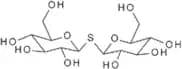
CAS:<p>Thiodiglucoside is a plant glycoside that is used as a preparative agent for the isolation of active substances from lymphocytes. It can be used in chromatographic and inhibition studies to determine the binding sites on lymphocytes. Thiodiglucoside has been shown to bind to lectins and inhibit protein synthesis in activated lymphocytes. This glycoside also inhibits the constriction of smooth muscle cells, which may be due to its inhibition of protein synthesis. The physiological function of thiodiglucoside is not yet fully understood; however, it is known that this compound binds to macropores and affects subunits within the cell membrane.</p>Fórmula:C12H22O10SPureza:Min. 95%Forma y color:PowderPeso molecular:358.36 g/molk-Carraoctaitol tetrasulfate tetrasodium salt
<p>k-carrageenan derived octasaccharide alcohol tetrasulfate+(3-6 anhydrogalactose)</p>Fórmula:C48H72O49S4Na4Pureza:Min. 95%Peso molecular:1,653.28 g/molα-D-Cellobiose octaacetate
CAS:<p>Fully acetylated cellohexoses, part of a polymer homologous series of oligosaccharides isolated from cellulose by acetolysis followed by chromatography.</p>Fórmula:C28H38O19Pureza:Min. 98 Area-%Peso molecular:678.60 g/molMonosialyl, monofucosyllacto-N-neohexaose
<p>Monosialyl, monofucosyllacto-N-neohexaose is a synthetic oligosaccharide. It has a molecular weight of 1205. The compound has been modified with a click modification and fluorination, and has been shown to be stable in the presence of acid, base, and heat. The compound is also high purity and can be synthesized on request. Monosialyl, monofucosyllacto-N-neohexaose is an example of a complex carbohydrate that contains both a sugar and polysaccharide component. The sugar component is composed of one monosaccharide: sialic acid. The polysaccharide component consists of six disaccharides: two lactose molecules linked with one glucose molecule each. Monosialyl, monofucosyllacto-N-neohexaose is used as an artificial sweetener in food products such as cookies or cakes</p>Fórmula:C57H95N3O43Pureza:Min. 95%Forma y color:PowderPeso molecular:1,510.36 g/molGlycyl-asialo, galactosylated biantennary
<p>Glycyl-asialo, galactosylated biantennary is a high purity custom synthesis of sugar. Glycyl-asialo, galactosylated biantennary is custom synthesized by the click modification of glycosylation and fluorination with methylation and modification. The CAS number for glycyl-asialo, galactosylated biantennary is **********.</p>Fórmula:C64H108N6O46Pureza:Min. 95%Peso molecular:1,697.56 g/molGalNAcb(1-3)Gala(1-3)Galb(1-4)Glc-b-pNP
<p>GalNAcb(1-3)Gala(1-3)Galb(1-4)Glc-b-pNP is a synthetic glycoconjugate that is a glycosylated complex carbohydrate. It has been modified by Click chemistry and fluorination, and contains the monosaccharides galactose, galactosamine, glucose, and glucuronic acid. GalNAcb(1-3)Gala(1-3)Galb(1-4)Glc-b-pNP is used as a substrate for enzyme assays to study the activity of glycosyltransferases such as galactosyltransferase. This product can be used for research purposes in immunology, molecular biology, biochemistry and other fields.</p>Fórmula:C32H48N20O23Pureza:Min. 95%Peso molecular:1,080.84 g/mol5-O-β-D-Glucopyranosyl-D-xylitol
CAS:<p>5-O-β-D-Glucopyranosyl-D-xylitol is a disaccharide that is synthesized for use in research.</p>Fórmula:C11H22O10Pureza:Min. 95%Forma y color:PowderPeso molecular:314.29 g/molLacto-N-difucohexaose IV
<p>Lacto-N-difucohexaose IV is a pentasaccharide with a lacto-n-difucohexaose backbone that has been shown to have inhibitory activities against human red blood cells. This pentasaccharide is a glycosaminoglycan, which is a type of carbohydrate that consists of an oligosaccharide and protein. Lacto-N-difucohexaose IV specifically binds to the antigen on the surface of human red blood cells, inhibiting their proliferation. The pentasaccharide is also known as Hansson's hapten or Hapten IV. The pentasaccharides are found in group O blood and are not found in groups A, B, or AB.</p>Fórmula:C38H65NO29Pureza:Min. 95%Peso molecular:999.91 g/molGlycyl-sialyllacto-N-tetraose c
<p>Glycyl-sialyllacto-N-tetraose c is a custom synthesis of the carbohydrate polysaccharide glycyl-sialyllacto-N-tetraose. It is a complex carbohydrate that has been modified for use in biochemical research. Glycyl-sialyllacto-N-tetraose c contains four sugars, including erythrose and threose, and has been fluorinated at the C5 position. The modification of this carbohydrate was achieved through a click reaction. This product has been purified to be greater than 95% pure and is ready for use as an organic solvent or chemical reagent in laboratory experiments.</p>Fórmula:C39H66N4O29Pureza:Min. 95%Peso molecular:1,054.95 g/molLacto-N-triose I
CAS:<p>Lacto-N-triose I is a carbohydrate antigen that is used as an acceptor in the synthesis of trisaccharides. Lacto-N-triose I has been shown to have acidic hydrolysis and gel permeation chromatography. It can be used for the synthesis of oligosaccharides, which are important for glycosylation reactions. Lacto-N-triose I also has a glycosylation reaction that can be activated by desulfurization.</p>Fórmula:C20H35NO16Pureza:Min. 95%Peso molecular:545.49 g/molSialyllacto-N-fucopentaose I
<p>Sialyllacto-N-fucopentaose I is a high purity, custom synthesis, fluorinated carbohydrate that has been modified by methylation and click chemistry. This oligosaccharide is composed of a saccharide with a molecular weight of 908.5 g/mol and an enantiomeric purity of 99%. Sialyllacto-N-fucopentaose I is an Oligosaccharide with a CAS number of 61497-04-8. It is used in the synthesis of polysaccharides or as a monosaccharide or sugar substitute to produce high purity products.</p>Fórmula:C43H72N2O33Pureza:Min. 95%Peso molecular:1,145.03 g/molHuman milk neutral di- to -tetrasaccharides
<p>This mixture contains some of the lower oligosaccharides found in human milk. There are small amounts of lactose but the bulk of the mixture are tri- and tetrasaccharides. 3-Fucosyllactose, 3'-Sialyllactose, 6'-Sialyllactose, Lacto-N-tetraose, Sialyllacto-N-tetraose b, Sialyllacto-N-tetraose b and Blood Group A tetrasaccharide type V are the major components that have been found in the mixture by chromatography but there may be other minor components not mentioned here.</p>Pureza:Min. 95%GQ3-Oligosaccharide
<p>GQ3 oligosaccharide is the carbohydrate moiety in the GQ3 ganglioside. Breast cancer cells MCF-7 were found to express a complex pattern of neutral and sialylated glycosphingolipids from the globo- and ganglio-series, including unusual tetrasialylated and pentasialylated lactosylceramide derivatives, and GQ3 (II3Neu5Ac4-Gg2Cer) (Steenackers, 2012).</p>Fórmula:C56H86N4O43Na4Pureza:Min. 95%Peso molecular:1,595.24 g/molThioguanosine Diphosphate Ammonium Salt
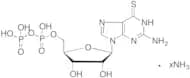
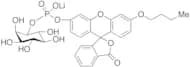
Producto controladoFórmula:C10H15N5O10P2S•xNH3Forma y color:NeatPeso molecular:459.27 (free acid)D,L-myo-Inositol-1-(n-butylfluoresceinylphosphate) Lithium Salt, ~80%
CAS:Producto controladoFórmula:C30H30LiO13PPureza:~80%Forma y color:NeatPeso molecular:636.47N,N’,N’’-Triacetyl Chitotriose
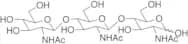
CAS:Producto controlado<p>Applications N,N’,N’’-Triacetyl Chitotriose is a multivalent glycosides with strong crosslinking activity for lectin as a specific coagulant.<br>References Bhattacharyya, L., et al.: Biochemistry, 29, 7523 (1990), Sacchettini, J., et al.: Biochemistry, 40, 3009 (2001), Maierhofer, C., et al.: Bioorg. Med. Chem., 15, 7661 (2007),<br></p>Fórmula:C24H41N3O16Forma y color:NeatPeso molecular:627.60Maltooctaose hexacosaacetate
CAS:<p>CO2-philic compound; used in pharmaceuticals and CO2-based processes</p>Fórmula:C100H134O67Pureza:Min. 95%Forma y color:PowderPeso molecular:2,408.09 g/molFructodecasaccharide
<p>Fructodecasaccharide is a methylated, custom-synthesized oligosaccharide that is a polysaccharide with the molecular formula C10H17O11. Fructodecasaccharide is a complex carbohydrate that consists of a monosaccharide and two disaccharides. It has been modified to include fluorine atoms in the glycosidic linkages between the sugar residues. This modification can alter the physical properties of fructodecasaccharide, such as increasing its solubility and stabilizing its structure. Fructodecasaccharide is used in many industries as a high-purity, synthetic product for use in medical applications, including pharmaceuticals and cosmetics.</p>Fórmula:C60H102O51Pureza:Min. 95%Forma y color:PowderPeso molecular:1,639.42 g/mol6'-Sialyllactose-sp-biotin
CAS:<p>6'-Sialyllactose-sp-biotin is a custom synthesis of a 6'-sialyllactose with a biotin moiety attached to the reducing end. The modification was done through fluorination, methylation, and monosaccharide synthesis. This product has CAS No. 1384441-62-6 and is an oligosaccharide saccharide that is polysaccharide containing glycosylated sugar. It is also a complex carbohydrate that contains many sugars in one molecule.</p>Fórmula:C42H71N5O22SPureza:Min. 95%Forma y color:White PowderPeso molecular:1,030.1 g/molMaltodextrin - dextrose equivalent 4.0-7.0
CAS:<p>Ex starch-partial hydrolysis,food ingredient, moderatly sweet, easily digested</p>Pureza:Min. 95%Forma y color:White PowderLacto-N-fucopentaose I-BSA
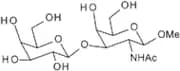
<p>Lacto-N-fucopentaose I-BSA is a Glycosylation, Oligosaccharide, sugar, Synthetic, Fluorination, Custom synthesis, Methylation, Monosaccharide, Polysaccharide, saccharide.</p>Pureza:Min. 95%Methyl 2-acetamido-2-deoxy-3-O-(b-D-galactopyranosyl)-b-D-galactopyranoside
CAS:<p>Methyl 2-acetamido-2-deoxy-3-O-(b-D-galactopyranosyl)-b-D-galactopyranoside is a carbohydrate that is modified by the addition of fluorine at the 3 position. It has CAS number 88274-25-3 and belongs to the group of oligosaccharides. Methyl 2-acetamido-2-deoxy-3-(b, b'-D, galactopyranosyl)-b, D galactopyranoside is a synthetic polymer that is glycosylated with methyl groups. This product can be custom synthesized for your needs.</p>Fórmula:C15H27NO11Pureza:Min. 95%Forma y color:PowderPeso molecular:397.38 g/molGM4-Ganglioside
CAS:<p>GM4-ganglioside (sodium salt) is a disaccharide of sialic acid linked α2,4 to galactose and ceramide linked β to position 1 on the galactose (Ledeen, 2009). Demyelinated plaques in multiple sclerosis have decreased amounts of GM4-ganglioside, localized in myelin and oligodendroglia of the central nervous system. It has been found that the myelin basic protein is capable of releasing large quantities of entrapped [14C]glucose from multilamellar liposomes containing GM4. If the conformation of GM4 ganglioside in liposomal membranes resembles that of GM4 ganglioside in its natural environment, basic protein and GM4 may be associated within the myelin sheath of the central nervous system and their interactions are altered in demyelinating diseases, such as, multiple sclerosis (Mullin, 1981).</p>Fórmula:C57H106N2O17·xNaPureza:Min. 95%Peso molecular:1,091.45 g/molGlycosaminoglycans
CAS:<p>Glycosaminoglycans (GAGs) are polysaccharides that are found in the extracellular matrix and on the surface of cells. GAGs consist of a linear chain of repeating disaccharide units, with one or more sugar molecules linked by a glycosidic bond. They have been shown to be important for the function and structure of tissues, including those in the gastrointestinal tract. GAGs have been shown to stimulate cellular growth, regulate inflammatory responses, and promote wound healing. They have also been shown to inhibit activity of polymorphonuclear leucocytes (PMN), which play an important role in inflammation. One type of GAG is dextran sulfate, which has been used as a biological scaffold for tissue engineering applications. Glycosaminoglycans may also play a role in regulating immune responses through interaction with toll-like receptor 4 (TLR4).</p>Pureza:Min. 95%D-Melezitose, monohydrate
CAS:<p>Melezitose is a non-reducing trisaccharide that is produced by many plant sap-consuming insects, such as aphids (e.g. Cinara pilicornis). Melezitose is a component of honeydew which acts as an attractant for ants and also as food for bees. Partial hydrolysis of melizitose releases glucose and turanose, an isomer of sucrose.</p>Fórmula:C18H34O17Pureza:Min. 98 Area-%Forma y color:White PowderPeso molecular:522.45 g/molN-Acetylneuraminic acid tetramer sodium salt
<p>N-Acetylneuraminic acid tetramer sodium salt is a synthetic carbohydrate that belongs to the group of complex carbohydrates. It is a glycosylation product of N-acetylneuraminic acid and has been modified with fluorine, methylation, and click chemistry. N-Acetylneuraminic acid tetramer sodium salt is used as a reagent in the synthesis of oligosaccharides and has been shown to be useful for structural analysis. The CAS number for this compound is:</p>Fórmula:C44H66N4O33Na4Pureza:Min. 95%Forma y color:PowderPeso molecular:1,270.96 g/molMonofucosyl-para-lacto-N-hexaose IV
CAS:<p>Monofucosyl-para-lacto-N-hexaose IV is a trisaccharide that belongs to the group of blood group antigens. It is found in human milk and can be used as an indicator for infant nutrition. Monofucosyl-para-lacto-N-hexaose IV is found in the cells of streptococcus, lactobacillus, and clostridium. It has been shown to be a potential biomarker for inflammatory bowel disease (IBD). This molecule has been used as an antigen in immunological assays. The sequences of monofucosyl-para-lacto-N-hexaose IV have been determined using chromatograms and profiles.</p>Fórmula:C46H78N2O35Pureza:Min. 95%Forma y color:PowderPeso molecular:1,219.11 g/mol1-Deoxy-1-morpholino-D-fructose
CAS:<p>1-Deoxy-1-morpholino-D-fructose is a drug that has been shown to have an inhibitory effect on the production of dinitrophenol, leading to a decrease in the level of reactive oxygen species. The drug binds to lysine residues of proteins and forms adducts with physiological function. 1-Deoxy-1-morpholino-D-fructose also inhibits human serum albumin concentration, which may be due to its ability to inhibit oxidative DNA damage. This drug has been shown to be effective in vivo for treating autoimmune diseases and diabetes.</p>Fórmula:C10H19NO6Pureza:Min. 95%Peso molecular:249.26 g/mol2,6-Di-O-methyl-β-cyclodextrin
CAS:Fórmula:C56H98O35Pureza:>95.0%(HPLC)Forma y color:White to Light yellow powder to crystalPeso molecular:1,331.37Lewis Y tetrasaccharide
CAS:<p>Lewis Y tetrasaccharide is a type of antigen that is used as a pharmacological agent. It has been shown to be effective in treating carcinoma cell lines and primary sclerosing cholangitis. Lewis Y tetrasaccharide has also been shown to be an antigen for the mouse monoclonal antibody, which is used in cancer research. The Lewis Y tetrasaccharide stimulates the immune system by interacting with certain cells called dendritic cells and macrophages, which are responsible for activating T-cells. This interaction promotes the production of chemoattractant proteins, which are proteins that attract white blood cells to fight infection and promote healing. Lewis Y tetrasaccharide has also been shown to cause cancer cell death by lysing cells through apoptosis or necrosis depending on the tissue type.</p>Fórmula:C26H45NO19Pureza:(%) Min. 95%Forma y color:PowderPeso molecular:675.64 g/molDextran 150 - MW: 135,000 to 165,000
CAS:<p>Complex glucan (a 1-6) from Leuconostoc spp.; extender in blood transfusions</p>Forma y color:PowderGD1b-Oligosaccharide
<p>GD1b oligosaccharide (shown as ammonium salt) is the carbohydrate moiety in one of the major gangliosides in neuronal and glial membranes; it has a core tetrasaccharide structure (Galβ1,3GalNAcβ1,4Galβ1,4Glc) with its two sialic acids linked α2,3/α2,8 to the inner galactose residue (Ledeen, 2009). GD1b ganglioside acts as a receptor for BK virus as well as for heat-labile LTII-a toxin, produced by enteropathogenicâ¯E. coli. GD1b ganglioside also interacts with tetanus neurotoxin (TeNT) and is crucial for its entry into cells (Kolter, 2012). The functional significance of ammonia in the brain is not yet fully understood. However, NH4 + stimulates Na+, K+ activated ATPase causing stabilization of the neuronal membranes of which gangliosides are major structural components. Further, ammonia is known to inhibit lysosomal enzymes which include enzymes degrading gangliosides (Modi, 1994).</p>Fórmula:C48H77N3O37Na2Pureza:Min. 90%Forma y color:White PowderPeso molecular:1,334.1 g/molD-Maltitol
CAS:<p>Bulk sweetener; viscosity/bodying agent; humectant; cryoprotectant</p>Fórmula:C12H24O11Pureza:Min. 95%Forma y color:White PowderPeso molecular:344.31 g/mol3'-Sialyl Lewis A
CAS:<p>Tetrasaccharide; tumor-associated antigen; prognostic factor</p>Fórmula:C31H52N2O23Pureza:Min. 95%Forma y color:White PowderPeso molecular:820.74 g/molHyaluronic acid octasaccharide ammonium salt
<p>Hyaluronic acid is a polysaccharide containing repeating disaccharide units of β-1,3-N-acetyl glucosamine and β-1, 4-glucuronicâ¯acid. A series of unsaturated oligosaccharides (oligouronic acids) are released from hyaluronic acid by the action of hyaluronidase on the umbilical cord (Weissman, 1954). This octasaccharide ammonium salt and other enzymatically produced polymer homologs have been of value in the study of hyaluronic acid metabolism in both healthy and diseased tissues (Hascall, 2019).</p>Fórmula:C56H86N4O45Pureza:Min. 95 Area-%Forma y color:White Yellow PowderPeso molecular:1,535.3 g/molN,N',N'',N'''-Tetraacetylchitotetraose
CAS:<p>Tetraose composed of four N-acetylglucosamine residues.</p>Fórmula:C32H54N4O21Pureza:Min. 95 Area-%Forma y color:White PowderPeso molecular:830.79 g/molLactose-6'-phosphate
CAS:<p>Lactose-6'-phosphate is a sugar phosphate</p>Fórmula:C12H23O14PPureza:Min. 95%Peso molecular:422.28 g/molIsomaltohexaose
CAS:<p>Produced from high maltose syrup by treatment with transglucosidase</p>Fórmula:C36H62O31Pureza:Min. 90 Area-%Forma y color:White PowderPeso molecular:990.9 g/molIsomaltulose
CAS:<p>Occurs by epimerisation of maltose and transglucosylation</p>Fórmula:C12H22O11Pureza:Min. 95%Forma y color:White PowderPeso molecular:342.3 g/molCarboxymethyl-dextran sodium 20-30% COOH - Average molecular weight 70000
CAS:<p>Drug carrier for cancer therapy & imaging, biocompatible, soluble, biodegradable</p>Forma y color:PowderMono-6-O-mesitylenesulfonyl-γ-cyclodextrin
CAS:Fórmula:C57H90O42SPureza:>90.0%(HPLC)Forma y color:White to Almost white powder to crystalPeso molecular:1,479.37N-Glycolylneuraminic acid-spacer-BSA
<p>N-Glycolylneuraminic acid-spacer-BSA is a synthetic, monosaccharide oligosaccharide, complex carbohydrate. The glycosylation of BSA with N-glycolylneuraminic acid has been shown to be an effective method for the protection of biomolecules against fluoroquinolones. Glycosylation with N-glycolylneuraminic acid can be used as a method for the protection of biomolecules from fluoroquinolone antibiotics and other chemical reagents that are known to react with sugars.</p>Pureza:Min. 95%Forma y color:PowderTri-guluronic acid sodium salt
CAS:<p>Tri-guluronic acid sodium salt (1,4-linked α-L-sodium guluronotriose) is one of a number of oligosaccharides obtained from alginate which is a polysaccharide in brown seaweeds containing: blocks of repeating mannuronic acid sequences (M-M-M-M etc), repeating guluronic acid sequences (G-G-G-G etc), and alternating M-G-M-G sequences. This oligosaccharide can be released by acid hydrolysis (Shimokawa, 1996) and a number of biological activities have been discussed in a recent review (Xing, 2020).</p>Fórmula:C18H23O19Na3Pureza:Min. 98 Area-%Forma y color:White PowderPeso molecular:612.33 g/molBlood group H pentaose type II
CAS:<p>Blood group H pentaose type II is a carbohydrate. It is a saccharide with the molecular formula C5H11O4. The saccharide can be modified, for example by fluorination, methylation and glycosylation. The CAS number for this compound is 30517-76-1. This product is custom synthesized and has high purity and good quality.</p>Fórmula:C32H55NO25Pureza:Min. 90%Forma y color:PowderPeso molecular:853.77 g/molFructooctasaccharide
<p>Fructo-octasaccharide (FOS) is a synthetic, high-purity carbohydrate that is used in the production of various food and beverage products. FOS is produced by enzymatic synthesis from sucrose and has been modified to include a fluorination step. FOS can be used as a sugar substitute and is found in many foods such as breads, beverages, yogurt, ice cream, candy, and chewing gum. FOS has been shown to stimulate the growth of beneficial bacteria in the gastrointestinal tract and may help promote healthy digestion.</p>Fórmula:C48H82O41Pureza:Min. 95%Forma y color:PowderPeso molecular:1,315.14 g/molInulin lauryl carbamate - 25% in glycerol
CAS:<p>Emulsifier used in the cosmetic industry</p>Forma y color:PowderGala1-3Galb1-3GlcNAc-HSA
<p>Gala1-3Galb1-3GlcNAc-HSA is a synthetic glycosylation product of Galactose, Glucose and Galactosamine with Hexose. It is a complex carbohydrate that can be used to modify proteins with the sugar group. The sugar group is synthesized by the Click modification of a monosaccharide and then methylated. The sugar group is attached to HSA via an N-acetylhexosamine linker. This product has been shown to have high purity and can be used in many applications such as fluorination, methylation, click modification, or complex carbohydrate research.</p>Pureza:Min. 95%Lewis B pentasaccharide
CAS:<p>Lewis B pentasaccharide is a custom-synthesized carbohydrate that belongs to the Modification, saccharide, Oligosaccharide, sugar category. It is an oligosaccharide with a non-reducing end and a reducing end. Lewis B pentasaccharide is a complex carbohydrate that is synthesized from monosaccharides by glycosylation and methylation reactions. This product has high purity and it can be used in research for its fluoroquinolone resistance properties.</p>Fórmula:C32H55NO24Pureza:Min. 95%Forma y color:White SolidPeso molecular:837.79 g/molMonophosphoryl 3- deacyl lipid A ammonium
CAS:<p>Synthetic MPLA analog equivalent derived from bacterial LPS</p>Fórmula:C82H155N2O20P•NH3Pureza:Min. 95%Forma y color:PowderPeso molecular:1,537.11 g/molDigalacturonic acid
CAS:<p>Digalacturonic acid (DGA) (α-1,4 galacturonobiose), is derived from pectin or pectic acid, by enzymatic or partial acid hydrolysis. It is used in the co-crystallization of enzymes such as proteinase K. It is also used in galacturonic acid metabolism research as a substrate to identify, differentiate, and characterized endo- and exopolygalacturonase(s), and gluconase(s).</p>Fórmula:C12H18O13Pureza:Min. 95%Forma y color:White PowderPeso molecular:370.26 g/mol2-Acetamido-3-O-(b-D-galactopyranosyl)-2-deoxy-D-thiogalactopyranose
<p>2-Acetamido-3-O-(b-D-galactopyranosyl)-2-deoxy-D-thiogalactopyranose is a synthetic disaccharide analog designed for research in glycoscience and biochemistry, particularly for applications in glycosylation-related studies. This compound is synthesized in the laboratory and is not derived from natural sources, allowing for precise structural modifications that facilitate detailed analyses of glycan interactions.The mode of action of this compound involves its role as a mimic of natural glycans, enabling the examination of carbohydrate-protein interactions, enzymatic activity, and glycan recognition processes with high specificity. It can be leveraged as a probe in structural biology to elucidate the mechanisms underlying biological recognition and signaling events mediated by carbohydrate molecules.This compound finds applications in the study of enzymatic hydrolysis, as an inhibitor of glycosidases, and in the synthesis of glycan-based drugs. It is of particular interest in the field of glycobiology for developing therapeutic agents and probing molecular pathways. The high specificity and structural fidelity of 2-Acetamido-3-O-(b-D-galactopyranosyl)-2-deoxy-D-thiogalactopyranose make it an invaluable tool for advancing our understanding of the intricate roles glycans play in biology.</p>Fórmula:C14H25NO10SPureza:Min. 95%Peso molecular:399.42 g/molDifucosyllacto-N-hexaose (a)
CAS:<p>Neutral octasasaccharide naturally present in human breast milk</p>Fórmula:C52H88N2O39Pureza:Min. 95%Forma y color:PowderPeso molecular:1,365.25 g/molLactosylceramide
CAS:<p>Asialylated glycosphingolipid and precursor for ganglioside biosynthesis. The compound is a major glycosphingolipid in human neutrophils and is involved in the regulation of superoxides as well as nitric oxide. Moreover, lactosylceramide accumulates in atherosclerotic plaques and is also found elevated in familial hypercholesterolemia and polycystic kidney disease. Animal studies revealed that lactosylceramide induces hypertrophy in cardiomyocytes via signal transduction pathway that is oxygen-sensitive.</p>Fórmula:C53H101NO13Pureza:Min. 90 Area-%Forma y color:White Yellow PowderPeso molecular:960.37 g/mol2-Hydroxypropyl-b-cyclodextrin - Endotoxin level below 20 EU/g
CAS:<p>2-Hydroxypropyl-b-cyclodextrin is a water-soluble drug that is chemically stable in aqueous media. It has been shown to be safe for use in the eye, with no significant side effects. 2-Hydroxypropyl-b-cyclodextrin has been shown to have anti-inflammatory properties and will not cause hemolytic activity. 2-Hydroxypropyl-b-cyclodextrin binds to retinoic acid receptors, which are found on cells of the corneal surface and in human spermatozoa. The binding of retinoic acid inhibits the production of enzymes that break down retinoids and prevents cell proliferation. This agent also interacts with other cellular components such as proteins, lipids, carbohydrates, nucleic acids, and hormones.</p>Fórmula:C42•(H)70n•O35•(C3H7)nPureza:Min. 95%Lividamine
CAS:<p>Lividamine is a protein synthesis inhibitor that has biphasic responses in animal studies. Lividamine inhibits the enzyme catalysis of aminoglycosides, which are used for the treatment of bacterial infections. It also blocks the biosynthesis of polypeptides, which are essential for cell growth and division. Lividamine binds to the hydroxyl group or carboxylate group on an amino acid, cleaving it from the peptide chain and stopping protein synthesis. Lividamine has been shown to be effective against bacteria in vitro assays. Further research is required to determine its clinical properties.</p>Fórmula:C12H25N3O6Pureza:Min. 95%Peso molecular:307.34 g/mol1,3-α-1,6-α-D-Mannotriose 1-O-propylamine acetate
<p>1,3-a-1,6-a-D-Mannotriose 1-O-propylamine acetate salt is a modified oligosaccharide. It has been synthesized by the reaction of 1,3-a-1,6-a-D-mannopyranosyl bromide with proline amine acetate. This product is 98% pure and can be used as a complex carbohydrate in research or as a food additive. The CAS number for this product is 712092-14-8.</p>Fórmula:C23H43O18NPureza:Min. 95%Forma y color:PowderPeso molecular:621.58 g/molb-Lactose - min 70% b-anomer
CAS:<p>70% β-D-Lactose is used in the pharmaceutical industry to produce tablets. It acts as a nutrient and as a filler in pills. It is also utilized in the dilution of heroin and to sweeten some beers.</p>Fórmula:C12H22O11Forma y color:White PowderPeso molecular:342.3 g/molLewis Y-PAA-biotin
<p>Lewis Y-PAA-biotin is a complex carbohydrate which is synthesized using Click chemistry. This compound has been modified to include a biotin moiety. Lewis Y-PAA-biotin has been shown to be resistant to enzymatic degradation and can be used as a saccharide in the synthesis of polysaccharides. Lewis Y-PAA-biotin is synthesized by attaching poly(acrylamide) (PAA) chains to the sugar moieties of Lewis Y. The carbonyl group on the PAA chains can be fluorinated, which makes it useful for click modification reactions with fluorinated compounds.</p>Pureza:Min. 95 Area-%Forma y color:White PowderPeso molecular:732.7 g/molLipopolysaccharides - from Escherichia coli O55:B5
CAS:<p>Lipopolysaccharides are a heterogeneous group of molecules that include endotoxins, lipid A, and core oligosaccharide. They are released from the cell wall of gram-negative bacteria as a result of bacterial lysis. Lipopolysaccharides are potent activators of immune cells, inducing the secretion of pro-inflammatory cytokines such as tumor necrosis factor-α (TNF-α) and interleukin-1β (IL-1β). TNF-α is also known to induce the production of other pro-inflammatory cytokines including IL-6, IL-8, IL-10, and IL-12. Lipopolysaccharides have been shown to cause liver damage in animals by increasing plasma alanine aminotransferase levels. This may also be due to their ability to induce the production of malondialdehyde and c-reactive protein.</p>Forma y color:Off-White PowderMonofucosyl (1-2)-iso-lacto-N-octaose I
<p>Monofucosyl (1-2)-iso-lacto-N-octaose I is an oligosaccharide found in human milk</p>Pureza:Min. 95%Difucosyl (1-2,1-2)-iso-lacto-N-octaose (DFiLNO (1-2,1-2))
<p>Difucosyl (1-2,1-2)-iso-lacto-N-octaose (DFiLNO (1-2,1-2)) is an oligosaccharide that is found in human milk</p>Pureza:Min. 95%α-D-Lactose 1-phosphate barium salt
CAS:<p>a-D-Lactose 1-phosphate barium salt is a modification of a D-lactose monosaccharide. It is a complex carbohydrate that has been synthesized using the polyol method. The CAS number for this product is 103404-65-5. This product is available in high purity and the molecular weight of this compound is 576. a-D-Lactose 1-phosphate barium salt can be used as an ingredient in pharmaceuticals, food products, and cosmetics. It has been shown to have anticariogenic activities and may be used as a substitute for sucrose in food products.</p>Fórmula:C12H21O14P·BaPureza:Min. 95%Forma y color:PowderPeso molecular:557.59 g/mol1,6-α-D-Mannotriose
CAS:<p>Produced by the reverse hydrolysis of a mannose substrate</p>Fórmula:C18H32O16Pureza:Min. 94 Area-%Forma y color:PowderPeso molecular:504.44 g/molDifucosyllacto-N-hexaose (b)
CAS:<p>Neutral octasasaccharide naturally present in human breast milk.</p>Fórmula:C52H88N2O39Pureza:Min. 90 Area-%Forma y color:PowderPeso molecular:1,365.25 g/mol




![N-Acetylneuraminyl-(a2-3)-D-galactopyranosyl-(b1-3)-[N-acetylneuraminyl-(a2-6)]-D-N-acetylgalactos…](/_next/image/?url=https%3A%2Fstatic.cymitquimica.com%2Fproducts%2F3D%2Fthumb-webp%2FOA15983.webp&w=3840&q=75)
![D-Galactopyranosyl-(b1-3)-[N-acetylneuraminyl-(a2-6)]-D-N-acetylgalactosaminyl serine-biotin](/_next/image/?url=https%3A%2Fstatic.cymitquimica.com%2Fproducts%2F3D%2Fthumb-webp%2FOG15984.webp&w=3840&q=75)



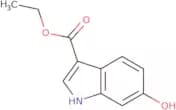


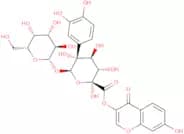
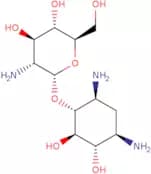
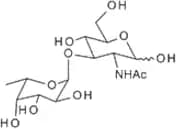
![3-O-[2-(Acetamino)-2-deoxy-D-galactopyranosyl]-D-mannopyranose](/_next/image/?url=https%3A%2Fstatic.cymitquimica.com%2Fproducts%2F3D%2Fthumb-webp%2FOA139084.webp&w=3840&q=75)


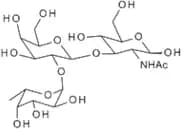
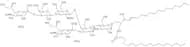
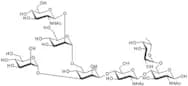
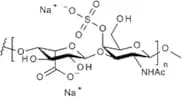

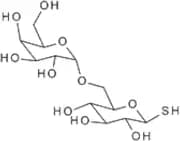
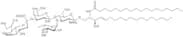
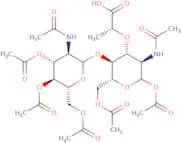


![2-Acetamido-2-deoxy-4-O-([4-O-b-D-galactopyranosyl]-b-D-galactopyranosyl)-D-glucopyranose](/_next/image/?url=https%3A%2Fstatic.cymitquimica.com%2Fproducts%2F3D%2Fthumb-webp%2FOA07925.webp&w=3840&q=75)
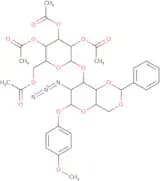

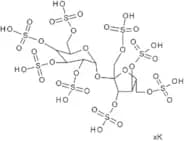
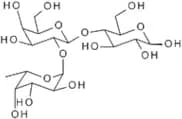

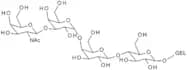

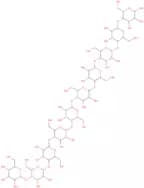
![Neu5GcAc[1Me,4789Ac]a(2-6)Gal[24Bz,3Bn]-b-MP](/_next/image/?url=https%3A%2Fstatic.cymitquimica.com%2Fproducts%2F3D%2Fthumb-webp%2FON60601.webp&w=3840&q=75)
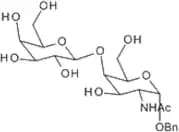

![N-[2-Acetamido-2-deoxy-6-O-(a-L-fucopyranosyl)-D-glucopyranosyl]-L-asparagine](/_next/image/?url=https%3A%2Fstatic.cymitquimica.com%2Fproducts%2F3D%2Fthumb-webp%2FOA29849.webp&w=3840&q=75)
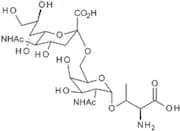

![N-Acetylneuraminyl-(a2-3)-D-galactopyranosyl-(b1-3)-[N-acetylneuraminyl-(a2-6)]-D-N-acetylgalactos…](/_next/image/?url=https%3A%2Fstatic.cymitquimica.com%2Fproducts%2F3D%2Fthumb-webp%2FOA15250.webp&w=3840&q=75)

![N-Acetylneuraminyl-(a2-3)-D-galactopyranosyl-(b1-3)-[N-acetylneuraminyl-(a2-6)]-D-N-acetylgalactos…](/_next/image/?url=https%3A%2Fstatic.cymitquimica.com%2Fproducts%2F3D%2Fthumb-webp%2FOA61439.webp&w=3840&q=75)
![2-Acetamido-2-deoxy-4-O-(β-D-[UL-13-C-6]-galactopyranosyl)-D-glucopyranose 6-sulfate](/_next/image/?url=https%3A%2Fstatic.cymitquimica.com%2Fproducts%2F3D%2Fthumb-webp%2FOA08512.webp&w=3840&q=75)
![1-(3'-Azidopropyl)-2-deoxy-4-O-[3-O-(p-phenoxybenzyl)-b-D-galactopyranosyl]-2-phthalimido-b-D-gluc…](/_next/image/?url=https%3A%2Fstatic.cymitquimica.com%2Fproducts%2F3D%2Fthumb-webp%2FOA74915.webp&w=3840&q=75)
![4-O-[3-O-(2-Acetamido-2-deoxy-b-D-galactopyranosyl)-b-D-galactopyranosyl]-D-glucose](/_next/image/?url=https%3A%2Fstatic.cymitquimica.com%2Fproducts%2F3D%2Fthumb-webp%2FOA10781.webp&w=3840&q=75)

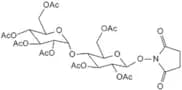
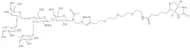

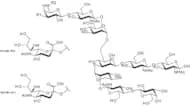
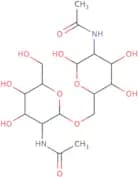
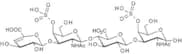

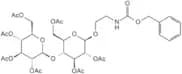
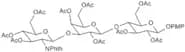


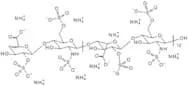
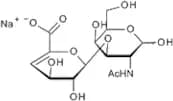
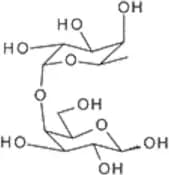
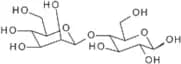

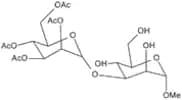
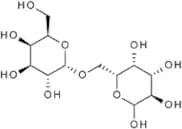
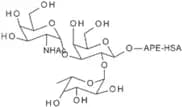

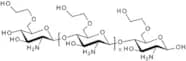
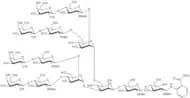



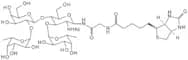
![[UL-2H7glc]Lactose monohydrate](/_next/image/?url=https%3A%2Fstatic.cymitquimica.com%2Fproducts%2F3D%2Fthumb-webp%2FOL16276.webp&w=3840&q=75)