Compuestos policíclicos
Subcategorías de "Compuestos policíclicos"
- Acridinas(98 productos)
- Antraquinonas(537 productos)
- Ácidos antraquinonesulfónicos(16 productos)
- Azobencenos(270 productos)
- Azonaftalenos(98 productos)
- Azoxibencenos(12 productos)
- Azulenos(11 productos)
- Benzimidazoles(1.476 productos)
- Benzodioxanos(27 productos)
- Benzofuranos(928 productos)
- Benzotiofenos(701 productos)
- Benzotriazoles(438 productos)
- Binaftilos(133 productos)
- Carbazoles(464 productos)
- Cromanos, Cromatos(482 productos)
- Cumarinas(1.138 productos)
- Ciclofanos(11 productos)
- Fluorenos y fluorenonas(384 productos)
- Imidazopiridinas(10 productos)
- Indans(118 productos)
- Indazoles(2.043 productos)
- Indenes(22 productos)
- Indoles(4.022 productos)
- Indolines(119 productos)
- Isatinos(234 productos)
- Isobenzofuranos(17 productos)
- Ftalimidas N-sustituidas(154 productos)
- Naftalenos(2.440 productos)
- Naftiridinas(17 productos)
- Naftoquinona(2 productos)
- Perilenos(36 productos)
- Fenazinas(26 productos)
- Ftalazinas(33 productos)
- Ftalimida(154 productos)
- Hidrocarburos aromáticos policíclicos (HAP)(566 productos)
- Polifenol(270 productos)
- Pteridinas(52 productos)
- Pirenos(87 productos)
- Quinuclidina(1 productos)
- Tetracenos(7 productos)
Se han encontrado 4585 productos de "Compuestos policíclicos"
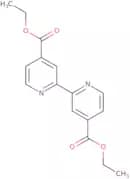
4,4'-Bis(ethoxycarbonyl)-2,2'-bipyridine
CAS:4,4'-Bis(ethoxycarbonyl)-2,2'-bipyridine (BEBCP) is a dithiolate chromophore. BEBCP has a redox potential of 1.3 volts and the electronic interaction of the carbonyl groups with the electron cloud of the bipyridine nucleus is responsible for this property. The photochemical properties of BEBCP can be systematically studied by using electrochemical data such as voltammetry and cyclic voltammetry. These methods are useful in determining the nature and constant of BEBCP as well as its interaction with ligands.Fórmula:C16H16N2O4Pureza:Min. 95%Forma y color:PowderPeso molecular:300.31 g/mol7-Deaza-6-hydroxypurine
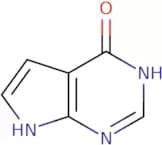
CAS:7-Deaza-6-hydroxypurine is a skeleton of nucleosides that inhibits enzymes. It has been shown to inhibit the activity of hydrochloric acid, a tumor metastasis promoter. The constant for this drug was determined using molecular modeling and inhibition constants. 7-Deaza-6-hydroxypurine has anticancer activity and can be used for the treatment of cancer. This drug is used as a noncompetitive inhibitor in which it binds to two different sites on the enzyme. It has also been shown to bind to subunits, which are parts of a protein that make up its structure, in biological studies.br> 7-Deaza-6-hydroxypurine is an inhibitor that binds to two different sites on an enzyme. It has been shown to have anticancer activity and can be used for the treatment of cancer. This drug is used as a noncompetitive inhibitor in which it binds to two different sites on the enzyme. ItFórmula:C6H5N3OPureza:Min. 95%Forma y color:PowderPeso molecular:135.12 g/mol5-Bromo-6-chloroindolyl 1,3-diacetate
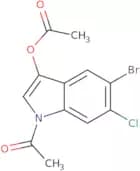
CAS:5-Bromo-6-chloroindolyl 1,3-diacetate is a versatile building block that can be used in the synthesis of complex compounds. It is a useful intermediate for the synthesis of speciality chemicals with high quality. 5-Bromo-6-chloroindolyl 1,3-diacetate is a reagent and reaction component for research chemicals with CAS No. 108847-96-7. It has a variety of applications in the manufacture of fine chemicals and pharmaceuticals, as well as being a useful scaffold for the production of new compounds.Fórmula:C12H9BrClNO3Pureza:Min. 95%Forma y color:Off-White PowderPeso molecular:330.57 g/mol4,4'-Bis(methoxycarbonyl)-2,2'-bipyridine
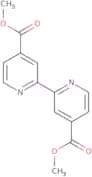
CAS:4,4'-Bis(methoxycarbonyl)-2,2'-bipyridine is a ligand that can be used in cross-coupling reactions. It has been shown to bind to metal ions and form complexes with the ligands. 4,4'-Bis(methoxycarbonyl)-2,2'-bipyridine has a constant value for maximizing the yield of the reaction and is luminescent. This product also has photophysical properties that allow it to be utilized in voltammetry studies. The transfer of this product can be optimized by using chromophores or catalysis. 4,4'-Bis(methoxycarbonyl)-2,2'-bipyridine provides a means for cross-coupling reactions using electrochemical studies and dichroism.
Fórmula:C14H12N2O4Pureza:Min. 95%Forma y color:PowderPeso molecular:272.26 g/mol7-(Trifluoromethyl)1H-indole-2,3-dione
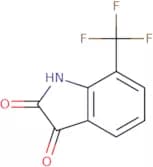
CAS:Trifluoromethyl-substituted 7-(trifluoromethyl)1H-indole-2,3-dione is a trifluoromethyl analogue of indole-2,3-dione that has been shown to have antimalarial activity. It has been shown to be active against plasmodium and cancer cells in vitro. Trifluoromethyl group can be replaced by other substituents such as methoxy, ethoxy, or nitro groups. The compound has centrosymmetric structures and an elemental composition of C8H4F3N.
Fórmula:C9H4F3NO2Pureza:Min. 95%Forma y color:PowderPeso molecular:215.13 g/mol2-Boc-6-hydroxy-1,2,3,4-tetrahydroisoquinoline-1-carboxylic acid
CAS:2-Boc-6-hydroxy-1,2,3,4-tetrahydroisoquinoline-1-carboxylic acid is a useful scaffold with a high quality. It can be used as a building block in the synthesis of complex compounds and fine chemicals. 2-Boc-6-hydroxy-1,2,3,4-tetrahydroisoquinoline-1-carboxylic acid is also a useful intermediate and reagent in organic synthesis. This compound has CAS number 362492-00-0.
Fórmula:C15H19NO5Pureza:Min. 95%Forma y color:PowderPeso molecular:293.32 g/mol1-Methyl-N-(9-methyl-9-azabicyclo[3.3.1]non-3-yl)-indazole-3-carboxamide
CAS:Producto controlado1-Methyl-N-(9-methyl-9-azabicyclo[3.3.1]non-3-yl)-indazole-3-carboxamide is a chemical inhibitor of the 5HT2 receptor, which is responsible for regulating nausea and vomiting. It has been shown to have antiemetic properties, and can be used in chemotherapy to control nausea and vomiting. The 5HT2 receptor is coupled to Gs proteins and inhibits adenylyl cyclase activity, while 1MMAI binds to the 5HT2A receptor and blocks serotonin from binding. This prevents serotonin from activating Gq protein receptors, which are involved in the generation of intracellular calcium concentrations that lead to neurotransmitter release. 1MMAI also inhibits the activation of phospholipase C by serotonin, resulting in decreased levels of diacylglycerol (DAG) and inositol triphosphate (IP3). These changes inhibit plateFórmula:C18H24N4OPureza:Min. 95%Forma y color:White Off-White PowderPeso molecular:312.41 g/mol2,2'-Bipyridine-6-carboxylic acid
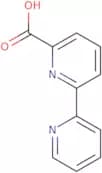
CAS:2,2'-Bipyridine-6-carboxylic acid is a reagent that is used in organic synthesis as a reaction component and building block for the synthesis of heterocyclic compounds. 2,2'-Bipyridine-6-carboxylic acid is also used as a precursor to produce other compounds. 2,2'-Bipyridine-6-carboxylic acid has been shown to be useful in the synthesis of complex compounds with diverse structures, making it a versatile building block. It can also be used as an intermediate in the synthesis of various drugs and speciality chemicals.
Fórmula:C11H8N2O2Pureza:Min. 95%Forma y color:Off-White PowderPeso molecular:200.19 g/mol7-Isopropyl-1,4-dimethylazulene-3-carboxaldehyde
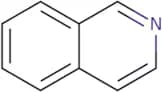
CAS:Fórmula:C16H18OPureza:>97.0%(GC)Forma y color:Gray to Dark purple to Black powder to crystalPeso molecular:226.32Isoquinoline
CAS:Isoquinoline is a heterocyclic organic compound that can be synthesized by the asymmetric addition of hydrochloric acid to an isoquinol. It has been shown to inhibit the enzyme DPP-IV, which is involved in the degradation of glucagon-like peptide-1 (GLP-1). Isoquinoline is also a potent antagonist of the NMDA receptor, and has been shown to have anti-inflammatory properties in HLA-60 cells. This drug is soluble in organic solvents and forms crystalline polymorphs. Isoquinoline has been used in polymerase chain reactions as a hydrogen bond donor.Fórmula:C9H7NPureza:Min. 95%Forma y color:PowderPeso molecular:129.16 g/mol2,4-Dichloroquinoline
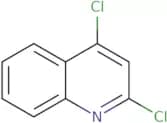
CAS:2,4-Dichloroquinoline is a chlorinated heterocyclic chemical compound. This drug is used as a monosubstituted palladium complex in organic synthesis. It can be obtained by refluxing 2,4-dichloroquinoline with hydrochloric acid, phosphorus oxychloride, and a terminal alkene in the presence of an excess of dichloromethane. The resulting chloroquine can be converted to the corresponding dichloroquinolines by treatment with acetonitrile in the presence of malonic acid. The final step is the demethylation of the quinoline ring using sodium methoxide in methanol. 2,4-Dichloroquinoline has been shown to exhibit antibacterial activity against gram-negative organisms such as Escherichia coli and Pseudomonas aeruginosa. Magnetic resonance analysis (NMR) has also been used to study its properties.Fórmula:C9H5Cl2NPureza:Min. 95%Forma y color:SolidPeso molecular:198.05 g/mol5-Nitroquinoline
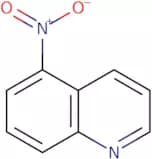
CAS:5-Nitroquinoline is a nitrogen-containing heterocyclic organic compound. It is a white solid that has a melting point of 104 °C and a boiling point of 212 °C. 5-Nitroquinoline can be synthesized by the addition of sodium carbonate to 6-nitroquinoline in hydrochloric acid. The product is then purified by vacuum distillation and recrystallization from nitric acid and acetic acid. 5-Nitroquinoline can be used as an intermediate in the synthesis of other molecules, such as quinolones, which are used in pharmaceuticals. This compound has been shown to cause metastatic colorectal cancer in mice, but not in human liver cells or human lymphocytes.Fórmula:C9H6N2O2Pureza:Min. 95%Forma y color:Light (Or Pale) Yellow To Dark Yellow SolidPeso molecular:174.16 g/molThiamine nitrate
CAS:Thiamine nitrate is a form of vitamin B1 that is used to treat thiamine deficiency. Thiamine nitrate is an oxidized form of thiamin, also known as vitamin B1. It can be synthesized by reacting thiamin hydrochloride with nitric acid. Thiamine nitrate has been shown to protect against neuronal death in the brain and restores cognitive function in patients with Wernicke-Korsakoff syndrome due to its ability to target enzymes involved in energy metabolism and calcium ion homeostasis. It also prevents acute alcohol intoxication and protects against neurotoxicity caused by nonsteroidal anti-inflammatory drugs. Thiamine nitrate also has a fluorescence probe that can be used for detection and quantification of some proteins, such as DNA polymerase or ribonucleotide reductase, which are essential for cell growth or DNA synthesis.Fórmula:C12H17N4OS·NO3Pureza:Min. 95%Forma y color:White Clear LiquidPeso molecular:327.36 g/mol1-Isoquinolin-1-ylmethanamine dihydrochloride
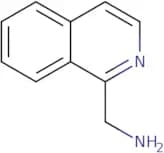
CAS:1-Isoquinolin-1-ylmethanamine dihydrochloride is a versatile building block that can be used for the synthesis of a wide variety of compounds. It is a reagent and speciality chemical, as well as an intermediate or reaction component in the production of pharmaceuticals, agrochemicals, plastics, dyes and other chemicals. 1-Isoquinolin-1-ylmethanamine dihydrochloride has been shown to have high purity and quality.Fórmula:C10H10N2·2HClPureza:Min. 95%Forma y color:Light Blue SolidPeso molecular:231.12 g/mol6-Hydroxyquinoline-(1H)-2-one
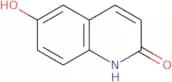
CAS:6-Hydroxyquinoline-(1H)-2-one is an organic compound that has been shown to inhibit the uptake of carbostyril by bacterial cells. This inhibition causes increased uptake of xanthurenic acid and anthranilic acid, which are two compounds that are found in wastewater treatment. 6-Hydroxyquinoline-(1H)-2-one may be a potential anticancer agent, as it inhibits the growth of astroglia cells and bladder cancer cells. It also reacts with acylation reactions to form quinolinic acid, which has been shown to have anticancer effects.Fórmula:C9H7NO2Pureza:Min. 95%Forma y color:White SolidPeso molecular:161.16 g/mol6,6'-Dibromo-2,2'-bipyridine
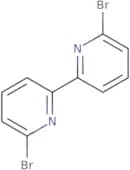
CAS:6,6'-Dibromo-2,2'-bipyridine is a synthetic molecule that is used to produce amines. It can be synthesized in a cross-coupling reaction involving the reaction of an amine with bromine and a palladium catalyst. 6,6'-Dibromo-2,2'-bipyridine reacts with formaldehyde to form 2,4-diaminobiphenyls. This reaction is catalyzed by acid or base. 6,6'-Dibromo-2,2'-bipyridine has been shown to be reactive and photoexcited. Its photophysical properties make it a useful synthetic intermediate for the production of amines.Fórmula:C10H6Br2N2Pureza:Min. 95%Forma y color:PowderPeso molecular:313.98 g/mol6-Ethylmercaptopurine
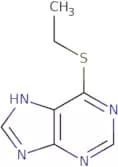
CAS:6-Ethylmercaptopurine is a purine analogue that inhibits the synthesis of DNA. It is used as an inhibitor of protein synthesis and in the treatment of inflammatory bowel disease. 6-Ethylmercaptopurine has been shown to inhibit the activity of ATPase, which may be responsible for its ability to suppress the proliferation of cells. This drug can also act as an analog to adenosine, which can be used to determine ATP levels in a cell or tissue sample by measuring the amount of p-nitrophenyl phosphate produced. 6-Ethylmercaptopurine has been shown to block phosphatase activity, which may lead to inflammation in some cases.
6-Ethylmercaptopurine has a molecular weight of 194.2 g/mol and an optimum pH of 4.5Fórmula:C7H8N4SPureza:Min. 95%Forma y color:Off-White PowderPeso molecular:180.23 g/mol6-Methoxy-1-methyl-1H-indole-3-carbaldehyde
CAS:6-Methoxy-1-methyl-1H-indole-3-carbaldehyde is a high quality chemical that is used as a reagent, complex compound, useful intermediate, and speciality chemical. It is a fine chemical that has been shown to be useful as a building block in the synthesis of many other compounds. 6-Methoxy-1-methyl-1H-indole-3-carbaldehyde is also versatile and can be used in reactions involving nucleophilic substitution, reductive amination, and oxidative coupling.Fórmula:C11H11NO2Pureza:Min. 95%Forma y color:White PowderPeso molecular:189.21 g/mol3-Methyl-2-hydroxy-3H-imidazo[4,5-f]quinoline
CAS:3-Methyl-2-hydroxy-3H-imidazo[4,5-f]quinoline is a high quality reagent that can be used as an intermediate or building block in the synthesis of other compounds. It is a fine chemical with CAS No. 144486-08-8 and can be used as a speciality chemical in research. This compound has versatile building blocks that are useful in reactions and have been shown to be a reaction component in the synthesis of various compounds.Fórmula:C11H9N3OPureza:Min. 95%Forma y color:Yellow PowderPeso molecular:199.21 g/mol1,5-Dimethyl-1H-indole-3-carbaldehyde
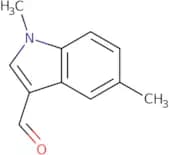
CAS:1,5-Dimethyl-1H-indole-3-carbaldehyde is a useful building block for organic synthesis. It is an important reagent for the synthesis of complex compounds and it has been used as a versatile building block in organic chemistry. This compound can be used as a starting point for the preparation of other chemicals, such as pharmaceuticals, pesticides, and dyes. 1,5-Dimethyl-1H-indole-3-carbaldehyde is also a fine chemical that has been used for research purposes. There are no known commercial uses for this compound.Fórmula:C11H11NOPureza:Min. 95%Forma y color:PowderPeso molecular:173.21 g/mol2,2'-Bipyridine-3,3'-dicarboxylic acid
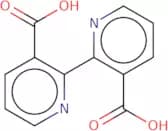
CAS:2,2'-Bipyridine-3,3'-dicarboxylic acid is a coordination compound that contains two carboxylic acid groups. It forms a dihydrate in water and is orthorhombic in crystal form. The molecule can be represented by the following chemical structure:Fórmula:C12H8N2O4Pureza:Min. 95%Forma y color:SolidPeso molecular:244.2 g/molMethyl 4-methoxy-2-indolecarboxylate
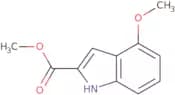
CAS:Methyl 4-methoxy-2-indolecarboxylate is a natural product that has been shown to have cytotoxic and anticancer activity. It was first isolated from the leaves of Picrasma excelsa, which is a plant native to Southeast Asia. Methyl 4-methoxy-2-indolecarboxylate has been found to be effective against breast cancer cell lines and human cancer cells in culture. The anticancer effects may be due to its ability to inhibit protein synthesis by inhibiting the ribosome. This compound also inhibits dehydrocrenatine, which is a precursor of the hormone crenatine, thus leading to decreased production of this hormone.Fórmula:C11H11NO3Pureza:Min. 95%Forma y color:PowderPeso molecular:205.21 g/mol3-Aminoquinuclidine dihydrochloride
CAS:3-Aminoquinuclidine dihydrochloride (3-AQDH) is a chiral quinuclidine derivative that is an acetylcholine receptor agonist. It has been shown to bind to the α7 nicotinic acetylcholine receptor with high affinity and selectivity. 3-AQDH has also been shown to crosslink the cholinergic receptor, which may lead to increased sensitivity of the receptor. The binding constants between 3-AQDH and the α7 nicotinic acetylcholine receptors are very high and it has been shown to be enantiopure in its synthesis. 3-AQDH also has a hydrophilic interaction chromatography profile, which separates it from other compounds. This agent may have potential use as a drug for treating Alzheimer's disease and Parkinson's disease due to its ability to inhibit acetylcholinesterase activity.
Pureza:Min. 95%Forma y color:PowderPeso molecular:199.12 g/mol5-Amino-2-methylindole
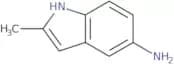
CAS:5-Amino-2-methylindole is a hyaluronic acid inhibitor that has been shown to have an inhibitory effect on the growth of some bacteria. It inhibits the synthesis of bacterial enzymes and growth factors, which are required for bacterial cell division. 5-Amino-2-methylindole also inhibits the production of a number of important enzymes in bacteria, including benzofuran derivatives, as well as p. aeruginosa. This drug is used as a topical treatment in cases where there is tissue damage or inflammation. 5-Amino-2-methylindole has been shown to be effective against gram positive bacteria such as Streptococcus pyogenes and Enterococcus faecalis, but not against gram negative bacteria such as Pseudomonas aeruginosa or Escherichia coli.Fórmula:C9H10N2Pureza:Min. 95%Forma y color:Yellow To Dark Brown SolidPeso molecular:146.19 g/molMethyl 5-methoxy-2-methylindole-3-acetate
CAS:Methyl 5-methoxy-2-methylindole-3-acetate is a versatile building block that can be used as a research chemical, reagent, or speciality chemical. It is also an intermediate in the synthesis of other compounds and has been shown to be useful in reactions involving nucleophilic substitution and electrophilic addition. This compound can be used as a scaffold for complex organic molecules. CAS No. 7588-36-5Fórmula:C13H15NO3Pureza:Min. 95%Forma y color:Beige SolidPeso molecular:233.26 g/mol8-Hydroxy-5-nitroquinoline-2-carbaldehyde
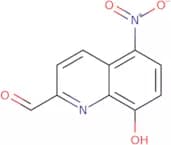
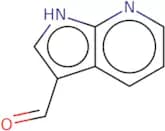
CAS:8-Hydroxy-5-nitroquinoline-2-carbaldehyde is a high quality, versatile building block that can be used as a reaction intermediate or to synthesize heterocycles. It is also a useful scaffold for the synthesis of complex compounds. The CAS number of this chemical is 884497-63-6.Fórmula:C10H6N2O4Pureza:Min. 95%Forma y color:PowderPeso molecular:218.17 g/mol7-Azaindole-3-carboxaldehyde
CAS:7-Azaindole-3-carboxaldehyde is a molecule that belongs to the class of indoles. It has been shown to have cytotoxic activity in vitro against cancer cells and isomers have been identified. 7-Azaindole-3-carboxaldehyde has been investigated for its ability to bind to CB2 receptors, which are located on the surface of immune cells, and may be used as a lead compound for the development of novel anti-cancer drugs. 7-Azaindole-3-carboxaldehyde also binds to chloride ions, which may be important in understanding how it interacts with other compounds or proteins.
Fórmula:C8H6N2OPureza:Min. 95%Forma y color:PowderPeso molecular:146.15 g/mol6-Nitroquinoline
CAS:6-Nitroquinoline is a nucleophilic compound that reacts with nitroalkanes to form alkyl nitrites. It undergoes a bioreductive reaction, in which it is reduced to the corresponding amine by hydrogen peroxide and ammonia. 6-Nitroquinoline contains functional groups that can act as either electron donors or electron acceptors and is therefore reactive towards other compounds. The reaction mechanism involves nucleophilic attack at the carbon atom in the ring of the 6-nitroquinoline molecule, resulting in an addition product. 6-Nitroquinoline has been shown to react with fluorophores such as fluorescein, forming a fluorescent product that can be detected by spectroscopy. This chemical can also form hydrogen bonds with other molecules, which are important for its reactivity. The reaction products of this compound are nitrite and quinolines where one or more of the nitrogens have been oxidized to nitro groups.
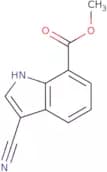
ENDFórmula:C9H6N2O2Pureza:Min. 95%Forma y color:White PowderPeso molecular:174.16 g/molMethyl 3-cyano-1H-indole-7-carboxylate
CAS:Methyl 3-cyano-1H-indole-7-carboxylate is a fine chemical that belongs to the class of useful scaffolds, versatile building blocks, and useful intermediates. It is used as a research chemical and a reaction component. Methyl 3-cyano-1H-indole-7-carboxylate is also a speciality chemical with high quality and can be used as a reagent in the production of other compounds.Fórmula:C11H8N2O2Pureza:Min. 95%Forma y color:White PowderPeso molecular:200.19 g/mol4-Chloro-5-ethylisatin
CAS:4-Chloro-5-ethylisatin is a fine chemical that can be used as a versatile building block in the synthesis of complex compounds. It has been shown to be a useful intermediate and reaction component for the preparation of high quality reagents. 4-Chloro-5-ethylisatin is commercially available from Sigma Aldrich, catalog number 1379340-45-0.
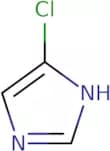
Fórmula:C10H8ClNO2Pureza:Min. 95%Peso molecular:209.63 g/mol4-Chloro-1H-imidazole
CAS:4-Chloro-1H-imidazole is an organic chemical compound that contains a heterocyclic ring with one nitrogen and three carbons. It is classified as a weak acid. 4-Chloro-1H-imidazole can be found in hydrochloric acid, methyl ketones, and the acid conjugates of pyrazole rings. It has minimal toxicity. 4-Chloro-1H-imidazole binds to receptors in the body, which may account for its effects on blood pressure and heart rate. This drug also reacts with diazonium salts to form an intermediate that is then oxidized by chloride ions to form a reactive intermediate that can react with histidine or flavin (a type of vitamin B2) to form a fluorescent product that can be detected by light absorption or fluorescence emission spectroscopy.
Fórmula:C3H3ClN2Pureza:Min. 95%Forma y color:White PowderPeso molecular:102.52 g/mol2,3,3-Trimethyl-3H-benzo[e]indole
CAS:2,3,3-Trimethyl-3H-benzo[e]indole is a reactive molecule that has been shown to be an effective treatment for cervical cancer. It can be used in conjunction with monoclonal antibodies that have been designed to target the acidic protonation sites on the surface of cervical cancer cells. This active form binds to the site and emits fluorescence when illuminated with a laser, which can then be detected by a confocal microscope. This technique can also be used for the diagnosis of other cancers. 2,3,3-Trimethyl-3H-benzo[e]indole is not toxic to human serum as it does not react with this type of tissue.Fórmula:C15H15NPureza:Min. 98 Area-%Forma y color:PowderPeso molecular:209.29 g/mol6-Aza-5-methyl-1H-indazole
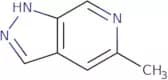
CAS:6-Aza-5-methyl-1H-indazole is a chemical compound that acts as a building block for the synthesis of pharmaceuticals and other compounds. It is used in research for the development of new drugs, such as antihypertensive agents, antibiotics, and immunosuppressants. 6-Aza-5-methyl-1H-indazole has been shown to be an effective intermediate in the synthesis of many complex compounds, including cephalosporins, penicillins, carbapenems, and aminoglycosides. This versatile reagent can be used to synthesize a wide variety of organic compounds.
Fórmula:C7H7N3Pureza:Min. 95%Forma y color:White To Beige SolidPeso molecular:133.15 g/mol7-Methylisatin
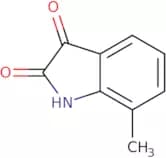
CAS:7-Methylisatin is a natural product that is used in clinical settings as an acridone. It has been shown to have potent antifungal and insecticidal activities. 7-Methylisatin is also a potent antagonist of the nicotinic acetylcholine receptor (nAChR) and binds to the receptor with high affinity. It also inhibits the production of nitric oxide (NO), which is important for maintaining vascular homeostasis and inhibiting pain. 7-Methylisatin has been shown to be an efficient method for plutella xylostella larvae, which can lead to significant reductions in caterpillar populations. This natural product can be synthesized by a number of methods, including ammonolysis, reaction system, or mass spectrometry assays.Fórmula:C9H7NO2Pureza:Min. 95%Peso molecular:161.16 g/mol3-Quinolinecarboxylic acid
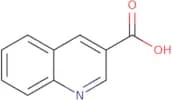
CAS:3-Quinolinecarboxylic acid is a water-soluble drug that is soluble in both organic solvents and water. It is reactive, which limits its therapeutic use. 3-Quinolinecarboxylic acid is used to treat inflammatory disease by inhibiting the production of prostaglandins and leukotrienes in the body. 3-Quinolinecarboxylic acid has been shown to have genotoxic effects on primary cells, as well as an antiinflammatory effect. It also has been shown to be effective for treating rheumatoid arthritis in animal models, but not humans.
Fórmula:C10H7NO2Pureza:Min. 95%Forma y color:PowderPeso molecular:173.17 g/molAcridone
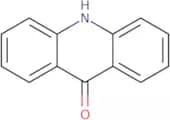
CAS:Acridone is a potent antimicrobial agent that inhibits bacteria by binding to the duplex DNA. Acridone has been shown to have inhibitory properties against wastewater treatment, which may be due to its ability to bind with the bacterial dna and inhibit the replication of bacterial cells. Acridone also has genotoxic activity, as it has been shown to react with nuclei in carcinoma cell lines and cause DNA strand breakage. Acridone is a fluorescent probe that can be used for electrochemical impedance spectroscopy (EIS). It binds to the complementary sequence of double-stranded DNA and causes an increase in the impedance of a solution when exposed to an electric current. This property can be used for analytical methods such as gel electrophoresis or chromatography.
Fórmula:C13H9NOPureza:Min. 95%Forma y color:PowderPeso molecular:195.22 g/molIndole-3-acetyl-L-alanine acid methyl ester
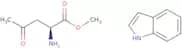
CAS:Please enquire for more information about Indole-3-acetyl-L-alanine acid methyl ester including the price, delivery time and more detailed product information at the technical inquiry form on this page
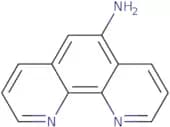
Fórmula:C14H16N2O3Pureza:Min. 95%Peso molecular:260.29 g/mol(1,10)Phenanthrolin-5-ylamine
CAS:(1,10)Phenanthrolin-5-ylamine is a sample preparation reagent that has been used in the production of polymers with redox potentials below 0.2 V. This compound is also an antimicrobial agent that has shown to be effective against bacteria and fungi. The detection sensitivity of (1,10)phenanthrolin-5-ylamine is high, making it suitable for use in human serum samples. It can be protonated by a base such as sodium hydroxide or ammonia to form its cationic form, which can then react with nucleophiles such as thiols and amines to produce an alkylating agent. It has been used in the synthesis of l1210 murine leukemia cells and has been observed to have photophysical properties that are sensitive to neutral pH levels.
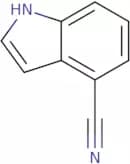
(1,10)Phenanthrolin-5-ylamine can be used for process optimizationFórmula:C12H9N3Pureza:Min. 95%Forma y color:Off-White PowderPeso molecular:195.22 g/mol4-Cyanoindole
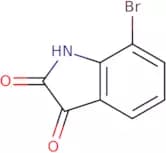
CAS:The 4-cyanoindole is a fluorescent molecule that binds to proteins and affects protein homeostasis. It has been shown to bind to the sodium salt form of proteins, which are typically found in human liver cells. The binding of 4-cyanoindole to these proteins leads to its reduction by borohydride and fluorescence resonance energy transfer (FRET) between the molecule and the protein. This binding can be detected using a fluorescence lifetime spectroscopy technique, which detects changes in the fluorescence's lifetime as well as intensity. The binding of 4-cyanoindole to proteins has been shown to have anti-cancer properties. It has also been used for detection of monoclonal antibodies against cancer cells or for fluorescent labeling of cancer cells for immunofluorescent microscopy.Fórmula:C9H6N2Forma y color:White PowderPeso molecular:142.16 g/mol7-Bromo-2,3-dioxoindoline
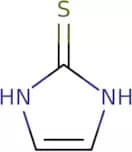
CAS:7-Bromo-2,3-dioxoindoline is a synthetic compound with a vibrational frequency of 249.2 cm−1. It is an inhibitor of the enzyme synthetase and has been shown to have an inhibitory effect on cancer cell viability in vitro. 7-Bromo-2,3-dioxoindoline inhibits the production of cancerous cells by interfering with their ability to synthesize DNA, which is necessary for cell division. This inhibition may be due to its ability to form intermolecular hydrogen bonding interactions with the amine group on the enzyme synthetase. 7-Bromo-2,3-dioxoindoline has also been shown to block the synthesis of 5-chloroisatin, one of its reaction products. The bioassay was carried out by measuring the amount of granulosa cells that were able to produce estrogen after treatment with this compound.Fórmula:C8H4BrNO2Pureza:Min. 98 Area-%Forma y color:PowderPeso molecular:226.03 g/mol2-Mercapto-1H-imidazole
CAS:2-Mercapto-1H-imidazole is an irreversible inhibitor of xanthine oxidase. It binds to the nitrogen atoms of the enzyme's active site and forms a strong hydrogen bond with the oxygen atom of the xanthine substrate. The steric interactions between 2-mercapto-1H-imidazole and the substrate prevent binding and catalysis. The crystal structures of 2-mercapto-1H-imidazole in complex with xanthine oxidase have been determined using X-ray crystallography. FTIR spectroscopy has shown that 2-mercapto-1H-imidazole coordinates in a geometry similar to that of the reactant, hydrochloric acid. Electrochemical impedance spectroscopy (EIS) has revealed that proton transfer takes place when 2-mercapto-1H imidazole binds to xanthine oxidase, which is consistent with reaction mechanism involving electFórmula:C3H4N2SPureza:Min. 95%Forma y color:PowderPeso molecular:100.14 g/mol2-Chlorobenzimidazole
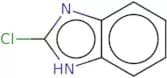
CAS:2-Chlorobenzimidazole is an analog of benzimidazole that has been synthesized by Langmuir adsorption isotherm. It is a white crystalline solid that can be dissolved in water and hydrochloric acid. 2-Chlorobenzimidazole inhibits the growth of herpes simplex virus by acting as a competitive inhibitor for the viral enzyme thymidine kinase, which catalyzes the conversion of thymine to thymidine. 2-Chlorobenzimidazole also binds to monoclonal antibodies, inhibiting their binding to their corresponding antigens. This activity may be due to its ability to bind covalently with amino groups on proteins and other molecules. Magnetic resonance spectroscopy has shown that 2-chlorobenzimidazole binds tightly with protonated (positively charged) phosphorous atoms within cells.Fórmula:C7H5ClN2Pureza:Min. 95%Forma y color:White PowderPeso molecular:152.58 g/mol2-Bromo-1H-imidazole
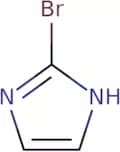
CAS:2-Bromo-1H-imidazole is an environmental pollutant that has been detected in the atmosphere, water, and soil. It is used as a pesticide and has been found to be an impurity in biphenyl. 2-Bromo-1H-imidazole can be used as a substrate for the Suzuki coupling reaction or as a starting material for the synthesis of imidazole derivatives. The compound spontaneously fragments under acidic conditions to form nitric acid and hydrogen bromide. 2-Bromo-1H-imidazole has been shown to inhibit hepatitis C virus (HCV) replication and induce cancer cell apoptosis in vitro.
2-Bromo-1H-imidazole is also known to cause DNA fragmentation in cells through oxidation by reactive oxygen species or through spontaneous decomposition of the molecule into acid, bromine radicals, and ammonia.Fórmula:C3H3BrN2Pureza:Min. 95%Forma y color:PowderPeso molecular:146.97 g/mol1-Methylindole-2-Carboxylic Acid
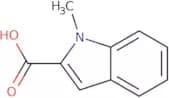
CAS:1-Methylindole-2-Carboxylic Acid is a chemical that belongs to the group of phenylacetic acid compounds. It has been shown to inhibit lymphocyte activation and t-cell proliferation in vitro, which may be due to its ability to interfere with the production of interleukin. 1-Methylindole-2-Carboxylic Acid also has an antitumor effect on animals and can reduce the tumor burden by inhibiting DNA synthesis, protein synthesis, and mineralization. The molecular modeling studies have shown that 1-Methylindole-2-Carboxylic Acid binds in the active site of protein kinase C as a competitive inhibitor and prevents ATP from binding to the enzyme.
Fórmula:C10H9NO2Pureza:Min. 95%Forma y color:PowderPeso molecular:175.18 g/mol4-Chloro-6-methoxyquinolin-7-ol
CAS:4-Chloro-6-methoxyquinolin-7-ol (CMQ) is an alkali metal that inhibits the sodium/potassium ATPase pump, which is responsible for maintaining the cell's intracellular ion balance. It was discovered in a search for compounds that inhibit this enzyme and show promise in the treatment of heart diseases. CMQ has been shown to inhibit the sodium concentration in rat hearts with no effect on potassium concentrations, which may be due to its ability to bind to sodium ions but not potassium ions. The long-term effects of CMQ on human populations are unknown, as well as its effects on genotype and parameters. CMQ also has been shown to cause drug resistance mutations in bacteria, such as methicillin resistant Staphylococcus aureus (MRSA), by increasing the mutation rate. This is due to the fact that it inhibits DNA replication and protein synthesis in bacteria cells.Fórmula:C10H8ClNO2Pureza:Min. 95%Forma y color:Yellow PowderPeso molecular:209.63 g/mol5-methyl-3-(phenylmethylthio)-1,2,4-triazino[5,6-b]indole
CAS:Please enquire for more information about 5-methyl-3-(phenylmethylthio)-1,2,4-triazino[5,6-b]indole including the price, delivery time and more detailed product information at the technical inquiry form on this pagePureza:Min. 95%2-oxoindoline-3-hydrazone
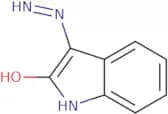
CAS:2-Oxoindoline-3-hydrazone (2OIH) is a heterocyclic compound that has been reported to have anticancer activity. 2OIH is an intramolecular hydrogen bond acceptor, which may account for its anticancer activity. It has been shown to be effective against cancer cells in mammalian cell lines and in vitro studies of human carcinoma cell lines. This compound also showed anticancer activity against bacteria such as Pseudomonas aeruginosa (P. aeruginosa) and Staphylococcus aureus (S. aureus). The geometric isomers of 2OIH have been studied using nmr spectra, and the carbonyl group has been identified as the source of its anti-cancer properties. Structural analysis has revealed that the hydroxyl group on the indole moiety is important for the anti-cancer properties of this molecule.
Fórmula:C8H7N3OPureza:Min. 95%Forma y color:PowderPeso molecular:161.16 g/mol2,10-diaza-5,5,13-trimethyl-9-(4-(isopropyl)phenyl)tricyclo[9.4.0.0<3,8>]pentadeca-1(11),3(8),12,14-tetraen-7-one
CAS:Please enquire for more information about 2,10-diaza-5,5,13-trimethyl-9-(4-(isopropyl)phenyl)tricyclo[9.4.0.0<3,8>]pentadeca-1(11),3(8),12,14-tetraen-7-one including the price, delivery time and more detailed product information at the technical inquiry form on this pagePureza:Min. 95%5-Iodoisatin
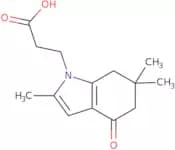
CAS:5-Iodoisatin is a cross-coupling agent that has an inhibitory effect on tumor tissue. It is also used for the synthesis of conjugated drugs and pharmacological research. 5-Iodoisatin, which forms a ternary complex with copper and iodide, inhibits the growth of colorectal carcinoma cells by interfering with their DNA replication and protein production. 5-Iodoisatin can be converted to its active form through the formation of a ternary complex with copper and iodide ions. This inhibition is due to its ability to interact with DNA, RNA polymerase, and other proteins involved in transcription, translation, and replication processes. 5-Iodoisatin is metabolized through conjugation with glucuronic acid or sulfate in the liver; it binds to human mitochondrial DNA and can enter cells via passive diffusion. The carbonyl group in this drug may play an important role in its interaction with cancer cells.Fórmula:C8H4INO2Pureza:Min. 95%Peso molecular:273.03 g/mol3-(2,6,6-Trimethyl-4-oxo-5,6,7-trihydroindolyl)propanoic acid
CAS:Please enquire for more information about 3-(2,6,6-Trimethyl-4-oxo-5,6,7-trihydroindolyl)propanoic acid including the price, delivery time and more detailed product information at the technical inquiry form on this pageFórmula:C14H19NO3Pureza:Min. 95%Forma y color:PowderPeso molecular:249.31 g/mol3-(4-phenoxyphenyl)spiro[1,3-thiazolidine-2,3'-indoline]-4,7-dione
CAS:Please enquire for more information about 3-(4-phenoxyphenyl)spiro[1,3-thiazolidine-2,3'-indoline]-4,7-dione including the price, delivery time and more detailed product information at the technical inquiry form on this pageFórmula:C22H16N2O3SPureza:Min. 95%Forma y color:PowderPeso molecular:388.44 g/mol1-(2-Chloropropanoyl)indoline
CAS:Please enquire for more information about 1-(2-Chloropropanoyl)indoline including the price, delivery time and more detailed product information at the technical inquiry form on this page
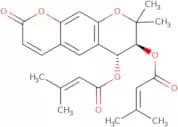
Fórmula:C11H12ClNOPureza:Min. 95%Peso molecular:209.67 g/molDecursidin
CAS:Decursidin is a chemical compound, classified as a coumarin derivative, which is a bioactive constituent derived from the roots of the Angelica gigas plant. This compound is prominent for its pharmacological activities, attributed to its distinct chemical structure.Pureza:Min. 95%3-(2-(4-Bromophenyl)-6,6-dimethyl-4-oxo-5,6,7-trihydroindolyl)benzoic acid
CAS:Please enquire for more information about 3-(2-(4-Bromophenyl)-6,6-dimethyl-4-oxo-5,6,7-trihydroindolyl)benzoic acid including the price, delivery time and more detailed product information at the technical inquiry form on this pageFórmula:C23H20BrNO3Pureza:Min. 95%Forma y color:PowderPeso molecular:438.31 g/mol5-methyl-3-methylthio-1,2,4-triazino[5,6-b]indole
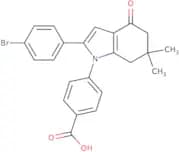
CAS:Please enquire for more information about 5-methyl-3-methylthio-1,2,4-triazino[5,6-b]indole including the price, delivery time and more detailed product information at the technical inquiry form on this pagePureza:Min. 95%4-(2-(4-Bromophenyl)-6,6-dimethyl-4-oxo-5,6,7-trihydroindolyl)benzoic acid
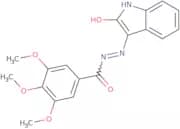
CAS:Please enquire for more information about 4-(2-(4-Bromophenyl)-6,6-dimethyl-4-oxo-5,6,7-trihydroindolyl)benzoic acid including the price, delivery time and more detailed product information at the technical inquiry form on this pageFórmula:C23H20BrNO3Pureza:Min. 95%Forma y color:PowderPeso molecular:438.3 g/mol3-(3,4,5-Trimethoxybenzoylhydrazidyl)-2-oxoindoline
CAS:Please enquire for more information about 3-(3,4,5-Trimethoxybenzoylhydrazidyl)-2-oxoindoline including the price, delivery time and more detailed product information at the technical inquiry form on this pageFórmula:C18H17N3O5Pureza:Min. 95%Forma y color:PowderPeso molecular:355.34 g/mol2-[(3-Phenoxyphenyl)methylene]-2H-1,4-benzothiazin-3(4H)-one
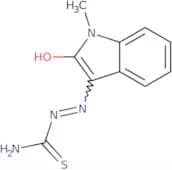
CAS:Please enquire for more information about 2-[(3-Phenoxyphenyl)methylene]-2H-1,4-benzothiazin-3(4H)-one including the price, delivery time and more detailed product information at the technical inquiry form on this pageFórmula:C21H15NO2SPureza:Min. 95%Forma y color:Powder1-methylisatin, 3-thiosemicarbazide
CAS:1-Methylisatin, 3-thiosemicarbazide (MTST) is an antimicrobial agent that has been shown to be effective against a broad range of microorganisms. MTST inhibits the growth of bacteria and fungi by binding to the fatty acid moieties of membrane lipids, which disrupts the integrity of the cell membrane. This disruption can lead to bacterial death. MTST also has antiviral properties that are due to its ability to inhibit virus replication by binding with receptor binding sites on the virus surface. 1-Methylisatin, 3-thiosemicarbazide has been shown to be an effective treatment for autoimmune diseases such as multiple sclerosis and rheumatoid arthritis in animal models.Pureza:Min. 95%3-(4-Bromophenyl)-5-(hydroxyimino)-7,7-dimethyl-6,7,8-trihydrocinnoline
CAS:Please enquire for more information about 3-(4-Bromophenyl)-5-(hydroxyimino)-7,7-dimethyl-6,7,8-trihydrocinnoline including the price, delivery time and more detailed product information at the technical inquiry form on this page
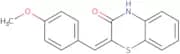
Fórmula:C16H16BrN3OPureza:Min. 95%Forma y color:PowderPeso molecular:346.22 g/mol3-((4-Methoxyphenyl)methylene)-1,4-dihydro-4-thiaquinolin-2-one
CAS:Please enquire for more information about 3-((4-Methoxyphenyl)methylene)-1,4-dihydro-4-thiaquinolin-2-one including the price, delivery time and more detailed product information at the technical inquiry form on this pageFórmula:C16H13NO2SPureza:Min. 95%Forma y color:PowderPeso molecular:283.35 g/mol4-(2,6,6-Trimethyl-4-oxo-5,6,7-trihydroindolyl)benzoic acid
CAS:Please enquire for more information about 4-(2,6,6-Trimethyl-4-oxo-5,6,7-trihydroindolyl)benzoic acid including the price, delivery time and more detailed product information at the technical inquiry form on this pageFórmula:C18H19NO3Pureza:Min. 95%Forma y color:PowderPeso molecular:297.35 g/molEthyl 4-oxo-7-(benzyloxy)hydroquinoline-3-carboxylate
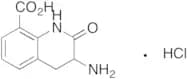
CAS:Please enquire for more information about Ethyl 4-oxo-7-(benzyloxy)hydroquinoline-3-carboxylate including the price, delivery time and more detailed product information at the technical inquiry form on this pagePureza:Min. 95%3-Amino-1,2,3,4-tetrahydro-2-oxo-8-quinolinecarboxylic Acid Monohydrochloride
CAS:Producto controladoFórmula:C10H10N2O3·HClForma y color:NeatPeso molecular:242.6592-Chloroquinolin-6-ol
CAS:Producto controladoApplications 2-Chloroquinolin-6-ol can be used for hair dye compositions.
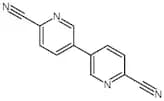
References Lagrange, A., et.al., PCT Int. Appl., 87, (2012);Fórmula:C9H6ClNOForma y color:NeatPeso molecular:179.63,3'-Bipyridine-6,6'-dicarbonitrile
CAS:Producto controladoStability Light Sensitive
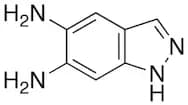
Applications 3,3'-Bipyridine-6,6'-dicarbonitrileFórmula:C12H6N4Forma y color:NeatPeso molecular:206.25,6-Diaminoindazole
CAS:Producto controladoStability Light Sensitive
Applications Reacts with aldehydes to produce highly fluorescent imidazole derivatives. A fluorometric labeling reagent.Fórmula:C7H8N4Forma y color:NeatPeso molecular:148.174,4'-Diamino-2,2'-bipyridine
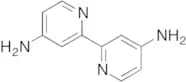
CAS:Producto controladoApplications 4,4'-Diamino-2,2'-bipyridine is a bidendate chelator.
Fórmula:C10H10N4Forma y color:NeatPeso molecular:186.21N-Pentylindole
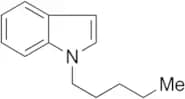
CAS:Producto controladoApplications Indole derivative with anticancer activity.
References Lavrenov, S. et al.: Bioorgan. Med. Chem. 18, 6905 (2010)Fórmula:C13H17NForma y color:NeatPeso molecular:187.281-(2-Aminoethyl)indoline Dihydrochloride
CAS:Producto controladoFórmula:C10H14N2•2HCiForma y color:NeatPeso molecular:162.23 + 2(36.46)1-[4-(Trifluoromethyl)phenyl]-3-azabicyclo[3.1.0]hexane Hydrochloride-d5
CAS:Producto controladoFórmula:C12D5H7F3N·HClForma y color:NeatPeso molecular:268.7175-Chloroindole-2-carboxylic Acid
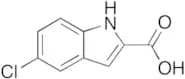
CAS:Producto controladoApplications 5-Chloroindole-2-carboxylic Acid is used in the synthesis of 4-(3-aminomethylphenyl)piperidine-1-carboxamides as potent, selective, and orally bioavailable inhibitors of βII tryptase. It is also a reagent used to prepare indole amides with possible antihistaminic activities.
References Levell, J., et al.: Bioorg. Med. Chem., 13, 2859 (2005); Battaglia, S., et al.: Eur. J. Med. Chem., 34, 93 (1999)Fórmula:C9H6ClNO2Forma y color:NeatPeso molecular:195.6O-Benzyl Indacaterol
CAS:Producto controladoApplications 5-[(1R)-2-[(5,6-Diethyl-2,3-dihydro-1H-inden-2-yl)amino]-1-hydroxyethyl]-8-(phenylmethoxy)-2(1H)-quinolinone is used as a reactant in the preparation of Indacaterol (I499745), a β-adrenoreceptor agonist.
References Baur, Francois, et al.: J. of Med. Chem., 53(9), 3675-3684 (2010)Fórmula:C31H34N2O3Forma y color:Off-White To Light YellowPeso molecular:482.614,4'-Di-tert-butyl-2,2'-bipyridine
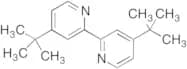
CAS:Producto controladoApplications 4,4'-Di-tert-butyl-2,2'-bipyridine acts as a reagent in the preparation, antiproliferative and cytotoxic activity of apoptotic ruthenium nitrogen heterocyclic complexes via combinatorial library synthesis.
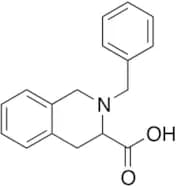
References Mulcahy, S. P., et al.: Dalton Trans., 39, 177 (2010)Fórmula:C18H24N2Forma y color:NeatPeso molecular:268.42-Benzyl-1,2,3,4-Tetrahydroisoquinoline-3-Carboxylic Acid
CAS:Producto controladoApplications 2-Benzyl-1,2,3,4-Tetrahydroisoquinoline-3-Carboxylic Acid (cas# 54329-48-5) is a useful research chemical.
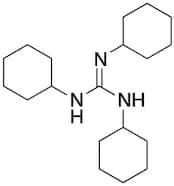
Fórmula:C17H17NO2Forma y color:NeatPeso molecular:267.32Tricyclohexylguanidine
CAS:Producto controladoFórmula:C19H35N3Forma y color:NeatPeso molecular:305.5014-Bicyclo[1.1.1]pent-1-yl-benzenemethanamine
CAS:Producto controladoFórmula:C12H15NForma y color:NeatPeso molecular:173.2546-Amino-1,2,3,4-tetrahydroisoquinoline Hydrochloride
CAS:Producto controladoFórmula:C9H12N2·HClForma y color:NeatPeso molecular:184.6662,6-Dioxa-9-azaspiro[4.5]decane
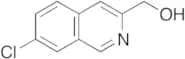
CAS:Producto controladoFórmula:C7H13NO2Forma y color:NeatPeso molecular:143.1847-Chloro-3-isoquinolinemethanol
CAS:Producto controladoApplications 7-Chloro-3-isoquinolinemethanol is an intermediate in the preparation of pyrrolopyrimidinones as P2X3 receptor antagonists.
References Bayrakdarian, M., et al.: PCT Int. Appl. (2008), WO 2008136756 A1 20081113;Fórmula:C10H8ClNOForma y color:NeatPeso molecular:193.632,5-Dioxa-8-azaspiro[3.5]nonane
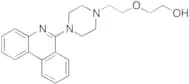
CAS:Producto controladoFórmula:C6H11NO2Forma y color:NeatPeso molecular:129.1572-(2-(4-Phenanthridin-6-yl)piperazin-1-yl)ethoxy)ethanol
CAS:Producto controladoFórmula:C21H25N3O2Forma y color:NeatPeso molecular:351.444-(ethoxymethylidene)-1,2,3,4-tetrahydroisoquinoline-1,3-dione
CAS:Producto controladoApplications 4-(ethoxymethylidene)-1,2,3,4-tetrahydroisoquinoline-1,3-dione (cas# 18630-93-8) is a useful research chemical.
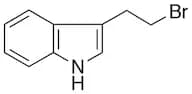
Fórmula:C12H11NO3Forma y color:NeatPeso molecular:217.22Indolyl-3-(ethyl-β-bromide)
CAS:Producto controladoApplications Indolyl-3-(ethyl-β-bromide) (cas# 3389-21-7) is a compound useful in organic synthesis.
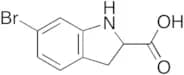
Fórmula:C10H10BrNForma y color:NeatPeso molecular:224.16-Bromo-2,3-dihydro-1H-Indole-2-carboxylic Acid
CAS:Producto controladoFórmula:C9H8BrNO2Forma y color:NeatPeso molecular:242.069tert-Butyl 7-oxo-2-azaspiro[4.5]decane-2-carboxylate
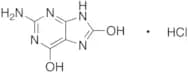
CAS:Producto controladoFórmula:C14H23NO3Forma y color:NeatPeso molecular:253.3372-Amino-6,8-dihydroxypurine Hydrochloride (~90%)
CAS:Producto controladoApplications 2-Amino-6,8-dihydroxypurine is an 8-oxo-guanine repair pathway coordinated by MUTYH glycosylase and DNA polymerase λ.
References Avkin, S., et al.: Mutat. Res., 510, 81 (2002), Niimi, N., et al.: Biochem., 48, 4239 (2009), Muftuoglu, M., et al.: J. Biol. Chem., 284, 9270 (2009),Fórmula:C5H6ClN5O2Pureza:~90%Forma y color:Off White SolidPeso molecular:203.594-(2-Aminoethyl)-4-azatricyclo[5.2.1.0,2,6]dec-8-ene-3,5-dione
CAS:Producto controladoFórmula:C11H14N2O2Forma y color:NeatPeso molecular:206.2411-(2-Chlorophenyl)-3-azabicyclo[3.1.0]hexane Hydrochloride-d5
CAS:Producto controladoFórmula:C11D5H7ClN·HClForma y color:NeatPeso molecular:235.1643-Bicyclo[3.2.1]octanone
CAS:Producto controladoApplications 3-Bicyclo[3.2.1]octanone is used as a reactant in the synthesis of polycyclic acid derivatives as selective inhibitors of human 11β-hydroxysteroid dehydrogenase type 1 (11β-HSD-1).
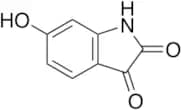
References Ye, X., et. al.: Bioorg. Med. Chem. Lett., 21, 6699 (2011)Fórmula:C8H12OForma y color:NeatPeso molecular:124.186-Hydroxy-2,3-dihydro-1H-indole-2,3-dione
CAS:Producto controladoFórmula:C8H5NO3Forma y color:NeatPeso molecular:163.13(3S)-Aminoquinuclidine
CAS:Producto controladoApplications (3S)-Aminoquinuclidine is an intermediate used in the synthesis of Palonosetron-3-ene Hydrochloride (P165825), which is an impurity of Palonosetron (P165800), a serotonin 5-HT3 receptor antagonist used in the prevention and treatment of chemotherapy-induced nausea and vomiting (CINV). Antiemetic.
References Clark, R.D., et al.: J. Med. Chem., 36, 2645 (1993); Wong, E.H.F., et al.: Br. J. Pharmacol., 114, 851 (1995); Grunberg, S.M., et al.: Expert. Opin. Pharmacother., 4, 2297 (2003); Eisenberg, P., et al.: Ann. Oncol., 15, 330 (2004); Siddiqui, M.A.A., et al.: Drugs, 64, 1125 (2004)Fórmula:C7H14N2Forma y color:NeatPeso molecular:126.21-(2-Chlorophenyl)-3-azabicyclo[3.1.0]hexane Hydrochloride
CAS:Producto controladoFórmula:C11H12ClN·HClForma y color:NeatPeso molecular:230.1343-Chlorobicyclo[3.2.1]oct-2-ene
CAS:Producto controladoFórmula:C8H11ClForma y color:NeatPeso molecular:142.626Ethyl 5,6-Dihydro-7,8-dimethyl-4,5-dioxo-4H-pyrano[3,2-c]quinoline-2-carboxylic Acid Ester
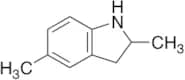
CAS:Producto controladoFórmula:C17H15NO5Forma y color:NeatPeso molecular:313.3052,5-Dimethyl-2,3-dihydro-1H-indole
CAS:Producto controladoApplications 2,5-Dimethyl-2,3-dihydro-1H-indole (cas# 90874-56-9) is a useful research chemical.
Fórmula:C10H13NForma y color:NeatPeso molecular:147.227-Hydroxy-1H-Indole-3-acetic Acid
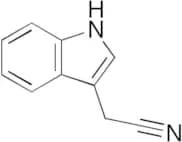
CAS:Producto controladoFórmula:C10H9NO3Forma y color:NeatPeso molecular:191.18Indole-3-acetonitrile
CAS:Applications Indole-3-acetonitrile is an indole derivative involved in the biosynthesis of the plant hormone indole acetic acid (I577340) via the indole-3-acetaldoxime pathway.
References Kong, W., et al.: Plant Cell Physiol, 56, 715-726 (2015)Fórmula:C10H8N2Forma y color:Yellow CrystallinePeso molecular:156.18


![1-Methyl-N-(9-methyl-9-azabicyclo[3.3.1]non-3-yl)-indazole-3-carboxamide](/_next/image/?url=https%3A%2Fstatic.cymitquimica.com%2Fproducts%2F3D%2Fthumb-webp%2FFM137557.webp&w=3840&q=75)




![3-Methyl-2-hydroxy-3H-imidazo[4,5-f]quinoline](/_next/image/?url=https%3A%2Fstatic.cymitquimica.com%2Fproducts%2F3D%2Fthumb-webp%2FFM25639.webp&w=3840&q=75)




![2,3,3-Trimethyl-3H-benzo[e]indole](/_next/image/?url=https%3A%2Fstatic.cymitquimica.com%2Fproducts%2F3D%2Fthumb-webp%2FFT29018.webp&w=3840&q=75)

![5-methyl-3-(phenylmethylthio)-1,2,4-triazino[5,6-b]indole](/_next/image/?url=https%3A%2Fstatic.cymitquimica.com%2Fproducts%2F3D%2Fthumb-webp%2FFM169714.webp&w=3840&q=75)
![2,10-diaza-5,5,13-trimethyl-9-(4-(isopropyl)phenyl)tricyclo[9.4.0.0<3,8>]pentadeca-1(11),3(8),12,1…](/_next/image/?url=https%3A%2Fstatic.cymitquimica.com%2Fproducts%2F3D%2Fthumb-webp%2FFD169536.webp&w=3840&q=75)

![3-(4-phenoxyphenyl)spiro[1,3-thiazolidine-2,3'-indoline]-4,7-dione](/_next/image/?url=https%3A%2Fstatic.cymitquimica.com%2Fproducts%2F3D%2Fthumb-webp%2FFP169783.webp&w=3840&q=75)

![5-methyl-3-methylthio-1,2,4-triazino[5,6-b]indole](/_next/image/?url=https%3A%2Fstatic.cymitquimica.com%2Fproducts%2F3D%2Fthumb-webp%2FFM169855.webp&w=3840&q=75)
![2-[(3-Phenoxyphenyl)methylene]-2H-1,4-benzothiazin-3(4H)-one](/_next/image/?url=https%3A%2Fstatic.cymitquimica.com%2Fproducts%2F3D%2Fthumb-webp%2FFP169832.webp&w=3840&q=75)






![1-[4-(Trifluoromethyl)phenyl]-3-azabicyclo[3.1.0]hexane Hydrochloride-d5](/_next/image/?url=https%3A%2Fstatic.cymitquimica.com%2Fproducts%2FTR%2Fthumb-webp%2FT791387.webp&w=3840&q=75)

![4-Bicyclo[1.1.1]pent-1-yl-benzenemethanamine](/_next/image/?url=https%3A%2Fstatic.cymitquimica.com%2Fproducts%2FTR%2Fthumb-webp%2FB591250.webp&w=3840&q=75)

![2,6-Dioxa-9-azaspiro[4.5]decane](/_next/image/?url=https%3A%2Fstatic.cymitquimica.com%2Fproducts%2FTR%2Fthumb-webp%2FD485855.webp&w=3840&q=75)
![2,5-Dioxa-8-azaspiro[3.5]nonane](/_next/image/?url=https%3A%2Fstatic.cymitquimica.com%2Fproducts%2FTR%2Fthumb-webp%2FD495098.webp&w=3840&q=75)

![tert-Butyl 7-oxo-2-azaspiro[4.5]decane-2-carboxylate](/_next/image/?url=https%3A%2Fstatic.cymitquimica.com%2Fproducts%2FTR%2Fthumb-webp%2FB871840.webp&w=3840&q=75)
![4-(2-Aminoethyl)-4-azatricyclo[5.2.1.0,2,6]dec-8-ene-3,5-dione](/_next/image/?url=https%3A%2Fstatic.cymitquimica.com%2Fproducts%2FTR%2Fthumb-webp%2FA594725.webp&w=3840&q=75)
![1-(2-Chlorophenyl)-3-azabicyclo[3.1.0]hexane Hydrochloride-d5](/_next/image/?url=https%3A%2Fstatic.cymitquimica.com%2Fproducts%2FTR%2Fthumb-webp%2FC377792.webp&w=3840&q=75)
![3-Bicyclo[3.2.1]octanone](/_next/image/?url=https%3A%2Fstatic.cymitquimica.com%2Fproducts%2FTR%2Fthumb-webp%2FB382840.webp&w=3840&q=75)

![1-(2-Chlorophenyl)-3-azabicyclo[3.1.0]hexane Hydrochloride](/_next/image/?url=https%3A%2Fstatic.cymitquimica.com%2Fproducts%2FTR%2Fthumb-webp%2FC377790.webp&w=3840&q=75)
![3-Chlorobicyclo[3.2.1]oct-2-ene](/_next/image/?url=https%3A%2Fstatic.cymitquimica.com%2Fproducts%2FTR%2Fthumb-webp%2FC364470.webp&w=3840&q=75)
![Ethyl 5,6-Dihydro-7,8-dimethyl-4,5-dioxo-4H-pyrano[3,2-c]quinoline-2-carboxylic Acid Ester](/_next/image/?url=https%3A%2Fstatic.cymitquimica.com%2Fproducts%2FTR%2Fthumb-webp%2FE932410.webp&w=3840&q=75)