Compuestos policíclicos
Subcategorías de "Compuestos policíclicos"
- Acridinas(98 productos)
- Antraquinonas(533 productos)
- Ácidos antraquinonesulfónicos(16 productos)
- Azobencenos(270 productos)
- Azonaftalenos(98 productos)
- Azoxibencenos(12 productos)
- Azulenos(11 productos)
- Benzimidazoles(1.476 productos)
- Benzodioxanos(27 productos)
- Benzofuranos(928 productos)
- Benzotiofenos(701 productos)
- Benzotriazoles(438 productos)
- Binaftilos(133 productos)
- Carbazoles(464 productos)
- Cromanos, Cromatos(480 productos)
- Cumarinas(1.125 productos)
- Ciclofanos(11 productos)
- Fluorenos y fluorenonas(384 productos)
- Imidazopiridinas(10 productos)
- Indans(118 productos)
- Indazoles(2.038 productos)
- Indenes(22 productos)
- Indoles(3.987 productos)
- Indolines(119 productos)
- Isatinos(234 productos)
- Isobenzofuranos(17 productos)
- Ftalimidas N-sustituidas(154 productos)
- Naftalenos(2.438 productos)
- Naftiridinas(17 productos)
- Naftoquinona(2 productos)
- Perilenos(36 productos)
- Fenazinas(25 productos)
- Ftalazinas(33 productos)
- Ftalimida(154 productos)
- Hidrocarburos aromáticos policíclicos (HAP)(282 productos)
- Polifenol(270 productos)
- Pteridinas(52 productos)
- Pirenos(87 productos)
- Quinuclidina(1 productos)
- Tetracenos(7 productos)
Se han encontrado 4575 productos de "Compuestos policíclicos"
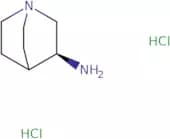
(S)-(-)-3-Aminoquinuclidine 2HCl
CAS:(S)-(-)-3-Aminoquinuclidine 2HCl is a cholinergic agonist that has been shown to be effective in inducing the release of acetylcholine from brain synaptosomes. This drug binds to the nicotinic acetylcholine receptor (nAChR) and inhibits the action of the enzyme acetylcholinesterase, thereby increasing the concentration of acetylcholine in the synaptic cleft. The drug is also able to cross the blood-brain barrier and bind to receptors on neurons. It has been shown that this drug can be used as an imaging agent for molecular magnetic resonance tomography (MRT), with high sensitivity and specificity.
Fórmula:C7H16Cl2N2Pureza:Min. 95%Forma y color:White PowderPeso molecular:199.12 g/molRef: 3D-FA03745
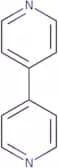
Producto descatalogado4,4'-Dipyridyl - 98%
CAS:4,4'-Dipyridyl is a cyclic peptide with a basic structure. It has been found to have inhibitory effects against the growth of bacteria in human serum and group P2. The x-ray crystal structures reveal that it has strong intermolecular hydrogen bonding interactions. Experimental solubility data and coordination models show that 4,4'-dipyridyl is soluble in anhydrous sodium. Structural analysis and kinetic energy calculations indicate that the inhibitor binding site is located on the hydroxyl groups of the backbone of the molecule. This ligand also binds to metal ions such as copper or zinc.
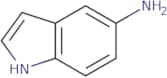
Fórmula:C10H8N2Forma y color:Off-White PowderPeso molecular:156.19 g/mol5-Aminoindole
CAS:5-Aminoindole is a hydrogen bond acid. It has been shown to have an optimum concentration of 0.1 mM in the presence of 0.2 mM potassium chloride and 2 mM magnesium chloride, which is similar to the pH range for biological systems. 5-Aminoindole also acts as a competitive inhibitor of quinoline derivatives, such as chloroquine and hydroxychloroquine, which are used in the treatment of malaria and rheumatoid arthritis. The compound has been shown to be active against primary cells grown in culture, including mouse erythrocytes and human hepatocytes. When used with agarose gel electrophoresis or electrochemical impedance spectroscopy, 5-aminoindole shows excellent selectivity for kinases over other enzymes. 5-Aminoindole is not reactive under physiological conditions because it does not have any redox potentials that can be measured by Langmuir adsorption isother
Fórmula:C8H8N2Pureza:Min. 97%Forma y color:Brown PowderPeso molecular:132.16 g/molRef: 3D-FA03582
Producto descatalogado2,3,3-Trimethylindolenine
CAS:2,3,3-Trimethylindolenine is a reactive aromatic hydrocarbon that has been synthesized by the coordination complex of nitric acid and sodium carbonate. It has a hydroxyl group in the 2 position and is used as an intermediate for the synthesis of hemicyanine. 2,3,3-Trimethylindolenine is soluble in nonpolar solvents such as benzene or hexane. Its light exposure can cause it to react with oxygen to form nitro groups. The structure of 2,3,3-Trimethylindolenine includes two nitrogen atoms in the alpha position.
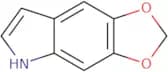
Fórmula:C11H13NPureza:Min. 95%Forma y color:Clear LiquidPeso molecular:159.23 g/mol5,6-Methylenedioxyindole
CAS:5,6-Methylenedioxyindole (MDI) is a compound that is often used in the synthesis of other bioactive molecules. It has been shown to bind to the pyridinium moiety of receptor sites and form a stable complex, which can then be displaced by an agonist or antagonist. The binding experiments were performed using radioactive MDI and zoxazolamine as the ligand. Radiolabelled MDI was synthesized from 5-methyl-2-pyridinone with the use of a linker, methylenetriphenylphosphorane (MTPP). The molecular electrostatic potentials of the two compounds were calculated in order to investigate the possible binding interactions between them. Ellipticines are also synthesised using MDI as a precursor molecule, which is alkylated with dimethyl sulfate and then reacted with phenylhydrazine. This reaction produces a mixture containing both ellipticines and
Fórmula:C9H7NO2Pureza:Min. 95%Peso molecular:161.16 g/molRef: 3D-FM137841
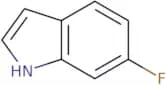
Producto descatalogado6-Fluoroindole
CAS:6-Fluoroindole is an aromatic organic compound that has been shown to have anti-inflammatory and antioxidant properties in vitro and in vivo. 6-Fluoroindole is a 5-methoxyindole and can be synthesized from the amino acid tryptophan, which is a precursor of serotonin. 6-Fluoroindole has also been shown to be active against plant pathogens, human protein, and human pathogens. It can produce hemolytic activity at high concentrations and its chemical stability was tested by incubating it with various acids such as hydrochloric acid or acetic acid. 6-Fluoroindole showed no reaction with either of these acids. The vibrational spectra of 6-fluoroindole was measured using dipolar coupling constants and found to have a dipole moment of 0.01 D for the molecule.
Fórmula:C8H6FNPureza:Min. 98 Area-%Forma y color:White Yellow PowderPeso molecular:135.14 g/molRef: 3D-FF00132
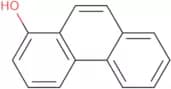
Producto descatalogado1-Phenanthrol
CAS:1-Phenanthrol is a naturally occurring phenanthrene derivative that is used in the treatment of cervical cancer. It has been shown to be effective in the chemiluminescence method using urine samples, which indicates that it may have an effect on the body's metabolism. 1-Phenanthrol has also been shown to inhibit the production of s-phenylmercapturic acid, which is a metabolite of aromatic amines. This inhibition may be due to its receptor binding properties as it binds to and activates the peroxisome proliferator-activated receptor alpha (PPARα) and PPARγ. 1-Phenanthrol also inhibits angiotensin II type 1 receptors and can cause vasorelaxation by reducing blood pressure.
Fórmula:C14H10OPureza:Min. 95%Forma y color:Off-White PowderPeso molecular:194.23 g/molRef: 3D-FP26864
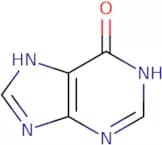
Producto descatalogadoHypoxanthine
CAS:Hypoxanthine is a nucleoside that is found in human cells. It is synthesized from guanine by the enzyme, xanthine oxidoreductase. Hypoxanthine is also produced from xanthine by adenosine deaminase and converted back to xanthine, which can then be reused for DNA synthesis. Hypoxanthine has been shown to inhibit the growth of photosynthetic bacteria, such as Rhodopseudomonas viridis and Rhodobacter sphaeroides. This inhibition may be due to an equilibrative nucleotide effect on the folate receptor. The x-ray diffraction data collected from the chrysanthemum flower (a source of hypoxanthine) showed that hypoxanthine has a calcium salt structure.
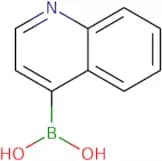
Fórmula:C5H4N4OPureza:Min. 95%Forma y color:White PowderPeso molecular:136.11 g/molQuinolin-4-ylboronic acid
CAS:Quinolin-4-ylboronic acid is a heterocyclic compound with two nitrogen atoms that are attached to the ring by means of carbonyl groups. This compound is a precursor in the synthesis of the drug dorsomorphin, which is used for pain relief. It also has an important role in pharmacokinetics because it can be used as a marker for estimating blood levels of other drugs. Quinolin-4-ylboronic acid yields an active form, quinolin-4-yl boronic acid, when reacted with piperazine in basic conditions. The drug ldn-193189 is a derivative of this active form and has been evaluated as a potential drug for treating osteoporosis and cancer.
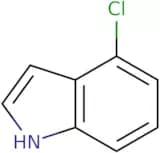
Fórmula:C9H8BNO2Pureza:Min. 95 Area-%Forma y color:PowderPeso molecular:172.98 g/mol4-Chloroindole
CAS:4-Chloroindole is an indole compound that is a derivative of salicylic acid. It is used in the production of ethylene and casein, as well as being a major metabolite of anthranilic acid. 4-Chloroindole is also found in environmental pollutants and has been shown to be active against plant pathogens such as Pseudomonas syringae. It has been shown to inhibit the growth of Bacillus cereus by binding to its ribosomal RNA and inhibiting protein synthesis. In addition, it inhibits the biosynthesis of methylindole, which may be due to its ability to inhibit the enzyme tryptophan synthase.
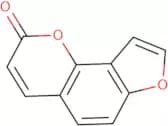
Fórmula:C8H6ClNPureza:Min. 98 Area-%Forma y color:Clear LiquidPeso molecular:151.59 g/molAngelicin
CAS:Angelicin is a furanocoumarin compound, which is derived from various plant sources, particularly within the Apiaceae family. The source of angelicin is often linked to traditional medicinal plants, where it is extracted and subsequently isolated for scientific investigation. Angelicin's mode of action involves intercalating within DNA strands, thereby affecting transcription and replication processes. This action is understood to be primarily photoactivated, leading to the formation of covalent bonds with DNA upon exposure to ultraviolet light, which can result in cross-linking.
Fórmula:C11H6O3Pureza:Min. 95%Forma y color:PowderPeso molecular:186.16 g/molRef: 3D-FA17920
Producto descatalogado3,4-diaza-5-(tert-butyl)-2-hydroxy-3-((4-methylphenyl)sulfonyl)tricyclo[6.4.0.0<2,6>]dodeca-1(8),4,9,11-tetraen-7-one
CAS:Please enquire for more information about 3,4-diaza-5-(tert-butyl)-2-hydroxy-3-((4-methylphenyl)sulfonyl)tricyclo[6.4.0.0<2,6>]dodeca-1(8),4,9,11-tetraen-7-one including the price, delivery time and more detailed product information at the technical inquiry form on this pagePureza:Min. 95%Ref: 3D-FD169677
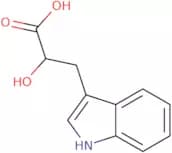
Producto descatalogadoDL-Indole-3-lactic acid
CAS:Indole-3-lactic acid is a plant hormone that is produced in the leaves of the plant when they are under stress. It has been shown to have activity against bowel diseases and metabolic disorders. Indole-3-lactic acid has been isolated from plants like Caproicum album, which is used in vitro to measure its effect on caproic acid production. This compound has also been detected in human serum and wastewater treatment. Indole-3-lactic acid inhibits tryptophan degradation by competing with indolecarboxylase for substrate. The effect of indole-3-lactic acid on dextran sulfate and glomerular filtration rate was studied using a rat model, where it was found that it had no significant effects.
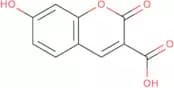
Fórmula:C11H11NO3Pureza:Min. 95%Forma y color:PowderPeso molecular:205.21 g/molUmbelliferone-3-carboxylic acid
CAS:Umbelliferone-3-carboxylic acid is a coumarin derivative, which is a type of natural or synthetic organic compound often utilized in biochemical research. It is sourced from modifications of natural coumarins, which are typically isolated from plants belonging to the Apiaceae family, such as parsley, celery, and carrots. This compound functions by interacting with cellular enzymes, providing a fluorescent probe that aids in the investigation of enzymatic activities and pathways.
Fórmula:C10H6O5Pureza:Min. 95%Forma y color:PowderPeso molecular:206.15 g/mol2-Phenyl-4-quinolinecarboxylic acid
CAS:2-Phenyl-4-quinolinecarboxylic acid is a nonsteroidal anti-inflammatory drug that is commonly used to treat bronchoconstrictor response and inflammatory bowel disease. It is also an antimicrobial agent, which can be used to treat infectious diseases. The compound was found to have structural similarity to other nonsteroidal anti-inflammatory drugs, such as ibuprofen and naproxen. 2-Phenyl-4-quinolinecarboxylic acid has shown the ability to inhibit leukemia inhibitory factor (LIF) production by lymphocytes, which may have a role in the development of leukemia. This drug also possesses antioxidative properties and has been shown to have high values in group P2 polymerase chain reactions.
Fórmula:C16H11NO2Pureza:Min. 98.5%Forma y color:PowderPeso molecular:249.26 g/molRef: 3D-FP44219
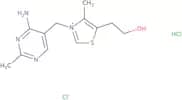
Producto descatalogadoThiamine hydrochloride
CAS:Thiamine hydrochloride is a water-soluble vitamin that belongs to the group of B vitamins. It has been used as a model system for investigating the phase transition temperature of fatty acids in biological membranes. In addition, it has been shown to enhance thermal expansion and improve chronic exposure in fetal bovine brain cells. Thiamine hydrochloride has also shown insecticidal activity against various species of insects, including the tobacco budworm and the Indianmeal moth. This drug has been found to be active against phytophagous insects that cause crop damage, such as Anthranilate and Pyridoxine Hydrochloride. Thiamine hydrochloride is involved in cellular metabolism by enhancing the conversion of l-lysine into succinic acid via an intermediate product called anthranilate. It also plays an important role in pyridoxal phosphate synthesis, which is essential for protein synthesis and tissue growth.
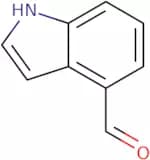
Fórmula:C12H18Cl2N4OSPureza:Min. 95%Forma y color:White Off-White PowderPeso molecular:337.27 g/molIndole-4-carboxaldehyde
CAS:Indole-4-carboxaldehyde is a natural compound that can be found in the acetate extract of the roots of Scopolia japonica. It has been shown to have an inhibitory effect on locomotor activity and may also have an inhibitory effect on protein synthesis. The mechanism of this inhibition is not yet known, but it may be due to an intramolecular hydrogen bond or other interactions with proteins. Indole-4-carboxaldehyde has also been shown to induce apoptotic cell death in 3T3-L1 preadipocytes by inducing mitochondrial dysfunction and oxidative stress.
Fórmula:C9H7NOForma y color:Off-White PowderPeso molecular:145.16 g/molRef: 3D-FI40250
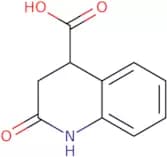
Producto descatalogado2-Oxo-1,2,3,4-tetrahydroquinoline-4-carboxylic acid
CAS:2-Oxo-1,2,3,4-tetrahydroquinoline-4-carboxylic acid is a carboxylic acid that is an intermediate in the chemical synthesis of 2H and 3H tetrahydroquinolines. It can be synthesized by the oxidation of 2-(N,N-dimethylamino)benzaldehyde with hydrogen peroxide in methanol. The compound has been used to label animals for use in mass spectrometry studies and as a reactant in electron and nuclear magnetic resonance (NMR) spectroscopy experiments. In addition, 2-oxo-1,2,3,4-tetrahydroquinoline-4-carboxylic acid has been used to study equilibrium and reversible reactions as well as to identify the abundances of different spectral peaks. 2-Oxo-1,2,3,4-tetrahydroquinoline-4Fórmula:C10H9NO3Pureza:Min. 95%Peso molecular:191.18 g/molAmodiaquine
CAS:Amodiaquine is a drug that belongs to the class of antimalarial agents. It is used for the treatment and prevention of malaria caused by erythrocytic forms of Plasmodium falciparum. Amodiaquine has shown synergistic effects with other drugs, such as sulfadoxine and pyrimethamine, for the treatment of malaria due to P. falciparum. The mechanism of action of amodiaquine is not well understood, but it may involve inhibition of the Toll-like receptor. Amodiaquine has been shown to inhibit polymerase chain reaction in a concentration-dependent manner and also inhibits polymorphonuclear leucocytes, which are important in innate immunity. In addition, amodiaquine is a hypoglycemic agent and can be used for the treatment of bowel disease.
Fórmula:C20H22ClN3OPureza:Min. 95%Forma y color:Off-White PowderPeso molecular:355.86 g/molRef: 3D-FC17879
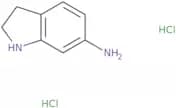
Producto descatalogado6-Aminoindoline dihydrochloride
CAS:Please enquire for more information about 6-Aminoindoline dihydrochloride including the price, delivery time and more detailed product information at the technical inquiry form on this page
Fórmula:C8H10N2•(HCl)2Pureza:Min. 95%Peso molecular:207.1 g/molRef: 3D-FA52349
Producto descatalogado


![3,4-diaza-5-(tert-butyl)-2-hydroxy-3-((4-methylphenyl)sulfonyl)tricyclo[6.4.0.0<2,6>]dodeca-1(8),4…](/_next/image/?url=https%3A%2Fstatic.cymitquimica.com%2Fproducts%2F3D%2Fthumb-webp%2FFD169677.webp&w=3840&q=75)