Compuestos policíclicos
Subcategorías de "Compuestos policíclicos"
- Acridinas(98 productos)
- Antraquinonas(533 productos)
- Ácidos antraquinonesulfónicos(16 productos)
- Azobencenos(270 productos)
- Azonaftalenos(98 productos)
- Azoxibencenos(12 productos)
- Azulenos(11 productos)
- Benzimidazoles(1.476 productos)
- Benzodioxanos(27 productos)
- Benzofuranos(928 productos)
- Benzotiofenos(701 productos)
- Benzotriazoles(438 productos)
- Binaftilos(133 productos)
- Carbazoles(464 productos)
- Cromanos, Cromatos(480 productos)
- Cumarinas(1.125 productos)
- Ciclofanos(11 productos)
- Fluorenos y fluorenonas(384 productos)
- Imidazopiridinas(10 productos)
- Indans(118 productos)
- Indazoles(2.038 productos)
- Indenes(22 productos)
- Indoles(3.986 productos)
- Indolines(119 productos)
- Isatinos(234 productos)
- Isobenzofuranos(17 productos)
- Ftalimidas N-sustituidas(153 productos)
- Naftalenos(2.438 productos)
- Naftiridinas(17 productos)
- Naftoquinona(2 productos)
- Perilenos(36 productos)
- Fenazinas(25 productos)
- Ftalazinas(33 productos)
- Ftalimida(153 productos)
- Hidrocarburos aromáticos policíclicos (HAP)(285 productos)
- Polifenol(270 productos)
- Pteridinas(52 productos)
- Pirenos(87 productos)
- Quinuclidina(1 productos)
- Tetracenos(7 productos)
Se han encontrado 4575 productos de "Compuestos policíclicos"
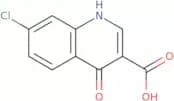
7-Chloro-4-hydroxyquinoline-3-carboxylic acid
CAS:7-Chloro-4-hydroxyquinoline-3-carboxylic acid is a chemical compound that has antioxidative activity and is used in the production of various organic substances. It is synthesized by reacting ammonium nitrate with a hydroxy group, an organic solvent, and phenoxy. The resulting product can be heated to form 7-chloro-4-hydroxyquinoline, which undergoes a series of reactions to produce 7-chloro-4-(2,2,2,-trichloroethoxy)quinoline. This reaction system produces a quinoline derivative that has been shown to be expressed at high levels in phosphatidylcholine (PC) and alpha-tocopherol (a vitamin E derivative). The final product is then purified by triethyl orthoformate (TEO), which removes the sulfoxide group.
Fórmula:C10H6ClNO3Pureza:Min. 95%Forma y color:PowderPeso molecular:223.61 g/molRef: 3D-FC44132
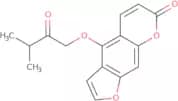
Producto descatalogadoIso-oxypeucedanin
CAS:Iso-oxypeucedanin is a naturally occurring furanocoumarin compound, which is isolated from various plant species, particularly those belonging to the Apiaceae family. It exhibits a range of biological activities, primarily attributable to its structural properties that allow it to interact with various molecular targets.
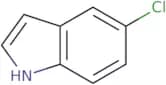
Pureza:Min. 95%5-Chloroindole
CAS:5-Chloroindole is a molecule that can bind to the CB2 cannabinoid receptor. It has been shown in experiments to be an allosteric modulator of this receptor. 5-Chloroindole has been found to have an inhibitory effect on degenerative diseases, such as Huntington's disease and Alzheimer's disease, and may have therapeutic potential for these disorders. 5-Chloroindole binds to a metal surface by forming hydrogen bonds with the oxygen atom of its carboxyl group and the metal surface. The nucleophilic nature of 5-chloroindole allows it to react with chloride ions present in solution. 5-Chloroindole reacts with the carbon source in tissue culture, which leads to receptor activity and inhibition of cell proliferation.
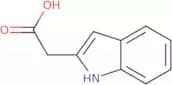
Fórmula:C8H6ClNForma y color:White PowderPeso molecular:151.59 g/molIndole-2-acetic acid
CAS:Indole-2-acetic acid is a coumarin derivative that is found in plants and is used as a dietary supplement. It has been shown to have an inhibitory effect on photosynthetic activity and the growth of bacteria, fungi, and protozoa. Indole-2-acetic acid can be produced by chemical reactions involving aromatic hydrocarbons such as benzene or dioxane. It also inhibits the production of insulin in vivo and has been shown to reduce insulin resistance in rats.
Fórmula:C10H9NO2Pureza:Min. 95%Forma y color:PowderPeso molecular:175.18 g/molRef: 3D-FI140750
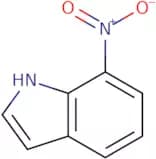
Producto descatalogado7-Nitroindole
CAS:7-Nitroindole is a hybridization analog of the base cytosine that has been used in biological studies. It has been shown to be active against microglia cells, which are involved in the inflammatory response. 7-Nitroindole's mechanism of action is not well understood; it may react with hydrochloric acid in the stomach to form nitrosamines and chloride ions, or it may react with hydrogen chloride to produce an ethyl ester. It also reacts with ethyl esters in the presence of light to form a photochemical reaction that generates fluorescence. The mechanism is not yet fully understood.
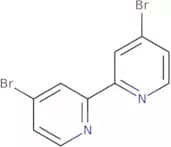
Fórmula:C8H6N2O2Forma y color:PowderPeso molecular:162.15 g/mol4,4'-Dibromo-2,2'-bipyridine
CAS:4,4'-Dibromo-2,2'-bipyridine is a nucleophilic compound that can react with a wide range of electrophiles. It has been used in medications as a thermally stable and non-toxic ligand for metal ions. 4,4'-Dibromo-2,2'-bipyridine is an efficient ligand for the coordination of many transition metals. This compound also has high values in light emission and is used in crystallography to study protein binding sites. The n-oxide form of 4,4'-dibromo-2,2'-bipyridine has biological properties that have not yet been studied.
Fórmula:C10H6Br2N2Pureza:Min. 97 Area-%Forma y color:PowderPeso molecular:313.98 g/molRef: 3D-FD06223
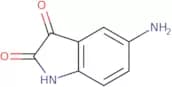
Producto descatalogado5-Aminoisatin
CAS:5-Aminoisatin is a serotonin receptor agonist and has been shown to have protective effects against liver cancer in vitro in human liver cancer cells. It also has a number of other biological activities, including anti-inflammatory, natriuretic, and leukemia inhibitory activities. 5-Aminoisatin interacts with the mitochondrial membrane and prevents cell death by inhibiting the opening of the mitochondrial permeability transition pore (MPTP). This activity may be due to its ability to form ternary complexes with ATP and the voltage sensor domain of the mitochondrial protein voltage dependent anion channel (VDAC). 5-Aminoisatin binds to both the alpha subunit and beta subunit of the calcium/calmodulin-dependent protein kinase II (CaMKII) enzyme. The binding of 5-aminoisatin to CaMKII leads to inhibition of phosphorylation at serine residue 397, which disrupts ATP binding.
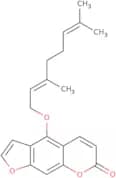
Fórmula:C8H6N2O2Pureza:(%) Min. 85%Forma y color:PowderPeso molecular:162.15 g/molBergamottin
CAS:Bergamottin is a furanocoumarin compound, which is primarily found in grapefruit juice and other citrus fruits. It is derived from natural sources, specifically within the fruit and peel of grapefruits. The mode of action of Bergamottin involves the inhibition of the cytochrome P450 enzymes, particularly CYP3A4, which play a significant role in the metabolism of various drugs. This inhibitory effect can alter the pharmacokinetics of certain medications by increasing their bioavailability.
Fórmula:C21H22O4Pureza:Min. 98 Area-%Forma y color:White PowderPeso molecular:338.4 g/molQuinolin-4-ylboronic acid
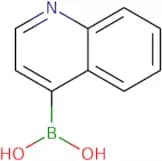
CAS:Quinolin-4-ylboronic acid is a heterocyclic compound with two nitrogen atoms that are attached to the ring by means of carbonyl groups. This compound is a precursor in the synthesis of the drug dorsomorphin, which is used for pain relief. It also has an important role in pharmacokinetics because it can be used as a marker for estimating blood levels of other drugs. Quinolin-4-ylboronic acid yields an active form, quinolin-4-yl boronic acid, when reacted with piperazine in basic conditions. The drug ldn-193189 is a derivative of this active form and has been evaluated as a potential drug for treating osteoporosis and cancer.
Fórmula:C9H8BNO2Pureza:Min. 95 Area-%Forma y color:PowderPeso molecular:172.98 g/mol2-Aminoacridone
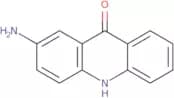
CAS:2-Aminoacridone is a fluorescent dye. The applications of 2-Aminoacridone are extensive in biochemical and analytical research. It is commonly employed in glycoprotein and glycoconjugate studies, leveraging its high sensitivity and specificity in detecting saccharide structures. Researchers utilize this dye in various assays, including high-performance liquid chromatography (HPLC) and electrophoresis, to analyze carbohydrate content and structure. Its role is critical in advancing our understanding of carbohydrate-related biological processes, such as cell signaling and disease pathogenesis, facilitating developments in both diagnostics and therapeutic strategies.
Fórmula:C13H10N2OPureza:Min. 95%Forma y color:PowderPeso molecular:210.23 g/mol1-Methyl-1H-indole-2,3-dione
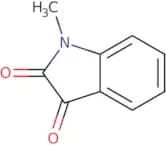
CAS:1-Methyl-1H-indole-2,3-dione is a chemical compound that belongs to the class of indole derivatives. It can be synthesized by reacting 2,3-dihydroxybenzaldehyde with 2,2'-azobis(2-amidinopropane) dihydrochloride and methyl iodide in the presence of copper (II) acetate. This reaction mechanism is similar to that of other reactions involving an intramolecular hydrogen transfer. The binding constants for 1-methyl-1H-indole-2,3-dione are very high and this compound has been shown to inhibit herpes simplex virus replication in vitro. 1MIDD binds to the active site of tryptophan fluorescence and synchronous fluorescence proteins. 1MIDD also binds to copper ions in a coordination geometry that is similar to that found for other compounds containing a carbonyl group.
Fórmula:C9H7NO2Pureza:Min. 95%Forma y color:PowderPeso molecular:161.16 g/molRef: 3D-FM125542
Producto descatalogadoBis(2,2'-bipyridine)-4'-methyl-4-carboxybipyridine-ruthenium N-succinimidyl ester-bis(hexafluorophosphate)
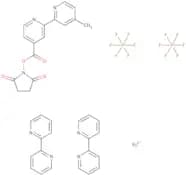
CAS:Bis(2,2'-bipyridine)-4'-methyl-4-carboxybipyridine-ruthenium N-succinimidyl ester-bis(hexafluorophosphate) is a molecule that inhibits the activity of matrix metalloproteinases. It binds to the active site of the enzyme and blocks its activity. This drug has been shown to be effective in inhibiting the activity of MMPs in cells, but not in tissue culture because it does not cross cell membranes. Bis(2,2'-bipyridine)-4'-methyl-4-carboxybipyridine-ruthenium N-succinimidyl ester-bis(hexafluorophosphate) has also been shown to have a low detection limit and can detect low levels of matrix metalloproteinase activity in cells.
Fórmula:C36H29F12N7O4P2RuPureza:Min. 95%Forma y color:PowderPeso molecular:1,014.66 g/molRef: 3D-FB29197
Producto descatalogadoXanthine
CAS:Xanthine is a reactive, oxidized form of purine. It is found in the human body as a product of xanthine oxidase (XO) metabolism of xanthine and hypoxanthine. Xanthine is known to have antioxidant properties and has been shown to inhibit the activity of xanthine oxidase in vitro. Xanthine, when combined with other anticancer drugs such as doxorubicin, can be used as an anticancer agent. This drug has been shown to cause oxidative injury in humans and animal models at physiological levels.
Fórmula:C5H4N4O2Pureza:Min. 98 Area-%Forma y color:Off-White PowderPeso molecular:152.11 g/molRef: 3D-FX01318
Producto descatalogado4-Chloro-5-ethylisatin
CAS:4-Chloro-5-ethylisatin is a fine chemical that can be used as a versatile building block in the synthesis of complex compounds. It has been shown to be a useful intermediate and reaction component for the preparation of high quality reagents. 4-Chloro-5-ethylisatin is commercially available from Sigma Aldrich, catalog number 1379340-45-0.
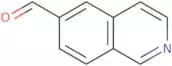
Fórmula:C10H8ClNO2Pureza:Min. 95%Peso molecular:209.63 g/molIsoquinoline-6-carbaldehyde
CAS:Isoquinoline-6-carbaldehyde is a fine chemical that belongs to the group of research chemicals. It can be used as a reagent for organic synthesis, a speciality chemical, or a building block in complex organic molecules. Isoquinoline-6-carbaldehyde is also an intermediate for the synthesis of many pharmaceuticals and other useful compounds. Isoquinoline-6-carbaldehyde has been shown to react with 2-aminoethanol to form (2E)-3-(4-(1,1'-biphenyl)-2-yl)butanal, which is an important reaction component in the synthesis of nitroaromatics. Isoquinoline-6-carbaldehyde is also a versatile scaffold for the synthesis of other fine chemicals.
Fórmula:C10H7NOPureza:Min. 95%Forma y color:SolidPeso molecular:157.17 g/molRef: 3D-FI53537
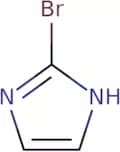
Producto descatalogado2-Bromo-1H-imidazole
CAS:2-Bromo-1H-imidazole is an environmental pollutant that has been detected in the atmosphere, water, and soil. It is used as a pesticide and has been found to be an impurity in biphenyl. 2-Bromo-1H-imidazole can be used as a substrate for the Suzuki coupling reaction or as a starting material for the synthesis of imidazole derivatives. The compound spontaneously fragments under acidic conditions to form nitric acid and hydrogen bromide. 2-Bromo-1H-imidazole has been shown to inhibit hepatitis C virus (HCV) replication and induce cancer cell apoptosis in vitro.
2-Bromo-1H-imidazole is also known to cause DNA fragmentation in cells through oxidation by reactive oxygen species or through spontaneous decomposition of the molecule into acid, bromine radicals, and ammonia.Fórmula:C3H3BrN2Pureza:Min. 95%Forma y color:PowderPeso molecular:146.97 g/molRef: 3D-FB12791
Producto descatalogado6-Fluoroindole-3-acetic acid
CAS:6-Fluoroindole-3-acetic acid is a molecule that has been synthesized by the reaction of 6-fluoroindole with acetic anhydride. When mixed with acetonitrile, the fluorescence of 6-fluoroindole-3-acetic acid can be seen in the solution. The fluorescence intensity is proportional to the concentration of this molecule. 6-Fluoroindole-3-acetic acid is used as a template molecule for fluorescence labeling experiments. It interacts with hormones and can be used to identify their conformations and interactions. This compound has been shown to have anticancer properties in mice, and it may also be effective against cancer cells in humans. It has also been shown to inhibit the growth of pisum sativum (pea).
Fórmula:C10H8FNO2Pureza:Min. 95%Forma y color:PowderPeso molecular:193.17 g/mol6-Nitroquinoline
CAS:6-Nitroquinoline is a nucleophilic compound that reacts with nitroalkanes to form alkyl nitrites. It undergoes a bioreductive reaction, in which it is reduced to the corresponding amine by hydrogen peroxide and ammonia. 6-Nitroquinoline contains functional groups that can act as either electron donors or electron acceptors and is therefore reactive towards other compounds. The reaction mechanism involves nucleophilic attack at the carbon atom in the ring of the 6-nitroquinoline molecule, resulting in an addition product. 6-Nitroquinoline has been shown to react with fluorophores such as fluorescein, forming a fluorescent product that can be detected by spectroscopy. This chemical can also form hydrogen bonds with other molecules, which are important for its reactivity. The reaction products of this compound are nitrite and quinolines where one or more of the nitrogens have been oxidized to nitro groups.
ENDFórmula:C9H6N2O2Pureza:Min. 95%Forma y color:White PowderPeso molecular:174.16 g/molRef: 3D-FN31115
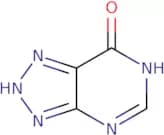
Producto descatalogado8-Azahypoxanthine
CAS:8-Azahypoxanthine is a hydroxyl analog of hypoxanthine. It contains a nitrogen atom in place of the oxygen atom on the 2-position. 8-Azahypoxanthine has been shown to be an effective inhibitor of purine biosynthesis in yeast cells and can be used as a replacement for xanthine during the synthesis of adenosine triphosphate (ATP) from uracil. 8-Azahypoxanthine was found to have good detection sensitivity, with an estimated detection limit of 0.2 µM. The optimum pH for this compound is 7.8, which is similar to that of wild type strain and tissue culture media. Mutants resistant to 8-azahypoxanthine were generated by exposure to high concentrations (>100 mM) for long periods (>2 days). Mutant strains showed no detectable enzyme activity against orotic acid or glycosidic bond formation with erythromycin
Pureza:Min. 95%Forma y color:PowderPeso molecular:137.1 g/molRef: 3D-FA03012
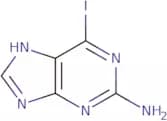
Producto descatalogado2-Amino-6-iodopurine
CAS:2-Amino-6-iodopurine is an analog of the purine nucleoside guanine, which has been used to synthesize a variety of boronic acids. The most common use for 2-amino-6-iodopurine is in the synthesis of benzylboronic acid, which can be used as an organometallic reagent in organic synthesis. This compound also has dehydrogenase activity and has been shown to catalyze the conversion of benzoic acid to benzaldehyde, mediated by NADH. 2-Amino-6-iodopurine is found in the biosynthesis of ribonucleotides and deoxyribonucleotides, where it reacts with chloride ions and phosphate groups to form adenylate and xanthosine monophosphates.
Fórmula:C5H4IN5Pureza:Min. 95%Forma y color:PowderPeso molecular:261.02 g/molRef: 3D-FA08193
Producto descatalogado