Compuestos policíclicos
Subcategorías de "Compuestos policíclicos"
- Acridinas(98 productos)
- Antraquinonas(534 productos)
- Ácidos antraquinonesulfónicos(16 productos)
- Azobencenos(270 productos)
- Azonaftalenos(98 productos)
- Azoxibencenos(12 productos)
- Azulenos(11 productos)
- Benzimidazoles(1.476 productos)
- Benzodioxanos(27 productos)
- Benzofuranos(928 productos)
- Benzotiofenos(701 productos)
- Benzotriazoles(438 productos)
- Binaftilos(133 productos)
- Carbazoles(464 productos)
- Cromanos, Cromatos(482 productos)
- Cumarinas(1.137 productos)
- Ciclofanos(11 productos)
- Fluorenos y fluorenonas(384 productos)
- Imidazopiridinas(10 productos)
- Indans(118 productos)
- Indazoles(2.043 productos)
- Indenes(22 productos)
- Indoles(4.022 productos)
- Indolines(119 productos)
- Isatinos(234 productos)
- Isobenzofuranos(17 productos)
- Ftalimidas N-sustituidas(154 productos)
- Naftalenos(2.440 productos)
- Naftiridinas(17 productos)
- Naftoquinona(2 productos)
- Perilenos(36 productos)
- Fenazinas(25 productos)
- Ftalazinas(33 productos)
- Ftalimida(154 productos)
- Hidrocarburos aromáticos policíclicos (HAP)(566 productos)
- Polifenol(270 productos)
- Pteridinas(52 productos)
- Pirenos(87 productos)
- Quinuclidina(1 productos)
- Tetracenos(7 productos)
Se han encontrado 4585 productos de "Compuestos policíclicos"
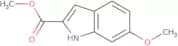
6-Methoxyindole-2-carboxylic acid methyl ester
CAS:6-Methoxyindole-2-carboxylic acid methyl ester is a pyrroloquinoline alkaloid with cytotoxic and antiproliferative activities. It inhibits the growth of cancer cells in culture by inducing apoptosis and cell cycle arrest. 6-Methoxyindole-2-carboxylic acid methyl ester has been shown to be effective against breast cancer cell lines in vitro and to inhibit the proliferation of breast cancer cells in vivo. This compound also inhibits the growth of a number of other cancer cell lines such as prostate, colon, lung, liver, stomach, and leukemia. The mechanism of action for this compound is thought to be due to its ability to act as an intramolecular quencher of reactive oxygen species (ROS) or as an inhibitor of DNA synthesis through inhibition of ribonucleotide reductase activity.
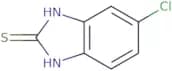
Fórmula:C11H11NO3Pureza:Min. 95%Forma y color:PowderPeso molecular:205.21 g/mol5-Chloro-2-mercaptobenzimidazole
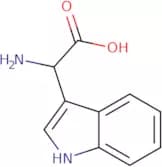
CAS:5-Chloro-2-mercaptobenzimidazole is an inorganic base that is used as a microscopy reagent. It has been shown to have a transfer mechanism that is similar to the hydrogen ion transfer mechanism. 5-Chloro-2-mercaptobenzimidazole has been used in vivo assays and has functional groups that are important for its use in coatings and aluminum oxide. The molecule also contains chlorine atoms, which are important for its use in chlorination reactions. 5-Chloro-2-mercaptobenzimidazole can be used in voltammetry to test samples of organic compounds (e.g., casein) and has been shown to be effective against the Gram positive bacterium Staphylococcus aureus.Fórmula:C7H5ClN2SPureza:Min. 98.5 Area-%Forma y color:Off-White PowderPeso molecular:184.65 g/molD,L-3-Indolylglycine
CAS:D,L-3-Indolylglycine is a fine chemical that is a versatile building block in organic synthesis. It is used as a reagent and reaction component in the manufacture of pharmaceuticals and other useful compounds. D,L-3-Indolylglycine has been shown to be useful for the synthesis of beta-carbolines, indole alkaloids and cyclic peptides. This compound has also been found to have anti-inflammatory properties.Fórmula:C10H10N2O2Pureza:Min. 95%Forma y color:PowderPeso molecular:190.2 g/mol1-(5-Isoquinolinesulfonyl)piperazine hydrochloride
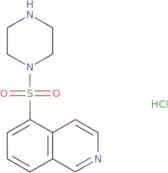
CAS:1-(5-Isoquinolinesulfonyl)piperazine hydrochloride (1-ISOQ-PIP) is a chemical compound that has been shown to inhibit the growth of leukemia cells. It inhibits the expression of leukemia inhibitory factor, which may be due to its ability to introduce modifications into the sequence of DNA. 1-ISOQ-PIP also inhibits pluripotent stem cells and induces adipocyte differentiation. This substance can be used for cancer treatment by inhibiting the growth of leukemia cells and inducing differentiation.Fórmula:C13H16ClN3O2SPureza:Min. 95%Forma y color:PowderPeso molecular:313.8 g/mol5-Methoxyindole-3-acetonitrile
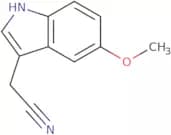
CAS:5-Methoxyindole-3-acetonitrile is a synthetic compound used as a reference for the synthesis of melatonin. It is produced by the addition of magnesium to 5-methoxyindole, followed by reaction with cyanide and nitrile. The synthesis of this compound was first published in 1938 and has since been used as a reference for many other studies. It has been shown that 5-methoxyindole-3-acetonitrile has high performance liquid chromatography properties, with a linear range from 0.5 to 50 mg/mL and an ultraviolet spectrum that falls within the region between 220 nm and 400 nm. A molecular modeling study was conducted on this compound, which showed that it conforms with 4-hydroxy indole ring systems found in natural products such as tryptophan and serotonin. This product also has fluorescent properties, which are caused by its electron withdrawing group (cyano).Fórmula:C11H10N2OPureza:Min. 95%Forma y color:PowderPeso molecular:186.21 g/mol4,4'-Bis(bromomethyl)-2,2'-bipyridine
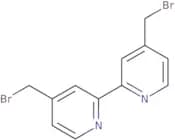
CAS:4,4'-Bis(bromomethyl)-2,2'-bipyridine is a cyclic molecule that can be synthesized by the reaction of 4-bromo-2,2'-bipyridine with a brominating agent. It is used as a precursor to ruthenium catalysts in organic synthesis, and as an additive in dendrimers. The compound has been shown to have light absorption properties and can be used in photovoltaics and electropolymerization.Fórmula:C12H10N2Br2Pureza:Min. 95%Forma y color:PowderPeso molecular:342.03 g/mol6,7,8-Trimethoxycoumarin
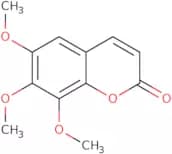
CAS:6,7,8-Trimethoxycoumarin is a methoxylated coumarin compound, which is a derivative of the natural product coumarin. It is primarily sourced from certain plant species where methoxylation occurs naturally as part of plant secondary metabolism. The compound exhibits interesting properties due to its structural modifications, particularly in its potential interactions with biological molecules.Fórmula:C12H12O5Pureza:Min. 95%Forma y color:PowderPeso molecular:236.22 g/mol5,7-Dihydroxy-4-methylcoumarin monohydrate
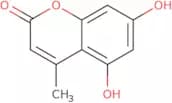
CAS:5,7-Dihydroxy-4-methylcoumarin monohydrate is an organic chemical compound, specifically a type of coumarin derivative. Coumarins are a class of naturally occurring aromatic compounds that are found in various plant sources, such as tonka beans, sweet clover, and other botanicals. This particular compound, with its distinct hydroxyl and methyl groups, falls under the broader category of hydroxycoumarins, which are of significant interest in biochemical research due to their various functional properties.Fórmula:C10H8O4•H2OPureza:Min. 95%Forma y color:Off-White Yellow PowderPeso molecular:210.18 g/molHalquinol, mixture of 5,7-Dichloro-8-quinolinol, 5-Chloro-8-quinolinol, 7-Chloro-8-quinolinol and 8-Hydroxyquinoline
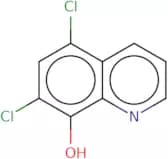
CAS:Halquinol, a mixture of 5,7-dichloro-8-quinolinol, 5-chloro-8-quinolinol, 7-chloro-8-quinolinol and 8-hydroxyquinoline, is an important intermediate in organic synthesis. It has been used as a reagent in the synthesis of a variety of complex compounds. Halquinol has also been used as a building block for the synthesis of many other chemical products. The CAS number for halquinol is 806769-4.Fórmula:C18H11Cl3N2O2Pureza:Min. 95%Forma y color:Off-White PowderPeso molecular:393.65 g/molFuril
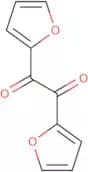
CAS:Furil is a pharmaceutical preparation used for the treatment of metabolic disorders, such as hypertension and diabetes. Furil is an inhibitor of the enzyme acyl coenzyme A: diacylglycerol acyltransferase-2 (DGAT-2) which catalyses the formation of triacylglycerols from diacylglycerol and free fatty acids. Furil has been shown to have potent inhibitory activity against DGAT-2, with an IC50 value of 0.5 μM. Furil also inhibits the enzyme phosphodiesterase 4B (PDE4B), which plays a role in signal transduction and inflammation. Furil can be synthesized by reacting hydrogen chloride with 2-bromoacetophenone in a nonpolar solvent to form 2,4-dichlorobenzoyl chloride, followed by reaction with 3-furancarboxylic acid in methanol to produce furil. FurilFórmula:C10H6O4Pureza:Min. 95%Forma y color:Beige PowderPeso molecular:190.15 g/mol3-Amino-5-nitroindazole
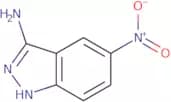
CAS:3-Amino-5-nitroindazole is an anticancer drug that inhibits the growth of cancer cells. It has been shown to inhibit the growth of cancer cells by blocking the synthesis and repair of DNA, leading to cell death. 3-Amino-5-nitroindazole also blocks the production of new proteins, which are needed for cell division. This drug also acts on pathways that are important for tumor development and progression, such as signaling pathways and transcription factors. This compound has been shown to be selective against human squamous cell carcinoma cells and has been studied in combination with other anticancer drugs in clinical trials.
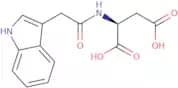
Fórmula:C7H6N4O2Pureza:Min. 95%Forma y color:SolidPeso molecular:178.15 g/molIndole-3-acetyl-L-aspartic acid
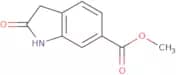
CAS:Indole-3-acetyl-L-aspartic acid, also known as 3IAA or IAA, is a naturally occurring amino acid. It is used in the study of plant physiology and serves as a substrate for ATP synthesis. 3IAA is synthesized from tryptophan by the enzyme indole acetyltransferase. The kinetic data obtained with 3IAA can be used to compare the effects of light exposure on ATP levels in plants. Indole-3-acetyl-L-aspartic acid inhibits cell growth and induces apoptosis, which may be due to its ability to inhibit protein synthesis by preventing RNA and DNA synthesis. This compound has been shown to have surface membrane inhibiting properties, which may be due to its ability to cross the plasma membrane.Fórmula:C14H14N2O5Pureza:Min. 95%Forma y color:White PowderPeso molecular:290.27 g/molMethyl 2-oxoindole-6-carboxylate
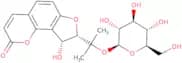
CAS:Intermediate in the synthesis of nintedanibFórmula:C10H9NO3Pureza:Min. 98 Area-%Forma y color:PowderPeso molecular:191.18 g/molApterin
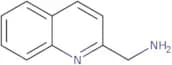
CAS:Apterin is a naturally occurring compound, classified as a coumarin derivative, which is isolated from members of the Apiaceae family. Its source is primarily derived from plant species known for their therapeutic properties.Fórmula:C20H24O10Pureza:Min. 95 Area-%Forma y color:White PowderPeso molecular:424.4 g/molQuinolin-2-yl-methylamine
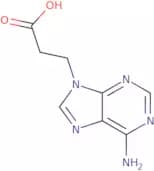
CAS:Quinolin-2-yl-methylamine is an amine that is used in the synthesis of other compounds. It can be prepared by protonation of quinoline with methylamine, followed by crystallization. The yield of this reaction is dependent on the purity of the starting materials and the reaction conditions. This compound has a molecular weight of 169.07 g/mol and a melting point at 217 °C. The infrared spectrum for Quinolin-2-yl-methylamine shows peaks at 2900 cm−1, 1670 cm−1, and 1590 cm−1. It also has x-ray crystallography data (space group P21/c).Fórmula:C10H10N2Pureza:Min. 96 Area-%Forma y color:PowderPeso molecular:158.2 g/mol6-Amino-9H-purine-9-propanoic acid
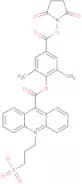
CAS:6-Amino-9H-purine-9-propanoic acid is an acid lactam that belongs to the class of dihedral molecules. It is a colorless solid that crystallizes in plates, which have been shown to have a strong affinity for ammonium ions. 6-Amino-9H-purine-9-propanoic acid has been shown to be a substrate for the enzyme purine nucleoside phosphorylase, which catalyzes the phosphorolysis of nucleosides with the release of inorganic phosphate and ribose 5'-phosphate. The molecule can also react with electron radiation to form gamma rays, which may lead to its use as a molecular probe.Fórmula:C8H9N5O2Pureza:Min. 95%Forma y color:PowderPeso molecular:207.19 g/mol2',6'-Dimethylcarbonylphenyl-10-sulfopropylacridinium-9-carboxylate 4'-NHS ester
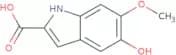
CAS:2',6'-Dimethylcarbonylphenyl-10-sulfopropylacridinium-9-carboxylate 4'-NHS ester is a chemiluminescent acridinium ester label used widely in clinical diagnostics, particularly in automated immunochemistry analysers. Acridinium ester labels are also useful research tools for the investigation of protein-carbohydrate interactions to characterise the binding affinity between specific carbohydrate and its binding protein. An example of those are lectin-acridinium ester conjugates used as chemiluminescent probes.Fórmula:C30H26N2O9SPureza:Min. 95 Area-%Forma y color:Yellow PowderPeso molecular:590.6 g/mol5-Hydroxy-6-methoxyindole-carboxylic acid
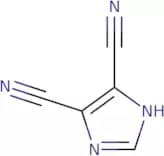
CAS:5-Hydroxy-6-methoxyindole-carboxylic acid (5-HMICA) is a molecule that is found in the pericardium and urine of patients with cancer. 5-HMICA has been shown to suppress tumor growth and activate cell mediated cytotoxicity in vitro. It also induces T helper type 1 (Th1) immune responses, which are associated with the production of cytokines such as interferon gamma and tumor necrosis factor alpha.Fórmula:C10H9NO4Forma y color:PowderPeso molecular:207.18 g/mol4,5-Dicyanoimidazole
CAS:Please enquire for more information about 4,5-Dicyanoimidazole including the price, delivery time and more detailed product information at the technical inquiry form on this page
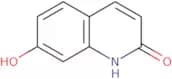
Fórmula:C5H2N4Pureza:Min. 98 Area-%Forma y color:White Off-White PowderPeso molecular:118.1 g/mol7-Hydroxyquinoline-(1H)-2-one
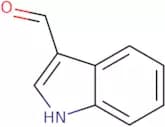
CAS:7-Hydroxyquinoline-(1H)-2-one is a quinoline derivative that binds to epidermal growth factor (EGF) receptors. It has been shown to inhibit the chloride current in neurons, which may be due to its ability to bind to the dopamine receptors in these cells. 7-Hydroxyquinoline-(1H)-2-one also inhibits DNA and protein synthesis by binding to nucleophilic nitrogen atoms and protonated nitrogen atoms, respectively. It has been shown to have an inhibitory effect on cancer cell growth in control experiments. This drug is not active against normal cells because it does not bind well to them. 7-Hydroxyquinoline-(1H)-2-one binds with high affinity to piperazine and this interaction can be used as a fluorescent probe for the presence of quinoline derivatives.Fórmula:C9H7NO2Pureza:Min. 95%Forma y color:PowderPeso molecular:161.16 g/molIndole-3-carboxaldehyde
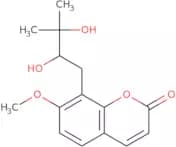
CAS:Indole-3-carboxaldehyde is a chemical compound that is used as an antimicrobial agent. The biological properties of this compound are not well studied, but it has been shown to be effective against bacteria and fungi. Indole-3-carboxaldehyde has been shown to inhibit the enzyme activity of sodium carbonate, which is involved in the production of lactic acid in bacteria. This effect may contribute to its antibacterial activity. Indole-3-carboxaldehyde is also a potential anticancer agent because it can bind to toll-like receptor 4 (TLR4). Indole-3-carboxaldehyde reacts with sulfa drugs through a mechanism similar to the reaction between hydrogen peroxide and potassium permanganate. It has been shown that indole-3-carboxaldehyde can be used as a pesticide for plants and as an electrochemical impedance spectroscopy probe for histological analysis.Fórmula:C9H7NOForma y color:PowderPeso molecular:145.16 g/molMeranzin
CAS:Meranzin is a bioactive compound, which is a naturally occurring coumarin derivative found in various citrus fruits. Its source lies primarily in the peels and seeds of specific citrus species, notably within the Rutaceae family. The mode of action of Meranzin involves the inhibition of acetylcholinesterase, thereby influencing neurotransmitter activity, specifically in the modulation of acetylcholine levels. This action can have significant implications in research focused on neurodegenerative disorders.
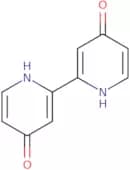
Fórmula:C15H16O4Pureza:Min. 98 Area-%Forma y color:PowderPeso molecular:260.29 g/mol4,4'-Dihydroxy-2,2'-bipyridine
CAS:4,4'-Dihydroxy-2,2'-bipyridine is a metallo-organic compound that can be used as a homogeneous catalyst for the oxidation of hydroxyl groups. It is also used in cancer research because it has been shown to inhibit tumor cell proliferation and induce apoptosis. 4,4'-Dihydroxy-2,2'-bipyridine is an activated form of 2,2'-bipyridyl with a hydroxyl group on its ortho position. It can be prepared by reacting bromine with the metal salt of 2-hydroxybenzaldehyde in the presence of sodium hydroxide. This reaction produces two products: 4,4'-dihydroxy-2,2'-bipyridine and 2-bromoethanol. The deuterium isotope is used for nuclear magnetic resonance spectroscopy studies because it has a spin quantum number of one and does not cause chemical shift
Fórmula:C10H8N2O2Pureza:Min. 98 Area-%Forma y color:White PowderPeso molecular:188.18 g/mol7-Methylindole-3-acetic acid
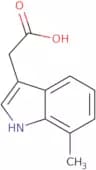
CAS:7-Methylindole-3-acetic acid is a metabolite of indomethacin. It is excreted in the urine and has been found to be present in the tissues of monkeys. 7-Methylindole-3-acetic acid is excreted by the kidneys and it is not known how much of this compound is reabsorbed into the body. 7-Methylindole-3-acetic acid can be metabolized to form other metabolites, including 2,4,5,6 tetrahydropyridine (2,4,5,6 THP), which has been shown to produce DNA damage in rats. The metabolites are then excreted from the body through urination and feces.Fórmula:C11H11NO2Pureza:Min. 95%Peso molecular:189.21 g/molIndole
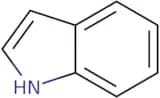
CAS:Indole is a nitrogen-containing heterocyclic aromatic organic compound. Copper chloride in the presence of trifluoroacetic acid and indole gives rise to an indolenine derivative, which reacts with nitrogen atoms to form a copper nitride. This reaction is used as a model system for biological properties of indole. Indolenine has been shown to have bone cancer prevention and treatment effects in mice, and may also be beneficial in autoimmune diseases and metabolic disorders, due to its ability to inhibit toll-like receptor signaling pathways. The wild-type strain has shown resistance to antibiotics, which can be overcome by using mutant strains that are resistant to antibiotic treatments.Fórmula:C8H7NPureza:Min. 95 Area-%Forma y color:Off-White PowderPeso molecular:117.15 g/molMethyl (1R,2S,3S,5S)-3-(4-Fluorophenyl)-8-[(E)-3-Iodoprop-2-Enyl]-8-Azabicyclo[3.2.1]Octane-2-Carboxylate
CAS:Producto controladoMethyl (1R,2S,3S,5S)-3-(4-fluorophenyl)-8-[(E)-3-iodoprop-2-enyl]-8-azabicyclo[3.2.1]octane-2-carboxylate is an imaging agent that is used to diagnose and treat bowel diseases. It has pharmacokinetic properties that allow for a more accurate diagnosis of eye disorders and bowel disease. Methyl (1R,2S,3S,5S)-3-(4-fluorophenyl)-8-[(E)-3-iodoprop-2-enyl]-8-azabicyclo[3.2.1]octane-2-carboxylate is a DPPIV inhibitor that modulates the dopamine transporter in the brain by binding to its extracellular site of action on dopamine transporter proteins and blocking the reuptake of dopamine into the presFórmula:C18H21FINO2Pureza:Min. 95%Peso molecular:429.27 g/mol5,7-Dibromo-8-hydroxyquinoline
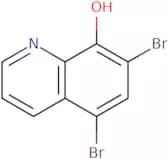
CAS:5,7-Dibromo-8-hydroxyquinoline is a cytotoxic agent that has been shown to inhibit the growth of xenograft tumor cells. It was found to be effective in inhibiting the mitochondrial membrane potential and decrease the rate of cell proliferation. 5,7-Dibromo-8-hydroxyquinoline also showed significant cytotoxicity against carcinoma cell lines, with no effect on normal human fibroblast cells. The drug is an organophosphate compound that inhibits fatty acid synthesis by binding to an enzyme involved in fatty acid biosynthesis. This inhibition causes diarrhoea and sodium salt loss. 5,7-Dibromo-8-hydroxyquinoline can be extracted from hydrochloric acid through a solvent extraction process.Fórmula:C9H5Br2NOPureza:Min. 95%Forma y color:PowderPeso molecular:302.95 g/molN-Nitroso-3-azabicyclo[3.3.0]octane
CAS:N-Nitroso-3-azabicyclo[3.3.0]octane is a nitrosating agent that can be used for the determination of gliclazide in pharmaceuticals and other applications. It is synthesized by reacting 3-azabicyclo[3.3.0]octane with sodium nitrite in an alkaline environment, followed by hydrolysis with hydrochloric acid. Nitrosation reactions are usually slow, but N-nitroso-3-azabicyclo[3.3.0]octane has been shown to have a fast reaction kinetics, which makes it useful for the determination of gliclazide in pharmaceuticals and other applications. The product is analyzed using chromatographic techniques such as high performance liquid chromatography (HPLC) or gas chromatography/mass spectrometry (GC/MS). The product was found to be linear over the range of 0–
Fórmula:C7H12N2OPureza:Min. 95%Forma y color:Colorless PowderPeso molecular:140.18 g/mol4'-(4-Methylphenyl)-2,2':6',2''-terpyridine
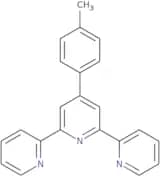
CAS:4'-(4-Methylphenyl)-2,2':6',2''-terpyridine (TPEN) is a chemical compound with anti-cancer properties that has been shown to induce apoptosis in cancer cells. TPEN also inhibits the growth of tumor cells by interacting with mitochondria and inducing mitochondrial dysfunction. TPEN synergistically induces death in neuronal cells when combined with other agents that are known to cause neuronal cell death. In vivo studies have shown that TPEN produces neuroprotective effects at normoxic temperatures, but can be toxic at hyperthermic temperatures.Fórmula:C22H17N3Pureza:Min. 95%Forma y color:PowderPeso molecular:323.39 g/mol1-Acetyl-5-bromoindole
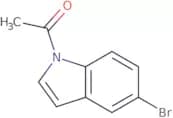
CAS:1-Acetyl-5-bromoindole is a high quality reagent that is useful as an intermediate in the synthesis of a wide range of complex compounds. It can be used as a speciality chemical for research purposes or to make other chemicals. 1-Acetyl-5-bromoindole is also needed for the synthesis of indoles, which are useful scaffolds and building blocks in organic chemistry. This compound can be used to form reactions with other chemical compounds and can be used to create versatile building blocks.Fórmula:C10H8BrNOPureza:Min. 95%Forma y color:SolidPeso molecular:238.08 g/molIsosibiricin
CAS:Isosibiricin is a naturally occurring lignan, which is extracted from certain plant sources. This compound is derived from the genus Daphne, traditionally known for its diverse range of biologically active constituents. Its mode of action is primarily through the modulation of key signaling pathways involved in cell proliferation and apoptosis. Isosibiricin exhibits notable inhibitory effects on specific enzymes and receptors implicated in oncogenic processes, making it a subject of interest for cancer research.
Fórmula:C16H18O5Pureza:Min. 95%Forma y color:PowderPeso molecular:290.31 g/mol5,5'-Diamino-2,2'-bipyridine
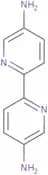
CAS:5,5'-Diamino-2,2'-bipyridine is an acidic metalloporphyrin that has been shown to react with epoxides to form nucleophilic adducts. This compound can be used as a ligand for lanthanide ions and reacts with aminopyridine to form bromoethane. 5,5'-Diamino-2,2'-bipyridine has been shown to have carcinogenic properties and may induce bromoethane mutagenicity in the liver. This compound is also mutagenic when added to propylene carbonate. 5,5'-Diamino-2,2'-bipyridine is luminescent in air or water when exposed to UV light.
Fórmula:C10H10N4Pureza:Min. 97 Area-%Forma y color:PowderPeso molecular:186.21 g/mol7-Fluoroisatin
CAS:7-Fluoroisatin is a crystalline compound that can exist as two different polymorphs. The metastable form of 7-fluoroisatin has been shown to have low energy vibrations and hydrogen bonding interactions, which are responsible for the intermolecular hydrogen bonding. 7-Fluoroisatin also has a tautomeric form that exists as a hydrochloride salt, which is not stable in the solid state. The protonated form of 7-fluoroisatin has been shown to be an excellent hydrogen bond acceptor, with the ability to stabilize long range interactions.Fórmula:C8H4FNO2Pureza:Min. 95%Forma y color:SolidPeso molecular:165.12 g/molIndole-3-glyoxylamide
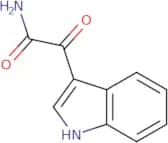
CAS:Indole-3-glyoxylamide is a synthetic compound that was originally developed as a potential anti-cancer drug. It has been shown to inhibit glycogen synthase kinase 3 (GSK-3) and thereby reduce the production of proinflammatory cytokines in bowel disease. Indole-3-glyoxylamide also inhibits inflammatory bowel disease by inhibiting secretory phospholipase A2, which prevents the release of arachidonic acid from phospholipids. This synthesis is required for the production of prostaglandins and leukotrienes, which are involved in the inflammatory process. The compound has been shown to have immunomodulatory effects in chronic bronchitis, with an inhibitory effect on neutrophil chemotaxis, macrophage activity, and cytokine production. Indole-3-glyoxylamide has also been shown to be effective against cancer cells in vitro and in vivo animal models. It is metabolized through
Fórmula:C10H8N2O2Pureza:Min. 95%Forma y color:PowderPeso molecular:188.18 g/mol7-Azaindole
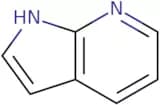
CAS:7-Azaindole is a reactive chemical that has been shown to be effective in the treatment of skin cancer, as well as hepatic steatosis. The compound can promote the transfer of hydrogen atoms and form a dimer with protonated nitrogen. 7-Azaindole reacts rapidly with nucleophiles such as amines, alcohols, and thiols to form covalent bonds. The reaction mechanism is characterized by an initial protonation step followed by nucleophilic attack or hydrogen transfer from the nucleophile to 7-azaindole. Kinetic studies have demonstrated that the rate of this reaction depends on the concentration of both reactants.
Fórmula:C7H6N2Forma y color:PowderPeso molecular:118.14 g/mol6-Mercaptopurine hydrate
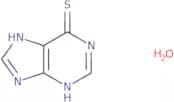
CAS:6-Mercaptopurine is a purine analog that suppresses the production of white blood cells by inhibiting the enzyme thiopurine methyltransferase. It has been used to treat bowel disease and also for long-term suppression of the immune system in patients with autoimmune diseases. 6-Mercaptopurine is metabolized to 6-mercaptopurine, which is then converted to dinucleotide phosphate (dNTP) by group P2 enzymes. This conversion allows 6-mercaptopurine to inhibit dNTP synthesis and cell division. The effects of 6-mercaptopurine are potentiated when given in conjunction with azathioprine, another drug that inhibits purine metabolism. 6-Mercaptopurine is not active against human serum albumin or erythrocytes because it cannot be cleaved into an active form by these proteins. However, it does inhibit enzyme activities such as DNA polymerase, RNA polymerase, and proteinFórmula:C5H4N4S•H2OPureza:Min. 97 Area-%Forma y color:Yellow PowderPeso molecular:152.18 g/mol5-Methoxy-2,3-dihydroindoline
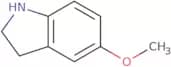
CAS:5-Methoxy-2,3-dihydroindoline is a methoxy compound that is substituted with a methyl group. It has been shown to be an effective hydrogen transfer agent in cyclopentenone reactions, and can also be used as a sensor for nitroaromatic compounds. 5-Methoxy-2,3-dihydroindoline can be synthesized by the reaction of methoxylated aniline with sodium ethoxide in acetonitrile. This reaction produces the desired product in high yield (70%), and it can also be used for the methylation of secondary amines in good yield (80%). 5-Methoxy-2,3-dihydroindoline is potently active when titrated against benzo[a]pyrene.
Fórmula:C9H11NOPureza:Min. 95%Forma y color:PowderPeso molecular:149.19 g/mol5-Methoxypsoralen
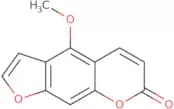
CAS:5-Methoxypsoralen is a light-activated compound, which is a naturally derived organic substance found in certain plants, particularly from the Apiaceae family. This compound functions as a furocoumarin that interacts with DNA through photoactivation, forming cross-links upon exposure to ultraviolet A (UVA) light. These cross-links disrupt DNA replication, ultimately inhibiting cell proliferation.
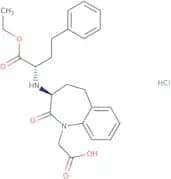
Fórmula:C12H8O4Pureza:Min. 98 Area-%Forma y color:White PowderPeso molecular:216.19 g/molBenazepril HCl
CAS:Angiotensin-converting enzyme inhibitor; anti-hypertensiveFórmula:C24H29ClN2O5Pureza:Min. 95%Forma y color:PowderPeso molecular:460.95 g/mol3-(3-Piperidinopropoxy)-1-[3-(Trifluoromethyl)Phenyl]-1H-Indazole
CAS:Producto controlado3-(3-Piperidinopropoxy)-1-[3-(Trifluoromethyl)Phenyl]-1H-Indazole is a compound that functions as an actuator. It can be used to implement force, such as controlling a change in the position of a control or actuation, and it can also be used to shift control. 3-(3-Piperidinopropoxy)-1-[3-(Trifluoromethyl)Phenyl]-1H-Indazole is an actuation method that can be controlled by implementing force.Fórmula:C22H24F3N3OPureza:Min. 95%Peso molecular:403.44 g/molScopoletin
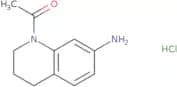
CAS:Scopoletin is a naturally occurring coumarin derivative, which is primarily isolated from plants such as those in the Solanaceae and Asteraceae families. It exhibits a diverse range of biological activities due to its multifaceted mode of action, which includes antioxidant, anti-inflammatory, and antimicrobial properties. As a phytochemical, scopoletin can modulate various biochemical pathways, influencing both enzymatic and receptor-mediated processes.Fórmula:C10H8O4Pureza:Min. 95%Forma y color:Slightly Yellow PowderPeso molecular:192.17 g/mol1-Acetyl-1,2,3,4-tetrahydroquinolin-7-amine hydrochloride
CAS:1-Acetyl-1,2,3,4-tetrahydroquinolin-7-amine hydrochloride is a versatile building block that can be used in the synthesis of complex compounds with high quality and as a speciality chemical. This compound is useful as a reagent and reaction component in organic synthesis. It has been shown to be useful in the synthesis of new scaffolds for drug discovery.
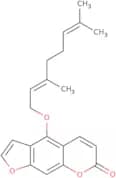
Fórmula:C11H14N2O·HClPureza:Min. 95%Forma y color:Off-White PowderPeso molecular:226.7 g/molBergamottin
CAS:Bergamottin is a furanocoumarin compound, which is primarily found in grapefruit juice and other citrus fruits. It is derived from natural sources, specifically within the fruit and peel of grapefruits. The mode of action of Bergamottin involves the inhibition of the cytochrome P450 enzymes, particularly CYP3A4, which play a significant role in the metabolism of various drugs. This inhibitory effect can alter the pharmacokinetics of certain medications by increasing their bioavailability.
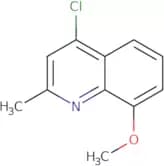
Fórmula:C21H22O4Pureza:Min. 98 Area-%Forma y color:White PowderPeso molecular:338.4 g/mol4-Chloro-8-methoxy-2-methylquinoline
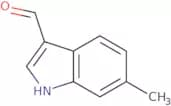
CAS:4-Chloro-8-methoxy-2-methylquinoline is a compound that has been found in nature. It is a diversity of nonreciprocal nucleic acid sequences and has been shown to be polymorphic. This nucleotide can cause stenosis in the coronary heart, which may lead to heart disease. 4-Chloro-8-methoxy-2-methylquinoline also inhibits the growth of Plasmodium falciparum and Plasmodium vivax. The drug's mechanism of action is not yet known, but it may have evolved from other compounds with a similar molecular structure.Fórmula:C11H10ClNOPureza:Min. 95%Forma y color:PowderPeso molecular:207.66 g/mol6-Methyl-1H-indole-3-carbaldehyde
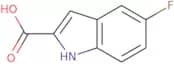
CAS:6-Methyl-1H-indole-3-carbaldehyde is a synthetic chemical that has been used as a reagent in the form of its sodium salt. It is an acetylating agent and can be used for formylation reactions. 6-Methyl-1H-indole-3-carbaldehyde has shown strong antifungal activity against phytopathogenic fungi such as Fusarium, Rhizoctonia, and Phytophthora. This chemical also has a triazine group, which can be used to enhance the herbicidal properties of certain compounds.Fórmula:C10H9NOPureza:Min. 95%Forma y color:PowderPeso molecular:159.18 g/mol5-Fluoroindole-2-carboxylic acid
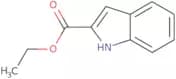
CAS:5-Fluoroindole-2-carboxylic acid is a new substance that has been found to be an inhibitor of the influenza virus. It prevents the virus from replicating by inhibiting the synthesis of viral proteins and nucleic acids. 5-Fluoroindole-2-carboxylic acid can be prepared by dispersive solid phase extraction of a mixture of fluoroindole, fumaric acid, and potassium hydroxide in water. The compound has also been shown to potentiate the effects of carbamazepine on caspases and enhance mass spectrometric analysis for gaseous hydrochloric acid. 5-Fluoroindole-2-carboxylic acid produces antinociceptive effects in animals.Fórmula:C9H6FNO2Forma y color:PowderPeso molecular:179.15 g/molIndole-2-carboxylic acid ethyl ester
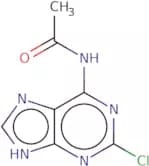
CAS:Indole-2-carboxylic acid ethyl ester is a synthetic compound that binds to cancer cells. It has been shown to inhibit the growth of leukemia cells and breast cancer cells in vitro. Indole-2-carboxylic acid ethyl ester inhibits the binding of collagen to cells, which may be due to its ability to bind to β-carboline alkaloids on collagen. The binding of indole-2-carboxylic acid ethyl ester with these alkaloids prevents them from binding to collagen, thereby preventing the formation of new collagen fibers. This drug also inhibits aldehyde production, which is important for DNA synthesis in cancer cells.Fórmula:C11H11NO2Pureza:Min. 95%Forma y color:PowderPeso molecular:189.21 g/mol2-Acetamido-6-chloropurine
CAS:2-Acetamido-6-chloropurine (2ACAP) is a nucleophilic agent that inhibits cancer cells by binding to the enzyme cholinesterase. It is used in the treatment of T-cell leukemia and herpes simplex virus. 2ACAP binds to the amine group of cholinesterase, which prevents it from breaking down acetylcholine. This inhibition leads to accumulation of acetylcholine, which has been shown to induce apoptosis in k562 cells. The molecular modeling study showed that 2ACAP binds to both chlorine atom and benzyl groups in the active site of cholinesterase. 2ACAP also has a potent inhibitory effect on cancer cell proliferation and can be used as an anti-cancer agent for many types of cancers including colon, breast, and prostate cancer.
Fórmula:C7H6ClN5OPureza:Min. 97 Area-%Forma y color:Yellow PowderPeso molecular:211.61 g/mol4-[(7-Chloro-4-quinolinyl)amino]-1-pentanol
CAS:4-[(7-Chloro-4-quinolinyl)amino]-1-pentanol (QLT) is a drug that has been shown to be effective against both healthy volunteers and malaria patients. It is a prodrug that is metabolized by the liver into 7-chloroquinalone, which inhibits the growth of plasmodium falciparum. QLT has been shown to be safe and well tolerated in studies with healthy volunteers, and it does not appear to cause significant adverse effects. QLT also has an effect on T cells, which may be due to its ability to inhibit protein synthesis and cell division.Fórmula:C14H17ClN2OPureza:Min. 95%Forma y color:Yellow SolidPeso molecular:264.75 g/molIndoline-2-carboxylic acid
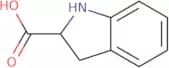
CAS:Indoline-2-carboxylic acid is a photophysical molecule with an absorption maximum at 518 nm. It has been shown to inhibit the activity of enzymes such as cyclooxygenase, lipoxygenase, and monoamine oxidases. This compound has been found to be effective in the treatment of cancer cells. Indoline-2-carboxylic acid is also used in pharmaceutical preparations, where it binds to enantiomers of other molecules and inhibits their biological activity. Indoline-2-carboxylic acid reacts with hydrochloric acid to form allyl carbonate and amide.
Fórmula:C9H9NO2Pureza:Min. 97 Area-%Forma y color:PowderPeso molecular:163.17 g/mol

![Methyl (1R,2S,3S,5S)-3-(4-Fluorophenyl)-8-[(E)-3-Iodoprop-2-Enyl]-8-Azabicyclo[3.2.1]Octane-2-Carb…](/_next/image/?url=https%3A%2Fstatic.cymitquimica.com%2Fproducts%2F3D%2Fthumb-webp%2FFM102777.webp&w=3840&q=75)
![N-Nitroso-3-azabicyclo[3.3.0]octane](/_next/image/?url=https%3A%2Fstatic.cymitquimica.com%2Fproducts%2F3D%2Fthumb-webp%2FFN166610.webp&w=3840&q=75)

![3-(3-Piperidinopropoxy)-1-[3-(Trifluoromethyl)Phenyl]-1H-Indazole](/_next/image/?url=https%3A%2Fstatic.cymitquimica.com%2Fproducts%2F3D%2Fthumb-webp%2FFP97740.webp&w=3840&q=75)

![4-[(7-Chloro-4-quinolinyl)amino]-1-pentanol](/_next/image/?url=https%3A%2Fstatic.cymitquimica.com%2Fproducts%2F3D%2Fthumb-webp%2FFC20107.webp&w=3840&q=75)