


Compuestos policíclicos
Subcategorías de "Compuestos policíclicos"
- Acridinas(98 productos)
- Antraquinonas(533 productos)
- Ácidos antraquinonesulfónicos(16 productos)
- Azobencenos(270 productos)
- Azonaftalenos(98 productos)
- Azoxibencenos(12 productos)
- Azulenos(11 productos)
- Benzimidazoles(1.476 productos)
- Benzodioxanos(27 productos)
- Benzofuranos(928 productos)
- Benzotiofenos(701 productos)
- Benzotriazoles(438 productos)
- Binaftilos(133 productos)
- Carbazoles(464 productos)
- Cromanos, Cromatos(480 productos)
- Cumarinas(1.125 productos)
- Ciclofanos(11 productos)
- Fluorenos y fluorenonas(384 productos)
- Imidazopiridinas(10 productos)
- Indans(118 productos)
- Indazoles(2.038 productos)
- Indenes(22 productos)
- Indoles(3.989 productos)
- Indolines(119 productos)
- Isatinos(234 productos)
- Isobenzofuranos(17 productos)
- Ftalimidas N-sustituidas(154 productos)
- Naftalenos(2.438 productos)
- Naftiridinas(17 productos)
- Naftoquinona(2 productos)
- Perilenos(36 productos)
- Fenazinas(25 productos)
- Ftalazinas(33 productos)
- Ftalimida(154 productos)
- Hidrocarburos aromáticos policíclicos (HAP)(273 productos)
- Polifenol(270 productos)
- Pteridinas(52 productos)
- Pirenos(87 productos)
- Quinuclidina(1 productos)
- Tetracenos(7 productos)
Se han encontrado 4575 productos de "Compuestos policíclicos"
2-Azabicyclo[2.2.1]heptane
CAS:2-Azabicyclo[2.2.1]heptane is a lactam that has been synthesized in the laboratory. The compound exhibits significant antiproliferative activity and is shown to have a stereoselective, stereogenic, nucleophilic attack on amides. 2-Azabicyclo[2.2.1]heptane has been used to study the mechanisms of neurodegenerative diseases such as Parkinson's disease and Alzheimer's disease. The conformational properties of this compound can be determined by NMR spectra, which show that it has a skeleton with significant conformational flexibility.Fórmula:C6H11NPureza:Min. 95%Forma y color:Red PowderPeso molecular:97.16 g/mol5-Acetylindoline
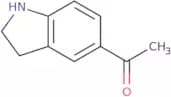
CAS:5-Acetylindoline is a tetracyclic compound that belongs to the family of phenanthridones. It has been synthesized by rationalizing the tetrahydropyridine, tetrahydroquinoline, and amine coupling reaction. The 5-acetylindoline molecule contains a phenolic group and is related to sulphones or diazonium salts. This compound can be made into a cyclization product by reacting with diazonium salts.Fórmula:C10H11NOPureza:Min. 95%Forma y color:PowderPeso molecular:161.2 g/mol1-Benzyl-3-[3-(dimethylamino)propoxy]-1H-indazole hydrochloride
CAS:Producto controlado1-Benzyl-3-[3-(dimethylamino)propoxy]-1H-indazole hydrochloride is an intubation agent that belongs to the group of benzydamine. It has been shown to have anti-inflammatory properties and may be used for the treatment of throat inflammation, including sore throat caused by squamous cell carcinoma, as well as for other inflammatory conditions such as mucositis, which is a complication from radiation therapy or chemotherapy. This drug can also be used with nonsteroidal anti-inflammatory drugs (NSAIDs) to treat pain and inflammation associated with osteoarthritis. 1-Benzyl-3-[3-(dimethylamino)propoxy]-1H-indazole hydrochloride has been shown to inhibit polymerization reactions by intramolecular hydrogen transfer and may have analytical applications in polymer compositions.Fórmula:C19H24ClN3OPureza:Min. 95%Forma y color:White PowderPeso molecular:345.87 g/molMethyl 3-cyano-1H-indole-7-carboxylate
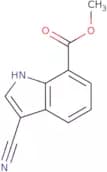
CAS:Methyl 3-cyano-1H-indole-7-carboxylate is a fine chemical that belongs to the class of useful scaffolds, versatile building blocks, and useful intermediates. It is used as a research chemical and a reaction component. Methyl 3-cyano-1H-indole-7-carboxylate is also a speciality chemical with high quality and can be used as a reagent in the production of other compounds.Fórmula:C11H8N2O2Pureza:Min. 95%Forma y color:White PowderPeso molecular:200.19 g/mol5,7-Dimethoxyindole
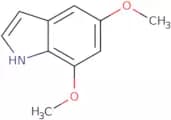
CAS:5,7-Dimethoxyindole is a potent inhibitor of the enzyme oxidase. 5,7-Dimethoxyindole has been shown to inhibit the growth of a number of fungi, including Phytophthora infestans and Cryptococcus neoformans. The molecular modeling studies have shown that this molecule can form an H-bond with the acceptor in the active site of the enzyme and prevent access by substrate. This inhibition has been shown to be competitive with respect to ferrous ions and noncompetitive with respect to other cofactors. 5,7-Dimethoxyindole also inhibits integrase enzymes, which are involved in DNA integration during viral replication. 5,7-Dimethoxyindole was found to bind to a pharmacophore model for integrase inhibitors and formylation reactions. This compound is also magnetic due to its high electron density at the methoxy group.
Fórmula:C10H11NO2Pureza:Min. 95%Forma y color:PowderPeso molecular:177.2 g/molQuinoline-5-carboxylic acid
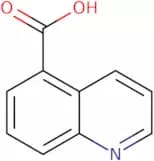
CAS:Quinoline-5-carboxylic acid is a peroxide that is produced by the oxidation of quinoline derivatives. Quinoline-5-carboxylic acid has been shown to have antibacterial activity, and it also has affinity values for chloride ions. The chemical isomers of quinoline-5-carboxylic acid are called quninolines, which are produced by the hydrolysis of quinoline-5-carboxylic acid. Quinolines can be obtained by the oxidation of aniline. Quinolines have been shown to catalyze reactions with carbonyl groups in organic molecules, such as the reaction between an alkoxycarbonyl group and a hydroxyl group to form an aldehyde or ketone. Kinetic data for this reaction was obtained using titration calorimetry.
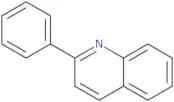
Fórmula:C10H7NO2Pureza:Min. 95%Forma y color:White To Beige To Light Brown To Grey SolidPeso molecular:173.17 g/mol2-phenyl-quinoline
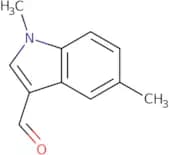
CAS:2-Phenyl-quinoline is a naturally occurring compound that exhibits antimicrobial activity. It has been shown to inhibit the growth of bacteria by interfering with the synthesis of ATP, which is necessary for bacterial cell division. 2-Phenyl-quinoline also possesses antioxidative properties and has been shown to have inhibitory effects on a number of bacterial strains. 2-Phenyl-quinoline has been shown to induce necrotic cell death in S. aureus strains, as well as anti-inflammatory and antinociceptive properties.Fórmula:C15H11NPureza:Min. 98 Area-%Forma y color:PowderPeso molecular:205.25 g/mol1,5-Dimethyl-1H-indole-3-carbaldehyde
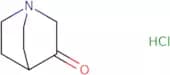
CAS:1,5-Dimethyl-1H-indole-3-carbaldehyde is a useful building block for organic synthesis. It is an important reagent for the synthesis of complex compounds and it has been used as a versatile building block in organic chemistry. This compound can be used as a starting point for the preparation of other chemicals, such as pharmaceuticals, pesticides, and dyes. 1,5-Dimethyl-1H-indole-3-carbaldehyde is also a fine chemical that has been used for research purposes. There are no known commercial uses for this compound.Fórmula:C11H11NOPureza:Min. 95%Forma y color:PowderPeso molecular:173.21 g/mol3-Quinuclidinone hydrochloride
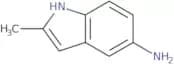
CAS:Producto controlado3-Quinuclidinone hydrochloride is an organic compound that is used as a reagent in organic synthesis. It is synthesized by the acylation of 3-quinuclidinol with ethyl bromoacetate in the presence of a base. This reaction occurs in an isolated yield, and the product can be purified by rotary evaporation. 3-Quinuclidinone hydrochloride has a high affinity for GABA receptors, which are found on nerve cells in the brain and inhibitory neurons throughout the body. The binding of 3-quinuclidinone hydrochloride to these receptors leads to a decrease in neuronal excitability. This drug also has been shown to have effects on motor function, including a positive effect on motor performance when tested using a rotarod test. The rate of this reaction can be increased by adding chloride or sodium carbonate as a catalyst and by increasing the reaction time. Substrate binding plays an importantFórmula:C7H12CINOPureza:Min. 95%Forma y color:White PowderPeso molecular:161.63 g/mol5-Amino-2-methylindole
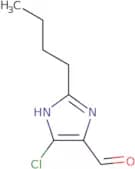
CAS:5-Amino-2-methylindole is a hyaluronic acid inhibitor that has been shown to have an inhibitory effect on the growth of some bacteria. It inhibits the synthesis of bacterial enzymes and growth factors, which are required for bacterial cell division. 5-Amino-2-methylindole also inhibits the production of a number of important enzymes in bacteria, including benzofuran derivatives, as well as p. aeruginosa. This drug is used as a topical treatment in cases where there is tissue damage or inflammation. 5-Amino-2-methylindole has been shown to be effective against gram positive bacteria such as Streptococcus pyogenes and Enterococcus faecalis, but not against gram negative bacteria such as Pseudomonas aeruginosa or Escherichia coli.Fórmula:C9H10N2Pureza:Min. 95%Forma y color:Yellow To Dark Brown SolidPeso molecular:146.19 g/mol2-Butyl-4-chloro-1H-imidazole-5-carboxaldehyde
CAS:Glyoxal is a chemical compound that has shown to have bactericidal activity against human pathogens such as Mycobacterium tuberculosis, Helicobacter pylori, and Staphylococcus aureus. It is used in the synthesis of heterocyclic amines and can be found as an impurity in imidazole derivatives. Glyoxal is a broad-spectrum antimicrobial that has been shown to inhibit the growth of fungi and bacteria by reacting with functional groups on the microorganisms' cell walls. It reacts with bacterial cell walls by forming an intermediate molecule, which reacts with other molecules present in the microorganism's environment to form carbon dioxide, water, and glyoxal. The reaction time for glyoxal depends on temperature; higher temperatures will result in faster reactions. Techniques used to synthesize glyoxal include dehydration of oximes or by reaction with phosphorus oxychloride.Fórmula:C8H11ClN2OPureza:Min. 95%Forma y color:PowderPeso molecular:186.64 g/mol3-Aminoquinuclidine dihydrochloride
CAS:3-Aminoquinuclidine dihydrochloride (3-AQDH) is a chiral quinuclidine derivative that is an acetylcholine receptor agonist. It has been shown to bind to the α7 nicotinic acetylcholine receptor with high affinity and selectivity. 3-AQDH has also been shown to crosslink the cholinergic receptor, which may lead to increased sensitivity of the receptor. The binding constants between 3-AQDH and the α7 nicotinic acetylcholine receptors are very high and it has been shown to be enantiopure in its synthesis. 3-AQDH also has a hydrophilic interaction chromatography profile, which separates it from other compounds. This agent may have potential use as a drug for treating Alzheimer's disease and Parkinson's disease due to its ability to inhibit acetylcholinesterase activity.
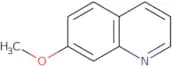
Pureza:Min. 95%Forma y color:PowderPeso molecular:199.12 g/mol7-Methoxyquinoline
CAS:7-Methoxyquinoline is a drug that belongs to the group of histone deacetylase inhibitors. It has been shown to inhibit monooxygenase and cytochrome p-450, which are enzymes involved in the metabolism of drugs. 7-Methoxyquinoline can be used as a fluorescent probe for reactions involving histones or other proteins with similar chemical structures. It is also used as an inhibitor in biochemical assays, such as fluorometric assays. 7-Methoxyquinoline can be prepared by reacting hydrazine with methoxyacetic acid followed by hydrolysis of the resulting hydrazone. This process yields a mixture of products, some of which are substituted with methoxy groups at different positions on the benzene ring.Fórmula:C10H9NOPureza:Min. 95%Forma y color:Colorless PowderPeso molecular:159.18 g/mol1-Methyl-1H-imidazole-4-carboxylic acid methyl ester
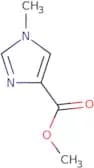
CAS:1-Methyl-1H-imidazole-4-carboxylic acid methyl ester is a carboxylic acid that is aniline derivative with the chemical formula C6H5NCH2COOH. It is soluble in water, ethanol and acetone. 1-Methyl-1H-imidazole-4-carboxylic acid methyl ester hydrolyzes to form aniline and methanol. The reflux of 1-methyl imidazole can produce the same products as well as formaldehyde and hydrogen cyanide.Fórmula:C6H8N2O2Pureza:Min. 95%Forma y color:PowderPeso molecular:140.14 g/mol2-Phenylindole-5-sulfonic acid monosodium salt
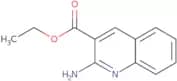
CAS:2-Phenylindole-5-sulfonic acid monosodium salt is a fine chemical that can be used as a building block for research chemicals, reagents, and speciality chemicals. It is also used as a reaction component for the synthesis of various complex compounds, such as pharmaceuticals and dyes. 2-Phenylindole-5-sulfonic acid monosodium salt is a versatile building block that can be used in the synthesis of useful scaffolds. The CAS number for this compound is 119205-39-9.Fórmula:C14H10NO3S·NaPureza:Min. 95%Forma y color:White PowderPeso molecular:295.29 g/molEthyl-2-aminoquinoline-3-carboxylate
CAS:Ethyl-2-aminoquinoline-3-carboxylate is an intramolecular reductive coupling product. It was synthesized by the reductive coupling of nitrobenzene with triethylamine in the presence of a copper salt. The use of ethyl cyanoacetate as a starting material for this synthesis has been shown to produce regioselective products with high yields. Ethyl-2-aminoquinoline-3-carboxylate is used in the synthesis of quinoline derivatives and fluoroquinolone antibiotics. This compound has been shown to have optimum properties for GC/MS analysis, which makes it an advance in the field of chemistry.
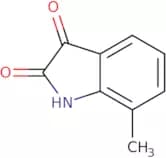
Fórmula:C12H12N2O2Pureza:Min. 95%Forma y color:PowderPeso molecular:216.24 g/mol7-Methylisatin
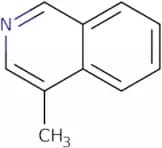
CAS:7-Methylisatin is a natural product that is used in clinical settings as an acridone. It has been shown to have potent antifungal and insecticidal activities. 7-Methylisatin is also a potent antagonist of the nicotinic acetylcholine receptor (nAChR) and binds to the receptor with high affinity. It also inhibits the production of nitric oxide (NO), which is important for maintaining vascular homeostasis and inhibiting pain. 7-Methylisatin has been shown to be an efficient method for plutella xylostella larvae, which can lead to significant reductions in caterpillar populations. This natural product can be synthesized by a number of methods, including ammonolysis, reaction system, or mass spectrometry assays.Fórmula:C9H7NO2Pureza:Min. 95%Peso molecular:161.16 g/mol4-Methylisoquinoline
CAS:Isomeric 4-methylisoquinoline is a molecule that is structurally similar to protopine and berberine chloride. It has been shown to be an effective photosensitizer for the production of reactive oxygen species (ROS) in cells, which can lead to DNA damage and cell death. The functional groups on this molecule are the chloro group, which is a halogen, and the isoquinoline ring system with two methyl groups. The chemistry of this compound involves alkylation, yielding a new compound with one less methyl group than the original molecule. This process is called enamine formation.Fórmula:C10H9NPureza:Min. 95%Forma y color:Yellow PowderPeso molecular:143.19 g/mol2,3,3-Trimethyl-3H-benzo[e]indole
CAS:2,3,3-Trimethyl-3H-benzo[e]indole is a reactive molecule that has been shown to be an effective treatment for cervical cancer. It can be used in conjunction with monoclonal antibodies that have been designed to target the acidic protonation sites on the surface of cervical cancer cells. This active form binds to the site and emits fluorescence when illuminated with a laser, which can then be detected by a confocal microscope. This technique can also be used for the diagnosis of other cancers. 2,3,3-Trimethyl-3H-benzo[e]indole is not toxic to human serum as it does not react with this type of tissue.Fórmula:C15H15NPureza:Min. 98 Area-%Forma y color:PowderPeso molecular:209.29 g/molThiamine nitrate
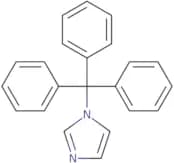
CAS:Thiamine nitrate is a form of vitamin B1 that is used to treat thiamine deficiency. Thiamine nitrate is an oxidized form of thiamin, also known as vitamin B1. It can be synthesized by reacting thiamin hydrochloride with nitric acid. Thiamine nitrate has been shown to protect against neuronal death in the brain and restores cognitive function in patients with Wernicke-Korsakoff syndrome due to its ability to target enzymes involved in energy metabolism and calcium ion homeostasis. It also prevents acute alcohol intoxication and protects against neurotoxicity caused by nonsteroidal anti-inflammatory drugs. Thiamine nitrate also has a fluorescence probe that can be used for detection and quantification of some proteins, such as DNA polymerase or ribonucleotide reductase, which are essential for cell growth or DNA synthesis.Fórmula:C12H17N4OS·NO3Pureza:Min. 95%Forma y color:White Clear LiquidPeso molecular:327.36 g/molN-Tritylimidazole
CAS:N-tritylimidazole is a palladium complex that was designed as an inhibitor of glycosidases. It binds to the active site of these enzymes and inhibits their function. N-tritylimidazole has been shown to inhibit the growth of Gram-positive bacteria, such as Staphylococcus aureus, by preventing the production of extracellular polysaccharides. This compound also binds to κ-opioid receptors in the brain and has been shown to block pain transmission. N-tritylimidazole can be synthesized using a cross-coupling reaction with phenylboronic acid and chloroiodomethane, which requires hydrochloric acid as a catalyst.Fórmula:C22H18N2Pureza:Min. 95%Forma y color:White PowderPeso molecular:310.39 g/mol2,9-Diphenyl-1,10-phenanthroline
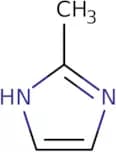
CAS:2,9-Diphenyl-1,10-phenanthroline is a yellow crystalline compound. This molecule has been shown to be an effective anticancer drug and is used in the study of ultrafast electron reduction. It exhibits photophysical properties that are dependent on its coordination geometry and the surrounding environment. 2,9-Diphenyl-1,10-phenanthroline is a coordination complex that can be synthesized by electropolymerization of copper complexes with phenanthrolines. The polymer film has been shown to have high stability constants and is resistant to water or organic solvents.Fórmula:C24H16N2Pureza:Min. 95%Forma y color:White PowderPeso molecular:332.4 g/mol2-Methylimidazole
CAS:2-Methylimidazole is a crystalline solid that has been used in the preparation of coordination compounds. The compound is prepared by reacting 2-methylimidazole with an appropriate metal cyanide, such as copper cyanide or nickel cyanide. The crystal structure of 2-methylimidazole shows strong hydrogen bonding interaction between the nitrogen atoms and the carboxylate groups. This compound has been used in clinical pathology to detect increased levels of ammonia, uric acid, and lactic acid in the blood. 2-Methylimidazole is not toxic to humans but has shown some toxicity to mice when injected intravenously at high concentrations. It can be used as an analytical method for determining trace amounts of chlorine in chemical compounds by way of electrochemical impedance spectroscopy (EIS).Fórmula:C4H6N2Pureza:Min. 95%Forma y color:White Clear LiquidPeso molecular:82.1 g/mol5,6-Diaminobenzimidazole dihydrochloride
CAS:Please enquire for more information about 5,6-Diaminobenzimidazole dihydrochloride including the price, delivery time and more detailed product information at the technical inquiry form on this pageFórmula:C7H10Cl2N4Pureza:Min. 95%Forma y color:Off-white to pale brown solid.Peso molecular:221.09 g/mol5,6-Dimethyl-1,10-phenanthroline
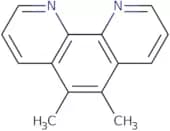
CAS:5,6-Dimethyl-1,10-phenanthroline (DMPA) is a molecule with the chemical formula H2C8N4O2. It has been shown to have antioxidant and anticancer properties. DMPA binds to DNA to form an adduct that denatures the DNA. This prevents DNA from being transcribed into RNA, which prevents gene expression and cell division. The anticancer activity of DMPA may be due to its ability to increase oxidative dna damage in cancer cells, leading to apoptosis. DMPA has also been shown to bind redox potentials of metals such as copper, iron and nickel that are found in the environment or in cancer cells. This binding alters the electron transfer reactions involving these metals and leads to a change in the viscosity of the solution. The molecular modeling studies have shown that DMPA binds with nitrogen atoms in coordination geometry with oxygen atoms on two sites on one molecule (see Figure 1). This binding is characterized byFórmula:C14H12N2Pureza:Min. 95%Forma y color:PowderPeso molecular:208.26 g/mol2,3-Dimethyl-1H-indole-5-carbaldehyde
CAS:2,3-Dimethyl-1H-indole-5-carbaldehyde is a high quality reagent that is used as a complex compound. It has been shown to be a useful intermediate and building block in the production of fine chemicals. 2,3-Dimethyl-1H-indole-5-carbaldehyde is also useful as a research chemical. This compound is versatile and can be used in reactions as an intermediate or building block. As a speciality chemical, it has various applications and is not limited to any specific area of research.Fórmula:C11H11NOPureza:Min. 95%Forma y color:PowderPeso molecular:173.21 g/mol2-Hydroxyquinoline
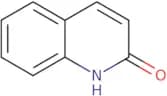
CAS:2-Hydroxyquinoline is a coumarin derivative that has inhibitory properties against a variety of human pathogens, including the causative agent of malaria. It binds to the active site of the enzyme xanthine oxidase, which catalyzes the oxidation of hypoxanthine to xanthine and then to uric acid. 2-Hydroxyquinoline inhibits this reaction, preventing the accumulation of uric acid in the blood and urine. This compound also has potential anticancer activity due to its ability to inhibit tumor cell proliferation in human prostate cancer cells. 2-Hydroxyquinoline is metabolized by cytochrome P450 enzymes and has pharmacokinetic properties that include an inhibitory dose (ID50) of 1mg/kg.Fórmula:C9H7NOPureza:Min. 95%Forma y color:White To Light (Or Pale) Yellow To Light (Or Pale) Green To Purple Brown SolidPeso molecular:145.16 g/mol1-Isoquinolin-1-ylmethanamine dihydrochloride
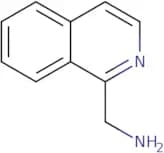
CAS:1-Isoquinolin-1-ylmethanamine dihydrochloride is a versatile building block that can be used for the synthesis of a wide variety of compounds. It is a reagent and speciality chemical, as well as an intermediate or reaction component in the production of pharmaceuticals, agrochemicals, plastics, dyes and other chemicals. 1-Isoquinolin-1-ylmethanamine dihydrochloride has been shown to have high purity and quality.Fórmula:C10H10N2·2HClPureza:Min. 95%Forma y color:Light Blue SolidPeso molecular:231.12 g/mol2-(3-Aminopropyl)isoindole-1,3(2H)-dione hydrochloride
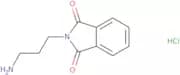
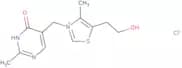
CAS:2-(3-Aminopropyl)isoindole-1,3(2H)-dione hydrochloride is a versatile building block and useful intermediate. It has been used as a reagent in organic synthesis, and also as a reaction component for the preparation of high quality research chemicals. 2-(3-Aminopropyl)isoindole-1,3(2H)-dione hydrochloride is an important building block for complex compounds with potential uses in medical research or as speciality chemicals. It can be used to prepare fine chemicals such as pharmaceuticals, agrochemicals, or dyes.Fórmula:C11H12N2O2·HClPureza:Min. 95%Forma y color:White PowderPeso molecular:240.69 g/molOxythiamine chloride
CAS:Oxythiamine chloride is a compound that binds to DNA in the nucleus of cells. It has been shown to inhibit cell growth and induce apoptosis by binding to a number of cellular molecules, including hydrogen bonding interactions with enzymes. Oxythiamine chloride also inhibits energy metabolism by inhibiting mitochondrial respiration and mitochondrial ATP production, and is toxic to cells. This drug has potent inducers, such as cell factor, which are necessary for the production of new cells. It also inhibits thiamine-dependent enzymes, such as pyruvate dehydrogenase kinase (PDK) and pyruvate dehydrogenase (PDH). The wild-type strain of Escherichia coli was used for these studies.
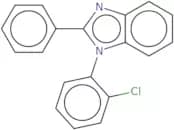
Fórmula:C12H15N3O2S·HClPureza:Min. 95%Forma y color:White to off-white solid.Peso molecular:301.79 g/mol3-(2-Chlorophenyl)-2-phenyl-3H-indole
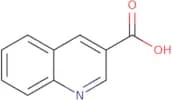
CAS:3-(2-Chlorophenyl)-2-phenyl-3H-indole is a versatile building block that can be used as a precursor in the synthesis of a wide range of complex compounds. 3-(2-Chlorophenyl)-2-phenyl-3H-indole has been shown to be an effective reagent for the synthesis of heterocycles and useful for the preparation of diverse speciality chemicals. 3-(2-Chlorophenyl)-2-phenyl-3H-indole is also an important intermediate in the synthesis of pharmaceuticals, agrochemicals, dyes, and perfumes. It is also a useful scaffold for organic chemistry reactions and can serve as a reaction component because it contains two reactive groups.Fórmula:C19H13ClN2Pureza:Min. 95%Peso molecular:304.77 g/mol3-Quinolinecarboxylic acid
CAS:3-Quinolinecarboxylic acid is a water-soluble drug that is soluble in both organic solvents and water. It is reactive, which limits its therapeutic use. 3-Quinolinecarboxylic acid is used to treat inflammatory disease by inhibiting the production of prostaglandins and leukotrienes in the body. 3-Quinolinecarboxylic acid has been shown to have genotoxic effects on primary cells, as well as an antiinflammatory effect. It also has been shown to be effective for treating rheumatoid arthritis in animal models, but not humans.
Fórmula:C10H7NO2Pureza:Min. 95%Forma y color:PowderPeso molecular:173.17 g/mol2-Nitroimidazole
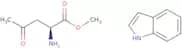
CAS:2-Nitroimidazole is a compound that has been shown to have significant cytotoxicity against tumor cells. It is also an anti-cancer drug with a matrix effect on solid tumours, and has been shown to inhibit the synthesis of DNA, RNA, and proteins in vitro. 2-Nitroimidazole is also active against infectious diseases such as HIV, herpes simplex virus type 1, and influenza A virus. The biological properties of this compound are currently being studied by analytical methods such as LC/MS and HPLC/UV.Fórmula:C3H3N3O2Pureza:Min. 95%Forma y color:PowderPeso molecular:113.07 g/molIndole-3-acetyl-L-alanine acid methyl ester
CAS:Please enquire for more information about Indole-3-acetyl-L-alanine acid methyl ester including the price, delivery time and more detailed product information at the technical inquiry form on this page
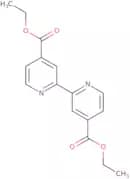
Fórmula:C14H16N2O3Pureza:Min. 95%Peso molecular:260.29 g/mol4,4'-Bis(ethoxycarbonyl)-2,2'-bipyridine
CAS:4,4'-Bis(ethoxycarbonyl)-2,2'-bipyridine (BEBCP) is a dithiolate chromophore. BEBCP has a redox potential of 1.3 volts and the electronic interaction of the carbonyl groups with the electron cloud of the bipyridine nucleus is responsible for this property. The photochemical properties of BEBCP can be systematically studied by using electrochemical data such as voltammetry and cyclic voltammetry. These methods are useful in determining the nature and constant of BEBCP as well as its interaction with ligands.Fórmula:C16H16N2O4Pureza:Min. 95%Forma y color:PowderPeso molecular:300.31 g/mol5-Methoxy-3-(1,2,5,6-tetrahydro-4-pyridinyl)-1H-indole hemisuccinate
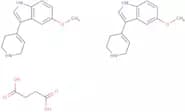
CAS:5-Methoxy-3-(1,2,5,6-tetrahydro-4-pyridinyl)-1H-indole hemisuccinate is a serotonin receptor agonist that has been shown to stimulate the 5HT1A receptor. It stimulates insulin secretion and glucose uptake in rats and inhibits feeding behavior in mice. It has also been shown to have antihypertensive effects on rats by blocking the 5HT2 receptors. In addition, it stimulates regeneration of injured nerve cells. This drug has potential uses as a treatment for neurological diseases such as Parkinson's disease and depression.Fórmula:C14H16N2O•(C4H6O4)0Pureza:Min. 95%Forma y color:Yellow solid.Peso molecular:287.33 g/mol7-Chloroquinoline-3-carboxylicacid
CAS:7-Chloroquinoline-3-carboxylicacid (7CQCA) is a synthetic compound that has been shown to have regulatory, immunomodulatory, and anticancer properties. It is a potent inhibitor of mammalian DNA polymerase beta and it has been shown to induce apoptosis in human prostate cancer cells by inhibiting the production of cAMP. 7CQCA also inhibits the proliferation of mouse CD1 leukemia cells in vitro and induces apoptosis in these cells. The compound was found to be more effective when used with other agents such as triticum aestivum extract, which may be due to its synergistic interaction with these compounds.Fórmula:C10H6ClNO2Pureza:Min. 95%Forma y color:Off-White PowderPeso molecular:207.61 g/mol5-Chloroindole-2-carboxylic acid
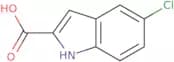
CAS:5-Chloroindole-2-carboxylic acid is a fatty acid that is synthesized from glucose. It has been shown to have inhibitory properties against the enzyme cyclooxygenase-2 (COX-2), which may be due to its ability to suppress prostaglandin synthesis. 5-Chloroindole-2-carboxylic acid also has been shown to have anticancer properties and can inhibit cancer cell growth in vitro. The drug may also play a role in the central nervous system, as it has been shown to cause neuronal death. 5-Chloroindole-2-carboxylic acid is not water soluble, so it must be dissolved in organic solvents such as cyclohexane or chloroform before being used for chemical reactions. This drug can be used with other drugs that are coxib sensitive, such as aspirin, acetaminophen, and ibuprofen.
Fórmula:C9H6ClNO2Forma y color:PowderPeso molecular:195.6 g/mol2-Chlorobenzimidazole
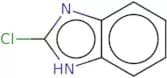
CAS:2-Chlorobenzimidazole is an analog of benzimidazole that has been synthesized by Langmuir adsorption isotherm. It is a white crystalline solid that can be dissolved in water and hydrochloric acid. 2-Chlorobenzimidazole inhibits the growth of herpes simplex virus by acting as a competitive inhibitor for the viral enzyme thymidine kinase, which catalyzes the conversion of thymine to thymidine. 2-Chlorobenzimidazole also binds to monoclonal antibodies, inhibiting their binding to their corresponding antigens. This activity may be due to its ability to bind covalently with amino groups on proteins and other molecules. Magnetic resonance spectroscopy has shown that 2-chlorobenzimidazole binds tightly with protonated (positively charged) phosphorous atoms within cells.Fórmula:C7H5ClN2Pureza:Min. 95%Forma y color:White PowderPeso molecular:152.58 g/mol2,10-diaza-5,5,13-trimethyl-9-(4-(isopropyl)phenyl)tricyclo[9.4.0.0<3,8>]pentadeca-1(11),3(8),12,14-tetraen-7-one
CAS:Please enquire for more information about 2,10-diaza-5,5,13-trimethyl-9-(4-(isopropyl)phenyl)tricyclo[9.4.0.0<3,8>]pentadeca-1(11),3(8),12,14-tetraen-7-one including the price, delivery time and more detailed product information at the technical inquiry form on this pagePureza:Min. 95%3-(3,4,5-Trimethoxybenzoylhydrazidyl)-2-oxoindoline
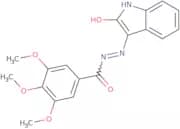
CAS:Please enquire for more information about 3-(3,4,5-Trimethoxybenzoylhydrazidyl)-2-oxoindoline including the price, delivery time and more detailed product information at the technical inquiry form on this pageFórmula:C18H17N3O5Pureza:Min. 95%Forma y color:PowderPeso molecular:355.34 g/mol5-Iodoisatin
CAS:5-Iodoisatin is a cross-coupling agent that has an inhibitory effect on tumor tissue. It is also used for the synthesis of conjugated drugs and pharmacological research. 5-Iodoisatin, which forms a ternary complex with copper and iodide, inhibits the growth of colorectal carcinoma cells by interfering with their DNA replication and protein production. 5-Iodoisatin can be converted to its active form through the formation of a ternary complex with copper and iodide ions. This inhibition is due to its ability to interact with DNA, RNA polymerase, and other proteins involved in transcription, translation, and replication processes. 5-Iodoisatin is metabolized through conjugation with glucuronic acid or sulfate in the liver; it binds to human mitochondrial DNA and can enter cells via passive diffusion. The carbonyl group in this drug may play an important role in its interaction with cancer cells.Fórmula:C8H4INO2Pureza:Min. 95%Peso molecular:273.03 g/molDecursidin
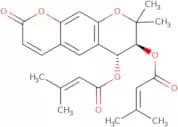
CAS:Decursidin is a chemical compound, classified as a coumarin derivative, which is a bioactive constituent derived from the roots of the Angelica gigas plant. This compound is prominent for its pharmacological activities, attributed to its distinct chemical structure.Pureza:Min. 95%2-oxoindoline-3-hydrazone
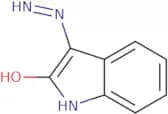
CAS:2-Oxoindoline-3-hydrazone (2OIH) is a heterocyclic compound that has been reported to have anticancer activity. 2OIH is an intramolecular hydrogen bond acceptor, which may account for its anticancer activity. It has been shown to be effective against cancer cells in mammalian cell lines and in vitro studies of human carcinoma cell lines. This compound also showed anticancer activity against bacteria such as Pseudomonas aeruginosa (P. aeruginosa) and Staphylococcus aureus (S. aureus). The geometric isomers of 2OIH have been studied using nmr spectra, and the carbonyl group has been identified as the source of its anti-cancer properties. Structural analysis has revealed that the hydroxyl group on the indole moiety is important for the anti-cancer properties of this molecule.
Fórmula:C8H7N3OPureza:Min. 95%Forma y color:PowderPeso molecular:161.16 g/mol3-(2-(4-Bromophenyl)-6,6-dimethyl-4-oxo-5,6,7-trihydroindolyl)benzoic acid
CAS:Please enquire for more information about 3-(2-(4-Bromophenyl)-6,6-dimethyl-4-oxo-5,6,7-trihydroindolyl)benzoic acid including the price, delivery time and more detailed product information at the technical inquiry form on this pageFórmula:C23H20BrNO3Pureza:Min. 95%Forma y color:PowderPeso molecular:438.31 g/mol3-(4-phenoxyphenyl)spiro[1,3-thiazolidine-2,3'-indoline]-4,7-dione
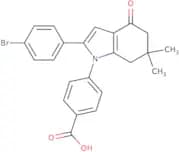
CAS:Please enquire for more information about 3-(4-phenoxyphenyl)spiro[1,3-thiazolidine-2,3'-indoline]-4,7-dione including the price, delivery time and more detailed product information at the technical inquiry form on this pageFórmula:C22H16N2O3SPureza:Min. 95%Forma y color:PowderPeso molecular:388.44 g/mol4-(2-(4-Bromophenyl)-6,6-dimethyl-4-oxo-5,6,7-trihydroindolyl)benzoic acid
CAS:Please enquire for more information about 4-(2-(4-Bromophenyl)-6,6-dimethyl-4-oxo-5,6,7-trihydroindolyl)benzoic acid including the price, delivery time and more detailed product information at the technical inquiry form on this pageFórmula:C23H20BrNO3Pureza:Min. 95%Forma y color:PowderPeso molecular:438.3 g/mol3-(4-Bromophenyl)-5-(hydroxyimino)-7,7-dimethyl-6,7,8-trihydrocinnoline
CAS:Please enquire for more information about 3-(4-Bromophenyl)-5-(hydroxyimino)-7,7-dimethyl-6,7,8-trihydrocinnoline including the price, delivery time and more detailed product information at the technical inquiry form on this page
Fórmula:C16H16BrN3OPureza:Min. 95%Forma y color:PowderPeso molecular:346.22 g/mol5-methyl-3-methylthio-1,2,4-triazino[5,6-b]indole
CAS:Please enquire for more information about 5-methyl-3-methylthio-1,2,4-triazino[5,6-b]indole including the price, delivery time and more detailed product information at the technical inquiry form on this pagePureza:Min. 95%4-(2,6,6-Trimethyl-4-oxo-5,6,7-trihydroindolyl)benzoic acid
CAS:Please enquire for more information about 4-(2,6,6-Trimethyl-4-oxo-5,6,7-trihydroindolyl)benzoic acid including the price, delivery time and more detailed product information at the technical inquiry form on this pageFórmula:C18H19NO3Pureza:Min. 95%Forma y color:PowderPeso molecular:297.35 g/mol
![2-Azabicyclo[2.2.1]heptane](/_next/image/?url=https%3A%2Fstatic.cymitquimica.com%2Fproducts%2F3D%2Fthumb-webp%2FFA116876.webp&w=3840&q=75)

![1-Benzyl-3-[3-(dimethylamino)propoxy]-1H-indazole hydrochloride](/_next/image/?url=https%3A%2Fstatic.cymitquimica.com%2Fproducts%2F3D%2Fthumb-webp%2FFB18262.webp&w=3840&q=75)


![2,3,3-Trimethyl-3H-benzo[e]indole](/_next/image/?url=https%3A%2Fstatic.cymitquimica.com%2Fproducts%2F3D%2Fthumb-webp%2FFT29018.webp&w=3840&q=75)






![2,10-diaza-5,5,13-trimethyl-9-(4-(isopropyl)phenyl)tricyclo[9.4.0.0<3,8>]pentadeca-1(11),3(8),12,1…](/_next/image/?url=https%3A%2Fstatic.cymitquimica.com%2Fproducts%2F3D%2Fthumb-webp%2FFD169536.webp&w=3840&q=75)

![3-(4-phenoxyphenyl)spiro[1,3-thiazolidine-2,3'-indoline]-4,7-dione](/_next/image/?url=https%3A%2Fstatic.cymitquimica.com%2Fproducts%2F3D%2Fthumb-webp%2FFP169783.webp&w=3840&q=75)

![5-methyl-3-methylthio-1,2,4-triazino[5,6-b]indole](/_next/image/?url=https%3A%2Fstatic.cymitquimica.com%2Fproducts%2F3D%2Fthumb-webp%2FFM169855.webp&w=3840&q=75)
