CymitQuimica logo
Compuestos policíclicos

Compuestos policíclicos

Los compuestos policíclicos son moléculas orgánicas que contienen múltiples anillos interconectados. Estos compuestos incluyen hidrocarburos aromáticos policíclicos y otros sistemas de anillos complejos. Son significativos en la ciencia de materiales, productos farmacéuticos y electrónica orgánica. En CymitQuimica, ofrecemos compuestos policíclicos de alta calidad para apoyar sus investigaciones y aplicaciones industriales, asegurando resultados confiables y efectivos en sus proyectos.

Subcategorías de "Compuestos policíclicos"

Mostrar 32 subcategorías más

Se han encontrado 4574 productos de "Compuestos policíclicos"

Ordenar por

Pureza (%)
0
100
|
0
|
50
|
90
|
95
|
100
productos por página.
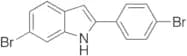
  • 6-Bromo-2-(4-bromophenyl)-indole

    CAS:
    <p>6-Bromo-2-(4-bromophenyl)-indole is a fine chemical with CAS No. 28718-96-9 that can be used as a versatile building block for the synthesis of complex compounds, useful scaffold for research chemicals, and reaction component for speciality chemicals. This compound has high quality and is a reagent in the synthesis of other compounds.</p>
    Fórmula:C14H9Br2N
    Pureza:Min. 95%
    Forma y color:Off white to pale yellow powder.
    Peso molecular:351.04 g/mol

    Ref: 3D-FB19060

    5mg
    135,00€
    10mg
    166,00€
  • 6-Nitroquinoline

    CAS:
    <p>6-Nitroquinoline is a nucleophilic compound that reacts with nitroalkanes to form alkyl nitrites. It undergoes a bioreductive reaction, in which it is reduced to the corresponding amine by hydrogen peroxide and ammonia. 6-Nitroquinoline contains functional groups that can act as either electron donors or electron acceptors and is therefore reactive towards other compounds. The reaction mechanism involves nucleophilic attack at the carbon atom in the ring of the 6-nitroquinoline molecule, resulting in an addition product. 6-Nitroquinoline has been shown to react with fluorophores such as fluorescein, forming a fluorescent product that can be detected by spectroscopy. This chemical can also form hydrogen bonds with other molecules, which are important for its reactivity. The reaction products of this compound are nitrite and quinolines where one or more of the nitrogens have been oxidized to nitro groups.<br>END</p>
    Fórmula:C9H6N2O2
    Pureza:Min. 95%
    Forma y color:White Powder
    Peso molecular:174.16 g/mol

    Ref: 3D-FN31115

    1kg
    1.366,00€
    50g
    135,00€
    100g
    179,00€
    250g
    359,00€
    500g
    968,00€
  • Ethyl-2-aminoquinoline-3-carboxylate

    CAS:
    <p>Ethyl-2-aminoquinoline-3-carboxylate is an intramolecular reductive coupling product. It was synthesized by the reductive coupling of nitrobenzene with triethylamine in the presence of a copper salt. The use of ethyl cyanoacetate as a starting material for this synthesis has been shown to produce regioselective products with high yields. Ethyl-2-aminoquinoline-3-carboxylate is used in the synthesis of quinoline derivatives and fluoroquinolone antibiotics. This compound has been shown to have optimum properties for GC/MS analysis, which makes it an advance in the field of chemistry.</p>
    Fórmula:C12H12N2O2
    Pureza:Min. 95%
    Forma y color:Powder
    Peso molecular:216.24 g/mol

    Ref: 3D-FE29513

    1g
    725,00€
    50mg
    155,00€
    100mg
    203,00€
    250mg
    383,00€
    500mg
    508,00€
  • 5-Methoxy-3(2-aminopropyl)indole hydrochloride

    Producto controlado
    CAS:
    <p>5-Methoxy-3(2-aminopropyl)indole hydrochloride is a useful reagent for the synthesis of complex compounds and a versatile building block for the preparation of speciality chemicals. It is used in the production of fine chemicals, such as reagents and intermediates. This compound also has potential use as a research chemical or as a reaction component in organic syntheses.</p>
    Fórmula:C12H16N2O·HCl
    Pureza:Min. 95%
    Peso molecular:240.73 g/mol

    Ref: 3D-FM67306

    5g
    178,00€
    10g
    254,00€
    25g
    477,00€
  • 5-Bromo-6-chloroindolyl 1,3-diacetate

    CAS:
    <p>5-Bromo-6-chloroindolyl 1,3-diacetate is a versatile building block that can be used in the synthesis of complex compounds. It is a useful intermediate for the synthesis of speciality chemicals with high quality. 5-Bromo-6-chloroindolyl 1,3-diacetate is a reagent and reaction component for research chemicals with CAS No. 108847-96-7. It has a variety of applications in the manufacture of fine chemicals and pharmaceuticals, as well as being a useful scaffold for the production of new compounds.</p>
    Fórmula:C12H9BrClNO3
    Pureza:Min. 95%
    Forma y color:Off-White Powder
    Peso molecular:330.57 g/mol

    Ref: 3D-FB09201

    2g
    148,00€
    5g
    219,00€
    10g
    340,00€
    25g
    536,00€
    50g
    777,00€
  • 5-(1,3-Benzodioxol-5-yl)-4,5-dihydro-1,3-diphenylpyrazole

    CAS:
    <p>5-(1,3-Benzodioxol-5-yl)-4,5-dihydro-1,3-diphenylpyrazole is a chemical compound with the molecular formula C12H10O4. It is an aromatic compound that is used as a reagent and research chemical. This chemical is soluble in ethanol and ether, but insoluble in water. 5-(1,3-Benzodioxol-5-yl)-4,5-dihydro-1,3-diphenylpyrazole has been used as a building block for other organic compounds. It can be synthesized from benzaldehyde and phenylhydrazine by the method of condensation reaction.</p>
    Fórmula:C17H14N2O2
    Pureza:Min. 95%
    Forma y color:White to pale yellow solid.
    Peso molecular:278.31 g/mol

    Ref: 3D-FB66293

    1g
    300,00€
    2g
    457,00€
    250mg
    134,00€
    500mg
    179,00€
  • 4,4'-Bis(methoxycarbonyl)-2,2'-bipyridine

    CAS:
    <p>4,4'-Bis(methoxycarbonyl)-2,2'-bipyridine is a ligand that can be used in cross-coupling reactions. It has been shown to bind to metal ions and form complexes with the ligands. 4,4'-Bis(methoxycarbonyl)-2,2'-bipyridine has a constant value for maximizing the yield of the reaction and is luminescent. This product also has photophysical properties that allow it to be utilized in voltammetry studies. The transfer of this product can be optimized by using chromophores or catalysis. 4,4'-Bis(methoxycarbonyl)-2,2'-bipyridine provides a means for cross-coupling reactions using electrochemical studies and dichroism.</p>
    Fórmula:C14H12N2O4
    Pureza:Min. 95%
    Forma y color:Powder
    Peso molecular:272.26 g/mol

    Ref: 3D-FB11721

    2g
    229,00€
    5g
    336,00€
    10g
    478,00€
    25g
    1.067,00€
    50g
    1.600,00€
  • Indole-3-acetonitrile

    CAS:
    <p>Indole-3-acetonitrile is a natural product that belongs to the class of antimicrobial agents. It has been shown to have antiinflammatory activity in mice and to inhibit enzyme activities in the plasma of rats. This compound was also found to be an inhibitor of indole synthesis, which may provide insight into its potential use as a therapeutic agent for cancer treatment. Indole-3-acetonitrile has been shown to have antimicrobial properties against galleria mellonella, which are insect larvae that are used as model organisms for research on development and genetics. The biological properties of this compound have been studied using structural analysis and biochemical research.</p>
    Fórmula:C10H8N2
    Pureza:Min. 95%
    Forma y color:Yellow To Brown Solid
    Peso molecular:156.18 g/mol

    Ref: 3D-FI16427

    100g
    134,00€
    250g
    229,00€
    500g
    363,00€
  • 1-Phenyl-3-oxabicyclo[3.1.0]hexan-2-one

    CAS:
    <p>1-Phenyl-3-oxabicyclo[3.1.0]hexan-2-one (1POX) is a monomer that belongs to the class of cyclopropane compounds and can be used in the synthesis of polymers. It has been shown to react with benzene, irradiation, monoxide, oxiranyl, acetonitrile and trimeric dyes to form reactive intermediates such as ketones and carboxylic acids. These intermediates can undergo photolysis to produce products such as ketones and carboxylic acids. The wavelength of the light used for photolysis can influence the product formation. 1POX is also a substrate for cyclopropane ring formation reactions, which are known for their high reactivity due to the stability of this ring system. The carbonyl group on 1POX is electron withdrawing and stabilizes the planar geometry of 1POX.</p>
    Fórmula:C11H10O2
    Pureza:Min. 95%
    Forma y color:Powder
    Peso molecular:174.2 g/mol

    Ref: 3D-FP16068

    1kg
    1.067,00€
    2kg
    1.515,00€
    5kg
    2.598,00€
    250g
    304,00€
    500g
    430,00€
  • 1,6-Dimethyl-1H-indole-3-carbaldehyde

    CAS:
    <p>1,6-Dimethyl-1H-indole-3-carbaldehyde is a compound that can be used in the synthesis of many organic and pharmaceutical compounds. It is also an intermediate for the production of other chemicals. 1,6-Dimethyl-1H-indole-3-carboxylic acid has been shown to be useful as a building block in organic synthesis, due to its versatility and reactivity. The compound is also a reagent and can be used as part of research studies. This chemical has CAS number 202584-14-3.</p>
    Fórmula:C11H11NO
    Pureza:Min. 95%
    Forma y color:Powder
    Peso molecular:173.21 g/mol

    Ref: 3D-FD116405

    1g
    917,00€
    50mg
    170,00€
    100mg
    233,00€
    250mg
    453,00€
    500mg
    645,00€
  • 2,3-Dimethyl-1H-indole-5-carbaldehyde

    CAS:
    <p>2,3-Dimethyl-1H-indole-5-carbaldehyde is a high quality reagent that is used as a complex compound. It has been shown to be a useful intermediate and building block in the production of fine chemicals. 2,3-Dimethyl-1H-indole-5-carbaldehyde is also useful as a research chemical. This compound is versatile and can be used in reactions as an intermediate or building block. As a speciality chemical, it has various applications and is not limited to any specific area of research.</p>
    Fórmula:C11H11NO
    Pureza:Min. 95%
    Forma y color:Powder
    Peso molecular:173.21 g/mol

    Ref: 3D-FD120065

    1g
    645,00€
    2g
    1.024,00€
    100mg
    159,00€
    250mg
    290,00€
    500mg
    403,00€
  • Isoquinoline

    CAS:
    <p>Isoquinoline is a heterocyclic organic compound that can be synthesized by the asymmetric addition of hydrochloric acid to an isoquinol. It has been shown to inhibit the enzyme DPP-IV, which is involved in the degradation of glucagon-like peptide-1 (GLP-1). Isoquinoline is also a potent antagonist of the NMDA receptor, and has been shown to have anti-inflammatory properties in HLA-60 cells. This drug is soluble in organic solvents and forms crystalline polymorphs. Isoquinoline has been used in polymerase chain reactions as a hydrogen bond donor.</p>
    Fórmula:C9H7N
    Pureza:Min. 95%
    Forma y color:Powder
    Peso molecular:129.16 g/mol

    Ref: 3D-FI01236

    1kg
    724,00€
    2kg
    1.273,00€
    100g
    154,00€
    250g
    274,00€
    500g
    477,00€
  • 2-Boc-6-hydroxy-1,2,3,4-tetrahydroisoquinoline-1-carboxylic acid

    CAS:
    <p>2-Boc-6-hydroxy-1,2,3,4-tetrahydroisoquinoline-1-carboxylic acid is a useful scaffold with a high quality. It can be used as a building block in the synthesis of complex compounds and fine chemicals. 2-Boc-6-hydroxy-1,2,3,4-tetrahydroisoquinoline-1-carboxylic acid is also a useful intermediate and reagent in organic synthesis. This compound has CAS number 362492-00-0.</p>
    Fórmula:C15H19NO5
    Pureza:Min. 95%
    Forma y color:Powder
    Peso molecular:293.32 g/mol

    Ref: 3D-FB56456

    1g
    483,00€
    2g
    669,00€
    100mg
    154,00€
    250mg
    204,00€
    500mg
    329,00€
  • [2,3'-Bipyridin]-6'-amine

    CAS:
    <p>2,3'-Bipyridin-6'-amine is a chemical compound that is used as a building block for more complex molecules. It has high quality and can be used to make many different compounds. 2,3'-Bipyridin-6'-amine is versatile and can be used in the synthesis of a variety of compounds. It is also an intermediate in a number of reactions, including the formation of pyrimidine analogs. This chemical has been shown to be useful in the creation of new drugs for cancer treatment and other diseases.</p>
    Fórmula:C10H9N3
    Pureza:Min. 95%
    Forma y color:Off-White Powder
    Peso molecular:171.2 g/mol

    Ref: 3D-FB141123

    10mg
    167,00€
    25mg
    300,00€
    50mg
    454,00€
    100mg
    634,00€
    250mg
    1.219,00€
  • 6-Bromo-7-azaindole

    CAS:
    <p>6-Bromo-7-azaindole is a homologous molecule. It is an electron deficient compound with a piperidine moiety at the 6 position and a nitrogen atom at the 7 position. The nitrogen atom substitutes for an oxygen atom, making this molecule reactive. The electron deficient nature of this molecule makes it suitable for use in transistors and other physicochemical devices. 6-Bromo-7-azaindole has been shown to be effective against carcinoma cells in vitro, as well as to inhibit tumor growth in vivo. This drug also causes homologous recombination by interacting with DNA in mammalian cells. 6-Bromo-7-azaindole binds to DNA, forming a covalent bond with the guanine base of DNA through the nitrogen atom, which is electron deficient.</p>
    Fórmula:C7H5BrN2
    Pureza:Min. 95%
    Forma y color:Off-White To Beige To Yellow Solid
    Peso molecular:197.03 g/mol

    Ref: 3D-FB11991

    2g
    233,00€
    5g
    478,00€
  • 1-Methyl-N-(9-methyl-9-azabicyclo[3.3.1]non-3-yl)-indazole-3-carboxamide

    Producto controlado
    CAS:
    <p>1-Methyl-N-(9-methyl-9-azabicyclo[3.3.1]non-3-yl)-indazole-3-carboxamide is a chemical inhibitor of the 5HT2 receptor, which is responsible for regulating nausea and vomiting. It has been shown to have antiemetic properties, and can be used in chemotherapy to control nausea and vomiting. The 5HT2 receptor is coupled to Gs proteins and inhibits adenylyl cyclase activity, while 1MMAI binds to the 5HT2A receptor and blocks serotonin from binding. This prevents serotonin from activating Gq protein receptors, which are involved in the generation of intracellular calcium concentrations that lead to neurotransmitter release. 1MMAI also inhibits the activation of phospholipase C by serotonin, resulting in decreased levels of diacylglycerol (DAG) and inositol triphosphate (IP3). These changes inhibit plate</p>
    Fórmula:C18H24N4O
    Pureza:Min. 95%
    Forma y color:White Off-White Powder
    Peso molecular:312.41 g/mol

    Ref: 3D-FM137557

    1g
    243,00€
    2g
    430,00€
    5g
    849,00€
    250mg
    134,00€
    500mg
    167,00€
  • 1-Methyl-1,2,3,4-tetrahydroquinolin-7-amine hydrochloride

    CAS:
    <p>1-Methyl-1,2,3,4-tetrahydroquinolin-7-amine hydrochloride (MQ) is a fluorescent probe that has been used to study the photostability of cisplatin in real time. MQ was synthesized by reacting 3-(2'-bromoacetyl)-7-methoxy-1,2,3,4-tetrahydroquinolin with 7-aminoquinaldine. The emission spectrum of MQ peaks at 615 nm and has an extinction coefficient at 615 nm of 12.5 mM/cm. This probe has been shown to be photostable for long periods of time and can be used to visualize DNA polymerase activity in living cells.</p>
    Fórmula:C10H15ClN2
    Pureza:Min. 95%
    Forma y color:Off-White Powder
    Peso molecular:198.69 g/mol

    Ref: 3D-FM117303

    1g
    483,00€
    2g
    669,00€
    5g
    1.067,00€
    250mg
    204,00€
    500mg
    308,00€
  • 5-Acetylindoline

    CAS:
    <p>5-Acetylindoline is a tetracyclic compound that belongs to the family of phenanthridones. It has been synthesized by rationalizing the tetrahydropyridine, tetrahydroquinoline, and amine coupling reaction. The 5-acetylindoline molecule contains a phenolic group and is related to sulphones or diazonium salts. This compound can be made into a cyclization product by reacting with diazonium salts.</p>
    Fórmula:C10H11NO
    Pureza:Min. 95%
    Forma y color:Powder
    Peso molecular:161.2 g/mol

    Ref: 3D-FA67051

    1g
    300,00€
    2g
    457,00€
    5g
    793,00€
    250mg
    180,00€
    500mg
    200,00€
  • 2,2'-Bipyridine-6-carboxylic acid

    CAS:
    <p>2,2'-Bipyridine-6-carboxylic acid is a reagent that is used in organic synthesis as a reaction component and building block for the synthesis of heterocyclic compounds. 2,2'-Bipyridine-6-carboxylic acid is also used as a precursor to produce other compounds. 2,2'-Bipyridine-6-carboxylic acid has been shown to be useful in the synthesis of complex compounds with diverse structures, making it a versatile building block. It can also be used as an intermediate in the synthesis of various drugs and speciality chemicals.</p>
    Fórmula:C11H8N2O2
    Pureza:Min. 95%
    Forma y color:Off-White Powder
    Peso molecular:200.19 g/mol

    Ref: 3D-FB138183

    25mg
    135,00€
    50mg
    166,00€
    100mg
    225,00€
    250mg
    420,00€
    500mg
    598,00€
  • 2-Bromo-1H-imidazole

    CAS:
    <p>2-Bromo-1H-imidazole is an environmental pollutant that has been detected in the atmosphere, water, and soil. It is used as a pesticide and has been found to be an impurity in biphenyl. 2-Bromo-1H-imidazole can be used as a substrate for the Suzuki coupling reaction or as a starting material for the synthesis of imidazole derivatives. The compound spontaneously fragments under acidic conditions to form nitric acid and hydrogen bromide. 2-Bromo-1H-imidazole has been shown to inhibit hepatitis C virus (HCV) replication and induce cancer cell apoptosis in vitro.<br>2-Bromo-1H-imidazole is also known to cause DNA fragmentation in cells through oxidation by reactive oxygen species or through spontaneous decomposition of the molecule into acid, bromine radicals, and ammonia.</p>
    Fórmula:C3H3BrN2
    Pureza:Min. 95%
    Forma y color:Powder
    Peso molecular:146.97 g/mol

    Ref: 3D-FB12791

    1g
    135,00€
    2g
    183,00€
    5g
    356,00€
    10g
    492,00€
    25g
    885,00€
  • Thiamine nitrate

    CAS:
    <p>Thiamine nitrate is a form of vitamin B1 that is used to treat thiamine deficiency. Thiamine nitrate is an oxidized form of thiamin, also known as vitamin B1. It can be synthesized by reacting thiamin hydrochloride with nitric acid. Thiamine nitrate has been shown to protect against neuronal death in the brain and restores cognitive function in patients with Wernicke-Korsakoff syndrome due to its ability to target enzymes involved in energy metabolism and calcium ion homeostasis. It also prevents acute alcohol intoxication and protects against neurotoxicity caused by nonsteroidal anti-inflammatory drugs.<br>Thiamine nitrate also has a fluorescence probe that can be used for detection and quantification of some proteins, such as DNA polymerase or ribonucleotide reductase, which are essential for cell growth or DNA synthesis.</p>
    Fórmula:C12H17N4OS·NO3
    Pureza:Min. 95%
    Forma y color:White Clear Liquid
    Peso molecular:327.36 g/mol

    Ref: 3D-FT31363

    1kg
    364,00€
    500g
    242,00€
  • 3-Aminoquinuclidine dihydrochloride

    CAS:
    <p>3-Aminoquinuclidine dihydrochloride (3-AQDH) is a chiral quinuclidine derivative that is an acetylcholine receptor agonist. It has been shown to bind to the α7 nicotinic acetylcholine receptor with high affinity and selectivity. 3-AQDH has also been shown to crosslink the cholinergic receptor, which may lead to increased sensitivity of the receptor. The binding constants between 3-AQDH and the α7 nicotinic acetylcholine receptors are very high and it has been shown to be enantiopure in its synthesis. 3-AQDH also has a hydrophilic interaction chromatography profile, which separates it from other compounds. This agent may have potential use as a drug for treating Alzheimer's disease and Parkinson's disease due to its ability to inhibit acetylcholinesterase activity.</p>
    Pureza:Min. 95%
    Forma y color:Powder
    Peso molecular:199.12 g/mol

    Ref: 3D-FA03742

    2g
    140,00€
    5g
    198,00€
    10g
    302,00€
    25g
    502,00€
    50g
    729,00€
  • 6-(4,4,5,5-Tetramethyl-[1,3,2]dioxaborolan-2-yl)-isoquinoline

    CAS:
    <p>6-(4,4,5,5-Tetramethyl-[1,3,2]dioxaborolan-2-yl)-isoquinoline is a versatile building block for the synthesis of complex compounds. This product is a reagent that can be used in organic synthesis as a reaction component or as a reagent to form new compounds. 6-(4,4,5,5-Tetramethyl-[1,3,2]dioxaborolan-2-yl)-isoquinoline has shown high quality in research and is useful for the synthesis of fine chemicals and speciality chemicals.</p>
    Fórmula:C15H18BNO2
    Pureza:Min. 95%
    Forma y color:White To Beige Solid
    Peso molecular:255.12 g/mol

    Ref: 3D-FT76191

    1g
    717,00€
    50mg
    136,00€
    100mg
    186,00€
    250mg
    340,00€
    500mg
    497,00€
  • 7-Azaindole-3-carboxaldehyde

    CAS:
    <p>7-Azaindole-3-carboxaldehyde is a molecule that belongs to the class of indoles. It has been shown to have cytotoxic activity in vitro against cancer cells and isomers have been identified. 7-Azaindole-3-carboxaldehyde has been investigated for its ability to bind to CB2 receptors, which are located on the surface of immune cells, and may be used as a lead compound for the development of novel anti-cancer drugs. 7-Azaindole-3-carboxaldehyde also binds to chloride ions, which may be important in understanding how it interacts with other compounds or proteins.</p>
    Fórmula:C8H6N2O
    Pureza:Min. 95%
    Forma y color:Powder
    Peso molecular:146.15 g/mol

    Ref: 3D-FA16131

    2g
    135,00€
    5g
    202,00€
    10g
    305,00€
    25g
    475,00€
    50g
    679,00€
  • 2,9-Dimethyl-1,10-phenanthroline hemihydrate

    CAS:
    <p>Chelating agent used to detect aqueous copper ions by electrochemiluminescence</p>
    Fórmula:C14H12N2•(H2O)0
    Pureza:Min. 95%
    Forma y color:Powder
    Peso molecular:217.27 g/mol

    Ref: 3D-FD30551

    1g
    135,00€
    2g
    164,00€
    5g
    264,00€
    10g
    413,00€
    25g
    588,00€
  • 5-Methoxyindole-3-acetic acid

    CAS:
    <p>5-Methoxyindole-3-acetic acid (5MI) is an endogenous indole and metabolite of melatonin that is found in high concentrations in the human serum. 5MI has been shown to inhibit the activity of cyclase enzymes and may be a specific inhibitor of the type I form of estrone sulfate, which is involved in estrogen production. This agent also inhibits matrix metalloproteinases and aminotransferases, which are enzymes that play a role in oxidative injury. 5MI also has a fluorescent derivative that can be used as a probe for biological samples or to study the target enzyme.</p>
    Fórmula:C11H11NO3
    Pureza:Min. 97.5 Area-%
    Forma y color:Powder
    Peso molecular:205.21 g/mol

    Ref: 3D-FM30482

    1g
    244,00€
    2g
    382,00€
    5g
    679,00€
    10g
    1.061,00€
    25g
    1.895,00€
  • 6-Methoxy-1-methyl-1H-indole-3-carbaldehyde

    CAS:
    <p>6-Methoxy-1-methyl-1H-indole-3-carbaldehyde is a high quality chemical that is used as a reagent, complex compound, useful intermediate, and speciality chemical. It is a fine chemical that has been shown to be useful as a building block in the synthesis of many other compounds. 6-Methoxy-1-methyl-1H-indole-3-carbaldehyde is also versatile and can be used in reactions involving nucleophilic substitution, reductive amination, and oxidative coupling.</p>
    Fórmula:C11H11NO2
    Pureza:Min. 95%
    Forma y color:White Powder
    Peso molecular:189.21 g/mol

    Ref: 3D-FM116407

    1g
    514,00€
    2g
    815,00€
    100mg
    167,00€
    250mg
    254,00€
    500mg
    383,00€
  • (1R,4R)-tert-Butyl 2,5-diazabicyclo[2.2.1]heptane-2-carboxylate hydrochloride

    CAS:
    <p>Tert-Butyl 2,5-diazabicyclo[2.2.1]heptane-2-carboxylate hydrochloride (TBDAHC) is a fine chemical that is an intermediate for the synthesis of other compounds. TBDAHC is a versatile building block that can be used in research chemicals, reaction components, and specialty chemicals. It is also a useful scaffold for making complex compounds and useful building blocks. The compound has high quality and can be used as a reagent in organic chemistry.</p>
    Fórmula:C10H18N2O2·HCl
    Pureza:Min. 95%
    Forma y color:White Powder
    Peso molecular:234.72 g/mol

    Ref: 3D-FB15223

    50mg
    170,00€
    100mg
    233,00€
    250mg
    444,00€
    500mg
    668,00€
  • 3-Quinuclidinone hydrochloride

    Producto controlado
    CAS:
    <p>3-Quinuclidinone hydrochloride is an organic compound that is used as a reagent in organic synthesis. It is synthesized by the acylation of 3-quinuclidinol with ethyl bromoacetate in the presence of a base. This reaction occurs in an isolated yield, and the product can be purified by rotary evaporation. 3-Quinuclidinone hydrochloride has a high affinity for GABA receptors, which are found on nerve cells in the brain and inhibitory neurons throughout the body. The binding of 3-quinuclidinone hydrochloride to these receptors leads to a decrease in neuronal excitability. This drug also has been shown to have effects on motor function, including a positive effect on motor performance when tested using a rotarod test. The rate of this reaction can be increased by adding chloride or sodium carbonate as a catalyst and by increasing the reaction time. Substrate binding plays an important</p>
    Fórmula:C7H12CINO
    Pureza:Min. 95%
    Forma y color:White Powder
    Peso molecular:161.63 g/mol

    Ref: 3D-FQ06033

    1kg
    1.302,00€
    100g
    341,00€
    250g
    606,00€
    500g
    747,00€
  • 3-Aminoquinoline

    CAS:
    <p>3-Aminoquinoline is a chemical compound that inhibits the activity of the epidermal growth factor receptor (EGFR). It is a potent inhibitor of cell proliferation and has been shown to have antitumour activity. 3-Aminoquinoline has been shown to inhibit the proliferation of carcinoma cell lines. This drug binds to the EGFR receptor, preventing it from activating downstream signalling pathways that control cell growth. 3-Aminoquinoline also has biological properties, including matrix-assisted laser desorption/ionization time-of-flight mass spectrometry, analytical chemistry, sample preparation, and Suzuki coupling reaction. The molecule is structurally analyzed using chemical structures and structural analysis techniques such as thermodynamic data or proton NMR spectroscopy. 3-Aminoquinoline also interacts with sugars through hydrogen bonding and oligosaccharides. These interactions are found to be high in value in some cases.</p>
    Fórmula:C9H8N2
    Pureza:Min. 95%
    Forma y color:White Powder
    Peso molecular:144.17 g/mol

    Ref: 3D-FA71740

    2g
    135,00€
    5g
    202,00€
    10g
    278,00€
    25g
    463,00€
    50g
    740,00€
  • 8-Hydroxy-5-nitroquinoline-2-carbaldehyde

    CAS:
    <p>8-Hydroxy-5-nitroquinoline-2-carbaldehyde is a high quality, versatile building block that can be used as a reaction intermediate or to synthesize heterocycles. It is also a useful scaffold for the synthesis of complex compounds. The CAS number of this chemical is 884497-63-6.</p>
    Fórmula:C10H6N2O4
    Pureza:Min. 95%
    Forma y color:Powder
    Peso molecular:218.17 g/mol

    Ref: 3D-FH135078

    1g
    483,00€
    2g
    574,00€
    5g
    793,00€
    250mg
    204,00€
    500mg
    329,00€
  • 1,2,3,4-Tetrahydrocyclopenta[b]indole

    CAS:
    <p>1,2,3,4-Tetrahydrocyclopenta[b]indole is a synthetic drug that has been shown to be an effective antidepressant in animal models of depression. It has also been shown to inhibit the replication of HIV and Hepatitis C virus in cell culture. It is thought that 1,2,3,4-tetrahydrocyclopenta[b]indole's anti-depressant effects are due to its ability to block the α2-adrenergic receptor and cholinergic receptors. The drug also inhibits the synthesis of amines including serotonin, dopamine and noradrenaline. This compound may be used as a treatment for depression because it does not have any significant side effects on the central nervous system or other organs.</p>
    Fórmula:C11H11N
    Pureza:Min. 95%
    Peso molecular:157.21 g/mol

    Ref: 3D-FT119279

    5g
    211,00€
    10g
    352,00€
    25g
    588,00€
    50g
    1.044,00€
  • 3-(2-Diisopropylaminoethyl)indole hydrochloride

    Producto controlado
    CAS:
    <p>3-(2-Diisopropylaminoethyl)indole hydrochloride is an inhibitor of the enzyme monoamine oxidase (MAO). MAO is responsible for the degradation of monoamines such as serotonin, dopamine, and norepinephrine. 3-(2-Diisopropylaminoethyl)indole hydrochloride inhibits these enzymes in order to increase the levels of these neurotransmitters in the brain. These effects are observed with a sectional study on the host plant species. 3-(2-Diisopropylaminoethyl)indole hydrochloride has been shown to have low potency for inhibiting 5-HT1A and 5-HT2A receptors in rat studies, but it is not active against 5-HT2C receptors. This drug was used to measure urinary serotonin and dopamine levels in human urine samples.</p>
    Fórmula:C16H25ClN2
    Pureza:Min. 95%
    Peso molecular:280.84 g/mol

    Ref: 3D-FD67427

    5g
    178,00€
    10g
    254,00€
    25g
    477,00€
  • 2,2,4-Trimethyl-1,2-dihydroquinolin-6-ol

    CAS:
    <p>2,2,4-Trimethyl-1,2-dihydroquinolin-6-ol (TQ) is a naturally occurring phenolic compound that has been shown to inhibit lipid peroxidation in animal and human cells. TQ is an antioxidant that protects against oxidative damage by scavenging free radicals. This compound can act as a nitroxyl radical trap and inhibits the dimerization of quinones and other reactive oxygen species. TQ also has been found to have anti-inflammatory effects, which may be due to its ability to reduce the production of inflammatory cytokines.<br>A new study shows that TQ can inhibit the production of reactive oxygen species in quantum yields up to 10%. It is thought that this effect may be due to TQ’s ability to stabilize different forms of reduced glutathione.</p>
    Fórmula:C12H15NO
    Pureza:Min. 95%
    Forma y color:Powder
    Peso molecular:189.25 g/mol

    Ref: 3D-FT125514

    1g
    310,00€
    2g
    454,00€
    5g
    766,00€
    250mg
    141,00€
    500mg
    194,00€
  • 5-Chloroindole-3-acetonitrile

    CAS:
    <p>5-Chloroindole-3-acetonitrile is a chemical compound that can be used as a reaction component, reagent, or useful scaffold in the synthesis of complex compounds. 5-Chloroindole-3-acetonitrile is also a fine chemical with many uses as a high quality research chemical and versatile building block. It is commercially available from various suppliers and its CAS number is 81630-83-3.</p>
    Fórmula:C10H7ClN2
    Pureza:Min. 95%
    Forma y color:Yellow Powder
    Peso molecular:190.63 g/mol

    Ref: 3D-FC147706

    10mg
    166,00€
    25mg
    244,00€
    50mg
    343,00€
    100mg
    477,00€
    250mg
    681,00€
  • 6-Iodoisatin

    CAS:
    <p>6-Iodoisatin is a potential anticancer agent that has been shown to inhibit the growth of murine melanoma cells in vitro. The mechanism of action is not yet fully understood, but it seems that 6-iodoisatin may inhibit the synthesis of melanin and its cross-coupling reaction. This compound also exhibits affinity for tumour cells and can be radiolabeled with a radionuclide such as iodine-131 (I) or iodine-123 (I). 6-Iodoisatin has been shown to have a high biodistribution profile in mice. It accumulates in melanoma tumours at an amount that is ten times higher than that observed in other tissues.</p>
    Fórmula:C8H4INO2
    Pureza:Min. 95%
    Forma y color:Orange Powder
    Peso molecular:273.03 g/mol

    Ref: 3D-FI66944

    1g
    376,00€
    2g
    574,00€
    100mg
    134,00€
    250mg
    192,00€
    500mg
    258,00€
  • (1R,3S,5S)-3-(3-Isopropyl-5-methyl-4H-1,2,4-triazol-4-yl)-8-azabicyclo[3.2.1]octane

    CAS:
    <p>(1R,3S,5S)-3-(3-Isopropyl-5-methyl-4H-1,2,4-triazol-4-yl)-8-azabicyclo[3.2.1]octane is a versatile building block that can be used in the synthesis of complex compounds. It is a reagent and speciality chemical with applications in research or as a useful intermediate in the synthesis of other chemicals. (1R,3S,5S)-3-(3-Isopropyl-5-methyl-4H-1,2,4-triazol-4-yl)-8-azabicyclo[3.2.1]octane is also a useful scaffold for the synthesis of other compounds with specific properties such as high quality and usefulness as reaction components.</p>
    Fórmula:C13H22N4
    Pureza:Min. 95%
    Forma y color:White Powder
    Peso molecular:234.34 g/mol

    Ref: 3D-FI21099

    2g
    183,00€
    5g
    325,00€
    10g
    477,00€
    25g
    804,00€
    50g
    1.137,00€
  • 1-Isoquinolin-1-ylmethanamine dihydrochloride

    CAS:
    <p>1-Isoquinolin-1-ylmethanamine dihydrochloride is a versatile building block that can be used for the synthesis of a wide variety of compounds. It is a reagent and speciality chemical, as well as an intermediate or reaction component in the production of pharmaceuticals, agrochemicals, plastics, dyes and other chemicals. 1-Isoquinolin-1-ylmethanamine dihydrochloride has been shown to have high purity and quality.</p>
    Fórmula:C10H10N2·2HCl
    Pureza:Min. 95%
    Forma y color:Light Blue Solid
    Peso molecular:231.12 g/mol

    Ref: 3D-FI42191

    1g
    478,00€
    2g
    815,00€
    100mg
    134,00€
    250mg
    179,00€
    500mg
    329,00€
  • 7-Methoxyquinoline

    CAS:
    <p>7-Methoxyquinoline is a drug that belongs to the group of histone deacetylase inhibitors. It has been shown to inhibit monooxygenase and cytochrome p-450, which are enzymes involved in the metabolism of drugs. 7-Methoxyquinoline can be used as a fluorescent probe for reactions involving histones or other proteins with similar chemical structures. It is also used as an inhibitor in biochemical assays, such as fluorometric assays. 7-Methoxyquinoline can be prepared by reacting hydrazine with methoxyacetic acid followed by hydrolysis of the resulting hydrazone. This process yields a mixture of products, some of which are substituted with methoxy groups at different positions on the benzene ring.</p>
    Fórmula:C10H9NO
    Pureza:Min. 95%
    Forma y color:Colorless Powder
    Peso molecular:159.18 g/mol

    Ref: 3D-FM42221

    1g
    205,00€
    2g
    263,00€
    5g
    475,00€
    10g
    603,00€
    500mg
    139,00€
  • 2-Bromoquinoline

    CAS:
    <p>2-Bromoquinoline is an antimicrobial agent that binds to bacterial receptors. It is a bifunctional molecule with two reactive groups: a hydroxyl group and a nitrogen atom. 2-Bromoquinoline has been shown to inhibit the growth of various bacteria, including Mycobacterium tuberculosis, Staphylococcus epidermidis and Streptococcus pyogenes, by preventing the formation of a proton gradient across the bacterial membrane. 2-Bromoquinoline also inhibits hyperproliferative diseases such as amyloidosis in mice by binding to amyloid fibrils. This drug has been shown to cause DNA damage in mammalian cells, which may be due to its ability to form hydrogen bonds with methyl ethyl groups on DNA bases.</p>
    Fórmula:C9H6BrN
    Pureza:Min. 95%
    Forma y color:White To Yellow To Pink Solid
    Peso molecular:208.05 g/mol

    Ref: 3D-FB16390

    2g
    147,00€
    5g
    252,00€
    10g
    364,00€
    25g
    647,00€
    50g
    1.011,00€
  • 2-Azabicyclo[2.2.1]heptane

    CAS:
    <p>2-Azabicyclo[2.2.1]heptane is a lactam that has been synthesized in the laboratory. The compound exhibits significant antiproliferative activity and is shown to have a stereoselective, stereogenic, nucleophilic attack on amides. 2-Azabicyclo[2.2.1]heptane has been used to study the mechanisms of neurodegenerative diseases such as Parkinson's disease and Alzheimer's disease. The conformational properties of this compound can be determined by NMR spectra, which show that it has a skeleton with significant conformational flexibility.</p>
    Fórmula:C6H11N
    Pureza:Min. 95%
    Forma y color:Red Powder
    Peso molecular:97.16 g/mol

    Ref: 3D-FA116876

    1g
    725,00€
    2g
    1.216,00€
    5g
    1.867,00€
    250mg
    304,00€
    500mg
    477,00€
  • Acridone

    CAS:
    <p>Acridone is a potent antimicrobial agent that inhibits bacteria by binding to the duplex DNA. Acridone has been shown to have inhibitory properties against wastewater treatment, which may be due to its ability to bind with the bacterial dna and inhibit the replication of bacterial cells. Acridone also has genotoxic activity, as it has been shown to react with nuclei in carcinoma cell lines and cause DNA strand breakage. Acridone is a fluorescent probe that can be used for electrochemical impedance spectroscopy (EIS). It binds to the complementary sequence of double-stranded DNA and causes an increase in the impedance of a solution when exposed to an electric current. This property can be used for analytical methods such as gel electrophoresis or chromatography.</p>
    Fórmula:C13H9NO
    Pureza:Min. 95%
    Forma y color:Powder
    Peso molecular:195.22 g/mol

    Ref: 3D-FA01197

    25g
    224,00€
    50g
    336,00€
    100g
    476,00€
    250g
    971,00€
    500g
    1.600,00€
  • 5-Acetoxy-6-methoxyindole

    CAS:
    <p>5-Acetoxy-6-methoxyindole is a fine chemical, useful building block, and research chemical with CAS No. 112919-69-4. It is a versatile building block and reaction component that can be used as a reagent or speciality chemical in the synthesis of other complex compounds. 5-Acetoxy-6-methoxyindole is also used as an intermediate in the synthesis of drugs and pharmaceuticals. This compound has high purity, making it a high quality product with many uses.</p>
    Fórmula:C11H11NO3
    Pureza:Min. 95%
    Peso molecular:205.21 g/mol

    Ref: 3D-FA66170

    1g
    300,00€
    2g
    457,00€
    250mg
    134,00€
    500mg
    179,00€
  • 4'-Methyl-2,2'-bipyridine-4-carboxaldehyde

    CAS:
    <p>4'-Methyl-2,2'-bipyridine-4-carboxaldehyde is a heterocyclic compound that contains a nitro group. It has the chemical formula C8H6N2O and the molecular weight of 122.15 g/mol. This compound belongs to the class of formyl compounds and it is composed of two formyl groups and one hydrogen atom. The bipyridines are linked by a methylene bridge to form a six-membered ring. The compound can be used as an intermediate for the synthesis of other organic compounds such as pharmaceuticals, dyes, water repellents, pesticides, and herbicides.</p>
    Fórmula:C12H10N2O
    Pureza:Min. 95%
    Forma y color:Powder
    Peso molecular:198.22 g/mol

    Ref: 3D-FM10672

    1g
    885,00€
    2g
    1.364,00€
    100mg
    254,00€
    250mg
    382,00€
    500mg
    509,00€
  • Xanthine

    CAS:
    <p>Xanthine is a reactive, oxidized form of purine. It is found in the human body as a product of xanthine oxidase (XO) metabolism of xanthine and hypoxanthine. Xanthine is known to have antioxidant properties and has been shown to inhibit the activity of xanthine oxidase in vitro. Xanthine, when combined with other anticancer drugs such as doxorubicin, can be used as an anticancer agent. This drug has been shown to cause oxidative injury in humans and animal models at physiological levels.</p>
    Fórmula:C5H4N4O2
    Pureza:Min. 98 Area-%
    Forma y color:Off-White Powder
    Peso molecular:152.11 g/mol

    Ref: 3D-FX01318

    250g
    197,00€
  • 7-Isopropyl-1,4-dimethylazulene-3-carboxaldehyde

    CAS:
    Fórmula:C16H18O
    Pureza:>97.0%(GC)
    Forma y color:Gray to Dark purple to Black powder to crystal
    Peso molecular:226.32

    Ref: 3B-I0928

    200mg
    93,00€
  • 4,7-Dichloroisatin

    CAS:
    <p>4,7-Dichloroisatin is an organic compound that is synthesized by ring-opening of oxindole. It is a bifunctional molecule that can be used for the synthesis of other organic compounds. 4,7-Dichloroisatin has been found to be an efficient method for the synthesis of thiazolidinedione derivatives and can be used as a control experiment for this type of reaction. The mechanism for the reaction includes nitroaldol addition to the C=O group, followed by nucleophilic attack on the carbonyl group to form a tetrahedral intermediate. The intermediate then collapses to form a new C=N bond and release acetonitrile.</p>
    Fórmula:C8H3Cl2NO2
    Pureza:Min. 95%
    Forma y color:Solid
    Peso molecular:216.02 g/mol

    Ref: 3D-FD60763

    5g
    166,00€
    10g
    228,00€
    1kg
    1.824,00€
    25g
    405,00€
    2kg
    3.263,00€
  • Oxythiamine chloride

    CAS:
    <p>Oxythiamine chloride is a compound that binds to DNA in the nucleus of cells. It has been shown to inhibit cell growth and induce apoptosis by binding to a number of cellular molecules, including hydrogen bonding interactions with enzymes. Oxythiamine chloride also inhibits energy metabolism by inhibiting mitochondrial respiration and mitochondrial ATP production, and is toxic to cells. This drug has potent inducers, such as cell factor, which are necessary for the production of new cells. It also inhibits thiamine-dependent enzymes, such as pyruvate dehydrogenase kinase (PDK) and pyruvate dehydrogenase (PDH). The wild-type strain of Escherichia coli was used for these studies.</p>
    Fórmula:C12H15N3O2S·HCl
    Pureza:Min. 95%
    Forma y color:White to off-white solid.
    Peso molecular:301.79 g/mol

    Ref: 3D-FO29785

    5g
    140,00€
    10g
    190,00€
    25g
    310,00€
    50g
    494,00€
    100g
    786,00€
  • Indole-3-acetyl-L-alanine acid methyl ester

    CAS:
    <p>Please enquire for more information about Indole-3-acetyl-L-alanine acid methyl ester including the price, delivery time and more detailed product information at the technical inquiry form on this page</p>
    Fórmula:C14H16N2O3
    Pureza:Min. 95%
    Peso molecular:260.29 g/mol

    Ref: 3D-FI30388

    1g
    3.720,00€
    100mg
    863,00€
    250mg
    1.510,00€
    500mg
    2.395,00€
  • 6,6'-Dibromo-2,2'-bipyridine

    CAS:
    <p>6,6'-Dibromo-2,2'-bipyridine is a synthetic molecule that is used to produce amines. It can be synthesized in a cross-coupling reaction involving the reaction of an amine with bromine and a palladium catalyst. 6,6'-Dibromo-2,2'-bipyridine reacts with formaldehyde to form 2,4-diaminobiphenyls. This reaction is catalyzed by acid or base. 6,6'-Dibromo-2,2'-bipyridine has been shown to be reactive and photoexcited. Its photophysical properties make it a useful synthetic intermediate for the production of amines.</p>
    Fórmula:C10H6Br2N2
    Pureza:Min. 95%
    Forma y color:Powder
    Peso molecular:313.98 g/mol

    Ref: 3D-FD09962

    1g
    457,00€
    2g
    645,00€
    100mg
    147,00€
    250mg
    193,00€
    500mg
    315,00€