Compuestos policíclicos
Subcategorías de "Compuestos policíclicos"
- Acridinas(98 productos)
- Antraquinonas(533 productos)
- Ácidos antraquinonesulfónicos(16 productos)
- Azobencenos(270 productos)
- Azonaftalenos(98 productos)
- Azoxibencenos(12 productos)
- Azulenos(11 productos)
- Benzimidazoles(1.476 productos)
- Benzodioxanos(27 productos)
- Benzofuranos(928 productos)
- Benzotiofenos(701 productos)
- Benzotriazoles(438 productos)
- Binaftilos(133 productos)
- Carbazoles(464 productos)
- Cromanos, Cromatos(480 productos)
- Cumarinas(1.125 productos)
- Ciclofanos(11 productos)
- Fluorenos y fluorenonas(384 productos)
- Imidazopiridinas(10 productos)
- Indans(118 productos)
- Indazoles(2.038 productos)
- Indenes(22 productos)
- Indoles(3.987 productos)
- Indolines(119 productos)
- Isatinos(234 productos)
- Isobenzofuranos(17 productos)
- Ftalimidas N-sustituidas(154 productos)
- Naftalenos(2.438 productos)
- Naftiridinas(17 productos)
- Naftoquinona(2 productos)
- Perilenos(36 productos)
- Fenazinas(25 productos)
- Ftalazinas(33 productos)
- Ftalimida(154 productos)
- Hidrocarburos aromáticos policíclicos (HAP)(280 productos)
- Polifenol(270 productos)
- Pteridinas(52 productos)
- Pirenos(87 productos)
- Quinuclidina(1 productos)
- Tetracenos(7 productos)
Se han encontrado 4575 productos de "Compuestos policíclicos"
1,4-Dioxa-8-azaspiro[4.5]decane-8-carboxylic Acid 1,1-Dimethylethyl Ester
CAS:Producto controladoApplications 1,4-Dioxa-8-azaspiro[4.5]decane-8-carboxylic Acid 1,1-Dimethylethyl Ester (cas# 123387-51-9) is a compound useful in organic synthesis.
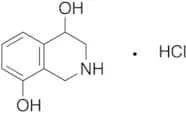
Fórmula:C12H21NO4Forma y color:NeatPeso molecular:243.31,2,3,4-Tetrahydro-4,8-isoquinolinediol Hydrochloride
CAS:Producto controladoFórmula:C9H11NO2·ClHForma y color:NeatPeso molecular:201.65(1S,2S,5S)-7-Oxo-6-(phenylmethoxy)-1,6-diazabicyclo[3.2.1]octane-2-carboxamide
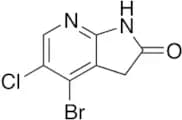
CAS:Producto controladoFórmula:C14H17N3O3Forma y color:NeatPeso molecular:275.3034-Bromo-5-chloro-7-aza-2-oxindole
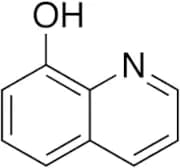
CAS:Producto controladoFórmula:C7H4BrClN2OForma y color:NeatPeso molecular:247.4768-Hydroxyquinoline
CAS:Producto controladoApplications 8-Hydroxyquinoline (cas# 148-24-3) is a compound useful in organic synthesis.
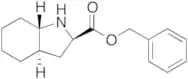
Fórmula:C9H7NOForma y color:NeatPeso molecular:145.16Benzyl (2R,3aS,7aR)-octahydro-1H-indole-2-caboxylate
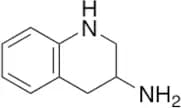
CAS:Producto controladoFórmula:C16H21NO2Forma y color:NeatPeso molecular:259.3431,2,3,4-Tetrahydroquinolin-3-amine
CAS:Producto controladoApplications 1,2,3,4-Tetrahydroquinolin-3-amine (cas# 40615-02-9) is a useful research chemical.
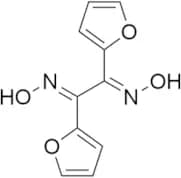
Fórmula:C9H12N2Forma y color:NeatPeso molecular:148.205(Z,Z)-a-Furil Dioxime
CAS:Producto controladoApplications alpha-Furil Dioxime (cas# 23789-34-6) is a useful research chemical.
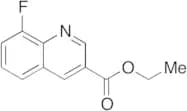
Fórmula:C10H8N2O4Forma y color:NeatPeso molecular:220.18Ethyl 8-Fluoroquinoline-3-carboxylate
CAS:Producto controladoFórmula:C12H10FNO2Forma y color:NeatPeso molecular:219.2117tert-Butyl 4-(Aminomethyl)indoline-1-carboxylate
CAS:Producto controladoApplications Tert-Butyl 4-(Aminomethyl)Indoline-1-Carboxylate (cas# 1086392-32-6) is a useful research chemical.
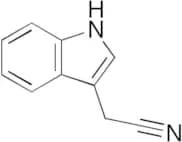
Fórmula:C14H20N2O2Forma y color:NeatPeso molecular:248.32Indole-3-acetonitrile
CAS:Applications Indole-3-acetonitrile is an indole derivative involved in the biosynthesis of the plant hormone indole acetic acid (I577340) via the indole-3-acetaldoxime pathway.
References Kong, W., et al.: Plant Cell Physiol, 56, 715-726 (2015)Fórmula:C10H8N2Forma y color:Yellow CrystallinePeso molecular:156.185-Nitro-1H-indazole-7-carboxylic Acid
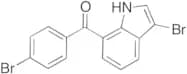
CAS:Producto controladoFórmula:C8H5N3O4Forma y color:NeatPeso molecular:207.143-Bromo-7-(4-bromobenzoyl)indole
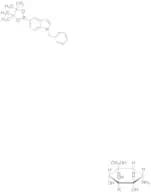
CAS:Producto controladoFórmula:C15H9Br2NOForma y color:NeatPeso molecular:196.1731-Benzylindole-5-boronic Acid Pinacol Ester
CAS:Producto controladoApplications 1-Benzylindole-5-boronic Acid Pinacol Ester acts as a reagent in the synthesis of 3,3-difluoro-2-oxindoles via electrophilic fluorination of indoles using N-fluorobenzenesulfonimide. Preparation of triazolopyridine compounds as JAK kinase inhibitors useful in the treatment of neurodegenerative and inflammatory diseases.
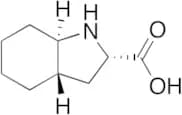
References : Lim, Y., et al.: Org. Lett., 14, 5676; Menet, C., et al.: PCT Int. Appl. (2010), WO 2010010190 A1 20100128.Fórmula:C21H24BNO2Forma y color:NeatPeso molecular:333.23(2S,3aS,7aR)-Octahydro-1H-indole-2-carboxylic Acid
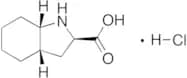
CAS:Producto controladoFórmula:C9H15NO2Forma y color:NeatPeso molecular:169.221(2R,3aS,7aS)-Octahydroindole-2-carboxylic Acid Hydrochloride
CAS:Producto controladoApplications (2R,3aS,7aS)-Octahydroindole-2-carboxylic Acid Hydrochloride is an intermediate in the synthesis of Perindoprilat (P287530), an angiotensin-converting enzyme (ACE) inhibitor. Antihypertensive.
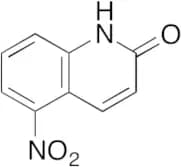
References Vincent, M., et al.: Drug Design Disc., 9, 11 (1992), Pascard, C., et al.: J. Med. Chem., 34, 663 (1991)Fórmula:C9H16ClNO2Forma y color:NeatPeso molecular:205.685-Nitro-1H-quinolin-2-one
CAS:Producto controladoApplications 5-Nitro-1H-quinolin-2-one is used in the synthetic preparation of novel antileishmanial agents for Leishmania donovani promastigotes.
References Paloque, L., et al.: Europ. J. Med. Chem., 54, 75 (2012);Fórmula:C9H6N2O3Forma y color:NeatPeso molecular:190.165-Aminotricyclo[3.3.1.13,7]decane-1,3-diol
CAS:Producto controladoApplications 5-Aminotricyclo[3.3.1.13,7]decane-1,3-diol is an intermediate used in the synthesis of Hydroxy Vildagliptin (V305035), which is an impurity of Vildagliptin (V305000). Vildagliptin is a DPP-4 enzyme inhibitor, has anti-oxidant properties and used as an apoptotic agent on pancreatic cancer . Vildagliptin is used to treat type 2 diabetes mellitus (T2DM) and improve the endothelial function of patients.
References Amritha, C.A., et al.: J. Clin. Diagn. Res., 9, FC14 (2015); Cosenso-Martin, L.N., et al.: Diabetol. Metab. Syndr., 7, 70/1 (2015)Fórmula:C10H17NO2Forma y color:NeatPeso molecular:183.252,4-Dichloro-5,6,7,8-tetrahydropyrido[3,4-d]pyrimidine hydrochloride
CAS:Producto controladoStability Hygroscopic
Applications 2,4-Dichloro-5,6,7,8-tetrahydropyrido[3,4-d]pyrimidine hydrochloride (cas# 1187830-76-7) is a useful research chemical.Fórmula:C7H7N3Cl2•HClForma y color:NeatPeso molecular:240.513-(2,3-Dihydro-1H-inden-2-yl)-1-ethyl-8-[[4-(1-pyrrolidinyl)phenyl]methyl]-1,3,8-triazaspiro[4.5]decane-2,4-dione
CAS:Producto controladoFórmula:C29H36N4O2Forma y color:NeatPeso molecular:472.622Bicyclo[4.1.0]heptane-7-carboxylic Acid
CAS:Producto controladoApplications Bicyclo[4.1.0]Heptane-7-Carboxylic Acid (cas# 41894-76-2) is a useful reagent for the heteroatom-directed C-H borylation of cyclopropanes and cyclobutanes.
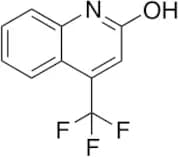
References Murakami, R., et al.: Chem. Eur. J., 20, 13127 (2014)Fórmula:C8H12O2Forma y color:NeatPeso molecular:140.174-(trifluoromethyl)quinolin-2(1H)-one
CAS:Producto controladoFórmula:C10H6F3NOForma y color:NeatPeso molecular:213.1563-(Ethoxycarbonyl)bicyclo[1.1.1]pentane-1-carboxylic Acid
CAS:Producto controladoApplications 3-(ETHOXYCARBONYL)BICYCLO[1.1.1]PENTANE-1-CARBOXYLIC ACID (cas# 1823373-90-5) is a useful research chemical.
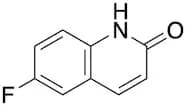
Fórmula:C9H12O4Forma y color:NeatPeso molecular:184.1896-Fluoroquinolin-2(1H)-one
CAS:Producto controladoApplications 6-Fluoroquinolin-2(1H)-one
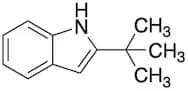
Fórmula:C9H6FNOForma y color:NeatPeso molecular:163.152-tert-Butylindole
CAS:Producto controladoApplications 2-tert-Butyl-1H-indole (cas# 1805-65-8) is a useful research chemical.
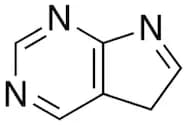
Fórmula:C12H15NForma y color:NeatPeso molecular:173.257-Deazapurine
CAS:Producto controladoApplications 7-Deazapurine (cas# 18549-65-0) is a compound useful in organic synthesis.
Fórmula:C6H5N3Forma y color:NeatPeso molecular:119.124,9-Bis(5-bromo-2-thienyl)-2,7-bis(2-octyldodecyl)-benzo[lmn][3,8]phenanthroline-1,3,6,8(2H,7H)-tetrone
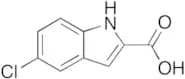
CAS:Producto controladoFórmula:C62H88Br2N2O4S2Forma y color:NeatPeso molecular:1149.325-Chloroindole-2-carboxylic Acid
CAS:Producto controladoApplications 5-Chloroindole-2-carboxylic Acid is used in the synthesis of 4-(3-aminomethylphenyl)piperidine-1-carboxamides as potent, selective, and orally bioavailable inhibitors of βII tryptase. It is also a reagent used to prepare indole amides with possible antihistaminic activities.
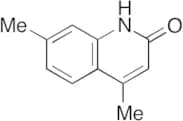
References Levell, J., et al.: Bioorg. Med. Chem., 13, 2859 (2005); Battaglia, S., et al.: Eur. J. Med. Chem., 34, 93 (1999)Fórmula:C9H6ClNO2Forma y color:NeatPeso molecular:195.64,7-Dimethylquinolin-2(1H)-one
CAS:Producto controladoApplications 4,7-Dimethylquinolin-2(1H)-one is a reagent in the preparartion of citralidene hydrazido quinolinones which has antibacterial activity.
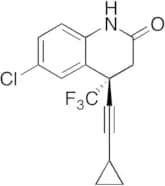
References Piste, P. B., et al.: J. Chem. Biol. Phy. Sci., 3, 1746 (2013);Fórmula:C11H11NOForma y color:NeatPeso molecular:173.08(R)-6-Chloro-4-(cyclopropylethynyl)-4-(trifluromethyl)-3,4-dihydroquinolin-2(1H)-one
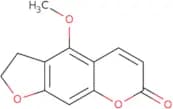
Producto controladoFórmula:C15H11ClF3NOForma y color:NeatPeso molecular:313.7024',5'-Dihydrobergapten
CAS:4',5'-Dihydrobergapten is a naturally occurring furanocoumarin, which is sourced primarily from various plant species, including members of the Rutaceae family. This compound is a derivative of psoralen and structurally categorized as a linear furanocoumarin. Its mode of action primarily involves intercalation into DNA, leading to photoactivation upon UVA exposure, which induces DNA cross-linking and inhibition of nucleic acid synthesis. Such mechanisms are pivotal for its biological properties.Fórmula:C12H10O4Pureza:Min. 95%Peso molecular:218.21 g/mol8-Bromoisoquinoline
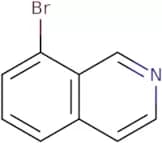
CAS:8-Bromoisoquinoline is a bifunctional alkylating agent that is used to synthesize esters and amides. It is commonly used for the synthesis of amino acids, peptides, and other biologically active molecules. 8-Bromoisoquinoline has been shown to have a synergistic effect with hydroxyalkyl carbamates, which may be due to its ability to form an ionic bond with the carboxylic acid in these compounds. This chemical can also react with nitro groups and serve as a chlorinating agent, as well as react with anions such as phosphate and acetate. 8-Bromoisoquinoline can be synthesized by reacting ethyl bromoacetate with tetrahydroisoquinolinium chloride in hydrochloric acid or isopropyl alcohol.
Fórmula:C9H6BrNPureza:Min. 95%Forma y color:PowderPeso molecular:208.05 g/molPangelin
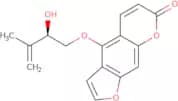
CAS:Pangelin is a novel biochemical agent, which is meticulously derived from a unique microbial source with advanced bioconversion techniques. This product functions primarily through a targeted enzymatic mechanism that modulates specific biochemical pathways, ensuring high specificity and efficacy in its action. The enzymatic process engages with targeted substrates to yield predictable and controlled outcomes, making it a potentially valuable tool in biochemical research and applications.
Fórmula:C16H14O5Pureza:Min. 95%Peso molecular:286.28 g/molOstruthin
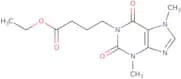
CAS:Ostruthin is a naturally occurring coumarin derivative, which is isolated from plants such as *Peucedanum ostruthium* and other species within the Apiaceae family. It functions as an enzyme inhibitor, acting primarily through its interference with various cellular processes, including the inhibition of specific enzyme pathways that contribute to its bioactivity. Ostruthin exhibits a range of biological activities, making it of significant interest in pharmacological research.Fórmula:C19H22O3Pureza:Min. 95%Peso molecular:298.38 g/mol1-(Ethyl-3-carboxypropyl)-3,7-dimethylxanthine
CAS:Producto controladoPlease enquire for more information about 1-(Ethyl-3-carboxypropyl)-3,7-dimethylxanthine including the price, delivery time and more detailed product information at the technical inquiry form on this pageFórmula:C13H18N4O4Pureza:Min. 95%Peso molecular:294.31 g/mol4,7-Diazaspiro[2.5]octane dihydrochloride
CAS:Please enquire for more information about 4,7-Diazaspiro[2.5]octane dihydrochloride including the price, delivery time and more detailed product information at the technical inquiry form on this page
Pureza:Min. 95%2-(2-Aminoethyl)-3',6'-bis(diethylaMino)spiro[isoindoline-1,9'-xanthen]-3-one
CAS:Please enquire for more information about 2-(2-Aminoethyl)-3',6'-bis(diethylaMino)spiro[isoindoline-1,9'-xanthen]-3-one including the price, delivery time and more detailed product information at the technical inquiry form on this pagePureza:Min. 95%Tert-butyl(8-anti)-3-azabicyclo[3.2.1]oct-8-ylcarbamate
CAS:Tert-butyl(8-anti)-3-azabicyclo[3.2.1]oct-8-ylcarbamate (tBAA) is a heterocycle that has been modified to enhance its pharmacokinetic properties. Tert-butyl(8-anti)-3-azabicyclo[3.2.1]oct-8-ylcarbamate was designed to be metabolically stable and have a high bioavailability and isosteric properties with phosphatidylinositol, which it uses as a substrate in the catalytic cycle. This modification also increased tBAA's stability in vivo, leading to an increase in efficacy. The covalent attachment of the phenyl ring on the tertiary amine nitrogen of tBAA provides additional protection against hepatic metabolism by CYP450 enzymes, making it more potent than other compounds with similar structures that are not covalently attached to the amine group.Fórmula:C12H22N2O2Pureza:Min. 95%Peso molecular:226.32 g/mol5-Nitrosoquinolin-8-ol
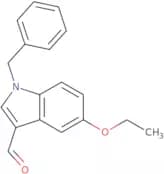
CAS:5-Nitrosoquinolin-8-ol is a chemical inhibitor that can be used in the study of enzyme function. It reacts with the active site of the enzymes and prevents them from carrying out their normal functions. 5-Nitrosoquinolin-8-ol has been shown to inhibit the growth of cancer cells and to have antiinflammatory properties. 5-Nitrosoquinolin-8-ol has been shown to bind to sephadex G-100 and potassium dichromate, which are both types of ion exchangers. The redox potential for this compound is -0.84 V. This means it will not react easily with other compounds, which makes it a good candidate for use as an inhibitor in biochemical studies. The nitrogen atoms in this compound are reactive, which means they can form covalent bonds with other molecules in a reaction called nitrosation. Structural biology is a branch of science that deals with studying the three dimensional structure of biological macFórmula:C9H6N2O2Pureza:Min. 95%Forma y color:Yellow To Green SolidPeso molecular:174.16 g/mol1-Benzyl-5-ethoxy-1H-indole-3-carbaldehyde
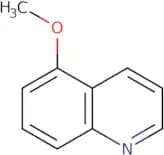
CAS:Producto controladoPlease enquire for more information about 1-Benzyl-5-ethoxy-1H-indole-3-carbaldehyde including the price, delivery time and more detailed product information at the technical inquiry form on this pageFórmula:C18H17NO2Pureza:Min. 95%Peso molecular:279.33 g/mol5-Methoxyquinoline
CAS:5-Methoxyquinoline (5MQ) is a chemical compound that belongs to the quinoline derivatives. It has shown anticancer activity in tumor models through a proton-transfer mechanism. 5MQ reacts with an acidic proton, such as the hydronium ion, to produce a reactive intermediate that can react with DNA and other cellular macromolecules. The drug also has been shown to inhibit the growth of bacteria by inhibiting protein synthesis. This inhibition is due to its ability to transfer protons from one molecule to another, which alters the charge distribution on that molecule and prevents it from reacting with other molecules.Fórmula:C10H9NOPureza:Min. 95%Forma y color:LiquidPeso molecular:159.18 g/mol4-(Methoxycarbonyl)bicyclo[2.1.1]hexane-1-carboxylic acid
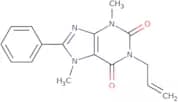
CAS:Please enquire for more information about 4-(Methoxycarbonyl)bicyclo[2.1.1]hexane-1-carboxylic acid including the price, delivery time and more detailed product information at the technical inquiry form on this pageFórmula:C9H12O4Pureza:Min. 95%Peso molecular:184.19 g/mol1-Allyl-3,7-dimethyl-8-phenylxanthine
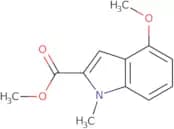
CAS:Producto controladoPlease enquire for more information about 1-Allyl-3,7-dimethyl-8-phenylxanthine including the price, delivery time and more detailed product information at the technical inquiry form on this pageFórmula:C16H16N4O2Pureza:Min. 95%Peso molecular:296.32 g/molMethyl 4-methoxy-1-methyl-1H-indole-2-carboxylate
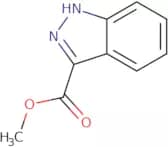
CAS:Producto controladoPlease enquire for more information about Methyl 4-methoxy-1-methyl-1H-indole-2-carboxylate including the price, delivery time and more detailed product information at the technical inquiry form on this pageFórmula:C12H13NO3Pureza:Min. 95%Peso molecular:219.24 g/molMethyl 1H-indazole-3-carboxylate
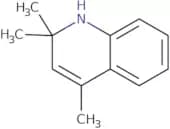
CAS:Producto controladoMethyl 1H-indazole-3-carboxylate is a synthetic cannabinoid that is structurally related to the natural cannabinoid, anandamide. It has been shown to be a potent activator of the CB2 receptor and to inhibit spontaneous activity in mice. Methyl 1H-indazole-3-carboxylate also binds to CB1 receptors and has potential use as a cancer therapy due to its ability to induce apoptosis. This compound is illegal in many countries, including the United States and Canada, where it is classified as a Schedule I drug.Fórmula:C9H8N2O2Pureza:Min. 95%Peso molecular:176.17 g/molPoly(1,2-dihydro-2,2,4-trimethylquinoline)
CAS:Poly(1,2-dihydro-2,2,4-trimethylquinoline) is a high molecular weight polymeric quinoline. It is an intramolecular hydrogen bond donor. The nitrogen atoms in the polymers are bound to hydrogen and form a ring with two amino groups. Poly(1,2-dihydro-2,2,4-trimethylquinoline) has been shown to be resistant to many chemical agents such as hydrogen fluoride and glycoside derivatives. It also has a carcinogenic potential and can induce liver lesions. The carcinogenesis studies of poly(1,2-dihydro-2,2,4-trimethylquinoline) have shown that it may cause cancer in animals via diazonium salt and methyl ethyl hydrochloric acidFórmula:(C12H15N)xPureza:Min. 95%Forma y color:Powder(2R)-1-[2-[(3-Hydroxytricyclo[3.3.1.1(3,7)]dec-1-yl)amino]acetyl]-2-pyrrolidinecarbonitrile
CAS:(2R)-1-[2-[(3-Hydroxytricyclo[3.3.1.1(3,7)]dec-1-yl)amino]acetyl]-2-pyrrolidinecarbonitrile is a drug that belongs to the class of DPP-IV inhibitors and is used for the treatment of type 2 diabetes mellitus. It has been shown to be effective in reducing postprandial blood glucose levels in patients with type 2 diabetes mellitus. The mechanism of action of this drug is not fully understood, but it may have an effect on insulin release from pancreatic beta cells and/or inhibition of gastric emptying or intestinal absorption of glucose. This drug has been shown to reduce tubulointerstitial injury in diabetic rats and can be used as a combination therapy for type 2 diabetes mellitus. There are no known clinically relevant interactions between (2R)-1-[2-[(3-HydroxytricycloFórmula:C17H25N3O2Pureza:Min. 95%Peso molecular:303.4 g/moltrans-Khellactone
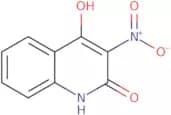
CAS:Trans-Khellactone is a naturally occurring lactone derivative, which is isolated from plants of the Apiaceae family. This compound exhibits a variety of biological functions due to its unique chemical structure, which includes a dihydropyran ring. Trans-Khellactone's mode of action involves interacting with various cellular pathways, potentially modulating enzyme activity, receptor binding, and influencing signal transduction processes.Fórmula:C14H14O5Pureza:Min. 95%Peso molecular:262.26 g/mol4-Hydroxy-3-nitro-2(1H)-quinolinone
CAS:4-Hydroxy-3-nitro-2(1H)-quinolinone is a quinoline derivative that has been shown to have anticancer activity against cancer cells. It can be used for the treatment of various types of cancer, including lung cancer, breast cancer, and colon cancer. This drug inhibits the growth of cancer cells by blocking the cycle at the G1 phase and inducing apoptosis. It also disrupts mitochondrial membrane potential, leading to an increase in reactive oxygen species and DNA damage. 4-Hydroxy-3-nitro-2(1H)-quinolinone is an epidermal growth factor receptor (EGFR) antagonist and blocks epidermal growth factor signaling through its inhibition of EGFR tyrosine kinase activity. It also downregulates TNFα expression in tumor cells by inhibiting NFκB activation.
Fórmula:C9H6N2O4Pureza:Min. 95%Peso molecular:206.16 g/mol
![1,4-Dioxa-8-azaspiro[4.5]decane-8-carboxylic Acid 1,1-Dimethylethyl Ester](/_next/image/?url=https%3A%2Fstatic.cymitquimica.com%2Fproducts%2FTR%2Fthumb-webp%2FD485270.webp&w=3840&q=75)

![(1S,2S,5S)-7-Oxo-6-(phenylmethoxy)-1,6-diazabicyclo[3.2.1]octane-2-carboxamide](/_next/image/?url=https%3A%2Fstatic.cymitquimica.com%2Fproducts%2FTR%2Fthumb-webp%2FO847850.webp&w=3840&q=75)



![5-Aminotricyclo[3.3.1.13,7]decane-1,3-diol](/_next/image/?url=https%3A%2Fstatic.cymitquimica.com%2Fproducts%2FTR%2Fthumb-webp%2FA633195.webp&w=3840&q=75)
![2,4-Dichloro-5,6,7,8-tetrahydropyrido[3,4-d]pyrimidine hydrochloride](/_next/image/?url=https%3A%2Fstatic.cymitquimica.com%2Fproducts%2FTR%2Fthumb-webp%2FD438755.webp&w=3840&q=75)
![3-(2,3-Dihydro-1H-inden-2-yl)-1-ethyl-8-[[4-(1-pyrrolidinyl)phenyl]methyl]-1,3,8-triazaspiro[4.5]d…](/_next/image/?url=https%3A%2Fstatic.cymitquimica.com%2Fproducts%2FTR%2Fthumb-webp%2FD417830.webp&w=3840&q=75)
![Bicyclo[4.1.0]heptane-7-carboxylic Acid](/_next/image/?url=https%3A%2Fstatic.cymitquimica.com%2Fproducts%2FTR%2Fthumb-webp%2FC986323.webp&w=3840&q=75)
![3-(Ethoxycarbonyl)bicyclo[1.1.1]pentane-1-carboxylic Acid](/_next/image/?url=https%3A%2Fstatic.cymitquimica.com%2Fproducts%2FTR%2Fthumb-webp%2FE940078.webp&w=3840&q=75)
![4,9-Bis(5-bromo-2-thienyl)-2,7-bis(2-octyldodecyl)-benzo[lmn][3,8]phenanthroline-1,3,6,8(2H,7H)-te…](/_next/image/?url=https%3A%2Fstatic.cymitquimica.com%2Fproducts%2FTR%2Fthumb-webp%2FB415075.webp&w=3840&q=75)


![4,7-Diazaspiro[2.5]octane dihydrochloride](/_next/image/?url=https%3A%2Fstatic.cymitquimica.com%2Fproducts%2F3D%2Fthumb-webp%2FFD141902.webp&w=3840&q=75)
![2-(2-Aminoethyl)-3',6'-bis(diethylaMino)spiro[isoindoline-1,9'-xanthen]-3-one](/_next/image/?url=https%3A%2Fstatic.cymitquimica.com%2Fproducts%2F3D%2Fthumb-webp%2FFA39948.webp&w=3840&q=75)
![Tert-butyl(8-anti)-3-azabicyclo[3.2.1]oct-8-ylcarbamate](/_next/image/?url=https%3A%2Fstatic.cymitquimica.com%2Fproducts%2F3D%2Fthumb-webp%2FFT167890.webp&w=3840&q=75)

![4-(Methoxycarbonyl)bicyclo[2.1.1]hexane-1-carboxylic acid](/_next/image/?url=https%3A%2Fstatic.cymitquimica.com%2Fproducts%2F3D%2Fthumb-webp%2FFM76248.webp&w=3840&q=75)
![(2R)-1-[2-[(3-Hydroxytricyclo[3.3.1.1(3,7)]dec-1-yl)amino]acetyl]-2-pyrrolidinecarbonitrile](/_next/image/?url=https%3A%2Fstatic.cymitquimica.com%2Fproducts%2F3D%2Fthumb-webp%2FFH46129.webp&w=3840&q=75)