Compuestos policíclicos
Subcategorías de "Compuestos policíclicos"
- Acridinas(98 productos)
- Antraquinonas(533 productos)
- Ácidos antraquinonesulfónicos(16 productos)
- Azobencenos(270 productos)
- Azonaftalenos(98 productos)
- Azoxibencenos(12 productos)
- Azulenos(11 productos)
- Benzimidazoles(1.476 productos)
- Benzodioxanos(27 productos)
- Benzofuranos(928 productos)
- Benzotiofenos(701 productos)
- Benzotriazoles(438 productos)
- Binaftilos(133 productos)
- Carbazoles(464 productos)
- Cromanos, Cromatos(480 productos)
- Cumarinas(1.125 productos)
- Ciclofanos(11 productos)
- Fluorenos y fluorenonas(384 productos)
- Imidazopiridinas(10 productos)
- Indans(118 productos)
- Indazoles(2.038 productos)
- Indenes(22 productos)
- Indoles(3.987 productos)
- Indolines(119 productos)
- Isatinos(234 productos)
- Isobenzofuranos(17 productos)
- Ftalimidas N-sustituidas(154 productos)
- Naftalenos(2.438 productos)
- Naftiridinas(17 productos)
- Naftoquinona(2 productos)
- Perilenos(36 productos)
- Fenazinas(25 productos)
- Ftalazinas(33 productos)
- Ftalimida(154 productos)
- Hidrocarburos aromáticos policíclicos (HAP)(282 productos)
- Polifenol(270 productos)
- Pteridinas(52 productos)
- Pirenos(87 productos)
- Quinuclidina(1 productos)
- Tetracenos(7 productos)
Se han encontrado 4575 productos de "Compuestos policíclicos"
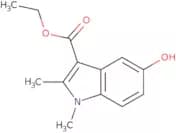
Ethyl 1,2-dimethyl-5-hydroxyindole-3-carboxylate
CAS:Producto controladoEthyl 1,2-dimethyl-5-hydroxyindole-3-carboxylate (EDMC) is an implantable drug that is used to treat hypertension. It is a diuretic that can be taken orally or injected. EDMC works by reducing the amount of urea nitrogen in the blood and increasing the amount of chlorine atom in the urine. This leads to an increase in active substances such as malonic acid and a decrease in arthropoda. EDMC has been shown to have antihypertensive activity due to its ability to lower diastolic and systolic pressure. The molecule also contains hydroxyl group and aldehyde groups that are analyzed by analytical chemistry.Fórmula:C13H15NO3Pureza:Min. 95%Peso molecular:233.26 g/mol5-Nitrosoquinolin-8-ol
CAS:5-Nitrosoquinolin-8-ol is a chemical inhibitor that can be used in the study of enzyme function. It reacts with the active site of the enzymes and prevents them from carrying out their normal functions. 5-Nitrosoquinolin-8-ol has been shown to inhibit the growth of cancer cells and to have antiinflammatory properties. 5-Nitrosoquinolin-8-ol has been shown to bind to sephadex G-100 and potassium dichromate, which are both types of ion exchangers. The redox potential for this compound is -0.84 V. This means it will not react easily with other compounds, which makes it a good candidate for use as an inhibitor in biochemical studies. The nitrogen atoms in this compound are reactive, which means they can form covalent bonds with other molecules in a reaction called nitrosation. Structural biology is a branch of science that deals with studying the three dimensional structure of biological macFórmula:C9H6N2O2Pureza:Min. 95%Forma y color:Yellow To Green SolidPeso molecular:174.16 g/mol3-Hydroxyisoquinoline
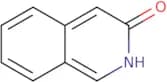
CAS:3-Hydroxyisoquinoline is a non-nucleoside inhibitor of cyclic nucleotide phosphodiesterase (cNMP) that is used in the treatment of nervous system diseases. 3-Hydroxyisoquinoline has been shown to have an inhibitory effect on cyclic nucleotide phosphodiesterase and can be used for the treatment of neurological disorders such as Parkinson’s disease, Alzheimer’s disease, and epilepsy. It also has anti-inflammatory properties and can be used to treat pain. 3-Hydroxyisoquinoline has a photoelectron spectrum that peaks at 5.6 eV, with a strong absorption band at 2.1 eV due to hydrogen bonding. This compound is also able to absorb radiation in the form of light emission with an emission peak at 4.8 eV, with a maximum intensity around 830 nm and a half-life of 0.2 s. 3-Hydroxyisoquinoline is able toFórmula:C9H7NOPureza:Min. 95%Forma y color:Yellow PowderPeso molecular:145.16 g/mol4,7-Diazaspiro[2.5]octane dihydrochloride
CAS:Please enquire for more information about 4,7-Diazaspiro[2.5]octane dihydrochloride including the price, delivery time and more detailed product information at the technical inquiry form on this page
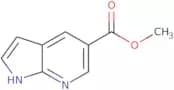
Pureza:Min. 95%7-Azaindole-5-carboxylic acid methyl ester
CAS:7-Azaindole-5-carboxylic acid methyl ester is an ester derivative that can be synthesized from the reaction of acetyl chloride and diazotization. 7-Azaindole-5-carboxylic acid methyl ester has been used in research for its biological activity, specifically as a cytotoxic agent. It has also been shown to inhibit the growth of cancer cells by alkylation reactions and cyclization reactions. 7-Azaindole-5-carboxylic acid methyl ester has been shown to have antitumor properties with a mechanism that is not yet fully understood.
Fórmula:C9H8N2O2Pureza:Min. 95%Peso molecular:176.17 g/molPoly(1,2-dihydro-2,2,4-trimethylquinoline)
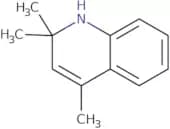
CAS:Poly(1,2-dihydro-2,2,4-trimethylquinoline) is a high molecular weight polymeric quinoline. It is an intramolecular hydrogen bond donor. The nitrogen atoms in the polymers are bound to hydrogen and form a ring with two amino groups. Poly(1,2-dihydro-2,2,4-trimethylquinoline) has been shown to be resistant to many chemical agents such as hydrogen fluoride and glycoside derivatives. It also has a carcinogenic potential and can induce liver lesions. The carcinogenesis studies of poly(1,2-dihydro-2,2,4-trimethylquinoline) have shown that it may cause cancer in animals via diazonium salt and methyl ethyl hydrochloric acidFórmula:(C12H15N)xPureza:Min. 95%Forma y color:Powder2-Amino-3-(1.2-dihydro-2-oxoquinoline-4-yl)propanoic acid
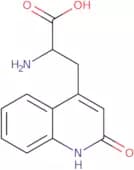
CAS:Please enquire for more information about 2-Amino-3-(1.2-dihydro-2-oxoquinoline-4-yl)propanoic acid including the price, delivery time and more detailed product information at the technical inquiry form on this pageFórmula:C12H12N2O3Pureza:Min. 95%Peso molecular:232.24 g/mol5-Bromo-3-[2-(1-pyrrolidinyl)ethyl]-1H-indole
CAS:Producto controladoPlease enquire for more information about 5-Bromo-3-[2-(1-pyrrolidinyl)ethyl]-1H-indole including the price, delivery time and more detailed product information at the technical inquiry form on this pageFórmula:C14H17BrN2Pureza:Min. 95%Peso molecular:293.2 g/molL-(2S,3aS,7aS)-Octahydro-1H-indole-2-carboxylic acid benzyl ester tosylate salt
CAS:Please enquire for more information about L-(2S,3aS,7aS)-Octahydro-1H-indole-2-carboxylic acid benzyl ester tosylate salt including the price, delivery time and more detailed product information at the technical inquiry form on this pageFórmula:C23H29NO5SPureza:Min. 95%Peso molecular:431.55 g/molFraxetin
CAS:Fraxetin is a chemical compound known as a coumarin derivative, which is a natural product primarily sourced from various plant species. As a member of the coumarin family, fraxetin is often extracted from the roots, bark, and leaves of plant sources like Fraxinus species and other related flora. The compound operates through an array of biochemical pathways, prominently exhibiting antioxidant and anti-inflammatory properties. It acts by scavenging free radicals and modulating oxidative stress-related pathways, while also influencing the expression of various inflammatory cytokines.
Fórmula:C10H8O5Peso molecular:208.17 g/molRef: 3D-Q-100662
1gA consultar5gA consultar10gA consultar500mgA consultar2500mgA consultar-Unit-ggA consultarN-Acetylimidazole
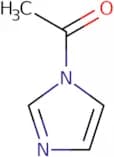
CAS:N-Acetylimidazole is a drug that belongs to the class of glycol esters. It is an inhibitor of the enzyme acetylcholinesterase and has been used in the treatment of autoimmune diseases, such as myasthenia gravis. N-Acetylimidazole can inhibit the activity of other enzymes, such as p-nitrophenyl phosphate oxidase, which may be responsible for its anti-inflammatory properties. This drug has been shown to inhibit microbial growth in vitro by inhibiting the synthesis of choline and acetylcholine in the body. N-Acetylimidazole also inhibits bacterial growth by acting as a substrate molecule for bacterial enzymes that catalyze transfer reactions, including phosphotransferases and hydrolases.
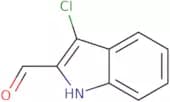
Fórmula:C5H6N2OPureza:Min. 95%Forma y color:White PowderPeso molecular:110.11 g/mol3-Chloro-1H-indole-2-carbaldehyde
CAS:3-Chloro-1H-indole-2-carbaldehyde is a bifunctional reagent that can be used to form amides. It reacts with primary and secondary amines, as well as dialkyl and methylene amines, to produce the corresponding chloro-, phenylhydrazine-, or nitrosoaminoureas. This reaction is intramolecular and yields the desired product in high yield. The reactant can also be used as a chloride source. 3-Chloro-1H-indole-2-carbaldehyde is manufactured by reacting phenylhydrazine with chloroacetic acid in an organic solvent at room temperature (25°C).
Fórmula:C9H6ClNOPureza:Min. 95%Peso molecular:179.6 g/molVaginidiol
CAS:Vaginidiol is a coumarin derivative that inhibits the biosynthesis of estrogen, which is essential for normal development of female reproductive tissues. The structure of vaginidiol was elucidated by NMR and mass spectroscopy, and it was found to be a bergapten-coumarin derivative. Vaginidiol has been shown to have an inhibitory effect on the growth of plants. This compound can be synthesized in two steps from etoac extract by an asymmetric synthesis using potassium hydroxide as the catalyst.
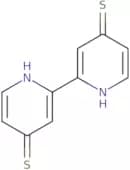
Fórmula:C14H14O5Pureza:Min. 95%Peso molecular:262.26 g/mol4,4'-Dithio-2,2'-bipyridine
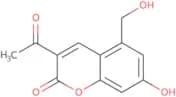
CAS:Please enquire for more information about 4,4'-Dithio-2,2'-bipyridine including the price, delivery time and more detailed product information at the technical inquiry form on this pageFórmula:C10H8N2S2Pureza:Min. 95%Forma y color:PowderPeso molecular:220.32 g/mol3-Acetyl-5-hydroxymethyl-7-hydroxycoumarin
CAS:3-Acetyl-5-hydroxymethyl-7-hydroxycoumarin is a synthetic coumarin derivative, which is a class of organic compounds often found in natural products. These compounds are derived from plant sources and are known for their significant biochemical effects and aromatic properties. The mode of action of 3-Acetyl-5-hydroxymethyl-7-hydroxycoumarin involves interactions at the molecular level, where it can exhibit various biological activities, such as antioxidant and antimicrobial effects. Due to the hydroxyl and acetyl functional groups present, it can participate in redox reactions and binding interactions, affecting biochemical pathways.Fórmula:C12H10O5Pureza:Min. 95%Forma y color:Light (Or Pale) Yellow To Orange Yellow SolidPeso molecular:234.2 g/mol4-Bromoisoquinoline
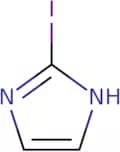
CAS:4-Bromoisoquinoline is an aryl halide that can be used in the cross-coupling reaction with other aryl halides. It has been shown to have anticancer activity and to inhibit the growth of tumour cell lines in vitro. This compound is also efficient for inhibiting leukemia cells. 4-Bromoisoquinoline has been shown to have an inhibitory effect on cancer cells through the inhibition of DNA synthesis and RNA transcription, as well as by inducing apoptosis. The mechanism of action may be due to its ability to bind to aromatic hydrocarbons and halides, which leads to thermodynamic changes and vibrational energy transfer.Fórmula:C9H6BrNPureza:Min. 95%Peso molecular:208.05 g/mol2-Iodo-1H-imidazole
CAS:2-Iodo-1H-imidazole is an asymmetric molecule that is synthesized by a Suzuki coupling reaction between malonic acid and tautomers of 2-iodo-1H-imidazole. This molecule inhibits the activity of inhibitor molecules, such as nitrogen atoms, which are used in pesticide production. It also has pesticidal activity and can be used to treat cancer or autoimmune diseases. 2-Iodo-1H-imidazole is metabolized through a number of metabolic transformations, including hydrolysis by esterases or glucuronidases, oxidation by cytochrome P450 enzymes, reduction by glutathione reductase, or conjugation with glucuronic acid.Fórmula:C3H3IN2Pureza:Min. 95%Forma y color:White PowderPeso molecular:193.97 g/mol1,4-Diazabicyclo[2.2.2]octane
CAS:1,4-Diazabicyclo[2.2.2]octane is an organic compound that belongs to the group of coordination compounds and has antimicrobial activity. It is a colorless solid with a melting point of -117°C and a boiling point of 245°C. The molecular geometry is planar, which means that all bonds are linear. The compound can be found in water vapor or as colloidal gold sols in reaction with water vapor. It can also be obtained by reacting triethylenediamine with hydrochloric acid at 100°C under vacuum conditions. 1,4-Diazabicyclo[2.2.2]octane has been shown to have antibiotic properties and is able to inhibit the growth of bacteria through coordination geometry and phase transition temperature effects on the bacterial cell membrane.
Fórmula:C6H12N2Pureza:Min. 98%Forma y color:PowderPeso molecular:112.17 g/mol4-Chloro-5H-pyrimido[5,4-b]indole
CAS:Please enquire for more information about 4-Chloro-5H-pyrimido[5,4-b]indole including the price, delivery time and more detailed product information at the technical inquiry form on this pageFórmula:C10H6ClN3Pureza:Min. 95%Peso molecular:203.63 g/mol1-Azaspiro[4.4]nonane hydrochloride
CAS:1-Azaspiro[4.4]nonane hydrochloride is a versatile building block that is also used in research, as a reagent, and as a speciality chemical. It has been shown to be an excellent building block for complex compounds, with wide applications in the pharmaceutical industry. 1-Azaspiro[4.4]nonane hydrochloride has a CAS No. of 1417567-64-6 and can be found under the trade name Azapropynalene Hydrochloride (AP). It is soluble in water, alcohols, ethers and acetone but insoluble in most other solvents. 1-Azaspiro[4.4]nonane hydrochloride has been shown to have high quality and stability when stored under appropriate conditions; it is also resistant to degradation by light or air.Fórmula:C8H15N•HClPureza:Min. 95%Forma y color:PowderPeso molecular:161.67 g/molMethyl 4-(benzyloxy)-1-methyl-1H-indole-2-carboxylate
CAS:Producto controladoPlease enquire for more information about Methyl 4-(benzyloxy)-1-methyl-1H-indole-2-carboxylate including the price, delivery time and more detailed product information at the technical inquiry form on this pageFórmula:C18H17NO3Pureza:Min. 95%Peso molecular:295.33 g/mol8-Methoxymethyl-1-methyl-3-(2-methylpropyl) xanthine
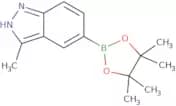
CAS:Producto controlado8-Methoxymethyl-1-methyl-3-(2-methylpropyl) xanthine (8MMX) is an intracellular calcium ion chelator that inhibits enzyme activity in the cyclic nucleotide phosphodiesterase enzyme family. 8MMX has been shown to be a potent inhibitor of both cyclic nucleotide phosphodiesterases and cyclic nucleotide phosphodiesterase isoenzymes. 8MMX has been shown to inhibit bladder contractility and improve bladder function in animal models. It also reduces the incidence of papillary muscle rupture, which can lead to heart failure, and improves ventricular function by increasing the rate of relaxation of the left ventricle. 8MMX is a potential treatment for pulmonary hypertension, which is caused by increased concentrations of intracellular calcium ions.Fórmula:C12H18N4O3Pureza:Min. 95%Peso molecular:266.3 g/mol3-Methyl-5-pinacolatoboryl-indazole
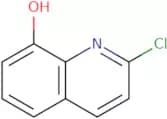
CAS:Please enquire for more information about 3-Methyl-5-pinacolatoboryl-indazole including the price, delivery time and more detailed product information at the technical inquiry form on this pageFórmula:C14H19BN2O2Pureza:Min. 95%Peso molecular:258.12 g/mol2-Chloroquinolin-8-ol
CAS:2-Chloroquinolin-8-ol is a chemical compound that binds to the human serum albumin and has cytotoxic effects on cancer cells. It has been shown to be an inhibitor of survivin, a protein that can promote cancer cell survival. 2-Chloroquinolin-8-ol has also been shown to inhibit the proliferation of human epidermoid carcinoma cells in vitro. This agent also inhibits the growth of Trichophyton mentagrophytes, a fungus that causes tinea versicolor, by binding to the ribosomal RNA. The binding constants for 2-chloroquinolin-8-ol were determined using atomic orbital calculations and vibrational spectroscopy. It has also been shown to bind with high affinity to hepg2 cells and cervical cancer cells.Fórmula:C9H6ClNOPureza:Min. 95%Peso molecular:179.6 g/mol4-fluoro-1-methyl-1,4-diazoniabicyclo[2.2.2]octane
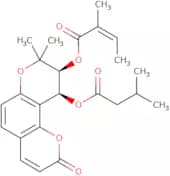
CAS:4-fluoro-1-methyl-1,4-diazoniabicyclo[2.2.2]octane (ditetrafluor) is a fluorine containing compound that can be used to treat cancer cells. It is a chiral molecule with four stereoisomers, two of which are active against cancer cells and the other two are inactive. Ditetrafluor has been shown to have antiviral activity against influenza A virus by inhibiting viral replication, but it does not have any effect on the common cold virus. This drug is also able to inhibit syncytia formation in cultured cells and has been shown to be effective in treating malaria caused by Plasmodium falciparum.Fórmula:C7H15B2F9N2Pureza:Min. 95%Peso molecular:319.82 g/molPraeruptorin E
CAS:Praeruptorin E is a natural furanocoumarin, which is derived from the roots of Peucedanum praeruptorum, a plant commonly used in traditional Chinese medicine. As a bioactive compound, Praeruptorin E exhibits significant pharmacological activities, particularly in cardiovascular, anti-inflammatory, and cytoprotective domains.Pureza:Min. 95%Heratomol
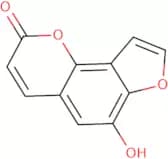
CAS:Please enquire for more information about Heratomol including the price, delivery time and more detailed product information at the technical inquiry form on this page
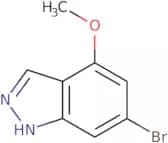
Fórmula:C11H6O4Pureza:Min. 95%Peso molecular:202.16 g/mol6-Bromo-4-methoxy-1H-indazole
CAS:Please enquire for more information about 6-Bromo-4-methoxy-1H-indazole including the price, delivery time and more detailed product information at the technical inquiry form on this page
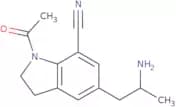
Fórmula:C8H7BrN2OPureza:Min. 95%Peso molecular:227.06 g/mol1-Acetyl-5-(2-aminopropyl)-2,3-dihydro-1H-indole-7-carbonitrile
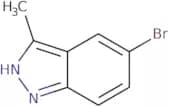
CAS:Producto controladoPlease enquire for more information about 1-Acetyl-5-(2-aminopropyl)-2,3-dihydro-1H-indole-7-carbonitrile including the price, delivery time and more detailed product information at the technical inquiry form on this pageFórmula:C14H17N3OPureza:Min. 95%Peso molecular:243.3 g/mol5-Bromo-3-methyl-1H-indazole
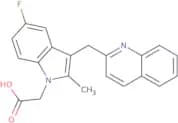
CAS:5-Bromo-3-methyl-1H-indazole is an organic compound that is synthesized from lithium diisopropylamide and lithium. 5-Bromo-3-methyl-1H-indazole is a white solid with a melting point of 151°C. It reacts with anhydrous hydrogen bromide to form 5,5'-dibromoindazole. The molecular weight of this compound is 202.2 g/mol.Fórmula:C8H7BrN2Pureza:Min. 95%Peso molecular:211.06 g/molTimapiprant
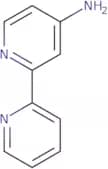
CAS:Producto controladoTimapiprant is an amide that acts as a selective inhibitor of the prostanoid receptor CRTH2, which is involved in regulating the inflammatory response. Timapiprant inhibits skin eosinophilia, which is associated with inflammatory skin diseases such as atopic dermatitis and psoriasis. It has been shown to be safe in clinical trials and has a good safety profile. The drug's mechanism of action may be due to its ability to inhibit the production of IL-4 and IL-13 by Th2 cells and its ability to inhibit lung function. Timapiprant has shown efficacy in treating allergic rhinitis, asthma, chronic obstructive pulmonary disease, erythema multiforme, pyoderma gangrenosum, and other types of inflammatory skin diseases.Fórmula:C21H17FN2O2Pureza:Min. 95%Peso molecular:348.37 g/mol4-Amino-2,2'-bipyridine
CAS:Please enquire for more information about 4-Amino-2,2'-bipyridine including the price, delivery time and more detailed product information at the technical inquiry form on this page
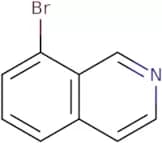
Fórmula:C10H9N3Pureza:Min. 95%Forma y color:PowderPeso molecular:171.2 g/mol8-Bromoisoquinoline
CAS:8-Bromoisoquinoline is a bifunctional alkylating agent that is used to synthesize esters and amides. It is commonly used for the synthesis of amino acids, peptides, and other biologically active molecules. 8-Bromoisoquinoline has been shown to have a synergistic effect with hydroxyalkyl carbamates, which may be due to its ability to form an ionic bond with the carboxylic acid in these compounds. This chemical can also react with nitro groups and serve as a chlorinating agent, as well as react with anions such as phosphate and acetate. 8-Bromoisoquinoline can be synthesized by reacting ethyl bromoacetate with tetrahydroisoquinolinium chloride in hydrochloric acid or isopropyl alcohol.
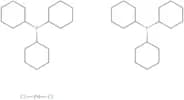
Fórmula:C9H6BrNPureza:Min. 95%Forma y color:PowderPeso molecular:208.05 g/molBis(tricyclohexylphosphine)palladium(II) Dichloride
CAS:Producto controladoBis(tricyclohexylphosphine)palladium(II) Dichloride is a cross-coupling agent that is used for the synthesis of organic and organometallic compounds. It reacts with terminal alkynes to form a phosphine oxide, which can then be converted into an arylated product. The reaction proceeds by the formation of a palladium-carbon bond and subsequent cleavage of the carbon-palladium bond in the presence of ammonium formate. Bis(tricyclohexylphosphine)palladium(II) Dichloride is insoluble in water, but soluble in organic solvents such as dichloromethane, 1,2-dichloroethane, or chloroform. This reagent has been shown to enhance the rate of transfer reactions between monomers.Fórmula:C36H66Cl2P2PdPureza:Min. 95%Peso molecular:738.18 g/mol1-tert-Butyl 3-methyl 1H-indole-1,3-dicarboxylate
CAS:Producto controladoPlease enquire for more information about 1-tert-Butyl 3-methyl 1H-indole-1,3-dicarboxylate including the price, delivery time and more detailed product information at the technical inquiry form on this pageFórmula:C15H17NO4Pureza:Min. 95%Peso molecular:275.3 g/mol7-Geranyloxycoumarin
CAS:7-Geranyloxycoumarin is a naturally occurring coumarin derivative, which is primarily sourced from plant species in the Rutaceae family. It is a bioactive compound known for its presence in various essential oils and its contribution to the properties of these plant extracts. The mode of action of 7-Geranyloxycoumarin involves interactions at the cellular level, including enzyme inhibition and modulation of signal transduction pathways, which can lead to diverse pharmacological effects.Fórmula:C19H22O3Pureza:Min. 95%Forma y color:PowderPeso molecular:298.38 g/mol3-[2-(2,5-Dimethyl-1H-pyrrol-1-yl)ethyl]-1H-indole
CAS:Producto controladoPlease enquire for more information about 3-[2-(2,5-Dimethyl-1H-pyrrol-1-yl)ethyl]-1H-indole including the price, delivery time and more detailed product information at the technical inquiry form on this pageFórmula:C16H18N2Pureza:Min. 95%Peso molecular:238.33 g/molEthyl5-acetyloxy-1,2-dimethylindole-3-carboxylate
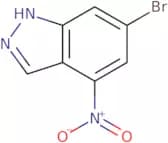
CAS:Producto controladoPlease enquire for more information about Ethyl5-acetyloxy-1,2-dimethylindole-3-carboxylate including the price, delivery time and more detailed product information at the technical inquiry form on this pageFórmula:C15H17NO4Pureza:Min. 95%Peso molecular:275.3 g/mol6-Bromo-4-nitro-1H-indazole
CAS:Please enquire for more information about 6-Bromo-4-nitro-1H-indazole including the price, delivery time and more detailed product information at the technical inquiry form on this page
Fórmula:C7H4BrN3O2Pureza:Min. 95%Peso molecular:242.03 g/mol8-[(2-Hydroxyethyl)(methyl)amino]-1,3,9-trimethyl-3,9-dihydro-1H-purine-2,6-dione
CAS:Producto controladoPlease enquire for more information about 8-[(2-Hydroxyethyl)(methyl)amino]-1,3,9-trimethyl-3,9-dihydro-1H-purine-2,6-dione including the price, delivery time and more detailed product information at the technical inquiry form on this page
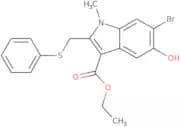
Fórmula:C11H17N5O3Pureza:Min. 95%Peso molecular:267.28 g/molEthyl 6-bromo-5-hydroxy-1-methyl-2-(phenylsulfanylmethyl)indole-3-carboxylate
CAS:Producto controladoPlease enquire for more information about Ethyl 6-bromo-5-hydroxy-1-methyl-2-(phenylsulfanylmethyl)indole-3-carboxylate including the price, delivery time and more detailed product information at the technical inquiry form on this pagePureza:Min. 95%(S)-1,2,3,4,5,6,7,8-Octahydro-1-[(4-methoxyphenyl)methyl]isoquinoline (acetate salt )
CAS:(S)-1,2,3,4,5,6,7,8-Octahydro-1-[(4-methoxyphenyl)methyl]isoquinoline (acetate salt ) is a diphosphine that can be used as a catalyst to produce formic acid from methanol and carbon monoxide. This product is an enantiomer of picric acid and has been shown to be an effective additive in the crystallization of picric acid. The acetate salt is also optically pure.Pureza:Min. 95%2,3-Dihydro-1-(3-hydroxypropyl)-5-[(2R)-2-[[2-[2-(2,2,2-trifluoroethoxy)phenoxy]ethyl]amino]propyl]-1H-indole-7-carbonitrile
CAS:Please enquire for more information about 2,3-Dihydro-1-(3-hydroxypropyl)-5-[(2R)-2-[[2-[2-(2,2,2-trifluoroethoxy)phenoxy]ethyl]amino]propyl]-1H-indole-7-carbonitrile including the price, delivery time and more detailed product information at the technical inquiry form on this page
Fórmula:C25H30F3N3O3Pureza:Min. 95%Peso molecular:477.52 g/mol4-Hydroxy-7-methoxyquinoline
CAS:4-Hydroxy-7-methoxyquinoline is an anti-malarial drug that belongs to the class of trimethyl, trifluoromethyl group. It is a cyclic compound and its synthesis starts with cyclization of the methyl derivative, which forms a ring. This product is used in clinical practice as an inhibitor of malarial protozoa and has been shown to have mechanistic effects on the cytochrome bc1 complex containing red blood cells. 4-Hydroxy-7-methoxyquinoline also inhibits the growth of bacteria by binding to the enzyme methionine synthase, which is involved in the biosynthesis of methionine from homocysteine. The product also has an inhibitory effect on DNA synthesis and protein synthesis.
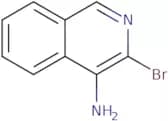
Fórmula:C10H9NO2Pureza:Min. 95%Peso molecular:175.18 g/mol4-Amino-3-bromoisoquinoline
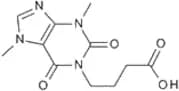
CAS:4-Amino-3-bromoisoquinoline is an isocyanide that reacts with nucleophilic heteroatoms such as the amino group. It also reacts with bromine to form a bromopyridine. The nitrile group of 4-amino-3-bromoisoquinoline can be reduced with sodium borohydride to produce 4-aminoquinoline. This compound has shown potential for use in chemotherapy and treating bacterial infections.Pureza:Min. 95%1-(3-Carboxypropyl)-3,7-dimethylxanthine
CAS:Producto controlado1-(3-Carboxypropyl)-3,7-dimethylxanthine is a drug that belongs to a class of drugs called multidrugs. It has been shown to inhibit the growth of endothelial cells by blocking the binding of tnf-α to its receptor on these cells. 1-(3-Carboxypropyl)-3,7-dimethylxanthine also inhibits cancer cell proliferation and has been shown to be effective in some human cancer models. This drug interacts with other molecules (e.g., proton) and can have significant effects on magnetic resonance spectroscopy assays as well as in humans.Fórmula:C11H14N4O4Pureza:Min. 95%Forma y color:PowderPeso molecular:266.25 g/molMurrangetin
Murrangetin is a flavonoid compound, which is a natural phytochemical sourced from the peels of various citrus fruits. Its mode of action primarily involves the modulation of inflammatory pathways, potentially through the inhibition of specific enzymes like cyclooxygenases and lipoxygenases. This flavonoid is also known for its antioxidative properties, which contribute to its ability to scavenge free radicals, thereby reducing oxidative stress in biological systems.
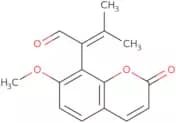
Pureza:Min. 95%Murralongin
CAS:Murralongin is a natural compound that falls under the category of sesquiterpenes, a class of terpenoids characterized by their three isoprene units. It is derived from the leaves and stems of the plant Eremophila mitchellii, a species known for its rich diversity of bioactive compounds often utilized in traditional medicine. The primary mode of action of Murralongin involves modulation of specific enzymatic pathways, potentially influencing a range of biological processes, including anti-inflammatory and antimicrobial activities.Fórmula:C15H14O4Pureza:Min. 95%Peso molecular:258.27 g/molBenazeprilat
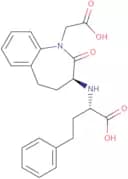
CAS:Benazeprilat is a prodrug that is metabolized to enalaprilat, its active form. It is an inhibitor of angiotensin-converting enzyme (ACE) and has been shown to be effective in the treatment of heart failure. It has also been shown to inhibit ACE activity in vitro and in experimental models of congestive heart failure. Benazeprilat binds to the active site on the ACE molecule and inhibits the conversion of angiotensin I into angiotensin II, which causes vasoconstriction and stimulates aldosterone release from the adrenal cortex. This drug also has effects on energy metabolism by stimulating beta oxidation, which leads to increased levels of ketone bodies in blood plasma.Fórmula:C22H24N2O5Pureza:Min. 98 Area-%Forma y color:White Off-White PowderPeso molecular:396.44 g/mol3-Chloro-7-nitro-1H-indole
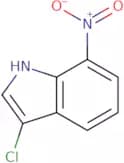
CAS:3-Chloro-7-nitro-1H-indole is a chemical compound that has been shown to have antitumor activity in clinical trials. It is catalysed by the addition of chloride ions to the nitro group, yielding an aminocarbonyl intermediate. This intermediate reacts with hydrogen chloride to form a chlorinating agent that can react with DNA and protein bases. The chlorinating agent has been shown to be efficient in screening for anticancer drugs. 3-Chloro-7-nitro-1H-indole is currently being tested for efficacy against colon carcinoma cells and human colon carcinoma xenografts.Fórmula:C8H5ClN2O2Pureza:Min. 95%Peso molecular:196.59 g/mol


![4,7-Diazaspiro[2.5]octane dihydrochloride](/_next/image/?url=https%3A%2Fstatic.cymitquimica.com%2Fproducts%2F3D%2Fthumb-webp%2FFD141902.webp&w=3840&q=75)
![5-Bromo-3-[2-(1-pyrrolidinyl)ethyl]-1H-indole](/_next/image/?url=https%3A%2Fstatic.cymitquimica.com%2Fproducts%2F3D%2Fthumb-webp%2FFB154288.webp&w=3840&q=75)




![1,4-Diazabicyclo[2.2.2]octane](/_next/image/?url=https%3A%2Fstatic.cymitquimica.com%2Fproducts%2F3D%2Fthumb-webp%2FFD14322.webp&w=3840&q=75)
![4-Chloro-5H-pyrimido[5,4-b]indole](/_next/image/?url=https%3A%2Fstatic.cymitquimica.com%2Fproducts%2F3D%2Fthumb-webp%2FFC118328.webp&w=3840&q=75)
![1-Azaspiro[4.4]nonane hydrochloride](/_next/image/?url=https%3A%2Fstatic.cymitquimica.com%2Fproducts%2F3D%2Fthumb-webp%2FFA130012.webp&w=3840&q=75)


![4-fluoro-1-methyl-1,4-diazoniabicyclo[2.2.2]octane](/_next/image/?url=https%3A%2Fstatic.cymitquimica.com%2Fproducts%2F3D%2Fthumb-webp%2FFF106220.webp&w=3840&q=75)


![3-[2-(2,5-Dimethyl-1H-pyrrol-1-yl)ethyl]-1H-indole](/_next/image/?url=https%3A%2Fstatic.cymitquimica.com%2Fproducts%2F3D%2Fthumb-webp%2FFD117662.webp&w=3840&q=75)

![8-[(2-Hydroxyethyl)(methyl)amino]-1,3,9-trimethyl-3,9-dihydro-1H-purine-2,6-dione](/_next/image/?url=https%3A%2Fstatic.cymitquimica.com%2Fproducts%2F3D%2Fthumb-webp%2FFH132897.webp&w=3840&q=75)
![(S)-1,2,3,4,5,6,7,8-Octahydro-1-[(4-methoxyphenyl)methyl]isoquinoline (acetate salt )](/_next/image/?url=https%3A%2Fstatic.cymitquimica.com%2Fproducts%2F3D%2Fthumb-webp%2FFO29465.webp&w=3840&q=75)
![2,3-Dihydro-1-(3-hydroxypropyl)-5-[(2R)-2-[[2-[2-(2,2,2-trifluoroethoxy)phenoxy]ethyl]amino]propyl…](/_next/image/?url=https%3A%2Fstatic.cymitquimica.com%2Fproducts%2F3D%2Fthumb-webp%2FFD103483.webp&w=3840&q=75)