Compuestos policíclicos
Subcategorías de "Compuestos policíclicos"
- Acridinas(98 productos)
- Antraquinonas(533 productos)
- Ácidos antraquinonesulfónicos(16 productos)
- Azobencenos(270 productos)
- Azonaftalenos(98 productos)
- Azoxibencenos(12 productos)
- Azulenos(11 productos)
- Benzimidazoles(1.476 productos)
- Benzodioxanos(27 productos)
- Benzofuranos(928 productos)
- Benzotiofenos(701 productos)
- Benzotriazoles(438 productos)
- Binaftilos(133 productos)
- Carbazoles(464 productos)
- Cromanos, Cromatos(480 productos)
- Cumarinas(1.125 productos)
- Ciclofanos(11 productos)
- Fluorenos y fluorenonas(384 productos)
- Imidazopiridinas(10 productos)
- Indans(118 productos)
- Indazoles(2.038 productos)
- Indenes(22 productos)
- Indoles(3.987 productos)
- Indolines(119 productos)
- Isatinos(234 productos)
- Isobenzofuranos(17 productos)
- Ftalimidas N-sustituidas(154 productos)
- Naftalenos(2.438 productos)
- Naftiridinas(17 productos)
- Naftoquinona(2 productos)
- Perilenos(36 productos)
- Fenazinas(25 productos)
- Ftalazinas(33 productos)
- Ftalimida(154 productos)
- Hidrocarburos aromáticos policíclicos (HAP)(282 productos)
- Polifenol(270 productos)
- Pteridinas(52 productos)
- Pirenos(87 productos)
- Quinuclidina(1 productos)
- Tetracenos(7 productos)
Se han encontrado 4575 productos de "Compuestos policíclicos"
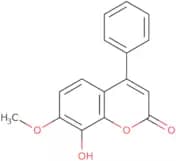
7-methoxy-8-hydroxy-4-phenylcoumarin
CAS:7-Methoxy-8-hydroxy-4-phenylcoumarin is a coumarin derivative, a type of organic compound characterized by a benzopyrone structure. This compound is typically derived from natural plant sources or synthesized in laboratory settings. Its structural features, such as the methoxy and hydroxy groups, are integral to its potential biological activity.Fórmula:C16H12O4Pureza:Min. 95%Peso molecular:268.26 g/molGraveolone
CAS:Graveolone is a bioactive compound that functions as a plant defense enhancer, which is derived from certain plant species known for their antimicrobial properties. Its mode of action involves the activation of multiple signaling pathways that bolster the plant's innate immune response. By enhancing the synthesis of defensive proteins and secondary metabolites, Graveolone effectively fortifies plants against pathogenic challenges and abiotic stresses.Fórmula:C21H22O7Pureza:Min. 95%Peso molecular:386.4 g/mol4-Bromoindazole
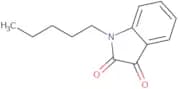
CAS:4-Bromoindazole is an antibacterial agent that binds to the protonated form of the staphylococcal enzyme methicillin-resistant penicillinase (MRP) and prevents the enzyme from participating in the synthesis of cell wall precursors. The molecular modeling studies of 4-bromoindazole have shown that it can bind to pyogenes, a bacterium that causes streptococcal pharyngitis, by hydrogen bonding between its amide group and pyogenes' carboxylic acid group. 4-Bromoindazole also has anticancer activity against cancer cells with v600e mutation. It has been shown that 4-bromoindazole inhibits cancer cell proliferation by binding to the oxacillin site on DNA gyrase and topoisomerase IV, leading to DNA damage and apoptosis.Pureza:Min. 95%1-Pentyl-1H-indole-2,3-dione
CAS:1-Pentyl-1H-indole-2,3-dione is a synthetic cannabinoid that is used as a recreational drug. It has been shown to be thermally labile and can decompose at high temperatures. 1-Pentyl-1H-indole-2,3-dione is an acidic compound with a melting point of 79°C. The compound is also oxidant and therefore can react with other compounds to create new substances. This reaction can be accelerated by light or heat, which may result in the formation of hazardous products such as naphthalene.
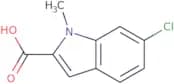
Fórmula:C13H15NO2Pureza:Min. 95%Peso molecular:217.26 g/mol6-Chloro-1-methyl-1H-indole-2-carboxylic acid
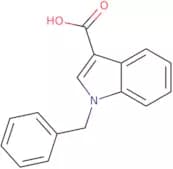
CAS:Please enquire for more information about 6-Chloro-1-methyl-1H-indole-2-carboxylic acid including the price, delivery time and more detailed product information at the technical inquiry form on this pageFórmula:C10H8ClNO2Pureza:Min. 95%Peso molecular:209.63 g/mol1-Benzylindole-3-Carboxylic Acid
CAS:Producto controlado1-Benzylindole-3-carboxylic acid is a bioactive molecule that has been shown to inhibit the activity of histamine, which is a neurotransmitter involved in inflammatory reactions. 1-Benzylindole-3-carboxylic acid has an affinity ligand for binding to the H1 receptor and can be used as an antihistaminic agent. It also has antihistaminic effects by inhibiting the release of histamine from mast cells and basophils, which are two types of white blood cells that are involved in allergic reactions. The pharmacophore model for 1-benzylindole-3-carboxylic acid suggests that it could be used as an antihistamine or anticholinergic.Fórmula:C16H13NO2Pureza:Min. 95%Peso molecular:251.28 g/molHeratomol
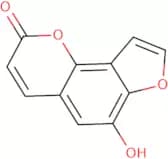
CAS:Please enquire for more information about Heratomol including the price, delivery time and more detailed product information at the technical inquiry form on this page
Fórmula:C11H6O4Pureza:Min. 95%Peso molecular:202.16 g/molBis(tricyclohexylphosphine)palladium(II) Dichloride
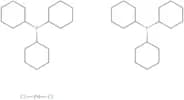
CAS:Producto controladoBis(tricyclohexylphosphine)palladium(II) Dichloride is a cross-coupling agent that is used for the synthesis of organic and organometallic compounds. It reacts with terminal alkynes to form a phosphine oxide, which can then be converted into an arylated product. The reaction proceeds by the formation of a palladium-carbon bond and subsequent cleavage of the carbon-palladium bond in the presence of ammonium formate. Bis(tricyclohexylphosphine)palladium(II) Dichloride is insoluble in water, but soluble in organic solvents such as dichloromethane, 1,2-dichloroethane, or chloroform. This reagent has been shown to enhance the rate of transfer reactions between monomers.Fórmula:C36H66Cl2P2PdPureza:Min. 95%Peso molecular:738.18 g/mol1-Methyl-1H-indole-3-carbohydrazide
CAS:Producto controlado1-Methyl-1H-indole-3-carbohydrazide (MZ) is a potential anticancer drug that inhibits the growth of cancer cells. It binds to the colchicine binding site on the DNA, which prevents doxorubicin from binding and causing damage to the DNA. MZ has been shown to be effective against breast cancer and has been shown to inhibit tumor growth in mice by targeting cancer cells lines. MZ also inhibits proliferation of MDA-MB-231 cells in culture, as well as inhibiting cell cycle progression, leading to apoptosis. The molecular docking studies show that 1MZ binds to colchicine site on DNA with high affinity and specificity.Fórmula:C10H11N3OPureza:Min. 95%Peso molecular:189.21 g/molOxypeucedanin hydrate
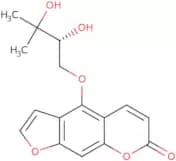
CAS:Oxypeucedanin hydrate is a natural furanocoumarin compound, which is derived from various plant sources, such as citrus fruits and members of the Apiaceae family. As a secondary metabolite, it plays a role in plant defense mechanisms against herbivores and pathogens.Pureza:Min. 95%Methyl 1H-indazole-3-carboxylate
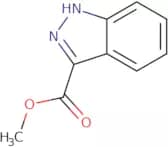
CAS:Producto controladoMethyl 1H-indazole-3-carboxylate is a synthetic cannabinoid that is structurally related to the natural cannabinoid, anandamide. It has been shown to be a potent activator of the CB2 receptor and to inhibit spontaneous activity in mice. Methyl 1H-indazole-3-carboxylate also binds to CB1 receptors and has potential use as a cancer therapy due to its ability to induce apoptosis. This compound is illegal in many countries, including the United States and Canada, where it is classified as a Schedule I drug.Fórmula:C9H8N2O2Pureza:Min. 95%Peso molecular:176.17 g/molSuberosin epoxide
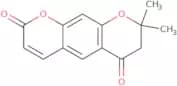
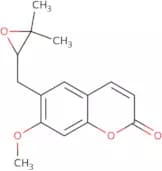
CAS:Suberosin epoxide is a naturally occurring compound, classified as a type of sesquiterpene lactone, which is extracted from certain plant species, particularly those belonging to the Rutaceae family. This compound is of significant interest due to its biologically active properties. Its mode of action typically involves the modulation of enzymatic pathways within biological systems, often interacting with cellular proteins and potentially affecting signal transduction processes.Pureza:Min. 95%Ostruthin
CAS:Ostruthin is a naturally occurring coumarin derivative, which is isolated from plants such as *Peucedanum ostruthium* and other species within the Apiaceae family. It functions as an enzyme inhibitor, acting primarily through its interference with various cellular processes, including the inhibition of specific enzyme pathways that contribute to its bioactivity. Ostruthin exhibits a range of biological activities, making it of significant interest in pharmacological research.Fórmula:C19H22O3Pureza:Min. 95%Peso molecular:298.38 g/mol8-Hydroxyquinoline copper(II)
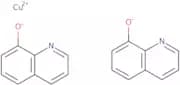
CAS:8-Hydroxyquinoline copper(II) salt is a metal chelate that can be used as an analytical reagent. It is prepared by the reaction of ethylene diamine with 8-hydroxyquinoline and copper(II) chloride. The product has been found to emit light when irradiated with UV light. This product is also used as a substrate for methyl transferase, which is an enzyme involved in the metabolism of drugs. 8-Hydroxyquinoline copper(II) salt has been shown to inhibit the activity of P-glycoprotein (Pgp), which is a drug transporter protein found in mammalian cells that functions to pump xenobiotics from the inside of cells out into the bloodstream. When Pgp is inhibited, it causes cellular accumulation of certain drugs, such as cyclosporin A and tacrolimus.Fórmula:C18H12CuN2O2Pureza:Min. 95%Forma y color:PowderPeso molecular:351.85 g/mol4-Chloroquinoline-6-carboxylicacid
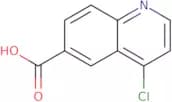
CAS:Please enquire for more information about 4-Chloroquinoline-6-carboxylicacid including the price, delivery time and more detailed product information at the technical inquiry form on this pageFórmula:C10H6ClNO2Pureza:Min. 95%Peso molecular:207.61 g/mol1-Acetyl-5-(2-aminopropyl)-2,3-dihydro-1H-indole-7-carbonitrile
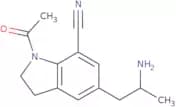
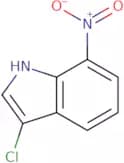
CAS:Producto controladoPlease enquire for more information about 1-Acetyl-5-(2-aminopropyl)-2,3-dihydro-1H-indole-7-carbonitrile including the price, delivery time and more detailed product information at the technical inquiry form on this pageFórmula:C14H17N3OPureza:Min. 95%Peso molecular:243.3 g/mol3-Chloro-7-nitro-1H-indole
CAS:3-Chloro-7-nitro-1H-indole is a chemical compound that has been shown to have antitumor activity in clinical trials. It is catalysed by the addition of chloride ions to the nitro group, yielding an aminocarbonyl intermediate. This intermediate reacts with hydrogen chloride to form a chlorinating agent that can react with DNA and protein bases. The chlorinating agent has been shown to be efficient in screening for anticancer drugs. 3-Chloro-7-nitro-1H-indole is currently being tested for efficacy against colon carcinoma cells and human colon carcinoma xenografts.Fórmula:C8H5ClN2O2Pureza:Min. 95%Peso molecular:196.59 g/molEthyl 3-{[(1E)-(dimethylamino)methylene]amino}-5-methoxy-1-methyl-1H-indole-2-carboxylate
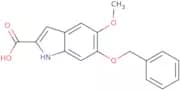
CAS:Producto controladoPlease enquire for more information about Ethyl 3-{[(1E)-(dimethylamino)methylene]amino}-5-methoxy-1-methyl-1H-indole-2-carboxylate including the price, delivery time and more detailed product information at the technical inquiry form on this pageFórmula:C16H21N3O3Pureza:Min. 95%Peso molecular:303.36 g/mol6-Benzyloxy-5-methoxyindole-2-carboxylic acid
CAS:Please enquire for more information about 6-Benzyloxy-5-methoxyindole-2-carboxylic acid including the price, delivery time and more detailed product information at the technical inquiry form on this pageFórmula:C17H15NO4Pureza:Min. 95%Peso molecular:297.31 g/mol4-Chloro-5H-pyrimido[5,4-b]indole
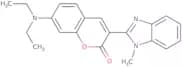
CAS:Please enquire for more information about 4-Chloro-5H-pyrimido[5,4-b]indole including the price, delivery time and more detailed product information at the technical inquiry form on this pageFórmula:C10H6ClN3Pureza:Min. 95%Peso molecular:203.63 g/mol7-(Diethylamino)-3-(1-methyl-2-benzimidazolyl)coumarin
CAS:7-(Diethylamino)-3-(1-methyl-2-benzimidazolyl)coumarin is a fluorescent dye, which is synthesized through chemical derivatization of coumarin compounds. Originating from coumarin, a naturally occurring compound in plants, this dye is particularly noted for its ability to fluoresce under UV and visible light.
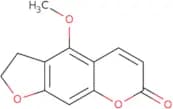
Fórmula:C21H21N3O2Pureza:Min. 95%Peso molecular:347.41 g/mol4',5'-Dihydrobergapten
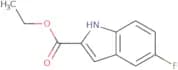
CAS:4',5'-Dihydrobergapten is a naturally occurring furanocoumarin, which is sourced primarily from various plant species, including members of the Rutaceae family. This compound is a derivative of psoralen and structurally categorized as a linear furanocoumarin. Its mode of action primarily involves intercalation into DNA, leading to photoactivation upon UVA exposure, which induces DNA cross-linking and inhibition of nucleic acid synthesis. Such mechanisms are pivotal for its biological properties.Fórmula:C12H10O4Pureza:Min. 95%Peso molecular:218.21 g/molEthyl 5-fluoroindole-2-carboxylate
CAS:Ethyl 5-fluoroindole-2-carboxylate is a cytotoxic compound that belongs to the class of organic compounds called aryl rings. It has been shown to inhibit tumor growth in vitro and in vivo through the inhibition of protein synthesis. The molecular docking studies have shown that this compound binds to the enzyme SMMC-7721 cell, which is involved in DNA transcription and replication. It also inhibits activity of other enzymes, such as kinases and phosphatases, which are involved in cellular processes such as proliferation and differentiation. Ethyl 5-fluoroindole-2-carboxylate may be used for the treatment of blood cancer or monosugar diseases, such as diabetes mellitus or hyperlipidemia.Fórmula:C11H10FNO2Pureza:Min. 95%Peso molecular:207.2 g/mol7-Ethoxy-4-methylcoumarin
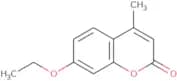
CAS:7-Ethoxy-4-methylcoumarin is a fluorescent probe, which is a synthetic compound commonly sourced from organic chemical synthesis. With its distinct chromophore, this compound becomes highly fluorescent upon enzymatic cleavage, offering a reliable mechanism for the detection of specific enzymatic activities. The mode of action involves the enzymatic cleavage of the ethoxy group, leading to the release of 4-methylumbelliferone, a fluorescent product. This conversion provides a measurable signal that correlates with enzyme activity, making it an invaluable tool in studying enzyme kinetics.
Fórmula:C12H12O3Pureza:Min. 95%Forma y color:PowderPeso molecular:204.22 g/mol4-(Methoxycarbonyl)bicyclo[2.1.1]hexane-1-carboxylic acid
CAS:Please enquire for more information about 4-(Methoxycarbonyl)bicyclo[2.1.1]hexane-1-carboxylic acid including the price, delivery time and more detailed product information at the technical inquiry form on this pageFórmula:C9H12O4Pureza:Min. 95%Peso molecular:184.19 g/moltert-Butyl 4-chloro-5,6-dihydropyrido[3,4-d]pyrimidine-7(8H)-carboxylate
CAS:Please enquire for more information about tert-Butyl 4-chloro-5,6-dihydropyrido[3,4-d]pyrimidine-7(8H)-carboxylate including the price, delivery time and more detailed product information at the technical inquiry form on this pageFórmula:C12H16ClN3O2Pureza:Min. 95%Peso molecular:269.73 g/mol6-Bromo-2,3-dihydro-1H-indole
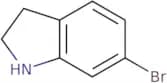
CAS:6-Bromo-2,3-dihydro-1H-indole is a natural product that has been shown to inhibit cancer cell growth in vitro. In the presence of 6-bromoindole, cells are unable to proliferate and undergo apoptosis. This compound also shows anti-cancer activity against human leukemia cells. The mechanism of action for this molecule is not yet known but may be related to its ability to activate the caspase enzyme family or its ability to bind to DNA. 6-Bromoindole has been shown to have anti-inflammatory properties through inhibition of prostaglandin synthesis in animal models.
Fórmula:C8H8BrNPureza:Min. 95%Forma y color:Off-White PowderPeso molecular:198.06 g/mol(2R)-1-[2-[(3-Hydroxytricyclo[3.3.1.1(3,7)]dec-1-yl)amino]acetyl]-2-pyrrolidinecarbonitrile
CAS:(2R)-1-[2-[(3-Hydroxytricyclo[3.3.1.1(3,7)]dec-1-yl)amino]acetyl]-2-pyrrolidinecarbonitrile is a drug that belongs to the class of DPP-IV inhibitors and is used for the treatment of type 2 diabetes mellitus. It has been shown to be effective in reducing postprandial blood glucose levels in patients with type 2 diabetes mellitus. The mechanism of action of this drug is not fully understood, but it may have an effect on insulin release from pancreatic beta cells and/or inhibition of gastric emptying or intestinal absorption of glucose. This drug has been shown to reduce tubulointerstitial injury in diabetic rats and can be used as a combination therapy for type 2 diabetes mellitus. There are no known clinically relevant interactions between (2R)-1-[2-[(3-HydroxytricycloFórmula:C17H25N3O2Pureza:Min. 95%Peso molecular:303.4 g/mol6-Chloroindole-2-carboxylic acid
CAS:6-Chloroindole-2-carboxylicacid is a potent inhibitor of β-lactamase enzymes. It has been shown to act as a competitive inhibitor with an affinity for the β-lactamase enzyme in the nanomolar range. 6-Chloroindole-2-carboxylicacid is also a potent compound that can be used in experiments and screening. It has been shown to bind to the β-lactamase enzyme, which inhibits its activity, leading to a decrease in fluorescence. 6-Chloroindole-2-carboxylicacid has also been shown to have an inhibitory effect on bacterial cells by inhibiting protein synthesis, DNA replication, and RNA transcription.
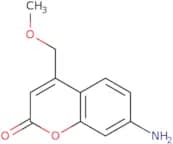
Fórmula:C9H6ClNO2Pureza:95%NmrPeso molecular:195.6 g/mol7-Amino-4-(methoxymethyl)coumarin
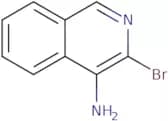
CAS:7-Amino-4-(methoxymethyl)coumarin is a fluorogenic compound, which is synthesized chemically for bioanalytical applications. This compound serves as a substrate in enzyme assays and is particularly valuable in studying enzymatic activity due to its fluorescent properties.Fórmula:C11H11NO3Pureza:Min. 95%Peso molecular:205.21 g/mol4-Amino-3-bromoisoquinoline
CAS:4-Amino-3-bromoisoquinoline is an isocyanide that reacts with nucleophilic heteroatoms such as the amino group. It also reacts with bromine to form a bromopyridine. The nitrile group of 4-amino-3-bromoisoquinoline can be reduced with sodium borohydride to produce 4-aminoquinoline. This compound has shown potential for use in chemotherapy and treating bacterial infections.Pureza:Min. 95%Methyl 4-(benzyloxy)-1-methyl-1H-indole-2-carboxylate
CAS:Producto controladoPlease enquire for more information about Methyl 4-(benzyloxy)-1-methyl-1H-indole-2-carboxylate including the price, delivery time and more detailed product information at the technical inquiry form on this pageFórmula:C18H17NO3Pureza:Min. 95%Peso molecular:295.33 g/mol8-[(2-Hydroxyethyl)(methyl)amino]-1,3,9-trimethyl-3,9-dihydro-1H-purine-2,6-dione
CAS:Producto controladoPlease enquire for more information about 8-[(2-Hydroxyethyl)(methyl)amino]-1,3,9-trimethyl-3,9-dihydro-1H-purine-2,6-dione including the price, delivery time and more detailed product information at the technical inquiry form on this page
Fórmula:C11H17N5O3Pureza:Min. 95%Peso molecular:267.28 g/mol2,3-Dihydro-1-(3-hydroxypropyl)-5-[(2R)-2-[[2-[2-(2,2,2-trifluoroethoxy)phenoxy]ethyl]amino]propyl]-1H-indole-7-carbonitrile
CAS:Please enquire for more information about 2,3-Dihydro-1-(3-hydroxypropyl)-5-[(2R)-2-[[2-[2-(2,2,2-trifluoroethoxy)phenoxy]ethyl]amino]propyl]-1H-indole-7-carbonitrile including the price, delivery time and more detailed product information at the technical inquiry form on this page
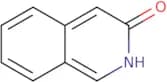
Fórmula:C25H30F3N3O3Pureza:Min. 95%Peso molecular:477.52 g/mol3-Hydroxyisoquinoline
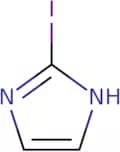
CAS:3-Hydroxyisoquinoline is a non-nucleoside inhibitor of cyclic nucleotide phosphodiesterase (cNMP) that is used in the treatment of nervous system diseases. 3-Hydroxyisoquinoline has been shown to have an inhibitory effect on cyclic nucleotide phosphodiesterase and can be used for the treatment of neurological disorders such as Parkinson’s disease, Alzheimer’s disease, and epilepsy. It also has anti-inflammatory properties and can be used to treat pain. 3-Hydroxyisoquinoline has a photoelectron spectrum that peaks at 5.6 eV, with a strong absorption band at 2.1 eV due to hydrogen bonding. This compound is also able to absorb radiation in the form of light emission with an emission peak at 4.8 eV, with a maximum intensity around 830 nm and a half-life of 0.2 s. 3-Hydroxyisoquinoline is able toFórmula:C9H7NOPureza:Min. 95%Forma y color:Yellow PowderPeso molecular:145.16 g/mol2-Iodo-1H-imidazole
CAS:2-Iodo-1H-imidazole is an asymmetric molecule that is synthesized by a Suzuki coupling reaction between malonic acid and tautomers of 2-iodo-1H-imidazole. This molecule inhibits the activity of inhibitor molecules, such as nitrogen atoms, which are used in pesticide production. It also has pesticidal activity and can be used to treat cancer or autoimmune diseases. 2-Iodo-1H-imidazole is metabolized through a number of metabolic transformations, including hydrolysis by esterases or glucuronidases, oxidation by cytochrome P450 enzymes, reduction by glutathione reductase, or conjugation with glucuronic acid.Fórmula:C3H3IN2Pureza:Min. 95%Forma y color:White PowderPeso molecular:193.97 g/mol8-Methoxymethyl-1-methyl-3-(2-methylpropyl) xanthine
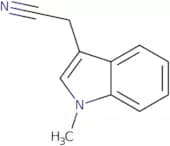
CAS:Producto controlado8-Methoxymethyl-1-methyl-3-(2-methylpropyl) xanthine (8MMX) is an intracellular calcium ion chelator that inhibits enzyme activity in the cyclic nucleotide phosphodiesterase enzyme family. 8MMX has been shown to be a potent inhibitor of both cyclic nucleotide phosphodiesterases and cyclic nucleotide phosphodiesterase isoenzymes. 8MMX has been shown to inhibit bladder contractility and improve bladder function in animal models. It also reduces the incidence of papillary muscle rupture, which can lead to heart failure, and improves ventricular function by increasing the rate of relaxation of the left ventricle. 8MMX is a potential treatment for pulmonary hypertension, which is caused by increased concentrations of intracellular calcium ions.Fórmula:C12H18N4O3Pureza:Min. 95%Peso molecular:266.3 g/mol1-Methylindole-3-acetonitrile
CAS:Producto controladoPlease enquire for more information about 1-Methylindole-3-acetonitrile including the price, delivery time and more detailed product information at the technical inquiry form on this page
Fórmula:C11H10N2Pureza:Min. 95%Peso molecular:170.21 g/molBergapten
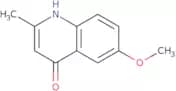
CAS:Bergapten is a naturally occurring furanocoumarin, which is derived from the essential oils of citrus fruits, such as bergamot. It is recognized for its photosensitizing properties due to its ability to interact with DNA upon exposure to ultraviolet (UV) light. The mode of action involves the formation of monoadducts with pyrimidine bases in DNA, which can lead to cross-linking and ultimately disrupt DNA replication and transcription.Fórmula:C12H8O4Peso molecular:216.19 g/mol6-Methoxy-2-methylquinolin-4(1H)-one
CAS:6-Methoxy-2-methylquinolin-4(1H)-one is a heterocyclic molecule that has the ability to undergo oxidation reactions. It is an intermediate in the synthesis of other molecules, such as 4-hydroxyquinoline and 4-hydroxybenzaldehyde. The acidity of 6-methoxy-2-methylquinolin-4(1H)-one can be increased by adding alkali, which will cause it to react with hydroxyl and form a phenylhydrazine. When heated with hydrazine, 6-methoxy-2-methylquinolin-4(1H)-one undergoes tautomerism and forms 2-(phenylhydrazinyl) quinoline. The chemical structure of 6-methoxy-2 methylquinolin 4(1H)-one can be detected by analyzing its spectrum (i.e., absorption or emission spectra). This chemical shows bandsFórmula:C11H11NO2Pureza:Min. 95%Peso molecular:189.21 g/molIndole-3-acetyl-L-phenylalanine
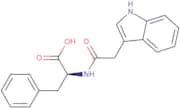
CAS:Indole-3-acetyl-L-phenylalanine is a plant growth regulator that inhibits the transport of auxin in the plant. It is used as a regulatory agent to inhibit the growth of plants by interfering with their natural regulatory mechanisms. Indole-3-acetyl-L-phenylalanine is an effective inhibitor of auxin transport and has been shown to have an inhibitory effect on plant growth. This compound also binds to acid conjugates, which are found in plants, and blocks their ability to bind to auxin receptors, preventing them from activating the cell's responses. This inhibition leads to decreased cell division and reduced root growth.
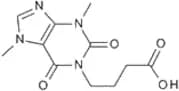
Fórmula:C19H18N2O3Forma y color:PowderPeso molecular:322.36 g/mol1-(3-Carboxypropyl)-3,7-dimethylxanthine
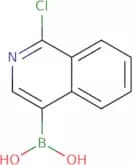
CAS:Producto controlado1-(3-Carboxypropyl)-3,7-dimethylxanthine is a drug that belongs to a class of drugs called multidrugs. It has been shown to inhibit the growth of endothelial cells by blocking the binding of tnf-α to its receptor on these cells. 1-(3-Carboxypropyl)-3,7-dimethylxanthine also inhibits cancer cell proliferation and has been shown to be effective in some human cancer models. This drug interacts with other molecules (e.g., proton) and can have significant effects on magnetic resonance spectroscopy assays as well as in humans.Fórmula:C11H14N4O4Pureza:Min. 95%Forma y color:PowderPeso molecular:266.25 g/mol(1-Chloroisoquinolin-4-yl)boronic acid
CAS:Please enquire for more information about (1-Chloroisoquinolin-4-yl)boronic acid including the price, delivery time and more detailed product information at the technical inquiry form on this pageFórmula:C9H7BClNO2Pureza:Min. 95%Peso molecular:207.42 g/mol4-Bromoisoquinoline
CAS:4-Bromoisoquinoline is an aryl halide that can be used in the cross-coupling reaction with other aryl halides. It has been shown to have anticancer activity and to inhibit the growth of tumour cell lines in vitro. This compound is also efficient for inhibiting leukemia cells. 4-Bromoisoquinoline has been shown to have an inhibitory effect on cancer cells through the inhibition of DNA synthesis and RNA transcription, as well as by inducing apoptosis. The mechanism of action may be due to its ability to bind to aromatic hydrocarbons and halides, which leads to thermodynamic changes and vibrational energy transfer.Fórmula:C9H6BrNPureza:Min. 95%Peso molecular:208.05 g/molMethyl 5-chloro-1-methyl-1H-indole-2-carboxylate
CAS:Producto controladoPlease enquire for more information about Methyl 5-chloro-1-methyl-1H-indole-2-carboxylate including the price, delivery time and more detailed product information at the technical inquiry form on this pageFórmula:C11H10ClNO2Pureza:Min. 95%Peso molecular:223.66 g/mol1-Benzyl-3-[3-(diethylamino)propoxy]-1H-indazole
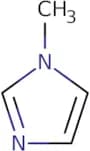
CAS:Producto controladoPlease enquire for more information about 1-Benzyl-3-[3-(diethylamino)propoxy]-1H-indazole including the price, delivery time and more detailed product information at the technical inquiry form on this pageFórmula:C21H27N3OPureza:Min. 98 Area-%Forma y color:Clear LiquidPeso molecular:337.46 g/mol1-Methylimidazole
CAS:1-Methylimidazole is a compound with the molecular formula CH3N2H. It is soluble in water, but insoluble in organic solvents. 1-Methylimidazole has been found to bind to human serum and p-nitrophenyl phosphate. The fluorescence of 1-methylimidazole is quenched by hydrogen bonding interactions, which are the same as those that occur in natural compounds such as hemoglobin and chlorophyll. The nitrogen atoms on the surface of 1-methylimidazole can be detected using infrared spectroscopy. This method can also be used to analyze group P2 molecules, such as benzene, phenol, and cyclohexane.Fórmula:C4H6N2Pureza:Min. 98%Forma y color:PowderPeso molecular:82.1 g/molArnottinin
CAS:Arnottinin is a bioactive compound, which is derived from natural plant sources. It functions primarily through modulation of specific cellular pathways, targeting key receptors that regulate physiological responses. This compound exhibits its mode of action by influencing signal transduction pathways, effectively altering cellular activities at the molecular level.
Fórmula:C14H14O4Pureza:Min. 95%Peso molecular:246.26 g/mol3-Methyl-7-(5-oxohexyl)-1-propylxanthine
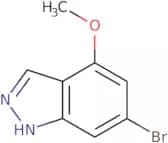
CAS:Producto controladoPlease enquire for more information about 3-Methyl-7-(5-oxohexyl)-1-propylxanthine including the price, delivery time and more detailed product information at the technical inquiry form on this pageFórmula:C15H22N4O3Pureza:Min. 95%Peso molecular:306.36 g/mol6-Bromo-4-methoxy-1H-indazole
CAS:Please enquire for more information about 6-Bromo-4-methoxy-1H-indazole including the price, delivery time and more detailed product information at the technical inquiry form on this page
Fórmula:C8H7BrN2OPureza:Min. 95%Peso molecular:227.06 g/mol




![Ethyl 3-{[(1E)-(dimethylamino)methylene]amino}-5-methoxy-1-methyl-1H-indole-2-carboxylate](/_next/image/?url=https%3A%2Fstatic.cymitquimica.com%2Fproducts%2F3D%2Fthumb-webp%2FFE123273.webp&w=3840&q=75)
![4-Chloro-5H-pyrimido[5,4-b]indole](/_next/image/?url=https%3A%2Fstatic.cymitquimica.com%2Fproducts%2F3D%2Fthumb-webp%2FFC118328.webp&w=3840&q=75)
![4-(Methoxycarbonyl)bicyclo[2.1.1]hexane-1-carboxylic acid](/_next/image/?url=https%3A%2Fstatic.cymitquimica.com%2Fproducts%2F3D%2Fthumb-webp%2FFM76248.webp&w=3840&q=75)
![tert-Butyl 4-chloro-5,6-dihydropyrido[3,4-d]pyrimidine-7(8H)-carboxylate](/_next/image/?url=https%3A%2Fstatic.cymitquimica.com%2Fproducts%2F3D%2Fthumb-webp%2FFB144255.webp&w=3840&q=75)
![(2R)-1-[2-[(3-Hydroxytricyclo[3.3.1.1(3,7)]dec-1-yl)amino]acetyl]-2-pyrrolidinecarbonitrile](/_next/image/?url=https%3A%2Fstatic.cymitquimica.com%2Fproducts%2F3D%2Fthumb-webp%2FFH46129.webp&w=3840&q=75)


![8-[(2-Hydroxyethyl)(methyl)amino]-1,3,9-trimethyl-3,9-dihydro-1H-purine-2,6-dione](/_next/image/?url=https%3A%2Fstatic.cymitquimica.com%2Fproducts%2F3D%2Fthumb-webp%2FFH132897.webp&w=3840&q=75)
![2,3-Dihydro-1-(3-hydroxypropyl)-5-[(2R)-2-[[2-[2-(2,2,2-trifluoroethoxy)phenoxy]ethyl]amino]propyl…](/_next/image/?url=https%3A%2Fstatic.cymitquimica.com%2Fproducts%2F3D%2Fthumb-webp%2FFD103483.webp&w=3840&q=75)




![1-Benzyl-3-[3-(diethylamino)propoxy]-1H-indazole](/_next/image/?url=https%3A%2Fstatic.cymitquimica.com%2Fproducts%2F3D%2Fthumb-webp%2FFB162091.webp&w=3840&q=75)