Compuestos policíclicos
Subcategorías de "Compuestos policíclicos"
- Acridinas(98 productos)
- Antraquinonas(533 productos)
- Ácidos antraquinonesulfónicos(16 productos)
- Azobencenos(270 productos)
- Azonaftalenos(98 productos)
- Azoxibencenos(12 productos)
- Azulenos(11 productos)
- Benzimidazoles(1.476 productos)
- Benzodioxanos(27 productos)
- Benzofuranos(928 productos)
- Benzotiofenos(701 productos)
- Benzotriazoles(438 productos)
- Binaftilos(133 productos)
- Carbazoles(464 productos)
- Cromanos, Cromatos(480 productos)
- Cumarinas(1.125 productos)
- Ciclofanos(11 productos)
- Fluorenos y fluorenonas(384 productos)
- Imidazopiridinas(10 productos)
- Indans(118 productos)
- Indazoles(2.038 productos)
- Indenes(22 productos)
- Indoles(3.986 productos)
- Indolines(119 productos)
- Isatinos(234 productos)
- Isobenzofuranos(17 productos)
- Ftalimidas N-sustituidas(153 productos)
- Naftalenos(2.438 productos)
- Naftiridinas(17 productos)
- Naftoquinona(2 productos)
- Perilenos(36 productos)
- Fenazinas(25 productos)
- Ftalazinas(33 productos)
- Ftalimida(153 productos)
- Hidrocarburos aromáticos policíclicos (HAP)(284 productos)
- Polifenol(270 productos)
- Pteridinas(52 productos)
- Pirenos(87 productos)
- Quinuclidina(1 productos)
- Tetracenos(7 productos)
Se han encontrado 4575 productos de "Compuestos policíclicos"
8-Methoxymethyl-1-methyl-3-(2-methylpropyl) xanthine
CAS:Producto controlado8-Methoxymethyl-1-methyl-3-(2-methylpropyl) xanthine (8MMX) is an intracellular calcium ion chelator that inhibits enzyme activity in the cyclic nucleotide phosphodiesterase enzyme family. 8MMX has been shown to be a potent inhibitor of both cyclic nucleotide phosphodiesterases and cyclic nucleotide phosphodiesterase isoenzymes. 8MMX has been shown to inhibit bladder contractility and improve bladder function in animal models. It also reduces the incidence of papillary muscle rupture, which can lead to heart failure, and improves ventricular function by increasing the rate of relaxation of the left ventricle. 8MMX is a potential treatment for pulmonary hypertension, which is caused by increased concentrations of intracellular calcium ions.Fórmula:C12H18N4O3Pureza:Min. 95%Peso molecular:266.3 g/mol8-Cyclopentyl-1,3-dimethylxanthine
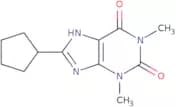
CAS:Producto controlado8-Cyclopentyl-1,3-dimethylxanthine (CPT) is a xanthine derivative that binds to the adenosine receptor and inhibits the phosphodiesterase enzyme. CPT is used in vivo as a model for measuring locomotor activity, dopamine receptors, adenosine receptors, and glutamate receptors. The binding of CPT to these receptors can lead to bronchoconstriction by stimulating the release of vasoactive substances from airway cells and increasing the sensitivity of airway cells to bronchoconstrictor stimuli. This drug also has been shown to inhibit calcium ion influx into cytosol and increase intracellular levels of cAMP.
Fórmula:C12H16N4O2Pureza:Min. 95%Forma y color:PowderPeso molecular:248.28 g/mol1-(3-Carboxypropyl)-3,7-dimethylxanthine
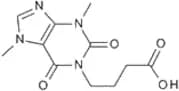
CAS:Producto controlado1-(3-Carboxypropyl)-3,7-dimethylxanthine is a drug that belongs to a class of drugs called multidrugs. It has been shown to inhibit the growth of endothelial cells by blocking the binding of tnf-α to its receptor on these cells. 1-(3-Carboxypropyl)-3,7-dimethylxanthine also inhibits cancer cell proliferation and has been shown to be effective in some human cancer models. This drug interacts with other molecules (e.g., proton) and can have significant effects on magnetic resonance spectroscopy assays as well as in humans.Fórmula:C11H14N4O4Pureza:Min. 95%Forma y color:PowderPeso molecular:266.25 g/molBis(tricyclohexylphosphine)palladium(II) Dichloride
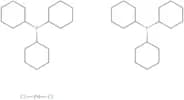
CAS:Producto controladoBis(tricyclohexylphosphine)palladium(II) Dichloride is a cross-coupling agent that is used for the synthesis of organic and organometallic compounds. It reacts with terminal alkynes to form a phosphine oxide, which can then be converted into an arylated product. The reaction proceeds by the formation of a palladium-carbon bond and subsequent cleavage of the carbon-palladium bond in the presence of ammonium formate. Bis(tricyclohexylphosphine)palladium(II) Dichloride is insoluble in water, but soluble in organic solvents such as dichloromethane, 1,2-dichloroethane, or chloroform. This reagent has been shown to enhance the rate of transfer reactions between monomers.Fórmula:C36H66Cl2P2PdPureza:Min. 95%Peso molecular:738.18 g/mol5,7-Dichloro-8-hydroxyquinoline
CAS:5,7-Dichloro-8-hydroxyquinoline (5,7-DC8HQ) is a mitochondrial drug that inhibits mitochondrial functions by binding to the ATP synthase. It has been shown to be effective against bacteria resistant to antimicrobial agents in vivo and also showed genotoxic activity in vitro. 5,7-DC8HQ binds to the magnesium site of the ATP synthase protein and prevents the formation of an intramolecular hydrogen bond, which leads to inhibition of ATP synthesis. This drug has also been shown to cause membrane potential depolarization in mitochondria.Fórmula:C9H5Cl2NOPureza:Min. 98.5 Area-%Forma y color:White PowderPeso molecular:214.05 g/molMethyl 1H-indazole-3-carboxylate
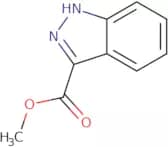
CAS:Producto controladoMethyl 1H-indazole-3-carboxylate is a synthetic cannabinoid that is structurally related to the natural cannabinoid, anandamide. It has been shown to be a potent activator of the CB2 receptor and to inhibit spontaneous activity in mice. Methyl 1H-indazole-3-carboxylate also binds to CB1 receptors and has potential use as a cancer therapy due to its ability to induce apoptosis. This compound is illegal in many countries, including the United States and Canada, where it is classified as a Schedule I drug.Fórmula:C9H8N2O2Pureza:Min. 95%Peso molecular:176.17 g/mol3-[2-(2,5-Dimethyl-1H-pyrrol-1-yl)ethyl]-1H-indole
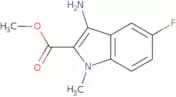
CAS:Producto controladoPlease enquire for more information about 3-[2-(2,5-Dimethyl-1H-pyrrol-1-yl)ethyl]-1H-indole including the price, delivery time and more detailed product information at the technical inquiry form on this pageFórmula:C16H18N2Pureza:Min. 95%Peso molecular:238.33 g/molMethyl 3-amino-5-fluoro-1-methyl-1H-indole-2-carboxylate
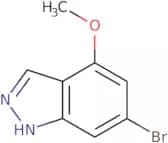
CAS:Producto controladoPlease enquire for more information about Methyl 3-amino-5-fluoro-1-methyl-1H-indole-2-carboxylate including the price, delivery time and more detailed product information at the technical inquiry form on this pageFórmula:C11H11FN2O2Pureza:Min. 95%Peso molecular:222.22 g/mol6-Bromo-4-methoxy-1H-indazole
CAS:Please enquire for more information about 6-Bromo-4-methoxy-1H-indazole including the price, delivery time and more detailed product information at the technical inquiry form on this page
Fórmula:C8H7BrN2OPureza:Min. 95%Peso molecular:227.06 g/mol7-Geranyloxycoumarin
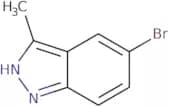
CAS:7-Geranyloxycoumarin is a naturally occurring coumarin derivative, which is primarily sourced from plant species in the Rutaceae family. It is a bioactive compound known for its presence in various essential oils and its contribution to the properties of these plant extracts. The mode of action of 7-Geranyloxycoumarin involves interactions at the cellular level, including enzyme inhibition and modulation of signal transduction pathways, which can lead to diverse pharmacological effects.Fórmula:C19H22O3Pureza:Min. 95%Forma y color:PowderPeso molecular:298.38 g/mol5-Bromo-3-methyl-1H-indazole
CAS:5-Bromo-3-methyl-1H-indazole is an organic compound that is synthesized from lithium diisopropylamide and lithium. 5-Bromo-3-methyl-1H-indazole is a white solid with a melting point of 151°C. It reacts with anhydrous hydrogen bromide to form 5,5'-dibromoindazole. The molecular weight of this compound is 202.2 g/mol.Fórmula:C8H7BrN2Pureza:Min. 95%Peso molecular:211.06 g/mol8-[(2-Hydroxyethyl)(methyl)amino]-1,3,9-trimethyl-3,9-dihydro-1H-purine-2,6-dione
CAS:Producto controladoPlease enquire for more information about 8-[(2-Hydroxyethyl)(methyl)amino]-1,3,9-trimethyl-3,9-dihydro-1H-purine-2,6-dione including the price, delivery time and more detailed product information at the technical inquiry form on this page
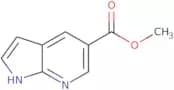
Fórmula:C11H17N5O3Pureza:Min. 95%Peso molecular:267.28 g/mol7-Azaindole-5-carboxylic acid methyl ester
CAS:7-Azaindole-5-carboxylic acid methyl ester is an ester derivative that can be synthesized from the reaction of acetyl chloride and diazotization. 7-Azaindole-5-carboxylic acid methyl ester has been used in research for its biological activity, specifically as a cytotoxic agent. It has also been shown to inhibit the growth of cancer cells by alkylation reactions and cyclization reactions. 7-Azaindole-5-carboxylic acid methyl ester has been shown to have antitumor properties with a mechanism that is not yet fully understood.
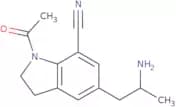
Fórmula:C9H8N2O2Pureza:Min. 95%Peso molecular:176.17 g/mol1-Acetyl-5-(2-aminopropyl)-2,3-dihydro-1H-indole-7-carbonitrile
CAS:Producto controladoPlease enquire for more information about 1-Acetyl-5-(2-aminopropyl)-2,3-dihydro-1H-indole-7-carbonitrile including the price, delivery time and more detailed product information at the technical inquiry form on this pageFórmula:C14H17N3OPureza:Min. 95%Peso molecular:243.3 g/molIsobergapten
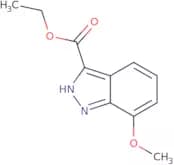
CAS:Isobergapten is a naturally occurring furanocoumarin, which is primarily derived from plants in the Apiaceae family, such as celery and parsley. The compound is structurally characterized by its fused furan and coumarin rings. It exerts its effects through its ability to interact with cellular enzymes and DNA, often influencing photodynamic processes. This interaction can result in modifications to DNA replication and transcription, making it a compound of interest in photochemotherapy and photobiology.Fórmula:C12H8O4Pureza:Min. 95%Forma y color:PowderPeso molecular:216.19 g/molEthyl 7-Methoxy-1H-Indazole-3-Carboxylate
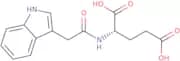
CAS:Producto controladoPlease enquire for more information about Ethyl 7-Methoxy-1H-Indazole-3-Carboxylate including the price, delivery time and more detailed product information at the technical inquiry form on this pageFórmula:C11H12N2O3Pureza:Min. 95%Peso molecular:220.22 g/molIndole-3-acetyl-L-glutamic acid
CAS:Indole-3-acetyl-L-glutamic acid is an endogenous substance that is found in plants. It is the conjugated form of indole-3-acetaldehyde and L-glutamic acid. Indole-3-acetylglutamic acid has shown to have antioxidant potential and can be used to regulate plant growth, as well as protect against environmental stresses. Indole-3-acetylglutamic acid also has a role in regulating the production of other hormones, such as ethylene and auxin, which are involved in plant growth regulation.
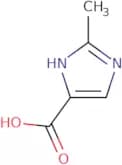
Fórmula:C15H16N2O5Pureza:Min. 98 Area-%Forma y color:PowderPeso molecular:304.3 g/mol2-Methyl-1H-imidazole-5-carboxylic acid
CAS:2-Methyl-1H-imidazole-5-carboxylic acid is a molecule that belongs to the class of antibiotics. It has been shown to be an effective inhibitor of lipases and other enzymes, which is due to its carboxylate group. The immobilization of this molecule has been studied by X-ray crystallography. The oxygen atoms in the molecule are covalently immobilized on a silica surface via a linker chain, which prevents the loss of these atoms. Dichroism spectroscopy was used to study the effects of different solvents on this molecule's ability to rotate light. 2-Methyl-1H-imidazole-5-carboxylic acid was also successfully immobilized using an enzyme called lipase, with residue carboxylate groups positioned at the bottom of the binding cavity.Fórmula:C5H6N2O2Pureza:Min. 95%Forma y color:PowderPeso molecular:126.11 g/mol1,2,3,4-Tetrahydroquinoline-3-carboxylic acid
CAS:Tetrahydroquinoline-3-carboxylic acid is a crystalline, water-soluble compound. It is an intermediate in the synthesis of l-phenylalanine, paraformaldehyde and formaldehyde. Tetrahydroquinoline-3-carboxylic acid can be hydrolyzed to produce formic acid and hydrogen chloride. This product is also optically active and can be used as an indicator for hydroiodic acid.Fórmula:C10H11NO2Pureza:Min. 95%Peso molecular:177.2 g/mol3-Oxabicyclo[3.1.0]hexane-2,4-dione
CAS:3-Oxabicyclo[3.1.0]hexane-2,4-dione is a cocatalyst with a molecular formula of C6H14O3. It is a synthetic compound that is used as an inhibitor in organic synthesis reactions and as a cocatalyst for the ring-opening polymerization of cyclic olefins. 3-Oxabicyclo[3.1.0]hexane-2,4-dione binds to the receptor subtype site on the benzene ring of benzoate, amines, and acid catalysts. This binding prevents the formation of an enzyme/substrate complex at the active site of the enzyme, inhibiting its activity and leading to cell death.Pureza:95%NmrXanthoxyletin
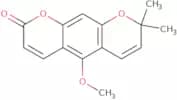
CAS:Xanthoxyletin is a coumarin, which is a type of natural organic compound commonly found in plants, particularly in the Rutaceae family. It is sourced from various plant species, including Zanthoxylum, known for their ethnobotanical uses. Xanthoxyletin functions primarily through its biochemical activity, including the inhibition of certain enzymes and modulation of cellular pathways that influence its pharmacological effects.Fórmula:C15H14O4Pureza:Min. 95%Forma y color:PowderPeso molecular:258.27 g/mol2-Iodo-1H-imidazole
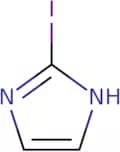
CAS:2-Iodo-1H-imidazole is an asymmetric molecule that is synthesized by a Suzuki coupling reaction between malonic acid and tautomers of 2-iodo-1H-imidazole. This molecule inhibits the activity of inhibitor molecules, such as nitrogen atoms, which are used in pesticide production. It also has pesticidal activity and can be used to treat cancer or autoimmune diseases. 2-Iodo-1H-imidazole is metabolized through a number of metabolic transformations, including hydrolysis by esterases or glucuronidases, oxidation by cytochrome P450 enzymes, reduction by glutathione reductase, or conjugation with glucuronic acid.Fórmula:C3H3IN2Pureza:Min. 95%Forma y color:White PowderPeso molecular:193.97 g/molMethyl 3-bromoindole-6-carboxylate
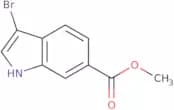
CAS:Please enquire for more information about Methyl 3-bromoindole-6-carboxylate including the price, delivery time and more detailed product information at the technical inquiry form on this pageFórmula:C10H8BrNO2Pureza:Min. 95%Peso molecular:254.08 g/mol4-Bromoisoquinoline
CAS:4-Bromoisoquinoline is an aryl halide that can be used in the cross-coupling reaction with other aryl halides. It has been shown to have anticancer activity and to inhibit the growth of tumour cell lines in vitro. This compound is also efficient for inhibiting leukemia cells. 4-Bromoisoquinoline has been shown to have an inhibitory effect on cancer cells through the inhibition of DNA synthesis and RNA transcription, as well as by inducing apoptosis. The mechanism of action may be due to its ability to bind to aromatic hydrocarbons and halides, which leads to thermodynamic changes and vibrational energy transfer.Fórmula:C9H6BrNPureza:Min. 95%Peso molecular:208.05 g/mol3-Acetyl-5-hydroxymethyl-7-hydroxycoumarin
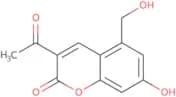
CAS:3-Acetyl-5-hydroxymethyl-7-hydroxycoumarin is a synthetic coumarin derivative, which is a class of organic compounds often found in natural products. These compounds are derived from plant sources and are known for their significant biochemical effects and aromatic properties. The mode of action of 3-Acetyl-5-hydroxymethyl-7-hydroxycoumarin involves interactions at the molecular level, where it can exhibit various biological activities, such as antioxidant and antimicrobial effects. Due to the hydroxyl and acetyl functional groups present, it can participate in redox reactions and binding interactions, affecting biochemical pathways.Fórmula:C12H10O5Pureza:Min. 95%Forma y color:Light (Or Pale) Yellow To Orange Yellow SolidPeso molecular:234.2 g/molFraxetin
CAS:Fraxetin is a chemical compound known as a coumarin derivative, which is a natural product primarily sourced from various plant species. As a member of the coumarin family, fraxetin is often extracted from the roots, bark, and leaves of plant sources like Fraxinus species and other related flora. The compound operates through an array of biochemical pathways, prominently exhibiting antioxidant and anti-inflammatory properties. It acts by scavenging free radicals and modulating oxidative stress-related pathways, while also influencing the expression of various inflammatory cytokines.
Fórmula:C10H8O5Peso molecular:208.17 g/molRef: 3D-Q-100662
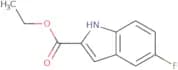
1gA consultar5gA consultar10gA consultar500mgA consultar2500mgA consultar-Unit-ggA consultarEthyl 5-fluoroindole-2-carboxylate
CAS:Ethyl 5-fluoroindole-2-carboxylate is a cytotoxic compound that belongs to the class of organic compounds called aryl rings. It has been shown to inhibit tumor growth in vitro and in vivo through the inhibition of protein synthesis. The molecular docking studies have shown that this compound binds to the enzyme SMMC-7721 cell, which is involved in DNA transcription and replication. It also inhibits activity of other enzymes, such as kinases and phosphatases, which are involved in cellular processes such as proliferation and differentiation. Ethyl 5-fluoroindole-2-carboxylate may be used for the treatment of blood cancer or monosugar diseases, such as diabetes mellitus or hyperlipidemia.Fórmula:C11H10FNO2Pureza:Min. 95%Peso molecular:207.2 g/mol4-Amino-2,2'-bipyridine
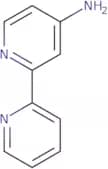
CAS:Please enquire for more information about 4-Amino-2,2'-bipyridine including the price, delivery time and more detailed product information at the technical inquiry form on this page
Fórmula:C10H9N3Pureza:Min. 95%Forma y color:PowderPeso molecular:171.2 g/molEthyl 3-{[(1E)-(dimethylamino)methylene]amino}-5-methoxy-1-methyl-1H-indole-2-carboxylate
CAS:Producto controladoPlease enquire for more information about Ethyl 3-{[(1E)-(dimethylamino)methylene]amino}-5-methoxy-1-methyl-1H-indole-2-carboxylate including the price, delivery time and more detailed product information at the technical inquiry form on this pageFórmula:C16H21N3O3Pureza:Min. 95%Peso molecular:303.36 g/molOxypeucedanin hydrate
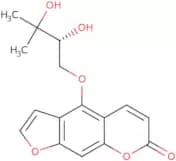
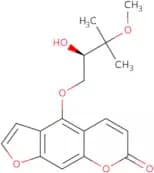
CAS:Oxypeucedanin hydrate is a natural furanocoumarin compound, which is derived from various plant sources, such as citrus fruits and members of the Apiaceae family. As a secondary metabolite, it plays a role in plant defense mechanisms against herbivores and pathogens.Pureza:Min. 95%1H-Cyclopenta[l]phenanthrene
CAS:1H-Cyclopenta[l]phenanthrene is a five-membered cyclic hydrocarbon that binds to phosphine and is used in the synthesis of ferrocenes. It is also unsymmetrical and anion-forming. 1H-Cyclopenta[l]phenanthrene can be protonated at carbon, which makes it a good ligand. 1H-Cyclopenta[l]phenanthrene has been shown to react with carbonyls, imines, and ethylene to form organometallic complexes.Fórmula:C17H12Pureza:Min. 95%Forma y color:PowderPeso molecular:216.28 g/mol4-fluoro-1-methyl-1,4-diazoniabicyclo[2.2.2]octane
CAS:4-fluoro-1-methyl-1,4-diazoniabicyclo[2.2.2]octane (ditetrafluor) is a fluorine containing compound that can be used to treat cancer cells. It is a chiral molecule with four stereoisomers, two of which are active against cancer cells and the other two are inactive. Ditetrafluor has been shown to have antiviral activity against influenza A virus by inhibiting viral replication, but it does not have any effect on the common cold virus. This drug is also able to inhibit syncytia formation in cultured cells and has been shown to be effective in treating malaria caused by Plasmodium falciparum.Fórmula:C7H15B2F9N2Pureza:Min. 95%Peso molecular:319.82 g/mol5-Amino-3,7-dimethylxanthine
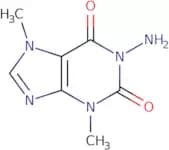
CAS:Producto controladoPlease enquire for more information about 5-Amino-3,7-dimethylxanthine including the price, delivery time and more detailed product information at the technical inquiry form on this pageFórmula:C7H9N5O2Pureza:Min. 95%Peso molecular:195.18 g/mol5-Amino-8-hydroxyquinoline dihydrochloride
CAS:5-Amino-8-hydroxyquinoline dihydrochloride (5-AQDH) is an anticancer drug that inhibits the activity of survivin, a protein that is overexpressed in cancer cells. It has been shown to be effective in vivo against melanoma tumor growth. 5-AQDH binds to the unpaired cysteine residues of the survivin molecule and inhibits its function by binding to the active site, blocking access to ATP and preventing DNA synthesis. The efficacy of 5-AQDH has been confirmed in vitro by studying the effect on cell viability and DNA synthesis, as well as by measuring plasma mass spectrometry data from melanoma patients. This drug is currently being investigated for its potential use as an anticancer agent.Fórmula:C9H8N2O•(HCl)2Pureza:Min. 95%Peso molecular:212.63 g/molPraeruptorin E
CAS:Praeruptorin E is a natural furanocoumarin, which is derived from the roots of Peucedanum praeruptorum, a plant commonly used in traditional Chinese medicine. As a bioactive compound, Praeruptorin E exhibits significant pharmacological activities, particularly in cardiovascular, anti-inflammatory, and cytoprotective domains.Pureza:Min. 95%Oxypeucedanin methanolate
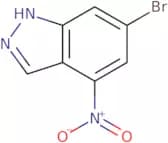
CAS:Oxypeucedanin methanolate is a naturally occurring furanocoumarin, which is a type of organic compound found predominantly in several citrus plants. This compound is derived from the peels and essential oils of these plants, highlighting its botanical source that is rich in phytochemicals.Fórmula:C17H18O6Pureza:Min. 95%Peso molecular:318.32 g/mol6-Bromo-4-nitro-1H-indazole
CAS:Please enquire for more information about 6-Bromo-4-nitro-1H-indazole including the price, delivery time and more detailed product information at the technical inquiry form on this page
Fórmula:C7H4BrN3O2Pureza:Min. 95%Peso molecular:242.03 g/molTimapiprant
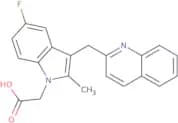
CAS:Producto controladoTimapiprant is an amide that acts as a selective inhibitor of the prostanoid receptor CRTH2, which is involved in regulating the inflammatory response. Timapiprant inhibits skin eosinophilia, which is associated with inflammatory skin diseases such as atopic dermatitis and psoriasis. It has been shown to be safe in clinical trials and has a good safety profile. The drug's mechanism of action may be due to its ability to inhibit the production of IL-4 and IL-13 by Th2 cells and its ability to inhibit lung function. Timapiprant has shown efficacy in treating allergic rhinitis, asthma, chronic obstructive pulmonary disease, erythema multiforme, pyoderma gangrenosum, and other types of inflammatory skin diseases.Fórmula:C21H17FN2O2Pureza:Min. 95%Peso molecular:348.37 g/mol2,3,3-Trimethyl 5-methoxy indolenine
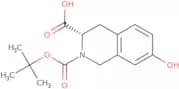
CAS:2,3,3-Trimethyl 5-methoxy indolenine (TMMI) is a fluorescent probe that has been used in photodynamic therapy. TMMI is chemically stable and has an unsymmetrical heterocycle with optical properties that allow it to be excited by green light at wavelengths of 540 nm. TMMI can be used to image hypoxic regions of the brain. This molecule has also been used as an enhancement agent for neovascularization and angiography. TMMI can be synthesized using mesoporous silica nanoparticles and halogens such as chlorine or bromine.Fórmula:C12H15NOPureza:Min. 95%Peso molecular:189.25 g/molBoc-(3S)-1,2,3,4-tetrahydroisoquinoline-7-hydroxy-3-carboxylic acid
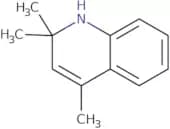
CAS:Boc-(3S)-1,2,3,4-tetrahydroisoquinoline-7-hydroxy-3-carboxylic acid is a synthetic opioid that is chemically related to morphine. It binds to the δ opioid receptor and has a clinical development in the treatment of pain. The drug has been shown to inhibit the binding of gtpγs, which leads to the suppression of neuronal activity. Boc-(3S)-1,2,3,4-tetrahydroisoquinoline-7-hydroxy-3-carboxylic acid also has low molecular weight and low toxicity.Fórmula:C15H19NO5Pureza:Min. 95%Forma y color:PowderPeso molecular:293.32 g/molPoly(1,2-dihydro-2,2,4-trimethylquinoline)
CAS:Poly(1,2-dihydro-2,2,4-trimethylquinoline) is a high molecular weight polymeric quinoline. It is an intramolecular hydrogen bond donor. The nitrogen atoms in the polymers are bound to hydrogen and form a ring with two amino groups. Poly(1,2-dihydro-2,2,4-trimethylquinoline) has been shown to be resistant to many chemical agents such as hydrogen fluoride and glycoside derivatives. It also has a carcinogenic potential and can induce liver lesions. The carcinogenesis studies of poly(1,2-dihydro-2,2,4-trimethylquinoline) have shown that it may cause cancer in animals via diazonium salt and methyl ethyl hydrochloric acidFórmula:(C12H15N)xPureza:Min. 95%Forma y color:Powder(S)-1,2,3,4,5,6,7,8-Octahydro-1-[(4-methoxyphenyl)methyl]isoquinoline (acetate salt )
CAS:(S)-1,2,3,4,5,6,7,8-Octahydro-1-[(4-methoxyphenyl)methyl]isoquinoline (acetate salt ) is a diphosphine that can be used as a catalyst to produce formic acid from methanol and carbon monoxide. This product is an enantiomer of picric acid and has been shown to be an effective additive in the crystallization of picric acid. The acetate salt is also optically pure.Pureza:Min. 95%4-Chloro-5H-pyrimido[5,4-b]indole
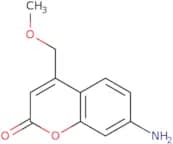
CAS:Please enquire for more information about 4-Chloro-5H-pyrimido[5,4-b]indole including the price, delivery time and more detailed product information at the technical inquiry form on this pageFórmula:C10H6ClN3Pureza:Min. 95%Peso molecular:203.63 g/mol7-Amino-4-(methoxymethyl)coumarin
CAS:7-Amino-4-(methoxymethyl)coumarin is a fluorogenic compound, which is synthesized chemically for bioanalytical applications. This compound serves as a substrate in enzyme assays and is particularly valuable in studying enzymatic activity due to its fluorescent properties.Fórmula:C11H11NO3Pureza:Min. 95%Peso molecular:205.21 g/mol(S)-5,6,6a,7-Tetrahydro-6-methyl- 4H-dibenzo[de,g]quinoline-10,11-diol hydrochloride
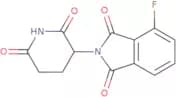
CAS:Producto controladoPlease enquire for more information about (S)-5,6,6a,7-Tetrahydro-6-methyl- 4H-dibenzo[de,g]quinoline-10,11-diol hydrochloride including the price, delivery time and more detailed product information at the technical inquiry form on this pageFórmula:C17H17NO2·HClPureza:Min. 95%Forma y color:SolidPeso molecular:303.78 g/mol2-(2,6-Dioxo-piperidin-3-yl)-4-fluoroisoindoline-1,3-dione
CAS:2-(2,6-Dioxo-piperidin-3-yl)-4-fluoroisoindoline-1,3-dione (2,6DPI) is a synthetic chemical compound that has been shown to inhibit NF-κB activation in vitro. 2,6DPI is a competitive inhibitor of the p65 subunit of NF-κB and functions by binding to the cysteine residue on the p65 subunit. It has been shown to be effective against inflammatory diseases such as pulmonary disease and inflammation. This drug also inhibits deacetylases, which are enzymes involved in regulating gene expression. 2,6DPI may have therapeutic potential for the treatment of inflammatory diseases and cancer.Fórmula:C13H9FN2O4Pureza:Min. 95%Forma y color:Violet To Grey SolidPeso molecular:276.22 g/molMurrangetin
Murrangetin is a flavonoid compound, which is a natural phytochemical sourced from the peels of various citrus fruits. Its mode of action primarily involves the modulation of inflammatory pathways, potentially through the inhibition of specific enzymes like cyclooxygenases and lipoxygenases. This flavonoid is also known for its antioxidative properties, which contribute to its ability to scavenge free radicals, thereby reducing oxidative stress in biological systems.
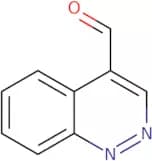
Pureza:Min. 95%4-Cinnolinecarboxaldehyde
CAS:4-Cinnolinecarboxaldehyde is an organic compound that belongs to the group of cinnoline. It is a colorless liquid that can be used as a precursor in the production of aluminum metal. 4-Cinnolinecarboxaldehyde reacts with lithium aluminum hydride to form a compound that can be used as a reducing agent in organic chemistry. 4-Cinnolinecarboxaldehyde is also used as a precursor for preparing other compounds, such as lithium aluminum hydride and lithium aluminum trihydride.
Fórmula:C9H6N2OPureza:Min. 95%Peso molecular:158.16 g/molSelinidin
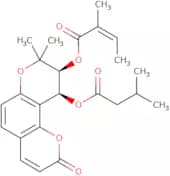
CAS:Selinidin is a phytochemical compound, which is derived from the natural source of the Brunsvigia bosmaniae plant. As a bioactive constituent of this plant, it is characterized by its unique structure and chemical properties, enabling it to interact with a variety of cellular targets, primarily through modulation of inflammatory pathways. The mode of action of Selinidin involves the inhibition of pro-inflammatory cytokines and mediators, thereby reducing inflammation and oxidative stress at the cellular level.Fórmula:C19H20O5Pureza:Min. 95%Peso molecular:328.36 g/molMurralongin
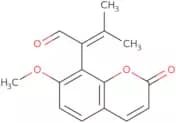
CAS:Murralongin is a natural compound that falls under the category of sesquiterpenes, a class of terpenoids characterized by their three isoprene units. It is derived from the leaves and stems of the plant Eremophila mitchellii, a species known for its rich diversity of bioactive compounds often utilized in traditional medicine. The primary mode of action of Murralongin involves modulation of specific enzymatic pathways, potentially influencing a range of biological processes, including anti-inflammatory and antimicrobial activities.Fórmula:C15H14O4Pureza:Min. 95%Peso molecular:258.27 g/mol



![3-[2-(2,5-Dimethyl-1H-pyrrol-1-yl)ethyl]-1H-indole](/_next/image/?url=https%3A%2Fstatic.cymitquimica.com%2Fproducts%2F3D%2Fthumb-webp%2FFD117662.webp&w=3840&q=75)

![8-[(2-Hydroxyethyl)(methyl)amino]-1,3,9-trimethyl-3,9-dihydro-1H-purine-2,6-dione](/_next/image/?url=https%3A%2Fstatic.cymitquimica.com%2Fproducts%2F3D%2Fthumb-webp%2FFH132897.webp&w=3840&q=75)


![3-Oxabicyclo[3.1.0]hexane-2,4-dione](/_next/image/?url=https%3A%2Fstatic.cymitquimica.com%2Fproducts%2F3D%2Fthumb-webp%2FFO62778.webp&w=3840&q=75)


![Ethyl 3-{[(1E)-(dimethylamino)methylene]amino}-5-methoxy-1-methyl-1H-indole-2-carboxylate](/_next/image/?url=https%3A%2Fstatic.cymitquimica.com%2Fproducts%2F3D%2Fthumb-webp%2FFE123273.webp&w=3840&q=75)
![1H-Cyclopenta[l]phenanthrene](/_next/image/?url=https%3A%2Fstatic.cymitquimica.com%2Fproducts%2F3D%2Fthumb-webp%2FFC60818.webp&w=3840&q=75)
![4-fluoro-1-methyl-1,4-diazoniabicyclo[2.2.2]octane](/_next/image/?url=https%3A%2Fstatic.cymitquimica.com%2Fproducts%2F3D%2Fthumb-webp%2FFF106220.webp&w=3840&q=75)


![(S)-1,2,3,4,5,6,7,8-Octahydro-1-[(4-methoxyphenyl)methyl]isoquinoline (acetate salt )](/_next/image/?url=https%3A%2Fstatic.cymitquimica.com%2Fproducts%2F3D%2Fthumb-webp%2FFO29465.webp&w=3840&q=75)
![4-Chloro-5H-pyrimido[5,4-b]indole](/_next/image/?url=https%3A%2Fstatic.cymitquimica.com%2Fproducts%2F3D%2Fthumb-webp%2FFC118328.webp&w=3840&q=75)
![(S)-5,6,6a,7-Tetrahydro-6-methyl- 4H-dibenzo[de,g]quinoline-10,11-diol hydrochloride](/_next/image/?url=https%3A%2Fstatic.cymitquimica.com%2Fproducts%2F3D%2Fthumb-webp%2FFT46165.webp&w=3840&q=75)