Compuestos de organosilicio
En esta sección, encontrará un gran número de compuestos organosilícicos. Los compuestos organosilícicos se caracterizan por átomos de carbono unidos a átomos de silicio. También pueden estar presentes otros compuestos no metálicos. Estos compuestos son ampliamente utilizados en síntesis orgánica, ciencia de materiales y productos farmacéuticos debido a sus propiedades químicas únicas. En CymitQuimica, ofrecemos una amplia gama de compuestos organosilícicos de alta calidad para apoyar sus investigaciones y proyectos industriales.
Subcategorías de "Compuestos de organosilicio"
Se han encontrado 4327 productos de "Compuestos de organosilicio"
Ordenar por
Pureza (%)
0
100
|
0
|
50
|
90
|
95
|
100
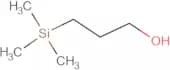
3-(Trimethylsilyl)propanol
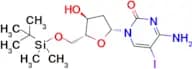
CAS:<p>S20075 - 3-(Trimethylsilyl)propanol</p>Fórmula:C6H16OSiPureza:97%Forma y color:No data available.Peso molecular:132.2784-Amino-1-((2R,4S,5R)-5-(((tert-butyldimethylsilyl)oxy)methyl)-4-hydroxytetrahydrofuran-2-yl)-5-iodopyrimidin-2(1H)-one
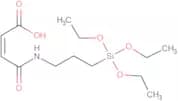
CAS:Pureza:97%Peso molecular:467.3789978Triethoxysilylpropylmaleamic acid
CAS:<p>S17360 - Triethoxysilylpropylmaleamic acid</p>Fórmula:C13H25NO6SiPureza:95%Forma y color:SolidPeso molecular:319.4291,2-Bis(triethoxysilyl)ethane(Hexaethoxydisilethylene)
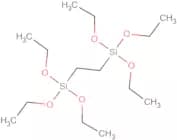
CAS:<p>S02108 - 1,2-Bis(triethoxysilyl)ethane(Hexaethoxydisilethylene)</p>Fórmula:C14H34O6Si2Pureza:95%Forma y color:Liquid, Colourless liquidPeso molecular:354.59Triphenylmethylium Tetrafluoroborate
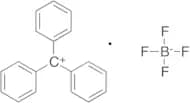
CAS:Producto controlado<p>Stability Hygroscopic, Light-sensitive<br>Applications Triphenylmethylium Tetrafluoroborate is reagent used in organic synthesis such as the direct synthesis of 1,1-diphenyl-3-arylindanes.<br>References Surapanich, N. et al.: Synlett., 27, 2689 (2016);<br></p>Fórmula:C19H15•BF4Forma y color:NeatPeso molecular:243.32 + 86.81Trimethylboroxin
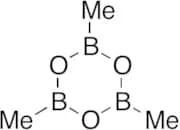
CAS:Producto controlado<p>Applications Trimethylboroxin is used in a diverse array of areas, including as a polymerization additive. Trimethylboroxin is also used in the preparation of CBS catalysts for asymmetric reductions.<br> Not a dangerous good if item is equal to or less than 1g/ml and there is less than 100g/ml in the package<br>References Gilmore, N., et al.: Tetrahedron Asy., 14, 2115 (2003); Najera, C., et al.: Adv. Synth. Catal., 346, 1798 (2004);<br></p>Fórmula:C3H9B3O3Forma y color:NeatPeso molecular:125.53[3-[(Trimethylsilyl)oxy]-2-cyclohexen-1-yl]-benzene
CAS:Producto controlado<p>Applications [3-[(Trimethylsilyl)oxy]-2-cyclohexen-1-yl]-benzene (cas# 108643-81-8) is a compound useful in organic synthesis.<br></p>Fórmula:C15H22OSiForma y color:NeatPeso molecular:246.42tert-Butyldimethylsilyl Trifluoromethanesulfonate
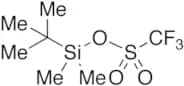
CAS:Producto controlado<p>Stability Moisture Sensitive<br>Applications Tert-Butyldimethylsilyl Trifluoromethanesulfonate is a highly reactive silylating agent and lewis acid capable of converting primary, secondary and tertiary alcohols to their respectctive TBDMS. Tert-Butyldimethylsilyl Trifluoromethanesulfonate is also used to covert ketones and lactones into their enol silyl ethers.<br> Not a dangerous good if item is equal to or less than 1g/ml and there is less than 100g/ml in the package<br>References Hua, D.H. et al.: e-ROS Encyc. Reag. Org. Synth., No pp. given (2001); Suzuki, T. et al.: Synthesis, 4, 555 (2001);<br></p>Fórmula:C7H15F3O3SSiForma y color:NeatPeso molecular:264.34N,N-Diethyl(trimethylsilyl)amine
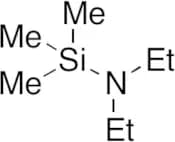
CAS:Producto controlado<p>Applications N,N-Diethyl(trimethylsilyl)amine is a chemical reagent with wide application in organic chemistry. Used in stereospecific addition reactions as well as in SN2 nucleophilic substitutions.<br> Not a dangerous good if item is equal to or less than 1g/ml and there is less than 100g/ml in the package<br>References Bassindale, A. et al.: J. Organometal. Chem., 667, 66 (2003); Hagiwara, H. et al.: J. Chem. Soc., Perk Trans., 3, 316 (2002);<br></p>Fórmula:C7H19NSiForma y color:NeatPeso molecular:145.32Tetraethylammonium Tetrafluoroborate
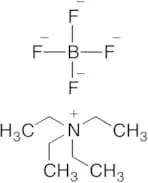
CAS:Producto controlado<p>Applications Tetraethylammonium Tetrafluoroborate is used in the preparation of some organic salts of fluoboric acids.<br>References Wilke-D., et al.: Ber. Dtsch Chem. Ges.; 60B, 115 (1927)<br></p>Fórmula:C8H20BF4N3Forma y color:NeatPeso molecular:217.06Triisopropyl Borate
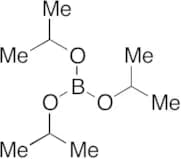
CAS:Producto controlado<p>Applications Triisopropyl Borate is a borate ester used in Suzuki couplings.<br> Not a dangerous good if item is equal to or less than 1g/ml and there is less than 100g/ml in the package<br>References Wolfe, J. et al.: J. Am. Chem. Soc., 121, 9550 (1999); Darses, S. et al.: Eur. j. Org. Chem., 8, 1875<br></p>Fórmula:C9H21BO3Forma y color:NeatPeso molecular:188.07Hexamethyldisilane
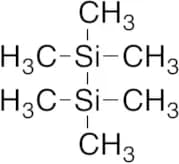
CAS:Producto controlado<p>Stability Volatile<br>Applications Hexamethyldisilane is an organic silylating and disilylating reagent. It is also a useful reagent for reductive coupling, reductive deuteration, aroylarylation, carbosilylation, insertion, deuteration and dimerization reactions.<br>References Xiao, G., et al.: Tetrahedron Lett., 59, 1836 (2018); Lu, A., et al.: Angew. Chem. Int. Ed., 57, 3233 (2018); Deb, M., et al.: New J. Chem., 41, 14528 (2017); Hiyama, T., et al.: e-EROS Encyclopedia of Reagents for Organic Synthesis, 1 (2010)<br></p>Fórmula:C6H18Si2Forma y color:NeatPeso molecular:146.38Triethylsilyl Trifluoromethanesulfonate
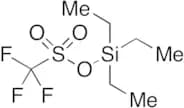
CAS:Producto controlado<p>Stability Moisture Sensitive and Hygroscopic<br>Applications Triethylsilyl Trifluoromethanesulfonate is a reagent used in the synthesis of pharmaceuticals such as cocosolide, an immunosuppressive agent.<br> Not a dangerous good if item is equal to or less than 1g/ml and there is less than 100g/ml in the package<br>References Gunasekera, S. et al.: Chem. Eur. J., 22, 8158 (2016);<br></p>Fórmula:C22H41F3N2O6S2SiForma y color:NeatPeso molecular:264.34rac 1-O-Trimethylsilyl 3-Chloro-1,2-propanediol
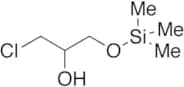
CAS:Producto controlado<p>Applications rac 1-O-Trimethylsilyl 3-Chloro-1,2-propanediol (cas# 1246820-26-7) is a compound useful in organic synthesis.<br></p>Fórmula:C6H15ClO2SiForma y color:NeatPeso molecular:182.72Chlorotriethoxysilane
CAS:Producto controlado<p>Stability Moisture Sensitive<br>Applications Chlorotriethoxysilane (cas# 4667-99-6) is a useful research chemical.<br></p>Fórmula:C6H15ClO3SiForma y color:NeatPeso molecular:198.721,2-Bis(trimethylsiloxy)ethane
CAS:Producto controlado<p>Applications 1,2-Bis(trimethylsiloxy)ethane is an organic reagent, used in the preparation of nonracemic hexahydrofurapyranol which acts as a high-affinity ligand for HIV-1 protease inhibitors.<br> Not a dangerous good if item is equal to or less than 1g/ml and there is less than 100g/ml in the package<br>References Ghosh, A. et al.: Tetra. Lett., 58, 3230 (2017)<br></p>Fórmula:C8H22O2Si2Forma y color:NeatPeso molecular:206.433-[[(1,1-Dimethylethyl)diphenylsilyl]oxy]-1,2-propanediol
CAS:Producto controlado<p>Applications 3-[[(1,1-Dimethylethyl)diphenylsilyl]oxy]-1,2-propanediol is an intermediate in the synthesis of 1,2-Dioleoyl-rac-glycerol (D482175), which is an analog of 1,3-Dioleoylglycerol (D484210) which is used in the synthesis of amphiphilic gadolinium complexes as MRI contrast agents.<br>References Accardo, A., et. al.: J. Mater. Chem. B., 1, 617 (2013)<br></p>Fórmula:C19H26O3SiForma y color:NeatPeso molecular:330.49Allenylboronic acid pinacol ester
CAS:Producto controlado<p>Applications Allenylboronic acid pinacol ester<br></p>Fórmula:C9H15BO2Forma y color:NeatPeso molecular:166.033-[(tert-Butyldimethylsilyl)oxy]-1-propanol
CAS:Producto controlado<p>Applications 3-[(tert-Butyldimethylsilyl)oxy]-1-propanol (cas# 73842-99-6) is a compound useful in organic synthesis.<br></p>Fórmula:C9H22O2SiForma y color:NeatPeso molecular:190.36Ethyl [(tert-Butyldimethylsilyl)oxy]acetate
CAS:Producto controlado<p>Applications Ethyl [(tert-Butyldimethylsilyl)oxy]acetate (cas# 67226-78-2) is a compound useful in organic synthesis.<br></p>Fórmula:C10H22O3SiForma y color:NeatPeso molecular:218.371,3-Bis(tert-Butyldimethylsiloxy)-2-propanol
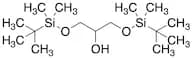
CAS:Producto controlado<p>Applications 1,3-Bis(tert-Butyldimethylsiloxy)-2-propanol is an intermediate in the synthesis of 2-Linoleoyl-rac-glycerol (L467960), which is a atty acid monoglycerides in vegetable oils with medium unsaturation.<br>References Compton, D., et al.: J. Pharmacol. Exp. Ther., 277, 586 (1996), Devane, W., et al.: Science, 258, 1946 (1992),<br></p>Fórmula:C15H36O3Si2Forma y color:NeatPeso molecular:320.62Borane Ammonia Complex
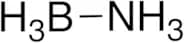
CAS:Producto controladoFórmula:NH3·(BH3)Forma y color:NeatPeso molecular:17.03 +13.83N-Trimethylsilylacetamide
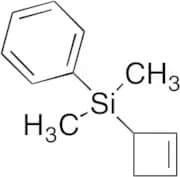
CAS:Producto controlado<p>Stability Moisture Sensitive<br>Applications N-Trimethylsilylacetamide is a silylating agent used in organic synthesis. N-Trimethylsilylacetamide is used in the preparation of the antibacterial agent Cefdinir (C242670).<br>References Takano, R. et al.: J. Carb. Chem., 14, 885 (1995); Rao, K. et al.: Synth. Comm., 37, 2275 (2007);<br></p>Fórmula:C5H13NOSiForma y color:NeatPeso molecular:131.25(2-Cyclobuten-1-yldimethylsilyl)benzene
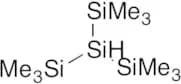
CAS:Producto controlado<p>Applications (2-Cyclobuten-1-yldimethylsilyl)benzene is an intermediate used in synthesizing 2-Cyclobutenyl-3-trifluoromethyl-5-chloro-1H-indole-1-carboxylic Acid Ethyl Ester, which is synthesized from 5-chloro-2-oxindole (C375030), that is used in the preparation of novel GSK-3β inhibitors as anticancer agents.<br>References Choi, M.J., et al.: Bull. Korean. Chem. Soc., 32, 2015 (2011); Otani, M., et al.: Bioorg. Med. Chem. Lett.. 20, 4259 (2010); Jhan, Y.H., et al.: Tetrahedron. Lett., 54, 1155 (2013); Hsieh, J.C., et al.: Org. Biomolec. Chem., 10, 6404 (2012);<br></p>Fórmula:C12H16SiForma y color:NeatPeso molecular:188.34Tris(trimethylsilyl)silane)
CAS:Producto controlado<p>Applications Tris(trimethylsilyl)silane) is used in the synthesis of silated alkenes and alkynes. Also used in the preparation of fused quinolines.<br> Not a dangerous good if item is equal to or less than 1g/ml and there is less than 100g/ml in the package<br>References Kopping, B.et al.: J. Org. Chem., 57, 3994 (1992); Du, W. et al.: Org. Lett., 5, 1765 (2003);<br></p>Fórmula:C9H28Si4Forma y color:NeatPeso molecular:248.66N-(Methoxymethyl)-N-[(trimethylsilyl)methyl]benzenemethanamine (>90%)
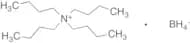
CAS:Producto controlado<p>Applications N-(Methoxymethyl)-N-[(trimethylsilyl)methyl]benzenemethanamine is used in the synthesis of pyrrolidine derivatives as novel sodium channel blockers used to treat ischemic related ailments.<br>References Seki, M. et al.: Bioorg. Med. Chem. Lett., 23, 4230 (2013);<br></p>Fórmula:C13H23NOSiPureza:>90%Forma y color:NeatPeso molecular:237.41Tetrabutylammonium Borohydride
CAS:Producto controlado<p>Applications Tetrabutylammonium Borohydride is a strong reducing agent used in the synthesis of hyperbranched polyglycerol grafting on the surface of silica-coated nanoparticles.<br>References Panja, P. et al.: ACS Sust. Chem. Eng., 5, 4879 (2017);<br></p>Fórmula:C16H36NBH4Forma y color:NeatPeso molecular:242.46 + 14.84Triphenylsilane
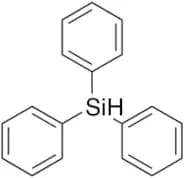
CAS:Producto controlado<p>Applications TRIPHENYLSILANE (cas# 789-25-3) is a useful research chemical.<br></p>Fórmula:C18H16SiForma y color:NeatPeso molecular:260.41Tetrakis(acetonitrile)palladium Bis(tetrafluoroborate)
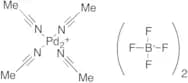
CAS:Producto controlado<p>Applications Tetrakis(acetonitrile)palladium Bis(tetrafluoroborate) is used to prepare an α-Diimine-transition metal complex, which is used as a catalyst for polymerization of olefins. It is also a catalyst used in cross coupling reaction for C-C, C-O, and C-N bond formation.<br>References Feldman, J., et al.: Organometallics, 16, 1514 (1997); Johnson, L., et al.: PCT Int. Appl., WO 9623010 A2 19960801 (1996); Poppenbery, J., et al.: Surface Sci., 2011; Pijnenburg, N., et al.: Dalton Transactions, 40, 8896 (2011); Kilpin, K., et al.: Inorg. Chem., 50, 6334 (2011)<br></p>Fórmula:C8H12B2F8N4PdForma y color:NeatPeso molecular:444.243-(Dimethylphenylsilyl)-cyclobutanone
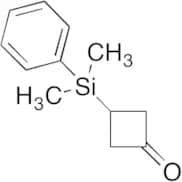
CAS:Producto controlado<p>Applications 3-(Dimethylphenylsilyl)-cyclobutanone is an intermediate used in synthesizing 2-Cyclobutenyl-3-trifluoromethyl-5-chloro-1H-indole-1-carboxylic Acid Ethyl Ester, which is synthesized from 5-chloro-2-oxindole (C375030), that is used in the preparation of novel GSK-3β inhibitors as anticancer agents.<br>References Choi, M.J., et al.: Bull. Korean. Chem. Soc., 32, 2015 (2011); Otani, M., et al.: Bioorg. Med. Chem. Lett.. 20, 4259 (2010); Jhan, Y.H., et al.: Tetrahedron. Lett., 54, 1155 (2013); Hsieh, J.C., et al.: Org. Biomolec. Chem., 10, 6404 (2012);<br></p>Fórmula:C12H16OSiForma y color:NeatPeso molecular:204.34(1-Ethoxycyclopropoxy)trimethylsilane
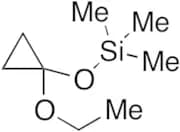
CAS:Producto controlado<p>Applications (1-Ethoxycyclopropoxy)trimethylsilane used as a reactant in the synthesis of di-, tri- and tetracyclopropylhydrazines. Also used as reagent in the synthesis of g elsemoxonine which is found in gelsemium plant species that is used in traditional asian medicine.<br> Not a dangerous good if item is equal to or less than 1g/ml and there is less than 100g/ml in the package<br>References Shestakov, A., et al.: Chem. Commun., 52, 2398 (2016); Diethelm, S., et al.: J. Am. Chem. Soc., 137, 6084 (2015);<br></p>Fórmula:C8H18O2SiForma y color:NeatPeso molecular:174.313-Carboxyphenylboronic acid
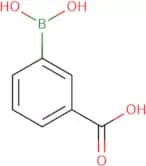
CAS:<p>3-Carboxyphenylboronic acid is a natural compound that is used in the treatment of tumors. It is also used as a starting material for the synthesis of other compounds, such as 3-carboxyphenylboronic acid and 3-carboxyphenylboronic acid hydrochloride. 3-Carboxyphenylboronic acid has been shown to activate signal pathways involved in tumor growth, survival, and metastasis. This drug has low bioavailability and can be excreted through urine or human serum. 3-Carboxyphenylboronic acid contains a pyrazole ring with ester linkages. Hydrogen bonding interactions are also present between this molecule and dopamine, which may account for its antitumor activity.</p>Fórmula:C7H7BO4Pureza:Min. 95%Forma y color:White PowderPeso molecular:165.94 g/mol4,4'-Biphenyldiboronic acid
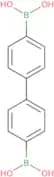
CAS:<p>4,4'-Biphenyldiboronic acid is a boronate ester that can be used as a cross-linker in the synthesis of polymers. It is soluble in organic solvents, but insoluble in water. The chemical structure of 4,4'-biphenyldiboronic acid consists of two phenyl groups and one boronic acid group. This compound has been shown to have a spacing between 2.2 and 2.4 Å for germanium atoms and has been used for microscopy studies with morphology and diffraction experiments.</p>Fórmula:C12H12B2O4Pureza:Min. 95%Forma y color:White Off-White PowderPeso molecular:241.84 g/molTrimethylsilylmethanethiol
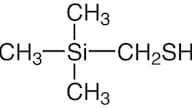
CAS:Fórmula:C4H12SSiPureza:>97.0%(GC)Forma y color:Colorless to Almost colorless clear liquidPeso molecular:120.294-Aminophenylboronic acid hydrochloride
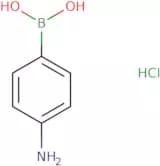
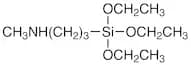
CAS:<p>4-Aminophenylboronic acid hydrochloride is a fluorescent probe that can be used to detect hydrogen bonds in proteins. It has been used to measure water vapor in human serum and as an electrochemical impedance spectroscopy probe for the detection of ATP levels. This compound has also been used as a fluorescence probe for the detection of viruses and fetal bovine serum, as well as nanomaterials and matrix effect studies. 4-Aminophenylboronic acid hydrochloride is synthesized through the reaction of 4-aminophenylboronic acid with hydrochloric acid in water at high temperature, which produces a white solid. The thermal expansion coefficient of this compound is 2.6 x 10^-5 K^-1.</p>Fórmula:C6H8BNO2•HClPureza:Min. 95%Forma y color:PowderPeso molecular:173.4 g/molN-Methyl-3-(triethoxysilyl)propan-1-amine
CAS:Fórmula:C10H25NO3SiPureza:>97.0%(GC)(T)Forma y color:Colorless to Light yellow clear liquidPeso molecular:235.401,3-Dimethyl-1,1,3,3-tetraphenyldisilazane
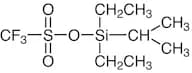
CAS:Fórmula:C26H27NSi2Pureza:>95.0%(GC)Forma y color:White to Light yellow powder to crystalPeso molecular:409.68Diethylisopropylsilyl Trifluoromethanesulfonate
CAS:Fórmula:C8H17F3O3SSiPureza:>98.0%(T)Forma y color:Colorless to Light yellow to Light orange clear liquidPeso molecular:278.36[[(3,5-Dimethyl-1H-pyrrol-2-yl)(3,5-dimethyl-2H-pyrrol-2-ylidene)methyl]methane](difluoroborane)
CAS:<p>[[(3,5-Dimethyl-1H-pyrrol-2-yl)(3,5-dimethyl-2H-pyrrol-2-ylidene)methyl]methane](difluoroborane) is a compound that is used in photophysical studies. It has been shown to exhibit low energy levels and fluorescence properties. The chloro atom in this molecule has been shown to have a photostability of approximately 10 μs, which may be due to the lack of electron delocalization that would lead to a significant amount of excited state decay. This compound also exhibits fatty acid microcapsule formation and particle formation, which may be useful for confocal microscopy. [[(3,5-Dimethyl-1H-pyrrol-2-yl)(3,5-dimethyl-2H-pyrrol-2-ylidene)methyl]methane](difluorob</p>Fórmula:C14H17BF2N2Pureza:Min. 95%Forma y color:Red PowderPeso molecular:262.11 g/molN-α,ε-Bis-Boc-L-lysine 4-nitrophenyl ester
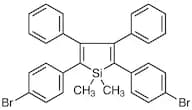
CAS:<p>N-alpha,epsilon-Bis-Boc-L-lysine 4-nitrophenyl ester is a chiral compound that has been used as an antigen for the detection of antibodies against lysine. It is a synthetic peptide that can be used as an adjuvant to improve the efficacy of vaccines. The kinetic and orientations of the antigen were determined by electrospray ionization mass spectrometry. The enantiomeric composition was determined using high performance liquid chromatography with chiral stationary phase, followed by thioether cleavage and liquid chromatography.</p>Fórmula:C22H33N3O8Pureza:Min. 95%Forma y color:White To Beige To Light (Or Pale) Yellow SolidPeso molecular:467.51 g/mol2,5-Bis(4-bromophenyl)-1,1-dimethyl-3,4-diphenylsilole
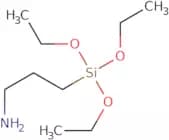
CAS:Fórmula:C30H24Br2SiPureza:>95.0%(GC)Forma y color:Light yellow to Yellow powder to crystalPeso molecular:572.423-Aminopropyltriethoxysilane
CAS:<p>3-Aminopropyltriethoxysilane is a liquid that has a phase transition temperature of -88.3°C. It is soluble in water at 1 g/L and in ethanol at 0.1 g/L. 3-Aminopropyltriethoxysilane has been shown to inhibit the production of prostaglandin E2 and leukotrienes by inhibiting cyclooxygenase activity in red blood cells, which may be due to its ability to chelate metal ions such as iron or copper. 3-Aminopropyltriethoxysilane also inhibits the production of prostaglandin E2 and leukotrienes by inhibiting cyclooxygenase activity in red blood cells, which may be due to its ability to chelate metal ions such as iron or copper. The compound also inhibits the production of prostaglandin E2 and leukotrienes by inhibiting</p>Fórmula:C9H23NO3SiPureza:Min. 97 Area-%Forma y color:Colorless Clear LiquidPeso molecular:221.37 g/mol2-(Trifluoromethoxy)phenylboronic acid
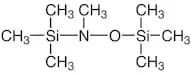
CAS:<p>2-(Trifluoromethoxy)phenylboronic acid (2-TFB) is a boronic acid that is used in cross-coupling reactions. It has been shown to be an effective inhibitor of the Vismodegib pathway, which may offer therapeutic benefits for cancer patients. 2-TFB has also been shown to inhibit the activity of other pathways involved in cancer development, such as the benzamide and suzuki pathways. 2-TFB is metabolized through filtration, which can lead to significant pharmacokinetic properties. This compound can be recycled and reused in cross-coupling reactions, which reduces waste production and costs.</p>Fórmula:C7H6BF3O3Pureza:Min. 95%Forma y color:PowderPeso molecular:205.93 g/molN-Methyl-N,O-bis(trimethylsilyl)hydroxylamine
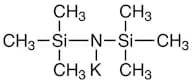
CAS:Fórmula:C7H21NOSi2Pureza:>98.0%(T)Forma y color:Colorless to Light yellow to Light orange clear liquidPeso molecular:191.42Potassium Bis(trimethylsilyl)amide (ca. 22% in Tetrahydrofuran, ca. 1.0mol/L)
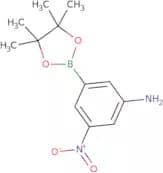
CAS:Fórmula:C6H18KNSi2Forma y color:Light yellow to Brown clear liquid to cloudy liquidPeso molecular:199.493-Amino-5-nitrophenylboronic acid pinacol ester
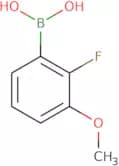
CAS:<p>3-Amino-5-nitrophenylboronic acid pinacol ester is a versatile building block that can be used in the synthesis of complex compounds. This compound has been shown to have useful properties in research chemicals and as reagents or speciality chemicals. Useful intermediates are usually synthesized from 3-Amino-5-nitrophenylboronic acid pinacol ester, which is also a useful scaffold for the synthesis of other compounds.</p>Fórmula:C12H17BN2O4Pureza:Min. 95%Forma y color:Yellow PowderPeso molecular:264.09 g/mol(2-Fluoro-3-methoxyphenyl)boronic acid
CAS:<p>2-Fluoro-3-methoxyphenylboronic acid is a boronic acid that has been shown to be orally activated. It is a potent inhibitor of the enzyme target, which is involved in the production of estradiol. 2-Fluoro-3-methoxyphenylboronic acid has been found to inhibit cellular growth and induce cancer cell death by targeting estrogen receptor β. This molecule also inhibits the growth factor, leading to inhibition of prostate cancer cells in vitro.</p>Fórmula:C7H8BFO3Pureza:Min. 95%Forma y color:White PowderPeso molecular:169.95 g/molPentafluorobenzeneboronic acid
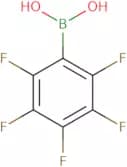
CAS:<p>Pentafluorobenzeneboronic acid is a boronic acid that is used in the synthesis of cationic polymers for use as an environmentally friendly alternative to perfluoroalkyl compounds. Pentafluorobenzeneboronic acid can be synthesized by the reaction of hydrochloric acid and pentafluorophenol. The energy efficiency of this molecule is low, which makes it an attractive candidate for use in polymer synthesis. Pentafluorobenzeneboronic acid reacts with nucleophiles at its α carbon to form a covalent linkage, which is reversible under certain conditions. This chemical has been shown to react with β-unsaturated ketones and trifluoroacetic acid to form polyenes with control experiments being done by adding ammonia gas or water to the reaction mixture.</p>Fórmula:C6H2BF5O2Pureza:Min. 95%Forma y color:SolidPeso molecular:211.88 g/mol1-Methyl-3-[3-(trimethoxysilyl)propyl]-1H-imidazol-3-ium Chloride
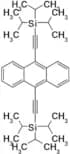
CAS:Fórmula:C10H21ClN2O3SiPureza:>95.0%(T)(HPLC)Forma y color:Colorless to Light yellow to Light orange clear liquidPeso molecular:280.826,13-Bis(triisopropylsilylethynyl)pentacene
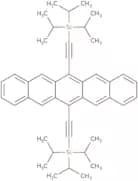
CAS:<p>High performance small molecule for OFET applications</p>Fórmula:C44H54Si2Pureza:Min. 95%Forma y color:Blue PowderPeso molecular:639.07 g/mol6-(4,4,5,5-Tetramethyl-[1,3,2]dioxaborolan-2-yl)-isoquinoline
CAS:<p>6-(4,4,5,5-Tetramethyl-[1,3,2]dioxaborolan-2-yl)-isoquinoline is a versatile building block for the synthesis of complex compounds. This product is a reagent that can be used in organic synthesis as a reaction component or as a reagent to form new compounds. 6-(4,4,5,5-Tetramethyl-[1,3,2]dioxaborolan-2-yl)-isoquinoline has shown high quality in research and is useful for the synthesis of fine chemicals and speciality chemicals.</p>Fórmula:C15H18BNO2Pureza:Min. 95%Forma y color:White To Beige SolidPeso molecular:255.12 g/mol1,2-Bis(chlorodimethylsilyl)ethane [Protecting Reagent for Primary Amines]
CAS:Fórmula:C6H16Cl2Si2Pureza:>95.0%(GC)Forma y color:White or Colorless to Almost white or Almost colorless powder to lump to clear liquidPeso molecular:215.26N-Phenyl-2,4,6-triphenyl pyridinium tetrafluoroborate
CAS:<p>N-Phenyl-2,4,6-triphenyl pyridinium tetrafluoroborate is a crystalline material that is insoluble in water and organic solvents. It can be used as a monomer in the synthesis of polymers and for immobilization of enzymes. N-Phenyl-2,4,6-triphenyl pyridinium tetrafluoroborate can be used to reprocess technetium and has been shown to diffract x-rays with high resolution. This compound is also fluorescent with a long wavelength (620 nm) and can be used as a radioactive tracer.</p>Fórmula:C29H22N·BF4Pureza:Min. 95%Peso molecular:471.3 g/mol1-(Trimethylsilyl)-2-naphthyl Trifluoromethanesulfonate
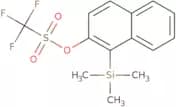
CAS:<p>1-(Trimethylsilyl)-2-naphthyl Trifluoromethanesulfonate is a solvent that has been used for the synthesis of oxygen heterocycles. It is also used as a reagent to cleave bonds in organic molecules, such as alkene, solvents, aldehydes and activated esters. This compound is an unsymmetrical nucleophile that reacts with electron-poor alkenes to generate an unsaturated bond between two carbons. Mechanistic studies have shown that the reaction proceeds through a concerted mechanism involving the formation of a covalent phosphine intermediate.</p>Fórmula:C14H15F3O3SSiPureza:Min. 95%Forma y color:PowderPeso molecular:348.41 g/mol[4-(Allyloxy)phenyl]boronic acid
CAS:<p>4-(Allyloxy)phenylboronic acid is an intermediate in the manufacture of pharmaceuticals and other organic compounds. It can be used as a building block for more complex compounds and as a reagent in organic synthesis. 4-(Allyloxy)phenylboronic acid is soluble in water and has a melting point of >200°C. This compound is a fine chemical with CAS No. 1117776-68-7 and is useful for research purposes.</p>Fórmula:C9H11BO3Pureza:Min. 95%Forma y color:White PowderPeso molecular:177.99 g/mol3-Methacryloxypropyltrimethoxysilane
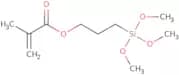
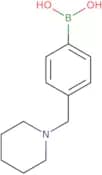
CAS:<p>3-Methacryloxypropyltrimethoxysilane is a silane that has been modified with an acrylic group. It is used as an additive for the production of coatings, adhesives, and sealants. 3-Methacryloxypropyltrimethoxysilane is resistant to hydrochloric acid and other chemicals. It is also stable in water and light exposure. This product has shown to have high adsorption properties, which may be due to its hydroxyl groups. 3-Methacryloxypropyltrimethoxysilane has also been shown to have coupling properties that are advantageous for use with polymers and plastics.</p>Fórmula:C10H20O5SiPureza:Min. 95%Forma y color:Colorless Clear LiquidPeso molecular:248.35 g/mol4-(1-Piperidylmethyl)phenylboronic acid
CAS:<p>4-(1-Piperidylmethyl)phenylboronic acid is a fine chemical that is used as a versatile building block in the synthesis of complex compounds. It has been used as a reagent and speciality chemical in research. 4-(1-Piperidylmethyl)phenylboronic acid is also a useful intermediate in organic synthesis, and can be used as a reaction component or scaffold for the preparation of other chemicals.</p>Fórmula:C12H18BNO2Pureza:Min. 95%Forma y color:PowderPeso molecular:219.09 g/mol4-Nitrophenylboronic acid
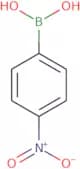
CAS:<p>4-Nitrophenylboronic acid is a chemical compound that has been shown to inhibit the enzyme PTP1B. This enzyme is responsible for the phosphorylation of proteins and plays an important role in regulating insulin release, glucose uptake, and fat metabolism. The inhibition of this enzyme by 4-Nitrophenylboronic acid is reversible and potent. It has also been shown to have anticancer activity in vitro and in vivo, as well as cross-coupling with other boronic acids to form new compounds with different biological activities.</p>Fórmula:C6H6BNO4Pureza:Min. 95%Forma y color:PowderPeso molecular:166.93 g/mol4-Carboxyphenylboronic acid pinacol ester
CAS:<p>4-Carboxyphenylboronic acid pinacol ester is a linker that can be used to tether hydrophobic compounds to the surface of nanomaterials. This linker has been shown to have a low detection limit, meaning it can be used in red blood cells and cancer cells with high sensitivity. 4-Carboxyphenylboronic acid pinacol ester has also been shown to have an affinity for prostate cancer cells. The linker was synthesized from dopamine, which is a precursor molecule for many neurotransmitters in the central nervous system. It is important to note that this compound is not selective and can react with other hydrophilic molecules such as DNA or proteins.</p>Fórmula:C13H17BO4Pureza:Min. 95%Forma y color:White PowderPeso molecular:248.08 g/molHexadecyltrimethoxysilane
CAS:<p>Hexadecyltrimethoxysilane is a volatile organic compound that has high values in the water vapor range. It is soluble in water and organic solvents, and can be used as a surface treatment agent for hydrophobic surfaces. Hexadecyltrimethoxysilane has been shown to have antimicrobial effects against bacteria such as Staphylococcus aureus and Escherichia coli by disrupting the cell membrane. Hexadecyltrimethoxysilane also inhibits the growth of microorganisms by preventing the synthesis of proteins essential for cellular processes. The transport rate of hexadecyltrimethoxysilane is relatively slow, with an optimum concentration of about 1%. This compound does not react with sodium citrate and has chemical stability.</p>Fórmula:C19H42O3SiPureza:Min. 95%Forma y color:Clear LiquidPeso molecular:346.62 g/molPotassium Trimethylsilanolate
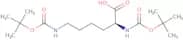
CAS:Fórmula:C3H9KOSiPureza:>95.0%(T)Forma y color:White to Almost white powder to crystalPeso molecular:128.29Nα,Nε-Di-Boc-L-lysine
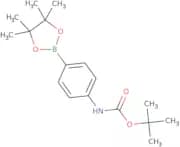
CAS:<p>Nalpha,Nepsilon-Di-Boc-L-lysine is a synthetic peptide that has been shown to be reactive with neutrophils and is being developed for the treatment of heart disease. This peptide has been shown to have an antioxidant effect in rat neutrophils by preventing oxidative injury to DNA and protein. Nalpha,Nepsilon-Di-Boc-L-lysine also has an anticancer effect on liver cancer cells, which may be due to its ability to induce antibody responses and inhibit cell proliferation. It has also been shown that this peptide does not cause any adverse effects in rats when administered at high doses.</p>Fórmula:C16H30N2O6Pureza:Min. 95%Forma y color:Colorless PowderPeso molecular:346.42 g/moltert-Butyl (4-(4,4,5,5-tetramethyl-1,3,2-dioxaborolan-2-yl)phenyl)carbamate
CAS:<p>Tert-butyl (4-(4,4,5,5-tetramethyl-1,3,2-dioxaborolan-2-yl)phenyl)carbamate is a potent antitumor agent that inhibits the proliferation of human tumor cells. It binds to isoforms of protein kinase C and inhibits the activity of protein kinase C. Tert-butyl (4-(4,4,5,5-tetramethyl-1,3,2-dioxaborolan-2-yl)phenyl)carbamate has been shown to have strong inhibitory potency against human tumor cells in cell culture assays with IC50 values as low as 1 nanomolar. The compound has also been shown to selectively inhibit certain cancer cell lines in mice with no effect on normal tissue or other cancerous cells.</p>Fórmula:C17H26BNO4Pureza:Min. 95%Forma y color:White PowderPeso molecular:319.2 g/mol(3,5-Dibromophenyl)triphenylsilane
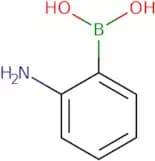
CAS:Fórmula:C24H18Br2SiPureza:>98.0%(GC)Forma y color:White to Light yellow powder to crystalPeso molecular:494.302-Aminophenylboronic acid
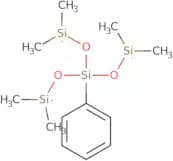
CAS:<p>2-Aminophenylboronic acid is an organic compound that can be used as a cross-coupling agent in the Suzuki coupling reaction. It has been used to synthesize amides and β-unsaturated ketones. It has also been used to prepare fluorescent molecules for use in clinical diagnostics. The phase transition temperature of 2-aminophenylboronic acid is approximately -6°C, which makes it useful for the synthesis of amides and β-unsaturated ketones at low temperatures. This compound is not reactive towards nucleophiles due to its acidic character, but it can undergo a nucleophilic attack when protonated. Its fluorescence assay can be used to detect the presence of low concentrations of hydrogen sulfide gas in natural gas pipelines.</p>Fórmula:C6H8BNO2Pureza:Min. 95%Forma y color:PowderPeso molecular:136.94 g/mol3-(Dimethylsilyloxy)-1,1,5,5-tetramethyl-3-phenyltrisiloxane
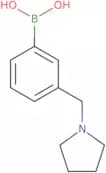
CAS:<p>3-(Dimethylsilyloxy)-1,1,5,5-tetramethyl-3-phenyltrisiloxane is a silicon compound that is an organosilicon. It has three functional groups: polyols, fatty acids and silanes. 3-(Dimethylsilyloxy)-1,1,5,5-tetramethyl-3-phenyltrisiloxane is used as a monomer in the production of polydimethylsiloxane polymers. 3-(Dimethylsilyloxy)-1,1,5,5-tetramethyl-3-phenyltrisiloxane is also used as a waveguide material in optical devices.</p>Fórmula:C12H26O3Si4Pureza:Min. 95%Forma y color:PowderPeso molecular:330.68 g/mol(3-(Pyrrolidin-1-ylmethyl)phenyl)boronic acid
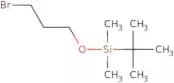
CAS:<p>(3-(Pyrrolidin-1-ylmethyl)phenyl)boronic acid (BPABA) is a fine chemical that is a useful building block in the synthesis of organic compounds. It is also a reagent in organic chemistry and research, as well as a speciality chemical and high quality compound. BPABA is versatile as a building block for the synthesis of complex compounds. It has been used in reactions with many different types of substrates, including nucleophilic addition to unsaturated carbon-carbon bonds, alkylation, vinylation, and Michael reaction. BPABA has been shown to be an effective intermediate for the synthesis of biologically active compounds such as antibiotics and antifungals. BPABA is also used for the synthesis of scaffolds in organic chemistry, such as polymers and nanomaterials.</p>Fórmula:C11H16BNO2Pureza:Min. 95%Forma y color:PowderPeso molecular:205.06 g/mol(3-Bromopropoxy)-tert-butyldimethylsilane
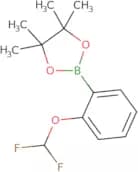
CAS:<p>(3-Bromopropoxy)-tert-butyldimethylsilane is a synthetic molecule that has been shown to inhibit prostate cancer cells. It binds to the phosphate group on the enzyme and inhibits its activity. (3-Bromopropoxy)-tert-butyldimethylsilane can be used as a chemical probe for identifying enzymes involved in phosphatase activity. This molecule has also been shown to have anti-cancer effects in vitro and in vivo assays, by preventing tumor growth and metastasis.</p>Fórmula:C9H21BrOSiPureza:Min. 95%Forma y color:PowderPeso molecular:253.25 g/mol2-Difluoromethoxyphenylboronic acid pinacol ester
CAS:<p>2-Difluoromethoxyphenylboronic acid pinacol ester is a high quality reagent that can be used as a useful intermediate, fine chemical, or speciality chemical in reactions. This compound is an important building block for synthesizing other chemicals and can also be used to make novel compounds with pharmaceutical properties. 2-Difluoromethoxyphenylboronic acid pinacol ester is versatile and can be used in many different reactions. It has been reported to react with various other molecules to form new scaffolds and building blocks for use in organic synthesis.</p>Fórmula:C13H17BF2O3Pureza:Min. 95%Forma y color:PowderPeso molecular:270.08 g/molDecamethylcyclopentasiloxane
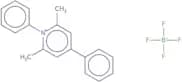
CAS:<p>Decamethylcyclopentasiloxane is a compound that is used in wastewater treatment. It is used as a co-solvent in the removal of fatty acids from wastewater by adsorption on activated carbon. Decamethylcyclopentasiloxane has been shown to be less toxic than other solvents, such as pergolide mesylate, and can be used for the removal of fatty acids from wastewater by adsorption on activated carbon. The process involves the formation of decamethylcyclopentasiloxane-fatty acid complexes at the surface of activated carbon particles. Decamethylcyclopentasiloxane does not cause chronic exposure or emit particles when subjected to high temperatures.</p>Fórmula:C10H30O5Si5Pureza:Min. 95%Forma y color:Colorless Clear LiquidPeso molecular:370.77 g/mol2,6-Dimethyl-1,4-diphenylpyridinium tetrafluoroborate
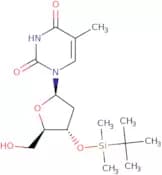
CAS:<p>2,6-Dimethyl-1,4-diphenylpyridinium tetrafluoroborate is a high quality reagent that can be used as a useful intermediate in the synthesis of fine chemicals. It is used as an important building block in the synthesis of many organic compounds and is also an important reaction component. This compound has a wide range of uses and can be used as a versatile building block in organic synthesis or as a speciality chemical for research purposes.</p>Fórmula:C19H18N·BF4Pureza:Min. 95%Peso molecular:347.16 g/mol3’-O-t-Bulyldimethylsilyl thymidine
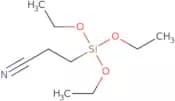
CAS:<p>3’-O-t-Bulyldimethylsilyl thymidine is a nucleoside analog that is chemically stable and has been shown to be a potential biomarker for the diagnosis of fetal bovine spongiform encephalopathy (BSE). 3’-O-t-Bulyldimethylsilyl thymidine binds to basic proteins in the cell nucleus, which can be detected by immunoassay. It also has been shown to inhibit protein synthesis in tubule cells of the kidney and skin cancer cells. The drug is metabolized by dephosphorylation to t-butyldeoxyuridine, which is then converted into thymidine.</p>Fórmula:C16H28N2O5SiPureza:Min. 95%Forma y color:White PowderPeso molecular:356.49 g/mol2-Cyanoethyltriethoxysilane
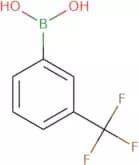
CAS:<p>2-Cyanoethyltriethoxysilane is a cross-linking agent that is used in coatings and adhesives. It has been shown to have an adsorption mechanism that is dependent on the pH of the solution, with a maximum adsorption at pH 3.2 and a minimum at pH 11. The rate of adsorption is also dependent on the concentration of 2-cyanoethyltriethoxysilane, with higher concentrations leading to faster adsorption rates. Kinetic data for 2-cyanoethyltriethoxysilane has been shown using gravimetric analysis to show that it has an adsorption rate constant of 1.0 × 10^4 s^(-1) at pH 3.2 and 6.5 × 10^4 s^(-1) at pH 11, which are independent of the concentration of this molecule in solution. Pluronic P123 was used as a model polymer</p>Fórmula:C9H19NO3SiPureza:Min. 97 Area-%Forma y color:PowderPeso molecular:217.34 g/mol3-(Trifluoromethyl)phenylboronic acid
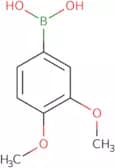
CAS:<p>3-(Trifluoromethyl)phenylboronic acid is a potent fatty acid that inhibits the release of TNF-α, a pro-inflammatory cytokine. 3-(Trifluoromethyl)phenylboronic acid binds to the p65 subunit of NF-κB, thereby preventing its activation. This limits the production of reactive oxygen species and neutrophil infiltration in response to LPS-induced lung injury. 3-(Trifluoromethyl)phenylboronic acid also has anti-inflammatory potential, inhibiting the activation of CRTH2 and reducing emissions from diesel engine exhausts. The molecule is homologous to fenofibrate, which belongs to a class of drugs that are used for lowering blood cholesterol. 3-(Trifluoromethyl)phenylboronic acid is not active against life threatening bacterial infections caused by other bacteria.</p>Fórmula:C7H6BF3O2Pureza:Min. 95%Forma y color:PowderPeso molecular:189.93 g/mol3,4-Dimethoxyphenylboronic acid
CAS:<p>3,4-Dimethoxyphenylboronic acid is a boronate ester that has been shown to be an effective coupling partner for the Suzuki reaction. It has also been used in cancer therapy and as a photochemical probe for the study of biological properties. 3,4-Dimethoxyphenylboronic acid has been shown to demethylate DNA and inhibit methionine aminopeptidase activity. It also cross-couples with halides, such as chlorides or iodides, and activates tertiary alcohols. 3,4-Dimethoxyphenylboronic acid is soluble in organic solvents and can be used in supramolecular chemistry.</p>Fórmula:C8H11BO4Pureza:Min. 95%Forma y color:White PowderPeso molecular:181.98 g/molIodomethylboronic acid, pinacol ester
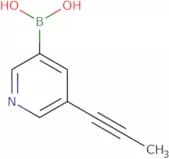
CAS:<p>Iodomethylboronic acid is a synthetic compound that contains a boron atom. Iodomethylboronic acid can be used to produce other compounds, such as dibutyl iodide and epoxides, by introducing an oxygenated linker. The properties of iodomethylboronic acid have been extensively studied using modelling and assays. It has been shown to form stable complexes with aromatic hydrocarbons and amines. Iodomethylboronic acid can also be used in the synthesis of radionuclides, which are radioactive isotopes of elements that emit radiation spontaneously or when they undergo radioactive decay. Iodomethylboronic acid is often used in chemical reactions as a quaternary ammonium salt, which is a positively charged ion (cation) with four groups attached to it. These groups may be either organic or inorganic in nature.</p>Fórmula:C7H14BIO2Pureza:Min. 95%Forma y color:PowderPeso molecular:267.9 g/mol(5-(Prop-1-yn-1-yl)pyridin-3-yl)boronic acid
CAS:<p>(5-(Prop-1-yn-1-yl)pyridin-3-yl)boronic acid is a versatile building block that has been used in the synthesis of complex compounds, reagents, and speciality chemicals. It can also be used in reactions as a reaction component or scaffold. This chemical is soluble in most organic solvents and can be used as a high quality intermediate for synthesis of pharmaceuticals or research chemicals. It has been shown to have a CAS number of 917471-30-8.</p>Fórmula:C8H8BNO2Pureza:Min. 95%Forma y color:PowderPeso molecular:160.97 g/molPropylboronic acid
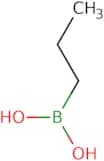
CAS:<p>Propylboronic acid is a chemical compound that is used as a reagent in organic synthesis. It is a carboxylic acid and an aryl halide, which can be easily converted to other compounds by the addition of nucleophiles. Propylboronic acid has been shown to inhibit serine proteases, such as thrombin, which are involved in the coagulation of blood. It also has been shown to have anti-inflammatory properties and can be used as an antiviral agent against hepatitis C virus (HCV). The use of this chemical may lead to autoimmune diseases, such as lupus erythematosus. The mechanism for this effect is not yet clear, but it may involve inhibition of protein synthesis and induction of apoptosis.</p>Pureza:Min. 95%Peso molecular:87.91Azure B Tetrafluoroborate
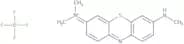
CAS:<p>Azure B Tetrafluoroborate is a potentiator for antibiotics. It is used to enhance the antibacterial efficacy of antibiotics by increasing their ability to penetrate tissues and bacterial biofilms. Azure B Tetrafluoroborate is an organic solvent that can be applied with a handpiece or cavity instrument. It has been shown to increase the in vitro activity of various antibiotics against gram-negative organisms and can be used as a polymeric matrix for coating medical devices such as catheters, endoscopes, and implants. The mechanism of action involves activation of the chemical species within the antibiotic molecule, which then reacts with diode-pumped solid state laser radiation to produce luminescence reactions.</p>Fórmula:C15H16N3S·BF4Pureza:Min. 95%Peso molecular:357.18 g/mol2-(Dimethylphenylsilyl)-4,4,5,5-tetramethyl-1,3,2-dioxaborolane
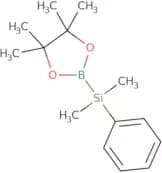
CAS:<p>2-(Dimethylphenylsilyl)-4,4,5,5-tetramethyl-1,3,2-dioxaborolane is a chiral ligand that can be used in asymmetric synthesis. It has been shown to be effective in the palladium-catalyzed cross-coupling of aldehydes with organoboronic acids. 2-(Dimethylphenylsilyl)-4,4,5,5-tetramethyl-1,3,2-dioxaborolane inhibits the formation of an undesired enolate by binding to the silicon atom and sterically preventing nucleophilic attack at this site. This ligand is also selective for anions with a single negative charge such as chloride and bromide.</p>Fórmula:C14H23BO2SiPureza:Min. 95%Forma y color:Yellow PowderPeso molecular:262.23 g/mol2-Bromophenylboronic acid
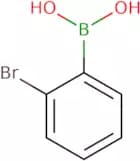
CAS:<p>2-Bromophenylboronic acid is a glucose monitoring agent that has a ruthenium complex with an acidic environment. The nitro group and the amines are in close proximity to the boron center, and this proximity leads to a high nucleophilic character of the molecule. This reactivity allows 2-bromophenylboronic acid to be used as a fluorescence probe for acidic environments. 2-Bromophenylboronic acid also inhibits secretase enzymes, which are involved in Alzheimer’s disease and other neurodegenerative disorders. It is an inhibitor of γ-secretase, which is responsible for cleaving the amyloid precursor protein (APP), and it has shown efficacy against biphenyl, an anticancer drug that binds to benzodiazepine receptors.<br>2-Bromophenylboronic acid is also an enantiopure compound because all four substituents are different from each other.</p>Fórmula:C6H6BBrO2Pureza:Min. 95%Forma y color:White PowderPeso molecular:200.83 g/mol(-)-Bis(pinanediolato)diboron
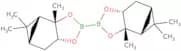
CAS:<p>(-)-Bis(pinanediolato)diboron is a reactive component that can be used as a reagent. It reacts with alkenes to form pinacolboronates, which are useful for the synthesis of complex compounds. (-)-Bis(pinanediolato)diboron is also an intermediate in the synthesis of diboronic acid and pinacolborane. This compound has broad utility as a building block, scaffold, or intermediate in organic synthesis.<br>-Pinanediolato boron is also a versatile building block that can be used to synthesize many other chemical compounds. For example, it can be used as an intermediate to synthesize (-)-pinanediol and 3-hydroxy-1-methylpyridinium iodide (3HMPI), which are speciality chemicals.<br>-Pinanediolato boron is also an excellent building block for organic synthesis due to its ability</p>Fórmula:C20H32B2O4Pureza:Min. 95%Forma y color:White SolidPeso molecular:358.09 g/mol4,5-Dimethoxy-2-(trimethylsilyl)phenyl trifluoromethanesulfonate
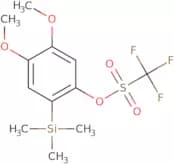
CAS:<p>4,5-Dimethoxy-2-(trimethylsilyl)phenyl trifluoromethanesulfonate is a reagent for the synthesis of propiolates. It is prepared by reacting methyl propiolate with tetrachloride, hexachloroethane, or tetrabromide in acetonitrile. The reactants are heated to reflux under argon and then cooled to room temperature. This product is an ionic liquid that can be used as a solvent. 4,5-Dimethoxy-2-(trimethylsilyl)phenyl trifluoromethanesulfonate is a zwitterion and reacts with amines to form quaternary ammonium salts. It can also be used for the synthesis of unactivated transition metal complexes by reacting it with palladium and amines.</p>Fórmula:C12H17F3O5SSiPureza:Min. 95%Forma y color:Colorless PowderPeso molecular:358.41 g/molPoly(methylphenylsiloxane)
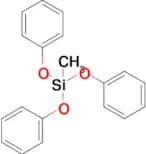
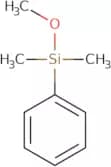
CAS:<p>Poly(methylphenylsiloxane) is a polymer that can be synthesized in a number of ways, but the most common method involves the use of an initiator to start the process. This polymerization process begins by adding a phenyl group (a hydrocarbon molecule consisting of a benzene ring with two hydrogens and one or more hydroxyl groups) to a siloxane chain, which is made up of alternating silicon and oxygen atoms. The structure is then extended by adding more phenyl groups in order to build the desired polymer. Poly(methylphenylsiloxane) has been shown to have an activation energy of 22.0 kJ/mol, as determined by electrochemical impedance spectroscopy. It also has optical properties that depend on its molecular weight, with low-molecular weight polymers being transparent while higher-molecular weight polymers become translucent or opaque.</p>Fórmula:(C7H8OSi)nForma y color:Clear LiquidEthylenedithiobis(trimethylsilane) [Protecting Reagent for Aldehydes and Ketones]
CAS:Fórmula:C8H22S2Si2Pureza:>97.0%(GC)Forma y color:Colorless to Almost colorless clear liquidPeso molecular:238.55Isosilandrin hplc
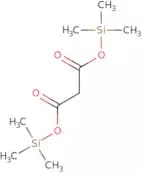
<p>Isosilandrin is a fine chemical that is used as a versatile building block for research chemicals, and can be used as a reaction component in the synthesis of other compounds. It has shown a high reactivity with electron-deficient olefins and aromatic compounds. Isosilandrin is also used as a reagent to synthesize complex compounds, such as 3-aryl-2-oxindoles and 1,3-dihydrobenzofurans. Isosilandrin has been shown to have anti-inflammatory properties in rats, and to inhibit prostaglandin synthesis by inhibiting cyclooxygenase activity.</p>Fórmula:C25H22O9Pureza:Min. 95%Peso molecular:466.44 g/molBis(trimethylsilyl)malonate
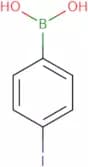
CAS:<p>Bis(trimethylsilyl)malonate is a molecule that is used as a reagent in organic chemistry. It is an ethyl ester of malonic acid and can be synthesized using phosphorus pentoxide and the methyl ketones. The synthesis of covid-19, a pandemic antiviral drug, requires this chemical. Covid-19 has been shown to have anticancer activity in animal studies, as well as clinical chemistry applications for colorectal carcinoma.</p>Fórmula:C9H20O4Si2Pureza:Min. 95%Forma y color:Colourless To Yellow LiquidPeso molecular:248.42 g/mol4-Iodophenylboronic acid
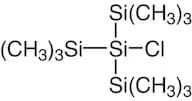
CAS:<p>4-Iodophenylboronic acid is a chemical compound that has been shown to bind to disaccharides and form hydrogen bonding interactions. It has also been shown to enhance the chemiluminescence of ethylene diamine in a light emission assay, which is due to its ability to bind to fatty acids. 4-Iodophenylboronic acid has been used in studies on tumor xenografts and optical properties. 4-Iodophenylboronic acid has also been shown to have vibrational and nmr spectra that differ from other boronic acids. This compound is unique because it binds with water molecules more strongly than any other boronic acid.</p>Fórmula:C6H6BIO2Pureza:Min. 95%Forma y color:PowderPeso molecular:247.83 g/molChlorotris(trimethylsilyl)silane
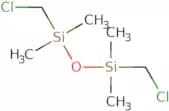
CAS:Fórmula:C9H27ClSi4Pureza:>95.0%(GC)(T)Forma y color:White to Almost white powder to lumpPeso molecular:283.111,3-Bis(chloromethyl)tetramethyldisiloxane
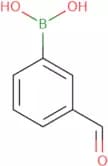
CAS:<p>1,3-Bis(chloromethyl)tetramethyldisiloxane is a reaction component that is used for the synthesis of other chemicals. It has a molecular weight of 172.2 g/mol and a CAS No. of 2362-10-9. This chemical is useful as a scaffold for complex compounds or as an intermediate in the synthesis of speciality chemicals. It is also a versatile building block, which can be used to synthesize many different types of compounds. 1,3-Bis(chloromethyl)tetramethyldisiloxane has been shown to have high purity and quality due to its high reactivity and usefulness in the synthesis of organic compounds.</p>Fórmula:C6H16Cl2OSi2Pureza:Min. 95%Forma y color:PowderPeso molecular:231.27 g/mol3-Formylphenylboronic acid - 80%
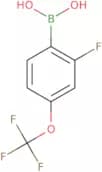
CAS:<p>3-Formylphenylboronic acid is an apical ligand with a phenylpropionic acid substituent. It has been shown to have hypoglycemic effects in rats, and binding constants for proteins ranging from 10 μM to 1 mM. 3-Formylphenylboronic acid binds to the chelate ligand of a macrocyclic structure, which is a molecule consisting of two or more rings that are linked together. This compound has been shown to have inhibitory effects on both the enzyme (vibrational) and fluorescence resonance energy transfer (FRET).</p>Fórmula:C7H7BO3Pureza:Min. 95%Forma y color:PowderPeso molecular:149.94 g/mol2-Fluoro-4-trifluoromethoxyphenyl boronic acid
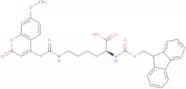
CAS:<p>2-Fluoro-4-trifluoromethoxyphenyl boronic acid is a fine chemical that has been used as a building block in organic synthesis. It is also a versatile intermediate, which can be used for the preparation of complex compounds. The compound is soluble in methanol, ethanol, and THF. It has a CAS number of 503309-10-2 and was first synthesized in 1960.</p>Fórmula:C7H5BF4O3Pureza:Min. 95%Forma y color:White PowderPeso molecular:223.92 g/molN-α-Fmoc-Nε-7-methoxycoumarin-4-acetyl-L-lysine
CAS:<p>N-alpha-Fmoc-Nepsilon-7-methoxycoumarin-4-acetyl-L-lysine is a fluorogenic molecule that is synthesized by the solid phase method. It is an analog of lysine, which is a bioactive amino acid. This compound binds to copper and exhibits fluorescence emission at 585 nm when excited at 488 nm. N-alpha-Fmoc-Nepsilon-7-methoxycoumarin-4-acetyl-L-lysine can be used as a substrate for bone growth in vitro and in vivo. It can also be used as a labeling reagent for bone tissue, such as bone sections or cells. It has been shown to produce osteogenic activity in vitro and in vivo.</p>Fórmula:C33H32N2O8Pureza:Min. 97 Area-%Forma y color:PowderPeso molecular:584.62 g/mol



![[3-[(Trimethylsilyl)oxy]-2-cyclohexen-1-yl]-benzene](/_next/image/?url=https%3A%2Fstatic.cymitquimica.com%2Fproducts%2FTR%2Fthumb-webp%2FT796875.webp&w=3840&q=75)


![3-[[(1,1-Dimethylethyl)diphenylsilyl]oxy]-1,2-propanediol](/_next/image/?url=https%3A%2Fstatic.cymitquimica.com%2Fproducts%2FTR%2Fthumb-webp%2FD182005.webp&w=3840&q=75)

![3-[(tert-Butyldimethylsilyl)oxy]-1-propanol](/_next/image/?url=https%3A%2Fstatic.cymitquimica.com%2Fproducts%2FTR%2Fthumb-webp%2FB691575.webp&w=3840&q=75)
![Ethyl [(tert-Butyldimethylsilyl)oxy]acetate](/_next/image/?url=https%3A%2Fstatic.cymitquimica.com%2Fproducts%2FTR%2Fthumb-webp%2FE900620.webp&w=3840&q=75)

![N-(Methoxymethyl)-N-[(trimethylsilyl)methyl]benzenemethanamine (>90%)](/_next/image/?url=https%3A%2Fstatic.cymitquimica.com%2Fproducts%2FTR%2Fthumb-webp%2FM264620.webp&w=3840&q=75)



![[[(3,5-Dimethyl-1H-pyrrol-2-yl)(3,5-dimethyl-2H-pyrrol-2-ylidene)methyl]methane](difluoroborane)](/_next/image/?url=https%3A%2Fstatic.cymitquimica.com%2Fproducts%2F3D%2Fthumb-webp%2FFD62165.webp&w=3840&q=75)


![1-Methyl-3-[3-(trimethoxysilyl)propyl]-1H-imidazol-3-ium Chloride](/_next/image/?url=https%3A%2Fstatic.cymitquimica.com%2Fproducts%2F3B%2Fthumb-webp%2FM3446.webp&w=3840&q=75)
![6-(4,4,5,5-Tetramethyl-[1,3,2]dioxaborolan-2-yl)-isoquinoline](/_next/image/?url=https%3A%2Fstatic.cymitquimica.com%2Fproducts%2F3D%2Fthumb-webp%2FFT76191.webp&w=3840&q=75)
![1,2-Bis(chlorodimethylsilyl)ethane [Protecting Reagent for Primary Amines]](/_next/image/?url=https%3A%2Fstatic.cymitquimica.com%2Fproducts%2F3B%2Fthumb-webp%2FB1688.webp&w=3840&q=75)

![[4-(Allyloxy)phenyl]boronic acid](/_next/image/?url=https%3A%2Fstatic.cymitquimica.com%2Fproducts%2F3D%2Fthumb-webp%2FFA121987.webp&w=3840&q=75)





![Ethylenedithiobis(trimethylsilane) [Protecting Reagent for Aldehydes and Ketones]](/_next/image/?url=https%3A%2Fstatic.cymitquimica.com%2Fproducts%2F3B%2Fthumb-webp%2FE0479.webp&w=3840&q=75)