


Compuestos de organosilicio
En esta sección, encontrará un gran número de compuestos organosilícicos. Los compuestos organosilícicos se caracterizan por átomos de carbono unidos a átomos de silicio. También pueden estar presentes otros compuestos no metálicos. Estos compuestos son ampliamente utilizados en síntesis orgánica, ciencia de materiales y productos farmacéuticos debido a sus propiedades químicas únicas. En CymitQuimica, ofrecemos una amplia gama de compuestos organosilícicos de alta calidad para apoyar sus investigaciones y proyectos industriales.
Subcategorías de "Compuestos de organosilicio"
Se han encontrado 4325 productos de "Compuestos de organosilicio"
Ordenar por
Pureza (%)
0
100
|
0
|
50
|
90
|
95
|
100
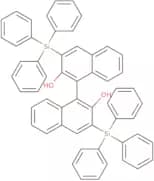
(R)-3,3'-Bis(triphenylsilyl)-1,1'-binaphthalene-2,2'-diol
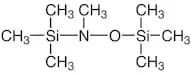
CAS:<p>(R)-3,3'-Bis(triphenylsilyl)-1,1'-binaphthalene-2,2'-diol is a high quality chemical and useful scaffold that can be used as a reagent for the synthesis of complex compounds. This compound has CAS No. 111822-69-6 and is an intermediate for the preparation of fine chemicals and speciality chemicals. It is also a versatile building block that can be used in research or as a reaction component to produce useful scaffolds.</p>Fórmula:C56H42O2Si2Pureza:Min. 95%Forma y color:White PowderPeso molecular:803.1 g/molN-Methyl-N,O-bis(trimethylsilyl)hydroxylamine
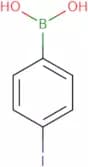
CAS:Fórmula:C7H21NOSi2Pureza:>98.0%(T)Forma y color:Colorless to Light yellow to Light orange clear liquidPeso molecular:191.424-Iodophenylboronic acid
CAS:<p>4-Iodophenylboronic acid is a chemical compound that has been shown to bind to disaccharides and form hydrogen bonding interactions. It has also been shown to enhance the chemiluminescence of ethylene diamine in a light emission assay, which is due to its ability to bind to fatty acids. 4-Iodophenylboronic acid has been used in studies on tumor xenografts and optical properties. 4-Iodophenylboronic acid has also been shown to have vibrational and nmr spectra that differ from other boronic acids. This compound is unique because it binds with water molecules more strongly than any other boronic acid.</p>Fórmula:C6H6BIO2Pureza:Min. 95%Forma y color:PowderPeso molecular:247.83 g/molDecamethylcyclopentasiloxane
CAS:<p>Decamethylcyclopentasiloxane is a compound that is used in wastewater treatment. It is used as a co-solvent in the removal of fatty acids from wastewater by adsorption on activated carbon. Decamethylcyclopentasiloxane has been shown to be less toxic than other solvents, such as pergolide mesylate, and can be used for the removal of fatty acids from wastewater by adsorption on activated carbon. The process involves the formation of decamethylcyclopentasiloxane-fatty acid complexes at the surface of activated carbon particles. Decamethylcyclopentasiloxane does not cause chronic exposure or emit particles when subjected to high temperatures.</p>Fórmula:C10H30O5Si5Pureza:Min. 95%Forma y color:Colorless Clear LiquidPeso molecular:370.77 g/molPentafluorobenzeneboronic acid
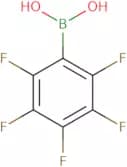
CAS:<p>Pentafluorobenzeneboronic acid is a boronic acid that is used in the synthesis of cationic polymers for use as an environmentally friendly alternative to perfluoroalkyl compounds. Pentafluorobenzeneboronic acid can be synthesized by the reaction of hydrochloric acid and pentafluorophenol. The energy efficiency of this molecule is low, which makes it an attractive candidate for use in polymer synthesis. Pentafluorobenzeneboronic acid reacts with nucleophiles at its α carbon to form a covalent linkage, which is reversible under certain conditions. This chemical has been shown to react with β-unsaturated ketones and trifluoroacetic acid to form polyenes with control experiments being done by adding ammonia gas or water to the reaction mixture.</p>Fórmula:C6H2BF5O2Pureza:Min. 95%Forma y color:SolidPeso molecular:211.88 g/mol4-(1-Piperidylmethyl)phenylboronic acid
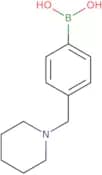
CAS:<p>4-(1-Piperidylmethyl)phenylboronic acid is a fine chemical that is used as a versatile building block in the synthesis of complex compounds. It has been used as a reagent and speciality chemical in research. 4-(1-Piperidylmethyl)phenylboronic acid is also a useful intermediate in organic synthesis, and can be used as a reaction component or scaffold for the preparation of other chemicals.</p>Fórmula:C12H18BNO2Pureza:Min. 95%Forma y color:PowderPeso molecular:219.09 g/mol2,4,6-Trimethylpyronium tetrafluoroborate
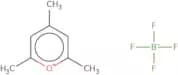
CAS:<p>2,4,6-Trimethylpyronium tetrafluoroborate is a chemical compound that is used in pharmaceutical preparations. It is an analog of pyridinium diacetate and can be prepared by reacting 2,4,6-trimethylpyridine with hydrogen fluoride to form the corresponding pyridinium tetrafluoroborate. The chemical reactions of 2,4,6-trimethylpyridine are similar to those of other pyridines. It has been shown that 2,4,6-trimethylpyridine reacts with diazo compounds to produce a fluorescent product. This reaction can be monitored using a fluorescence assay and statistically analyzed. The plasma samples were analyzed using isotopic analysis and showed that the pyronium ion was present in human serum as well as inorganic materials such as water samples.</p>Fórmula:C8H11O·BF4Pureza:Min. 95%Peso molecular:209.98 g/mol2-Cyclohexylethenylboronic acid
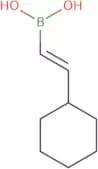
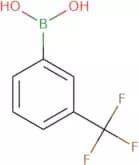
CAS:<p>2-Cyclohexylethenylboronic acid is an intermediate in the synthesis of petasis, a drug that is used to treat epilepsy. This compound is enantioenriched and diastereoselectively synthesized from 2-bromoethanol and cyclohexene with sodium acetate as the catalyst. The method for synthesis includes the addition of boron trifluoride etherate to the reaction mixture, which produces aldehydes in an enantiomeric ratio of greater than 99%.</p>Fórmula:C8H15BO2Pureza:Min. 95%Forma y color:SolidPeso molecular:154.01 g/mol3-(Trifluoromethyl)phenylboronic acid
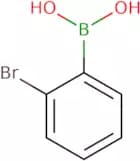
CAS:<p>3-(Trifluoromethyl)phenylboronic acid is a potent fatty acid that inhibits the release of TNF-α, a pro-inflammatory cytokine. 3-(Trifluoromethyl)phenylboronic acid binds to the p65 subunit of NF-κB, thereby preventing its activation. This limits the production of reactive oxygen species and neutrophil infiltration in response to LPS-induced lung injury. 3-(Trifluoromethyl)phenylboronic acid also has anti-inflammatory potential, inhibiting the activation of CRTH2 and reducing emissions from diesel engine exhausts. The molecule is homologous to fenofibrate, which belongs to a class of drugs that are used for lowering blood cholesterol. 3-(Trifluoromethyl)phenylboronic acid is not active against life threatening bacterial infections caused by other bacteria.</p>Fórmula:C7H6BF3O2Pureza:Min. 95%Forma y color:PowderPeso molecular:189.93 g/mol2-Bromophenylboronic acid
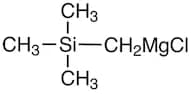
CAS:<p>2-Bromophenylboronic acid is a glucose monitoring agent that has a ruthenium complex with an acidic environment. The nitro group and the amines are in close proximity to the boron center, and this proximity leads to a high nucleophilic character of the molecule. This reactivity allows 2-bromophenylboronic acid to be used as a fluorescence probe for acidic environments. 2-Bromophenylboronic acid also inhibits secretase enzymes, which are involved in Alzheimer’s disease and other neurodegenerative disorders. It is an inhibitor of γ-secretase, which is responsible for cleaving the amyloid precursor protein (APP), and it has shown efficacy against biphenyl, an anticancer drug that binds to benzodiazepine receptors.<br>2-Bromophenylboronic acid is also an enantiopure compound because all four substituents are different from each other.</p>Fórmula:C6H6BBrO2Pureza:Min. 95%Forma y color:White PowderPeso molecular:200.83 g/molTrimethylsilylmethylmagnesium Chloride (ca. 18% in Tetrahydrofuran, ca. 1mol/L)
CAS:Fórmula:C4H11ClMgSiForma y color:LiquidPeso molecular:146.972,5-Bis[(trimethylsilyl)ethynyl]thiophene
CAS:Fórmula:C14H20SSi2Pureza:>96.0%(GC)Forma y color:Light yellow to Yellow to Orange powder to crystalPeso molecular:276.541,3-Dimethyl-1,1,3,3-tetraphenyldisilazane
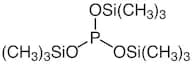
CAS:Fórmula:C26H27NSi2Pureza:>95.0%(GC)Forma y color:White to Light yellow powder to crystalPeso molecular:409.68Tris(trimethylsilyl) Phosphite
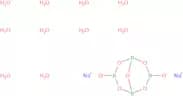
CAS:Fórmula:C9H27O3PSi3Pureza:>95.0%(NMR)Forma y color:Colorless to Almost colorless clear liquidPeso molecular:298.54Sodium tetraborate decahydrate
CAS:<p>Sodium tetraborate decahydrate is a boron compound that is used in wastewater treatment. It is a good adsorbent for organic molecules and can be used to remove organic contaminants from wastewater. Sodium tetraborate decahydrate has shown to have good thermal stability, chemical stability, and optical properties. This compound also has the ability to adsorb benzalkonium chloride, which is an antibacterial agent used in hospitals.</p>Fórmula:Na2B4O7·10H2OPureza:Min. 95%Forma y color:PowderPeso molecular:381.37 g/mol2-(tert-Butyldimethylsilyl)thiazole
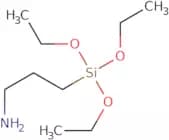
CAS:Fórmula:C9H17NSSiPureza:>97.0%(GC)Forma y color:Colorless to Light orange to Yellow clear liquidPeso molecular:199.393-Aminopropyltriethoxysilane
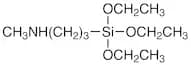
CAS:<p>3-Aminopropyltriethoxysilane is a liquid that has a phase transition temperature of -88.3°C. It is soluble in water at 1 g/L and in ethanol at 0.1 g/L. 3-Aminopropyltriethoxysilane has been shown to inhibit the production of prostaglandin E2 and leukotrienes by inhibiting cyclooxygenase activity in red blood cells, which may be due to its ability to chelate metal ions such as iron or copper. 3-Aminopropyltriethoxysilane also inhibits the production of prostaglandin E2 and leukotrienes by inhibiting cyclooxygenase activity in red blood cells, which may be due to its ability to chelate metal ions such as iron or copper. The compound also inhibits the production of prostaglandin E2 and leukotrienes by inhibiting</p>Fórmula:C9H23NO3SiPureza:Min. 97 Area-%Forma y color:Colorless Clear LiquidPeso molecular:221.37 g/molN-Methyl-3-(triethoxysilyl)propan-1-amine
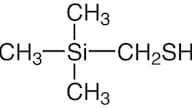
CAS:Fórmula:C10H25NO3SiPureza:>97.0%(GC)(T)Forma y color:Colorless to Light yellow clear liquidPeso molecular:235.40Trimethylsilylmethanethiol
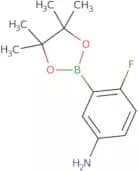
CAS:Fórmula:C4H12SSiPureza:>97.0%(GC)Forma y color:Colorless to Almost colorless clear liquidPeso molecular:120.294-Fluoro-3-(4,4,5,5-tetramethyl-1,3,2-dioxaborolan-2-yl)aniline
CAS:<p>4-Fluoro-3-(4,4,5,5-tetramethyl-1,3,2-dioxaborolan-2-yl)aniline is a fine chemical and a useful building block. It is used as a reagent in research laboratories and as a speciality chemical. 4-Fluoro-3-(4,4,5,5-tetramethyl-1,3,2-dioxaborolan-2-yl)aniline can be used to synthesize complex compounds that are versatile building blocks for the production of pharmaceuticals.</p>Fórmula:C12H17BFNO2Pureza:Min. 95%Forma y color:White Off-White PowderPeso molecular:237.08 g/mol2-Propynyl [3-(Triethoxysilyl)propyl]carbamate
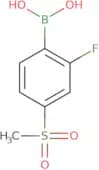
CAS:Fórmula:C13H25NO5SiPureza:>90.0%(GC)Forma y color:Colorless to Yellow clear liquidPeso molecular:303.43(2-Fluoro-4-methylsulfonylphenyl)boronic acid
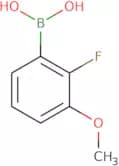
CAS:<p>2-Fluoro-4-methylsulfonylphenyl)boronic acid is a fine chemical that is useful as a scaffold for the production of other compounds. It can be used as a versatile building block in organic synthesis, and is often used as an intermediate or research chemical. 2-Fluoro-4-methylsulfonylphenyl)boronic acid has been shown to react with many different types of compounds, making it a valuable reagent. This compound is also known for its high quality, which makes it an excellent choice for use in reactions that require speciality chemicals.</p>Fórmula:C7H8BFO4SPureza:Min. 95%Forma y color:White PowderPeso molecular:218.01 g/mol(2-Fluoro-3-methoxyphenyl)boronic acid
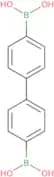
CAS:<p>2-Fluoro-3-methoxyphenylboronic acid is a boronic acid that has been shown to be orally activated. It is a potent inhibitor of the enzyme target, which is involved in the production of estradiol. 2-Fluoro-3-methoxyphenylboronic acid has been found to inhibit cellular growth and induce cancer cell death by targeting estrogen receptor β. This molecule also inhibits the growth factor, leading to inhibition of prostate cancer cells in vitro.</p>Fórmula:C7H8BFO3Pureza:Min. 95%Forma y color:White PowderPeso molecular:169.95 g/mol4,4'-Biphenyldiboronic acid
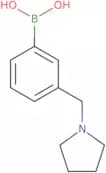
CAS:<p>4,4'-Biphenyldiboronic acid is a boronate ester that can be used as a cross-linker in the synthesis of polymers. It is soluble in organic solvents, but insoluble in water. The chemical structure of 4,4'-biphenyldiboronic acid consists of two phenyl groups and one boronic acid group. This compound has been shown to have a spacing between 2.2 and 2.4 Å for germanium atoms and has been used for microscopy studies with morphology and diffraction experiments.</p>Fórmula:C12H12B2O4Pureza:Min. 95%Forma y color:White Off-White PowderPeso molecular:241.84 g/mol(3-(Pyrrolidin-1-ylmethyl)phenyl)boronic acid
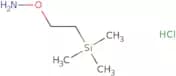
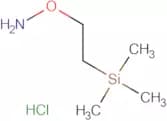
CAS:<p>(3-(Pyrrolidin-1-ylmethyl)phenyl)boronic acid (BPABA) is a fine chemical that is a useful building block in the synthesis of organic compounds. It is also a reagent in organic chemistry and research, as well as a speciality chemical and high quality compound. BPABA is versatile as a building block for the synthesis of complex compounds. It has been used in reactions with many different types of substrates, including nucleophilic addition to unsaturated carbon-carbon bonds, alkylation, vinylation, and Michael reaction. BPABA has been shown to be an effective intermediate for the synthesis of biologically active compounds such as antibiotics and antifungals. BPABA is also used for the synthesis of scaffolds in organic chemistry, such as polymers and nanomaterials.</p>Fórmula:C11H16BNO2Pureza:Min. 95%Forma y color:PowderPeso molecular:205.06 g/molO-(2-Trimethylsilylethyl)hydroxylamine HCl
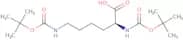
CAS:<p>O-(2-Trimethylsilylethyl)hydroxylamine HCl is a fine chemical that can be used as a versatile building block in the synthesis of complex compounds. It is also an intermediate for research chemicals, reagents, and speciality chemicals. O-(2-Trimethylsilylethyl)hydroxylamine HCl can be used as a reaction component in organic synthesis and has been shown to be useful in the synthesis of new scaffolds.</p>Fórmula:C5H15NOSi·HClPureza:Min. 95%Forma y color:White PowderPeso molecular:169.72 g/molNα,Nε-Di-Boc-L-lysine
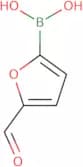
CAS:<p>Nalpha,Nepsilon-Di-Boc-L-lysine is a synthetic peptide that has been shown to be reactive with neutrophils and is being developed for the treatment of heart disease. This peptide has been shown to have an antioxidant effect in rat neutrophils by preventing oxidative injury to DNA and protein. Nalpha,Nepsilon-Di-Boc-L-lysine also has an anticancer effect on liver cancer cells, which may be due to its ability to induce antibody responses and inhibit cell proliferation. It has also been shown that this peptide does not cause any adverse effects in rats when administered at high doses.</p>Fórmula:C16H30N2O6Pureza:Min. 95%Forma y color:Colorless PowderPeso molecular:346.42 g/mol5-Formylfuran-2-boronic acid
CAS:<p>5-Formylfuran-2-boronic acid is a compound that has been shown to be used in the synthesis of Pd complexes. This compound was found to inhibit the soluble guanylate cyclase and sirtuin 2 enzyme. It also has been shown to have anti-cancer effects, as it may inhibit cancer cell proliferation. 5-Formylfuran-2-boronic acid has been shown to increase the transport properties of potassium dichromate, which may be due to its acidic nature. This red fluorescent compound is soluble in organic solvents and can be activated by light. The optimum concentration of 5-Formylfuran-2-boronic acid is 3 mM in an acidic solution at room temperature.</p>Fórmula:C5H5BO4Pureza:Min. 95%Forma y color:Yellow SolidPeso molecular:139.9 g/mol3-(Trimethylsilyl)-2-propynal
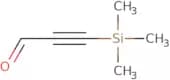
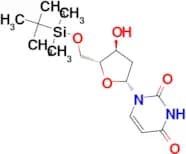
CAS:<p>3-(Trimethylsilyl)-2-propynal is a molecule that has been studied for its potential use as a vitamin D3 analog. It contains a hydroxy group and an asymmetric carbon atom that could allow it to bind to the vitamin D receptor. 3-(Trimethylsilyl)-2-propynal is also an intramolecular hydrogen bond donor, which may play a role in receptor binding. This compound has shown promising results in animal models of inflammatory diseases, such as asthma and arthritis. The compound binds to the receptor with low energy and has a stereoselective orientation of the benzimidazole ring, which may give it an advantage over other compounds that have similar activity.</p>Fórmula:C6H10OSiPureza:Min. 95%Forma y color:Colorless Clear LiquidPeso molecular:126.23 g/mol3’-O-t-Bulyldimethylsilyl thymidine
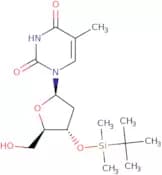
CAS:<p>3’-O-t-Bulyldimethylsilyl thymidine is a nucleoside analog that is chemically stable and has been shown to be a potential biomarker for the diagnosis of fetal bovine spongiform encephalopathy (BSE). 3’-O-t-Bulyldimethylsilyl thymidine binds to basic proteins in the cell nucleus, which can be detected by immunoassay. It also has been shown to inhibit protein synthesis in tubule cells of the kidney and skin cancer cells. The drug is metabolized by dephosphorylation to t-butyldeoxyuridine, which is then converted into thymidine.</p>Fórmula:C16H28N2O5SiPureza:Min. 95%Forma y color:White PowderPeso molecular:356.49 g/molHexadecyltrimethoxysilane
CAS:<p>Hexadecyltrimethoxysilane is a volatile organic compound that has high values in the water vapor range. It is soluble in water and organic solvents, and can be used as a surface treatment agent for hydrophobic surfaces. Hexadecyltrimethoxysilane has been shown to have antimicrobial effects against bacteria such as Staphylococcus aureus and Escherichia coli by disrupting the cell membrane. Hexadecyltrimethoxysilane also inhibits the growth of microorganisms by preventing the synthesis of proteins essential for cellular processes. The transport rate of hexadecyltrimethoxysilane is relatively slow, with an optimum concentration of about 1%. This compound does not react with sodium citrate and has chemical stability.</p>Fórmula:C19H42O3SiPureza:Min. 95%Forma y color:Clear LiquidPeso molecular:346.62 g/mol6,13-Bis(triisopropylsilylethynyl)pentacene
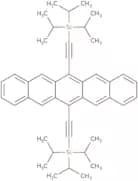
CAS:<p>High performance small molecule for OFET applications</p>Fórmula:C44H54Si2Pureza:Min. 95%Forma y color:Blue PowderPeso molecular:639.07 g/mol4-Aminophenylboronic acid hydrochloride
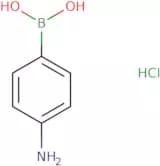
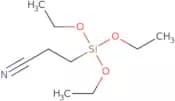
CAS:<p>4-Aminophenylboronic acid hydrochloride is a fluorescent probe that can be used to detect hydrogen bonds in proteins. It has been used to measure water vapor in human serum and as an electrochemical impedance spectroscopy probe for the detection of ATP levels. This compound has also been used as a fluorescence probe for the detection of viruses and fetal bovine serum, as well as nanomaterials and matrix effect studies. 4-Aminophenylboronic acid hydrochloride is synthesized through the reaction of 4-aminophenylboronic acid with hydrochloric acid in water at high temperature, which produces a white solid. The thermal expansion coefficient of this compound is 2.6 x 10^-5 K^-1.</p>Fórmula:C6H8BNO2•HClPureza:Min. 95%Forma y color:PowderPeso molecular:173.4 g/mol2-Cyanoethyltriethoxysilane
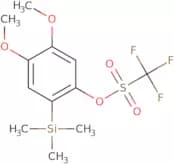
CAS:<p>2-Cyanoethyltriethoxysilane is a cross-linking agent that is used in coatings and adhesives. It has been shown to have an adsorption mechanism that is dependent on the pH of the solution, with a maximum adsorption at pH 3.2 and a minimum at pH 11. The rate of adsorption is also dependent on the concentration of 2-cyanoethyltriethoxysilane, with higher concentrations leading to faster adsorption rates. Kinetic data for 2-cyanoethyltriethoxysilane has been shown using gravimetric analysis to show that it has an adsorption rate constant of 1.0 × 10^4 s^(-1) at pH 3.2 and 6.5 × 10^4 s^(-1) at pH 11, which are independent of the concentration of this molecule in solution. Pluronic P123 was used as a model polymer</p>Fórmula:C9H19NO3SiPureza:Min. 97 Area-%Forma y color:PowderPeso molecular:217.34 g/mol4,5-Dimethoxy-2-(trimethylsilyl)phenyl trifluoromethanesulfonate
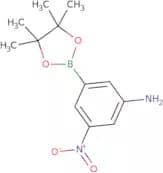
CAS:<p>4,5-Dimethoxy-2-(trimethylsilyl)phenyl trifluoromethanesulfonate is a reagent for the synthesis of propiolates. It is prepared by reacting methyl propiolate with tetrachloride, hexachloroethane, or tetrabromide in acetonitrile. The reactants are heated to reflux under argon and then cooled to room temperature. This product is an ionic liquid that can be used as a solvent. 4,5-Dimethoxy-2-(trimethylsilyl)phenyl trifluoromethanesulfonate is a zwitterion and reacts with amines to form quaternary ammonium salts. It can also be used for the synthesis of unactivated transition metal complexes by reacting it with palladium and amines.</p>Fórmula:C12H17F3O5SSiPureza:Min. 95%Forma y color:Colorless PowderPeso molecular:358.41 g/mol3-Amino-5-nitrophenylboronic acid pinacol ester
CAS:<p>3-Amino-5-nitrophenylboronic acid pinacol ester is a versatile building block that can be used in the synthesis of complex compounds. This compound has been shown to have useful properties in research chemicals and as reagents or speciality chemicals. Useful intermediates are usually synthesized from 3-Amino-5-nitrophenylboronic acid pinacol ester, which is also a useful scaffold for the synthesis of other compounds.</p>Fórmula:C12H17BN2O4Pureza:Min. 95%Forma y color:Yellow PowderPeso molecular:264.09 g/molN-α,ε-Bis-Boc-L-lysine 4-nitrophenyl ester
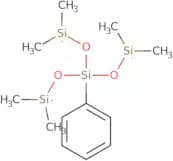
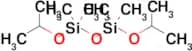
CAS:<p>N-alpha,epsilon-Bis-Boc-L-lysine 4-nitrophenyl ester is a chiral compound that has been used as an antigen for the detection of antibodies against lysine. It is a synthetic peptide that can be used as an adjuvant to improve the efficacy of vaccines. The kinetic and orientations of the antigen were determined by electrospray ionization mass spectrometry. The enantiomeric composition was determined using high performance liquid chromatography with chiral stationary phase, followed by thioether cleavage and liquid chromatography.</p>Fórmula:C22H33N3O8Pureza:Min. 95%Forma y color:White To Beige To Light (Or Pale) Yellow SolidPeso molecular:467.51 g/mol3-(Dimethylsilyloxy)-1,1,5,5-tetramethyl-3-phenyltrisiloxane
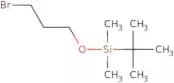
CAS:<p>3-(Dimethylsilyloxy)-1,1,5,5-tetramethyl-3-phenyltrisiloxane is a silicon compound that is an organosilicon. It has three functional groups: polyols, fatty acids and silanes. 3-(Dimethylsilyloxy)-1,1,5,5-tetramethyl-3-phenyltrisiloxane is used as a monomer in the production of polydimethylsiloxane polymers. 3-(Dimethylsilyloxy)-1,1,5,5-tetramethyl-3-phenyltrisiloxane is also used as a waveguide material in optical devices.</p>Fórmula:C12H26O3Si4Pureza:Min. 95%Forma y color:PowderPeso molecular:330.68 g/mol(3-Bromopropoxy)-tert-butyldimethylsilane
CAS:<p>(3-Bromopropoxy)-tert-butyldimethylsilane is a synthetic molecule that has been shown to inhibit prostate cancer cells. It binds to the phosphate group on the enzyme and inhibits its activity. (3-Bromopropoxy)-tert-butyldimethylsilane can be used as a chemical probe for identifying enzymes involved in phosphatase activity. This molecule has also been shown to have anti-cancer effects in vitro and in vivo assays, by preventing tumor growth and metastasis.</p>Fórmula:C9H21BrOSiPureza:Min. 95%Forma y color:PowderPeso molecular:253.25 g/molIsosilandrin hplc
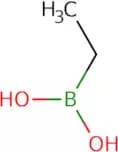
<p>Isosilandrin is a fine chemical that is used as a versatile building block for research chemicals, and can be used as a reaction component in the synthesis of other compounds. It has shown a high reactivity with electron-deficient olefins and aromatic compounds. Isosilandrin is also used as a reagent to synthesize complex compounds, such as 3-aryl-2-oxindoles and 1,3-dihydrobenzofurans. Isosilandrin has been shown to have anti-inflammatory properties in rats, and to inhibit prostaglandin synthesis by inhibiting cyclooxygenase activity.</p>Fórmula:C25H22O9Pureza:Min. 95%Peso molecular:466.44 g/molEthyl boronic acid
CAS:<p>Ethyl boronic acid is a monobasic organic acid that is an important component of the pharmacophore of many antibiotics. It has been shown to have an inhibitory effect on β-lactamase and s. epidermidis. Ethyl boronic acid also inhibits the growth of p. aeruginosa, which is resistant to β-lactams, by binding to the enzyme's active site and preventing it from hydrolyzing penicillin-type antibiotics. This molecule is synthesized from ethyl chloride in a two-step process that involves asymmetric synthesis that results in high melting points and natural compounds with health effects.</p>Fórmula:C2H7BO2Pureza:Min. 95%Forma y color:White To Light (Or Pale) Yellow SolidPeso molecular:73.89 g/molIodomethylboronic acid, pinacol ester
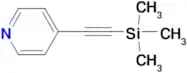
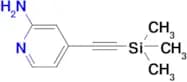
CAS:<p>Iodomethylboronic acid is a synthetic compound that contains a boron atom. Iodomethylboronic acid can be used to produce other compounds, such as dibutyl iodide and epoxides, by introducing an oxygenated linker. The properties of iodomethylboronic acid have been extensively studied using modelling and assays. It has been shown to form stable complexes with aromatic hydrocarbons and amines. Iodomethylboronic acid can also be used in the synthesis of radionuclides, which are radioactive isotopes of elements that emit radiation spontaneously or when they undergo radioactive decay. Iodomethylboronic acid is often used in chemical reactions as a quaternary ammonium salt, which is a positively charged ion (cation) with four groups attached to it. These groups may be either organic or inorganic in nature.</p>Fórmula:C7H14BIO2Pureza:Min. 95%Forma y color:PowderPeso molecular:267.9 g/mol(4-Pyridinylethynyl)trimethylsilane
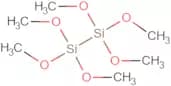
CAS:Fórmula:C10H13NSiPureza:95%Forma y color:LiquidPeso molecular:175.306Hexamethoxydisilane
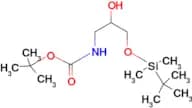
CAS:<p>S25179 - Hexamethoxydisilane</p>Fórmula:C6H18O6Si2Pureza:95%Forma y color:ClearPeso molecular:242.374TERT-BUTYL 3-(TERT-BUTYLDIMETHYLSILYLOXY)-2-HYDROXYPROPYLCARBAMATE
CAS:Fórmula:C14H31NO4SiPureza:95%Peso molecular:305.49Polydimethylsiloxane, trimethylsiloxy terminated 500cSt
CAS:<p>DMS-T25 - Polydimethylsiloxane, trimethylsiloxy terminated 500cSt</p>Fórmula:C8H24O2Si3Forma y color:Liquid, ViscousPeso molecular:236.5333-Aminopropyldimethylmethoxysilane
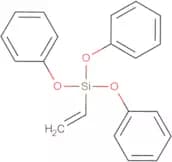
CAS:<p>S00760 - 3-Aminopropyldimethylmethoxysilane</p>Fórmula:C6H17NOSiPureza:98%Forma y color:Liquid, ClearPeso molecular:147.293Vinyltriphenoxysilane
CAS:<p>S22075 - Vinyltriphenoxysilane</p>Fórmula:C20H18O3SiPureza:95% mix TBC as stabilizerPeso molecular:334.446tert-Butyl 3-(((tert-butyldimethylsilyl)oxy)methyl)-4-oxopiperidine-1-carboxylate
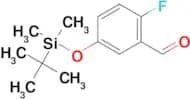
CAS:Fórmula:C17H33NO4SiPureza:95%Forma y color:LiquidPeso molecular:343.5395-(TERT-BUTYLDIMETHYLSILYLOXY)-2-FLUOROBENZALDEHYDE
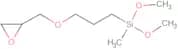
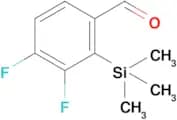
CAS:Fórmula:C13H19FO2SiPureza:≥95%Peso molecular:254.376(3-Glycidoxypropyl)methyldimethoxysilane
CAS:<p>S09110 - (3-Glycidoxypropyl)methyldimethoxysilane</p>Fórmula:C9H20O4SiPureza:96%Forma y color:LiquidPeso molecular:220.34Bis(triethoxysilyl)ethylene
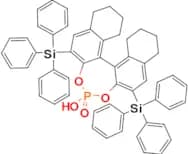
CAS:<p>S02110 - Bis(triethoxysilyl)ethylene</p>Fórmula:C14H32O6Si2Pureza:92%Forma y color:Liquid, ClearPeso molecular:352.574(11bS)-8,9,10,11,12,13,14,15-Octahydro-4-hydroxy-2,6-bis(triphenylsilyl)-4-oxide-dinaphtho[2,1-d:1′,2′-f][1,3,2]dioxaphosphepin
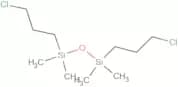
CAS:Pureza:97%Peso molecular:873.1481,3-Bis(3-chloropropyl)tetramethyldisiloxane
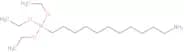
CAS:<p>S01458 - 1,3-Bis(3-chloropropyl)tetramethyldisiloxane</p>Fórmula:C10H24Cl2OSi2Pureza:95%Forma y color:Liquid, ClearPeso molecular:287.3711-Aminoundecyltriethoxysilane
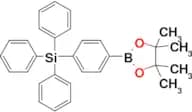
CAS:<p>S25045 - 11-Aminoundecyltriethoxysilane</p>Fórmula:C17H39NO3SiPureza:95+%Forma y color:LiquidPeso molecular:333.588Triphenyl(4-(4,4,5,5-tetramethyl-1,3,2-dioxaborolan-2-yl)phenyl)silane
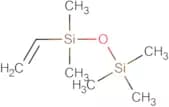
CAS:Pureza:98%Peso molecular:462.4700012Vinylpentamethyldisiloxane
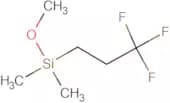
CAS:<p>S21875 - Vinylpentamethyldisiloxane</p>Fórmula:C7H18OSi2Pureza:99%Forma y color:ClearPeso molecular:174.39(3,3,3-Trifluoropropyl)dimethylmethoxysilane
CAS:<p>S17705 - (3,3,3-Trifluoropropyl)dimethylmethoxysilane</p>Fórmula:C6H13F3OSiForma y color:Liquid, No data available.Peso molecular:186.249N,N,N’,N’-tetramethyl-N”-[3-(trimethoxysilyl)propyl]guanidine
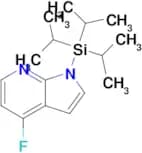
CAS:Pureza:97%Peso molecular:277.44000244-FLUORO-1-(TRIISOPROPYLSILANYL)-7-AZAINDOLE
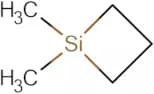
CAS:Fórmula:C16H25FN2SiPureza:97%Forma y color:LiquidPeso molecular:292.473Cyclotrimethylenedimethylsilane
CAS:<p>S05450 - Cyclotrimethylenedimethylsilane</p>Fórmula:C5H12SiPureza:95%+;RGForma y color:Liquid, Clear light brown liquidPeso molecular:100.236Dimethylethoxysilane
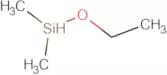
CAS:<p>S07250 - Dimethylethoxysilane</p>Fórmula:C4H12OSiPureza:97%Forma y color:Liquid, Clear LiquidPeso molecular:104.224Tri-n-propylsilane
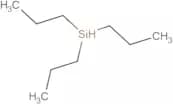
CAS:<p>S20775 - Tri-n-propylsilane</p>Fórmula:C9H22SiPureza:97%Forma y color:Liquid, ClearPeso molecular:158.362-Trimethylsilylethyltriphenylphosphonium Iodide
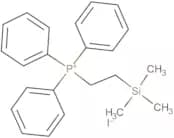
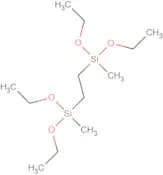
CAS:<p>S19431 - 2-Trimethylsilylethyltriphenylphosphonium Iodide</p>Fórmula:C23H28IPSiPureza:98%Forma y color:White to pale yellow powderPeso molecular:490.441,2-Bis(methyldiethoxysilyl)ethane
CAS:<p>S25310 - 1,2-Bis(methyldiethoxysilyl)ethane</p>Fórmula:C12H30O4Si2Forma y color:Clear LiquidPeso molecular:294.5381-((TERT-BUTYLDIPHENYLSILYL)OXY)-3-CHLOROPROPAN-2-OL
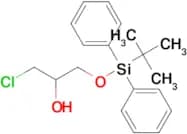
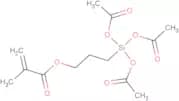
CAS:Fórmula:C19H25ClO2SiPureza:97.0%Peso molecular:348.943-Methacryloxypropyltriacetoxysilane
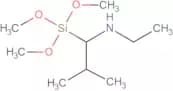
CAS:<p>S25324 - 3-Methacryloxypropyltriacetoxysilane</p>Fórmula:C13H20O8SiPureza:90%Forma y color:LiquidPeso molecular:332.38N-Ethylaminoisobutyltrimethoxysilane
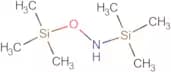
CAS:<p>S25149 - N-Ethylaminoisobutyltrimethoxysilane</p>Fórmula:C9H23NO3SiForma y color:Liquid, ClearPeso molecular:221.372N,0-Bis(trimethylsilyl)hydroxylamine
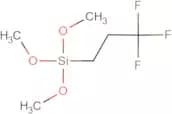
CAS:<p>S02650 - N,0-Bis(trimethylsilyl)hydroxylamine</p>Fórmula:C6H19NOSi2Pureza:>95.0%(GC)Forma y color:LiquidPeso molecular:177.394(3,3,3-Trifluoropropyl)trimethoxysilane
CAS:<p>S17850 - (3,3,3-Trifluoropropyl)trimethoxysilane</p>Fórmula:C6H13F3O3SiPureza:95%Forma y color:ClearPeso molecular:218.2473-Chloropropyltrimethoxysilane
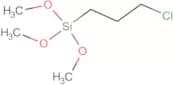
CAS:<p>S04675 - 3-Chloropropyltrimethoxysilane</p>Fórmula:C6H15ClO3SiPureza:96%Forma y color:Liquid, ClearPeso molecular:198.72(3R,4S)-tert-Butyl 2-oxo-4-phenyl-3-((triethylsilyl)oxy)azetidine-1-carboxylate
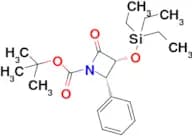
CAS:Fórmula:C20H31NO4SiPureza:95%Peso molecular:377.5565-BROMO-2-(2-(TRIMETHYLSILYL)ETHYNYL)PYRIDINE
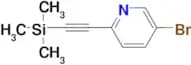
CAS:Fórmula:C10H12BrNSiPureza:95.0%Peso molecular:254.202(S)-3-Bromo-6-((tert-butyldimethylsilyl)oxy)-6,7-dihydro-5H-pyrazolo[5,1-b][1,3]oxazine
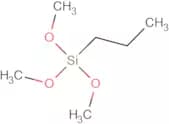
CAS:Pureza:98%Peso molecular:333.3009949n-Propyltrimethoxysilane
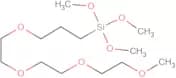
CAS:<p>S14125 - n-Propyltrimethoxysilane</p>Fórmula:C6H16O3SiPureza:98%Forma y color:Liquid, ClearPeso molecular:164.276Methoxytriethyleneoxypropyltrimethoxysilane
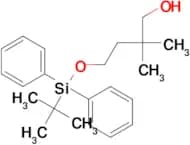
CAS:<p>S25239 - Methoxytriethyleneoxypropyltrimethoxysilane</p>Fórmula:C13H30O7SiPureza:97%Forma y color:Liquid, ClearPeso molecular:326.4614-((TERT-BUTYLDIPHENYLSILYL)OXY)-2,2-DIMETHYLBUTAN-1-OL
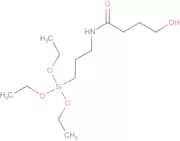
CAS:Fórmula:C22H32O2SiPureza:95%Peso molecular:356.581N-(3-Triethoxysilylpropyl)-4-hydroxybutyramide
CAS:<p>S17350 - N-(3-Triethoxysilylpropyl)-4-hydroxybutyramide</p>Fórmula:C13H29NO5SiPureza:97%Forma y color:ClearPeso molecular:307.462N-(6-Aminohexyl)aminomethyltriethoxysilane
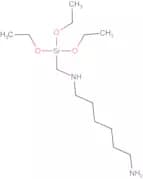
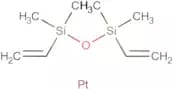
CAS:<p>S25035 - N-(6-Aminohexyl)aminomethyltriethoxysilane</p>Fórmula:C13H32N2O3SiPureza:92%Forma y color:LiquidPeso molecular:292.495Platinum-divinyltetramethyldisiloxane complex in xylene (2.1 - 2.4% Platinum concentration)
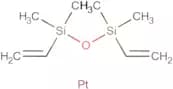
CAS:<p>S25259 - Platinum-divinyltetramethyldisiloxane complex in xylene (2.1 - 2.4% Platinum concentration)</p>Fórmula:C8H18OPtSi2Pureza:95%Forma y color:Liquid, HazyPeso molecular:381.485Tetradecamethylhexasiloxane
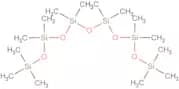
CAS:<p>S25272 - Tetradecamethylhexasiloxane</p>Fórmula:C14H42O5Si6Pureza:97%Forma y color:Liquid, ClearPeso molecular:458.995Polydimethylsiloxanes, trimethylsiloxy terminated cSt 1.5
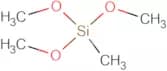
CAS:<p>DMS-T01 - Polydimethylsiloxanes, trimethylsiloxy terminated cSt 1.0</p>Fórmula:(C2H6OSi)nC6H18OSi2Forma y color:Liquid, ClearPeso molecular:236.533Methyltrimethoxysilane
CAS:<p>S11825 - Methyltrimethoxysilane</p>Fórmula:C4H12O3SiPureza:98%Forma y color:Clear LiquidPeso molecular:136.222O-(2-Trimethylsilylethyl)hydroxylamine-hydrochloride
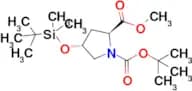
CAS:<p>S19430 - O-(2-Trimethylsilylethyl)hydroxylamine-hydrochloride</p>Fórmula:C5H16ClNOSiPureza:>98.0%(N)Forma y color:SolidPeso molecular:169.721-(tert-Butyl) 2-methyl (2S,4R)-4-((tert-butyldimethylsilyl)oxy)pyrrolidine-1,2-dicarboxylate
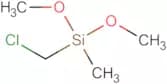
CAS:Pureza:95+%Peso molecular:359.5379944Chloromethylmethyldimethoxysilane
CAS:<p>S25106 - Chloromethylmethyldimethoxysilane</p>Fórmula:C4H11ClO2SiForma y color:Liquid, No data available.Peso molecular:154.67Ethyl 3-{4-fluoro-1-[tris(propan-2-yl)silyl]-1H-pyrrolo[2,3-b]pyridin-5-yl}propanoate
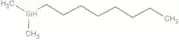
CAS:Pureza:97%Peso molecular:392.5899963n-Octyldimethylsilane
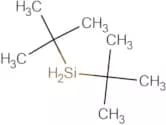
CAS:<p>S12645 - n-Octyldimethylsilane</p>Fórmula:C10H24SiForma y color:Liquid, ClearPeso molecular:172.387Di-t-butyl silane
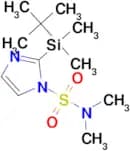
CAS:<p>S05880 - Di-t-butyl silane</p>Fórmula:C8H20SiPureza:98%+(GC-MS);RGForma y color:ClearPeso molecular:144.3332-(tert-Butyldimethylsilyl)-N,N-dimethyl-1H-imidazole-1-sulfonamide
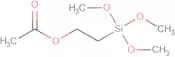
CAS:Fórmula:C11H23N3O2SSiPureza:97%Peso molecular:289.47Acetoxyethyl trimethoxysilane
CAS:<p>S00019 - Acetoxyethyl trimethoxysilane</p>Fórmula:C7H16O5SiForma y color:ClearPeso molecular:208.2851H-PYRROLO[2,3-B]PYRIDINE, 4-CHLORO-5-METHOXY-1-[TRIS(1-METHYLETHYL)SILYL]-
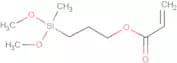
CAS:Fórmula:C17H27ClN2OSiPureza:97%Peso molecular:338.95(3-Acryloxypropyl)methyldimethoxysilane inhibited with MEHQ
CAS:<p>S00130 - (3-Acryloxypropyl)methyldimethoxysilane inhibited with MEHQ</p>Fórmula:C9H18O4SiPureza:95%Forma y color:Liquid, ClearPeso molecular:218.324(5-((tert-Butyldimethylsilyl)oxy)-2-fluorophenyl)boronic acid
CAS:Fórmula:C12H20BFO3SiPureza:98%Peso molecular:270.181-((2-(Trimethylsilyl)ethoxy)methyl)-1H-imidazole-4-carboxylic acid
CAS:Pureza:≥95%Peso molecular:242.35000613-Vinyl heptamethyl trisiloxane
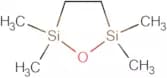
CAS:<p>S21755 - 3-Vinyl heptamethyl trisiloxane</p>Fórmula:C9H24O2Si3Forma y color:LiquidPeso molecular:248.5441,1,4,4, Tetramethyl-1,4-disila-5-oxacyclopentane
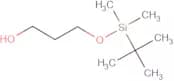
CAS:<p>S16080 - 1,1,4,4, Tetramethyl-1,4-disila-5-oxacyclopentane</p>Fórmula:C6H16OSi2Pureza:95%Forma y color:LiquidPeso molecular:160.3633-(T-Butyldimethylsiloxy)propan-1-ol
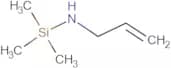
CAS:<p>S25089 - 3-(T-Butyldimethylsiloxy)propan-1-ol</p>Fórmula:C9H22O2SiPureza:95%Forma y color:Viscous Liquid, Clear LiquidPeso molecular:190.358Allylaminotrimethylsilane
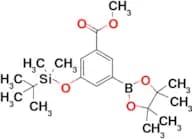
CAS:<p>S00220 - Allylaminotrimethylsilane</p>Fórmula:C6H15NSiForma y color:LiquidPeso molecular:129.278Methyl 3-((tert-Butyldimethylsilyl)oxy)-5-(4,4,5,5-tetramethyl-1,3,2-dioxaborolan-2-yl)benzoate
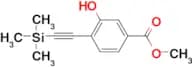
CAS:Pureza:98%Peso molecular:392.3699951Methyl 3-hydroxy-4-((trimethylsilyl)ethynyl)benzoate
CAS:Fórmula:C13H16O3SiPureza:98%Peso molecular:248.3534-IODO-7-{[2-(TRIMETHYLSILYL)ETHOXY]METHYL-7H-PYRROLO[2,3-D]PYRIMIDINE
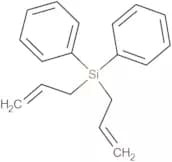
CAS:Fórmula:C12H18IN3OSiPureza:95.0%Peso molecular:375.285Diphenyldiallylsilane(Diallyldiphenylsilane)
CAS:<p>S07775 - Diphenyldiallylsilane(Diallyldiphenylsilane)</p>Fórmula:C18H20SiPureza:97%Forma y color:Liquid, ClearPeso molecular:264.443N-Benzyl-1-(trimethylsilyl)-N-((trimethylsilyl)methyl)methanamine
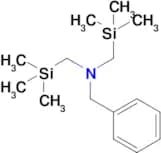
CAS:Pureza:95%Peso molecular:279.5740051tert-Butyl (2S,4R)-4-((tert-butyldimethylsilyl)oxy)-2-formylpyrrolidine-1-carboxylate
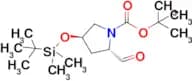
CAS:Pureza:98%Peso molecular:329.5119934(2R)-2-[Bis[3,5-bis(trifluoromethyl)phenyl]-[(tert-butyldimethylsilyl)oxy]methyl]pyrrolidine
CAS:Pureza:97%Peso molecular:639.6010132Polymethylhydrosiloxanes, trimethlysiloxy terminated 30-45cSt
CAS:Fórmula:(CH4Si)nC6H18O2Si2Pureza:= 99% (GC)Forma y color:Liquid, ClearPeso molecular:0.03-[[[(1,1-DIMETHYLETHYL)DIMETHYLSILYL]OXY]METHYL]-1-(PHENYLMETHYL)-4-PIPERIDINONE
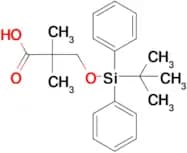
CAS:Fórmula:C19H31NO2SiPureza:95%Peso molecular:333.5473-((TERT-BUTYL(DIPHENYL)SILYL)OXY)-2,2-DIMETHYLPROPANOIC ACID
CAS:Pureza:95%Peso molecular:356.53698732-(((tert-Butyldimethylsilyl)oxy)methyl)-5-(4,4,5,5-tetramethyl-1,3,2-dioxaborolan-2-yl)pyrimidine
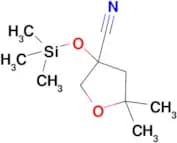
CAS:Pureza:98%Peso molecular:350.33999635,5-DIMETHYL-3-((TRIMETHYLSILYL)OXY)TETRAHYDROFURAN-3-CARBONITRILE
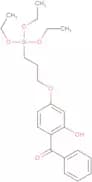
CAS:Fórmula:C12H23NO2SiPureza:90.0%Peso molecular:241.4062-Hydroxy-4-(3-triethoxysilyl-propoxy)-diphenylketone,tech-95
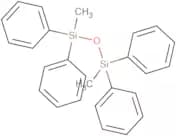
CAS:<p>S25193 - 2-Hydroxy-4-(3-triethoxysilyl-propoxy)-diphenylketone,tech-95</p>Fórmula:C22H30O6SiForma y color:LiquidPeso molecular:418.5611,1,3,3-Tetraphenyl-1,3-dimethyldisiloxane
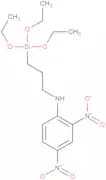
CAS:<p>S16350 - 1,1,3,3-Tetraphenyl-1,3-dimethyldisiloxane</p>Fórmula:C26H26OSi2Pureza:97%Forma y color:Liquid, ClearPeso molecular:410.6633-(2,4-Dinitrophenylamino)propyltriethoxysilane
CAS:<p>S07660 - 3-(2,4-Dinitrophenylamino)propyltriethoxysilaneN-[3-triethoxysilylpropyl]-2,4 dinitrophenylamine</p>Fórmula:C15H25N3O7SiForma y color:SolidPeso molecular:387.4645-(Trimethylsilyl)-4-pentyn-1-ol
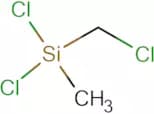
CAS:<p>S19985 - 5-(Trimethylsilyl)-4-pentyn-1-ol</p>Fórmula:C8H16OSiPureza:95%Forma y color:Colourless liquidPeso molecular:156.3Chloromethylmethyldichlorosilane CMMCS
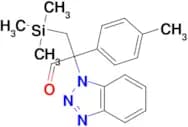
CAS:<p>S04175 - Chloromethylmethyldichlorosilane CMMCS</p>Fórmula:C2H5Cl3SiPureza:95%+Forma y color:Liquid, ClearPeso molecular:163.52-(1H-1,2,3-Benzotriazol-1-yl)-2-(4-methylphenyl)-3-(trimethylsilyl)propanal
CAS:Fórmula:C19H23N3OSiPeso molecular:337.4986-Chloro-4-nitro-3-(trifluoromethyl)-1-((2-(trimethylsilyl)ethoxy)methyl)-1H-pyrrolo[2,3-b]pyridine
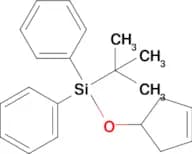
CAS:Pureza:95%Peso molecular:395.8399963TERT-BUTYL(CYCLOPENT-3-EN-1-YLOXY)DIPHENYLSILANE
CAS:Fórmula:C21H26OSiPureza:95.0%Peso molecular:322.5234-Methoxy-2-(trimethylsilyl)phenyl trifluoromethanesulfonate
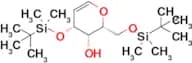
CAS:Pureza:95%;RGPeso molecular:328.38000493,6-DI-O-TERT-BUTYLDIMETHYLSILYL-D-GALACTAL
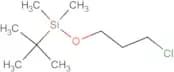
CAS:Fórmula:C18H38O4Si2Pureza:95.0%Peso molecular:374.6681-(t-butyldimethylsiloxy)-3-chloropropane
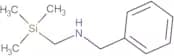
CAS:<p>S25087 - 1-(t-butyldimethylsiloxy)-3-chloropropane</p>Fórmula:C9H21ClOSiPureza:95%Forma y color:ClearPeso molecular:208.8N-Benzylaminomethyltrimethylsilane
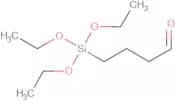
CAS:<p>S25055 - N-Benzylaminomethyltrimethylsilane</p>Fórmula:C11H19NSiPureza:95%Forma y color:LiquidPeso molecular:193.365Triethoxsilylbutyraldehyde
CAS:<p>S25275 - Triethoxsilylbutyraldehyde</p>Fórmula:C10H22O4SiPureza:90%Forma y color:Liquid, ClearPeso molecular:234.367Monocarbinol terminated polydimethylsiloxane, asymmetric, 80-90cSt
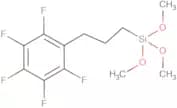
CAS:<p>MCR-C18 - Monocarbinol terminated polydimethylsiloxane, asymmetric, 80-90cSt</p>Fórmula:C15H38O4Si3Pureza:97%Forma y color:Liquid, ClearPeso molecular:366.72Pentafluorophenypropylltrimethoxysilane
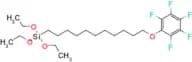
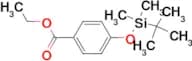
CAS:<p>S25252 - Pentafluorophenypropylltrimethoxysilane</p>Fórmula:C12H15F5O3SiPureza:98%Forma y color:Liquid, ClearPeso molecular:330.326ETHYL 4-((TERT-BUTYLDIMETHYLSILYL)OXY)BENZOATE
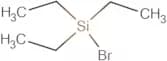
CAS:Fórmula:C15H24O3SiPureza:95.0%Peso molecular:280.439Triethylbromosilane
CAS:<p>S17500 - Triethylbromosilane</p>Fórmula:C6H15BrSiPureza:98%Forma y color:LiquidPeso molecular:195.175(2S)-2-[BIS[3,5-BIS(TRIFLUOROMETHYL)PHENYL][(TRIETHYLSILYL)OXY]METHYL]PYRROLIDINE
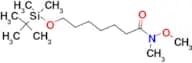
CAS:Pureza:97%Peso molecular:639.60101327-((TERT-BUTYLDIMETHYLSILYL)OXY)-N-METHOXY-N-METHYLHEPTANAMIDE
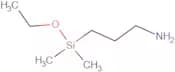
Fórmula:C15H33NO3SiPureza:92.0%Peso molecular:303.5183-Aminopropyldimethylethoxysilane
CAS:<p>S00750 - 3-Aminopropyldimethylethoxysilane</p>Fórmula:C7H19NOSiPureza:95%Forma y color:ClearPeso molecular:161.321,1,1,3,3-Pentamethyl-3-phenyldisiloxane
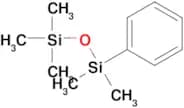
CAS:Fórmula:C11H20OSi2Pureza:95.0%Forma y color:LiquidPeso molecular:224.45(4-((Tert-butyldimethylsilyl)oxy)-3-methoxyphenyl)boronic acid
CAS:Pureza:98%Peso molecular:282.22000121-(TRIISOPROPYLSILYL)-1H-PYRROLO[2,3-B]PYRIDIN-5-OL
CAS:Fórmula:C16H26N2OSiPureza:98%Forma y color:SolidPeso molecular:290.482(S)-6-(((tert-Butyldimethylsilyl)oxy)methyl)-5-azaspiro[2.4]heptane
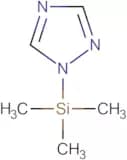
CAS:Pureza:95%Peso molecular:241.44999691-Trimethylsilyl-1,2,4-triazole
CAS:<p>S20325 - 1-Trimethylsilyl-1,2,4-triazole</p>Fórmula:C5H11N3SiPureza:98%Forma y color:LiquidPeso molecular:141.249Dichloro-n-dodecylmethylsilane
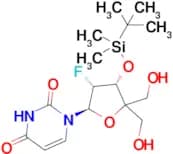
CAS:<p>S05942 - Dichloro-n-dodecylmethylsilane</p>Fórmula:C13H28Cl2SiPeso molecular:283.351-((2R,3R,4R)-4-((tert-butyldimethylsilyl)oxy)-3-fluoro-5,5-bis(hydroxymethyl)tetrahydrofuran-2-yl)pyrimidine-2,4(1H,3H)-dione
CAS:Pureza:98%Peso molecular:390.4830017[S(R)]-N-[(1R)-1-[2-((tert-Butyldiphenylsilyl)oxy)phenyl)]-2-yl-2-(diphenylphosphino)ethyl]-2-methyl-2-propanesulfinamide
CAS:Pureza:95%Peso molecular:663.93(3-Bromo-4-methylphenoxy)(tert-butyl)dimethylsilane
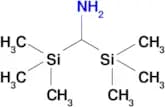
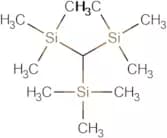
CAS:Fórmula:C13H21BrOSiPureza:95.0%Forma y color:LiquidPeso molecular:301.299Tris(trimethylsilyl)methane
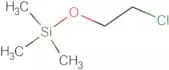
CAS:<p>S21300 - Tris(trimethylsilyl)methane</p>Fórmula:C10H28Si3Pureza:97%Forma y color:Liquid, ClearPeso molecular:232.5892-Chloroethoxytrimethylsilane
CAS:<p>S03850 - 2-Chloroethoxytrimethylsilane</p>Fórmula:C5H13ClOSiPureza:98%Forma y color:LiquidPeso molecular:152.69Tris(glycidoxypropyldimethylsiloxy)phenylsilane
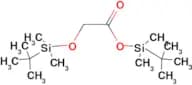
CAS:<p>S25287 - Tris(glycidoxypropyldimethylsiloxy)phenylsilane</p>Fórmula:C28H50O8Si3Pureza:95%Forma y color:Liquid, ClearPeso molecular:598.955TERT-BUTYLDIMETHYLSILYL 2-(TERT-BUTYLDIMETHYLSILYLOXY)ACETATE
CAS:Fórmula:C14H32O3Si2Pureza:95.0%Peso molecular:304.577Platinum-Divinyltetramethyldisiloxane (in Xylene) low colour (2 -2.2% Platinum concentration)
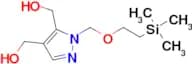
CAS:<p>S13865 - Platinum-Divinyltetramethyldisiloxane (in Xylene) low colour (2 -2.2% Platinum concentration)</p>Fórmula:C8H18OPtSi2Pureza:95%Forma y color:HazyPeso molecular:381.485(1-((2-(TRIMETHYLSILYL)ETHOXY)METHYL)-1H-PYRAZOLE-4,5-DIYL)DIMETHANOL
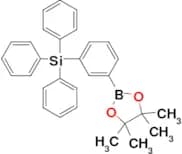
Fórmula:C11H22N2O3SiPureza:95.0%Peso molecular:258.393Triphenyl(3-(4,4,5,5-tetramethyl-1,3,2-dioxaborolan-2-yl)phenyl)silane
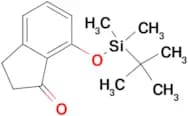
CAS:Pureza:98%Peso molecular:462.47000127-((TERT-BUTYLDIMETHYLSILYL)OXY)-2,3-DIHYDRO-1H-INDEN-1-ONE
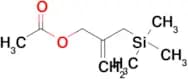
CAS:Fórmula:C15H22O2SiPureza:95.0%Peso molecular:262.4242-((Trimethylsilyl)methyl)allyl acetate
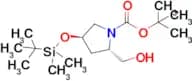
CAS:Fórmula:C9H18O2SiPureza:97%Forma y color:LiquidPeso molecular:186.326tert-Butyl (2S,4R)-4-((tert-butyldimethylsilyl)oxy)-2-(hydroxymethyl)pyrrolidine-1-carboxylate
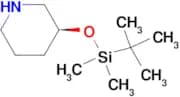
CAS:Pureza:98%Peso molecular:331.53(S)-3-(TERT-BUTYLDIMETHYLSILYLOXY) PIPERIDINE
CAS:Fórmula:C11H25NOSiPureza:95.0%Peso molecular:215.4123-(trimethylsilyl)prop-2-yn-1-amine
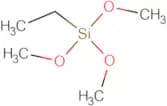
CAS:Fórmula:C6H13NSiPureza:95.0%Forma y color:LiquidPeso molecular:127.262Ethyltrimethoxysilane
CAS:<p>S08875 - Ethyltrimethoxysilane</p>Fórmula:C5H14O3SiForma y color:ClearPeso molecular:150.249Methyl 3-((tert-Butyldimethylsilyl)oxy)-2,2-dimethylpropanoate
CAS:Pureza:96%Peso molecular:246.4219971Monocarbinol terminated polydimethylsiloxane cSt 250 - asymmetric
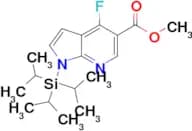
CAS:Pureza:97.0%Forma y color:Liquid, ClearPeso molecular:366.7200012207031METHYL 4-FLUORO-1-(TRIISOPROPYLSILANYL)-7-AZAINDOLE-5-CARBOXYLATE
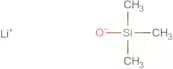
CAS:Fórmula:C18H27FN2O2SiPureza:95%Peso molecular:350.509Lithium Trimethylsilanolate
CAS:<p>S25207 - Lithium Trimethylsilanolate</p>Fórmula:C3H9LiOSiForma y color:Solid, PowderPeso molecular:96.13tert-Butyldimethyl(prop-2-ynyloxy)silane
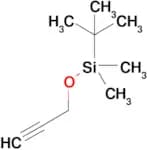
CAS:Pureza:97%Forma y color:LiquidPeso molecular:170.32699584-((TERT-BUTYLDIMETHYLSILYLOXY)METHYL)PYRIDINE
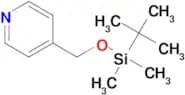
CAS:Fórmula:C12H21NOSiPureza:95.0%Forma y color:No data available.Peso molecular:223.391Vinyltris(trimethylsiloxy)silane
CAS:<p>S22170 - Vinyltris(trimethylsiloxy)silane</p>Fórmula:C11H30O3Si4Pureza:98%Forma y color:Liquid, ClearPeso molecular:322.6984-Chloro-1-(triisopropylsilyl)-1H-pyrrolo[2,3-b]pyridin-5-ol
CAS:Fórmula:C16H25ClN2OSiPureza:98%Forma y color:SolidPeso molecular:324.92


![2,5-Bis[(trimethylsilyl)ethynyl]thiophene](/_next/image/?url=https%3A%2Fstatic.cymitquimica.com%2Fproducts%2F3B%2Fthumb-webp%2FB4240.webp&w=3840&q=75)


![2-Propynyl [3-(Triethoxysilyl)propyl]carbamate](/_next/image/?url=https%3A%2Fstatic.cymitquimica.com%2Fproducts%2F3B%2Fthumb-webp%2FP2258.webp&w=3840&q=75)










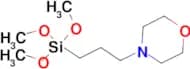
![N,N,N’,N’-tetramethyl-N”-[3-(trimethoxysilyl)propyl]guanidine](/_next/image/?url=https%3A%2Fstatic.cymitquimica.com%2Fproducts%2F10%2Fthumb-webp%2FF863711.webp&w=3840&q=75)

![(S)-3-Bromo-6-((tert-butyldimethylsilyl)oxy)-6,7-dihydro-5H-pyrazolo[5,1-b][1,3]oxazine](/_next/image/?url=https%3A%2Fstatic.cymitquimica.com%2Fproducts%2F10%2Fthumb-webp%2FF781577.webp&w=3840&q=75)
![6-Bromo-2-(trimethylsilyl)furo[3,2-b]pyridine](/_next/image/?url=https%3A%2Fstatic.cymitquimica.com%2Fproducts%2F10%2Fthumb-webp%2FF763859.webp&w=3840&q=75)

![Ethyl 3-{4-fluoro-1-[tris(propan-2-yl)silyl]-1H-pyrrolo[2,3-b]pyridin-5-yl}propanoate](/_next/image/?url=https%3A%2Fstatic.cymitquimica.com%2Fproducts%2F10%2Fthumb-webp%2FF626003.webp&w=3840&q=75)


![1H-PYRROLO[2,3-B]PYRIDINE, 4-CHLORO-5-METHOXY-1-[TRIS(1-METHYLETHYL)SILYL]-](/_next/image/?url=https%3A%2Fstatic.cymitquimica.com%2Fproducts%2F10%2Fthumb-webp%2FF467462.webp&w=3840&q=75)


![4-IODO-7-{[2-(TRIMETHYLSILYL)ETHOXY]METHYL-7H-PYRROLO[2,3-D]PYRIMIDINE](/_next/image/?url=https%3A%2Fstatic.cymitquimica.com%2Fproducts%2F10%2Fthumb-webp%2FF540140.webp&w=3840&q=75)
![(2R)-2-[Bis[3,5-bis(trifluoromethyl)phenyl]-[(tert-butyldimethylsilyl)oxy]methyl]pyrrolidine](/_next/image/?url=https%3A%2Fstatic.cymitquimica.com%2Fproducts%2F10%2Fthumb-webp%2FF600207.webp&w=3840&q=75)
![[2-(4-fluorophenyl)ethynyl]trimethylsilane](/_next/image/?url=https%3A%2Fstatic.cymitquimica.com%2Fproducts%2F10%2Fthumb-webp%2FF664213.webp&w=3840&q=75)

![Bicyclo[2.2.1]hept-5-en-2-yltriethoxysilane](/_next/image/?url=https%3A%2Fstatic.cymitquimica.com%2Fproducts%2F10%2Fthumb-webp%2FF689636.webp&w=3840&q=75)

![3-[[[(1,1-DIMETHYLETHYL)DIMETHYLSILYL]OXY]METHYL]-1-(PHENYLMETHYL)-4-PIPERIDINONE](/_next/image/?url=https%3A%2Fstatic.cymitquimica.com%2Fproducts%2F10%2Fthumb-webp%2FF470103.webp&w=3840&q=75)


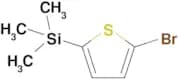
![6-Chloro-4-nitro-3-(trifluoromethyl)-1-((2-(trimethylsilyl)ethoxy)methyl)-1H-pyrrolo[2,3-b]pyridine](/_next/image/?url=https%3A%2Fstatic.cymitquimica.com%2Fproducts%2F10%2Fthumb-webp%2FF789552.webp&w=3840&q=75)


![(2S)-2-[BIS[3,5-BIS(TRIFLUOROMETHYL)PHENYL][(TRIETHYLSILYL)OXY]METHYL]PYRROLIDINE](/_next/image/?url=https%3A%2Fstatic.cymitquimica.com%2Fproducts%2F10%2Fthumb-webp%2FF851335.webp&w=3840&q=75)
![2-(TRIMETHYLSILYL)FURO[3,2-B]PYRIDINE](/_next/image/?url=https%3A%2Fstatic.cymitquimica.com%2Fproducts%2F10%2Fthumb-webp%2FF387354.webp&w=3840&q=75)

![1-(TRIISOPROPYLSILYL)-1H-PYRROLO[2,3-B]PYRIDIN-5-OL](/_next/image/?url=https%3A%2Fstatic.cymitquimica.com%2Fproducts%2F10%2Fthumb-webp%2FF506239.webp&w=3840&q=75)
![(S)-6-(((tert-Butyldimethylsilyl)oxy)methyl)-5-azaspiro[2.4]heptane](/_next/image/?url=https%3A%2Fstatic.cymitquimica.com%2Fproducts%2F10%2Fthumb-webp%2FF605320.webp&w=3840&q=75)


![[S(R)]-N-[(1R)-1-[2-((tert-Butyldiphenylsilyl)oxy)phenyl)]-2-yl-2-(diphenylphosphino)ethyl]-2-meth…](/_next/image/?url=https%3A%2Fstatic.cymitquimica.com%2Fproducts%2F10%2Fthumb-webp%2FF988054.webp&w=3840&q=75)







![4-Chloro-1-(triisopropylsilyl)-1H-pyrrolo[2,3-b]pyridin-5-ol](/_next/image/?url=https%3A%2Fstatic.cymitquimica.com%2Fproducts%2F10%2Fthumb-webp%2FF229696.webp&w=3840&q=75)