Compuestos de organosilicio
En esta sección, encontrará un gran número de compuestos organosilícicos. Los compuestos organosilícicos se caracterizan por átomos de carbono unidos a átomos de silicio. También pueden estar presentes otros compuestos no metálicos. Estos compuestos son ampliamente utilizados en síntesis orgánica, ciencia de materiales y productos farmacéuticos debido a sus propiedades químicas únicas. En CymitQuimica, ofrecemos una amplia gama de compuestos organosilícicos de alta calidad para apoyar sus investigaciones y proyectos industriales.
Subcategorías de "Compuestos de organosilicio"
Se han encontrado 4327 productos de "Compuestos de organosilicio"
Ordenar por
Pureza (%)
0
100
|
0
|
50
|
90
|
95
|
100
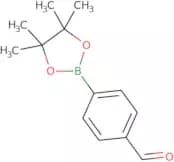
4-Formylphenylboronic acid pinacol cyclic ester
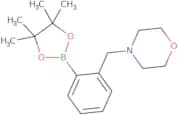
CAS:<p>4-Formylphenylboronic acid pinacol cyclic ester is a boronic ester that can be used in cross-coupling reactions. It reacts with a variety of halides and metal surfaces, including palladium. 4-Formylphenylboronic acid pinacol cyclic ester has been shown to be a useful model system for the synthesis of conjugates and has been used in clinical development as a fluorophore for cancer diagnosis. The photophysical properties of 4-Formylphenylboronic acid pinacol cyclic ester have been studied extensively and the chromophore is sensitive to changes in the environment. The boronic acids are responsible for the reactivity of 4-Formylphenylboronic acid pinacol cyclic ester, which undergoes an oxidative addition reaction mechanism.</p>Fórmula:C13H17BO3Forma y color:PowderPeso molecular:232.08 g/mol2-(MorpholinoMethyl)phenylboronic acid pinacol ester
CAS:<p>2-(MorpholinoMethyl)phenylboronic acid pinacol ester is a fine chemical that can be used as a building block for the synthesis of complex compounds. It is also suitable for use in research and development, as it has been shown to be a reagent and speciality chemical. This compound is an intermediate for the synthesis of other compounds, such as pharmaceuticals, agrochemicals, and cosmetics. 2-(MorpholinoMethyl)phenylboronic acid pinacol ester can be used as a versatile building block in organic synthesis reactions. It has been shown to have high quality properties and can be used to synthesize valuable scaffolds.</p>Fórmula:C17H26BNO3Pureza:Min. 95%Forma y color:PowderPeso molecular:303.20 g/moltert-Butylboronic acid pinacol ester
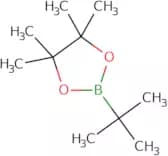
CAS:<p>tert-Butylboronic acid pinacol ester is a fine chemical reagent that is used as a building block in the synthesis of complex compounds. It is an intermediate in reactions involving the conversion of alcohols to esters with the use of acid catalysts. Tert-butylboronic acid pinacol ester has been shown to be a useful scaffold for organic synthesis, and can be used as a high quality reaction component. It also has applications as a research chemical and speciality chemical.</p>Fórmula:C10H21BO2Pureza:Min. 95%Forma y color:Clear LiquidPeso molecular:184.08 g/molL-Serine β-lactone tetrafluoroborate
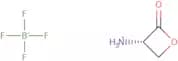
CAS:<p>L-Serine beta-lactone tetrafluoroborate salt is a fine chemical that is used as a reagent, complex compound and building block in the synthesis of other compounds. It is also an important intermediate for the production of pharmaceuticals and agrochemicals. L-Serine beta-lactone tetrafluoroborate salt has been shown to be a versatile building block in organic synthesis. This product may react with acids to produce hydrogen fluoride gas, which can cause injury or death through inhalation or contact with skin, eyes or clothing.</p>Fórmula:C3H5NO2•BF4•HPureza:Min. 95%Forma y color:White/Off-White SolidPeso molecular:174.89 g/mol2,4-Dimethoxypyrimidine-5-boronic acid, pinacol ester
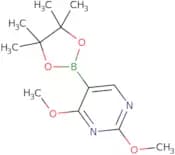
CAS:<p>2,4-Dimethoxypyrimidine-5-boronic acid is a high quality chemical that can be used as a reagent or a complex intermediate. It is an important building block for the synthesis of many compounds and has been shown to be useful in the synthesis of 2,4-dimethoxybenzaldehyde. This compound has been used in the preparation of 2,4-dimethoxypyrimidin-5(6H)-ones and as a reaction component in organic chemistry.</p>Fórmula:C12H19BN2O4Pureza:Min. 97%Peso molecular:266.1 g/molOctakis(trimethylsiloxy)silsesquioxane
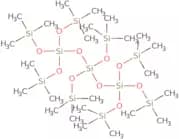
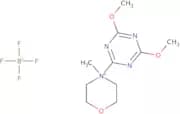
CAS:<p>Octakis(trimethylsiloxy)silsesquioxane is a cross-linking agent that forms covalent bonds with ethylene diamine and aluminium ions. It has been shown to be active against bacterial species such as Staphylococcus aureus, Pseudomonas aeruginosa, and Escherichia coli. Octakis(trimethylsiloxy)silsesquioxane binds to the calcium carbonate of the cell wall, forming a complex that prevents the bacteria from adhering to surfaces. The fluidity of octakis(trimethylsiloxy)silsesquioxane particles allows them to penetrate the cell membrane and inhibit protein synthesis by binding to ribosomes. Octakis(trimethylsiloxy)silsesquioxane can also be used as an encapsulation agent for drugs in order to prevent their degradation by enzymes in the gastrointestinal tract.</p>Fórmula:C24H72O20Si16Pureza:Min. 95%Forma y color:Clear LiquidPeso molecular:1,130.18 g/mol4-(4,6-Dimethoxy-1,3,5-triazin-2-yl)-4-morpholinium tetrafluoroborate
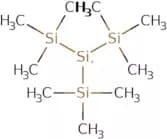
CAS:<p>4-(4,6-Dimethoxy-1,3,5-triazin-2-yl)-4-morpholinium tetrafluoroborate is a modulating agent that is used in the treatment of infectious and metabolic disorders. The compound has been shown to increase the activity of fatty acid oxidation and decrease the production of inflammatory mediators. 4-(4,6-Dimethoxy-1,3,5-triazin-2-yl)-4-morpholinium tetrafluoroborate interacts with a variety of proteins by binding to their Nterminal domains. It can be conjugated to other molecules and then used as probes for kinetic studies or as antiinflammatory compounds.</p>Fórmula:C10H17N4O3•BF4Pureza:Min. 97 Area-%Forma y color:PowderPeso molecular:328.07 g/molTris(trimethylsilyl)silane
CAS:<p>Tris(trimethylsilyl)silane is a reactive functional group that is used in the synthesis of monoclonal antibodies. It reacts with halides to form an intermediate, which then undergoes chain reactions with other molecules to form the final product. Tris(trimethylsilyl)silane can be used for cancer therapy and for the detection of antibodies. It has been shown that tris(trimethylsilyl)silane will react with a light emitting compound (e.g., 4-dimethylaminopyridine) and a cationic polymerization initiator (e.g., diallyldimethylammonium chloride). This reaction produces high values of light emission, which can be detected by x-ray crystal structures.</p>Fórmula:C9H28Si4Pureza:Min. 97 Area-%Forma y color:Clear LiquidPeso molecular:248.66 g/mol(R)-BoroLeu-(+)-pinanediol-trifluoroacetate
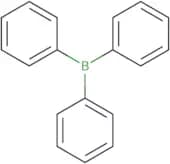
CAS:<p>(R)-BoroLeu-(+)-pinanediol-trifluoroacetate is a complex compound with CAS No. 179324-87-9 and can be used as a reagent, useful intermediate, or fine chemical. It is a versatile building block that can be used in the synthesis of speciality chemicals, research chemicals, and reaction components. This compound has been reported to be a useful scaffold for the synthesis of novel compounds that could have applications in medicine, such as anti-cancer drugs and antibiotics.</p>Fórmula:C17H29BF3NO4Forma y color:White Off-White PowderPeso molecular:379.22 g/molTriphenylborane
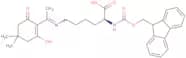
CAS:<p>Triphenylborane is a chemical compound with the formula B(C6H5)3. It is a white solid that is soluble in organic solvents, but not water. Triphenylborane reacts with phosphorus pentoxide to form diphenyl sulfoxide, and it also reacts with nitrogen gas to form diphenyl diazonium salts. Triphenylborane has been shown to be nontoxic when administered orally at doses up to 100 mg/kg in rats and mice, although it has acute toxicities when injected into rabbits and dogs. The chemical stability of triphenylborane makes it an ideal candidate for use as a high-temperature fuel additive.</p>Fórmula:C18H15BPureza:Min. 95%Forma y color:PowderPeso molecular:242.12 g/molN-α-Fmoc-Nε-1-(4,4-dimethyl-2,6-dioxocyclohex-1-ylidene)ethyl-L-lysine
CAS:<p>N-alpha-Fmoc-Nepsilon-1-(4,4-dimethyl-2,6-dioxocyclohex-1-ylidene)ethyl-L-lysine is a synthetic amide with a peptide backbone. It has been shown to have anti tumor activity in vivo and in vitro against a variety of solid tumor xenografts. The compound was conjugated to the integrin receptor ligand RGD, which is expressed on the surface of various types of cancer cells. This modification increased the uptake of N-alpha-Fmoc-Nepsilon-1-(4,4 dimethyl 2,6 dioxocyclohex1 ylidene)ethyl L lysine by leukemia cells and solid tumor xenografts.</p>Fórmula:C31H36N2O6Pureza:Min. 98 Area-%Forma y color:Slightly Yellow PowderPeso molecular:532.63 g/molN-α,ε-Bis-Fmoc-D-lysine
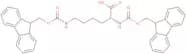
CAS:<p>N-α,ε-Bis-Fmoc-D-lysine is a protease inhibitor that inhibits the protease activity of a number of proteases, including trypsin, chymotrypsin and elastase. It is an immunogenic protein. N-α,ε-Bis-Fmoc-D-lysine has been shown to be effective in preventing the immune response against peptides when used as an adjuvant for vaccines. This protein has also been shown to have proton nmr spectral properties that are similar to those of natural amino acids and therefore may not be detected by the immune system as a foreign antigen. N-α,ε-Bis-Fmoc-D-lysine has been postulated to act as a cell maturation agent through its ability to inhibit protein synthesis or cellular growth.</p>Fórmula:C36H34N2O6Pureza:Min. 95%Forma y color:PowderPeso molecular:590.67 g/molB-(4-Fluoro-2-hydroxyphenyl)-boronic acid
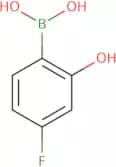
CAS:<p>B-(4-Fluoro-2-hydroxyphenyl)-boronic acid is a fungicide that has been synthesized to inhibit the growth of fungi. This compound is an effective fungicide against a wide variety of plant pathogens. It has been shown to be highly efficient in catalyzing intramolecular cyclization reactions, which are sometimes difficult to perform with traditional methods. The regulatory nature of this compound makes it an excellent candidate for commercial applications in agroscience and industry.</p>Fórmula:C6H6BFO3Pureza:Min. 95%Forma y color:PowderPeso molecular:155.92 g/mol3-Aminopropyldiisopropylethoxysilane
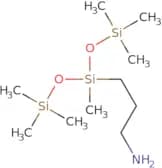
CAS:<p>3-Aminopropyldiisopropylethoxysilane (APDS) is a monolayer chemical that is used to modify the surface properties of a variety of substrates. This chemical can be used for patterning, functionalization, and immobilization of biomolecules. APDS has been shown to have a protective effect on cells in culture by preventing oxidation and denaturation of proteins. APDS also has been used for detection methods such as electron microscopy and photoelectron spectroscopy.</p>Fórmula:C10H29NO2Si3Pureza:Min. 95%Forma y color:Clear LiquidPeso molecular:279.6 g/molBis(trimethylsilyl)cytosine
CAS:<p>Bis(trimethylsilyl)cytosine is an immunosuppressive agent that binds to the immunodeficient acceptor. It has been shown to be active against a number of viruses, including HIV-1 and HSV-1. Bis(trimethylsilyl)cytosine also inhibits the activity of purine and pyrimidine nucleotide synthesis, although it does not inhibit the activity of adenosine deaminase or ribonucleotide reductase. This compound has been shown to stimulate the immune system in mice with a deficiency in T cells by reducing the expression of genes that are responsible for cytokines such as IL-4 and IL-10.</p>Fórmula:C10H21N3OSi2Pureza:Min. 90%Forma y color:PowderPeso molecular:255.46 g/molCyclopentadienyldicarbonyl(tetrahydrofuran)iron(II) tetrafluoroborate
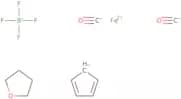
CAS:<p>Cyclopentadienyldicarbonyl(tetrahydrofuran)iron(II) tetrafluoroborate is a chemical that is used as a building block in research and speciality chemical synthesis. The compound has been shown to be versatile, with many possible reactions, including the formation of a complex. This compound can also be used as an intermediate for another chemical or as a scaffold for other compounds. Cyclopentadienyldicarbonyl(tetrahydrofuran)iron(II) tetrafluoroborate is a high quality reagent that can be used in reaction processes with low toxicity.</p>Fórmula:C11H13FeO3•BF4Pureza:Min. 95%Forma y color:SolidPeso molecular:335.87 g/moltert-Butyl diphenylchlorosilane
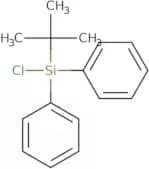
CAS:<p>Tert-butyl diphenylchlorosilane is a chemical compound that belongs to the group of organosilicon compounds. It is used for the preparation of various organosilicon compounds, such as trifluoroacetic acid, which is used in analytical chemistry. The synthesis of tert-butyl diphenylchlorosilane starts with the reaction between hydrochloric acid and sodium citrate. This yields a phosphate bond and a hydroxyl group. In order to form the desired product, tert-butyl diphenylchlorosilane, this intermediate is reacted with trifluoroacetic acid in an asymmetric synthesis to yield the desired product. The reaction mechanism of this process involves hydrogen chloride as an electrophile attacking the carbonyl carbon atom in trifluoroacetic acid, leading to an elimination reaction. This elimination reaction results in two possible products: tert-butyl acetate or tert-butyl chloros</p>Fórmula:C16H19ClSiPureza:Min. 97 Area-%Forma y color:Clear LiquidPeso molecular:274.87 g/molDimethoxy(methyl)silane - 90%
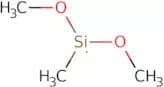
CAS:<p>Dimethoxy(methyl)silane is a fluorescing hydrocarbon that is used as a sealant. It has been shown to react with calcium carbonate and chloride, forming stable complexes. Dimethoxy(methyl)silane reacts with hydrogen chloride to form a divalent hydrocarbon and can be used to produce polymer films.</p>Fórmula:C3H10O2SiPureza:Min. 95%Forma y color:Clear LiquidPeso molecular:106.2 g/molN-α-Boc-N-ε-Fmoc-L-lysine
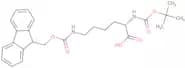
CAS:<p>N-alpha-Boc-N-epsilon-Fmoc-L-lysine is a cyclic peptide that has antimicrobial properties. The peptide is synthesized from the amino acid lysine and contains a sequence of lysine residues. N-alpha-Boc-N-epsilon-Fmoc-L-lysine can be used to treat herpes simplex virus infections and influenza virus infections. It also has the potential to neutralize glycopeptide antibiotics, such as vancomycin, by binding to their cell wall targets and interfering with the function of these molecules. In addition, this peptide can be used to manufacture insulin analogues with improved pharmacokinetic properties and increased stability in blood plasma.</p>Fórmula:C26H32N2O6Pureza:Min. 95%Forma y color:White To Off-White SolidPeso molecular:468.54 g/mol3-Acetylphenylboronic acid
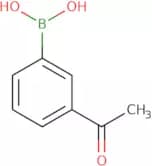
CAS:<p>3-Acetylphenylboronic acid is a functional group with an acetyl group substituted for the hydroxyl group of phenol. 3-Acetylphenylboronic acid has been shown to inhibit cholinesterase through competitive inhibition. It also binds to the endocannabinoid receptor CB1 and competes with anandamide, which is a natural ligand of this receptor. 3-Acetylphenylboronic acid may be used as a replacement for fatty acids in carbon nanotubes because it has the same basic structure but does not react with oxygen or other chemicals. 3-Acetylphenylboronic acid also reacts with metal ions such as copper and zinc, which may be due to its electron withdrawing ability.</p>Fórmula:C8H9BO3Pureza:Min. 98 Area-%Forma y color:White Slightly Yellow PowderPeso molecular:163.97 g/molBis[3-(triethoxysilyl)propyl]tetrasulfide
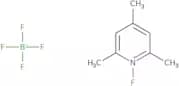
CAS:<p>Bis[3-(triethoxysilyl)propyl]tetrasulfide is a cross-linking agent that can be used to create polymer films. It has been shown to form hydrated films in deionized water, which have been studied with atomic force microscopy. Kinetic data for the polymerization of bis[3-(triethoxysilyl)propyl]tetrasulfide has also been obtained by following the increase in viscosity of a solution containing a small amount of bis[3-(triethoxysilyl)propyl]tetrasulfide and an organic modifier. Bis[3-(triethoxysilyl)propyl]tetrasulfide is typically synthesized using solid-phase synthesis on carbon nanotubes or particles.</p>Fórmula:C18H42Si2S4O6Pureza:Min. 80%Forma y color:Yellow Clear LiquidPeso molecular:538.96 g/mol1-Fluoro-2,4,6-trimethylpyridinium tetrafluoroborate
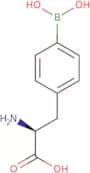
CAS:<p>1-Fluoro-2,4,6-trimethylpyridinium tetrafluoroborate is a reactive compound that is used in the synthesis of organic compounds. It can be used as a precursor to introduce fluorine into organic molecules. This reagent may also be used in reductive eliminations and dehydrogenative coupling reactions. 1-Fluoro-2,4,6-trimethylpyridinium tetrafluoroborate is thermodynamically stable and can be stored at room temperature for long periods of time.</p>Fórmula:C8H11BF5NPureza:Min. 98 Area-%Forma y color:PowderPeso molecular:226.98 g/mol4-Borono-L-phenylalanine
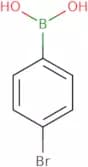
CAS:<p>4-Borono-L-phenylalanine is a boron-containing compound that has been used to study the biological effects of radiation. 4-Borono-L-phenylalanine is an analytical tool for measuring neutron scattering and other physical properties. It has also been used as a biochemical probe in studies of DNA duplexes. 4-Borono-L-phenylalanine is toxic to cells, inhibiting protein synthesis, and it can induce apoptosis in tumor cells. In experimental models, 4-borono-L phenylalanine can be administered orally or intravenously and has shown acute toxicity in animals at doses of up to 1000 mg/kg body weight.</p>Fórmula:C9H12BNO4Pureza:Min. 95%Forma y color:White PowderPeso molecular:209.01 g/mol4-Bromophenylboronic acid
CAS:<p>4-Bromophenylboronic acid is a boronic acid with a basic structure. It has been used to synthesize picolinic acid, which is a water-soluble drug with light emission and anhydrous sodium. 4-Bromophenylboronic acid has been shown to have diagnostic properties because of its ability to enhance the concentration–time curve of sodium salts in human serum. It can also be used as an asymmetric synthesis agent for the production of fatty acids.</p>Fórmula:C6H6BBrO2Pureza:Min. 97.5 Area-%Forma y color:PowderPeso molecular:200.83 g/mol2,5-Diphenyl-3-(4-methoxyphenyl)pyronium tetrafluoroborate
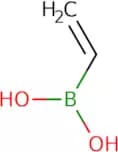
CAS:<p>2,5-Diphenyl-3-(4-methoxyphenyl)pyronium tetrafluoroborate is a chemical compound that can be used as a reagent or building block for the synthesis of other chemical compounds. It is also useful for research and as a versatile building block in organic chemistry. 2,5-Diphenyl-3-(4-methoxyphenyl)pyronium tetrafluoroborate is classified as a speciality chemical product. This compound has CAS Number 2907-20-2 and a molecular weight of 244.12 g/mol.</p>Fórmula:C24H19O2·BF4Pureza:90%Forma y color:PowderPeso molecular:426.21 g/molEthylboronic acid
CAS:<p>Ethylboronic acid is a β-amino acid with a serine protease inhibitory effect. It has been shown to inhibit the Toll-like receptor cascade, which is involved in the inflammatory response. Ethylboronic acid also inhibits the serine proteases that are responsible for cleaving peptides at their carboxy termini. This inhibition leads to an increase in the level of active peptides and a decrease in the level of inactive peptides, which can lead to an antimicrobial effect. Ethylboronic acid also inhibits chloride ion channels, which may lead to new treatments for asthma and cancer.</p>Fórmula:C2H7BO2Pureza:Min. 95%Forma y color:PowderPeso molecular:73.89 g/mol(3R,4R)-4-Acetoxy-3-[(R)-1-(tert-butyldimethylsilyloxy)ethyl]-2-azetidinone
CAS:<p>(3R,4R)-4-Acetoxy-3-[(R)-1-(tert-butyldimethylsilyloxy)ethyl]-2-azetidinone is a versatile building block that can be used as a reagent and speciality chemical. It is also a useful scaffold for the synthesis of complex compounds. It has been shown to be useful in the manufacture of research chemicals and other fine chemicals. This compound is characterized by its high quality and can be used as an intermediate in reactions involving nucleophilic substitution, alkylation, acylation, esterification, and amination.</p>Fórmula:C13H25NO4SiPureza:Min. 98 Area-%Forma y color:White PowderPeso molecular:287.43 g/mol4-Bromo-1-((2-(trimethylsilyl)ethoxy)methyl)-1H-pyrrolo[2,3-b]pyridine
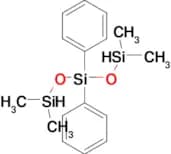
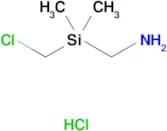
CAS:Pureza:95%Peso molecular:327.2969971((Chloromethyl)dimethylsilyl)methanamine hydrochloride
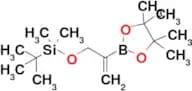
CAS:Pureza:98%Forma y color:SolidPeso molecular:174.14tert-Butyldimethyl((2-(4,4,5,5-tetramethyl-1,3,2-dioxaborolan-2-yl)allyl)oxy)silane
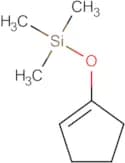
CAS:Pureza:95%Peso molecular:298.3099976Trimethylsilyloxy-1-cyclopentene
CAS:<p>S19937 - Trimethylsilyloxy-1-cyclopentene</p>Fórmula:C8H16OSiPureza:97%Forma y color:LiquidPeso molecular:156.3(2S,3S)-3-methyl-2-[2-({[2-(trimethylsilyl)ethoxy]carbonyl}amino)acetamido]pentanoic acid
CAS:Pureza:97%Peso molecular:332.47198493-Trimethylsilyl phenyl boronic acid
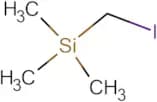
CAS:<p>S20000 - 3-Trimethylsilyl phenyl boronic acid</p>Fórmula:C9H15BO2SiPureza:95%Forma y color:SolidPeso molecular:194.11Iodomethyltrimethylsilane
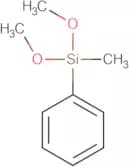
CAS:<p>S10025 - Iodomethyltrimethylsilane</p>Fórmula:C4H11ISiPureza:97%Forma y color:ClearPeso molecular:214.121Methylphenyldimethoxysilane
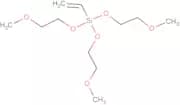
CAS:<p>S11550 - Methylphenyldimethoxysilane</p>Fórmula:C9H14O2SiPureza:95%Forma y color:LiquidPeso molecular:182.294Vinyl-tris(2-methoxyethoxy)silane
CAS:<p>S22125 - Vinyl-tris(2-methoxyethoxy)silane</p>Fórmula:C11H24O6SiPureza:95%Forma y color:LiquidPeso molecular:280.3921-[(Trimethylsilyl)ethynyl]cyclohexene
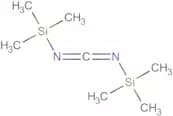
CAS:<p>S19400 - 1-[(Trimethylsilyl)ethynyl]cyclohexene</p>Fórmula:C11H18SiPureza:98%Forma y color:Liquid, ClearPeso molecular:178.35Bis(trimethylsilyl)carbodiimide
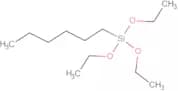
CAS:<p>S02575 - Bis(trimethylsilyl)carbodiimide</p>Fórmula:C7H18N2Si2Pureza:95%Forma y color:Liquid, ClearPeso molecular:186.405n-Hexyltriethoxysilane
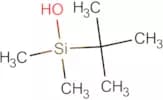
CAS:<p>S09950 - n-Hexyltriethoxysilane</p>Fórmula:C12H28O3SiPureza:95%Forma y color:Liquid, ClearPeso molecular:248.438tert-Butyl dimethyl silanol
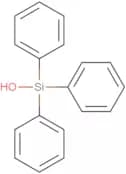
CAS:<p>S03322 - tert-Butyl dimethyl silanol</p>Fórmula:C6H16OSiPureza:98%Forma y color:ViscousPeso molecular:132.278Triphenylsilanol
CAS:<p>S20625 - Triphenylsilanol</p>Fórmula:C18H16OSiPureza:98%Forma y color:Solid, Off-white solidPeso molecular:276.41Tetrakis(vinyldimethylsiloxy)silane
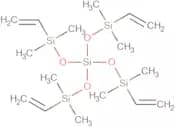
CAS:<p>S15910 - Tetrakis(vinyldimethylsiloxy)silane</p>Fórmula:C16H36O4Si5Pureza:95%Forma y color:Liquid, ClearPeso molecular:432.885n-Propyltriethoxysilane
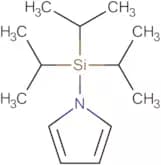
CAS:<p>S14100 - n-Propyltriethoxysilane</p>Fórmula:C9H22O3SiPureza:95%Forma y color:Liquid, ClearPeso molecular:206.3571-Triisopropylsilylpyrrole
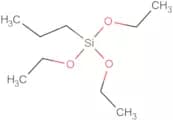
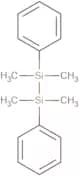
CAS:<p>S18025 - 1-Triisopropylsilylpyrrole</p>Fórmula:C13H25NSiPureza:95%Forma y color:LiquidPeso molecular:223.4351,2-Diphenyltetramethyldisilane
CAS:<p>S08125 - 1,2-Diphenyltetramethyldisilane</p>Fórmula:C16H22Si2Pureza:97%Forma y color:SolidPeso molecular:270.522



![Bis[3-(triethoxysilyl)propyl]tetrasulfide](/_next/image/?url=https%3A%2Fstatic.cymitquimica.com%2Fproducts%2F3D%2Fthumb-webp%2FFB33713.webp&w=3840&q=75)

![(3R,4R)-4-Acetoxy-3-[(R)-1-(tert-butyldimethylsilyloxy)ethyl]-2-azetidinone](/_next/image/?url=https%3A%2Fstatic.cymitquimica.com%2Fproducts%2F3D%2Fthumb-webp%2FFA16979.webp&w=3840&q=75)

![4-Bromo-1-((2-(trimethylsilyl)ethoxy)methyl)-1H-pyrrolo[2,3-b]pyridine](/_next/image/?url=https%3A%2Fstatic.cymitquimica.com%2Fproducts%2F10%2Fthumb-webp%2FF600247.webp&w=3840&q=75)


![(2S,3S)-3-methyl-2-[2-({[2-(trimethylsilyl)ethoxy]carbonyl}amino)acetamido]pentanoic acid](/_next/image/?url=https%3A%2Fstatic.cymitquimica.com%2Fproducts%2F10%2Fthumb-webp%2FF616161.webp&w=3840&q=75)

![1-[(Trimethylsilyl)ethynyl]cyclohexene](/_next/image/?url=https%3A%2Fstatic.cymitquimica.com%2Fproducts%2F10%2Fthumb-webp%2FS19400.webp&w=3840&q=75)