Compuestos de organosilicio
En esta sección, encontrará un gran número de compuestos organosilícicos. Los compuestos organosilícicos se caracterizan por átomos de carbono unidos a átomos de silicio. También pueden estar presentes otros compuestos no metálicos. Estos compuestos son ampliamente utilizados en síntesis orgánica, ciencia de materiales y productos farmacéuticos debido a sus propiedades químicas únicas. En CymitQuimica, ofrecemos una amplia gama de compuestos organosilícicos de alta calidad para apoyar sus investigaciones y proyectos industriales.
Subcategorías de "Compuestos de organosilicio"
Se han encontrado 4325 productos de "Compuestos de organosilicio"
Ordenar por
Pureza (%)
0
100
|
0
|
50
|
90
|
95
|
100
Chlorodimethyl(3,3,4,4,5,5,6,6,7,7,8,8,8-Tridecafluorooctyl)-Silane
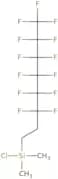
CAS:<p>Chlorodimethyl(3,3,4,4,5,5,6,6,7,7,8,8,8-Tridecafluorooctyl)-Silane is an organic solvent that can be used as a component in the synthesis of synaptic membranes. It has been shown to inhibit spontaneous activity in rat brain slices and exhibits high hydrophobicity. Chlorodimethyl(3,3,4,4,5,5,6,6) - Silane has been used for the patch-clamp technique on human erythrocytes and the immunostaining of proteins. This compound is also useful for the optimization of organic reactions and asymmetric synthesis.</p>Fórmula:C10H10ClF13SiPureza:Min. 95%Peso molecular:440.7 g/molm-Carborane
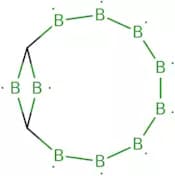
CAS:Producto controlado<p>m-Carborane is a molecule that is composed of a chlorine atom and an aromatic hydrocarbon. m-Carborane has been shown to be an estrogen receptor modulator, which may have potential as a drug for the prevention or treatment of hormone-related diseases. This compound has also been shown to act as a fluorophore and to have high melting points. It forms hydrogen bonds with other molecules and can bind to progesterone receptors, which are found in breast cancer cells. These interactions have been studied using x-ray crystal structures and microscopy studies on MCF-7 cells.</p>Fórmula:C2H12B10Pureza:Min. 95%Forma y color:White powder(solid)Peso molecular:144.23 g/molBis(trimethylsilyl)bromomethane
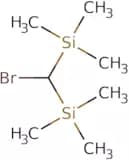
CAS:<p>Bis(trimethylsilyl)bromomethane is an alkali metal compound that is a multinuclear, crystalline solid. It has an x-ray diffraction pattern with peaks at 30, 39, and 44 degrees. The elemental analysis of the compound shows it to be composed of carbon and hydrogen. Bis(trimethylsilyl)bromomethane is a tetrahydrofuran derivative that can be alkylated or silylated with metal compounds. This compound has been shown to have coordination properties when combined with potassium. The molecular structure of bis(trimethylsilyl)bromomethane is composed of two trimethylsiloxy groups linked together by one bromine atom.</p>Fórmula:C7H19BrSi2Pureza:Min. 95%Forma y color:Clear LiquidPeso molecular:239.3 g/molDichlorodiisopropylsilane
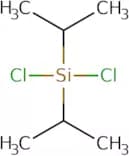
CAS:<p>Dichlorodiisopropylsilane is a cycloaddition process, which is the addition of two molecules to create a new ring. It reacts with an unsaturated organic compound, such as an alkene or alkyne, to produce a reactive functional group. Dichlorodiisopropylsilane has been used in chemistry as a cross-linking agent for proteins and as a solid catalyst. The chemical stability of dichlorodiisopropylsilane makes it useful in the synthesis of model proteins. This compound also has low bioavailability due to its high reactivity with hydrochloric acid found in the stomach.</p>Fórmula:C6H14Cl2SiPureza:Min. 95%Forma y color:Clear LiquidPeso molecular:185.17 g/molO-Benzyl psilocybin
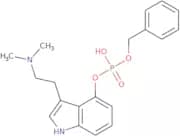
CAS:Producto controlado<p>O-Benzyl psilocybin is a hydrophobic molecule with an affinity for lipase. It has been shown to exhibit growth inhibition on malignant cells in tissue culture, and has been investigated as a potential anticancer agent. O-Benzyl psilocybin is also able to inhibit the activity of plasminogen activator inhibitor-1 (PAI-1), which is involved in cancer progression and metastasis. This compound may be used as an anticancer drug or as a prophylactic agent against cancer. It may also be useful in treating other conditions such as atherosclerosis and restenosis, where PAI-1 plays a significant role. O-Benzyl psilocybin has been found to have anti-inflammatory properties that may be due to its ability to inhibit the production of prostaglandin E2 from arachidonic acid.</p>Fórmula:C19H23N2O4PPureza:Min. 95%Peso molecular:374.37 g/mol2-Aminopyrimidine-5-boronic acid pinacol ester
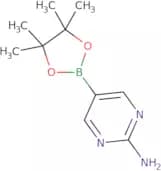
CAS:<p>2-Aminopyrimidine-5-boronic acid pinacol ester is a boronic acid derivative that has been shown to inhibit the activity of protein kinase C. This compound is also an effective linker for cross-coupling reactions and has a low reactivity with nucleophiles, which makes it safer than other boronic acids. 2-Aminopyrimidine-5-boronic acid pinacol ester has been shown to be potent against cancer cells in vitro and in vivo and synthetic cells. 2-Aminopyrimidine-5-boronic acid pinacol ester inhibits the growth of cancer cells by binding to the ATP site on protein kinase C, thereby inhibiting its function.</p>Fórmula:C10H16BN3O2Pureza:Min. 95 Area-%Forma y color:PowderPeso molecular:221.06 g/molLithium difluoro(oxalato)borate
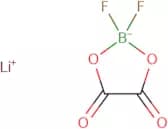
CAS:<p>Lithium difluoro(oxalato)borate is an electron-microscopic corrosion inhibitor that belongs to the class of ester compounds. It is a solid compound that has been shown to be efficacious against oxidation products. The efficiency of this compound is dependent on the concentration and purity of lithium difluoro(oxalato)borate and the type of metal, such as steel or aluminum. Lithium difluoro(oxalato)borate can be used in rechargeable batteries, due to its transport properties, high salt tolerance, and low self-discharge rate. This compound has been shown to have functional groups that are capable of interacting with hydrogen fluoride in an organic solution.</p>Fórmula:C2BF2O4•LiPureza:Min. 95%Peso molecular:143.77 g/molp-Carborane
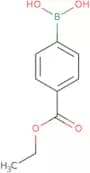
CAS:Producto controlado<p>p-Carborane is a compound that has been used in the palladium-catalyzed coupling of nitrogen atoms. It has been shown to have magnetic resonance spectroscopy, steric interactions, and cross-coupling properties. p-Carborane is stable under mild conditions and can be used as an alternative to other functional assays. p-Carborane also has been shown to inhibit the growth of prostate cancer cells and human leukemia cells (HL60). The redox potentials for this compound are low energy, making it difficult for these compounds to react with other substances.</p>Fórmula:C2H12B10Pureza:Min. 95%Forma y color:PowderPeso molecular:144.23 g/mol4-(Ethoxycarbonyl)phenylboronic acid
CAS:<p>4-(Ethoxycarbonyl)phenylboronic acid is a potential use for picric acid detection. It has been shown to be a chemosensor with an electrochemical impedance spectroscopy response that is sensitive to chloride ions. 4-(Ethoxycarbonyl)phenylboronic acid can be used as a linker in multigram-scale synthesis of aryl halides, and its reaction mechanism has been elucidated by crystal x-ray diffraction. The synthesis of this compound is scalable and involves the formation of an apical carboxylate from ethoxycarbonyl phenyl boronic acid and an aryl halide.</p>Fórmula:C9H11BO4Pureza:Min. 95%Forma y color:PowderPeso molecular:193.99 g/mol4-(Trifluoromethoxy)phenylboronic Acid (contains varying amounts of Anhydride)
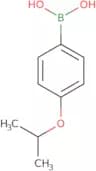
CAS:<p>4-(Trifluoromethoxy)phenylboronic acid is a boron-containing compound that has been shown to be a potent inhibitor of the histone deacetylase (HDAC) enzyme. It also has surfactant properties and can be used as a photochemical reagent. 4-(Trifluoromethoxy)phenylboronic acid is orally bioavailable and may have therapeutic potential for neurodegenerative diseases, such as Alzheimer's disease, Parkinson's disease, and Huntington's disease. It also has the ability to inhibit cancer cell growth by inhibiting HDAC activity. This drug has been found to cross-couple with organosilicon compounds in order to form new compounds with potent inhibitory activity against HDAC enzymes.</p>Fórmula:C7H6BF3O3Pureza:Min. 95%Peso molecular:205.93 g/mol4-Isopropoxyphenylboronic acid
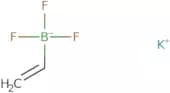
CAS:<p>4-Isopropoxyphenylboronic acid is a boronic acid that can be used as a cross-coupling partner in palladium-catalyzed cross-coupling reactions. It is synthesized by reacting 4-hydroxyphenylacetic acid with 2 equivalents of naphthoquinone diazide. The addition of the 4-isopropoxy group to the phenyl substituent increases the reactivity of this boronic acid. This compound has been used in the synthesis of rofecoxib and cyclooxygenase inhibitors, such as aspirin and ibuprofen. The presence of an electron withdrawing group on one phenyl ring enhances the reactivity of this boronic acid towards nucleophiles, such as amines or alcohols.</p>Fórmula:C9H13BO3Pureza:Min. 95%Peso molecular:180.01 g/molPotassium vinyltrifluoroborate
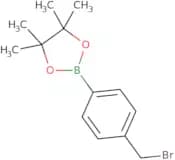
CAS:<p>Potassium vinyltrifluoroborate is a salt that contains the inorganic anion potassium and the organic ligand vinyltrifluoroborate. It is used as an electrolyte in electrochemical cells, such as fuel cells, to increase power output by increasing the conductivity of the electrolyte. This compound has been shown to be effective against chronic kidney disease and infectious diseases such as HIV and malaria. Potassium vinyltrifluoroborate also has anti-cancer properties due to its ability to inhibit cellular proliferation and induce apoptosis in cancer cells. The mechanism of action of this drug is still unclear but may be due to its ability to inhibit proteases, such as ns3 protease found in human erythrocytes.</p>Fórmula:C2H3BF3KPureza:Min. 95%Forma y color:PowderPeso molecular:133.95 g/mol4-(Bromomethyl)benzeneboronic acid pinacol ester
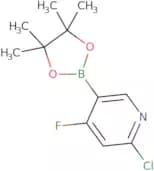
CAS:<p>4-(Bromomethyl)benzeneboronic acid pinacol ester (BBBA) is a hypochlorous acid derivative with a structural formula of C6H5BrOCH2. It is used as a fluorophore and has been shown to have anticancer activity. 4-Bromomethylbenzeneboronic acid pinacol ester reacts with hydrophobic molecules in the cell membrane, leading to disruption of the membrane and ultimately cell death. This compound can be used as an active oxygen source in biological assays, such as functional assays, because it generates reactive oxygen species and can act as a fluorescence probe for detection of biological samples.</p>Fórmula:C13H18BBrO2Pureza:Min. 95 Area-%Forma y color:White PowderPeso molecular:297 g/mol2-Chloro-4-fluoropyridine-5-boronic acid, pinacol ester
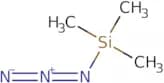
CAS:<p>Please enquire for more information about 2-Chloro-4-fluoropyridine-5-boronic acid, pinacol ester including the price, delivery time and more detailed product information at the technical inquiry form on this page</p>Fórmula:C11H14BClFNO2Pureza:Min. 95%Peso molecular:257.5 g/molAzidotrimethylsilane
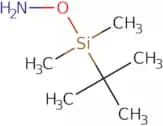
CAS:<p>Azidotrimethylsilane is a chemical compound that can be used in various reactions. It is an unsymmetrical compound with the molecular formula of CH3SiN3, and has an asymmetric carbon atom with four different substituents. Azidotrimethylsilane reacts with nucleophiles to form azides, which can be used as antiviral agents or to synthesize other compounds. It also participates in transfer reactions, such as the reaction of trifluoroacetic acid and fatty acids to form esters. The hydroxyl group on the silicon atom increases its reactivity because it can act as a nucleophile in addition to its electrophilic properties. !-- -->Azidotrimethylsilane is an unsymmetrical compound with the molecular formula CH3SiN3, and has an asymmetric carbon atom with four different substituents. Azidotrimethylsilane reacts with nucleophiles to form az</p>Fórmula:C3H9N3SiPureza:Min. 95%Peso molecular:115.21 g/molO-(Tert-Butyldimethylsilyl)hydroxylamine
CAS:<p>O-(Tert-butyldimethylsilyl)hydroxylamine is a stereospecific, oxidized, insoluble, tautomeric hydroxamic acid. It is used as a reagent in organic synthesis to form lactams by reaction with hexamethylenetetramine. The compound can be prepared by treatment of hydroxylamine with diacetate in the presence of aluminium chloride. The product is an orange liquid that crystallizes from water, but is not soluble in most organic solvents.</p>Fórmula:C6H17NOSiPureza:Min. 95%Peso molecular:147.29 g/mol1H-Benzo[d]imidazol-6-ylboronic acid
CAS:<p>Please enquire for more information about 1H-Benzo[d]imidazol-6-ylboronic acid including the price, delivery time and more detailed product information at the technical inquiry form on this page</p>Fórmula:C7H7BN2O2Pureza:Min. 95%Peso molecular:161.95 g/molTrichlorooctadecylsilane
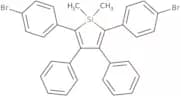
CAS:<p>Trichlorooctadecylsilane is a model system that consists of a monolayer of octadecyltrichlorosilane particles. The dispersive solid-phase extraction technique can be used to extract analytes from the surface of this particle. This technique involves removing the solvent from a sample by passing it through an adsorbent. The hydrophobic effect, which is the phenomenon that a nonpolar substance is dissolved in a nonpolar solvent, will cause analytes to bind to the hydrophobic surface of octadecyltrichlorosilane particles because they are hydrophobic.</p>Pureza:Min. 95%2,5-Bis(4-bromophenyl)-1,1-dimethyl-3,4-diphenylsilole
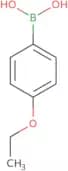
CAS:<p>Please enquire for more information about 2,5-Bis(4-bromophenyl)-1,1-dimethyl-3,4-diphenylsilole including the price, delivery time and more detailed product information at the technical inquiry form on this page</p>Fórmula:C30H24Br2SiPureza:Min. 95%Peso molecular:572.41 g/mol(4-Ethoxyphenyl)boronic acid
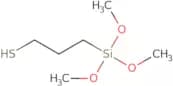
CAS:<p>4-Ethoxyphenylboronic acid is a boron-containing compound that has been shown to have potent antiviral activity. This compound is synthesized from adipose tissue and optical properties of the phenoxazine derivative are studied in order to find an efficient process for solid-phase synthesis. 4-Ethoxyphenylboronic acid has been shown to inhibit triglyceride lipase and fatty acid, which may be an important drug target. It has also been found to have potent antagonistic effects on fatty acids.</p>Fórmula:C8H11BO3Pureza:Min. 95%Peso molecular:165.98 g/mol(3-Mercaptopropyl)trimethoxysilane
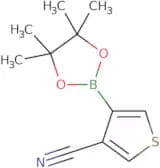
CAS:<p>3-Mercaptopropyl)trimethoxysilane is a molecule made up of three parts: a trimethoxysilane group, a trimethylsilyl group, and a mercapto group. The trimethoxysilane group is hydrophilic in nature and has an electron withdrawing effect on the molecule. The trimethylsilyl group is hydrophobic in nature and has an electron donating effect on the molecule. The mercapto group is reactive in nature and has a high redox potential. 3-Mercaptopropyl)trimethoxysilane can be used as a chemical additive to increase the stability of hydrochloric acid in water vapor by reacting with the hydroxyl groups to form stable compounds. This compound also reacts with hydrogen gas to produce methane gas, which can be used as fuel or as an alternative energy source. 3-Mercaptopropyl)trimethoxysilane also has synergistic</p>Fórmula:C6H16O3SSiPureza:Min. 98 Area-%Forma y color:Colorless Clear LiquidPeso molecular:196.34 g/mol3-Cyanothiophene-4-boronic acid pinacol ester
CAS:<p>Please enquire for more information about 3-Cyanothiophene-4-boronic acid pinacol ester including the price, delivery time and more detailed product information at the technical inquiry form on this page</p>Fórmula:C11H14BNO2SPureza:Min. 95%Peso molecular:235.11 g/mol2-[4-(tert-Butyldimethylsilyloxymethyl)-2-nitrophenoxy]acetic Acid
CAS:<p>Please enquire for more information about 2-[4-(tert-Butyldimethylsilyloxymethyl)-2-nitrophenoxy]acetic Acid including the price, delivery time and more detailed product information at the technical inquiry form on this page</p>Fórmula:C15H23NO6SiPureza:Min. 95%Peso molecular:341.43 g/molPhenyl-1,2-carborane
CAS:Producto controlado<p>Please enquire for more information about Phenyl-1,2-carborane including the price, delivery time and more detailed product information at the technical inquiry form on this page</p>Fórmula:C8H16B10Pureza:Min. 95%Forma y color:Colourless Or White To Off-White Solid Or Liquid (May Vary)Peso molecular:220.32 g/molO-Benzyl psilocin
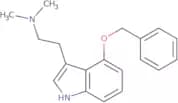
CAS:Producto controlado<p>O-Benzyl psilocin is a form of the hallucinogenic drug psilocybin. Psilocybin and other related substances are classified as indole alkaloids, which are synthesised by the enzyme tryptophan decarboxylase. O-Benzyl psilocin is synthesised in a two-step reaction that involves catalytic hydrogenation of 4-hydroxyindole to 4-hydroxyphenylacetaldehyde followed by formylation of the latter with formic acid or paraformaldehyde. It was first isolated from sheep's blood serum in 1958 and has been used as an immunogen to produce antisera against cocaine and serotonin. This substance also utilizes a number of endogenous substances for its metabolism, including dopamine, serotonin, noradrenaline, and adrenaline.</p>Fórmula:C19H22N2OPureza:Min. 95%Peso molecular:294.39 g/mol[2-(Difluoromethyl)phenyl]boronic acid
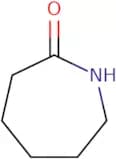
CAS:<p>Please enquire for more information about [2-(Difluoromethyl)phenyl]boronic acid including the price, delivery time and more detailed product information at the technical inquiry form on this page</p>Fórmula:C7H7BF2O2Pureza:Min. 95%Peso molecular:171.94 g/molε caprolactam
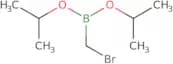
CAS:<p>Epsilon caprolactam is a poly-functional compound that can be used as a monomer for the production of polyamides. It is produced from lysine and caproic acid in the presence of copper chloride by oxidative decarboxylation. Epsilon caprolactam has been shown to have synergistic effects with other compounds, such as toxicity studies on rats and mice. This compound also has an acidic nature due to its carboxylic acid group. Plasma mass spectrometry has shown that there are high values of epsilon caprolactam in the plasma of bacterial strains and it is rapidly metabolized to l-lysine. Epsilon caprolactam is also a solid catalyst for organic reactions, which causes phase transition temperature to increase and promotes reaction mechanisms.</p>Fórmula:C6H11NOPureza:Min. 95%Forma y color:White To Off-White SolidPeso molecular:113.16 g/molDiisopropyl(bromomethyl)boronate
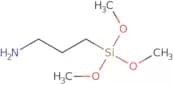
CAS:<p>Diisopropyl(bromomethyl)boronate is a reagent used in organic synthesis. It is an alkynyl boronic ester that reacts with alkenes to form new carbon-carbon bonds. Diisopropyl(bromomethyl)boronate can be used for the asymmetric synthesis of α,β-unsaturated carbonyl compounds and other oxidations of aldehydes and ketones. This reagent has been shown to have a high yield, solvents are not required for its preparation, and it is stable at room temperature. Diisopropyl(bromomethyl)boronate also reacts with haloalkanes and argon gas to generate organoboranes.</p>Fórmula:C7H16BBrO2Pureza:Min. 95%Peso molecular:222.92 g/mol3-Aminopropyltrimethoxysilane
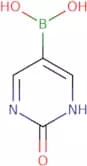
CAS:<p>3-Aminopropyltrimethoxysilane is a chemical that belongs to the group of aminopropyltriethoxysilanes. It is a reactive substance and is commonly used as an additive in adhesives and sealants. 3-Aminopropyltrimethoxysilane has been shown to be an efficient coupling agent for the formation of hydroxyl groups on nanoparticles, which are then used as drug carriers. The optimum concentration of 3-aminopropyltrimethoxysilane lies between 0.01 and 0.1 M, with a pH range of 6 and 8. This chemical can react with hydrochloric acid, resulting in the production of hydrogen gas; with cervical cancer cells in culture, leading to cell death; or with skin cells, causing damage to their transport properties.</p>Fórmula:C6H17NO3SiPureza:Min. 95%Forma y color:Clear LiquidPeso molecular:179.29 g/mol2-Hydroxypyrimidine-5-boronicacid
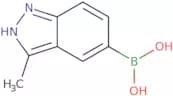
CAS:<p>Please enquire for more information about 2-Hydroxypyrimidine-5-boronicacid including the price, delivery time and more detailed product information at the technical inquiry form on this page</p>Fórmula:C4H5BN2O3Pureza:Min. 95%Peso molecular:139.91 g/mol3-Methyl-1H-indazol-5-yl-5-boronic acid
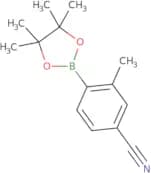
CAS:<p>Please enquire for more information about 3-Methyl-1H-indazol-5-yl-5-boronic acid including the price, delivery time and more detailed product information at the technical inquiry form on this page</p>Fórmula:C8H9BN2O2Pureza:Min. 95%Peso molecular:175.98 g/mol4-Cyano-2-methylphenylboronic acid, pinacol ester
CAS:<p>Please enquire for more information about 4-Cyano-2-methylphenylboronic acid, pinacol ester including the price, delivery time and more detailed product information at the technical inquiry form on this page</p>Fórmula:C14H18BNO2Pureza:Min. 95%Peso molecular:243.11 g/molPhenylsilane
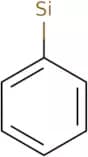
CAS:<p>Phenylsilane is a model system for the study of the reaction mechanism of nucleophilic substitution. It is used to investigate the steric interactions between a substrate molecule and an electrophile that are important in determining the rate of reactivity. Phenylsilane has been shown to have antioxidative properties, which may be due to its ability to scavenge reactive oxygen species (ROS), such as hydroxyl radicals, superoxide ions, and hydrogen peroxide. Phenylsilane also has low kinetic energy and can form hydrogen bonds with carbonyl groups and amines. This chemical substance can react with quinoline derivatives, including benzoquinone, which is a toxic by-product of the metabolism of many drugs.</p>Fórmula:C6H8SiPureza:Min. 95%Forma y color:Clear LiquidPeso molecular:108.21 g/molBoron carbide - 10um particle size
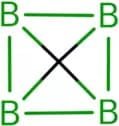
CAS:Producto controlado<p>Boron carbide is a hard, refractory material with high melting point. It is used in the production of ceramic and as a catalyst. Boron carbide has been shown to be effective in the treatment of wastewater due to its ability to adsorb organic matter and heavy metals. Boron carbide also has thermal expansion properties that make it suitable for use in various engineering applications. Boron carbide is composed of boron and carbon atoms, which interact through steric effects. The nitrogen atoms on the surface of boron carbide particles are responsible for its reactivity with other materials, such as silicon or zirconium oxide. The kinetic energy of the reaction mechanism can be determined by examining the surface methodology of boron carbide particles with a microscope.</p>Fórmula:B4CPureza:Min. 95%Peso molecular:55.25 g/molcis-1-Propene-1-boronicacid
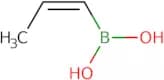
CAS:<p>cis-1-Propene-1-boronicacid is a chiral, pyranoside compound that can be synthesized from the reaction of 2,3,4,5-tetrahydropyran with boron trichloride. cis-1-Propene-1-boronicacid has been shown to be useful for the palladium catalyzed cross coupling reactions. cis-1-Propene-1-boronicacid has been shown to react with cyclopentenone and alkylate different functional groups such as amines and alcohols. cis-1 -Propene 1 boronic acid has been used in peptidomimetics as well as in nature.</p>Fórmula:C3H7BO2Pureza:Min. 95%Peso molecular:85.9 g/mol4-Piperazinylphenylboronic acid, pinacol ester
CAS:<p>Please enquire for more information about 4-Piperazinylphenylboronic acid, pinacol ester including the price, delivery time and more detailed product information at the technical inquiry form on this page</p>Fórmula:C16H25BN2O2Pureza:Min. 95%Forma y color:PowderPeso molecular:288.19 g/mol1,1,3,3-Tetramethyldisiloxane
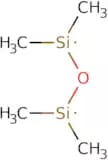
CAS:<p>1,1,3,3-Tetramethyldisiloxane is a chemical compound that belongs to the group of functional groups. It can be isolated from hydrolysis of methyltrichlorosilane with sodium hydroxide and cellulose acetate. 1,1,3,3-Tetramethyldisiloxane has two isomers with different properties: 3-methylsilsesquioxane and 3-ethylsilsesquioxane. The former has an ethyl group at the end of its molecule and the latter has an ethyl group in the middle. The two isomers are not interchangeable because they have different physical properties. The 3-methylsilsesquioxane isomer reacts with aluminium to form a metathesis reaction product containing silanol groups on one side of the aluminum molecule and hydroxy groups on the other side. This product can be used as a catalyst for subsequent reactions in organic synthesis reactions involving</p>Fórmula:C4H14OSi2Pureza:Min. 95%Forma y color:Clear LiquidPeso molecular:134.32 g/molPinacol vinylboronate
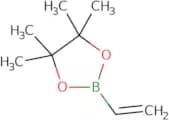
CAS:<p>Pinacol vinylboronate is an anticancer agent that has been shown to inhibit the growth of cancer cells. Pinacol vinylboronate inhibits the activity of cellular targets and generates reactive oxygen species through a hydrogen-bond-mediated mechanism, which eventually leads to cell death. This drug has also been shown to have functional groups that act as pharmacophores for cancer, which may be due to its ability to form hydrogen bonds with the hydroxyl group in DNA.</p>Fórmula:C8H15BO2Pureza:Min. 95%Forma y color:Clear LiquidPeso molecular:154.01 g/molTetrahydropyran-3-boronic acid pinacol ester
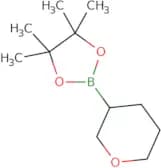
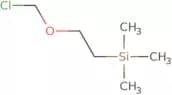
CAS:<p>Please enquire for more information about Tetrahydropyran-3-boronic acid pinacol ester including the price, delivery time and more detailed product information at the technical inquiry form on this page</p>Fórmula:C11H21BO3Pureza:Min. 95%Peso molecular:212.09 g/mol2-(Chloromethoxyethyl)trimethyl silane - stabilized with ca. 0.1% Diisopropylethylamine
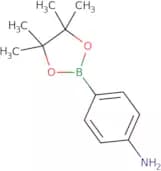
CAS:<p>Silyl protecting group for alcohols; reagent for introducing protected C atom</p>Fórmula:C6H15ClOSiPureza:Min. 95%Forma y color:Colorless Clear LiquidPeso molecular:166.72 g/mol(4-Aminophenyl)boronic acid pinacol ester
CAS:<p>(4-Aminophenyl)boronic acid pinacol ester is a semiconducting material that can be used in thin film devices. It has been shown to be a good candidate for transistor and device applications due to its high yield, low cost, and high stability. This compound can also be used to modify the structure of other compounds through substitution reactions. (4-Aminophenyl)boronic acid pinacol ester has been synthesized from inexpensive starting materials, such as triphenylamine and amines.</p>Fórmula:C12H18BNO2Pureza:Min. 95%Forma y color:White PowderPeso molecular:219.09 g/mol4-Phenoxyphenylboronic acid
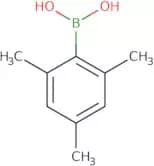
CAS:<p>4-Phenoxyphenylboronic acid is a chemical inhibitor of protein kinase. It binds to the ATP binding site of the enzyme and prevents ATP from binding, thereby inhibiting the phosphorylation of proteins. This inhibition blocks the activation of downstream pathways that are involved in cell proliferation, leading to apoptotic cell death. 4-Phenoxyphenylboronic acid has been shown to inhibit growth of human cancer cells in vitro. This molecule also inhibits root formation and plant growth, which may be due to its ability to selectively inhibit protein kinases found in plant cells.</p>Fórmula:C12H11BO3Pureza:Min. 95%Peso molecular:214.02 g/molMesitylboronic acid
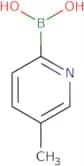
CAS:<p>Mesitylboronic acid is a divalent organoboron compound with the molecular formula CHB(O)OH. It is a white solid that is soluble in organic solvents, but not water. Mesitylboronic acid has been used for the palladium-catalyzed cross-coupling of aryl halides and vinylogous esters, yielding substituted pyridines. Mesitylboronic acid also catalyzes the Suzuki coupling reaction of aryl boronic acids and alkenes, producing substituted indoles. This compound has diagnostic applications due to its ability to form a fluorescent complex with certain metal ions. It also plays an important role in insulin resistance due to its ability to form cross-couplings with unsymmetrical boron compounds.</p>Fórmula:C9H13BO2Pureza:Min. 95%Peso molecular:164.01 g/mol5-Methylpyridine-2-boronicacid
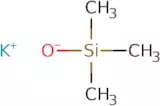
CAS:<p>Please enquire for more information about 5-Methylpyridine-2-boronicacid including the price, delivery time and more detailed product information at the technical inquiry form on this page</p>Fórmula:C6H8BNO2Pureza:Min. 95%Peso molecular:136.94 g/molPotassium trimethylsilanolate
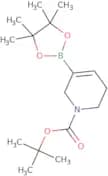
CAS:<p>Potassium trimethylsilanolate is a chemical substance that has inhibitory properties. It is a trifluoroacetic acid derivative that inhibits the activity of certain enzymes, such as proteases and lipases. The compound's inhibitory properties are due to its ability to bind to cytochrome cb2 receptors by means of hydrogen bonding. The binding of potassium trimethylsilanolate to the receptor prevents the activation of apoptosis proteins and protein synthesis in cells. This substance also has an inhibitory effect on water vapor, inhibiting the formation of water molecules from hydrogen atoms and oxygen atoms. Potassium trimethylsilanolate can be used as an anti-cancer agent by preventing cell division in tumor cells and preventing cancer metastasis through inhibition of protease activity.</p>Fórmula:C3H9KOSiPureza:Min. 95%Peso molecular:128.29 g/moltert-Butyl 3-(4,4,5,5-tetramethyl-1,3,2-dioxaborolan-2-yl)-5,6-dihydropyridine-1(2H)-carboxylate
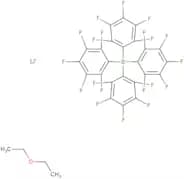
CAS:<p>tert-Butyl 3-(4,4,5,5-tetramethyl-1,3,2-dioxaborolan-2-yl)-5,6-dihydropyridine-1(2H)-carboxylate is a chemical compound that is used as a reagent in organic synthesis. It is also used as a building block for the preparation of other compounds. This compound can be used in the synthesis of complex molecules such as heterocycles and natural products.</p>Fórmula:C16H28BNO4Pureza:Min. 95%Forma y color:PowderPeso molecular:309.21 g/molLithium Tetrakis(pentafluorophenyl)borate - Ethyl Ether Complex
CAS:Producto controlado<p>Lithium tetrakis(pentafluorophenyl)borate - ethyl ether complex is a ligand that has the ability to bind to magnesium. The complex is highly soluble in organic solvents such as ethylene and ether, but not in water. It can be used to produce high yields of ethylene with magnesium as a co-catalyst. The complex binds to magnesium by forming a six-membered ring with the borate group and two oxygen atoms from the ether molecule. The crystal structure of this complex was determined using x-ray crystallography. This complex has been found naturally in plants such as spinach and beets, although it is not yet known what role it plays in these plants.</p>Pureza:70%Nmr1-(4-Fluorophenyl)pyrazole-4-boronic acid
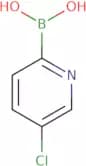
CAS:<p>Please enquire for more information about 1-(4-Fluorophenyl)pyrazole-4-boronic acid including the price, delivery time and more detailed product information at the technical inquiry form on this page</p>Fórmula:C9H8BFN2O2Pureza:Min. 95%Peso molecular:205.98 g/mol5-Chloropyridine-2-boronicacid
CAS:<p>Please enquire for more information about 5-Chloropyridine-2-boronicacid including the price, delivery time and more detailed product information at the technical inquiry form on this page</p>Fórmula:C5H5BClNO2Pureza:Min. 95%Peso molecular:157.36 g/molBis(trimethylsilyl)acetylene
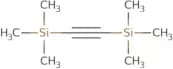
CAS:<p>Bis(trimethylsilyl)acetylene (bis-TMS) is a reactive ancillary that can be used in polymerization reactions as an initiator. The bis-TMS is prepared by reaction of trimethylsilyl chloride with acetylene to form the trimethylsilyl acetylene, which is then reacted with copper to generate the bis-TMS. Bis-TMS reacts with nucleophiles such as alcohols and amines to produce polymers through a nucleophilic attack. It also has been used for sample preparation for NMR spectra. Bis-TMS is a synthetic compound that has been characterized using nmr spectroscopy and analytical methods. The molecular formula of bis-TMS is C8H16Si2 and its molecular weight is 196.13 g/mol. The chemical structure of bis-TMS consists of two benzyl groups connected by a single carbon bond at the 3 o'clock position on the central</p>Fórmula:C8H18Si2Pureza:Min. 95%Forma y color:Clear LiquidPeso molecular:170.4 g/mol



![1H-Benzo[d]imidazol-6-ylboronic acid](/_next/image/?url=https%3A%2Fstatic.cymitquimica.com%2Fproducts%2F3D%2Fthumb-webp%2FFH160014.webp&w=3840&q=75)

![2-[4-(tert-Butyldimethylsilyloxymethyl)-2-nitrophenoxy]acetic Acid](/_next/image/?url=https%3A%2Fstatic.cymitquimica.com%2Fproducts%2F3D%2Fthumb-webp%2FFB60313.webp&w=3840&q=75)
![[2-(Difluoromethyl)phenyl]boronic acid](/_next/image/?url=https%3A%2Fstatic.cymitquimica.com%2Fproducts%2F3D%2Fthumb-webp%2FFD84620.webp&w=3840&q=75)