Compuestos de organosilicio
En esta sección, encontrará un gran número de compuestos organosilícicos. Los compuestos organosilícicos se caracterizan por átomos de carbono unidos a átomos de silicio. También pueden estar presentes otros compuestos no metálicos. Estos compuestos son ampliamente utilizados en síntesis orgánica, ciencia de materiales y productos farmacéuticos debido a sus propiedades químicas únicas. En CymitQuimica, ofrecemos una amplia gama de compuestos organosilícicos de alta calidad para apoyar sus investigaciones y proyectos industriales.
Subcategorías de "Compuestos de organosilicio"
Se han encontrado 4325 productos de "Compuestos de organosilicio"
Ordenar por
Pureza (%)
0
100
|
0
|
50
|
90
|
95
|
100
ε-Carotene
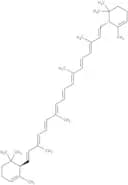
CAS:<p>Epsilon-Carotene is a carotenoid that is found in plants. It is synthesized from beta-carotene through the action of enzymes called beta-carotene ketolases. Epsilon-Carotene can be cleaved by enzymes to produce lycopene and beta-cryptoxanthin. The biosynthesis of Epsilon-Carotene has been studied in a number of clinical studies, including the effect on human tissues and the prevention of cancer. Epsilon-Carotene has also been shown to have anti-inflammatory properties, which may be due to its ability to inhibit prostaglandin synthesis.</p>Fórmula:C40H56Pureza:Min. 95%Peso molecular:536.87 g/mol1-Hexyl-o-carborane
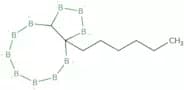
CAS:Producto controlado<p>1-Hexyl-o-carborane is a human bioassay that has shown carcinogenic activity. It has been observed to cause cancer in humans through its ability to bind to DNA and alter the cell cycle. 1-Hexyl-o-carborane is an organometallic compound that binds to ferrocene and other organometallic compounds, preventing their use as anticancer drugs. 1-Hexyl-o-carborane can be synthesized by reacting hexylmagnesium bromide with ammonium carbonyl chloride in a one pot reaction.</p>Fórmula:C8B10H24Pureza:Min. 95%Peso molecular:228.39 g/mol4-Amino-2-methylphenylboronic acid, pinacol ester
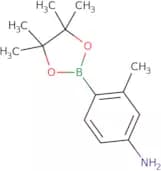
CAS:<p>Please enquire for more information about 4-Amino-2-methylphenylboronic acid, pinacol ester including the price, delivery time and more detailed product information at the technical inquiry form on this page</p>Fórmula:C13H20BNO2Pureza:Min. 95%Peso molecular:233.11 g/mol3-Chloro-4-cyanophenylboronic acid
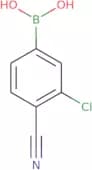
CAS:Producto controlado<p>Please enquire for more information about 3-Chloro-4-cyanophenylboronic acid including the price, delivery time and more detailed product information at the technical inquiry form on this page</p>Fórmula:C7H5BClNO2Pureza:Min. 95%Peso molecular:181.38 g/molTrimethylchlorosilane
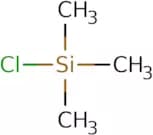
CAS:<p>Trimethylchlorosilane is a model system for the study of chloride ion transport across lipid membranes. It has been shown that this molecule can form a disulfide bond with glutathione and may have synergistic effects with other drugs, such as metronidazole, to treat bowel disease. Trimethylchlorosilane can also be used in analytical methods for measuring chloride ions in wastewater and other samples. The x-ray crystal structures of trimethylchlorosilane anhydrous sodium salt have been determined at room temperature. The hydrogen fluoride molecule binds to the pyrazole ring and the chlorine atom forms a covalent bond with the hydroxyl group on one of the water molecules. The reaction solution is heated to produce trimethylchlorosilane, which is then cooled to room temperature again, during which time it crystallizes out of solution.</p>Fórmula:C3H9ClSiPureza:Min. 95%Forma y color:Clear LiquidPeso molecular:108.64 g/molPhenyl-1,2-carborane
CAS:Producto controlado<p>Please enquire for more information about Phenyl-1,2-carborane including the price, delivery time and more detailed product information at the technical inquiry form on this page</p>Fórmula:C8H16B10Pureza:Min. 95%Forma y color:Colourless Or White To Off-White Solid Or Liquid (May Vary)Peso molecular:220.32 g/mol1-Butyl-3-methylimidazolium terafluoroborate
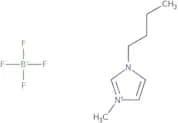
CAS:<p>1-Butyl-3-methylimidazolium terafluoroborate is an ionic liquid that has been used in a number of research applications.</p>Fórmula:C8H15N2·BF4Pureza:Min. 95%Forma y color:Colorless PowderPeso molecular:226.02 g/mol5-(4,4,5,5-Tetramethyl-1,3,2-dioxaborolan-2-yl)isoindolin-1-one
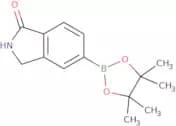
CAS:<p>Please enquire for more information about 5-(4,4,5,5-Tetramethyl-1,3,2-dioxaborolan-2-yl)isoindolin-1-one including the price, delivery time and more detailed product information at the technical inquiry form on this page</p>Fórmula:C14H18BNO3Pureza:Min. 95%Peso molecular:259.11 g/mol1-(Trimethylsilyloxy)cyclohexene
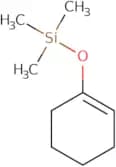
CAS:<p>The trimethylsilyloxy group is a very efficient method for the synthesis of antireflection coatings consisting of metal carbonyls. One such metal carbonyl is tetradentate zirconium oxide. Tetradentate zirconium oxide has been shown to be a good catalyst for the reaction between triflic acid and 1-(trimethylsilyloxy)cyclohexene. The ethyl group on the 1-carbon atom of 1-(trimethylsilyloxy)cyclohexene allows it to coordinate with the zirconium atom in tetradentate zirconium oxide, while the triflic acid acts as an acid catalyst to increase the rate of reaction.</p>Fórmula:C9H18OSiPureza:Min. 95%Peso molecular:170.32 g/molBromotrimethylsilane
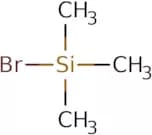
CAS:<p>Bromotrimethylsilane is an inhibitor of the enzyme hydroxyl methyl transferases. It binds to the penicillin-binding protein and inhibits the activity of this enzyme, which is involved in the synthesis of bacterial cell walls. Bromotrimethylsilane has been shown to be active against murine sarcoma virus and other viruses as well as bacterial growth. This compound has also been shown to inhibit the growth of several types of cancer cells, including leukemia cells from mice.</p>Fórmula:C3H9BrSiPureza:Min. 95%Forma y color:Colorless Clear LiquidPeso molecular:153.09 g/mol(5-Chloropyridin-3-yl)boronic acid
CAS:<p>Please enquire for more information about (5-Chloropyridin-3-yl)boronic acid including the price, delivery time and more detailed product information at the technical inquiry form on this page</p>Fórmula:C5H5BClNO2Pureza:Min. 95%Peso molecular:157.36 g/mol3-(4-Oxopiperidine-1-carbonyl)phenylboronic acid
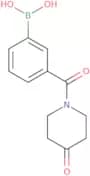
CAS:Producto controlado<p>Please enquire for more information about 3-(4-Oxopiperidine-1-carbonyl)phenylboronic acid including the price, delivery time and more detailed product information at the technical inquiry form on this page</p>Fórmula:C12H14BNO4Pureza:Min. 95%Peso molecular:247.05 g/mol4-(Difluoromethoxy)phenylboronic acid
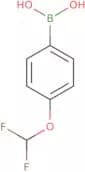
CAS:<p>Please enquire for more information about 4-(Difluoromethoxy)phenylboronic acid including the price, delivery time and more detailed product information at the technical inquiry form on this page</p>Fórmula:C7H7BF2O3Pureza:Min. 95%Peso molecular:187.94 g/mol2-Chloro-4-fluoropyridine-5-boronic acid, pinacol ester
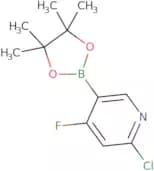
CAS:<p>Please enquire for more information about 2-Chloro-4-fluoropyridine-5-boronic acid, pinacol ester including the price, delivery time and more detailed product information at the technical inquiry form on this page</p>Fórmula:C11H14BClFNO2Pureza:Min. 95%Peso molecular:257.5 g/molNonafluorohexyltrichlorosilane
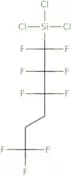
CAS:<p>Nonafluorohexyltrichlorosilane is a silicon-based surfactant that can be used as a surface treatment agent. It is hydrophilic and has excellent wetting properties. Nonafluorohexyltrichlorosilane is also an effective coagulant, which makes it useful for the treatment of wastewater containing suspended solids. This agent can be used to coat surfaces with silicon to make them more hydrophobic, making it useful in the production of photoreceptors, emulsions, and immobilized cell culture. The chemical structure of Nonafluorohexyltrichlorosilane allows it to be easily synthesized by the reaction between chlorosilanes and alcohols.</p>Fórmula:C6H4Cl3F9SiPureza:Min. 95%Forma y color:Clear LiquidPeso molecular:381.53 g/molO-(Tert-Butyldimethylsilyl)hydroxylamine
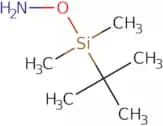
CAS:<p>O-(Tert-butyldimethylsilyl)hydroxylamine is a stereospecific, oxidized, insoluble, tautomeric hydroxamic acid. It is used as a reagent in organic synthesis to form lactams by reaction with hexamethylenetetramine. The compound can be prepared by treatment of hydroxylamine with diacetate in the presence of aluminium chloride. The product is an orange liquid that crystallizes from water, but is not soluble in most organic solvents.</p>Fórmula:C6H17NOSiPureza:Min. 95%Peso molecular:147.29 g/molN-(2-Aminoethyl)-3-aminopropylmethyldimethoxysilane
CAS:<p>N-(2-Aminoethyl)-3-aminopropylmethyldimethoxysilane is an antibacterial agent that inhibits the growth of bacteria by binding to the cell wall, thereby preventing the synthesis of proteins. It is used in dentistry and medicine as a coating for metal surfaces. This compound has been shown to be effective against Escherichia coli and Enterococcus faecalis. The optimum concentration for this compound is 1 mg/mL.</p>Fórmula:C8H22N2O2SiPureza:Min. 95%Peso molecular:206.36 g/mol[2-(Difluoromethyl)phenyl]boronic acid
CAS:<p>Please enquire for more information about [2-(Difluoromethyl)phenyl]boronic acid including the price, delivery time and more detailed product information at the technical inquiry form on this page</p>Fórmula:C7H7BF2O2Pureza:Min. 95%Peso molecular:171.94 g/mol5-Fluoropyridine-2-boronic acid
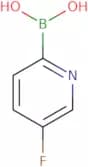
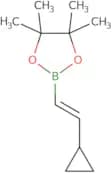
CAS:<p>Please enquire for more information about 5-Fluoropyridine-2-boronic acid including the price, delivery time and more detailed product information at the technical inquiry form on this page</p>Fórmula:C5H5BFNO2Pureza:Min. 95%Peso molecular:140.91 g/mol(trans)-2-Cyclopropylvinylboronic acid pinacol ester
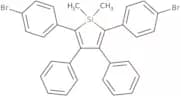
CAS:<p>Please enquire for more information about (trans)-2-Cyclopropylvinylboronic acid pinacol ester including the price, delivery time and more detailed product information at the technical inquiry form on this page</p>Fórmula:C11H19BO2Pureza:Min. 95%Peso molecular:194.08 g/mol2,5-Bis(4-bromophenyl)-1,1-dimethyl-3,4-diphenylsilole
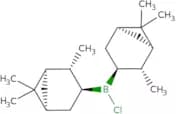
CAS:<p>Please enquire for more information about 2,5-Bis(4-bromophenyl)-1,1-dimethyl-3,4-diphenylsilole including the price, delivery time and more detailed product information at the technical inquiry form on this page</p>Fórmula:C30H24Br2SiPureza:Min. 95%Peso molecular:572.41 g/mol(+)-B-Chlorodiisopinocampheylborane - 60-65% in Hexane
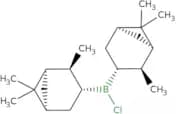
CAS:<p>(+)-B-Chlorodiisopinocampheylborane is a chiral organoboron reagent that can be used for the enantioselective synthesis of amines. It is prepared from the reaction of chlorodiphenyl borane with (+)-diaminobenzene in hexane. The product can be purified by column chromatography or recrystallization. (+)-B-Chlorodiisopinocampheylborane can also be used in the synthesis of other compounds, such as pyrroles and pantolactones. It is an excellent catalyst for the dehydration of primary amines to give unsymmetrical ketones. This reagent has been shown to be effective in asymmetric hydrogenation reactions, such as the reduction of chiral secondary alcohols, and is also capable of catalyzing aldol reactions.</p>Fórmula:C20H34BClPureza:Min. 95%Forma y color:Clear LiquidPeso molecular:320.75 g/molm-Carborane
CAS:Producto controlado<p>m-Carborane is a molecule that is composed of a chlorine atom and an aromatic hydrocarbon. m-Carborane has been shown to be an estrogen receptor modulator, which may have potential as a drug for the prevention or treatment of hormone-related diseases. This compound has also been shown to act as a fluorophore and to have high melting points. It forms hydrogen bonds with other molecules and can bind to progesterone receptors, which are found in breast cancer cells. These interactions have been studied using x-ray crystal structures and microscopy studies on MCF-7 cells.</p>Fórmula:C2H12B10Pureza:Min. 95%Forma y color:White powder(solid)Peso molecular:144.23 g/molO-Benzyl psilocybin
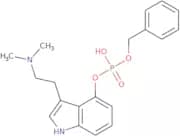
CAS:Producto controlado<p>O-Benzyl psilocybin is a hydrophobic molecule with an affinity for lipase. It has been shown to exhibit growth inhibition on malignant cells in tissue culture, and has been investigated as a potential anticancer agent. O-Benzyl psilocybin is also able to inhibit the activity of plasminogen activator inhibitor-1 (PAI-1), which is involved in cancer progression and metastasis. This compound may be used as an anticancer drug or as a prophylactic agent against cancer. It may also be useful in treating other conditions such as atherosclerosis and restenosis, where PAI-1 plays a significant role. O-Benzyl psilocybin has been found to have anti-inflammatory properties that may be due to its ability to inhibit the production of prostaglandin E2 from arachidonic acid.</p>Fórmula:C19H23N2O4PPureza:Min. 95%Peso molecular:374.37 g/mol3-Chloro-4-methoxyphenylboronic acid
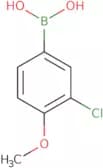
CAS:<p>Please enquire for more information about 3-Chloro-4-methoxyphenylboronic acid including the price, delivery time and more detailed product information at the technical inquiry form on this page</p>Fórmula:C7H8BClO3Pureza:Min. 95%Peso molecular:186.4 g/mol4-(Trifluoromethoxy)phenylboronic Acid (contains varying amounts of Anhydride)
CAS:<p>4-(Trifluoromethoxy)phenylboronic acid is a boron-containing compound that has been shown to be a potent inhibitor of the histone deacetylase (HDAC) enzyme. It also has surfactant properties and can be used as a photochemical reagent. 4-(Trifluoromethoxy)phenylboronic acid is orally bioavailable and may have therapeutic potential for neurodegenerative diseases, such as Alzheimer's disease, Parkinson's disease, and Huntington's disease. It also has the ability to inhibit cancer cell growth by inhibiting HDAC activity. This drug has been found to cross-couple with organosilicon compounds in order to form new compounds with potent inhibitory activity against HDAC enzymes.</p>Fórmula:C7H6BF3O3Pureza:Min. 95%Peso molecular:205.93 g/molDichlorodiisopropylsilane
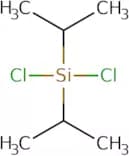
CAS:<p>Dichlorodiisopropylsilane is a cycloaddition process, which is the addition of two molecules to create a new ring. It reacts with an unsaturated organic compound, such as an alkene or alkyne, to produce a reactive functional group. Dichlorodiisopropylsilane has been used in chemistry as a cross-linking agent for proteins and as a solid catalyst. The chemical stability of dichlorodiisopropylsilane makes it useful in the synthesis of model proteins. This compound also has low bioavailability due to its high reactivity with hydrochloric acid found in the stomach.</p>Fórmula:C6H14Cl2SiPureza:Min. 95%Forma y color:Clear LiquidPeso molecular:185.17 g/mol4-Piperazinylphenylboronic acid, pinacol ester
CAS:<p>Please enquire for more information about 4-Piperazinylphenylboronic acid, pinacol ester including the price, delivery time and more detailed product information at the technical inquiry form on this page</p>Fórmula:C16H25BN2O2Pureza:Min. 95%Forma y color:PowderPeso molecular:288.19 g/mol4-(Bromomethyl)benzeneboronic acid pinacol ester
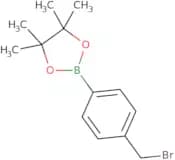
CAS:<p>4-(Bromomethyl)benzeneboronic acid pinacol ester (BBBA) is a hypochlorous acid derivative with a structural formula of C6H5BrOCH2. It is used as a fluorophore and has been shown to have anticancer activity. 4-Bromomethylbenzeneboronic acid pinacol ester reacts with hydrophobic molecules in the cell membrane, leading to disruption of the membrane and ultimately cell death. This compound can be used as an active oxygen source in biological assays, such as functional assays, because it generates reactive oxygen species and can act as a fluorescence probe for detection of biological samples.</p>Fórmula:C13H18BBrO2Pureza:Min. 95 Area-%Forma y color:White PowderPeso molecular:297 g/mol6-(4,4,5,5-Tetramethyl-1,3,2-dioxaborolan-2-yl)-2,3-dihydrobenzo-1,4-dioxoline
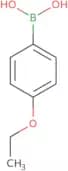
CAS:<p>Please enquire for more information about 6-(4,4,5,5-Tetramethyl-1,3,2-dioxaborolan-2-yl)-2,3-dihydrobenzo-1,4-dioxoline including the price, delivery time and more detailed product information at the technical inquiry form on this page</p>Fórmula:C14H19BO4Pureza:Min. 95%Peso molecular:262.11 g/mol(4-Ethoxyphenyl)boronic acid
CAS:<p>4-Ethoxyphenylboronic acid is a boron-containing compound that has been shown to have potent antiviral activity. This compound is synthesized from adipose tissue and optical properties of the phenoxazine derivative are studied in order to find an efficient process for solid-phase synthesis. 4-Ethoxyphenylboronic acid has been shown to inhibit triglyceride lipase and fatty acid, which may be an important drug target. It has also been found to have potent antagonistic effects on fatty acids.</p>Fórmula:C8H11BO3Pureza:Min. 95%Peso molecular:165.98 g/mol1H-Benzo[d]imidazol-6-ylboronic acid
CAS:<p>Please enquire for more information about 1H-Benzo[d]imidazol-6-ylboronic acid including the price, delivery time and more detailed product information at the technical inquiry form on this page</p>Fórmula:C7H7BN2O2Pureza:Min. 95%Peso molecular:161.95 g/molBoron carbide - 10um particle size
CAS:Producto controlado<p>Boron carbide is a hard, refractory material with high melting point. It is used in the production of ceramic and as a catalyst. Boron carbide has been shown to be effective in the treatment of wastewater due to its ability to adsorb organic matter and heavy metals. Boron carbide also has thermal expansion properties that make it suitable for use in various engineering applications. Boron carbide is composed of boron and carbon atoms, which interact through steric effects. The nitrogen atoms on the surface of boron carbide particles are responsible for its reactivity with other materials, such as silicon or zirconium oxide. The kinetic energy of the reaction mechanism can be determined by examining the surface methodology of boron carbide particles with a microscope.</p>Fórmula:B4CPureza:Min. 95%Peso molecular:55.25 g/mol2-[4-(tert-Butyldimethylsilyloxymethyl)-2-nitrophenoxy]acetic Acid
CAS:<p>Please enquire for more information about 2-[4-(tert-Butyldimethylsilyloxymethyl)-2-nitrophenoxy]acetic Acid including the price, delivery time and more detailed product information at the technical inquiry form on this page</p>Fórmula:C15H23NO6SiPureza:Min. 95%Peso molecular:341.43 g/molO-Benzyl psilocin
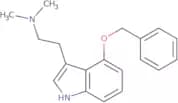
CAS:Producto controlado<p>O-Benzyl psilocin is a form of the hallucinogenic drug psilocybin. Psilocybin and other related substances are classified as indole alkaloids, which are synthesised by the enzyme tryptophan decarboxylase. O-Benzyl psilocin is synthesised in a two-step reaction that involves catalytic hydrogenation of 4-hydroxyindole to 4-hydroxyphenylacetaldehyde followed by formylation of the latter with formic acid or paraformaldehyde. It was first isolated from sheep's blood serum in 1958 and has been used as an immunogen to produce antisera against cocaine and serotonin. This substance also utilizes a number of endogenous substances for its metabolism, including dopamine, serotonin, noradrenaline, and adrenaline.</p>Fórmula:C19H22N2OPureza:Min. 95%Peso molecular:294.39 g/mol2-Hydroxypyrimidine-5-boronicacid
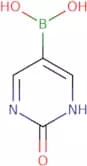
CAS:<p>Please enquire for more information about 2-Hydroxypyrimidine-5-boronicacid including the price, delivery time and more detailed product information at the technical inquiry form on this page</p>Fórmula:C4H5BN2O3Pureza:Min. 95%Peso molecular:139.91 g/molDiisopropyl(bromomethyl)boronate
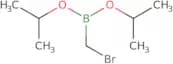
CAS:<p>Diisopropyl(bromomethyl)boronate is a reagent used in organic synthesis. It is an alkynyl boronic ester that reacts with alkenes to form new carbon-carbon bonds. Diisopropyl(bromomethyl)boronate can be used for the asymmetric synthesis of α,β-unsaturated carbonyl compounds and other oxidations of aldehydes and ketones. This reagent has been shown to have a high yield, solvents are not required for its preparation, and it is stable at room temperature. Diisopropyl(bromomethyl)boronate also reacts with haloalkanes and argon gas to generate organoboranes.</p>Fórmula:C7H16BBrO2Pureza:Min. 95%Peso molecular:222.92 g/mol(4-Aminophenyl)boronic acid pinacol ester
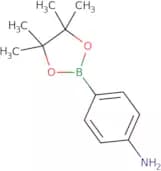
CAS:<p>(4-Aminophenyl)boronic acid pinacol ester is a semiconducting material that can be used in thin film devices. It has been shown to be a good candidate for transistor and device applications due to its high yield, low cost, and high stability. This compound can also be used to modify the structure of other compounds through substitution reactions. (4-Aminophenyl)boronic acid pinacol ester has been synthesized from inexpensive starting materials, such as triphenylamine and amines.</p>Fórmula:C12H18BNO2Pureza:Min. 95%Forma y color:White PowderPeso molecular:219.09 g/molTriisopropanolamine Borate
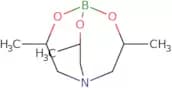
CAS:<p>Triisopropanolamine borate is an organic compound with the formula (CH3)3N(CH2)3OH. It is a colorless liquid with a sweet, amine-like odor. Triisopropanolamine borate is widely used as a cross-linking agent in coatings, and as a reactive functional group in polycarboxylic acid synthesis and cationic polymerization. It also has been used as a blood pressure lowering agent and to treat high calcium levels in the blood. The chemical structure of triisopropanolamine borate can be seen below: Triisopropanolamine Borate, Chemical Structure The chemical formula for triisopropanolamine borate is CH3N(CH2)3OH. Triisopropanolamine borate has many applications due to its reactive functional groups, including cross-linking agents for coatings and polycarboxylic acid synthesis</p>Fórmula:C9H18BNO3Pureza:Min. 95%Peso molecular:199.06 g/mol2-Aminopyrimidine-5-boronic acid pinacol ester
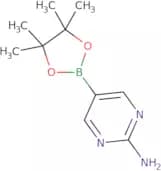
CAS:<p>2-Aminopyrimidine-5-boronic acid pinacol ester is a boronic acid derivative that has been shown to inhibit the activity of protein kinase C. This compound is also an effective linker for cross-coupling reactions and has a low reactivity with nucleophiles, which makes it safer than other boronic acids. 2-Aminopyrimidine-5-boronic acid pinacol ester has been shown to be potent against cancer cells in vitro and in vivo and synthetic cells. 2-Aminopyrimidine-5-boronic acid pinacol ester inhibits the growth of cancer cells by binding to the ATP site on protein kinase C, thereby inhibiting its function.</p>Fórmula:C10H16BN3O2Pureza:Min. 95 Area-%Forma y color:PowderPeso molecular:221.06 g/mol1-Methylindole-3-boronic acid pinacol ester
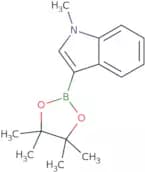
CAS:<p>Please enquire for more information about 1-Methylindole-3-boronic acid pinacol ester including the price, delivery time and more detailed product information at the technical inquiry form on this page</p>Fórmula:C15H20BNO2Pureza:Min. 95%Peso molecular:257.14 g/molTriethoxy(propyl)silane
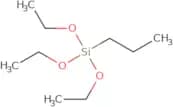
CAS:<p>Triethoxy(propyl)silane is an organosilicon compound that has reactive properties. It is a polymeric material that can be used as a component in paints, coatings, and sealants. The reaction of triethoxy(propyl)silane with sodium hydroxide solution yields hydrogen fluoride, water vapor, and hydrochloric acid. Triethoxy(propyl)silane has been shown to react with hydroxide solution to form polycarboxylic acids. The hydroxyl group on the triethoxy(propyl)silane molecule is responsible for the transport properties of this compound.</p>Fórmula:C9H22O3SiPureza:Min. 95%Peso molecular:206.35 g/mol(-)-B-Chlorodiisopinocampheylborane, 60% in Hexane, ca. 1.7mol/L
CAS:<p>(-)-B-Chlorodiisopinocampheylborane is a carbonyl group that can be used for asymmetric synthesis. It was synthesized from the reaction of chlorodiisopinocampheylborane with butyllithium and allyl bromide, followed by aqueous workup. The enantiomers were separated through thin layer chromatography on silica gel plates with hexane as the eluent. The resolution of racemic latanoprost lactol was achieved in the same manner. (-)-B-Chlorodiisopinocampheylborane is also a diketone that can be prepared from para-chloroacetophenone and sodium hydroxide in ethanol. This diketone undergoes an intramolecular cyclization to produce noradrenaline (norepinephrine) and hydrochloric acid, which can then be converted into dioxolanes or other products.</p>Fórmula:C20H34BClPureza:Min. 95%Forma y color:Clear LiquidPeso molecular:320.75 g/molBis (1,5-Cyclooctadiene) rhodium(I)tetrafluoroborate
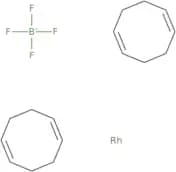
CAS:<p>Bis (1,5-Cyclooctadiene) rhodium(I)tetrafluoroborate (BODIPY) is a catalyst that enhances the rate of hydrosilylation reactions. This catalyst has been shown to be effective in the synthesis of aryl chlorides from amines and aldehydes with high enantioselectivity. BODIPY is also immobilized on silica gel to create an active catalyst for asymmetric synthesis. The immobilization process on silica gel is done by reacting BODIPY with ammonium formate and amines. The resulting catalyst can be used for the synthesis of functionalized organic compounds, such as pyrrolidines, tetrahydrofurans, and thiophenes.</p>Fórmula:C16H24BF4RhPureza:Min. 95%Peso molecular:406.07 g/mol2-Chloro-3-ethylbenzoxazolium tetrafluoroborate
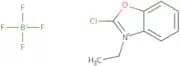
CAS:<p>2-Chloro-3-ethylbenzoxazolium tetrafluoroborate is a synthetic compound that inhibits the enzyme maltase. This compound is used in the treatment of diabetic patients with intestinal maltase deficiency and has been shown to be effective in clinical studies. 2-Chloro-3-ethylbenzoxazolium tetrafluoroborate has also been shown to inhibit other enzymes, such as thiocarbamate synthetase and aminooxazoline synthetase, which are involved in the biosynthesis of chlorinated pesticides and herbicides. The chloride ion is necessary for this inhibition activity. The compound can be prepared by a preparative method that involves hexaacetate and chloride ion or by using an aglycone, trehalamine, or stereospecific method.</p>Fórmula:C9H9BClF4NOPureza:Min. 95%Forma y color:PowderPeso molecular:269.43 g/mol3-Aminopropyltrimethoxysilane
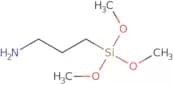
CAS:<p>3-Aminopropyltrimethoxysilane is a chemical that belongs to the group of aminopropyltriethoxysilanes. It is a reactive substance and is commonly used as an additive in adhesives and sealants. 3-Aminopropyltrimethoxysilane has been shown to be an efficient coupling agent for the formation of hydroxyl groups on nanoparticles, which are then used as drug carriers. The optimum concentration of 3-aminopropyltrimethoxysilane lies between 0.01 and 0.1 M, with a pH range of 6 and 8. This chemical can react with hydrochloric acid, resulting in the production of hydrogen gas; with cervical cancer cells in culture, leading to cell death; or with skin cells, causing damage to their transport properties.</p>Fórmula:C6H17NO3SiPureza:Min. 95%Forma y color:Clear LiquidPeso molecular:179.29 g/molTetrahydroxydiborane
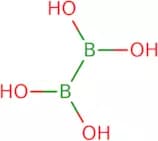
CAS:<p>Tetrahydroxydiborane is an organic compound that contains a hydroxyl group. It has been shown to be an effective nucleophile in the mechanism studies of hydrolysis of halides and nitro compounds. Tetrahydroxydiborane is also used in the Suzuki coupling reaction, which is a chemical reaction between an aryl halide and sodium carbonate, as well as in cationic polymerization. This compound may also have biological applications such as the use of tetrahydroxydiborane as a fluorescence probe for optical sensor detection of autoimmune diseases.</p>Fórmula:H4B2O4Pureza:Min. 95%Forma y color:White PowderPeso molecular:89.65 g/molSodium triacetoxyborohydride
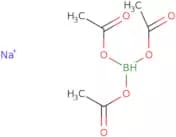
CAS:<p>Sodium triacetoxyborohydride is an oxidizing agent that is used in organic synthesis as a reagent for the reduction of esters and nitriles to alcohols and amines, respectively. This compound has been shown to be effective in reducing the activity of ccr5 receptors, which are important in HIV infection. Sodium triacetoxyborohydride can also be used to reduce antibodies, such as monoclonal antibodies, that have been conjugated with drugs or toxins to produce immunotoxins. Sodium triacetoxyborohydride has also been shown to be an effective agent for the treatment of inflammatory bowel disease and cancer therapy. It has been found to be toxic to some bacteria, fungi, and protozoa.</p>Fórmula:C6H10BNaO6Forma y color:White PowderPeso molecular:211.94 g/mol9,9-Bis(2-ethylhexyl)fluorene-2,7-bis(boronic acidpinacolester)
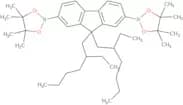
CAS:<p>Please enquire for more information about 9,9-Bis(2-ethylhexyl)fluorene-2,7-bis(boronic acidpinacolester) including the price, delivery time and more detailed product information at the technical inquiry form on this page</p>Fórmula:C41H64B2O4Pureza:Min. 95%Peso molecular:642.57 g/mol2-Ethoxyphenylboronic acid
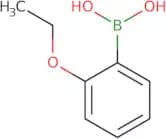
CAS:<p>Ethoxyphenylboronic acid is a triazine compound which inhibits inflammation by inhibiting the kinase that catalyzes the phosphorylation of arachidonic acid. It also inhibits lipid kinase, which is involved in the metabolism of lipids, and it has been shown to inhibit cancer cell growth through hydrogen bond interactions with DNA. Ethoxyphenylboronic acid has been shown to have anti-inflammatory properties and may be useful for the treatment of inflammatory diseases such as arthritis. The compound can also inhibit hydrogen peroxide-induced oxidative damage in cells, due to its ability to release intracellular glutathione.</p>Fórmula:C8H11BO3Pureza:Min. 95%Peso molecular:165.98 g/mol



![[2-(Difluoromethyl)phenyl]boronic acid](/_next/image/?url=https%3A%2Fstatic.cymitquimica.com%2Fproducts%2F3D%2Fthumb-webp%2FFD84620.webp&w=3840&q=75)



![1H-Benzo[d]imidazol-6-ylboronic acid](/_next/image/?url=https%3A%2Fstatic.cymitquimica.com%2Fproducts%2F3D%2Fthumb-webp%2FFH160014.webp&w=3840&q=75)
![2-[4-(tert-Butyldimethylsilyloxymethyl)-2-nitrophenoxy]acetic Acid](/_next/image/?url=https%3A%2Fstatic.cymitquimica.com%2Fproducts%2F3D%2Fthumb-webp%2FFB60313.webp&w=3840&q=75)