Haluros orgánicos
En esta categoría, encontrará moléculas orgánicas que contienen uno o más átomos de halógeno en su estructura. Estos haluros orgánicos incluyen compuestos bromados, yodados, clorados y haluros cíclicos. Los haluros orgánicos se utilizan ampliamente en la síntesis orgánica, productos farmacéuticos, agroquímicos y ciencia de materiales debido a su reactividad y capacidad para someterse a diversas transformaciones químicas. En CymitQuimica, ofrecemos una selección integral de haluros orgánicos de alta calidad para apoyar sus aplicaciones de investigación e industriales, garantizando un rendimiento confiable y efectivo en sus proyectos sintéticos y analíticos.
Subcategorías de "Haluros orgánicos"
Se han encontrado 20437 productos de "Haluros orgánicos"
Ordenar por
Pureza (%)
0
100
|
0
|
50
|
90
|
95
|
100
2-Bromo-2-octyltetradecane
CAS:Producto controladoFórmula:C22H45BrForma y color:NeatPeso molecular:389.4971,3-Bis(2-hydroxyhexafluoroisopropyl)benzene
CAS:Producto controlado<p>Applications 1,3-Bis(2-hydroxyhexafluoroisopropyl)benzene (cas# 802-93-7) is a useful research chemical.<br></p>Fórmula:C12H6F12O2Forma y color:NeatPeso molecular:410.163-Fluoropyruvic Acid
CAS:Producto controlado<p>Applications 3-Fluoropyruvic Acid is a useful building block and has been proposed to have a mechanistic effect on the inactivation of mandelate racemase.<br>References Nagar, M.; et al.: Biochemistry, 54, 2747 (2015).<br></p>Fórmula:C3H3FO3Forma y color:NeatPeso molecular:106.0522-Chloro-3-hydroxybenzoic Acid
CAS:Producto controlado<p>Applications 2-Chloro-3-hydroxybenzoic acid (cas# 51786-10-8) is a useful research chemical.<br></p>Fórmula:C7H5O3ClForma y color:NeatPeso molecular:172.578-Bromo-norlaudanosoline Hydrobromide
Producto controladoFórmula:C16H16BrNO4·HBrForma y color:NeatPeso molecular:447.1184-Amino-1-(trifluoromethyl)cyclohexanol Hydrochloride
CAS:Producto controladoFórmula:C7H12F3NO·HClForma y color:NeatPeso molecular:219.6322-Chloroethylphosphoryl Dichloride
CAS:Producto controlado<p>Stability Moisture Sensitive<br>Applications 2-Chloroethylphosphoryl Dichloride (cas# 1455-05-6) is a useful research chemical.<br></p>Fórmula:C2H4O2PCl3Forma y color:NeatPeso molecular:197.382-Bromo-6-chlorobenzoic Acid
CAS:Producto controlado<p>Applications 2-Bromo-6-chlorobenzoic acid is used in the syntheis of Diclofenac Monobromo Sodium Salt Impurity (D436490).<br> Not a dangerous good if item is equal to or less than 1g/ml and there is less than 100g/ml in the package<br>References Moser, P., et al.: J. Med. Chem., 33, 2358 (1990),<br></p>Fórmula:C7H4BrClO2Forma y color:NeatPeso molecular:235.461,2,4,5-Tetrabromobenzene
CAS:Producto controlado<p>Stability Light Sensitive<br>Applications 1,2,4,5-Tetrabromobenzene is a useful synthetic intermediate. It is used as a building block to prepare various aryl containing compounds such as tetrabenzanthracene, substituted pentacenes [pentacene (P237770)], n-stacking tetracene (N377650) derivatives and so on.<br>References Hilton, C., et al.: J. Am. Chem. Soc., 128, 14824 (2006); Zhao, Y., et al.: J. Org. Chem., 73, 5506 (2008); Chem, Z., et al.: Org. Lett., 8, 273 (2006)<br></p>Fórmula:C6H2Br4Forma y color:NeatPeso molecular:393.704-Fluoro-2-iodoaniline
CAS:Producto controlado<p>Applications 4-Fluoro-2-iodoaniline is a useful reactant for the synthesis of cyclohepta[b]indole scaffold via annulative two-carbon ring-expansion.<br>References Tymann, D. C., et al.: Chem. Eur. J, 26, 11974 (2020)<br></p>Fórmula:C6H5FINForma y color:NeatPeso molecular:237.014-(4-Chlorophenyl)-2-butanone
CAS:Producto controlado<p>Applications 4-(4-Chlorophenyl)-2-butanone has been used as a reactant in the preparation of diarylheptanoids as tumor necrosis factor-α (TNF-α) inhibitors.<br>References Dhuru, S., et. al.: Bioorg. Med. Chem. Lett., 21, 3784 (2011)<br></p>Fórmula:C10H11ClOForma y color:NeatPeso molecular:182.65Chloride Topramezone
Producto controladoFórmula:C16H16ClN3O5SForma y color:NeatPeso molecular:397.8333,4-Dichlorobenzyl bromide
CAS:Producto controlado<p>Applications 3,4-Dichlorobenzyl bromide<br></p>Fórmula:C7H5BrCl2Forma y color:NeatPeso molecular:239.936-Chloro-7-deazaguanine
CAS:Producto controlado<p>Applications 6-Chloro-7-deazaguanine (cas# 84955-31-7) is a compound useful in organic synthesis.<br></p>Fórmula:C6H5ClN4Forma y color:NeatPeso molecular:168.58N-(2-Chloroethyl)-N-(2-hydroxyethyl) Methylamine Picrate
CAS:Producto controladoFórmula:C5H12ClNO•C6H3N3O7Forma y color:NeatPeso molecular:137.61+(229.10)2,4,5-Tribromotoluene
CAS:Producto controlado<p>Applications 2,4,5-Tribromotoluene (cas# 3278-88-4) is a useful research chemical.<br></p>Fórmula:C7H5Br3Forma y color:NeatPeso molecular:328.822-(Benzyloxy)benzoyl chloride
CAS:Producto controladoFórmula:C14H11ClO2Forma y color:NeatPeso molecular:246.6893-(4-Fluorophenyl)cyclopentanone
CAS:Producto controlado<p>Applications 3-(4-FLUOROPHENYL)CYCLOPENTANONE (cas# 165591-10-6) is a useful research chemical.<br></p>Fórmula:C11H11FOForma y color:NeatPeso molecular:178.2(Difluoromethyl)trimethylsilane
CAS:Producto controladoFórmula:C4H10F2SiForma y color:NeatPeso molecular:124.2042-Fluoro-2-(p-tolyl)ethan-1-amine Hydrochloride
CAS:Producto controladoFórmula:C9H12FN•HClForma y color:NeatPeso molecular:153.20 + (36.46)Ethyl 4-Bromoacetoacetate
CAS:Producto controlado<p>Applications Ethyl 4-bromoacetoacetate<br></p>Fórmula:C6H9BrO3Forma y color:NeatPeso molecular:209.04(3R,4R)-N-Cyclohexyl-3-[[4-[(4-fluorophenyl)methoxy]benzoyl]amino]hexahydro-4-hydroxy-1H-azepine-1-carboxamide
CAS:Producto controladoFórmula:C27H34FN3O4Forma y color:NeatPeso molecular:483.5754-Chloro-3,5-difluorobenzenemethanol
CAS:Producto controladoFórmula:C7H5ClF2OForma y color:NeatPeso molecular:178.564Tempoxime Hydrochloride
CAS:Producto controladoFórmula:C9H18N2O•HClForma y color:NeatPeso molecular:170.25 +(36.46)9-Fluorenone
CAS:Producto controlado<p>Applications 9-Fluorenone is a polycyclic aromatic ketone that has photosensitizing properties and also has the ability to undergo electrochemical polymerization. 9-Fluorenone is used in industry as an initiator in visible-light cured resin systems. 9-Fluorenone has potentially toxic effects on humans, as exposure can cause DNA mutations.<br>References Cihaner, A., et al.: J. Elec. Chem., 568, 151 (2004); Li, Y., et al.: J. Biomed. Mater. Res. Part B-A, 84, 58 (2008); Okamoto, H., et al.: Org. Lett., 13, 2758 (2011)<br></p>Fórmula:C13H8OForma y color:NeatPeso molecular:180.202-(Bromomethyl)-5-(trifluoromethyl)furan
CAS:Producto controlado<p>Applications 2-(Bromomethyl)-5-(trifluoromethyl)furan is an intermediate used to prepare tertiary sulfonamides as liver X receptor antagonists. It is also used to synthesize hydantoin based inhibitors of MMP13 with potential use in osteoarthritis.<br>References Zuercher, W., et al.: J. Med. Chem., 53, 3412 (2010); De Savi, C., et al.: Bioorg. Med. Chem. Lett., 23, 4705 (2013)<br></p>Fórmula:C6H4BrF3OForma y color:NeatPeso molecular:228.991-Iodohexane
CAS:Producto controlado<p>Applications 1-Iodohexane (cas# 638-45-9) is a compound useful in organic synthesis.<br></p>Fórmula:C6H13IForma y color:NeatPeso molecular:212.075-Acetoxy-3-chloro-2-pentanone
CAS:Producto controlado<p>Applications 5-Acetoxy-3-chloro-2-pentanone (cas# 13051-49-5) is a compound useful in organic synthesis.<br></p>Fórmula:C7H11ClO3Forma y color:NeatPeso molecular:178.613-(2-Chlorophenyl)-2-fluoro-3-hydroxypropanoic Acid (Mixture of Diastereomers)
CAS:Producto controladoFórmula:C9H8ClFO3Forma y color:NeatPeso molecular:218.61(Ethoxycarbonylmethyl)triphenylphosphonium Bromide
CAS:Producto controlado<p>Applications (Ethoxycarbonylmethyl)triphenylphosphonium bromide is an intermediate in the synthesis of 3-Chloro-4-(dichloromethyl)-5-hydroxy-2(5H)-furanone-13C5, which is an isotope labelled Mutagen X (MX) is a chlorinated furanone that accounts for more of the mutagenic activity of drinking water than any other disinfection byproduct. DNA damages provoked by the six mutagens (furylframide, MX, 4-nitroquinoline N-oxide, sodium azide, 1-nitropyrene, and captan) used in the present study have been known to subject to the nucleotide excision repair system.<br>References Hakulinen, P., et al.: Toxicol. Lett., 151, 439 (2004), Richardson, S., et al.: Mutat. Res., 636, 178 (2007), Kim, J., et al.: Environ. Toxicol., 23, 319 (2008),<br></p>Fórmula:C22H22BrO2PForma y color:NeatPeso molecular:429.295-Bromo-1(2H)-phthalazinone
CAS:Producto controladoFórmula:C8H5BrN2OForma y color:NeatPeso molecular:225.0422-[[[(9H-Fluoren-9-ylmethoxy)carbonyl]amino]methoxy]acetic Acid
CAS:Producto controlado<p>Applications 2-[[[(9H-Fluoren-9-ylmethoxy)Carbonyl]Amino]Methoxy]-Acetic acid is a useful reagent in organic synthesis.<br></p>Fórmula:C18H17NO5Forma y color:NeatPeso molecular:327.3312,4,5-Trichlorobenzoyl Chloride
CAS:Producto controladoFórmula:C7H2Cl4OForma y color:NeatPeso molecular:243.9023-((2-((2-Chloroethyl)amino)ethyl)amino)propyl sorbitol phosphate Trifluoroacetic Acid
Producto controladoFórmula:C13H30ClN2O9P·x(C2HF3O2)Forma y color:NeatPeso molecular:424.8122-Chloro-5-[(dimethylcarbamoyl)amino]benzoic Acid
CAS:Producto controladoFórmula:C10H11ClN2O3Forma y color:NeatPeso molecular:242.659(S)-2-(1,3-Dioxo-1,3-Dihydro-isoindol-2-yl)-propionyl Chloride
CAS:Producto controladoFórmula:C11H8ClNO3Forma y color:NeatPeso molecular:237.639Methyl 5-Chloropentanoate
CAS:Producto controlado<p>Applications Methyl 5-chloropentanoate (cas# 14273-86-0) is a useful research chemical.<br></p>Fórmula:C6H11O2ClForma y color:NeatPeso molecular:150.61,1,1,2-Tetrachloroethane
CAS:Producto controlado<p>Applications 1,1,1,2-Tetrachloroethane is a chlorinated hydrocarbon and used as a solvent for cellulose, acetate, fat, waxes, greases, rubber, and sulfur. It is a contaminant in groundwater. 1,1,1,2-Tetrachloroethane can also induce heptotoxicity.Environmental contaminants; food contaminants.<br>References Lorah, M. M., and Olsen, L. D. Environ. Sci. Technol. 33, 227 (1999); Zheng, R. D., et al.: J Dig Dis. 13, 321 (2012)<br></p>Fórmula:C2H2Cl4Forma y color:ColourlessPeso molecular:167.852,2,2-Trifluoroethyl Chloroformate
CAS:Producto controladoFórmula:C3H2ClF3O2Forma y color:NeatPeso molecular:162.4952-Bromo-4,6-dimethoxybenzenamine
CAS:Producto controladoFórmula:C8H10BrNO2Forma y color:NeatPeso molecular:232.0752-(Chloromethyl)-5-phenyl-1,3,4-thiadiazole
CAS:Producto controladoFórmula:C9H7ClN2SForma y color:NeatPeso molecular:210.6832-Chloro-N-(9,10-dioxo-9,10-dihydroanthracen-2-yl)acetamide
CAS:Producto controladoFórmula:C16H10ClNO3Forma y color:NeatPeso molecular:299.7092-Acetamido-4-fluorophenylboronic Acid Pinacol Ester
CAS:Producto controlado<p>Applications 2-Acetamido-4-fluorophenylboronic acid, pinacol ester<br></p>Fórmula:C14H19BFNO3Forma y color:NeatPeso molecular:279.122-Bromo-4-(2,6-dibromophenoxy)phenol
Producto controladoFórmula:C12H7Br3O2Forma y color:NeatPeso molecular:422.8952,5-Difluoro-1,4-phenylenediboronic acid, pinacol ester
CAS:Producto controlado<p>Applications 2,5-Difluoro-1,4-phenylenediboronic acid, pinacol ester<br></p>Fórmula:C18H26B2F2O4Forma y color:NeatPeso molecular:366.022,3,4,5-Tetrafluorobenzoic acid
CAS:Producto controlado<p>Applications 2,3,4,5-Tetrafluorobenzoic Acid is used in the synthesis of diterpenoid analogs as antitumor compounds. Also used in the synthesis of novel quinoline lactones.<br>References Li, D. et al.: Eur. J. Med. Chem., 64, 215 (2013); Zheng, H. et al.: Lett. Org. Chem., 10, 252 (2013);<br></p>Fórmula:C7H2F4O2Forma y color:NeatPeso molecular:194.08Cis-1-Bromo-2-ethoxyethylene
CAS:Producto controlado<p>Stability Light Sensitive<br>Applications Cis-1-Bromo-2-ethoxyethylene<br></p>Fórmula:C4H7BrOForma y color:NeatPeso molecular:151.004-Fluoro-1,2-phenylenediamine
CAS:Producto controlado<p>Applications 4-Fluoro-1,2-phenylenediamine has shown anticancer activity in human prostate adenocarcinoma cell.<br>References Ahmed, H.A.: Bull. Faculty Pharmacy, 49, 25 (2011)<br></p>Fórmula:C6H7FN2Forma y color:NeatPeso molecular:126.134-Fluoro-2-formylphenylboronic acid (~90%)
CAS:Producto controlado<p>Applications 4-Fluoro-2-formylphenylboronic acid<br></p>Fórmula:C7H6BFO3Pureza:~90%Forma y color:NeatPeso molecular:167.934-Bromo-2-ethyl-1-fluorobenzene
CAS:Producto controlado<p>Applications 4-bromo-2-ethyl-1-fluorobenzene (cas# 627463-25-6) is a useful research chemical.<br></p>Fórmula:C8H8FBrForma y color:NeatPeso molecular:203.052-Bromo-3,3-dimethylbutanoic Acid
CAS:Producto controladoFórmula:C6H11BrO2Forma y color:NeatPeso molecular:195.0543-Chloro-4-fluorophenylacetic acid
CAS:Producto controlado<p>Applications 3-Chloro-4-fluorophenylacetic Acid is a useful intermediate for organic synthesis.<br>References Baltzly, R., et al.: J. Org. Chem., 26, 2353 (1961); Feng, Q., et al.: Adv. Synth. Catal., 356, 1697 (2014)<br></p>Fórmula:C8H6ClFO2Forma y color:NeatPeso molecular:188.583,5-Diiodo-4-hydroxybenzonitrile
CAS:Producto controladoFórmula:C7H3I2NOForma y color:ColourlessPeso molecular:370.913,5-Dichloro-4-hydroxybenzenesulfonic Acid
CAS:Producto controlado<p>Applications 3,5-Dichloro-4-Hydroxybenzenesulfonic Acid (cas# 25319-98-6) is a useful research chemical.<br></p>Fórmula:C6H4Cl2O4SForma y color:NeatPeso molecular:243.0655-Amino-2-bromobenzoic Acid
CAS:Producto controlado<p>Applications 5-Amino-2-bromobenzoic acid (cas# 2840-02-0) is a useful research chemical.<br></p>Fórmula:C7H6NO2BrForma y color:NeatPeso molecular:216.03Methyl 3-Chloro-4-hydroxyphenylacetate
CAS:Producto controlado<p>Applications methyl 3-chloro-4-hydroxyphenylacetate (cas# 57017-95-5) is a useful research chemical.<br></p>Fórmula:C9H9ClO3Forma y color:NeatPeso molecular:200.612-Chloro-5-nitro-N-4-phenylbenzamide
CAS:Producto controlado<p>Applications A cell-permeable, selective and irreversible PPARγ antagonist (IC50 = 3.3 nM, 32 nM, and 2 µM for PPARγ, PPARα, and PPARδ, respectively). Reported to covalently modify a cysteine residue in the binding site of PPAR. At a concentration of 10 µM, also acts as an agonist of human pregnane X receptor (PXR) and farnesoid X receptor (FXR). Does not activate liver X receptor-a (LXRa), retinoic acid receptor (RAR), retinoid X receptor-a (RXRa) and thyroid receptors a and b (TRa and TRb<br>References Huang, J.T., et al.: Nature, 400, 378 (1999), Wilson, T.M., et al.: J. Med. Chem., 43, 527 (2000), Leesnitzer, L.M., et al.: Biochemistry, 41, 6640 (2002)<br></p>Fórmula:C13H9ClN2O3Forma y color:NeatPeso molecular:276.68[4-(Trifluoromethyl)cyclohexyl]hydrazine Hydrochloride
CAS:Producto controladoFórmula:C7H13F3N2•HClForma y color:NeatPeso molecular:182.19+(36.46)[4-(3-Bromopropoxy)phenyl]phenylmethanone
CAS:Producto controladoFórmula:C16H15BrO2Forma y color:NeatPeso molecular:319.1931,4-Dichloro-2,2-difluorobutane
CAS:Producto controladoFórmula:C4H6Cl2F2Forma y color:NeatPeso molecular:162.993Linoleoyl Chloride
CAS:<p>Stability Moisture Sensitive<br>Applications Used in the production of antimicrobial agents.<br>References Selvin, J. et al.: App. Microbio. Biotech., 83, 439 (2009);<br></p>Fórmula:C18H31ClOForma y color:Colourless LiquidPeso molecular:298.895,5,5-Trifluoro-4-oxopentanoic Acid
CAS:Producto controladoFórmula:C5H5F3O3Forma y color:NeatPeso molecular:170.0873-[3-(Trifluoromethyl)phenyl]prop-2-en-1-ol
CAS:Producto controladoFórmula:C10H9F3OForma y color:NeatPeso molecular:202.173Chloromethanesulfonyl Chloride
CAS:Producto controlado<p>Applications Chloromethanesulfonyl Chloride is a very useful intermediate for organic synthesis. It enhances citric acid production by Aspergillus niger NCIM-1696 and increases the yield of citric acid. It also functions as a useful intermediate for pharmaceutical synthesis.<br>References Mahato, J., et al.: J. Chemtracks, 16, 245 (2014); Shealy, Y. F., et al.: J. Med. Chem., 26, 1168 (1983); Johnson, J. K., et al.: ACS Med. Chem. Lett., 7, 785 (2016)<br></p>Fórmula:CH2Cl2O2SForma y color:NeatPeso molecular:149.0Trimethyl (2-N-t-Butoxycarbonylamino)ethylammonium Bromide
CAS:Producto controlado<p>Applications Trimethyl (2-N-t-Butoxycarbonylamino)ethylammonium Bromide is a compound useful in organic synthesis.<br></p>Fórmula:C10H23BrN2O2Forma y color:NeatPeso molecular:283.214-Chloro-5-(2,3-dichlorophenoxy)-1,2-benzenediamine
CAS:Producto controlado<p>Applications 4-Chloro-5-(2,3-dichlorophenoxy)-1,2-benzenediamine is an intermediate in the synthesis of 5-Chloro-6-(2,3-dichlorophenoxy)-1,3-dihydro-2H-benzimidazol-2-one (C365505), which is a metabolite of Triclabendazole (T774175), the only anthelmintic drug, which is active against immature, mature and adult stages of fluke.<br>References Whelan, M., et al.: J. Chromato., 1275, 41 (2013); Barrera, S., et al.; Antimicrob. Agent. Chemother., 56, 3535 (2012);<br></p>Fórmula:C12H9Cl3N2OForma y color:NeatPeso molecular:303.5722-(Chloromethyl)thiophene
CAS:Producto controlado<p>Applications 2-(chloromethyl)thiophene (cas# 765-50-4) is a useful research chemical.<br></p>Fórmula:C5H5ClSForma y color:NeatPeso molecular:132.611Methyl 2-Chloro-1-cyclopentenecarboxylate
CAS:Producto controlado<p>Applications Methyl 2-Chloro-1-cyclopentenecarboxylate is a versatile reactant that can be synthesized from Methyl 2-Cyclopentanonecarboxylate (M294705), which is used in the preparation of functionalized ketones.<br>References Mashima, K. et al.: J. Org. Chem., 59, 3064 (1994); Hamashima, Y. et al.: J. Am. Chem. Soc., 124, 11240 (2002);<br></p>Fórmula:C7H9ClO2Forma y color:NeatPeso molecular:160.5983-(2-Chlorophenyl)-2,2-difluoro-3-hydroxypropanoic Acid (Mixture of Diastereomers)
CAS:Producto controladoFórmula:C9H7ClF2O3Forma y color:NeatPeso molecular:236.6NBOH-2C-CN Hydrochloride
CAS:Producto controladoFórmula:C18H20N2O3•HClForma y color:NeatPeso molecular:312.36 + 36.46tert-Butyl-(3-iodo-1,1-dimethyl-propoxy)-dimethyL-silane
CAS:Producto controlado<p>Applications tert-Butyl-(3-iodo-1,1-dimethyl-propoxy)-dimethyl-silane (cas# 105262-85-9) is used as a reagent in the preparation of Methyl Acetoacetate.<br>References Heslin, J. C., et al.: J. Chem. Soc. [Perkin 1]. 6, 1417 (1988)<br></p>Fórmula:C11H25OSiIForma y color:NeatPeso molecular:328.31Chloro-N,N,N’,N’-tetramethyl-formamidinium Hexafluorophosphate
CAS:Producto controlado<p>Applications Coupling reagent for peptide synthesis and starting material for preparing other coupling reagents.<br></p>Fórmula:C5H12ClN2·F6PForma y color:NeatPeso molecular:280.581-Bromo-2-chloro-3-nitrobenzene
CAS:Producto controlado<p>Applications 1-Bromo-2-chloro-3-nitrobenzene is a reagent used in pharmaceutical synthesis. Used in the synthesis of benzodiazepinone bromodomain inhibitor CPI-637 which may be applicable to cancer therapies.<br>References Taylor, A. et al.: ACS. Med. Chem. Lett., 7, 531 (2016);<br></p>Fórmula:C6H3BrClNO2Forma y color:NeatPeso molecular:236.45Methyl 3,5-Dichlorobenzoate
CAS:Producto controlado<p>Applications Methyl 3,5-dichlorobenzoate (cas# 2905-67-1) is a useful research chemical.<br></p>Fórmula:C8H6Cl2O2Forma y color:NeatPeso molecular:205.041-Bromo-3,3-dimethyl-1-butene
CAS:Producto controlado<p>Stability Light Sensitive, Volatile<br>Applications 1-Bromo-3,3-dimethyl-1-butene is used as a reagent in the preparation of bromo(dimethyl)butenes via elimination of dibromo(dimethyl)butane in the preparation of alkynes.<br>References Sydnes, L. K., et al.: Monatsh. Chem., 136, 1737 (2005)<br></p>Fórmula:C6H11BrForma y color:ColourlessPeso molecular:163.06N-[4-Cyano-3-(trifluoromethyl)phenyl]-2-oxopropanamide
CAS:Producto controlado<p>Applications N-[4-Cyano-3-(trifluoromethyl)phenyl]-2-oxopropanamide (cas# 87310-69-8) is a compound useful in organic synthesis.<br></p>Fórmula:C11H7F3N2O2Forma y color:NeatPeso molecular:256.182,4-Dibromo-6-(3,5-dibromo-4-hydroxyphenoxy)phenol
CAS:Producto controladoFórmula:C12H6Br4O3Forma y color:NeatPeso molecular:517.79Oxydiethylene Bis(chloroformate)
CAS:Producto controlado<p>Applications Oxydiethylene Bis(chloroformate) is a useful research intermediate for organic synthesis.<br>References Qian, W., et al.: Zhejiang Yike Daxue Xuebao, 25, 252 (1996); Alekseev, N. N., et al.: Kinetika i Kataliz, 29, 471 (1988); Alekseev, N. N., et al.: Plast. Massy, 5, 52 (1984)<br></p>Fórmula:C6H8Cl2O5Forma y color:NeatPeso molecular:231.031(7-Iodoheptyl)-1,1-dimethylethylester Carbamic Acid
CAS:Producto controladoFórmula:C12H24INO2Forma y color:NeatPeso molecular:341.2294-Fluoro-3,5-dimethylaniline
CAS:Producto controladoFórmula:C8H10FNForma y color:NeatPeso molecular:139.17Methyl 4-Bromo-2,3,5,6-tetrafluorobenzoate
CAS:Producto controladoFórmula:C8H3BrF4O2Forma y color:NeatPeso molecular:287.0064-(Aminomethyl)cyclohexane-1-carbonitrile Hydrochloride
CAS:Producto controladoFórmula:C8H14N2·HClForma y color:NeatPeso molecular:174.6714-(4-Fluorobenzoyl)-3-hydroxymethylbenzonitrile
CAS:Producto controladoFórmula:C15H10FNO2Forma y color:NeatPeso molecular:255.2446-Destrifluoromethyl-5-trifluoromethyl Bendroflumethiazide (Impurity)
Producto controlado<p>Applications 6-Destrifluoromethyl-5-trifluoromethyl Bendoflumethiazide is an impurity of Bendroflumethiazide (B133500), a thiazide diuretic that is used to treat patients with Arterial Hypertensive Disease. Bendroflumethiazide works by blocking sodium reabsorption in the distal tubules within the kidneys.<br>References Borgström, L., et al.: J. Pharmacokinet. Biop., 8,431 (1981); Castillo, A., et al.: FASEB J., 23, 805 (2009); Greible, H., et al.: Arch. Intern. Med., 110, 34 (1962); Hallin, L. & Hansson, L.: J. Cardiovasc. Pharm., 5, 1083 (1983)<br></p>Fórmula:C15H14F3N3O4S2Forma y color:NeatPeso molecular:421.4152-(3-Bromo-4-(trifluoromethoxy)phenyl)-2,2-difluoroacetic acid
CAS:Producto controlado<p>Applications 2-(3-Bromo-4-(trifluoromethoxy)phenyl)-2,2-difluoroacetic acid<br></p>Fórmula:C9H4BrF5O3Forma y color:NeatPeso molecular:335.021,3-Dibenzyl-5-fluorouracil
CAS:Producto controlado<p>Applications 1,3-Dibenzyl-5-fluorouracil (cas# 75500-02-6) is a compound useful in organic synthesis.<br></p>Fórmula:C18H15FN2O2Forma y color:NeatPeso molecular:310.322-[N-(9-Fluorenylmethoxycarbonyl)-N-decylamino]ethanal
CAS:Producto controlado<p>Applications Used in the preparation of vancomycin-related antibacterial agents.<br>References Leadbetter, M. et al.: J. Antibiot. 57, 326 (2004)<br></p>Fórmula:C27H35NO3Forma y color:NeatPeso molecular:421.573,4-Dichloro-6-aminotoluene
CAS:Producto controlado<p>Applications 3,4-Dichloro-6-aminotoluene is an building block reagent used in the synthesis of various drug analogues and pharmaceutical goods.<br>References PCT Int. Appl. (2013), WO 2013030138 A1 20130307.; Shimada, I., et al.: Bioorg. Med, Chem., 16, 1966 (2008);<br></p>Fórmula:C7H7Cl2NForma y color:NeatPeso molecular:176.042-Fluorobutan-1-amine Hydrochloride
CAS:Producto controladoFórmula:C4H10NF•HClForma y color:NeatPeso molecular:91.13 + 36.463-Bromo-5-chlorobenzenethiol
CAS:Producto controladoFórmula:C6H4BrClSForma y color:NeatPeso molecular:495.735Ethyl 8-Bromooctanoate
CAS:Producto controlado<p>Applications Ethyl 8-bromooctanoate is a useful research reagent for organic synthesis and other chemical processes.<br>References Shao, M., et al.: Bioorg. Med. Chem. Lett., 27, 4051 (2017); Wang, L., et al.: Chin. J. Chem., 32, 157 (2014)<br></p>Fórmula:C10H19BrO2Forma y color:NeatPeso molecular:251.16(betaS)-2-Chloro-β-hydroxybenzenepropanoic Acid
CAS:Producto controladoFórmula:C9H9ClO3Forma y color:NeatPeso molecular:200.62Heptadecanoyl Chloride
CAS:Producto controlado<p>Applications Heptadecanoyl Chloride is an aliphatic reagent used in organic synthesis such as thiazole based amides for gelation study. Chloride derivative of Heptadecanoic Acid (H281030), a saturated fatty acid and occurs as a trace component of the fat in ruminants.<br>References Yadav, P. et al.: New J. Chem., 39, 721 (2015); Beare-Rogers., et al.: Pure. Applied. Chem., 73, 685 (2001);<br></p>Fórmula:C17H33ClOForma y color:NeatPeso molecular:288.92-Chloro-N,N-diethylethylamine Hydrochloride
CAS:Producto controlado<p>Impurity Amiodarone EP Impurity H / Amiodarone USP Related Compound H<br>Stability Moisture Sensitive, Hygroscopic<br>Applications 2-Chloro-N,N-diethylethylamine Hydrochloride (Amiodarone EP Impurity H) is a related compound of Amiodarone, a non-selective ion channel blocker.<br> Not a dangerous good if item is equal to or less than 1g/ml and there is less than 100g/ml in the package<br>References Bonati, M., et al.: J. Pharm. Sci., 73, 829 (1984), Plomp, T.A., Anal. Profiles Drug Subs., 20, 1 (1991), Chow, M., et al.: Ann. Pharmacother., 30, 637 (1996), Singh, B.N., et al.: Clin. Cardiol., 20, 608 (1997)<br></p>Fórmula:C6H14ClN·ClHForma y color:NeatPeso molecular:172.102,2-Difluoroacetamide
CAS:Producto controlado<p>Applications 2,2-difluoroacetamide is a useful research chemical for the preparation of dihydroperfluoroalkyl amines and other fluoro derivatives.<br>References Vyazkov, V. A., et al.: Fluorine Notes, 65 (2009); Gontar, A. F., et al.: Fluorine Notes, 64 (2009); Englin, M. A., et al.: Zhurnal Obshchei Khimii, 33, 2963 (1963)<br></p>Fórmula:C2H3F2NOForma y color:NeatPeso molecular:95.054,4,4-Trifluorobutyryl Chloride
CAS:Producto controlado<p>Applications 4,4,4-Trifluorobutyryl Chloride can be used in the preparation of hydrazide compounds with pyriproxyfen useful for pest control.<br>References Ikari, K.: Can. Pat. Appl., CA 2747600 A1 20120203 (2012)<br></p>Fórmula:C4H4ClF3OForma y color:NeatPeso molecular:160.5222-(1,3-Dioxolan-2-yl)ethyltriphenylphosphonium Bromide
CAS:Producto controlado<p>Applications 2-(1,3-Dioxolan-2-yl)ethyltriphenylphosphonium Bromide (cas# 86608-70-0) is a useful research chemical.<br></p>Fórmula:C23H24BrO2PForma y color:NeatPeso molecular:443.324-Chloro-3-sulfobenzoic Acid
CAS:Producto controlado<p>Applications 4-Chloro-3-sulfobenzoic acid is a useful chemical for the preparation of pyridinylbiphenylcarboxamide derivatives for the use as nervous system agents.<br>References Wei, Z.L., et al.: PCT Int. Appl. 199pp. Patent 2009 CODEN:PIXXD2;<br></p>Fórmula:C7H5ClO5SForma y color:NeatPeso molecular:236.63Methyl 4-Bromophenylacetate
CAS:Producto controlado<p>Applications Methyl 4-Bromophenylacetate (cas# 41841-16-1) is a compound useful in organic synthesis.<br></p>Fórmula:C9H9BrO2Forma y color:NeatPeso molecular:229.074-Bromo-3-thiophenesulfonyl Chloride, Technical grade
CAS:Producto controlado<p>Applications 4-Bromo-3-thiophenesulfonyl Chloride, Technical grade (cas# 111283-90-0) is a compound useful in organic synthesis.<br> Not a dangerous good if item is equal to or less than 1g/ml and there is less than 100g/ml in the package<br></p>Fórmula:C4H2BrClO2S2Forma y color:NeatPeso molecular:261.541-Bromo-4-(2-bromoethyl)benzene
CAS:Producto controlado<p>Applications 1-Bromo-4-(2-bromoethyl)benzene<br></p>Fórmula:C8H8Br2Forma y color:NeatPeso molecular:263.965-(Aminomethyl)isoindolin-1-one Hydrochloride
CAS:Producto controladoFórmula:C9H10N2O•(HCl)Forma y color:NeatPeso molecular:198.05599tert-Butyl 6-Chloro-(R)-hydroxy-3-oxohexanoate
CAS:Producto controlado<p>Applications tert-Butyl 6-Chloro(R)-hydroxy-3-oxohexanoate is a chiral reagent used in the synthesis of callystatin A, a polyketide natural product that functions as an antibiotic. Also an impurity in the synthesis of Rosuvastatin (R700500), a selective, competitive HMG-CoA reductase inhibitor. Antilipemic.<br>References Watanabe, M., et al.: Bioorg. Med. Chem., 5, 437 (1997), Lee, E., et al.: Clin. Pharmacol. Ther., 78, 330 (2005), Ferdinand, K.C., et al.: Am. J. Cardiol., 97, 229 (2006); Enders, D. et al.: Chem. A. Eur. J., 8, 4274 (2002);<br></p>Fórmula:C10H17ClO4Forma y color:NeatPeso molecular:236.693-Chlorocatechol
CAS:Producto controlado<p>Applications 3-Chlorocatechol is a useful reagent for synthesizing novel benzotropolones as Atg4B inhibiting autophagy blockers.<br>References Tanc, M., et al.: Bioorg. Chem., 87, 163 (2019)<br></p>Fórmula:C6H5O2ClForma y color:NeatPeso molecular:144.552,4,6-Trifluorobenzene-1,3,5-tricarbonitrile
CAS:Producto controlado<p>Stability Moisture Sensitive<br>Applications 2,4,6-Trifluorobenzene-1,3,5-tricarbonitrile (cas# 3638-97-9) is a useful research chemical.<br></p>Fórmula:C9N3F3Forma y color:NeatPeso molecular:207.112-(2-Aminophenylthio)benzoic Acid Hydrochloride
CAS:Producto controladoFórmula:C13H11NO2S•HClForma y color:NeatPeso molecular:245.30 + (36.46)2-(4-(4-Chlorophenoxy)phenyl)acetic Acid
CAS:Producto controladoFórmula:C14H11ClO3Forma y color:NeatPeso molecular:262.6882-Chloro-5-chlorosulfonylbenzoic Acid
CAS:Producto controlado<p>Applications 2-Chloro-5-chlorosulfonylbenzoic Acid (cas# 137-64-4) is a compound useful in organic synthesis.<br></p>Fórmula:C7H4Cl2O4SForma y color:NeatPeso molecular:255.084-Deschloro-3-chloro Sibutramine Hydrochloride
CAS:Producto controladoFórmula:C17H26ClN·ClHForma y color:NeatPeso molecular:279.85 + (36.46)4-Bromostyrene (Stabilized with TBC)
CAS:Producto controlado<p>Applications 4-Bromostyrene<br></p>Fórmula:C8H7BrForma y color:NeatPeso molecular:183.05(E)-3-Bromoacrylic Acid
CAS:Producto controlado<p>Applications (E)-3-Bromoacrylic acid (cas# 6213-89-4) is a useful research chemical.<br></p>Fórmula:C3H3O2BrForma y color:NeatPeso molecular:150.96[1-(2,4-Dichlorophenyl)cyclohexyl]methanamine Hydrochloride
CAS:Producto controladoFórmula:C13H17Cl2N·HClForma y color:NeatPeso molecular:294.648O-(2-Bromo-6-chlorophenyl) O-Ethyl S-Propyl Phosphorothioate
Producto controlado<p>Applications O-(2-Bromo-6-chlorophenyl) O-Ethyl S-Propyl Phosphorothioate is a useful intermediate.<br></p>Fórmula:C11H15BrClO3PSForma y color:NeatPeso molecular:373.631N-Benzyl-2,2-dichloroacetamide
CAS:Producto controlado<p>Applications N-benzyl-2,2-dichloroacetamide (cas# 6063-50-9) is a useful research chemical.<br></p>Fórmula:C9H9NOCl2Forma y color:NeatPeso molecular:218.084-(4-Bromo-2-fluorophenyl)morpholine
CAS:Producto controladoFórmula:C10H11BrFNOForma y color:NeatPeso molecular:260.1034-{[(p-Fluorophenyl)imino]methyl}phenol
CAS:Producto controlado<p>Applications 4-{[(p-Fluorophenyl)imino]methyl}phenol is used in the preparation of benzylacetones which promote anti-fungal activity.<br>References Sandhar, R. et al.: J. Ind. Council Chem., 22, 32 (2005);<br></p>Fórmula:C13H10FNOForma y color:NeatPeso molecular:215.224,7-Diazaspiro[2.5]octane dihydrochloride
CAS:<p>Please enquire for more information about 4,7-Diazaspiro[2.5]octane dihydrochloride including the price, delivery time and more detailed product information at the technical inquiry form on this page</p>Pureza:Min. 95%Dibromochloromethane (stabilized with ethanol)
CAS:<p>Dibromochloromethane (DBCM) is a chemical that is used as a solvent and cleaning agent. It was found to be genotoxic, with the potential to cause cancer in humans. DBCM causes cardiac effects in animals, including arrhythmias and an increase in heart rate. DBCM is not volatile and has a low vapor pressure, which makes it hazardous if inhaled or ingested. DBCM can also cause renal toxicity and liver injury in rats. Dibromochloromethane has been shown to have a toxic effect on the heart, lungs, kidneys and liver when administered at high doses in animals. It has been shown to damage DNA by causing mutations or cross-linking with DNA strands.</p>Fórmula:CHBr2ClPureza:Min. 95%Peso molecular:208.28 g/molCesium bromide
CAS:<p>Cesium bromide is a chemical compound that has a high melting point. It is used as an ionic liquid and as a salt in analytical chemistry. Cesium bromide can be used to measure the thermal expansion of materials or to measure the hydrogen bond strength between two molecules. Cesium bromide is also used in membrane systems for water purification, and it can be used for radiation treatment of cancer cells. Cesium bromide can be found in wastewater treatment plants where it helps to remove halides and other contaminants from water vapor, providing kinetic energy to do so. Cesium bromide is also used as an analytical method for measuring hydrochloric acid, uv absorption, or chelate rings.</p>Fórmula:CsBrPureza:Min. 95%Peso molecular:212.81 g/mol2,3,7,8-Tetrachlorodibenzofuran
CAS:<p>2,3,7,8-Tetrachlorodibenzofuran (2,3,7,8-TCDF) is a congener of polychlorinated dibenzo-p-dioxin. It is found in the environment as a byproduct from the manufacture of chlorophenols and pentachlorophenol. 2,3,7,8-TCDF is an endocrine disruptor that affects cell nuclei and causes oxidative stress to the liver. There are few studies on 2,3,7,8-TCDF because it is not commercially available for use in research or industry. The only study done on this chemical found that it was potent inducer of glucuronide conjugation enzymes and decreased the activity of rat liver microsomes.</p>Fórmula:C12H4Cl4OPureza:Min. 95%Peso molecular:305.97 g/mol4-(Trifluoromethyl)benzyl amine
CAS:<p>4-(Trifluoromethyl)benzyl amine is a nucleophilic reagent that is used for the asymmetric synthesis of chiral amines. The reaction mechanism involves the nucleophilic attack of the trifluoromethyl group on an electron-deficient carbon atom of a substrate, followed by elimination of hydrogen fluoride. The trifluoromethyl group also acts as a light emitter when irradiated with UV light. 4-(Trifluoromethyl)benzyl amine is able to produce carbonyl groups through irreversible oxidation and has been shown to inhibit cancer cell proliferation in vitro and in vivo. This compound can be found as white crystals and has a polymorphic nature.</p>Fórmula:C8H8F3NPureza:Min. 95%Forma y color:PowderPeso molecular:175.15 g/mol1-Amino-9-fluorenone
CAS:<p>1-Amino-9-fluorenone is a hydrogen bond acceptor molecule that has been shown to have anticancer activity and rate enhancement. The 1-Amino-9-fluorenone binds to the DNA of cancer cells, inhibiting cell growth and proliferation. This molecule also interacts with the cellular membrane by reversible binding, which leads to an increase in the concentration of intracellular nitric oxide (NO). This increase in NO levels inhibits the growth of cancer cells by blocking their ability to produce ATP. 1-Amino-9-fluorenone has been shown to inhibit hCT116 human colon cancer cells.</p>Fórmula:C13H9NOPureza:Min. 95%Peso molecular:195.22 g/mol2,2-(Bromoethyl)thiophene
CAS:<p>Oripavine is a naturally occurring alkaloid that can be synthesized from 2,2-bromoethane and potassium carbonate. It has been used for the treatment of Parkinson's disease. Oripavine is an intermediate in the synthesis of rotigotine, a dopamine agonist used to treat Parkinson's disease. The reaction mechanism involves the addition of bromine to 2,2-bromoethane followed by hydrochloric acid treatment to form oripavine. The reaction proceeds with the formation of hydrogen chloride and potassium bromide. The product can then be reacted with a Grignard reagent or allyl group to produce rotigotine.</p>Fórmula:C6H7BrSPureza:Min. 95%Peso molecular:191.09 g/mol(6a,11b,16a)-21-(Acetyloxy)-9-bromo-6-fluoro-11-hydroxy-16-methyl-pregna-1,4-diene-3,20-dione
CAS:Producto controlado<p>Please enquire for more information about (6a,11b,16a)-21-(Acetyloxy)-9-bromo-6-fluoro-11-hydroxy-16-methyl-pregna-1,4-diene-3,20-dione including the price, delivery time and more detailed product information at the technical inquiry form on this page</p>Fórmula:C24H30BrFO5Pureza:Min. 95%Peso molecular:497.39 g/molMethylbenzenethonium chloride
CAS:<p>Methylbenzenethonium chloride is an antimicrobial agent that has been shown to inhibit the growth of leishmania and other parasitic protozoa. It has a high affinity for acidic surfaces, such as those found in the human body. Methylbenzenethonium chloride adsorbs strongly to the surface of bacteria, thereby inhibiting the attachment of these organisms to mucosal surfaces and preventing their adhesion to host cells. This compound also inhibits bacterial surface-associated enzymes, including DNA gyrase and DNA topoisomerase IV. Methylbenzenethonium chloride has been shown to be active against both gram-positive and gram-negative bacteria and is considered safe for use in humans with acute toxicities below 1%.</p>Fórmula:C28H44CINO2Pureza:Min. 95%Peso molecular:565.57 g/mol1,1,2,2,3,3,4,4,5-Nonafluoro-5-(Trifluoromethyl)-Cyclopentane
CAS:Producto controlado<p>Nonafluoro-5-(trifluoromethyl)cyclohexane is a film-forming polymer that consists of a mixture of long-chain fatty acids, malic acid and sodium citrate. It is used as an intravitreal injection to fill the eye cavity in patients with eye diseases such as macular degeneration or diabetic retinopathy. The polymer is injected into the eye to form a protective layer on the surface of the retina. The film is insoluble and provides an extended release of fatty acids, malic acid and sodium citrate that are then slowly released into the vitreous humor. This decreases inflammation, prevents the formation of new blood vessels, and reduces the risk of neovascularization. Nonafluoro-5-(trifluoromethyl)cyclohexane has been shown to be effective in reducing fat accumulation in animal models with obesity induced by high-fat diets. It also has been shown to limit weight</p>Fórmula:C6F12Pureza:Min. 95%Peso molecular:300.05 g/mol2-Amino-2',5-dichlorobenzophenone
CAS:<p>2-Amino-2',5-dichlorobenzophenone (2,5-DCP) is a molecule with a chromatographic retention time of 23.8 minutes. 2,5-DCP has been detected in human urine samples using the chemical ionization technique as well as the Nova-Pak C18 column and an acetic acid/methanol mobile phase. This compound has been used as a standard for the detection of benzodiazepine drugs such as diazepam and flunitrazepam in urine samples by gas chromatography. 2,5-DCP has also been used in analytical toxicology to detect lormetazepam and lorazepam metabolites in human urine samples.</p>Fórmula:C13H9Cl2NOPureza:Min. 95%Forma y color:Off-White PowderPeso molecular:266.12 g/mol4-Fluoro-3-nitropyridine
CAS:<p>4-Fluoro-3-nitropyridine is a reactive chemical that can react with alcohols, amines, and amino acids. It has been shown to have absorption spectra in the ultraviolet region of the light spectrum. 4-Fluoro-3-nitropyridine is also a pyridine derivative.</p>Fórmula:C5H3FN2O2Pureza:Min. 95%Forma y color:Off-White PowderPeso molecular:142.09 g/molDechlorane A
CAS:<p>Dechlorane A is a polymeric matrix that binds to calcium ions and alters the energy metabolism of cells. It has been shown to have physiological effects in rats, such as axonal growth and transcriptomic analysis. Dechlorane A is not absorbed by the human body and has shown low bioavailability. It is used in wastewater treatment plants to remove diphenyl ethers from water, which are toxic to aquatic life.</p>Fórmula:C18H12Cl12Pureza:Min. 95%Forma y color:PowderPeso molecular:653.72 g/mol4-Methoxy-3-(trifluoromethyl)aniline
CAS:<p>4-Methoxy-3-(trifluoromethyl)aniline is a benzene derivative that is stabilized by the methoxy and trifluoromethyl groups. The crystal structure of 4-methoxy-3-(trifluoromethyl)aniline has been determined to be orthorhombic, with space group Pbca and lattice constants a=6.541(2), b=8.829(2), c=5.744(1) Å at 100 K. This compound has a benzene ring with four methyl substituents on the phenyl ring, two of which are located on the para position. The molecule also contains two O atoms in positions 1 and 2, as well as two F atoms in positions 3 and 4.</p>Fórmula:C8H8F3NOPureza:Min. 95%Peso molecular:191.15 g/molBromoform - Stabilized with ethanol
CAS:<p>Bromoform is a colorless, sweet-smelling liquid that was formerly used as an industrial solvent and disinfectant. Bromoform is a potent liver toxin and has been implicated in the development of liver cancer. In animal studies, bromoform causes significant genotoxic effects, including DNA single-strand breaks and chromosomal aberrations. Bromoform also inhibits the activity of enzymes involved in lipid metabolism, which may be due to its ability to bind to proteins in the cell membrane and alter their function. Bromoform is absorbed through the lungs or gastrointestinal tract after inhalation or ingestion. It undergoes rapid metabolism by oxidation followed by conjugation with glutathione, which renders it non-toxic and allows for its elimination from the body.</p>Fórmula:CHBr3Pureza:Min. 95%Forma y color:Clear LiquidPeso molecular:252.73 g/mol2-(1-Adamantyl)pyrrolidine hydrochloride
CAS:<p>Please enquire for more information about 2-(1-Adamantyl)pyrrolidine hydrochloride including the price, delivery time and more detailed product information at the technical inquiry form on this page</p>Fórmula:C14H23NPureza:Min. 95%Peso molecular:205.34 g/mol(R)-2-Chloromandelic acid
CAS:<p>(R)-2-Chloromandelic acid is an organic compound with the formula CHClCOH. It is a mandelonitrile, which is a benzene ring fused to a nitrile. It has an optimal reaction at acidic pH and in organic solvents and is enantiopure. The cell lysis of Escherichia coli can be achieved by this compound, as seen through the use of acid dehydrogenase. (R)-2-Chloromandelic acid has been shown to inhibit platelet aggregation, making it an antiplatelet agent. This product can be synthesized using methods such as the enantioselective synthesis of clopidogrel or the asymmetric synthesis of D-mandelic acid methyl ester. The isolated yield for (R)-2-Chloromandelic acid is about 45%.</p>Fórmula:C8H7ClO3Pureza:Min. 95%Forma y color:SolidPeso molecular:186.59 g/mol4-Methoxyphenyl chloroformate
CAS:<p>4-Methoxyphenyl chloroformate is a reactive chemical that can be used to synthesize amides, esters, and anhydrides. It reacts with nucleophiles such as chloride or hydroxide to form an intermediate product. This intermediate product then reacts with the desired molecule to form the desired final product. 4-Methoxyphenyl chloroformate has shown selectivity for binding to opioid receptors, including mu and delta subtypes. This chemical may be used in the synthesis of antibiotic drugs that have similar receptor subtypes. 4-Methoxyphenyl chloroformate also has been shown to modulate G protein signaling pathways in cells, which may lead to improved pharmacokinetic properties.</p>Fórmula:C8H7ClO3Pureza:Min. 95%Forma y color:Clear LiquidPeso molecular:186.59 g/molTetrafluoroterephthalonitrile
CAS:<p>Tetrafluoroterephthalonitrile is a hydroxyl group-containing organic chemical compound with the molecular formula (CF)CO. It has been used in analytical chemistry as a reagent for the determination of peptide binding constants and disulfide bonds. Tetrafluoroterephthalonitrile binds to nucleophilic sites on proteins, such as the pim-1 protein, and can be used to transport other molecules across cell membranes. In addition, it has been used to produce polymers for use in analytical chemistry. This chemical is also able to bind with magnetic particles under constant pressure conditions, which makes it useful for optical sensor applications. Tetrafluoroterephthalonitrile is a hydroxyl group-containing organic chemical compound with the molecular formula (CF)CO. It has been used in analytical chemistry as a reagent for the determination of peptide binding constants and disulfide bonds. Tetrafluoroterephthal</p>Fórmula:C8F4N2Pureza:Min. 95%Peso molecular:200.09 g/molDichloro(methyl)octadecylsilane
CAS:<p>Dichloro(methyl)octadecylsilane is a liquid that is used to coat the inside of tubes in chromatographic columns. The coating ensures that the stationary phase (the material on which the analyte travels) remains stationary and is not carried away with the mobile phase. It has been shown to be effective at removing hydrogen chloride from water and can be used as a fabricating agent for coatings. Dichloro(methyl)octadecylsilane is used in analytical chemistry, where it has been shown to have a number of uses including being able to remove hydroxy groups from molecules and electron microscopy, where it can be used as a coating for nonpolar solvents.</p>Pureza:Min. 95%3-Amino-5-fluoropyridine
CAS:<p>3-Amino-5-fluoropyridine is a chiral amino acid that can be synthesized from butyronitrile and fluorine in the presence of an organocatalyst. The synthesis can be carried out with either a biodegradable or non-biodegradable catalyst. 3-Amino-5-fluoropyridine can be used as a precursor to prepare medicines such as fluoroquinolones, which are antibiotics that inhibit bacterial growth by binding to DNA-dependent RNA polymerase and preventing transcription and replication. Fluoroquinolones are also potent anti-inflammatory agents and have been shown to reduce inflammation in animal models of asthma, arthritis, and colitis. 3-Amino-5-fluoropyridine can be synthesized from nitro compounds with aluminium mediated reactions. Nitro compounds are toxic substances that have been used in explosives or as herbicides.</p>Fórmula:C5H5FN2Pureza:Min. 95%Forma y color:Off-White PowderPeso molecular:112.11 g/molDeschloro-1,2-dihydro-2-oxo clomiphene HCl
CAS:Producto controlado<p>Please enquire for more information about Deschloro-1,2-dihydro-2-oxo clomiphene HCl including the price, delivery time and more detailed product information at the technical inquiry form on this page</p>Fórmula:C26H30ClNO2Pureza:Min. 95%Peso molecular:423.97 g/mol4-(Methylthio)benzylchloride
CAS:<p>4-(Methylthio)benzylchloride is a molecule that belongs to the group of dendrons. It is a synthetic molecule with an acid chloride functional group. This compound has been synthesized by decarboxylation of 4-methylthiobenzaldehyde and then chlorination of the resulting alcohol. The microextraction technique was used to extract 4-(methylthio)benzylchloride from acidic solutions. In this technique, a small amount of solvent is absorbed on a solid phase and then eluted into another solvent in a laboratory instrument called the headspace. The headspace technique is used to extract 4-(methylthio)benzylchloride from acidic solutions because it has better sensitivity and selectivity than liquid-liquid extraction. The fluorescence properties of 4-(methylthio)benzylchloride allow it to be detected using luminescence spectroscopy at wavelengths between 400 nm and 700 nm, which makes it useful as</p>Fórmula:C8H9ClSPureza:Min. 95%Peso molecular:172.68 g/mol2-Bromoallyl alcohol
CAS:<p>2-Bromoallyl alcohol is a halogenated aromatic hydrocarbon that is an analyte in the chemical analysis of soil. It is also used as a reagent for the debromination of 2-bromopropane and as a dehalogenating agent for the removal of bromine from organic compounds. 2-Bromoallyl alcohol can be distilled at high temperatures, but it will volatilize if heated to 80°C or higher. It has been reported that 2-bromoallyl alcohol was found to be present in all replicates analyzed. The recovery of this compound ranged from 83% to 114%. 2-Bromoallyl alcohol is used as a reagent in organic synthesis, such as in palladium catalyzed couplings with boronic acids and esters. This compound may also be used to synthesize N-(2-hydroxyethyl)hydroxylamines by reacting with sodium hydroxide</p>Fórmula:C3H5BrOPureza:Min. 95%Peso molecular:136.98 g/mol2-Bromo-N,N-dimethylethanamine hydrobromide
CAS:<p>2-Bromo-N,N-dimethylethanamine hydrobromide is a quaternary ammonium salt that is used as an excipient in pharmaceutical formulations. It has been used to prepare conjugates for clinical diagnostics and can be used as a substrate in phosphorus pentoxide assays. This product is also an intermediate in the synthesis of paracyclophanes, which are stereoisomers of cyclopentane. 2-Bromo-N,N-dimethylethanamine hydrobromide has been shown to have anti-inflammatory properties and may be useful for the treatment of respiratory diseases. The drug also has potential in the treatment of Alzheimer's disease due to its ability to inhibit β-amyloid aggregation.</p>Fórmula:C4H11Br2NPureza:Min. 95%Forma y color:White PowderPeso molecular:232.94 g/mol1-Chloroundecane
CAS:<p>1-Chloroundecane is an organic compound that has been used as a disinfectant and an oxidizing agent. It can be prepared by the chlorination of undecane, or by the oxidation of 1-chloro-1,2-butadiene with sodium dichromate. 1-Chloroundecane is a white crystalline solid that melts at 8°C. The compound does not have any known medical use. It can be used for sample preparation in analytical chemistry, as well as for surface disinfection and deodorization. 1-Chloroundecane has been shown to inhibit cell growth in culture and to have antioxidant properties.</p>Fórmula:C11H23ClPureza:Min. 95%Forma y color:Clear LiquidPeso molecular:190.75 g/mol1-(Piperidine-4-carbonyl)piperidin-4-one hydrochloride
CAS:Producto controlado<p>Please enquire for more information about 1-(Piperidine-4-carbonyl)piperidin-4-one hydrochloride including the price, delivery time and more detailed product information at the technical inquiry form on this page</p>Fórmula:C11H19ClN2O2Pureza:Min. 95%Peso molecular:246.73 g/mol3-Nitrobenzyl bromide
CAS:<p>3-Nitrobenzyl bromide (3NB) is a lectin that binds to the carbohydrate moieties of glycoproteins. It has been shown to inhibit protease activity and be an inhibitor of nitro group formation by reacting with sodium carbonate. 3NB has also been used in sample preparation for monoclonal antibody production. 3-Nitrobenzyl bromide can be used as a probe for hydrogen bonds, which may be due to its ability to form an intermolecular hydrogen bond with other molecules. 3NB inhibits fatty acid synthesis and cardiac contractile function, which is likely due to its inhibitory properties on hydrogen bonding.</p>Fórmula:C7H6BrNO2Pureza:Min. 95%Forma y color:Off-White PowderPeso molecular:216.03 g/mol1-(difluoromethyl)-4-(4,4,5,5-tetramethyl-1,3,2-dioxaborolan
CAS:<p>Please enquire for more information about 1-(difluoromethyl)-4-(4,4,5,5-tetramethyl-1,3,2-dioxaborolan including the price, delivery time and more detailed product information at the technical inquiry form on this page</p>Fórmula:C10H15BF2N2O2Pureza:Min. 95%Peso molecular:244.05 g/molCotarnine chloride
CAS:<p>Cotarnine chloride is an isoquinoline alkaloid, which is a derivative of the opium alkaloid narcotine. It is synthesized through the oxidation and chlorination of narcotine extracted from opium. The mode of action of cotarnine chloride primarily involves its vasoconstrictive properties, which help in reducing blood flow by contracting smooth muscle fibers in blood vessels. This action aids in achieving hemostasis, thereby preventing or controlling hemorrhage.</p>Fórmula:C12H14ClNO3Pureza:Min. 95%Forma y color:Off-White To Yellow SolidPeso molecular:255.7 g/molEthyl 2-chloro-2,2-difluoroacetate
CAS:<p>Ethyl 2-chloro-2,2-difluoroacetate is an organic compound that is used in the synthesis of benzofuran derivatives. It reacts with chlorine to generate a reactive intermediate and then undergoes a nucleophilic substitution reaction to produce the desired compound. The kinetic studies of this reaction have been conducted using isolated yields of the reactants. The active methylene group can undergo a variety of reactions because it has a reactive chlorine atom attached to it. This active substance inhibits the NS5B polymerase, which is responsible for converting RNA into DNA. Ethyl 2-chloro-2,2-difluoroacetate may be used as a potential treatment for inflammatory diseases such as asthma and arthritis because it prevents acetylcholine from binding to its receptor α.</p>Fórmula:C4H5ClF2O2Pureza:Min. 95%Forma y color:Clear LiquidPeso molecular:158.53 g/mol1,3-Difluoro-2-propanol
CAS:<p>1,3-Difluoro-2-propanol is a hydrogen bond donor. It is used as an animal repellent and insecticide. It has been shown to be effective against the larvae of mosquitoes and flies. 1,3-Difluoro-2-propanol has also been found to be effective against some fungi, although it is not active against bacteria. The octanol/water partition coefficient (log Kow) of 1,3-difluoro-2-propanol is -0.86. 1,3-Difluoro-2-propanol has been shown to inhibit biochemical reactions in animals by inhibiting ATPase and phosphate uptake in mitochondria. This inhibition leads to the accumulation of metabolites such as lactic acid and pyruvic acid which are responsible for the symptoms seen with exposure to this chemical. 1,3-Difluoro-2-propanol has also been shown</p>Fórmula:C3H6F2OPureza:Min. 99 Area-%Forma y color:Colorless Clear LiquidPeso molecular:96.08 g/molLithium tetrakis(pentafluorophenyl)borate ethyl etherate
CAS:Producto controlado<p>Lithium tetrakis(pentafluorophenyl)borate ethyl etherate is a lithium salt of the etherate ester of pentafluorophenylboronic acid (B(C6F5)3). The complex is an electron donor and ligand, which can stabilize the high-energy intermediate state in the reaction. Lithium tetrakis(pentafluorophenyl)borate ethyl etherate reacts with magnesium to form a magnesium salt and ethylene. This product can be used as a co-catalyst for coupling reactions, such as the synthesis of cyclic compounds from alkenes.</p>Fórmula:C24BF20·(C4H10O)2·LiPureza:Min. 95%Peso molecular:760.11 g/molSodium chlorite
CAS:<p>Sodium chlorite is a disinfectant that is used to reduce the number of bacteria in the air, water, and surfaces. It is acidic and has been shown to be effective against infectious diseases such as tuberculosis, cholera, and malaria. Sodium chlorite can be produced through the oxidation of sodium chloride by chlorite ion at high temperatures. The optimum concentration for sodium chlorite is 10-15%. This agent can also be used as an analytical method for determining the presence of organic compounds that are difficult to measure by other methods. Laser ablation coupled with mass spectrometry is one example of this technique. Sodium chlorite can also be used to treat wastewater and inhibits oxidative injury in cells.</p>Fórmula:NaClO2Pureza:Min. 95%Forma y color:White To Yellow SolidPeso molecular:90.44 g/molTricosafluorododecanoic Acid
CAS:<p>Tricosafluorododecanoic Acid (TCDA) is a potent cytotoxic agent that has been shown to be effective in killing cancer cells. TCDA is a strong inducer of apoptosis and necrosis, which are processes that cause the death of cells. TCDA also induces cell cycle arrest by binding to mitochondrial membranes and inhibiting the flow of ions across the membrane, leading to a loss of mitochondrial membrane potential. This leads to an accumulation of intracellular calcium and activates signal pathways that activate the cell's death program. TCDA has been shown to have significant cytotoxicity against human breast cancer cells, with little toxicity against healthy human erythrocytes. TCDA is not active against bacteria or fungi, but it is highly toxic to certain protozoans such as Plasmodium falciparum. TCDA can be used as an effective treatment for cancer in combination with radiation therapy because it enhances the therapeutic effects of radiation on tum</p>Fórmula:C12HF23O2Pureza:Min. 95%Peso molecular:614.1 g/mol1-Bromo-3-ethylbenzene
CAS:<p>1-Bromo-3-ethylbenzene (1BEB) is a trifluoroacetic acid that is used as a reagent in the analysis of urine samples. It reacts with glutathione to form a fluorescent product, which can be detected by fluorescence spectroscopy. 1BEB reacts with methyl groups in the sample to produce an intermediate compound that can be measured by liquid chromatography-mass spectrometry (LC/MS). The reaction time for this process depends on the temperature and other conditions such as pH. LC/MS has been shown to be more accurate than kinetic measurements for the determination of 1BEB concentrations in urine because it takes into account the chemical reactions that take place during the analysis. In addition, methylbenzenes are also formed during this process, which can be analysed using gas chromatography-mass spectrometry (GC/MS). GC/MS has been shown to be more accurate than LC/MS methods for evaluating</p>Fórmula:C8H9BrPureza:Min. 95%Peso molecular:185.06 g/molNoscapine hydrochloride hydrate
CAS:<p>Noscapine is a drug used to treat bowel disease and as an antitussive. It is classified as a narcotic, but has no addictive properties. Noscapine inhibits the activity of nuclear dna polymerase, which prevents transcription of DNA into RNA. Its rate constant for hydrogen bonding interactions with DNA is 6 orders of magnitude slower than that of other drugs that inhibit this enzyme. Noscapine also inhibits the activity of protein kinases, which are enzymes that transfer a phosphate group from ATP to other proteins. Noscapine has been shown to bind to folate receptors on cells in culture, leading to an increase in chemiluminescence. This drug has also been shown to have anti-cancer effects on some cell lines in vitro by inhibiting the Bcl-2 protein.</p>Fórmula:C22H24ClNO7·xH2OPureza:Min. 98 Area-%Forma y color:White Off-White PowderPeso molecular:449.88 g/mol4-Trifluoromethylbenzene sulfonyl chloride
CAS:<p>4-Trifluoromethylbenzene sulfonyl chloride (TFB) is a functional group that is used as a ligand in some chemical reactions. TFB has been shown to be fluorescent, and can be used as a cancer cell marker. It also inhibits the growth of cancer cells by binding to their surface and inhibiting protein synthesis. 4-Trifluoromethylbenzene sulfonyl chloride can be synthesized by reacting ethylene with salicylic acid, followed by the reaction of the resulting ester with chloroform. This process yields TFB and chloride ions, which are then neutralized with sodium hydroxide to yield TFB sulfonate salt.</p>Fórmula:C7H4ClF3O2SPureza:Min. 95%Forma y color:Colourless Or White To Light (Or Pale) Yellow To Brown SolidPeso molecular:244.62 g/mol3-Chloro-7-nitro-1H-indole
CAS:<p>3-Chloro-7-nitro-1H-indole is a chemical compound that has been shown to have antitumor activity in clinical trials. It is catalysed by the addition of chloride ions to the nitro group, yielding an aminocarbonyl intermediate. This intermediate reacts with hydrogen chloride to form a chlorinating agent that can react with DNA and protein bases. The chlorinating agent has been shown to be efficient in screening for anticancer drugs. 3-Chloro-7-nitro-1H-indole is currently being tested for efficacy against colon carcinoma cells and human colon carcinoma xenografts.</p>Fórmula:C8H5ClN2O2Pureza:Min. 95%Peso molecular:196.59 g/molMethyl 2-methylpropanimidic acid hydrochloride
CAS:<p>Methyl 2-methylpropanimidic acid hydrochloride is a neutralizing agent that can be used to react with water, acids, and bases. It has been shown to react with gaseous compounds at temperatures as high as 200°C. Methyl 2-methylpropanimidic acid hydrochloride is soluble in organic solvents such as alcohols, ethers, and acetone and can be used to prepare esters by reacting with the corresponding alcohol or phenol. In addition, it has been shown to interact with haloalkyl groups and oxazinones. This compound also has nod-like receptor binding properties that have been shown to play a role in mediating the transport of organic solutions into cells. A receptor protein that reacts with methyl 2-methylpropanimidic acid hydrochloride has been identified in some organisms. The stereostructure of this compound resembles that of triazines and other organometallic compounds.</p>Fórmula:C5H11NO·HClPureza:Min. 95%Peso molecular:137.61 g/mol2-(2,3-Difluorophenyl)ethan-1-amine hydrochloride
CAS:Producto controlado<p>Please enquire for more information about 2-(2,3-Difluorophenyl)ethan-1-amine hydrochloride including the price, delivery time and more detailed product information at the technical inquiry form on this page</p>Fórmula:C8H10ClF2NPureza:Min. 95%Peso molecular:193.62 g/mol(5-Carboxypentyl)triphenylphosphonium bromide
CAS:<p>5-Carboxypentyl)triphenylphosphonium bromide (5CPPBr) is an activated form of the drug taxol. It is a potent anticancer agent that binds to microtubules and stabilizes them. This prevents the microtubules from dissociating, which disrupts the cell’s ability to divide. 5CPPBr also has high uptake in cells and mitochondria, which are important sites for anticancer activity. The drug has shown efficacy in humans and animals, with few side effects. 5CPPBr has been shown to inhibit tumor growth by inducing apoptosis and inhibiting angiogenesis. Further research is needed on its effect on human morphology and hyaluronic acid production.</p>Fórmula:C24H26BrO2PPureza:Min. 95%Peso molecular:457.34 g/molDichloromethylsilane
CAS:<p>Dichloromethylsilane (DCS) is a chemical compound that is used in the synthesis of silicone rubber, silicone elastomers, and silicone sealants. It can also be used as a cross-linking agent for polymers such as polyurethane, epoxy resin, and silicone. The synthesis of DCS is achieved by reacting chlorosilanes with methyl alcohol or methyl chloride in the presence of an acid catalyst. DCS exhibits high chemical stability and can be activated at room temperature. This product has been shown to be useful for fabricating medical devices that are implanted into the human body because it does not react with water or blood.</p>Fórmula:CH4Cl2SiPureza:Min. 95%Peso molecular:115.03 g/molDechlorane 603
CAS:<p>Dechlorane 603 is a polychlorinated biphenyl (PCB) that has chlorine atoms in the 2, 3, and 4 positions. It is produced as an unintentional byproduct of the production of polychlorinated biphenyls (PCBs). The analytical method for Dechlorane 603 is gel permeation chromatography. It can be found in human populations with higher levels in infants than adults. Levels have been shown to be lower in those who eat more fish or who have a high fat diet. Dechlorane 603 levels are higher in pregnant women than non-pregnant women. Animal experiments have shown that it can impair development of the brain and reproductive organs.</p>Fórmula:C17H8Cl12Pureza:Min. 95%Forma y color:PowderPeso molecular:637.68 g/mol3-fluoro-5-(trifluoromethyl)benzonitrile
CAS:<p>Please enquire for more information about 3-fluoro-5-(trifluoromethyl)benzonitrile including the price, delivery time and more detailed product information at the technical inquiry form on this page</p>Fórmula:C8H3F4NPureza:Min. 95%Peso molecular:189.11 g/mol3-Fluoro-2-(tributylstannyl)pyridine
CAS:Producto controlado<p>Please enquire for more information about 3-Fluoro-2-(tributylstannyl)pyridine including the price, delivery time and more detailed product information at the technical inquiry form on this page</p>Fórmula:C17H30FNSnPureza:Min. 95%Peso molecular:386.14 g/mol(1S,3S)-Methyl 3-aminocyclobutane carboxylate hydrochloride
CAS:<p>Please enquire for more information about (1S,3S)-Methyl 3-aminocyclobutane carboxylate hydrochloride including the price, delivery time and more detailed product information at the technical inquiry form on this page</p>Fórmula:C6H12ClNO2Pureza:Min. 95%Peso molecular:165.62 g/molLithium difluoro(oxalato)borate
CAS:<p>Lithium difluoro(oxalato)borate is an electron-microscopic corrosion inhibitor that belongs to the class of ester compounds. It is a solid compound that has been shown to be efficacious against oxidation products. The efficiency of this compound is dependent on the concentration and purity of lithium difluoro(oxalato)borate and the type of metal, such as steel or aluminum. Lithium difluoro(oxalato)borate can be used in rechargeable batteries, due to its transport properties, high salt tolerance, and low self-discharge rate. This compound has been shown to have functional groups that are capable of interacting with hydrogen fluoride in an organic solution.</p>Fórmula:C2BF2O4•LiPureza:Min. 95%Peso molecular:143.77 g/molNorpseudoephedrine hydrochloride
CAS:Producto controlado<p>Norpseudoephedrine hydrochloride is a natural drug that has been used for many years as a decongestant. It is an active metabolite of ephedrine, which is found in the natural drug ephedra. Norpseudoephedrine hydrochloride is used to treat nasal and sinus congestion, but also has a number of other uses. The matrix effect of this drug has been shown with locomotor activity in mice. The enzyme activities have been shown using an analytical method on human urine samples. This drug can cause dopamine to be released into the synapse and may increase the release of other monoamine neurotransmitters such as serotonin and norepinephrine if taken in high doses. Norpseudoephedrine hydrochloride can also have negative effects on fetal development when taken by pregnant women, so should be avoided during pregnancy or breastfeeding.</p>Fórmula:C9H13NO•HClPureza:Min. 95%Peso molecular:187.67 g/molTrifluoromethanesulfonyl chloride
CAS:<p>Trifluoromethanesulfonyl chloride is a reactive chemical that reacts with nucleophilic groups in biological molecules. It is used for the treatment of infectious diseases and metabolic disorders. Trifluoromethanesulfonyl chloride has been shown to have receptor activity against various microorganisms, including resistant strains. Structural analysis has shown that the active form of trifluoromethanesulfonyl chloride binds to malonic acid and other coumarin derivatives. This binding prevents the formation of hydrogen bonds, which would otherwise stabilize the molecule, leading to its degradation. Trifluoromethanesulfonyl chloride also reacts with magnesium salt to produce trifluoroacetic acid, which is an organic solvent that can be used as a reaction medium or a reagent in organic synthesis.</p>Fórmula:CClF3O2SPureza:Min. 95%Peso molecular:168.52 g/mol2-(4-Bromo-benzyl)-pyrrolidine
CAS:Producto controlado<p>Please enquire for more information about 2-(4-Bromo-benzyl)-pyrrolidine including the price, delivery time and more detailed product information at the technical inquiry form on this page</p>Fórmula:C11H14BrNPureza:Min. 95%Peso molecular:240.14 g/mol1-Tributylstannyl-3,3,3-trifluoro-1-propyne
CAS:Producto controlado<p>1-Tributylstannyl-3,3,3-trifluoro-1-propyne is an organic solvent that can be used as a reagent in the trifluoromethylation of hexane and diazomethane. It has been shown to be regioselective in the 1,3-dipolar cycloaddition of acetonitrile and oxide. It also reacts efficiently with aryl groups to produce yields.</p>Fórmula:C15H27F3SnPureza:Min. 95%Peso molecular:383.08 g/mol1-(2-Fluorobenzyl)piperazine
CAS:Producto controlado<p>1-(2-Fluorobenzyl)piperazine (1FP) is an inhibitor of cholinesterase, which is an enzyme that breaks down the neurotransmitter acetylcholine. It binds to the active site of the enzyme and prevents it from functioning. 1FP has a high affinity for benzylpiperazine (BZP), but lower affinity for phenylpiperazine (PP). The conformational kinetic study showed that 1FP inhibits BZP more effectively than PP. This is due to the fact that 1FP has a higher dihedral angle, making it more likely to bind in the active site of BZP.</p>Pureza:Min. 95%S-Ethylisothio urea, hydrobromide
CAS:<p>S-Ethylisothio urea, hydrobromide is a nitric oxide (NO) synthase inhibitor that prevents the conversion of arginine to NO. It has been shown to inhibit protein synthesis in cells, which may be due to its ability to inhibit guanylate cyclase and intracellular calcium concentrations. S-Ethylisothio urea, hydrobromide has been used in experimental models as an anti-inflammatory drug for the treatment of autoimmune diseases like rheumatoid arthritis. This compound also blocks the production of NO by inhibiting the oxygen transport system in the lungs, which is required for redox potential. S-Ethylisothio urea, hydrobromide is a cyclase inhibitor that prevents the conversion of dehydroascorbic acid to ascorbic acid. It can be used as an antioxidant by scavenging reactive oxygen species and preventing oxidative damage.</p>Fórmula:C3H9BrN2SPureza:Min. 95%Peso molecular:185.09 g/mol2-Chloroquinolin-8-ol
CAS:<p>2-Chloroquinolin-8-ol is a chemical compound that binds to the human serum albumin and has cytotoxic effects on cancer cells. It has been shown to be an inhibitor of survivin, a protein that can promote cancer cell survival. 2-Chloroquinolin-8-ol has also been shown to inhibit the proliferation of human epidermoid carcinoma cells in vitro. This agent also inhibits the growth of Trichophyton mentagrophytes, a fungus that causes tinea versicolor, by binding to the ribosomal RNA. The binding constants for 2-chloroquinolin-8-ol were determined using atomic orbital calculations and vibrational spectroscopy. It has also been shown to bind with high affinity to hepg2 cells and cervical cancer cells.</p>Fórmula:C9H6ClNOPureza:Min. 95%Peso molecular:179.6 g/mol(Oc-6-21)-(4-Aminophenyl)Pentafluoro-Sulfur
CAS:<p>(Oc-6-21)-(4-Aminophenyl)Pentafluoro-Sulfur is a synthetic chemical that has the molecular formula of CF5SO2NH. It is a five membered heterocycle with an affinity for chloride ions. The compound was synthesized using phenacyl chloride and chlorosulfonyl fluoride in a one step synthesis. This chemical has shown to be an analog of serotonin with hydrogen bonding capabilities. (Oc-6-21)-(4-Aminophenyl)Pentafluoro-Sulfur can act as both a sensor and an electroneutral chlorine ionophore.</p>Fórmula:C6H6F5NSPureza:Min. 95%Peso molecular:219.18 g/molBis(2,2,2-trifluoroacetato-kO)di-mercury fluorescein
CAS:Producto controlado<p>Please enquire for more information about Bis(2,2,2-trifluoroacetato-kO)di-mercury fluorescein including the price, delivery time and more detailed product information at the technical inquiry form on this page</p>Fórmula:C24H10F6Hg2O9Pureza:Min. 95%Peso molecular:957.5 g/mol1-[(2b,3a,5a,16b,17b)-17-Acetyloxy-3-hydroxy-2-(1-piperidinyl)androstan-16-yl]-1-methylpiperidinium bromide
CAS:<p>1-[(2b,3a,5a,16b,17b)-17-Acetyloxy-3-hydroxy-2-(1-piperidinyl)androstan-16-yl]-1-methylpiperidinium bromide is a drug that has been shown to have an inhibitory effect on the neuromuscular system. It is used in clinical doses as a muscle relaxant and anesthetic. The drug binds to the acetylcholine receptor at the neuromuscular junction and blocks nerve impulses by inhibiting acetylcholine release. 1-[(2b,3a,5a,16b,17b)-17-Acetyloxy-3-hydroxy-2-(1-piperidinyl)androstan-16-yl]-1-methylpiperidinium bromide has a long half life and accumulates in the body with repeated administration. This accumulation can lead to</p>Fórmula:C32H55BrN2O3Pureza:Min. 95%Peso molecular:595.69 g/mol(E)-5-(2-Bromovinyl)uracil
CAS:<p>(E)-5-(2-Bromovinyl)uracil is a drug that has been shown to be effective against leukemic cells. It is a prodrug of 5-bromouracil, which is an antimetabolite and cytotoxic agent. (E)-5-(2-Bromovinyl)uracil has also been shown to be active against solid tumours, such as metastatic colorectal cancer, and bacteria. The mechanism of action involves the irreversible inhibition of the enzyme thymidylate synthase, which catalyzes the conversion of deoxyuridine monophosphate (dUMP) to thymidine monophosphate (dTMP). The drug binds to the dinucleotide phosphate pocket in the enzyme's active site and blocks access by dUMP. This leads to DNA synthesis errors, causing cell death. As a prodrug, it has low toxicity profiles and does not cause bone marrow suppression like</p>Fórmula:C6H5BrN2O2Pureza:(¹H-Nmr) Min. 95 Area-%Forma y color:Off-white to pale orange solid.Peso molecular:217.02 g/mol4-(2,4-Difluorobenzoyl)piperidine hydrochloride
CAS:<p>Iloperidone is a white to off-white crystalline powder that is soluble in water and alcohol. It is used as an antipsychotic drug and belongs to the class of benzamides. Iloperidone has been shown to be effective for schizophrenia, bipolar disorder, and major depressive disorder. The chemical name for iloperidone hydrochloride is 4-(2,4-Difluorobenzoyl)piperidine hydrochloride. This drug also has a high affinity for serotonin 5-HT2A receptors in the brain, which may contribute to its therapeutic effects.</p>Fórmula:C12H14ClF2NOPureza:Min. 95%Forma y color:PowderPeso molecular:261.7 g/mol1-Azaspiro[4.4]nonane hydrochloride
CAS:<p>1-Azaspiro[4.4]nonane hydrochloride is a versatile building block that is also used in research, as a reagent, and as a speciality chemical. It has been shown to be an excellent building block for complex compounds, with wide applications in the pharmaceutical industry. 1-Azaspiro[4.4]nonane hydrochloride has a CAS No. of 1417567-64-6 and can be found under the trade name Azapropynalene Hydrochloride (AP). It is soluble in water, alcohols, ethers and acetone but insoluble in most other solvents. 1-Azaspiro[4.4]nonane hydrochloride has been shown to have high quality and stability when stored under appropriate conditions; it is also resistant to degradation by light or air.</p>Fórmula:C8H15N•HClPureza:Min. 95%Forma y color:PowderPeso molecular:161.67 g/mol(5-Fluoro-2-methyl-1H-inden-3-yl)acetic acid
CAS:<p>(5-Fluoro-2-methyl-1H-inden-3-yl)acetic acid (FMIAA) is a phase transfer catalyst that catalyses the condensation of alkyl esters. It can be used in the condensation of aromatic and aliphatic aldehydes in liquid phase with potassium as a reagent and organic solvent. The FMIAA is then removed by dehydrating the product, leaving it in solid form. FMIAA has been shown to be effective for the synthesis of a wide range of compounds, including pharmaceuticals such as cyclopentanone, aminomethylpiperidine, and 4-aminoquinoline.</p>Fórmula:C12H11FO2Pureza:Min. 95%Peso molecular:206.21 g/mol1-(4-Chlorophenoxy)-1-(1H-imidazol-1-yl)-3,3-dimethyl-2-butanone
CAS:<p>1-(4-Chlorophenoxy)-1-(1H-imidazol-1-yl)-3,3-dimethyl-2-butanone (CID) is a hydroxylated fatty acid that is used as an antimicrobial agent. CID has been shown to be effective against Gram negative bacteria such as Escherichia coli and Pseudomonas aeruginosa, but not against Gram positive bacteria such as Staphylococcus aureus. The optimum concentration of CID for the inhibition of bacterial growth was determined by analyzing different concentrations of the compound in vitro. A model system was developed to investigate the effect of matrix components on the solubility of CID. LCMS/MS analysis was performed to measure the concentration of CID in wastewater samples. Climbazole, glycol ethers, and experimental solubility data were also collected and analyzed for this study</p>Fórmula:C15H17ClN2O2Pureza:Min. 95%Forma y color:PowderPeso molecular:292.76 g/molOctafluoroadipoyl difluoride
CAS:<p>Octafluoroadipoyl difluoride is an aliphatic hydrocarbon that is a surfactant and can be used as a coagulant. It contains the functional groups of chloride, aromatic acid, and triazine. Octafluoroadipoyl difluoride has been shown to have coagulation properties in addition to being a fluorinated compound with semipermeable membranes.</p>Fórmula:C6F10O2Pureza:Min. 95%Forma y color:Clear LiquidPeso molecular:294.05 g/mol1-Naphthoyl chloride
CAS:<p>1-Naphthoyl chloride is a metabolite of 1-naphthol. It has been used in the synthesis of steroidal alkaloids, including the anti-inflammatory drug indomethacin and the anesthetic ketamine. 1-Naphthoyl chloride is also a precursor to synthetic cannabinoids, which are substances that have effects similar to those of cannabis but are not derived from marijuana. It binds to receptors on cells that are sensitive to cannaboids. The binding causes changes in cell function and can lead to psychological effects such as paranoia and hallucinations. The detection sensitivity of 1-naphthoyl chloride can be increased by using fluorescence detectors or gravimetric analysis.</p>Fórmula:C11H7ClOPureza:Min. 95%Forma y color:Clear LiquidPeso molecular:190.63 g/mol[2-(1-Isopropyl-1H-benzimidazol-2-yl)ethyl]amine dihydrochloride
CAS:Producto controlado<p>Please enquire for more information about [2-(1-Isopropyl-1H-benzimidazol-2-yl)ethyl]amine dihydrochloride including the price, delivery time and more detailed product information at the technical inquiry form on this page</p>Fórmula:C12H17N3Pureza:Min. 95%Peso molecular:203.28 g/molChlorodimethyl(3,3,4,4,5,5,6,6,7,7,8,8,8-Tridecafluorooctyl)-Silane
CAS:<p>Chlorodimethyl(3,3,4,4,5,5,6,6,7,7,8,8,8-Tridecafluorooctyl)-Silane is an organic solvent that can be used as a component in the synthesis of synaptic membranes. It has been shown to inhibit spontaneous activity in rat brain slices and exhibits high hydrophobicity. Chlorodimethyl(3,3,4,4,5,5,6,6) - Silane has been used for the patch-clamp technique on human erythrocytes and the immunostaining of proteins. This compound is also useful for the optimization of organic reactions and asymmetric synthesis.</p>Fórmula:C10H10ClF13SiPureza:Min. 95%Peso molecular:440.7 g/mol4-Fluoro-2-nitroaniline
CAS:<p>4-Fluoro-2-nitroaniline is an amide that is a l1210 murine carcinogen. It is also an analytical reagent for the detection of nitrogen atoms in amines and thione compounds. 4-Fluoro-2-nitroaniline has been shown to be effective against cervical cancer, but not cancerous cells, which may be due to its ability to inhibit fatty acid synthesis. The carbon disulphide reacts with the nitro group of 4-fluoro-2-nitroaniline, resulting in the formation of a thione compound.</p>Fórmula:C6H5FN2O2Pureza:Min. 95%Forma y color:Orange PowderPeso molecular:156.11 g/mol6-Chloro-4-(trifluoromethyl)-2-pyridinamine
CAS:<p>Please enquire for more information about 6-Chloro-4-(trifluoromethyl)-2-pyridinamine including the price, delivery time and more detailed product information at the technical inquiry form on this page</p>Fórmula:C6H4ClF3N2Pureza:Min. 95%Peso molecular:196.56 g/mol3,3-Diphenylpiperidine Hydrochloride
CAS:<p>Please enquire for more information about 3,3-Diphenylpiperidine Hydrochloride including the price, delivery time and more detailed product information at the technical inquiry form on this page</p>Fórmula:C17H19N·HClPureza:Min. 95%Peso molecular:273.8 g/mol4-Chlorophenyl isocyanate
CAS:<p>4-Chlorophenyl isocyanate (4CIN) is a chemical that belongs to the family of pyrazole compounds. It is used in the synthesis of dyes, pharmaceuticals, and agrochemicals. 4CIN has been shown to be able to inhibit protein synthesis in rat liver microsomes. This compound also has a high chemical stability and can withstand hydrochloric acid.</p>Fórmula:C7H4ClNOPureza:Min 98%Forma y color:White PowderPeso molecular:153.57 g/mol3,4-Dimethoxybenzyl chloride
CAS:<p>3,4-Dimethoxybenzyl chloride is an acetate extract that has been shown to have anticancer properties. It is also a corrosion inhibitor with the ability to inhibit fatty acid demethylation and antimicrobial agents. It has been used in pharmaceutical preparations for treating high blood pressure, as well as in the production of eugenol, papaverine and other drugs.</p>Fórmula:C9H11ClO2Pureza:Min. 95%Peso molecular:186.64 g/molN,α-Dimethyl-2-thiopheneethanamine hydrochloride
CAS:Producto controlado<p>Methiopropamine is a synthetic psychoactive substance that has been associated with long-term health effects. It is used recreationally for its stimulant properties, such as increased alertness and wakefulness. Methiopropamine may cause paranoia and delusions, as well as other long-term effects. The drug can be detected in the urine for up to five days after ingestion. Methiopropamine is an amphetamine analogue of cathinone, which is a naturally occurring substance found in the khat plant. It is classified by the DEA as a Schedule I controlled substance in the United States.</p>Fórmula:C8H14ClNSPureza:Min. 95%Peso molecular:191.72 g/mol1H-Undecafluoropentane
CAS:<p>1H-Undecafluoropentane is a reactive amide that selectively targets prostate cancer cells. It has been shown to have synergistic antitumor effects in combination with docetaxel. The mechanism of action for 1H-Undecafluoropentane is not yet known, but it has been speculated that it may be due to its ability to induce ferroptosis, an iron-dependent form of cell death. In addition, 1H-Undecafluoropentane has been shown to induce metabolic reprogramming in prostate cancer cells, which may lead to the production of reactive oxygen species (ROS) and subsequent cell death. 1H-Undecafluoropentane can also disrupt the microenvironment of prostate cancer cells by decreasing the pH and eliminating the presence of peroxides.</p>Fórmula:C5HF11Pureza:Min. 95%Peso molecular:270.04 g/molN-α-Z-L-lysine 4-nitrophenyl ester hydrochloride
CAS:<p>N-alpha-Z-L-lysine 4-nitrophenyl ester hydrochloride is a protease that belongs to the family of serine proteases. It is produced by the biotechnological process of enzymatic extraction from the natural polysaccharide carrageenan. This product has been used in the production of high yield and purified enzymes for industrial applications. The enzyme has been shown to have cysteine and hydrolytic activity, as well as being able to break peptidic bonds in peptides. N-alpha-Z-L-lysine 4-nitrophenyl ester hydrochloride also has a high specificity for proteolytic cleavage of proteins at their carboxy terminal end.</p>Fórmula:C20H23N3O6•HClPureza:Min. 95%Peso molecular:437.87 g/mol2-Chloro-6-cyanopyrazine
CAS:<p>2-Chloro-6-cyanopyrazine is a compound that has been shown to have antimycobacterial activity against Mycobacterium avium. It may also have tuberculostatic activity and be useful for the treatment of tuberculosis. 2-Chloro-6-cyanopyrazine inhibits bacterial growth by binding to DNA, RNA, and protein synthesis in mycobacteria. The antibacterial effect is due to its ability to inhibit amidation and alkylation reactions, as well as its nucleophilic properties. 2-Chloro-6-cyanopyrazine is an acidic compound with a pKa of 3.2, which makes it more soluble in water than hydrophobic compounds such as alkanoic acids.</p>Fórmula:C5H2ClN3Pureza:Min. 95%Peso molecular:139.54 g/mol8-Chloro-1-methyl-2,3,4,5-tetrahydro-1H-benzo[d]azepine
CAS:Producto controlado<p>8-Chloro-1-methyl-2,3,4,5-tetrahydro-1H-benzo[d]azepine is an antipsychotic drug that is a member of the class of drugs known as serotonin receptor antagonists. It is a synthetic process that has been used to produce antidepressant and antipsychotic drugs. This drug was first synthesized in 1966 by chemists at Smith Kline & French Laboratories as part of a program to develop novel antidepressants. 8-Chloro-1-methyl-2,3,4,5-tetrahydro-1H-benzo[d]azepine is one of the few antipsychotics that does not cause extrapyramidal side effects such as tardive dyskinesia. The enantiomers are active with the (S) form being more potent than the (R) form.</p>Fórmula:C11H14ClNPureza:Min. 95%Peso molecular:195.69 g/mol2-[(4-fluorophenyl)methyl]-4,4,5,5-tetramethyl-1,3,2-dioxabo
CAS:<p>2-[(4-fluorophenyl)methyl]-4,4,5,5-tetramethyl-1,3,2-dioxaborolane is a chemical compound with the molecular formula C10H14FNO. It can be synthesized by Suzuki cross-coupling of 4-fluorobenzaldehyde and resorcinol. This process is catalyzed by palladium acetate and copper iodide in an organic solvent such as ethanol. The reaction is followed by acidification to remove the catalyst and the product is extracted with dichloromethane. 2-[(4-fluorophenyl)methyl]-4,4,5,5-tetramethyl-1,3,2-dioxaborolane has been shown to have affinity for Grp94. This affinity may be due to its ability to modify proteins in cancer cells or its regioselectivity due to its susceptibility to hydrolysis at the</p>Fórmula:C13H18BFO2Pureza:Min. 95%Peso molecular:236.09 g/molEicosafluorononane
CAS:Producto controlado<p>Eicosafluorononane is a hydrogen fluoride that is used as a chemical reagent to produce dry weight in cells. It has been shown to promote growth factor-induced cell proliferation and monoclonal antibody production. Eicosafluorononane has also been used for diagnostic purposes, with the ability to react with cell culture media and form fluorescent compounds. This agent is lipophilic and can be used in humans, which makes it an ideal candidate for use in a basic fibroblast model. The reaction solution of eicosafluorononane can also be used to measure boron nitride, mainly due to its high thermal expansion coefficient and low solubility coefficient. Eicosafluorononane reacts with trifluoroacetic acid at high temperatures, forming a volatile compound that can be collected by condensation.</p>Fórmula:C9F20Pureza:Min. 95%Peso molecular:488.06 g/mol2-(tert-Butylamino)propiophenone hydrochloride
CAS:Producto controlado<p>Please enquire for more information about 2-(tert-Butylamino)propiophenone hydrochloride including the price, delivery time and more detailed product information at the technical inquiry form on this page</p>Fórmula:C13H20ClNOPureza:Min. 95%Peso molecular:241.76 g/molAlfentanil hydrochloride
CAS:Producto controlado<p>Alfentanil is an opioid analgesic that is used for the treatment of severe or acute pain. It is a potent synthetic analog of fentanyl, which is an opioid analgesic that is used for the treatment of short-term (acute) and long-term (chronic) pain. Alfentanil has been shown to have a high affinity for α1-acid glycoprotein, which has been associated with drug interactions and blood sampling. Alfentanil also has chemical stability in experimental models and does not interact with nonsteroidal anti-inflammatory drugs. This drug may have a matrix effect on the concentration of cortisol in the blood.</p>Fórmula:C21H33ClN6O3Pureza:Min. 95%Peso molecular:452.98 g/mol


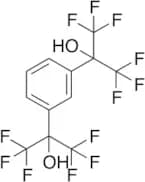
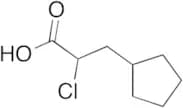
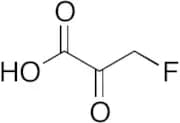
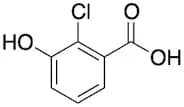
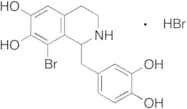
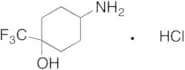

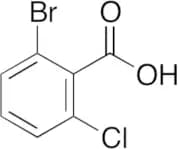
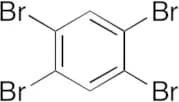
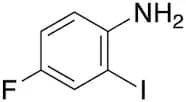
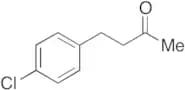

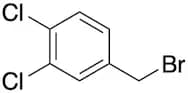

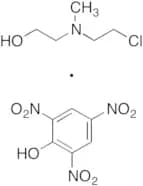
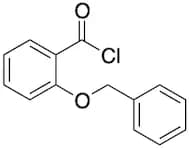
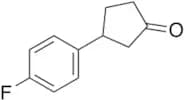
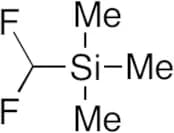
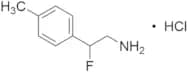
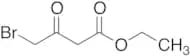
![(3R,4R)-N-Cyclohexyl-3-[[4-[(4-fluorophenyl)methoxy]benzoyl]amino]hexahydro-4-hydroxy-1H-azepine-1…](/_next/image/?url=https%3A%2Fstatic.cymitquimica.com%2Fproducts%2FTR%2Fthumb-webp%2FC995410.webp&w=3840&q=75)
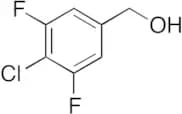
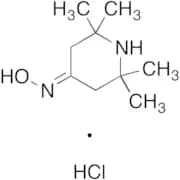
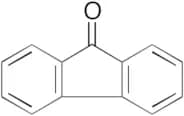
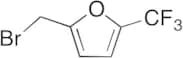

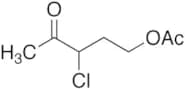
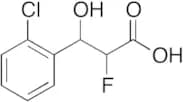
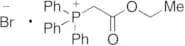
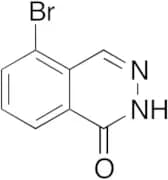
![2-[[[(9H-Fluoren-9-ylmethoxy)carbonyl]amino]methoxy]acetic Acid](/_next/image/?url=https%3A%2Fstatic.cymitquimica.com%2Fproducts%2FTR%2Fthumb-webp%2FF298750.webp&w=3840&q=75)
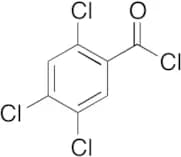

![2-Chloro-5-[(dimethylcarbamoyl)amino]benzoic Acid](/_next/image/?url=https%3A%2Fstatic.cymitquimica.com%2Fproducts%2FTR%2Fthumb-webp%2FT776125.webp&w=3840&q=75)
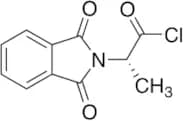
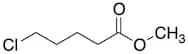
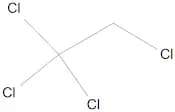
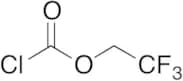
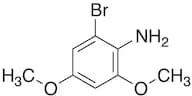
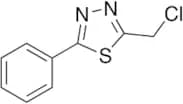
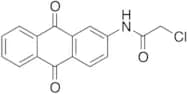
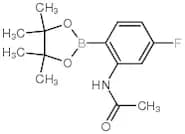
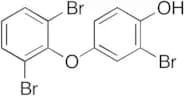
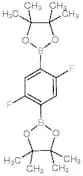
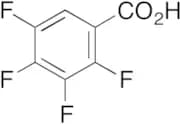
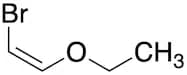

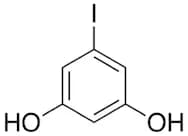
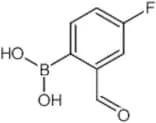
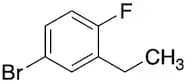
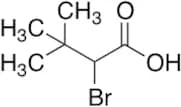
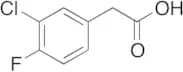
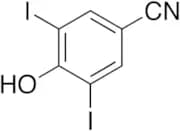
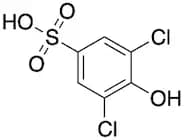

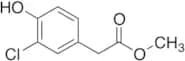
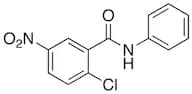
![[4-(Trifluoromethyl)cyclohexyl]hydrazine Hydrochloride](/_next/image/?url=https%3A%2Fstatic.cymitquimica.com%2Fproducts%2FTR%2Fthumb-webp%2FT791585.webp&w=3840&q=75)
![[4-(3-Bromopropoxy)phenyl]phenylmethanone](/_next/image/?url=https%3A%2Fstatic.cymitquimica.com%2Fproducts%2FTR%2Fthumb-webp%2FB687733.webp&w=3840&q=75)
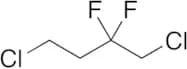


![3-[3-(Trifluoromethyl)phenyl]prop-2-en-1-ol](/_next/image/?url=https%3A%2Fstatic.cymitquimica.com%2Fproducts%2FTR%2Fthumb-webp%2FT899705.webp&w=3840&q=75)
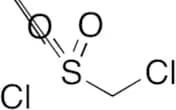
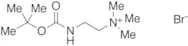
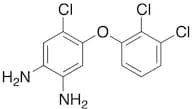
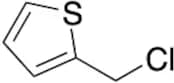
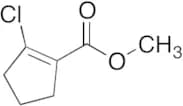
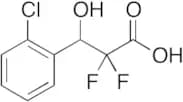
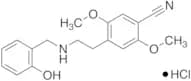

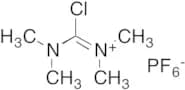
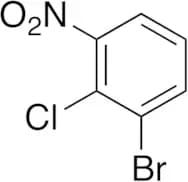
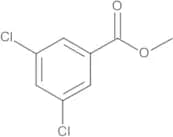
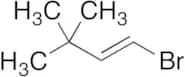
![N-[4-Cyano-3-(trifluoromethyl)phenyl]-2-oxopropanamide](/_next/image/?url=https%3A%2Fstatic.cymitquimica.com%2Fproducts%2FTR%2Fthumb-webp%2FC982160.webp&w=3840&q=75)
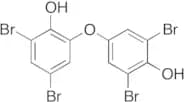
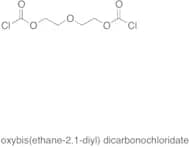

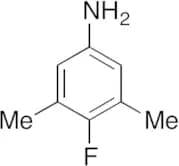
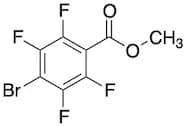
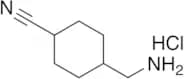
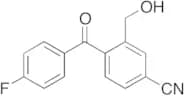

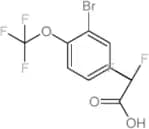
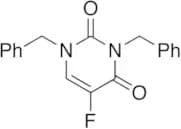
![2-[N-(9-Fluorenylmethoxycarbonyl)-N-decylamino]ethanal](/_next/image/?url=https%3A%2Fstatic.cymitquimica.com%2Fproducts%2FTR%2Fthumb-webp%2FF472420.webp&w=3840&q=75)
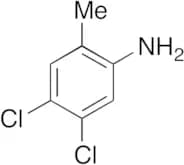
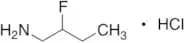
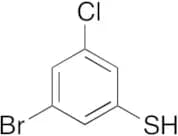
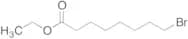
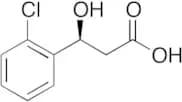

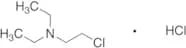
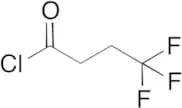
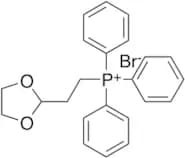
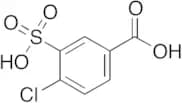
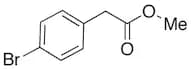
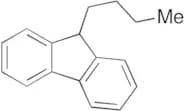
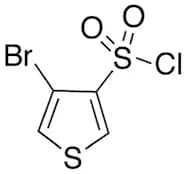
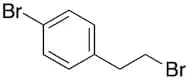
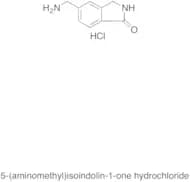
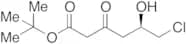
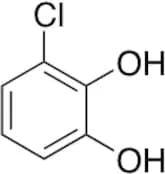
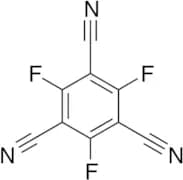
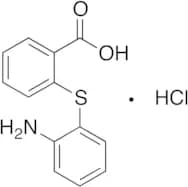
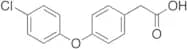
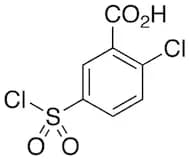
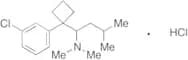

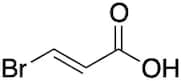
![[1-(2,4-Dichlorophenyl)cyclohexyl]methanamine Hydrochloride](/_next/image/?url=https%3A%2Fstatic.cymitquimica.com%2Fproducts%2FTR%2Fthumb-webp%2FD484158.webp&w=3840&q=75)

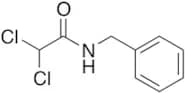
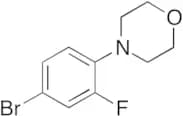
![4-{[(p-Fluorophenyl)imino]methyl}phenol](/_next/image/?url=https%3A%2Fstatic.cymitquimica.com%2Fproducts%2FTR%2Fthumb-webp%2FF595720.webp&w=3840&q=75)
![4,7-Diazaspiro[2.5]octane dihydrochloride](/_next/image/?url=https%3A%2Fstatic.cymitquimica.com%2Fproducts%2F3D%2Fthumb-webp%2FFD141902.webp&w=3840&q=75)

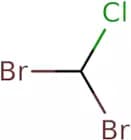
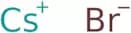
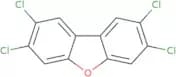
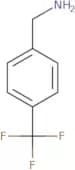
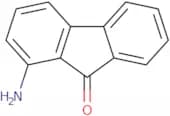
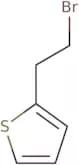
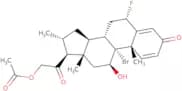
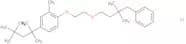
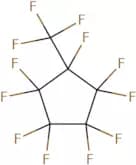
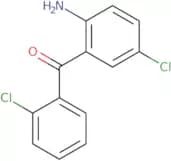
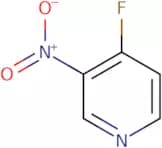
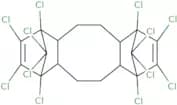

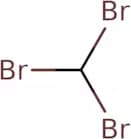
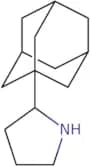
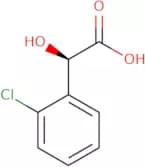
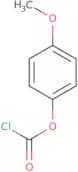


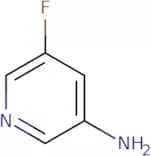

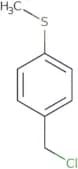
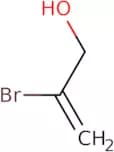
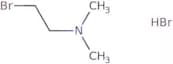
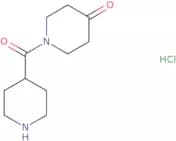

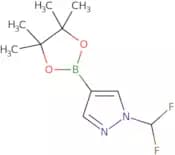
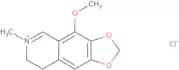
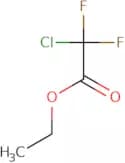
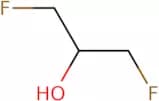


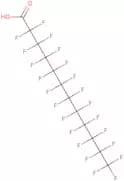
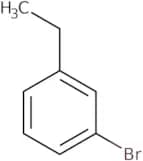
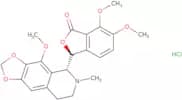
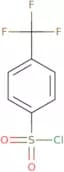
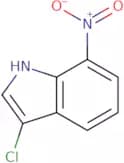
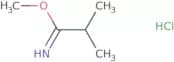
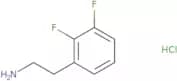
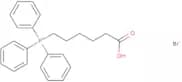
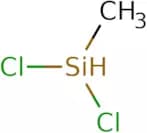
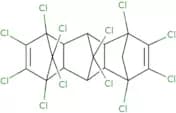

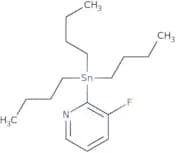
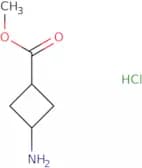
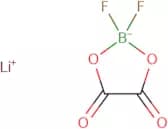
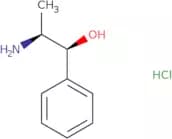
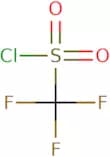
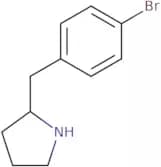
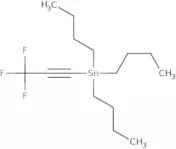

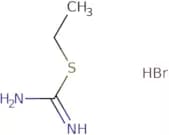
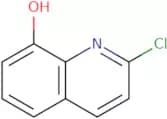
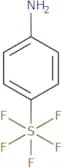
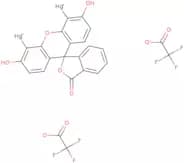
![1-[(2b,3a,5a,16b,17b)-17-Acetyloxy-3-hydroxy-2-(1-piperidinyl)androstan-16-yl]-1-methylpiperidiniu…](/_next/image/?url=https%3A%2Fstatic.cymitquimica.com%2Fproducts%2F3D%2Fthumb-webp%2FFA21131.webp&w=3840&q=75)
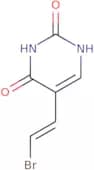

![1-Azaspiro[4.4]nonane hydrochloride](/_next/image/?url=https%3A%2Fstatic.cymitquimica.com%2Fproducts%2F3D%2Fthumb-webp%2FFA130012.webp&w=3840&q=75)
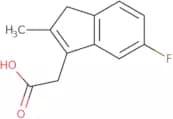
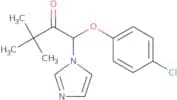
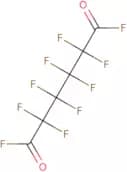
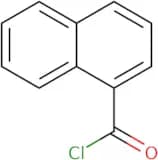
![[2-(1-Isopropyl-1H-benzimidazol-2-yl)ethyl]amine dihydrochloride](/_next/image/?url=https%3A%2Fstatic.cymitquimica.com%2Fproducts%2F3D%2Fthumb-webp%2FFI126434.webp&w=3840&q=75)
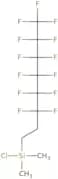
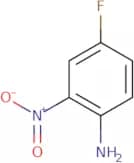
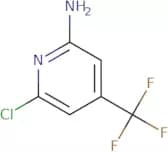

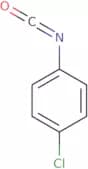
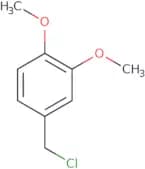
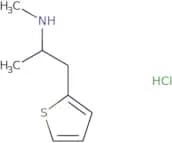
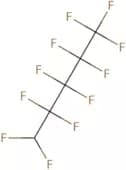
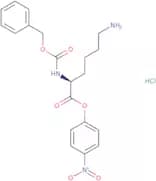
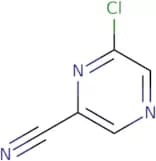
![8-Chloro-1-methyl-2,3,4,5-tetrahydro-1H-benzo[d]azepine](/_next/image/?url=https%3A%2Fstatic.cymitquimica.com%2Fproducts%2F3D%2Fthumb-webp%2FFC148171.webp&w=3840&q=75)
![2-[(4-fluorophenyl)methyl]-4,4,5,5-tetramethyl-1,3,2-dioxabo](/_next/image/?url=https%3A%2Fstatic.cymitquimica.com%2Fproducts%2F3D%2Fthumb-webp%2FFF105786.webp&w=3840&q=75)