


Haluros orgánicos
En esta categoría, encontrará moléculas orgánicas que contienen uno o más átomos de halógeno en su estructura. Estos haluros orgánicos incluyen compuestos bromados, yodados, clorados y haluros cíclicos. Los haluros orgánicos se utilizan ampliamente en la síntesis orgánica, productos farmacéuticos, agroquímicos y ciencia de materiales debido a su reactividad y capacidad para someterse a diversas transformaciones químicas. En CymitQuimica, ofrecemos una selección integral de haluros orgánicos de alta calidad para apoyar sus aplicaciones de investigación e industriales, garantizando un rendimiento confiable y efectivo en sus proyectos sintéticos y analíticos.
Subcategorías de "Haluros orgánicos"
Se han encontrado 20437 productos de "Haluros orgánicos"
Ordenar por
Pureza (%)
0
100
|
0
|
50
|
90
|
95
|
100
N-(p-Hydroxyphenethyl)-N-(2-bromo-5-hydroxy-4-methoxybenzyl)formamide
CAS:Producto controlado<p>N-(p-Hydroxyphenethyl)-N-(2-bromo-5-hydroxy-4-methoxybenzyl)formamide is an anticancer drug that belongs to the class of phenethyl derivatives. It is a radiosensitizer that inhibits DNA and RNA synthesis, leading to cancer cell death. The drug has been shown to have a chiral center and two enantiomers, with the (S)-enantiomer being more active than the (R)-enantiomer. N-(p-Hydroxyphenethyl)-N-(2-bromo-5-hydroxy-4-methoxybenzyl)formamide has been shown to be effective in animal models for brain tumors and breast cancer cells. It has also been shown to be effective against leukemia cells, which are resistant to other treatments. N-(p-Hydroxyphenethyl)-N-(2-bromo-5-hydroxy-4</p>Fórmula:C17H18BrNO4Pureza:Min. 95%Peso molecular:380.23 g/mol3,6-Dichlorobenzo[b]thiophene-2-carboxylic acid
CAS:<p>3,6-Dichlorobenzo[b]thiophene-2-carboxylic acid is an extracellular metabolite that is involved in the metabolism of muscle. It is produced as a byproduct of the reaction catalyzed by dehydrogenase, which converts 3,6-dichlorobenzo[b]thiophene to 2-carboxybenzothiophene. This compound has been shown to inhibit the enzyme histidine carboxylate synthetase, which is involved in branched-chain amino acid synthesis. The enzyme can be inhibited by either a wild type or an analog of 3,6-dichlorobenzo[b]thiophene-2-carboxylic acid.</p>Fórmula:C9H4Cl2O2SPureza:Min. 95%Peso molecular:247.1 g/molMethyl malonyl chloride
CAS:<p>Methyl malonyl chloride is an experimental solubility data that is soluble in benzene, toluene, and chloroform. It has been shown to have a receptor activity towards the glycol ester and natural compounds. This compound has also been found to inhibit cervical cancer cells. Methyl malonyl chloride is used as an antimicrobial agent in the food industry and can be used as a natural growth factor inhibitor. The methyl group of this compound reacts with malonic acid to form methylmalonic acid, which inhibits mitochondrial membrane potential in cancer cells.</p>Fórmula:C4H5ClO3Pureza:Min. 95%Peso molecular:136.53 g/mol2,2,2-Trifluoroethyl Methanesulfonate
CAS:<p>Trifluromethanesulfonic acid, also known as trifluoroacetic acid or TFA, is a colorless liquid that is miscible in water. Trifluromethanesulfonic acid has been shown to induce apoptosis in cancer cells by inhibiting the histone deacetylase (HDAC) enzyme. It also inhibits the PI3Kδ enzyme and has been shown to be an inhibitor of cancer cell growth. Trifluromethanesulfonic acid is a reactive compound with acidic properties and can react with other compounds to form salts, such as sodium trifluoromethanesulfonate. The fluorine atom in trifluromethanesulfonic acid can be substituted with chlorine atoms. Substituent effects on the chemical structure are also important for its activity.End></p>Fórmula:C3H5F3O3SPureza:Min. 95%Peso molecular:178.13 g/mol2-(4-Methoxyphenyl)-2-(1-hydroxycyclohexyl)ethylamineHydrochloride
CAS:<p>Please enquire for more information about 2-(4-Methoxyphenyl)-2-(1-hydroxycyclohexyl)ethylamineHydrochloride including the price, delivery time and more detailed product information at the technical inquiry form on this page</p>Fórmula:C15H24ClNO2Pureza:Min. 95%Peso molecular:285.81 g/mol3-(Difluoromethoxy)benzaldehyde
CAS:<p>Please enquire for more information about 3-(Difluoromethoxy)benzaldehyde including the price, delivery time and more detailed product information at the technical inquiry form on this page</p>Fórmula:C8H6F2O2Pureza:Min. 95%Peso molecular:172.13 g/mol2-Chloro-6-cyanopyrazine
CAS:<p>2-Chloro-6-cyanopyrazine is a compound that has been shown to have antimycobacterial activity against Mycobacterium avium. It may also have tuberculostatic activity and be useful for the treatment of tuberculosis. 2-Chloro-6-cyanopyrazine inhibits bacterial growth by binding to DNA, RNA, and protein synthesis in mycobacteria. The antibacterial effect is due to its ability to inhibit amidation and alkylation reactions, as well as its nucleophilic properties. 2-Chloro-6-cyanopyrazine is an acidic compound with a pKa of 3.2, which makes it more soluble in water than hydrophobic compounds such as alkanoic acids.</p>Fórmula:C5H2ClN3Pureza:Min. 95%Peso molecular:139.54 g/molRuthenium(III) chloride trihydrate
CAS:<p>Ruthenium(III) chloride trihydrate is a ruthenium carbonyl that is used as an oxidation catalyst. It has been used to prepare diagnostic agents for the detection of hydrochloric acid, sodium carbonate, or pharmaceutical preparations. The mechanism of the reaction was studied using potassium dichromate as an oxidant and the transfer reactions were determined by high-resolution electron microscopy. Ruthenium(III) chloride trihydrate is also a matrix effect reagent that has been used in conjunction with water vapor.</p>Fórmula:RuCl3·3H2OPureza:Min. 95%Forma y color:PowderPeso molecular:261.47 g/mol5-Bromo-1H-indole-2-carboxylic acid methyl ester
CAS:<p>5-Bromo-1H-indole-2-carboxylic acid methyl ester is a drug that belongs to the class of carboxylates. It has been shown to inhibit the growth of tumor cells in vitro and in vivo. The antitumor activity of this compound may be due to its ability to stabilize planar indole moieties, which are cytotoxic. 5-Bromo-1H-indole-2-carboxylic acid methyl ester interacts with other molecules through intermolecular interactions and can form an indole ring system that has a trifluoromethyl group and a carboxylate group in its structure.</p>Fórmula:C10H8BrNO2Pureza:Min. 95%Peso molecular:254.08 g/mol2-[(N,N-Dibenzylamino)methyl]cyclohexanone hydrochloride
CAS:<p>Please enquire for more information about 2-[(N,N-Dibenzylamino)methyl]cyclohexanone hydrochloride including the price, delivery time and more detailed product information at the technical inquiry form on this page</p>Fórmula:C21H26ClNOPureza:Min. 95%Peso molecular:343.89 g/mol(S)-Albuterol hydrochloride
CAS:Producto controlado<p>Please enquire for more information about (S)-Albuterol hydrochloride including the price, delivery time and more detailed product information at the technical inquiry form on this page</p>Fórmula:C13H22ClNO3Pureza:Min. 95%Forma y color:White PowderPeso molecular:275.77 g/molN-Methyl-DL-phenylalanine methyl ester hydrochloride
CAS:<p>Please enquire for more information about N-Methyl-DL-phenylalanine methyl ester hydrochloride including the price, delivery time and more detailed product information at the technical inquiry form on this page</p>Fórmula:C11H15NO2·HClPureza:Min. 95%Peso molecular:229.7 g/molEnt-paroxetine hydrochloride
CAS:Producto controlado<p>Please enquire for more information about Ent-paroxetine hydrochloride including the price, delivery time and more detailed product information at the technical inquiry form on this page</p>Fórmula:C19H21ClFNO3Pureza:Min. 95%Forma y color:PowderPeso molecular:365.83 g/mol5-Methyl-4,5,6,7-tetrahydrothiazolo[5,4-c]pyridine-2-carboxylic acid hydrochloride
CAS:<p>Intermediate in the synthesis of edoxaban</p>Fórmula:C8H10N2O2S·HClPureza:Min. 95%Peso molecular:234.7 g/mol(2-Chlorobenzyl)hydrazine dihydrochloride
CAS:<p>Please enquire for more information about (2-Chlorobenzyl)hydrazine dihydrochloride including the price, delivery time and more detailed product information at the technical inquiry form on this page</p>Fórmula:C7H9ClN2Pureza:Min. 95%Peso molecular:156.61 g/mol1,4-Difluoro-2-(trifluoromethyl)benzene
CAS:<p>1,4-Difluoro-2-(trifluoromethyl)benzene is a synthetic compound that is used to model some aspects of the reactivity of 2-fluoro-5-nitrobenzotrifluoride. The molecule was synthesized by reacting ethylene with difluoromethyl trifluorobromide and sodium fluoride in an ethylene atmosphere. This molecule has been modelled using quantum chemical calculations to investigate its potential reactivity. It is postulated that the molecule will behave as a nucleophile, and it has been suggested that electron density may be maximised around the fluorine atom at the 1,4 position.</p>Fórmula:C7H3F5Pureza:Min. 95%Peso molecular:182.09 g/mol2-Bromoisonicotinic acid
CAS:<p>2-Bromoisonicotinic acid is a phenylpyridine molecule that has been shown to have inhibitory activity against the NF-κB pathway, which regulates inflammatory responses. This compound inhibits the production of TNF-α triggered by lipopolysaccharide (LPS) in vitro and in vivo. 2-Bromoisonicotinic acid may be synthesized from commercially available starting materials and can be easily scaled up for large-scale synthesis. The properties of this molecule make it an excellent candidate for further investigation as a potential therapeutic or prophylactic agent for diseases involving inflammation.</p>Pureza:Min. 95%4-Chloro-2-methoxy-5-methylaniline
CAS:<p>4-Chloro-2-methoxy-5-methylaniline is a dye molecule that is used in the synthesis of other molecules, such as diketene. It is also used as a solvent, coupling agent, and a dye molecule. This compound can be synthetically prepared by reacting naphthylamine with pyrazolone. The reaction requires catalytic amounts of polyvalent metal salts, such as zinc chloride or iron(III) chloride. The halogenation of 4-chloro-2-methoxy-5-methylaniline to produce 2,4,5-trichlorophenol can be achieved by diazotising the molecule with sodium nitrite and potassium dichromate. 4-Chloro-2-methoxy-5 methylaniline's substituents are methyl groups on the phenyl ring (Cl) and chlorine atoms (C1). Derivatives of this</p>Fórmula:C8H10ClNOPureza:Min. 95%Peso molecular:171.62 g/molS-(-)-Nicotine-δ1’-(5’)-iminium diperchlorate salt
CAS:<p>Please enquire for more information about S-(-)-Nicotine-delta1’-(5’)-iminium diperchlorate salt including the price, delivery time and more detailed product information at the technical inquiry form on this page</p>Fórmula:C10H14Cl2N2O8Pureza:Min. 95%Peso molecular:361.13 g/mol3-Aminomethylphthalide hydrochloride
CAS:<p>Please enquire for more information about 3-Aminomethylphthalide hydrochloride including the price, delivery time and more detailed product information at the technical inquiry form on this page</p>Fórmula:C9H9NO2•HClPureza:Min. 95%Forma y color:PowderPeso molecular:199.63 g/mol2-(Chloromethyl)-3-(4-methylphenyl)quinazolin-4(3H)-one
CAS:Producto controlado<p>Please enquire for more information about 2-(Chloromethyl)-3-(4-methylphenyl)quinazolin-4(3H)-one including the price, delivery time and more detailed product information at the technical inquiry form on this page</p>Fórmula:C16H13ClN2OPureza:Min. 95%Peso molecular:284.74 g/mol4-(Difluoromethyl)-2-fluoropyridine
CAS:<p>Please enquire for more information about 4-(Difluoromethyl)-2-fluoropyridine including the price, delivery time and more detailed product information at the technical inquiry form on this page</p>Fórmula:C6H4F3NPureza:Min. 95%Peso molecular:147.1 g/molTetrafluoroterephthaldehyde
CAS:<p>Tetrafluoroterephthaldehyde (TFPA) is a reactive aldehyde that can be synthesized in the laboratory by the reaction of trifluoromethanesulfonic acid with an aromatic hydrocarbon or ester compound. TFPA has been used to study the synthesis of supramolecular assemblies and supramolecular chemistry. The radiation-induced formation of TFPA is a useful method for the synthesis of polymers, and the thermal expansion of TFPA is high enough to be used as a thermometer. TFPA has shown chemical stability in both acidic and alkaline media, as well as resistance to radiation and oxidation. TFPA also has a high boiling point, making it useful for desolvation during gas chromatography experiments.</p>Fórmula:C8H2F4O2Pureza:Min. 95%Forma y color:PowderPeso molecular:206.09 g/molPentafluoropropionic anhydride
CAS:<p>Pentafluoropropionic anhydride is a chemical compound that reacts with fatty acids to form trifluoroacetic acid. In analytical chemistry, it is used to determine the amount of fatty acids in biological samples. Pentafluoropropionic anhydride has been shown to react with human serum and rat striatal tissue to form carbon disulphide and hydrochloric acid. It reacts with amines in the sample preparation phase, forming receptor molecules that can be analyzed by gas chromatography-mass spectrometry.</p>Fórmula:C6F10O3Pureza:Min. 95%Peso molecular:310.05 g/mol4-Chloro-2-nitroaniline
CAS:<p>4-Chloro-2-nitroaniline (4CNA) is a chemical that is used for wastewater treatment. 4CNA reacts with phosphorus pentachloride or phosphorus pentoxide to form phosphoric acid, which can be used as a pH buffer in water treatment applications. It is also used as an antidepressant treatment in pharmaceutical dosage and has been shown to have signal properties. 4CNA is also used in the production of monoclonal antibodies, n-dimethyl formamide and intracranial haemorrhage treatments. It can be produced by reacting hydrochloric acid with membrane systems at low energy.</p>Fórmula:C6H5ClN2O2Pureza:Min. 95%Peso molecular:172.57 g/mol4-Fluorotropacocaine
CAS:Producto controlado<p>4-Fluorotropacocaine is a synthetic, serotonergic compound that has been shown to have similar effects in the brain as diazepam. 4-Fluorotropacocaine has been postulated to be a supplement and is thought to have neuroprotective properties. It binds to serotonin receptors and inhibits the reuptake of serotonin by neurons. This inhibition causes an increase in the level of serotonin in the synaptic cleft, which can lead to symptoms such as nausea, vomiting, and headache. 4-Fluorotropacocaine may also inhibit dopamine reuptake leading to symptoms such as hallucinations, delusions, and confusion. Structural analogs of 4-fluorotropacocaine are often used in research studies because they can be synthesized with various substitutions on the benzene ring.</p>Fórmula:C15H18FNO2Pureza:Min. 95%Peso molecular:263.31 g/mol5[(R)-(2-Aminopropyl)]-2-methoxybenzenesulfonamide hydrochloride
CAS:Producto controlado<p>Please enquire for more information about 5[(R)-(2-Aminopropyl)]-2-methoxybenzenesulfonamide hydrochloride including the price, delivery time and more detailed product information at the technical inquiry form on this page</p>Fórmula:C10H17ClN2O3SPureza:Min. 95%Peso molecular:280.77 g/mol4-Chloro-N-methylpiperidine
CAS:<p>4-Chloro-N-methylpiperidine is an inorganic acid that can be used as a reagent for the synthesis of organic compounds. It is also an anticholinergic drug and a halogenating agent. 4-Chloro-N-methylpiperidine can be used to treat bronchial asthma, chronic obstructive pulmonary disease, and other respiratory disorders by inhibiting the production of histamine in the body. It also has antihistaminic effects that may be due to its ability to inhibit histamine release from mast cells or block H1 receptors. This drug also has antiallergic effects, which may be due to its ability to inhibit IgE synthesis or function. 4-Chloro-N-methylpiperidine is found in loratadine (Claritin), which is used for allergies, hives, and other allergic reactions.</p>Fórmula:C6H12ClNPureza:Min. 95%Forma y color:Clear LiquidPeso molecular:133.62 g/mol1-(Bromomethyl)-2-(trifluoromethyl)-4-nitrobenzene
CAS:<p>Please enquire for more information about 1-(Bromomethyl)-2-(trifluoromethyl)-4-nitrobenzene including the price, delivery time and more detailed product information at the technical inquiry form on this page</p>Fórmula:C8H5BrF3NO2Pureza:Min. 95%Forma y color:PowderPeso molecular:284.03 g/mol2-Amino-5-ethylphenol hydrochloride
CAS:<p>Please enquire for more information about 2-Amino-5-ethylphenol hydrochloride including the price, delivery time and more detailed product information at the technical inquiry form on this page</p>Fórmula:C8H12ClNOPureza:Min. 95%Peso molecular:173.64 g/mol4-Fluorophenethylamine
CAS:Producto controlado<p>4-Fluorophenethylamine is a fluorinated amine with the chemical formula C8H11FO. It is a 5-HT agonist and has been shown to have affinity constants for the CB2 receptor. 4-Fluorophenethylamine has been shown to be an uptake inhibitor of amines, as well as being a hydrogen bond donor.</p>Fórmula:C8H10FNPureza:Min. 95%Forma y color:Clear LiquidPeso molecular:139.17 g/mol3,4-Dimethoxybenzyl chloride
CAS:<p>3,4-Dimethoxybenzyl chloride is an acetate extract that has been shown to have anticancer properties. It is also a corrosion inhibitor with the ability to inhibit fatty acid demethylation and antimicrobial agents. It has been used in pharmaceutical preparations for treating high blood pressure, as well as in the production of eugenol, papaverine and other drugs.</p>Fórmula:C9H11ClO2Pureza:Min. 95%Peso molecular:186.64 g/molN-Methyl-O-methyl-L-tyrosine hydrochloride
CAS:<p>N-Methyl-O-methyl-L-tyrosine hydrochloride (NMT) is an organic compound that is synthesized from D-alanine. It has been shown to inhibit the production of didemnin, a protein that regulates the cell cycle, in mcf-7 cells. NMT has also been shown to stop the growth of human breast cancer cells and increase the lifespan of mice with cancerous tumors. NMT is a macrocyclic molecule, which means it has a ring structure made up of at least six atoms. The conformation of this molecule may be cyclic or linear.</p>Fórmula:C11H15NO3·HClPureza:Min. 95%Peso molecular:245.7 g/molPerfluorophenyl 1-Benzyl-1H-Imidazole-4-Carboxylate
CAS:Producto controlado<p>Please enquire for more information about Perfluorophenyl 1-Benzyl-1H-Imidazole-4-Carboxylate including the price, delivery time and more detailed product information at the technical inquiry form on this page</p>Fórmula:C17H9F5N2O2Pureza:Min. 95%Peso molecular:368.26 g/molCyclohexyl chloroformate
CAS:<p>Cyclohexyl chloroformate is a hydroxyl group that is used as a catalyst for organic reactions. It can also be used to prepare 5-ht2a receptor agonists, which are drugs that stimulate the activity of serotonin in the brain. Cyclohexyl chloroformate has been shown to induce chemiluminescence and has an inhibition constant of 2.6x10 M.</p>Fórmula:C7H11ClO2Pureza:Min. 95%Peso molecular:162.61 g/molrac benzodioxole-5-butanamine hydrochloride
CAS:Producto controlado<p>Racemic benzodioxole-5-butanamine hydrochloride (RAC) is a pharmacologic agent that has been shown to bind to dopamine receptors, thereby activating them. It has been shown to be an effective treatment for depression and other mental illnesses. Racemic benzodioxole-5-butanamine hydrochloride is also used in analytical toxicology as a chromatographic standard. This compound has been synthesized using the asymmetric synthesis of primary amines. RAC is also an enantiomer and can exist in two forms: (+)-RAC and (-)-RAC, which are mirror images of each other. The (+) form of racemic benzodioxole-5-butanamine hydrochloride is the more active form, with greater binding affinity for dopamine receptors than the (-) form.</p>Fórmula:C11H16ClNO2Pureza:Min. 95%Peso molecular:229.7 g/molPhenylselenenyl chloride
CAS:<p>Phenylselenenyl chloride is an organoselenium compound with the chemical formula CHSeCl. It has been shown to have a low redox potential, which makes it a good candidate for use in organic synthesis. Phenylselenenyl chloride is used as a catalyst in palladium-catalyzed coupling reactions and has been shown to be effective in the synthesis of epoxy hydroxy compounds. The x-ray crystal structures of phenylselenenyl chloride have been determined, revealing that the molecule contains steric interactions between the chloride and hydroxyl groups. This discovery explains why phenylselenenyl chloride is so selective for these two groups and may lead to improved synthetic methods for this molecule.</p>Fórmula:C6H5ClSePureza:Min. 95%Forma y color:PowderPeso molecular:191.52 g/molN-Methyl-L-valine hydrochloride
CAS:<p>N-Methyl-L-valine hydrochloride is a synthetic molecule that binds to the CB2 receptor. It has been shown to have anti-inflammatory effects in mice by reducing the production of inflammatory mediators such as prostaglandins and cytokines. N-Methyl-L-valine hydrochloride has also been shown to reduce inflammation in several mouse models of autoimmune diseases, such as type 1 diabetes, multiple sclerosis, and rheumatoid arthritis. This drug was found to be effective in animal models for these diseases by inhibiting inflammatory mediator release from immune cells.</p>Fórmula:C6H13NO2·HClPureza:Min. 95%Forma y color:PowderPeso molecular:167.63 g/molDechlorane 604 component A
CAS:<p>Dechlorane 604 is a chemical that is used as an additive in some plastics. It has been detected in the environment and human populations, but the low detection limits make it difficult to determine if Dechlorane 604 is endocrine disruptor. Animal experiments have shown that Dechlorane 604 can bind to hormone receptors, but there are no studies on its effects on humans. There are database records for Dechlorane 604 and its metabolites, but these do not provide information on their toxicity. The analytical method for detecting Dechlorane 604 has been developed and validated by GC/MS-ECD analysis of ethane extracts from soil samples. This method is based on dispersive microextraction (SPME) with gas chromatography/mass spectrometry (GC/MS). In vitro studies have examined the effects of Dechlorane 604 on the elongatus nematode and dry weight measurements show that this chemical alters metabolism by altering fatty acid composition.</p>Fórmula:C13H4Br4Cl6Pureza:Min. 95%Forma y color:PowderPeso molecular:692.5 g/mol[1,2-Bis(diphenylphosphino)ethane]dichloropalladium(II)
CAS:Producto controlado<p>[1,2-Bis(diphenylphosphino)ethane]dichloropalladium(II) is a chemical compound that is insoluble in water and soluble in organic solvents. It is a reagent used to prepare other compounds. The synthesis of this compound involves the reaction of chloroform with dichloro[1,2-bis(diphenylphosphino)ethane]palladium (II). The resulting compound has a yellow color due to its ligands, which are amines or halides. This compound can be recrystallized from toluene or ether for use in preparative work. [1,2-Bis(diphenylphosphino)ethane]dichloropalladium(II) has been used as an analytical reagent for the determination of chloride and ligand content in some organic solvents.</p>Fórmula:C26H24Cl2P2PdPureza:Min. 95%Peso molecular:575.74 g/moltert-Butylsulfinylchloride
CAS:<p>Tert-Butylsulfinylchloride is a hydroxamic acid that has been shown to be an effective inhibitor of indole alkaloids, such as tryptamine and serotonin. This compound is enantiopure and chiral, which allows for the synthesis of a number of diastereomers. Tert-Butylsulfinylchloride can react with hydrogen peroxide to form reactive intermediates that are thought to have a mechanistic role in the inhibition of indole alkaloid biosynthesis. It also reacts with chloride under thermal conditions to produce an asymmetric synthesis. Tert-Butylsulfinylchloride can be used at temperatures up to 125 degrees Celsius without losing its anti-indole alkaloid properties, making it a good candidate for use in organic syntheses.</p>Fórmula:C4H9ClOSPureza:Min. 95%Forma y color:Clear LiquidPeso molecular:140.63 g/mol4-Bromophenylethylamine HCl
CAS:Producto controlado<p>Please enquire for more information about 4-Bromophenylethylamine HCl including the price, delivery time and more detailed product information at the technical inquiry form on this page</p>Fórmula:C8H10Br·HClPureza:Min. 95%Peso molecular:222.53 g/mol1-(4-Chloro-3-Trifluoromethylphenyl)Piperazine
CAS:Producto controlado<p>Please enquire for more information about 1-(4-Chloro-3-Trifluoromethylphenyl)Piperazine including the price, delivery time and more detailed product information at the technical inquiry form on this page</p>Fórmula:C11H12ClF3N2Pureza:Min. 95%Peso molecular:264.67 g/mol3-(Piperazin-1-ylmethyl)phenol dihydrochloride
CAS:Producto controlado<p>Please enquire for more information about 3-(Piperazin-1-ylmethyl)phenol dihydrochloride including the price, delivery time and more detailed product information at the technical inquiry form on this page</p>Fórmula:C11H16N2OPureza:Min. 95%Peso molecular:192.26 g/mol4-(Chloromethyl)-5-methyl-1-(triphenylmethyl)-1H-imidazole
CAS:Producto controlado<p>Please enquire for more information about 4-(Chloromethyl)-5-methyl-1-(triphenylmethyl)-1H-imidazole including the price, delivery time and more detailed product information at the technical inquiry form on this page</p>Fórmula:C24H21ClN2Pureza:Min. 95%Peso molecular:372.89 g/mol[4-[2-(Diethylamino)ethoxy]-3-iodophenyl][2-(1-hydroxybutyl)-3-benzofuranyl]-methanone
CAS:Producto controlado<p>Please enquire for more information about [4-[2-(Diethylamino)ethoxy]-3-iodophenyl][2-(1-hydroxybutyl)-3-benzofuranyl]-methanone including the price, delivery time and more detailed product information at the technical inquiry form on this page</p>Fórmula:C25H30INO4Pureza:Min. 95%Peso molecular:535.41 g/molQuinoline-6-sulfonyl chloride
CAS:<p>Please enquire for more information about Quinoline-6-sulfonyl chloride including the price, delivery time and more detailed product information at the technical inquiry form on this page</p>Fórmula:C9H6ClNO2SPureza:Min. 95%Peso molecular:227.67 g/mol4-Trifluoromethylbenzene sulfonyl chloride
CAS:<p>4-Trifluoromethylbenzene sulfonyl chloride (TFB) is a functional group that is used as a ligand in some chemical reactions. TFB has been shown to be fluorescent, and can be used as a cancer cell marker. It also inhibits the growth of cancer cells by binding to their surface and inhibiting protein synthesis. 4-Trifluoromethylbenzene sulfonyl chloride can be synthesized by reacting ethylene with salicylic acid, followed by the reaction of the resulting ester with chloroform. This process yields TFB and chloride ions, which are then neutralized with sodium hydroxide to yield TFB sulfonate salt.</p>Fórmula:C7H4ClF3O2SPureza:Min. 95%Forma y color:Colourless Or White To Light (Or Pale) Yellow To Brown SolidPeso molecular:244.62 g/mol1-Bromo-3-ethylbenzene
CAS:<p>1-Bromo-3-ethylbenzene (1BEB) is a trifluoroacetic acid that is used as a reagent in the analysis of urine samples. It reacts with glutathione to form a fluorescent product, which can be detected by fluorescence spectroscopy. 1BEB reacts with methyl groups in the sample to produce an intermediate compound that can be measured by liquid chromatography-mass spectrometry (LC/MS). The reaction time for this process depends on the temperature and other conditions such as pH. LC/MS has been shown to be more accurate than kinetic measurements for the determination of 1BEB concentrations in urine because it takes into account the chemical reactions that take place during the analysis. In addition, methylbenzenes are also formed during this process, which can be analysed using gas chromatography-mass spectrometry (GC/MS). GC/MS has been shown to be more accurate than LC/MS methods for evaluating</p>Fórmula:C8H9BrPureza:Min. 95%Peso molecular:185.06 g/mol6-Bromo-3-(4-chlorophenyl)quinazoline-2,4(1H,3H)-dione
CAS:Producto controlado<p>Please enquire for more information about 6-Bromo-3-(4-chlorophenyl)quinazoline-2,4(1H,3H)-dione including the price, delivery time and more detailed product information at the technical inquiry form on this page</p>Fórmula:C14H8BrClN2O2Pureza:Min. 95%Peso molecular:351.58 g/mol2,5-Dimethoxy-4-methylamphetamine hydrochloride
CAS:Producto controlado<p>2,5-Dimethoxy-4-methylamphetamine hydrochloride is a molecule that belongs to the class of phenethylamines. It has a serotonergic activity and can be used in the treatment of depression. This drug also affects the dopaminergic system and 5-HT2 receptors. 2,5-Dimethoxy-4-methylamphetamine hydrochloride is an agonist for 5HT1A receptors and an antagonist for 5HT2A and 5HT2C receptors. It has been shown to have a significant effect on locomotor activity in humans. The effects of this drug are dose dependent, with high doses leading to hallucinogenic effects.</p>Fórmula:C12H20ClNO2Pureza:Min. 95%Peso molecular:245.75 g/mol4-Chlorobutyric acid
CAS:<p>4-Chlorobutyric acid is a fatty acid with the chemical formula CH3ClC(O)CH2CO2H. It can be found in animal fats, vegetable oils, and butter. 4-Chlorobutyric acid has been shown to inhibit the growth of PC12 cells by hydrogen bonding to the cell membrane. This inhibition results in an increase in sodium hydroxide solution activity, which leads to increased production of gamma-aminobutyric acid. The butyrolactone that is produced inhibits nerve function and has been shown to have biological treatment potential for hydrochloric acid and cell culture models.</p>Fórmula:C4H7ClO2Pureza:Min. 95%Forma y color:Clear LiquidPeso molecular:122.55 g/mol6-Fluoro-3,4-dihydro-2-oxiranyl-2H-1-benzopyran
CAS:<p>Fluorinated benzopyran. Nebivolol precursor.</p>Fórmula:C11H11FO2Pureza:Min. 95%Forma y color:PowderPeso molecular:194.2 g/mol3-Bromo-N,N-dimethylpropan-1-amine hydrobromide
CAS:<p>Please enquire for more information about 3-Bromo-N,N-dimethylpropan-1-amine hydrobromide including the price, delivery time and more detailed product information at the technical inquiry form on this page</p>Pureza:Min. 95%10-Chloro-9-anthraldehyde
CAS:<p>10-Chloro-9-anthraldehyde is an antibacterial agent that exhibits activity against a wide variety of bacteria. It is the product of the photomodification of anthracene, which is activated by ultraviolet light to produce 10-chloro-9-anthraldehyde. The preliminary functional studies of this compound indicate that it may be used in coatings for polymers and textiles as well as in innovative applications such as fluorescence labeling and immunoassays. 10-Chloro-9-anthraldehyde also has a protonation site at the 9 position, making it useful for conjugation with biomolecules.</p>Fórmula:C15H9ClOPureza:Min. 95%Peso molecular:240.68 g/mol4-Bromo-1-butanol
CAS:<p>4-Bromo-1-butanol is a synthetic fatty acid used as a reagent in the synthesis of glycyrrhetinic acid. It is a colorless liquid with a strong odor. This substance has impurities that are not specified. It reacts with n-hexane and thionyl chloride to form bromobutanoic acid, which can be used as an intermediate in the production of other substances. 4-Bromo-1-butanol is also used in the synthesis of polyvinyl pyrrolidone, which is an organic polymer that is soluble in water and polar solvents such as alcohols and acetone. The molecular weight of this compound ranges from 300 to 3,000 g/mol, with a melting point below 100 °C. Formamide is another substance that can be synthesized using 4-bromo-1 butanol. Formamide is a colorless liquid with a pungent odor and it has</p>Fórmula:C4H9BrOPureza:80%MinForma y color:Colorless Clear LiquidPeso molecular:153.02 g/mol2,6-Dibromotoluene
CAS:<p>2,6-Dibromotoluene is a brominated organic compound with two functional groups. It can be used as a precursor to ferrocenes and as a synthetic intermediate for triazine herbicides. 2,6-Dibromotoluene is synthesized by the cross-coupling reaction of methylmagnesium bromide and benzaldehyde. The reaction solution is anhydrous sodium acetate in acetic acid at room temperature. This compound has three isomers: α-, β-, and γ-. The α-isomer has a helical structure and nmr spectra in the range of 1H (1.4 ppm) to 13C (63.5 ppm). Inelastic neutron scattering measurements on hexane solutions show that the β-isomer has a hexagonal structure with an inversion center at C3, while the γ-isomer has an octahedral structure with no inversion center.</p>Fórmula:C7H6Br2Pureza:Min. 95 Area-%Forma y color:PowderPeso molecular:249.93 g/mol2-Chloro-3-ethylbenzoxazolium tetrafluoroborate
CAS:<p>2-Chloro-3-ethylbenzoxazolium tetrafluoroborate is a synthetic compound that inhibits the enzyme maltase. This compound is used in the treatment of diabetic patients with intestinal maltase deficiency and has been shown to be effective in clinical studies. 2-Chloro-3-ethylbenzoxazolium tetrafluoroborate has also been shown to inhibit other enzymes, such as thiocarbamate synthetase and aminooxazoline synthetase, which are involved in the biosynthesis of chlorinated pesticides and herbicides. The chloride ion is necessary for this inhibition activity. The compound can be prepared by a preparative method that involves hexaacetate and chloride ion or by using an aglycone, trehalamine, or stereospecific method.</p>Fórmula:C9H9BClF4NOPureza:Min. 95%Forma y color:PowderPeso molecular:269.43 g/molN-(4-(4-Fluorophenyl)-5-(hydroxymethyl)-6-isopropylpyrimidin-2-yl)-Nmethylmethanesulfonamide
CAS:<p>Please enquire for more information about N-(4-(4-Fluorophenyl)-5-(hydroxymethyl)-6-isopropylpyrimidin-2-yl)-Nmethylmethanesulfonamide including the price, delivery time and more detailed product information at the technical inquiry form on this page</p>Fórmula:C16H20FN3O3SPureza:Min. 95%Peso molecular:353.41 g/molChlorodimethyl(3,3,4,4,5,5,6,6,7,7,8,8,8-Tridecafluorooctyl)-Silane
CAS:<p>Chlorodimethyl(3,3,4,4,5,5,6,6,7,7,8,8,8-Tridecafluorooctyl)-Silane is an organic solvent that can be used as a component in the synthesis of synaptic membranes. It has been shown to inhibit spontaneous activity in rat brain slices and exhibits high hydrophobicity. Chlorodimethyl(3,3,4,4,5,5,6,6) - Silane has been used for the patch-clamp technique on human erythrocytes and the immunostaining of proteins. This compound is also useful for the optimization of organic reactions and asymmetric synthesis.</p>Fórmula:C10H10ClF13SiPureza:Min. 95%Peso molecular:440.7 g/molEthenesulfonyl chloride
CAS:<p>Ethenesulfonyl chloride is a chemical that is used as an inhibitor of amine oxidases in the treatment of inflammatory and autoimmune diseases. It also inhibits the formation of reactive oxygen species by inhibiting intracellular amines, which are required for the generation of reactive oxygen species. Ethenesulfonyl chloride is a nucleophile that reacts with protons from water to form a hydroxyl group, which can then react with chlorine atoms to form hydrogen chloride. This reaction results in the release of heat, which may be useful for killing bacteria or other microbes.</p>Fórmula:C2H3ClO2SPureza:Min. 95%Peso molecular:126.56 g/molPentafluoroiodobenzene, stabilized with copper
CAS:<p>Pentafluoroiodobenzene is a hydrogen fluoride (HF) derivative of the aromatic compound, benzene. It is an important industrial chemical used in the production of polymers, pharmaceuticals, and dyes. The structure of pentafluoroiodobenzene has been elucidated by X-ray crystallography and found to be a planar molecule with two fluorine atoms occupying the ortho positions and three iodine atoms occupying the para positions. Pentafluoroiodobenzene is a halogen that forms ionic bonds with metals and other halogens to form ionic compounds. Pentafluoroiodobenzene is also able to form coordination complexes with metal ions such as copper or zinc. The reaction mechanism for this process is not known at this time.</p>Fórmula:C6F5IPureza:Min. 95%Peso molecular:293.96 g/molL-Pyroglutamic acid pentachlorophenyl ester
CAS:Producto controlado<p>Please enquire for more information about L-Pyroglutamic acid pentachlorophenyl ester including the price, delivery time and more detailed product information at the technical inquiry form on this page</p>Fórmula:C11H6Cl5NO3Pureza:Min. 95%Peso molecular:377.43 g/molTetrachlorophthalic anhydride
CAS:Producto controlado<p>Tetrachlorophthalic anhydride (TCPA) is a reactive chemical that has been shown to have anti-inflammatory activity. TCPA has been found to inhibit the release of histamine from mast cells in humans, and it inhibits the production of pro-inflammatory cytokines such as tumor necrosis factor alpha (TNF-α). TCPA has also been shown to have a toxic effect on human lymphocyte transformation, which may be due to its ability to induce apoptosis. The toxicity of TCPA was studied in rats and mice, where it was found that TCPA did not cause any significant changes in clinical pathology or hydroxyl group levels.</p>Fórmula:C8Cl4O3Pureza:Min. 97.5 Area-%Forma y color:White/Off-White SolidPeso molecular:285.89 g/molCyclobutyl bromide
CAS:<p>Cyclobutyl bromide is a cyclopentyl compound that has an hydroxyl group. It is a potent inhibitor of the CB2 receptor, which is primarily expressed on cells of the immune system. Cyclobutyl bromide has been shown to inhibit the uptake of uv light and also has anti-inflammatory properties. Studies have confirmed that this drug inhibits the production of cytokines and chemokines in chronic bronchitis patients, as well as other inflammatory diseases such as rheumatoid arthritis.</p>Fórmula:C4H7BrPureza:Min. 95%Forma y color:Clear LiquidPeso molecular:135 g/mol6-Fluorescein isothiocyanate
CAS:<p>Please enquire for more information about 6-Fluorescein isothiocyanate including the price, delivery time and more detailed product information at the technical inquiry form on this page</p>Fórmula:C21H11NO5SPureza:Min. 95%Forma y color:PowderPeso molecular:389.38 g/mol3,3'4,4'5,5'-Hexabromobiphenyl
CAS:Producto controlado<p>3,3',4,4',5,5'-Hexabromobiphenyl is a brominated flame retardant that is used in the production of polymers and textiles. It has been detected in human adipose tissue at concentrations of up to 1.2 ng/g dry weight. 3,3',4,4',5,5'-hexabromobiphenyl has been shown to inhibit the production of uridine in mammalian cells. This inhibition may be due to its ability to form a complex with the enzyme uridine phosphorylase or it may be due to an indirect effect on cellular energy metabolism as it has been shown to enhance depression-like behavior in Sprague-Dawley rats and to inhibit liver cell proliferation. 3,3',4,4',5,5'-Hexabromobiphenyl also inhibits the growth of V79 cells and biphenyl uptake into these cells.</p>Fórmula:C12H4Br6Pureza:Min. 95%Peso molecular:627.58 g/molBoc-D-aspartic acid β-9-fluorenylmethyl ester
CAS:<p>Please enquire for more information about Boc-D-aspartic acid beta-9-fluorenylmethyl ester including the price, delivery time and more detailed product information at the technical inquiry form on this page</p>Fórmula:C23H25NO6Pureza:Min. 95%Peso molecular:411.45 g/mol5-Bromo-1-Methyl-1H-indazol-3-amine
CAS:<p>Please enquire for more information about 5-Bromo-1-Methyl-1H-indazol-3-amine including the price, delivery time and more detailed product information at the technical inquiry form on this page</p>Fórmula:C8H8BrN3Pureza:Min. 95%Peso molecular:226.07 g/molPerfluoro(methyldecalin)
CAS:Producto controlado<p>Perfluoro(methyldecalin) is a perfluorinated polymeric matrix that consists of polymers with a phase transition temperature of around −108°C. It has been shown to be an effective diagnostic agent for the detection of hydroxyl ions and oxygen transport in polymer solutions. The magnetic particles can be used as a contrast agent, which allows for the visualization of the distribution and concentration of these agents in biological tissue. The lipophilic nature and fatty acid composition make it an ideal candidate for use in MRI imaging. Perfluoro(methyldecalin) is also optically active, which makes it possible to measure its concentration using spectroscopy.</p>Fórmula:C11F20Pureza:Min. 95%Peso molecular:512.09 g/mol2-Bromo-3-thiophenecarboxylic acid
CAS:<p>2-Bromo-3-thiophenecarboxylic acid (BTPC) is a synthetic drug that is used as an analog of sildenafil, which is a PDE5 inhibitor. BTPC has been shown to be a more potent and selective inhibitor of cGMP hydrolysis than sildenafil. It has also been shown to be capable of inhibiting the growth of human lung cancer cells in vitro. BTPC has not yet been tested in vivo, but may offer advantages over other PDE5 inhibitors due to its increased potency and selectivity.</p>Fórmula:C5H3BrO2SPureza:Min. 97 Area-%Forma y color:PowderPeso molecular:207.05 g/molN-EthylhydroxylamineHydrochloride
CAS:<p>N-Ethylhydroxylamine hydrochloride is a chemical compound that belongs to the group of biocides. It is used as an antimicrobial agent in medical devices, such as catheters and dialysis membranes. N-Ethylhydroxylamine hydrochloride is also used in cancer research to activate the CCR5 receptor, which is involved in HIV infection. N-Ethylhydroxylamine hydrochloride has been shown to have biological properties in humans and animals and has a high degree of chemical stability. The compound can be synthesized from sodium carbonate and ethyl alcohol. The synthesis involves the addition of ethylene oxide to ethanolamine followed by hydrogenation with a catalyst. N-Ethylhydroxylamine hydrochloride is soluble in water, methanol, and acetone. This chemical compound binds to proteins in the human body, resulting in an increase of acidity in urine samples when tested using a plate test. It also has</p>Fórmula:C2H8ClNOPureza:Min. 95%Peso molecular:97.54 g/molTrifluoro acetic anhydride
CAS:<p>Trifluoro acetic anhydride is a chemical compound that is used in the laboratory as a model system to study antimicrobial agents and the reaction mechanism of these compounds. It has been shown to have receptor activity against infectious diseases and enzyme activities against bacterial growth. Trifluoroacetic anhydride has also been shown to inhibit plasma mass spectrometry, which may be due to its ability to react with water vapor. The chemical inhibitor can be recovered and reused for other experiments.</p>Fórmula:C4F6O3Pureza:Min. 95%Forma y color:Colorless Clear LiquidPeso molecular:210.03 g/mol5-Amino-2-(trifluoromethyl)isonicotinic acid
CAS:<p>Please enquire for more information about 5-Amino-2-(trifluoromethyl)isonicotinic acid including the price, delivery time and more detailed product information at the technical inquiry form on this page</p>Fórmula:C7H5F3N2O2Pureza:Min. 95%Peso molecular:206.12 g/mol[2-(1-Isopropyl-1H-benzimidazol-2-yl)ethyl]amine dihydrochloride
CAS:Producto controlado<p>Please enquire for more information about [2-(1-Isopropyl-1H-benzimidazol-2-yl)ethyl]amine dihydrochloride including the price, delivery time and more detailed product information at the technical inquiry form on this page</p>Fórmula:C12H17N3Pureza:Min. 95%Peso molecular:203.28 g/mol4-Chloro-2-hydroxypyridine
CAS:<p>4-Chloro-2-hydroxypyridine is a chemical substance that has been shown to inhibit the replication of viruses in cell culture. It has demonstrated antiobesity effects in animal studies, but its mechanism is not well understood. This substance may be a thioxanthone derivative, which are heterocyclic compounds containing oxygen and sulfur. 4-Chloro-2-hydroxypyridine can crosslink DNA and form adducts with deoxyribose sugars. It also has affinity for sequences containing pyridones and imidazopyridines.</p>Fórmula:C5H4ClNOPureza:Min. 95%Peso molecular:129.54 g/mol2,3,5,6-Tetrafluorothiophenol
CAS:<p>2,3,5,6-Tetrafluorothiophenol is a backup chemical that can be used in place of the more expensive 2,4,5-trichlorophenol. It is a chemical intermediate that has been shown to react with fatty acids to form chromatographic products. FTIR spectroscopy and sample preparation techniques have been developed for this application. The light emission from FTIR spectroscopy can also be used as a means of controlling a microcontroller in telecommunications devices. A telecommunication company has successfully downloaded this information on their website. 2,3,5,6-Tetrafluorothiophenol has also been shown to inhibit the growth of Pseudomonas aeruginosa and Staphylococcus epidermidis bacteria by interfering with the synthesis of fatty acids and increasing the production of hydroxyl groups.END> Rifapentine is an anti-tuberculosis drug that</p>Fórmula:C6H2F4SPureza:Min. 95%Forma y color:Clear LiquidPeso molecular:182.14 g/mol(-)-B-Chlorodiisopinocampheylborane, 65% heptane solution
CAS:<p>(-)-B-Chlorodiisopinocampheylborane is a synthetic compound that belongs to the class of diketones. It has been used in asymmetric synthesis, metathesis reactions, and as a catalyst for the preparation of chiral compounds. (-)-B-Chlorodiisopinocampheylborane can be synthesized from trifluoromethylation using chlorodiphenylsilane and sodium borohydride in heptane. This agent has been shown to be effective for the production of β-unsaturated ketones by reaction with carbonyl groups. The reaction produces a racemic mixture of enantiomers, which are isomers that are not identical but have the same chemical formula and similar physical properties. (-)-B-Chlorodiisopinocampheylborane can also be used as an intermediate for the synthesis of latanoprost lactol, which is a prostaglandin</p>Fórmula:C20H34BClPureza:Min. 95%Forma y color:Clear LiquidPeso molecular:320.75 g/molBenzyl bromoacetate
CAS:<p>Benzyl bromoacetate is a bicyclic heterocycle that is metabolized by the enzyme benzyl alcohol dehydrogenase. The resulting metabolites are then converted to methyl benzoate and benzyl alcohol. It has been shown to inhibit prostate cancer cells and basic fibroblasts, which may be due to its ability to inhibit enzymes involved in fatty acid synthesis. Benzyl bromoacetate also has therapeutic effects on autoimmune diseases such as bowel disease, which may be due to its ability to reduce inflammation and suppress the immune system.</p>Fórmula:C9H9BrO2Pureza:Min. 95%Forma y color:Clear Colourless To Light (Or Pale) Yellow LiquidPeso molecular:229.07 g/mol1-(Pyridin-3-ylmethyl)piperazinetrihydrochloride
CAS:Producto controlado<p>Please enquire for more information about 1-(Pyridin-3-ylmethyl)piperazinetrihydrochloride including the price, delivery time and more detailed product information at the technical inquiry form on this page</p>Fórmula:C10H18Cl3N3Pureza:Min. 95%Peso molecular:286.63 g/mol2,3,5-Trichloropyridine
CAS:<p>2,3,5-Trichloropyridine is a chemical compound that reacts with chlorine and hydroxide to form hydrogen chloride and sodium hydroxide. It is used in the wastewater treatment process as an oxidizing agent for the removal of organic compounds from water. 2,3,5-Trichloropyridine is also used as a chlorinating agent for various purposes such as the production of acrylonitrile or the destruction of hazardous wastes. The reaction products are hydrochloric acid and sodium carbonate. This substance may react with nucleophiles to form more reactive species such as nitronium ions.</p>Fórmula:C5H2Cl3NPureza:Min. 95%Peso molecular:180.92528Methyl 3-(2,2-dichlorovinyl)-2,2-dimethylcyclopropanecarboxylate
CAS:<p>Methyl 3-(2,2-dichlorovinyl)-2,2-dimethylcyclopropanecarboxylate is a pyrethroid insecticide. It is formulated as an emulsifiable concentrate and applied to the soil surface or injected into the root zone of plants. This insecticide is also used in combination with other pesticides to provide broad spectrum control of insect pests. Methyl 3-(2,2-dichlorovinyl)-2,2-dimethylcyclopropanecarboxylate is chemically synthesized from 2,3-dihydro-1,3-benzodioxole and chloroacetic acid. The mechanism of action for this pesticide is not well understood but may be due to its ability to inhibit hydrolase enzymes. This product also has a low toxicity on mammals and birds that are exposed orally or through inhalation at high concentrations.</p>Fórmula:C9H12Cl2O2Pureza:Min. 95%Forma y color:LiquidPeso molecular:223.1 g/mol2-(4-Fluorophenyl)-5-[(5-iodo-2-methylphenyl)methyl]thiophene
CAS:<p>Intermediate in the synthesis of canagliflozin</p>Fórmula:C18H14FISPureza:Min. 95%Peso molecular:408.27 g/mol(1S,2R)-2-(2-Benzylamino-1-hydroxyethyl)-6-fluorochromane
CAS:<p>Please enquire for more information about (1S,2R)-2-(2-Benzylamino-1-hydroxyethyl)-6-fluorochromane including the price, delivery time and more detailed product information at the technical inquiry form on this page</p>Fórmula:C18H20FNO2Pureza:Min. 95%Peso molecular:301.36 g/molN-Methyl-N-[(1-methyl-1H-benzimidazol-2-yl)methyl]amine hydrochloride
CAS:Producto controlado<p>Please enquire for more information about N-Methyl-N-[(1-methyl-1H-benzimidazol-2-yl)methyl]amine hydrochloride including the price, delivery time and more detailed product information at the technical inquiry form on this page</p>Fórmula:C10H13N3Pureza:Min. 95%Peso molecular:175.23 g/molMethyl 3-bromoindole-6-carboxylate
CAS:<p>Please enquire for more information about Methyl 3-bromoindole-6-carboxylate including the price, delivery time and more detailed product information at the technical inquiry form on this page</p>Fórmula:C10H8BrNO2Pureza:Min. 95%Peso molecular:254.08 g/molN,N-bis(2-Chloroethyl) benzenesulfonamide
CAS:<p>Please enquire for more information about N,N-bis(2-Chloroethyl) benzenesulfonamide including the price, delivery time and more detailed product information at the technical inquiry form on this page</p>Fórmula:C10H13Cl2NO2SPureza:Min. 95 Area-%Peso molecular:282.19 g/molStannous chloride anhydrous
CAS:<p>Stannous chloride anhydrous is a particle with a particle size of 3-6 microns and a melting point of 8°C. It has been shown in toxicity studies to be non-toxic to rats and rabbits when administered orally. Stannous chloride anhydrous is a coordination compound that contains stannous ion, which is coordinated by four sulfur atoms and two nitrogen atoms. The molecule can also have different geometries depending on the solvent used; for example, in trifluoroacetic acid, it adopts a trigonal bipyramidal geometry. Stannous chloride anhydrous has been shown to inhibit enzymes such as pepsin, chymotrypsin, and trypsin. This inhibition may be due to its ability to bind covalently with these enzymes.</p>Fórmula:Cl2SnPureza:Min. 95%Forma y color:PowderPeso molecular:189.62 g/mol9,12-Diiodo-1,2-carborane
CAS:Producto controlado<p>Please enquire for more information about 9,12-Diiodo-1,2-carborane including the price, delivery time and more detailed product information at the technical inquiry form on this page</p>Fórmula:I2C2B10H10Pureza:Min. 95%Peso molecular:396.02 g/molZipeprol dihydrochloride
CAS:Producto controlado<p>Zipeproldihydrochloride is a drug that belongs to the class of quinolones. It has been shown to have a high bioavailability in vivo, and it is rapidly absorbed through the gastrointestinal tract. Zipeproldihydrochloride has been shown to have antiviral and antibacterial properties in vitro. In vivo studies have shown that Zipeproldihydrochloride can be used for the treatment of autoimmune diseases and infectious diseases. The drug inhibits the activity of fatty acid synthase, which is an enzyme involved in synthesizing fatty acids from acetyl-CoA.</p>Fórmula:C23H34Cl2N2O3Pureza:Min. 95%Peso molecular:457.43 g/mol2-(5-chloro-2-methyl-1H-indol-3-yl)ethanamine
CAS:Producto controlado<p>Please enquire for more information about 2-(5-chloro-2-methyl-1H-indol-3-yl)ethanamine including the price, delivery time and more detailed product information at the technical inquiry form on this page</p>Fórmula:C11H13ClN2Pureza:Min. 95%Peso molecular:208.69 g/mol4-Chloro-4'-hydroxybenzophenone
CAS:<p>4-Chloro-4'-hydroxybenzophenone is a chemical intermediate that is used to produce p-hydroxybenzoic acid by acylation reaction with hydrochloric acid. The optimal reaction of 4-chloro-4'-hydroxybenzophenone with hydrochloric acid occurs at a temperature of 40 degrees Celsius and an excess of 2 equivalents of hydrochloric acid per equivalent of 4-chloro-4'-hydroxybenzophenone. This chemical intermediate has been shown to be an environmental pollutant, as it reacts in the atmosphere with ozone or other oxidizing agents to form hydrogen chloride and aluminium chloride. The transfer mechanism for this process is not yet well understood, but it may be due to demethylation followed by chlorination.</p>Fórmula:C13H9ClO2Pureza:Min. 95%Peso molecular:232.66 g/mol5-(5-Chloro-1-methyl-1H-benzimidazol-2-yl)pentanoic acid
CAS:Producto controlado<p>Please enquire for more information about 5-(5-Chloro-1-methyl-1H-benzimidazol-2-yl)pentanoic acid including the price, delivery time and more detailed product information at the technical inquiry form on this page</p>Fórmula:C13H15ClN2O2Pureza:Min. 95%Peso molecular:266.72 g/mol[1,1'-Bis(diphenylphosphino)ferrocene]-dichloropalladium (II) dichloromethane complex
CAS:Producto controlado<p>1,1'-Bis(diphenylphosphino)ferrocene]-dichloropalladium (II) dichloromethane complex is a fine chemical that is used as a scaffold for the synthesis of other compounds. It can be used as a building block to make other chemicals or as an intermediate in chemical reactions. It is also a versatile research chemical and is used to make speciality chemicals. 1,1'-Bis(diphenylphosphino)ferrocene]-dichloropalladium (II) dichloromethane complex has high quality and is a useful building block for making other compounds.</p>Fórmula:C35H30Cl4P2PdFePureza:Min. 95%Forma y color:Red PowderPeso molecular:816.64 g/mol3-(4-Chlorophenyl)glutaric acid
CAS:<p>3-(4-Chlorophenyl)glutaric acid is a subunit of lanthanide complexes. It has been synthesized from cinchona alkaloids and single-crystal x-ray diffraction data obtained in the absence of ligands. 3-(4-Chlorophenyl)glutaric acid is a desymmetrization reagent and has been shown to be an effective ligand for lanthanide complexes. This compound has the potential to form impurities during the synthesis process, which can lead to morphological changes, luminescence, or high-performance liquid chromatography interference.</p>Fórmula:C11H11ClO4Pureza:Min. 95%Peso molecular:242.66 g/mol4-Amino-3-bromo-1-(tert-butyl)-1H-pyrazolo[3,4-d]pyrimidine
CAS:<p>4-Amino-3-bromo-1-(tert-butyl)-1H-pyrazolo[3,4-d]pyrimidine is a drug that inhibits the growth of tumour cells by binding to and inhibiting kinases. It has been shown to have a significant inhibitory effect on lung cancer cells and pyridazine derivatives in vitro. 4-Amino-3-bromo-1-(tert-butyl)-1H-pyrazolo[3,4-d]pyrimidine has been shown to be effective against lung cancer cells in vivo. This drug may be useful for the treatment of cancer.</p>Fórmula:C9H12BrN5Pureza:Min. 95%Peso molecular:270.13 g/mol4-Chloro-2-Fluorophenyl Isocyanate
CAS:<p>Please enquire for more information about 4-Chloro-2-Fluorophenyl Isocyanate including the price, delivery time and more detailed product information at the technical inquiry form on this page</p>Fórmula:C7H3ClFNOPureza:Min. 95%Peso molecular:171.56 g/mol4-Methyl(pentafluorosulfanyl)benzene
CAS:<p>4-Methyl(pentafluorosulfanyl)benzene is a nitro-containing organic compound that can be synthesized by reacting bromoacetic acid with methylmagnesium chloride. This compound is an experimental intermediate in the synthesis of indazole and its analogs. The synthesis of 4-methyl(pentafluorosulfanyl)benzene has been used as a methodology to study the reactions of heterocyclic systems, as well as for the development of new biomolecules.</p>Fórmula:C7H7F5SPureza:Min. 95%Forma y color:Clear LiquidPeso molecular:218.19 g/mol2-Chloro-3-iodopyridine
CAS:<p>2-Chloro-3-iodopyridine is an efficient method for the synthesis of various 2-chloro-3-iodopyridines. The reaction is catalyzed by triphosgene, a reagent that is also used in the synthesis of other important heterocycles. In this process, triphosgene reacts with a broad range of primary amines to form chloronitroso derivatives. These compounds are then used to synthesize 2-chloro-3-iodopyridines by reaction with pyridine. The reaction can be run at temperatures as low as -78°C, which has led to its use in bladder cancer research and some other reactions involving aminations or furopyridines.</p>Fórmula:C5H3ClINPureza:Min. 95%Peso molecular:239.44 g/molTrichloro(1H,1H,2H,2H-heptadecafluorodecyl)silane
CAS:Producto controlado<p>Trichloro(1H,1H,2H,2H-heptadecafluorodecyl)silane is a chemical substance that belongs to the group of synthetic substances. It has been shown to have antiviral properties in clinical studies. Trichloro(1H,1H,2H,2H-heptadecafluorodecyl)silane is used to synthesize thymidylate by a two-step process. The first step involves the hydrolysis of sodium hydroxide solution in the presence of hydroxide solution and chemical substances. The second step involves the reaction of synthase enzyme with waveform and water vapor to produce monolayer. This product also has antiviral activity against human pathogens such as HIV and herpes simplex virus type 1 (HSV-1).</p>Fórmula:C10H4Cl3F17SiPureza:Min. 95%Forma y color:Clear LiquidPeso molecular:581.56 g/molLithium 1,1,2,2,3,3-Hexafluoropropane-1,3-disulfonimide
CAS:<p>Lithium 1,1,2,2,3,3-hexafluoropropane-1,3-disulfonimide is a compound of lithium and fluorine. It is an additive that can be used in the manufacture of polymers and other materials. Lithium 1,1,2,2,3,3-hexafluoropropane-1,3-disulfonimide has been shown to act as a transition metal ion catalyst for the oxidation of fluoride to form hydrogen gas. This compound has also been shown to promote the formation of layered films made up of transition metals such as nickel oxide. Lithium 1,1,2,2,3,3-hexafluoropropane-1</p>Fórmula:C3F6LiNO4S2Pureza:Min. 95%Peso molecular:299.1 g/molB-Chlorocatecholborane
CAS:<p>B-chlorocatecholborane is a nonpolar solvent that is used in the synthesis of drugs and other organic compounds. It reacts with trifluoromethanesulfonic acid to form a coordination complex, which can be used to synthesize pharmaceuticals. B-chlorocatecholborane can also be used for solid-phase synthesis, which offers an efficient method for chemical reactions. This reagent has been shown to react with 5-hydroxytryptamine 4 (5-ht4) receptor, which is involved in the regulation of appetite and sleep. It also reacts with 2-arachidonoylglycerol (2AG), a lipid molecule that mediates the effects of cannabis on appetite, pain and memory. The structure of this compound was determined using nuclear magnetic resonance spectroscopy and mass spectrometry. The biological properties of B-chlorocatecholborane have not yet been studied.</p>Fórmula:C6H4BClO2Pureza:Min. 95%Forma y color:PowderPeso molecular:154.36 g/mol3,5-Dichloro-4-pyridinecarboxaldehyde
CAS:<p>3,5-Dichloro-4-pyridinecarboxaldehyde is a synthetic heterocycle that has been studied for its pharmacokinetic properties. The compound has the ability to bind to the active site of metalloporphyrin and inhibit the enzyme's activity. This inhibition leads to an increase in the levels of homologous aldehydes, which are oxidized by hydrogen peroxide to produce electrosprays. 3,5-Dichloro-4-pyridinecarboxaldehyde also has a number of oxidation products that have been found in experiments using purines as substrates.</p>Fórmula:C6H3Cl2NOPureza:Min. 95%Peso molecular:176 g/molNonafluorovaleric acid
CAS:<p>Nonafluorovaleric acid is a glycol ether that is used as a solvent and in the manufacture of fluoropolymers. Nonafluorovaleric acid is considered to be a potential biomarker for perfluoroalkyl substances, which are toxic chemicals found in many household products. It has been shown to inhibit matrix metalloproteinase activity and can be used to study autoimmune diseases. Nonafluorovaleric acid can also be used as a synchronous fluorescent probe for enzyme-linked immunosorbent assays. The toxicity of this chemical has been studied extensively and it is well known that nonafluorovaleric acid can induce enzyme induction, leading to increased production of enzymes such as cytochrome P450.</p>Fórmula:C5HF9O2Pureza:Min. 95%Forma y color:Clear LiquidPeso molecular:264.05 g/mol2,2’,3,3’,4,4’,5,5’,6-Nonabromobiphenyl
CAS:Producto controlado<p>Please enquire for more information about 2,2’,3,3’,4,4’,5,5’,6-Nonabromobiphenyl including the price, delivery time and more detailed product information at the technical inquiry form on this page</p>Fórmula:C12HBr9Pureza:Min. 95%Peso molecular:864.27 g/mol2,2,2-Trifluoroethyl Formate
CAS:<p>2,2,2-Trifluoroethyl Formate is an organic compound that can be used as a fuel in diesel engines. It is a colorless liquid with a boiling point of -14.5°C and a molecular weight of 60.06 g/mol. 2,2,2-Trifluoroethyl Formate is not soluble in water and has very low solubility in other organic solvents. This compound has been shown to have antiviral and antibacterial properties against hepatitis C virus and infectious diseases such as tuberculosis and malaria. 2,2,2-Trifluoroethyl Formate also has the ability to inhibit the activity of enzymes such as ns3 protease and amines oxidases. The vibrational spectra show that the molecule’s structure includes at least one β-unsaturated ketone moiety with an acyclic bond on the second carbon from the end of the chain (C2). This structure also contains</p>Fórmula:C3H3F3O2Pureza:Min. 95%Peso molecular:128.05 g/molN-(1H-Indol-4-ylmethyl)-N-[2-(4-methoxyphenyl)ethyl]amine hydrochloride
CAS:Producto controlado<p>Please enquire for more information about N-(1H-Indol-4-ylmethyl)-N-[2-(4-methoxyphenyl)ethyl]amine hydrochloride including the price, delivery time and more detailed product information at the technical inquiry form on this page</p>Fórmula:C18H20N2OPureza:Min. 95%Peso molecular:280.36 g/mol5-Bromo-3-chloro-1H-indazole
CAS:<p>Please enquire for more information about 5-Bromo-3-chloro-1H-indazole including the price, delivery time and more detailed product information at the technical inquiry form on this page</p>Fórmula:C7H4BrClN2Pureza:Min. 95%Peso molecular:231.48 g/mol2-Bromo-4-methyl-1,3-thiazole
CAS:<p>2-Bromo-4-methyl-1,3-thiazole is a diazotization agent that reacts with nitrogen and forms a terminal nitro group. This reaction system is used in the formation of diazo compounds and the synthesis of dyes. 2-Bromo-4-methyl-1,3-thiazole can be used to generate nitrogen oxide, which is a precursor for the manufacture of various types of nitro compounds. It also reacts with metal oxides to produce metal nitrates.</p>Pureza:Min. 95%6-Chloro-4-(trifluoromethyl)-2-pyridinamine
CAS:<p>Please enquire for more information about 6-Chloro-4-(trifluoromethyl)-2-pyridinamine including the price, delivery time and more detailed product information at the technical inquiry form on this page</p>Fórmula:C6H4ClF3N2Pureza:Min. 95%Peso molecular:196.56 g/mol1-Boc-amino-3,6,9-trioxaundecanyl-11-bromide
CAS:<p>Please enquire for more information about 1-Boc-amino-3,6,9-trioxaundecanyl-11-bromide including the price, delivery time and more detailed product information at the technical inquiry form on this page</p>Fórmula:C13H26BrNO5Pureza:Min. 95%Peso molecular:356.25 g/mol3,5-Difluoromandelic acid
CAS:<p>3,5-Difluoromandelic acid is a biomolecule that is synthesized in the laboratory. It has been shown to have anti-cancer properties by inhibiting the formation of amyloid plaques and inhibiting γ-secretase, which are substances involved in the development of Alzheimer's disease. 3,5-Difluoromandelic acid has been shown to be more potent than other ligands in its class with respect to inhibition of γ-secretase activity. This molecule also shows stereospecificity for the L- and D-isomers of lactam substrates. 3,5-Difluoromandelic acid may be used as a potential lead for development of new drugs for treatment of Alzheimer's disease.</p>Fórmula:C8H6F2O3Pureza:Min. 95%Forma y color:White PowderPeso molecular:188.13 g/molChromonar hydrochloride
CAS:<p>Chromonar hydrochloride is a non-steroidal anti-inflammatory drug that is used to treat the symptoms of bowel disease. It relieves pain and reduces inflammation by blocking the production of prostaglandins. Chromonar hydrochloride may also be used to reduce blood pressure and relieve chest pain caused by heart disease. It has been shown to have cardioprotective effects in experimental models. Chromonar hydrochloride is metabolized by cytochrome P450 enzymes, which are involved in the synthesis of proteins, as well as other enzymes that maintain the integrity of DNA and RNA molecules. Chromonar hydrochloride can also cause an allergic reaction if taken with nitrous oxide.</p>Fórmula:C20H28ClNO5Pureza:Min. 95%Peso molecular:397.89 g/mol(4-Carboxybutyl)triphenylphosphonium bromide
CAS:<p>(4-Carboxybutyl)triphenylphosphonium bromide (CTBP) is a chemical compound that is used as a mosquito oviposition inhibitor. CTBP is derived from tetrazole, an organic compound that has been shown to have insecticidal properties. The mechanism of action of CTBP may be due to its reactive nature and ability to form toxic reaction products with an alkanoic acid. This effect has been demonstrated in the mitochondria of mosquitoes, leading to death by interference with energy production. CTBP can also be detected at low levels, making it suitable for use as a pesticide. It has been shown to have no effect on mammals or other vertebrates, which makes it safe for humans and animals alike.</p>Fórmula:C23H24BrO2PPureza:Min. 95%Forma y color:Off-White PowderPeso molecular:443.31 g/molN-α-Methyl-D-phenylalanine hydrochloride
CAS:<p>N-alpha-Methyl-D-phenylalanine hydrochloride is a synthetic pentapeptide that has been shown to be effective against cyclic diseases. It is a naturally occurring amino acid and an important component of the human body. N-alpha-Methyl-D-phenylalanine hydrochloride has been used in research for the treatment of autoimmune diseases, such as inflammatory bowel disease. This drug is also known to have tumor necrosis factor alpha (TNFα) inhibitory activity.</p>Fórmula:C10H13NO2·HClPureza:Min. 95%Peso molecular:215.68 g/molPoly(2-hydroxypropyldimethylammonium chloride)
CAS:Producto controlado<p>Poly(2-Hydroxypropyl Dimethylammonium Chloride) is a polymer that has been shown to inhibit the growth of bacteria by forming stable complexes with chloride ions. Its application include water treatment.</p>Fórmula:(C5H12ClNO)nPureza:Min. 95%Forma y color:Clear Liquid4-Iodobenzoyl chloride
CAS:<p>4-Iodobenzoyl chloride (4-IB) is a specific agent that is used as a radiopaque contrast agent for X-ray imaging. It binds to cellular chloride ion channels, which are expressed on the cell surface, and allows for the accumulation of intracellular ions. 4-IB is metabolized by the liver and excreted in the bile. This drug has shown no mutagenic or carcinogenic effects in mice. Furthermore, 4-IB has shown an ability to inhibit dopamine uptake into 5HT2A receptors in CD1 mice. Clinical studies have been performed to assess its efficacy in cancer detection with inconclusive results.</p>Fórmula:C7H4ClIOPureza:Min. 95%Peso molecular:266.46 g/molFluorescent Brightener 135
CAS:<p>Fluorescent Brightener 135 is a reactive dye that is used in coatings, plastics, paper, and textiles. It is often added to products in order to make them more visible under ultraviolet light. The matrix effect of the product can affect the photostability of Fluorescent Brightener 135. This dye has been shown to be reactive with drugs such as phenytoin, carbamazepine, and felbamate; however, this reactivity is not sufficient to cause a significant change in drug efficacy. Preparation of samples for analysis with Fluorescent Brightener 135 should be done by methods that are compatible with the fluorescent properties of this compound. Multiple-reaction monitoring (MRM) techniques are often used for the analysis of this compound because they offer high sensitivity and specificity. The average particle diameter of Fluorescent Brightener 135 is about 100 nm and its optical properties can be affected by the presence of fatty acids such as oleic acid.</p>Fórmula:C18H14N2O2Pureza:Min. 95%Peso molecular:290.32 g/mol9-Iodo-1,2-carbarone
CAS:Producto controlado<p>Please enquire for more information about 9-Iodo-1,2-carbarone including the price, delivery time and more detailed product information at the technical inquiry form on this page</p>Fórmula:IC2B10H11Pureza:Min. 95%Peso molecular:2,431.11 g/molMethyl 2-fluoroacetate
CAS:<p>Methyl 2-fluoroacetate is a nucleophilic drug that has been shown to cause conformational changes in the target protein. It has been shown to be water-soluble, and can be used as a probe for studying biological processes. Methyl 2-fluoroacetate has been shown to be effective against papillary muscle, and is a potential drug for treating cardiac conditions. The mechanism of action of methyl 2-fluoroacetate is not well understood, but it is thought to involve the formation of an alkoxy radical. The molecular structure of methyl 2-fluoroacetate was studied using vibrational spectroscopy and nuclear magnetic resonance (NMR) spectra. This drug was also found to inhibit the growth of tissue culture cells at low concentrations, which may indicate that it can affect cell function.</p>Fórmula:C3H5FO2Pureza:Min. 95%Peso molecular:92.07 g/mol1,3-Bis(2,6-diisopropylphenyl)imidazolium chloride
CAS:<p>1,3-Bis(2,6-diisopropylphenyl)imidazolium chloride is an organic compound that is used as a solvent. It was originally synthesized by reacting triethyl orthoformate with 2,6-diisopropylaniline. This reaction formed the corresponding imidazolium salt. The synthesis of this compound was later improved by using ring-opening polymerization of glycolide and furfural. 1,3-Bis(2,6-diisopropylphenyl)imidazolium chloride is mainly used to extract estradiol from urine samples in clinical laboratories.</p>Fórmula:C27H37ClN2Pureza:Min. 95%Forma y color:White PowderPeso molecular:425.05 g/molN-Methyl naltrexone bromide
CAS:Producto controlado<p>N-Methyl naltrexone bromide is an opioid antagonist that binds to opioid receptors, preventing the binding of other opioid agonists. It has been shown to be effective in long-term treatment of chronic pain and may be used in combination with opioids for patients with hepatic impairment. The efficacy of N-methyl naltrexone bromide in treating constipation has not been established. This drug should not be used in patients with HIV infection because it may reduce the effectiveness of antiretroviral therapy. The pharmacokinetics and safety profile of this drug have been studied extensively, which showed no serious adverse effects. Histological analysis revealed that N-methyl naltrexone bromide did not affect epithelial mesenchymal cells or the intestinal villi.</p>Fórmula:C21H26BrNO4Pureza:Min. 95%Peso molecular:436.34 g/mol2-Ethylbutyryl chloride
CAS:<p>2-Ethylbutyryl chloride is a growth regulator and plant hormone. It is a non-competitive inhibitor of the enzyme glutamate decarboxylase. 2-Ethylbutyryl chloride has been shown to be effective in treating horticultural crops, such as apples, peaches, and pears. This chemical also has pharmacokinetic properties that are unique to its structure. For example, it is eliminated by the liver and kidney quickly and completely, with a half-life of about 1 minute in mice. In addition, this chemical does not affect nitric oxide production or cause hemolysis in mouse models.</p>Fórmula:C6H11ClOPureza:Min. 95%Peso molecular:134.6 g/mol1-(4-Chlorophenyl)cyclopropylamine
CAS:<p>Please enquire for more information about 1-(4-Chlorophenyl)cyclopropylamine including the price, delivery time and more detailed product information at the technical inquiry form on this page</p>Fórmula:C9H10ClNPureza:Min. 95%Peso molecular:167.64 g/mol1-[(2b,3a,5a,16b,17b)-17-Acetyloxy-3-hydroxy-2-(1-piperidinyl)androstan-16-yl]-1-methylpiperidinium bromide
CAS:<p>1-[(2b,3a,5a,16b,17b)-17-Acetyloxy-3-hydroxy-2-(1-piperidinyl)androstan-16-yl]-1-methylpiperidinium bromide is a drug that has been shown to have an inhibitory effect on the neuromuscular system. It is used in clinical doses as a muscle relaxant and anesthetic. The drug binds to the acetylcholine receptor at the neuromuscular junction and blocks nerve impulses by inhibiting acetylcholine release. 1-[(2b,3a,5a,16b,17b)-17-Acetyloxy-3-hydroxy-2-(1-piperidinyl)androstan-16-yl]-1-methylpiperidinium bromide has a long half life and accumulates in the body with repeated administration. This accumulation can lead to</p>Fórmula:C32H55BrN2O3Pureza:Min. 95%Peso molecular:595.69 g/mol3-Chloro-7-nitro-1H-indole
CAS:<p>3-Chloro-7-nitro-1H-indole is a chemical compound that has been shown to have antitumor activity in clinical trials. It is catalysed by the addition of chloride ions to the nitro group, yielding an aminocarbonyl intermediate. This intermediate reacts with hydrogen chloride to form a chlorinating agent that can react with DNA and protein bases. The chlorinating agent has been shown to be efficient in screening for anticancer drugs. 3-Chloro-7-nitro-1H-indole is currently being tested for efficacy against colon carcinoma cells and human colon carcinoma xenografts.</p>Fórmula:C8H5ClN2O2Pureza:Min. 95%Peso molecular:196.59 g/mol4-Amino-3-bromoisoquinoline
CAS:<p>4-Amino-3-bromoisoquinoline is an isocyanide that reacts with nucleophilic heteroatoms such as the amino group. It also reacts with bromine to form a bromopyridine. The nitrile group of 4-amino-3-bromoisoquinoline can be reduced with sodium borohydride to produce 4-aminoquinoline. This compound has shown potential for use in chemotherapy and treating bacterial infections.</p>Pureza:Min. 95%7-(Difluoromethyl)-5-methyl[1,2,4]triazolo[1,5-a]pyrimidine-2-carboxylic acid
CAS:<p>Please enquire for more information about 7-(Difluoromethyl)-5-methyl[1,2,4]triazolo[1,5-a]pyrimidine-2-carboxylic acid including the price, delivery time and more detailed product information at the technical inquiry form on this page</p>Fórmula:C8H6F2N4O2Pureza:Min. 95%Peso molecular:228.16 g/mol3-Fluoro-4-(tributylstannyl)pyridine
CAS:Producto controlado<p>3-Fluoro-4-(tributylstannyl)pyridine is a high affinity, selective, and membrane permeable ligand of the A2B adenosine receptor. It has been shown to be a potent antagonist of A2B receptors in vitro. This compound has also been shown to have a lower affinity for A1, A3, and A4 receptors. 3-Fluoro-4-(tributylstannyl)pyridine has been shown to have high brain uptake in vivo studies. 3-Fluoro-4-(tributylstannyl)pyridine binds to the x-ray structure of the adenosine receptor with high affinity and penetrability. The binding site is proposed to be located on the extracellular side of the receptor near the interface with the second transmembrane domain. In vivo studies have shown that 3-fluoro-4-(tributylstannyl)p</p>Fórmula:C17H30FNSnPureza:Min. 95%Peso molecular:386.14 g/mol2,3-Dihydro-1-(3-hydroxypropyl)-5-[(2R)-2-[[2-[2-(2,2,2-trifluoroethoxy)phenoxy]ethyl]amino]propyl]-1H-indole-7-carbonitrile
CAS:<p>Please enquire for more information about 2,3-Dihydro-1-(3-hydroxypropyl)-5-[(2R)-2-[[2-[2-(2,2,2-trifluoroethoxy)phenoxy]ethyl]amino]propyl]-1H-indole-7-carbonitrile including the price, delivery time and more detailed product information at the technical inquiry form on this page</p>Fórmula:C25H30F3N3O3Pureza:Min. 95%Peso molecular:477.52 g/molDichloro(methyl)octadecylsilane
CAS:<p>Dichloro(methyl)octadecylsilane is a liquid that is used to coat the inside of tubes in chromatographic columns. The coating ensures that the stationary phase (the material on which the analyte travels) remains stationary and is not carried away with the mobile phase. It has been shown to be effective at removing hydrogen chloride from water and can be used as a fabricating agent for coatings. Dichloro(methyl)octadecylsilane is used in analytical chemistry, where it has been shown to have a number of uses including being able to remove hydroxy groups from molecules and electron microscopy, where it can be used as a coating for nonpolar solvents.</p>Pureza:Min. 95%6-Bromohexanoic acid
CAS:<p>6-Bromohexanoic acid is a fatty acid that has been shown to be an effective agent for the treatment of cancer. It is used in gene therapy to inhibit the growth of cancer cells by binding to and then activating transcription factors. 6-Bromohexanoic acid can also be used as a chemotherapeutic agent and has been shown to cause apoptosis in monoclonal antibody-treated cells. 6-Bromohexanoic acid has pharmacokinetic properties that are similar to those of other fatty acids. The reaction solution was found to have high chemical stability, which may be due to the presence of nitrogen atoms. This reaction solution was found to adsorb onto the surface of monoclonal antibodies and cell culture, altering their properties.</p>Fórmula:C6H11BrO2Pureza:Min. 97.0%Forma y color:PowderPeso molecular:195.05 g/mol(6a,11b,16a)-21-(Acetyloxy)-9-bromo-6-fluoro-11-hydroxy-16-methyl-pregna-1,4-diene-3,20-dione
CAS:Producto controlado<p>Please enquire for more information about (6a,11b,16a)-21-(Acetyloxy)-9-bromo-6-fluoro-11-hydroxy-16-methyl-pregna-1,4-diene-3,20-dione including the price, delivery time and more detailed product information at the technical inquiry form on this page</p>Fórmula:C24H30BrFO5Pureza:Min. 95%Peso molecular:497.39 g/mol2,2-(Bromoethyl)thiophene
CAS:<p>Oripavine is a naturally occurring alkaloid that can be synthesized from 2,2-bromoethane and potassium carbonate. It has been used for the treatment of Parkinson's disease. Oripavine is an intermediate in the synthesis of rotigotine, a dopamine agonist used to treat Parkinson's disease. The reaction mechanism involves the addition of bromine to 2,2-bromoethane followed by hydrochloric acid treatment to form oripavine. The reaction proceeds with the formation of hydrogen chloride and potassium bromide. The product can then be reacted with a Grignard reagent or allyl group to produce rotigotine.</p>Fórmula:C6H7BrSPureza:Min. 95%Peso molecular:191.09 g/mol1-Amino-9-fluorenone
CAS:<p>1-Amino-9-fluorenone is a hydrogen bond acceptor molecule that has been shown to have anticancer activity and rate enhancement. The 1-Amino-9-fluorenone binds to the DNA of cancer cells, inhibiting cell growth and proliferation. This molecule also interacts with the cellular membrane by reversible binding, which leads to an increase in the concentration of intracellular nitric oxide (NO). This increase in NO levels inhibits the growth of cancer cells by blocking their ability to produce ATP. 1-Amino-9-fluorenone has been shown to inhibit hCT116 human colon cancer cells.</p>Fórmula:C13H9NOPureza:Min. 95%Peso molecular:195.22 g/mol(2,4-Dichlorophenyl)acetone
CAS:<p>(2,4-Dichlorophenyl)acetone is a substance that can be found in lichens. The natural occurrence of this substance has been shown by the use of chromatography technique on plates. (2,4-Dichlorophenyl)acetone is also used as a screening agent for lichens.</p>Fórmula:C9H8Cl2OPureza:Min. 95%Forma y color:Off-White PowderPeso molecular:203.06 g/molDichlorotriphenylphosphorane
CAS:<p>Dichlorotriphenylphosphorane is a chemical compound that has been used as an alternative to chloroform in the preparation of fatty acids. It is also used in the preparation of 2-pentenoic acid, which is an anti-inflammatory compound. The chemical stability of dichlorotriphenylphosphorane has been found to be comparable to that of amide compounds. It has also been shown to have mild anti-inflammatory properties and can be used as a potential therapeutic agent for autoimmune diseases such as multiple sclerosis, rheumatoid arthritis, and type 1 diabetes mellitus. Dichlorotriphenylphosphorane is also commonly used in the chemiluminescence method.</p>Fórmula:C18H15Cl2PPureza:Min. 95%Forma y color:PowderPeso molecular:333.19 g/molHydroxyzine dihydrochloride
CAS:Producto controlado<p>Hydroxyzine is an antihistamine drug that produces its therapeutic effects by blocking the action of histamine - a chemical involved in allergic reactions. This medication also has a sedative effect and can be used to treat anxiety disorders. Hydroxyzine has been shown to block the physiological effects of adrenaline, which may lead to its use as a treatment for allergies. It has also been shown to inhibit skin tests in humans when administered at a dose of 25-50mg/kg. Hydroxyzine pamoate is an ester prodrug of hydroxyzine with improved absorption and distribution after oral administration. The most common symptoms associated with this drug are itching, hives, and swelling. Idiopathic urticaria is a type of urticaria (hives) that is not caused by an allergy or another underlying medical condition.</p>Fórmula:C21H29Cl3N2O2Pureza:Min. 95%Peso molecular:447.83 g/molPyridine-3-sulfonyl chloride
CAS:<p>Pyridine-3-sulfonyl chloride is a chemical compound that binds to the active site of cytochrome P450 enzymes. It can be used to study the effects of matrix effect on reaction solution. Pyridine-3-sulfonyl chloride has been shown to have an UV absorption spectrum with a maximum at 280 nm and a p450 activity that is proportional to the concentration of human serum. This compound has been shown to inhibit kinase domain in vitro assays, which may have clinical relevance in the treatment of obesity.</p>Fórmula:C5H4ClNO2SPureza:Min. 95%Forma y color:PowderPeso molecular:177.61 g/molDemethyl benzydamine hydrochloride
CAS:Producto controlado<p>Please enquire for more information about Demethyl benzydamine hydrochloride including the price, delivery time and more detailed product information at the technical inquiry form on this page</p>Fórmula:C18H22ClN3OPureza:Min. 95%Peso molecular:331.84 g/mol2,6-Dimethoxybenzoyl Chloride
CAS:<p>2,6-Dimethoxybenzoyl chloride is a halide that is used in the synthesis of other compounds. It can be synthesized by the reaction of methoxy groups with demethylation and regiospecific chlorination. This compound has been used to synthesize other substances, such as 2-chloro-2′,6′-diethoxybenzophenone. 2,6-Dimethoxybenzoyl chloride also has enzymatic activity that can be catalyzed by chromatographic science. The chloride ion is the most common anion found in living cells and it is involved in a variety of reactions. Dimethoxybenzamido and tribromide are two types of organic compounds that contain chlorine.</p>Fórmula:C9H9ClO3Pureza:Min. 95%Peso molecular:200.62 g/mol1,3-Dichloropropene
CAS:<p>1,3-Dichloropropene is a fumigant that inhibits the production of malonic acid by inhibiting the enzyme malonate semialdehyde dehydrogenase. 1,3-Dichloropropene has been shown to be toxic in vitro, but not in vivo. In addition, this compound has been shown to inhibit the activity of enzymes such as quillaja saponaria and polymerase chain reaction (PCR) in vitro. 1,3-Dichloropropene has been found to cause chronic exposure and site specific toxicity in rats. Chronic exposure was associated with an increased incidence of lymphomas and leukemias. The mechanism for these effects is unknown, but may be due to damage to DNA or inhibition of RNA synthesis.</p>Fórmula:C3H4Cl2Pureza:Min. 95%Forma y color:Clear Colourless To Yellow To Dark Brown LiquidPeso molecular:110.97 g/molN-Trifluoroacetyl (S)-amphetamine
CAS:Producto controlado<p>Please enquire for more information about N-Trifluoroacetyl (S)-amphetamine including the price, delivery time and more detailed product information at the technical inquiry form on this page</p>Fórmula:C11H12F3NOPureza:Min. 95%Peso molecular:231.21 g/molChloranilic acid
CAS:<p>Chloranilic acid is a thermally unstable compound that undergoes a number of reactions with the addition of heat. It reacts with nitrogen atoms to form amides, nitriles, and nitro compounds. Chloranilic acid also reacts with polymerases to form stable complexes. The proton at the center of the chloranilic acid molecule is lost when it forms an acid complex. This reaction occurs in aqueous solution as well as in biological systems, where it is used for hydrogen bonding interactions. The stable complexes that are formed by chloranilic acid have been shown to have biological properties such as antimicrobial activity, antiviral activity, and antifungal activity.</p>Fórmula:C6H2Cl2O4Pureza:Min. 95%Forma y color:Orange To Red SolidPeso molecular:208.98 g/mol(Des-Gly10,D-Leu6,D-Leu7,Pro-NHEt 9)-LHRH trifluoroacetate salt
CAS:<p>Please enquire for more information about (Des-Gly10,D-Leu6,D-Leu7,Pro-NHEt 9)-LHRH trifluoroacetate salt including the price, delivery time and more detailed product information at the technical inquiry form on this page</p>Fórmula:C59H84N16O12Pureza:Min. 95%Peso molecular:1,209.4 g/molDiethylaminosulfur trifluoride
CAS:<p>Diethylaminosulfur trifluoride (DAST) is a reactive chemical that can be used as a methylating agent. It reacts with the hydroxyl group of carotenoids, including β-carotene, to produce x-ray crystal structures with the alcohol methanol solvent. DAST also reacts with 6alkyl and methyl glycosides, such as sucrose, producing a hydroxy derivative. DAST has been shown to have carcinogenic properties in tumor cell lines and is able to induce apoptosis in these cells by damaging their DNA. The use of DAST for cancer treatment can be done through laser ablation or injection into tumors.</p>Fórmula:C4H10F3NSPureza:(1H-Nmr) Min. 95%Forma y color:Clear LiquidPeso molecular:161.19 g/molR-(-)-Apocodeine hydrochloride
CAS:Producto controlado<p>Apocodeine hydrochloride is a natural product that is used in the treatment of cancer. It has been shown to have antiproliferative effects on cho-k1 cells, which are human colon carcinoma cells. Apocodeine hydrochloride also inhibits the production of dopamine in rat brain and has been shown to inhibit bromocriptine-induced prolactin release from rat pituitary cells in vitro. Apocodeine hydrochloride has been extensively studied in epidemiological studies and has been found to be effective against cancer, with no adverse side effects.</p>Fórmula:C18H20ClNO2Pureza:Min. 95%Forma y color:PowderPeso molecular:317.81 g/molN-(3-Bromo-4-hydroxyphenethyl)-N-(2-bromo-5-hydroxy-4-methoxybenzyl)formamide
CAS:Producto controlado<p>Please enquire for more information about N-(3-Bromo-4-hydroxyphenethyl)-N-(2-bromo-5-hydroxy-4-methoxybenzyl)formamide including the price, delivery time and more detailed product information at the technical inquiry form on this page</p>Fórmula:C17H17Br2NO4Pureza:Min. 95%Peso molecular:459.13 g/molPentachlorophenyl N-[(benzyloxy)carbonyl]glycinate
CAS:Producto controlado<p>Please enquire for more information about Pentachlorophenyl N-[(benzyloxy)carbonyl]glycinate including the price, delivery time and more detailed product information at the technical inquiry form on this page</p>Fórmula:C16H10Cl5NO4Pureza:Min. 95%Peso molecular:457.52 g/mol2-Chloro-2',4'-difluoroacetophenone
CAS:<p>2-Chloro-2',4'-difluoroacetophenone (2,4-DFAP) is an asymmetric synthesis of urea nitrogen. It has been shown to be a broad-spectrum antimicrobial, with activity against a number of fungi and bacteria. The molecular modelling of 2,4-DFAP has revealed that it has intramolecular hydrogen bonds and is a supramolecular enantiomer. Additionally, the transport properties have been studied and found to have chloride ions in the molecule. This may be responsible for its anti-fungal effects as well as its ability to inhibit the growth of cryptococcus neoformans.</p>Fórmula:C8H5ClF2OPureza:Min. 95%Peso molecular:190.57 g/molDidecyl dimethyl ammonium chloride - 80% aqueous solution
CAS:<p>Didecyl dimethyl ammonium chloride is a quaternary ammonium compound that has been shown to have a broad-spectrum antimicrobial activity. It has been used in disinfectants and as an active ingredient in pharmaceuticals, cosmetics, and foods. The compound is not toxic to humans or animals at concentrations up to 50%. Didecyl dimethyl ammonium chloride has been shown to be effective against infectious diseases caused by bacteria, viruses, fungi, and protozoa. This compound also has an effect on the epithelial-mesenchymal transition (EMT) process. Didecyl dimethyl ammonium chloride can be prepared by titration calorimetry or analytical method. The preparation of didecyl dimethyl ammonium chloride can be done using chloroform and benzalkonium chloride or glycol ether.</p>Fórmula:C22H48ClNForma y color:Clear LiquidPeso molecular:362.08 g/mol2,4-Dinitrochlorobenzene
CAS:<p>2,4-Dinitrochlorobenzene is a chemical that has been shown to have an anti-allergic effect. It is used as a reagent in analytical methods for the determination of disease activity. 2,4-Dinitrochlorobenzene inhibits the production of nitric oxide (NO) and prostaglandin E2 (PGE2) by binding to reactive oxygen species (ROS). The inhibition of NO and PGE2 synthesis causes a decrease in the activation of nuclear factor kappa B (NF-κB), which leads to decreased expression of various genes that are regulated by NF-κB. 2,4-Dinitrochlorobenzene has also been shown to increase glutathione levels, which may be due to its ability to inhibit protein thiols and squamous cell carcinoma cells.</p>Fórmula:C6H3ClN2O4Pureza:Min. 95%Forma y color:PowderPeso molecular:202.55 g/molIodophenol blue
CAS:<p>Iodophenol blue is a dye that has been used in biological research. It is used to stain DNA samples, as it binds to phosphoenolpyruvate (PEP) and sodium carbonate. Iodophenol blue can be used to differentiate tumor cells from the surrounding tissue in biopsy samples. The dye also interacts with amines, resulting in the release of bromophenols and cleavage products. Iodophenol blue can be used as a visual indicator for chemical reactions.</p>Fórmula:C19H10I4O5SPureza:Min. 80 Area-%Forma y color:PowderPeso molecular:857.96 g/molN-[1,1'-Biphenyl]-4-yl-9,9-dimethyl-9H-fluoren-2-amine
CAS:<p>N-Biphenyl-4-yl-9,9-dimethyl-9H-fluoren-2-amine is a fluorescent probe that is used in fluorescence spectroscopy, chemiluminescence detection, and electron spin resonance. It has been shown to be selective for metal ions such as Cu(II), Fe(III), and Mn(II) in the presence of thioacetal. The probe can be synthesized by reacting 4-(phenylazo)benzoic acid with 9,9'-dimethoxybiphenyl. In addition to being a probe, N-Biphenyl-4-yl-9,9'-dimethyl-9H -fluoren 2 amine has been used as an herbal medicine to treat cancer and other diseases in China.</p>Fórmula:C27H23NPureza:Min. 95%Peso molecular:361.48 g/mol4-(Piperazinomethyl)benzoic acid, dihydrochloride
CAS:Producto controlado<p>Please enquire for more information about 4-(Piperazinomethyl)benzoic acid, dihydrochloride including the price, delivery time and more detailed product information at the technical inquiry form on this page</p>Fórmula:C12H18Cl2N2O2Pureza:Min. 95%Peso molecular:293.19 g/mol4-[(4-Methyl-1H-pyrazol-1-yl)methyl]piperidine dihydrochloride
CAS:Producto controlado<p>Please enquire for more information about 4-[(4-Methyl-1H-pyrazol-1-yl)methyl]piperidine dihydrochloride including the price, delivery time and more detailed product information at the technical inquiry form on this page</p>Fórmula:C10H17N3Pureza:Min. 95%Peso molecular:179.26 g/mol3-(4-Chlorophenyl)-1-phenyl-1H-pyrazole-5-carboxylic acid
CAS:Producto controlado<p>Please enquire for more information about 3-(4-Chlorophenyl)-1-phenyl-1H-pyrazole-5-carboxylic acid including the price, delivery time and more detailed product information at the technical inquiry form on this page</p>Fórmula:C16H11ClN2O2Pureza:Min. 95%Peso molecular:298.72 g/molSalbutamon hydrochloride
CAS:Producto controlado<p>Please enquire for more information about Salbutamon hydrochloride including the price, delivery time and more detailed product information at the technical inquiry form on this page</p>Fórmula:C13H20ClNO3Pureza:Min. 95%Peso molecular:273.76 g/mol2,3-Dichlorotoluene
CAS:<p>2,3-Dichlorotoluene is a chemical intermediate that is used in the production of dyes and pharmaceuticals. 2,3-Dichlorotoluene can be synthesized from sodium carbonate (Na2CO3) by reaction with an aryl chloride. The product is usually purified by distillation or recrystallization. The resulting product has two isomers: ortho-chlorotoluene and para-chlorotoluene. 2,3-Dichlorotoluene reacts with peroxide to form chlorine dioxide.</p>Fórmula:C7H6Cl2Pureza:Min. 95%Forma y color:Clear LiquidPeso molecular:161.03 g/mol1-Butyl-3-methylimidazolium chloride
CAS:<p>1-Butyl-3-methylimidazolium chloride is an ionic liquid that is made up of a cation, 1-butyl-3-methylimidazolium, and an anion, chloride. It has been shown to be biocompatible with human serum and water vapor. The interaction between the cation and anion creates a solvation shell around the solvent molecules in the ionic liquid. This solvation shell leads to hydrogen bonding interactions with cellulose, which prevents crystalline cellulose from forming. 1-Butyl-3-methylimidazolium chloride has been shown to be effective in wastewater treatment because it removes copper ions from the solution by electrochemical reactions.</p>Fórmula:C8H15N2·ClPureza:Min. 95%Forma y color:White Clear LiquidPeso molecular:174.67 g/mol1-[2-(5-Chloro-1H-indol-3-yl)ethyl]-5-oxopyrrolidine-3-carboxylic acid
CAS:Producto controlado<p>Please enquire for more information about 1-[2-(5-Chloro-1H-indol-3-yl)ethyl]-5-oxopyrrolidine-3-carboxylic acid including the price, delivery time and more detailed product information at the technical inquiry form on this page</p>Fórmula:C15H15ClN2O3Pureza:Min. 95%Peso molecular:306.74 g/mol2-Iodo-5-methylpyrimidine
CAS:<p>Please enquire for more information about 2-Iodo-5-methylpyrimidine including the price, delivery time and more detailed product information at the technical inquiry form on this page</p>Fórmula:C5H5IN2Pureza:Min. 95%Peso molecular:220.01 g/molrac-3,4-dimethyl methcathinone hydrochloride
CAS:Producto controlado<p>Please enquire for more information about rac-3,4-dimethyl methcathinone hydrochloride including the price, delivery time and more detailed product information at the technical inquiry form on this page</p>Fórmula:C12H18ClNOPureza:Min. 95%Forma y color:PowderPeso molecular:227.73 g/mol4-Chloro-2,5-dimethoxynitrobenzene
CAS:Producto controlado<p>4-Chloro-2,5-dimethoxynitrobenzene (CDMNB) is a solvent and a synthetic intermediate. It is soluble in diethylene, solvents, and sodium formate. CDMNB can be reduced with catalytic reduction or amines to 2,5-dimethoxybenzoic acid. CDMNB has been shown to react with xylene under catalytic conditions to produce 4-chloro-3,5-dimethoxybenzoic acid. This reaction can be monitored by liquid phase chromatography or cyclic voltammetry.</p>Fórmula:C8H8ClNO4Pureza:Min. 95%Peso molecular:217.61 g/molBis(pyridine)iodonium tetrafluoroborate
CAS:<p>Bis(pyridine)iodonium tetrafluoroborate is a reagent that can be used to iodinate organic compounds. It is prepared by the reaction of pyridine with iodine and bromine in tetrafluoroboric acid. Bis(pyridine)iodonium tetrafluoroborate is an active compound that can be used for amino acid analysis, optical properties, and functional groups. This compound also can be used for magnetic resonance analysis, palladium-catalyzed coupling, and synthetic reactions. Bis(pyridine)iodonium tetrafluoroborate has been found to have radiation transport properties and a strong reactivity towards acids.</p>Fórmula:C10H10BF4IN2Pureza:Min. 95%Peso molecular:371.91 g/molL-Methionine tert-butyl ester hydrochloride
CAS:<p>L-Methionine tert-butyl ester hydrochloride is a peptide that is used for the treatment of lysosomal storage diseases. It is a metabolic precursor for polypeptides and may be useful for the treatment of tissue damage due to elimination. L-Methionine tert-butyl ester hydrochloride has been shown to have a stable half-life in murine studies, and it is eliminated primarily by the kidneys. Radiometabolites with short half-lives are found in blood and urine samples following intravenous administration. The elimination rate of L-Methionine tert-butyl ester hydrochloride can be calculated by measuring the radioactivity in urine over time.</p>Fórmula:C9H19NO2S•HClPureza:Min. 95%Forma y color:PowderPeso molecular:241.78 g/molBis(2,2,2-Trifluoroethyl)amine
CAS:<p>Bis(2,2,2-trifluoroethyl)amine is a colorless liquid that is soluble in water. It has a molecular weight of 122.11 and a boiling point of 217°C. Bis(2,2,2-trifluoroethyl)amine reacts with tetramethylammonium to form a dimer. The reaction is reversible and the bis(2,2,2-trifluoroethyl)amine can be regenerated by the addition of fluoride or an acid such as hydrochloric acid or sulfuric acid. Bis(2,2,2-trifluoroethyl)amine has an anion that can accept a proton from another molecule. This anion is also known as the bisulfite ion which reacts with hydrogen peroxide to form bisulfate and water.</p>Fórmula:C4H5F6NPureza:Min. 95%Forma y color:PowderPeso molecular:181.08 g/mol2-(4-Bromophenyl)-2,2'-dimethylacetic acid
CAS:<p>2-Bromo-2-(4-bromophenyl)-2,2'-dimethylacetic acid (2bpd) is the sodium salt of 2-(4-bromophenyl)-2,2'-dimethylacetic acid. It is a metabolite of terfenadine and thionyl chloride. 2bpd has been shown to be an inhibitor of the histamine H1 receptor. This drug is also a brominated derivative of 2-amino-2-methyl-1-propanol, which has been shown to be an inhibitor of the histamine H1 receptor.</p>Fórmula:C10H11BrO2Pureza:Min. 95%Peso molecular:243.1 g/mol3,5-Dibromo-6-methylpyrazin-2-amine
CAS:<p>Please enquire for more information about 3,5-Dibromo-6-methylpyrazin-2-amine including the price, delivery time and more detailed product information at the technical inquiry form on this page</p>Fórmula:C5H5Br2N3Pureza:Min. 95%Peso molecular:266.92 g/molClobetasol Propionate - Impurity C
CAS:Producto controlado<p>21-Chloro-9-fluoro-11beta,17-dihydroxy-16alpha-methylpregna-1,4-diene-3,20-dione 17-propionate is an ester of ketoconazole and the propionic acid. It is used as a pharmaceutical formulation and has been shown to be stable in an HPLC method. This compound also has an optical isomer that was validated by a stability test. This product has been shown to have antiinflammatory properties and may be used as a topical treatment for skin disorders such as clobetasol propionate.</p>Fórmula:C25H32ClFO5Pureza:Min. 95%Peso molecular:466.97 g/molHafnocene Dichloride
CAS:Producto controlado<p>Hafnocene dichloride is a homogeneous catalyst for metathesis reactions. It has been shown to have significant cytotoxicity and kinetic energy, which are required for the transfer of alkenes during metathesis reactions. The zirconium-hafnium bond in hafnocene dichloride is cleaved by hydrogen chloride and hydrochloric acid, which are used as catalysts in the reaction. The optical properties of hafnocene dichloride can be changed by changing the metal complexes present during the reaction, which may be due to charge-transfer interactions between metal complexes and ligands. Hafnocene dichloride can also be used to synthesize polylactic acid (PLA) from lactic acid, which is a renewable resource that is biodegradable.</p>Fórmula:C10H10Cl2HfPureza:Min. 95%Peso molecular:379.58 g/molBromodimethylsulfonium bromide
CAS:<p>Bromodimethylsulfonium bromide is a chemical that has been used as a diagnostic agent in the diagnosis of leukemia. It is also used for the treatment of cancer, although it has shown to be ineffective against some resistant mutants. Bromodimethylsulfonium bromide is an unsymmetrical ion with one proton and one bromine atom. It reacts with amines to form an alkylammonium cation, which in turn reacts with nucleophiles such as water or alcohols to form a glycosidic bond. This reaction is responsible for the tissue culture growth inhibition seen in cells treated with this compound. Bromodimethylsulfonium bromide also inhibits fatty acid synthesis by preventing the enzyme acyl-CoA synthase from functioning properly, which leads to decreased levels of cellular energy production. Bromodimethylsulfonium bromide's fluorescence properties can be observed in tissue culture</p>Fórmula:C2H6Br2SPureza:Min. 95%Peso molecular:221.94 g/mol1,1,2,2,3,3,3-Heptafluoro-n,n-bis(1,1,2,2,3,3,3-heptafluoropropyl)-1-propanamine
CAS:Producto controlado<p>1,1,2,2,3,3,3-Heptafluoro-n,n-bis(1,1,2,2,3,3-heptafluoropropyl)-1-propanamine (HFIP) is a fluorinated compound that is used as a solvent for hydrogen fluoride and water vapor. HFIP has been shown to be toxic to the liver cells of rats. It also causes lesions in the liver of the isolated heart. The monoclonal antibody against HFIP has been shown to reduce the transport properties of this solvent to tissues and reduce light emission from this compound. HFIP is not chemically reactive with other chemicals at room temperature and has excellent chemical stability in light exposure.</p>Fórmula:C9F21NPureza:Min. 90 Area-%Forma y color:Colorless PowderPeso molecular:521.07 g/mol3-(2-Methyl-1H-imidazol-1-yl)propan-1-ol hydrochloride
CAS:<p>Please enquire for more information about 3-(2-Methyl-1H-imidazol-1-yl)propan-1-ol hydrochloride including the price, delivery time and more detailed product information at the technical inquiry form on this page</p>Fórmula:C7H12N2OPureza:Min. 95%Peso molecular:140.18 g/mol5-Chloro-2-methyl-3-isothiazolone - Active Ingredient >14%, CMI/MI 2.5 - 4.0
CAS:<p>5-Chloro-2-methyl-3-isothiazolone (CMIT) is a highly water-soluble apoptotic agent and preservative with numerous applications. It is used in anti-microbial coatings, latex formulations, hydraulic fracturing fluids, pesticides and cosmetics. CMIT in conjunction with 2-methyl-4-isothiazolin-3-one (MIT) is marketed as Kathon. CMIT is also an allergen. CMIT is active against gram-positive and gram-negative bacteria, yeasts and fungi. CMIT is believed to form mixed disulfides with protein thiol groups which then undergo thiol-disulfide exchange reactions to give mixed protein thiol disulfides leading to cell apoptosis and necrosis.</p>Fórmula:C4H4ClNOSForma y color:Yellow Clear LiquidPeso molecular:149.6 g/mol1-(2-Chloropropanoyl)azepane
CAS:<p>Please enquire for more information about 1-(2-Chloropropanoyl)azepane including the price, delivery time and more detailed product information at the technical inquiry form on this page</p>Fórmula:C9H16ClNOPureza:Min. 95%Peso molecular:189.68 g/mol3-(4--Chloro-phenyl)-7-hydroxy-chromen-4-one
CAS:<p>3-(4-Chloro-phenyl)-7-hydroxy-chromen-4-one is an intermediate that is used in the research of Alzheimer's disease. It coordinates transition metals, such as copper (Cu), zinc (Zn), and nickel (Ni) to form a pharmacophore. This pharmacophore binds with flavones, which are compounds found in plants that have hypotensive and antihypertensive properties. 3-(4-Chloro-phenyl)-7-hydroxy-chromen-4-one has been shown to be an effective inhibitor of angiotensin II type 1 receptors and has a crystalline structure. 3-(4--Chloro---></p>Fórmula:C15H9ClO3Pureza:Min. 95%Peso molecular:272.68 g/mol2-(1,3-Dioxolan-2-yl)ethyltriphenylphosphonium Bromide
CAS:<p>Please enquire for more information about 2-(1,3-Dioxolan-2-yl)ethyltriphenylphosphonium Bromide including the price, delivery time and more detailed product information at the technical inquiry form on this page</p>Fórmula:C23H24BrO2PPureza:Min. 95%Peso molecular:443.31 g/molL-Alanine amide hydrobromide
CAS:<p>L-Alanine amide hydrobromide is a carboxylic acid that can be used as an antibacterial agent. It reacts with the amino group of l-tyrosine and alkylsulfonyl groups to form an amide. L-Alanine amide hydrobromide has been shown to inhibit bacterial growth in vitro, and it also has anti-inflammatory properties. The antibacterial activity of L-alanine amide hydrobromide is activated by reaction time, which may be due to its ability to react with the basic proteins found in bacteria. This drug also interacts with vinyl alcohol, which may be important for its immobilized application.</p>Fórmula:C3H8N2O·HBrPureza:Min. 95%Peso molecular:169.02 g/mol3-(Trifluoromethyl)benzaldehyde
CAS:<p>3-(Trifluoromethyl)benzaldehyde is an organic compound that has the chemical formula C8H7FO. It is a trifunctional molecule with three phenolic hydroxyl groups, which makes it a good candidate for drug design. 3-(Trifluoromethyl)benzaldehyde can be synthesized by reacting an imine with a chiral acid chloride in the presence of a base and a catalytic amount of DMAP. The reaction yield is low, but this synthetic method is efficient. 3-(Trifluoromethyl)benzaldehyde has been shown to inhibit the growth of Mycobacterium avium, but not Mycobacterium tuberculosis or other bacteria such as Listeria monocytogenes and Escherichia coli. This might be due to its ability to inhibit protein synthesis by binding to ribosomes. This compound also possesses anti-inflammatory properties and inhibits leukemia Hl-</p>Fórmula:C8H5F3OPureza:Min. 95%Forma y color:Clear LiquidPeso molecular:174.12 g/molCadmium chloride
CAS:<p>Cadmium chloride is a compound that belongs to the group of inorganic compounds. Cadmium chloride inhibits the activity of c-jun, an important transcription factor involved in cell growth and differentiation. It also affects the activity of other transcription factors, such as NF-κB, and has been shown to induce cell death by inhibiting DNA synthesis. The cytotoxicity of cadmium chloride is related to its ability to interact with hydrogen bonding sites on proteins. In vitro studies have shown that it has significant cytotoxicity against tumor cells with a cell specific response. Cadmium chloride has also been used in therapy groups for patients with inflammatory bowel disease and rheumatoid arthritis.</p>Fórmula:CdCl2Pureza:Min. 95%Peso molecular:183.32 g/mol4-Ethylbenzyl chloride
CAS:<p>4-Ethylbenzyl chloride is a fluorophore that absorbs light at 378 nm and emits light at 460 nm. When excited, 4-ethylbenzyl chloride has a half-life of about 2 hours. It can be used for the calibration of pressor or measuring water vapor in the atmosphere. It is also used as an activator for viologen or hydrogen chloride, which are reactive substances. 4-Ethylbenzyl chloride is insoluble in water and reacts with primary alcohols to form esters. The reaction time depends on the type of alcohol and ranges from 24 hours to 3 days. 4-Ethylbenzyl chloride is active in the cytoplasm of cells and can be attached to bioactive molecules to produce new compounds with a variety of properties.</p>Fórmula:C9H11ClPureza:Min. 95%Peso molecular:154.64 g/molN-(5-bromo-pyridin-2-yl)-2,2-dimethyl-propionamide
CAS:<p>Please enquire for more information about N-(5-bromo-pyridin-2-yl)-2,2-dimethyl-propionamide including the price, delivery time and more detailed product information at the technical inquiry form on this page</p>Fórmula:C10H13BrN2OPureza:Min. 95%Peso molecular:257.13 g/mol[Hydroxy(methanesulfonyloxy)iodo]benzene
CAS:<p>[Hydroxy(methanesulfonyloxy)iodo]benzene is an aromatic ketone that is used as a ligand in asymmetric synthesis. It is prepared by the reaction of phenyliodonium hexafluorophosphate with a mixture of water and hexane, followed by hydrolysis of the resulting ester. The reaction yields enol ethers and alicyclic ketones, along with the conjugate base of the aromatic ketone. This ligand can be used to form a complex with copper metal ions, which is then used for catalyzing organic reactions.</p>Fórmula:C7H9IO4SPureza:Min. 95%Peso molecular:316.11 g/mol4'-Methyl-a-pyrrolidinopropiophenone hydrochloride
CAS:Producto controlado<p>Please enquire for more information about 4'-Methyl-a-pyrrolidinopropiophenone hydrochloride including the price, delivery time and more detailed product information at the technical inquiry form on this page</p>Fórmula:C14H20ClNOPureza:Min. 95%Peso molecular:253.77 g/mol(Perfluorohexyl)phenyliodonium Trifluoromethanesulfonate
CAS:<p>Please enquire for more information about (Perfluorohexyl)phenyliodonium Trifluoromethanesulfonate including the price, delivery time and more detailed product information at the technical inquiry form on this page</p>Fórmula:C13H5F16IO3SPureza:Min. 95%Peso molecular:672.12 g/mol2-Chloro-5-(trifluoromethyl)pyridin-4-ol
CAS:<p>Please enquire for more information about 2-Chloro-5-(trifluoromethyl)pyridin-4-ol including the price, delivery time and more detailed product information at the technical inquiry form on this page</p>Fórmula:C6H3ClF3NOPureza:Min. 95%Peso molecular:197.54 g/mol2-Chloro-pyrazolo[1,5-a]pyridine
CAS:<p>Please enquire for more information about 2-Chloro-pyrazolo[1,5-a]pyridine including the price, delivery time and more detailed product information at the technical inquiry form on this page</p>Fórmula:C7H5ClN2Pureza:Min. 95%Peso molecular:152.58 g/mol(D-His1)-Exenatide trifluoroacetate salt
CAS:<p>Please enquire for more information about (D-His1)-Exenatide trifluoroacetate salt including the price, delivery time and more detailed product information at the technical inquiry form on this page</p>Fórmula:C184H282N50O60SPureza:Min. 95%Peso molecular:4,186.57 g/mol4-Bromo-2-methylbenzoic acid
CAS:<p>4-Bromo-2-methylbenzoic acid is a nucleophilic compound that can be used for the synthesis of esters, amides and peptides. It is also an intermediate in the synthesis of 4-bromo-2-methylbenzoic acid methyl ester, which can be used as a cardiac marker. The hydroxylamine group on this molecule reacts with electrophiles such as benzoate to form bromoacetic acid derivatives. This reaction is catalyzed by palladium and other metals. The multidimensional nature of this reaction means it can be used for cross-coupling reactions.</p>Fórmula:C8H7BrO2Pureza:Min. 95%Peso molecular:215.04 g/molTetra-n-butylphosphonium bromide
CAS:<p>Tetra-n-butylphosphonium bromide is an ionic glycol ester with a tetra-n-butyl group. It reacts with trifluoroacetic acid to produce the corresponding acid complex of phosphonic acid, which is soluble in water. The reaction mechanism is as follows: RCOOH + P(OR)3 → RCOO− + OP(OR)2 + H+ The activity index for this compound has been found to be high. This means that the molecule is more likely to react than others. Tetra-n-butylphosphonium bromide has also been shown to have biological properties such as being able to inhibit the growth of bacteria and fungi.</p>Fórmula:C16H36BrPPureza:Min. 95%Forma y color:PowderPeso molecular:339.33 g/mol4,4,4-Trifluorovaline
CAS:<p>4,4,4-Trifluorovaline is a chemical compound with a trifluoromethyl group that can be synthesized in an efficient method. It has been shown to have the ability to stabilize proteins and enzymes in recombinant systems. The enolate of 4,4,4-trifluorovaline reacts with amides to form allylations. The stereoselective synthesis of 4,4,4-trifluorovaline isomers produces two diastereoisomers that are separated by either chiral chromatography or crystallization. These methods allow for the introduction of 4,4,4-trifluorovaline into cellular systems without affecting the stability of the protein or enzyme.</p>Fórmula:C5H8F3NO2Pureza:Min. 95%Peso molecular:171.12 g/mol4-Chloro-1h-pyrazol-3-amine
CAS:<p>Please enquire for more information about 4-Chloro-1h-pyrazol-3-amine including the price, delivery time and more detailed product information at the technical inquiry form on this page</p>Fórmula:C3H4ClN3Pureza:Min. 95%Peso molecular:117.54 g/molBromotrimethylsilane
CAS:<p>Bromotrimethylsilane is an inhibitor of the enzyme hydroxyl methyl transferases. It binds to the penicillin-binding protein and inhibits the activity of this enzyme, which is involved in the synthesis of bacterial cell walls. Bromotrimethylsilane has been shown to be active against murine sarcoma virus and other viruses as well as bacterial growth. This compound has also been shown to inhibit the growth of several types of cancer cells, including leukemia cells from mice.</p>Fórmula:C3H9BrSiPureza:Min. 95%Forma y color:Colorless Clear LiquidPeso molecular:153.09 g/mol1-Bromo-4-cyclohex-1-en-1-ylbenzene
CAS:<p>Please enquire for more information about 1-Bromo-4-cyclohex-1-en-1-ylbenzene including the price, delivery time and more detailed product information at the technical inquiry form on this page</p>Fórmula:C12H13BrPureza:Min. 95%Peso molecular:237.14 g/mol1-(4-Fluorophenyl)piperazine free base
CAS:Producto controlado<p>Please enquire for more information about 1-(4-Fluorophenyl)piperazine free base including the price, delivery time and more detailed product information at the technical inquiry form on this page</p>Pureza:Min. 95%3-(Chloromethyl)-4-methoxybenzaldehyde
CAS:<p>3-(Chloromethyl)-4-methoxybenzaldehyde is a natural product that can be extracted from the rhizomes of the plant. It has been shown to have antibacterial activity in laboratory experiments and has been used in traditional medicine for the treatment of fungus infections. 3-(Chloromethyl)-4-methoxybenzaldehyde is an imidazolylmethyl derivative with a hexane structure. It reacts with hydrochloric acid to form a molecule called chloromethylation, which is also known as an esterification reaction. Piperazine acts as a catalyst in this reaction, increasing its scalability and making it suitable for large-scale production. The compound exhibits radical scavenging activity, which may be due to its ability to donate electrons or hydrogen atoms to free radicals.</p>Fórmula:C9H9CIO2Pureza:Min. 95%Peso molecular:288.08 g/mol4-Cyano-2-fluorobenzyl bromide
CAS:<p>4-Cyano-2-fluorobenzyl bromide is a methyl ester that can be used as a reagent for the synthesis of chiral α-amino acids. It can also be used as an enantioselective methylating agent for the synthesis of γ-secretase inhibitors. The methodology for the convergent synthesis of this compound includes alkylation with glycine followed by an enantioselective hydrolysis, which results in optically pure 4-cyano-2-fluorobenzyl bromide.</p>Fórmula:C8H5BrFNPureza:Min. 95%Forma y color:PowderPeso molecular:214.03 g/molAmmonium chloride
CAS:<p>Ammonium chloride is a salt of ammonium and chloride. It is used in wastewater treatment as a coagulant, to remove suspended solids from the water. In addition, ammonium chloride has been shown to have potent antitumor activity and is used in chemotherapy treatments. Ammonium chloride can be toxic if ingested or inhaled and should not be handled without proper safety precautions. Ammonium chloride also has an effect on the bowel disease, slowing down the rate at which it progresses. It is produced when trimethyl reacts with blood or water vapor. The surface methodology was used to obtain thermodynamic data for ammonium chloride. This method can be applied to other compounds that are difficult to analyze by other methods.</p>Fórmula:NH4ClPureza:Min. 95%Forma y color:PowderPeso molecular:53.49 g/molDichloro[1,3-Bis(2,6-diisopropylphenyl)imidazolyl-2-idene](3-chloropyridyl)palladium(IV)
CAS:Producto controlado<p>Dichloro[1,3-Bis(2,6-diisopropylphenyl)imidazolyl-2-idene](3-chloropyridyl)palladium(IV) is an insoluble molecule with a beige color. The molecule belongs to the class of palladium catalyzed cross coupling reactions. It can react with various halides and has been shown to have functionalities, skeleton and reactive groups. This compound is used in synthetic organic chemistry in order to generate sequences with chloride and pentane.</p>Fórmula:C32H40Cl3N3PdPureza:Min. 95%Forma y color:PowderPeso molecular:679.46 g/mol
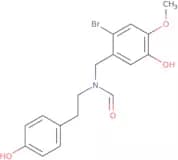

![3,6-Dichlorobenzo[b]thiophene-2-carboxylic acid](/_next/image/?url=https%3A%2Fstatic.cymitquimica.com%2Fproducts%2F3D%2Fthumb-webp%2FFD57151.webp&w=3840&q=75)

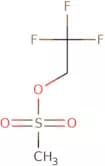
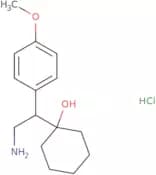

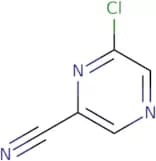
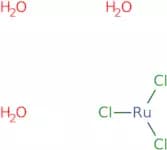
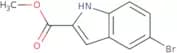
![2-[(N,N-Dibenzylamino)methyl]cyclohexanone hydrochloride](/_next/image/?url=https%3A%2Fstatic.cymitquimica.com%2Fproducts%2F3D%2Fthumb-webp%2FFD21548.webp&w=3840&q=75)
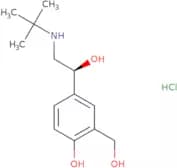
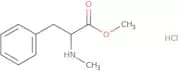
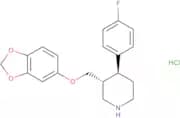
![5-Methyl-4,5,6,7-tetrahydrothiazolo[5,4-c]pyridine-2-carboxylic acid hydrochloride](/_next/image/?url=https%3A%2Fstatic.cymitquimica.com%2Fproducts%2F3D%2Fthumb-webp%2FFM63141.webp&w=3840&q=75)
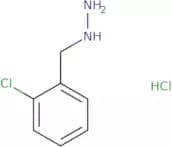
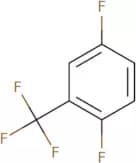
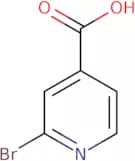

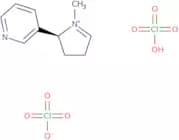
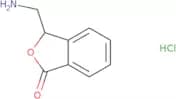
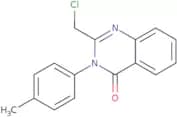
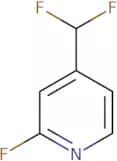
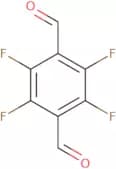
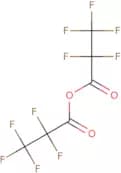
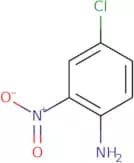
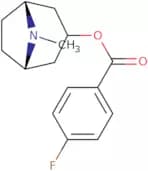
![5[(R)-(2-Aminopropyl)]-2-methoxybenzenesulfonamide hydrochloride](/_next/image/?url=https%3A%2Fstatic.cymitquimica.com%2Fproducts%2F3D%2Fthumb-webp%2FFA17834.webp&w=3840&q=75)
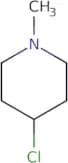

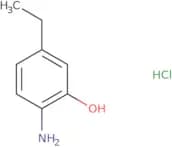
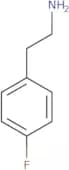
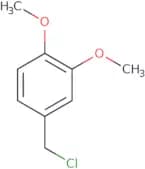
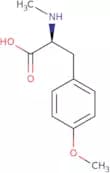
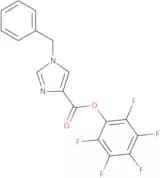
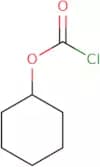
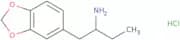
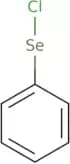
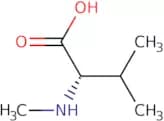
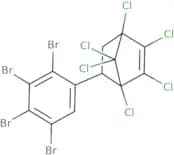
![[1,2-Bis(diphenylphosphino)ethane]dichloropalladium(II)](/_next/image/?url=https%3A%2Fstatic.cymitquimica.com%2Fproducts%2F3D%2Fthumb-webp%2FFB54999.webp&w=3840&q=75)
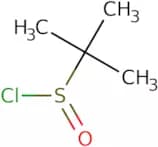


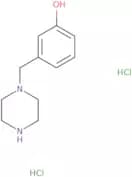
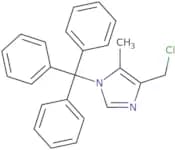
![[4-[2-(Diethylamino)ethoxy]-3-iodophenyl][2-(1-hydroxybutyl)-3-benzofuranyl]-methanone](/_next/image/?url=https%3A%2Fstatic.cymitquimica.com%2Fproducts%2F3D%2Fthumb-webp%2FFD150040.webp&w=3840&q=75)

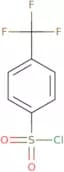
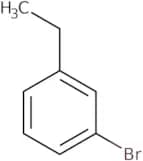
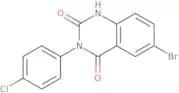

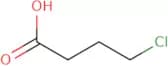
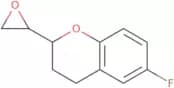
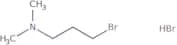
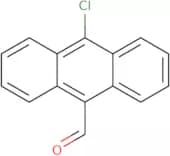

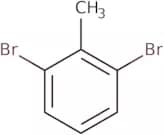
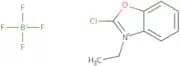
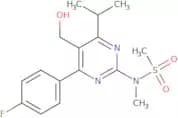
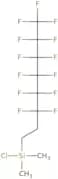
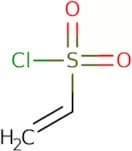
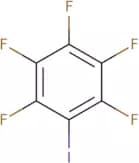
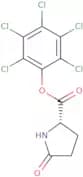
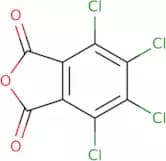
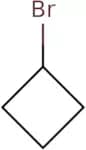
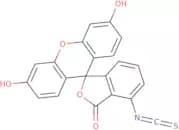
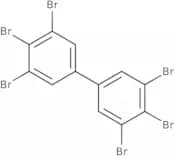
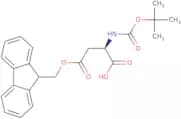

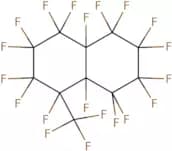
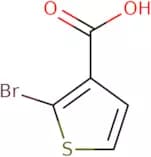

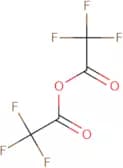
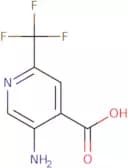
![[2-(1-Isopropyl-1H-benzimidazol-2-yl)ethyl]amine dihydrochloride](/_next/image/?url=https%3A%2Fstatic.cymitquimica.com%2Fproducts%2F3D%2Fthumb-webp%2FFI126434.webp&w=3840&q=75)
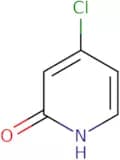
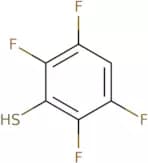

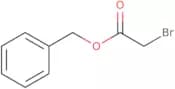
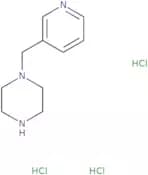

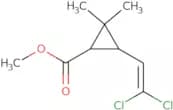
![2-(4-Fluorophenyl)-5-[(5-iodo-2-methylphenyl)methyl]thiophene](/_next/image/?url=https%3A%2Fstatic.cymitquimica.com%2Fproducts%2F3D%2Fthumb-webp%2FFF34928.webp&w=3840&q=75)
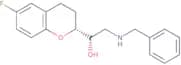
![N-Methyl-N-[(1-methyl-1H-benzimidazol-2-yl)methyl]amine hydrochloride](/_next/image/?url=https%3A%2Fstatic.cymitquimica.com%2Fproducts%2F3D%2Fthumb-webp%2FFM117084.webp&w=3840&q=75)
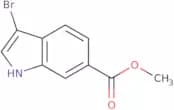
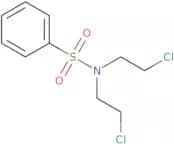


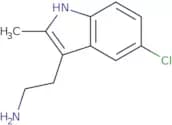
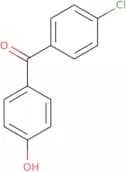
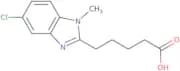
![[1,1'-Bis(diphenylphosphino)ferrocene]-dichloropalladium (II) dichloromethane complex](/_next/image/?url=https%3A%2Fstatic.cymitquimica.com%2Fproducts%2F3D%2Fthumb-webp%2FFB31909.webp&w=3840&q=75)
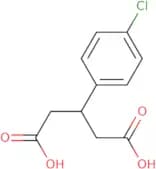
![4-Amino-3-bromo-1-(tert-butyl)-1H-pyrazolo[3,4-d]pyrimidine](/_next/image/?url=https%3A%2Fstatic.cymitquimica.com%2Fproducts%2F3D%2Fthumb-webp%2FFA168683.webp&w=3840&q=75)

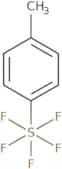

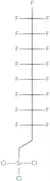
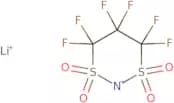

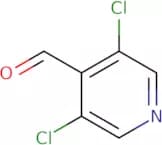
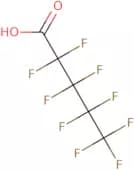

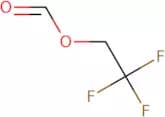
![N-(1H-Indol-4-ylmethyl)-N-[2-(4-methoxyphenyl)ethyl]amine hydrochloride](/_next/image/?url=https%3A%2Fstatic.cymitquimica.com%2Fproducts%2F3D%2Fthumb-webp%2FFI116235.webp&w=3840&q=75)
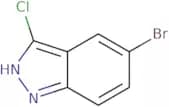
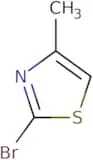
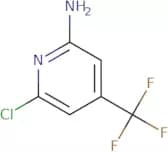

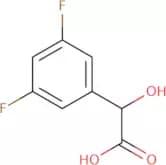
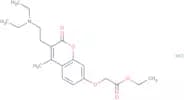

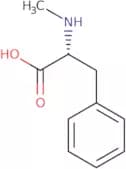
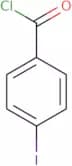
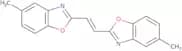
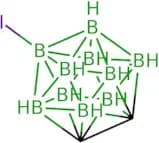
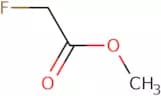
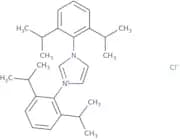
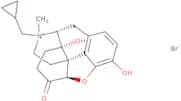
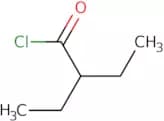
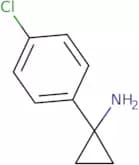
![1-[(2b,3a,5a,16b,17b)-17-Acetyloxy-3-hydroxy-2-(1-piperidinyl)androstan-16-yl]-1-methylpiperidiniu…](/_next/image/?url=https%3A%2Fstatic.cymitquimica.com%2Fproducts%2F3D%2Fthumb-webp%2FFA21131.webp&w=3840&q=75)
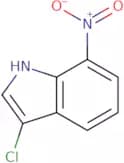
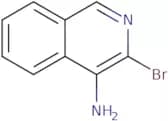
![7-(Difluoromethyl)-5-methyl[1,2,4]triazolo[1,5-a]pyrimidine-2-carboxylic acid](/_next/image/?url=https%3A%2Fstatic.cymitquimica.com%2Fproducts%2F3D%2Fthumb-webp%2FFD119953.webp&w=3840&q=75)

![2,3-Dihydro-1-(3-hydroxypropyl)-5-[(2R)-2-[[2-[2-(2,2,2-trifluoroethoxy)phenoxy]ethyl]amino]propyl…](/_next/image/?url=https%3A%2Fstatic.cymitquimica.com%2Fproducts%2F3D%2Fthumb-webp%2FFD103483.webp&w=3840&q=75)

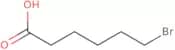
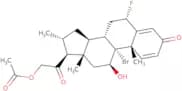
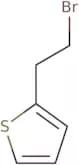
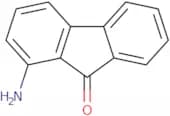
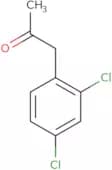
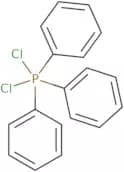
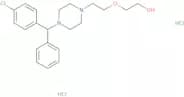
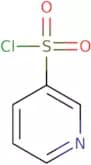

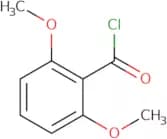
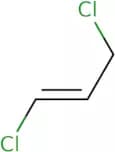

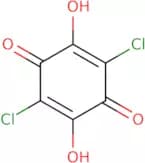

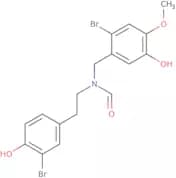
![Pentachlorophenyl N-[(benzyloxy)carbonyl]glycinate](/_next/image/?url=https%3A%2Fstatic.cymitquimica.com%2Fproducts%2F3D%2Fthumb-webp%2FFP123081.webp&w=3840&q=75)

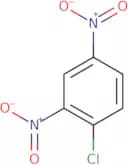
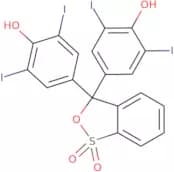
![N-[1,1'-Biphenyl]-4-yl-9,9-dimethyl-9H-fluoren-2-amine](/_next/image/?url=https%3A%2Fstatic.cymitquimica.com%2Fproducts%2F3D%2Fthumb-webp%2FFB151933.webp&w=3840&q=75)
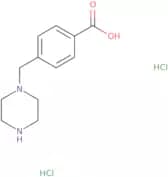
![4-[(4-Methyl-1H-pyrazol-1-yl)methyl]piperidine dihydrochloride](/_next/image/?url=https%3A%2Fstatic.cymitquimica.com%2Fproducts%2F3D%2Fthumb-webp%2FFM122832.webp&w=3840&q=75)
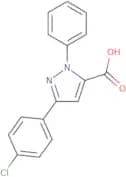
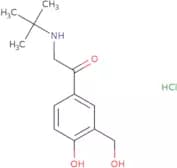

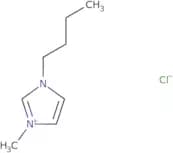
![1-[2-(5-Chloro-1H-indol-3-yl)ethyl]-5-oxopyrrolidine-3-carboxylic acid](/_next/image/?url=https%3A%2Fstatic.cymitquimica.com%2Fproducts%2F3D%2Fthumb-webp%2FFC119446.webp&w=3840&q=75)
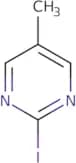
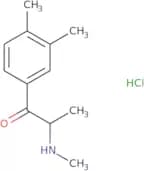


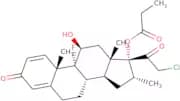
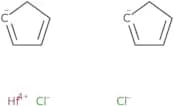
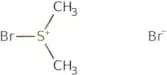

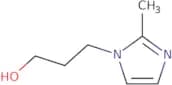
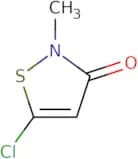
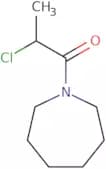
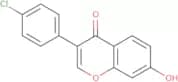
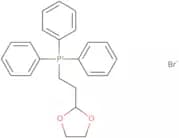

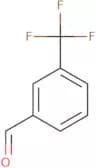


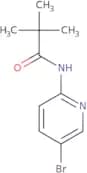
![[Hydroxy(methanesulfonyloxy)iodo]benzene](/_next/image/?url=https%3A%2Fstatic.cymitquimica.com%2Fproducts%2F3D%2Fthumb-webp%2FFH60683.webp&w=3840&q=75)
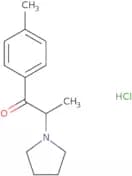
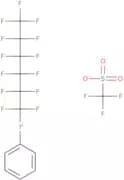
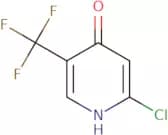
![2-Chloro-pyrazolo[1,5-a]pyridine](/_next/image/?url=https%3A%2Fstatic.cymitquimica.com%2Fproducts%2F3D%2Fthumb-webp%2FFC51462.webp&w=3840&q=75)
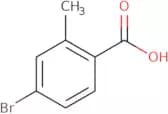
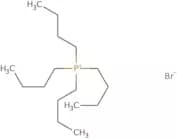
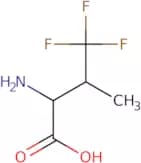
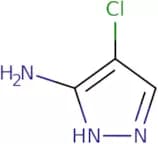
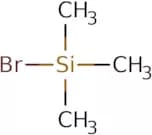
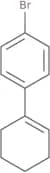
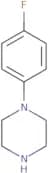

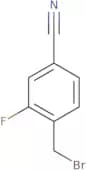
palladium(IV)](/_next/image/?url=https%3A%2Fstatic.cymitquimica.com%2Fproducts%2F3D%2Fthumb-webp%2FFB157435.webp&w=3840&q=75)