Haluros orgánicos
En esta categoría, encontrará moléculas orgánicas que contienen uno o más átomos de halógeno en su estructura. Estos haluros orgánicos incluyen compuestos bromados, yodados, clorados y haluros cíclicos. Los haluros orgánicos se utilizan ampliamente en la síntesis orgánica, productos farmacéuticos, agroquímicos y ciencia de materiales debido a su reactividad y capacidad para someterse a diversas transformaciones químicas. En CymitQuimica, ofrecemos una selección integral de haluros orgánicos de alta calidad para apoyar sus aplicaciones de investigación e industriales, garantizando un rendimiento confiable y efectivo en sus proyectos sintéticos y analíticos.
Subcategorías de "Haluros orgánicos"
Se han encontrado 20437 productos de "Haluros orgánicos"
Ordenar por
Pureza (%)
0
100
|
0
|
50
|
90
|
95
|
100
rac 1,2-dioleoyl-3-chloropropanediol
CAS:<p>Rac-1,2-dioleoyl-3-chloropropanediol is a fatty acid and can be used for the preparation of isotopically labelled fatty acids. Rac-1,2-dioleoyl-3-chloropropanediol has been used as an internal standard in the quantification of fatty acid esters in plant oils. The use of rac 1,2-dioleoyl-3-chloropropanediol was found to be appropriate for calibrating liquid chromatography with a quadrupole mass spectrometer.</p>Fórmula:C39H71ClO4Pureza:Min. 95%Peso molecular:639.43 g/mol(4-Bromophenyl)methanesulfonyl chloride
CAS:<p>Please enquire for more information about (4-Bromophenyl)methanesulfonyl chloride including the price, delivery time and more detailed product information at the technical inquiry form on this page</p>Fórmula:C7H6BrClO2SPureza:Min. 95%Peso molecular:269.54 g/molDiethyl Chlorothiophosphate
CAS:<p>Diethyl chlorothiophosphate is a chlorinating agent that reacts with sodium carbonate to form diethyl phosphorochloridate. It is used as an analytical reagent and in the production of monoclonal antibodies. It has been shown to effectively inhibit protein synthesis in bacteria by reacting with amino groups, which are essential for protein formation. Diethyl chlorothiophosphate is also able to induce antibody responses in mice. This drug may be toxic if inhaled or ingested and may cause skin irritation.</p>Fórmula:C4H10ClO2PSPureza:Min. 95%Peso molecular:188.61 g/molNeotetrazolium Chloride
CAS:<p>Neotetrazolium chloride is a tetrazolium dye that is used to detect the presence of living cells in a sample. It has an optimum concentration of 0.2% and significant cytotoxicity at concentrations greater than 1%. Neotetrazolium chloride binds to intracellular targets such as enzymes and nucleic acids, which can be detected by biochemical methods such as polymerase chain reaction (PCR). Neotetrazolium chloride can also bind to cell nuclei, making it useful for determining the number of viable cells in a sample. The bound form of neotetrazolium chloride is soluble in water and its detection limit is 10 fg/mL.</p>Fórmula:C38H28N8·2ClPureza:Min. 95%Peso molecular:667.59 g/molIodoethane-d5
CAS:Producto controlado<p>Iodoethane-d5 is a chromatographic reagent that is used for the determination of bond cleavage reactions. The reaction yield for bond cleavage reactions with iodoethane-d5 has been determined to be approximately 50%. Iodoethane-d5 is used in magnetic resonance spectroscopy, where it has been shown to be an effective probe for the measurement of proton and resonance mass. Iodoethane-d5 can also be used as a pharmacokinetic marker. It has been found that iodoethane-d5 is better than ethane at calculating pharmacokinetic parameters such as volume of distribution and clearance.</p>Fórmula:CD3CD2IPureza:Min. 95%Forma y color:Colourless LiquidPeso molecular:160.99 g/molL-Alaninol-2-chlorotrityl resin
<p>Please enquire for more information about L-Alaninol-2-chlorotrityl resin including the price, delivery time and more detailed product information at the technical inquiry form on this page</p>Pureza:Min. 95%Methyl 5-bromo-3-methylpicolinate
CAS:<p>Please enquire for more information about Methyl 5-bromo-3-methylpicolinate including the price, delivery time and more detailed product information at the technical inquiry form on this page</p>Fórmula:C8H8BrNO2Pureza:Min. 95%Peso molecular:230.06 g/mol(1-Fluorovinyl)methyldiphenylsilane
CAS:<p>1-Fluorovinylmethyldiphenylsilane is a reactive, cross-coupling reagent that is used to synthesize organofluorine compounds. It reacts with nucleophiles such as sulfoxides, peroxides, halides, and amines to form an organofluorine compound. The nucleophile can be either in the presence or absence of hydrogen peroxide as a catalyst. The product of this reaction can be a sulfoxide, peroxide, or amine. 1-Fluorovinylmethyldiphenylsilane has been shown to react with nitro groups and iodides to form organofluorine compounds. 1-Fluorovinylmethyldiphenylsilane is soluble in organic solvents such as hexane and chloroform. This reagent should not be stored in metal containers because it will react with them spontaneously.</p>Fórmula:C15H15FSiPureza:Min. 95%Peso molecular:242.36 g/mol2-Methylbenzyl chloride
CAS:<p>2-Methylbenzyl chloride is a reactive compound that has been shown to have inhibitory properties against cancer cells. It is an aromatic compound that is synthesized by the reaction of benzene and methyl chloride. This chemical appears as a white solid at room temperature. 2-Methylbenzyl chloride has been shown to have antimicrobial properties, which are due to its ability to react with fatty acids. The addition of 2-methylbenzyl chloride to fatty acid esters leads to the formation of hydroxylated derivatives, which are reactive and inhibit the growth of bacteria and fungi. This chemical also reacts with carbon disulphide, hydrogen chloride, and chloride in the presence of light or heat. The metabolic profiles of this chemical have not been well characterized, but it has been shown to be reactive with Mcf-7 cells.br>br> The following product details are for a product called "3DCTKP." br>br</p>Fórmula:C8H9ClPureza:Min. 95%Forma y color:Clear LiquidPeso molecular:140.61 g/molrac-cis despropionyl mefentanyl N-trifluoroacetate
CAS:Producto controlado<p>Please enquire for more information about rac-cis despropionyl mefentanyl N-trifluoroacetate including the price, delivery time and more detailed product information at the technical inquiry form on this page</p>Fórmula:C22H25F3N2OPureza:Min. 95%Peso molecular:390.44 g/molPiperazine-2-carboxylic acid methyl esterdihydrochloride
CAS:<p>Piperazine-2-carboxylic acid methyl ester (PPCM) is a chemical compound that is used as an intermediate in the production of ethylenediamine and piperazine-2-carboxylic acid dihydrochloride. It is a white crystalline solid that can be synthesized by reacting ethylene diamine with piperazine-2-carboxylic acid. PPCM has been shown to inhibit the growth of bacteria, yeast, and fungi by inhibiting protein synthesis. This chemical also inhibits the production of proteins essential for respiration and cell wall formation.</p>Fórmula:C6H14Cl2N2O2Pureza:Min. 95%Peso molecular:217.09 g/mol4-Bromophenylacetylene
CAS:<p>4-Bromophenylacetylene is a molecule that can be activated by nucleophilic attack, which is the process of reacting with a nucleophile. It is used in clinical studies to determine the activity of pancreatic lipase in humans and animals. 4-Bromophenylacetylene has been shown to have a high degree of regiospecificity, meaning that it only reacts with certain carbon atoms on the molecule, and not all of them. This allows for selective reactions to take place. 4-Bromophenylacetylene also reacts with amines, which are organic molecules containing nitrogen and hydrogen, through an X-ray absorption process. X-ray absorption is defined as an x-ray photon being absorbed by an electron in a molecule, causing the electron to change its energy level and state. The energy level and state changes are characterized by x-ray emission spectroscopy (XES).</p>Fórmula:C8H5BrPureza:Min. 95%Peso molecular:181.03 g/molTriarylsulfonium hexafluoroantimonate salts mixed - 50 wt. % in propylene carbonate
CAS:<p>Triarylsulfonium hexafluoroantimonate salts mixed - 50 wt. % in propylene carbonate, also known as TAS-50, is a coating that is used in analytical chemistry and polymerization reactions. TAS-50 has been shown to be biocompatible and non-irritating to skin, eyes, or mucous membranes. It is a fluorescent compound that can be used for the detection of analytes in liquid samples. TAS-50 has been shown to have optical properties that are similar to those of glass. The coating has also been shown to have efficient methods for fabricating optical fibers with improved temperature resistance and radiation resistance.</p>Fórmula:C60H47F18S5Sb3Pureza:Min. 95%Forma y color:Clear LiquidPeso molecular:1,635.6 g/mol3-(trifluoromethoxy)aniline
CAS:<p>3-(trifluoromethoxy)aniline is a compound that contains a trifluoromethoxy group. It has been shown to have antiproliferative effects in prostate cancer cells. 3-(trifluoromethoxy)aniline inhibits the activity of pim-1, which is important for cell proliferation and differentiation. The synthesis of 3-(trifluoromethoxy)aniline can be accomplished by one of two methods. In the first method, 3-chloroaniline is reacted with trifluoroacetic acid and bis(trimethylsilyl)acetamide in dichloromethane to form 3-hydroxy-4-chlorobenzenesulfonyl chloride (3HCBSCl). In the second method, the desired product is synthesized from 3-aminophenol and trifluoroacetic acid in acetonitrile. These two methods produce different isomers</p>Fórmula:C7H6F3NOPureza:Min. 95%Forma y color:PowderPeso molecular:177.12 g/molDibromoisocyanuric acid
CAS:<p>Dibromoisocyanuric Acid is an intermediate in the metabolism of fatty acids. It has been shown to inhibit fatty acid synthesis by inhibiting the transfer reactions of fatty acids from their acyl coenzyme A ester to carnitine, which is necessary for transport across the mitochondrial membrane. Dibromoisocyanuric Acid also inhibits monoclonal antibody production by monocytes and macrophages. Dibromoisocyanuric Acid may be used as a tumor suppressor in mice with tumors because it reduces gamma-aminobutyric acid levels, leading to increased locomotor activity and decreased body mass index.</p>Fórmula:C3HBr2N3O3Pureza:Min. 95%Forma y color:PowderPeso molecular:286.87 g/mol3-Iodobenzyl bromide
CAS:<p>3-Iodobenzyl bromide is a potent, selective antagonist of the adenosine A3 receptor. It has been shown to be effective in treating cervical cancer and cancer by inhibiting the growth of cancer cells. 3-Iodobenzyl bromide binds to the adenosine A3 receptor and blocks the binding of adenosine, thereby inhibiting its effects on other tissues. This drug has been shown to have little effect on other cellular receptors, making it a promising candidate for treating cancer without many side effects.</p>Fórmula:C7H6BrIPureza:Min. 95%Forma y color:PowderPeso molecular:296.93 g/molPentafluorobenzenethiol
CAS:<p>Pentafluorobenzenethiol is an organosulfur compound that is synthesized by the nucleophilic attack of deuterium on a hydrogenated aliphatic hydrocarbon. It is a colorless liquid with a characteristic low boiling point and high volatility. Pentafluorobenzenethiol has been shown to react with chelate rings and to form irreversible oxidation products. This chemical has analytical applications in the determination of potassium, sodium, and lithium in water samples; it also has semiconductor properties. The diameter of pentafluorobenzenethiol is 6.2 Å, which makes it a low energy aromatic hydrocarbon that can be easily transported through porous media.</p>Fórmula:C6HF5SPureza:Min. 95%Forma y color:Colorless Clear LiquidPeso molecular:200.13 g/mol4-Chlorobenzylamine
CAS:<p>4-Chlorobenzylamine is a chemical that is used as an intermediate in the synthesis of other compounds. It has low bioavailability, which may be due to its reactive site. The chemical can be characterized using nmr spectra and potent inhibitory activity. 4-Chlorobenzylamine has been found to react with nitrogen atoms, and this reaction is highly acidic. FT-IR spectroscopy can also be used to characterize this compound. Intermolecular hydrogen bonding and hydroxyl group are two of the major interactions of 4-chlorobenzylamine with other molecules. This chemical reacts with serine protease, glyoxal, and other substances in a manner that depends on the molecule's structure.</p>Fórmula:C7H8ClNPureza:Min. 95%Peso molecular:141.6 g/mol1,2,3,5-Tetrachlorobenzene
CAS:<p>1,2,3,5-Tetrachlorobenzene (1,2,3,5-TCB) is a chlorinated aromatic compound that inhibits the growth of bacteria. It has been used as a model system to study the inhibition of aniline-dependent enzymes by 1,2,3,5-TCB. The rate of elimination of 1,2,3,5-TCB from human and rat tissues varies with the type of tissue and the type of fatty acid present in the tissue. In addition to its effects on enzyme activity and bacterial growth rate, 1,2,3,5-TCB can also inhibit mitochondrial electron transport chain function and vitamin B12 absorption.</p>Fórmula:C6H2Cl4Pureza:Min. 95%Peso molecular:215.89 g/mol7-Chloro-5-(2-chlorophenyl)-2-hydrazinyl-3H-1,4-benzodiazepine
CAS:Producto controlado<p>Please enquire for more information about 7-Chloro-5-(2-chlorophenyl)-2-hydrazinyl-3H-1,4-benzodiazepine including the price, delivery time and more detailed product information at the technical inquiry form on this page</p>Fórmula:C15H12Cl2N4Pureza:Min. 95%Peso molecular:319.19 g/mol5-(Bromomethyl)-3-phenylisoxazole
CAS:<p>5-(Bromomethyl)-3-phenylisoxazole is a methoxy-bromo analog of fluoroquinolones. It has the same mode of action as fluoroquinolones, binding to DNA and inhibiting bacterial topoisomerases (DNA gyrase and topoisomerase IV). The affinity of 5-(Bromomethyl)-3-phenylisoxazole for these enzymes is greater than that of the parent compound, which may account for its increased potency. 5-(Bromomethyl)-3-phenylisoxazole is synthesized by reacting biphenyl with a mixture of bromoethane and methyl iodide in an organic solvent.</p>Fórmula:C10H8BrNOPureza:Min. 95%Peso molecular:238.08 g/mol1,5-Bis(4-allyldimethylammoniumphenyl)pentan-3-one, dibromide
CAS:<p>1,5-Bis(4-allyldimethylammoniumphenyl)pentan-3-one, dibromide is a reversible inhibitor of acetylcholinesterase. It has been shown to inhibit the enzyme activity in vitro and in vivo. 1,5-Bis(4-allyldimethylammoniumphenyl)pentan-3-one, dibromide has been shown to be an effective inhibitor of nicotinic acetylcholine receptors in model organisms such as Xenopus oocytes and Acetylcholine esterase activated rat pheochromocytoma cells. The molecule also inhibits the phosphorylation of pnitrophenyl phosphate by choline kinase. This inhibiting effect on choline kinase leads to a decrease in the concentration of choline available for neurotransmitter synthesis. Monoclonal antibodies against acetylcholinesterase are used to detect this</p>Fórmula:C27H38Br2N2OPureza:Min. 95%Peso molecular:566.41 g/mol3-Bromo-4-pyridinecarboxylic acid
CAS:<p>3-Bromo-4-pyridinecarboxylic acid is a naphthyridine derivative that is used in drug development. It is a crystalline solid that can be dissolved in organic solvents. 3-Bromo-4-pyridinecarboxylic acid has been shown to have antiinflammatory properties and can be used as an oxidant. 3-Bromo-4-pyridinecarboxylic acid is being investigated as a receptor subtype for inflammatory diseases, and it has also been used to study the mechanism of chronic inflammatory diseases.</p>Fórmula:C6H4BrNO2Pureza:Min. 95%Peso molecular:202.01 g/mol(2-(Bromomethyl)phenyl)methanol
CAS:<p>(2-(Bromomethyl)phenyl)methanol is an acceptor of a palladium complex. It is used in the synthesis of amides and other functional groups, as well as in catalysis. 2-(Bromomethyl)phenyl)methanol can be quaternized with methyl iodide to form a bromoalkylamine. The reaction proceeds via an amide group on the bromoalkylamine and a hydrogen atom from the alkyl halide. This process is known as "supramolecular" or "intermolecular" hydrogen bonding. It has been found that 2-(Bromomethyl)phenyl)methanol forms complexes with palladium through intermolecular hydrogen bonding, which are more stable than those formed by other ligands such as phosphines and cyanides.</p>Fórmula:C8H9BrOPureza:95%NmrPeso molecular:201.06 g/mol3-[4-(3,4-Dichlorophenyl)piperazin-1-yl]-3-oxopropanenitrile
CAS:Producto controlado<p>Please enquire for more information about 3-[4-(3,4-Dichlorophenyl)piperazin-1-yl]-3-oxopropanenitrile including the price, delivery time and more detailed product information at the technical inquiry form on this page</p>Fórmula:C13H13Cl2N3OPureza:Min. 95%Peso molecular:298.17 g/mol1-Cyclopropyl-7-(2,8-diazabicyclo[4.3.0]non-8-yl)-6-fluoro-8-methoxy-4-oxoquinoline-3-carboxylic acid
CAS:<p>This is a broad-spectrum antibacterial agent that inhibits bacterial DNA gyrase. It is active against atypical bacterial species, such as Chlamydia and Mycoplasma, and has been shown to be effective against certain strains of the methicillin-resistant Staphylococcus aureus (MRSA) bacteria. This drug also inhibits the growth of other bacteria by binding to their DNA. The drug is used in combination with other antibiotics to treat infections caused by Clostridium difficile, Helicobacter pylori, Borrelia burgdorferi, and Salmonella enterica. However, this drug does not work against Pseudomonas aeruginosa or Enterobacteriaceae infections.</p>Fórmula:C21H24FN3O4Pureza:Min. 95%Forma y color:PowderPeso molecular:401.43 g/mol4-Methoxy-3-(trifluoromethyl)aniline
CAS:<p>4-Methoxy-3-(trifluoromethyl)aniline is a benzene derivative that is stabilized by the methoxy and trifluoromethyl groups. The crystal structure of 4-methoxy-3-(trifluoromethyl)aniline has been determined to be orthorhombic, with space group Pbca and lattice constants a=6.541(2), b=8.829(2), c=5.744(1) Å at 100 K. This compound has a benzene ring with four methyl substituents on the phenyl ring, two of which are located on the para position. The molecule also contains two O atoms in positions 1 and 2, as well as two F atoms in positions 3 and 4.</p>Fórmula:C8H8F3NOPureza:Min. 95%Peso molecular:191.15 g/molN,N,N-Tributyl-1-butanaminium 1,1,2,2,3,3,4,4,5,5,6,6,7,7,8,8,8-heptadecafluoro-1-octanesulfonate
CAS:Producto controlado<p>N,N,N-Tributyl-1-Butanaminium 1,1,2,2,3,3,4,4,5,5,6,6,7,7,8,8,8-heptadecafluoro-1-octanesulfonate is an organic solvent that belongs to the group of surfactants. It is used as a crosslinking agent and ionizing agent in uncured coatings. This chemical has shown proton conductivity and the ability to generate hydroxyl ions when exposed to radiation such as ultraviolet light or gamma rays. NBDBS has been shown to be an effective antigen for use in immunological assays.</p>Fórmula:C24H36F17NO3SPureza:Min. 95%Forma y color:Clear LiquidPeso molecular:741.59 g/mol(5-Carboxypentyl)triphenylphosphonium bromide
CAS:<p>5-Carboxypentyl)triphenylphosphonium bromide (5CPPBr) is an activated form of the drug taxol. It is a potent anticancer agent that binds to microtubules and stabilizes them. This prevents the microtubules from dissociating, which disrupts the cell’s ability to divide. 5CPPBr also has high uptake in cells and mitochondria, which are important sites for anticancer activity. The drug has shown efficacy in humans and animals, with few side effects. 5CPPBr has been shown to inhibit tumor growth by inducing apoptosis and inhibiting angiogenesis. Further research is needed on its effect on human morphology and hyaluronic acid production.</p>Fórmula:C24H26BrO2PPureza:Min. 95%Peso molecular:457.34 g/mol4,16a-Dibromoestrone
CAS:Producto controlado<p>4,16a-Dibromoestrone is a brominated triol that is synthesized by the reductive borohydride reduction of estriol. The reduction of estriol with sodium borohydride in methanol yields 4,16a-dibromoestrone in high yield. The conversion from estriol to 4,16a-dibromoestrone can be performed using either palladium or chloride. This product has been shown to be an efficient reductive agent for the synthesis of methyl esters from carboxylic acids. This product also undergoes glucuronidation.</p>Fórmula:C18H20Br2O2Pureza:Min. 95%Peso molecular:428.16 g/mol(3,5-Dichlorophenyl)methanesulfonyl chloride
CAS:<p>Please enquire for more information about (3,5-Dichlorophenyl)methanesulfonyl chloride including the price, delivery time and more detailed product information at the technical inquiry form on this page</p>Fórmula:C7H5Cl3O2SPureza:Min. 95%Peso molecular:259.54 g/mol2-(4-Methoxyphenyl)-2-(1-hydroxycyclohexyl)ethylamineHydrochloride
CAS:<p>Please enquire for more information about 2-(4-Methoxyphenyl)-2-(1-hydroxycyclohexyl)ethylamineHydrochloride including the price, delivery time and more detailed product information at the technical inquiry form on this page</p>Fórmula:C15H24ClNO2Pureza:Min. 95%Peso molecular:285.81 g/molN-Desmethyl diphenhydramine hydrochloride
CAS:<p>N-Desmethyl diphenhydramine hydrochloride is a high quality, complex compound with CAS No. 53499-40-4 that can be used as a useful intermediate, speciality chemical, or research chemicals. It is a versatile building block and reaction component.</p>Fórmula:C16H20ClNOPureza:Min. 95 Area-%Forma y color:PowderPeso molecular:277.79 g/molCyclopropanecarboxylic acid chloride
CAS:<p>Cyclopropanecarboxylic acid chloride is an organic compound with a molecular formula of C3H6Cl2O. It belongs to the group of carboxylic acids and has a pyrazole ring, which is a potential drug target. Cyclopropanecarboxylic acid chloride has been found to be active against infectious diseases such as herpes, influenza, and Ebola. The mechanism of action for this compound is not yet fully understood but it has been shown to have an effect on growth factors and kinetic data.</p>Fórmula:C4H5ClOPureza:Min. 95%Peso molecular:104.53 g/mol2-Cyclopentyl-4-chlorophenol
CAS:<p>2-Cyclopentyl-4-chlorophenol is a synthetic fatty acid that is used as an antiviral agent. It inhibits the synthesis of fatty acids by inhibiting the conversion of 2,4-dienoyl CoA to 3-hydroxyacyl CoA. 2-Cyclopentyl-4-chlorophenol has been shown to be effective against a number of test organisms, including bacteria such as staphylococcus and virus such as herpes simplex virus. 2-Cyclopentyl-4-chlorophenol inhibits viral protein synthesis by blocking the action of host enzymes required for this process. The target cell for this drug is the host cell infected with a virus. This drug also has antihelminthic properties and can be used to treat parasitic infections caused by schistosoma haematobium and clonorchis sinensis worms. 2CPCP's structural formula is shown below:</p>Fórmula:C11H13ClOPureza:Min. 95%Peso molecular:196.67 g/molBenzyl N-(2-aminoethyl)carbamate hydrochloride
CAS:<p>Please enquire for more information about Benzyl N-(2-aminoethyl)carbamate hydrochloride including the price, delivery time and more detailed product information at the technical inquiry form on this page</p>Fórmula:C10H15ClN2O2Pureza:Min. 95%Peso molecular:230.69 g/molN-Methyl-5H-dibenzo[a,d]cycloheptene-5-propylamine hydrochloride
CAS:Producto controlado<p>N-Methyl-5H-dibenzo[a,d]cycloheptene-5-propylamine hydrochloride (NMBPD) is a drug with anti-inflammatory properties that belongs to the class of tricyclic antidepressants. It has been shown to have synergistic effects with synthetic matrix in vitro. This drug also has receptor activity and can be used to treat infectious diseases such as HIV and tuberculosis. NMBPD is excreted in the urine, which can lead to kidney fibrosis. The drug is metabolized by α1-acid glycoprotein, which may be related to its potential adverse effects on the liver and kidneys. The analytical method for quantification of NMBPD includes gas chromatography with mass spectrometry detection (GC/MS).</p>Fórmula:C19H22ClNPureza:Min. 95%Forma y color:PowderPeso molecular:299.84 g/mol6-Bromo-1H-pyrrolo[3,2-c]pyridine
CAS:<p>Pyrroloquinoline quinones are a class of naturally occurring bioactive natural products that have been isolated from plants and fungi. Pyrroloquinoline quinone is an important intermediate in the synthesis of many other biologically active natural products. The pyrrole ring is synthesized by two different methods: (1) the oxidation of 2-pyridone, or (2) the reaction of methyl 4-hydroxypyrimidine-2-carboxylate with methylamine. Synthesis can be accomplished through a number of synthetic strategies, including bioorganic chemistry, organic chemistry, and synthetic strategies. The mechanisms for each step in the synthesis are discussed in detail below.</p>Fórmula:C7H5BrN2Pureza:Min. 95%Forma y color:SolidPeso molecular:197.03 g/mol5-Chloro bupropion fumarate
CAS:Producto controlado<p>Please enquire for more information about 5-Chloro bupropion fumarate including the price, delivery time and more detailed product information at the technical inquiry form on this page</p>Fórmula:C17H21Cl2NO5Pureza:Min. 95%Peso molecular:390.26 g/mol2,6-Dimethoxybenzoyl Chloride
CAS:<p>2,6-Dimethoxybenzoyl chloride is a halide that is used in the synthesis of other compounds. It can be synthesized by the reaction of methoxy groups with demethylation and regiospecific chlorination. This compound has been used to synthesize other substances, such as 2-chloro-2′,6′-diethoxybenzophenone. 2,6-Dimethoxybenzoyl chloride also has enzymatic activity that can be catalyzed by chromatographic science. The chloride ion is the most common anion found in living cells and it is involved in a variety of reactions. Dimethoxybenzamido and tribromide are two types of organic compounds that contain chlorine.</p>Fórmula:C9H9ClO3Pureza:Min. 95%Peso molecular:200.62 g/mol(Pyrimidin-4-ylmethyl)amine dihydrochloride
CAS:<p>Pyrimidin-4-ylmethyl)amine dihydrochloride is a drug that belongs to the class of drugs known as kinase inhibitors. Pyrimidin-4-ylmethyl)amine dihydrochloride inhibits the kinase activity of Jak3, which is involved in regulating inflammation and immune response. This inhibitor has been shown to be effective against chronic inflammatory diseases such as asthma, psoriasis, and rheumatoid arthritis. Pyrimidin-4-ylmethyl)amine dihydrochloride has an affinity for ATP binding sites and can be used to regulate kinase activity by competing with ATP for these binding sites.</p>Fórmula:C5H7N3Pureza:Min. 95%Peso molecular:109.13 g/molN1-(2-Hydroxyethyl) flurazepam hydrochloride
CAS:Producto controlado<p>Please enquire for more information about N1-(2-Hydroxyethyl) flurazepam hydrochloride including the price, delivery time and more detailed product information at the technical inquiry form on this page</p>Fórmula:C17H15Cl2FN2O2Pureza:Min. 95%Peso molecular:369.22 g/mol5-Chloro-3-phenyl-1,2,4-oxadiazole
CAS:<p>5-Chloro-3-phenyl-1,2,4-oxadiazole is a potent and selective inhibitor of fatty acid amide hydrolase (FAAH). It is also an inhibitor of the permeability glycoprotein PGP. 5-Chloro-3-phenyl-1,2,4-oxadiazole has a potent inhibitory activity against FAAH and PGP at low concentrations. This inhibition can be improved by optimization of the lead compound. 5-Chloro-3-phenyl-1,2,4-oxadiazole is orally active in rats and in humans. In animal studies it has been shown to produce dose dependent effects on blood pressure and heart rate when administered intravenously or orally.</p>Fórmula:C8H5ClN2OPureza:Min. 95%Peso molecular:180.59 g/molDibenzylfluorescein
CAS:<p>Dibenzylfluorescein is a fluorescent probe that can be used for the detection of CYP3A4 enzyme activity. Dibenzylfluorescein has significant cytotoxicity and causes genotoxic effects in human cells, which may be due to its ability to inhibit drug-metabolizing enzymes such as cytochrome P450 (CYP) enzymes. The fluorescence intensity of dibenzylfluorescein is proportional to the amount of CYP3A4 present in the sample. The fluorescence intensity can be quantified using a spectrofluorometer, and the results can be analyzed by high-performance liquid chromatography-mass spectrometry (LC-MS/MS). Dibenzylfluorescein has been used as a marker for CYP3A4 activity in human hepatocyte-like cells and has been shown to have an inhibitory effect on enzyme activities. It also inhibits the</p>Fórmula:C34H24O5Pureza:Min. 95%Peso molecular:512.55 g/molrac-N-ethyl amphetamine hydrochloride
CAS:Producto controlado<p>Racemic amphetamine is a psychoactive substance that has been extensively used in the past as a stimulant, for example in the treatment of ADHD and narcolepsy. Racemic amphetamine is typically used to monitor drug use or to identify adulterants in urine samples. It is also used in the analysis of psychoactive substances and for the detection of phenylpropanolamine (PPA) and formic acid. Racemic amphetamine is a controlled substance that can be found in various forms, including methanolic solution, dilution, analyze, and reaction monitoring. Its use has been shown to be linear and it can be quantified by high-performance liquid chromatography.</p>Fórmula:C11H18ClNPureza:Min. 95%Peso molecular:199.72 g/mol1-[2-(5-Chloro-1H-indol-3-yl)ethyl]-5-oxopyrrolidine-3-carboxylic acid
CAS:Producto controlado<p>Please enquire for more information about 1-[2-(5-Chloro-1H-indol-3-yl)ethyl]-5-oxopyrrolidine-3-carboxylic acid including the price, delivery time and more detailed product information at the technical inquiry form on this page</p>Fórmula:C15H15ClN2O3Pureza:Min. 95%Peso molecular:306.74 g/mol1-(4-Fluorobenzyl)piperazine
CAS:Producto controlado<p>1-(4-Fluorobenzyl)piperazine is a potent tyrosinase inhibitor and has been shown to inhibit the proliferation of human cancer cells. It has been found to have inhibitory activity against the amine oxidase enzyme, which is involved in the biosynthesis of pro-inflammatory cytokines. The biochemical properties of 1-(4-fluorobenzyl)piperazine have been studied by liquid chromatography and mass spectrometry and it has been found to be synthesized from piperazine and an amine. There are no other studies available on this drug at this time.</p>Fórmula:C11H15FN2Pureza:Min. 95%Peso molecular:194.25 g/mol[2-(5-Chloro-1H-indol-3-yl)-1-methylethyl]amine hydrochloride
CAS:Producto controlado<p>Please enquire for more information about [2-(5-Chloro-1H-indol-3-yl)-1-methylethyl]amine hydrochloride including the price, delivery time and more detailed product information at the technical inquiry form on this page</p>Fórmula:C11H13ClN2Pureza:Min. 95%Peso molecular:208.69 g/mol2-Chloromalonaldehyde
CAS:<p>2-Chloromalonaldehyde is a reactive chemical that can be used as a pharmaceutical intermediate. It has been shown to have anti-inflammatory properties and is often used in pharmaceutical preparations. 2-Chloromalonaldehyde has shown an ability to bind with integrin receptors and inhibit the production of pro-inflammatory molecules, such as prostaglandins. This compound has also been shown to have a photoelectron spectrum that includes an intramolecular hydrogen bond, which contributes to its biological activity.</p>Fórmula:C3H3ClO2Pureza:(%) Min. 90%Forma y color:PowderPeso molecular:106.51 g/mol2,2,3,3,4,4,5,5-Octafluoro-1,6-hexanediol
CAS:<p>Octafluoro-1,6-hexanediol is a cyclic diol with the chemical formula C6F14O2. The compound is produced by the reaction of hexafluoropropylene oxide and hydrogen fluoride in the presence of a catalyst. This process can be repeated to produce higher molecular weight compounds such as octafluoro-1,8-octanediol (C8F18O2) and octafluoro-1,10-decanediol (C10F22O2). Octafluoro-1,6-hexanediol has been studied using spectroscopies and x-ray crystallography techniques. X-ray crystallographic studies have shown that this molecule has an intramolecular conformation with one hydroxy group on each end of the molecule. Octafluoro-1,6-hexanediol forms crystals that are colorless or light yellow in color. Crystals are monoclin</p>Fórmula:C6H6F8O2Pureza:Min. 95%Forma y color:PowderPeso molecular:262.1 g/mol4-[(2,5-Dimethyl-1H-pyrrol-1-yl)methyl]piperidine hydrochloride
CAS:Producto controlado<p>Please enquire for more information about 4-[(2,5-Dimethyl-1H-pyrrol-1-yl)methyl]piperidine hydrochloride including the price, delivery time and more detailed product information at the technical inquiry form on this page</p>Fórmula:C12H20N2Pureza:Min. 95%Peso molecular:192.3 g/molAlfentanil hydrochloride
CAS:Producto controlado<p>Alfentanil is an opioid analgesic that is used for the treatment of severe or acute pain. It is a potent synthetic analog of fentanyl, which is an opioid analgesic that is used for the treatment of short-term (acute) and long-term (chronic) pain. Alfentanil has been shown to have a high affinity for α1-acid glycoprotein, which has been associated with drug interactions and blood sampling. Alfentanil also has chemical stability in experimental models and does not interact with nonsteroidal anti-inflammatory drugs. This drug may have a matrix effect on the concentration of cortisol in the blood.</p>Fórmula:C21H33ClN6O3Pureza:Min. 95%Peso molecular:452.98 g/molBromoform - Stabilized with ethanol
CAS:<p>Bromoform is a colorless, sweet-smelling liquid that was formerly used as an industrial solvent and disinfectant. Bromoform is a potent liver toxin and has been implicated in the development of liver cancer. In animal studies, bromoform causes significant genotoxic effects, including DNA single-strand breaks and chromosomal aberrations. Bromoform also inhibits the activity of enzymes involved in lipid metabolism, which may be due to its ability to bind to proteins in the cell membrane and alter their function. Bromoform is absorbed through the lungs or gastrointestinal tract after inhalation or ingestion. It undergoes rapid metabolism by oxidation followed by conjugation with glutathione, which renders it non-toxic and allows for its elimination from the body.</p>Fórmula:CHBr3Pureza:Min. 95%Forma y color:Clear LiquidPeso molecular:252.73 g/mol8-Bromo-imidazo[1,2-a]pyridine
CAS:<p>8-Bromo-imidazo[1,2-a]pyridine is a neutralizing agent that can be used in the synthesis of succinimide. It reacts with chloroacetaldehyde to yield the imidate ester. This reaction is catalyzed by alkali and requires filtration to remove the bromine and any other impurities. The reaction generates heat, so it must be performed in a well-ventilated area.</p>Fórmula:C7H5BrN2Pureza:Min. 95%Peso molecular:197.03 g/mol4-Bromo-2-fluoro-6-(trifluoromethyl)aniline
CAS:<p>Please enquire for more information about 4-Bromo-2-fluoro-6-(trifluoromethyl)aniline including the price, delivery time and more detailed product information at the technical inquiry form on this page</p>Fórmula:C7H4BrF4NPureza:Min. 95%Forma y color:Clear LiquidPeso molecular:258.01 g/mol4-Fluoro bupropion
CAS:Producto controlado<p>Please enquire for more information about 4-Fluoro bupropion including the price, delivery time and more detailed product information at the technical inquiry form on this page</p>Fórmula:C13H18FNOPureza:Min. 95%Peso molecular:223.29 g/mol2,3,7,8-Tetrachlorodibenzofuran
CAS:<p>2,3,7,8-Tetrachlorodibenzofuran (2,3,7,8-TCDF) is a congener of polychlorinated dibenzo-p-dioxin. It is found in the environment as a byproduct from the manufacture of chlorophenols and pentachlorophenol. 2,3,7,8-TCDF is an endocrine disruptor that affects cell nuclei and causes oxidative stress to the liver. There are few studies on 2,3,7,8-TCDF because it is not commercially available for use in research or industry. The only study done on this chemical found that it was potent inducer of glucuronide conjugation enzymes and decreased the activity of rat liver microsomes.</p>Fórmula:C12H4Cl4OPureza:Min. 95%Peso molecular:305.97 g/molChlorfenapyr
CAS:<p>Chlorfenapyr is a polymerase chain inhibitor that binds to the terminal residues of the protein. It is used as an insecticide, and has been shown to be effective against insects such as termites, ants, cockroaches, and fleas. Chlorfenapyr prevents synthesis of proteins by binding to the ribosomes at the site where amino acids are joined together to form a new protein. This binding prevents translation and leads to cell death. Chlorfenapyr also inhibits certain mammalian enzymes, including kidney bean trypsin inhibitor, which may be due to its ability to bind with these proteins in both bound and free forms.</p>Fórmula:C15H11BrClF3N2OPureza:Min. 95%Forma y color:White PowderPeso molecular:407.61 g/mol2-(tert-Butylamino)propiophenone hydrochloride
CAS:Producto controlado<p>Please enquire for more information about 2-(tert-Butylamino)propiophenone hydrochloride including the price, delivery time and more detailed product information at the technical inquiry form on this page</p>Fórmula:C13H20ClNOPureza:Min. 95%Peso molecular:241.76 g/mol2-(1-Adamantyl)pyrrolidine hydrochloride
CAS:<p>Please enquire for more information about 2-(1-Adamantyl)pyrrolidine hydrochloride including the price, delivery time and more detailed product information at the technical inquiry form on this page</p>Fórmula:C14H23NPureza:Min. 95%Peso molecular:205.34 g/molSodium N-(6-chloropyridazin-3-yl)sulphanilamidate
CAS:<p>Sodium N-(6-chloropyridazin-3-yl)sulphanilamidate (NPS) is a sulfa drug that has been shown to have an effect on the enzyme activities of some endoparasites, such as Giardia lamblia and Entamoeba histolytica. The active form of NPS is metabolized through a number of metabolic transformations, including hydrolysis by esterases or glucuronidases, oxidation by cytochrome P450 enzymes, reduction by glutathione reductase, or conjugation with glucuronic acid. It also specifically binds to markers expressed at high levels in Mycobacterium tuberculosis strains (e.g., ESX-1 secretion system protein) and inhibits cell growth in culture.</p>Fórmula:C10H8ClN4O2SNaPureza:Min. 95%Peso molecular:306.7 g/mol4-(4-fluorophenyl)butanoic Acid
CAS:<p>Please enquire for more information about 4-(4-fluorophenyl)butanoic Acid including the price, delivery time and more detailed product information at the technical inquiry form on this page</p>Fórmula:C10H11FO2Pureza:Min. 95%Peso molecular:182.19 g/molProperidine hydrochloride
CAS:Producto controlado<p>Please enquire for more information about Properidine hydrochloride including the price, delivery time and more detailed product information at the technical inquiry form on this page</p>Fórmula:C16H24ClNO2Pureza:Min. 95%Peso molecular:297.82 g/mol1-(4-Bromo-2,5-dimethoxybenzyl)piperazine
CAS:Producto controlado<p>Please enquire for more information about 1-(4-Bromo-2,5-dimethoxybenzyl)piperazine including the price, delivery time and more detailed product information at the technical inquiry form on this page</p>Fórmula:C13H19BrN2O2Pureza:Min. 95%Peso molecular:315.21 g/mol2-(4-Fluoro-benzyl)pyrrolidine
CAS:Producto controlado<p>Please enquire for more information about 2-(4-Fluoro-benzyl)pyrrolidine including the price, delivery time and more detailed product information at the technical inquiry form on this page</p>Fórmula:C11H14FNPureza:Min. 95%Peso molecular:179.23 g/molN-Bromoacetamide
CAS:<p>N-Bromoacetamide is a reactive chemical that can react with the sodium channel to produce a postulated effect. It has been shown to inhibit the kinetics of the sodium channel in whole-cell voltage clamp experiments. This inhibition is reversible and does not depend on the pH of the solution. Bromoacetamide has been shown to have an irreversible inhibition on potassium channels, which may be due to its ability to form covalent bonds with sulfhydryl groups. Bromoacetamide also inhibits voltage-gated calcium channels, but at a slower rate than it does for sodium channels. N-Bromoacetamide has been shown to be effective in pharmacological treatments for epilepsy, myasthenia gravis, and multiple sclerosis.</p>Fórmula:C2H4BrNOPureza:Min. 95%Forma y color:PowderPeso molecular:137.96 g/mol4-(Trifluoromethylsulfonyl)Benzonitrile
CAS:<p>4-(Trifluoromethylsulfonyl)benzonitrile is a coupling agent that is used to catalyze cross-coupling reactions between organoboranes and organic electrophiles. It is compatible with a wide range of functional groups, including phosphine and phosphite. 4-(Trifluoromethylsulfonyl)benzonitrile has been shown to be an excellent catalyst for the Suzuki and Miyaura reactions, as well as for arylation reactions. 4-(Trifluoromethylsulfonyl)benzonitrile is not active in the presence of water or oxygen and should be stored in a dry place at room temperature.</p>Fórmula:C8H4F3NO2SPureza:Min. 95%Peso molecular:235.18 g/mol3-Bromo-5-phenyl-1,2,4-oxadiazole
CAS:<p>3-Bromo-5-phenyl-1,2,4-oxadiazole (3BrO) is an organic compound that can be synthesized by coupling a benzoyl chloride with a cyanide salt. 3BrO is also produced in the pyrolysis of benzophenone and 1,2,4-triazole. The fragmentation of 3BrO produces catechol and phenylhydrazine. The deoxygenative coupling reaction of 3BrO with sodium azide produces the explosive compound 2,4,6-trinitrobenzamide. This chemical has been used as the starting material for the synthesis of many other explosives such as RDX and TNT.</p>Fórmula:C8H5BrN2OPureza:Min. 95%Peso molecular:225.04 g/molCesium bromide
CAS:<p>Cesium bromide is a chemical compound that has a high melting point. It is used as an ionic liquid and as a salt in analytical chemistry. Cesium bromide can be used to measure the thermal expansion of materials or to measure the hydrogen bond strength between two molecules. Cesium bromide is also used in membrane systems for water purification, and it can be used for radiation treatment of cancer cells. Cesium bromide can be found in wastewater treatment plants where it helps to remove halides and other contaminants from water vapor, providing kinetic energy to do so. Cesium bromide is also used as an analytical method for measuring hydrochloric acid, uv absorption, or chelate rings.</p>Fórmula:CsBrPureza:Min. 95%Peso molecular:212.81 g/mol5-Fluoro-2-Indanamine
CAS:Producto controlado<p>Please enquire for more information about 5-Fluoro-2-Indanamine including the price, delivery time and more detailed product information at the technical inquiry form on this page</p>Fórmula:C9H10FNPureza:Min. 95%Peso molecular:151.18 g/molBis(pyridine)iodonium tetrafluoroborate
CAS:<p>Bis(pyridine)iodonium tetrafluoroborate is a reagent that can be used to iodinate organic compounds. It is prepared by the reaction of pyridine with iodine and bromine in tetrafluoroboric acid. Bis(pyridine)iodonium tetrafluoroborate is an active compound that can be used for amino acid analysis, optical properties, and functional groups. This compound also can be used for magnetic resonance analysis, palladium-catalyzed coupling, and synthetic reactions. Bis(pyridine)iodonium tetrafluoroborate has been found to have radiation transport properties and a strong reactivity towards acids.</p>Fórmula:C10H10BF4IN2Pureza:Min. 95%Peso molecular:371.91 g/moltert-Butyl 4-chloro-5,6-dihydropyrido[3,4-d]pyrimidine-7(8H)-carboxylate
CAS:<p>Please enquire for more information about tert-Butyl 4-chloro-5,6-dihydropyrido[3,4-d]pyrimidine-7(8H)-carboxylate including the price, delivery time and more detailed product information at the technical inquiry form on this page</p>Fórmula:C12H16ClN3O2Pureza:Min. 95%Peso molecular:269.73 g/mol1-Bromo-3-ethylbenzene
CAS:<p>1-Bromo-3-ethylbenzene (1BEB) is a trifluoroacetic acid that is used as a reagent in the analysis of urine samples. It reacts with glutathione to form a fluorescent product, which can be detected by fluorescence spectroscopy. 1BEB reacts with methyl groups in the sample to produce an intermediate compound that can be measured by liquid chromatography-mass spectrometry (LC/MS). The reaction time for this process depends on the temperature and other conditions such as pH. LC/MS has been shown to be more accurate than kinetic measurements for the determination of 1BEB concentrations in urine because it takes into account the chemical reactions that take place during the analysis. In addition, methylbenzenes are also formed during this process, which can be analysed using gas chromatography-mass spectrometry (GC/MS). GC/MS has been shown to be more accurate than LC/MS methods for evaluating</p>Fórmula:C8H9BrPureza:Min. 95%Peso molecular:185.06 g/mol1-(4-Fluorophenyl)-5-methyl-1H-pyrazole-4-carboxylic acid
CAS:<p>Please enquire for more information about 1-(4-Fluorophenyl)-5-methyl-1H-pyrazole-4-carboxylic acid including the price, delivery time and more detailed product information at the technical inquiry form on this page</p>Fórmula:C11H9FN2O2Pureza:Min. 95%Peso molecular:220.2 g/molEthyl 5-fluoroindole-2-carboxylate
CAS:<p>Ethyl 5-fluoroindole-2-carboxylate is a cytotoxic compound that belongs to the class of organic compounds called aryl rings. It has been shown to inhibit tumor growth in vitro and in vivo through the inhibition of protein synthesis. The molecular docking studies have shown that this compound binds to the enzyme SMMC-7721 cell, which is involved in DNA transcription and replication. It also inhibits activity of other enzymes, such as kinases and phosphatases, which are involved in cellular processes such as proliferation and differentiation. Ethyl 5-fluoroindole-2-carboxylate may be used for the treatment of blood cancer or monosugar diseases, such as diabetes mellitus or hyperlipidemia.</p>Fórmula:C11H10FNO2Pureza:Min. 95%Peso molecular:207.2 g/mol4-Methoxyphenyl chloroformate
CAS:<p>4-Methoxyphenyl chloroformate is a reactive chemical that can be used to synthesize amides, esters, and anhydrides. It reacts with nucleophiles such as chloride or hydroxide to form an intermediate product. This intermediate product then reacts with the desired molecule to form the desired final product. 4-Methoxyphenyl chloroformate has shown selectivity for binding to opioid receptors, including mu and delta subtypes. This chemical may be used in the synthesis of antibiotic drugs that have similar receptor subtypes. 4-Methoxyphenyl chloroformate also has been shown to modulate G protein signaling pathways in cells, which may lead to improved pharmacokinetic properties.</p>Fórmula:C8H7ClO3Pureza:Min. 95%Forma y color:Clear LiquidPeso molecular:186.59 g/mol5-Chlorothiophene-2-carbonyl chloride
CAS:<p>Intermediate in the synthesis of rivaroxaban</p>Fórmula:C5H2Cl2OSPureza:Min. 95%Forma y color:Clear LiquidPeso molecular:181.04 g/mol7-[(3R)-3-[(N-Acetyl)amino]-1-oxo-4-(2,4,5-trifluorophenyl)butyl]-5,6,7,8-tetrahydro-3-(trifluoromethyl)-1,2,4-triazolo[4,3-a]pyrazi ne
CAS:<p>Please enquire for more information about 7-[(3R)-3-[(N-Acetyl)amino]-1-oxo-4-(2,4,5-trifluorophenyl)butyl]-5,6,7,8-tetrahydro-3-(trifluoromethyl)-1,2,4-triazolo[4,3-a]pyrazi ne including the price, delivery time and more detailed product information at the technical inquiry form on this page</p>Fórmula:C18H17F6N5O2Pureza:Min. 95%Peso molecular:449.35 g/molEicosafluorononane
CAS:Producto controlado<p>Eicosafluorononane is a hydrogen fluoride that is used as a chemical reagent to produce dry weight in cells. It has been shown to promote growth factor-induced cell proliferation and monoclonal antibody production. Eicosafluorononane has also been used for diagnostic purposes, with the ability to react with cell culture media and form fluorescent compounds. This agent is lipophilic and can be used in humans, which makes it an ideal candidate for use in a basic fibroblast model. The reaction solution of eicosafluorononane can also be used to measure boron nitride, mainly due to its high thermal expansion coefficient and low solubility coefficient. Eicosafluorononane reacts with trifluoroacetic acid at high temperatures, forming a volatile compound that can be collected by condensation.</p>Fórmula:C9F20Pureza:Min. 95%Peso molecular:488.06 g/molDecanoyl chloride
CAS:<p>Decanoyl chloride is a fatty acid derivative that acts as a surfactant and detergent. It is used in the formulation of detergent compositions, such as pluronic f127, which are used for the production of antireflux agents, wetting agents, and solubilizers. Decanoyl chloride is also used in the manufacture of glycol esters and acylation reactions. The molecular weight of decanoyl chloride is between 138-144 g/mol. The chemical formula for decanoyl chloride is C10H20O2. Decanoyl chloride has an acid dissociation constant (pKa) of 10.5 at 25°C. The infrared spectrum shows bands at 1626 cm-1 and 1602 cm-1 due to stretching vibrations of the alkanoic acid moiety or C=O bond. Decanoyl chloride has a redox potential of +0.76 V vs Ag/AgCl at</p>Fórmula:C10H19ClOPureza:Min. 95%Peso molecular:190.71 g/molChlorfenvinphos
CAS:<p>Chlorfenvinphos is an organophosphate pesticide that inhibits the enzyme acetylcholinesterase. It is used in agricultural and commercial settings to control insect pests, such as aphids, leafhoppers, and thrips. Chlorfenvinphos has been shown to have acute toxicities in humans and animals, as well as chronic effects on the environment. This chemical has been shown to reduce the activity of enzymes involved in metabolism and cell division. The use of chlorfenvinphos in wastewater treatment systems has been shown to be ineffective at removing this agent from wastewater effluent. Chlorfenvinphos is toxic to aquatic organisms and can cause ecological damage by disrupting the balance of natural ecosystems.</p>Fórmula:C12H14Cl3O4PPureza:Min. 95 Area-%Forma y color:Colorless Clear LiquidPeso molecular:359.57 g/molN-[1,1'-Biphenyl]-4-yl-9,9-dimethyl-9H-fluoren-2-amine
CAS:<p>N-Biphenyl-4-yl-9,9-dimethyl-9H-fluoren-2-amine is a fluorescent probe that is used in fluorescence spectroscopy, chemiluminescence detection, and electron spin resonance. It has been shown to be selective for metal ions such as Cu(II), Fe(III), and Mn(II) in the presence of thioacetal. The probe can be synthesized by reacting 4-(phenylazo)benzoic acid with 9,9'-dimethoxybiphenyl. In addition to being a probe, N-Biphenyl-4-yl-9,9'-dimethyl-9H -fluoren 2 amine has been used as an herbal medicine to treat cancer and other diseases in China.</p>Fórmula:C27H23NPureza:Min. 95%Peso molecular:361.48 g/mol1-(4-Chlorophenyl)cyclopropylamine
CAS:<p>Please enquire for more information about 1-(4-Chlorophenyl)cyclopropylamine including the price, delivery time and more detailed product information at the technical inquiry form on this page</p>Fórmula:C9H10ClNPureza:Min. 95%Peso molecular:167.64 g/mol3,4-Dichloropropiophenone
CAS:<p>3,4-Dichloropropiophenone is an organic solvent that contains a chlorine atom. 3,4-Dichloropropiophenone exhibits significant activity for the removal of chlorinated phenols and other halogenated organic compounds from wastewater. The reaction mechanism of this process involves the conversion of 3,4-dichloropropiophenone to a tetranuclear thiolate complex which then reacts with the halogenated compound to form an imine. This imine is hydrolyzed by hydroxide ion to produce a chlorine-containing product and ammonia. 3,4-Dichloropropiophenone has also been shown to have antimalarial activity.</p>Fórmula:C9H8Cl2OPureza:Min. 95%Forma y color:PowderPeso molecular:203.06 g/mol3-(4-Chlorophenyl)glutaric acid
CAS:<p>3-(4-Chlorophenyl)glutaric acid is a subunit of lanthanide complexes. It has been synthesized from cinchona alkaloids and single-crystal x-ray diffraction data obtained in the absence of ligands. 3-(4-Chlorophenyl)glutaric acid is a desymmetrization reagent and has been shown to be an effective ligand for lanthanide complexes. This compound has the potential to form impurities during the synthesis process, which can lead to morphological changes, luminescence, or high-performance liquid chromatography interference.</p>Fórmula:C11H11ClO4Pureza:Min. 95%Peso molecular:242.66 g/molTetrafluoroterephthalonitrile
CAS:<p>Tetrafluoroterephthalonitrile is a hydroxyl group-containing organic chemical compound with the molecular formula (CF)CO. It has been used in analytical chemistry as a reagent for the determination of peptide binding constants and disulfide bonds. Tetrafluoroterephthalonitrile binds to nucleophilic sites on proteins, such as the pim-1 protein, and can be used to transport other molecules across cell membranes. In addition, it has been used to produce polymers for use in analytical chemistry. This chemical is also able to bind with magnetic particles under constant pressure conditions, which makes it useful for optical sensor applications. Tetrafluoroterephthalonitrile is a hydroxyl group-containing organic chemical compound with the molecular formula (CF)CO. It has been used in analytical chemistry as a reagent for the determination of peptide binding constants and disulfide bonds. Tetrafluoroterephthal</p>Fórmula:C8F4N2Pureza:Min. 95%Peso molecular:200.09 g/mol3-Hydroxyazetidine hydrochloride
CAS:<p>3-Hydroxyazetidine hydrochloride is an amide that interacts with hydrogen bonding. It is used as a drug for the treatment of hypertension and edema, especially in patients with long-term diseases such as autoimmune diseases. 3-Hydroxyazetidine hydrochloride inhibits the production of fatty acids and chloride ions, thereby reducing the amount of sodium ions in the body. 3-Hydroxyazetidine hydrochloride has been shown to be effective in treating high blood pressure and edema by inhibiting the enzyme regulatory protein phosphatase 2A.</p>Fórmula:C3H7NO·HClPureza:Min. 97 Area-%Forma y color:White Yellow PowderPeso molecular:109.55 g/mol4-Chloro-3-(trifluoromethyl)phenyl isocyanate
CAS:<p>4-Chloro-3-(trifluoromethyl)phenyl isocyanate (4CTFPI) is a phenoxy that has significant antiproliferative activity and can be used to treat cancer. It can inhibit the growth of tumor cells by suppressing the production of growth factors and binding to the receptor for these factors, which leads to inhibition of cell division. 4CTFPI also inhibits tumor growth through its ability to induce apoptosis in cancer cells. 4CTFPI has been shown to have antitumor effects on sarcoma cells in vitro and in vivo with a low toxicity profile. This compound is not active against bacterial infections or fungi, but it does not show any carcinogenic effects.</p>Fórmula:C8H3ClF3NOPureza:Min. 95%Forma y color:PowderPeso molecular:221.56 g/mol1-(4-Fluorophenyl)pyrazole-4-boronic acid
CAS:<p>Please enquire for more information about 1-(4-Fluorophenyl)pyrazole-4-boronic acid including the price, delivery time and more detailed product information at the technical inquiry form on this page</p>Fórmula:C9H8BFN2O2Pureza:Min. 95%Peso molecular:205.98 g/moltrans-Heptachlor epoxide
CAS:<p>trans-Heptachlor epoxide is a pesticide that is used in agriculture and industry. It can be detected by various analytical methods, including mass spectrometry. The chemical structure of trans-heptachlor epoxide has been determined by mass spectrometric analysis. This compound has been found to exist as two stereoisomers, with the cis form being more stable than the trans form at ambient conditions. Magnetic resonance spectroscopy has been used to study the rotational motion of the hydrocarbon chain. Validation of analytical methods for this compound is necessary due to its limited availability and high reactivity with other compounds in the environment.</p>Fórmula:C10H5Cl7OPureza:Min. 95%Peso molecular:389.32 g/molRac 1,2-bis-palmitoyl-3-chloropropanediol
CAS:<p>Rac-1,2-bis-palmitoyl-3-chloropropanediol is a dispersive molecule that is composed of a fatty acid and a chlorinated derivative of palmitic acid. It is used to calibrate the mass spectrometer and as an internal standard in quantitative analysis. Rac-1,2-bis-palmitoyl-3-chloropropanediol reacts with electrospray ionization with a dose-dependent response. It has been shown to be toxic to kidney cells at high doses but not at low doses. This chemical has been detected in food samples after being absorbed from the gastrointestinal tract. Rac 1,2-bis-palmitoyl 3 chloropropanediol can be found in the dipalmitate form or as formic acid.</p>Fórmula:C35H67ClO4Pureza:95%NmrForma y color:PowderPeso molecular:587.36 g/mol2-Amino-5-chloropyridine
CAS:<p>2-Amino-5-chloropyridine is an organic compound that is a metabolite of nicotinic acid. 2-Amino-5-chloropyridine has been detected in urine samples and can be extracted from urine with hydrochloric acid. It can also be prepared by the reaction of picolinic acid and malonic acid, which are both found in the human body. The compound has been shown to have pharmacokinetic properties, including a half life of approximately 1 hour and a volume of distribution of 0.3 L/kg. 2-Amino-5-chloropyridine has also been shown to have structural analysis and binding properties with hydrogen bonding interactions. The structure was determined by X-ray crystal structures, which revealed the presence of a reactive group p2 and the absence of any other reactive groups. 2-Amino-5-chloropyridine is used as an analytical method for fluorescence detection in combination</p>Pureza:Min. 95%Forma y color:White To Off-White SolidPeso molecular:128.56 g/mol(4-Phenylpiperazin-1-yl)piperidin-4-yl-methanone dihydrochloride
CAS:Producto controlado<p>Please enquire for more information about (4-Phenylpiperazin-1-yl)piperidin-4-yl-methanone dihydrochloride including the price, delivery time and more detailed product information at the technical inquiry form on this page</p>Fórmula:C16H25Cl2N3OPureza:Min. 95%Peso molecular:346.29 g/molKisspeptin-54 (human) trifluoroacetate salt
CAS:<p>Kisspeptin-54 is a mammalian peptide hormone that regulates the release of gonadotropin-releasing hormone (GnRH) from the hypothalamus. Kisspeptin-54 has been shown to be potently immunogenic in humans and can be used as an antigen for the production of monoclonal antibodies. It is also a candidate drug for the treatment of obesity and may have neuroprotective effects. Kisspeptin-54 has been shown to reduce body mass index, which may be due to its ability to stimulate the immune system and promote antibody production against tumors. This peptide also has potent on-line binding properties that are useful in polymerase chain reactions.</p>Fórmula:C258H401N79O78Pureza:Min. 95%Peso molecular:5,857.43 g/molN-EthylhydroxylamineHydrochloride
CAS:<p>N-Ethylhydroxylamine hydrochloride is a chemical compound that belongs to the group of biocides. It is used as an antimicrobial agent in medical devices, such as catheters and dialysis membranes. N-Ethylhydroxylamine hydrochloride is also used in cancer research to activate the CCR5 receptor, which is involved in HIV infection. N-Ethylhydroxylamine hydrochloride has been shown to have biological properties in humans and animals and has a high degree of chemical stability. The compound can be synthesized from sodium carbonate and ethyl alcohol. The synthesis involves the addition of ethylene oxide to ethanolamine followed by hydrogenation with a catalyst. N-Ethylhydroxylamine hydrochloride is soluble in water, methanol, and acetone. This chemical compound binds to proteins in the human body, resulting in an increase of acidity in urine samples when tested using a plate test. It also has</p>Fórmula:C2H8ClNOPureza:Min. 95%Peso molecular:97.54 g/mol(5-bromo-2-fluorophenyl)boronic Acid
CAS:<p>5-Bromo-2-fluorophenyl)boronic acid is a synthetic chemical that is used in the synthesis of pharmaceuticals and pesticides. This compound is an inhibitor of bace1, which is an enzyme involved in the production of amyloid beta peptide (Aβ) and other proteins implicated in Alzheimer's disease. 5-Bromo-2-fluorophenyl)boronic acid has been shown to be effective at reducing Aβ levels in mice with Alzheimer's disease. It also inhibits pyrethroid, a pesticide that is used on crops to control insects, by binding to the active site of the enzyme. 5-Bromo-2-fluorophenyl)boronic acid has been evaluated for use as a cancer treatment, but these studies have not been completed.</p>Fórmula:C6H5BBrFO2Pureza:Min. 95%Peso molecular:218.82 g/mol[2-(5-Fluoro-1-methyl-1H-indol-3-yl)ethyl]amine hydrochloride
CAS:Producto controlado<p>Please enquire for more information about [2-(5-Fluoro-1-methyl-1H-indol-3-yl)ethyl]amine hydrochloride including the price, delivery time and more detailed product information at the technical inquiry form on this page</p>Fórmula:C11H13FN2·HClPureza:Min. 95%Peso molecular:228.69 g/mol2,4-Dibromo-1-methyl-1H-imidazole
CAS:<p>Please enquire for more information about 2,4-Dibromo-1-methyl-1H-imidazole including the price, delivery time and more detailed product information at the technical inquiry form on this page</p>Fórmula:C4H4Br2N2Pureza:Min. 95%Peso molecular:239.9 g/molCalcium bromide
CAS:<p>Calcium bromide is a white solid that has a phase transition temperature of -14.8 °C. It is soluble in water and glycol ether. Calcium bromide can be used to measure the concentration of calcium ions by taking advantage of the high affinity between calcium ions and its salt, calcium bromide, at constant pressure. In this process, water vapor and anhydrous sodium are also adsorbed onto the surface of the solid. The x-ray diffraction data for calcium bromide crystals show that it has a space group of p2 with lattice parameters a = 12.39 Å, c = 10.93 Å, and β = 90°. This salt can be used as a model system for studying reaction mechanisms in chemistry and biochemistry involving ionic liquids or other ionic compounds. The most common application of calcium bromide is as an extractant for volatile organic compounds from air samples using solid phase microextraction (SP</p>Fórmula:CaBr2Pureza:Min. 95%Peso molecular:199.89 g/mol(3-Chloropropyl)diphenylsulfonium tetrafluoroborate
CAS:<p>Please enquire for more information about (3-Chloropropyl)diphenylsulfonium tetrafluoroborate including the price, delivery time and more detailed product information at the technical inquiry form on this page</p>Fórmula:C15H16ClS•BF4Pureza:Min. 95%Peso molecular:350.61 g/molDichlorotriphenylphosphorane
CAS:<p>Dichlorotriphenylphosphorane is a chemical compound that has been used as an alternative to chloroform in the preparation of fatty acids. It is also used in the preparation of 2-pentenoic acid, which is an anti-inflammatory compound. The chemical stability of dichlorotriphenylphosphorane has been found to be comparable to that of amide compounds. It has also been shown to have mild anti-inflammatory properties and can be used as a potential therapeutic agent for autoimmune diseases such as multiple sclerosis, rheumatoid arthritis, and type 1 diabetes mellitus. Dichlorotriphenylphosphorane is also commonly used in the chemiluminescence method.</p>Fórmula:C18H15Cl2PPureza:Min. 95%Forma y color:PowderPeso molecular:333.19 g/mol2-Fluoro-5-hydrazinylpyridine
CAS:<p>Please enquire for more information about 2-Fluoro-5-hydrazinylpyridine including the price, delivery time and more detailed product information at the technical inquiry form on this page</p>Fórmula:C5H6FN3Pureza:Min. 95%Peso molecular:127.12 g/mol2,2,3,3,4,4-Hexafluoro-1,5-pentanediol
CAS:Producto controlado<p>2,2,3,3,4,4-Hexafluoro-1,5-pentanediol is a colorless liquid with a boiling point of 155°C. It is soluble in water and has an odor similar to that of hexane. 2,2,3,3,4,4-Hexafluoro-1,5-pentanediol is used as a chemical intermediate for the production of sodium salts and quaternary ammonium compounds. This substance can be obtained by reacting butanediol with hydrofluoric acid or trifluoromethanesulfonic acid. The most common use of 2,2,3,3,4,4-hexafluoro-1,5-pentanediol is in the synthesis of amines. It also has been used as a solvent for electroplating metals and as a high boiling point solvent in organic reactions. This compound exhibits nucleophilic properties with amines and can</p>Fórmula:C5H6F6O2Pureza:Min. 95%Peso molecular:212.09 g/mol[(6-Chloro-1-isopropyl-1H-benzimidazol-2-yl)methyl]amine dihydrochloride
CAS:Producto controlado<p>Please enquire for more information about [(6-Chloro-1-isopropyl-1H-benzimidazol-2-yl)methyl]amine dihydrochloride including the price, delivery time and more detailed product information at the technical inquiry form on this page</p>Fórmula:C11H14ClN3Pureza:Min. 95%Peso molecular:223.7 g/mol4-[(4-Chlorophenyl)phenylmethyl]-1-piperazineethanol dihydrochloride
CAS:<p>4-[(4-Chlorophenyl)phenylmethyl]-1-piperazineethanol dihydrochloride is a cholinergic drug that is used to treat allergic rhinitis in children and adults. It has been shown to be well tolerated in pediatric patients and geriatric patients, as well as being an innovative, labile, and biopharmaceutical compound. 4-[(4-Chlorophenyl)phenylmethyl]-1-piperazineethanol dihydrochloride is not metabolized by the liver and does not have significant side effects. It has a low potential for abuse because of its low solubility in water. It is an antihistamine that blocks the action of histamine at H1 receptors on smooth muscle cells in the nose, which helps reduce nasal congestion and sneezing.</p>Fórmula:C19H23ClN2O·2HClPureza:Min. 95%Peso molecular:403.77 g/mol1,2-Dichloro-3-iodobenzene
CAS:<p>Iodobenzene is a chemical compound that is composed of two benzene rings joined by a single bond. Iodobenzene isomers are also called iodosobenzenes and they contain one or more chlorine atoms. Iodobenzene has been shown to have anti-inflammatory properties, which may be due to its inhibition of prostaglandin synthesis. Iodobenzene inhibits the enzyme phospholipase A2, which is involved in the production of prostaglandins. Iodobenzene binds to enzymes by forming a covalent bond with an electron-rich atom such as oxygen, nitrogen or sulfur in the active site of the enzyme. This type of inhibition is called non-nucleoside inhibition because it does not require an intermediate molecule such as ATP or NADH for binding to the enzyme. Carbonyl groups on iodobenzene molecules form strong bonds with nucleophilic groups on enzymes, leading to enzyme inhibition and</p>Fórmula:C6H3Cl2IPureza:Min. 95%Peso molecular:272.9 g/molH-Leucinol-2-chlorotrityl resin
<p>Please enquire for more information about H-Leucinol-2-chlorotrityl resin including the price, delivery time and more detailed product information at the technical inquiry form on this page</p>Pureza:Min. 95%Forma y color:Light (Or Pale) Yellow To Brown Solid4-(Trifluoromethoxy)phenylboronic Acid (contains varying amounts of Anhydride)
CAS:<p>4-(Trifluoromethoxy)phenylboronic acid is a boron-containing compound that has been shown to be a potent inhibitor of the histone deacetylase (HDAC) enzyme. It also has surfactant properties and can be used as a photochemical reagent. 4-(Trifluoromethoxy)phenylboronic acid is orally bioavailable and may have therapeutic potential for neurodegenerative diseases, such as Alzheimer's disease, Parkinson's disease, and Huntington's disease. It also has the ability to inhibit cancer cell growth by inhibiting HDAC activity. This drug has been found to cross-couple with organosilicon compounds in order to form new compounds with potent inhibitory activity against HDAC enzymes.</p>Fórmula:C7H6BF3O3Pureza:Min. 95%Peso molecular:205.93 g/molDichloro(methyl)octadecylsilane
CAS:<p>Dichloro(methyl)octadecylsilane is a liquid that is used to coat the inside of tubes in chromatographic columns. The coating ensures that the stationary phase (the material on which the analyte travels) remains stationary and is not carried away with the mobile phase. It has been shown to be effective at removing hydrogen chloride from water and can be used as a fabricating agent for coatings. Dichloro(methyl)octadecylsilane is used in analytical chemistry, where it has been shown to have a number of uses including being able to remove hydroxy groups from molecules and electron microscopy, where it can be used as a coating for nonpolar solvents.</p>Pureza:Min. 95%2-Chloro-3-hydroxytoluene
CAS:<p>2-Chloro-3-hydroxytoluene is a binder that is used in the treatment of filamentous fungi. It binds to the surface of the filamentous cell and prevents it from growing. 2-Chloro-3-hydroxytoluene has been shown to bind to muscle cells, which may be due to its acidic nature. This chemical also has a disinfectant effect on reticulum cells and muscle fibers.</p>Fórmula:C7H7ClOPureza:Min. 95%Peso molecular:142.58 g/molDeschloro-1,2-dihydro-2-oxo clomiphene HCl
CAS:Producto controlado<p>Please enquire for more information about Deschloro-1,2-dihydro-2-oxo clomiphene HCl including the price, delivery time and more detailed product information at the technical inquiry form on this page</p>Fórmula:C26H30ClNO2Pureza:Min. 95%Peso molecular:423.97 g/mol2-(Chloromethyl)-3-(2-methoxyphenyl)quinazolin-4(3H)-one
CAS:Producto controlado<p>Please enquire for more information about 2-(Chloromethyl)-3-(2-methoxyphenyl)quinazolin-4(3H)-one including the price, delivery time and more detailed product information at the technical inquiry form on this page</p>Fórmula:C16H13ClN2O2Pureza:Min. 95%Peso molecular:300.74 g/mol1-Methyl-2-(piperazin-1-ylcarbonyl)-1H-indole hydrochloride
CAS:Producto controlado<p>Please enquire for more information about 1-Methyl-2-(piperazin-1-ylcarbonyl)-1H-indole hydrochloride including the price, delivery time and more detailed product information at the technical inquiry form on this page</p>Fórmula:C14H17N3OPureza:Min. 95%Peso molecular:243.3 g/mol3-Chloro-4-methoxyphenylboronic acid
CAS:<p>Please enquire for more information about 3-Chloro-4-methoxyphenylboronic acid including the price, delivery time and more detailed product information at the technical inquiry form on this page</p>Fórmula:C7H8BClO3Pureza:Min. 95%Peso molecular:186.4 g/mol4-Fluorothiophenol
CAS:<p>4-Fluorothiophenol is a reactive chemical that can be used as a monomer for the synthesis of polymers. It has been shown to polymerize with acrylonitrile and methacrylate in the presence of an initiator to form polyacrylonitrile and polymethacrylate, respectively. 4-Fluorothiophenol reacts with unsaturated fatty acids to form thiolates, which are useful intermediates in organic synthesis. 4-Fluorothiophenol also reacts with sulfur transfer agents such as thiourea or mercaptoethanol, leading to S-sulfides that are useful intermediates in organic synthesis. These reactions can be followed by kinetic energy spectroscopy (photoelectron) and nuclear magnetic resonance spectroscopy (NMR). 4-Fluorothiophenol has been shown to undergo intramolecular hydrogen transfer reactions with second order rate constants ranging from</p>Fórmula:C6H5FSPureza:Min. 95%Peso molecular:128.17 g/mol1-Chloro-3,5-dimethyl adamantane
CAS:<p>1-Chloro-3,5-dimethyl adamantane is a chemical compound that is used as a solvent in the synthesis of other compounds. It is created by hydrolyzing acetonitrile with hydrochloric acid and catalytic reduction with chlorine. This process can be done on an industrial scale, leading to the production of thousands of pounds per day. 1-Chloro-3,5-dimethyl adamantane itself is not toxic to humans or animals, but it has been shown to cause environmental pollution when mixed with salt during the reaction. The use of formamide as a solvent instead of acetonitrile can reduce this risk. !-- --></p>Fórmula:C12H19CIPureza:Min. 95%Peso molecular:302.19 g/molo-Toluoyl chloride
CAS:<p>o-Toluoyl chloride is an antidiabetic agent that inhibits the production of glucose by inhibiting the enzyme glucosidase. It also prevents the absorption of glucose in the small intestine and blocks pancreatic alpha-amylase, which is an enzyme that breaks down starch into maltose. The chemical reaction mechanism for o-toluoyl chloride is a substitution reaction with a hydroxyl group and a benzoate, forming a cation channel. This leads to an increase in the intracellular concentration of cations, which can contribute to inflammatory bowel disease. The biological studies have shown that light emission is generated when o-toluoyl chloride reacts with 2-methyl-4-nitrobenzoic acid. This process has been used as a method for detecting this compound.</p>Fórmula:C8H7ClOPureza:Min. 95%Forma y color:Clear LiquidPeso molecular:154.59 g/mol2,4-Dichloro-6-methyl-Benzenesulfonylchloride
CAS:<p>Please enquire for more information about 2,4-Dichloro-6-methyl-Benzenesulfonylchloride including the price, delivery time and more detailed product information at the technical inquiry form on this page</p>Fórmula:C7H5Cl3O2SPureza:Min. 95%Peso molecular:259.54 g/mol2-Bromobenzofuran
CAS:<p>2-Bromobenzofuran is a compound that has been shown to have antioxidant properties and can be used for the treatment of chronic kidney disease, hepatitis, and degenerative diseases. It has nitrogen atoms in its structure that are reactive with oxygen, which may cause the release of picolinic acid (PA), a compound that has been shown to have anti-inflammatory properties. 2-Bromobenzofuran is an alkynyl group that binds to receptors such as serotonin and dopamine. This group also has carbonyl groups, which can form adducts with amines. The piperazine ring in 2-bromobenzofuran is activated by reaction with hydroxyl groups.</p>Fórmula:C8H5BrOPureza:Min. 95%Peso molecular:197.03 g/mol[2-(4-Chlorophenyl)-1,3-thiazol-4-yl]acetic acid
CAS:<p>[2-(4-Chlorophenyl)-1,3-thiazol-4-yl]acetic acid is a potent antimicrobial agent that inhibits the growth of bacteria by binding to the 50S ribosomal subunit. It has shown antiinflammatory properties in animal models of bowel disease, skin cancer, and autoimmune diseases. This drug has also been shown to have no observable toxicity in humans at doses up to 5000 mg/day for 28 days. The drug binds to a number of enzymes including reactive oxygen species (ROS) scavengers and metabolic enzymes. There are no known drug interactions with this drug and it can be used safely with other nonsteroidal antiinflammatory drugs (NSAIDs).</p>Fórmula:C11H8ClNO2SPureza:Min. 95%Peso molecular:253.71 g/molEthyl 2-chloro-2,2-difluoroacetate
CAS:<p>Ethyl 2-chloro-2,2-difluoroacetate is an organic compound that is used in the synthesis of benzofuran derivatives. It reacts with chlorine to generate a reactive intermediate and then undergoes a nucleophilic substitution reaction to produce the desired compound. The kinetic studies of this reaction have been conducted using isolated yields of the reactants. The active methylene group can undergo a variety of reactions because it has a reactive chlorine atom attached to it. This active substance inhibits the NS5B polymerase, which is responsible for converting RNA into DNA. Ethyl 2-chloro-2,2-difluoroacetate may be used as a potential treatment for inflammatory diseases such as asthma and arthritis because it prevents acetylcholine from binding to its receptor α.</p>Fórmula:C4H5ClF2O2Pureza:Min. 95%Forma y color:Clear LiquidPeso molecular:158.53 g/mol3-Chloro-7-nitro-1H-indole
CAS:<p>3-Chloro-7-nitro-1H-indole is a chemical compound that has been shown to have antitumor activity in clinical trials. It is catalysed by the addition of chloride ions to the nitro group, yielding an aminocarbonyl intermediate. This intermediate reacts with hydrogen chloride to form a chlorinating agent that can react with DNA and protein bases. The chlorinating agent has been shown to be efficient in screening for anticancer drugs. 3-Chloro-7-nitro-1H-indole is currently being tested for efficacy against colon carcinoma cells and human colon carcinoma xenografts.</p>Fórmula:C8H5ClN2O2Pureza:Min. 95%Peso molecular:196.59 g/mol1,2,4-Trichlorobenzene
CAS:<p>1,2,4-Trichlorobenzene is a chemical compound that has been shown to have chronic oral toxicity in rats. The results of kinetic studies using rat liver microsomes suggest that the enzyme activities of fatty acid synthase and acetyl-CoA carboxylase are inhibited by 1,2,4-trichlorobenzene. This inhibition may be due to the effects of 1,2,4-trichlorobenzene on the activity of these enzymes' cofactors such as adenosine triphosphate (ATP) and nicotinamide adenine dinucleotide phosphate (NADPH). The leaf structure of plants can be altered by 1,2,4-trichlorobenzene. Hydrochloric acid (HCl) is produced when 1,2,4-trichlorobenzene reacts with water and this HCl may result in chain reactions with other chemicals. The surface methodology used</p>Fórmula:C6H3Cl3Pureza:Min. 95%Peso molecular:181.45 g/molAllylpalladium(II) chloride dimer
CAS:<p>Allylpalladium(II) chloride dimer is a homogeneous catalyst that can be used for the asymmetric synthesis of organosilicon compounds. It is an allylation agent and has been shown to react with certain nitrogen-containing compounds to form a palladium nitride complex. This compound is also a good transport agent, due to its high solubility in organic solvents. Allylpalladium(II) chloride dimer has been shown to be effective in the production of cancer chemotherapeutic agents, including chlorambucil, as well as anti-inflammatory drugs such as ibuprofen. This catalyst has also been used for cross-coupling reactions with alkyl bromides and iodides. A major drawback of this catalyst is that it often leads to an isolated yield of the product, which can be improved by using a solvent or by adding water or alcohols.</p>Fórmula:C6H10Cl2Pd2Pureza:95%NmrPeso molecular:365.89 g/mol1-[(2b,3a,5a,16b,17b)-17-Acetyloxy-3-hydroxy-2-(1-piperidinyl)androstan-16-yl]-1-methylpiperidinium bromide
CAS:<p>1-[(2b,3a,5a,16b,17b)-17-Acetyloxy-3-hydroxy-2-(1-piperidinyl)androstan-16-yl]-1-methylpiperidinium bromide is a drug that has been shown to have an inhibitory effect on the neuromuscular system. It is used in clinical doses as a muscle relaxant and anesthetic. The drug binds to the acetylcholine receptor at the neuromuscular junction and blocks nerve impulses by inhibiting acetylcholine release. 1-[(2b,3a,5a,16b,17b)-17-Acetyloxy-3-hydroxy-2-(1-piperidinyl)androstan-16-yl]-1-methylpiperidinium bromide has a long half life and accumulates in the body with repeated administration. This accumulation can lead to</p>Fórmula:C32H55BrN2O3Pureza:Min. 95%Peso molecular:595.69 g/molOctafluoroadipoyl difluoride
CAS:<p>Octafluoroadipoyl difluoride is an aliphatic hydrocarbon that is a surfactant and can be used as a coagulant. It contains the functional groups of chloride, aromatic acid, and triazine. Octafluoroadipoyl difluoride has been shown to have coagulation properties in addition to being a fluorinated compound with semipermeable membranes.</p>Fórmula:C6F10O2Pureza:Min. 95%Forma y color:Clear LiquidPeso molecular:294.05 g/mol4-Bromo-D-β-homophenylalanine hydrochloride
CAS:<p>Please enquire for more information about 4-Bromo-D-beta-homophenylalanine hydrochloride including the price, delivery time and more detailed product information at the technical inquiry form on this page</p>Fórmula:C10H12BrNO2·HClPureza:Min. 95%Peso molecular:294.57 g/mol2-Diethylaminoethyl 1-cyclohexylcyclohexane-1-carboxylate hydrochloride
CAS:<p>2-Diethylaminoethyl 1-cyclohexylcyclohexane-1-carboxylate hydrochloride is a methyltransferase inhibitor that blocks the synthesis of monoethyl ether, which is used to synthesize dicyclomine. It has been shown to be effective in vitro against biological samples such as rat liver and blood cells. 2-Diethylaminoethyl 1-cyclohexylcyclohexane-1-carboxylate hydrochloride also has been shown to have a pharmacological effect on rats with bowel disease, congestive heart failure, and crystalline cellulose. The chemical structure of 2-Diethylaminoethyl 1-cyclohexylcyclohexane-1-carboxylate hydrochloride is similar to that of phosphorus pentoxide, which makes it difficult for this drug to cross the blood brain barrier.</p>Fórmula:C19H36ClNO2Pureza:Min. 95%Peso molecular:345.95 g/molMethyl 2-fluoroacetate
CAS:<p>Methyl 2-fluoroacetate is a nucleophilic drug that has been shown to cause conformational changes in the target protein. It has been shown to be water-soluble, and can be used as a probe for studying biological processes. Methyl 2-fluoroacetate has been shown to be effective against papillary muscle, and is a potential drug for treating cardiac conditions. The mechanism of action of methyl 2-fluoroacetate is not well understood, but it is thought to involve the formation of an alkoxy radical. The molecular structure of methyl 2-fluoroacetate was studied using vibrational spectroscopy and nuclear magnetic resonance (NMR) spectra. This drug was also found to inhibit the growth of tissue culture cells at low concentrations, which may indicate that it can affect cell function.</p>Fórmula:C3H5FO2Pureza:Min. 95%Peso molecular:92.07 g/mol9-Iodo-1,2-carbarone
CAS:Producto controlado<p>Please enquire for more information about 9-Iodo-1,2-carbarone including the price, delivery time and more detailed product information at the technical inquiry form on this page</p>Fórmula:IC2B10H11Pureza:Min. 95%Peso molecular:2,431.11 g/mol1-Chloro-2-(ethylthio)ethane
CAS:Producto controlado<p>1-Chloro-2-(ethylthio)ethane (1,2-ETE) is a reactive oxygen species that inhibits the electron transport chain in mitochondria. 1,2-ETE decreases the mitochondrial membrane potential and causes oxidative damage to proteins, such as recombinant cytochrome P450. 1,2-ETE has been shown to decrease photosynthetic activity by inhibiting the light reactions of photosynthesis. It also inhibits the electron transport chain in mitochondria and causes damage to cells by reacting with sulfide to form sulfhydryl compounds. The toxic effects of 1,2-ETE are due to its ability to cause injury by reacting with other molecules.</p>Fórmula:C4H9ClSPureza:Min. 95%Forma y color:Clear Colourless To Pale Yellow LiquidPeso molecular:124.63 g/molMethyl 2,6-difluoronicotinate
CAS:<p>Methyl 2,6-difluoronicotinate is a regioselective dopamine receptor antagonist. It is a carboxylic acid that reacts with esters to form a nucleophilic anion. Methyl 2,6-difluoronicotinate has been shown to be an effective dopamine D2 receptor antagonist in rats and monkeys. This drug was also able to inhibit the binding of dopamine to the D3 receptor in rat striatal synaptosomes. The regioselectivity of this drug allows for preferential binding at the D2 receptor over other sites such as the D1 or D4 receptors.</p>Fórmula:C7H5F2NO2Pureza:Min. 95%Peso molecular:173.12 g/mol3-Cyano-1-azetidinesulfonyl chloride
CAS:<p>Please enquire for more information about 3-Cyano-1-azetidinesulfonyl chloride including the price, delivery time and more detailed product information at the technical inquiry form on this page</p>Fórmula:C4H5ClN2O2SPureza:Min. 95%Peso molecular:180.61 g/molZipeprol dihydrochloride
CAS:Producto controlado<p>Zipeproldihydrochloride is a drug that belongs to the class of quinolones. It has been shown to have a high bioavailability in vivo, and it is rapidly absorbed through the gastrointestinal tract. Zipeproldihydrochloride has been shown to have antiviral and antibacterial properties in vitro. In vivo studies have shown that Zipeproldihydrochloride can be used for the treatment of autoimmune diseases and infectious diseases. The drug inhibits the activity of fatty acid synthase, which is an enzyme involved in synthesizing fatty acids from acetyl-CoA.</p>Fórmula:C23H34Cl2N2O3Pureza:Min. 95%Peso molecular:457.43 g/mol5-Bromo-N1-methylbenzene-1,2-diamine
CAS:<p>Please enquire for more information about 5-Bromo-N1-methylbenzene-1,2-diamine including the price, delivery time and more detailed product information at the technical inquiry form on this page</p>Fórmula:C7H9BrN2Pureza:Min. 95%Peso molecular:201.06 g/mol1-(4-Chlorophenyl)-3-(4-methylphenyl)-1H-pyrazole-5-carboxylic acid
CAS:Producto controlado<p>Please enquire for more information about 1-(4-Chlorophenyl)-3-(4-methylphenyl)-1H-pyrazole-5-carboxylic acid including the price, delivery time and more detailed product information at the technical inquiry form on this page</p>Fórmula:C17H13ClN2O2Pureza:Min. 95%Peso molecular:312.75 g/molMethyl 2-amino-4,6-dichloropyridine-3-carboxylate
CAS:<p>Please enquire for more information about Methyl 2-amino-4,6-dichloropyridine-3-carboxylate including the price, delivery time and more detailed product information at the technical inquiry form on this page</p>Fórmula:C7H6Cl2N2O2Pureza:Min. 95%Peso molecular:221.04 g/molChlorosulfonyl isocyanate
CAS:<p>Chlorosulfonyl isocyanate (CSI) is a chemical compound that is used in the manufacture of other chemicals. CSI has antimicrobial properties and can be used to inhibit the growth of bacteria and fungi. It also has an inhibitory effect on some microorganisms by interfering with their cell walls by reacting with sulfamoyl chloride in the cell wall, which leads to the formation of a sulfonamide group. CSI has been shown to have low water permeability and stability, which makes it ideal for use as a preservative against bacteria and fungi. The mechanism of action of CSI involves the reaction between its hydroxyl group with hydrogen fluoride, which leads to an intermediate amide, then an isocyanate. This reaction proceeds via an intramolecular hydrogen bonding mechanism that results in a high-energy intermediate that reacts with molecular oxygen, producing carbon dioxide and water.</p>Fórmula:CClNO3SPureza:Min. 95%Forma y color:Colorless Clear LiquidPeso molecular:141.53 g/molN,N-bis(2-Chloroethyl) benzenesulfonamide
CAS:<p>Please enquire for more information about N,N-bis(2-Chloroethyl) benzenesulfonamide including the price, delivery time and more detailed product information at the technical inquiry form on this page</p>Fórmula:C10H13Cl2NO2SPureza:Min. 95 Area-%Peso molecular:282.19 g/mol3,5-Difluoromandelic acid
CAS:<p>3,5-Difluoromandelic acid is a biomolecule that is synthesized in the laboratory. It has been shown to have anti-cancer properties by inhibiting the formation of amyloid plaques and inhibiting γ-secretase, which are substances involved in the development of Alzheimer's disease. 3,5-Difluoromandelic acid has been shown to be more potent than other ligands in its class with respect to inhibition of γ-secretase activity. This molecule also shows stereospecificity for the L- and D-isomers of lactam substrates. 3,5-Difluoromandelic acid may be used as a potential lead for development of new drugs for treatment of Alzheimer's disease.</p>Fórmula:C8H6F2O3Pureza:Min. 95%Forma y color:White PowderPeso molecular:188.13 g/molDichloro(1,5-cyclooctadiene)palladium(II)
CAS:Producto controlado<p>Dichloro(1,5-cyclooctadiene)palladium(II) is a stable metal complex in which the chlorine atom is coordinated to two benzyl groups and one palladium atom. The chloride ion is coordinated to the palladium atom through a strong coordinate bond. The chloride ion is also coordinated to the two benzyl groups by weaker coordinate bonds. In the presence of sodium carbonate, hydrogen chloride and nitrogen gas, dichloro(1,5-cyclooctadiene)palladium(II) reacts with hydrogen chloride to form stable complexes that are soluble in water. These complexes can be used as catalysts for organic reactions because they are able to transfer hydrogen atoms between molecules without breaking covalent bonds. Dichloro(1,5-cyclooctadiene)palladium(II) has been shown to have antibacterial activity against Staphylococcus aureus and Pseudomonas aeruginosa</p>Fórmula:C8H12Cl2PdPureza:Min. 98%Peso molecular:285.51 g/mol2-(4-Bromophenyl)piperazine
CAS:<p>Please enquire for more information about 2-(4-Bromophenyl)piperazine including the price, delivery time and more detailed product information at the technical inquiry form on this page</p>Fórmula:C10H13BrN2Pureza:Min. 95%Peso molecular:241.13 g/mol1-Benzyl-4-bromo-3,5-dimethyl-1H-pyrazole hydrochloride
CAS:Producto controlado<p>Please enquire for more information about 1-Benzyl-4-bromo-3,5-dimethyl-1H-pyrazole hydrochloride including the price, delivery time and more detailed product information at the technical inquiry form on this page</p>Fórmula:C12H13BrN2Pureza:Min. 95%Peso molecular:265.15 g/mol(2-Chloro-4-nitrophenyl)methanol
CAS:<p>Please enquire for more information about (2-Chloro-4-nitrophenyl)methanol including the price, delivery time and more detailed product information at the technical inquiry form on this page</p>Fórmula:C7H6ClNO3Pureza:Min. 95%Forma y color:PowderPeso molecular:187.58 g/mol2-(Aminomethyl)-1,3-benzothiazole hydrochloride
CAS:<p>Please enquire for more information about 2-(Aminomethyl)-1,3-benzothiazole hydrochloride including the price, delivery time and more detailed product information at the technical inquiry form on this page</p>Fórmula:C8H8N2S·HClPureza:Min. 95%Peso molecular:200.69 g/mol4-bromo-2,5-difluorobenzoic Acid
CAS:<p>4-Bromo-2,5-difluorobenzoic acid is a potent inhibitor of isoforms CYP2C9 and CYP2D6. It is an acidic drug with a pKa of 3.8, which makes it ionizable in biological fluids. 4-Bromo-2,5-difluorobenzoic acid inhibits the activity of CYP2C9 and CYP2D6 by binding to the pharmacophore region of these enzymes. 4-Bromo-2,5-difluorobenzoic acid also has an isosteric functionality that increases its selectivity for CYP2C9 and CYP2D6 over other cytochrome P450 isoforms. The functional groups on 4-bromo-2,5-difluorobenzoic acid are part of the inhibitor's nature that make it selective for these two cytochrome</p>Fórmula:C7H3BrF2O2Pureza:Min. 95%Peso molecular:237 g/mol3-(4'-Methoxy-3'-sulfonamidophenyl)-2-propylamine, hydrochloride
CAS:Producto controlado<p>Please enquire for more information about 3-(4'-Methoxy-3'-sulfonamidophenyl)-2-propylamine, hydrochloride including the price, delivery time and more detailed product information at the technical inquiry form on this page</p>Fórmula:C10H16N2O3S•HClPureza:Min. 95%Forma y color:PowderPeso molecular:280.77 g/molN-Allyl-1-phenylcyclohexanamine hydrochloride
CAS:Producto controlado<p>Please enquire for more information about N-Allyl-1-phenylcyclohexanamine hydrochloride including the price, delivery time and more detailed product information at the technical inquiry form on this page</p>Fórmula:C15H21NPureza:Min. 95%Peso molecular:215.33 g/mol5-Bromo-3-chloro-1H-indazole
CAS:<p>Please enquire for more information about 5-Bromo-3-chloro-1H-indazole including the price, delivery time and more detailed product information at the technical inquiry form on this page</p>Fórmula:C7H4BrClN2Pureza:Min. 95%Peso molecular:231.48 g/mol3-Fluoro-4-nitrophenol
CAS:<p>3-Fluoro-4-nitrophenol is an organic solvent that is used in the synthesis of a number of organic and inorganic compounds, including diazonium salts. 3-Fluoro-4-nitrophenol can be reacted with organometallic reagents to form tetraphenylmethane derivatives. It has been shown to have potential use as a precursor for the synthesis of a number of pharmaceuticals, such as regorafenib, which is an antiangiogenic drug. 3-Fluoro-4-nitrophenol reacts with chloride ions to form coelomic acid (3-fluoroaniline) and other organic acids. Reaction with magnesium and aluminium produces silicon nitride.</p>Fórmula:C6H4FNO3Pureza:Min. 95%Peso molecular:157.1 g/molN-(1H-Indol-4-ylmethyl)-N-[2-(4-methoxyphenyl)ethyl]amine hydrochloride
CAS:Producto controlado<p>Please enquire for more information about N-(1H-Indol-4-ylmethyl)-N-[2-(4-methoxyphenyl)ethyl]amine hydrochloride including the price, delivery time and more detailed product information at the technical inquiry form on this page</p>Fórmula:C18H20N2OPureza:Min. 95%Peso molecular:280.36 g/molMagnesium perchlorate
CAS:<p>Magnesium perchlorate is a magnesium salt of perchloric acid. It is a metal chelate that has been reported to be used for detecting water vapor in the atmosphere, and as an electrolyte in electrochemical impedance spectroscopy. Magnesium perchlorate has also been used as a catalyst in chemical reactions. It has a redox potential of -2.8 V and can be used as an oxidizing agent at lower temperatures. In addition, it is sensitive to hydrogen bonding with amines, which can be used for detection purposes.</p>Fórmula:Cl2MgO8Pureza:Min. 95%Peso molecular:223.21 g/mol2-(Trifluoromethyl)phenothiazine
CAS:<p>2-(Trifluoromethyl)phenothiazine is a reactive molecule that can form free radicals and covalent bonds with other molecules. The electron-attracting chlorine atom makes it a good model system for studying the effects of chlorine on other substances. 2-(Trifluoromethyl)phenothiazine has been shown to have anticancer activity, inhibiting tumor growth in mice. It also prevents the development of colorectal adenocarcinoma in rats and the formation of colonic polyps in mice by inducing apoptosis. This compound also inhibits DNA synthesis and protein synthesis, which may be due to its ability to react with hydroxyl groups on proteins or nucleic acids as well as its ability to form hydrogen bonds.</p>Fórmula:C13H8F3NSPureza:Min. 95%Peso molecular:267.27 g/mol3-(Fluorosulphonyl)Benzoic Acid
CAS:<p>3-(Fluorosulphonyl)benzoic acid is a potent anti-cancer drug that belongs to the class of natural products. It has been shown to exhibit anti-cancer activity against carcinoma cell lines. 3-(Fluorosulphonyl)benzoic acid inhibits DNA replication, RNA synthesis and protein synthesis by binding to the ribosome. This compound may also have chemopreventive effects on colorectal cancer through its ability to induce apoptosis in cancer cells. 3-(Fluorosulphonyl)benzoic acid is an analog of the natural product alkaloid cytisine, which is found in tobacco plants and has been used for centuries as a smoking cessation aid.</p>Fórmula:C7H5FO4SPureza:Min. 95%Peso molecular:204.18 g/mol1-bromo-2,3,5-trifluorobenzene
CAS:<p>1-bromo-2,3,5-trifluorobenzene (1,2,3-BTFB) is a chemical substance that is used for bromination. It has been shown to be a selective agent for the removal of nitrogen compounds in wastewater. 1,2,3-BTFB can be used to remove pollutants from the environment without causing an increase in pollution levels. It can also be used as a diazotizing agent and a high selectivity reagent.</p>Fórmula:C6H2BrF3Pureza:Min. 95%Peso molecular:210.98 g/mol4-Amino-3,5-difluorobenzonitrile
CAS:<p>4-Amino-3,5-difluorobenzonitrile is a fine chemical used as a building block in research chemicals, reagent, and speciality chemical. It is versatile and can be used as a reaction component in the synthesis of complex compounds with various applications. CAS No. 110301-23-0 is an important intermediate for the synthesis of organic compounds and pharmaceuticals. 4-Amino-3,5-difluorobenzonitrile is also used as a scaffold for the synthesis of organic compounds.</p>Fórmula:C7H4F2N2Pureza:Min. 95%Forma y color:PowderPeso molecular:154.12 g/molPotassium chlorate
CAS:Producto controlado<p>Potassium chlorate is a strong oxidizing agent and a salt of potassium and chlorate. Potassium chlorate is used as an oxidizer in fireworks, propellants, and for the treatment of wastewater. It can also be used to generate chlorine dioxide, which is used as a disinfectant. Potassium chlorate has been shown to have genotoxic effects on rat liver cells, which may be due to its ability to induce transcriptional regulation by altering DNA methylation status. Chronic exposure to high concentrations of potassium chlorate can cause apical necrosis in rats. This type of necrosis is caused by the accumulation of potassium ions that lead to a disruption in membrane integrity. Chlorates are also known to cause chronic renal toxicity via oxidative stress mechanisms.</p>Fórmula:ClKO3Pureza:Min. 95%Forma y color:White SolidPeso molecular:122.55 g/mol2,2',5,5'-Tetrachlorobiphenyl
CAS:Producto controlado<p>2,2',5,5'-Tetrachlorobiphenyl (PCB) is a biphenyl that has been shown to cause toxicity and oxidative injury in liver cells. PCB interacts with mitochondrial membrane potential by binding to adenine nucleotide and dinucleotide phosphate. This interaction leads to the release of reactive oxygen species, which damages cells by causing oxidative injury. The mechanism of this interaction is not well understood, but it is hypothesized that PCB may bind to the electron transport chain. PCB may also be toxicologically active through its ability to induce cancer gene therapy by inhibiting the activity of a tumor suppressor protein called p53.</p>Fórmula:C12H6Cl4Pureza:Min. 95%Peso molecular:291.99 g/mol1-N-Boc-4-bromopiperidine
CAS:<p>1-N-Boc-4-bromopiperidine is a Grignard reagent that is used for the preparation of amines. It can be prepared by reacting 1-bromo-4-methylpiperidine with magnesium metal in an ether solution. This compound has been shown to be efficient for the synthesis of biologically active molecules, such as dihydropyridones and isoquinolines. This product may cause skin irritation.</p>Fórmula:C10H18BrNO2Pureza:Min. 95%Forma y color:White To Light (Or Pale) Yellow Solid Or Liquid (May Vary)Peso molecular:264.16 g/molDiethyl 2-(chloromethylene)malonate
CAS:<p>Please enquire for more information about Diethyl 2-(chloromethylene)malonate including the price, delivery time and more detailed product information at the technical inquiry form on this page</p>Pureza:Min. 95%Chloroacetic Acid-13C2
CAS:<p>Please enquire for more information about Chloroacetic Acid-13C2 including the price, delivery time and more detailed product information at the technical inquiry form on this page</p>Pureza:Min. 95%(4-Benzylpiperazin-1-yl)piperidin-4-yl-methanone dihydrochloride
CAS:Producto controlado<p>Please enquire for more information about (4-Benzylpiperazin-1-yl)piperidin-4-yl-methanone dihydrochloride including the price, delivery time and more detailed product information at the technical inquiry form on this page</p>Fórmula:C17H27Cl2N3OPureza:Min. 95%Peso molecular:360.32 g/mol12-Amino-1-dodecanoic acid methyl ester hydrochloride salt
CAS:<p>12-Amino-1-dodecanoic acid methyl ester hydrochloride salt (12ADM) has been shown to have immunomodulatory properties. It has a nanomolar range of activity, which is the optimal for an immunosuppressant. 12ADM inhibits the transcriptional activity of human immunodeficiency virus type 1 (HIV-1) and HIV-2, as well as other retroviruses, through interactions with specific RNA sequences in the viral genome. The amide group in this compound is essential for its antiviral activity, and it also interacts with betulinic acid to enhance its cytotoxicity.</p>Fórmula:C13H28ClNO2Pureza:Min. 95%Forma y color:PowderPeso molecular:265.82 g/mol2-Fluoro-6-hydroxybenzonitrile
CAS:<p>2-Fluoro-6-hydroxybenzonitrile is a white crystalline solid that is soluble in water and ethanol. It hydrolyzes in aqueous solutions to form phenols, carboxylic acids and methoxybenzenes. 2-Fluoro-6-hydroxybenzonitrile may be used as an intermediate in the synthesis of other organic compounds.</p>Fórmula:C7H4FNOPureza:Min. 95%Forma y color:PowderPeso molecular:137.11 g/mol2,3,7,8-Tetrachloro-p-dioxin
CAS:<p>2,3,7,8-Tetrachloro-p-dioxin (2,3,7,8-TCDD) is a model system for the study of chemical carcinogenesis. It is an environmental pollutant that has been shown to cause liver lesions in both experimental animals and humans. 2,3,7,8-TCDD has been shown to cause maternal blood enzyme activities and fetal malformations in animals. This molecule is also a potent inducer of autoimmune diseases in animal models. There are many analytical methods available for the measurement of 2,3,7,8-TCDD in biological samples. Biological properties of this substance include mitochondrial membrane potential disruption and hepatic steatosis induction. In addition to its toxicological effects on the liver and immune system, 2,3,7,8-TCDD has been shown to be potent hepatocarcinogens in mice and rats.</p>Fórmula:C12H4Cl4O2Pureza:Min. 95%Forma y color:PowderPeso molecular:321.97 g/mola,a-Dimethylbenzyl chloride
CAS:<p>Dimethylbenzyl chloride is an aromatic hydrocarbon that is used as a precursor to other chemicals and pharmaceuticals. This compound is synthesized by the chlorination of benzene in the presence of a catalyst, such as aluminum chloride or phosphorus pentachloride. The reaction proceeds via a chain reaction mechanism, with the addition of hydrogen chloride as a reactant. The activation energy for this process is around 35 kcal/mol. Dimethylbenzyl chloride can be reacted with polymeric compounds to create telechelic polymers. These polymers are often used in applications where moisture sensitivity is not an issue, such as paints and varnishes.</p>Fórmula:C9H11ClPureza:Min. 97 Area-%Peso molecular:154.64 g/molMethedrone hydrochloride
CAS:Producto controlado<p>Methedrone is a synthetic stimulant drug that is chemically similar to cathinone, a natural amphetamine-like substance found in the khat plant. It has been shown to cause hyperlocomotion and increased risk-taking behaviors in rats, as well as the release of serotonin. Methedrone hydrochloride is rapidly absorbed into the body following oral administration, with peak plasma concentrations occurring within 1 hour. The drug has a short elimination half-life of approximately 3 hours and is excreted in urine samples. Methedrone hydrochloride can be used to study the effects of drugs on neurotransmitters such as dopamine and serotonin at a variety of levels, including transporters and receptors. This drug can also be used for other purposes such as enhancement or complementarity with pharmacological techniques like magnetic resonance imaging (MRI) or positron emission tomography (PET).</p>Fórmula:C11H15NO2HClPureza:Min. 95%Peso molecular:229.7 g/mol1H,1H-Tridecafluoroheptyl Iodide
CAS:<p>Please enquire for more information about 1H,1H-Tridecafluoroheptyl Iodide including the price, delivery time and more detailed product information at the technical inquiry form on this page</p>Fórmula:C7H2F13IPureza:Min. 95%Peso molecular:459.97 g/molEtoxeridine hydrochloride
CAS:Producto controlado<p>Please enquire for more information about Etoxeridine hydrochloride including the price, delivery time and more detailed product information at the technical inquiry form on this page</p>Fórmula:C18H28ClNO4Pureza:Min. 95%Peso molecular:357.87 g/mol(S)-Esmolol hydrochloride
CAS:Producto controlado<p>(S)-Esmolol hydrochloride is an optical isomer of esmolol that is used to treat cardiac arrhythmias. It has a low affinity for beta-adrenergic receptors and has been shown to have a profile of antiarrhythmic effects. The drug also has the ability to block potassium channels, which may be due to its structural similarity to propanolol. (S)-Esmolol hydrochloride can be synthesized from the reaction of ethyl chloroformate with potassium phosphate in alkaline conditions. This optical isomer of esmolol is used as a probe for determining the stereochemistry of other compounds.</p>Fórmula:C16H25NO4•HClPureza:Min. 95%Peso molecular:331.83 g/mol(R)-(-)-α-Methoxy-α-(trifluoromethyl)phenylacetyl chloride
CAS:<p>(R)-(-)-alpha-Methoxy-alpha-trifluoromethyl-phenylacetyl chloride is an enantiomer that has a chiral center. It is used in the synthesis of metoprolol and bisoprolol, which are drugs that are prescribed to treat hypertension and angina pectoris. The racemate is used in the separation of amines by high performance liquid chromatography (Hplc). This compound also has a hydroxyl group and two fatty acids, which can be identified using a chromatographic method. The compound contains a chloride as well as a transfer group.</p>Fórmula:C10H8ClF3O2Pureza:Min. 95%Forma y color:Clear LiquidPeso molecular:252.62 g/mol1-Bromo-4-cyclohex-1-en-1-ylbenzene
CAS:<p>Please enquire for more information about 1-Bromo-4-cyclohex-1-en-1-ylbenzene including the price, delivery time and more detailed product information at the technical inquiry form on this page</p>Fórmula:C12H13BrPureza:Min. 95%Peso molecular:237.14 g/molBromotrimethylsilane
CAS:<p>Bromotrimethylsilane is an inhibitor of the enzyme hydroxyl methyl transferases. It binds to the penicillin-binding protein and inhibits the activity of this enzyme, which is involved in the synthesis of bacterial cell walls. Bromotrimethylsilane has been shown to be active against murine sarcoma virus and other viruses as well as bacterial growth. This compound has also been shown to inhibit the growth of several types of cancer cells, including leukemia cells from mice.</p>Fórmula:C3H9BrSiPureza:Min. 95%Forma y color:Colorless Clear LiquidPeso molecular:153.09 g/mol2,5-Dibromo-3-methylthiophene
CAS:<p>2,5-Dibromo-3-methylthiophene is a small molecule that has been shown to have anti-bacterial properties. It reacts with the bacterial cell membrane, disrupting the bacteria's ability to function and causing it to die. 2,5-Dibromo-3-methylthiophene can be used as an antibacterial agent in medicine or cosmetics. The chemical structure of 2,5-dibromo-3-methylthiophene is similar to that of oxadiazole and 5H-[1]benzothiazol[5,4,-d][1,2]oxazole and it has been shown that these compounds can also be used for antibacterial purposes. The anti-bacterial activity of 2,5-dibromo-3-methylthiophene is due to its functional groups which are reactive with metal ions such as Cu(II) and Fe(III).</p>Fórmula:C5H4Br2SPureza:Min. 95%Peso molecular:255.96 g/mol4-[(4-Methyl-1H-pyrazol-1-yl)methyl]piperidine dihydrochloride
CAS:Producto controlado<p>Please enquire for more information about 4-[(4-Methyl-1H-pyrazol-1-yl)methyl]piperidine dihydrochloride including the price, delivery time and more detailed product information at the technical inquiry form on this page</p>Fórmula:C10H17N3Pureza:Min. 95%Peso molecular:179.26 g/mol4-(Piperazinomethyl)benzoic acid, dihydrochloride
CAS:Producto controlado<p>Please enquire for more information about 4-(Piperazinomethyl)benzoic acid, dihydrochloride including the price, delivery time and more detailed product information at the technical inquiry form on this page</p>Fórmula:C12H18Cl2N2O2Pureza:Min. 95%Peso molecular:293.19 g/molCarbonylbis(triphenylphosphine)rhodium(I) Chloride
CAS:Producto controlado<p>Carbonylbis(triphenylphosphine)rhodium(I) Chloride is a carbonyl compound that is prepared by reacting alcohols with diethyl ether in the presence of rhodium chloride. It is used as a reagent for alkylation, recrystallization, and purification of organic compounds. Carbonylbis(triphenylphosphine)rhodium(I) Chloride has been used to synthesize formaldehyde from ethylene glycol and formaldehyde-based resins. It also has been used as a catalyst in the conversion of aliphatic hydrocarbons to alcohols. This compound is insoluble in water and crystallizes yellow when dried.</p>Fórmula:C37H30ClOP2RhPureza:Min. 95%Peso molecular:690.94 g/mol6-Fluoro-3-(4-piperidinyl)-1,2-benzisoxazole
CAS:<p>6-Fluoro-3-(4-piperidinyl)-1,2-benzisoxazole is a drug candidate that belongs to a new class of atypical antipsychotics. It has been synthesized using an efficient method and was found to bind to the m1 receptor with high affinity. 6-Fluoro-3-(4-piperidinyl)-1,2-benzisoxazole has shown efficacy in vitro studies against 5HT1a receptors and in vivo studies against fibroblast cells. This drug is also effective against serotonin levels, which may be due to its ability to inhibit the reuptake of serotonin by blocking the serotonin transporter.</p>Fórmula:C12H13FN2OPureza:Min. 95%Forma y color:PowderPeso molecular:220.24 g/moltert-Butyl 4-(4-iodophenyl)tetrahydro-1(2H)-pyrazinecarboxylate
CAS:Producto controlado<p>Please enquire for more information about tert-Butyl 4-(4-iodophenyl)tetrahydro-1(2H)-pyrazinecarboxylate including the price, delivery time and more detailed product information at the technical inquiry form on this page</p>Fórmula:C15H21IN2O2Pureza:Min. 95%Peso molecular:388.24 g/mol4-Chloro-benzene-sulfinic acid sodium salt
CAS:<p>The 4-chloro-benzenesulfinic acid sodium salt is a type of sulfinic acid. It can be used to control experiments involving methides, halides, and human macrophages. Sodium salts of this compound have been shown to inhibit the growth of Candida glabrata and Galleria mellonella in vitro. The 4-chloro-benzenesulfinic acid sodium salt reacts with chloride ion to form a nucleophilic trifluoroacetate anion, which reacts with thiosulfonates to produce type strain. Trifluoroacetic acid is used as a solvent in the reaction.</p>Fórmula:C6H4ClNaO2SPureza:Min. 95%Peso molecular:198.6 g/mol4-Bromo-2-fluorobenzoic acid methyl ester
CAS:<p>4-Bromo-2-fluorobenzoic acid methyl ester is a synthetic chemical that is used as a drug substance in the synthesis of pharmaceuticals. It is also a reagent for organic synthesis, specifically cross coupling reactions. 4-Bromo-2-fluorobenzoic acid methyl ester can be used to introduce an alkyl group into a molecule, which can then be used in other synthetic reactions. This chemical has been shown to inhibit prolyl hydroxylase (PHD), which is an enzyme that catalyzes the conversion of proline to hydroxyproline. 4-Bromo-2-fluorobenzoic acid methyl ester also inhibits the Bcl-2 family proteins, including bcl2, bclxl and bax, which are known to play a role in apoptosis. 4-Bromo-2-fluorobenzoic acid methyl ester</p>Fórmula:C8H6BrFO2Pureza:Min. 95%Peso molecular:233.03 g/mol2-Chloro-2',4'-difluoroacetophenone
CAS:<p>2-Chloro-2',4'-difluoroacetophenone (2,4-DFAP) is an asymmetric synthesis of urea nitrogen. It has been shown to be a broad-spectrum antimicrobial, with activity against a number of fungi and bacteria. The molecular modelling of 2,4-DFAP has revealed that it has intramolecular hydrogen bonds and is a supramolecular enantiomer. Additionally, the transport properties have been studied and found to have chloride ions in the molecule. This may be responsible for its anti-fungal effects as well as its ability to inhibit the growth of cryptococcus neoformans.</p>Fórmula:C8H5ClF2OPureza:Min. 95%Peso molecular:190.57 g/molPentachlorophenyl N-[(benzyloxy)carbonyl]glycinate
CAS:Producto controlado<p>Please enquire for more information about Pentachlorophenyl N-[(benzyloxy)carbonyl]glycinate including the price, delivery time and more detailed product information at the technical inquiry form on this page</p>Fórmula:C16H10Cl5NO4Pureza:Min. 95%Peso molecular:457.52 g/mol5-Bromo-1-methyl-3-(trifluoromethyl)-1H-1,2,4-triazole
CAS:<p>Please enquire for more information about 5-Bromo-1-methyl-3-(trifluoromethyl)-1H-1,2,4-triazole including the price, delivery time and more detailed product information at the technical inquiry form on this page</p>Fórmula:C4H3BrF3N3Pureza:Min. 95%Peso molecular:229.99 g/mol2-Chloroethylamine hydrochloride
CAS:<p>2-Chloroethylamine hydrochloride is a chemical compound that has a hydroxyl group, which is an epoxide. It reacts with itself to form aziridine and amines, which are genotoxic compounds. 2-Chloroethylamine hydrochloride is used as an analytical method for the determination of the concentration of epoxides in air samples and can be produced by reacting chlorine with ethylamine. The reaction mechanism for this process is not well understood but it may involve coordination geometry and particle formation. This chemical compound can also be found in pharmaceutical drugs designed to treat cancer or heart disease.</p>Fórmula:C2H6ClN•HClPureza:Min. 95%Forma y color:PowderPeso molecular:115.99 g/molN-Demethyl methylone hydrochloride
CAS:Producto controlado<p>Please enquire for more information about N-Demethyl methylone hydrochloride including the price, delivery time and more detailed product information at the technical inquiry form on this page</p>Fórmula:C10H12ClNO3Pureza:Min. 95%Peso molecular:229.66 g/molNe-(trimethyl)-L-lysine chloride
CAS:<p>Please enquire for more information about Ne-(trimethyl)-L-lysine chloride including the price, delivery time and more detailed product information at the technical inquiry form on this page</p>Fórmula:C9H21ClN2O2Pureza:Min. 95%Peso molecular:224.73 g/molStichodactyla helianthus Neurotoxin (ShK) trifluoroacetate salt
CAS:<p>ShK is an amide toxin that is found in the skin of the tropical marine organism Stichodactyla helianthus. It has been shown to have antimicrobial activity against E. coli and other bacteria, as well as a protective effect on inflammatory bowel disease. ShK has been shown to act by inhibiting protein synthesis, which may be due to its ability to bind to signal peptides and change their conformation.</p>Fórmula:C169H274N54O48S7Pureza:Min. 95%Peso molecular:4,054.78 g/molPiperidine-1-sulfonyl chloride
CAS:<p>Piperidine-1-sulfonyl chloride (PSC) is a compound that has been found to have neuroprotective properties. PSC inhibits the production of nitric oxide and peroxynitrite, which are reactive oxygen species (ROS) that damage cells and DNA. PSC also prevents the formation of ROS by inhibiting the activation of protein kinase C and phospholipase A2. The neuroprotective effects of PSC may be due to its ability to inhibit matrix metalloproteinases, which are enzymes that break down tissue in response to injury or disease. This drug has also been shown to have high cytotoxicity against cancer cell lines in vitro. Piperidine-1-sulfonyl chloride is a chemical compound with neuroprotective properties. It inhibits the production of nitric oxide and peroxynitrite, which are reactive oxygen species (ROS) that damage cells and DNA. PSC also prevents the formation</p>Fórmula:C5H10ClNO2SPureza:Min. 95%Peso molecular:183.66 g/mol3-[(Dimethylamino)methyl]benzoic acid hydrochloride
CAS:<p>Please enquire for more information about 3-[(Dimethylamino)methyl]benzoic acid hydrochloride including the price, delivery time and more detailed product information at the technical inquiry form on this page</p>Fórmula:C10H13NO2Pureza:Min. 95%Peso molecular:179.22 g/mol(Des-Gly10,D-Leu6,D-Leu7,Pro-NHEt 9)-LHRH trifluoroacetate salt
CAS:<p>Please enquire for more information about (Des-Gly10,D-Leu6,D-Leu7,Pro-NHEt 9)-LHRH trifluoroacetate salt including the price, delivery time and more detailed product information at the technical inquiry form on this page</p>Fórmula:C59H84N16O12Pureza:Min. 95%Peso molecular:1,209.4 g/mol8-Bromotheophylline
CAS:Producto controlado<p>8-Bromotheophylline is a drug that binds to adenosine receptors and prevents the reuptake of adenosine, which leads to an increase in the concentration of adenosine at the receptor. It has been shown to inhibit the enzyme phosphodiesterase and potassium ion channels, leading to increased concentrations of serotonin in the brain. 8-Bromotheophylline is used for treating psychotic disorders such as schizophrenia and depression. 8-Bromotheophylline also has been shown to be effective against infectious diseases, including tuberculosis and infections caused by bacteria that are resistant to penicillin and erythromycin.</p>Fórmula:C7H7BrN4O2Pureza:Min. 95%Peso molecular:259.06 g/molCyclobutanecarboxylic acid chloride
CAS:<p>Cyclobutanecarboxylic acid chloride is an acyl halide that is a reactive chemical intermediate. Cyclobutanecarboxylic acid chloride reacts with naphthalene to produce cyclobutane, which can undergo a Friedel-Crafts reaction to form a benzene ring. The compound also has been shown to inhibit the growth of human cervical carcinoma cells by inhibiting the production of growth factors and interferon, as well as by inducing apoptosis. Cyclobutanecarboxylic acid chloride has been used in the treatment of infectious diseases such as tuberculosis, leprosy, and malaria. This drug was originally synthesized for use as a protein inhibitor, but it has not been found to be active in this application.</p>Fórmula:C5H7ClOPureza:Min. 95%Forma y color:Clear LiquidPeso molecular:118.56 g/molN-[3-Fluoro-4-[(methylamino)carbonyl]phenyl]-2-methylalanine
CAS:<p>Please enquire for more information about N-[3-Fluoro-4-[(methylamino)carbonyl]phenyl]-2-methylalanine including the price, delivery time and more detailed product information at the technical inquiry form on this page</p>Fórmula:C12H15FN2O3Pureza:Min. 95%Peso molecular:254.26 g/mol5-Chloropentanol
CAS:<p>5-Chloropentanol is a reactive compound that can be used as an epidermal growth factor. It has been shown to have potentiating effects on the production of epidermal growth factor in a biological sample. 5-Chloropentanol has also been shown to increase the rate of cell proliferation, which could be due to its ability to generate reactive chloroform in cells. It is not known whether 5-Chloropentanol has any carcinogenic properties.</p>Pureza:Min. 95%2-(5-Chloro-1H-indol-2-yl)acetic acid
CAS:<p>Please enquire for more information about 2-(5-Chloro-1H-indol-2-yl)acetic acid including the price, delivery time and more detailed product information at the technical inquiry form on this page</p>Fórmula:C10H8CINO2Pureza:Min. 95%Peso molecular:313.09 g/molDiprenorphine hydrochloride
CAS:Producto controlado<p>Diprenorphine hydrochloride is a drug that belongs to the class of opioids. It is used as an antidote for opioid overdose and has been shown to be effective in reducing the severity of withdrawal symptoms. Diprenorphine hydrochloride has been shown to inhibit P-glycoprotein (P-gp), which is a membrane protein that transports certain substances from the brain back into the blood. This inhibition leads to increased concentrations of dopamine in the brain, which may contribute to its clinical relevance as an anti-psychotic agent. Diprenorphine hydrochloride also has binding affinity for μ-, κ-, δ-, and ν-opioid receptors, which can lead to decreased locomotor activity, antinociceptive effects, and sedation.</p>Fórmula:C26H36ClNO4Pureza:Min. 95%Forma y color:PowderPeso molecular:462.02 g/mol4-Chloro-2-hydroxypyridine
CAS:<p>4-Chloro-2-hydroxypyridine is a chemical substance that has been shown to inhibit the replication of viruses in cell culture. It has demonstrated antiobesity effects in animal studies, but its mechanism is not well understood. This substance may be a thioxanthone derivative, which are heterocyclic compounds containing oxygen and sulfur. 4-Chloro-2-hydroxypyridine can crosslink DNA and form adducts with deoxyribose sugars. It also has affinity for sequences containing pyridones and imidazopyridines.</p>Fórmula:C5H4ClNOPureza:Min. 95%Peso molecular:129.54 g/mol2-Bromo-4-methoxybenzaldehyde
CAS:<p>2-Bromo-4-methoxybenzaldehyde is a cyclic, stereoselectively eliminable, acrylate that can be used in the asymmetric synthesis of sulfamidate and lactam. It can also be used to synthesize quinoline derivatives with aluminium chloride. This product has been shown to yield good yields when reacted with functional groups such as halides and nature. 2-Bromo-4-methoxybenzaldehyde is found in biomolecular reactions.</p>Fórmula:C8H7BrO2Forma y color:PowderPeso molecular:215.04 g/molDesmethyl fluorometholone
CAS:Producto controlado<p>Please enquire for more information about Desmethyl fluorometholone including the price, delivery time and more detailed product information at the technical inquiry form on this page</p>Fórmula:C21H27FO4Pureza:Min. 95%Forma y color:SolidPeso molecular:362.44 g/mol


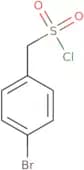
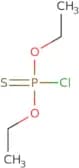
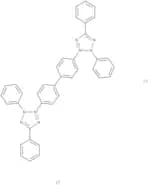

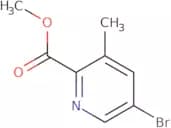
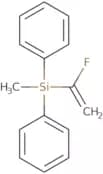
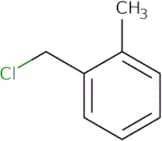
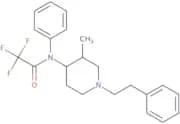
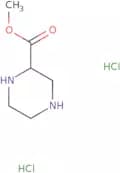
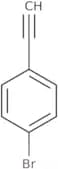
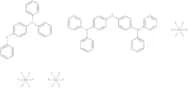
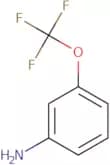
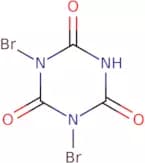
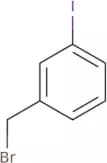
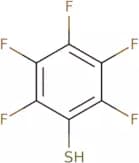
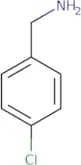
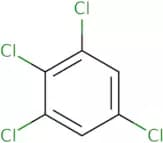
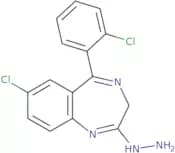
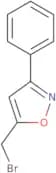
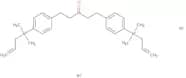
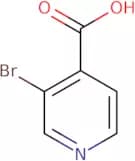
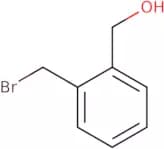
![3-[4-(3,4-Dichlorophenyl)piperazin-1-yl]-3-oxopropanenitrile](/_next/image/?url=https%3A%2Fstatic.cymitquimica.com%2Fproducts%2F3D%2Fthumb-webp%2FFD118649.webp&w=3840&q=75)
![1-Cyclopropyl-7-(2,8-diazabicyclo[4.3.0]non-8-yl)-6-fluoro-8-methoxy-4-oxoquinoline-3-carboxylic a…](/_next/image/?url=https%3A%2Fstatic.cymitquimica.com%2Fproducts%2F3D%2Fthumb-webp%2FFC102529.webp&w=3840&q=75)

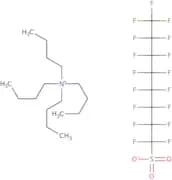
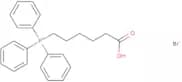
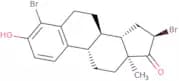
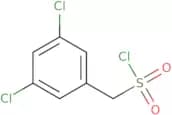
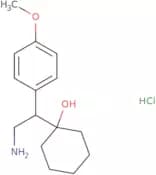
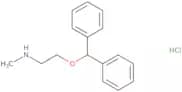

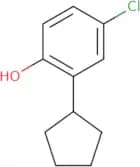
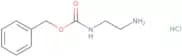
![N-Methyl-5H-dibenzo[a,d]cycloheptene-5-propylamine hydrochloride](/_next/image/?url=https%3A%2Fstatic.cymitquimica.com%2Fproducts%2F3D%2Fthumb-webp%2FFN76683.webp&w=3840&q=75)
![6-Bromo-1H-pyrrolo[3,2-c]pyridine](/_next/image/?url=https%3A%2Fstatic.cymitquimica.com%2Fproducts%2F3D%2Fthumb-webp%2FFB141720.webp&w=3840&q=75)
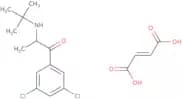
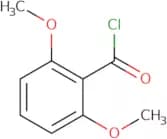
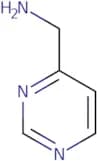
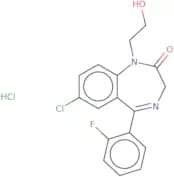
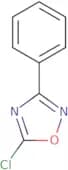
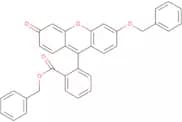

![1-[2-(5-Chloro-1H-indol-3-yl)ethyl]-5-oxopyrrolidine-3-carboxylic acid](/_next/image/?url=https%3A%2Fstatic.cymitquimica.com%2Fproducts%2F3D%2Fthumb-webp%2FFC119446.webp&w=3840&q=75)
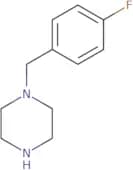
![[2-(5-Chloro-1H-indol-3-yl)-1-methylethyl]amine hydrochloride](/_next/image/?url=https%3A%2Fstatic.cymitquimica.com%2Fproducts%2F3D%2Fthumb-webp%2FFC123633.webp&w=3840&q=75)
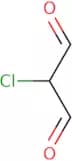
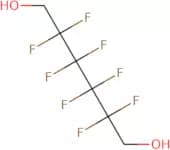
![4-[(2,5-Dimethyl-1H-pyrrol-1-yl)methyl]piperidine hydrochloride](/_next/image/?url=https%3A%2Fstatic.cymitquimica.com%2Fproducts%2F3D%2Fthumb-webp%2FFD117663.webp&w=3840&q=75)
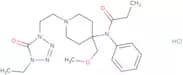
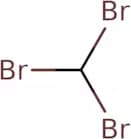
![8-Bromo-imidazo[1,2-a]pyridine](/_next/image/?url=https%3A%2Fstatic.cymitquimica.com%2Fproducts%2F3D%2Fthumb-webp%2FFB54448.webp&w=3840&q=75)
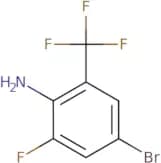
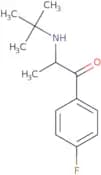
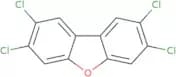
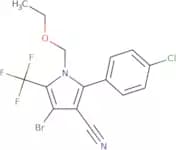
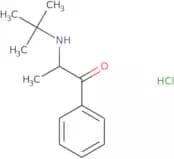
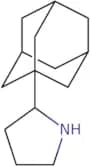
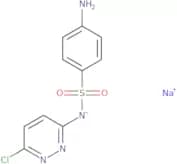
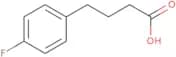
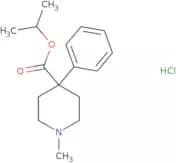

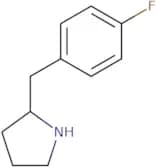
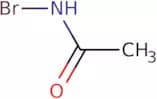

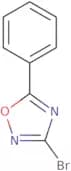
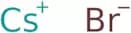
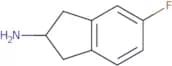
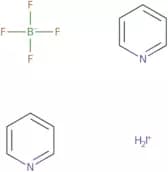
![tert-Butyl 4-chloro-5,6-dihydropyrido[3,4-d]pyrimidine-7(8H)-carboxylate](/_next/image/?url=https%3A%2Fstatic.cymitquimica.com%2Fproducts%2F3D%2Fthumb-webp%2FFB144255.webp&w=3840&q=75)
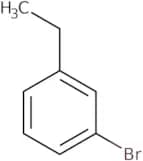
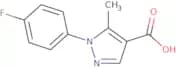
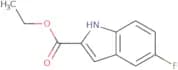
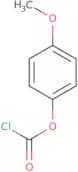
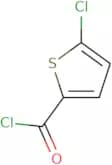
![7-[(3R)-3-[(N-Acetyl)amino]-1-oxo-4-(2,4,5-trifluorophenyl)butyl]-5,6,7,8-tetrahydro-3-(trifluorom…](/_next/image/?url=https%3A%2Fstatic.cymitquimica.com%2Fproducts%2F3D%2Fthumb-webp%2FFA104169.webp&w=3840&q=75)
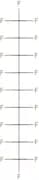
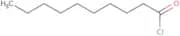
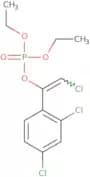
![N-[1,1'-Biphenyl]-4-yl-9,9-dimethyl-9H-fluoren-2-amine](/_next/image/?url=https%3A%2Fstatic.cymitquimica.com%2Fproducts%2F3D%2Fthumb-webp%2FFB151933.webp&w=3840&q=75)
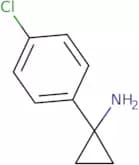

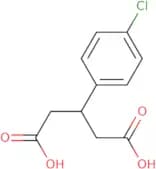

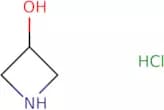
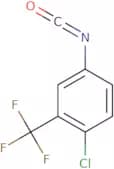

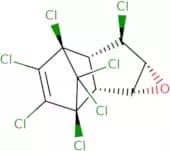


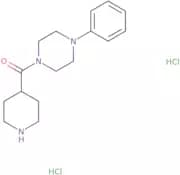

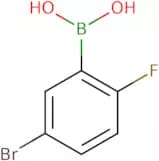
![[2-(5-Fluoro-1-methyl-1H-indol-3-yl)ethyl]amine hydrochloride](/_next/image/?url=https%3A%2Fstatic.cymitquimica.com%2Fproducts%2F3D%2Fthumb-webp%2FFF118334.webp&w=3840&q=75)
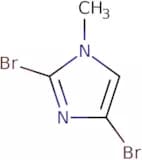

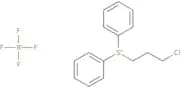
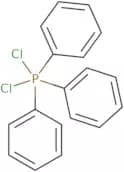
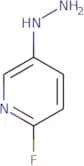
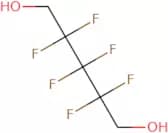
![[(6-Chloro-1-isopropyl-1H-benzimidazol-2-yl)methyl]amine dihydrochloride](/_next/image/?url=https%3A%2Fstatic.cymitquimica.com%2Fproducts%2F3D%2Fthumb-webp%2FFC135800.webp&w=3840&q=75)
![4-[(4-Chlorophenyl)phenylmethyl]-1-piperazineethanol dihydrochloride](/_next/image/?url=https%3A%2Fstatic.cymitquimica.com%2Fproducts%2F3D%2Fthumb-webp%2FFC53582.webp&w=3840&q=75)
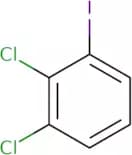


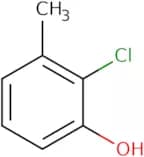

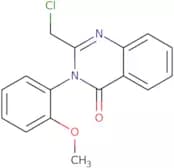
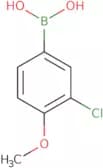
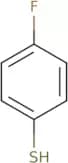
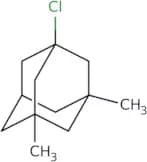
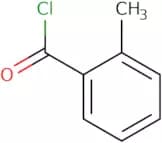
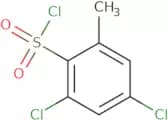
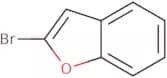
![[2-(4-Chlorophenyl)-1,3-thiazol-4-yl]acetic acid](/_next/image/?url=https%3A%2Fstatic.cymitquimica.com%2Fproducts%2F3D%2Fthumb-webp%2FFC124498.webp&w=3840&q=75)
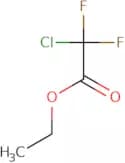
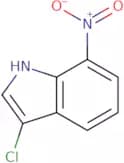
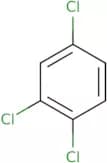
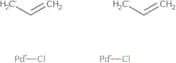
![1-[(2b,3a,5a,16b,17b)-17-Acetyloxy-3-hydroxy-2-(1-piperidinyl)androstan-16-yl]-1-methylpiperidiniu…](/_next/image/?url=https%3A%2Fstatic.cymitquimica.com%2Fproducts%2F3D%2Fthumb-webp%2FFA21131.webp&w=3840&q=75)
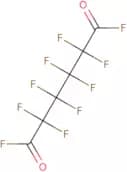
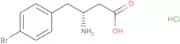
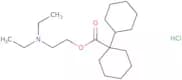
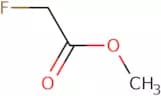
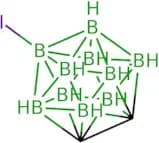

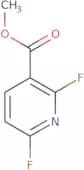
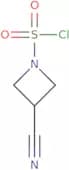

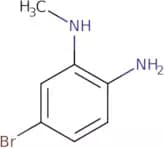
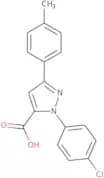

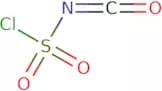
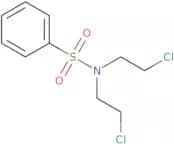
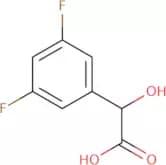
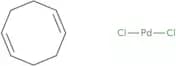
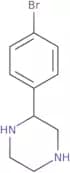
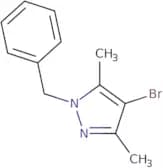
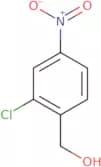

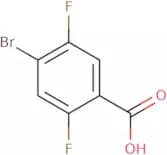
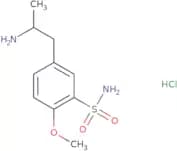
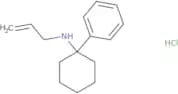
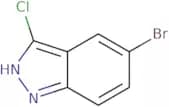
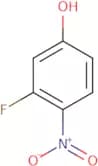
![N-(1H-Indol-4-ylmethyl)-N-[2-(4-methoxyphenyl)ethyl]amine hydrochloride](/_next/image/?url=https%3A%2Fstatic.cymitquimica.com%2Fproducts%2F3D%2Fthumb-webp%2FFI116235.webp&w=3840&q=75)
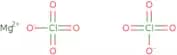

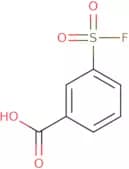
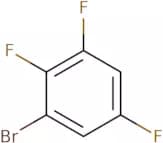
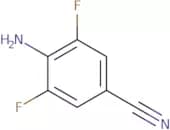
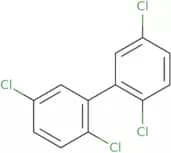
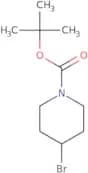
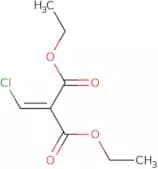

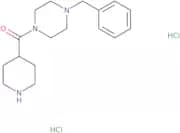

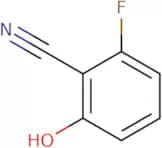
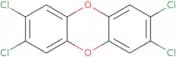
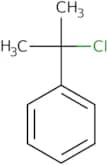
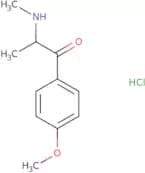
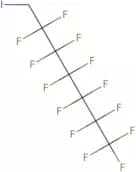
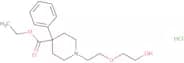
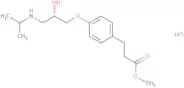
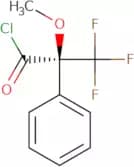
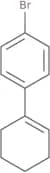
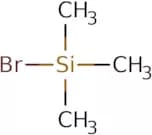
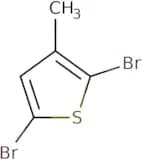
![4-[(4-Methyl-1H-pyrazol-1-yl)methyl]piperidine dihydrochloride](/_next/image/?url=https%3A%2Fstatic.cymitquimica.com%2Fproducts%2F3D%2Fthumb-webp%2FFM122832.webp&w=3840&q=75)
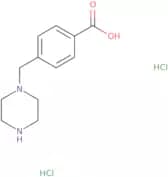
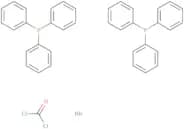
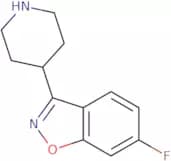
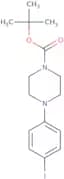
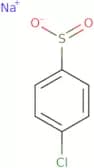
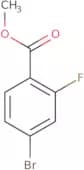
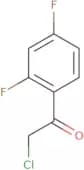
![Pentachlorophenyl N-[(benzyloxy)carbonyl]glycinate](/_next/image/?url=https%3A%2Fstatic.cymitquimica.com%2Fproducts%2F3D%2Fthumb-webp%2FFP123081.webp&w=3840&q=75)
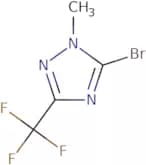
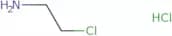
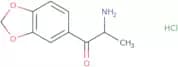
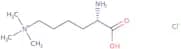
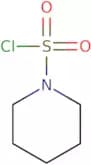
![3-[(Dimethylamino)methyl]benzoic acid hydrochloride](/_next/image/?url=https%3A%2Fstatic.cymitquimica.com%2Fproducts%2F3D%2Fthumb-webp%2FFD124093.webp&w=3840&q=75)
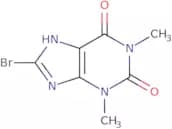
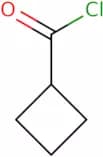
![N-[3-Fluoro-4-[(methylamino)carbonyl]phenyl]-2-methylalanine](/_next/image/?url=https%3A%2Fstatic.cymitquimica.com%2Fproducts%2F3D%2Fthumb-webp%2FFF99416.webp&w=3840&q=75)