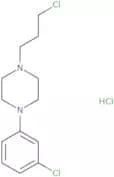
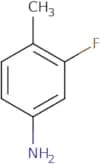
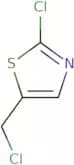
Haluros orgánicos
En esta categoría, encontrará moléculas orgánicas que contienen uno o más átomos de halógeno en su estructura. Estos haluros orgánicos incluyen compuestos bromados, yodados, clorados y haluros cíclicos. Los haluros orgánicos se utilizan ampliamente en la síntesis orgánica, productos farmacéuticos, agroquímicos y ciencia de materiales debido a su reactividad y capacidad para someterse a diversas transformaciones químicas. En CymitQuimica, ofrecemos una selección integral de haluros orgánicos de alta calidad para apoyar sus aplicaciones de investigación e industriales, garantizando un rendimiento confiable y efectivo en sus proyectos sintéticos y analíticos.
Subcategorías de "Haluros orgánicos"
Se han encontrado 20437 productos de "Haluros orgánicos"
Ordenar por
Pureza (%)
0
100
|
0
|
50
|
90
|
95
|
100
2-Bromopentane
CAS:<p>2-Bromopentane is a thiourea that is synthesized from bromoethane, an enthalpic reaction. The elimination reactions of 2-bromopentane are the reverse of the addition reactions. This product has been shown to be useful in an imaging technique that utilizes the viscosity of solids and liquids. 2-Bromopentane has also been shown to have a high rate of dehalogenase activity, which can be used for the removal of halogens from organic compounds. This product can undergo chromatographic analysis at temperatures up to 150°C and with high concentrations (>1 M).</p>Fórmula:C5H11BrPureza:90%MinPeso molecular:151.04 g/mol3-Bromo-2-methylbenzoic acid methyl ester
CAS:<p>3-Bromo-2-methylbenzoic acid methyl ester is a serotonin transporter and reuptake inhibitor. It has selectivities for serotonin, dopamine and norepinephrine transporters. 3-Bromo-2-methylbenzoic acid methyl ester acts as a linker molecule in the synthesis of complex molecules like neurotransmitters. It is also a bifunctional molecule that can act as an antidepressant or anti-anxiety drug by increasing serotonin levels in the brain. 3-Bromo-2-methylbenzoic acid methyl ester’s function as a ligand is to bind to receptors on cells, which may be linked with its effects on depression and anxiety.</p>Fórmula:C9H9BrO2Pureza:Min. 95%Peso molecular:229.07 g/mol4-Methoxy-3-(trifluoromethyl)aniline
CAS:<p>4-Methoxy-3-(trifluoromethyl)aniline is a benzene derivative that is stabilized by the methoxy and trifluoromethyl groups. The crystal structure of 4-methoxy-3-(trifluoromethyl)aniline has been determined to be orthorhombic, with space group Pbca and lattice constants a=6.541(2), b=8.829(2), c=5.744(1) Å at 100 K. This compound has a benzene ring with four methyl substituents on the phenyl ring, two of which are located on the para position. The molecule also contains two O atoms in positions 1 and 2, as well as two F atoms in positions 3 and 4.</p>Fórmula:C8H8F3NOPureza:Min. 95%Peso molecular:191.15 g/mol7-Phenylacetamide-3-chloromethyl-3-cephem-4-carboxylic acid diphenylmethyl ester
CAS:<p>7-Phenylacetamide-3-chloromethyl-3-cephem-4-carboxylic acid diphenylmethyl ester is an organic solution that is used in the detoxification of chemical substances. It has a hydroxyl group and is soluble in nonpolar solvents. 7PAMC has been shown to be effective against bone lesions caused by acylation reactions. This drug also binds to the enzyme called cytochrome P450, which is involved in the metabolism of many drugs. It also inhibits bacterial growth by binding to DNA gyrase and topoisomerase IV, enzymes that maintain bacterial DNA integrity. The particle size of this drug is small, with a diameter of less than 10 microns. 7PAMC has a viscosity of 1 cps at 25°C and a melting point of 129°C.</p>Fórmula:C29H25ClN2O4SPureza:Min. 95%Peso molecular:533.04 g/molDimethylammonium dichlorotri(mu-chloro)bis[(R)-(+)-5,5'-bis(diphenylphosphino)-4,4'-bi-1,3-benzodioxole]diruthenate(II)
CAS:Producto controlado<p>Please enquire for more information about Dimethylammonium dichlorotri(mu-chloro)bis[(R)-(+)-5,5'-bis(diphenylphosphino)-4,4'-bi-1,3-benzodioxole]diruthenate(II) including the price, delivery time and more detailed product information at the technical inquiry form on this page</p>Fórmula:C78H64Cl5O8P4Ru2NPureza:Min. 95%Peso molecular:1,646.64 g/molN-(2-Benzoyl-4-chlorophenyl)-2-chloro-N-methylacetamide
CAS:<p>Please enquire for more information about N-(2-Benzoyl-4-chlorophenyl)-2-chloro-N-methylacetamide including the price, delivery time and more detailed product information at the technical inquiry form on this page</p>Fórmula:C16H13Cl2NO2Pureza:Min. 95%Peso molecular:322.19 g/mol5-Iodo-2,3-dihydro-1H-inden-2-amine hydrochloride hydrate
Producto controlado<p>Please enquire for more information about 5-Iodo-2,3-dihydro-1H-inden-2-amine hydrochloride hydrate including the price, delivery time and more detailed product information at the technical inquiry form on this page</p>Fórmula:C9H13ClINOPureza:Min. 95%Peso molecular:313.56 g/mol5-Bromo-1-Methyl-1H-indazol-3-amine
CAS:<p>Please enquire for more information about 5-Bromo-1-Methyl-1H-indazol-3-amine including the price, delivery time and more detailed product information at the technical inquiry form on this page</p>Fórmula:C8H8BrN3Pureza:Min. 95%Peso molecular:226.07 g/mol4-(2-Chloroethyl)morpholine hydrochloride
CAS:<p>4-(2-Chloroethyl)morpholine hydrochloride (PCEM) is a potent and selective inhibitor of bacterial topoisomerase IV. The compound has been found to have no effect on the mammalian enzyme, but does inhibit growth in bacteria such as Staphylococcus aureus and Escherichia coli. PCEM exhibits good stability in organic solvents, including water, and is not toxic to mammals at high doses. The compound has been used as an antibacterial agent in pharmaceutical preparations.</p>Fórmula:C6H12ClNO•HClForma y color:PowderPeso molecular:186.08 g/molBromoform - Stabilized with ethanol
CAS:<p>Bromoform is a colorless, sweet-smelling liquid that was formerly used as an industrial solvent and disinfectant. Bromoform is a potent liver toxin and has been implicated in the development of liver cancer. In animal studies, bromoform causes significant genotoxic effects, including DNA single-strand breaks and chromosomal aberrations. Bromoform also inhibits the activity of enzymes involved in lipid metabolism, which may be due to its ability to bind to proteins in the cell membrane and alter their function. Bromoform is absorbed through the lungs or gastrointestinal tract after inhalation or ingestion. It undergoes rapid metabolism by oxidation followed by conjugation with glutathione, which renders it non-toxic and allows for its elimination from the body.</p>Fórmula:CHBr3Pureza:Min. 95%Forma y color:Clear LiquidPeso molecular:252.73 g/mol2-(1-Adamantyl)pyrrolidine hydrochloride
CAS:<p>Please enquire for more information about 2-(1-Adamantyl)pyrrolidine hydrochloride including the price, delivery time and more detailed product information at the technical inquiry form on this page</p>Fórmula:C14H23NPureza:Min. 95%Peso molecular:205.34 g/mol4-Chloro-2-methylbenzenesulfonyl chloride
CAS:<p>Please enquire for more information about 4-Chloro-2-methylbenzenesulfonyl chloride including the price, delivery time and more detailed product information at the technical inquiry form on this page</p>Fórmula:C7H6Cl2O2SPureza:Min. 95%Peso molecular:225.09 g/mol4-Methoxyphenyl chloroformate
CAS:<p>4-Methoxyphenyl chloroformate is a reactive chemical that can be used to synthesize amides, esters, and anhydrides. It reacts with nucleophiles such as chloride or hydroxide to form an intermediate product. This intermediate product then reacts with the desired molecule to form the desired final product. 4-Methoxyphenyl chloroformate has shown selectivity for binding to opioid receptors, including mu and delta subtypes. This chemical may be used in the synthesis of antibiotic drugs that have similar receptor subtypes. 4-Methoxyphenyl chloroformate also has been shown to modulate G protein signaling pathways in cells, which may lead to improved pharmacokinetic properties.</p>Fórmula:C8H7ClO3Pureza:Min. 95%Forma y color:Clear LiquidPeso molecular:186.59 g/mol1-(4-Fluorophenyl)-5-methyl-1H-pyrazole-4-carboxylic acid
CAS:<p>Please enquire for more information about 1-(4-Fluorophenyl)-5-methyl-1H-pyrazole-4-carboxylic acid including the price, delivery time and more detailed product information at the technical inquiry form on this page</p>Fórmula:C11H9FN2O2Pureza:Min. 95%Peso molecular:220.2 g/mol1,3-Dichloropropene
CAS:<p>1,3-Dichloropropene is a fumigant that inhibits the production of malonic acid by inhibiting the enzyme malonate semialdehyde dehydrogenase. 1,3-Dichloropropene has been shown to be toxic in vitro, but not in vivo. In addition, this compound has been shown to inhibit the activity of enzymes such as quillaja saponaria and polymerase chain reaction (PCR) in vitro. 1,3-Dichloropropene has been found to cause chronic exposure and site specific toxicity in rats. Chronic exposure was associated with an increased incidence of lymphomas and leukemias. The mechanism for these effects is unknown, but may be due to damage to DNA or inhibition of RNA synthesis.</p>Fórmula:C3H4Cl2Pureza:Min. 95%Forma y color:Clear Colourless To Yellow To Dark Brown LiquidPeso molecular:110.97 g/molTetrafluoroterephthalonitrile
CAS:<p>Tetrafluoroterephthalonitrile is a hydroxyl group-containing organic chemical compound with the molecular formula (CF)CO. It has been used in analytical chemistry as a reagent for the determination of peptide binding constants and disulfide bonds. Tetrafluoroterephthalonitrile binds to nucleophilic sites on proteins, such as the pim-1 protein, and can be used to transport other molecules across cell membranes. In addition, it has been used to produce polymers for use in analytical chemistry. This chemical is also able to bind with magnetic particles under constant pressure conditions, which makes it useful for optical sensor applications. Tetrafluoroterephthalonitrile is a hydroxyl group-containing organic chemical compound with the molecular formula (CF)CO. It has been used in analytical chemistry as a reagent for the determination of peptide binding constants and disulfide bonds. Tetrafluoroterephthal</p>Fórmula:C8F4N2Pureza:Min. 95%Peso molecular:200.09 g/mol3,5-Dibromo-6-methylpyrazin-2-amine
CAS:<p>Please enquire for more information about 3,5-Dibromo-6-methylpyrazin-2-amine including the price, delivery time and more detailed product information at the technical inquiry form on this page</p>Fórmula:C5H5Br2N3Pureza:Min. 95%Peso molecular:266.92 g/mol4-Chloro-2-phenylquinazoline
CAS:<p>4-Chloro-2-phenylquinazoline is a ligand that inhibits the growth of bacteria by binding to their DNA. It has a molecular weight of 242.6 g/mol, and can be synthesized in two steps from 2-phenylaniline and o-chloroacetophenone. The pharmacokinetic properties of this compound have been studied using magnetic nanoparticles. 4-Chloro-2-phenylquinazoline has been shown to inhibit cancer cells and also has anti-inflammatory properties, which may be due to its ability to inhibit prostaglandin synthesis. This ligand binds to the nitrogen nucleophiles on the bacterial cell wall (e.g., trichophyton mentagrophytes) and prevents them from reacting with chlorine atoms in the environment, thus inhibiting bacterial growth.</p>Fórmula:C14H9ClN2Pureza:Min. 95%Forma y color:White PowderPeso molecular:240.69 g/mol4-Bromostyrene
CAS:<p>Bromostyrene is a colorless liquid that is soluble in ether and deionized water. It has a boiling point of about 147°C. Bromostyrene can be reduced with borohydride to produce 4-bromobutane. The graphical methods for determining the rate of bromohydride reduction are based on the change in proton concentration or the change in pH. Bromostyrene has been shown to have good proton transport properties, which may be due to its high dipole moment.</p>Fórmula:C8H7BrPureza:Min. 95%Peso molecular:183.05 g/molDiethyl Chlorothiophosphate
CAS:<p>Diethyl chlorothiophosphate is a chlorinating agent that reacts with sodium carbonate to form diethyl phosphorochloridate. It is used as an analytical reagent and in the production of monoclonal antibodies. It has been shown to effectively inhibit protein synthesis in bacteria by reacting with amino groups, which are essential for protein formation. Diethyl chlorothiophosphate is also able to induce antibody responses in mice. This drug may be toxic if inhaled or ingested and may cause skin irritation.</p>Fórmula:C4H10ClO2PSPureza:Min. 95%Peso molecular:188.61 g/mol1-(4-(Aminomethyl)phenyl)pyridin-1-ium chloride
CAS:<p>1-(4-(Aminomethyl)phenyl)pyridin-1-ium chloride is a chemical compound that belongs to the class of pyridines and has pinpoint as its molecular weight. It is an ionic liquid that can be used in analytical methods, such as liquid chromatography and ionization techniques, for the identification of unsaturated fatty acids. This compound can be analyzed by gas chromatography with either electron capture detection or chemical ionization. The GC separation column used for this analysis would have to be a phase column with an unsaturated fatty acid stationary phase. GC-EID and GC-CI are two common ionization techniques that could be used in conjunction with this analytical method. The lower limit of detection for this technique is about 0.1 ppm, which makes it a sensitive analytical tool for use in food production and quality control laboratories. The yield of 1-(4-(Aminomethyl)phenyl)pyridin-1-</p>Pureza:Min. 95%2-Bromo-4'-nitroacetophenone
CAS:<p>2-Bromo-4'-nitroacetophenone is a chemical compound that has been shown to be active in enzyme inhibition experiments. It has been found to inhibit the activity of histidine decarboxylase, which catalyzes the conversion of histidine to histamine, and uv absorption. 2-Bromo-4'-nitroacetophenone binds to the active site of P450 enzymes, inhibiting their catalytic activity. This compound also inhibits fatty acid oxidation by binding to fatty acid hydroxylase and hydrogen bonds with tyrosine residues in proteins. 2-Bromo-4'-nitroacetophenone is structurally similar to 2-bromoacetophenone, which has been shown to have antihistaminic properties.</p>Fórmula:C8H6BrNO3Pureza:Min. 95%Forma y color:PowderPeso molecular:244.04 g/molPiperazine-2-carboxylic acid methyl esterdihydrochloride
CAS:<p>Piperazine-2-carboxylic acid methyl ester (PPCM) is a chemical compound that is used as an intermediate in the production of ethylenediamine and piperazine-2-carboxylic acid dihydrochloride. It is a white crystalline solid that can be synthesized by reacting ethylene diamine with piperazine-2-carboxylic acid. PPCM has been shown to inhibit the growth of bacteria, yeast, and fungi by inhibiting protein synthesis. This chemical also inhibits the production of proteins essential for respiration and cell wall formation.</p>Fórmula:C6H14Cl2N2O2Pureza:Min. 95%Peso molecular:217.09 g/molSalbutamon hydrochloride
CAS:Producto controlado<p>Please enquire for more information about Salbutamon hydrochloride including the price, delivery time and more detailed product information at the technical inquiry form on this page</p>Fórmula:C13H20ClNO3Pureza:Min. 95%Peso molecular:273.76 g/mol4-(2-Chlorophenyl)-9-methyl-6H-thieno[3,2-f][1,2,4]triazolo[4,3-a][1,4]diazepine-2-propanoic acid
CAS:Producto controlado<p>Please enquire for more information about 4-(2-Chlorophenyl)-9-methyl-6H-thieno[3,2-f][1,2,4]triazolo[4,3-a][1,4]diazepine-2-propanoic acid including the price, delivery time and more detailed product information at the technical inquiry form on this page</p>Fórmula:C18H15ClN4O2SPureza:Min. 95%Peso molecular:386.86 g/molHexyl carbonochloridate
CAS:<p>Hexyl carbonochloridate is a chemical that has been used as a detergent additive. It is also an antimicrobial agent, which has been shown to inactivate enzymes in human serum. Hexyl carbonochloridate is active against hepatitis and other infectious diseases. This compound is also known to be an agonist of toll-like receptor 4 (TLR4), which is a protein that recognizes lipopolysaccharides from gram-negative bacteria. Hexyl carbonochloridate has been shown to have anti-inflammatory properties, possibly due to its hydroxyl group. The analytical method for this compound utilizes gas chromatography with flame ionization detection (GC-FID).</p>Fórmula:C7H13ClO2Pureza:Min. 95%Peso molecular:164.63 g/molCyclopropylacetyl chloride
CAS:<p>Cyclopropylacetyl chloride is a reactive chemical that is used in the synthesis of pharmaceuticals and agrochemicals. Cyclopropylacetyl chloride binds to glutamate receptors, which are associated with a variety of neurological disorders, including cancer and inflammatory bowel disease. It also inhibits the cb2 receptor, which has been shown to be involved in inflammatory bowel disease. Cyclopropylacetyl chloride has been shown to cause insulin resistance and amide formation, which can lead to diabetes-induced neuropathy. In addition, carbonyl groups have been shown to induce bowel diseases such as ulcerative colitis and Crohn's disease.</p>Fórmula:C5H7ClOPureza:Min. 95%Peso molecular:118.56 g/mol2-(Trifluoromethoxy)benzyl bromide
CAS:<p>2-(Trifluoromethoxy)benzyl bromide is a computational study of ionic liquids with substitutions. The viscosity of the liquid was found to be dependent on the size of the substituent and the number of substitutions. The compound was found to be selective for one isomer over another due to its different structural features. Experimental studies have shown that 2-(trifluoromethoxy)benzyl bromide has high permeability in ionic liquids, which is a desired property in ionic liquids. Advances in this field have led to new compounds and more knowledge about the properties of ionic liquids.</p>Pureza:Min. 95%2-Bromoallyl alcohol
CAS:<p>2-Bromoallyl alcohol is a halogenated aromatic hydrocarbon that is an analyte in the chemical analysis of soil. It is also used as a reagent for the debromination of 2-bromopropane and as a dehalogenating agent for the removal of bromine from organic compounds. 2-Bromoallyl alcohol can be distilled at high temperatures, but it will volatilize if heated to 80°C or higher. It has been reported that 2-bromoallyl alcohol was found to be present in all replicates analyzed. The recovery of this compound ranged from 83% to 114%. 2-Bromoallyl alcohol is used as a reagent in organic synthesis, such as in palladium catalyzed couplings with boronic acids and esters. This compound may also be used to synthesize N-(2-hydroxyethyl)hydroxylamines by reacting with sodium hydroxide</p>Fórmula:C3H5BrOPureza:Min. 95%Peso molecular:136.98 g/mol1-Naphthoyl chloride
CAS:<p>1-Naphthoyl chloride is a metabolite of 1-naphthol. It has been used in the synthesis of steroidal alkaloids, including the anti-inflammatory drug indomethacin and the anesthetic ketamine. 1-Naphthoyl chloride is also a precursor to synthetic cannabinoids, which are substances that have effects similar to those of cannabis but are not derived from marijuana. It binds to receptors on cells that are sensitive to cannaboids. The binding causes changes in cell function and can lead to psychological effects such as paranoia and hallucinations. The detection sensitivity of 1-naphthoyl chloride can be increased by using fluorescence detectors or gravimetric analysis.</p>Fórmula:C11H7ClOPureza:Min. 95%Forma y color:Clear LiquidPeso molecular:190.63 g/molN,N'-Dimethylhydrazine dihydrochloride
CAS:Producto controlado<p>N,N'-Dimethylhydrazine dihydrochloride (DMHD) is a nonsteroidal anti-inflammatory drug that inhibits the production of prostaglandins by blocking cyclooxygenase-2 (COX-2). It works by inhibiting tumor growth and inducing apoptosis. DMHD has been shown to inhibit angiogenesis and induce apoptosis in liver cells. DMHD also inhibits the mitochondrial membrane potential, which is important for regulating cell function. The molecular docking analysis has shown that DMHD binds to COX-2 protein with high affinity and specificity. DMHD also inhibits fatty acid synthesis, which may be due to its inhibition of mitochondrial beta-oxidation enzymes. DMHD has been shown to have toxic effects on colon cells in rats. This agent can cause damage to the colon lining through a number of mechanisms, including causing DNA damage and increasing oxidative stress.</p>Fórmula:C2H8N2Pureza:Min. 95%Peso molecular:60.1 g/molOctafluoroadipoyl difluoride
CAS:<p>Octafluoroadipoyl difluoride is an aliphatic hydrocarbon that is a surfactant and can be used as a coagulant. It contains the functional groups of chloride, aromatic acid, and triazine. Octafluoroadipoyl difluoride has been shown to have coagulation properties in addition to being a fluorinated compound with semipermeable membranes.</p>Fórmula:C6F10O2Pureza:Min. 95%Forma y color:Clear LiquidPeso molecular:294.05 g/molS-(-)-Nicotine-δ1’-(5’)-iminium diperchlorate salt
CAS:<p>Please enquire for more information about S-(-)-Nicotine-delta1’-(5’)-iminium diperchlorate salt including the price, delivery time and more detailed product information at the technical inquiry form on this page</p>Fórmula:C10H14Cl2N2O8Pureza:Min. 95%Peso molecular:361.13 g/mol2-Bromo-N,N-dimethylethanamine hydrobromide
CAS:<p>2-Bromo-N,N-dimethylethanamine hydrobromide is a quaternary ammonium salt that is used as an excipient in pharmaceutical formulations. It has been used to prepare conjugates for clinical diagnostics and can be used as a substrate in phosphorus pentoxide assays. This product is also an intermediate in the synthesis of paracyclophanes, which are stereoisomers of cyclopentane. 2-Bromo-N,N-dimethylethanamine hydrobromide has been shown to have anti-inflammatory properties and may be useful for the treatment of respiratory diseases. The drug also has potential in the treatment of Alzheimer's disease due to its ability to inhibit β-amyloid aggregation.</p>Fórmula:C4H11Br2NPureza:Min. 95%Forma y color:White PowderPeso molecular:232.94 g/mol1-Chloroundecane
CAS:<p>1-Chloroundecane is an organic compound that has been used as a disinfectant and an oxidizing agent. It can be prepared by the chlorination of undecane, or by the oxidation of 1-chloro-1,2-butadiene with sodium dichromate. 1-Chloroundecane is a white crystalline solid that melts at 8°C. The compound does not have any known medical use. It can be used for sample preparation in analytical chemistry, as well as for surface disinfection and deodorization. 1-Chloroundecane has been shown to inhibit cell growth in culture and to have antioxidant properties.</p>Fórmula:C11H23ClPureza:Min. 95%Forma y color:Clear LiquidPeso molecular:190.75 g/mol2-Ethylbutyryl chloride
CAS:<p>2-Ethylbutyryl chloride is a growth regulator and plant hormone. It is a non-competitive inhibitor of the enzyme glutamate decarboxylase. 2-Ethylbutyryl chloride has been shown to be effective in treating horticultural crops, such as apples, peaches, and pears. This chemical also has pharmacokinetic properties that are unique to its structure. For example, it is eliminated by the liver and kidney quickly and completely, with a half-life of about 1 minute in mice. In addition, this chemical does not affect nitric oxide production or cause hemolysis in mouse models.</p>Fórmula:C6H11ClOPureza:Min. 95%Peso molecular:134.6 g/molβ-Alaninol 2-chlorotrityl resin
<p>Please enquire for more information about beta-Alaninol 2-chlorotrityl resin including the price, delivery time and more detailed product information at the technical inquiry form on this page</p>Pureza:Min. 95%Chloro[2-(di-tert-butylphosphino)-2',4',6'-triisopropyl-1,1'-biphenyl][2-(2-aminoethyl)phenyl)]palladium(II)
CAS:Producto controlado<p>Chloro[2-(di-tert-butylphosphino)-2',4',6'-triisopropyl-1,1'-biphenyl][2-(2-aminoethyl)phenyl)]palladium(II) is a molecule that inhibits the adenosine receptor in autoimmune diseases and cancer. It also has an inhibitory effect on the membrane transport of glucose, glucosan, and aziridine. This drug can be used to treat inflammatory diseases such as diabetes, asthma, and inflammatory bowel disease. The geometric isomers of this molecule are not identical in shape or size and can have different effects on the body.</p>Fórmula:C37H55ClNPPdPureza:Min. 95%Peso molecular:686.69 g/mol[(6-Chloro-1-isopropyl-1H-benzimidazol-2-yl)methyl]amine dihydrochloride
CAS:Producto controlado<p>Please enquire for more information about [(6-Chloro-1-isopropyl-1H-benzimidazol-2-yl)methyl]amine dihydrochloride including the price, delivery time and more detailed product information at the technical inquiry form on this page</p>Fórmula:C11H14ClN3Pureza:Min. 95%Peso molecular:223.7 g/molZolazepam hydrochloride
CAS:Producto controlado<p>Zolazepam is a benzodiazepine that has antinociceptive properties and is used as an anesthetic. The effective dose of zolazepam in humans is 5-10 mg intravenously, with a maximum dose of 25 mg. Zolazepam has been found to have no effect on systolic blood pressure or heart rate, but does cause significant reduction in terminal half-life. Zolazepam's antinociceptive effects are mediated through the inhibition of calcium ion channels, which results in decreased neuronal activity in the spinal cord and brainstem. Zolazepam causes sedation and immobilization by suppressing the function of neurons that control skeletal muscles.<br>Zolazepam also has been shown to inhibit osteoclast formation, which may be beneficial for patients with metabolic bone diseases such as Paget's disease or osteoporosis.</p>Pureza:Min. 95%1-(Piperidine-4-carbonyl)piperidin-4-one hydrochloride
CAS:Producto controlado<p>Please enquire for more information about 1-(Piperidine-4-carbonyl)piperidin-4-one hydrochloride including the price, delivery time and more detailed product information at the technical inquiry form on this page</p>Fórmula:C11H19ClN2O2Pureza:Min. 95%Peso molecular:246.73 g/moltert-Butyl 4-chloro-5,6-dihydropyrido[3,4-d]pyrimidine-7(8H)-carboxylate
CAS:<p>Please enquire for more information about tert-Butyl 4-chloro-5,6-dihydropyrido[3,4-d]pyrimidine-7(8H)-carboxylate including the price, delivery time and more detailed product information at the technical inquiry form on this page</p>Fórmula:C12H16ClN3O2Pureza:Min. 95%Peso molecular:269.73 g/molTrimesoyl chloride
CAS:<p>Trimesoyl chloride is a chitosan quaternary ammonium compound. It has been shown to be effective in the treatment of wastewater and for use in water purification. Trimesoyl chloride has antioxidative properties that are useful in wastewater treatment because it can break down organic compounds, such as chlorinated hydrocarbons, that are present. It also has chemical stability under high salt or acid conditions and is able to transport ionic species across membranes. Trimesoyl chloride is not soluble in water due to its amide group, but it has high water permeability. The compound is neutral at pH 7 and has constant pressure properties, which makes it suitable for use with multi-walled carbon membranes.</p>Fórmula:C9H3Cl3O3Pureza:Min. 95%Peso molecular:265.48 g/mol3-Nitrobenzyl bromide
CAS:<p>3-Nitrobenzyl bromide (3NB) is a lectin that binds to the carbohydrate moieties of glycoproteins. It has been shown to inhibit protease activity and be an inhibitor of nitro group formation by reacting with sodium carbonate. 3NB has also been used in sample preparation for monoclonal antibody production. 3-Nitrobenzyl bromide can be used as a probe for hydrogen bonds, which may be due to its ability to form an intermolecular hydrogen bond with other molecules. 3NB inhibits fatty acid synthesis and cardiac contractile function, which is likely due to its inhibitory properties on hydrogen bonding.</p>Fórmula:C7H6BrNO2Pureza:Min. 95%Forma y color:Off-White PowderPeso molecular:216.03 g/mol1-(difluoromethyl)-4-(4,4,5,5-tetramethyl-1,3,2-dioxaborolan
CAS:<p>Please enquire for more information about 1-(difluoromethyl)-4-(4,4,5,5-tetramethyl-1,3,2-dioxaborolan including the price, delivery time and more detailed product information at the technical inquiry form on this page</p>Fórmula:C10H15BF2N2O2Pureza:Min. 95%Peso molecular:244.05 g/mol1,3-Difluoro-2-propanol
CAS:<p>1,3-Difluoro-2-propanol is a hydrogen bond donor. It is used as an animal repellent and insecticide. It has been shown to be effective against the larvae of mosquitoes and flies. 1,3-Difluoro-2-propanol has also been found to be effective against some fungi, although it is not active against bacteria. The octanol/water partition coefficient (log Kow) of 1,3-difluoro-2-propanol is -0.86. 1,3-Difluoro-2-propanol has been shown to inhibit biochemical reactions in animals by inhibiting ATPase and phosphate uptake in mitochondria. This inhibition leads to the accumulation of metabolites such as lactic acid and pyruvic acid which are responsible for the symptoms seen with exposure to this chemical. 1,3-Difluoro-2-propanol has also been shown</p>Fórmula:C3H6F2OPureza:Min. 99 Area-%Forma y color:Colorless Clear LiquidPeso molecular:96.08 g/mol2-Chloro-4,6-dimethoxypyrimidine
CAS:<p>2-Chloro-4,6-dimethoxypyrimidine is a synthetic compound that is a triazolopyrimidine derivative. It has been shown to have significant antifungal activity against cryptococcus neoformans in toxicity studies. 2-Chloro-4,6-dimethoxypyrimidine is an amine that can be used as a fungicide or pesticide due to its toxicity and effectiveness against fungi. 2-Chloro-4,6-dimethoxypyrimidine has a molecular weight of 196 and contains three functional groups: chlorine, hydrogen chloride, and pyridinium. This compound also has the ability to form covalent bonds with organic molecules such as chloromethyl groups on proteins.</p>Fórmula:C6H7ClN2O2Pureza:Min. 95%Forma y color:Off-White To Yellow SolidPeso molecular:174.58 g/molL-Glutamic acid γ-tert-butyl ester α-amide hydrochloride
CAS:<p>Please enquire for more information about L-Glutamic acid gamma-tert-butyl ester alpha-amide hydrochloride including the price, delivery time and more detailed product information at the technical inquiry form on this page</p>Fórmula:C9H18N2O3·HClPureza:Min. 95%Peso molecular:238.71 g/molPipradrolHydrochloride
CAS:Producto controlado<p>Pipradrol Hydrochloride is a nonsteroidal anti-inflammatory drug (NSAID) that has been clinically used to treat symptoms of infectious diseases, autoimmune diseases and inflammatory diseases. It is a prodrug that is hydrolyzed to the active form, pipradrol in the body. Pipradrol Hydrochloride inhibits the cyclooxygenase enzymes COX 1 and COX 2, which are responsible for the formation of prostaglandins from arachidonic acid. Prostaglandins are involved in pain and inflammation. Pipradrol Hydrochloride has been shown to have an inhibitory effect on institutionalized geriatric patients with psychotic depression or depression.</p>Fórmula:C18H22ClNOPureza:Min. 95%Peso molecular:303.83 g/mol3-Chloro-1H-indole-2-carbaldehyde
CAS:<p>3-Chloro-1H-indole-2-carbaldehyde is a bifunctional reagent that can be used to form amides. It reacts with primary and secondary amines, as well as dialkyl and methylene amines, to produce the corresponding chloro-, phenylhydrazine-, or nitrosoaminoureas. This reaction is intramolecular and yields the desired product in high yield. The reactant can also be used as a chloride source. 3-Chloro-1H-indole-2-carbaldehyde is manufactured by reacting phenylhydrazine with chloroacetic acid in an organic solvent at room temperature (25°C).</p>Fórmula:C9H6ClNOPureza:Min. 95%Peso molecular:179.6 g/molLithium tetrakis(pentafluorophenyl)borate ethyl etherate
CAS:Producto controlado<p>Lithium tetrakis(pentafluorophenyl)borate ethyl etherate is a lithium salt of the etherate ester of pentafluorophenylboronic acid (B(C6F5)3). The complex is an electron donor and ligand, which can stabilize the high-energy intermediate state in the reaction. Lithium tetrakis(pentafluorophenyl)borate ethyl etherate reacts with magnesium to form a magnesium salt and ethylene. This product can be used as a co-catalyst for coupling reactions, such as the synthesis of cyclic compounds from alkenes.</p>Fórmula:C24BF20·(C4H10O)2·LiPureza:Min. 95%Peso molecular:760.11 g/mol[1-(2-Chlorobenzyl)-1H-benzimidazol-2-yl]methanol
CAS:Producto controlado<p>Please enquire for more information about [1-(2-Chlorobenzyl)-1H-benzimidazol-2-yl]methanol including the price, delivery time and more detailed product information at the technical inquiry form on this page</p>Fórmula:C15H13ClN2OPureza:Min. 95%Peso molecular:272.73 g/mol[2-(1,2,6-Trimethyl-1H-indol-3-yl)ethyl]amine hydrochloride
CAS:Producto controlado<p>Please enquire for more information about [2-(1,2,6-Trimethyl-1H-indol-3-yl)ethyl]amine hydrochloride including the price, delivery time and more detailed product information at the technical inquiry form on this page</p>Fórmula:C13H18N2Pureza:Min. 95%Peso molecular:202.3 g/mol1-(4-Chlorophenyl)cyclopropylamine
CAS:<p>Please enquire for more information about 1-(4-Chlorophenyl)cyclopropylamine including the price, delivery time and more detailed product information at the technical inquiry form on this page</p>Fórmula:C9H10ClNPureza:Min. 95%Peso molecular:167.64 g/molMethixene hydrochloride hydrate
CAS:Producto controlado<p>Methixene hydrochloride hydrate is a drug that is used to treat inflammatory bowel disease. It works by inhibiting the activity of enzymes involved in the production of epidermal growth factor, which is a protein that stimulates the growth of cells in the lining of the intestine. Methixene hydrochloride hydrate may also be used for other purposes not listed here. Methixene hydrochloride hydrate can cause liver damage and bone cancer and should not be taken by people with infectious diseases or those who are pregnant. This medication has an effect on dopamine levels and may help with Parkinson's disease. Although methixene hydrochloride hydrate is used to treat many different illnesses, it cannot cure them all.</p>Fórmula:C20H26ClNOSPureza:Min. 95%Forma y color:PowderPeso molecular:363.95 g/molHafnium(IV) Trifluoromethanesulfonate
CAS:Producto controlado<p>Hafnium(IV) trifluoromethanesulfonate is a compound that has been used as an inhibitor in carbohydrate chemistry. Hafnium(IV) trifluoromethanesulfonate inhibits the reaction between malonic acid and acetic anhydride in an asymmetric synthesis, which results in a mixture of diastereomers. It also suppresses apoptosis by inhibiting the activation of caspase-3, which is one of the primary pathways for apoptosis. The mechanism behind this inhibition is not entirely clear but may be due to the hydroxyl group present on the aromatic hydrocarbon or its acidic nature. Hafnium(IV) trifluoromethanesulfonate has anticancer activity and has been shown to inhibit tumor growth in vivo with low toxicity.</p>Fórmula:C4F12HfO12S4Pureza:Min. 95%Peso molecular:774.77 g/molPerfluoro(methyldecalin)
CAS:Producto controlado<p>Perfluoro(methyldecalin) is a perfluorinated polymeric matrix that consists of polymers with a phase transition temperature of around −108°C. It has been shown to be an effective diagnostic agent for the detection of hydroxyl ions and oxygen transport in polymer solutions. The magnetic particles can be used as a contrast agent, which allows for the visualization of the distribution and concentration of these agents in biological tissue. The lipophilic nature and fatty acid composition make it an ideal candidate for use in MRI imaging. Perfluoro(methyldecalin) is also optically active, which makes it possible to measure its concentration using spectroscopy.</p>Fórmula:C11F20Pureza:Min. 95%Peso molecular:512.09 g/mol2-(Bromomethyl)-1-methyl-1H-benzimidazole hydrobromide
CAS:Producto controlado<p>Please enquire for more information about 2-(Bromomethyl)-1-methyl-1H-benzimidazole hydrobromide including the price, delivery time and more detailed product information at the technical inquiry form on this page</p>Fórmula:C9H9BrN2Pureza:Min. 95%Peso molecular:225.09 g/mol[4-(2-Aminopropyl)phenyl]dimethylamine dihydrochloride
CAS:Producto controlado<p>Please enquire for more information about [4-(2-Aminopropyl)phenyl]dimethylamine dihydrochloride including the price, delivery time and more detailed product information at the technical inquiry form on this page</p>Fórmula:C11H18N2Pureza:Min. 95%Peso molecular:178.27 g/molBistrifluoromethanesulfonimide
CAS:<p>Bistrifluoromethanesulfonimide is a cationic ionic liquid that has been shown to have a high thermal expansion coefficient. It has been used in the synthesis of copper chloride and as an electrolyte for electrochemical impedance spectroscopy. The solubility of bistrifluoromethanesulfonimide can be increased by adding lithium ions, which results in a higher activation energy for intramolecular hydrogen bonding interactions. Bistrifluoromethanesulfonimide can also be used as a surfactant in the synthesis of ionic liquids through the addition of sodium dodecyl sulfate, which leads to hydrogen bonding interactions with other molecules.</p>Fórmula:C2HF6NO4S2Pureza:Min. 95%Forma y color:PowderPeso molecular:281.16 g/mol1-Acetyl-4-(2,4-difluorobenzyl)piperazine
CAS:Producto controlado<p>Please enquire for more information about 1-Acetyl-4-(2,4-difluorobenzyl)piperazine including the price, delivery time and more detailed product information at the technical inquiry form on this page</p>Fórmula:C13H16F2N2OPureza:Min. 95%Peso molecular:254.28 g/mol2'-Chloro-2-bromoacetophenone
CAS:<p>2'-Chloro-2-bromoacetophenone is a compound that belongs to the class of methyl ketones. It is known to have a high transfer hydrogenation activity and has been used in the synthesis of phenacyl, which is an important biomolecular. It also has a low toxicity and does not irritate skin or mucous membranes. 2'-Chloro-2-bromoacetophenone can be used as an antiarrhythmic agent for respiratory disorders. This compound can be used for formylation reactions, such as those found in microbial metabolism, due to its ability to transfer hydrogen from organic compounds.</p>Fórmula:C8H6BrClOPureza:Min. 95%Peso molecular:233.49 g/mol4-Fluorobenzene-1,3-dioyl dichloride
CAS:<p>Please enquire for more information about 4-Fluorobenzene-1,3-dioyl dichloride including the price, delivery time and more detailed product information at the technical inquiry form on this page</p>Fórmula:C8H3Cl2FO2Pureza:Min. 95%Peso molecular:221.01 g/mol7-[(3R)-3-[(N-Acetyl)amino]-1-oxo-4-(2,4,5-trifluorophenyl)butyl]-5,6,7,8-tetrahydro-3-(trifluoromethyl)-1,2,4-triazolo[4,3-a]pyrazi ne
CAS:<p>Please enquire for more information about 7-[(3R)-3-[(N-Acetyl)amino]-1-oxo-4-(2,4,5-trifluorophenyl)butyl]-5,6,7,8-tetrahydro-3-(trifluoromethyl)-1,2,4-triazolo[4,3-a]pyrazi ne including the price, delivery time and more detailed product information at the technical inquiry form on this page</p>Fórmula:C18H17F6N5O2Pureza:Min. 95%Peso molecular:449.35 g/mol2-(4-Chlorophenyl)ethylamine
CAS:Producto controlado<p>2-(4-Chlorophenyl)ethylamine (CPA) is a synthetic serotonergic amine that has inhibitory activities. It is able to bind with the 5-HT receptor, which is also known as the serotonin receptor. CPA has been shown to be an anticancer compound and can be used in experimental solubility studies. This drug binds to brain cells, but does not affect their viability. CPA hydrolyzes in the presence of hydrochloric acid or hydrogen chloride to produce 2-(4-chlorophenyl)ethanol (CPE). The reaction of CPA with serotonin produces 4-chloroamphetamine (PCA), which is a stimulant drug.</p>Fórmula:C8H10ClNPureza:Min. 95%Peso molecular:155.62 g/molDichloroacetyl chloride
CAS:<p>Dichloroacetyl chloride is a reactive chlorine compound that is used in the synthesis of pharmaceuticals, dyes, and pesticides. It reacts with hydrochloric acid to produce hydrochloric acid and dichloroacetic acid. Dichloroacetyl chloride can react with zirconium oxide to produce chlorides and zirconates. This reaction can be conducted at room temperature. The reaction mechanism for this reaction is not well understood; however, it has been shown that the hydroxyl group on the dichloroacetyl chloride molecule plays a significant role in this process. The phase transition temperature of dichloroacetyl chloride is -60°C. This compound has physiological activities such as reducing inflammation and fighting autoimmune diseases.</p>Fórmula:C2HCl3OPureza:Min. 95%Peso molecular:147.39 g/mol8-Bromo-2-methylquinoline
CAS:<p>8-Bromo-2-methylquinoline is a naphthalene derivative that has an oxidant function. It can be used as a solvent for chlorobenzene and as a catalyst for the production of bipyridines and piperazine. 8-Bromo-2-methylquinoline is also used as a ligand in the preparation of metal complexes. This compound reacts with methyl groups, chlorine, and halides to form methyl quinolines and dichloromethanes. 8-Bromo-2-methylquinoline may react with fatty acids to form polyunsaturated acid esters or with polyunsaturated fatty acids to form polyethers.</p>Fórmula:C10H8BrNPureza:Min. 95%Peso molecular:222.08 g/molDiethylamine hydrochloride
CAS:Producto controlado<p>Diethylamine hydrochloride is a chemical compound that is used as an intermediate in the manufacture of other chemicals. It can be used to treat metabolic disorders such as diabetes, hypothyroidism, and osteoporosis. Diethylamine hydrochloride has been shown to inhibit group P2 phosphodiesterases (PDEs) and prevent their degradation by the enzyme dipeptidyl peptidase-IV (DPP-IV). This inhibition leads to increased levels of cyclic AMP in cells, which contributes to its anti-inflammatory activity. The structural analysis of diethylamine hydrochloride has been performed using x-ray diffraction data and x-ray crystal structures.</p>Fórmula:C4H12ClNPureza:Min. 95%Peso molecular:109.6 g/molSodium chlorite
CAS:<p>Sodium chlorite is a disinfectant that is used to reduce the number of bacteria in the air, water, and surfaces. It is acidic and has been shown to be effective against infectious diseases such as tuberculosis, cholera, and malaria. Sodium chlorite can be produced through the oxidation of sodium chloride by chlorite ion at high temperatures. The optimum concentration for sodium chlorite is 10-15%. This agent can also be used as an analytical method for determining the presence of organic compounds that are difficult to measure by other methods. Laser ablation coupled with mass spectrometry is one example of this technique. Sodium chlorite can also be used to treat wastewater and inhibits oxidative injury in cells.</p>Fórmula:NaClO2Pureza:Min. 95%Forma y color:White To Yellow SolidPeso molecular:90.44 g/mol4-Iodoaniline
CAS:<p>4-Iodoaniline is a molecule that can be synthesized by the reaction of an arylamine with sodium nitrite and hydrochloric acid. The product of this reaction is converted to 4-iodoaniline by oxidation with hydrogen peroxide in the presence of potassium iodide. This molecule has been used as a model system to study enzyme activities, such as amines oxidase, which catalyzes the conversion of amines to nitrosoamines. The diphenyl ether group has been shown to bind to hydroxyl groups and form hydrogen bonds. The analytical chemistry for 4-iodoaniline includes high performance liquid chromatography (HPLC) and gas chromatography (GC).</p>Fórmula:C6H6INPureza:Min. 95%Peso molecular:219.02 g/molBis(perfluorohexyl)phosphinic acid sodium salt
CAS:<p>Please enquire for more information about Bis(perfluorohexyl)phosphinic acid sodium salt including the price, delivery time and more detailed product information at the technical inquiry form on this page</p>Fórmula:C12F26NaO2PPureza:Min. 95%Peso molecular:724.05 g/molBetacetylmethadol hydrochloride
CAS:Producto controlado<p>Betacetylmethadol hydrochloride is a pharmaceutical that belongs to the group of opioid analgesics. It is an active form of the prodrug, betacetylmethadol. Betacetylmethadol hydrochloride has a high addictive potential and can lead to overdose. The active agent in betacetylmethadol hydrochloride is oxycodone, which has been shown to have physiological activity. Oxycodone is metabolized by the liver into oxymorphone, which has similar effects as morphine. Oxymorphone binds to opioid receptors in the gastrointestinal tract and brain, decreasing pain and producing feelings of euphoria or pleasure. Betacetylmethadol hydrochloride also acts on other opioid receptors in the body such as those found in the central nervous system, spinal cord, and peripheral nervous system.</p>Fórmula:C23H32ClNO2Pureza:Min. 95%Peso molecular:389.96 g/molTricosafluorododecanoic Acid
CAS:<p>Tricosafluorododecanoic Acid (TCDA) is a potent cytotoxic agent that has been shown to be effective in killing cancer cells. TCDA is a strong inducer of apoptosis and necrosis, which are processes that cause the death of cells. TCDA also induces cell cycle arrest by binding to mitochondrial membranes and inhibiting the flow of ions across the membrane, leading to a loss of mitochondrial membrane potential. This leads to an accumulation of intracellular calcium and activates signal pathways that activate the cell's death program. TCDA has been shown to have significant cytotoxicity against human breast cancer cells, with little toxicity against healthy human erythrocytes. TCDA is not active against bacteria or fungi, but it is highly toxic to certain protozoans such as Plasmodium falciparum. TCDA can be used as an effective treatment for cancer in combination with radiation therapy because it enhances the therapeutic effects of radiation on tum</p>Fórmula:C12HF23O2Pureza:Min. 95%Peso molecular:614.1 g/mol(4-Bromobenzyl)methylamine hydrochloride
CAS:Producto controlado<p>(4-Bromobenzyl)methylamine hydrochloride is a reagent that is used for the analysis of carboxylic acids. It has been used in a number of studies to analyze cellular metabolism and energy metabolism. This reagent has also been used to study the functional groups of organic acids, as well as their reactivity. (4-Bromobenzyl)methylamine hydrochloride can be used in liquid chromatography or electrospray ionization methods to analyze samples using mass spectrometry.</p>Fórmula:C8H10BrNPureza:Min. 95%Peso molecular:200.08 g/mol2-Bromo-3-methylbutenoic acid methyl ester
CAS:<p>Please enquire for more information about 2-Bromo-3-methylbutenoic acid methyl ester including the price, delivery time and more detailed product information at the technical inquiry form on this page</p>Fórmula:C6H9BrO2Pureza:Min. 95%Peso molecular:193.04 g/mol2,6-Dibromotoluene
CAS:<p>2,6-Dibromotoluene is a brominated organic compound with two functional groups. It can be used as a precursor to ferrocenes and as a synthetic intermediate for triazine herbicides. 2,6-Dibromotoluene is synthesized by the cross-coupling reaction of methylmagnesium bromide and benzaldehyde. The reaction solution is anhydrous sodium acetate in acetic acid at room temperature. This compound has three isomers: α-, β-, and γ-. The α-isomer has a helical structure and nmr spectra in the range of 1H (1.4 ppm) to 13C (63.5 ppm). Inelastic neutron scattering measurements on hexane solutions show that the β-isomer has a hexagonal structure with an inversion center at C3, while the γ-isomer has an octahedral structure with no inversion center.</p>Fórmula:C7H6Br2Pureza:Min. 95 Area-%Forma y color:PowderPeso molecular:249.93 g/mol2-Amino-4'-methoxyacetophenone hydrochloride
CAS:Producto controlado<p>Please enquire for more information about 2-Amino-4'-methoxyacetophenone hydrochloride including the price, delivery time and more detailed product information at the technical inquiry form on this page</p>Fórmula:C9H11NO2·HClPureza:Min. 95%Forma y color:PowderPeso molecular:201.65 g/molNonafluoro-4-hydroxybiphenyl
CAS:<p>Please enquire for more information about Nonafluoro-4-hydroxybiphenyl including the price, delivery time and more detailed product information at the technical inquiry form on this page</p>Fórmula:C12HF9OPureza:Min. 95%Peso molecular:332.12 g/mol1-Bromo-3-ethylbenzene
CAS:<p>1-Bromo-3-ethylbenzene (1BEB) is a trifluoroacetic acid that is used as a reagent in the analysis of urine samples. It reacts with glutathione to form a fluorescent product, which can be detected by fluorescence spectroscopy. 1BEB reacts with methyl groups in the sample to produce an intermediate compound that can be measured by liquid chromatography-mass spectrometry (LC/MS). The reaction time for this process depends on the temperature and other conditions such as pH. LC/MS has been shown to be more accurate than kinetic measurements for the determination of 1BEB concentrations in urine because it takes into account the chemical reactions that take place during the analysis. In addition, methylbenzenes are also formed during this process, which can be analysed using gas chromatography-mass spectrometry (GC/MS). GC/MS has been shown to be more accurate than LC/MS methods for evaluating</p>Fórmula:C8H9BrPureza:Min. 95%Peso molecular:185.06 g/molMyristoyl chloride
CAS:<p>Myristoyl chloride is an antimicrobial agent that belongs to the group of cationic surfactants. It has been shown to be active against bacteria and fungi, but not against viruses. Myristyl chloride has been used in a number of industries, including food production and processing, for its ability to inhibit microbial growth in acidic environments. This chemical also has anti-inflammatory properties and can be used as a topical treatment for inflammatory diseases such as psoriasis or atopic dermatitis.</p>Fórmula:C14H27ClOPureza:Min. 95%Forma y color:Colourless To Pale Yellow LiquidPeso molecular:246.82 g/mol5-Amino-2-(trifluoromethyl)isonicotinic acid
CAS:<p>Please enquire for more information about 5-Amino-2-(trifluoromethyl)isonicotinic acid including the price, delivery time and more detailed product information at the technical inquiry form on this page</p>Fórmula:C7H5F3N2O2Pureza:Min. 95%Peso molecular:206.12 g/molNoscapine hydrochloride hydrate
CAS:<p>Noscapine is a drug used to treat bowel disease and as an antitussive. It is classified as a narcotic, but has no addictive properties. Noscapine inhibits the activity of nuclear dna polymerase, which prevents transcription of DNA into RNA. Its rate constant for hydrogen bonding interactions with DNA is 6 orders of magnitude slower than that of other drugs that inhibit this enzyme. Noscapine also inhibits the activity of protein kinases, which are enzymes that transfer a phosphate group from ATP to other proteins. Noscapine has been shown to bind to folate receptors on cells in culture, leading to an increase in chemiluminescence. This drug has also been shown to have anti-cancer effects on some cell lines in vitro by inhibiting the Bcl-2 protein.</p>Fórmula:C22H24ClNO7·xH2OPureza:Min. 98 Area-%Forma y color:White Off-White PowderPeso molecular:449.88 g/molBenzyl bromoacetate
CAS:<p>Benzyl bromoacetate is a bicyclic heterocycle that is metabolized by the enzyme benzyl alcohol dehydrogenase. The resulting metabolites are then converted to methyl benzoate and benzyl alcohol. It has been shown to inhibit prostate cancer cells and basic fibroblasts, which may be due to its ability to inhibit enzymes involved in fatty acid synthesis. Benzyl bromoacetate also has therapeutic effects on autoimmune diseases such as bowel disease, which may be due to its ability to reduce inflammation and suppress the immune system.</p>Fórmula:C9H9BrO2Pureza:Min. 95%Forma y color:Clear Colourless To Light (Or Pale) Yellow LiquidPeso molecular:229.07 g/mol(S)-N-Ethyl amphetamine hydrochloride
CAS:Producto controlado<p>Please enquire for more information about (S)-N-Ethyl amphetamine hydrochloride including the price, delivery time and more detailed product information at the technical inquiry form on this page</p>Fórmula:C11H18ClNPureza:Min. 95%Peso molecular:199.72 g/molMethyl 3-(3-bromophenyl)-3-oxopropanoate
CAS:<p>Please enquire for more information about Methyl 3-(3-bromophenyl)-3-oxopropanoate including the price, delivery time and more detailed product information at the technical inquiry form on this page</p>Fórmula:C10H9BrO3Pureza:Min. 95%Peso molecular:257.08 g/molEtoxeridine hydrochloride
CAS:Producto controlado<p>Please enquire for more information about Etoxeridine hydrochloride including the price, delivery time and more detailed product information at the technical inquiry form on this page</p>Fórmula:C18H28ClNO4Pureza:Min. 95%Peso molecular:357.87 g/mol4-Trifluoromethylbenzene sulfonyl chloride
CAS:<p>4-Trifluoromethylbenzene sulfonyl chloride (TFB) is a functional group that is used as a ligand in some chemical reactions. TFB has been shown to be fluorescent, and can be used as a cancer cell marker. It also inhibits the growth of cancer cells by binding to their surface and inhibiting protein synthesis. 4-Trifluoromethylbenzene sulfonyl chloride can be synthesized by reacting ethylene with salicylic acid, followed by the reaction of the resulting ester with chloroform. This process yields TFB and chloride ions, which are then neutralized with sodium hydroxide to yield TFB sulfonate salt.</p>Fórmula:C7H4ClF3O2SPureza:Min. 95%Forma y color:Colourless Or White To Light (Or Pale) Yellow To Brown SolidPeso molecular:244.62 g/mol3,4-Dichlorophenylmagnesium bromide - 0.5M solution in tetrahydrofuran
CAS:<p>3,4-Dichlorophenylmagnesium bromide - 0.5M solution in tetrahydrofuran is a chemical reagent that is used to produce methyl compounds. It is often used in the production of chlorinated compounds by substitution of chlorine atoms for hydrogen atoms on the carbon chain. 3,4-Dichlorophenylmagnesium bromide - 0.5M solution in tetrahydrofuran has a molecular structure that includes an electronegative chloro group and a titanium ligand. Acid catalysts are often used with this chemical to promote the reaction between the magnesium and halide ions, which produces methylation products. This may be done through x-ray analysis to determine the progress of the reaction.</p>Fórmula:C6H3BrCl2MgPureza:Min. 95%Forma y color:Clear LiquidPeso molecular:250.2 g/mol1-Bromomethyl-o-carborane
CAS:Producto controlado<p>1-Bromomethyl-o-carborane is a boron compound that has been used as a cross-coupling reagent for the conversion of terminal alkynes to acetonitrile. This reagent is prepared by the reaction of lithium diisopropylamide with dicarbonyl compounds, followed by desilylation and alkylation. The hydroxy group can be substituted with triflates or monosubstituted groups. The nature of these substituents will depend on the desired product and reaction conditions. 1-Bromomethyl-o-carborane has been shown to form hyaluronic acid in yields of up to 98%.</p>Fórmula:C3B10H13BrPureza:Min. 95%Peso molecular:237.15 g/mol5-(4-Fluorophenyl)-3-isoxazolecarboxylic acid
CAS:<p>5-(4-Fluorophenyl)-3-isoxazolecarboxylic acid is a high quality reagent with CAS No. 33282-24-5. It is a complex compound that is useful as an intermediate for the synthesis of various fine chemicals. 5-(4-Fluorophenyl)-3-isoxazolecarboxylic acid also has a number of uses in the synthesis of speciality chemicals, research chemicals, and versatile building blocks for organic chemistry. As a reaction component, it can be used to synthesize compounds with different functional groups on their molecules.</p>Fórmula:C10H6FNO3Pureza:Min. 95%Forma y color:White/Off-White SolidPeso molecular:207.16 g/molMethyl 2-methylpropanimidic acid hydrochloride
CAS:<p>Methyl 2-methylpropanimidic acid hydrochloride is a neutralizing agent that can be used to react with water, acids, and bases. It has been shown to react with gaseous compounds at temperatures as high as 200°C. Methyl 2-methylpropanimidic acid hydrochloride is soluble in organic solvents such as alcohols, ethers, and acetone and can be used to prepare esters by reacting with the corresponding alcohol or phenol. In addition, it has been shown to interact with haloalkyl groups and oxazinones. This compound also has nod-like receptor binding properties that have been shown to play a role in mediating the transport of organic solutions into cells. A receptor protein that reacts with methyl 2-methylpropanimidic acid hydrochloride has been identified in some organisms. The stereostructure of this compound resembles that of triazines and other organometallic compounds.</p>Fórmula:C5H11NO·HClPureza:Min. 95%Peso molecular:137.61 g/molMethyl bromopyruvate
CAS:<p>Methyl bromopyruvate is a medication with various functions. It can be used to treat viral infections such as hepatitis and AIDS, as well as to treat psychosis and depression. Methyl bromopyruvate has been shown to be an effective antiviral agent that inhibits the synthesis of viral proteins by methylating their amino acids. Methyl bromopyruvate also inhibits the production of fatty acids by blocking the enzyme enolase, which catalyzes the conversion of 2-phosphoglycerate into phosphoenolpyruvate. This drug is metabolized in the liver through conjugation with glutathione or glucuronide or by oxidation to a reactive carbon-centered species.<br>Methyl bromopyruvate is also used for treatment of insulin resistance in patients with type II diabetes mellitus.</p>Fórmula:C4H5BrO3Pureza:Min. 95%Forma y color:Colourless To Yellow LiquidPeso molecular:180.98 g/mol4-Fluoro-3-nitropyridine
CAS:<p>4-Fluoro-3-nitropyridine is a reactive chemical that can react with alcohols, amines, and amino acids. It has been shown to have absorption spectra in the ultraviolet region of the light spectrum. 4-Fluoro-3-nitropyridine is also a pyridine derivative.</p>Fórmula:C5H3FN2O2Pureza:Min. 95%Forma y color:Off-White PowderPeso molecular:142.09 g/molIodoethane-d5
CAS:Producto controlado<p>Iodoethane-d5 is a chromatographic reagent that is used for the determination of bond cleavage reactions. The reaction yield for bond cleavage reactions with iodoethane-d5 has been determined to be approximately 50%. Iodoethane-d5 is used in magnetic resonance spectroscopy, where it has been shown to be an effective probe for the measurement of proton and resonance mass. Iodoethane-d5 can also be used as a pharmacokinetic marker. It has been found that iodoethane-d5 is better than ethane at calculating pharmacokinetic parameters such as volume of distribution and clearance.</p>Fórmula:CD3CD2IPureza:Min. 95%Forma y color:Colourless LiquidPeso molecular:160.99 g/mol2-(2,3-Difluorophenyl)ethan-1-amine hydrochloride
CAS:Producto controlado<p>Please enquire for more information about 2-(2,3-Difluorophenyl)ethan-1-amine hydrochloride including the price, delivery time and more detailed product information at the technical inquiry form on this page</p>Fórmula:C8H10ClF2NPureza:Min. 95%Peso molecular:193.62 g/mol2,6-Dichlorophenol
CAS:<p>2,6-Dichlorophenol is a hydrogen-bond inhibitor that inhibits the reaction of receptors with their specific treatment. It has been shown to have an inhibitory effect on the light-induced activation of receptor cells and to inhibit the reaction mechanism of analytical methods. 2,6-Dichlorophenol has also been shown to be effective in synchronous fluorescence spectroscopy as a probe for detecting hydrogen bonds in biological samples. The chemical structure of 2,6-dichlorophenol is C6H4Cl2O. It is soluble in water and reacts with acids to form hydrogen chloride gas and 2,6-dichlorophenol hydrochloride (C6H3Cl2O).</p>Fórmula:C6H4Cl2OPureza:Min. 95%Forma y color:White PowderPeso molecular:163 g/mol[(5-Methyl-1,3-thiazol-2-yl)methyl]amine dihydrochloride
CAS:<p>Please enquire for more information about [(5-Methyl-1,3-thiazol-2-yl)methyl]amine dihydrochloride including the price, delivery time and more detailed product information at the technical inquiry form on this page</p>Fórmula:C5H8N2SPureza:Min. 95%Peso molecular:128.2 g/mol1-(2-Chlorobenzyl)piperazine
CAS:Producto controlado<p>1-(2-Chlorobenzyl)piperazine is a drug that binds to the adenosine receptor with high affinity. It has been shown to produce a bell-shaped dose-response curve, meaning that at low doses it increases the activity of adenosine receptors and at high doses it decreases the activity of these receptors. 1-(2-Chlorobenzyl)piperazine is an atypical agonist for this receptor because it does not have the typical skeleton structure of other drugs that bind to this receptor. It is also used as a research tool in assays to study the effects of drugs on adenosine receptors.</p>Fórmula:C11H15ClN2Pureza:Min. 95%Peso molecular:210.7 g/mol3,5-Bis(trifluoromethyl)pyrazole
CAS:<p>3,5-Bis(trifluoromethyl)pyrazole is a pyrazole derivative that can be used in coordination chemistry. It has been shown to act as a ligand for the copper oxide ion channel. The binding of 3,5-bis(trifluoromethyl)pyrazole to the copper oxide ion channel leads to an increase in the amount of Ca2+ ions that enter the cell. This compound has also been shown to inhibit the activity of x-ray crystal structures and cation channels with nanomolar concentrations. These properties make 3,5-bis(trifluoromethyl)pyrazole an effective agent for treating various diseases like cancer, Alzheimer's disease, and epilepsy.</p>Fórmula:C5H2F6N2Pureza:Min. 95%Peso molecular:204.07 g/molPhenylselenenyl chloride
CAS:<p>Phenylselenenyl chloride is an organoselenium compound with the chemical formula CHSeCl. It has been shown to have a low redox potential, which makes it a good candidate for use in organic synthesis. Phenylselenenyl chloride is used as a catalyst in palladium-catalyzed coupling reactions and has been shown to be effective in the synthesis of epoxy hydroxy compounds. The x-ray crystal structures of phenylselenenyl chloride have been determined, revealing that the molecule contains steric interactions between the chloride and hydroxyl groups. This discovery explains why phenylselenenyl chloride is so selective for these two groups and may lead to improved synthetic methods for this molecule.</p>Fórmula:C6H5ClSePureza:Min. 95%Forma y color:PowderPeso molecular:191.52 g/mol1-Butyl-3-methylimidazolium bis(trifluoromethanesulfonyl)imide
CAS:<p>1-Butyl-3-methylimidazolium bis(trifluoromethanesulfonyl)imide (BMIMTFSI) is a cationic electrolyte that is used in a variety of electrochemical applications. BMIMTFSI has been shown to be able to form hydrogen bonds with water and other hydroxyl groups. Hydrogen bonding interactions are important for the ionic conductivity of BMIMTFSI. These interactions allow the formation of an ionic solution in which the ions can conduct electricity. This property of BMIMTFSI makes it useful in electrochemical detectors, such as gas sensors and pH monitors, where it can be used to measure changes in pH or detect gases such as carbon dioxide or ammonia. The frequency shift of this material is due to its ability to undergo an acylation reaction, which is the addition of an acyl group onto a molecule. The activation energies for this process are determined by the chemical interactions between</p>Fórmula:C10H15F6N3O4S2Pureza:Min. 98 Area-%Forma y color:Clear LiquidPeso molecular:419.37 g/mol6-Chloro-3,4-dihydro-3-(a-methylbenzyl)-2H-1,2,4-benzothiadiazine-7-sulfonamide 1,1-dioxide
CAS:<p>6-Chloro-3,4-dihydro-3-(a-methylbenzyl)-2H-1,2,4-benzothiadiazine-7-sulfonamide 1,1-dioxide is an active metabolite of the drug benzbromarone. It is primarily administered as a diuretic to treat high blood pressure and congestive heart failure. The pharmacodynamics of this drug are related to its ability to inhibit the activity of sodium channels in vascular smooth muscle cells and thereby reduce the force of contraction and relax the vessel wall. 6CBDMTD has shown an increase in glomerular filtration rate in patients with congestive heart failure. This drug also decreases the plasma concentration of fatty acids by inhibiting the formation of lipoprotein particles. 6CBDMTD has been shown to be effective at lowering diastolic and systolic blood pressure levels in patients with hypertension.</p>Fórmula:C15H16ClN3O4S2Pureza:Min. 95%Peso molecular:401.89 g/mol2,3-Dichlorophenyl isocyanate
CAS:<p>2,3-Dichlorophenyl isocyanate is a diphenyl ether that has been used as an intermediate in the synthesis of other chemicals. It can be absorbed through the skin and may cause toxic effects to the gastrointestinal tract, such as ulceration, hemorrhage, and perforation. 2,3-Dichlorophenyl isocyanate is metabolized by cytochrome P450 enzymes to a reactive metabolite that causes damage to cells in the lungs. This compound also binds to chemokine receptors on inflammatory cells and blocks their ability to stimulate inflammatory reactions. This activity may be partially responsible for its antiinflammatory properties.</p>Fórmula:C7H3Cl2NOPureza:Min. 95%Forma y color:Clear LiquidPeso molecular:188.01 g/mol(4-Chloro-3-(methoxycarbonyl)phenyl)boronic acid
CAS:<p>Please enquire for more information about (4-Chloro-3-(methoxycarbonyl)phenyl)boronic acid including the price, delivery time and more detailed product information at the technical inquiry form on this page</p>Fórmula:C8H8BClO4Pureza:Min. 95%Peso molecular:214.41 g/molN1-(2-Hydroxyethyl) flurazepam hydrochloride
CAS:Producto controlado<p>Please enquire for more information about N1-(2-Hydroxyethyl) flurazepam hydrochloride including the price, delivery time and more detailed product information at the technical inquiry form on this page</p>Fórmula:C17H15Cl2FN2O2Pureza:Min. 95%Peso molecular:369.22 g/molTetrafluoroterephthaldehyde
CAS:<p>Tetrafluoroterephthaldehyde (TFPA) is a reactive aldehyde that can be synthesized in the laboratory by the reaction of trifluoromethanesulfonic acid with an aromatic hydrocarbon or ester compound. TFPA has been used to study the synthesis of supramolecular assemblies and supramolecular chemistry. The radiation-induced formation of TFPA is a useful method for the synthesis of polymers, and the thermal expansion of TFPA is high enough to be used as a thermometer. TFPA has shown chemical stability in both acidic and alkaline media, as well as resistance to radiation and oxidation. TFPA also has a high boiling point, making it useful for desolvation during gas chromatography experiments.</p>Fórmula:C8H2F4O2Pureza:Min. 95%Forma y color:PowderPeso molecular:206.09 g/mol2-Bromo-1-methyl-1H-imidazole
CAS:<p>Please enquire for more information about 2-Bromo-1-methyl-1H-imidazole including the price, delivery time and more detailed product information at the technical inquiry form on this page</p>Fórmula:C4H5BrN2Pureza:Min. 95%Peso molecular:161 g/molN,N-Didesmethyl diltiazem hydrochloride
CAS:<p>Please enquire for more information about N,N-Didesmethyl diltiazem hydrochloride including the price, delivery time and more detailed product information at the technical inquiry form on this page</p>Fórmula:C20H23ClN2O4SPureza:Min. 95%Peso molecular:422.93 g/mol2-Hydroxy-2-(3,4-dimethoxyphenyl)ethylamine hydrochloride
CAS:Producto controlado<p>Please enquire for more information about 2-Hydroxy-2-(3,4-dimethoxyphenyl)ethylamine hydrochloride including the price, delivery time and more detailed product information at the technical inquiry form on this page</p>Fórmula:C10H15NO3·HClPureza:Min. 95%Peso molecular:233.69 g/mol10-[2-(1-Methyl-2-piperidinyl)ethyl]-2-(methylthio)-10H-phenothiazine hydrochloride
CAS:Producto controlado<p>The drug, 10-[2-(1-methyl-2-piperidinyl)ethyl]-2-(methylthio)-10H-phenothiazine hydrochloride (CGP 46660), is a competitive antagonist at the human histamine H3 receptor. It has been shown to bind to the histamine H3 receptor in the range of 0.001 to 1 μM and is selective for this receptor over other receptors. CGP 46660 is an optical sensor that can be used in titration calorimetry experiments to measure changes in heat production when it binds to histamine H3 receptors. The drug also has been shown to inhibit guanine nucleotide-binding protein (G protein) signaling pathways and brain functions such as memory formation, learning, and attention span. These effects were demonstrated in humans by measuring EEG activity. The optimum concentration of CGP 46660 for these effects was found to be between 0.01 and 10 μM.</p>Fórmula:C21H27ClN2S2Pureza:Min. 95%Forma y color:PowderPeso molecular:407.04 g/mol4-Chloro-2-nitroaniline
CAS:<p>4-Chloro-2-nitroaniline (4CNA) is a chemical that is used for wastewater treatment. 4CNA reacts with phosphorus pentachloride or phosphorus pentoxide to form phosphoric acid, which can be used as a pH buffer in water treatment applications. It is also used as an antidepressant treatment in pharmaceutical dosage and has been shown to have signal properties. 4CNA is also used in the production of monoclonal antibodies, n-dimethyl formamide and intracranial haemorrhage treatments. It can be produced by reacting hydrochloric acid with membrane systems at low energy.</p>Fórmula:C6H5ClN2O2Pureza:Min. 95%Peso molecular:172.57 g/mol4-Fluorotropacocaine
CAS:Producto controlado<p>4-Fluorotropacocaine is a synthetic, serotonergic compound that has been shown to have similar effects in the brain as diazepam. 4-Fluorotropacocaine has been postulated to be a supplement and is thought to have neuroprotective properties. It binds to serotonin receptors and inhibits the reuptake of serotonin by neurons. This inhibition causes an increase in the level of serotonin in the synaptic cleft, which can lead to symptoms such as nausea, vomiting, and headache. 4-Fluorotropacocaine may also inhibit dopamine reuptake leading to symptoms such as hallucinations, delusions, and confusion. Structural analogs of 4-fluorotropacocaine are often used in research studies because they can be synthesized with various substitutions on the benzene ring.</p>Fórmula:C15H18FNO2Pureza:Min. 95%Peso molecular:263.31 g/mol4-Iodo-2-methoxypyridine-3-carboxaldehyde
CAS:<p>4-Iodo-2-methoxypyridine-3-carboxaldehyde is a disubstituted compound that has insulin-like properties. It inhibits the activity of the insulin receptor, which may contribute to its insulin-like growth factor effects. This inhibitor also targets the protein kinase, which is responsible for the response of cells to insulin. 4-Iodo-2-methoxypyridine 3 carboxaldehyde has been shown to inhibit IGF1R and malonate ion, and it may have potential as an oral treatment for diabetes.</p>Fórmula:C7H6INO2Pureza:Min. 95%Peso molecular:263.03 g/mol3-Chloro-4-cyanophenylboronic acid
CAS:Producto controlado<p>Please enquire for more information about 3-Chloro-4-cyanophenylboronic acid including the price, delivery time and more detailed product information at the technical inquiry form on this page</p>Fórmula:C7H5BClNO2Pureza:Min. 95%Peso molecular:181.38 g/mol3-Aminobenzotrifluoride
CAS:<p>3-Aminobenzotrifluoride is a chemical substance that can be used as an intermediate in the synthesis of pharmaceuticals. It is an aryl halide and has been shown to react with hydrogen fluoride, hydrochloric acid, nitrous acid, and trifluoroacetic acid to produce 3-aminobenzotrifluoride derivatives. This product is not readily bioavailable due to its low solubility in water and high lipophilicity. The preparation of 3-aminobenzotrifluoride requires a sample preparation step such as diazonium salt or diphenyl ether. Magnetic resonance spectroscopy has been used to identify the chemical structures of 3-aminobenzotrifluoride derivatives.</p>Fórmula:C7H6F3NPureza:Min. 95%Forma y color:Colorless Clear LiquidPeso molecular:161.12 g/mol(3-Chlorophenyl)acetyl chloride
CAS:<p>3-Chlorophenylacetic acid is a formamide that can be used in the synthesis of amines and phosphoinositides. It is also an intermediate in the preparation of dimethylformamide. 3-Chlorophenylacetic acid has been shown to cause cell dysfunction at high doses, but not at lower concentrations. The biological properties of this compound are similar to those of other formamidines and amines. 3-Chlorophenylacetic acid has been shown to catalyze the conversion of benzoic acid into benzoate, which is used as a preservative in foods, drugs, and cosmetics. This compound also inhibits the formation of heterocyclic amines during cooking by reacting with amino compounds, such as creatinine or ammonia.</p>Fórmula:C8H6Cl2OPureza:Min. 95%Forma y color:Clear LiquidPeso molecular:189.04 g/mol3-Nitrobenzylchloride
CAS:<p>3-Nitrobenzylchloride is a chemical compound that has an x-ray crystal structure. This molecule was synthesized by reacting 3-nitrobenzyl alcohol with thionyl chloride in the presence of sodium hydroxide and water. The reaction product was then purified by recrystallization from hexane to obtain the desired compound, which had an analytical purity of 98%. 3-Nitrobenzylchloride is a model system for studying nucleophilic attack, intramolecular hydrogen bonding, and halogen compounds. It can also be used to study radical coupling reactions of nitroalkanes, halides, and amines. 3-Nitrobenzylchloride can be used in analytical chemistry as a reagent for quality control tests on naphthalene and amines.</p>Fórmula:C7H6ClNO2Pureza:Min. 95%Peso molecular:171.58 g/mol7-Amino-4-(trifluoromethyl)coumarin
CAS:<p>7-Amino-4-(trifluoromethyl)coumarin is a coumarin derivative that has been used as a fluorescence probe for the study of enzyme activities. It can be used as a potential biomarker for autoimmune diseases, and has also been shown to have tyrosine kinase domain binding activity. 7-Amino-4-(trifluoromethyl)coumarin can bind to the hydroxyl group in tyrosine residues with high affinity, and binds to the nitrogen atoms in protein kinases with low affinity. This compound is able to form intermolecular hydrogen bonds and steric interactions with peptide hormones.</p>Fórmula:C10H6F3NO2Pureza:Min. 95%Peso molecular:229.16 g/molPerfluorotriamylamine (so called)
CAS:Producto controlado<p>Perfluorotriamylamine (so called) is a perfluorinated compound that has thermal expansion properties. It is used in the production of polymer films, membranes and flow systems. This compound has shown to be effective against bacteria such as Escherichia coli and Staphylococcus aureus, but not against other types of organisms. The binding constants for this compound are high with hydroxyl groups and lipophilic solutes. It is also stable at low pH levels and in light exposure.</p>Fórmula:C15F33NPureza:Min. 95%Peso molecular:821.11 g/mol3,5-Dinitrobenzylchloride
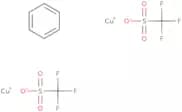
CAS:<p>3,5-Dinitrobenzylchloride is a chemical compound that belongs to the family of phenylchloroformates. It is an aminoacylated derivative of subtilisin and was synthesized by reacting 3,5-dinitrobenzyl chloride with glutamate in methanol. The reaction yielded a mixture of two products: one with an aminoacyl group at the C-terminal end and the other without. The latter product contains a carbonyl group at the C-terminal end instead. 3,5-Dinitrobenzylchloride has been used as a reagent for detection of proteins with high sensitivity by gel electrophoresis. It also has thermal expansion properties that are greater than those of chromatography columns, which makes it useful in supramolecular chemistry or spectrometric analysis where these properties may be advantageous. 3,5-Dinitrobenzylchloride is not effective against methyl ketones</p>Fórmula:C7H5ClN2O4Pureza:Min. 95%Peso molecular:216.58 g/molNickel(II) Trifluoromethanesulfonate
CAS:<p>Nickel(II) Trifluoromethanesulfonate is a nickel compound that is used in the preparation of other compounds. It has been shown to be reactive with water molecules, forming hydrogen gas and trifluoromethanesulfonic acid. This compound also undergoes an intramolecular hydrogen transfer reaction mechanism, which is the basis for its preparative method. Nickel(II) Trifluoromethanesulfonate can be activated by acid catalysts, such as sulfuric acid or hydrochloric acid. Nickel(II) Trifluoromethanesulfonate is a paramagnetic compound that exhibits strong magnetic properties when cooled below its Néel temperature (77K). Its coordination chemistry involves the coordination of two metal ions and two ligands, which are often oxygen or nitrogen-containing organic molecules.</p>Fórmula:C2F6NiO6S2Pureza:Min. 95%Peso molecular:356.83 g/molN-MethylethylamineHydrochloride
CAS:<p>N-Methylethylamine hydrochloride (MEA) is a cytotoxic agent that inhibits the growth of tumor cells by inhibiting protein synthesis. It is classified as an acyl halide and can be methylated in the liver to form methylamine. MEA has been shown to inhibit the growth of rat liver microsomes when combined with 3-bromopropylamine hydrobromide, hydroxide solution, aminoguanidine, alkylsulfonyl, nitrogen atoms, and carbon source. MEA is also known to inhibit HIV infection in vitro by inhibiting deoxynucleotide triphosphate (dNTP) binding to reverse transcriptase.</p>Fórmula:C3H9N•HClPureza:Min. 95%Peso molecular:95.57 g/molN-Bromosuccinimide
CAS:<p>N-Bromosuccinimide is a reactive chemical that is used in the manufacture of pharmaceutical preparations. It reacts with methyl ketones to form bromoketones, which can be detected by the chemiluminescence method. Although there is no direct evidence for the mechanism of this reaction, it is thought that there are two possible pathways. The first pathway involves a series of reactions involving activated methylene compounds and quinoline derivatives, while the second pathway involves transfer reactions from n-dimethyl formamide to lysine residues in proteins. The second pathway has been shown to be dominant in aerobacter aerogenes.</p>Fórmula:C4H4BrNO2Forma y color:White To Yellow SolidPeso molecular:177.99 g/molCyclobutanecarboxylic acid chloride
CAS:<p>Cyclobutanecarboxylic acid chloride is an acyl halide that is a reactive chemical intermediate. Cyclobutanecarboxylic acid chloride reacts with naphthalene to produce cyclobutane, which can undergo a Friedel-Crafts reaction to form a benzene ring. The compound also has been shown to inhibit the growth of human cervical carcinoma cells by inhibiting the production of growth factors and interferon, as well as by inducing apoptosis. Cyclobutanecarboxylic acid chloride has been used in the treatment of infectious diseases such as tuberculosis, leprosy, and malaria. This drug was originally synthesized for use as a protein inhibitor, but it has not been found to be active in this application.</p>Fórmula:C5H7ClOPureza:Min. 95%Forma y color:Clear LiquidPeso molecular:118.56 g/mol(9b,11b)-Epoxy fluorometholone acetate
CAS:<p>Please enquire for more information about (9b,11b)-Epoxy fluorometholone acetate including the price, delivery time and more detailed product information at the technical inquiry form on this page</p>Fórmula:C24H30O5Pureza:Min. 95%Peso molecular:398.49 g/mol4-(4-Bromophenyl)piperazine-1-carboxylic acid tert-butyl ester
CAS:Producto controlado<p>Please enquire for more information about 4-(4-Bromophenyl)piperazine-1-carboxylic acid tert-butyl ester including the price, delivery time and more detailed product information at the technical inquiry form on this page</p>Fórmula:C15H21BrN2O2Pureza:Min. 95%Peso molecular:341.24 g/mol(R)-Dragonfly N-trifluoroacetamide
CAS:Producto controlado<p>Please enquire for more information about (R)-Dragonfly N-trifluoroacetamide including the price, delivery time and more detailed product information at the technical inquiry form on this page</p>Fórmula:C15H12F3NO3Pureza:Min. 95%Peso molecular:311.26 g/mol(4-Fluoro-3-Nitrophenyl)Acetonitrile
CAS:<p>4-Fluoro-3-nitrophenylacetonitrile is a monomer that can be synthesised from the reaction of carbamic acid and diphenyl ether. It is chiral, stereoselective and nucleophilic. 4-Fluoro-3-nitrophenylacetonitrile can also be synthesised by reacting fluoroacetamide with sodium cyanide in water, forming the corresponding amide, which reacts with acetonitrile to form the nitro compound. The anti-cancer properties of 4-fluoro-3 nitrophenylacetonitrile have been studied in vitro and in vivo. This substance has been shown to inhibit growth of cancer cells and induce apoptosis. In addition, this substance has been used as a synthetic strategy for dihydroisoquinolines, which are important for their anti-cancer properties.</p>Fórmula:C8H5FN2O2Pureza:Min. 95%Peso molecular:180.14 g/molDistigmine bromide
CAS:<p>Distigmine bromide is a cholinergic agent that can be used to treat the symptoms of urinary incontinence. It is also used to treat underactive bladders and the symptoms associated with it. Distigmine bromide belongs to pharmacological agents and is an acetylcholinesterase inhibitor. This drug is administered by mouth, and its effects are long-lasting. It can be used for the treatment of psychotic disorders as well as for diagnosis of bladder disease.</p>Fórmula:C22H32N4O4•(Br)2Pureza:Min. 95%Forma y color:PowderPeso molecular:576.32 g/molDL-Aspartic acid dimethyl ester hydrochloride
CAS:<p>Please enquire for more information about DL-Aspartic acid dimethyl ester hydrochloride including the price, delivery time and more detailed product information at the technical inquiry form on this page</p>Fórmula:C6H11NO4·HClPureza:Min. 95%Forma y color:White PowderPeso molecular:197.62 g/molDemethyl chlorpromazine hydrochloride
CAS:<p>Chlorpromazine is a phenothiazine antipsychotic drug that is used to treat schizophrenia and other mental disorders. It is also used in the treatment of nausea, vomiting, and hiccups. Chlorpromazine binds to the D2 receptor in the brain, which blocks dopamine from binding to this receptor. In addition to its effects on dopamine receptors, chlorpromazine also inhibits phosphodiesterase activity and n-oxide formation. These effects are thought to be responsible for chlorpromazine's ability to inhibit tumor growth and prolong survival in some cancer patients. Chlorpromazine has been shown to inhibit filamentous fungi by inhibiting kinesin-like proteins that are essential for cell division. This drug also has low potency against cyclic nucleotide phosphodiesterases (PDEs) and may act as an inhibitor of PDE4B1 which is involved in the inflammatory response.</p>Fórmula:C16H18Cl2N2SPureza:Min. 95%Forma y color:White/Off-White SolidPeso molecular:341.3 g/mol[1-(4-Chlorobenzyl)-1H-benzimidazol-2-yl]methanol
CAS:Producto controlado<p>Please enquire for more information about [1-(4-Chlorobenzyl)-1H-benzimidazol-2-yl]methanol including the price, delivery time and more detailed product information at the technical inquiry form on this page</p>Fórmula:C15H13ClN2OPureza:Min. 95%Peso molecular:272.73 g/mol1-(4-Bromo-2,5-dimethoxybenzyl)piperazine
CAS:Producto controlado<p>Please enquire for more information about 1-(4-Bromo-2,5-dimethoxybenzyl)piperazine including the price, delivery time and more detailed product information at the technical inquiry form on this page</p>Fórmula:C13H19BrN2O2Pureza:Min. 95%Peso molecular:315.21 g/mol4-Bromo-2-fluoro-6-(trifluoromethyl)aniline
CAS:<p>Please enquire for more information about 4-Bromo-2-fluoro-6-(trifluoromethyl)aniline including the price, delivery time and more detailed product information at the technical inquiry form on this page</p>Fórmula:C7H4BrF4NPureza:Min. 95%Forma y color:Clear LiquidPeso molecular:258.01 g/mol1-(3-Bromobenzyl)piperazine
CAS:Producto controlado<p>Please enquire for more information about 1-(3-Bromobenzyl)piperazine including the price, delivery time and more detailed product information at the technical inquiry form on this page</p>Fórmula:C11H15BrN2Pureza:Min. 95%Peso molecular:255.15 g/molDiethyl fluoromalonate
CAS:<p>Diethyl fluoromalonate is a chemical that can be used to generate fluoroacetic acid. It has been shown to be an effective inhibitor of the growth of resistant mutants in vitro with magnetic resonance spectroscopy. The mechanism of action is not known, but it may involve the formation of a carbonyl group due to elimination of hydrogen fluoride. Diethyl fluoromalonate also reacts with malonic acid to form an aryl halide, which can then react with nitrogen atoms in cells and produce reactive oxygen species. This chemical has been shown to have anti-inflammatory effects in rats.</p>Fórmula:C7H11FO4Pureza:Min. 95%Peso molecular:178.16 g/mol1,2-Dibromo-1,1,2-trifluoroethane
CAS:Producto controlado<p>1,2-Dibromo-1,1,2-trifluoroethane (DBTF) is a catalyst that is used to transfer ethane to hydrogen fluoride. It is activated by hydrogen fluoride and reacts with ethane in the presence of a liquid phase. It can also be used for hydrogenation reactions. 1,2-Dibromo-1,1,2-trifluoroethane has been shown to be an effective catalyst for the transfer reaction between ethane and hydrogen fluoride. The rate of this reaction is dependent on the population of DBTF and the amount of n-dimethyl formamide (DMF). This catalyst does not require high energy input or zinc powder for activation.</p>Fórmula:C2HBr2F3Pureza:Min. 95%Forma y color:Clear LiquidPeso molecular:241.83 g/mol4-[4-(3-Chlorophenyl)piperazin-1-yl]-4-oxobutanoic acid
CAS:Producto controlado<p>Please enquire for more information about 4-[4-(3-Chlorophenyl)piperazin-1-yl]-4-oxobutanoic acid including the price, delivery time and more detailed product information at the technical inquiry form on this page</p>Fórmula:C14H17ClN2O3Pureza:Min. 95%Peso molecular:296.75 g/mol[2-(4-Chlorophenyl)-1,3-thiazol-4-yl]acetic acid
CAS:<p>[2-(4-Chlorophenyl)-1,3-thiazol-4-yl]acetic acid is a potent antimicrobial agent that inhibits the growth of bacteria by binding to the 50S ribosomal subunit. It has shown antiinflammatory properties in animal models of bowel disease, skin cancer, and autoimmune diseases. This drug has also been shown to have no observable toxicity in humans at doses up to 5000 mg/day for 28 days. The drug binds to a number of enzymes including reactive oxygen species (ROS) scavengers and metabolic enzymes. There are no known drug interactions with this drug and it can be used safely with other nonsteroidal antiinflammatory drugs (NSAIDs).</p>Fórmula:C11H8ClNO2SPureza:Min. 95%Peso molecular:253.71 g/mol3-Nitro-4-chloro-benzotrifluoride
CAS:<p>3-Nitro-4-chloro-benzotrifluoride is a nucleophilic reagent that reacts with aryl chlorides, such as phenoxazine and chloride, to give the corresponding nitro compounds. The reaction yield is dependent on the solvent, with higher yields obtained in n-dimethyl formamide than in dichloromethane. 3-Nitro-4-chloro-benzotrifluoride has been investigated for its potential use in cancer therapy. It inhibits the proliferation of a number of cancer cells, including resistant mutants. The deuterium isotope effect has also been used to determine the mechanism of action of 3-nitro-4-chloro benzo trifluoride.</p>Fórmula:C7H3ClF3NO2Pureza:Min. 98.0%Forma y color:Clear LiquidPeso molecular:225.55 g/moltert-Butylsulfinylchloride
CAS:<p>Tert-Butylsulfinylchloride is a hydroxamic acid that has been shown to be an effective inhibitor of indole alkaloids, such as tryptamine and serotonin. This compound is enantiopure and chiral, which allows for the synthesis of a number of diastereomers. Tert-Butylsulfinylchloride can react with hydrogen peroxide to form reactive intermediates that are thought to have a mechanistic role in the inhibition of indole alkaloid biosynthesis. It also reacts with chloride under thermal conditions to produce an asymmetric synthesis. Tert-Butylsulfinylchloride can be used at temperatures up to 125 degrees Celsius without losing its anti-indole alkaloid properties, making it a good candidate for use in organic syntheses.</p>Fórmula:C4H9ClOSPureza:Min. 95%Forma y color:Clear LiquidPeso molecular:140.63 g/mol5-Bromonicotinoyl chloride
CAS:<p>5-Bromonicotinoyl chloride is a synthetic compound that has been shown to be an inhibitor of some cancer cells. This compound has been shown to inhibit the enzyme phosphatidylinositol 3-kinase (PI3K) in a specific ligand-dependent manner. The precise mechanism of action is not yet understood, but it is thought that 5-bromonicotinoyl chloride may bind to the enzyme and inhibit its activity by hydrogen bonding interactions. This product inhibits PI3K, which is responsible for generating phosphatidylinositol 3,4,5-triphosphate (PIP3). PIP3 activates protein kinase B (AKT), which promotes cell proliferation and inhibits apoptosis. It also inhibits the enzyme phosphodiesterase type 4 (PDE4), which controls intracellular levels of cyclic GMP. PDE4 activity leads to vasodilation and platelet aggregation.</p>Fórmula:C6H3BrClNO2Pureza:Min. 95%Peso molecular:236.54 g/mol3-(Bromomethyl)benzoic acid
CAS:<p>3-(Bromomethyl)benzoic acid is a quaternary ammonium salt that has been shown to be an ampk activator. It has been used in the synthesis of mesoporous materials and for the synthesis of sulfoxides, oxindoles, and carboxylic acids. 3-(Bromomethyl)benzoic acid has also been used as a calibrant for nonlinear regression analysis, due to its conformational properties.</p>Fórmula:C8H7BrO2Pureza:Min. 95%Peso molecular:215.04 g/mol2-(Chloromethyl)-3-(4-fluorophenyl)quinazolin-4(3H)-one
CAS:Producto controlado<p>Please enquire for more information about 2-(Chloromethyl)-3-(4-fluorophenyl)quinazolin-4(3H)-one including the price, delivery time and more detailed product information at the technical inquiry form on this page</p>Fórmula:C15H10ClFN2OPureza:Min. 95%Peso molecular:288.7 g/mol2-(Chloromethyl)-3-(2-methoxyphenyl)quinazolin-4(3H)-one
CAS:Producto controlado<p>Please enquire for more information about 2-(Chloromethyl)-3-(2-methoxyphenyl)quinazolin-4(3H)-one including the price, delivery time and more detailed product information at the technical inquiry form on this page</p>Fórmula:C16H13ClN2O2Pureza:Min. 95%Peso molecular:300.74 g/molH-Leucinol-2-chlorotrityl resin
<p>Please enquire for more information about H-Leucinol-2-chlorotrityl resin including the price, delivery time and more detailed product information at the technical inquiry form on this page</p>Pureza:Min. 95%Forma y color:Light (Or Pale) Yellow To Brown Solid2-Fluoro-5-methoxyaniline
CAS:<p>2-Fluoro-5-methoxyaniline is a high quality reagent that is used as an intermediate in the synthesis of various complex compounds. The CAS number for this chemical is 62257-15-2 and it has been shown to be useful as a building block for the synthesis of fine chemicals, speciality chemicals, and research chemicals with many different uses. It is also a versatile building block that can be used in reactions involving amines, alcohols, thiols, and nitriles. 2-Fluoro-5-methoxyaniline may also be used as a reaction component in organic syntheses.</p>Fórmula:C7H8FNOPureza:Min. 95%Forma y color:PowderPeso molecular:141.14 g/mol(R)-1,2,3,4-Tetrahydro-5-methoxy-N-propyl-2-naphthalenamine hydrochloride
CAS:Producto controlado<p>Please enquire for more information about (R)-1,2,3,4-Tetrahydro-5-methoxy-N-propyl-2-naphthalenamine hydrochloride including the price, delivery time and more detailed product information at the technical inquiry form on this page</p>Fórmula:C14H22ClNOPureza:Min. 95%Peso molecular:255.78 g/mol1-(5-Methyl-1,2,4-oxadiazol-3-yl)cyclohexanamine hydrochloride
CAS:Producto controlado<p>Please enquire for more information about 1-(5-Methyl-1,2,4-oxadiazol-3-yl)cyclohexanamine hydrochloride including the price, delivery time and more detailed product information at the technical inquiry form on this page</p>Fórmula:C9H16N3OClPureza:Min. 95%Peso molecular:217.7 g/molHexachlorodimethyl sulfone
CAS:<p>Hexachlorodimethyl sulfone (HCDS) is an industrial chemical that is used in the production of polymers, resins, and dyes. It is also used for the decontamination of radiation-contaminated water, soil, and air. HCDS has been shown to be a potent inhibitor of cationic polymerization reactions such as those used to make paints and varnishes. This property makes it useful in the development of paint strippers. Hexachlorodimethyl sulfone has a high resistance to acidity and is stable at high temperatures. This chemical can cause necrosis factor-mediated chronic arthritis in animals following intraperitoneal administration.</p>Fórmula:C2Cl6O2SPureza:Min. 95%Peso molecular:300.8 g/mol5-(5-Chloro-1-methyl-1H-benzimidazol-2-yl)pentanoic acid
CAS:Producto controlado<p>Please enquire for more information about 5-(5-Chloro-1-methyl-1H-benzimidazol-2-yl)pentanoic acid including the price, delivery time and more detailed product information at the technical inquiry form on this page</p>Fórmula:C13H15ClN2O2Pureza:Min. 95%Peso molecular:266.72 g/mol4-(2-Chloro-4-nitrophenyl)piperazine-1-carboxamide
CAS:<p>Please enquire for more information about 4-(2-Chloro-4-nitrophenyl)piperazine-1-carboxamide including the price, delivery time and more detailed product information at the technical inquiry form on this page</p>Fórmula:C11H13ClN4O3Pureza:Min. 95%Peso molecular:284.7 g/mol1-Methylimidazole-2-sulfonyl chloride
CAS:<p>1-Methylimidazole-2-sulfonyl chloride is a synthetic estrogen that is used for the treatment of estrogen deficiency in women. It has been shown to increase plasma estradiol levels and reduce plasma testosterone levels. This drug is not active at physiological levels, but was found to have biological relevance when administered at higher doses. 1-Methylimidazole-2-sulfonyl chloride has been found to be effective in the treatment of cancer in humans, with a specific effect on breast cancer cells.</p>Fórmula:C4H5ClN2O2SPureza:Min. 95%Peso molecular:180.61 g/molAllylpalladium(II) chloride dimer
CAS:<p>Allylpalladium(II) chloride dimer is a homogeneous catalyst that can be used for the asymmetric synthesis of organosilicon compounds. It is an allylation agent and has been shown to react with certain nitrogen-containing compounds to form a palladium nitride complex. This compound is also a good transport agent, due to its high solubility in organic solvents. Allylpalladium(II) chloride dimer has been shown to be effective in the production of cancer chemotherapeutic agents, including chlorambucil, as well as anti-inflammatory drugs such as ibuprofen. This catalyst has also been used for cross-coupling reactions with alkyl bromides and iodides. A major drawback of this catalyst is that it often leads to an isolated yield of the product, which can be improved by using a solvent or by adding water or alcohols.</p>Fórmula:C6H10Cl2Pd2Pureza:95%NmrPeso molecular:365.89 g/mol5-Bromo-2,3-dimethoxypyrazine
CAS:<p>Please enquire for more information about 5-Bromo-2,3-dimethoxypyrazine including the price, delivery time and more detailed product information at the technical inquiry form on this page</p>Fórmula:C6H7BrN2O2Pureza:Min. 95%Peso molecular:219.04 g/mol2,2,2-Trifluoroethyl Formate
CAS:<p>2,2,2-Trifluoroethyl Formate is an organic compound that can be used as a fuel in diesel engines. It is a colorless liquid with a boiling point of -14.5°C and a molecular weight of 60.06 g/mol. 2,2,2-Trifluoroethyl Formate is not soluble in water and has very low solubility in other organic solvents. This compound has been shown to have antiviral and antibacterial properties against hepatitis C virus and infectious diseases such as tuberculosis and malaria. 2,2,2-Trifluoroethyl Formate also has the ability to inhibit the activity of enzymes such as ns3 protease and amines oxidases. The vibrational spectra show that the molecule’s structure includes at least one β-unsaturated ketone moiety with an acyclic bond on the second carbon from the end of the chain (C2). This structure also contains</p>Fórmula:C3H3F3O2Pureza:Min. 95%Peso molecular:128.05 g/mol4-Chlorophenylacetylene
CAS:<p>4-Chlorophenylacetylene is a compound that is created by the reaction of chloroform and acetylene. The reaction yield can be increased by using a catalytic amount of silicon, which increases the rate of hydration. Terminal alkynes react with 4-chlorophenylacetylene to form polymers, which are insoluble in most solvents. 4-Chlorophenylacetylene has been shown to have inhibitory activity against the growth of bacteria and fungi when tested in model species such as Escherichia coli and Saccharomyces cerevisiae.</p>Fórmula:C8H5ClPureza:Min. 95%Forma y color:PowderPeso molecular:136.58 g/molCopper(I) trifluoromethanesulfonate toluene complex
CAS:Producto controlado<p>Toluene complex</p>Fórmula:C9H8Cu2F6O6S2Pureza:Min. 95%Peso molecular:517.37 g/molPotassium vinyltrifluoroborate
CAS:<p>Potassium vinyltrifluoroborate is a salt that contains the inorganic anion potassium and the organic ligand vinyltrifluoroborate. It is used as an electrolyte in electrochemical cells, such as fuel cells, to increase power output by increasing the conductivity of the electrolyte. This compound has been shown to be effective against chronic kidney disease and infectious diseases such as HIV and malaria. Potassium vinyltrifluoroborate also has anti-cancer properties due to its ability to inhibit cellular proliferation and induce apoptosis in cancer cells. The mechanism of action of this drug is still unclear but may be due to its ability to inhibit proteases, such as ns3 protease found in human erythrocytes.</p>Fórmula:C2H3BF3KPureza:Min. 95%Forma y color:PowderPeso molecular:133.95 g/molDesmethyl fluorometholone
CAS:Producto controlado<p>Please enquire for more information about Desmethyl fluorometholone including the price, delivery time and more detailed product information at the technical inquiry form on this page</p>Fórmula:C21H27FO4Pureza:Min. 95%Forma y color:SolidPeso molecular:362.44 g/mol5-Bromo-1-methyl-1H-indole-3-carboxylic acid
CAS:Producto controlado<p>Please enquire for more information about 5-Bromo-1-methyl-1H-indole-3-carboxylic acid including the price, delivery time and more detailed product information at the technical inquiry form on this page</p>Fórmula:C10H8BrNO2Pureza:Min. 95%Peso molecular:254.08 g/mol4-Cyano-2-fluorobenzyl bromide
CAS:<p>4-Cyano-2-fluorobenzyl bromide is a methyl ester that can be used as a reagent for the synthesis of chiral α-amino acids. It can also be used as an enantioselective methylating agent for the synthesis of γ-secretase inhibitors. The methodology for the convergent synthesis of this compound includes alkylation with glycine followed by an enantioselective hydrolysis, which results in optically pure 4-cyano-2-fluorobenzyl bromide.</p>Fórmula:C8H5BrFNPureza:Min. 95%Forma y color:PowderPeso molecular:214.03 g/molN-[3-Fluoro-4-[(methylamino)carbonyl]phenyl]-2-methylalanine
CAS:<p>Please enquire for more information about N-[3-Fluoro-4-[(methylamino)carbonyl]phenyl]-2-methylalanine including the price, delivery time and more detailed product information at the technical inquiry form on this page</p>Fórmula:C12H15FN2O3Pureza:Min. 95%Peso molecular:254.26 g/mol2-Bromo-6-chloropyridine
CAS:<p>2-Bromo-6-chloropyridine is a synthetic, nucleophilic bidentate ligand that is used in the synthesis of vismodegib. It inhibits the growth of cancer cells by inhibiting a pathway that regulates cell division and differentiation. 2-Bromo-6-chloropyridine can be used as a cross-coupling agent for the synthesis of other chemicals. This chemical has pharmacokinetic properties and pharmacokinetic properties and can inhibit chloride channels, which may have an inhibitory effect on cancer cells. 2-Bromo-6-chloropyridine is also an effective inhibitor of nucleophilic substitutions, which are involved in many biological processes, such as DNA replication and protein synthesis.</p>Fórmula:C5H3BrClNPureza:Min. 95%Peso molecular:192.44 g/molDoxorubicinol hydrochloride - Mixture of Diasteromers
CAS:<p>Please enquire for more information about Doxorubicinol hydrochloride - Mixture of Diasteromers including the price, delivery time and more detailed product information at the technical inquiry form on this page</p>Fórmula:C27H32ClNO11Pureza:Min. 95%Peso molecular:582 g/molBenzotrichloride
CAS:Producto controlado<p>Benzotrichloride is a catalyst that reacts with sodium carbonate and benzoyl chloride to form a polymer. The reaction solution is heated for one hour at 60°C, followed by the addition of water vapor and particle. The polymerization process has been shown to proceed through an acid-base reaction mechanism, in which hydrogen fluoride is the acid and benzotrichloride is the base. This polymer can be used as an antimicrobial agent that inhibits bacterial growth by disrupting cell membranes.</p>Fórmula:C7H5Cl3Pureza:Min. 95%Peso molecular:195.47 g/mol(4-Benzylpiperazin-1-yl)piperidin-4-yl-methanone dihydrochloride
CAS:Producto controlado<p>Please enquire for more information about (4-Benzylpiperazin-1-yl)piperidin-4-yl-methanone dihydrochloride including the price, delivery time and more detailed product information at the technical inquiry form on this page</p>Fórmula:C17H27Cl2N3OPureza:Min. 95%Peso molecular:360.32 g/mol2-Bromofuran
CAS:<p>2-Bromofuran is a metal carbonyl and a pyrazole ring. It has been shown to bind to the CB2 receptor and may have some activity on the nervous system. 2-Bromofuran has been shown to be effective in treating chronic kidney disease and polycystic ovarian syndrome with acetylcholine. The electrochemical data for this molecule has shown that it can form hydrogen bonds when combined with cholinergic molecules.</p>Fórmula:C4H3BrOPureza:Min. 95%Peso molecular:146.97 g/mol4-Amino-3-bromo-1-(tert-butyl)-1H-pyrazolo[3,4-d]pyrimidine
CAS:<p>4-Amino-3-bromo-1-(tert-butyl)-1H-pyrazolo[3,4-d]pyrimidine is a drug that inhibits the growth of tumour cells by binding to and inhibiting kinases. It has been shown to have a significant inhibitory effect on lung cancer cells and pyridazine derivatives in vitro. 4-Amino-3-bromo-1-(tert-butyl)-1H-pyrazolo[3,4-d]pyrimidine has been shown to be effective against lung cancer cells in vivo. This drug may be useful for the treatment of cancer.</p>Fórmula:C9H12BrN5Pureza:Min. 95%Peso molecular:270.13 g/molMethedrone hydrochloride
CAS:Producto controlado<p>Methedrone is a synthetic stimulant drug that is chemically similar to cathinone, a natural amphetamine-like substance found in the khat plant. It has been shown to cause hyperlocomotion and increased risk-taking behaviors in rats, as well as the release of serotonin. Methedrone hydrochloride is rapidly absorbed into the body following oral administration, with peak plasma concentrations occurring within 1 hour. The drug has a short elimination half-life of approximately 3 hours and is excreted in urine samples. Methedrone hydrochloride can be used to study the effects of drugs on neurotransmitters such as dopamine and serotonin at a variety of levels, including transporters and receptors. This drug can also be used for other purposes such as enhancement or complementarity with pharmacological techniques like magnetic resonance imaging (MRI) or positron emission tomography (PET).</p>Fórmula:C11H15NO2HClPureza:Min. 95%Peso molecular:229.7 g/molSodium N-(6-chloropyridazin-3-yl)sulphanilamidate
CAS:<p>Sodium N-(6-chloropyridazin-3-yl)sulphanilamidate (NPS) is a sulfa drug that has been shown to have an effect on the enzyme activities of some endoparasites, such as Giardia lamblia and Entamoeba histolytica. The active form of NPS is metabolized through a number of metabolic transformations, including hydrolysis by esterases or glucuronidases, oxidation by cytochrome P450 enzymes, reduction by glutathione reductase, or conjugation with glucuronic acid. It also specifically binds to markers expressed at high levels in Mycobacterium tuberculosis strains (e.g., ESX-1 secretion system protein) and inhibits cell growth in culture.</p>Fórmula:C10H8ClN4O2SNaPureza:Min. 95%Peso molecular:306.7 g/molChlorogenic acid hemihydrate
CAS:<p>Chlorogenic acid hemihydrate is a natural phenolic compound that belongs to the family of flavonol glycosides. The molecule has two caffeoylquinic acids and one chlorogenic acid functional groups, which are responsible for its antioxidant properties. Chlorogenic acid hemihydrate is soluble in water and can be used as a solid dispersion. This compound has been shown to have significant interactions with other drugs, including polymeric matrix, protocatechuic acid, and α-amyrin acetate. It also has been shown to have cell culture and in vivo model evidence of efficacy against cancer cells.</p>Pureza:Min. 95%(D-His1)-Exenatide trifluoroacetate salt
CAS:<p>Please enquire for more information about (D-His1)-Exenatide trifluoroacetate salt including the price, delivery time and more detailed product information at the technical inquiry form on this page</p>Fórmula:C184H282N50O60SPureza:Min. 95%Peso molecular:4,186.57 g/mol14-O-Acetyl noroxycodone hydrochloride
CAS:Producto controlado<p>Please enquire for more information about 14-O-Acetyl noroxycodone hydrochloride including the price, delivery time and more detailed product information at the technical inquiry form on this page</p>Fórmula:C19H22ClNO5Pureza:Min. 95%Peso molecular:379.83 g/mol5-Chloro-2-pentanone
CAS:<p>5-Chloro-2-pentanone is a reactive, unsaturated ketone. It is a colorless liquid with a pungent odor. 5-Chloro-2-pentanone can be used in the synthesis of other organic compounds, such as covid-19 pandemic. The reaction of carbonyl groups with hydrogen chloride and chlorine atom to form hydrochloric acid and chlorocarbons is an example of a reaction that 5-chloro-2-pentanone can take part in. When 5-chloro-2-pentanone reacts with hydrogen chloride (HCl) and chlorine atom (Cl), the reaction products are hydrochloric acid (HCl) and chlorocarbons. This process is called nucleophilic attack and proceeds as follows: 5CH=C(CH)COH + HCl + Cl → CH=C(CH)COCl + H+ + Cl 5CH=C</p>Fórmula:C5H9ClOPureza:Min. 95%Forma y color:Clear LiquidPeso molecular:120.58 g/molN-(5-Bromopentyl)phthalimide
CAS:<p>N-(5-Bromopentyl)phthalimide is an antibacterial agent that inhibits the growth of gram-negative bacteria. It binds to the cell wall and prevents the formation of peptidoglycan, which is a major component of bacterial cell walls. N-(5-Bromopentyl)phthalimide also has anti-inflammatory properties and may be used as an anti-infective agent for topical preparations.</p>Fórmula:C13H14BrNO2Pureza:Min. 95%Forma y color:PowderPeso molecular:296.16 g/mol9-Bromononanoic acid
CAS:<p>9-Bromononanoic acid is a conjugate of a brominated fatty acid. It is used in the chemical ionization process to produce ions for mass spectrometry analysis. 9-Bromononanoic acid has an inhibitory effect on the growth of bacteria and was shown to be effective against bacterial cell division by inhibiting the synthesis of proteins vital for cell division. 9-Bromononanoic acid also inhibits the production of fatty acids, which may be due to its ability to bind to fatty acids and form esters with them.</p>Fórmula:C9H17BrO2Pureza:Min. 95%Peso molecular:237.13 g/mol5-Bromo-2-furaldehyde
CAS:<p>5-Bromo-2-furaldehyde is a chemical compound that belongs to the class of heterocycles. It is used in industry as a precursor for the synthesis of other organic compounds. 5-Bromo-2-furaldehyde has been shown to have anti-inflammatory properties, which may be due to its ability to inhibit prostaglandin synthesis. The use of this chemical has been linked with autoimmune diseases and cancer development in animal models. 5-Bromo-2-furaldehyde is an environmental pollutant that can enter the body by ingestion or inhalation, and it can cause irritation of the skin, eyes, nose, throat, and lungs. This chemical is also known as amide or suzuki coupling reaction (SCR).</p>Fórmula:C5H3BrO2Pureza:Min. 98%Forma y color:Off-White To Yellow To Light Brown SolidPeso molecular:174.98 g/mol(S)-Albuterol hydrochloride
CAS:Producto controlado<p>Please enquire for more information about (S)-Albuterol hydrochloride including the price, delivery time and more detailed product information at the technical inquiry form on this page</p>Fórmula:C13H22ClNO3Pureza:Min. 95%Forma y color:White PowderPeso molecular:275.77 g/mol4'-Methyl-a-pyrrolidinopropiophenone hydrochloride
CAS:Producto controlado<p>Please enquire for more information about 4'-Methyl-a-pyrrolidinopropiophenone hydrochloride including the price, delivery time and more detailed product information at the technical inquiry form on this page</p>Fórmula:C14H20ClNOPureza:Min. 95%Peso molecular:253.77 g/mol[Hydroxy(methanesulfonyloxy)iodo]benzene
CAS:<p>[Hydroxy(methanesulfonyloxy)iodo]benzene is an aromatic ketone that is used as a ligand in asymmetric synthesis. It is prepared by the reaction of phenyliodonium hexafluorophosphate with a mixture of water and hexane, followed by hydrolysis of the resulting ester. The reaction yields enol ethers and alicyclic ketones, along with the conjugate base of the aromatic ketone. This ligand can be used to form a complex with copper metal ions, which is then used for catalyzing organic reactions.</p>Fórmula:C7H9IO4SPureza:Min. 95%Peso molecular:316.11 g/molTributylhexadecylphosphonium Bromide
CAS:<p>Tributylhexadecylphosphonium bromide is a hydroxide solution that is used as a catalyst in the production of antimicrobial agents. It can be used to prepare a matrix effect for test samples, which are then subjected to acid formation. This product has shown high resistance to hydrolysis, oxidation, and biological properties. Tributylhexadecylphosphonium bromide is also known as an intermolecular hydrogen bonding agent and cationic surfactant. It may be used in sodium hydroxide solution to prepare nitrite ion, which can be added to the water supply for disinfection purposes.</p>Fórmula:C28H60BrPPureza:Min. 95%Peso molecular:507.65 g/molL-Pyroglutamic acid pentachlorophenyl ester
CAS:Producto controlado<p>Please enquire for more information about L-Pyroglutamic acid pentachlorophenyl ester including the price, delivery time and more detailed product information at the technical inquiry form on this page</p>Fórmula:C11H6Cl5NO3Pureza:Min. 95%Peso molecular:377.43 g/mol3,3'4,4'5,5'-Hexabromobiphenyl
CAS:Producto controlado<p>3,3',4,4',5,5'-Hexabromobiphenyl is a brominated flame retardant that is used in the production of polymers and textiles. It has been detected in human adipose tissue at concentrations of up to 1.2 ng/g dry weight. 3,3',4,4',5,5'-hexabromobiphenyl has been shown to inhibit the production of uridine in mammalian cells. This inhibition may be due to its ability to form a complex with the enzyme uridine phosphorylase or it may be due to an indirect effect on cellular energy metabolism as it has been shown to enhance depression-like behavior in Sprague-Dawley rats and to inhibit liver cell proliferation. 3,3',4,4',5,5'-Hexabromobiphenyl also inhibits the growth of V79 cells and biphenyl uptake into these cells.</p>Fórmula:C12H4Br6Pureza:Min. 95%Peso molecular:627.58 g/mol1H,1H-Nonafluoropentylamine
CAS:<p>Please enquire for more information about 1H,1H-Nonafluoropentylamine including the price, delivery time and more detailed product information at the technical inquiry form on this page</p>Fórmula:C5H4F9NPureza:Min. 95%Forma y color:Clear LiquidPeso molecular:249.08 g/molD-Valine tert-butyl ester hydrochloride
CAS:<p>Valine is one of the 20 amino acids commonly found in proteins. Valine is a modified form of the amino acid l-valine that has been shown to have anti-inflammatory properties and may be used as a medicine. Valine tert-butyl ester hydrochloride (VTBE) is an alkyl ester that has been shown to inhibit the activity of metalloproteinases, which are enzymes that break down proteins in the body. It has also been shown to have medicinal uses in the diagnosis of diseases such as Parkinson's disease and Alzheimer's disease. VTBE may be activated by tripartite motifs and lead to structural studies on exotoxins.</p>Fórmula:C9H19NO2•HClPureza:Min. 95%Forma y color:White PowderPeso molecular:209.71 g/moltert-Butyl 2-(2-chloroethoxy)acetate
CAS:<p>Please enquire for more information about tert-Butyl 2-(2-chloroethoxy)acetate including the price, delivery time and more detailed product information at the technical inquiry form on this page</p>Fórmula:C8H15ClO3Pureza:Min. 95%Forma y color:Clear, colourless liquid.Peso molecular:194.66 g/molLauroyl chloride
CAS:<p>Lauroyl chloride is a hydroxyl containing organic acid that can react with sodium carbonate to form ester hydrochloride. This reaction is used to convert the hydroxyl group into an ester group in organic chemistry. Lauroyl chloride has been shown to have skin cancer inhibiting effects, as well as thermal expansion and phosphorus pentoxide solubility properties. It has also been shown to scavenge anion radicals in a model system and is used for preparative high-performance liquid chromatography (prep-HPLC). The chemical lauroyl chloride is also used for the preparation of amides and water vapor.</p>Fórmula:C12H23CIOPureza:Min. 95%Peso molecular:322.23 g/molOxychlordane
CAS:<p>Oxychlordane is an insecticide that is classified as a chlordane. It is mainly used in agricultural and residential settings to control pests, such as mosquitoes and flies. Oxychlordane has been shown to have dose-dependent effects on rat liver microsomes and mitochondria of humans, with the toxicity being more pronounced in females than males. This chemical also can cause an increase in body mass index for both sexes. Oxychlordane has been shown to decrease the mitochondrial membrane potential, which leads to apoptosis or death of fatty acid cells. Oxychlordane also has a variety of effects on fatty acid synthesis, including inhibiting the activity of enzymes such as phospholipase A2 and acyl-CoA synthetase.</p>Fórmula:C10H4Cl8OPureza:Min. 95%Forma y color:PowderPeso molecular:423.76 g/mol3-Bromo-2-nitrophenol
CAS:<p>3-Bromo-2-nitrophenol (3-BNP) is a brominating agent that can be used in the synthesis of a variety of compounds. It is prepared by the refluxing of 3-bromo-2-nitrobenzene with lithium chloride, followed by treatment with trifluoromethanesulfonic anhydride to yield 3-bromo-2-(trifluoromethyl)phenoxyacetic acid. The product can also be obtained from 2,4,6-trinitrophenol and NBS. 3-BNP has shown chemoselectivity for chlorides relative to iodides or fluorides. The yields are higher when it is used in coupling reactions and permutations with lithium or magnesium.</p>Fórmula:C6H4BrNO3Pureza:Min. 95%Peso molecular:218 g/mol4-Chloroquinoline-6-carboxylicacid
CAS:<p>Please enquire for more information about 4-Chloroquinoline-6-carboxylicacid including the price, delivery time and more detailed product information at the technical inquiry form on this page</p>Fórmula:C10H6ClNO2Pureza:Min. 95%Peso molecular:207.61 g/molCobalt chloride hexahydrate
CAS:<p>Cobalt chloride is the inorganic compound with the chemical formula CoCl2.6H2O. It is a salt of cobalt in the form of a hexahydrate, which means that it contains six water molecules per molecule of cobalt. Cobalt chloride can be used as a chelate ligand to bind metal ions and prevent them from reacting with other substances. In this way, it can be used in wastewater treatment to remove heavy metals such as copper and zinc, or to remove nitrogen from waste water. The cobalt ion binds reversibly to two oxygen atoms on each molecule of hydrogen peroxide, forming HCoO3HO. This process converts one mole of hydrogen peroxide into one mole of water vapor and one mole of oxygen gas. It also catalyzes reactions involving organic compounds containing ammonia, such as ammonium salts or urea-ammonia solutions - reactions that are used for industrial purposes or for agricultural fertilizers. Cobalt chloride hexahydrate has</p>Fórmula:Cl2Co•(H2O)6Pureza:Min. 95%Peso molecular:237.93 g/molCopper(I) trifluoromethanesulfonate benzene complex
CAS:<p>Copper trifluoromethanesulfonate is a copper complex that inhibits the activity of thrombin receptor and other diazo compounds. It has been shown to inhibit the activity of the cannabinoid receptors, sodium channels, and voltage-gated potassium channels. Copper trifluoromethanesulfonate can be used in organic chemistry as an alkylating agent or to form thioacetals. The activity of this compound is chiral, meaning that it can exist as two different enantiomers: (1) (S)-(+)-Copper(I) trifluoromethanesulfonate benzene complex and (2) (R)-(-)-Copper(I) trifluoromethanesulfonate benzene complex. These two enantiomers have different chemical properties, including their ability to bind to protein receptors.</p>Fórmula:(CF3SO3Cu)2•C6H6Pureza:Min. 95%Forma y color:PowderPeso molecular:503.34 g/mol1-Butylpyridinium Chloride
CAS:<p>1-Butylpyridinium Chloride is an ionic liquid that is a colorless, water-soluble liquid. It has been reported to have detergent compositions and can be used as a solvent or cleaning agent. 1-Butylpyridinium chloride has been shown to have strong hydrogen bonding interactions with other molecules. It also exhibits electrochemical impedance spectroscopy, ft-ir spectroscopy, and thermal expansion properties.</p>Fórmula:C9H14ClNPureza:Min. 95%Peso molecular:171.67 g/mol2-(Bromomethyl)acrylic acid
CAS:<p>2-(Bromomethyl)acrylic acid is a monomer that has been synthesized from bromoacetic acid and acrylic acid. It is an efficient method for the synthesis of 2-bromoethyl acrylate, which can be used as a precursor for polyurethanes and other polymers. The 2-bromoethyl acrylate can be obtained through allylation with ethylene glycol, followed by hydrolysis to produce acrylic acid. This monomer reacts with free hydroxyl groups to form esters and ethers. It also reacts with nitrogen atoms to form amides or nitriles. Cell culture studies have shown that this compound has no toxic effects on human erythrocytes or hepatocytes.</p>Fórmula:C4H5BrO2Pureza:Min. 95%Forma y color:PowderPeso molecular:164.99 g/mol2-Amino-1-tetralone hydrochloride
CAS:Producto controlado<p>Please enquire for more information about 2-Amino-1-tetralone hydrochloride including the price, delivery time and more detailed product information at the technical inquiry form on this page</p>Fórmula:C10H11NO·HClPureza:Min. 95%Forma y color:PowderPeso molecular:196.65 g/mol3-(4--Chloro-phenyl)-7-hydroxy-chromen-4-one
CAS:<p>3-(4-Chloro-phenyl)-7-hydroxy-chromen-4-one is an intermediate that is used in the research of Alzheimer's disease. It coordinates transition metals, such as copper (Cu), zinc (Zn), and nickel (Ni) to form a pharmacophore. This pharmacophore binds with flavones, which are compounds found in plants that have hypotensive and antihypertensive properties. 3-(4-Chloro-phenyl)-7-hydroxy-chromen-4-one has been shown to be an effective inhibitor of angiotensin II type 1 receptors and has a crystalline structure. 3-(4--Chloro---></p>Fórmula:C15H9ClO3Pureza:Min. 95%Peso molecular:272.68 g/mol1-(3-Chlorophenyl)-4-(3-chloropropyl)piperazine Hydrochloride
CAS:Producto controlado<p>1-(3-Chlorophenyl)-4-(3-chloropropyl)piperazine Hydrochloride is an antidepressant that belongs to the class of nefazodone. It is a prodrug, which is hydrolyzed to nefazodone in the liver. It has been shown to have a high affinity for serotonin receptors and as such may be useful for the treatment of depression. 1-(3-Chlorophenyl)-4-(3-chloropropyl)piperazine Hydrochloride also has anticonvulsant properties, which may be due to its inhibition of neuronal excitability by blocking sodium channels in the brain.</p>Fórmula:C13H18Cl2N2·HClPureza:Min. 95%Peso molecular:309.66 g/mol3-Fluoro-4-methylaniline
CAS:<p>3-Fluoro-4-methylaniline is a synthesized compound that is used to produce anti-cancer agents. It is an amide and has anti-cancer properties. 3-Fluoro-4-methylaniline also binds to DNA and inhibits the synthesis of proteins in cancer cells. The binding constants for ligands are found to be high. 3-Fluoro-4-methylaniline can also bind with DNA through intercalation or hybridization, which prevents transcription of RNA from DNA, thereby inhibiting protein synthesis. This results in cell death by apoptosis.</p>Fórmula:C7H8FNPureza:Min. 95%Forma y color:Clear LiquidPeso molecular:125.14 g/mol2-Chloro-5-chloromethylthiazole
CAS:<p>2-Chloro-5-chloromethylthiazole is an aliphatic hydrocarbon that has been used to chlorinate a variety of organic compounds. It reacts with hydrochloric acid and chlorine at low energy, producing chloride in the process. This chemical can be synthesized by reacting n-dimethyl formamide with hydrogen chloride. 2-Chloro-5-chloromethylthiazole can also be used as a crosslinking agent to react with the amine groups on proteins.</p>Pureza:Min. 95%
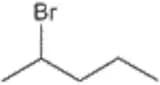


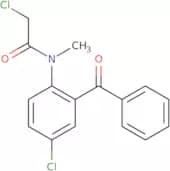


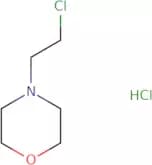
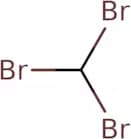
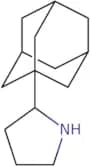
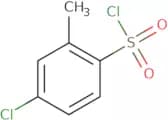
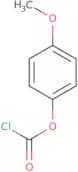
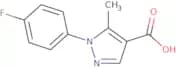
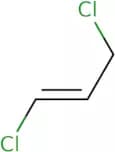

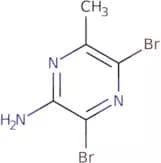
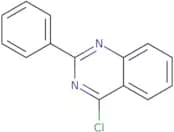
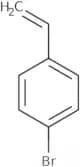
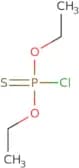


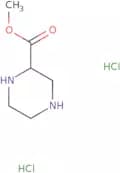
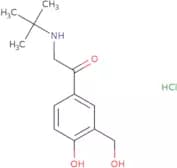
![4-(2-Chlorophenyl)-9-methyl-6H-thieno[3,2-f][1,2,4]triazolo[4,3-a][1,4]diazepine-2-propanoic acid](/_next/image/?url=https%3A%2Fstatic.cymitquimica.com%2Fproducts%2F3D%2Fthumb-webp%2FFC20336.webp&w=3840&q=75)
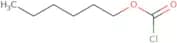
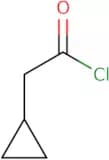
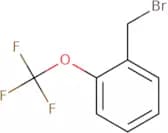
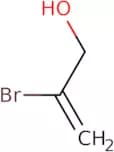
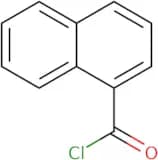
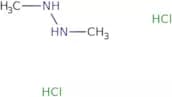
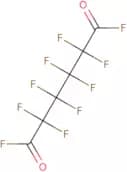
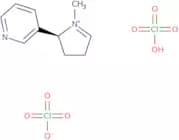
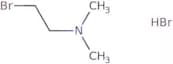
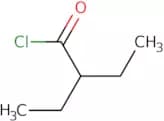

![Chloro[2-(di-tert-butylphosphino)-2',4',6'-triisopropyl-1,1'-biphenyl][2-(2-aminoethyl)phenyl)]pal…](/_next/image/?url=https%3A%2Fstatic.cymitquimica.com%2Fproducts%2F3D%2Fthumb-webp%2FFC156938.webp&w=3840&q=75)
![[(6-Chloro-1-isopropyl-1H-benzimidazol-2-yl)methyl]amine dihydrochloride](/_next/image/?url=https%3A%2Fstatic.cymitquimica.com%2Fproducts%2F3D%2Fthumb-webp%2FFC135800.webp&w=3840&q=75)
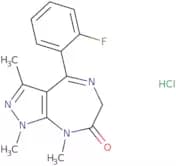
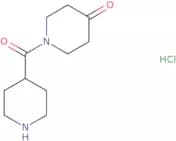
![tert-Butyl 4-chloro-5,6-dihydropyrido[3,4-d]pyrimidine-7(8H)-carboxylate](/_next/image/?url=https%3A%2Fstatic.cymitquimica.com%2Fproducts%2F3D%2Fthumb-webp%2FFB144255.webp&w=3840&q=75)
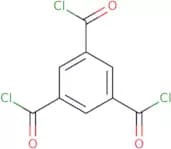

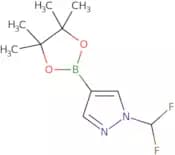
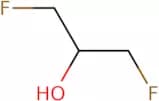


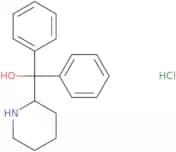
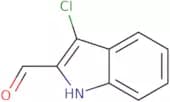

![[1-(2-Chlorobenzyl)-1H-benzimidazol-2-yl]methanol](/_next/image/?url=https%3A%2Fstatic.cymitquimica.com%2Fproducts%2F3D%2Fthumb-webp%2FFC135810.webp&w=3840&q=75)
![[2-(1,2,6-Trimethyl-1H-indol-3-yl)ethyl]amine hydrochloride](/_next/image/?url=https%3A%2Fstatic.cymitquimica.com%2Fproducts%2F3D%2Fthumb-webp%2FFT118335.webp&w=3840&q=75)
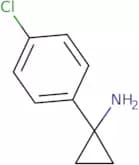
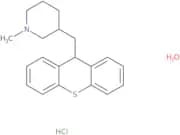
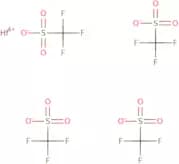
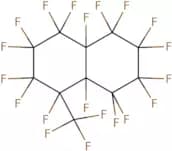
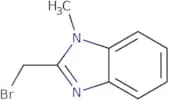
![[4-(2-Aminopropyl)phenyl]dimethylamine dihydrochloride](/_next/image/?url=https%3A%2Fstatic.cymitquimica.com%2Fproducts%2F3D%2Fthumb-webp%2FFA120226.webp&w=3840&q=75)
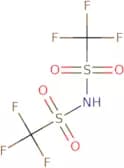
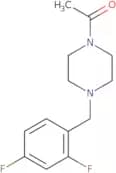

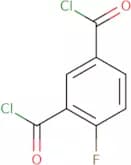
![7-[(3R)-3-[(N-Acetyl)amino]-1-oxo-4-(2,4,5-trifluorophenyl)butyl]-5,6,7,8-tetrahydro-3-(trifluorom…](/_next/image/?url=https%3A%2Fstatic.cymitquimica.com%2Fproducts%2F3D%2Fthumb-webp%2FFA104169.webp&w=3840&q=75)
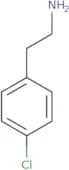
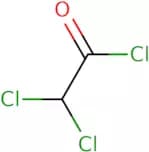

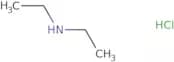

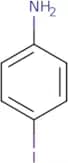
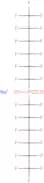
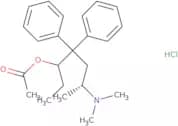
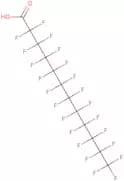

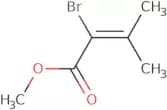
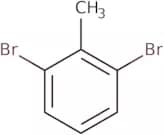
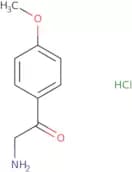
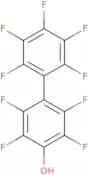
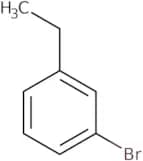

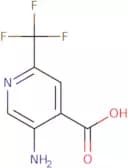
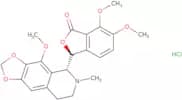
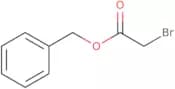
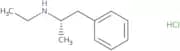

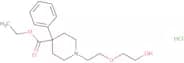
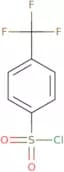
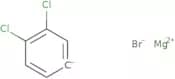
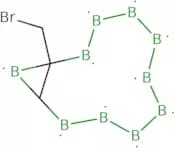

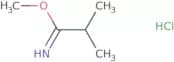
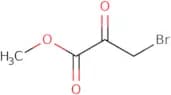
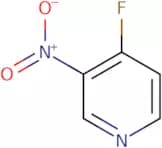

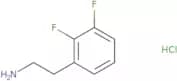
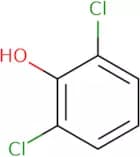
![[(5-Methyl-1,3-thiazol-2-yl)methyl]amine dihydrochloride](/_next/image/?url=https%3A%2Fstatic.cymitquimica.com%2Fproducts%2F3D%2Fthumb-webp%2FFM124184.webp&w=3840&q=75)

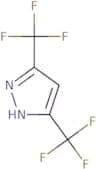
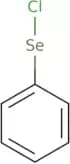

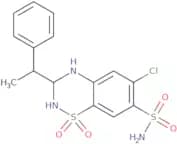
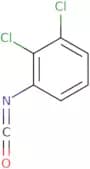
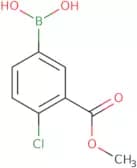
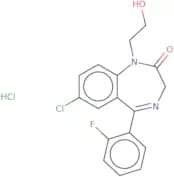
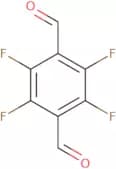

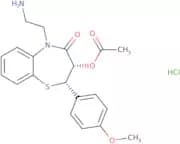
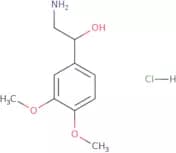
![10-[2-(1-Methyl-2-piperidinyl)ethyl]-2-(methylthio)-10H-phenothiazine hydrochloride](/_next/image/?url=https%3A%2Fstatic.cymitquimica.com%2Fproducts%2F3D%2Fthumb-webp%2FFT28238.webp&w=3840&q=75)
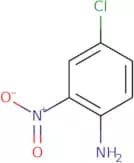
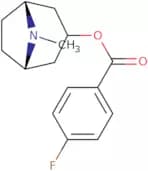
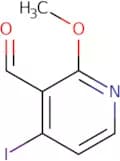
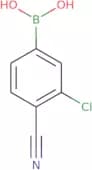
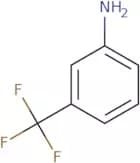
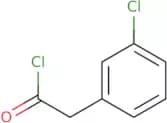


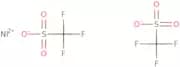

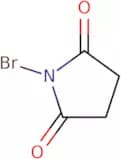
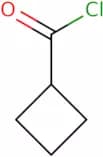
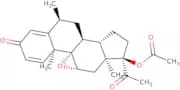
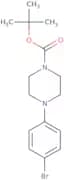
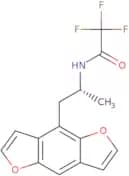
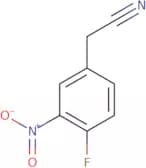
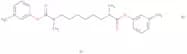
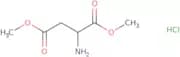
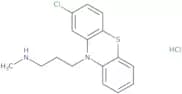
![[1-(4-Chlorobenzyl)-1H-benzimidazol-2-yl]methanol](/_next/image/?url=https%3A%2Fstatic.cymitquimica.com%2Fproducts%2F3D%2Fthumb-webp%2FFC135813.webp&w=3840&q=75)

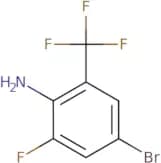

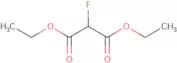
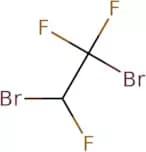
![4-[4-(3-Chlorophenyl)piperazin-1-yl]-4-oxobutanoic acid](/_next/image/?url=https%3A%2Fstatic.cymitquimica.com%2Fproducts%2F3D%2Fthumb-webp%2FFC124815.webp&w=3840&q=75)
![[2-(4-Chlorophenyl)-1,3-thiazol-4-yl]acetic acid](/_next/image/?url=https%3A%2Fstatic.cymitquimica.com%2Fproducts%2F3D%2Fthumb-webp%2FFC124498.webp&w=3840&q=75)

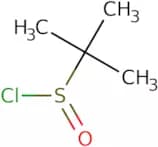
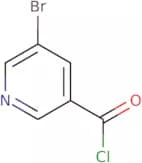
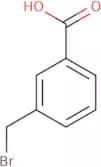
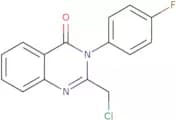
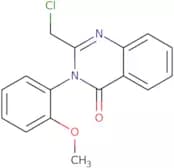

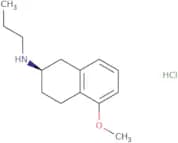

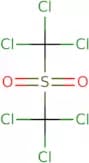
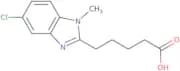
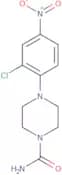
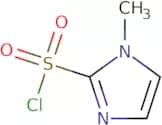
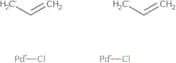

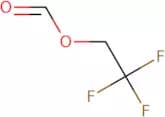
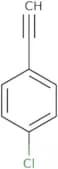
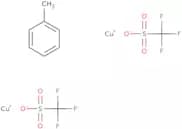
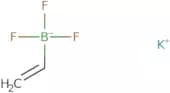
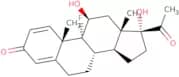

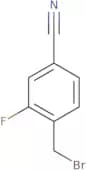
![N-[3-Fluoro-4-[(methylamino)carbonyl]phenyl]-2-methylalanine](/_next/image/?url=https%3A%2Fstatic.cymitquimica.com%2Fproducts%2F3D%2Fthumb-webp%2FFF99416.webp&w=3840&q=75)
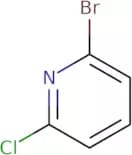
![4-Amino-3-bromo-1-(tert-butyl)-1H-pyrazolo[3,4-d]pyrimidine](/_next/image/?url=https%3A%2Fstatic.cymitquimica.com%2Fproducts%2F3D%2Fthumb-webp%2FFA168683.webp&w=3840&q=75)
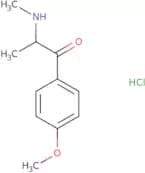
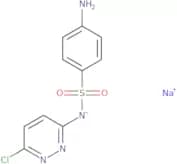
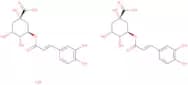
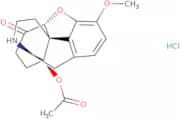
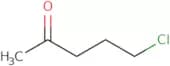
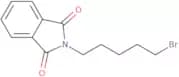


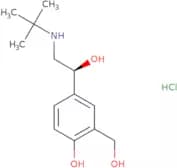
![[Hydroxy(methanesulfonyloxy)iodo]benzene](/_next/image/?url=https%3A%2Fstatic.cymitquimica.com%2Fproducts%2F3D%2Fthumb-webp%2FFH60683.webp&w=3840&q=75)