Haluros orgánicos
En esta categoría, encontrará moléculas orgánicas que contienen uno o más átomos de halógeno en su estructura. Estos haluros orgánicos incluyen compuestos bromados, yodados, clorados y haluros cíclicos. Los haluros orgánicos se utilizan ampliamente en la síntesis orgánica, productos farmacéuticos, agroquímicos y ciencia de materiales debido a su reactividad y capacidad para someterse a diversas transformaciones químicas. En CymitQuimica, ofrecemos una selección integral de haluros orgánicos de alta calidad para apoyar sus aplicaciones de investigación e industriales, garantizando un rendimiento confiable y efectivo en sus proyectos sintéticos y analíticos.
Subcategorías de "Haluros orgánicos"
Se han encontrado 20437 productos de "Haluros orgánicos"
Ordenar por
Pureza (%)
0
100
|
0
|
50
|
90
|
95
|
100
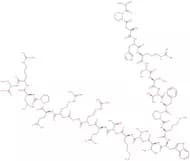
pp60 c-src (521-533) (phosphorylated) trifluoroacetate salt
CAS:<p>Please enquire for more information about pp60 c-src (521-533) (phosphorylated) trifluoroacetate salt including the price, delivery time and more detailed product information at the technical inquiry form on this page</p>Fórmula:C62H95N16O28PPureza:Min. 95%Peso molecular:1,543.48 g/mol1-Chloroethyl isopropyl carbonate
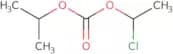
CAS:<p>1-Chloroethyl isopropyl carbonate (CEPC) is a cefpodoxime proxetil metabolite that is formed from the chlorination of 1-chloroacetamide in the presence of isopropyl. CEPC has been shown to have a high yield and can be synthesized from readily available, inexpensive starting materials. It is metabolized by human liver microsomes and plasma, yielding 7-aminocephalosporanic acid, cefpodoxime, and thiourea. This compound can also be used as an intermediate for the synthesis of other compounds such as cefotaxime and thiourea.</p>Fórmula:C6H11ClO3Pureza:Min. 95%Peso molecular:166.6 g/molN-(4-Bromobutyl)phthalimide
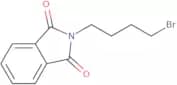
CAS:<p>N-(4-Bromobutyl)phthalimide is a chemical compound that can be used to make dopamine D3. It is an alkylation agent and has been shown to be effective in the conjugation of albumin with monoclonal antibodies. N-(4-Bromobutyl)phthalimide is activated by carboxy, vinyl alcohol, and octamer and reacts with primary amino groups in dopamine. The dilution method is used to determine the concentration of dopamine D3 in a solution. This product can also be used as a chemical intermediate for other pharmaceuticals.</p>Fórmula:C12H12BrNO2Pureza:(%) Min. 95%Forma y color:PowderPeso molecular:282.13 g/mol(Des-Gly2)-Exenatide trifluoroacetate salt
CAS:<p>Please enquire for more information about (Des-Gly2)-Exenatide trifluoroacetate salt including the price, delivery time and more detailed product information at the technical inquiry form on this page</p>Fórmula:C182H279N49O59SPureza:Min. 95%Peso molecular:4,129.52 g/mol1-Methylbiguanide hyrdochloride
CAS:<p>1-Methylbiguanide hydrochloride is a pharmaceutical drug that has been shown to be an antidiabetic agent. It is a white crystalline powder with a melting point of about 180°C and a solubility in water of about 1 g/L. 1-Methylbiguanide hydrochloride is used for treating diabetes mellitus type 2, which is caused by insulin resistance. The drug works by stimulating the release of insulin from the pancreas and increasing the rate at which glucose enters cells. Studies have shown that 1-methylbiguanide hydrochloride has low biodegradability, but it can be removed from wastewater using an activated carbon column or hydrophilic interaction chromatography. 1-Methylbiguanide hyrdochloride has been shown to be safe for humans and may not cause side effects in people with kidney disease who take it as prescribed. This drug also does not interact with other medications, such as warfarin</p>Fórmula:C3H9N5·HClPureza:Min. 95%Peso molecular:151.6 g/molZ-2-Nal-chloromethylketone
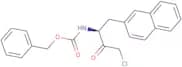
CAS:<p>Please enquire for more information about Z-2-Nal-chloromethylketone including the price, delivery time and more detailed product information at the technical inquiry form on this page</p>Fórmula:C22H20ClNO3Pureza:Min. 95%Peso molecular:381.85 g/molTetrabromophenyl-porphyrin
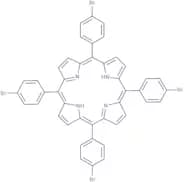
CAS:<p>Tetrabromophenyl-porphyrin (TBP) is a synthetic molecule that interacts with aldehydes in the presence of light. This interaction results in the formation of a phenyl radical and an excited state, which leads to the production of carbon dioxide and water. TBP is used as a catalyst for these reactions because it is more stable than other molecules that are typically used. The catalytic effect of TBP can be studied by means of spectroscopies and microscopy techniques. The crystal x-ray diffraction technique was used to analyze the molecular structure of TBP by determining the distances between atoms in its molecules. It was discovered that TBP has two phenyl groups and four bromine atoms per porphyrin ring. Diffraction techniques were also used to study how light interacts with TBP molecules, showing that they have strong optical properties when adsorbed on surfaces.</p>Fórmula:C44H26N4Br4Pureza:Min. 95%Peso molecular:930.32 g/molH-p-Chloro-Phe-D-Cys-b-(3-pyridyl)-Ala-D-Trp-Lys-tBu-Gly-Cys-2-Nal-NH2 trifluoroacetate salt (Disulfide bond)
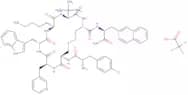
CAS:<p>Please enquire for more information about H-p-Chloro-Phe-D-Cys-b-(3-pyridyl)-Ala-D-Trp-Lys-tBu-Gly-Cys-2-Nal-NH2 trifluoroacetate salt (Disulfide bond) including the price, delivery time and more detailed product information at the technical inquiry form on this page</p>Fórmula:C59H71ClN12O8S2Pureza:Min. 95%Peso molecular:1,175.86 g/molVesicular Stomatitis Virus Nucleoprotein (52-59) trifluoroacetate salt
CAS:<p>Please enquire for more information about Vesicular Stomatitis Virus Nucleoprotein (52-59) trifluoroacetate salt including the price, delivery time and more detailed product information at the technical inquiry form on this page</p>Fórmula:C44H66N12O12Pureza:Min. 95%Peso molecular:955.07 g/molVEGFR-KDR/Flk-1 Antagonist Peptide trifluoroacetate salt
CAS:<p>Please enquire for more information about VEGFR-KDR/Flk-1 Antagonist Peptide trifluoroacetate salt including the price, delivery time and more detailed product information at the technical inquiry form on this page</p>Fórmula:C77H99N23O18SPureza:Min. 95%Peso molecular:1,666.82 g/mol2-(2-Ethoxyphenoxy)ethyl bromide
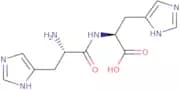
CAS:<p>2-(2-Ethoxyphenoxy)ethyl bromide is a substance that is found as an impurity in the drug sulphonamide. It has been shown to be an optical isomer of methanol and ethanol, which have base form. The substance crystallizes in the form of white needles and its base form is tamsulosin hydrochloride. It has been used as a reagent for organic chemistry reactions, such as recrystallization, and as an impurity in organic solvents.</p>Fórmula:C10H13BrO2Pureza:Min. 95%Peso molecular:245.11 g/molH-His-His-OH trifluoroacetate salt
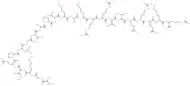
CAS:<p>H-His-His-OH trifluoroacetate salt is a compound that has been extensively studied for its potential use in antimicrobial peptides. It is a small molecule that inhibits the activity of enzymes by binding to a specific region on the enzyme's surface, thereby preventing the progression of an essential chemical reaction. H-His-His-OH trifluoroacetate salt has been shown to inhibit protein synthesis in bacteria and yeast cells, as well as in model systems. The inhibition of protein synthesis may be due to hydrogen bonding between the hydroxyl group on His and the amino groups on His. H-His-His-OH trifluoroacetate salt also has an inhibitory effect on enzymes catalysis and can enhance their activity when used with another substrate.</p>Fórmula:C12H16N6O3Pureza:Min. 95%Peso molecular:292.29 g/molGastric Inhibitory Polypeptide (porcine) trifluoroacetate salt
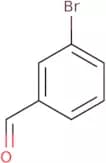
CAS:<p>Please enquire for more information about Gastric Inhibitory Polypeptide (porcine) trifluoroacetate salt including the price, delivery time and more detailed product information at the technical inquiry form on this page</p>Fórmula:C225H342N60O66SPureza:Min. 95%Peso molecular:4,975.55 g/mol3-Bromobenzaldehyde
CAS:<p>3-Bromobenzaldehyde is an organic compound with the formula CHBrCHO. It is a colorless liquid that is soluble in many organic solvents. 3-Bromobenzaldehyde can be synthesized by the reaction of ethyl acetoacetate and anhydrous sodium in methanol, and can be purified by distillation or recrystallization from ethanol. This compound has been used as a solvent for analytical methods, such as GC-MS analysis, due to its high boiling point and low volatility. 3-Bromobenzaldehyde also reacts with hydrogen chloride to form benzoyl chloride, which can then be reacted with alcohols to produce esters. 3-Bromobenzaldehyde has been shown to react with chalcones to form optical active compounds, such as curcumin analogues. These reactions are typically carried out in solution using acetic acid or sulfuric acid as a catalyst.br>br></p>Fórmula:C7H5BrOPureza:Min. 95%Peso molecular:185.02 g/mol(D-Phe12, Nle 21·38)-CRF (12-41) (human, rat) trifluoroacetate salt
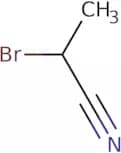
CAS:<p>Please enquire for more information about (D-Phe12, Nle 21·38)-CRF (12-41) (human, rat) trifluoroacetate salt including the price, delivery time and more detailed product information at the technical inquiry form on this page</p>Fórmula:C158H265N49O43Pureza:Min. 95%Peso molecular:3,539.1 g/mol2-Bromopropionitrile
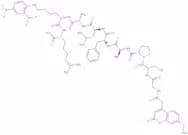
CAS:<p>2-Bromopropionitrile is a chemical compound that is used in the production of nylon. The structure of 2-bromopropionitrile consists of a 6-carbon chain with two bromine atoms attached at either end. It has an n-dimethyl formamide group, which is an organic molecule containing nitrogen and carbon atoms. The 4-methoxybenzenesulfonyl chloride reacts with the 2-bromopropionitrile to give a diene, which has the formula CH=CHCHBr. This diene reacts with hydrochloric acid to produce hydrogen bromide gas and 2-bromopropionic acid. The activation energy for this reaction is 14 kilojoules per mole of reactants, which indicates that it should be carried out at high temperatures and pressures. Halides are able to act as nucleophiles in coordination chemistry because they have lone pairs on their outermost electron shell. Cation</p>Fórmula:C3H4BrNPureza:Min. 95%Forma y color:Clear LiquidPeso molecular:133.97 g/molMca-Gly-Ser-Pro-Ala-Phe-Leu-Ala-Lys(Dnp)-D-Arg-NH2 trifluoroacetate salt
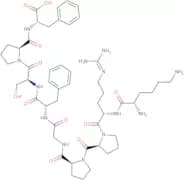
CAS:<p>Please enquire for more information about Mca-Gly-Ser-Pro-Ala-Phe-Leu-Ala-Lys(Dnp)-D-Arg-NH2 trifluoroacetate salt including the price, delivery time and more detailed product information at the technical inquiry form on this page</p>Fórmula:C61H82N16O18Pureza:Min. 95%Peso molecular:1,327.4 g/molLys-(Des-Arg9)-Bradykinin trifluoroacetate salt
CAS:<p>Lys-(Des-Arg9)-Bradykinin trifluoroacetate salt H-Lys-Arg-Pro-Pro-Gly-Phe-Ser-Pro-Phe-OH trifluoroacetate salt (KBP) is a peptide that increases blood pressure by binding to the b2 receptor. This drug has been shown to be a potent pressor in animals and humans, with a concentration response curve similar to that of epinephrine. KBP binds to the extracellular domain of the b2 receptor, which activates this receptor and promotes the release of growth factors, such as epidermal growth factor (EGF). The high affinity of KBP for the b2 receptor is thought to be due to its ability to sequester EGF.</p>Fórmula:C50H73N13O11Pureza:Min. 95%Peso molecular:1,032.2 g/molBis-ACV trifluoroacetate salt
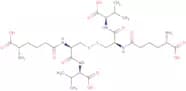
CAS:<p>Bis-ACV trifluoroacetate salt is a regulatory compound that belongs to the class of bis-acids. It is a cytosolic calcium ionophore that binds to the cytosolic calcium ion channel and regulates its activity. Bis-ACV trifluoroacetate salt also has nucleophilic attack on phosphate groups, which are essential for biosynthesis. The enzyme activity of this compound has been studied in various strains of bacteria such as E. coli and S. cerevisiae, and it was found to be involved in the synthesis of oligosaccharides and polysaccharides. This compound can be solubilized by the addition of sodium bicarbonate or urea, which facilitates its use in synthetic reactions. The synthase gene for this compound has been identified from various strains of bacteria such as E. coli and S. cerevisiae, but not from mammalian cells or plants.</p>Fórmula:C28H48N6O12S2Pureza:Min. 95%Peso molecular:724.85 g/molH-p-Chloro-Phe-D-Cys-b-(3-pyridyl)-Ala-D-Trp-Lys-Val-Cys-p-chloro-Phe-NH2 trifluoroacetate salt (Disulfide bond)
CAS:<p>Please enquire for more information about H-p-Chloro-Phe-D-Cys-b-(3-pyridyl)-Ala-D-Trp-Lys-Val-Cys-p-chloro-Phe-NH2 trifluoroacetate salt (Disulfide bond) including the price, delivery time and more detailed product information at the technical inquiry form on this page</p>Fórmula:C54H66Cl2N12O8S2Pureza:Min. 95%Peso molecular:1,146.22 g/molH-Met-Cys-Glu-Lys-OH trifluoroacetate salt
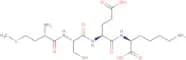
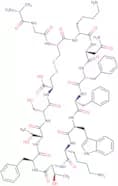
CAS:<p>Please enquire for more information about H-Met-Cys-Glu-Lys-OH trifluoroacetate salt including the price, delivery time and more detailed product information at the technical inquiry form on this page</p>Fórmula:C19H35N5O7S2Pureza:Min. 95%Peso molecular:509.64 g/molFITC-epsilonAhx-Antennapedia Homeobox (43-58) amide trifluoroacetate salt
CAS:<p>Please enquire for more information about FITC-epsilonAhx-Antennapedia Homeobox (43-58) amide trifluoroacetate salt including the price, delivery time and more detailed product information at the technical inquiry form on this page</p>Fórmula:C131H191N37O25S2Pureza:Min. 95%Peso molecular:2,748.28 g/molH-Tyr-Ile-Gly-Ser-Arg-OH trifluoroacetate salt
CAS:<p>The H-Tyr-Ile-Gly-Ser-Arg-OH trifluoroacetate salt is a synthetic peptide that has been shown to promote neuronal growth and axonal regeneration. This compound has been synthesized using a biocompatible polymer, collagen gel, and neurotrophic factors. The peptide is also able to stimulate the synthesis of collagen in mesenchymal cells cultured in tissue culture. The peptide can be used for treatment of subcutaneous tumors and neural injury.</p>Fórmula:C26H42N8O8Pureza:Min. 95%Peso molecular:594.66 g/molH-Pro-2-chlorotrityl resin (200-400 mesh) (High Substitution)
<p>Please enquire for more information about H-Pro-2-chlorotrityl resin (200-400 mesh) (High Substitution) including the price, delivery time and more detailed product information at the technical inquiry form on this page</p>Pureza:Min. 95%Abz-Ala-Phe-Arg-Phe-Ser-Gln-EDDnp trifluoroacetate salt
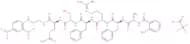
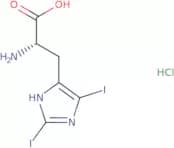
CAS:<p>Please enquire for more information about Abz-Ala-Phe-Arg-Phe-Ser-Gln-EDDnp trifluoroacetate salt including the price, delivery time and more detailed product information at the technical inquiry form on this page</p>Fórmula:C50H63N15O13Pureza:Min. 95%Peso molecular:1,082.13 g/molH-2,5-Diiodo-His-OH·HCl
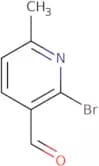
CAS:<p>Please enquire for more information about H-2,5-Diiodo-His-OH·HCl including the price, delivery time and more detailed product information at the technical inquiry form on this page</p>Fórmula:C6H7I2N3O2·HClPureza:Min. 95%Peso molecular:443.41 g/mol2-Bromo-6-methylpyridine-3-carboxaldehyde
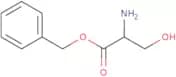
CAS:<p>2-Bromo-6-methylpyridine-3-carboxaldehyde (BMPCA) is a pharmacological agent that belongs to the group of antagonists. It has been shown to be a potent antagonist at the NMDA receptor and may be used for treating neuropathic pain. BMPCA also has been shown to have competitive inhibition at the naphthyridine receptor, which may allow it to act as an antagonist or an agonist depending on its binding site. The regioisomeric analogs of BMPCA are 2-(2,5-dichloropyridyl)-6-methylpyridine-3-carboxaldehyde and 2-(2,5-dimethylpyridyl)-6-methylpyridine-3-carboxaldehyde. These analogs have been shown to inhibit the growth of tumor cells in vitro and in vivo.</p>Fórmula:C7H6BrNOPureza:Min. 95%Peso molecular:200.03 g/molH-D-Ser-OBzl hydrochloride salt
CAS:<p>H-D-Ser-OBzl hydrochloride salt is a monoclonal antibody that inhibits the activity of an enzyme called fatty acid synthase (FAS). It also binds to glycoconjugates, which are molecules that are involved in the inflammatory response. H-D-Ser-OBzl hydrochloride salt is used to treat various types of inflammatory diseases, such as arthritis and Crohn's disease. H-D-Ser-OBzl hydrochloride salt has been shown to inhibit tumor cell growth by binding to an enzyme called fatty acid synthase. H-D-Ser-OBzl hydrochloride salt also inhibits the production of inflammatory mediators, such as prostaglandins, leukotrienes and thromboxanes. The antiinflammatory effect of this drug may be due to its ability to inhibit prostaglandin synthesis.</p>Fórmula:C10H13NO3Pureza:Min. 95%Peso molecular:195.22 g/mol(D-Trp8)-Somatostatin-14 trifluoroacetate salt
CAS:<p>Please enquire for more information about (D-Trp8)-Somatostatin-14 trifluoroacetate salt including the price, delivery time and more detailed product information at the technical inquiry form on this page</p>Fórmula:C76H104N18O19S2Pureza:Min. 95%Peso molecular:1,637.88 g/molTyr-Amyloid P Component (27-38) amide trifluoroacetate salt
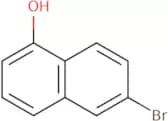
CAS:<p>Please enquire for more information about Tyr-Amyloid P Component (27-38) amide trifluoroacetate salt including the price, delivery time and more detailed product information at the technical inquiry form on this page</p>Fórmula:C77H116N20O19SPureza:Min. 95%Peso molecular:1,657.93 g/mol6-Bromonaphthalen-1-ol
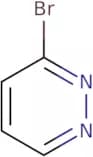
CAS:<p>6-Bromonaphthalen-1-ol is a compound that has shown antimicrobial and antifungal activity. It is the most potent of the naphthoxazines tested to date, with an MIC of 0.04 µg/ml against Escherichia coli. 6-Bromonaphthalen-1-ol was synthesized by reacting 1,2,4-trihydroxybenzene with bromine gas in the presence of mercuric chloride catalyst. The compound was hydrolyzed for elemental analysis and found to be C7H4BrO. Elemental analysis yielded a weight percentage of 71% carbon, 13% hydrogen, 3% bromine, and 12% oxygen. The x-ray diffraction pattern showed peaks at 2θ values of 22.3° (100), 26.5° (101), 33.7° (102), 40° (104), 44° (105) and 62°</p>Fórmula:C10H7BrOPureza:Min. 95%Peso molecular:223.07 g/mol3-Bromopyridazine
CAS:<p>3-Bromopyridazine is a dechlorinated derivative of pyridazine that has been used as an agrochemical. 3-Bromopyridazine can be synthesized by aminocarbonylation at the 3-position, which is a nucleophilic substitution reaction. It has been shown to yield high yields and to react with nucleophiles such as chlorine or heterocycles such as cinnoline. 3-Bromopyridazine can also be obtained by cross coupling of 2-bromoacetophenone with benzaldehyde and pyridine in the presence of copper. The resulting product is then reacted with sodium nitrite in hydrochloric acid to produce 3-bromopyridazine. This compound may have potential use as a chemical intermediate for other compounds, due to its chemical stability and its ability to undergo cross coupling reactions.</p>Fórmula:C4H3BrN2Pureza:Min. 95%Peso molecular:158.98 g/molPropamocarbHydrochloride
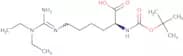
CAS:<p>Propamocarb hydrochloride is a crystalline polymorph that has been found to be active against the bacterial strain. The mechanism of action is not yet known, but it may be due to inhibition of the enzyme carboxypeptidase A and/or an unknown biological function. Propamocarb hydrochloride has shown no significant toxicity in animal studies up to a dose of 2000 mg/kg. This compound has been studied as a potential treatment for tissue damage caused by inflammation and disease. In vitro experiments have shown that propamocarb hydrochloride is effective at inhibiting the growth of cancer cells in tissue culture, with high values (IC50) being seen at concentrations of 1-10 μM.</p>Fórmula:C9H21ClN2O2Pureza:Min. 95%Peso molecular:224.73 g/molBoc-Homoarg (Et)2-OH (symmetrical) hydrochloride salt
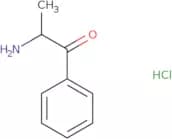
CAS:<p>Please enquire for more information about Boc-Homoarg (Et)2-OH (symmetrical) hydrochloride salt including the price, delivery time and more detailed product information at the technical inquiry form on this page</p>Fórmula:C16H32N4O4Pureza:Min. 95%Peso molecular:344.45 g/mol2-Amino-1-phenylpropan-1-one hydrochloride
CAS:Producto controlado<p>2-Amino-1-phenylpropan-1-one hydrochloride is a chemical compound that can be used as an intermediate in the synthesis of ethyl formate. It is also a pharmaceutical intermediate, which is used to prepare triazine and alicyclic compounds. It has been shown to have potential use in the treatment of prostatic hypertrophy and heterocycle disorders. 2-Amino-1-phenylpropan-1-one hydrochloride has been found to be active in animals and humans and is not toxic to women or animals. This drug has shown no adverse effects on human health at doses up to 10 g/kg body weight.</p>Fórmula:C9H11NO•HClPureza:Min. 95%Forma y color:PowderPeso molecular:185.65 g/molAQEE-30 (human) trifluoroacetate salt
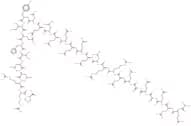
CAS:<p>Please enquire for more information about AQEE-30 (human) trifluoroacetate salt including the price, delivery time and more detailed product information at the technical inquiry form on this page</p>Fórmula:C157H252N48O56Pureza:Min. 95%Peso molecular:3,707.97 g/mol2-Fluoroanisole
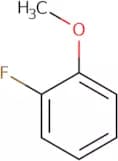
CAS:<p>2-Fluoroanisole is an organic compound that is used in organic synthesis as a chiral auxiliary. It has been shown to inhibit the growth of cancer cells by binding to nucleophilic sites on the cell and preventing the formation of new proteins. 2-fluoroanisole is synthesized through a two-step process that begins with the asymmetric synthesis of the desired chiral molecule using a chiral catalyst and deuterium isotope. The second step involves converting 2-fluoroanisole into its more stable form, dodecanedioic acid, by treating it with hydrochloric acid or trifluoroacetic acid. The structural analysis of this molecule revealed that it contains two nucleophilic substitutions, which are likely responsible for its inhibitory properties.</p>Fórmula:C7H7FOPureza:Min. 95%Forma y color:Clear LiquidPeso molecular:126.13 g/molNeuromedin U-25 (porcine) trifluoroacetate salt
CAS:<p>Please enquire for more information about Neuromedin U-25 (porcine) trifluoroacetate salt including the price, delivery time and more detailed product information at the technical inquiry form on this page</p>Fórmula:C144H217N43O37Pureza:Min. 95%Peso molecular:3,142.53 g/mol3-(4-Methylphenyl)-5-(trifluoromethyl)pyrazole
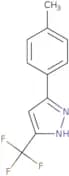
CAS:<p>Please enquire for more information about 3-(4-Methylphenyl)-5-(trifluoromethyl)pyrazole including the price, delivery time and more detailed product information at the technical inquiry form on this page</p>Fórmula:C11H9F3N2Pureza:Min. 95%Peso molecular:226.2 g/molTRAP-7 trifluoroacetate salt
CAS:<p>TRAP-7 is a guanine nucleotide-binding protein that belongs to the polymerase chain reaction (PCR) family of DNA polymerases. It is a biocompatible polymer with physiological effects on basic fibroblast cells. TRAP-7 has been shown to have a role in the regulation of platelet activation, neuronal death, and thrombin receptor activity. The polyvinyl chloride (PVC) membrane used in this product is also biocompatible, and it can be used for applications such as cell culture surfaces and medical devices.</p>Fórmula:C39H63N11O10Pureza:Min. 95%Peso molecular:845.99 g/molApelin-36 (1-16) amide (human) trifluoroacetate salt
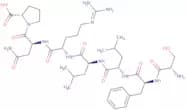
CAS:<p>Please enquire for more information about Apelin-36 (1-16) amide (human) trifluoroacetate salt including the price, delivery time and more detailed product information at the technical inquiry form on this page</p>Fórmula:C74H117N27O20Pureza:Min. 95%Peso molecular:1,704.89 g/mol(Dibromomethyl)benzene
CAS:<p>Dibromomethylbenzene is a reactive, non-metallic chemical compound with the formula CHBr2. It is a colorless liquid that is soluble in water and has a strong odor. Dibromomethylbenzene can be used to treat wastewater by removing metals, such as iron and copper, that are not removed by conventional methods. This compound also has been shown to inhibit the growth of infectious bacteria, such as Salmonella enterica and Escherichia coli. Dibromomethylbenzene reacts with metal hydroxides to produce volatile bromide ions, which react with the carbohydrate to form cyclic peptides. These reactions are catalyzed by solid catalysts like activated carbon or alumina.</p>Fórmula:C7H6Br2Pureza:95%MinPeso molecular:249.93 g/mol5'-Fluoro-2'-hydroxyacetophenone
CAS:<p>5'-Fluoro-2'-hydroxyacetophenone is a synthetic compound that has been shown to inhibit the growth of human pathogens. It is an antimicrobial agent that can be used as an alternative to antibiotics for the treatment of bacterial infections. 5'-Fluoro-2'-hydroxyacetophenone was synthesized by means of an asymmetric synthesis from 5-fluoro-2-methoxybenzaldehyde, which had been obtained through a chemical study. The functional group that this compound belongs to is amide and it has acidic, sulphonate, and vibrational properties. Hydrochloric acid can demethylate this compound to produce 2-hydroxyacetophenone, which can be converted into 2-methylpropionaldehyde by methylation.</p>Fórmula:C8H7FO2Pureza:Min. 95%Peso molecular:154.14 g/mol3-Iodo-1H-pyrrolo[2,3-b]pyridine
CAS:<p>3-Iodo-1H-pyrrolo[2,3-b]pyridine (3IOP) is a molecule that has been shown to be cytotoxic against human ovarian carcinoma cells. It induces significant cytotoxicity in cancer cell lines and inhibits the proliferation of lung fibroblasts. 3IOP has been shown to activate cellular signaling pathways and cause multinuclear DNA damage.</p>Fórmula:C7H5IN2Pureza:Min. 95%Forma y color:PowderPeso molecular:244.03 g/molAlarin (human) trifluoroacetate salt
CAS:<p>Alarin is a human protein that was originally developed as an antiserum to seal wounds. It is used in the manufacture of pharmaceuticals, such as vaccines and serums. Alarin has also been used in immunoassays for the detection of antibodies in blood, serum, and other body fluids. Alarin is a protein that can be biotinylated and used as a substrate for peroxidase-conjugated streptavidin. This allows it to be utilized in enzyme-linked immunosorbent assay (ELISA) tests.</p>Fórmula:C127H205N43O35Pureza:Min. 95%Peso molecular:2,894.26 g/mol3-Bromo-4-fluorophenol
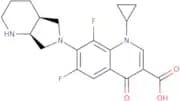
CAS:<p>3-Bromo-4-fluorophenol is a synthetic, water soluble, and stable compound with a variety of applications. It yields white crystals that are soluble in water, acetone, ethanol, ether, benzene, chloroform, and carbon tetrachloride. 3-Bromo-4-fluorophenol has been shown to have a number of structural modifications that may be advantageous for therapeutic purposes. The most prominent modification is the methylation of the phenolic hydroxyl group (functionalisation). This modification prevents the drug from reacting with nucleophilic sites on proteins and other biological molecules. 3-Bromo-4-fluorophenol interacts with methyltransferase enzymes in cancer cells to inhibit their activity. These methyltransferase enzymes are involved in cellular proliferation and proliferation signalling pathways that may lead to cancer cell death.</p>Fórmula:C6H4BrFOPureza:Min. 95%Forma y color:PowderPeso molecular:191 g/mol8-Desmethoxy-8-fluoro moxifloxacin
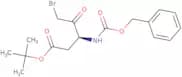
CAS:<p>8-Desmethoxy-8-fluoro moxifloxacin is a photolytic drug that is used to treat bacterial infections. It has a high degree of antibacterial activity against methicillin-resistant staphylococcus aureus, including methicillin resistant strains of Staphylococcus epidermidis. 8-Desmethoxy-8-fluoro moxifloxacin hydrochloride is produced by the addition of hydrochloric acid to moxifloxacin, which is then purified by ion chromatography. The compound has been shown to have good stability in human plasma and urine. It also shows excellent recoveries in acetonitrile and quantification results in flow rates.</p>Fórmula:C20H21F2N3O3Pureza:Min. 95%Peso molecular:389.4 g/molZ-Asp(OtBu)-bromomethylketone
CAS:<p>Please enquire for more information about Z-Asp(OtBu)-bromomethylketone including the price, delivery time and more detailed product information at the technical inquiry form on this page</p>Fórmula:C17H22BrNO5Pureza:Min. 95%Peso molecular:400.26 g/molHIV (gp120) Antigenic Peptide trifluoroacetate salt
CAS:<p>Please enquire for more information about HIV (gp120) Antigenic Peptide trifluoroacetate salt including the price, delivery time and more detailed product information at the technical inquiry form on this page</p>Fórmula:C117H211N41O31SPureza:Min. 95%Peso molecular:2,720.25 g/molEthyl 4-bromoacetoacetate
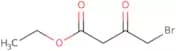
CAS:<p>Ethyl 4-bromoacetoacetate is a chemical compound that is used in the synthesis of quinoline derivatives. It also has antiinflammatory properties and can be used to treat inflammatory diseases such as arthritis. The thermal expansion of this compound is greater than that of water, which can be useful in treating respiratory problems by providing increased oxygen transport. Ethyl 4-bromoacetoacetate is a reactive chemical that reacts with hydrochloric acid to produce hydrogen gas and ethyl bromide gas. It also undergoes nucleophilic substitutions at the carbon atom adjacent to the acetoacetate group. This reaction solution can be analyzed using magnetic resonance spectroscopy, which produces data on the sequences of this compound's atoms and its antiinflammatory activity.</p>Fórmula:C6H9BrO3Pureza:90%NmrPeso molecular:209.04 g/mol















![3-Iodo-1H-pyrrolo[2,3-b]pyridine](/_next/image/?url=https%3A%2Fstatic.cymitquimica.com%2Fproducts%2F3D%2Fthumb-webp%2FFI42979.webp&w=3840&q=75)