


Haluros orgánicos
En esta categoría, encontrará moléculas orgánicas que contienen uno o más átomos de halógeno en su estructura. Estos haluros orgánicos incluyen compuestos bromados, yodados, clorados y haluros cíclicos. Los haluros orgánicos se utilizan ampliamente en la síntesis orgánica, productos farmacéuticos, agroquímicos y ciencia de materiales debido a su reactividad y capacidad para someterse a diversas transformaciones químicas. En CymitQuimica, ofrecemos una selección integral de haluros orgánicos de alta calidad para apoyar sus aplicaciones de investigación e industriales, garantizando un rendimiento confiable y efectivo en sus proyectos sintéticos y analíticos.
Subcategorías de "Haluros orgánicos"
Se han encontrado 20437 productos de "Haluros orgánicos"
Ordenar por
Pureza (%)
0
100
|
0
|
50
|
90
|
95
|
100
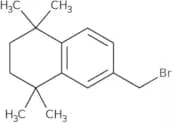
6-(Bromomethyl)-1,1,4,4-tetramethyl-1,2,3,4-tetrahydronaphthalene
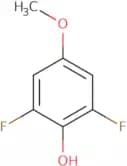
CAS:<p>Please enquire for more information about 6-(Bromomethyl)-1,1,4,4-tetramethyl-1,2,3,4-tetrahydronaphthalene including the price, delivery time and more detailed product information at the technical inquiry form on this page</p>Fórmula:C15H21BrPureza:Min. 80 Area-%Forma y color:Clear LiquidPeso molecular:281.23 g/mol2,6-Difluoro-4-methoxyphenol
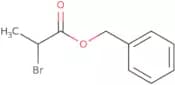
CAS:<p>Please enquire for more information about 2,6-Difluoro-4-methoxyphenol including the price, delivery time and more detailed product information at the technical inquiry form on this page</p>Fórmula:C7H6F2O2Pureza:Min. 95%Forma y color:PowderPeso molecular:160.12 g/mol2-Bromopropionic acid benzyl ester
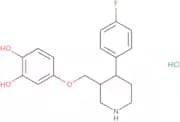
CAS:<p>2-Bromopropionic acid benzyl ester is a synthetic compound with a molecular weight of 220.24 g/mol. It is soluble in organic solvents and has a hydroxyl group at its alpha position. 2-Bromopropionic acid benzyl ester is used in the synthesis of beta-cyclodextrin, which is an important biomaterial for drug delivery as well as other applications. 2-Bromopropionic acid benzyl ester also has antioxidant properties and can be used to treat leukemia cells by inhibiting the production of reactive oxygen species (ROS).</p>Fórmula:C10H11BrO2Pureza:Min. 95%Peso molecular:243.1 g/molDesmethylene paroxetine hydrochloride salt
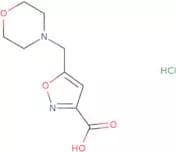
CAS:<p>Please enquire for more information about Desmethylene paroxetine hydrochloride salt including the price, delivery time and more detailed product information at the technical inquiry form on this page</p>Fórmula:C18H21ClFNO3Pureza:Min. 95%Peso molecular:353.82 g/mol5-(Morpholin-4-ylmethyl)isoxazole-3-carboxylic acid hydrochloride
CAS:<p>Please enquire for more information about 5-(Morpholin-4-ylmethyl)isoxazole-3-carboxylic acid hydrochloride including the price, delivery time and more detailed product information at the technical inquiry form on this page</p>Fórmula:C9H12N2O4•HClPureza:Min. 95%Peso molecular:248.66 g/mol8-Fluoro-6-methoxy moxifloxacin
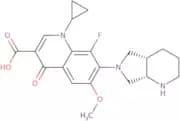
CAS:<p>Please enquire for more information about 8-Fluoro-6-methoxy moxifloxacin including the price, delivery time and more detailed product information at the technical inquiry form on this page</p>Fórmula:C21H24FN3O4Pureza:Min. 95%Peso molecular:401.43 g/mol(3R,5S)-5-(Hydroxymethyl)pyrrolidin-3-ol hydrochloride
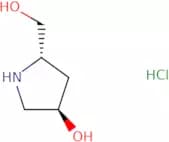
CAS:<p>Please enquire for more information about (3R,5S)-5-(Hydroxymethyl)pyrrolidin-3-ol hydrochloride including the price, delivery time and more detailed product information at the technical inquiry form on this page</p>Pureza:Min. 95%Trityl chloride resin
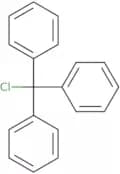
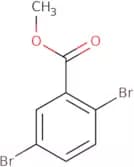
CAS:<p>Trityl chloride resin is a chemical compound that is used as a model system for the study of trifluoroacetic acid and its reactions. Trityl chloride resin is insoluble in water and has been used as a reaction solution for transfer reactions. It has been shown to be an effective ligand for many types of receptors, with binding constants ranging from 10 M-1 to 10 M-10. Trityl chloride resin can also be chiral, which means that it may exist in two forms that are mirror images of each other. The physiological effects of this compound are not well understood, but it has been shown to have an effect on coordination geometry.</p>Forma y color:PowderMethyl 2,5-dibromobenzoate
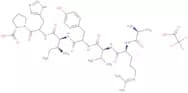
CAS:<p>Methyl 2,5-dibromobenzoate is a cross-coupling reagent that is used to stabilize proteins. It is a hydrophobic compound that binds to the surface of proteins and prevents denaturation. Methyl 2,5-dibromobenzoate has been shown to be an effective binder for protein stabilization in a model system, where it was found to increase the reaction rate of Suzuki coupling reactions. This reagent can be used as a substitute for fluoroaromatic solvents in cross-coupling reactions.</p>Fórmula:C8H6Br2O2Pureza:Min. 95%Forma y color:Off-White PowderPeso molecular:293.94 g/molAngiotensin A (1-7) trifluoroacetate
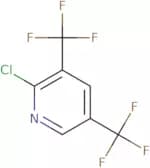
CAS:<p>Endogenous heptapetide which causes vasodilation and has anti-hypertensive properties.</p>Fórmula:C40H62N12O9•(C2HF3O2)xPureza:Min. 95%Forma y color:PowderPeso molecular:855 g/mol2-Chloro-3,5-bis(trifluoromethyl)pyridine
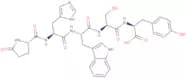
CAS:<p>Please enquire for more information about 2-Chloro-3,5-bis(trifluoromethyl)pyridine including the price, delivery time and more detailed product information at the technical inquiry form on this page</p>Fórmula:C7H2ClF6NPureza:Min. 95%Peso molecular:249.54 g/molLHRH (1-5) (free acid) trifluoroacetate salt
CAS:<p>LHRH (1-5) (free acid) trifluoroacetate salt is a synthetic hormone that is used in the treatment of prostate cancer. It inhibits the release of luteinizing hormone and follicle-stimulating hormone from the anterior pituitary gland, which suppresses testosterone production by the testes. LHRH (1-5) (free acid) trifluoroacetate salt is synthesized industrially using a liquid phase synthesis. The product may be recycled by returning it to the manufacturing process or using it as an additive for plastics or other industrial products. LHRH (1-5) (free acid) trifluoroacetate salt was shown to be active against tumor cells in culture and inhibited cell growth in culture. This drug has been shown to inhibit the production of nitric oxide, which may contribute to its anti-tumor activity. LHRH (1-5) (free acid)</p>Fórmula:C34H38N8O9Pureza:Min. 95%Forma y color:PowderPeso molecular:702.71 g/mol7-Fluoro-2-methylquinoline
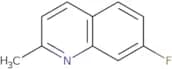
CAS:<p>7-Fluoro-2-methylquinoline is a multistep synthetic compound that belongs to the family of quinoxalines. It has been shown to have potent antibacterial activity against a wide range of bacteria, including methicillin-resistant Staphylococcus aureus (MRSA) and Mycobacterium tuberculosis. 7-Fluoro-2-methylquinoline was developed as an analog of the natural product quinoxaline. The key step in its synthesis is the reaction between an aldehyde and hydroxyalkylating reagent in the presence of iron catalyst. This process results in the formation of functional groups such as hydroxyls, alkoxy, or halogens.</p>Fórmula:C10H8FNPureza:Min. 95%Forma y color:White PowderPeso molecular:161.18 g/mol3,6-Dichloro trimellitic anhydride
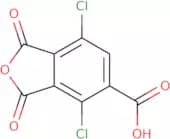
CAS:<p>3,6-Dichloro trimellitic anhydride is a reactive compound that is used in the synthesis of fluorescent probes. It is also used as a reagent to introduce chlorine substituents onto organic molecules. Fluorescence measurements can be used to determine the purity of 3,6-dichloro trimellitic anhydride. This compound reacts with nucleic acids, causing them to fluoresce and making them detectable by spectroscopy. 3,6-Dichloro trimellitic anhydride has been used in research involving the study of nucleic acids and their role in DNA replication and repair.</p>Fórmula:C9H2Cl2O5Pureza:Min. 95%Peso molecular:261.01 g/molAmmonium Undecafluorohexanoate
CAS:<p>Undecafluorohexanoic acid is a perfluoroalkyl carboxylic acid that has been shown to disrupt steroidogenesis in vitro. It may be able to inhibit the transport of cholesterol, fats, and other lipids in cells, which causes disruption in steroidogenesis. This compound also has anti-cancer properties due to its ability to induce apoptosis and arrest cancer cell proliferation. Undecafluorohexanoic acid may also have developmental effects on animals because it can bind to estrogen receptors and disrupt the normal process of estrogen-mediated signaling pathways.</p>Fórmula:C6H4F11NO2Pureza:Min. 95%Peso molecular:331.08 g/molIndium (III) chloride
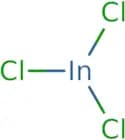
CAS:<p>Indium (III) chloride is a reactive metal with a high oxidation state that has been shown to have significant cytotoxic effects in vitro. It is also genotoxic, which may be due to the generation of hydroxyl radicals and other reactive oxygen species. Indium (III) chloride has been used for the treatment of various infectious diseases, including HIV, Epstein-Barr virus, herpes simplex virus type 1, and influenza A virus. The toxicity of this metal is dependent on the concentration and duration of exposure. Indium (III) chloride is metabolized by plasma mass spectrometry as a substrate molecule for cytochrome P450 enzymes. This reaction results in the formation of an active metabolite that can bind to DNA and affect mitochondrial membrane potential. Indium (III) chloride has also been used as a contrast agent in fluorescein angiography or particle imaging techniques to visualize the presence of biological materials such as tissue necrosis or inflammation.</p>Fórmula:Cl3InPureza:Min. 95%Forma y color:Clear LiquidPeso molecular:221.18 g/mol2-(2-Bromoethoxy)tetrahydro-2H-pyran
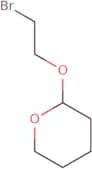
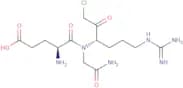
CAS:<p>2-(2-Bromoethoxy)tetrahydro-2H-pyran is a synthetic molecule that has been shown to act as an estrogen receptor modulator, which has the potential to be used for the treatment of hormone-sensitive diseases such as breast cancer. This compound is chemically very similar to other compounds that have been shown to be effective in treating breast cancer. 2-(2-Bromoethoxy)tetrahydro-2H-pyran has a cavity and 6 hydroxyl groups that can form hydrogen bonds with water molecules, leading to its gelling properties. In addition, this compound is thermoreversible and can reversibly gel when heated or cooled. The gelation property of 2-(2-Bromoethoxy)tetrahydro-2H-pyran makes it a promising candidate for use in vaginal tablets, which could potentially lead to treatments for vaginal dryness and atrophy.</p>Fórmula:C7H13BrO2Pureza:Min. 95%Forma y color:Clear LiquidPeso molecular:209.08 g/molH-Glu-Gly-Arg-chloromethylketone trifluoroacetate salt
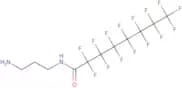
CAS:<p>H-Glu-Gly-Arg-chloromethylketone trifluoroacetate salt is an anticoagulant drug that prevents the formation of blood clots by inhibiting the enzyme thrombin. This drug is effective in enhancing blood flow and oxygen supply to the heart and other organs. H-Glu-Gly-Arg-chloromethylketone trifluoroacetate salt has been shown to have a positive effect on patients with congestive heart failure. It has also been used as an adjuvant therapy in bypassing procedures, where clotting occurs at the site of an artificial conduit placed in the body to allow blood flow between two points. In vitro studies have demonstrated that this drug inhibits protease activity, which may be due to its ability to inhibit fibrinogen and serine protease activity.</p>Fórmula:C14H25ClN6O5Pureza:Min. 95%Peso molecular:392.84 g/molN-(3-Aminopropyl)-2,2,3,3,4,4,5,5,6,6,7,7,8,8,8-pentadecafluorooctanamide
CAS:Producto controlado<p>Please enquire for more information about N-(3-Aminopropyl)-2,2,3,3,4,4,5,5,6,6,7,7,8,8,8-pentadecafluorooctanamide including the price, delivery time and more detailed product information at the technical inquiry form on this page</p>Fórmula:C11H9F15N2OPureza:Min. 95%Peso molecular:470.18 g/mol2,3,5-Trichlorobenzaldehyde
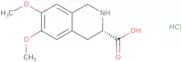
CAS:<p>2,3,5-Trichlorobenzaldehyde is a chemical compound that has been shown to have anticancer and apoptotic effects. It inhibits the growth of bacteria by chelating iron ions and inhibiting bacterial dna synthesis. 2,3,5-Trichlorobenzaldehyde has also been shown to inhibit the growth of cancer cells in culture in an experimental study. This chemical has been used as a substrate for nmr spectroscopy to study its functional groups and radical scavenging activities. 2,3,5-Trichlorobenzaldehyde can be synthesized from phenacyl chloride and benzaldehyde in the presence of hydrogen chloride gas. The carbonyl group in 2,3,5-trichlorobenzaldehyde may cause metabolic disorders such as diabetes mellitus or hyperglycemia.</p>Fórmula:C7H3Cl3OPureza:Min. 95%Forma y color:PowderPeso molecular:209.46 g/mol(S)-(-)-6,7-Dimethoxy-1,2,3,4-tetrahydroisoquinoline-3-carboxylic acid hydrochloride
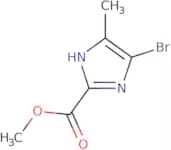
CAS:<p>(S)-(-)-6,7-Dimethoxy-1,2,3,4-tetrahydroisoquinoline-3-carboxylic acid hydrochloride is a synthetic chiral compound that is used to study the role of glyoxylate in biochemical reactions. This drug is an enolate and alkylating agent that can react with nucleophiles such as amines and thiols. It has been shown to be effective against perchlorates by hydrolyzing them into chlorine and oxygen gas. This drug has also been shown to inhibit the growth of Rhodobacter sphaeroides by inhibiting glyoxylate metabolism.</p>Fórmula:C12H15NO4·HClPureza:Min. 95%Forma y color:White PowderPeso molecular:273.71 g/molMethyl 4- bromo- 5- methyl- 1H- imidazole- 2- carboxylate
CAS:<p>Please enquire for more information about Methyl 4- bromo- 5- methyl- 1H- imidazole- 2- carboxylate including the price, delivery time and more detailed product information at the technical inquiry form on this page</p>Pureza:Min. 95%3'-O-Benzyl-2'-Deoxy-5-Trifluoromethyluridine
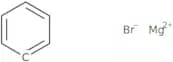
CAS:<p>3'-O-Benzyl-2'-Deoxy-5-Trifluoromethyluridine (BDBMU) is a pyrimidine derivative that can be used as an antiviral drug. It inhibits the synthesis of DNA and RNA by inhibiting viral polymerase. BDBMU is a prodrug of uracil, which is converted to the active compound in tissues. The benzoylation reaction produces a fluorine atom at C5, which increases its potency. This drug has been shown to have minimal toxicity in tumor cells and has been used for the treatment of leukemia and other cancers.</p>Fórmula:C17H17F3N2O5Pureza:Min. 95%Peso molecular:386.32 g/molPhenyl-magnesium bromide solution - 1.0 M in THF
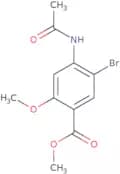
CAS:<p>Phenyl-magnesium bromide solution is a chemical compound that can be used as a pesticide. It has been shown to have carcinoid syndrome-inducing properties in animal studies. Phenyl-magnesium bromide solution has also been found to have biological properties that are beneficial for bowel disease, organometallic reactivity, and congestive heart failure. This chemical compound reacts with ester hydrochloride in the presence of an organic base to form a reactive intermediate that undergoes transfer reactions with other organic compounds. Phenyl-magnesium bromide solution is reactive and can cause metabolic disorders such as palladium-catalyzed coupling.</p>Fórmula:C6H5BrMgPureza:Min. 95%Peso molecular:181.31 g/mol4-Acetylamino-5-bromo-2-methoxy-benzoic acid methylester
CAS:<p>Please enquire for more information about 4-Acetylamino-5-bromo-2-methoxy-benzoic acid methylester including the price, delivery time and more detailed product information at the technical inquiry form on this page</p>Fórmula:C11H12BrNO4Pureza:Min. 95%Forma y color:PowderPeso molecular:302.12 g/mol12-Fluorododecan-1-ol
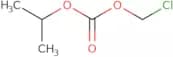
CAS:<p>12-Fluorododecan-1-ol is a volatile chemical compound that is found in the exoskeleton of termites. It has been shown to be a major component of the termiticide, FluoroCitrate. 12-fluorododecan-1-ol can be used to control the growth of insect populations by interfering with their ability to synthesize fatty acids and alcohols. It also has an effect on protein synthesis and inhibits the activity of citrate synthase, which is an enzyme involved in glycolate metabolism. This compound is also toxic to some species of insects such as Rhinotermitidae. 12-fluorododecan-1-ol can be used as a marker for Reticulitermes flavipes (a type of wood eating cockroach) and it can be used to distinguish between different species or strains of termites.</p>Fórmula:C12H25FOPureza:Min. 95%Forma y color:Clear LiquidPeso molecular:204.32 g/molChloromethyl isopropyl carbonate
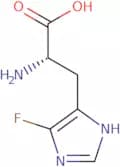
CAS:<p>Chloromethyl isopropyl carbonate (CIC) is a prodrug that is converted to disoproxil in the body. It has significant cytotoxicity and antiviral activity against HIV and other viruses, but has not been used clinically due to its chemical instability. CIC can be administered orally as a prodrug, with the active form of CIC being tenofovir disoproxil. Tenofovir disoproxil is metabolized by proximal tubules and has shown efficacy for treating hepatitis B and C. Tenofovir has also been shown to decrease the incidence of renal disease in HIV patients.</p>Fórmula:C5H9ClO3Pureza:Min. 95%Forma y color:Colorless PowderPeso molecular:152.58 g/mol5-Fluorohistidine
CAS:<p>5-Fluorohistidine is an organic compound with the formula CHFNO. It is a fluorinated derivative of histidine, and a precursor to histamine. 5-Fluorohistidine has been shown to be a potent thyrotropin-releasing hormone (TRH) analog, and is used in the synthesis of histamine. This compound has also been used as a tool for investigating the mechanism of TRH action by studying its stereoselective binding to protrusions from rat brain capillary endothelial cells. 5-Fluorohistidine has also been used as a microbial probe for detecting microbial protrusions from bacterial cells.</p>Fórmula:C6H8FN3O2Pureza:Min. 95%Peso molecular:173.15 g/molAmylin (free acid) (human) trifluoroacetate salt
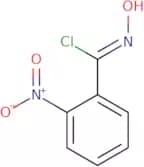
CAS:<p>Please enquire for more information about Amylin (free acid) (human) trifluoroacetate salt including the price, delivery time and more detailed product information at the technical inquiry form on this page</p>Fórmula:C165H260N50O56S2Pureza:Min. 95%Peso molecular:3,904.27 g/molα-Chloro-2-nitrobenzaldoxime
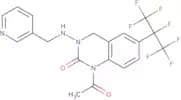
CAS:<p>The heterocycle alpha-chloro-2-nitrobenzaldoxime is a functional group that can be oriented in two different ways. The diversity of the product arises from the fact that it is possible to create new functional groups by substitution on the benzene ring and on the nitrogen. Heterocyclization of alpha-chloro-2-nitrobenzaldoxime can be achieved by using other heterocycles such as isoxazoles, which are readily available in large quantities, as building blocks. This reaction can be catalyzed by reductive means with sodium borohydride and methanol.</p>Fórmula:C7H5ClN2O3Pureza:Min. 95%Peso molecular:200.58 g/mol1-Acetyl-6-(perfluoropropan-2-yl)-3-((pyridin-3-ylmethyl)amino)-3,4-dihydroquinazolin-2(1H)-one
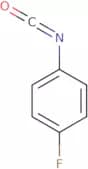
CAS:<p>1-Acetyl-6-(perfluoropropan-2-yl)-3-((pyridin-3-ylmethyl)amino)-3,4-dihydroquinazolin-2(1H)-one (PAFQ) is a mitochondrial cytochrome P450 inhibitor that inhibits the function of the ryanodine receptor and interacts with the piperonyl butoxide synergistically. PAFQ has been shown to be effective against animal pests such as termites, ants, and cockroaches. It also inhibits population growth in these populations by interfering with their ability to synthesize proteins. The effective dose for PAFQ varies depending on whether it is applied topically or orally.</p>Fórmula:C19H15F7N4O2Pureza:Min. 95%Peso molecular:464.34 g/mol4-Fluorophenyl isocyanate
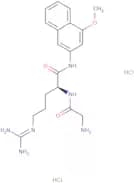
CAS:<p>4-Fluorophenyl isocyanate is a hydroxylated derivative of phenyl isocyanate. It has been shown to have anticancer activity, with an IC50 value of about 50 μM. 4-Fluorophenyl isocyanate can be synthesized by reacting 3-bromopropylamine hydrobromide with hydrogen fluoride in the presence of a carbodiimide. The reaction can be optimized by adding epoxides or carbodiimides, and the best conditions are found to be at pH 10 and room temperature. 4-Fluorophenyl isocyanate binds to the MT2 receptor which leads to activation of G proteins, resulting in increased intracellular cAMP levels.</p>Fórmula:C7H4FNOPureza:Min. 95%Peso molecular:137.11 g/molGly-arg-4-methoxy-β-naphthylamide dihydrochloride
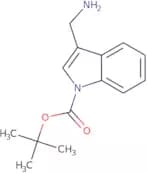
CAS:<p>Please enquire for more information about Gly-arg-4-methoxy-beta-naphthylamide dihydrochloride including the price, delivery time and more detailed product information at the technical inquiry form on this page</p>Fórmula:C19H26N6O3·2ClHPureza:Min. 95%Peso molecular:459.37 g/moltert-Butyl 3-(aminomethyl)-1H-indole-1-carboxylate hydrochloride
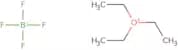
CAS:<p>Please enquire for more information about tert-Butyl 3-(aminomethyl)-1H-indole-1-carboxylate hydrochloride including the price, delivery time and more detailed product information at the technical inquiry form on this page</p>Fórmula:C14H18N2O2Pureza:Min. 95%Peso molecular:246.31 g/molTriethyloxonium tetrafluoroborate
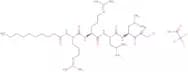
CAS:<p>Triethyloxonium tetrafluoroborate is an antimicrobial agent that inhibits the transfer of electrons from one molecule to another. It has been shown to be effective against methicillin-resistant Staphylococcus aureus and Mycobacterium tuberculosis. Triethyloxonium tetrafluoroborate binds to the bacterial enzyme, Jak1, which is involved in the formation of cytokines and interleukins. This binding inhibits the production of these molecules, leading to cell death by apoptosis. The use of triethyloxonium tetrafluoroborate as a research tool has facilitated its discovery as a potential anti-inflammatory drug for autoimmune diseases such as type 1 diabetes mellitus and rheumatoid arthritis. Triethyloxonium tetrafluoroborate can be used to inhibit amide synthesis, which may have applications in the study of carbohydrate chemistry and nitrogen atoms in biological systems. This compound has also been used</p>Fórmula:C6H15BF4OPureza:Min. 95%Forma y color:PowderPeso molecular:189.99 g/molDecanoyl-Arg-Arg-Leu-Leu-chloromethylketone trifluoroacetate salt
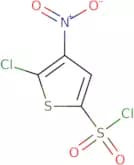
CAS:<p>Decanoyl-arginine-arginine-leucine-chloromethylketone trifluoroacetate salt is a prohormone that is biosynthesized from the amino acid decanoic acid. It has been shown to inhibit fatty acid synthesis and mineralization in tissue samples, as well as drug target enzymes such as human pathogens. Decanoyl-arginine-arginine-leucine-chloromethylketone trifluoroacetate salt has also been shown to have insulin resistance properties and may be used for the treatment of metabolic disorders.</p>Fórmula:C35H67ClN10O5Pureza:Min. 95%Peso molecular:743.42 g/mol5-Chloro-4-nitrothiophene-2-sulfonylchloride
CAS:<p>Please enquire for more information about 5-Chloro-4-nitrothiophene-2-sulfonylchloride including the price, delivery time and more detailed product information at the technical inquiry form on this page</p>Fórmula:C4HCl2NO4S2Pureza:Min. 95%Peso molecular:262.09 g/molDi(o-tolyl)chlorophosphine
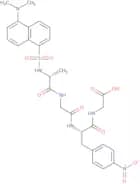
CAS:<p>Di(o-tolyl)chlorophosphine is a chiral, asymmetric catalyst that has been used to synthesize tetrahydrofurans. This compound is prepared by a multimerization reaction of lithium metal and an o-tolylphosphine ligand in the presence of an injecting cocatalyst. This reaction is conducted in tetrahydrofuran at room temperature and requires a flow rate of 1.0 mL per minute. The use of this catalyst can be seen as a transition from the older, less efficient method of using phosphines as ligands for the synthesis of tetrahydrofurans with lithium aluminum hydride.</p>Fórmula:C14H14ClPPureza:Min. 95%Peso molecular:248.69 g/molDansyl-D-Ala-Gly-4-nitro-Phe-Gly-OH trifluoroacetate salt
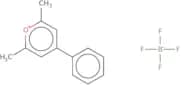
CAS:<p>Dansyl-D-Ala-Gly-4-nitro-Phe-Gly-OH trifluoroacetate salt is a fluorescent marker that can be used in immunohistochemical staining. It binds to endogenous vasoactive intestinal peptide, calcitonin and other proteins in tissues and can be detected using immunostaining. Dansyl-D-Ala-Gly-4-nitro-Phe-Gly-OH trifluoroacetate salt is optimised for use as a substrate for neutral endopeptidase and metalloendopeptidase enzymes, which are responsible for the degradation of vasoactive intestinal peptide.</p>Fórmula:C28H32N6O9S·C2HF3O2Pureza:Min. 95%Forma y color:SolidPeso molecular:742.68 g/mol2,6-Dimethyl-4-phenylpyronium tetrafluoroborate
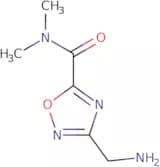
CAS:<p>2,6-Dimethyl-4-phenylpyronium tetrafluoroborate is a high quality reagent that is useful for the preparation of complex compounds. It is also a useful intermediate and building block. The CAS No. 97606-13-8, 2,6-Dimethyl-4-phenylpyronium tetrafluoroborate has been used in research chemicals and as a versatile building block for the synthesis of speciality chemicals. This reagent can be used in reactions to form many organic molecules that are not commercially available or difficult to synthesize.</p>Fórmula:C13H13O·BF4Pureza:Min. 95%Forma y color:PowderPeso molecular:272.05 g/mol3-(Aminomethyl)-N,N-dimethyl-1,2,4-oxadiazole-5-carboxamide
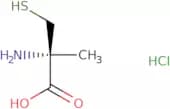
CAS:<p>Please enquire for more information about 3-(Aminomethyl)-N,N-dimethyl-1,2,4-oxadiazole-5-carboxamide including the price, delivery time and more detailed product information at the technical inquiry form on this page</p>Fórmula:C6H10N4O2Pureza:Min. 95%Peso molecular:170.17 g/mol2-Methyl-L-cysteine hydrochloride
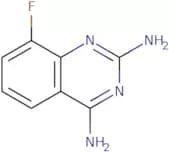
CAS:<p>2-Methyl-L-cysteine hydrochloride is a synthetic molecule that is used as an organic solvent. It can be produced from the reaction of an inorganic base with an ester hydrochloride and has been shown to have stereoselective properties. The spontaneous formation of this molecule was enhanced by the addition of hydrochloric acid, which increased the reaction yield. 2-Methyl-L-cysteine hydrochloride has been shown to react spontaneously with inorganic materials, such as titanium dioxide, which causes a color change from white to yellow.</p>Fórmula:C4H9NO2S·HClPureza:Min. 95%Forma y color:White PowderPeso molecular:171.65 g/mol8-Fluoro-Quinazoline-2,4-Diamine
CAS:<p>8-Fluoro-Quinazoline-2,4-Diamine is an organic compound with the formula CHClN. It is a yellow solid that is soluble in organic solvents such as chloroform and toluene. The compound is used to produce dyes and pharmaceuticals. 8-Fluoro-Quinazoline-2,4-Diamine can be obtained by nitrating 2,4-diaminoquinazoline with nitric acid and hydrochloric acid in the presence of carbonate or stannous chloride. This reaction produces two isomers: 8-fluoroquinazoline (8FQ) and 6-fluoroquinazoline (6FQ). The 8FQ isomer has been shown to have a nuclear magnetic resonance spectrum at 300 MHz that contains four signals at 1.3 ppm, 3.5 ppm, 5.6 ppm, and 7.0 ppm, which are assigned to</p>Fórmula:C8H7FN4Pureza:Min. 95%Peso molecular:178.17 g/molEthyl2-(acetylamino)-3-[3,5-diiodo-4-(4-methoxyphenoxy)phenyl]propanoate
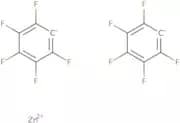
CAS:<p>Please enquire for more information about Ethyl2-(acetylamino)-3-[3,5-diiodo-4-(4-methoxyphenoxy)phenyl]propanoate including the price, delivery time and more detailed product information at the technical inquiry form on this page</p>Fórmula:C20H21I2NO5Pureza:Min. 95%Peso molecular:609.19 g/molBis(pentafluorophenyl)zinc
CAS:<p>Bis(pentafluorophenyl)zinc (BPFPZn) is a ring-opening polymerization catalyst that is used to synthesize polymers with pendant covalent adducts. BPFPZn has shown synergistic effects when used in combination with lactide, which is a monomer that can be polymerized to form polylactic acid. The reaction system used for the synthesis of BPFPZn and lactide involves nucleophilic attack on the zinc cation by the carbonyl group of lactide, leading to reductive elimination and coordination chemistry. This reaction system has been shown to produce architectures such as block copolymers and star polymers.</p>Fórmula:C12F10ZnPureza:Min. 95%Forma y color:PowderPeso molecular:399.49 g/mol10-Fluorodecan-1-Ol
CAS:<p>Please enquire for more information about 10-Fluorodecan-1-Ol including the price, delivery time and more detailed product information at the technical inquiry form on this page</p>Fórmula:C10H21FOPureza:Min. 95%Peso molecular:176.27 g/mol7-[(2S,3R)-3-Amino-2-methyl-azetidin-1-yl]-1-(2,4-difluorophenyl)-6-fluoro-4-oxo-quinoline-3-carboxylic acid
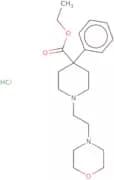
CAS:<p>7-[(2S,3R)-3-Amino-2-methyl-azetidin-1-yl]-1-(2,4-difluorophenyl)-6-fluoro-4-oxo-quinoline-3-carboxylic acid (ABT) is a drug that binds to bacterial enzymes and inhibits their ability to synthesize proteins. ABT is a conjugate of fluoroquinolone and an amino acid. As the drug is degradable by hydrolysis, it has been shown to be less toxic in Sprague Dawley rats than other fluoroquinolones. This drug has been used in diagnostic tests as a ligand for affinity ligands, but has not been approved for human use. The drug also possesses functional groups that are important for binding to reconstituted enzymes.br>br>ABT's ester linkages are degradable by hydrolysis and can be</p>Fórmula:C20H16F3N3O3Pureza:Min. 95%Peso molecular:403.35 g/molMorpheridine dihydrochloride
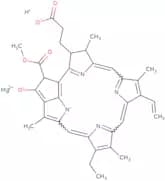
CAS:Producto controlado<p>Please enquire for more information about Morpheridine dihydrochloride including the price, delivery time and more detailed product information at the technical inquiry form on this page</p>Fórmula:C20H32Cl2N2O3Pureza:Min. 95%Peso molecular:419.39 g/molChlorophyllide A
CAS:<p>Chlorophyllide A is a chlorophyll molecule that has been synthesized by the enzymatic conversion of an existing chlorophyll molecule. It can be used as a model system for studying the physiological function of chlorophyll and its role in photosynthesis. The synthesis of Chlorophyllide A has been shown to be biocompatible with cells and tissues, making it an excellent candidate for drug delivery systems. The synthesis of this molecule is achieved through a reaction mechanism involving glutamate dehydrogenase, which adds a hydroxyl group to the cysteine residue on the chlorophyll molecule. This reaction takes place in low light conditions, which prevents photodegradation of this molecule. Chlorophyllide A also has a pH optimum at around pH 7-8 and does not react with proteins or nucleic acids.</p>Fórmula:C35H34MgN4O5Pureza:90%MinForma y color:PowderPeso molecular:614.97 g/mol3-[5-(4-Fluorophenyl)-5-hydroxy-1-oxopentyl]-4-phenyl-2-oxazolidinone
CAS:<p>Please enquire for more information about 3-[5-(4-Fluorophenyl)-5-hydroxy-1-oxopentyl]-4-phenyl-2-oxazolidinone including the price, delivery time and more detailed product information at the technical inquiry form on this page</p>Fórmula:C20H20FNO4Pureza:Min. 95%Peso molecular:357.38 g/mol






![Ethyl2-(acetylamino)-3-[3,5-diiodo-4-(4-methoxyphenoxy)phenyl]propanoate](/_next/image/?url=https%3A%2Fstatic.cymitquimica.com%2Fproducts%2F3D%2Fthumb-webp%2FFE149894.webp&w=3840&q=75)

![7-[(2S,3R)-3-Amino-2-methyl-azetidin-1-yl]-1-(2,4-difluorophenyl)-6-fluoro-4-oxo-quinoline-3-carbo…](/_next/image/?url=https%3A%2Fstatic.cymitquimica.com%2Fproducts%2F3D%2Fthumb-webp%2FFA30404.webp&w=3840&q=75)
![3-[5-(4-Fluorophenyl)-5-hydroxy-1-oxopentyl]-4-phenyl-2-oxazolidinone](/_next/image/?url=https%3A%2Fstatic.cymitquimica.com%2Fproducts%2F3D%2Fthumb-webp%2FFF23467.webp&w=3840&q=75)