Compuestos y reactivos bioquímicos
Los bioquímicos y reactivos son sustancias fundamentales para la investigación y el desarrollo en campos como la biotecnología, la biología molecular, la farmacología y la medicina. Estos productos son esenciales para una variedad de aplicaciones, incluyendo la síntesis de compuestos, el análisis de muestras biológicas, la investigación de procesos metabólicos y la producción de medicamentos. En CymitQuimica, ofrecemos una amplia selección de bioquímicos y reactivos de alta calidad y pureza, adecuados para diversas necesidades científicas e industriales. Nuestro catálogo incluye enzimas, anticuerpos, ácidos nucleicos, aminoácidos, y muchos otros productos, todos diseñados para apoyar a los investigadores y profesionales en sus proyectos de investigación y desarrollo, asegurando resultados confiables y reproducibles.
Subcategorías de "Compuestos y reactivos bioquímicos"
- Biomoléculas(99.185 productos)
- Por objetivo biológico(99.150 productos)
- Según efectos farmacológicos(6.789 productos)
- Crioconservantes(21 productos)
- Desinfectantes y compuestos relacionados(28 productos)
- Hormonas(346 productos)
- Biología Vegetal(6.764 productos)
- Metabolitos secundarios(14.307 productos)
Se han encontrado 130581 productos de "Compuestos y reactivos bioquímicos"
Ordenar por
Pureza (%)
0
100
|
0
|
50
|
90
|
95
|
100
[Val5]-Angiotensin II
CAS:<p>Angiotensin II is a peptide hormone that regulates blood pressure and water balance. It is an important component of the renin-angiotensin system, which causes vasoconstriction and release of aldosterone from the adrenal gland. Angiotensin II binds to angiotensin receptors on cells, initiating a second messenger cascade that results in increased blood pressure and electrolyte retention. Val5-Angiotensin II is a synthetic form of this hormone that has been shown to increase glomerular filtration rate by inhibiting angiotensin converting enzyme (ACE). Angiotensin II also stimulates epidermal growth factor, which may be responsible for its anti-inflammatory effects. The optimum pH for Val5-Angiotensin II is between 7.0 and 8.0.</p>Fórmula:C49H69N13O12•CH3COOH•4H2OPureza:Min. 95%Peso molecular:1,164.31 g/molTyrphostin ag 658
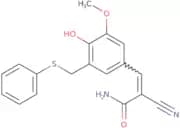
CAS:<p>Tyrphostin ag 658 is a protein kinase inhibitor that inhibits the activity of the ubiquitin-proteasome system. Tyrphostin ag 658 has been shown to inhibit the activity of ubiquitin ligases and targets, which are enzymes involved in protein degradation. The drug binds to a specific moiety on the enzyme and prevents it from functioning. Tyrphostin ag 658 has been used as a linker for photolabile drugs, including puromycin and doxorubicin, to target proteins that are not accessible with traditional inhibitors. As with other tyrosine kinase inhibitors, tyrphostin ag 658 inhibits protein synthesis by preventing the phosphorylation of proteins at tyrosine residues. This inhibition prevents cellular proliferation and division by blocking cell cycle progression.</p>Fórmula:C18H16N2O3SPureza:Min. 95%Peso molecular:340.4 g/mol1-[2-(4-Methylphenoxy)ethyl]-2-[(2-phenoxyethyl)thio]-1H-benzimidazole
CAS:<p>1-[2-(4-Methylphenoxy)ethyl]-2-[(2-phenoxyethyl)thio]-1H-benzimidazole (DETB) is a multidrug efflux pump inhibitor that is activated by hydroxyl group. It is a potential drug target for the treatment of bacterial infections, especially those caused by tetracycline resistant bacteria. DETB has been shown to inhibit the multidrug efflux pumps in human serum and in bacterial cells, which may be due to its ability to bind to fatty acids and p-hydroxybenzoic acid. DETB has been shown to have antimicrobial activity against gram negative bacteria such as Escherichia coli, Salmonella enterica and Pseudomonas aeruginosa. This compound also has the ability to inhibit the growth of gram positive bacteria such as Staphylococcus aureus.</p>Fórmula:C24H24N2O2SPureza:Min. 95%Peso molecular:404.52 g/molSpadin
CAS:Spadin is a peptide-based product, which originates from the neurotrophin receptor sortilin. It functions by modulating the activity of the TREK-1 potassium channels in the brain. This modulation results in the inhibition of these channels, leading to increased neuronal activity associated with antidepressant effects.Fórmula:C96H142N26O22Pureza:Min. 95%Peso molecular:2,012.3 g/molLidamidine
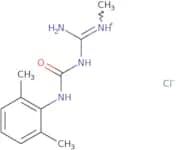
CAS:<p>Lidamidine is a pharmaceutical drug that is used to treat chronic diarrhea. It is a prodrug that is converted to its active form, lidocaine, in the small intestine. Lidamidine has been shown to inhibit intestinal motility and reduce the secretion of water and electrolytes into the bowel lumen. Lidamidine can be used to diagnose and treat bowel disease. The drug has an analog, mexiletine, which also inhibits intestinal motility but has greater depressant effects on cardiac function than lidamidine.</p>Fórmula:C11H17ClN4OPureza:Min. 95%Peso molecular:256.73 g/molRifogal
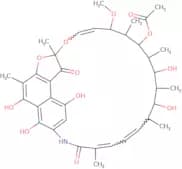
CAS:<p>Rifogal is an antibiotic product, which is derived from a natural compound produced by the bacterium *Amycolatopsis mediterranei*. This compound functions by inhibiting bacterial RNA synthesis through binding to the beta subunit of DNA-dependent RNA polymerase, effectively halting bacterial transcription processes. The specificity of Rifogal for prokaryotic RNA polymerase, as opposed to eukaryotic RNA polymerase, underlies its efficacy as an antimicrobial agent with selective action.</p>Fórmula:C37H47NO12Pureza:Min. 95%Peso molecular:697.8 g/molDarodipine
CAS:<p>Darodipine is a calcium channel blocker, which is derived from dihydropyridine compounds. Its primary mode of action involves the inhibition of voltage-gated calcium channels in the smooth muscle cells of the vascular system. By preventing calcium influx, Darodipine leads to reduced contraction of the vascular smooth muscle, resulting in vasodilation and decreased vascular resistance.</p>Fórmula:C19H21N3O5Pureza:Min. 95%Peso molecular:371.4 g/molER 819762
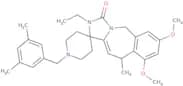
CAS:<p>ER 819762 is a potent anticancer drug that targets the cell cycle and induces apoptosis in human cancer cells. It is a kinase inhibitor that has been shown to be effective against a variety of cancers, including leukemia. ER 819762 works by blocking the activity of specific proteins involved in cell growth and division, which ultimately leads to cell death. This drug has been isolated from Chinese medicinal plants and shows promising potential as a new treatment for cancer. In addition to its anticancer properties, ER 819762 may also have other therapeutic applications due to its ability to inhibit protein function. Overall, ER 819762 is an exciting new development in cancer research with the potential to revolutionize cancer treatment.</p>Fórmula:C30H39N3O3Pureza:Min. 95%Peso molecular:489.6 g/molAmino-dPEG®4-OH
CAS:<p>Amino-dPEG®4-OH is a PEG polymer categorised as monofunctional (OH-PEG-X). Used as a linker, amino-dPEG®4-OH is used to attached PEG to proteins, peptides, oligonucleotides, nanoparticles and small molecules via pegylation, a bioconjugation technique.</p>Fórmula:C8H19NO4Pureza:Min. 95%Peso molecular:193.24 g/mol2-[Bis(2-hydroxyethyl)amino]benzo[H]chromen-4-one
CAS:<p>2-[Bis(2-hydroxyethyl)amino]benzo[H]chromen-4-one is a peptide that can be used as a research tool. It has been shown to activate the ion channel TRPV1 and TRPV4, which are part of the transient receptor potential (TRP) family of ion channels. This peptide is an inhibitor of protein interactions such as antibody-antigen interactions and receptor-ligand interactions. 2-[Bis(2-hydroxyethyl)amino]benzo[H]chromen-4-one is also a receptor ligand for the G protein coupled receptors GPR37 and GPR38.</p>Fórmula:C17H17NO4Pureza:Min. 95%Peso molecular:299.32 g/molSomatostatin 1-28
CAS:<p>Somatostatin 1-28 is a synthetic peptide that is derived from the natural hormone somatostatin, which is primarily sourced from neuroendocrine cells in the hypothalamus, pancreas, and gastrointestinal tract. This peptide functions as a potent inhibitor of several physiological processes through its interaction with specific G-protein-coupled somatostatin receptors. These receptors are widely distributed across various tissues and organs, allowing somatostatin to modulate the release of several hormones and neurotransmitters.</p>Fórmula:C137H207N41O39S3Pureza:Min. 95%Peso molecular:3,148.6 g/molTIMP1 Heavy Tryptic Peptide Standard (4nmol)
<p>A TIMP1 Heavy Tryptic Peptide Standard for protein identification and quantitation studies. TIMP1, also known as TIMP metallopeptidase inhibitor 1 is an inhibitor of matrix metalloproteinases, which are enzymes that break down the extracellular matrix. It has also been associated with cell proliferation promotion and may have a role in apoptosis.</p>Pureza:Min. 95%PSB 0739
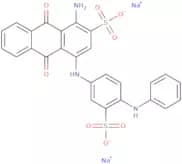
CAS:<p>PSB 0739 is a potent and selective adenosine receptor antagonist. It binds to the p2 receptor, which is a G-protein coupled receptor involved in cell signaling. PSB 0739 has been shown to inhibit contractility of bladder cells and granule cells, as well as inhibiting the release of noradrenaline from adrenergic nerve terminals. This compound also inhibits the activation of cardiac myocytes by increasing cytosolic calcium concentrations. PSB 0739 also blocks the clopidogrel-induced platelet aggregation in vitro and reduces platelet thrombus formation in vivo. PSB 0739 has been shown to block the binding of adenosine to A1 and A2A receptors, but does not bind to other adenosine receptors such as A3 or A4 receptors.</p>Fórmula:C26H17N3Na2O8S2Pureza:Min. 95%Peso molecular:609.5 g/molTenofovir maleate
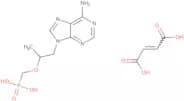
CAS:<p>Tenofovir is a salt form of tenofovir that is used in the treatment and prevention of human immunodeficiency virus (HIV) infection. Tenofovir is a nucleotide analogue that inhibits viral DNA polymerase, which prevents viral replication. Tenofovir has been shown to be effective against HIV-1 as well as other viruses such as hepatitis B virus and herpes simplex virus type 2. The fumarate salt form of tenofovir, which is more stable than the phosphate salt form, can be used in the treatment of patients with renal dysfunction or kidney disease. The maleate salt form of tenofovir has been shown to be stable at high temperatures and industrial conditions. This drug also has antiviral effects when it is irradiated, leading to the formation of adenine derivatives that inhibit viral DNA synthesis.</p>Fórmula:C13H18N5O8PPureza:Min. 95%Peso molecular:403.28 g/molMPO Heavy Tryptic Peptide Standard (4 nmol)
<p>Standard for use in proteomics studies</p>Pureza:Min. 95%AZD3229
CAS:<p>AZD3229 is a kinase inhibitor, which is a small molecule derived from rational drug design efforts aimed at targeting receptor tyrosine kinases. It primarily acts on the KIT receptor, a type of protein that plays a crucial role in cell signal transduction. The mode of action for AZD3229 involves selective inhibition of KIT and certain mutant forms that are involved in disease pathogenesis, effectively blocking aberrant signaling pathways that contribute to tumor progression and resistance.</p>Fórmula:C24H26FN7O3Pureza:Min. 95%Peso molecular:479.51 g/molH-Gln-2-ClTrt-Resin (200-400 mesh) 1% DVB
<p>H-Gln-2-ClTrt-Resin is a resin that consists of polystyrene crosslinked with divinylbenzene. It is used in peptide synthesis to provide amino acids and building blocks for the synthesis of peptides and proteins. This resin can be used as a component in the production of amines, alcohols, thiols, and other organic compounds. The crosslinking agent in this resin is divinylbenzene (DVB).</p>Pureza:Min. 95%Anti Na Channel ll (467-485) (Rat) Serum
<p>Anti Na Channel ll (467-485) (Rat) Serum is an anti-Na channel antibody that can be used for research purposes. It is a monoclonal antibody that has been generated according to the sequence and features of the rat N-type voltage-gated sodium channels. The affinity of this antibody for its target is high, with a Kd of 0.5 nM. This antibody can be used in immunoassays, Western blots and immunoprecipitations to determine the level of Na channel expression in various tissues.</p>Pureza:Min. 95%AM-1638
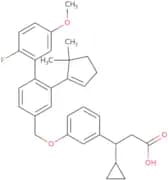
CAS:<p>AM-1638 is a fatty acid that has been shown to increase the production of insulin in pancreatic cells in vitro. It has also been shown to have long-term safety in mouse models and was well tolerated when orally administered to wild-type mice. AM-1638 is an alkanoic acid with high lipophilicity and low molecular weight that can be used as a molecule for the treatment of type 2 diabetes.</p>Fórmula:C33H35FO4Pureza:Min. 95%Peso molecular:514.6 g/molCD2, human, recombinant
<p>CD2, human, recombinant is a research peptide that is commonly used in scientific studies. It is a protein that is produced using Escherichia Coli bacteria. CD2 plays an important role in immune responses and cell signaling. This recombinant form of CD2 allows researchers to study its function and interactions with other molecules in a controlled laboratory setting. It can be used in various experiments and assays to investigate the mechanisms of immune system regulation and develop potential therapeutic interventions. With its high purity and quality, CD2, human, recombinant is a valuable tool for researchers in the field of immunology and molecular biology.</p>Pureza:Min. 95%Soybean BBI
<p>Soybean BBI is a protein that belongs to the family of ion channels. It is an activator of receptor-operated calcium channels, which are found in many types of cells and are involved in a variety of physiological processes. Soybean BBI has been shown to inhibit the activity of potassium channels, which help regulate the electrical activity in neurons. Soybean BBI can be used as a research tool for studying protein interactions and peptides. It has also been used as an antibody for Western blot analysis and immunocytochemistry techniques. This protein has a CAS number and is available at high purity.</p>Pureza:Min. 95%BD 3 MOUSE
<p>BD 3 MOUSE is a peptide that is used as a research tool for the study of ion channels. BD 3 MOUSE is an activator of the nicotinic acetylcholine receptor. It can be used to inhibit protein interactions, such as those between ligands and receptors. BD 3 MOUSE is also an inhibitor of potassium channels, which are important for neuronal excitability and muscle contraction. This peptide has been shown to bind to voltage-gated sodium channels, leading to a decrease in sodium current. This inhibition leads to an increase in action potential duration and amplitude.</p>Pureza:Min. 95%Amyloid β-Protein (Human,11-40)
CAS:<p>The amyloid β-protein (Aβ) is a peptide of 40 amino acids that is a major constituent of the amyloid deposits in the brain. The Aβ peptide is derived from the proteolytic cleavage of the beta-amyloid precursor protein (APP). This product can be used as a research tool and as an activator or ligand for receptor, cell biology, antibody, ion channels, and pharmacology. It can also be used to study protein interactions and peptides in life science.</p>Fórmula:C143H228N38O40SPureza:Min. 95%Peso molecular:3,151.6 g/molIGHG1 MS Calibrator-5 (25nmol)
<p>IGHG1 MS Calibrator-5 is a calibrator for the IGHG1 tryptic peptide. It is used for the quantitative determination of Ig gamma-1 chain C region in proteomics and biologically active peptides.</p>Pureza:Min. 95%KN 92
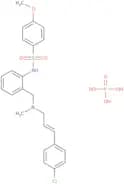
CAS:Producto controlado<p>KN 92 is an inhibitor of phosphodiesterase 3 that has been shown to reduce intracellular Ca2+ levels, inhibit neuronal death and preserve mitochondrial membrane potential. KN 92 also prevents the development of structural heart disease in rats, which may be due to its ability to maintain normal cardiac function and a reduction in the overload of Ca2+. KN 92 improves cardiac output by increasing dopamine levels in the atria and ventricles, which increases heart rate. This drug can cause side effects such as nausea, vomiting, diarrhea, headache, fatigue and dizziness.</p>Fórmula:C24H25ClN2O3S·H3PO4Pureza:Min. 95%Peso molecular:554.98 g/molEledoisin Related Peptide
<p>Eledoisin-related peptide is a research tool that can be used to study the activation of G protein-coupled receptors. It is a ligand and an activator of the human beta-adrenergic receptor. Eledoisin-related peptide binds to the beta2-adrenergic receptor with high affinity, but does not activate the receptor. Instead, it inhibits the binding of other ligands such as epinephrine and norepinephrine to their respective receptors. Eledoisin-related peptide has been shown to inhibit ion channels in cell biology studies. This peptide has also been shown to bind to antibodies and interact with proteins in pharmacological studies.</p>Fórmula:C34H58N8O6S•2CH3COOH•3H2OPureza:Min. 95%Peso molecular:881.09 g/molTentaGel® Macrobead HMBA Resin
<p>TentaGel; is a gelatinous resin, an important support for solid phase synthesis. TentaGel resins are constructed with a backbone of low crosslinked polystyrene grafted with polyoxyethylene (polyethylene glycol) as shown below. The typical chain length of POE (n) is approximately 68 ethylene oxide units or an average MW of 3000. This long chain creates a spacer that effectively separates the reactive site (X) from the crosslinked backbone matrix.</p>Pureza:Min. 95%Proangiotensin-12 (Rat) Antibody (1ea)
<p>Proangiotensin-12 (Rat) Antibody binds to proangiotensin 12 and blocks the activity of the angiotensin II receptor. This antibody is used in research as a ligand, activator, or inhibitor of protein interactions. It can be used in Cell Biology, Antibodies, Ion channels, High purity, Protein interactions, Pharmacology and Peptides.</p>Pureza:Min. 95%(4R)-4-Ethyl-7,7-dimethyl-4-phenyl-1,6,8,9-tetrahydropyrazolo[3,4-b]quinolin-5-one
CAS:<p>4-Ethyl-7,7-dimethyl-4-phenyl-1,6,8,9-tetrahydropyrazolo[3,4-b]quinolin-5-one (EDQ) is a potent inhibitor of the voltage dependent ion channels. It has been shown to be an effective inhibitor of the Na+ and Ca2+ channels in mammalian cells. EDQ binds to the extracellular loops of these channels and inhibits their function by blocking the opening of the channel pore. The inhibition of these ion channels leads to a decrease in neurotransmitter release and prevents neuronal depolarization. This compound can be used as a research tool for studying cell biology, peptides, pharmacology and ligands. It is also used as a reagent for testing receptor activation with high purity.</p>Fórmula:C20H23N3OPureza:Min. 95%Peso molecular:321.4 g/mol15:0 PC
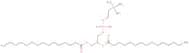
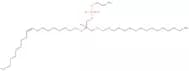
CAS:<p>Poly[(15:0) PC] is a matrix material that can be used for the preparation of diagnostic agents. This material has been shown to bind to the receptor specific antibody, which may be useful in diagnosing cancer or other diseases. The biocompatible polymer has been shown to have phase transition temperature of 50°C and an acyl chain length of 15 carbon atoms. Poly[(15:0) PC] can also be used as a carrier for diagnostic agents, such as those used in bacterial vaginosis or fatty acid detection.br>br><br>The following are the properties of poly[(15:0) PC]:br>br><br>-Biocompatible polymerbr><br>-Phase transition temperature of 50°Cbr><br>-Acyl chain length of 15 carbon atomsbr><br>-Can be used as a carrier for diagnostic agents, such as those used in bacterial vaginosis or fatty acid detection</p>Fórmula:C38H76NO8PPureza:Min. 95%Peso molecular:705.99 g/molE 52862 (S1RA)
CAS:<p>E 52862 (S1RA) is a monoclonal antibody that targets the α2δ subunit of voltage-gated calcium channels. It blocks the binding of ATP and reduces neuronal excitability, providing antinociception without causing dependence or addiction. E 52862 has been shown to be an effective treatment for diabetic neuropathy in vivo models. The drug has also been shown to have a sub-effective dose, which may reduce its side effects. E 52862's receptor activity may be due to its ability to inhibit glutamate release and cyclin D2 expression, which are both involved in pain transmission.</p>Fórmula:C20H23N3O2Pureza:Min. 95%Peso molecular:337.42 g/molmonobiotin INSL4
<p>Monobiotin INSL4 is a biologically active peptide that belongs to the group of relaxins. It is an analogue of human relaxin and has been labelled with biotin for use in in vitro experiments.</p>Pureza:Min. 95%16:0-18:1 Diether pe
CAS:<p>16:0-18:1 Diether Peptide is a research tool that can be used to study protein interactions and receptor ligand relationships. It also inhibits ion channels, which are responsible for regulating the flow of ions across the cell membrane. 16:0-18:1 Diether Peptide has been shown to activate antibodies and is a high purity, chemically synthesized molecule with CAS No. 141456-20-4.</p>Fórmula:C39H80NO6PPureza:Min. 95%Peso molecular:690.03 g/molH-YLQPRTFLL-OH
<p>Peptide H-YLQPRTFLL-OH is a Research Peptide with significant interest within the field academic and medical research. This peptide is available for purchase at Cymit Quimica in multiple sizes and with a specification of your choice.</p>GNE-493
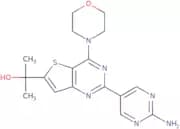
CAS:<p>GNE-493 is a synthetic compound that is currently under development for its potential as a cancer biomarker and therapeutic agent. GNE-493 binds to the pro-apoptotic protein Bax, which is located in the mitochondrial membrane. This binding induces Bax oligomerization and release of cytochrome C from the mitochondria into the cytosol, where it activates caspases and triggers apoptosis. GNE-493 has been shown to induce cell death in several types of cancer cells (e.g., miapaca-2 cells) and potent antitumor activity in mice bearing human colon carcinoma xenografts. GNE-493 also inhibits tumor growth by inhibiting cyclin D1 expression and decreasing the mitochondrial membrane potential, leading to cell cycle arrest at the G0/G1 checkpoint.</p>Fórmula:C17H20N6O2SPureza:Min. 95%Peso molecular:372.44 g/molCD86 antibody (PE-CY7)
<p>CD86 antibody (PE-CY7) was raised in rat using LPS-activated murine B cells as the immunogen.</p>Pureza:Min. 95%Staphylococcal Protein A 434 a.a Recombinant
<p>This is a vivitide catalogue product. Please send your vivitide product enquiry to sales@vivitide.com for an up-to-date price and availability.</p>Pureza:Min. 95%DHQZ 36
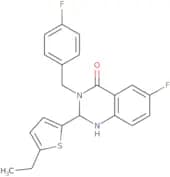
CAS:<p>DHQZ 36 is a molecule that has been optimized to inhibit the proliferation of viruses. It inhibits the synthesis of viral proteins and nucleic acids by targeting cellular enzymes, such as DNA polymerase, RNA polymerase, and RNA helicase. The DHQZ 36 molecule has been shown to be effective against a number of viruses, including human papillomavirus and dengue virus. This drug also targets the inflammatory response caused by these viruses by inhibiting the production of cytokines and chemokines. DHQZ 36 has been shown to be active against leishmania parasites in mammalian cells. Furthermore, this drug inhibits the expression of toxins from these parasites and prevents them from being released into tissues.</p>Fórmula:C21H18F2N2OSPureza:Min. 95%Peso molecular:384.4 g/molRO0270608
CAS:<p>RO0270608 is an inhibitor that induces apoptosis in human cells by inhibiting specific kinases. It has been shown to be effective against Chinese hamster ovary (CHO) cells, and also inhibits angiotensin II-induced signaling pathways. RO0270608 has potential as a therapeutic agent for the treatment of tumors, as it has been shown to inhibit the growth of tumor cells in vitro. In addition, RO0270608 is an analog of voriconazole, which has been used as an antifungal drug. The cellulose-based inhibitors have anticancer properties and can be used for the treatment of cancer. RO0270608 may also have potential applications in the diagnosis and treatment of urinary tract infections caused by bacteria resistant to traditional antibiotics.</p>Fórmula:C24H19Cl3N2O4Pureza:Min. 95%Peso molecular:505.8 g/mol06:0-06:0 NBD pe
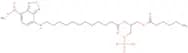
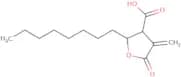
CAS:<p>06:0-06:0 NBD pe is a recombinant antibody fragment with an amino acid sequence corresponding to the C-terminal region of the mouse CD4 molecule. It is used in immunocytochemistry and immunohistochemistry, as well as for research in cell biology, pharmacology and other life science research. The antibody is supplied at a purity of >95%.</p>Fórmula:C23H36N5O11PPureza:Min. 95%Peso molecular:589.53 g/mol3-Carboxy-4-octyl-2-methylenebutyrolactone
CAS:<p>3-Carboxy-4-octyl-2-methylenebutyrolactone is a potent synthetic analog of the natural fatty acid synthase inhibitor, FASN. It inhibits the activity of FASN, which plays an important role in the synthesis of fatty acids in macrophages and other cells. 3C8OL has been shown to inhibit the growth of cancer cells in vitro and in vivo. This compound also potently inhibits the uptake of glucose by rat cerebellar Purkinje neurons, as well as insulin resistance and obesity in mice. 3C8OL has pharmacokinetic properties that are similar to those of rapamycin complex (RAPA), which may be due to its ability to inhibit insulin signaling pathways by binding to rapamycin complex 2 (mTORC2) receptors on cell membranes. 3C8OL has also been shown to have anorectic effects, which may be due to its inhibition of appetite-stimulating hormones such</p>Fórmula:C14H22O4Pureza:Min. 95%Peso molecular:254.32 g/molDynamin inhibitory peptide
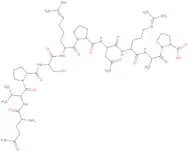
CAS:<p>The dynamin inhibitory peptide (DIP) is a molecule that inhibits the function of dynamin, which is a protein involved in the process of vesicle trafficking. The DIP binds to dopamine-3 receptors and blocks the cation channel, which is responsible for the cellular influx of calcium ions. This decreases glutamate release and prevents the development of depression. The DIP also has an antigenic specificity and can be used as an antibody probe to detect antigen-specific T cells. The DIP has been shown to have anti-inflammatory effects in animal models, but its mechanism of action is not yet understood.</p>Fórmula:C47H80N18O14Pureza:Min. 95%Peso molecular:1,121.3 g/molBTD
CAS:<p>BTD is a cutting-edge enzyme formulation, which is a biocatalyst derived from a genetically modified strain optimized for high-efficiency catalysis. This product functions through a specific enzymatic action that targets and transforms substrates with remarkable precision and speed, facilitating various biochemical reactions. It employs selective catalytic processes to achieve desired outcomes in complex molecular transformations.</p>Fórmula:C24H33N3O4SPureza:Min. 95%Peso molecular:459.6 g/molH-YLEYRQVPV-OH
<p>MAGE-A protein:<br>MAGE-A p248V9, also kwon as multi-MAGE-A (YLEYRQVPV) is an epitope of Melanoma Antigen Gene expressed by tumors of different histological types and is a Cancer/Testis Antigens (CTA). Type of MAGE-A expressed in tumors cells varies according to the type of tumor. Targeting epitopes shared by all MAGE-A antigens would be interest in immunotherapy against a broad spectrum of cancers.<br>Applications of MAGE-A p248V9 (multi-MAGE-A) :<br>MAGE-A p248V9 is very useful because it could generate an HLA-A*02:01-restricted CTL response and shared by MAGE-A1,-A2,-A3,-A4,-A6,-A10 and -A12. MAGE-A p248V9 is used to stimulate specific cytotoxic T lymphocytes (CTL) in PBMCs and then to analyze CTL response especially the cytokine production by ELISPOT assay.</p>Opc-14523 hydrochloride
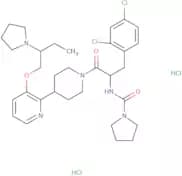
CAS:<p>Opc-14523 hydrochloride is a research tool that is an activator of the Ligand, Receptor, Cell Biology, Antibody, Ion channels and other pharmacological or biological systems. It is a high purity compound with CAS No. 145969-31-9. Opc-14523 hydrochloride binds to the antibody and receptor sites on cells and stimulates ion channel activity in cells. This compound has been shown to inhibit protein interactions by binding to peptides and proteins. Opc-14523 hydrochloride can also be used as a pharmacological or biological inhibitor for the study of ligand/receptor interactions in cell biology applications.</p>Fórmula:C23H29Cl2N3O2Pureza:Min. 95%Peso molecular:450.4 g/molFluvastatin-d7 sodium
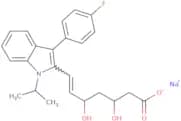
CAS:<p>Fluvastatin is a statin that lowers blood cholesterol and triglycerides by inhibiting HMG-CoA reductase, an enzyme that plays a critical role in the synthesis of cholesterol. Fluvastatin has also been shown to reduce the incidence of myocardial infarction, and to reduce atherosclerotic lesions in animal models, reducing the incidence of cardiovascular disease. Fluvastatin also has been shown to inhibit the activation of toll-like receptor 4 (TLR4) by lipopolysaccharide (LPS), which may be related to its anti-inflammatory effects. Furthermore, through lowering blood cholesterol, Fluvastatin also inhibits tubulointerstitial injury and prevents renal damage caused by high concentrations of the lipid. Deuterated Fluvastatin is a useful tool for research.</p>Fórmula:C24H25FNNaO4Pureza:Min. 95%Peso molecular:442.5 g/molSNT-207858
CAS:<p>SNT-207858 is an antibody that inhibits the interaction of a protein with another protein. It is also known to inhibit ion channels and has been shown to have high purity. SNT-207858 is not active against peptides and has a CAS number of 1104080-42-3. Research on this antibody is being done in order to understand the role of receptor proteins in cell biology, pharmacology, and as a diagnostic or research tool.</p>Fórmula:C32H45Cl4N5O3Pureza:Min. 95%Peso molecular:689.5 g/molUbiquitin, human, recombinant
<p>Ubiquitin is a small (8.5 kDa) protein that was first discovered in the 1960s and has been extensively studied ever since. Ubiquitin is involved in many cellular processes, including cell cycle regulation, DNA repair, and apoptosis. Ubiquitin's role in cell cycle regulation is to bind to other proteins to mark them for degradation by proteasomes. This process of marking for degradation is called ubiquitylation. There are six different types of ubiquitin chains: K48-linked polyubiquityl chain, K63-linked polyubiquityl chain, linear polyubiquityl chain, N-end rule modified linear polyubiquityl chain, mixed linkage linear polyubiquityl chain and C-end rule modified linear polyubiquityl chain.<br>Ubiquitin is also involved in DNA repair as it binds to damaged DNA and removes the damage before it can lead to mutations. Ubiquit</p>Pureza:Min. 95%YC-1
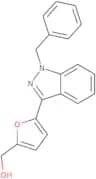
CAS:<p>YC-1 is an activator of soluble guanylate cyclase (sGC), derived from synthetic chemical sources, with a specific mode of action that inhibits the degradation of cyclic guanosine monophosphate (cGMP). By modulating the levels of cGMP, YC-1 affects various biological pathways associated with vasodilation, anti-platelet aggregation, and anti-inflammatory effects.</p>Fórmula:C19H16N2O2Pureza:Min. 95%Peso molecular:304.34 g/molRO 7185876
CAS:<p>RO 7185876 is a high purity peptide that binds to the N-terminal domain of the human calcitonin receptor, which is a member of the G protein-coupled receptor family. It has been shown to activate this receptor and induce calcium release in cells. RO 7185876 is also a research tool for studying ligand/receptor interactions and ion channels.<br>RO 7185876 is an inhibitor of protein interactions with the calcitonin receptor. It can be used to study calcitonin receptor-dependent signaling pathways and signal transduction cascades.</p>Fórmula:C25H28F3N7Pureza:Min. 95%Peso molecular:483.53 g/molACE2 (18-740) Human, Fc
<p>ACE2 (18-740) is a human protein that is encoded by the ACE2 gene. ACE2 is a member of the enkephalinase family, which cleaves peptides at the carboxy terminal amino acid. ACE2 has been shown to be an effective inhibitor of coronavirus and other viral proteases, including those from SARS-CoV and MERS-CoV. It has also been shown to inhibit angiotensin converting enzyme 2 (ACE2), which plays an important role in regulating blood pressure.</p>Pureza:Min. 95%(6R)-6-Isopropyl-10-methoxy-9-(3-methoxypropoxy)-2-oxo-6,7-dihydrobenzo[A]quinolizine-3-carboxylic acid
CAS:<p>(6R)-6-Isopropyl-10-methoxy-9-(3-methoxypropoxy)-2-oxo-6,7-dihydrobenzo[A]quinolizine-3-carboxylic acid binds to the GABAA receptor. It inhibits the binding of GABA and benzodiazepines and thus prevents the opening of chloride channels. This results in an increase in the neuronal activity of these neurons. (6R)-6-Isopropyl-10-methoxy-9-(3-methoxypropoxy)-2-oxo - 6,7 - dihydrobenzo[A]quinolizine - 3 - carboxylic acid can be used as a research tool for studying protein interactions and activators as well as a ligand for receptors.</p>Fórmula:C22H27NO6Pureza:Min. 95%Peso molecular:401.5 g/molWWL229
CAS:<p>WWL229 is a synthetic, lipid-based molecule that has been shown to have immunomodulatory effects. It is a diacylglycerol that activates peroxisome proliferator-activated receptor alpha (PPARα) and PPARγ which leads to increased expression of genes involved in lipid metabolism. WWL229 has also been shown to induce thermogenesis in vivo assays and increase lipolysis in vitro. In addition, WWL229 has been shown to inhibit the differentiation of monocytic cells into macrophages in vitro. The lack of macrophage differentiation is thought to be due to the ability of WWL229 to inhibit the production of proinflammatory cytokines such as tumor necrosis factor-α (TNF-α).</p>Fórmula:C16H22N2O5Pureza:Min. 95%Peso molecular:322.36 g/molMS4
CAS:<p>MS4 is a protein that is encoded by the MS4 gene. It has been shown to have an important role in regulating meiosis and DNA recombination, as well as in the regulation of bacterial growth. In addition to its role in protein synthesis, MS4 is also involved in the production of the cell's energy through reactions with chlorogenic acids. The enzyme may play a role in preventing cancer progression by inhibiting cells from proliferating or dividing. This enzyme also has diagnostic uses for detecting bacterial infections such as tuberculosis or leprosy.</p>Fórmula:C28H33NO4S2Pureza:Min. 95%Peso molecular:511.7 g/molAZ505
CAS:<p>AZ505 is a small molecule that binds to the transcriptional activator of the leukemia inhibitory factor (LIF) gene and prevents its activation. AZ505 has been shown to have a potential use as a biomarker for infectious diseases, autoimmune diseases, or cancer. It also inhibits tumor growth in cervical cancer cells and has anti-inflammatory effects in hematopoietic cells. AZ505's mechanism of action is not well understood; it may be due to its ability to bind to peptide sequences on proteins or affect LIF signalling.</p>Fórmula:C29H38Cl2N4O4Pureza:Min. 95%Peso molecular:577.54 g/mol(E)-2-Cyano-3-[5-(1-cyclohexyl-6-methyl-1,6-dihydro-1,3,5,6-tetraaza-aS-indacen-2-yl)-furan-2-yl]-N,N-dimethyl-acrylamide
CAS:(E)-2-Cyano-3-[5-(1-cyclohexyl-6-methyl-1,6-dihydro-1,3,5,6-tetraaza-aS-indacen-2-yl)-furan-2-yl]-N,Ndimethylacrylamide is a molecule that is not yet classified. It has been found in the saccharomycetaceae family of fungi and is autonomously replicated. This molecule is a model organism that can be used to study replication of DNA. (E)-2Cyano 3-[5-(1cyclohexyl 6methyl 1 6dihydro 1 3 5 6 tetraazaasindacen 2 yl)furan 2 yl] N Ndimethyl acrylamide may also be used for replicating cassettes and sequences for organisms. This molecule has been shown to have an amino acid composition that is expressedFórmula:C25H26N6O2Pureza:Min. 95%Peso molecular:442.5 g/molPhpad-dalphos
CAS:<p>Phpad-dalphos is an ancillary that can be used as a ligand in coordination chemistry. It has been optimized to yield the desired product with high efficiency. It is a chloride ligand, which is typically used in cross-coupling reactions, such as the palladium-catalyzed coupling of aryl chlorides and alkylamines. The use of this ligand can lead to a higher rate of reaction and improved yields. This ancillary has also been shown to have photocatalytic properties that can be used for chlorine generation from water and solar irradiation.</p>Fórmula:C28H30O3P2Pureza:Min. 95%Peso molecular:476.48 g/molPf-05236216 hydrochloride
CAS:<p>Pf-05236216 hydrochloride is a potent and selective inhibitor of the transient receptor potential vanilloid type 1 (TRPV1) ion channel. Pf-05236216 hydrochloride has been shown to inhibit TRPV1 activation by capsaicin, resiniferatoxin, and heat in vitro and in vivo. Pf-05236216 hydrochloride also inhibits acid-sensing ion channels (ASICs) at concentrations below those required for TRPV1 inhibition. Pf-05236216 hydrochloride has been used as a research tool to study the function of TRPV1 and ASICs, as well as in studies of cell biology and peptides.</p>Fórmula:C18H16ClFN4OPureza:Min. 95%Peso molecular:358.8 g/molInsulin I (Mouse)
<p>Insulin I is a mouse insulin. Insulin I is an ion channel activator, which means that it can open and close ion channels in the cell membrane to regulate the flow of ions into and out of cells. Insulin I is a receptor ligand, which means that it binds to a receptor on the surface of cells to activate or inhibit their function. Insulin I is used as a research tool for pharmacology and cell biology, as well as for the study of protein interactions. It has been shown to have high purity. Insulin I has also been shown to be an inhibitor of cellular growth, but not always an apoptosis inducer.</p>Pureza:Min. 95%ALB, GIG20, GIG42 MS Calibrator (25nmol)
<p>The ALB, GIG20, GIG42 MS Calibrator (25nmol) is a Proteomics Tools product that has been designed to support the identification of biologically active peptides in proteomics. The ALB, GIG20, GIG42 MS Calibrator (25nmol) is a tryptic peptide derived from human serum albumin and can be used as a precursor for the identification of other tryptic peptides in proteomic samples. The New England Peptide Company offers this product at a competitive price and with high quality.</p>Pureza:Min. 95%CM 1
CAS:<p>CM 1 is a synthetic derivative of the natural compound apigenin. It inhibits the activity of matrix metalloproteinase-9 (MMP-9) and has been shown to suppress allergic symptoms in animal models. CM 1 has also been shown to be effective against some types of skin cancer, such as squamous carcinoma, when applied topically. CM 1 induces autophagy in vivo and has been shown to have biological properties that are similar to those of apigenin. This compound also promotes autophagy in cultured human cells by inhibiting mitochondrial membrane potential and increasing levels of reactive oxygen species (ROS).</p>Fórmula:C26H29NO5Pureza:Min. 95%Peso molecular:435.5 g/molRocastine
CAS:<p>Rocastine is a non-sedating antihistamine. It is an active ingredient in the form of a fatty acid ester that is used as an implant in the treatment of allergic disorders such as atopic dermatitis. Rocastine has been shown to inhibit adenosine receptors, which are responsible for mediating the generation of histamine from mast cells and basophils, thereby preventing allergy symptoms. Rocastine also inhibits cellular activation by suppressing the release of pro-inflammatory cytokines and chemokines, which leads to inhibition of inflammatory responses. The molecular modeling studies have shown that rocastine binds to the receptor site on histamine H1 receptors with high affinity and selectivity.</p>Fórmula:C13H19N3OSPureza:Min. 95%Peso molecular:265.38 g/molAT 101
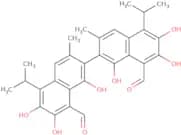
CAS:<p>AT-101 is a natural compound that belongs to the group of complex enzymes. It has been shown to have a number of physiological effects on plants, including inhibition of cotton fiber elongation and seed development. AT-101 also inhibits hyperproliferative disease in animals. The binding form of AT-101 is bound through hydrolysis to its target enzyme and does not depend on caspase activity for cell death. This makes it an attractive candidate for treating cancer cells that are resistant to apoptosis induced by caspases. AT-101 has been shown to inhibit energy metabolism in insects, which may be due to its ability to bind ATP synthase and prevent ATP production. This can lead to insect resistance against toxic compounds such as gossypol or other pharmacological agents.</p>Fórmula:C30H30O8Pureza:Min. 95%Peso molecular:518.56 g/molPCO371
CAS:<p>Ph. I for parathyroid hormone disorders</p>Fórmula:C29H32F3N5O6SPureza:Min. 95%Peso molecular:635.7 g/molKN 93
CAS:<p>Inhibitor of calcium/calmodulin-dependent protein kinase 2</p>Fórmula:C26H29ClN2O4SPureza:Min. 95%Peso molecular:501.04 g/molAurora A inhibitor II
CAS:<p>Aurora A inhibitor II is a drug that inhibits the activity of Aurora A. It has been shown to inhibit tumor growth in cancer models, as well as to prevent the formation of new blood vessels (angiogenesis). Aurora A inhibitor II is being developed for the treatment of cancers, including colon carcinoma and melanoma. The drug has also been shown to inhibit bile acid transport, which may be responsible for its antitumor activity. This drug binds to regulatory proteins and growth factors, blocking their interactions with target molecules, which leads to inhibition of cell growth and proliferation. Aurora A inhibitor II has also been shown to bind to human colon carcinomas in vitro and in vivo.</p>Fórmula:C31H29ClFN7O3Pureza:Min. 95%Peso molecular:602.1 g/molLY2812223
CAS:<p>LY2812223 is a drug that is currently in clinical development. It is a low-potency antagonist of the N-methyl-D-aspartate (NMDA) receptor and it has been shown to be effective in animal models of neurodevelopmental, psychotic, and other disorders. LY2812223 binds reversibly to the NMDA receptor and prevents the ion channel from opening. This drug has not been tested in humans, but it has been shown to have good absorption across the blood brain barrier and does not produce any neurotoxic effects. LY2812223 is being developed for the treatment of schizophrenia, bipolar disorder, major depressive disorder, autism spectrum disorders, and Alzheimer’s disease.<br>END>></p>Fórmula:C10H12N4O4SPureza:Min. 95%Peso molecular:284.29 g/molRo 08-2750
CAS:<p>Ro 08-2750 is a potent anti-tumor agent that inhibits the growth of cancer cells. It is structurally similar to a natural compound, largazole, which has been shown to inhibit prostate cancer cell proliferation. Ro 08-2750 may be useful for the treatment of prostate cancer and other cancers with glucocorticoid receptors. The drug also inhibits the production of proinflammatory prostaglandins and shows potent antitumor activity in both cell culture and animal models. Ro 08-2750 binds to the enzyme p-nitrophenyl phosphate (PNPP) and inhibits its activity, inhibiting DNA synthesis by blocking polymerase chain reaction (PCR). The binding affinity between Ro 08-2750 and PNPP is increased by cofactors such as ATP, making it more effective at inhibiting DNA synthesis.</p>Fórmula:C13H10N4O3Pureza:Min. 95%Peso molecular:270.24 g/molNoggin Human
<p>Noggin is a protein that is involved in the regulation of neuronal growth and development. It acts as a morphogen, binding to a receptor on the surface of cells and initiating signaling cascades that lead to changes in gene expression. Noggin binds to Retinoid-X-receptor (RXR) and the Ligand-binding domain of Notch1. These interactions may be important for the regulation of CNS cells, such as neurons and glial cells. The protein has been shown to have a role in synaptic plasticity, axonal guidance, and synaptogenesis. Noggin has also been shown to be an inhibitor of cell proliferation and an activator of cell differentiation.</p>Pureza:>95% By Sds-Page.cis-ACPD
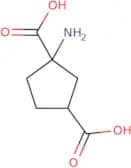
CAS:<p>cis-ACPD is a selective 5-HT2 receptor antagonist. It binds to the 5-HT2 receptor, blocking the binding of serotonin and inhibiting intracellular Ca2+ levels. This drug also inhibits glutamate release by cerebellar granule cells in response to depolarization. The drug has been shown to selectively inhibit uptake of extracellular Ca2+ in various types of cells, but not in neurons. Cis-ACPD interacts with a molecular target that is present on all cells, but not on neurons or glia. The molecule is a G protein coupled receptor that can be activated by binding with serotonin or other ligands and releases an intracellular signaling molecule such as cyclic AMP (cAMP).</p>Fórmula:C7H11NO4Pureza:Min. 95%Peso molecular:173.17 g/molFGF4 Human
<p>FGF4 is a protein that is encoded by the FGF4 gene. It belongs to the fibroblast growth factor family and is a potent activator of the receptor tyrosine kinase FGFR1. FGF4 activates cell proliferation and migration, as well as inducing angiogenesis. FGF4 has been shown to inhibit potassium channels in some types of cells, leading to increased neuronal activity in rats.<br>FGF4 also binds to insulin-like growth factor receptor 1 (IGF1R) and IGF2R. It has been shown to regulate the activation of these receptors, which are known for their roles in cell proliferation, differentiation, survival, and metabolism.</p>Pureza:Min. 95%TAT-GluA2 3Y
CAS:<p>TAT-GluA2 3Y is a peptide that binds to the GluA2 subunit of AMPA receptors and inhibits glutamate release. This inhibitory effect has been correlated with neuronal death and depression in animal models. TAT-GluA2 3Y has also been shown to disrupt synaptic function, potentiate adenosine receptors, and decrease cellular levels of phosphotyrosine.</p>Fórmula:C115H185N43O29Pureza:Min. 95%Peso molecular:2,634 g/molVatinoxan hydrochloride
CAS:<p>Vatinoxan hydrochloride is a drug that belongs to the class of α2-adrenergic receptor antagonists. It is used to treat hypertension and congestive heart failure in dogs, cats and horses. Vatinoxan hydrochloride is a potent α2-adrenergic receptor antagonist with clinical relevance for humans. It has been shown to increase plasma glucose levels in anesthetized dogs by acting on cardiac alpha-2 adrenoceptors, which may be responsible for its therapeutic effects in patients with angina pectoris. The pharmacokinetic properties of this drug are not well understood yet, but it has been shown to have similar effects as dobutamine on blood pressure and cardiac function in animals.</p>Fórmula:C20H26N4O4S•HClPureza:Min. 95%Peso molecular:455 g/molL-Asparaginase
<p>L-asparaginase is a drug that inhibits the production of asparagine, which is an amino acid that is used in the synthesis of proteins. It has been shown to be effective against T-cell lymphomas, as well as other cancers such as leukemia and colorectal cancer. L-Asparaginase has been shown to inhibit mitochondrial functions in blood samples from patients with prostate cancer. This inhibition may lead to cell death. L-Asparaginase binds to the sephadex G-100 column in a similar manner to sodium citrate and prevents the formation of polymers when it combines with ATP. The enzyme can also be found in primary cells and liver cells, where it causes hypoglycemia by inhibiting glucose production. L-Asparaginase also inhibits dna synthesis by binding to DNA polymerases, preventing their attachment to nucleotide triphosphates (e.g., ATP).</p>Pureza:Min. 95%AZD 6482 (S isomer)
CAS:<p>Inhibitor of PI3Kβ kinase</p>Fórmula:C22H24N4O4Pureza:Min. 95%Peso molecular:408.45 g/molDarglitazone
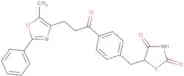
CAS:<p>Darglitazone is a type of antidiabetic agent that belongs to the thiazolidinedione class. It is used in the treatment of type II diabetes, which is characterized by high blood glucose levels as a result of insulin resistance. Darglitazone has been shown to bind to human fatty acid receptors and activate these receptors, thereby increasing glucose uptake into cells and reducing hepatic glucose production. This drug also has metabolic effects in non-human animals, including an increase in nitrogen-containing compounds such as urea and creatinine. Darglitazone also activates transcription-polymerase chain reaction (PCR) activity on du145 cells in culture. Although the mechanism is not yet fully understood, it may be due to its ability to inhibit protein synthesis or to activate gene expression of proteins involved in the insulin signalling pathway.</p>Fórmula:C23H20N2O4SPureza:Min. 95%Peso molecular:420.5 g/molTepilamide fumarate
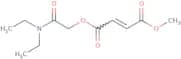
CAS:<p>Tepilamide fumarate is a pharmaceutical preparation that inhibits the inflammatory response in the central nervous system. It has been shown to inhibit microgliosis and neuroinflammation. Tepilamide fumarate might act by preventing the synthesis of arachidonic acid from linoleic acid, which is an important step in the production of prostaglandins and leukotrienes. This drug also decreases nitric oxide production, which may be responsible for its anti-inflammatory effects. Tepilamide fumarate might act as a neuroprotective agent by inhibiting tyrosine kinase activity and nuclear receptor signaling pathways. Tepilamide fumarate is also known to decrease levels of amyloid beta proteins and increase levels of alpha synuclein in the brain, which are markers for Alzheimer's disease.</p>Fórmula:C11H17NO5Pureza:Min. 95%Peso molecular:243.26 g/molIFN g Human
<p>IFN g Human is a protein that belongs to the class of cytokines. It is a pro-inflammatory mediator that has antiviral and immunomodulatory properties. IFN g Human is used as an inhibitor of viral replication and in the treatment of cancers. This protein activates cells through receptor binding and induces changes in ion channels, leading to an increase in intracellular Ca++ levels. IFN g Human can also be used as a research tool for studying other receptors or ligands.</p>Pureza:Min. 95%Poly(3-dodecylthiophene-2,5-diyl)
CAS:<p>Poly(3-dodecylthiophene-2,5-diyl) is a semiconducting polymer that is used in the fabrication of organic light emitting diodes (OLEDs). Poly(3-dodecylthiophene-2,5-diyl) has been shown to have a morphology that consists of small spherical domains. The density of these domains can be controlled by changing the solvent conditions. This polymer also has an optical absorption spectrum that peaks at 450 nm. When Poly(3-dodecylthiophene-2,5-diyl) is in contact with other molecules, it will form supramolecular complexes through noncovalent interactions and temperature dependent evaporation. These complexes are responsible for interactions between the polymer and other molecules. The x-ray absorption spectra of Poly(3-dodecylthiophene-2,5-diyl) show a significant increase in intensity when exposed</p>Pureza:Min. 95%Dengue Virus Subtype 4 Envelope 45kDa (recombinant)
<p>Dengue Virus Subtype 4 Envelope 45kDa (recombinant) is a recombinant protein that binds to the receptor with high affinity. This protein can be used as an inhibitor in research and has been shown to inhibit ion channels. It is a high-purity, research tool that can be used in life sciences and to study protein interactions.</p>Pureza:Min. 95%N-({[2-Chloro-5-(trifluoromethyl) phenyl]amino}carbonothioyl)-4-isopropylbenzamide
CAS:<p>Gatifloxacin is a fluoroquinolone antibiotic that inhibits the DNA gyrase and topoisomerase IV, which are enzymes that maintain the integrity of bacterial DNA. It binds to bacterial 16S ribosomal RNA and inhibits protein synthesis, leading to cell death by inhibiting the production of proteins vital for cell division. Gatifloxacin has been shown to be effective against methicillin-resistant Staphylococcus aureus (MRSA) and Clostridium perfringens, although is not active against acid-fast bacteria such as Mycobacterium tuberculosis or Mycobacterium avium complex. Gatifloxacin has shown anti-inflammatory properties, which may be due to its inhibition of prostaglandin synthesis.</p>Fórmula:C18H16ClF3N2OSPureza:Min. 95%Peso molecular:400.8 g/molPIK 90
CAS:<p>Dual PI3 kinase/mTOR inhibitor; has anti-cancer activity in glioma</p>Fórmula:C18H17N5O3Pureza:Min. 95%Peso molecular:351.36 g/molPI-1840
CAS:<p>PI-1840 is a small molecule that can inhibit the proteasome and thus induce cancer cell apoptosis. PI-1840 has been shown to be an inhibitor of the immunoproteasome, which is an enzyme involved in protein degradation. PI-1840 also sensitizes cancer cells to bortezomib, a drug that inhibits the proteasome. PI-1840 has been shown to be effective against human cancer cells in culture and has potential as an anticancer agent.</p>Fórmula:C22H26N4O3Pureza:Min. 95%Peso molecular:394.47 g/molButein tetramethyl ether
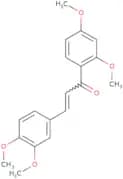
CAS:<p>Butein tetramethyl ether is a peptide that can be used as a research tool for Cell Biology, Ligand, Pharmacology and Life Science. It is an inhibitor of ion channels and Receptor and activator of Ion channels. Butein tetramethyl ether has the CAS number 155048-06-9.</p>Fórmula:C19H20O5Pureza:Min. 95%Peso molecular:328.4 g/mol06:0-12:0 NBD pa
CAS:<p>NBD-PE is a fluorescent probe for the detection of calcium ion channels, and it can be used to study the activity of ion channels in living cells. NBD-PE is a ligand that binds to an activator site on the receptor protein. It is used as a research tool in cell biology, biochemistry, and pharmacology. When NBD-PE is bound to an activator site on the receptor protein, it will activate or inhibit ion channels by changing their permeability to calcium ions.</p>Fórmula:C27H46N5O11PPureza:Min. 95%Peso molecular:647.65 g/molACTB MS Calibrator (25nmol)
<p>High quality, quantitated heavy/light peptide calibrator for actin beta in Mass Spectroscopy research. Actin beta is an actin isoform and is one of two non-muscle cytoskeletal actins. Actins play roles in cell integrity, structure and motility.</p>Pureza:Min. 95%(+)-Muscarine chloride
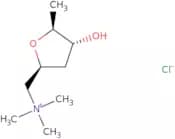
CAS:Producto controlado<p>Muscarinic acetylcholine receptor agonist</p>Fórmula:C9H20NO2•ClPureza:Min. 95%Forma y color:PowderPeso molecular:209.71 g/molPTCBI (cis- and trans- mixture)
CAS:<p>PTCBI is a research tool used in cell biology, pharmacology and biochemistry. It is an inhibitor of ion channels that are activated by ligands. PTCBI has been shown to be a high-quality product that is made from the cis- and trans- mixture of 3,4-dichloro-N-[2-(1H-tetrazol-5-yl)phenyl]benzamide (CAS No. 79534-91-1).</p>Fórmula:C36H16N4O2Pureza:Min. 95%Peso molecular:536.55 g/molCct239065-d7
CAS:<p>Cct239065-d7 is a peptide that is a potent activator of the human orphan G protein-coupled receptor, GPRC6A. It has been shown to inhibit the activity of ion channels and ligand-gated ion channels, leading to reduced excitability in neuronal cells. Cct239065-d7 has also been shown to be an inhibitor of Kv3.4 potassium channels and other voltage-gated potassium channels. This peptide binds to the extracellular domain of these potassium channels and inhibits their function by binding to the site where ATP would bind, leading to decreased neuronal excitability.<br>Cct239065-d7 is a high purity compound with a purity level > 98%. The chemical name for this product is 3-[2-(1H-benzo[d]imidazol-2-yl)ethyl]-5-(4-(piperidin-1-yl)phenyl)-</p>Fórmula:C29H29N7O3SPureza:Min. 95%Peso molecular:555.7 g/mol(R)-Zanubrutinib
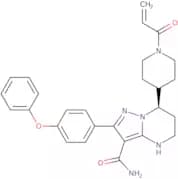
CAS:<p>Inhibitor of Bruton's tyrosine kinase (BTK)</p>Fórmula:C27H29N5O3Pureza:Min. 95%Peso molecular:471.55 g/molMrs 2179 tetrasodium
CAS:<p>Mrs 2179 Tetrasodium is a reagent that is used to target purinergic receptors in pancreatic cancer cells. The compound has been shown to inhibit the growth of these cells by binding to the purinergic receptor, which leads to inhibition of cellular proliferation and apoptosis induction. Mrs 2179 Tetrasodium is a non-toxic, selective, and specific reagent that can be used as an imaging agent for pancreatic cancer.</p>Fórmula:C11H13N5Na4O9P2Pureza:Min. 95%Peso molecular:513.16 g/molMannose-Binding Lectin 2, human, recombinant
<p>Mannose-binding lectin 2 (MBL2) is a protein that is encoded by the MBL2 gene. It is an activator of the lectin complement pathway, which plays an important role in innate immunity. MBL2 binds to mannose-rich oligosaccharides and activates the lectin complement pathway. This protein also interacts with ion channels, cell surface receptors and other proteins. The recombinant human MBL2 has been expressed in E. coli. The purified protein is supplied at >95% purity and has a CAS number of 80613-62-8.</p>Pureza:Min. 95%NIM811
CAS:<p>NIM811 is an antimicrobial agent that inhibits the growth of a wide range of bacteria by binding to the bacterial ribosome. NIM811 has been shown to be active against resistant mutants and neuronal death in vitro. NIM811 was also shown to protect against mitochondrial membrane potential collapse and to maintain intracellular ATP levels in vivo human cells. The mechanism of action for NIM811 may be due to its ability to inhibit Toll-like receptor signaling, which can lead to the activation of the immune system. This drug has been shown to have synergistic effects when used in combination therapy with other drugs, such as active antiretroviral therapy.</p>Fórmula:C62H111N11O12Pureza:Min. 95%Peso molecular:1,202.6 g/molUF010
CAS:<p>UF010 is a potential cancer therapy that has been shown to induce dedifferentiation of cancer cells. It also has been shown to protect against ischemic reperfusion injury in animal studies. UF010 inhibits acetylation, histone methylation, and DNA methylation in cancer cells. These changes are thought to be associated with the induction of apoptosis by inhibition of the myeloid-derived suppressor cell. In addition, UF010 inhibits HDACs and DNA methyltransferases, which may be responsible for its potent anticancer activity.</p>Fórmula:C11H15BrN2OPureza:Min. 95%Peso molecular:271.15 g/molBesulpamide
CAS:<p>Besulpamide is a peptide that has been shown to act as an activator of the ion channel TRPV1. It binds to the receptor, which leads to conformational changes and activation of the channel. Besulpamide also has an inhibitory effect on protein interactions, such as antibody-antigen binding or receptor-ligand binding. Besulpamide may be used in research as a tool for studying ion channels and their role in cell biology. This peptide has been shown to have high purity and is available at CAS No. 90992-25-9 in order to conduct research on Protein interactions, Receptor ligands, or Pharmacology.</p>Fórmula:C15H16ClN3O3SPureza:Min. 95%Peso molecular:353.80 g/molCDG
CAS:<p>A glucose analog; can enter mammalian cells and be used as a glucose tracer</p>Fórmula:C15H17NO7Pureza:Min. 95%Peso molecular:323.3 g/molPNU 282987
CAS:<p>Agonist of ?7 nicotinic acetylcholine receptor</p>Fórmula:C14H17ClN2O·HClPureza:Min. 95%Peso molecular:301.21 g/molTrifarotene
CAS:<p>Retinoic acid receptor (RAR) agonist</p>Fórmula:C29H33NO4Pureza:Min. 95%Peso molecular:459.58 g/molFak ligand-linker conjugate 1
CAS:<p>Fak ligand-linker conjugate 1 is a recombinant protein that contains the extracellular domain of the human Fak receptor. This antibody is useful for studying protein interactions, ion channels, and other cell biology and pharmacology research. It has a purity of >95% and a CAS number of 2307461-45-4. This antibody can be used as a research tool in life science.</p>Fórmula:C25H28F3N5O6SPureza:Min. 95%Peso molecular:583.6 g/molTotal GLP-1-HS ELISA (1ea)
<p>The Total GLP-1-HS ELISA (1ea) is a sandwich enzyme-linked immunosorbent assay that measures the concentration of active GLP-1 in human serum. The assay employs a monoclonal antibody specific to human GLP-1 and an enzyme conjugate, which is a radiolabeled anti-human GLP-1 antibody. The Total GLP-1-HS ELISA (1ea) has been validated for use with samples from both healthy subjects and subjects with type 2 diabetes mellitus.</p>Pureza:Min. 95%
![[Val5]-Angiotensin II](/_next/image/?url=https%3A%2Fstatic.cymitquimica.com%2Fproducts%2F3D%2Fthumb-webp%2FPAN-4034.webp&w=3840&q=75)

![1-[2-(4-Methylphenoxy)ethyl]-2-[(2-phenoxyethyl)thio]-1H-benzimidazole](/_next/image/?url=https%3A%2Fstatic.cymitquimica.com%2Fproducts%2F3D%2Fthumb-webp%2FGNA94899.webp&w=3840&q=75)



![2-[Bis(2-hydroxyethyl)amino]benzo[H]chromen-4-one](/_next/image/?url=https%3A%2Fstatic.cymitquimica.com%2Fproducts%2F3D%2Fthumb-webp%2FUCA54104.webp&w=3840&q=75)










![(4R)-4-Ethyl-7,7-dimethyl-4-phenyl-1,6,8,9-tetrahydropyrazolo[3,4-b]quinolin-5-one](/_next/image/?url=https%3A%2Fstatic.cymitquimica.com%2Fproducts%2F3D%2Fthumb-webp%2FGHD26142.webp&w=3840&q=75)








![(6R)-6-Isopropyl-10-methoxy-9-(3-methoxypropoxy)-2-oxo-6,7-dihydrobenzo[A]quinolizine-3-carboxylic…](/_next/image/?url=https%3A%2Fstatic.cymitquimica.com%2Fproducts%2F3D%2Fthumb-webp%2FXHD05718.webp&w=3840&q=75)
![(E)-2-Cyano-3-[5-(1-cyclohexyl-6-methyl-1,6-dihydro-1,3,5,6-tetraaza-aS-indacen-2-yl)-furan-2-yl]-…](/_next/image/?url=https%3A%2Fstatic.cymitquimica.com%2Fproducts%2F3D%2Fthumb-webp%2FBPD52164.webp&w=3840&q=75)







![N-({[2-Chloro-5-(trifluoromethyl) phenyl]amino}carbonothioyl)-4-isopropylbenzamide](/_next/image/?url=https%3A%2Fstatic.cymitquimica.com%2Fproducts%2F3D%2Fthumb-webp%2FPJB71685.webp&w=3840&q=75)