Compuestos y reactivos bioquímicos
Los bioquímicos y reactivos son sustancias fundamentales para la investigación y el desarrollo en campos como la biotecnología, la biología molecular, la farmacología y la medicina. Estos productos son esenciales para una variedad de aplicaciones, incluyendo la síntesis de compuestos, el análisis de muestras biológicas, la investigación de procesos metabólicos y la producción de medicamentos. En CymitQuimica, ofrecemos una amplia selección de bioquímicos y reactivos de alta calidad y pureza, adecuados para diversas necesidades científicas e industriales. Nuestro catálogo incluye enzimas, anticuerpos, ácidos nucleicos, aminoácidos, y muchos otros productos, todos diseñados para apoyar a los investigadores y profesionales en sus proyectos de investigación y desarrollo, asegurando resultados confiables y reproducibles.
Subcategorías de "Compuestos y reactivos bioquímicos"
- Biomoléculas(99.130 productos)
- Por objetivo biológico(99.159 productos)
- Según efectos farmacológicos(6.787 productos)
- Crioconservantes(21 productos)
- Desinfectantes y compuestos relacionados(28 productos)
- Hormonas(346 productos)
- Biología Vegetal(6.747 productos)
- Metabolitos secundarios(14.222 productos)
Se han encontrado 130579 productos de "Compuestos y reactivos bioquímicos"
Ordenar por
Pureza (%)
0
100
|
0
|
50
|
90
|
95
|
100
ML345
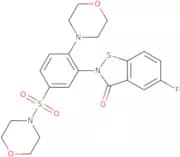
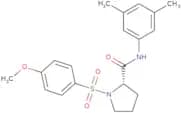
CAS:<p>ML345 is a hydroxamic acid that inhibits the enzyme acetylcholinesterase and thus prevents the breakdown of acetylcholine. It is used in the treatment of Alzheimer's disease and other conditions related to cholinergic deficiency. ML345 has been shown to be effective in treating Alzheimer's disease by inhibiting amyloid-β aggregation, which may be due to its ability to inhibit the growth rate of amyloid plaques. Mechanistic studies have shown that ML345 binds to a pharmacophore consisting of an aromatic ring with a carboxylic acid group at the para position on one side, and a hydrogen bond donor on the other side. The molecule is also able to penetrate into cells through osmosis, allowing it to reach its target site. In addition, ML345 has been found to have antimicrobial properties against Gram-positive bacteria such as Staphylococcus aureus or Streptococcus pneumoniae.</p>Fórmula:C21H22FN3O5S2Pureza:Min. 95%Peso molecular:479.54 g/mol17-Amino-3,6,9,12,15-pentaoxaheptadecane-1-thiol
CAS:<p>17-Amino-3,6,9,12,15-pentaoxaheptadecane-1-thiol is a ligand that binds to ion channels. It has been used as a research tool in the field of pharmacology and protein interactions. 17-Amino-3,6,9,12,15-pentaoxaheptadecane-1-thiol is a high purity inhibitor for potassium channels. It can be used as an antibody to study ion channel activity. 17-Amino-3,6,9,12,15-pentaoxaheptadecane-1-thiol is also a receptor ligand that can activate G protein signaling pathways.</p>Fórmula:C12H27NO5SPureza:Min. 95%Peso molecular:297.41 g/molAbaperidone
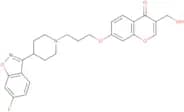
CAS:<p>Abaperidone is a drug that is used to treat the symptoms of bowel disease, such as inflammation and ulceration. It inhibits the action of 5-hydroxytryptamine (5-HT) at neuronal 5-HT2 receptors in the brain and gastrointestinal tract. Abaperidone also inhibits the activity of gamma-aminobutyric acid (GABA) at GABA receptors in the brain and gastrointestinal tract, which may be useful for treating bowel disease. Abaperidone has been shown to have no significant effect on serum prolactin levels in humans.</p>Fórmula:C25H25FN2O5Pureza:Min. 95%Peso molecular:452.5 g/molN-Acetyl mesalazine-d3
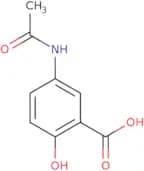
CAS:<p>N-Acetyl mesalazine is a drug that is used to treat ulcerative colitis, Crohn's disease and other inflammatory bowel diseases. It is an acetylated form of the active component of mesalazine, which works by blocking the production of inflammatory substances in the gut. The 3D structure of N-acetyl mesalazine has been determined using nuclear magnetic resonance (NMR) techniques, which showed that it binds to a receptor on the surface of cells called TGR5. This receptor activates ion channels and regulates cell growth.</p>Fórmula:C9H6D3NO4Pureza:Min. 95%Peso molecular:198.19 g/molUPGL00004
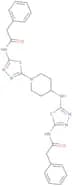
CAS:<p>UPGL00004 is a potent allosteric inhibitor of bacterial glutamate dehydrogenase (GDH) that has been shown to be effective in inhibiting growth in epithelial mesenchymal cells. This compound was originally isolated from the soil bacterium Geobacillus sp., and has shown activity against a variety of cancers, including colon cancer, breast cancer, and melanoma. UPGL00004 is structurally related to other heterocycloalkyl-based inhibitors of GDH, such as 3-aminoquinoxaline-2,4(1H,3H)-dione and 2-aminopyridine-N-oxide.</p>Fórmula:C25H26N8O2S2Pureza:Min. 95%Peso molecular:534.66 g/molADL 5747
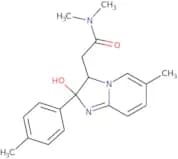
CAS:<p>ADL 5747 is a drug that binds to the δ-opioid receptor and inhibits locomotor activity. It has anxiolytic properties and may be used for the treatment of chronic pain. ADL 5747 has been shown to have antidepressant effects in animal models, which are thought to be due to its ability to activate the δ-opioid receptor. This drug also blocks μ-opioid receptors, which could lead to unwanted side effects such as respiratory depression. ADL 5747 is a potent analgesic with high affinity for δ-opioid receptors and moderate affinity for μ-opioid receptors. <br>ADL 5747 has been shown in human studies to bind selectively to the δ-opioid receptor, but not the μ-opioid receptor, which could lead to unwanted side effects such as respiratory depression. In addition, ADL 5747 binds with higher affinity than morphine on both the δ-opioid</p>Fórmula:C24H28N2O3Pureza:Min. 95%Peso molecular:392.5 g/molα-hydroxyzolpidem
CAS:<p>Please enquire for more information about Alpha-hydroxyzolpidem including the price, delivery time and more detailed product information at the technical inquiry form on this page</p>Fórmula:C19H23N3O2Pureza:Min. 95%Peso molecular:325.4 g/molIohexol-d5
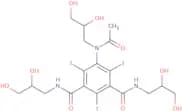
CAS:<p>Iohexol-d5 is a research tool for cell biology, pharmacology and ion channels. It is an inhibitor of ligand binding to receptor and ion channel activation. Iohexol-d5 is a high purity, water soluble dye with a molecular weight of 703.2 Da. It has been used in the study of protein interactions, antibody production and receptor activation.</p>Fórmula:C19H26I3N3O9Pureza:Min. 95%Peso molecular:826.2 g/molDianicline
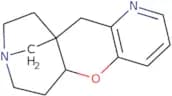
CAS:<p>Dianicline is a dopaminergic agent that has been used in the treatment of Parkinson's disease. It is a nicotinic acetylcholine receptor agonist with cholinergic properties. This drug binds to the α7 nicotinic acetylcholine receptors, which are located on postsynaptic neurons, and increases dopamine release from the presynaptic terminal by inhibiting the reuptake of dopamine into the presynaptic neuron. It also acts as a receptor antagonist for cholinergic receptors of muscarinic type M1 and M2. The primary analysis of dianicline showed that it was more effective than placebo in treating Parkinson's disease symptoms, such as tremors and muscular rigidity. Clinical studies have shown that this drug may be beneficial for patients with early-stage Parkinson's disease who have not responded to levodopa therapy. Dianicline is metabolized by CYP2D6, which may lead to drug interactions with other drugs that are metabol</p>Fórmula:C13H16N2OPureza:Min. 95%Peso molecular:216.28 g/molLuteinizing Hormone Porcine
<p>Luteinizing hormone (LH) is a polypeptide hormone that stimulates the ovaries to produce estrogens. LH is secreted by the anterior pituitary gland in response to hypothalamic gonadotropin-releasing hormone and is essential for ovulation and fertility. Luteinizing hormone porcine (LHP) is a recombinant form of LH which has been purified from pig pituitary glands. It can be used in insemination, farrowing, and maximizing the efficiency of semen collection. LHP increases progesterone levels in follicular fluid, which helps maintain pregnancy, and it also stimulates contractions of the uterus during labor. LHP is effective at inducing ovulation when given to cattle via catheter or when administered intramuscularly or subcutaneously to pigs. This drug also regulates hormonal control mechanisms such as luteinizing hormone release and sperm production.</p>4-tert-Butylphenol-d9
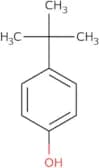
CAS:<p>Please enquire for more information about 4-tert-Butylphenol-d9 including the price, delivery time and more detailed product information at the technical inquiry form on this page</p>Fórmula:C10H14OPureza:Min. 95%Peso molecular:159.27 g/molCD161
CAS:<p>CD161 is a cell surface protein that interacts with the CD4 receptor and is expressed on certain cells in the immune system. CD161 has been shown to play a role in the lysis of infected cells, and it may be a potential biomarker for disease activity. CD161 also acts as a co-receptor for HIV infection, which allows CD4 to bind to CD161. It is thought that this protein may have an important role in regulating the differentiation of stem cells. A model system involving CD161 has been developed that demonstrates transcriptional regulation by cell factor and p53.</p>Fórmula:C26H21N5O2Pureza:Min. 95%Peso molecular:435.5 g/molNCX 466
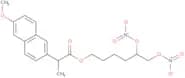
CAS:<p>NCX 466 is a drug that inhibits the production of pro-inflammatory cytokines and has been shown to be effective in the treatment of inflammatory diseases. NCX 466 is a peptide that inhibits cyclooxygenase (COX) enzymes, which are responsible for the production of prostaglandins, such as PGE2. The drug has been shown to be effective in clinical trials using mice with experimental arthritis. NCX 466 has also shown efficacy in human studies, where it was found to inhibit erythroid cell growth by blocking extracellular signal-related kinase 1/2 (ERK1/2) activation.</p>Fórmula:C20H24N2O9Pureza:Min. 95%Peso molecular:436.4 g/molLY-456236
CAS:<p>LY-456236 is a piperazine compound that inhibits the activity of β-catenin, which is a protein that plays a key role in cell signaling. Inhibiting β-catenin may lead to an improvement in psychotic disorders. LY-456236 has shown to inhibit glutamate release and activity of glutamate receptor subtype NMDARs, which are involved in neuronal function. This drug also inhibits locomotor activity and induces brain infarction in rats, suggesting that it could have potential as a treatment for Parkinson's disease.</p>Fórmula:C16H15N3O2·HClPureza:Min. 95%Peso molecular:317.77 g/molJNJ 18038683
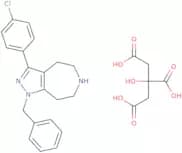
CAS:<p>Serotonin receptor 5-HT7 antagonist</p>Fórmula:C20H20ClN3·C6H8O7Pureza:Min. 95%Peso molecular:529.97 g/molEscin Iia
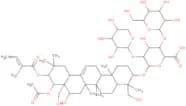
CAS:<p>Escin Iia is a peptide made from the extract of horse chestnut seed. It is a potent inhibitor of phosphodiesterase-4, which is responsible for degradation of cAMP in cells. Escin Iia has been shown to activate ion channels and inhibit acetylcholine esterase, which are involved in regulating neurotransmitter release at synapses. It also inhibits the binding of an antibody to its receptor, which may have applications in research and development of pharmaceuticals. Escin Iia has been used as a research tool for studying protein interactions, cell biology, pharmacology, and life science.</p>Fórmula:C54H84O23Pureza:Min. 95%Peso molecular:1,101.2 g/molY-320
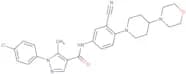
CAS:<p>Y-320 is a recombinant protein that inhibits the production of inflammatory cytokines such as IL-17a and IL-6. Y-320 also has an inhibitory effect on pro-inflammatory cells, including T cells, monocytes, and macrophages. This drug has been shown to be effective in the treatment of autoimmune diseases. Y-320's target tissue is cellular, and it is a type of monoclonal antibody. Y-320 binds to the molecule S6K1 at its activation site, thereby inhibiting the synthesis of proteins which are important for inflammatory processes. The mechanism by which Y-320 inhibits DNA replication is still unknown.</p>Fórmula:C27H29ClN6O2Pureza:Min. 95%Peso molecular:505.01 g/molARM390
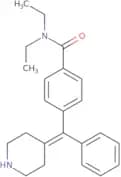
CAS:<p>ARM390 is a compound that has been shown to have an inhibitory effect on δ-opioid receptors. It was administered to mice in vivo and was found to decrease locomotor activity. This may be due to its ability to block the activation of δ opioid receptors, which are involved in regulating mood and anxiety. ARM390 has also been shown to have an inhibitory effect on the expression of genes related to depression and epileptic seizures, suggesting that it may be a potential treatment for these disorders.</p>Fórmula:C23H28N2OPureza:Min. 95%Peso molecular:348.5 g/molSYP-5
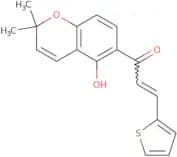
CAS:<p>SYP-5 is a protein that belongs to the family of proteins called synaptotagmins. SYP-5 has been shown to inhibit tumor growth and to have other anti-cancer properties. SYP-5 binds to the cell membrane and regulates cellular functions such as meiosis, immune functions, and growth factor release. It also regulates the disassembly of actin filaments in cells, which may be an important mechanism for regulating cell shape, movement, or motility. SYP-5 is involved in a variety of cancer pathways including carcinogenesis and animal experiments. SYP-5 is also involved in prognosis because it inhibits tumor growth.</p>Fórmula:C18H16O3SPureza:Min. 95%Peso molecular:312.38 g/molAM-2099
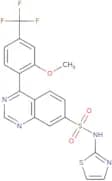
CAS:<p>AM-2099 is a research tool that has been shown to activate the receptor for substance P. AM-2099 is a ligand that binds to the receptor for substance P and activates it, which leads to an increase in intracellular calcium ion levels. AM-2099 has also been shown to inhibit ion channels and cell biology, as well as binding with antibodies and peptides. This compound is used in pharmacology and life science research.</p>Fórmula:C19H13F3N4O3S2Pureza:Min. 95%Peso molecular:466.5 g/molCyanazine amide
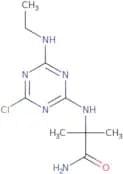
CAS:<p>Cyanazine amide is a medicinal compound that has shown potential as an inhibitor of cancer cell growth. It has been studied extensively for its ability to induce apoptosis, or programmed cell death, in human leukemia cells. Cyanazine amide works by disrupting the cell cycle and inhibiting certain kinases and proteins that are necessary for tumor growth. In addition, it has been found to be effective against a variety of cancer cell lines, including those from Chinese hamsters. Cyanazine amide is currently being investigated as a potential treatment option for various types of cancer, and may have promising applications as a kinase inhibitor.</p>Fórmula:C9H15ClN6OPureza:Min. 95%Peso molecular:258.71 g/molACT 462206
CAS:<p>Almorexant is a drug that is used for the treatment of cancer and other neuropsychiatric disorders. It binds to GABA-A receptors in the brain, which leads to increased neuronal inhibition and reduced neuronal excitation. Almorexant has been shown to have a significant effect on cognition in patients with Alzheimer's disease. Almorexant also reduces amyloid plaques and tau tangles in mice with Alzheimer's disease, suggesting that it may be an effective treatment for this disorder. The pharmacodynamics of almorexant have not yet been fully studied, but it is predicted that they will depend on the expression levels of the target protein as well as its affinity for almorexant.</p>Fórmula:C20H24N2O4SPureza:Min. 95%Peso molecular:388.48 g/molStafia-1-dipivaloyloxymethyl ester
CAS:<p>Stafia-1-dipivaloyloxymethyl ester is a research tool that may be used to study protein interactions. It can also be used in the development of new drugs for treating diseases such as Parkinson's, Alzheimer's, and schizophrenia. Stafia-1-dipivaloyloxymethyl ester is an activator of the G protein coupled receptors (GPCRs) and ion channels. Stafia-1-dipivaloyloxymethyl ester has been shown to be a specific ligand for the human GPCR receptor called the metabotropic glutamate receptor 2 (mGlu2). It binds to this receptor and activates it by increasing calcium ion influx. This process leads to the opening of ion channels, which causes an increase in neurotransmitter release from nerve cells.</p>Fórmula:C37H48FO13PPureza:Min. 95%Peso molecular:750.7 g/molHGF Human CHO
<p>HGF is a cytokine that is thought to play an important role in the development of cancer. HGF stimulates the proliferation, differentiation, and survival of cells and acts as a chemoattractant for cells. It is also known to inhibit apoptosis and promote angiogenesis. HGF has been found in many human tissues, including liver, lung, kidney, heart, muscle, pancreas and brain. HGF is a member of the platelet-derived growth factor family and can be used as a marker for certain types of cancer.</p>Pureza:Min. 95%Quinidine-d3
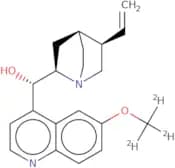
CAS:Producto controlado<p>Quinidine-d3 is an extracellular form of the drug quinidine. It has been shown to be a p-gp substrate and increases the concentration–time curve of the drug lenalidomide. Quinidine-d3 is also used to measure the pharmacokinetics of drugs in animals, specifically in CD-1 mice. The molecule quinidine was first isolated from cinchona bark and was later synthesized in 1874 by Adolph Strecker. Quinine is a derivative of quinidine that is used as an anti-malarial drug. There are potential drug interactions with quinidine because it inhibits CYP2D6, CYP2C9, CYP3A4, and CYP2C19 enzymes.</p>Fórmula:C20H21D3N2O2Pureza:Min. 95%Peso molecular:327.44 g/mol10-Cholesteryloxy decylphosphocholine
CAS:<p>10-Cholesteryloxy decylphosphocholine is a phospholipid that is used as a research tool. It has been shown to activate the muscarinic receptor, which is found in the central and peripheral nervous systems. 10-Cholesteryloxy decylphosphocholine has also been shown to inhibit ion channels by binding to them and preventing ion flow. 10-Cholesteryloxy decylphosphocholine is purified and of high quality, with a CAS number of 1389265-82-0.</p>Fórmula:C42H78NO5PPureza:Min. 95%Peso molecular:708.05 g/molAvatrombopag maleate
CAS:<p>Avatrombopag maleate is a small molecule that activates platelets by binding to the beta-granule protein receptor. This drug has been shown to improve blood clotting and lower the need for blood transfusions in patients with thrombocytopenia, which is a condition where there are fewer than normal numbers of platelets in the blood. Avatrombopag maleate has also been shown to reduce brain infarct volume after stroke, suggesting that it may be useful for treating ischemic stroke.</p>Fórmula:C33H38Cl2N6O7S2Pureza:Min. 95%Peso molecular:765.7 g/molHyaluronidase
<p>Hyaluronidase is a glycosaminoglycan that is synthesized by the cells of the synovial membrane, and is used in the treatment of osteoarthritis. It has been shown to be potent inducers of apoptosis in cancer cell lines, with a high percentage of caspase-3 activation. Hyaluronidase also inhibits angiogenesis and induces cell death through an unknown mechanism. This enzyme functions as an extracellular matrix-degrading enzyme and has been shown to have anti-inflammatory properties.</p>Pureza:Min. 95%Adrenomedullin 2, human
<p>Adrenomedullin 2, a peptide hormone product with a disulfide bond between Cys10-Cys15. Adrenomedullin 2 can be applied as a potent cardiovascular and renal regulator as well as a suppressor for food intake and gastric emptying. This product is available as a 0.1mg vial.</p>Fórmula:C219H349N69O66S3Pureza:Min. 95%Peso molecular:5,100.7 g/molAZD3229 Tosylate
CAS:<p>AZD3229 Tosylate is a small molecule tyrosine kinase inhibitor, which is derived through advanced chemical synthesis methodologies. The compound acts by selectively targeting and inhibiting specific receptor tyrosine kinases, which play a crucial role in the signaling pathways that regulate cellular processes such as proliferation, differentiation, and survival.</p>Fórmula:C31H34FN7O6SPureza:Min. 95%Peso molecular:651.71 g/molM871
CAS:<p>M871 is a cyclic peptide which acts as an antidiabetic agent in vivo. It has been shown to regulate cell lysis and gland cells in vitro. M871 also shows a significant increase in locomotor activity and energy metabolism in vivo, and has been shown to have both diagnostic and physiological functions. This drug has been shown to be an agonist at the galanin receptor site, which may be responsible for its effects on diabetes, pancreatitis, and autoimmune diseases.</p>Fórmula:C108H163N27O28Pureza:Min. 95%Peso molecular:2,287.6 g/molIndanofan standard
CAS:<p>Indanofan is an inhibitor of the enzyme fatty acid synthase (FAS) and mitochondrial cytochrome. It inhibits the production of pro-inflammatory cytokines, such as tumor necrosis factor-α (TNF-α), interleukin-1β (IL-1β) and IL-6. Indanofan also inhibits lipid biosynthesis by inhibiting the activity of fatty acid synthase, which catalyzes the conversion of acetyl CoA to malonyl CoA. As a result, less fat is stored in cells and more energy is available for cellular processes. In addition, indanofan has been shown to be an effective agrochemical against bacterial strains that are resistant to other antibiotics.</p>Fórmula:C20H17ClO3Pureza:Min. 95%Peso molecular:340.8 g/molCYM 50260
CAS:<p>CYM 50260 is a specific 5-HT1A receptor agonist that is used for the treatment of chronic glomerulonephritis and other inflammatory kidney diseases. It prevents the reuptake of serotonin, which leads to increased levels of serotonin in the body. CYM 50260 also has antioxidant properties, which may be due to its ability to chelate metal ions such as iron and copper. This drug is also known to stabilize lysosomal membranes and inhibit proinflammatory cytokines such as TNF-α and IL-6. CYM 50260 has been shown to reduce blood pressure in patients with hypertension. The mechanism of action of this drug is not well understood but may be related to its ability to increase renal blood flow and improve renal function.</p>Fórmula:C14H11Cl3FNO2Pureza:Min. 95%Peso molecular:350.6 g/molNoxA1ds
CAS:<p>NoxA1ds is a reactive drug molecule that inhibits the enzyme nitric oxide synthase. This class of drugs has been shown to inhibit endothelial cell proliferation, but its clinical relevance is not yet clear. It has been shown to be active in the treatment of inflammatory bowel disease, as well as cancer and chronic kidney disease. NoxA1ds binds to the enzyme nitric oxide synthase and prevents it from synthesizing nitric oxide, thereby inhibiting angiogenesis. The mechanism of action for this drug is similar to that of antiangiogenic therapy.</p>Fórmula:C50H88N14O15Pureza:Min. 95%Peso molecular:1,125.3 g/mol9,16-Dioxo-10,12,14-octadecatrienoic acid
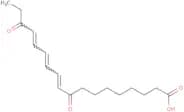
CAS:<p>9,16-Dioxo-10,12,14-octadecatrienoic acid is a natural product that is found in the genus Helianthus. It has been shown to have anti-inflammatory properties and may be used for the treatment of hirsutus.</p>Fórmula:C18H26O4Pureza:Min. 95%Peso molecular:306.4 g/molFRETS-25Pro (1 umol) (1umol)
<p>FRETS-25Pro (1 umol) is a peptide that belongs to the group of activator. It has been shown to inhibit ion channels and protein interactions, as well as receptor and ligand. FRETS-25Pro (1 umol) has high purity, which will be useful in research tools such as antibody or cell biology.</p>Pureza:Min. 95%Nirtetralin
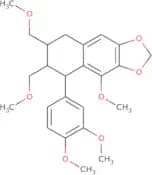
CAS:<p>Nirtetralin is a lignan with an inhibitory effect on the binding of receptor to its ligand, which is found in plants such as phyllanthus and niranthin. It has been shown to have potent inhibition of insulin resistance in K562 cells, an effect that may be due to changes in mitochondrial membrane potential. Nirtetralin also inhibits the ATPase activity of hexane-insensitive, liver-type pyruvate dehydrogenase kinase, which is involved in the regulation of hepatic glucose production and lipid metabolism. Nirtetralin has been shown to have anti-inflammatory effects by inhibiting the production of pro-inflammatory cytokines and lipopolysacharide (LPS) induced nitric oxide production from macrophages.</p>Fórmula:C24H30O7Pureza:Min. 95%Peso molecular:430.5 g/mol(3S)-β-Cryptoxanthin
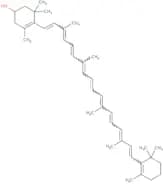
CAS:<p>(3S)-β-Cryptoxanthin is a naturally occurring xanthophyll carotenoid, which is primarily sourced from fruits such as papaya, oranges, and tangerines. As a provitamin A compound, it undergoes enzymatic conversion into retinol, an active form of vitamin A, within the human body. This mode of action enables (3S)-β-Cryptoxanthin to effectively contribute to the maintenance of vision, immune function, and skin health due to its role as a precursor to vitamin A.Additionally, (3S)-β-Cryptoxanthin exhibits potent antioxidant capabilities, scavenging free radicals and thereby diminishing oxidative stress. This activity potentially reduces the risk of chronic diseases, such as heart disease and certain cancers. Its applications are broad, encompassing dietary supplementation, where it is investigated for its effects on bone health and anti-inflammatory benefits. Furthermore, research is ongoing into its impact on reducing the risk factors for metabolic syndrome and supporting overall health. The interest in (3S)-β-Cryptoxanthin continues to grow within nutritional science, driven by its multifaceted roles and the potential for positive health outcomes.</p>Fórmula:C40H56OPureza:Min. 95%Peso molecular:552.87 g/molEverolimus retroaldol degradation product
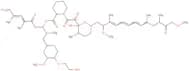
CAS:<p>Everolimus is a drug that is used in the treatment of certain cancers. It acts by binding to the cytosolic protein receptor known as the mammalian target of rapamycin (mTOR). This binding causes the inhibition of mTOR. Everolimus is converted by enzymes into a number of metabolites, including the retroaldol degradation product. The retroaldol degradation product has been shown to bind to ion channels and inhibit their activity. It is also a ligand for several receptors, such as the peptide growth hormone releasing factor (GHRF) receptor.</p>Fórmula:C53H83NO14Pureza:Min. 95%Peso molecular:958.2 g/molIL 17 Mouse
<p>IL 17 Mouse is a recombinant mouse monoclonal antibody that binds to the IL-17 receptor. It has been shown to activate the signal transduction pathway by binding to the IL-17 receptor and inducing activation of nuclear factor kappa B (NF-κB) and other signal transducers. This antibody is used as a research tool in cell biology, pharmacology, and immunology. IL 17 Mouse is a high purity product with an amino acid sequence identical to that of human IL-17 receptor, with no detectable contaminants.<br>!--</p>Pureza:Min. 95%Taxane
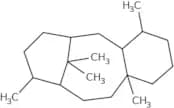
CAS:<p>Taxane is a potent cancer-fighting drug that has been shown to be effective against a variety of tumors. It is extracted from the bark of the Pacific yew tree and has been used in chemotherapy for many years. Taxane works by inhibiting cell division and promoting apoptosis, or programmed cell death, in cancer cells. This drug has been found to be effective against a range of cancers including breast, lung, ovarian, and prostate cancers. Taxane can be detected in urine using trypsin digestion and rifampicin treatment followed by liquid chromatography-mass spectrometry analysis. Studies have shown that Taxane analogs can inhibit kinase activity in cancer cells and may have potential as anti-cancer drugs. Astaxanthin, a carotenoid pigment found in algae and seafood, has also been found to enhance the effects of Taxane on cancer cells. Overall, Taxane is an important tool in the fight against cancer and continues to be an active area of research for new inhibitors</p>Fórmula:C20H36Pureza:Min. 95%Peso molecular:276.5 g/mol9-Epi-cinchonine
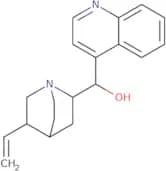
CAS:<p>9-Epi-cinchonine is an alkaloid, which is a stereoisomer of cinchonine derived from the bark of cinchona trees. It is primarily used in studies related to stereochemistry and organic synthesis due to its unique molecular configuration. As a stereochemical analog, this compound plays a crucial role in the understanding of chiral interactions and reaction mechanisms. Scientists utilize 9-Epi-cinchonine in research settings to explore its behavior and interactions as it pertains to enantioselectivity and synthesis pathways. This compound's mode of action involves interacting with chiral molecules, allowing researchers to investigate its potential for asymmetric synthesis and chemical resolution processes.</p>Fórmula:C19H22N2OPureza:Min. 95%Peso molecular:294.4 g/molIspronicline
CAS:<p>Ispronicline is a nicotinic acetylcholine receptor (nAChR) agonist that binds to the α7-nAChR subtype. It has been shown to reduce the symptoms of cancer, such as depression and anxiety, by increasing the release of neurotrophic factors. Ispronicline may also be used in combination with other drugs, such as dimethyl fumarate or acetylcholinesterase inhibitors, for the treatment of neurodegenerative disorders. Ispronicline binds to nAChRs on central nervous system neurons and peripheral nerves. This binding enhances neurotransmitter release from nerve endings, which stimulates nicotinic receptors on adjacent cells, leading to an increased release of dopamine. Ispronicline has a terminal half-life of about 2 hours and is metabolized by CYP3A4 enzymes in the liver. Metformin hydrochloride can inhibit CYP3A4 enzyme activity and increase blood levels of is</p>Fórmula:C14H22N2OPureza:Min. 95%Peso molecular:234.34 g/mol(R)-Ranolazine
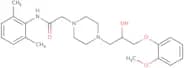
CAS:<p>(R)-Ranolazine is a potent inhibitor of kinases that has shown promise as an anticancer agent. It has been found to be effective against a variety of tumor cells, including those derived from human urine and Chinese hamster ovaries. (R)-Ranolazine works by inhibiting the activity of protein kinase C, which plays a key role in cancer cell growth and proliferation. This drug has also been shown to induce apoptosis in cancer cells, leading to their death. In addition to its anticancer properties, (R)-Ranolazine has been found to inhibit elastase, an enzyme involved in the breakdown of proteins. This inhibition may have potential therapeutic applications for conditions such as chronic obstructive pulmonary disease (COPD) and other inflammatory diseases. Overall, (R)-Ranolazine is a promising analog with potential therapeutic applications for cancer and other diseases involving abnormal kinase activity or inflammation.</p>Fórmula:C24H33N3O4Pureza:Min. 95%Peso molecular:427.5 g/molONO 8130
CAS:<p>ONO-8130 is a new, potent and selective agonist of the prostanoid receptor EP2. It has been shown to have a concentration-dependent antinociceptive effect in both anesthetized and non-anesthetized animals. In functional studies, ONO-8130 inhibits the spontaneous firing of neurons from the dorsal root ganglia (DRG) in a dose-dependent manner, which may be mediated by an action on EP2 receptors. ONO-8130 also inhibits the release of nociceptive neurotransmitters such as histamine from rat peritoneal mast cells. The drug has been found to have antihistaminic activity in rats but not in guinea pigs or mice. This may be due to its ability to activate EP2 receptors in the bladder muscle and/or its affinity for vascular endothelial cells that express EP2 receptors. These actions may account for its antihistaminic effects observed in rats but not mice or</p>Fórmula:C25H28N2O5S2Pureza:Min. 95%Peso molecular:500.63 g/molOAKB hydrochloride
CAS:<p>OAKB is a peptide that is derived from the Alzheimer's disease-associated amyloid precursor protein. It has been shown to inhibit the formation of amyloid beta (Aβ) oligomers, which are toxic to nerve cells and thought to be one of the causes of Alzheimer's disease. OAKB also binds to antibodies and can be used as a research tool in immunology, cell biology, pharmacology, and life sciences. OAKB has been shown to inhibit ion channels and receptors, making it an interesting candidate for drug development. OAKB hydrochloride is high purity (>99%) with an inhibitor concentration of 2 mM.</p>Fórmula:C14H20ClN5O4Pureza:Min. 95%Forma y color:SolidPeso molecular:357.79 g/mol2-[(1S)-1-[(6-Amino-5-cyanopyrimidin-4-yl)amino]ethyl]-4-oxo-3-phenylpyrrolo[2,1-F][1,2,4]triazine-5-carbonitrile
CAS:<p>2-[(1S)-1-[(6-Amino-5-cyanopyrimidin-4-yl)amino]ethyl]-4-oxo-3-phenylpyrrolo[2,1-F][1,2,4]triazine-5-carbonitrile is a research tool that is used in cell biology, pharmacology and ion channels. It is an inhibitor of ligand binding to receptors as well as ion channels. The compound binds to peptides and proteins and can be used as a reagent for the detection of protein interactions. It has been demonstrated to activate a receptor with high affinity for ligands.</p>Fórmula:C20H15N9OPureza:Min. 95%Peso molecular:397.4 g/molPD 161570
CAS:<p>Inhibitor of FGF-1 receptor tyrosine kinase</p>Fórmula:C26H35Cl2N7OPureza:Min. 95%Peso molecular:532.51 g/mol5-Chloro-4-((1-(5-chloropyrimidin-2-yl)piperidin-4-yl)oxy)-1-(2-fluoro-4-(methylsulfonyl)phenyl)pyridin-2(1H)-one
CAS:<p>5-Chloro-4-((1-(5-chloropyrimidin-2-yl)piperidin-4-yl)oxy)-1-(2-fluoro-4-(methylsulfonyl)phenyl)pyridin-2(1H)-one is a peptide. It is an activator of the potassium channel, which is important for the regulation of muscle contractions. This peptide has been shown to be a potent inhibitor of ion channels and protein interactions, and can be used to study cell biology. 5CFPP can be used as a research tool to study the role of ion channels in regulating cellular excitability and life science research in general.</p>Fórmula:C21H19Cl2FN4O4SPureza:Min. 95%Peso molecular:513.4 g/molSodium cacodylate trihydrate
CAS:<p>Sodium cacodylate trihydrate is a buffering agent that has an optimal pH range of 5.0-7.4 and a pKa of 6.27. It can be used in electron microscopy and histology, however it is toxic and oxidizes thiols at a low pH.</p>Fórmula:C2H6AsNaO2·3H2OPureza:Min. 95%Forma y color:White PowderPeso molecular:214.03 g/molCtp354 (C-21191)
CAS:<p>Ctp354 (C-21191) is a cell permeable peptide that can inhibit Protein interactions. This agent binds to the Ligand and activates Receptor. It is currently used as a Research tool in life science and has been shown to be an Antibody against Ion channels. Ctp354 (C-21191) is a high purity product with CAS No. 1213669-91-0 that can be used as a Pharmacology inhibitor for Peptides, Cell Biology, and Protein interactions.</p>Fórmula:C19H19F2N7OPureza:Min. 95%Peso molecular:408.5 g/molBGG463
CAS:<p>BGG463 is a protein kinase inhibitor with potent inhibitory activity against tyrosine kinases. It is a potent inhibitor of the receptor tyrosine kinases, such as EPHA2, JAK3, and RET, which are involved in the development of cancer. BGG463 has been shown to have a high binding affinity for the active site of these enzymes and can be used to treat cancer and other diseases. The compound has been shown to be effective at doses as low as 0.5 mg/kg.</p>Fórmula:C30H29F3N6O3Pureza:Min. 95%Peso molecular:578.58 g/molrac3, His tagged human
CAS:<p>Rac3 is a small GTPase protein that belongs to the Rho family. Rac3 regulates cell morphology and motility by regulating the actin cytoskeleton. Rac3 also regulates ion channels, which are proteins that control the flow of ions, or charged atoms, across a cell membrane. Rac3 interacts with a number of other proteins including receptor tyrosine kinases and ion channels. Rac3 is a research tool for studying protein interactions and ion channel regulation.</p>Pureza:Min. 95%NMDAR antagonist 1
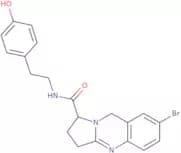
CAS:<p>NMDAR antagonist 1 is a chemical compound that functions as a non-competitive antagonist at the N-methyl-D-aspartate receptor (NMDAR), a subtype of glutamate receptor. Sourced synthetically, this compound is designed to modify neurotransmitter activity in the central nervous system by inhibiting the action of glutamate, which is the primary excitatory neurotransmitter. Its mode of action involves blocking the ion channel of the NMDAR, thereby preventing calcium ions from entering the neuron and modulating synaptic plasticity and neuronal communication.<br><br>This antagonist is widely used in neuroscience research to study the mechanisms of excitotoxicity, which is implicated in a variety of neurodegenerative disorders such as Alzheimer's disease, Parkinson's disease, and amyotrophic lateral sclerosis (ALS). It is also utilized to explore the fundamental processes involving learning, memory, and synaptic transmission. By providing insights into glutamatergic signaling pathways, NMDAR antagonist 1 aids in the development of therapeutic strategies for conditions related to excessive neuronal activity and synaptic dysfunction.</p>Fórmula:C20H20BrN3O2Pureza:Min. 95%Peso molecular:414.3 g/molBD 1008 dihydrobromide
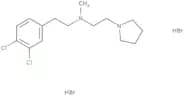
CAS:<p>Sigma (Ï) receptor antagonist</p>Fórmula:C15H24Br2Cl2N2Pureza:Min. 95%Peso molecular:463.08 g/molNSC23005
CAS:<p>NSC23005 is a drug that has been shown to have a variety of functions, including the inhibition of kinases and the induction of cell death. It is also active against cells with chromosomal deficiencies, such as cells from patients with Down's syndrome. NSC23005 has been shown to increase the efficiency of stem cells in pluripotent stem cells by preventing damage and promoting cell cycle progression. The mechanisms by which NSC23005 induces cell death are not well understood, but it may be due to its ability to inhibit cyclin-dependent kinases.</p>Fórmula:C13H17NO4SPureza:Min. 95%Peso molecular:283.35 g/molSR9238
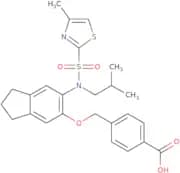
CAS:<p>SR9238 is a drug that is being developed for the treatment of hepatic steatosis, which is a condition characterized by excessive fat accumulation in the liver. It has been shown to reduce plasma glucose levels, fatty acid synthesis, and cholesterol synthesis in animal models. SR9238 also shows promising effects on insulin resistance, which is a condition that leads to diabetes. This drug has been shown to inhibit site-specific chemical reactions in cells, such as the biosynthesis of phospholipids and triglycerides. SR9238 has also been shown to increase cancer cell viability in cell culture studies and reduce atherosclerotic lesion size in mouse models.</p>Fórmula:C31H33NO7S2Pureza:Min. 95%Peso molecular:595.73 g/molAzapropazone
CAS:<p>Azapropazone is a nonsteroidal anti-inflammatory drug that has been used to treat rheumatoid arthritis, osteoarthritis, and pain. It is also used as an adjunct therapy for the treatment of myocardial infarct. Azapropazone inhibits the synthesis of prostaglandins, leukotrienes, and thromboxanes by blocking cyclooxygenase enzymes. The inhibition of these enzymes by azapropazone may be due to its structural similarity to coumarin derivatives such as warfarin or dicumarol. Azapropazone has been shown to interact with other drugs such as nonsteroidal anti-inflammatory drugs (NSAIDs) and may lead to gastrointestinal bleeding.</p>Fórmula:C16H20N4O2Pureza:Min. 95%Peso molecular:300.36 g/molAS 101
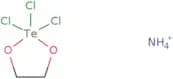
CAS:<p>AS 101 is a mixture of polyunsaturated fatty acids that are produced by the hydrolysis of vegetable oils and animal fats. The product is used to produce supernatants for use in cancer research. AS 101 has been shown to inhibit tumor growth, as well as inhibit HIV infection in vitro. The mechanism of action is not yet known, but it may be due to its ability to increase IL-10 production and transcriptional activity in mononuclear cells.</p>Fórmula:C2H4Cl3O2Te·NH4Pureza:Min. 95%Peso molecular:294.01 g/molMK-0429
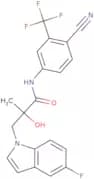
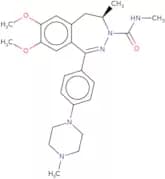
CAS:<p>MK-0429 is an inhibitor of the integrin receptor, which prevents fibrosis and inflammation in the kidneys. It has been shown to be a potent antagonist against fibrinogen and potent inducer of the release of interferon alfa-2b. MK-0429 has also been shown to have potent anti-inflammatory properties and to inhibit the growth of melanoma cells in mice. A phase 1 study was performed on 12 patients to assess safety and pharmacokinetics. The drug was well tolerated, with no significant adverse events observed during the trial.</p>Fórmula:C23H29N5O4Pureza:Min. 95%Peso molecular:439.5 g/molUT-155
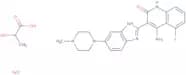
CAS:<p>UT-155 is a monoclonal antibody that binds to the ubiquitin-proteasome receptor. It is used in research to study the mechanism of ubiquitin-proteasome function in cells. UT-155 has been shown to inhibit prostate cancer cells and leukemia cells, as well as reduce tumor size in mice with prostate cancer. This drug also inhibits the production of ferroptosis and splicing, which are pro-apoptotic processes.</p>Fórmula:C20H15F4N3O2Pureza:Min. 95%Peso molecular:405.3 g/molDovitinib Lactate
CAS:<p>Receptor tyrosine kinase inhibitor; anti-angiogenesis; anti-oncogenesis</p>Fórmula:C21H21FN6O·C3H6O3·H2OPureza:Min. 95%Forma y color:Light (Or Pale) Yellow To Brown SolidPeso molecular:500.52 g/molPF 06260933 dihydrochloride
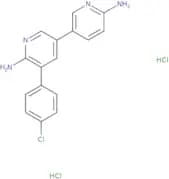
CAS:<p>PF 06260933 is a small-molecule that induces apoptosis in glioma cells by targeting mitogen-activated protein kinase (MAPK) and inhibiting the tumor suppressor gene p53. PF 06260933 binds to and inhibits MAPK, preventing the activation of downstream signaling proteins. PF 06260933 activates a process called large-scale genomic reorganization, which leads to cancer cell death. It is being investigated for the treatment of glioblastoma and other brain tumors. The drug has been shown to be effective in patients with malignant gliomas who have progressed on standard therapies.</p>Fórmula:C16H15Cl3N4Pureza:Min. 95%Peso molecular:369.7 g/molIlginatinib maleate
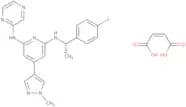
CAS:<p>Ilginatinib maleate is a kinase inhibitor that is used to treat tumor diseases. Ilginatinib maleate inhibits the growth of cancer cells by blocking the epidermal growth factor receptor and epidermal growth factor. It also inhibits the activity of the receptor kinase, which blocks tumor cell growth. Ilginatinib maleate is a human-specific medicine that has been shown to have no effect on healthy cells, making it an attractive treatment for patients with certain types of neoplastic disease.</p>Fórmula:C25H24FN7O4Pureza:Min. 95%Peso molecular:505.5 g/mol(1R,3S,5Z)-5-{2-[(1S,3aS,4E,7aS)-1-[(1R)-1-[(3-Ethyl-3-hydroxypentyl)oxy]ethyl]-7a-methyl-octahydro-1H-inden-4-ylidene]ethylidene}-4 -methylidenecyclohexane-1,3-diol
CAS:<p>(1R,3S,5Z)-5-{2-[(1S,3aS,4E,7aS)-1-[(1R)-1-[(3-Ethyl-3-hydroxypentyl)oxy]ethyl]-7a-methyl-octahydro-1H-inden-4-ylidene]ethylidene}-4 -methylidenecyclohexane-1,3-diol is a synthetic compound that is a potent and selective inhibitor of the protein kinase C (PKC) family of serine/threonine kinases. The PKC family consists of 12 members and is involved in many cellular functions including cell proliferation, differentiation, apoptosis, and the immune response. PKC plays an important role in the regulation of ion channels and is a key regulator of calcium channel function. This compound binds to the ATP binding site on PKC. The molecule has been shown</p>Fórmula:C28H46O4Pureza:Min. 95%Peso molecular:446.66 g/molDifelikefalin
CAS:<p>Difelikefalin is a non-opioid, non-NSAID analgesic that is used to treat inflammatory skin diseases. It has been shown in clinical studies to be effective for the treatment of chronic kidney disease and bowel disease. Difelikefalin has also been shown to be an effective analgesic in patients with inflammatory bowel disease and infectious diseases. Difelikefalin acts as a nicotinic acetylcholine receptor agonist, increasing the release of acetylcholine from nerve cells. This drug is thought to have anti-inflammatory properties by inhibiting prostaglandin synthesis or blocking the production of leukotrienes and cytokines.</p>Fórmula:C36H53N7O6Pureza:Min. 95%Forma y color:PowderPeso molecular:679.85 g/mol(R)-BAY1238097
CAS:<p>(R)-BAY1238097 is a research tool that is used to activate the receptor. It binds to the ligand-binding site of the receptor and can be used for pharmacological studies. (R)-BAY1238097 has been shown to bind to calcium channels and inhibit ion channel activity, suggesting that it can act as an inhibitor. (R)-BAY1238097 has also been shown to bind to proteins such as antibodies, human growth hormone, and insulin-like growth factor-1 receptor.</p>Fórmula:C25H33N5O3Pureza:Min. 95%Peso molecular:451.56 g/molNvp-aew541 hydrochloride
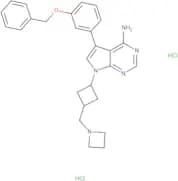
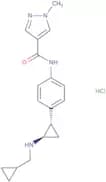
CAS:<p>Please enquire for more information about Nvp-aew541 hydrochloride including the price, delivery time and more detailed product information at the technical inquiry form on this page</p>Fórmula:C27H31Cl2N5OPureza:Min. 95%Peso molecular:512.5 g/molTubacin
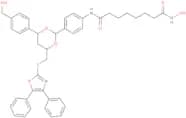
CAS:<p>Tubacin is a natural compound that has been found to inhibit the histone deacetylase (HDAC) enzyme. Tubacin has shown significant cytotoxicity against cancer cells and other cells in vitro. It inhibits HDAC and prevents the acetylation of histones, which are proteins that package DNA strands into chromosomes. This inhibition leads to increased gene expression and cell death. Tubacin is not toxic to normal cells, but it does cause oxidative injury to neurons.</p>Fórmula:C41H43N3O7SPureza:Min. 95%Peso molecular:721.9 g/molT 3775440 hydrochloride
CAS:<p>Lysine-specific inhibitor of histone demethylase (LSD1)</p>Fórmula:C18H23ClN4OPureza:Min. 95%Peso molecular:346.85 g/mol16:0-d31-16:0 Pc
CAS:Producto controlado<p>16:0-d31-16:0 Pc is a research tool for studying protein interactions. It has been shown to be an activator of the ion channel TRPV1, which is involved in pain and inflammatory responses. 16:0-d31-16:0 Pc also binds to the receptor CXCR2, which is involved in inflammatory responses. 16:0-d31-16:0 Pc has been used as a ligand for studying protein interactions with antibodies and receptors.</p>Fórmula:C40H49NO8PD31Pureza:Min. 95%Peso molecular:765.23 g/molCOTI-2
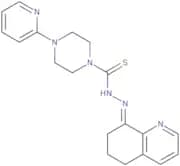
CAS:<p>COTI-2 is a copper complex that has been shown to selectively bind to the tumor suppressor protein, annexin A2. It inhibits tumor growth and induces apoptosis in cancer cells in vitro and in vivo. The mechanism of action of COTI-2 is not known but it may inhibit the activity of efflux pumps, leading to increased accumulation of anticancer drugs in tumor cells. In addition, COTI-2 may be a predictive biomarker for radiation exposure and an indicator for the development of cancer. Clinical studies have shown that COTI-2 is a potential biomarker for identifying patients who are at risk for developing lung cancer.</p>Fórmula:C19H22N6SPureza:Min. 95%Peso molecular:366.48 g/molIL 4 Rhesus Macaque
<p>IL 4R is a receptor for Interleukin-4. It is a member of the type II cytokine receptor family and has been shown to be an inhibitor of cell proliferation. IL 4R also interacts with the protein tyrosine phosphatase SHP2, which plays a role in signaling pathways. IL 4R binds to specific Ligands, such as IL-4 and IL-13, that are found in the extracellular matrix and on the surface of cells. These interactions activate the receptor and lead to intracellular signaling cascades. The protein's activation can be inhibited by small molecules like peptides or antibodies that bind to its extracellular domain.</p>Pureza:Min. 95%SB 399885 Hydrochloride
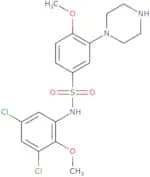
CAS:<p>SB 399885 Hydrochloride is a selective 5-HT2A receptor antagonist, which has been shown to reduce food intake and body weight in animal models. SB 399885 Hydrochloride is also a potent and selective 5-HT6 receptor antagonist, with an IC50 of 0.4 nM. SB 399885 Hydrochloride inhibits the activation of the paraventricular nucleus (PVN) neurons by 5-hydroxytryptamine (5-HT) and attenuates the activation of the nucleus accumbens (NAc) neurons by 5-HT. SB 399885 Hydrochloride also blocks the appetitive responses induced by stimulation of the PVN or NAc by 5-HT.</p>Fórmula:C18H21Cl2N3O4S•HClPureza:Min. 95%Peso molecular:446.35 g/molCIF1
<p>CIF1 is a protein that in humans is encoded by the CIF1 gene. It belongs to the family of ion channels and ligand-gated ion channels. The channel is activated by acetylcholine, a neurotransmitter, and mediates fast synaptic transmission at neuromuscular junctions. CIF1 has been shown to bind to the nicotinic acetylcholine receptor (nAChR) subunit alpha-4/beta-2. This binding leads to inhibition of nAChR function, which may be useful for treatments of conditions such as Parkinson's disease or Alzheimer's disease.</p>Pureza:Min. 95%Z-VDVAD-FMK
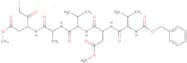
CAS:<p>Z-VDVAD-FMK is a mouse monoclonal antibody that binds to the Mcl-1 protein and induces mitochondrial membrane depolarization. This process leads to apoptosis and neuronal death. Z-VDVAD-FMK has been shown to be effective against metastatic colorectal cancer cells in an experimental model system. Mcl-1 is an antiapoptotic protein that blocks the release of cytochrome c from mitochondria and activates NF-κB, which prevents cell death. The binding of this drug to Mcl-1 can lead to neuronal death by inhibiting the release of cytochrome c from mitochondria and activating apoptosis pathways. Z-VDVAD-FMK also has neurotrophic effects on neural cells that may be due to its ability to induce the expression of neurotrophic factors such as nerve growth factor (NGF) and brain derived neurotrophic factor (BDNF).</p>Fórmula:C32H46N5O11FPureza:Min. 95%Peso molecular:695.73 g/molDenaverine hydrochloride
CAS:<p>Denaverine hydrochloride is a research tool with the ability to activate receptors and ion channels. It has been used to study protein interactions and pharmacology. Denaverine hydrochloride has been shown to inhibit the activity of acetylcholine esterase, which is an enzyme that breaks down acetylcholine. This research tool has also been used as a ligand in antibody binding studies, and it is widely used in cell biology experiments for its ability to bind proteins. Denaverine hydrochloride is soluble in water and does not contain any impurities or toxic substances.</p>Fórmula:C24H34ClNO3Pureza:Min. 95%Peso molecular:420 g/molCP-775146
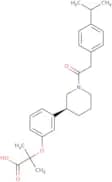
CAS:<p>CP-775146 is a molecule that has been shown to have pharmacological effects on the body. It is currently being researched as a potential treatment for cancer and metabolic disorders such as obesity and diabetes. CP-775146 binds to the beta-3 adrenergic receptor, which regulates blood pressure and insulin sensitivity. This binding increases the production of cyclic AMP, leading to increased thermogenesis in adipose tissue, increased lipolysis and decreased triglyceride lipase activity. CP-775146 also blocks fatty acid synthesis in cancer cells by inhibiting cytochrome P450 enzymes (Cyp1a2, Cyp2b6, Cyp2c8), which are involved in the conversion of arachidonic acid into prostaglandins.</p>Fórmula:C26H33NO4Pureza:Min. 95%Peso molecular:423.54 g/molAnti Urocortin (3-40) Serum
<p>Anti Urocortin (3-40) Serum is a peptide that can be used as a research tool to activate ion channels and ligand receptors. This product is a high purity, lyophilized serum that can be reconstituted with water. Anti Urocortin (3-40) Serum has been shown to inhibit protein interactions in the cell biology and pharmacology fields. The CAS number for this product is 103425-75-4.</p>Pureza:Min. 95%Olodanrigan sodium
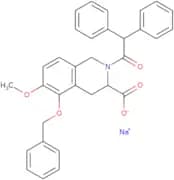
CAS:<p>Olodanrigan sodium is a crystalline, anhydrous, sodium salt that is water-soluble. It is used to treat diabetes mellitus and diabetic neuropathy. Olodanrigan sodium attenuates the symptoms of diabetic neuropathy and may be used for the treatment of other types of neuropathic pain such as post-herpetic neuralgia or trigeminal neuralgia. Olodanrigan sodium has been shown to have no serious adverse effects when given intravenously.</p>Fórmula:C32H28NNaO5Pureza:Min. 95%Peso molecular:529.6 g/molAnti Pancreatic Polypeptide (18-36), humanSerum
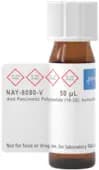
<p>Anti Pancreatic Polypeptide (18-36), humanSerum is a recombinant protein that belongs to the group of peptides. It is an activator of ion channels, which are proteins that regulate the flow of ions across cell membranes. This product is used as a research tool in pharmacology and cell biology. Anti Pancreatic Polypeptide (18-36), humanSerum has been shown to inhibit the activity of ion channels by binding to their ligands, thereby preventing activation. The purified recombinant protein has no detectable endotoxin levels and is suitable for use in research applications.</p>Pureza:Min. 95%3,5-Didemethoxy piperlongumine
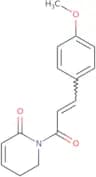
CAS:<p>Please enquire for more information about 3,5-Didemethoxy piperlongumine including the price, delivery time and more detailed product information at the technical inquiry form on this page</p>Fórmula:C15H15NO3Pureza:Min. 95%Peso molecular:257.28 g/molTENOVIN-5
CAS:<p>TENOVIN-5 is a peptide inhibitor of the P2X7 receptor. It is a high purity, stable, and water insoluble compound that can be used as a research tool to study protein interactions, ligand binding and activation of the P2X7 receptor. TENOVIN-5 has been shown to bind to the extracellular domain of the P2X7 receptor and inhibit its function. TENOVIN-5 also activates the P2Y1 receptor in a dose-dependent manner.</p>Fórmula:C25H25N3O2SPureza:Min. 95%Peso molecular:431.6 g/molPipernonaline
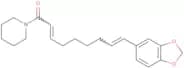
CAS:<p>Pipernonaline is a bioactive phytochemical that has been shown to inhibit the growth of prostate cancer cells by mitochondrial membrane depolarization. It also inhibits the production of growth factors and cytokines, which may be due to its ability to inhibit the activity of tyrosinase and protein kinase C. Pipernonaline has potent inhibitory activity against infectious diseases such as pneumonia, bronchitis, tuberculosis, and leprosy. It also shows potent inhibitory activity against chronic inflammatory diseases including thp-1 cells and asthma. The mechanism of action for pipernonaline is through cation channel opening leading to an influx of calcium ions into the cell.</p>Fórmula:C21H27NO3Pureza:Min. 95%Peso molecular:341.4 g/molsAJM589
CAS:<p>sAJM589 is a bifunctional molecule that contains an active methylene group and a photophysical group. In the presence of acid, its fluorescence is enhanced, which may lead to skin cancer. Specifically, sAJM589 has been shown to be cytotoxic in both cancer cells and normal cells. It also induces apoptosis in cancer cells by inhibiting DNA synthesis, protein synthesis, and cell proliferation. The functional theory of this molecule is not yet clear but it may be related to the metal ion binding properties of the molecule.</p>Fórmula:C16H10N2OPureza:Min. 95%Peso molecular:246.26 g/mol7-Chloro-1-[[4-(trifluoromethyl)phenyl]methyl]-1H-indole-2,3-dione
CAS:<p>7-Chloro-1-[[4-(trifluoromethyl)phenyl]methyl]-1H-indole-2,3-dione is a research tool that can be used in the study of ligand binding to receptor, ion channels and cell biology. 7-Chloro-1-[[4-(trifluoromethyl)phenyl]methyl]-1H-indole-2,3-dione is a potent inhibitor of ion channels and has been shown to inhibit Na+ channels. This compound binds to the extracellular loop of voltage gated sodium channels and blocks their opening. 7-Chloro-1-[4-(trifluoromethyl)phenyl]methyl]-1H-[indole 2,3]dione is a high purity product with only trace impurities detected by HPLC.</p>Fórmula:C16H9ClF3NO2Pureza:Min. 95%Peso molecular:339.69 g/molLDC7559
CAS:<p>LDC7559 is a reactive oxygen species-dependent compound that has been found to be cytotoxic against cancer cells. It induces cell lysis by oxidative damage, causing the release of cytoplasmic contents into the extracellular space. This compound also inhibits the production of inflammatory compounds such as prostaglandins, leukotrienes, and cytokines. LDC7559 is currently in phase II clinical trials for treating inflammatory bowel disease and experimental colitis. LDC7559 has also shown anti-inflammatory properties in vitro and in vivo models of autoimmune diseases such as asthma, arthritis, psoriasis, and Crohn's disease.</p>Fórmula:C20H19N3O3Pureza:Min. 95%Peso molecular:349.4 g/molDCZ0415
CAS:<p>DCZ0415 is a histone deacetylase (HDAC) inhibitor. It is used for the treatment of cancer by inducing cell differentiation and inhibiting tumor growth. DCZ0415 has been shown to be effective in a number of animal models, including those with prostate cancer, breast cancer, and colon cancer. This drug has also been shown to be effective in treating malignant cancers in humans, such as lung and pancreatic cancers. DCZ0415 inhibits HDAC activity at the transcriptional level and has been shown to have anti-inflammatory effects.</p>Fórmula:C23H20N2O2Pureza:Min. 95%Peso molecular:356.4 g/molN-(1-(3-Benzyl-7-chloro-4-oxo-3,4-dihydroquinazolin-2-yl)propyl)-4-bromo-N-(3-(dimethylamino)propyl)benzamide
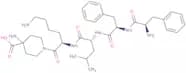
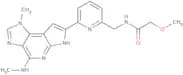
CAS:<p>This is a research tool that can be used to study the activation of receptors or ion channels. It is a ligand that binds to the receptor and activates it. The chemical structure of this compound is N-(1-(3-benzyl-7-chloro-4-oxo-3,4-dihydroquinazolin-2-yl)propyl)-4-bromo-N-(3-(dimethylamino)propyl)benzamide. This chemical has been shown to inhibit the activity of ion channels by binding to them and blocking their function.</p>Fórmula:C30H32BrClN4O2Pureza:Min. 95%Peso molecular:596 g/mol2-Methoxy-N-((6-(1-methyl-4-(methylamino)-1,6-dihydroimiazo(4,5-D)pyrrolo(2,3-B)pyridin-7-yl)pyridin-2-yl)methyl)acetamide
CAS:<p>2-Methoxy-N-((6-(1-methyl-4-(methylamino)-1,6-dihydroimiazo(4,5-D)pyrrolo(2,3-B)pyridin-7-yl)pyridin-2-yl)methyl)acetamide is a Receptor Ligand that is used as a research tool. It binds to the ion channel and regulates the flow of ions through the channel. 2MMP has been shown to be an activator of the GABAA receptor and inhibits glutamate release from presynaptic neurons. 2MMP also binds to the NMDA receptor in a competitive manner and prevents activation by glutamate. The ligand has been shown to inhibit neuronal cell death induced by oxidative stress and induce apoptosis in cancer cells.</p>Fórmula:C19H21N7O2Pureza:Min. 95%Peso molecular:379.4 g/molTGF b 1, human, recombinant
<p>TGF b 1 is a member of the transforming growth factor family and is a potent inhibitor of cell proliferation. Recombinant human TGF b 1 has been shown to inhibit the proliferation of various cell types in culture, including fibroblasts, endothelial cells, and smooth muscle cells. It also inhibits tumor growth in vivo. The binding site for TGF b 1 on target cells has been localized to the extracellular domain of type II receptor kinase, which is composed of three immunoglobulin-like domains. This protein can be used as an antibody or ligand to study protein interactions.</p>Pureza:>95% By Sds-Page.PD 173212
CAS:<p>PD 173212 is a drug that is used to regulate the activity of neurons in the geniculate nucleus. It binds to glutamate receptors, which are molecules located on the surface of cells. This binding prevents the release of neurotransmitters and blocks synaptic transmission, thereby reducing pain. PD 173212 has also been shown to block calcium channels, which are channels for ions in cell membranes. The inhibition of these channels reduces neuronal excitability and may be responsible for its analgesic properties.</p>Fórmula:C38H53N3O3Pureza:Min. 95%Peso molecular:599.85 g/molN-[3-(Acetylamino)-4-fluorophenyl]-1-(2-fluorophenyl)-1H-pyrazole-4-carboxamide
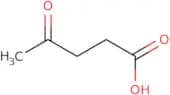
CAS:<p>3-Amino-4-fluorophenylpyrazole (AFPC) is a ligand that binds to the GABA receptor and activates it. AFPC also inhibits GABA transport into cells, which leads to an increase in intracellular GABA concentration. AFPC has been shown to inhibit the activity of Kainate receptors, which are involved in the transmission of pain signals. This drug has been used as a research tool to study the function of ion channels and membrane proteins such as G protein-coupled receptors, ligand-gated ion channels, and neurotransmitter transporters. It is also used as an antibody and inhibitor for various proteins, including beta 2 adrenergic receptor, type 1 adenylyl cyclase, voltage-gated potassium channels, and phospholipases A2.</p>Fórmula:C18H14F2N4O2Pureza:Min. 95%Peso molecular:356.33 g/molLevulinic-d5 acid
CAS:<p>Please enquire for more information about Levulinic-d5 acid including the price, delivery time and more detailed product information at the technical inquiry form on this page</p>Fórmula:C5H8O3Pureza:Min. 95%Peso molecular:121.15 g/molAS 252424
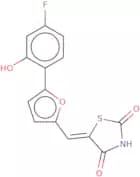
CAS:<p>Inhibitor of PI3K? kinase</p>Fórmula:C14H8FNO4SPureza:Min. 95%Peso molecular:305.28 g/molIpsalazide
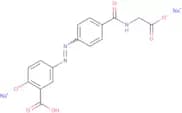
CAS:<p>Ipsalazide is a drug used to treat bowel disease. It is an amide that has been shown to have iontophoretic properties. Ipsalazide inhibits the production of prostaglandins and leukotrienes, which are inflammatory mediators in the intestine. Ipsalazide also reduces pain, cramps, and diarrhea from colitis and other inflammatory bowel diseases. Ipsalazide should not be administered orally because of its high oral toxicity (LD50 = 2 mg/kg).</p>Fórmula:C16H11N3Na2O6Pureza:Min. 95%Peso molecular:387.25 g/mol[Gln18]-Platelet Factor 4 (15-22) (human)
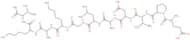
CAS:<p>Please enquire for more information about [Gln18]-Platelet Factor 4 (15-22) (human) including the price, delivery time and more detailed product information at the technical inquiry form on this page</p>Fórmula:C38H69N15O13Peso molecular:944.06 g/molPD 118057
CAS:<p>PD 118057 is a drug that is used to treat congestive heart failure. It is an inhibitor of histone deacetylase (HDAC) and has been shown to be effective in experimental models of cardiac hypertrophy. The drug has been shown to have a depressant effect on the heart, which may be due to its ability to inhibit the production of potassium ion channels that are responsible for maintaining the resting membrane potential. PD 118057 has also been shown to decrease the number of damaged ventricular myocytes in animal models.</p>Fórmula:C21H17Cl2NO2Pureza:Min. 95%Peso molecular:386.27 g/molMK 3207
CAS:<p>Antagonist of CGRP receptor</p>Fórmula:C31H29F2N5O3Pureza:Min. 95%Peso molecular:557.59 g/molMethyl 4,6-o-benzylidene-2-benzyloxycarbonylamino-2-deoxy-α-D-glucopyranoside
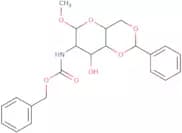
CAS:<p>Methyl 4,6-o-benzylidene-2-benzyloxycarbonylamino-2-deoxy-alpha-D-glucopyranoside is a research tool that binds to the activator, ligand, or receptor of a cell. It has been used to study ion channels and peptides. Methyl 4,6-o-benzylidene-2-benzyloxycarbonylamino-2-deoxy -alpha -D -glucopyranoside is also an inhibitor of protein interactions.</p>Fórmula:C22H25NO7Pureza:Min. 95%Peso molecular:415.4 g/mol





![2-[(1S)-1-[(6-Amino-5-cyanopyrimidin-4-yl)amino]ethyl]-4-oxo-3-phenylpyrrolo[2,1-F][1,2,4]triazine…](/_next/image/?url=https%3A%2Fstatic.cymitquimica.com%2Fproducts%2F3D%2Fthumb-webp%2FDGC94726.webp&w=3840&q=75)

![(1R,3S,5Z)-5-{2-[(1S,3aS,4E,7aS)-1-[(1R)-1-[(3-Ethyl-3-hydroxypentyl)oxy]ethyl]-7a-methyl-octahydr…](/_next/image/?url=https%3A%2Fstatic.cymitquimica.com%2Fproducts%2F3D%2Fthumb-webp%2FHHA36928.webp&w=3840&q=75)


![7-Chloro-1-[[4-(trifluoromethyl)phenyl]methyl]-1H-indole-2,3-dione](/_next/image/?url=https%3A%2Fstatic.cymitquimica.com%2Fproducts%2F3D%2Fthumb-webp%2FKDA51168.webp&w=3840&q=75)

![N-[3-(Acetylamino)-4-fluorophenyl]-1-(2-fluorophenyl)-1H-pyrazole-4-carboxamide](/_next/image/?url=https%3A%2Fstatic.cymitquimica.com%2Fproducts%2F3D%2Fthumb-webp%2FFSD35097.webp&w=3840&q=75)
![[Gln18]-Platelet Factor 4 (15-22) (human)](/_next/image/?url=https%3A%2Fstatic.cymitquimica.com%2Fproducts%2F3D%2Fthumb-webp%2FVAC-00001.webp&w=3840&q=75)