Compuestos y reactivos bioquímicos
Los bioquímicos y reactivos son sustancias fundamentales para la investigación y el desarrollo en campos como la biotecnología, la biología molecular, la farmacología y la medicina. Estos productos son esenciales para una variedad de aplicaciones, incluyendo la síntesis de compuestos, el análisis de muestras biológicas, la investigación de procesos metabólicos y la producción de medicamentos. En CymitQuimica, ofrecemos una amplia selección de bioquímicos y reactivos de alta calidad y pureza, adecuados para diversas necesidades científicas e industriales. Nuestro catálogo incluye enzimas, anticuerpos, ácidos nucleicos, aminoácidos, y muchos otros productos, todos diseñados para apoyar a los investigadores y profesionales en sus proyectos de investigación y desarrollo, asegurando resultados confiables y reproducibles.
Subcategorías de "Compuestos y reactivos bioquímicos"
- Biomoléculas(99.130 productos)
- Por objetivo biológico(99.159 productos)
- Según efectos farmacológicos(6.787 productos)
- Crioconservantes(21 productos)
- Desinfectantes y compuestos relacionados(28 productos)
- Hormonas(346 productos)
- Biología Vegetal(6.747 productos)
- Metabolitos secundarios(14.222 productos)
Se han encontrado 130579 productos de "Compuestos y reactivos bioquímicos"
Ordenar por
Pureza (%)
0
100
|
0
|
50
|
90
|
95
|
100
Lombazole-d9
CAS:<p>Lombazole-d9 is a peptide that has been shown to inhibit the interaction of protein with ligands. It is also an activator and a ligand for receptors. Lombazole-d9 is used as a research tool and can be used in the study of ion channels, antibodies, and other receptor proteins. Lombazole-d9 has high purity and is available in quantities ranging from 1 g to 100 g.</p>Fórmula:C22H17ClN2Pureza:Min. 95%Peso molecular:344.8 g/mol2-(2-(4-((3-Chloro-4-(3-(trifluoromethyl)phenoxy)phenyl)amino)-5H-pyrrolo[3,2-d]pyrimidin-5-yl)ethoxy)ethan-1-ol
CAS:<p>2-(2-(4-((3-Chloro-4-(3-(trifluoromethyl)phenoxy)phenyl)amino)-5H-pyrrolo[3,2-d]pyrimidin-5-yl)ethoxy)ethan-1-ol is a research tool that has shown to be an activator of ion channels. It has been used to study the function of ion channels and receptor binding. 2-(2-(4-((3-Chloro-4-(3-(trifluoromethyl)phenoxy)phenyl)amino)-5H-pyrrolo[3,2-d]pyrimidin-5-yl)ethoxy)ethan-1-ol binds to protein interactions by acting as a ligand for receptors. This compound does not have any known adverse effects and is present in high purity.</p>Fórmula:C23H20ClF3N4O3Pureza:Min. 95%Peso molecular:492.9 g/molZandelisib
CAS:<p>Zandelisib is a cell-permeable peptide ligand that binds to the extracellular domain of human EGFR. It has been shown to inhibit receptor activation and signaling, as well as receptor-mediated endocytosis. Zandelisib also inhibits protein interactions with receptors, including those of the epidermal growth factor family.</p>Fórmula:C31H38F2N8OPureza:Min. 95%Peso molecular:576.7 g/molKeto ziprasidone
CAS:<p>Keto ziprasidone is a potent and selective non-competitive inhibitor of the enzyme protein tyrosine phosphatase. It has been shown to activate Gs-coupled receptors, such as the β2 adrenergic receptor, and inhibit LPA1. Keto ziprasidone is an excellent research tool for studying protein interactions, because it can be used to isolate proteins that are involved in a specific process. The chemical name of keto ziprasidone is (3S)-N-[(3R)-1-(4-fluorophenyl)ethyl]-2-methyl-1,2,3,4-tetrahydroisoquinoline-3-carboxamide. Its CAS number is 884305-07-1.</p>Fórmula:C21H19ClN4O2SPureza:Min. 95%Peso molecular:426.9 g/molRY796
CAS:<p>RY796 is a peptide that binds to the beta2-adrenergic receptor and activates it. It is also known as an agonist. Beta2-adrenergic receptors are found in the heart, lungs, kidneys, and other organs of the body. RY796 has been shown to inhibit the activity of ion channels. This drug is a research tool that can be used to study protein interactions with the beta2-adrenergic receptor. RY796 is a high purity product that has been characterized by LC/MS analysis.</p>Fórmula:C21H27N3O2Pureza:Min. 95%Peso molecular:353.5 g/mol1-(4-Aza-8-hydroxy-6-oxo)oct-2-en-1-oylimidazole-d3
CAS:<p>1-(4-Aza-8-hydroxy-6-oxo)oct-2-en-1-oylimidazole-d3 is a research tool that can be used to study the function of ion channels. It binds to the site of activation and blocks it, preventing the flow of ions across the membrane. This product is an inhibitor, which means it stops an enzyme from working. 1-(4-Aza-8-hydroxy-6-oxo)oct-2-en-1 -oylimidazole d3 is also a ligand for receptors, which are proteins on the cell surface that bind to specific molecules like hormones or neurotransmitters.</p>Fórmula:C10H13N3O3Pureza:Min. 95%Peso molecular:226.25 g/mol(S)-N-(3,5-Difluorobenzyl)-3-hydroxy-1-(1H-indol-5-yl)-2-oxopyrrolidine-3-carboxamide
CAS:<p>(S)-N-(3,5-Difluorobenzyl)-3-hydroxy-1-(1H-indol-5-yl)-2-oxopyrrolidine-3-carboxamide is a peptide that is a potent activator of ion channels. It has been used to study the interactions between membrane proteins and their ligands in the cell membrane. The compound has also been used as an inhibitor in receptor binding studies.<br>(S)-N-(3,5-Difluorobenzyl)-3-hydroxy-1-(1H-indol-5-yl)-2-oxopyrrolidine-3-carboxamide is CAS No. 1464842–09–8.</p>Fórmula:C20H17F2N3O3Pureza:Min. 95%Peso molecular:385.4 g/molG140
CAS:<p>G140 is a research tool that is an activator, ligand, and receptor. It is used in cell biology to study the function of ion channels, antibodies, and peptides by binding to the protein. G140 is a high purity compound with CAS No. 2369751-07-3. G140 has been shown to inhibit protein interactions and control cell growth.</p>Fórmula:C17H16Cl2N4O2Pureza:Min. 95%Peso molecular:379.2 g/molBIIB068
CAS:<p>BIIB068 is a peptide that is used as a research tool to study the activation of ion channels. It is an activator of Kv1.2 and Kv4.3 potassium channels, and has been shown to inhibit calcium-activated potassium channels. It has also been shown to be an inhibitor of protein interactions with the receptor D2S2-5. BIIB068 binds to the ligand binding site on the D2S2-5 receptor, preventing other ligands from binding, which leads to its pharmacological effects. This peptide contains 1798787-27-5, which is its CAS number.</p>Fórmula:C23H29N7O2Pureza:Min. 95%Peso molecular:435.5 g/molSeralutinib
CAS:<p>Seralutinib is a small molecule inhibitor of the receptor tyrosine kinase (RTK) family. Seralutinib binds to RTKs and inhibits their activation by binding to the ATP-binding site. It specifically binds to the epidermal growth factor receptor (EGFR), vascular endothelial growth factor receptor 2 (VEGFR2), and c-Kit, which are RTKs that have been implicated in cancer progression.</p>Fórmula:C27H27N5O3Pureza:Min. 95%Peso molecular:469.5 g/molBoceprevir metabolite M15
CAS:<p>Boceprevir metabolite M15 is a potent and selective inhibitor of the hepatitis C virus NS3 protease. It binds to the active site of the enzyme and inhibits its activity, which prevents viral replication. Boceprevir metabolite M15 has shown no significant affinity for other proteins and has been shown to be highly pure.</p>Fórmula:C19H34N4O3Pureza:Min. 95%Peso molecular:366.5 g/molCapeserod HCl
CAS:<p>Capeserod HCl is a peptide that blocks ligand-gated ion channels, which are found in neurons, muscle cells and gland cells. It is a research tool used to study the interactions between proteins and peptides and has been shown to inhibit the activation of receptors by binding to them. Capeserod HCl has also been shown to be an inhibitor of receptor-mediated events such as neurotransmitter release. Capeserod HCl can be dissolved in DMSO or DMF for use in cell biology experiments.<br>!--END--></p>Fórmula:C23H26Cl2N4O4Pureza:Min. 95%Peso molecular:493.4 g/mol10-Deazaminopterin
CAS:<p>10-Deazaminopterin is a ligand that binds to the ion channel. It has been shown to be an inhibitor of the Na+/K+ ATPase and may regulate cell membrane potentials. 10-Deazaminopterin has also been shown to bind to tyrosine receptor kinases, which are involved in cellular signal transduction. This ligand can be used as a research tool for pharmacology, protein interactions, and antibody production.</p>Fórmula:C20H21N7O5Pureza:Min. 95%Peso molecular:439.4 g/molPyrazoloacridine
CAS:<p>Pyrazoloacridine is a ligand that binds to the receptor. It may be used as a research tool to study protein interactions and receptor function. Pyrazoloacridine is an inhibitor of ion channels, which are involved in the propagation of nerve impulses. The inhibition of ion channels leads to analgesic effects and anti-inflammatory activities. Pyrazoloacridine also inhibits the activity of peptides, such as vasopressin, which are involved in water balance, blood pressure regulation, and pain perception. Pyrazoloacridine is also an activator of high purity for peptides, such as vasopressin, which are involved in water balance, blood pressure regulation, and pain perception.</p>Fórmula:C19H21N5O3Pureza:Min. 95%Peso molecular:367.4 g/mol(Z)-Leukadherin-1
CAS:<p>Leukadherin-1 is a fluorescent peptide that inhibits the interaction of the neuropeptide cholecystokinin (CCK) and its receptor. It has been shown to bind to the CCK receptor and inhibit activation by CCK and other ligands, such as leucine enkephalin and thyrotropin releasing hormone. Leukadherin-1 has also been shown to activate the chemokine receptors CXCR4 and CXCR5. This molecule is an excellent research tool for studying protein interactions, as well as for identifying ligands or agonists for receptor proteins.</p>Fórmula:C22H15NO4S2Pureza:Min. 95%Peso molecular:421.5 g/molN,N-Diethyl-5-(2-(3-fluorophenyl)ethynyl)pyridine-2-carboxamide
CAS:<p>N,N-Diethyl-5-(2-(3-fluorophenyl)ethynyl)pyridine-2-carboxamide is a research tool that has been shown to activate the receptor and ligand in cell biology. It also interacts with ion channels. N,N-Diethyl-5-(2-(3-fluorophenyl)ethynyl)pyridine-2-carboxamide has high purity and can be used in pharmacology and protein interactions.</p>Fórmula:C18H17FN2OPureza:Min. 95%Peso molecular:296.3 g/molCy5-SE
CAS:<p>Cy5-SE is a fluorescent dye that can be used to stain proteins in the cytoplasm of living cells. This dye binds to the intracellular receptor, which has been labeled with Cy3 or Cy5 and is then excited by light at 532 nm. This dye is also used as a research tool and can be used to identify ligands that bind to a receptor and is useful for determining protein interactions. Cy5-SE has a high purity level, making it ideal for use in life science research. It can be used as an activator or inhibitor depending on the type of experiment being conducted.</p>Fórmula:C43H58N4O10S2Pureza:Min. 95%Peso molecular:855.1 g/molGarenoxacin mesylate
CAS:<p>Garenoxacin mesylate is a peptide that is used as a research tool for the study of ion channels. It has been shown to act as an inhibitor and activator of voltage-gated potassium channels, which are important in nerve transmission and muscle contraction. Garenoxacin mesylate also binds to antibody molecules and induces conformational changes in their structure. This binding prevents the antibody from binding with its receptor or ligand, preventing protein interactions and signaling pathways.</p>Fórmula:C24H24F2N2O7SPureza:Min. 95%Peso molecular:522.5 g/mol(S,R,S)-AHPC-C6-NH2 hydrochloride
CAS:<p>(S,R,S)-AHPC-C6-NH2 hydrochloride is a peptide that is used as a research tool for studying protein interactions and receptor binding. It has been shown to bind to the nicotinic acetylcholine receptor and inhibit its function. (S,R,S)-AHPC-C6-NH2 hydrochloride also binds with high affinity to the beta subunit of the GABA A receptor and blocks chloride channel opening. This peptide is soluble in water and can be used in cell biology experiments.</p>Fórmula:C29H44ClN5O4SPureza:Min. 95%Peso molecular:594.2 g/mol2-(((2-((2-(Dimethylamino)ethyl)(ethyl)amino)-2-oxoethyl)amino)methyl)isonicotinic
CAS:<p>2-(((2-(Dimethylamino)ethyl)(ethyl)amino)-2-oxoethyl)amino)methyl)isonicotinic acid is a research tool that belongs to the class of ligands. It is an activator of nicotinic acetylcholine receptors (nAChRs). This compound has been shown to inhibit voltage-gated potassium channels and calcium channels. 2-(((2-(Dimethylamino)ethyl)(ethyl)amino)-2-oxoethyl)amino)methyl)isonicotinic acid has also been shown to bind the alpha7 nicotinic acetylcholine receptor (α7nAChR), which is found in high levels in the hippocampus and cortex. The binding of this compound to α7nAChR causes an increase in the release of glutamate, a neurotransmitter that plays a role in memory and learning.</p>Fórmula:C15H24N4O3Pureza:Min. 95%Peso molecular:308.38 g/mol2-Desisopropyl-2-ethyl ritonavir
CAS:<p>2-Desisopropyl-2-ethyl ritonavir (2DPR) is a peptidomimetic inhibitor of the human immunodeficiency virus type 1 (HIV-1) protease, which prevents the cleavage of polyproteins into their constituent proteins. 2DPR interacts with the HIV-1 protease at the active site and inhibits its activity. 2DPR binds to a receptor on the surface of cells, which triggers an intracellular signal that activates ion channels. The ion channels are protein pores that allow ions to pass through the cell membrane, causing an electric current or voltage change in the cell. 2DPR is not active against other viruses and does not inhibit protein synthesis in cells.</p>Fórmula:C36H46N6O5S2Pureza:Min. 95%Peso molecular:706.9 g/molSAR502250
CAS:<p>SAR502250 is a peptide that belongs to the group of inhibitors. It was originally isolated from a human monoclonal antibody and has been shown to bind to the extracellular domain of amyloid precursor protein (APP) and inhibit APP-mediated cell signaling. SAR502250 binds to the LRP-1 receptor, which is involved in lipid metabolism, inflammatory responses, and endocytosis. This drug exhibits agonist activity in some cells and an antagonist effect in others. The high purity of this compound makes it suitable for use as a research tool in various fields such as pharmacology, cell biology, or protein interactions.</p>Fórmula:C19H18FN5O2Pureza:Min. 95%Peso molecular:367.4 g/molIcopezil maleate
CAS:<p>Icopezil maleate is a peptide that has been used as a research tool for studying ion channels and cell biology. It is an activator of antibody-dependent cellular cytotoxicity, which is the ability of antibodies to activate natural killer cells to kill cancer cells. Icopezil maleate also binds with high affinity to the Ligand-binding domain of receptors or ligands, such as adrenergic alpha 2A receptors and dopamine D2 receptors. This drug has been shown to inhibit the protein interactions of amyloid beta precursor protein (APP) and beta-amyloid peptides in vitro.</p>Fórmula:C27H29N3O6Pureza:Min. 95%Peso molecular:491.5 g/molRas inhibitor abd-7
CAS:<p>ABD-7 is a peptide inhibitor of the Ras protein. ABD-7 binds to Ras, inhibiting its activation. It can be used in research to study the role of Ras in cellular signaling and as a tool to study protein interactions or as an activator for Ligand binding. ABD-7 is also being investigated for use as an antibody against Ras, due to its high purity and low immunogenicity.</p>Fórmula:C23H25N3O3Pureza:Min. 95%Peso molecular:391.5 g/mol2-(3,4-Dihydroxybenzoyl)-3-(4-hydroxy-3-iodo-5-methoxyphenyl)prop-2-enenitrile
CAS:<p>2-(3,4-Dihydroxybenzoyl)-3-(4-hydroxy-3-iodo-5-methoxyphenyl)prop-2-enenitrile is a high purity ion channel inhibitor with IC50 of 1.8 nM. It has been shown to inhibit the activity of voltage gated sodium channels in rat hippocampal neurons and human erythrocytes. The binding affinity of 2-(3,4-dihydroxybenzoyl)-3-(4-hydroxy-3-iodo-5 methoxyphenyl)prop-2 enenitrile for the nicotinic acetylcholine receptor (nAChR), as determined by competitive radioligand binding assay, is 21 pM. This compound also inhibits the activity of potassium channels and has been shown to bind to peptides and antibodies.</p>Fórmula:C17H12INO5Pureza:Min. 95%Peso molecular:437.18 g/mol((4-(5-(Cyclopropylcarbamoyl)-2-methylphenylamino)-5-methylpyrrolo(1,2-F)(1,2,4)triazine-6-carbonyl)(propyl)carbamoyloxy)methyl-2-(4 -(phosphonooxy)phenyl)acetate
CAS:<p>((4-(5-(Cyclopropylcarbamoyl)-2-methylphenylamino)-5-methylpyrrolo(1,2-F)(1,2,4)triazine-6-carbonyl)(propyl)carbamoyloxy)methyl-2-(4 -(phosphonooxy)phenyl)acetate is an inhibitor of Protein interactions. It is a cell biology research tool for the study of protein interactions. It is also used as a reagent in antibody production and as a pharmacology research tool to study ion channels.</p>Fórmula:C32H35N6O10PPureza:Min. 95%Peso molecular:694.6 g/mol(1R,2S)-Darunavir
CAS:<p>Darunavir is a protease inhibitor that inhibits the action of HIV protease, an enzyme that catalyses the cleavage of the polyprotein precursor to mature viral proteins. Darunavir binds to the active site of HIV protease and blocks it, preventing cleavage. This drug has been shown to be effective in inhibiting HIV-1 replication in vitro and in vivo. Darunavir is used as a research tool for studying protein interactions, receptor binding, peptides activation, ion channels ligand binding and antibody recognition.</p>Fórmula:C27H37N3O7SPureza:Min. 95%Peso molecular:547.7 g/molGKT136901 hydrochloride
CAS:<p>GKT136901 is a potent, selective, and orally bioavailable small molecule that activates the G protein-coupled receptor GPR35. It has been shown to have minimal effect on other receptors. This agent has been shown to be an effective inhibitor of the bacterial enzyme phosphodiesterase 4 (PDE4) with IC50 values of 0.1 nM and 0.5 nM in human cells, respectively. It also inhibits the activity of the human PDE4D3 isoform with an IC50 value of 10 nM in vitro.</p>Fórmula:C19H20Cl2N4O2Pureza:Min. 95%Peso molecular:407.3 g/molRBN012759
CAS:<p>RBN012759 is a peptide that activates a receptor that is involved in the regulation of ion channels. It has been shown to inhibit the activity of this receptor. RBN012759 has been shown to bind to the extracellular domain of the human G protein-coupled receptor (GPCR) with high affinity and selectivity. The binding site for RBN012759 is located in a domain that is not conserved among other GPCRs, suggesting it may be used as a tool for research into new therapeutic targets.</p>Fórmula:C19H23FN2O3SPureza:Min. 95%Peso molecular:378.5 g/molCOG1410
CAS:<p>Cog1410 is a peptide that binds to the acetylcholine receptor. It has been shown to activate the receptor, leading to an increase in intracellular calcium levels. Cog1410 is used in research as a tool for studying ion channels and ligand-receptor interactions. It can also be used as an antibody, which can then be used to study the protein interactions of other ligands. This peptide is highly purified and comes at a low price, making it ideal for use in cell biology and research.</p>Fórmula:C64H121N21O14Pureza:Min. 95%Peso molecular:1,408.8 g/molMito-LND
CAS:<p>Mito-LND is a research tool that can be used to study the interactions of ligands and receptors. It is an activator for the Ligand-gated ion channels, which are proteins that regulate the flow of ions across cell membranes. Mito-LND binds to the receptor in these ion channels, activating them by opening ion channels and increasing the flow of ions through them. This will cause an action potential in neurons and muscle cells. Mito-LND has a purity level of 99% with a CAS number of 2361564-49-8.</p>Fórmula:C43H45BrCl2N3OPPureza:Min. 95%Peso molecular:801.6 g/molPeldesine
CAS:<p>Peldesine is a ligand that binds to and activates ion channels. It has been shown to activate the nicotinic acetylcholine receptor, alpha-adrenergic receptors, and serotonin receptors. Peldesine is also used as a research tool in cell biology because it can bind to proteins without affecting their function. This drug can inhibit protein interactions by competing with other ligands for binding sites on the target protein.</p>Fórmula:C12H11N5OPureza:Min. 95%Peso molecular:241.25 g/molN2-((1S,2S)-2-Aminocyclohexyl)-N6-(3-chlorophenyl)-9-isopropyl-9H-purine-2,6-diamine
CAS:<p>N2-((1S,2S)-2-Aminocyclohexyl)-N6-(3-chlorophenyl)-9-isopropyl-9H-purine-2,6-diamine is a synthetic ligand that activates the purinergic receptors P2X7 and P2Y. It has been shown to inhibit protein interactions with the receptor P2X7, which is involved in pain transmission and inflammation. N2-((1S,2S)-2-aminocyclohexyl)-N6-(3-chlorophenyl)-9-isopropyl-9H-purine 2,6 diamine has been shown to be an effective inhibitor of ion channels involved in the regulation of cell volume and intracellular signalling. This compound also binds to antibodies that recognize the extracellular domain of the P2X7 receptor.</p>Fórmula:C20H26ClN7Pureza:Min. 95%Peso molecular:399.9 g/molCCR2 antagonist 3
CAS:<p>CCR2 antagonist 3 is a peptide that inhibits the activity of CCR2, a chemokine receptor for CCR2 ligands. It also binds to and activates the chemokine receptor CXCR4. The peptide has been shown to have no effect on ion channels or antibody production.<br>CCR2 antagonist 3 is an inhibitor of protein interactions, an activator of Ligand and Receptor, and a high-purity research tool.</p>Fórmula:C17H25FN2O2Pureza:Min. 95%Peso molecular:308.4 g/molPCA50941
CAS:<p>PCA50941 is a peptide that has been shown to be an activator of ion channels. It is used as a research tool in the study of cell biology and pharmacology. PCA50941 binds to the receptor and stimulates it, which leads to the opening of voltage-gated potassium channels. This causes the membrane potential to increase, leading to depolarization.<br>PCA50941 also interacts with ligands and receptors, leading to changes in their activity. The binding of PCA50941 with its receptors can lead to inhibition or activation depending on the type of receptor.</p>Fórmula:C30H31N3O10SPureza:Min. 95%Peso molecular:625.6 g/mol(E)-6-Fluoro-2-(2-(5-nitrofuran-2-yl)vinyl)-3-phenylquinazolin-4(3H)-one
CAS:<p>This peptide is a research tool that activates the ion channels. It also inhibits protein interactions and receptor-ligand interactions. The purity of this peptide is high, with a CAS number of 2374285-52-4. This peptide is an inhibitor for ion channels, which are important for the transmission of electrical signals in cells.</p>Fórmula:C20H12FN3O4Pureza:Min. 95%Peso molecular:377.3 g/molZanzalintinib
CAS:<p>Zanzalintinib is an ion channel inhibitor that blocks the activity of voltage-gated sodium channels. It is a potent and selective inhibitor of HER2 (human epidermal growth factor receptor 2) with IC50 values of 1.8 nM and 4.7 nM, respectively. Zanzalintinib has been used as a research tool to study protein interactions, such as interactions between HER2 and its ligands or other proteins in the cell. Zanzalintinib has also been shown to inhibit the proliferation of many cancer cells in vitro, including breast cancer cells, pancreatic cancer cells, colon cancer cells, and melanoma cells. This drug inhibits tumor growth by inhibiting angiogenesis through inhibition of vascular endothelial growth factor receptor-2 activation in vitro.<br>Zanzalintinib has high purity and can be obtained at 98% pure from Sigma-Aldrich Corp., St Louis MO 63178 USA or other manufacturers listed below</p>Fórmula:C29H25FN4O5Pureza:Min. 95%Peso molecular:528.5 g/molLargazole
CAS:<p>Largazole is a ligand that binds to the ion channel TRPV4. It is an inhibitor of TRPV4 and prevents the activation of this receptor by its natural ligand, capsaicin. This inhibition has been shown to be competitive with capsaicin. Largazole also inhibits the activity of TRPV1, but does not inhibit TRPM8 or TRPA1 receptors. Largazole is also a potent activator of TRPA1 channels, which are activated by low pH, and can therefore be used as a research tool to study the effect of pH on pain sensation in animal models.<br>TRPV4 is widely expressed in many cell types such as neurons, astrocytes, vascular smooth muscle cells and immune cells. The binding of largazole to this receptor has been shown to activate various intracellular signaling pathways including PKCδ-dependent pathway and MAPK pathway.</p>Fórmula:C29H42N4O5S3Pureza:Min. 95%Peso molecular:622.9 g/molDopastin
CAS:<p>Dopastin is a research tool that is used to activate certain receptors, such as acetylcholine receptors. This ligand can be used in the study of cell biology and pharmacology. Dopastin can also be used to study ion channels and protein interactions. Dopastin is also a potent inhibitor of peptide-induced platelet aggregation.</p>Fórmula:C9H17N3O3Pureza:Min. 95%Peso molecular:215.25 g/molBAY-294
CAS:<p>BAY-294 is a research tool and is a ligand that binds to the receptor. This inhibitor is used to study the function of ion channels and their interactions with other proteins. BAY-294 may also be used as an immunosuppressant in transplant recipients. BAY-294 has been shown to inhibit the activity of ion channels, such as potassium channels, and is able to inhibit cell proliferation by interfering with protein synthesis.</p>Fórmula:C25H28N4O2SPureza:Min. 95%Peso molecular:448.6 g/mol7-[1-(2-Fluoropyridin-3-yl)-5-methyltriazol-4-yl]quinoline
CAS:<p>7-[1-(2-Fluoropyridin-3-yl)-5-methyltriazol-4-yl]quinoline is a research tool used to study the interactions between ligands and their receptors. It can be used to identify the binding site on a receptor by its ability to activate or inhibit an ion channel, which is important for pharmacology. 7-[1-(2-Fluoropyridin-3-yl)-5-methyltriazol-4-yl]quinoline has also been shown to bind to antibodies and proteins, as well as interacting with cell membranes.</p>Fórmula:C17H12FN5Pureza:Min. 95%Peso molecular:305.31 g/molrac Metoprolol-d7
CAS:<p>Rac Metoprolol-d7 is a racemic mixture of metoprolol. Rac Metoprolol-d7 is an activator of beta 1 and beta 2 adrenergic receptors, which are coupled to the Gs protein. This activation results in increased levels of cAMP, which can lead to relaxation of bronchial smooth muscle and inhibition of heart rate. Rac Metoprolol-d7 has been shown to inhibit the activity of ion channels by binding to their ligand-binding site. It has been used as a research tool for receptor pharmacology, cell biology, and life science research.</p>Fórmula:C15H25NO3Pureza:Min. 95%Peso molecular:274.41 g/molXZ739
CAS:<p>XZ739 is a peptidomimetic inhibitor of the phosphatase calcineurin. It has been shown to activate the transcription factor NFAT in cells, leading to increased cellular proliferation and inhibition of apoptosis. XZ739 has also been shown to have a potent inhibitory effect on the activity of protein tyrosine phosphatases, which are involved in signal transduction pathways. This agent is synthesized in high purity and can be used as a research tool for studying protein interactions and receptor ligand binding.</p>Fórmula:C65H76ClF3N8O12S3Pureza:Min. 95%Peso molecular:1,350 g/molPSN 375963
CAS:<p>PSN 375963 (CAS No. 1781834-82-9) is a research tool that is used as an activator or ligand of receptors and ion channels. PSN 375963 has been shown to inhibit the activity of two protein kinases, PKA and PKG, in cells. It also inhibits the activity of certain ion channels, including potassium channels, which are important for regulating the levels of potassium ions in cells. PSN 375963 is a high purity compound that has not been shown to be toxic or carcinogenic in animal studies.</p>Fórmula:C17H24ClN3OPureza:Min. 95%Peso molecular:321.8 g/molPomalidomide-amido-C3-COOH
CAS:<p>Pomalidomide-amido-C3-COOH is a small molecule that binds to the ion channels of the cell membrane. It can be used as a research tool in pharmacology and cell biology. In particular, pomalidomide-amido-C3-COOH has been used as an inhibitor of the receptor tyrosine kinase VEGFR2 (vascular endothelial growth factor receptor 2). Pomalidomide-amido-C3-COOH is also an activator of ion channels and has been used in research on protein interactions.</p>Fórmula:C18H17N3O7Pureza:Min. 95%Peso molecular:387.3 g/molKDOAM-25
CAS:<p>KDOAM-25 is a selective antagonist of the Kv1.3 ion channel. It binds to the extracellular domain of the channel and prevents it from opening, thereby blocking potassium ions from entering the cell and preventing action potentials. KDOAM-25 has been shown to inhibit receptor-mediated calcium influx, which is involved in many cellular functions such as neurotransmitter release, gene expression, and cell death. This drug also has an affinity for other ion channels and may be used as a research tool for studying ion channels.</p>Fórmula:C15H25N5O2Pureza:Min. 95%Peso molecular:307.39 g/mol2-Amino-2-(5-(5-(3-chloro-4-propoxyphenyl)-1,2,4-oxadiazol-3-yl)benzofuran-2-yl)propane-1,3-diol
CAS:<p>2-Amino-2-(5-(5-(3-chloro-4-propoxyphenyl)-1,2,4-oxadiazol-3-yl)benzofuran-2-yl)propane-1,3-diol is a potent and selective inhibitor of protein interactions. 2DAPB binds to the active site of the enzyme adenylyl cyclase (AC), inhibiting the generation of cAMP. This inhibition leads to decreased signaling through Gs proteins and increased signaling through Gi proteins. 2DAPB has been shown to inhibit the binding of acetylcholine to the muscarinic receptor M1 in vitro with an IC50 value of 0.6 μM.<br>2DAPB has also been shown to be more potent than atropine in inhibiting binding of acetylcholine to muscarinic receptors, but less potent than hexamethonium in inhibiting binding of acetyl</p>Fórmula:C22H22ClN3O5Pureza:Min. 95%Peso molecular:443.9 g/molNHS-m-dPEG® (MW = 685)
CAS:<p>NHS-m-dPEG® (MW = 685) is a PEG compound with two different functional groups (also known as heterobifunctional). Unlike homobifunctional PEG compounds (same functional group on both ends), this type of compounds are more versatile as have two different anchor points. NHS-m-dPEG® (MW = 685) is used as a linker and spacer to add a PEG moiety, via pegylation (a bioconjugation technique) to proteins, peptides, oligonucleotides, small molecules and nanoparticles.</p>Pureza:Min. 95%Peso molecular:685.75 g/molAmino-dPEG®12-t-boc-Hydrazide
CAS:<p>Amino-dPEG®12-t-boc-Hydrazide is a PEG compound with two different functional groups (also known as heterobifunctional). Unlike homobifunctional PEG compounds (same functional group on both ends), this type of compounds are more versatile as have two different anchor points. Amino-dPEG®12-t-boc-Hydrazide is used as a linker and spacer to add a PEG moiety, via pegylation (a bioconjugation technique) to proteins, peptides, oligonucleotides, small molecules and nanoparticles.</p>Fórmula:C32H65N3O15Pureza:Min. 95%Peso molecular:731.87 g/molt-boc-NH-dPEG®4-Tris (-TFP Ester)3
<p>t-boc-NH-dPEG®4-Tris (-TFP Ester)3 is a PEG compound with two different functional groups (also known as heterobifunctional). Unlike homobifunctional PEG compounds (same functional group on both ends), this type of compounds are more versatile as have two different anchor points. t-boc-NH-dPEG®4-Tris (-TFP Ester)3 is used as a linker and spacer to add a PEG moiety, via pegylation (a bioconjugation technique) to proteins, peptides, oligonucleotides, small molecules and nanoparticles.</p>Fórmula:C47H52F12N2O16Pureza:Min. 95%Peso molecular:1,128.9 g/molBiotin-dPEG®4-TFP Ester
<p>Biotin-dPEG®4-TFP Ester is a PEG compound with two different functional groups (also known as heterobifunctional). Unlike homobifunctional PEG compounds (same functional group on both ends), this type of compounds are more versatile as have two different anchor points. Biotin-dPEG®4-TFP Ester is used as a linker and spacer to add a PEG moiety, via pegylation (a bioconjugation technique) to proteins, peptides, oligonucleotides, small molecules and nanoparticles.</p>Fórmula:C27H37F4N3O8SPureza:Min. 95%Peso molecular:639.66 g/molNampt inhibitor-linker 1
CAS:<p>The protein Nampt inhibitor-linker 1 is a member of the NAMPT family. It is an enzyme that converts nicotinamide to nicotinamide mononucleotide in cells. Nampt inhibitor-linker 1 has been shown to be an activator of the receptor for amyloid precursor protein (APP) and may play a role in Alzheimer's disease. This protein is also involved in the regulation of ion channels, such as potassium channels, and ligand-gated ion channels, such as NMDA receptors.</p>Fórmula:C36H37FN6O6Pureza:Min. 95%Peso molecular:668.7 g/mol1-Myristoyl-d27-2-myristoyl-sn-glycero-3-phosphocholine
CAS:Producto controlado<p>1-Myristoyl-d27-2-myristoyl-sn-glycero-3-phosphocholine is a synthetic peptide that inhibits protein interactions by binding to the ligand binding site of the receptor. It has been used as a research tool for studying protein interactions and has shown potential as an inhibitor of ion channels. 1-Myristoyl-d27-2-myristoyl-sn -glycero 3 phosphocholine is also known to be an activator of some receptors, including the CXCR4 receptor. CAS No. 185906‑02‑9</p>Fórmula:C36H45NO8PD27Pureza:Min. 95%Peso molecular:705.1 g/molN-Methyl-4-(6-phenylimidazo[1,2-a]pyrazin-3-yl)benzamide
CAS:<p>The sensor is a device that can measure the concentration of certain substances in a gas, liquid, or solid. The sensor is introduced into a vessel containing materials to be analyzed and measures the concentration of the analyte. The sensor then transmits data to an external device for processing and display. A sensor may also be used to modulate the flow of material from one part of a process to another by controlling valves or other parts of the process. The data transfer rate is low, but advances in technology have led to faster data transfer rates for sensors. Sensors are used in fermenters and other industrial processes where the measurement of pH, temperature, pressure, or specific gravity is necessary. They can also be used with medical devices such as blood pressure monitors. The sensor is an important component in many modern technologies because it provides information on physical changes that took place without being physically present at that location.</p>Fórmula:C20H16N4OPureza:Min. 95%Peso molecular:328.4 g/molHM03
CAS:<p>HM03 is a monoclonal antibody that binds to the extracellular domain of human epidermal growth factor receptor 2 (HER2) and inhibits its activity. HM03 has been shown to inhibit tumor growth in mice with breast cancer cells. It also has an antibacterial effect on Gram-positive bacteria, such as Staphylococcus aureus, by binding to their cell wall and inhibiting protein synthesis. HM03 can be used as a monoclonal antibody for therapeutic purposes or as a diagnostic marker for cancer cells.</p>Fórmula:C26H27ClN4O2Pureza:Min. 95%Peso molecular:463 g/molXL413 hydrochloride
CAS:<p>XL413 hydrochloride is a potent small-molecule inhibitor, which is a synthetic compound specifically designed to target protein kinases. It acts as a selective inhibitor of Cdc7 kinase, a serine/threonine kinase essential for the initiation of DNA replication. This kinase is involved in the phosphorylation of MCM2 and the activation of the pre-replicative complex, a critical step in the S-phase of the cell cycle. By inhibiting Cdc7, XL413 hydrochloride effectively halts cell cycle progression, thereby impacting cellular proliferation.</p>Fórmula:C14H13Cl2N3O2Pureza:Min. 95%Forma y color:PowderPeso molecular:326.18 g/mol6β-Hydroxyetiocholanolone
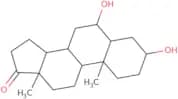
CAS:Producto controlado<p>6β-Hydroxyetiocholanolone is a research tool that activates receptors and ion channels. 6β-Hydroxyetiocholanolone is a ligand that binds to the receptor and activates the receptor, which then transmits the signal to the cell. 6β-Hydroxyetiocholanolone has been shown to be an agonist at many different receptors, including those for GABA, dopamine, serotonin, acetylcholine, and histamine. 6β-Hydroxyetiocholanolone is also an antibody that binds to cell surface proteins through its reactive sulfhydryl group. 6β-Hydroxyetiocholanolone is a high purity protein that can be used in pharmacological studies and experiments with peptides.<br>6β-Hydroxyetiocholanolone has been shown to inhibit proteases such as trypsin and chymotrypsin in vitro.<br>6β-Hydroxyetiocholanolone has CAS</p>Fórmula:C19H30O3Pureza:Min. 95%Peso molecular:306.4 g/molTentaGel® HL-OH Resin
<p>TentaGel resin; constructed with a backbone of low crosslinked polystyrene grafted with polyoxyethylene (polyethylene glycol). The typical chain length of POE (n) is approximately 68 ethylene oxide units or an average MW of 3000. This long chain creates a spacer that effectively separates the reactive site (X) from the crosslinked backbone matrix.<br>TentaGel; HL (High Load) (mean particle size 75 µm: capacity 04-06 meq/g).<br>Substitution Functional Group:-O-CH2-CH2-OH</p>Pureza:Min. 95%TentaGel® M RAM
<p>TentaGel is a water-soluble polymer that can be used as a building block for various applications including drug delivery, food and beverage, cosmetics, and electronics. It consists of two main components: polyethylene glycol (PEG) and polypropylene glycol (PPG). TentaGel is soluble in water and has an average molecular weight of about 10,000 Da. The PEG-based component allows the polymer to be easily processed into particles or fibers by sonication or extrusion. TentaGel M RAM is a modified version of the original TentaGel. It contains methacrylic acid groups that have been grafted onto the PEG backbone to provide additional functionality such as reactive surfaces for conjugation with proteins or other molecules.</p>Pureza:Min. 95%(S,R,S)-AHPC-Boc
CAS:<p>(S,R,S)-AHPC-Boc is a synthetic ligand used in the field of targeted protein degradation. It is a derivative sourced from the class of bifunctional small molecules known as PROTACs (PROteolysis TArgeting Chimeras), which serve as crucial tools for regulated protein degradation within biological systems. This compound specifically facilitates the recruitment of target proteins to the ubiquitin-proteasome system by connecting a ligand for a disease-relevant protein to an E3 ubiquitin ligase recruiter.</p>Fórmula:C27H38N4O5SPureza:Min. 95%Peso molecular:530.7 g/molHydroxy empagliflozin
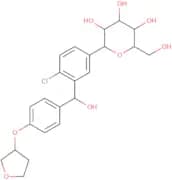
CAS:<p>Please enquire for more information about Hydroxy empagliflozin including the price, delivery time and more detailed product information at the technical inquiry form on this page</p>Fórmula:C23H27ClO8Pureza:Min. 95%Peso molecular:466.9 g/mol[Thi5,8,D-Phe7]-Bradykinin
CAS:<p>Bradykinin is a peptide that acts as an autacoid, or local hormone. It is a vasodilator, and it stimulates the release of prostaglandins from mast cells in the lungs. Inhibitors of bradykinin include [Thi5,8,D-Phe7]-bradykinin and des-Arg9-bradykinin. Bradykinin has been used as a research tool to study protein interactions, receptor activation, ion channels, and other life science topics.</p>Fórmula:C50H71N15O11S2Pureza:Min. 95%Peso molecular:1,122.3 g/mol1-Hexanoyl-2-hydroxy-sn-glycero-3-phosphocholine
CAS:<p>1-Hexanoyl-2-hydroxy-sn-glycero-3-phosphocholine is a lysophosphatidylcholine that is formed by the hydrolysis of phospholipids containing 1 hexanoic acid. The lipid is incorporated into the cell membrane and has been shown to inhibit the growth of bacteria by altering the permeability of the membrane. This lipid may be used as a therapeutic agent for bacterial infections.</p>Fórmula:C14H30NO7PPureza:Min. 95%Peso molecular:355.36 g/mol[Sar1,Ile8]-Angiotensin II
<p>Angiotensin II is a peptide that acts as an agonist of the angiotensin receptors. It is a hormone that regulates blood pressure and fluid balance. The antagonist can block the effects of the peptide, which may be useful in treating cardiovascular diseases such as hypertension and congestive heart failure.</p>Fórmula:C46H73N13O10•CH3COOH•4H2OPureza:Min. 95%Peso molecular:1,100.26 g/molML241 hydrochloride
CAS:<p>ML241 hydrochloride is a small molecule inhibitor, which is synthesized specifically for laboratory research purposes. It originates from chemical synthesis processes aimed at producing highly selective inhibitors for biochemical pathways. This compound is known for its role in inhibiting oxysterol-binding protein (OSBP), thereby interfering with lipid signaling pathways within cells.<br><br>The primary mode of action of ML241 hydrochloride involves the disruption of lipid transfer activity mediated by OSBP. By inhibiting this protein, ML241 plays a critical role in studying the dynamics of lipid metabolism and associated signaling cascades, providing a valuable tool for elucidating the mechanisms underpinning these biological processes.<br><br>In terms of its applications, ML241 hydrochloride is extensively utilized in molecular biology and pharmacological research. It aids in dissecting the functions of lipid-dependent signaling pathways, contributing to the understanding of various cellular processes and diseases linked to lipid regulation. Researchers often apply this compound in experimental settings to explore therapeutic targets for conditions involving dysregulated lipid signaling. Its precision and efficacy underscore its importance as a research tool in the scientific community.</p>Fórmula:C23H25ClN4OPureza:Min. 95%Peso molecular:408.92 g/molAnti GLP-2 (14-33) (Rat) Serum
<p>Anti GLP-2 (14-33) (Rat) Serum is an antibody that binds to the GLP-2 receptor and blocks its activity. This peptide can be used in research to study the function of the GLP-2 receptor, and is available as a research tool for cell biology, pharmacology, and other life science applications.</p>Pureza:Min. 95%CRT5
CAS:<p>CRT5 is a ureylene compound that has been shown to be a potent inhibitor of heat-shock protein 90 (HSP90). It acts as a chimaeric antigen receptor and binds to the HSP90, preventing it from interacting with other intracellular targets. This binding prevents HSP90 from activating the signal transduction pathway that is required for dna replication. CRT5 has been shown to have anti-cancer properties in prostate cancer cells and risk group C colon cancer cells.</p>Fórmula:C28H30N4O2Pureza:Min. 95%Peso molecular:454.56 g/molPhenol hydrobromide, 3-[2-(diproplyamino)ethyl]
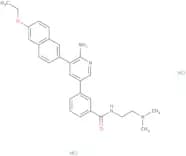
CAS:<p>Phenol hydrobromide is a chemical that inhibits plant metabolism by binding to the enzyme alcohol dehydrogenase, which catalyzes the conversion of alcohols to aldehydes and ketones. Phenol hydrobromide has been shown to inhibit the production of energy in wild-type yeast cells when they are grown at high concentrations. The optimum concentration for this inhibitor is 10 mM. Phenol hydrobromide has also been shown to inhibit the polymerase chain reaction (PCR) in vitro. This inhibition may be due to its ability to form hydrogen bonds with water molecules or its basic structure.</p>Fórmula:C14H24BrNOPureza:Min. 95%Peso molecular:302.25 g/molMifamurtide
CAS:<p>Muramyl dipeptide (MDP) analogue; immunomodulator and antineoplastic</p>Fórmula:C59H109N6O19PPureza:Min. 95%Peso molecular:1,237.5 g/molCorosolic acid
CAS:<p>Corosolic acid, a natural compound found in the bark of the Chinese Corosolic tree, has been shown to have hypoglycemic effects in mice. This compound inhibits the activity of glucose-6-phosphatase and phosphoenolpyruvate carboxykinase (PEPCK), two enzymes responsible for gluconeogenesis. Corosolic acid also stimulates insulin release from pancreatic β cells by activating protein kinase B (also called Akt) and inhibiting protein kinase C. These effects are mediated through modulation of target enzymes such as protein kinases A and C, glycogen synthase kinase 3β, and GSK3β. The molecular docking analysis has shown that corosolic acid binds to these enzymes with high affinity.</p>Fórmula:C30H48O4Pureza:Min. 95%Peso molecular:472.7 g/molDiacylglycerol acyltransferase inhibitor-1
CAS:<p>Diacylglycerol acyltransferase inhibitor-1 is a peptide that inhibits DAGAT, an enzyme involved in the formation of phosphatidic acid. This inhibitor was shown to have a high affinity for this target and was able to inhibit the activity of DAGAT at low micromolar concentrations, which is important for its use as a pharmacological tool. The peptide has been shown to be stable in human serum and does not bind to proteins or nucleic acids. It also does not show any toxicity in vitro, making it an ideal candidate for further research.</p>Fórmula:C21H23N5O2Pureza:Min. 95%Peso molecular:377.4 g/molML 786 Dihydrochloride
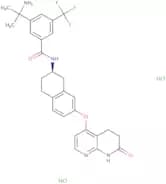
CAS:<p>ML 786 Dihydrochloride is a pluripotent stem cell culture supplement that contains the following: 50% fetal bovine serum, 25% Dulbecco's Modified Eagle Medium, 10% horse serum, 10% human serum, and 5% dimethyl sulfoxide. It is used to support the growth of pluripotent cells.</p>Fórmula:C29H29F3N4O3•(HCl)2Pureza:Min. 95%Peso molecular:538.56 g/molAGI 24512
CAS:<p>Methionine adenosyltransferase 2A (MATA2 ) inhibitor</p>Fórmula:C24H24N4O2Pureza:Min. 95%Peso molecular:400.47 g/molEpanolol
CAS:<p>Epanolol is a beta-adrenergic receptor antagonist that is used to treat heart failure, high blood pressure, and other cardiovascular diseases. It has been shown to increase urine production by reducing the concentration of natriuretic peptides in the body. Epanolol also has anti-inflammatory effects and can be used for the treatment of skin conditions such as psoriasis. Epanolol has a terminal half-life of about six hours and an effective dose range of 10-40 mg/day.</p>Fórmula:C20H23N3O4Pureza:Min. 95%Peso molecular:369.4 g/mol(Pro-Hyp-Gly)10•20 H2O
<p>Pro-Hyp-Gly is a polypeptide that inhibits collagenase, an enzyme that breaks down collagen. Collagenase is an enzyme that breaks down the protein collagen, which forms the connective tissue in humans and other animals. Pro-Hyp-Gly has been found to be a potent inhibitor of collagenase, and can be used for treatment of inflammatory diseases such as arthritis or skin lesions. Pro-Hyp-Gly also inhibits enzymes called proteases, which break down proteins outside of cells. Proteases are important in the breakdown of food particles in the stomach.</p>Fórmula:C120H172N30O41•20H2OPureza:Min. 95%Peso molecular:3,051.1 g/molSBI-115
CAS:<p>SBI-115 is a synthetic molecule that has been shown to have the potential to detect cancer. It is an organosilicon compound that binds to camp levels and can be used for detection of cancer in cells, tissues, and organs. SBI-115 is also able to bind to unique spatially defined regions of chromosomes in individual cells. This binding causes changes in gene expression, which are detected by a fluorescence microscope. The molecule has been shown to be sensitive and selective for the detection of tumor cells with TP53 mutations (a mutation in the TP53 tumor suppressor gene). SBI-115 has also been shown to inhibit myosin phosphatase activity and regulate tumor cell proliferation through response elements.</p>Fórmula:C14H13ClN2O4SPureza:Min. 95%Peso molecular:340.78 g/molD-Atabrine dihydrochloride
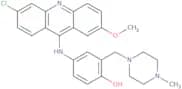
CAS:<p>D-Atabrine is a synthetic quinolone that has been shown to be an effective inhibitor of the ion channels in cells. This drug has been used as a research tool for studying ion channel function in cells and has also been shown to inhibit protein interactions, such as antibody-antigen interactions. D-Atabrine dihydrochloride is a high purity product with CAS No. 56100-41-5. It is soluble in water and methanol, and insoluble in ether.</p>Fórmula:C23H32Cl3N3OPureza:Min. 95%Peso molecular:472.9 g/molBazinaprine
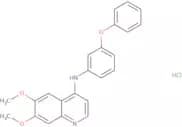
CAS:<p>Bazinaprine is a peptide that binds to the receptor for angiotensin II. It has been shown to activate the angiotensin II type 1 (AT1) receptor, which is involved in vasoconstriction and blood pressure regulation. Bazinaprine may also inhibit the binding of other ligands to the AT1 receptor, such as bradykinin and angiotensin IV. This drug has been shown to be an effective inhibitor of ion channels and can be used as a research tool in cell biology.</p>Fórmula:C17H19N5OPureza:Min. 95%Peso molecular:309.4 g/mol6,7-Dimethoxy-N-(3-phenoxyphenyl)quinolin-4-amine hydrochloride
CAS:<p>6,7-Dimethoxy-N-(3-phenoxyphenyl)quinolin-4-amine hydrochloride is an inhibitor of the N-methyl-D-aspartate receptor, which regulates synaptic transmission. This drug was developed as a research tool to study the function of ion channels and receptors.</p>Fórmula:C23H21ClN2O3Pureza:Min. 95%Peso molecular:408.9 g/molRLN1
<p>The RLN1 gene encodes a protein that is involved in the regulation of cell growth, differentiation, and apoptosis. It interacts with a number of proteins involved in cancer, tumour progression and metastasis. The function of RLN1 is to interact with other proteins, such as p53 and BRCA2, and regulate their activity. The frequency of this gene has been analysed in healthy controls versus patients with cancer. A number of different tissues have been analysed for this gene including testicular tissue from healthy controls versus patients with testicular cancer. There are also data on the expression levels in normal tissue and cancerous tissue from the same individual. This gene has also been shown to be homologous to other genes that are involved in DNA repair and apoptosis.</p>Pureza:Min. 95%GSK467
CAS:<p>GSK467 is a non-steroidal contraceptive that belongs to the class of selective estrogen receptor modulators. It binds to estrogen receptors, which are transcription factors that regulate gene expression and prevent the formation of new blood cells. GSK467 has been shown to inhibit histone demethylation in cancer cells and suppress tumor growth. In addition, GSK467 has anti-viral properties, which may be due to its ability to inhibit viral replication by inhibiting the production of viral proteins. The effect of GSK467 on cell line A549 was investigated using transcriptomic analysis and showed that it inhibits cellular proliferation by altering the expression of genes related to cell cycle control and apoptosis.</p>Fórmula:C17H13N5O2Pureza:Min. 95%Peso molecular:319.32 g/molCEP 32496
CAS:<p>Inhibits BRAF proto-oncogene mutant V600E</p>Fórmula:C24H22F3N5O5Pureza:Min. 95%Peso molecular:517.46 g/molRV01
CAS:<p>RV01 is a vaccine that is designed to provide immunity against HIV-1. The vaccine contains an altered form of the virus's glycoprotein (gp120) and a monoclonal antibody that binds to gp120, which prevents HIV from entering cells. RV01 has shown promising results in animal studies, with neutralizing antibodies forming in response to the vaccine. A clinical trial on humans with HIV is currently being conducted.</p>Fórmula:C17H13NO2Pureza:Min. 95%Peso molecular:263.29 g/molSilvestrol aglycone (enantiomer)
CAS:<p>Silvestrol aglycone (enantiomer) is a peptide that is used as a research tool for studying protein interactions, receptor-ligand interactions, and ion channels. It has been shown to inhibit the activity of ion channels and protein interactions. Silvestrol aglycone (enantiomer) binds to a receptor or ligand and causes conformational changes in the protein which alters its activity.</p>Fórmula:C27H26O8Pureza:Min. 95%Peso molecular:478.5 g/molPu-H71-d7 hydrate
CAS:<p>Pu-H71-d7 hydrate is a bacterial histidine protein that has been shown to have hemolytic activity. It has been identified as the major antimicrobial peptide in the plant population Pu-H71. Its mechanism of action is related to its ability to inhibit protein synthesis by binding to ribosomes, thus inhibiting the production of proteins required for cell division and growth. This substance also has population growth properties and can be used in biochemical experiments. Pu-H71-d7 hydrate is characterized by its ability to absorb light at low levels, which may be due to its xanthophyll pigments. Pu-H71-d7 hydrate has been shown to repair DNA damage through a process called recombination repair, which may involve the use of enzymes like polymerase chain reaction (PCR) and fatty acid synthase (FAS).</p>Fórmula:C18H23IN6O3SPureza:Min. 95%Peso molecular:530.4 g/molrac-Cct 250863
CAS:<p>rac-Cct 250863 is a synthetic peptide. It has been shown to activate the human muscarinic acetylcholine receptor (mAChR) and the human serotonin 5HT2A receptor. rac-Cct 250863 is used as a research tool to study protein interactions, such as ligand binding, receptor activation and protein phosphorylation.</p>Fórmula:C24H25F3N4O2SPureza:Min. 95%Peso molecular:490.5 g/mol2-(2-((5-(Thiophen-2-yl)isoxazol-3-yl)methoxy)acetamido)-4,5,6,7-tetrahydrobenzo[b]thiophene-3-carboxamide
CAS:<p>2-(2-((5-(Thiophen-2-yl)isoxazol-3-yl)methoxy)acetamido)-4,5,6,7-tetrahydrobenzo[b]thiophene-3-carboxamide is a potent and selective inhibitor of the voltage-gated sodium channels which are involved in the generation and propagation of action potentials in excitable cells. It inhibits the activity of these channels by binding to the extracellular domain of their alpha subunit. The affinity of 2-(2-((5-(Thiophen-2-yl)isoxazol-3-yl)methoxy)acetamido)-4,5,6,7-tetrahydrobenzo[b]thiophene 3 carboxamide for its target is about 100 times greater than for other ion channels such as potassium channels. This compound has been shown to be effective against chronic pain</p>Fórmula:C19H19N3O4S2Pureza:Min. 95%Peso molecular:417.5 g/molAnti IL-1β (Rat) Serum
<p>Anti IL-1beta (Rat) Serum is a kind of research tool. It can be used for the study of ion channels, receptors and ligands. This product can also be used to study protein interactions and peptides. Anti IL-1beta (Rat) Serum is a high purity antibody that is suitable for research or use in cell biology, pharmacology or other fields.</p>Pureza:Min. 95%AD 01
CAS:<p>AD 01 is a synthetic peptide that interacts with the human brain and binds to neurofibrillary tangles in the brain. It has been shown to reduce levels of amyloid beta, which are thought to cause Alzheimer's disease. AD 01 is uncharged and can penetrate the blood-brain barrier easily, making it an ideal candidate for treatment of this condition.</p>Fórmula:C115H187N33O42Pureza:Min. 95%Peso molecular:2,703.9 g/molFibronectin Human
<p>Fibronectin is a soluble protein that belongs to the group of linker proteins. It is found in blood plasma and extracellular fluids, where it helps to maintain the integrity of the blood vessel walls. Fibronectin also provides a scaffold for cell migration, which is especially important during wound healing. Fibronectin has been found to interact with thrombotic factors and help organize clot formation. Fibronectin also binds to collagen, which forms an insoluble network within the extracellular matrix. This insoluble network serves as a framework for cells to grow and migrate within tissues.</p>Pureza:Min. 95%H-Ile-Phe-OH
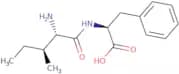
CAS:<p>H-Ile-Phe-OH is a β-amyloid inhibitor that has been synthesized to interact with the amyloid protein. It is a peptidic molecule and may be able to inhibit the aggregation of amyloid proteins. This could be beneficial for the treatment of Alzheimer's disease and other neurodegenerative diseases. H-Ile-Phe-OH has been shown to have chemotactic activity, which may be due to its ability to interact with the bacterial cell wall and cause it to release chemotactic substances. This molecule has also been shown to normalize birefringence in Caco-2 cells, which may be due to its ability to stabilize actin cytoskeleton strands.</p>Fórmula:C15H22N2O3Pureza:Min. 95%Peso molecular:278.35 g/molAMG-51
CAS:<p>AMG-51 is a synthetic, pegylated, recombinant human monoclonal antibody that binds to the CD20 antigen on the surface of B lymphocytes. It is used for the treatment of certain types of cancers and chronic viral hepatitis. AMG-51 does not crossreact with other antigens and has no effect on normal B cells. This drug has been shown to have diagnostic value in detecting mononuclear cells in hypersplenism and dilemmas associated with thrombocytopenia. AMG-51 also has immunosuppressive effects by inhibiting the proliferation of T cells and macrophages, which may be due to its insulin-like growth factor 1 (IGF-1) activity.</p>Fórmula:C34H33F2N5O5Pureza:Min. 95%Peso molecular:629.65 g/molTMI-1
CAS:<p>TMI-1 is a human serum albumin that has been chemically modified to contain an ester linkage. The modification of the protein structure improves its stability and reduces the risk of immunogenicity. TMI-1 has been shown to have antitumor effects in mice, reducing tumor growth by up to 80%. It also has a therapeutic effect on inflammatory skin diseases, such as atopic dermatitis, psoriasis, and rosacea. TMI-1 can be used as a diagnostic agent or as a biocompatible polymer for drug delivery.</p>Fórmula:C17H22N2O5S2Pureza:Min. 95%Forma y color:PowderPeso molecular:398.5 g/molDFHO
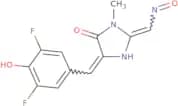
CAS:<p>DFHO is a molecule that has been shown to have fluorescent properties in vitro. It has also been shown to be photostable, which means that it does not break down when exposed to light. DFHO is able to bind with messenger RNA (mRNA) and regulate transcriptional processes in mammalian cells. The fluorescence of DFHO was found to be red in the cellular assay and green in the bacterial strain assay. This molecule has been tested on skin model samples and has shown promise for aiding in the diagnosis of metabolic disorders.</p>Fórmula:C12H9F2N3O3Pureza:Min. 95%Peso molecular:281.21 g/molTD-0212
CAS:<p>TD-0212 is a synthesized small molecule, which is derived from a specialized strain of bacterium engineered for enhanced bioactivity. It functions as an antimicrobial agent, primarily targeting gram-positive bacteria by disrupting cell wall synthesis through the inhibition of peptidoglycan polymerization. This targeted mechanism of action results in cell lysis and effectively curbs bacterial proliferation.</p>Fórmula:C28H34FN3O4SPureza:Min. 95%Peso molecular:527.7 g/molIDO-IN-12
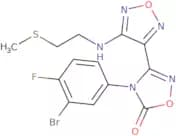
CAS:<p>IDO-IN-12 is a potent, competitive inhibitor of the enzyme indoleamine 2,3-dioxygenase (IDO). IDO is an important mediator of immunosuppression in various cell types. The inhibition of IDO by IDO-IN-12 results in increased production and release of inflammatory cytokines such as interleukin 1β and tumor necrosis factor α. The peptide has been shown to be highly soluble and stable with a purity greater than 95%. This product has been used as a research tool and is also suitable for use in cell biology experiments that require high levels of protein stability.</p>Fórmula:C13H11BrFN5O3SPureza:Min. 95%Peso molecular:416.23 g/molL-Arginine-d7 hydrochloride
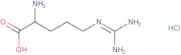
CAS:<p>L-Arginine-d7 hydrochloride is a medicinal compound that has been shown to inhibit the growth of cancer cells. This inhibitor is a stable isotope-labeled derivative of L-arginine, an amino acid that plays a crucial role in protein synthesis and cell division. L-Arginine-d7 hydrochloride has been found in the urine of Chinese patients with various forms of cancer, suggesting its potential as an anticancer agent. It has also been shown to induce apoptosis (cell death) in human cancer cells through inhibition of kinases such as sertraline. This inhibitor may have potential as a tumor-killing agent and warrants further investigation in the field of cancer research.</p>Fórmula:C6H15ClN4O2Pureza:Min. 95%Peso molecular:217.7 g/molSecurinine mononitrate
CAS:<p>Securinine mononitrate is a peptide that is a potent inhibitor of the ion channels TRPV1 and TRPA1. Securinine mononitrate is also an activator of the antibody response. It has been shown to inhibit the interactions between proteins, such as receptor-ligand interactions. This drug may be used in research to study protein interactions or ligand-receptor interactions.</p>Fórmula:C13H16N2O5Pureza:Min. 95%Peso molecular:280.28 g/molSn-38-d3
CAS:<p>Sn-38-d3 is an isotope of tin. It is a competitive inhibitor and an activator of ligand-gated ion channels, such as nicotinic acetylcholine receptors. It also binds to the muscarinic acetylcholine receptor and can be used to identify other ligands that bind to this receptor. Sn-38-d3 has shown no significant inhibitory effects on the functions of peptide neurotransmitters or purinergic receptors.</p>Fórmula:C22H20N2O5Pureza:Min. 95%Peso molecular:395.4 g/molRosinidine
CAS:<p>Rosinidine is a kinase inhibitor that has been found to have anticancer properties. It is an analog of quetiapine, a drug used to treat schizophrenia and bipolar disorder. Rosinidine inhibits the activity of kinases, which are enzymes that play a role in cell signaling and regulation. This inhibition leads to apoptosis, or programmed cell death, in cancer cells. Rosinidine has shown promise as a potential treatment for various types of tumors in both human and Chinese hamster ovary cells. Additionally, it has been detected in human urine samples, indicating its potential use as a diagnostic marker for cancer.</p>Fórmula:C17H15O6Pureza:Min. 95%Peso molecular:315.3 g/mol

![2-(2-(4-((3-Chloro-4-(3-(trifluoromethyl)phenoxy)phenyl)amino)-5H-pyrrolo[3,2-d]pyrimidin-5-yl)eth…](/_next/image/?url=https%3A%2Fstatic.cymitquimica.com%2Fproducts%2F3D%2Fthumb-webp%2FWJB02618.webp&w=3840&q=75)

![7-[1-(2-Fluoropyridin-3-yl)-5-methyltriazol-4-yl]quinoline](/_next/image/?url=https%3A%2Fstatic.cymitquimica.com%2Fproducts%2F3D%2Fthumb-webp%2FARB80262.webp&w=3840&q=75)





![N-Methyl-4-(6-phenylimidazo[1,2-a]pyrazin-3-yl)benzamide](/_next/image/?url=https%3A%2Fstatic.cymitquimica.com%2Fproducts%2F3D%2Fthumb-webp%2FNRD70996.webp&w=3840&q=75)




![[Thi5,8,D-Phe7]-Bradykinin](/_next/image/?url=https%3A%2Fstatic.cymitquimica.com%2Fproducts%2F3D%2Fthumb-webp%2FPBK-4175-V.webp&w=3840&q=75)

![[Sar1,Ile8]-Angiotensin II](/_next/image/?url=https%3A%2Fstatic.cymitquimica.com%2Fproducts%2F3D%2Fthumb-webp%2FPAN-4016.webp&w=3840&q=75)

![Phenol hydrobromide, 3-[2-(diproplyamino)ethyl]](/_next/image/?url=https%3A%2Fstatic.cymitquimica.com%2Fproducts%2F3D%2Fthumb-webp%2FPCA65640.webp&w=3840&q=75)



![2-(2-((5-(Thiophen-2-yl)isoxazol-3-yl)methoxy)acetamido)-4,5,6,7-tetrahydrobenzo[b]thiophene-3-car…](/_next/image/?url=https%3A%2Fstatic.cymitquimica.com%2Fproducts%2F3D%2Fthumb-webp%2FTKB07558.webp&w=3840&q=75)