Compuestos y reactivos bioquímicos
Los bioquímicos y reactivos son sustancias fundamentales para la investigación y el desarrollo en campos como la biotecnología, la biología molecular, la farmacología y la medicina. Estos productos son esenciales para una variedad de aplicaciones, incluyendo la síntesis de compuestos, el análisis de muestras biológicas, la investigación de procesos metabólicos y la producción de medicamentos. En CymitQuimica, ofrecemos una amplia selección de bioquímicos y reactivos de alta calidad y pureza, adecuados para diversas necesidades científicas e industriales. Nuestro catálogo incluye enzimas, anticuerpos, ácidos nucleicos, aminoácidos, y muchos otros productos, todos diseñados para apoyar a los investigadores y profesionales en sus proyectos de investigación y desarrollo, asegurando resultados confiables y reproducibles.
Subcategorías de "Compuestos y reactivos bioquímicos"
- Biomoléculas(99.129 productos)
- Por objetivo biológico(99.160 productos)
- Según efectos farmacológicos(6.787 productos)
- Crioconservantes(21 productos)
- Desinfectantes y compuestos relacionados(28 productos)
- Hormonas(346 productos)
- Biología Vegetal(6.742 productos)
- Metabolitos secundarios(14.222 productos)
Se han encontrado 130579 productos de "Compuestos y reactivos bioquímicos"
Ordenar por
Pureza (%)
0
100
|
0
|
50
|
90
|
95
|
100
TMLHE Blocking Peptide
<p>A synthetic peptide for use as a blocking control in assays to test for specificity of TMLHE antibody, catalog no. 70R-2479</p>Pureza:Min. 95%ZNF280C antibody
<p>ZNF280C antibody was raised in rabbit using the N terminal of ZNF280C as the immunogen</p>Pureza:Min. 95%Goat anti Rat IgG (H + L) (rhodamine)
<p>This antibody reacts with heavy (gamma) chains on rat IgG and light chains on all rat immunoglobulins.</p>Pureza:Min. 95%Etravirine D4
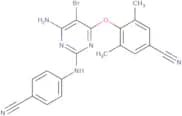
CAS:<p>Etravirine D4 is an antiviral agent that inhibits the enzyme reverse transcriptase, which is necessary for the replication of HIV. It is a phosphonate analog that has been shown to be active against a number of mutant strains of HIV. Etravirine D4 has been shown to have immunosuppressive effects as it decreases CD4+ T-cell counts and reduces the production of cytokines. The drug can also cause severe side effects in humans, including hypersensitivity reactions such as toxic epidermal necrolysis, autoimmune disorders, and pediatric diseases. Etravirine D4 should not be used in patients with AIDS or other immunodeficiency disorders.</p>Fórmula:C20H15BrN6OPureza:Min. 95%Peso molecular:439.3 g/molPPARG antibody
<p>PPARG antibody was raised in Mouse using a purified recombinant fragment of PPARG(aa170-270) expressed in E. coli as the immunogen.</p>TM4SF20 antibody
<p>TM4SF20 antibody was raised using the middle region of TM4SF20 corresponding to a region with amino acids QALLKGPLMCNSPSNSNANCEFSLKNISDIHPESFNLQWFFNDSCAPPTG</p>Pureza:Min. 95%EBI3 antibody
<p>The 6-Fluoro-3-indoxyl-beta-D-galactopyranoside is a powerful antituberculosis drug that falls under the class of rifamycins. It is specifically designed to combat tuberculosis infections and contains active compounds known for their bactericidal activity. This drug works by binding to DNA-dependent RNA polymerase, inhibiting transcription and replication. Its effectiveness has been demonstrated through extensive research using the patch-clamp technique on human erythrocytes. Metabolized through various metabolic transformations, including hydrolysis by esterases or glucuronidases, oxidation by cytochrome P450 enzymes, reduction by glutathione reductase, or conjugation with glucuronic acid, this drug targets markers expressed in Mycobacterium tuberculosis strains and inhibits cell growth in culture.</p>CA 19-9 protein
<p>CA 19-9 protein is a collagen-based electrode nanocomposite that is used in the field of glycation research. It has been shown to have high affinity for alpha-fetoprotein (AFP) and can be used as a neutralizing agent for TNF-α. CA 19-9 protein is widely used in life sciences research, particularly in the study of protein-protein interactions and signal transduction pathways. It has also been investigated as a potential family kinase inhibitor and has been shown to disrupt actin filaments when combined with phalloidin. Additionally, CA 19-9 protein has been explored for its potential role in creatine metabolism and its interaction with TGF-beta signaling pathways.</p>Pureza:>70%DHX29 antibody
<p>DHX29 antibody was raised in mouse using recombinant Human Deah (Asp-Glu-Ala-His) Box Polypeptide 29 (Dhx29)</p>PPM1G antibody
<p>The PPM1G antibody is a highly effective medicament that has been extensively studied in various scientific fields, including hybridization and human hepatocytes. This antibody specifically targets pancreatic elastase, an enzyme involved in the breakdown of proteins in the pancreas. By inhibiting the activity of pancreatic elastase, this antibody can prevent cytotoxic effects and promote overall health.</p>Amyloid β-Protein (Human, 1-16)
CAS:<p>Amyloid beta-protein (Aβ) is a peptide that is associated with Alzheimer's disease. It is a research tool for understanding the biology of Aβ. The Aβ peptide has been shown to activate a number of receptors and ion channels, including the nicotinic acetylcholine receptor, which may be due to its ability to bind to these proteins with high affinity. Amyloid beta-protein has also been shown to bind antibodies, which may be due to its ability to act as an antigen. Amyloid beta-protein inhibits the function of ion channels and can be used in pharmacological studies as a tool for understanding how this protein interacts with other proteins.</p>Fórmula:C84H119N27O28Pureza:Min. 95%Peso molecular:1,955 g/molInfluenza B antibody
<p>The Influenza B antibody is a highly specialized antibody that targets the influenza B virus. It works by neutralizing the virus surface antigen, preventing it from infecting healthy cells. This antibody is classified as a monoclonal antibody, meaning it is produced from a single clone of immune cells. It has been shown to have cytotoxic effects on infected cells and can also activate immune responses such as the production of interleukin-6 and interferon-gamma.</p>MLF1 antibody
<p>The 6-Fluoro-3-indoxyl-beta-D-galactopyranoside is a powerful antituberculosis drug that falls under the class of rifamycins. It is specifically designed to combat tuberculosis infection by targeting the active compounds responsible for bactericidal activity. This drug effectively inhibits bacterial growth by binding to DNA-dependent RNA polymerase, preventing transcription and replication. Extensive studies have shown its high efficacy in human activity using a patch-clamp technique on human erythrocytes.</p>FZR1 antibody
<p>FZR1 antibody was raised using a synthetic peptide corresponding to a region with amino acids SSPVSSPSKHGDRFIPSRAGANWSVNFHRINENEKSPSQNRKAKDATSDN</p>Prekallikrein antibody (HRP)
<p>Prekallikrein antibody (HRP) was raised in sheep using human active site-blocked Kallikrein prepared from plasma as the immunogen.</p>2'-Meccpa
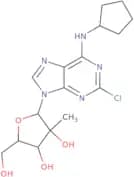
CAS:<p>2'-Meccpa is a selective adenosine agonist that has been shown to have potential use in the treatment of atrial fibrillation. It selectively binds to the A1 receptor, which is expressed on cardiac tissues and adrenergic receptors, and activates these receptors. This drug also has anti-inflammatory properties, as it inhibits the production of inflammatory mediators such as tumor necrosis factor-α (TNF-α) and nitric oxide (NO). It can also inhibit l-type calcium channels and activate α1-adrenergic receptors. 2'-Meccpa may be used in conjunction with tecadenoson for the treatment of atrial fibrillation.</p>Fórmula:C16H22ClN5O4Pureza:Min. 95%Peso molecular:383.8 g/molXRCC4 antibody
<p>The XRCC4 antibody is a monoclonal antibody that specifically targets XRCC4, a protein involved in DNA repair. This antibody has been shown to have high affinity and specificity for XRCC4, making it an ideal tool for studying the function and regulation of this protein. It can be used in various applications such as Western blotting, immunoprecipitation, and immunofluorescence. The XRCC4 antibody is widely used in the field of Life Sciences to investigate DNA repair mechanisms and their role in disease development. With its exceptional performance and reliability, this antibody is a valuable asset for researchers in the field.</p>Donkey anti Goat IgG (H + L) (Alk Phos)
<p>Donkey anti-goat IgG (H + L) (Alk Phos) was raised in donkey using goat IgG (H & L) as the immunogen.</p>Aldolase A protein (His tag)
<p>1-364 amino acids: MGSSHHHHHH SSGLVPRGSH MPYQYPALTP EQKKELSDIA HRIVAPGKGI LAADESTGSI AKRLQSIGTE NTEENRRFYR QLLLTADDRV NPCIGGVILF HETLYQKADD GRPFPQVIKS KGGVVGIKVD KGVVPLAGTN GETTTQGLDG LSERCAQYKK DGADFAKWRC VLKIGEHTPS ALAIMENANV LARYASICQQ NGIVPIVEPE ILPDGDHDLK RCQYVTEKVL AAVYKALSDH HIYLEGTLLK PNMVTPGHAC TQKFSHEEIA MATVTALRRT VPPAVTGITF LSGGQSEEEA SINLNAINKC PLLKPWALTF SYGRALQASA LKAWGGKKEN LKAAQEEYVK RALANSLACQ GKYTPSGQAG AAASESLFVS NHAY</p>Pureza:Min. 95%Canine Serum
<p>Canine Serum is a high-quality biospecimen that is commonly used in veterinary applications. It is derived from the blood of canines and contains a variety of important components such as antibodies, cytokines, and enzymes. Canine Serum has a moderate viscosity, which allows for easy handling and processing in laboratory settings.</p>Pureza:Concentration Total Protein G/Dl Hemoglobulin Mg/Dl; Osmolality Mosm/KgCD106 antibody (Azide Free)
<p>CD106 antibody was raised in rat using murine CD106/VCAM-1 as the immunogen.</p>PLA2G4E Blocking Peptide
<p>A synthetic peptide for use as a blocking control in assays to test for specificity of PLA2G4E antibody, catalog no. 70R-4051</p>Pureza:Min. 95%Glycoprotein antibody
<p>Glycoprotein antibody was raised using a synthetic peptide corresponding to a region with amino acids KGGRVQAVLTSDSPALVGSNITFAVNLIFPRCQKEDANGNIVYEKNCRNE</p>Pureza:Min. 95%Rat anti Mouse IgG2a Heavy Chain (biotin)
<p>Mouse IgG2a heavy chain antibody (biotin) was raised in rat using murine IgG as the immunogen.</p>Pureza:Min. 95%Peso molecular:0 g/molELAVL2 antibody
<p>ELAVL2 antibody was raised using the N terminal of ELAVL2 corresponding to a region with amino acids METQLSNGPTCNNTANGPTTINNNCSSPVDSGNTEDSKTNLIVNYLPQNM</p>NF200 antibody
<p>The NF200 antibody is a highly specialized monoclonal antibody that targets and binds to the NF200 protein. This protein is found in human serum and plays a crucial role in growth factor signaling pathways. The NF200 antibody can be used as a test compound in various research studies to investigate its cytotoxic effects on specific cell types.</p>p53 antibody
<p>The p53 antibody is a highly specific polyclonal antibody that targets the tumor suppressor protein p53. This protein plays a crucial role in regulating cell growth and preventing the formation of cancerous cells. The p53 antibody is commonly used in life sciences research to study the expression and function of p53 in various biological samples.</p>Elk1 antibody
<p>Elk1 antibody is a highly specific antibody that targets the Elk1 protein, which is a transcription factor involved in steroid hormone signaling. This antibody has been extensively tested and validated for use in various applications, including Western blotting, immunohistochemistry, and immunofluorescence. It has been shown to exhibit high affinity and specificity for Elk1, making it an excellent tool for studying the role of this protein in cellular processes.</p>Calpain 2 antibody
<p>Calpain 2 antibody was raised in mouse using purified bovine skeletal muscle 80 kDa subunit of m-calpain as the immunogen.</p>CD80 antibody
<p>The CD80 antibody is a highly effective and versatile tool in the field of Life Sciences. This monoclonal antibody has a colloidal structure that allows it to efficiently bind to collagen and other target molecules. It is commonly used in research and diagnostic applications, particularly in the study of TGF-beta signaling pathways.</p>CEBPD Blocking Peptide
<p>A synthetic peptide for use as a blocking control in assays to test for specificity of CEBPD antibody, catalog no. 70R-8265</p>Pureza:Min. 95%STAR antibody
<p>The STAR antibody is a highly specialized monoclonal antibody that is widely used in the field of Life Sciences. It specifically targets and binds to glial fibrillary acidic protein (GFAP), a protein primarily found in the cytoskeleton of astrocytes. This antibody has been extensively validated for its high specificity and sensitivity in detecting GFAP expression in various tissues and cell types.</p>TRIM38 antibody
<p>The TRIM38 antibody is a powerful tool used in the field of biomedical research. It is a polyclonal antibody that specifically targets TRIM38, an oxidase-like protein involved in various cellular processes. This antibody can be used to detect and quantify TRIM38 in pluripotent stem cells, making it an essential component for studying the role of this protein in stem cell biology.</p>PYY antibody
<p>PYY antibody was raised using the middle region of PYY corresponding to a region with amino acids APREDASPEELNRYYASLRHYLNLVTRQRYGKRDGPDTLLSKTFFPDGED</p>Pureza:Min. 95%CHTF18 Blocking Peptide
<p>A synthetic peptide for use as a blocking control in assays to test for specificity of CHTF18 antibody, catalog no. 70R-3758</p>Pureza:Min. 95%PCT monoclonal antibody
<p>The PCT monoclonal antibody is a highly specialized product in the field of Life Sciences. It is a monoclonal antibody that specifically targets annexin, a protein involved in the regulation of phosphorylcholine. This monoclonal antibody is produced by a hybridoma cell strain, which is a fusion of two different types of cells - a B-cell and a myeloma cell.</p>TNF α antibody
<p>TNF alpha antibody was raised in mouse using human recombinant tumor necrosis factor alpha as the immunogen.</p>RAB10 antibody
<p>RAB10 antibody was raised in Mouse using a purified recombinant fragment of human RAB10 expressed in E. coli as the immunogen.</p>CRYAB protein
<p>MDIAIHHPWI RRPFFPFHSP SRLFDQFFGE HLLESDLFPT STSLSPFYLR PPSFLRAPSW FDTGLSEMRL EKDRFSVNLD VKHFSPEELK VKVLGDVIEV HGKHEERQDE HGFISREFHR KYRIPADVDP LTITSSLSSD GVLTVNGPRK QVSGPERTIP ITREEKPAVT AAPKK</p>Pureza:Min. 95%RSK1/2/3/4 antibody (Ser221/227/218/232)
<p>Rabbit polyclonal RSK1/2/3/4 antibody (Ser221/227/218/232)</p>NOLA3 antibody
<p>NOLA3 antibody was raised using the middle region of Nola3 corresponding to a region with amino acids MFLQYYLNEQGDRVYTLKKFDPMGQQTCSAHPARFSPDDKYSRHRITIKK</p>C14ORF156 Blocking Peptide
<p>A synthetic peptide for use as a blocking control in assays to test for specificity of C14ORF156 antibody, catalog no. 70R-4685</p>Pureza:Min. 95%MTHFD2L Blocking Peptide
<p>A synthetic peptide for use as a blocking control in assays to test for specificity of MTHFD2L antibody, catalog no. 70R-3409</p>Pureza:Min. 95%ACDC antibody
<p>ACDC antibody was raised using the N terminal Of Acdc corresponding to a region with amino acids KGDIGETGVPGAEGPRGFPGIQGRKGEPGEGAYVYRSAFSVGLETYVTIP</p>Mouse Thrombocyte antibody
<p>Mouse thrombocyte antibody was raised in rabbit using mouse thrombocytes as the immunogen.</p>Pureza:Min. 95%FLJ20674 Blocking Peptide
<p>A synthetic peptide for use as a blocking control in assays to test for specificity of FLJ20674 antibody, catalog no. 70R-7427</p>Pureza:Min. 95%TLR5 antibody
<p>TLR5 antibody was raised using the N terminal of TLR5 corresponding to a region with amino acids QLQLLELGSQYTPLTIDKEAFRNLPNLRILDLGSSKIYFLHPDAFQGLFH</p>Pureza:Min. 95%ICAM1 antibody
<p>ICAM1 antibody was raised in Mouse using a purified recombinant fragment of human ICAM1(28-480aa) expressed in E. coli as the immunogen.</p>CD56 antibody
<p>The CD56 antibody is a monoclonal antibody that specifically targets CD56, a cell adhesion molecule found on the surface of various cell types. It is used in Life Sciences research and diagnostics to detect and analyze CD56 expression. This antibody has also been shown to have potential therapeutic applications, particularly in the treatment of certain cancers.</p>Phytase antibody
<p>The 6-Fluoro-3-indoxyl-beta-D-galactopyranoside is a powerful antituberculosis drug that falls under the class of rifamycins. It is specifically designed to combat tuberculosis infections by targeting active compounds and exhibiting bactericidal activity. This drug works by binding to DNA-dependent RNA polymerase, preventing transcription and replication, ultimately inhibiting bacterial growth. Through various metabolic transformations, such as hydrolysis by esterases or glucuronidases, oxidation by cytochrome P450 enzymes, reduction by glutathione reductase, or conjugation with glucuronic acid, this active form of the drug is metabolized in the body. Additionally, 6-Fluoro-3-indoxyl-beta-D-galactopyranoside has been shown to bind to markers expressed in Mycobacterium tuberculosis strains and inhibit cell growth in culture.</p>MRPS2 antibody
<p>MRPS2 antibody was raised using the N terminal of MRPS2 corresponding to a region with amino acids MATSSAALPRILGAGARAPSRWLGFLGKATPRPARPSRRTLGSATALMIR</p>Toll-like receptor 2 antibody (biotin)
<p>Mouse monoclonal Toll-like receptor 2 antibody (biotin)</p>SPINT1 antibody
<p>SPINT1 antibody was raised using the middle region of SPINT1 corresponding to a region with amino acids PFSEHCARFTYGGCYGNKNNFEEEQQCLESCRGISKKDVFGLRREIPIPS</p>Pureza:Min. 95%GNAS antibody
<p>GNAS antibody was raised using the N terminal of GNAS corresponding to a region with amino acids VYRATHRLLLLGAGESGKSTIVKQMRILHVNGFNGEGGEEDPQAARSNSD</p>Pureza:Min. 95%IL21R protein
<p>The IL21R protein is a monoclonal antibody that targets the epidermal growth factor (EGF) and belongs to the class of conjugated proteins. It has an EGF-like structure and exhibits cytotoxic and neutralizing effects against tumor necrosis factor-alpha (TNF-α). IL21R protein has been shown to be effective in combination with other therapies, such as adalimumab, for the treatment of various diseases. It can also be used in research and diagnostic applications, as it is a valuable tool for studying cellular signaling pathways and biomarkers. Additionally, IL21R protein has potential applications in gene therapy, as it can be delivered using adeno-associated viruses or incorporated into DNA vaccines. With its ability to modulate growth factors like TGF-beta, this protein holds promise in the field of life sciences for enhancing biomass production and promoting tissue regeneration.</p>Pureza:Min. 95%TIMP1 protein
<p>TIMP1 protein is an inhibitory factor that plays a crucial role in various biological processes. It is widely used in the field of Life Sciences as a research tool and has applications in Proteins and Antigens studies. TIMP1 protein has been shown to be activated by adalimumab, a monoclonal antibody, and has neutralizing effects on TNF-α, a pro-inflammatory cytokine. Additionally, TIMP1 protein is involved in regulating collagen metabolism and angiogenesis through its interaction with angptl3. It can be used in electrode-based assays or as an antigenic peptide for the development of DNA vaccines or monoclonal antibodies. With its diverse applications and versatility, TIMP1 protein is an essential component in many research projects.</p>Pureza:Min. 95%UCHL5 Blocking Peptide
<p>A synthetic peptide for use as a blocking control in assays to test for specificity of UCHL5 antibody, catalog no. 70R-3208</p>Pureza:Min. 95%B3GALT6 Blocking Peptide
<p>A synthetic peptide for use as a blocking control in assays to test for specificity of B3GALT6 antibody, catalog no. 70R-7242</p>Pureza:Min. 95%ZNF468 antibody
<p>ZNF468 antibody was raised in rabbit using the middle region of ZNF468 as the immunogen</p>Pureza:Min. 95%CFP antibody
<p>CFP antibody was raised using the N terminal of CFP corresponding to a region with amino acids QYEESSGKCKGLLGGGVSVEDCCLNTAFAYQKRSGGLCQPCRSPRWSLWS</p>Pureza:Min. 95%Pnrc2 antibody
<p>Pnrc2 antibody was raised in rabbit using the N terminal of Pnrc2 as the immunogen</p>Pureza:Min. 95%Perforin antibody
<p>Perforin antibody was raised in mouse using purified granules from human YT lymphoma cell line as the immunogen.</p>Rabbit anti Guinea Pig IgG (H + L) (FITC)
<p>Rabbit anti-guinea pig IgG (H+L) (FITC) was raised in rabbit using guinea pig IgG whole molecule as the immunogen.</p>Pureza:Min. 95%GLYAT Blocking Peptide
<p>A synthetic peptide for use as a blocking control in assays to test for specificity of GLYAT antibody, catalog no. 70R-2467</p>Pureza:Min. 95%NUP62 antibody
<p>NUP62 antibody was raised using the N terminal of NUP62 corresponding to a region with amino acids SGFNFGGTGAPTGGFTFGTAKTATTTPATGFSFSTSGTGGFNFGAPFQPA</p>KCTD10 Blocking Peptide
<p>A synthetic peptide for use as a blocking control in assays to test for specificity of KCTD10 antibody, catalog no. 70R-1503</p>Pureza:Min. 95%PEA15 antibody
<p>The PEA15 antibody is a polyclonal antibody that specifically targets interleukin-6 (IL-6), an inflammatory cytokine involved in various physiological processes. This antibody acts as an inhibitory factor for IL-6, preventing its activation and downstream signaling pathways. Additionally, the PEA15 antibody has been shown to have neutralizing effects on other proteins, such as epidermal growth factor (EGF) and glycine.</p>ESR1 antibody
<p>ESR1 antibody was raised in rabbit using the C terminal of ESR1 as the immunogen</p>Pureza:Min. 95%M-Methyl atomoxetine hydrochloride
CAS:<p>M-Methyl atomoxetine hydrochloride is a chemical compound, classified as a pharmaceutical intermediate or research chemical. It is synthesized from atomoxetine, a selective norepinephrine reuptake inhibitor (NRI). The compound functions by inhibiting the transporter responsible for the reabsorption of norepinephrine, thus increasing its availability in the synaptic cleft.</p>Fórmula:C17H22ClNOPureza:Min. 95%Peso molecular:291.8 g/molFASTKD2 antibody
<p>FASTKD2 antibody was raised using the middle region of FASTKD2 corresponding to a region with amino acids DTNRNQVLPLSDVDTTSATDIQRVAVLCVSRSAYCLGSSHPRGFLAMKMR</p>