Compuestos y reactivos bioquímicos
Los bioquímicos y reactivos son sustancias fundamentales para la investigación y el desarrollo en campos como la biotecnología, la biología molecular, la farmacología y la medicina. Estos productos son esenciales para una variedad de aplicaciones, incluyendo la síntesis de compuestos, el análisis de muestras biológicas, la investigación de procesos metabólicos y la producción de medicamentos. En CymitQuimica, ofrecemos una amplia selección de bioquímicos y reactivos de alta calidad y pureza, adecuados para diversas necesidades científicas e industriales. Nuestro catálogo incluye enzimas, anticuerpos, ácidos nucleicos, aminoácidos, y muchos otros productos, todos diseñados para apoyar a los investigadores y profesionales en sus proyectos de investigación y desarrollo, asegurando resultados confiables y reproducibles.
Subcategorías de "Compuestos y reactivos bioquímicos"
- Biomoléculas(99.117 productos)
- Por objetivo biológico(99.161 productos)
- Según efectos farmacológicos(6.787 productos)
- Crioconservantes(21 productos)
- Desinfectantes y compuestos relacionados(28 productos)
- Hormonas(346 productos)
- Biología Vegetal(6.710 productos)
- Metabolitos secundarios(14.222 productos)
Se han encontrado 130581 productos de "Compuestos y reactivos bioquímicos"
Ordenar por
Pureza (%)
0
100
|
0
|
50
|
90
|
95
|
100
PTK2B antibody
<p>PTK2B antibody was raised using the C terminal of PTK2B corresponding to a region with amino acids KSPLTPEKEVGYLEFTGPPQKPPRLGAQSIQPTANLDRTDDLVYLNVMEL</p>Pureza:Min. 95%PRMT2 antibody
<p>PRMT2 antibody was raised using the N terminal of PRMT2 corresponding to a region with amino acids ERAGCCGYIPANHVGKHVDEYDPEDTWQDEEYFGSYGTLKLHLEMLADQP</p>SNT-207707
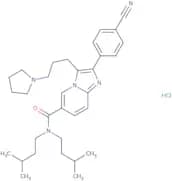
CAS:<p>SNT-207707 is a research tool that is an activator of the receptor. It binds to the peptide ligand and activates the receptor, which leads to downstream effects such as ion channel activation and cell proliferation. SNT-207707 has been shown to inhibit the binding of antibodies to cells, which may be useful in reducing inflammation or autoimmune diseases. SNT-207707 binds to proteins with high affinity, which may be useful in pharmacology research.</p>Fórmula:C32H44ClN5OPureza:Min. 95%Peso molecular:550.18 g/molPOU5F1 antibody
<p>POU5F1 antibody was raised in rabbit using the middle region of POU5F1 as the immunogen</p>Pureza:Min. 95%C14orf133 antibody
<p>C14orf133 antibody was raised in Rabbit using Human C14orf133 as the immunogen</p>HTR7 antibody
<p>HTR7 antibody was raised in rabbit using a synthetic peptide conjugated to KLH as the immunogen.</p>Pureza:Min. 95%CD45R antibody
<p>The CD45R antibody is a powerful tool used in the field of Life Sciences. It is a monoclonal antibody that specifically targets and binds to CD45R, a protein found on the surface of immune cells. This antibody has been extensively studied and proven to be highly effective in various research applications.</p>CD66a antibody
<p>The CD66a antibody is a neutralizing monoclonal antibody that targets the p53 protein, a crucial regulator of cell growth and division. This antibody has been extensively studied in the field of Life Sciences and has shown promising results in inhibiting the activity of growth factors involved in cancer progression. Additionally, it has been found to modulate glucose-6-phosphate metabolism, protein synthesis, and ornithine decarboxylase activity. The CD66a antibody is widely used in biomaterials research and has also demonstrated its efficacy in blocking the activation of collagen-producing cells. With its specificity and potency, this monoclonal antibody is a valuable tool for researchers studying various cellular processes and exploring potential therapeutic interventions.</p>Eiinfekl trifluoroacetate
CAS:<p>Eiinfekl trifluoroacetate is a potent inhibitor of the HIV-1 protease. It has been shown to have significant effects against influenza virus and other viruses, including specific types of human papillomavirus and Listeria monocytogenes. Eiinfekl trifluoroacetate binds to the virus's gp120 protein in order to inhibit its ability to infect cells, specifically by blocking cell receptors. The compound also inhibits the activity of antigen-presenting cells, which are responsible for presenting antigens on their surface in order to induce an immune response. Eiinfekl trifluoroacetate has been shown to have a high degree of specificity for certain viruses, such as HIV-1 and Influenza virus, with no significant effects on other proteins or cells.</p>Fórmula:C47H76N10O14Pureza:Min. 95%Peso molecular:1,005.2 g/molGlucagon antibody
<p>The Glucagon antibody is a powerful tool in the field of medical research and diagnostics. This antibody specifically targets glucagon, an important hormone involved in regulating blood sugar levels. It has been extensively studied and characterized for its ability to bind to glucagon with high affinity and specificity.</p>SOCS3 antibody
<p>The SOCS3 antibody is a highly specific monoclonal antibody that has been developed for use in the field of life sciences. It is used to target and neutralize IL-17A, a cytokine involved in inflammatory responses. This specific antibody can be used in various applications, including as a therapeutic agent or as a research tool for studying IL-17A-mediated signaling pathways.</p>[Orn5]-URP
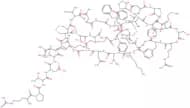
CAS:<p>Orn5-URP is a peptide that can inhibit the interaction of proteins. It is a research tool for studying protein interactions and has been used in studies on antibody binding, cell biology, ligand binding, pharmacology, and life science. Orn5-URP binds to receptors and ion channels as an inhibitor. This peptide also has high purity and can be used as an activator for protein synthesis or other applications.</p>Fórmula:C48H62N10O10S2Pureza:Min. 95%Peso molecular:1,003.2 g/molSaxagliptin cyclic amide
CAS:<p>Saxagliptin is a peptide that has been used as a research tool for Cell Biology, Pharmacology, and Ion channels. It is an inhibitor of ligand-operated ion channels and inhibits the L-type voltage-gated calcium channel (L-VGCC) with high affinity. Saxagliptin also binds to peptide receptors in the brain, inhibiting the release of neurotransmitters. Saxagliptin was found to be selective for the L-type calcium channel, with no effect on other types of calcium channels. Saxagliptin is a potent activator of G protein coupled receptor (GPCR) and it has been shown to inhibit Caspase-3, which is involved in apoptosis.</p>Fórmula:C18H24N2O3Pureza:Min. 95%Peso molecular:316.4 g/molInSolution AG 1478
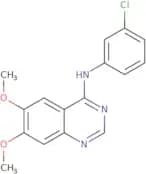
CAS:<p>InSolution AG 1478 is a tyrosine kinase inhibitor that binds to the ATP-binding site of tyrosine kinases. In vitro studies have shown that it inhibits the activation of epidermal growth factor receptor and nerve growth factor receptors, and blocks epidermal growth factor (EGF) and nerve growth factor (NGF) induced phosphorylation in mouse epidermal cells. In vivo animal studies show that this drug has an effect on axonal growth and promotes nerve regeneration. In vitro studies also show that it inhibits DNA binding activity in response to EGF or NGF.</p>Fórmula:C16H14ClN3O2Pureza:Min. 95%Peso molecular:315.75 g/molIDE 1
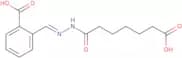
CAS:<p>Inducer of endoderm formation in embryonic stem cells</p>Fórmula:C15H18N2O5Pureza:Min. 95%Peso molecular:306.31 g/molAC 264613
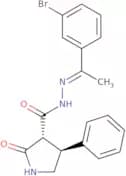
CAS:<p>AC 264613 is a serine protease inhibitor that inhibits the activity of cathepsin B, which is an enzyme that degrades extracellular matrix proteins and plays a role in inflammation. AC 264613 has been shown to be effective against influenza virus, HIV-1, and herpes simplex virus type 1. This drug also blocks the activation of colony-stimulating factor by inhibiting the production of neutrophils. It has been shown to inhibit the activation of toll-like receptor 4 (TLR4) by preventing hyperpolarization of cells membranes. AC 264613 is a stereoselective compound that can be used for assays as it binds to polyvinylpyrrolidone (PVP).</p>Fórmula:C19H18BrN3O2Pureza:Min. 95%Peso molecular:400.27 g/molFluorizoline
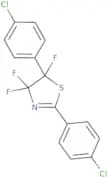
CAS:<p>Fluorizoline is an active analog of ubiquitin, a small protein that plays a role in the process of protein degradation. It binds to the ubiquitin-proteasome pathway and inhibits the growth of cancer cells by inhibiting protein synthesis. Fluorizoline has been shown to induce apoptosis in some cancer cells through the involvement of intracellular Ca2+ levels and pro-apoptotic proteins. This drug also has anti-inflammatory properties, which may be due to its ability to inhibit epidermal growth factor (EGF) and tumor necrosis factor alpha (TNFα).</p>Fórmula:C15H8Cl2F3NSPureza:Min. 95%Peso molecular:362.2 g/mol12:0 Lyso NBD pc
CAS:<p>12:0 Lyso NBD PC is a fluorescent lipid probe, which is an analog of lysophosphatidylcholine. This synthetic product is derived from phospholipids modified with a NBD (7-nitro-2-1,3-benzoxadiazol-4-yl) fluorophore. Its primary manner of action involves integration into cellular membranes, where it enhances the visualization of lipid domains and membrane trafficking through fluorescence microscopy or flow cytometry.</p>Fórmula:C26H44N5O10PPureza:Min. 95%Peso molecular:617.63 g/molPd 089828
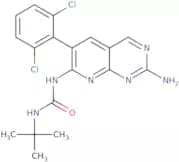
CAS:<p>Pd 089828 is a compound that inhibits the proliferation of cancer cells. It binds to receptors involved in the growth and metastasis of cancer cells, thereby inhibiting the binding of growth factors to their receptor. Pd 089828 has been shown to inhibit epidermal growth factor, which is a potent mitogen that stimulates cell division and inhibits apoptosis. This drug also has anticancer activity against breast cancer by blocking epidermal growth factor-induced cellular proliferation. It also shows anticancer activity in muscle cells by preventing muscle cell proliferation.</p>Fórmula:C18H18Cl2N6OPureza:Min. 95%Peso molecular:405.3 g/mol5-Chloro-N-(2-piperidin-1-ylphenyl)thiophene-2-sulfonamide
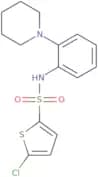
CAS:<p>5-Chloro-N-(2-piperidin-1-ylphenyl)thiophene-2-sulfonamide is a chemical compound that falls under the category of small molecule inhibitors. This compound is synthesized through organic chemical processes and is primarily studied for its potential interactions with various biological targets. Its mode of action often involves binding to specific proteins or receptors, leading to the modulation of certain physiological pathways. It is particularly noted for its potential affinity for certain enzymes or cellular receptors, which could be relevant in research focusing on conditions such as inflammation or cancer.</p>Fórmula:C15H17ClN2O2S2Pureza:Min. 95%Peso molecular:356.9 g/mol2,2,6-Trimethyl-4-(4-nitrobenzo(1,2,5)oxadiazol-7-ylamino)-6-pentylpiperidine-1-oxyl
CAS:<p>2,2,6-Trimethyl-4-(4-nitrobenzo(1,2,5)oxadiazol-7-ylamino)-6-pentylpiperidine-1-oxyl is a research tool that belongs to the group of activator ligands. It is used as an activator for ion channels such as nicotinic acetylcholine receptors and voltage gated potassium channels. 2,2,6-Trimethyl-4-(4-nitrobenzo(1,2,5)oxadiazol-7-ylamino)-6-pentylpiperidine-1-oxyl has been shown to bind to the extracellular domain of the receptor and induce conformational changes in the protein. The binding site has also been identified as being within a region of the receptor involved in protein interactions. This compound may also be used as a reagent in pharmacology or as a research tool in</p>Fórmula:C19H31N5O4Pureza:Min. 95%Peso molecular:393.5 g/molO4I1
CAS:<p>Induces expression of Oct3/4 transcription factor</p>Fórmula:C16H15NO2Pureza:Min. 95%Peso molecular:253.3 g/molAP2M1 antibody
<p>The AP2M1 antibody is an anticoagulant that is widely used in the field of Life Sciences. It specifically targets a virus surface antigen and has been shown to have neutralizing effects on the virus. This antibody can be immobilized on various surfaces, such as electrodes, for further study and analysis. In addition, the AP2M1 antibody has the ability to bind to fibrinogen, a key molecule involved in blood clotting. This makes it a valuable tool in research related to coagulation disorders and thrombosis. The AP2M1 antibody is available as a monoclonal antibody, derived from human serum, ensuring high specificity and reliability in experiments. Its carbonic 3-kinase activity further enhances its functionality and versatility in various applications within the field of Life Sciences.</p>TSTA3 antibody
<p>The 6-Fluoro-3-indoxyl-beta-D-galactopyranoside is a powerful antituberculosis drug that falls under the class of rifamycins. It is highly effective in treating tuberculosis infections and contains active compounds that exhibit bactericidal activity. By binding to DNA-dependent RNA polymerase, this drug inhibits bacterial growth, preventing transcription and replication. Its efficacy has been demonstrated through patch-clamp techniques on human erythrocytes. Metabolized through various transformations, such as hydrolysis by esterases or glucuronidases, oxidation by cytochrome P450 enzymes, reduction by glutathione reductase, or conjugation with glucuronic acid, it specifically targets Mycobacterium tuberculosis strains and inhibits their cell growth.</p>PLCG2 antibody
<p>PLCG2 antibody is a polyclonal antibody that specifically targets the PLCG2 protein. PLCG2 is an enzyme involved in the production of second messengers, such as inositol trisphosphate (IP3) and diacylglycerol (DAG), which play important roles in cellular signaling pathways. This antibody can be used in various research applications, including immunohistochemistry, Western blotting, and flow cytometry. It has been shown to be effective in detecting and quantifying PLCG2 expression levels in different tissues and cell types. The use of this antibody can provide valuable insights into the function and regulation of PLCG2, as well as its potential role in various diseases and conditions.</p>STK32A Blocking Peptide
<p>A synthetic peptide for use as a blocking control in assays to test for specificity of STK32A antibody, catalog no. 70R-3604</p>Pureza:Min. 95%ERCC6L antibody
<p>ERCC6L antibody was raised using the N terminal Of Ercc6L corresponding to a region with amino acids GDLEEAFKLFNLAKDIFPNEKVLSRIQKIQEALEELAEQGDDEFTDVCNS</p>RDBP Blocking Peptide
<p>A synthetic peptide for use as a blocking control in assays to test for specificity of RDBP antibody, catalog no. 70R-4630</p>Pureza:Min. 95%Akt antibody (Thr308)
<p>Also known as Protein Kinase B (PKB), Akt is a signaling protein in cells that regulates important processes like cell growth, survival, metabolism, and proliferation. It functions within the PI3K/Akt pathway, one of the primary pathways for cell survival and growth. This pathway is activated by growth factors and hormones such as insulin. Upon activation, Akt is recruited to the cell membrane, where it is phosphorylated by kinases like PDK1, triggering its full activation. Akt can then influence downstream processes, inhibiting apoptosis to promote cell survival, supporting cell growth via pathways like mTOR, and enhancing glucose metabolism.Akt plays a key role in diseases like cancer and diabetes. Dysregulation of the Akt pathway is frequently observed in cancer, often due to mutations in pathway components such as PI3K, PTEN, or Akt itself, resulting in increased cell survival, growth, and resistance to therapies. In diabetes, insulin resistance diminishes Akt pathway responsiveness, reducing glucose uptake and leading to elevated blood glucose levels. Thus, the Akt pathway is a focal point in therapeutic research, particularly for diseases where its regulatory effects on cell growth and metabolism are implicated.</p>UCP1 antibody
<p>UCP1 antibody was raised in rabbit using a 12 amino acid peptide from mouse/rat UCP1 as the immunogen.</p>Pureza:Min. 95%DRAM Blocking Peptide
<p>A synthetic peptide for use as a blocking control in assays to test for specificity of DRAM antibody, catalog no. 70R-9619</p>Pureza:Min. 95%SLIT2 antibody
<p>The SLIT2 antibody is a highly specialized monoclonal antibody used in Life Sciences research. It targets the mitogen-activated protein SLIT2, which plays a crucial role in cell growth and development. This antibody has been shown to inhibit the activity of SLIT2, making it an invaluable tool for studying the function of this growth factor.</p>PYK2 antibody
<p>The PYK2 antibody is a highly specialized monoclonal antibody used in the field of Life Sciences. It is designed to specifically target and neutralize the activity of the colony-stimulating factor (CSF) receptor known as PYK2. This antibody has been extensively tested and proven to effectively bind to PYK2, inhibiting its receptor binding and downstream signaling pathways.</p>FAM126A Blocking Peptide
<p>A synthetic peptide for use as a blocking control in assays to test for specificity of FAM126A antibody, catalog no. 70R-10016</p>Pureza:Min. 95%FAM119A antibody
<p>FAM119A antibody was raised using the middle region of FAM119A corresponding to a region with amino acids LGAGTGLVGIVAALLGAHVTITDRKVALEFLKSNVQANLPPHIQTKTVVK</p>GluR1 antibody
<p>The GluR1 antibody is a polyclonal antibody that is used in Life Sciences research. It has been specifically designed to detect and bind to the GluR1 receptor, which is an ionotropic glutamate receptor involved in synaptic transmission. This antibody can be used in various applications, such as electrochemical impedance spectroscopy and transcription-polymerase chain reaction (PCR), to study the function and expression of the GluR1 receptor. Additionally, it can be used in agglutination assays to measure the interaction between the GluR1 receptor and other molecules, such as glycine or gamma-aminobutyric acid (GABA). The GluR1 antibody has high specificity and affinity for its target, making it a valuable tool for researchers studying neuronal signaling pathways and synaptic plasticity. Furthermore, this antibody has shown antioxidant activity and may have potential therapeutic applications in neurodegenerative diseases.</p>Pureza:Min. 95%Avidin antibody (biotin)
<p>Avidin antibody (biotin) was raised in rabbit using avidin isolated from hen egg white as the immunogen.</p>Methylprednisolone antibody
<p>The Methylprednisolone antibody is a monoclonal antibody that falls under the category of Life Sciences. This hormone peptide antibody specifically targets and binds to methylprednisolone, a steroid hormone. It has a glycan structure that plays a crucial role in neutralizing the effects of methylprednisolone.</p>Pureza:Min. 95%Carboxypeptidase B2 Blocking Peptide
<p>A synthetic peptide for use as a blocking control in assays to test for specificity of CPB2 antibody, catalog no. 70R-5364</p>Pureza:Min. 95%ZNF488 antibody
<p>ZNF488 antibody was raised in rabbit using the C terminal of ZNF488 as the immunogen</p>Pureza:Min. 95%ZNF674 antibody
<p>ZNF674 antibody was raised in rabbit using the N terminal of ZNF674 as the immunogen</p>Pureza:Min. 95%ATP11B antibody
<p>ATP11B antibody was raised using the N terminal of ATP11B corresponding to a region with amino acids DIVRIAKDEIFPADLVLLSSDRLDGSCHVTTASLDGETNLKTHVAVPETA</p>Pureza:Min. 95%Factor X antibody
<p>Factor X antibody was raised in goat using human Factor X purified from plasma as the immunogen.</p>Pureza:Min. 95%Goat anti Mouse IgG (H + L) (biotin)
<p>This antibody reacts with heavy (gamma) chains on mouse IgG and light chains on all mouse immunoglobulins.</p>Pureza:Min. 95%SOHLH2 Blocking Peptide
<p>A synthetic peptide for use as a blocking control in assays to test for specificity of SOHLH2 antibody, catalog no. 70R-8335</p>Pureza:Min. 95%RNASEH2A antibody
<p>RNASEH2A antibody was raised using the middle region of RNASEH2A corresponding to a region with amino acids AQTILEKEAEDVIWEDSASENQEGLRKITSYFLNEGSQARPRSSHRYFLE</p>TIMP1 monoclonal antibody
<p>The TIMP1 monoclonal antibody is a highly specialized antibody that specifically targets and neutralizes the activity of tissue inhibitor of metalloproteinase 1 (TIMP1). TIMP1 is a protein involved in various biological processes, including dopamine regulation, adiponectin signaling, and chemokine activity.</p>TACC2 antibody
<p>The 6-Fluoro-3-indoxyl-beta-D-galactopyranoside is a powerful antituberculosis drug belonging to the rifamycins class. It is specifically designed to combat tuberculosis infections by targeting active compounds and exerting bactericidal activity. This drug works by binding to DNA-dependent RNA polymerase, inhibiting transcription and replication, thus preventing the growth of bacteria. Its efficacy has been demonstrated through extensive research using advanced techniques like the patch-clamp technique on human erythrocytes. 6-Fluoro-3-indoxyl-beta-D-galactopyranoside undergoes various metabolic transformations, including hydrolysis, oxidation, reduction, and conjugation with glucuronic acid. Additionally, it selectively binds to markers expressed at high levels in Mycobacterium tuberculosis strains, inhibiting their cell growth in culture.</p>INSIG2 antibody
<p>INSIG2 antibody was raised using the N terminal of INSIG2 corresponding to a region with amino acids MAEGETESPGPKKCGPYISSVTSQSVNLMIRGVVLFFIGVFLALVLNLLQ</p>Pureza:Min. 95%Tmem110 Blocking Peptide
<p>A synthetic peptide for use as a blocking control in assays to test for specificity of Tmem110 antibody, catalog no. 70R-9362</p>Pureza:Min. 95%PAOX antibody
<p>PAOX antibody was raised using a synthetic peptide corresponding to a region with amino acids RGSAVGMEGGRPPPQSVGPAGAAAQAQALAGPSLLCSTRVGGRLGPSFLL</p>RIT1 Blocking Peptide
<p>A synthetic peptide for use as a blocking control in assays to test for specificity of RIT1 antibody, catalog no. 70R-10368</p>Pureza:Min. 95%Bekm 1
CAS:<p>Bekm 1 is a peptide that binds to the nicotinic acetylcholine receptor and activates it. This receptor is found on the post-synaptic membrane of neurons, which are responsible for transmitting messages from one nerve cell to another. Bekm 1 is an agonist at this receptor, which means that it binds to the receptor and triggers a response. The activation of these receptors has been shown to inhibit neuronal activity.</p>Fórmula:C174H261N51O52S6Pureza:Min. 95%Peso molecular:4,092 g/molPGPC
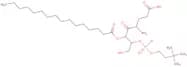
CAS:<p>PGPC is a chemical compound that has been shown to have antioxidant properties and inhibit skin cancer cells. It has been shown to be effective in a model system for tissue culture, where it inhibited the growth of human monoclonal antibody-producing cells. PGPC has also been shown to have immunosuppressive effects and inhibit the activation of toll-like receptor 4 by bacterial lipopolysaccharides. PGPC has also been shown to have anti-inflammatory effects in autoimmune diseases and cell lysis in myocardial infarcts, atherosclerotic lesions, and other inflammatory diseases.<br>PGPC may be used as an adjuvant therapy for the treatment of skin cancer, tissue culture, or autoimmune diseases.</p>Fórmula:C29H56NO10PPureza:Min. 95%Peso molecular:609.73 g/molanti-Mouse C3 Antibody (FITC)
<p>Please enquire for more information about anti-Mouse C3 Antibody (FITC) including the price, delivery time and more detailed product information at the technical inquiry form on this page</p>Cryptococcus neoformans antibody
<p>Please enquire for more information about Cryptococcus neoformans antibody including the price, delivery time and more detailed product information at the technical inquiry form on this page</p>anti-Protein L Antibody (BIOTIN)
<p>Biotin Conjugated Chicken anti-Protein L (peptostreptococcal) is suitable for ELISA and blotting applications.</p>anti-Biotin Antibody (HRP)
<p>HRP Conjugated Goat anti-Biotin Antibody is suitable for use in ELISA assays, Western Blot and other assays requiring the detection of biotinylated targets.</p>










![[Orn5]-URP](/_next/image/?url=https%3A%2Fstatic.cymitquimica.com%2Fproducts%2F3D%2Fthumb-webp%2FHGB48503.webp&w=3840&q=75)