Compuestos y reactivos bioquímicos
Los bioquímicos y reactivos son sustancias fundamentales para la investigación y el desarrollo en campos como la biotecnología, la biología molecular, la farmacología y la medicina. Estos productos son esenciales para una variedad de aplicaciones, incluyendo la síntesis de compuestos, el análisis de muestras biológicas, la investigación de procesos metabólicos y la producción de medicamentos. En CymitQuimica, ofrecemos una amplia selección de bioquímicos y reactivos de alta calidad y pureza, adecuados para diversas necesidades científicas e industriales. Nuestro catálogo incluye enzimas, anticuerpos, ácidos nucleicos, aminoácidos, y muchos otros productos, todos diseñados para apoyar a los investigadores y profesionales en sus proyectos de investigación y desarrollo, asegurando resultados confiables y reproducibles.
Subcategorías de "Compuestos y reactivos bioquímicos"
- Biomoléculas(99.115 productos)
- Por objetivo biológico(99.160 productos)
- Según efectos farmacológicos(6.787 productos)
- Crioconservantes(21 productos)
- Desinfectantes y compuestos relacionados(28 productos)
- Hormonas(346 productos)
- Biología Vegetal(6.722 productos)
- Metabolitos secundarios(14.222 productos)
Se han encontrado 130582 productos de "Compuestos y reactivos bioquímicos"
Ordenar por
Pureza (%)
0
100
|
0
|
50
|
90
|
95
|
100
Goat anti Human IgM (mu chain) (HRP)
<p>This antibody reacts with heavy chains on human IgM (mu chain).</p>Pureza:Min. 95%Goat anti Rat IgG (H + L) (Alk Phos)
<p>This antibody reacts with heavy (gamma) chains on rat IgG and light chains on all rat immunoglobulins.</p>Pureza:Min. 95%GATAD1 antibody
<p>GATAD1 antibody was raised in mouse using recombinant Gata Zinc Finger Domain Containing 1 (Gatad1)</p>Flag Tag antibody
<p>The Flag Tag antibody is a highly effective monoclonal antibody that is widely used in the field of Life Sciences. It is designed to specifically target and bind to the Flag epitope, which is a small peptide sequence commonly added to proteins for detection and purification purposes. This antibody has been extensively validated for use in various applications such as immunoassays, Western blotting, immunofluorescence, and flow cytometry. One of the key advantages of the Flag Tag antibody is its high affinity and specificity towards the Flag epitope. This ensures reliable and accurate detection of proteins carrying this tag. Additionally, the antibody exhibits minimal cross-reactivity with other commonly used tags, making it an ideal choice for researchers working with multiple protein expression systems. In addition to its exceptional performance in protein detection, the Flag Tag antibody also offers excellent stability and reproducibility. It can withstand harsh experimental conditions such as high temperatures or denaturing agents without compromising its binding efficiency. This makes it suitable for a wide range</p>DHEA-BSA
<p>DHEA-BSA is a highly reactive and acidic compound that has various applications in the field of Life Sciences. It is commonly used as a neutralizing agent for epidermal growth factor (EGF) and other growth factors. DHEA-BSA can also be utilized as a binding protein for monoclonal antibodies, allowing for specific detection and quantification of various cell antigens. Additionally, it has been shown to have antioxidant properties by neutralizing mitochondrial superoxide, which makes it a valuable tool for studying oxidative stress-related processes. The versatility and reliability of DHEA-BSA make it an essential component in research involving proteins and antigens.</p>Pureza:Min. 95%ZNF38 antibody
<p>ZNF38 antibody was raised in mouse using recombinant Human Zinc Finger And Scan Domain Containing 21</p>STAT6 antibody
<p>The STAT6 antibody is a monoclonal antibody produced by hybridoma cells. It is specifically designed to target and bind to the STAT6 protein, which plays a crucial role in immune responses and cell growth regulation. This antibody can be used for various applications, including research studies and diagnostic purposes.</p>FAF1 antibody
<p>The FAF1 antibody is a growth factor that plays a crucial role in binding proteins and regulating various biological processes. It can be found in human serum and has been shown to have an impact on the growth of Helicobacter and multidrug-resistant bacteria. The FAF1 antibody is available as both polyclonal antibodies and monoclonal antibodies, providing options for different research needs.</p>UBC antibody
<p>The UBC antibody is a highly specialized monoclonal antibody that targets human folate receptors. It plays a crucial role in various biological processes, including mineralization, collagen synthesis, glycosylation, and growth factor signaling. This antibody is widely used in Life Sciences research to study the expression and function of folate receptors.</p>Septin 6 antibody
<p>Septin 6 antibody was raised using the middle region of 40427 corresponding to a region with amino acids CKLEEMGFKDTDPDSKPFSLQETYEAKRNEFLGELQKKEEEMRQMFVQRV</p>CD154 antibody (Azide Free)
<p>CD154 antibody was raised in hamster using activated murine Th1 clone D1.6 as the immunogen.</p>DNase I antibody
<p>The DNase I antibody is a powerful medicament used in immunohistochemistry. It belongs to the class of Polyclonal Antibodies, which are known for their high specificity and affinity. This antibody specifically targets tyrosine residues on collagen, growth factors, and membrane-spanning polypeptides. It can be used in various Life Sciences applications, including research and diagnostic purposes.</p>TAF9 antibody
<p>TAF9 antibody was raised in rabbit using the N terminal of TAF9 as the immunogen</p>Pureza:Min. 95%MYB antibody
<p>The MYB antibody is a monoclonal antibody that specifically targets the MYB protein. It has been extensively studied and proven to be highly effective in various applications. This antibody has been used in research settings to detect MYB expression levels in different cell types, including human hepatocytes. It has also been used to study the role of MYB in cancer development and progression.</p>LRRC52 antibody
<p>LRRC52 antibody was raised using the N terminal of LRRC52 corresponding to a region with amino acids QEVICTGKQLTEYPLDIPLNTRRLFLNENRITSLPAMHLGLLSDLVYLDC</p>Pureza:Min. 95%GATA1 antibody
<p>The GATA1 antibody is a powerful tool in the field of life sciences. It is a polyclonal antibody that specifically targets GATA1, a transcription factor involved in the regulation of gene expression. This antibody can be used to study various cellular processes, including cell differentiation, proliferation, and apoptosis. The GATA1 antibody has been shown to have cytotoxic effects on certain cancer cells and can also modulate the production of interferon-gamma (IFN-gamma), an important cytokine involved in immune responses. Additionally, this antibody has been used in research related to β-catenin signaling pathway and growth factors. Whether you are studying antiviral mechanisms or nuclear signaling events, the GATA1 antibody is an essential tool for your research needs.</p>Pureza:Min. 95%FAIM antibody
<p>FAIM antibody was raised using the middle region of FAIM corresponding to a region with amino acids FRIVLEKDAMDVWCNGKKLETAGEFVDDGTETHFSIGNHDCYIKAVSSGK</p>Cytokeratin 5 antibody
<p>Cytokeratin 5 antibody was raised in guinea pig using recombinant human keratin K5 as the immunogen.</p>Pureza:Min. 95%FZD6 antibody
<p>The FZD6 antibody is a highly specialized monoclonal antibody that targets the insulin-like growth factor receptor (IGF-1R). It is designed to specifically bind to the IGF-1R and inhibit its activity. This antibody has shown promising results in preclinical studies, demonstrating its potential as a therapeutic agent for various diseases, including cancer.</p>CD82 antibody
<p>The CD82 antibody is a powerful tool in the field of Life Sciences. It acts as a phosphatase that regulates various cellular processes by binding to specific proteins. This antibody has been shown to inhibit the production of interleukin-6, a pro-inflammatory cytokine involved in immune responses. Additionally, it can be used in antigen-antibody reactions to detect the presence of autoantibodies in patient samples.</p>HSPA4 antibody
<p>HSPA4 antibody was raised using the middle region of HSPA4 corresponding to a region with amino acids PIKIRFQESEERPKLFEELGKQIQQYMKIISSFKNKEDQYDHLDAADMTK</p>CD23 antibody
<p>CD23 antibody was raised in rat using CD23 low affinity IgE Fc receptor as the immunogen.</p>BMP2K Blocking Peptide
<p>A synthetic peptide for use as a blocking control in assays to test for specificity of BMP2K antibody, catalog no. 70R-2021</p>Pureza:Min. 95%PON3 Blocking Peptide
<p>A synthetic peptide for use as a blocking control in assays to test for specificity of PON3 antibody, catalog no. 70R-6930</p>Pureza:Min. 95%Mycophenolic Acid antibody
<p>Mycophenolic Acid antibody is a powerful tool used in Life Sciences research. It specifically targets and binds to various proteins, including β-catenin, dopamine, TNF-α, tyrosine kinase receptors, phosphatases, and nuclear factors. This antibody exhibits cytotoxic activity against cells expressing these proteins and has been extensively used in studies involving antigen detection and antibody-drug conjugates. Mycophenolic Acid antibody is available in both polyclonal and monoclonal forms, allowing researchers to choose the most suitable option for their experiments. Its high specificity and affinity make it an essential component in many research applications.</p>Pureza:Min. 95%KIAA1604 antibody
<p>KIAA1604 antibody was raised in rabbit using the C terminal of KIAA1604 as the immunogen</p>Pureza:Min. 95%EXOSC4 Blocking Peptide
<p>A synthetic peptide for use as a blocking control in assays to test for specificity of EXOSC4 antibody, catalog no. 70R-1330</p>Pureza:Min. 95%TNFbeta/LTA protein (His tag)
<p>35-205 amino acids: MGSSHHHHHH SSGLVPRGSH MLPGVGLTPS AAQTARQHPK MHLAHSTLKP AAHLIGDPSK QNSLLWRANT DRAFLQDGFS LSNNSLLVPT SGIYFVYSQV VFSGKAYSPK ATSSPLYLAH EVQLFSSQYP FHVPLLSSQK MVYPGLQEPW LHSMYHGAAF QLTQGDQLST HTDGIPHLVL SPSTVFFGAF AL</p>Pureza:Min. 95%Pseudomonas aeruginosa Exotoxin A antibody
<p>Goat polyclonal Pseudomonas aeruginosa Exotoxin A antibody</p>STK11 antibody
<p>The STK11 antibody is a highly effective monoclonal antibody that specifically targets and binds to the STK11 protein. This protein plays a crucial role in regulating cell growth and division, making it an important target for cancer research. The STK11 antibody has been extensively tested and proven to be highly specific and sensitive in detecting the presence of STK11 protein in various biological samples.</p>DDX17 antibody
<p>DDX17 antibody was raised using a synthetic peptide corresponding to a region with amino acids PKKFGNPGERLRKKKWDLSELPKFEKNFYVEHPEVARLTPYEVDELRRKK</p>proBNP antibody
<p>The proBNP antibody is a monoclonal antibody that specifically targets proBNP, an important biomarker for heart failure. This antibody is designed to detect and quantify proBNP levels in human serum samples. It has high specificity and sensitivity, allowing for accurate and reliable measurement of proBNP levels.</p>FH antibody
<p>FH antibody is a monoclonal antibody used in Life Sciences research. It specifically targets and binds to the growth factor FH, preventing its dephosphorylation and promoting the formation of dimers. This antibody has been shown to inhibit interferon-induced cell death and activate mitogen-activated protein (MAP) kinase signaling pathways. Additionally, FH antibody has been found to modulate arachidonic acid metabolism and enhance the effects of epidermal growth factor (EGF). It can also be used in the detection of atypical hemolytic uremic syndrome (aHUS) and as a tool for studying autoantibodies. FH antibody is part of a range of high-quality monoclonal antibodies designed for various applications in Life Sciences research.</p>ABCB8 antibody
<p>ABCB8 antibody was raised using a synthetic peptide corresponding to a region with amino acids EPVLFGTTIMENIRFGKLEASDEEVYTAAREANAHEFITSFPEGYNTVVG</p>Pureza:Min. 95%GPR18 antibody
<p>The GPR18 antibody is a polyclonal antibody used in the field of Life Sciences. It is commonly used in various assays and experiments to study the functions and interactions of GPR18, a glycoprotein receptor. This antibody is highly specific and has been proven effective in detecting GPR18 in different biological samples.</p>Resistin antibody
<p>Resistin antibody was raised in goat using highly pure recombinant murine resistin as the immunogen.</p>Pureza:Min. 95%EBV EBNA protein
<p>The EBV EBNA protein is a highly versatile and reactive protein that has various applications in the field of Proteins and Antigens. It has been extensively studied and found to have multiple functions. This protein is known to interact with taurine, a key amino acid found in human serum, and it has been shown to exhibit leukemia inhibitory factor (LIF) activity. Additionally, the EBV EBNA protein can be neutralized by specific monoclonal antibodies.</p>Pureza:Min. 95%STAT2 antibody
<p>The STAT2 antibody is a highly specialized antibody that plays a crucial role in the interferon signaling pathway. It specifically targets and binds to STAT2, a protein involved in regulating gene expression in response to interferon signals. By binding to STAT2, this antibody effectively inhibits its activity, preventing the downstream effects of interferon signaling.</p>Myozenin 1 antibody
<p>Myozenin 1 antibody was raised using the middle region of MYOZ1 corresponding to a region with amino acids TVFKTYISPWERAMGVDPQQKMELGIDLLAYGAKAELPKYKSFNRTAMPY</p>GRP94 antibody
<p>The GRP94 antibody is a monoclonal antibody used in the field of Life Sciences for various applications. It specifically targets biomolecules such as interleukins and is commonly used in recombination studies. The GRP94 antibody has a high affinity for its target and is known to effectively bind to interleukin-6, preventing its activity. This antibody can be utilized in different assays to detect and quantify the presence of interleukins in samples. Additionally, it has been observed that the GRP94 antibody can inhibit syncytia formation, a process involving the fusion of cells, which is important in various biological processes. With its antigen binding domain, this monoclonal antibody offers precise and accurate detection capabilities for researchers working with biomolecules and cytokines.</p>SSB antibody
<p>The SSB antibody is a monoclonal antibody that targets specific antigens related to glycosylation, steroids, dopamine, and fibrinogen. This antibody is used in various applications within the field of life sciences. It has been extensively studied for its role in detecting autoantibodies and nuclear antigens, as well as its potential in diagnosing certain conditions. The SSB antibody has also shown promise in research related to brain natriuretic peptide and histidine nuclear isothiocyanate. With its high specificity and reliability, this antibody is a valuable tool for researchers and scientists working in the field of life sciences.</p>CYP27C1 antibody
<p>CYP27C1 antibody was raised using the middle region of CYP27C1 corresponding to a region with amino acids VTQEDLVIGGYLIPKGTQLALCHYATSYQDENFPRAKEFRPERWLRKGDL</p>GFRA4 Blocking Peptide
<p>A synthetic peptide for use as a blocking control in assays to test for specificity of GFRA4 antibody, catalog no. 70R-10340</p>Pureza:Min. 95%C1QTNF4 antibody
<p>C1QTNF4 antibody was raised using the middle region of C1QTNF4 corresponding to a region with amino acids DEQRRPGARRAASQSAMLQLDYGDTVWLRLHGAPQYALGAPGATFSGYLV</p>Pureza:Min. 95%GPR18 antibody
<p>The GPR18 antibody is a highly specialized monoclonal antibody that plays a crucial role in endothelial growth and microvessel density. It specifically targets galectin-3-binding proteins, which are essential for the regulation of immune responses and cell signaling. This antibody has been extensively tested using immunoassays and has shown remarkable specificity and reactivity towards its target.</p>TMEM161A antibody
<p>TMEM161A antibody was raised using the middle region of TMEM161A corresponding to a region with amino acids LLAMLVQVVREETLELGLEPGLASMTQNLEPLLKKQGWDWALPVAKLAIR</p>Pureza:Min. 95%CD44 antibody
<p>The CD44 antibody is a monoclonal antibody used in the field of Life Sciences. It is specifically designed to target and bind to CD44, a cell surface glycoprotein that plays a crucial role in cell adhesion and migration. This antibody has been extensively studied for its ability to inhibit the growth and metastasis of various types of cancer cells.</p>Factor V antibody (biotin)
<p>Factor V antibody (biotin) was raised in sheep using human factor V purified from plasma as the immunogen.</p>Syk antibody
<p>The Syk antibody is a monoclonal antibody that specifically targets and binds to the Syk protein. This protein plays a crucial role in various cellular processes, including cell growth, differentiation, and signaling. By binding to Syk, the antibody inhibits its activity, which can have significant therapeutic implications.</p>Goat anti Human IgM (mu chain) (FITC)
<p>This antibody reacts with heavy chains on human IgM (mu chain).</p>Pureza:Min. 95%ZNF501 antibody
<p>ZNF501 antibody was raised in rabbit using the C terminal of ZNF501 as the immunogen</p>Pureza:Min. 95%Pin 1 protein
<p>Extracellular Ig-like domain; 22-255 amino acids: MADEEKLPPG WEKRMSRSSG RVYYFNHITN ASQWERPSGN SSSGGKNGQG EPARVRCSHL LVKHSQSRRP SSWRQEKITR TKEEALELIN GYIQKIKSGE EDFESLASQF SDCSSAKARG DLGAFSRGQM QKPFEDASFA LRTGEMSGPV FTDSGIHIIL RTE</p>Pureza:Min. 95%3-Amino-1-propanol-d4
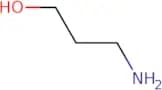
CAS:<p>Please enquire for more information about 3-Amino-1-propanol-d4 including the price, delivery time and more detailed product information at the technical inquiry form on this page</p>Fórmula:C3H9NOPureza:Min. 95%Peso molecular:79.13 g/molAZD-0284
CAS:<p>AZD-0284 is a small molecule that inhibits the transcriptional activity of nuclear receptors. It has shown efficacy in animal models of autoimmune disease and is currently being studied in human clinical trials for treatment of psoriasis. AZD-0284 binds to the ligand binding region at the N-terminus of nuclear receptor DNA-binding domain, preventing it from binding to DNA and initiating transcription. The compound has been shown to inhibit interleukin (IL)-17 production in an IL-17 knockout mouse model. Effects on IL-17 levels were associated with decreased severity of inflammatory skin diseases such as atopic dermatitis, psoriasis, and allergic contact dermatitis.</p>Fórmula:C21H18F6N2O5SPureza:Min. 95%Peso molecular:524.4 g/molGOT2 antibody
<p>The 6-Fluoro-3-indoxyl-beta-D-galactopyranoside is a powerful antituberculosis drug that falls under the class of rifamycins. It is specifically designed to combat tuberculosis infections by targeting the active compounds responsible for its growth. This bactericidal activity is achieved through its ability to bind to DNA-dependent RNA polymerase, effectively inhibiting transcription and replication processes in the bacteria. The efficacy of this drug has been extensively studied using advanced techniques such as transcription-quantitative polymerase chain and patch-clamp technique. Additionally, it undergoes various metabolic transformations, including hydrolysis by esterases or glucuronidases, oxidation by cytochrome p450 enzymes, reduction by glutathione reductase, or conjugation with glucuronic acid. Its specificity towards Mycobacterium tuberculosis strains makes it a potent weapon against this infectious disease.</p>