Compuestos y reactivos bioquímicos
Los bioquímicos y reactivos son sustancias fundamentales para la investigación y el desarrollo en campos como la biotecnología, la biología molecular, la farmacología y la medicina. Estos productos son esenciales para una variedad de aplicaciones, incluyendo la síntesis de compuestos, el análisis de muestras biológicas, la investigación de procesos metabólicos y la producción de medicamentos. En CymitQuimica, ofrecemos una amplia selección de bioquímicos y reactivos de alta calidad y pureza, adecuados para diversas necesidades científicas e industriales. Nuestro catálogo incluye enzimas, anticuerpos, ácidos nucleicos, aminoácidos, y muchos otros productos, todos diseñados para apoyar a los investigadores y profesionales en sus proyectos de investigación y desarrollo, asegurando resultados confiables y reproducibles.
Subcategorías de "Compuestos y reactivos bioquímicos"
- Biomoléculas(99.116 productos)
- Por objetivo biológico(99.075 productos)
- Según efectos farmacológicos(6.785 productos)
- Crioconservantes(21 productos)
- Desinfectantes y compuestos relacionados(28 productos)
- Hormonas(346 productos)
- Biología Vegetal(6.700 productos)
- Metabolitos secundarios(14.220 productos)
Se han encontrado 130578 productos de "Compuestos y reactivos bioquímicos"
Ordenar por
Pureza (%)
0
100
|
0
|
50
|
90
|
95
|
100
C1QTNF1 Blocking Peptide
<p>A synthetic peptide for use as a blocking control in assays to test for specificity of C1QTNF1 antibody, catalog no. 70R-7173</p>Pureza:Min. 95%SULT6B1 antibody
<p>SULT6B1 antibody was raised using the C terminal of SULT6B1 corresponding to a region with amino acids FLGFFLTGEQIQTISVQSTFQAMRAKSQDTHGAVGPFLFRKGEVGDWKNL</p>Frizzled antibody
<p>Frizzled antibody was raised in rabbit using residues 1-12 [MRGPGTAASHSPC] of murine fz7 as the immunogen.</p>Pureza:Min. 95%TCTN2 antibody
<p>The 6-Fluoro-3-indoxyl-beta-D-galactopyranoside is a powerful antituberculosis drug that falls under the class of rifamycins. It is specifically designed to combat tuberculosis infections by targeting active compounds and exerting bactericidal activity. This drug works by binding to DNA-dependent RNA polymerase, which inhibits bacterial growth, preventing transcription and replication.</p>LRRTM1 Blocking Peptide
<p>A synthetic peptide for use as a blocking control in assays to test for specificity of LRRTM1 antibody, catalog no. 70R-7179</p>Pureza:Min. 95%IL3 antibody
<p>The IL3 antibody is a monoclonal antibody that has cytotoxic properties and is used in the field of Life Sciences. It specifically targets the chemokine angptl3 and acts as a neutralizing agent. This monoclonal antibody inhibits the growth factor activity of angptl3, which is a glycoprotein involved in adipose tissue regulation. By blocking the function of angptl3, this antibody can potentially be used as a therapeutic tool for various conditions related to adipose tissue dysfunction. The IL3 antibody is widely recognized in the scientific community for its high specificity and potency, making it an essential tool for researchers studying the role of angptl3 in different physiological processes. In addition to its use in research, this antibody also has potential applications in clinical settings for targeted therapy against diseases associated with dysregulated adipose tissue.</p>FER antibody
<p>The FER antibody is a cytotoxic protein that belongs to the category of Life Sciences. It is known for its neutralizing properties and can be used in conjunction with other drugs such as trastuzumab and sorafenib. This antibody targets specific growth factors, including epidermal growth factor (EGF) and transforming growth factor-beta (TGF-beta), inhibiting their activity. The FER antibody is available in both polyclonal and monoclonal forms, providing flexibility in research applications. It has also shown potential as an anti-acth antibody, making it a promising option for various therapeutic purposes. When used in combination with doxorubicin, the FER antibody has demonstrated enhanced efficacy against certain types of cancer cells.</p>P2RX5 Blocking Peptide
<p>A synthetic peptide for use as a blocking control in assays to test for specificity of P2RX5 antibody, catalog no. 70R-5163</p>Pureza:Min. 95%RLBP1L1 Blocking Peptide
<p>A synthetic peptide for use as a blocking control in assays to test for specificity of RLBP1L1 antibody, catalog no. 70R-3100</p>Pureza:Min. 95%TGF β 2 Blocking Peptide
<p>A synthetic peptide for use as a blocking control in assays to test for specificity of TGFB2 antibody, catalog no. 70R-6336</p>Pureza:Min. 95%BAT1 Blocking Peptide
<p>A synthetic peptide for use as a blocking control in assays to test for specificity of BAT1 antibody, catalog no. 70R-5019</p>Pureza:Min. 95%MIP3 β protein (Mouse)
<p>Region of MIP3 beta protein corresponding to amino acids GANDAEDCCL SVTQRPIPGN IVKAFRYLLN EDGCRVPAVV FTTLRGYQLC APPDQPWVDR IIRRLKKSSA KNKGNSTRRS PVS.</p>Pureza:Min. 95%DALRD3 Blocking Peptide
<p>A synthetic peptide for use as a blocking control in assays to test for specificity of DALRD3 antibody, catalog no. 70R-4301</p>Pureza:Min. 95%CD36 antibody
<p>The CD36 antibody is a monoclonal antibody that is widely used in the field of life sciences. It specifically targets the CD36 protein, which plays a crucial role in various cellular processes such as collagen binding and fatty acid uptake. This antibody has been extensively studied and proven to be highly effective in neutralizing the activity of CD36.</p>Mouse IgG2a
<p>Mouse IgG2a is a chimeric receptor antibody that is used in the field of Life Sciences. It is an immunoglobulin that specifically targets and binds to a particular antigen. Mouse IgG2a has been extensively studied and proven to be effective in various applications, including the detection and quantification of multidrug resistance proteins, as well as the development of human monoclonal antibodies. This antibody has been shown to activate immune responses and exhibit high affinity towards its target antigen. It can be purified to obtain highly specific and pure immunoglobulins for research purposes. Mouse IgG2a has also been used in studies involving vasoactive intestinal peptide (VIP) receptors, lysine residues, and autoantibodies. Moreover, this antibody has demonstrated its efficacy in targeting necrosis factor-related apoptosis-inducing ligands, making it a valuable tool in the field of immunology research. With its versatility and reliability, Mouse IgG2a continues to play a crucial role in advancing</p>Pureza:Min. 95%Pigs Blocking Peptide
<p>A synthetic peptide for use as a blocking control in assays to test for specificity of Pigs antibody, catalog no. 70R-8862</p>Pureza:Min. 95%Fibrinopeptide A antibody
<p>Fibrinopeptide A antibody was raised in sheep using Synthetic Fibrinopeptide A 1-16 conjugated to carrier as the immunogen.</p>XRCC4 antibody
<p>The 6-Fluoro-3-indoxyl-beta-D-galactopyranoside is an antituberculosis drug that falls under the class of rifamycins. Specifically designed to target tuberculosis infection, this compound exhibits strong bactericidal activity. It works by binding to DNA-dependent RNA polymerase, inhibiting transcription and replication, thus preventing bacterial growth. Extensive research has shown its effectiveness through various techniques such as patch-clamp technique and transcription-quantitative polymerase chain. Furthermore, it undergoes metabolic transformations including hydrolysis by esterases or glucuronidases, oxidation by cytochrome p450 enzymes, reduction by glutathione reductase, or conjugation with glucuronic acid. With its ability to specifically bind to markers expressed in Mycobacterium tuberculosis strains and inhibit cell growth, this compound is a powerful weapon against tuberculosis.</p>2-Cyanoethyl (6-[palmitamidohexyl) diisophosphoramidite
CAS:<p>Please enquire for more information about 2-Cyanoethyl (6-[palmitamidohexyl) diisophosphoramidite including the price, delivery time and more detailed product information at the technical inquiry form on this page</p>Fórmula:C31H62N3O3PPureza:Min. 95%Peso molecular:555.82 g/molVDAC2 Blocking Peptide
<p>A synthetic peptide for use as a blocking control in assays to test for specificity of VDAC2 antibody, catalog no. 70R-5052</p>Pureza:Min. 95%GMPPB Blocking Peptide
<p>A synthetic peptide for use as a blocking control in assays to test for specificity of GMPPB antibody, catalog no. 70R-1204</p>Pureza:Min. 95%DNAJB4 antibody
<p>DNAJB4 antibody was raised in rabbit using the middle region of DNAJB4 as the immunogen</p>Pureza:Min. 95%ZCCHC12 Blocking Peptide
<p>A synthetic peptide for use as a blocking control in assays to test for specificity of ZCCHC12 antibody, catalog no. 70R-3681</p>Pureza:Min. 95%Salmonella antibody
<p>Salmonella antibody was raised in rabbit using a mixture of S. enteriditis, S. typhimurium and S. heidelburg as the immunogen.</p>ZNF550 antibody
<p>ZNF550 antibody was raised in rabbit using the N terminal of ZNF550 as the immunogen</p>Pureza:Min. 95%Rabbit anti Hamster IgG (H + L) (biotin)
<p>This antibody reacts with heavy chains on hamster IgG and light chains on all hamster immunoglobulins.</p>Pureza:Min. 95%Rat PMN antibody (FITC)
<p>Rat PMN antibody (FITC) was raised in rabbit using rat PMNs as the immunogen.</p>EDD antibody
<p>The EDD antibody is a monoclonal antibody that has neutralizing properties. It is specifically designed to target and bind to glycan molecules, thereby inhibiting the activity of TNF-α (tumor necrosis factor-alpha) and erythropoietin. This antibody is commonly used in ophthalmic formulations and in Life Sciences research for the detection and analysis of biomolecules. Additionally, the EDD antibody can be utilized in various assays to measure enzyme activity, such as phosphatase or lipoprotein lipase. Its high specificity and affinity make it an excellent tool for studying chemokines and other related proteins. For researchers looking for a reliable antibody with diverse applications, the EDD antibody is an ideal choice.</p>NCGC00188636
CAS:<p>N-Acetylcysteine is an amino acid that is used as a drug to treat acetaminophen (paracetamol) overdose, in the treatment of chronic bronchitis and cystic fibrosis, and to reduce the risk of contrast-induced nephropathy in patients undergoing angiography. It is also used in the treatment of hepatic encephalopathy. N-Acetylcysteine acts by restoring glutathione levels and preventing cell death caused by excitotoxicity or oxidative stress. N-Acetylcysteine stabilizes cells via its reversible inhibition of cystathionase, an enzyme involved in cellular respiration. The molecule binds irreversibly to mitochondria, preventing reactive oxygen species from damaging them. NAC has been shown to stabilize cells through an apoptotic process triggered by external stimuli such as irradiation or oxidative stress, as well as through stabilization of mitochondrial membranes. NAC has been shown to be effective against Le</p>Fórmula:C14H9NO4S2Pureza:Min. 95%Peso molecular:319.36 g/molPPP1R11 Blocking Peptide
<p>A synthetic peptide for use as a blocking control in assays to test for specificity of PPP1R11 antibody, catalog no. 70R-3745</p>Pureza:Min. 95%STK38 Blocking Peptide
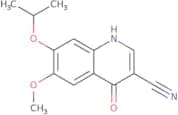
<p>A synthetic peptide for use as a blocking control in assays to test for specificity of STK38 antibody, catalog no. 70R-5769</p>Pureza:Min. 95%7-Isopropoxy-6-methoxy-4-oxo-1,4-dihydroquinoline-3-carbonitrile
CAS:<p>7-Isopropoxy-6-methoxy-4-oxo-1,4-dihydroquinoline 3-carbonitrile (7OMeOQ) is a research tool that has been used to study the binding of ligands to receptors and ion channels. 7OMeOQ has been shown to be an activator of nicotinic acetylcholine receptors in cells, as well as an inhibitor of acetylcholinesterase enzyme. 7OMeOQ has also been shown to inhibit the production of antibodies by B cells. This compound can be used for research purposes in cell biology, pharmacology, and peptides.</p>Fórmula:C14H14N2O3Pureza:Min. 95%Peso molecular:258.27 g/molGALK1 antibody
<p>GALK1 antibody was raised in rabbit using the C terminal of GALK1 as the immunogen</p>(2R)-N-Hydroxy-3-methyl-2-[[[4-[2-[[(4-methylphenyl)sulfonyl]oxy]ethoxy]phenyl]sulfonyl](phenylmethyl)amino]butanamide
CAS:<p>(2R)-N-Hydroxy-3-methyl-2-[[[4-[2-[[(4-methylphenyl)sulfonyl]oxy]ethoxy]phenyl]sulfonyl](phenylmethyl)amino]butanamide is a positron emission tomography (PET) radiotracer that is used to study the microenvironment of cells. It provides information about the uptake and distribution of glucose, oxygen, and other biologically important molecules. This compound has been shown to be useful in studies of human keratinocytes, atherosclerotic lesions, matrix metalloproteinase (MMP), and Alzheimer’s disease.</p>Fórmula:C27H32N2O8S2Pureza:Min. 95%Peso molecular:576.7 g/molDPP3 antibody
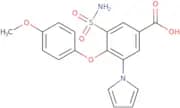
<p>The 6-Fluoro-3-indoxyl-beta-D-galactopyranoside is a powerful antituberculosis drug that falls under the category of rifamycins. It is known for its exceptional efficacy in treating tuberculosis infections. This active compound exhibits bactericidal activity by binding to DNA-dependent RNA polymerase, preventing transcription and replication. Its effectiveness has been demonstrated through patch-clamp technique studies on human erythrocytes. The drug undergoes various metabolic transformations, including hydrolysis by esterases or glucuronidases, oxidation by cytochrome P450 enzymes, reduction by glutathione reductase, or conjugation with glucuronic acid. Additionally, it specifically targets markers expressed at high levels in Mycobacterium tuberculosis strains and inhibits their growth in culture.</p>3-(Aminosulfonyl)-4-(4-methoxyphenoxy)-5-(1H-pyrrol-1-yl)benzoic acid
CAS:<p>3-(Aminosulfonyl)-4-(4-methoxyphenoxy)-5-(1H-pyrrol-1-yl)benzoic acid is a research tool that can be used as an activator or ligand. It is an inhibitor of ion channels, and has been shown to inhibit the activity of potassium channels. This drug has been used in the study of protein interactions, and has also been used to produce antibodies and peptides. 3-(Aminosulfonyl)-4-(4-methoxyphenoxy)-5-(1H-pyrrol-1-yl)benzoic acid is high purity with a CAS number of 643727-55-3.</p>Fórmula:C18H16N2O6SPureza:Min. 95%Peso molecular:388.39 g/molHuman Serum Albumin antibody (FITC)
<p>Goat polyclonal Human Serum Albumin antibody (FITC) conjugated</p>FAM36A Blocking Peptide
<p>A synthetic peptide for use as a blocking control in assays to test for specificity of FAM36A antibody, catalog no. 70R-4394</p>Pureza:Min. 95%STM2457
CAS:<p>STM2457 is a potent and selective activator of the human GABAA receptor. It binds to the central benzodiazepine binding site on the GABA-A receptor, thereby promoting the opening of chloride channels. This leads to hyperpolarization of the membrane, which decreases neuronal excitability. STM2457 has been shown to be an effective inhibitor of ion channels in mammalian cells and is used as a research tool for pharmacology and protein interactions.</p>Fórmula:C25H28N6O2Pureza:Min. 95%Peso molecular:444.50 g/molChst11 antibody
<p>Chst11 antibody was raised in rabbit using the C terminal of Chst11 as the immunogen</p>Pureza:Min. 95%m-dPEG®24-TFP Ester
CAS:<p>m-dPEG®24-TFP Ester is a PEG compound with two different functional groups (also known as heterobifunctional). Unlike homobifunctional PEG compounds (same functional group on both ends), this type of compounds are more versatile as have two different anchor points. m-dPEG®24-TFP Ester is used as a linker and spacer to add a PEG moiety, via pegylation (a bioconjugation technique) to proteins, peptides, oligonucleotides, small molecules and nanoparticles.</p>Fórmula:C49H101NO24Pureza:Min. 95%Peso molecular:1,088.32 g/molVasopressin antibody
<p>Vasopressin antibody was raised in rabbit using arginine vasopressin-thyroglobulin as the immunogen.</p>Pureza:Min. 95%GAB1 antibody
<p>The GAB1 antibody is a monoclonal antibody that specifically targets the activated form of GAB1, a human protein involved in various cellular processes. This antibody has been extensively studied in the field of life sciences and has shown promising results. It has been found to inhibit the activity of GAB1 and its downstream signaling pathways, including those involved in alpha-fetoprotein production and colony-stimulating factor release. Additionally, this antibody has demonstrated minimal toxic effects on cells and tissues, making it a safe and effective tool for research purposes. With its high specificity and affinity for GAB1, the GAB1 antibody is an invaluable resource for scientists studying cellular signaling pathways and their role in disease development.</p>HL 010183
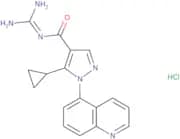
CAS:<p>HL 010183 is an active drug for the treatment of cardiac ischemia. It belongs to a class of inhibitors that act as exchangers, preventing the uptake of oxygen by cells in the human body. HL 010183 has been shown to be effective in myocardial ischemia and myocardial overload. It binds to the protein hemoglobin in red blood cells, which leads to a decrease in oxygen uptake and a reduction in oxidative stress. This agent also exhibits anti-inflammatory effects, which may be due to its ability to inhibit platelet aggregation and adhesion.</p>Fórmula:C17H17ClN6OPureza:Min. 95%Peso molecular:356.8 g/molGALNT6 antibody
<p>GALNT6 antibody was raised using the N terminal of GALNT6 corresponding to a region with amino acids MNNLRDSMPKLQIRAPEAQQTLFSINQSCLPGFYTPAELKPFWERPPQDP</p>TNF α antibody
<p>TNF alpha antibody was raised in Mouse using recombinant human TNF alpha as the immunogen.</p>B3GALNT2 antibody
<p>B3GALNT2 antibody was raised using the middle region of B3GALNT2 corresponding to a region with amino acids GKWQELEYPSPAYPAFACGSGYVISKDIVKWLASNSGRLKTYQGEDVSMG</p>Pureza:Min. 95%TST antibody
<p>TST antibody is a polypeptide expression of autoantibodies that specifically target the protein kinase. This antibody is widely used in Life Sciences research to study the role of protein kinases in various cellular processes. It has been shown to be effective in detecting and quantifying protein kinase activity in microvessel endothelial cells. TST antibody can also be used as a recombinant antigen for biochemical assays and interferon detection. Additionally, it has been utilized to investigate collagen-related diseases and evaluate the effects of inhibitors on protein kinase activity. With its versatility and specificity, TST antibody is an essential tool for researchers studying a wide range of biological processes, including non-alcoholic steatohepatitis and food extract analysis.</p>LDLRAD3 Blocking Peptide
<p>A synthetic peptide for use as a blocking control in assays to test for specificity of LDLRAD3 antibody, catalog no. 70R-9224</p>Pureza:Min. 95%MAGEL2 antibody
<p>MAGEL2 antibody was raised in rabbit using the C terminal of MAGEL2 as the immunogen</p>Pureza:Min. 95%nNOS antibody
<p>The nNOS antibody is a highly specialized product in the field of Life Sciences. This monoclonal antibody acts as an inhibitory factor against neuronal nitric oxide synthase (nNOS), an enzyme involved in the production of nitric oxide in neurons. By specifically binding to nNOS, this antibody blocks its activity and prevents the production of nitric oxide.</p>CHST1 antibody
<p>CHST1 antibody was raised using a synthetic peptide corresponding to a region with amino acids YRLWRLWYGTGRKPYNLDVTQLTTVCEDFSNSVSTGLMRPPWLKGKYMLV</p>Pureza:Min. 95%HSP105 α protein (His tag)
<p>1-858 amino acids: MRGSHHHHHH GMASMTGGQQ MGRDLYDDDD KDRWGSMSVV GLDVGSQSCY IAVARAGGIE TIANEFSDRC TPSVISFGSK NRTIGVAAKN QQITHANNTV SNFKRFHGRA FNDPFIQKEK ENLSYDLVPL KNGGVGIKVM YMGEEHLFSV EQITAMLLTK LKETAENSLK KPVTDCVISV PSFFTDAERR SVLDAAQIVG LNCLRLMNDM TAVALNYGIY KQDLPSLDEK PRIVVFVDMG HSAFQVSACA FNKGKLKVLG TAFDPFLGGK NFDEKLVEHF CAEFKTKYKL DAKSKIRALL RLYQECEKLK KLMSSNSTDL PLNIECFMND KDVSGKMNRS QFEELCAELL QKIEVPLYSL LEQTHLKVED VSAVEIVGGA TRIPAVKERI AKFFGKDIST TLNADEAVAR GCALQCAILS PAFKVREFSV TDAVPFPISL IWNHDSEDTE GVHEVFSRNH AAPFSKVLTF LRRGPFELEA FYSDPQGVPY PEAKIGRFVV QNVSAQKDGE KSRVKVKVRV NTHGIFTIST ASMVEKVPTE ENEMSSEADM ECLNQRPPEN PDTDKNVQQD NSEAGTQPQV QTDAQQTSQS PPSPELTSEE NKIPDADKAN EKKVDQPPEA KKPKIKVVNV ELPIEANLVW QLGKDLLNMY IETEGKMIMQ DKLEKERNDA KNAVEEYVYE FRDKLCGPYE KFICEQDHQN FLRLLTETED WLYEEGEDQA KQAYVDKLEE LMKIGTPVKV RFQEAEERPK MFEELGQRLQ HYAKIAADFR NKDEKYNHID ESEMKKVEKS VNEVMEWMNN VMNAQAKKSL DQDPVVRAQE IKTKIKELNN TCEPVVTQPK PKIESPKLER TPNGPNIDKK EEDLEDKNNF GAEPPHQNGE CYPNEKNSVN MDLD</p>Pureza:Min. 95%LYK5 Blocking Peptide
<p>A synthetic peptide for use as a blocking control in assays to test for specificity of LYK5 antibody, catalog no. 70R-2049</p>Pureza:Min. 95%OLR1 antibody
<p>OLR1 antibody was raised using a synthetic peptide corresponding to a region with amino acids QANLTHQKKKLEGQISARQQAEEASQESENELKEMIETLARKLNEKSKEQ</p>ZHX2 Blocking Peptide
<p>A synthetic peptide for use as a blocking control in assays to test for specificity of ZHX2 antibody, catalog no. 20R-1178</p>Pureza:Min. 95%Paxillin antibody
<p>The 6-Fluoro-3-indoxyl-beta-D-galactopyranoside is a powerful antituberculosis drug that falls under the category of rifamycins. It is specifically designed to combat tuberculosis infections by targeting the active compounds responsible for bactericidal activity. This drug works by binding to DNA-dependent RNA polymerase, which inhibits bacterial growth and prevents transcription and replication. Its effectiveness has been extensively tested using the patch-clamp technique on human erythrocytes. The active form of this drug undergoes various metabolic transformations, including hydrolysis by esterases or glucuronidases, oxidation by cytochrome P450 enzymes, reduction by glutathione reductase, or conjugation with glucuronic acid. Additionally, it specifically binds to markers expressed at high levels in Mycobacterium tuberculosis strains and inhibits cell growth in culture.</p>GFAP antibody
<p>The GFAP antibody is a monoclonal antibody widely used in the field of Life Sciences. It specifically targets and neutralizes the glial fibrillary acidic protein (GFAP), which is an important antigen involved in various cellular processes. This antibody has been extensively tested and proven to be highly effective in assays related to interferon, transferrin, anti-hbs, low-density lipoprotein, fatty acid metabolism, and other related research areas. With its high specificity and affinity, the GFAP antibody is a valuable tool for scientists and researchers studying the role of GFAP in different biological systems. It comes with all necessary excipients for optimal performance and is available in various formats to suit different experimental needs. Trust the GFAP antibody to provide reliable and accurate results for your research endeavors.</p>ZNF485 Blocking Peptide
<p>A synthetic peptide for use as a blocking control in assays to test for specificity of ZNF485 antibody, catalog no. 70R-8418</p>Pureza:Min. 95%Fractalkine antibody
<p>The Fractalkine antibody is a powerful anticoagulant that belongs to the class of monoclonal antibodies. It works by targeting and neutralizing the virus surface antigen, preventing its ability to cause harm. This antibody has been extensively studied and characterized using mass spectrometric methods, ensuring its high quality and effectiveness. In addition to its anticoagulant properties, the Fractalkine antibody also acts as a chemokine, attracting immune cells to the site of infection and promoting an effective immune response. It has been shown to activate 3-kinase signaling pathways and enhance interferon production. The Fractalkine antibody is available in both polyclonal and monoclonal forms, providing options for different research needs. With its exceptional performance and reliability, this antibody is a valuable tool in Life Sciences research.</p>BNP antibody
<p>The BNP antibody is an acidic polyclonal antibody that targets the growth factor B-type natriuretic peptide (BNP). It is commonly used in Life Sciences research to study the role of BNP in various physiological processes. The BNP antibody specifically binds to BNP and inhibits its interaction with receptors, thereby modulating endothelial growth and insulin signaling pathways. This antibody can also be used for diagnostic purposes to measure BNP levels in patient samples. Additionally, the BNP antibody has been utilized as a therapeutic agent in targeted cancer therapies, particularly in combination with anti-HER2 antibodies like trastuzumab. With its high specificity and affinity for BNP, this monoclonal antibody offers researchers and clinicians a valuable tool for studying and manipulating the natriuretic peptide system.</p>ADK protein (His tag)
<p>22-362 amino acids: MGSSHHHHHH SSGLVPRGSH MRENILFGMG NPLLDISAVV DKDFLDKYSL KPNDQILAED KHKELFDELV KKFKVEYHAG GSTQNSIKVA QWMIQQPHKA ATFFGCIGID KFGEILKRKA AEAHVDAHYY EQNEQPTGTC AACITGDNRS LIANLAAANC YKKEKHLDLE KNWMLVEKAR VCYIAGFFLT VSPESVLKVA HHASENNRIF TLNLSAPFIS QFYKESLMKV MPYVDILFGN ETEAATFARE QGFETKDIKE IAKKTQALPK MNSKRQRIVI FTQGRDDTIM ATESEVTAFA VLDQDQKEII DTNGAGDAFV GGFLSQLVSD KPLTECIRAG HYAASIIIRR TGCTFPEKPD FH</p>Pureza:Min. 95%ApoC-III protein
<p>ApoC-III protein is a glycoprotein that plays a crucial role in lipid metabolism and cardiovascular health. It is involved in the regulation of triglyceride levels by inhibiting lipoprotein lipase, an enzyme responsible for breaking down triglycerides. ApoC-III also interacts with various proteins and molecules, including fibrinogen, collagen, and tyrosine, contributing to its multifunctional nature. This protein has garnered significant interest in the medical and scientific communities due to its potential implications in cardiovascular diseases and metabolic disorders. Researchers have developed autoantibodies and monoclonal antibodies targeting ApoC-III as potential therapeutic agents for managing hypertriglyceridemia and related conditions. Furthermore, studies have shown that ApoC-III exhibits anticoagulant properties by interfering with the activation of blood clotting factors. This characteristic makes it a valuable component in colloidal solutions used for preventing clot formation during medical procedures. In addition to its role in lipid metabolism</p>Pureza:>98% By Sds-PageHemoglobin Powder (bovine)
<p>Please enquire for more information about Hemoglobin Powder (bovine) including the price, delivery time and more detailed product information at the technical inquiry form on this page</p>Pureza:Min. 95%ZNF682 Blocking Peptide
<p>A synthetic peptide for use as a blocking control in assays to test for specificity of ZNF682 antibody, catalog no. 70R-8400</p>Pureza:Min. 95%

















![(2R)-N-Hydroxy-3-methyl-2-[[[4-[2-[[(4-methylphenyl)sulfonyl]oxy]ethoxy]phenyl]sulfonyl](phenylmet…](/_next/image/?url=https%3A%2Fstatic.cymitquimica.com%2Fproducts%2F3D%2Fthumb-webp%2FKNB11389.webp&w=3840&q=75)